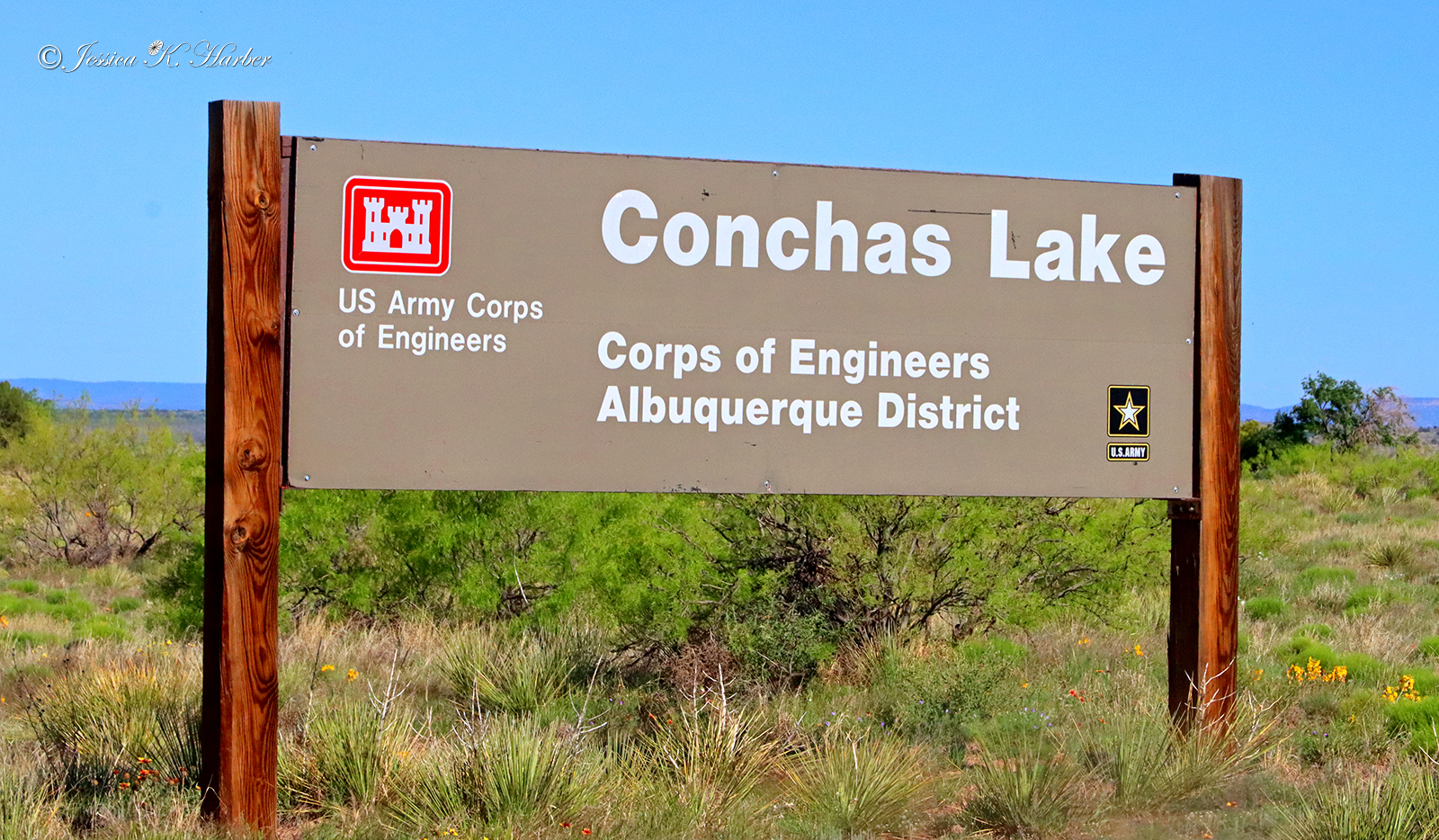
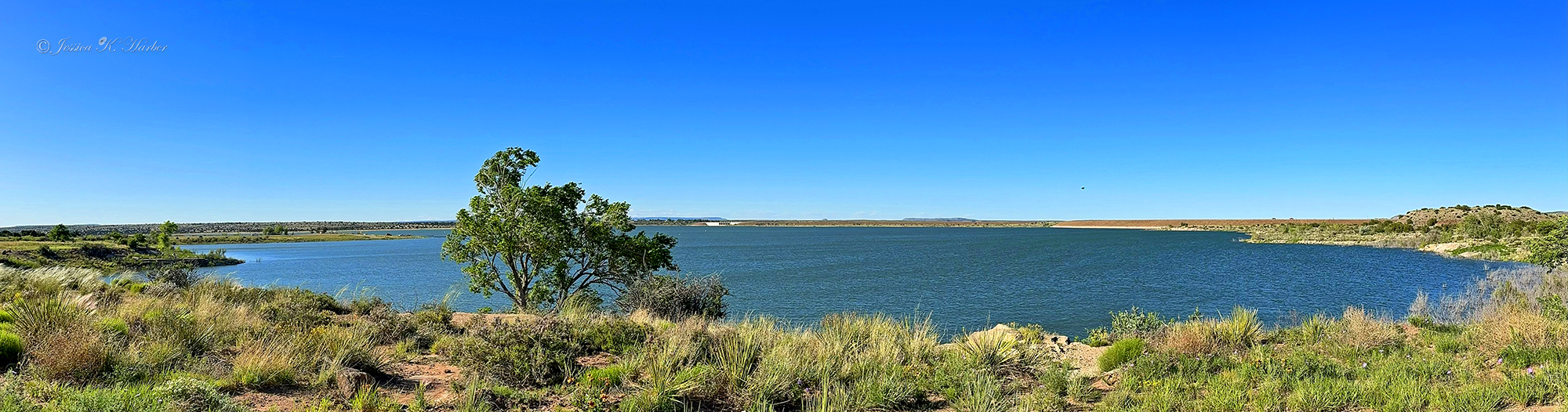
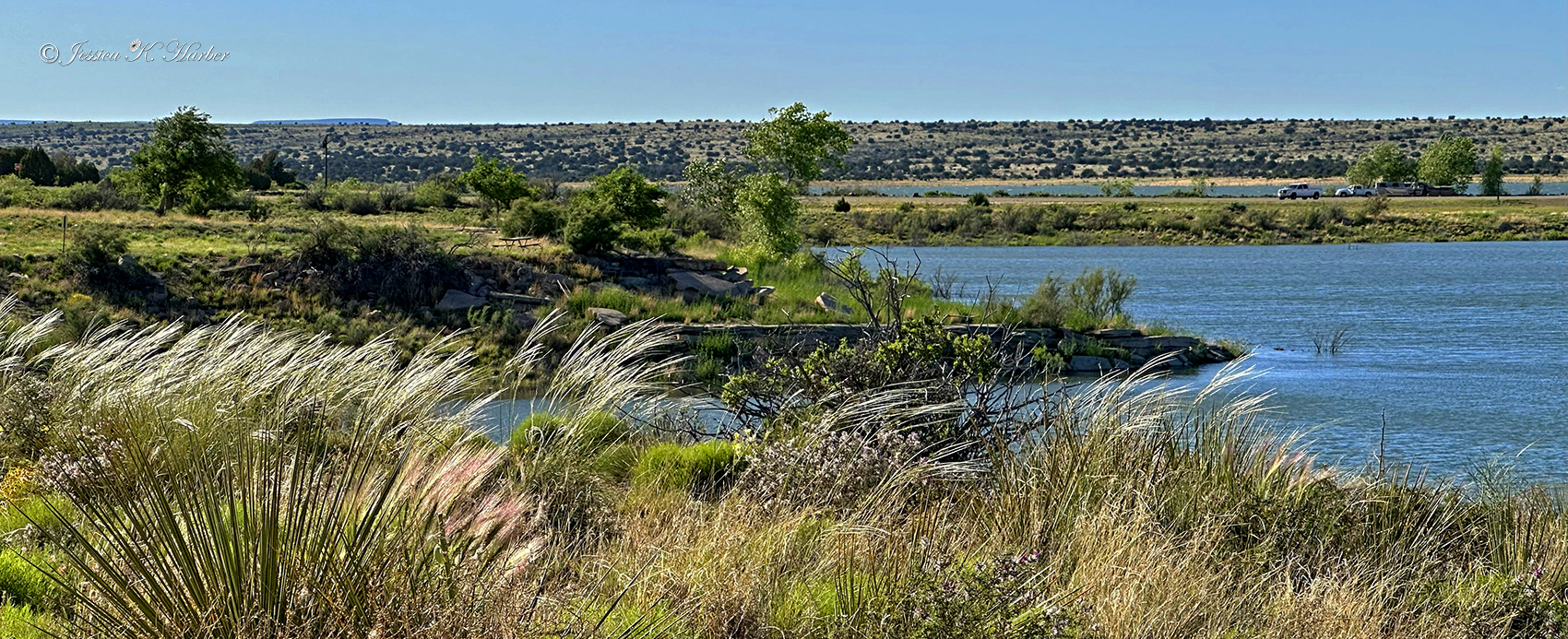
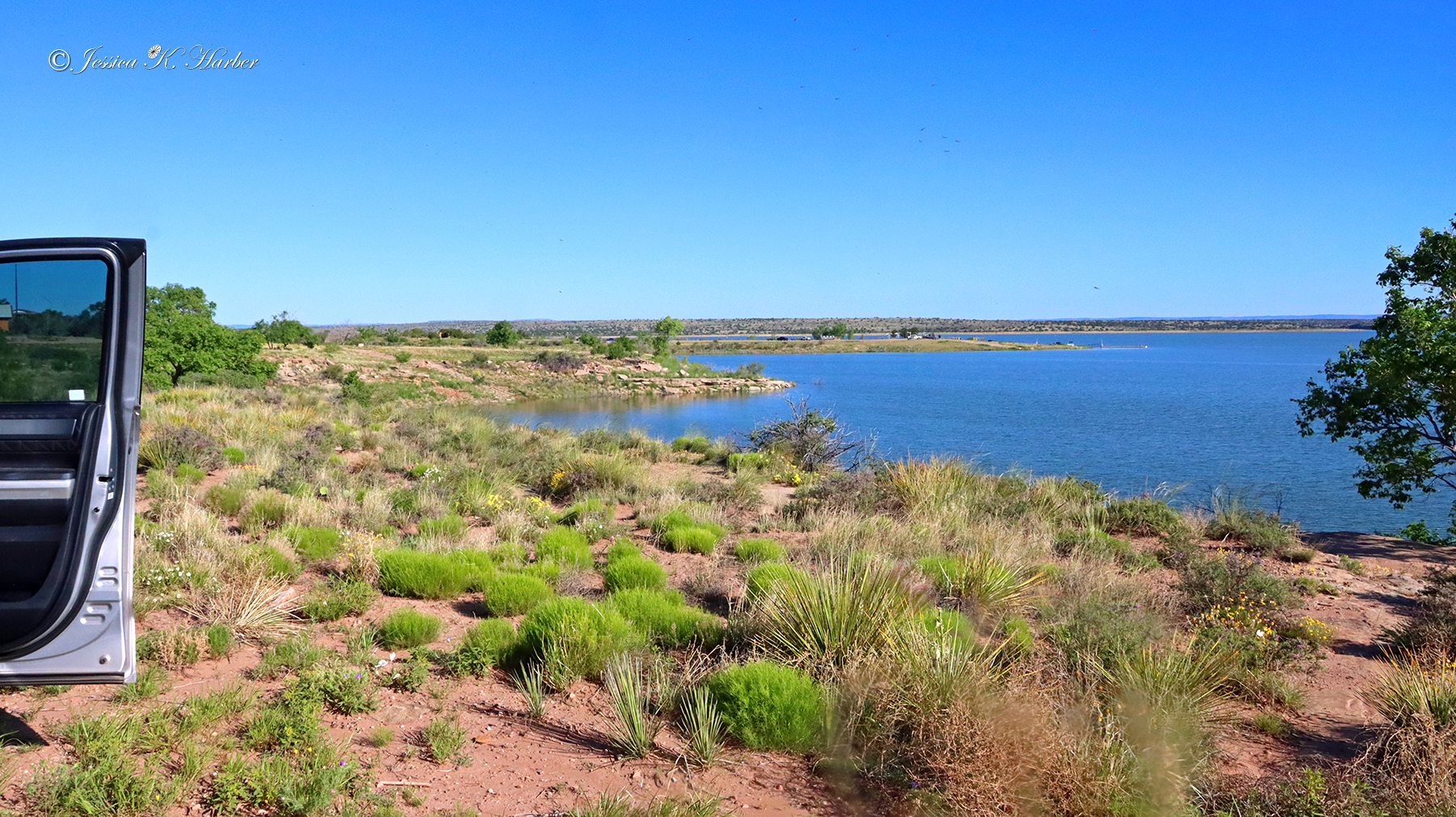
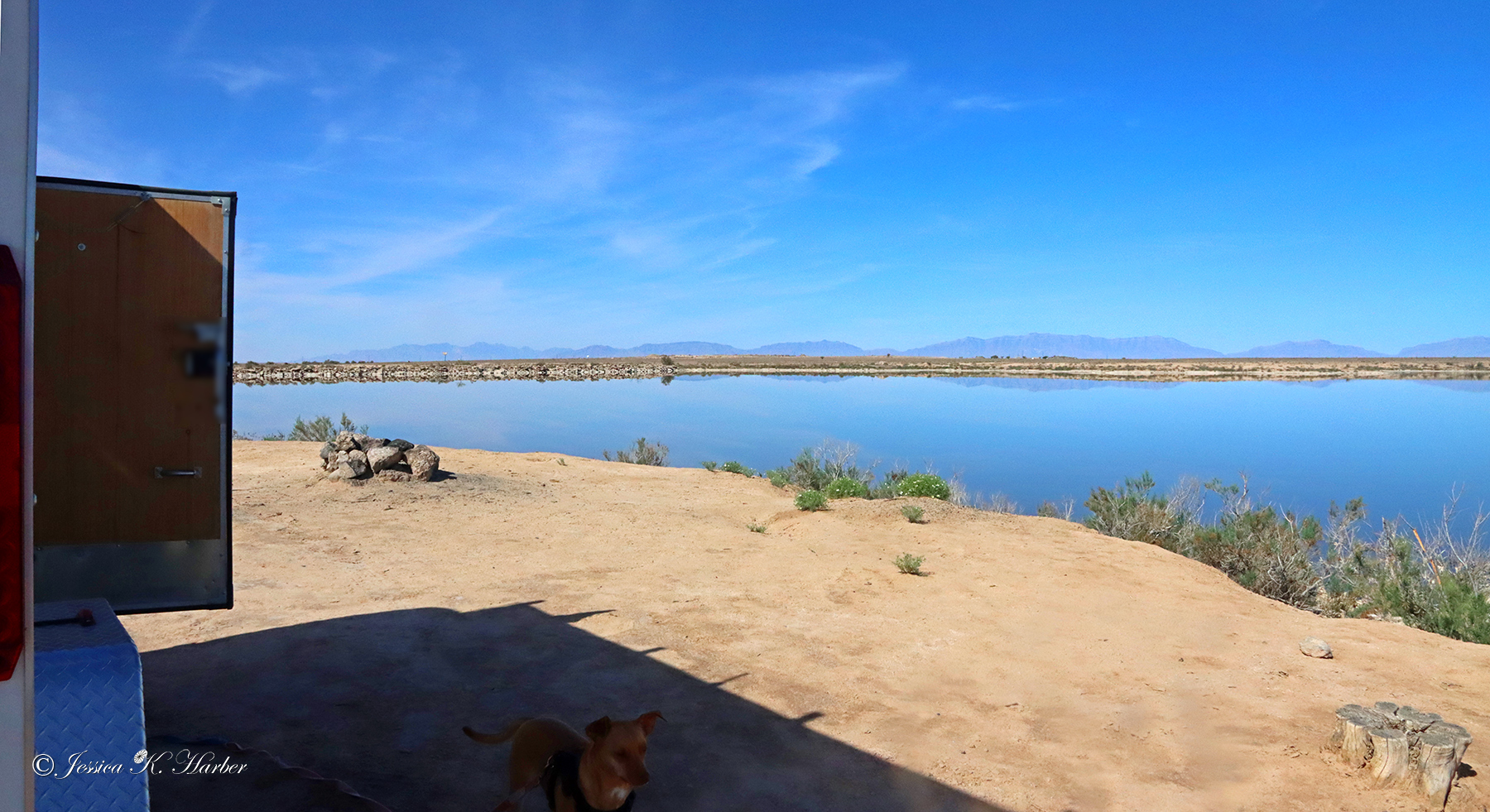
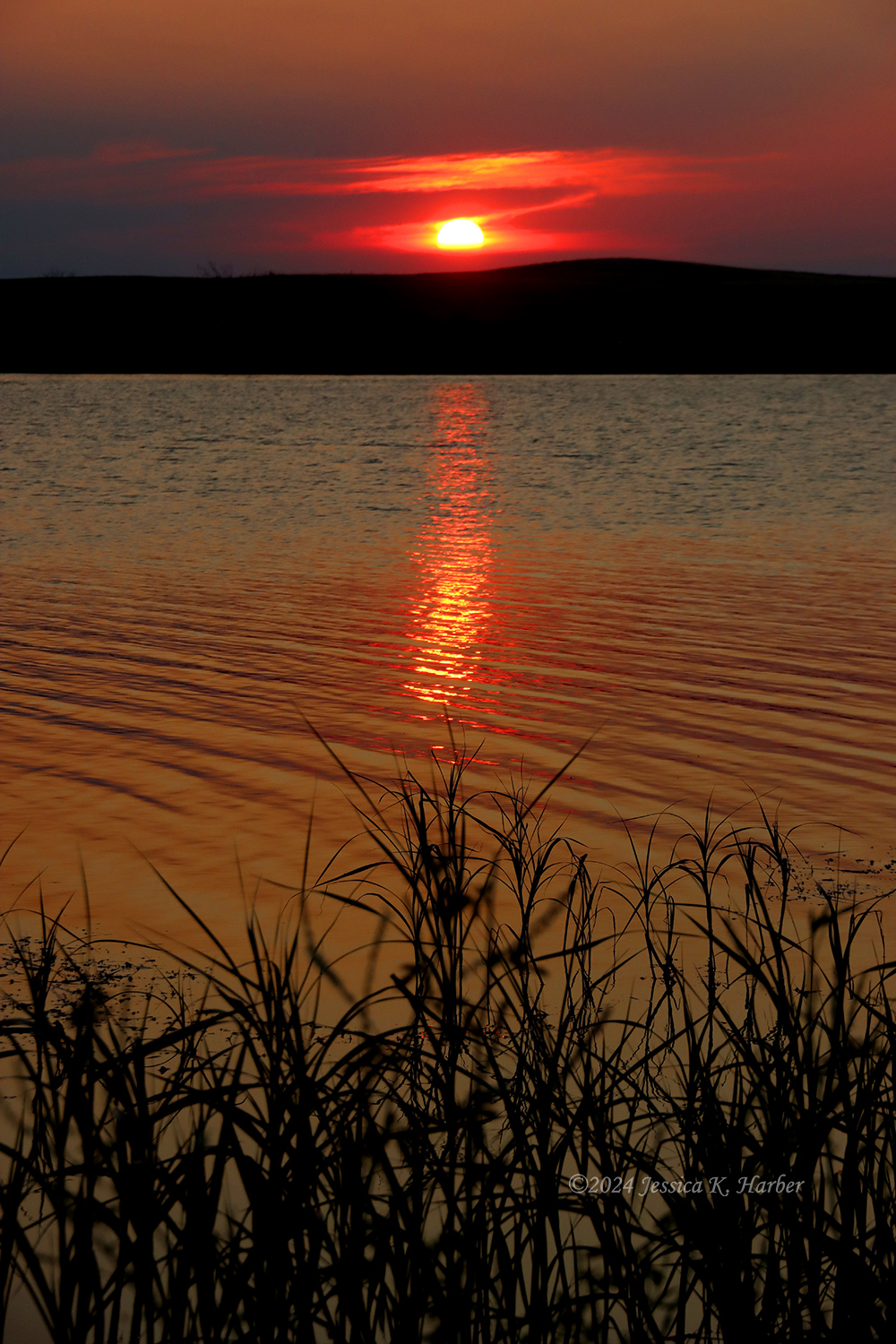
I used an app to find Conchas Lake Corp of Engineers campground in New Mexico on my way to Colorado. There were only a couple people camping there and I looked everywhere for a place to pay but couldn’t find one. So, I assumed they were not charging. ‘Site with a lake view for no charge was nice.
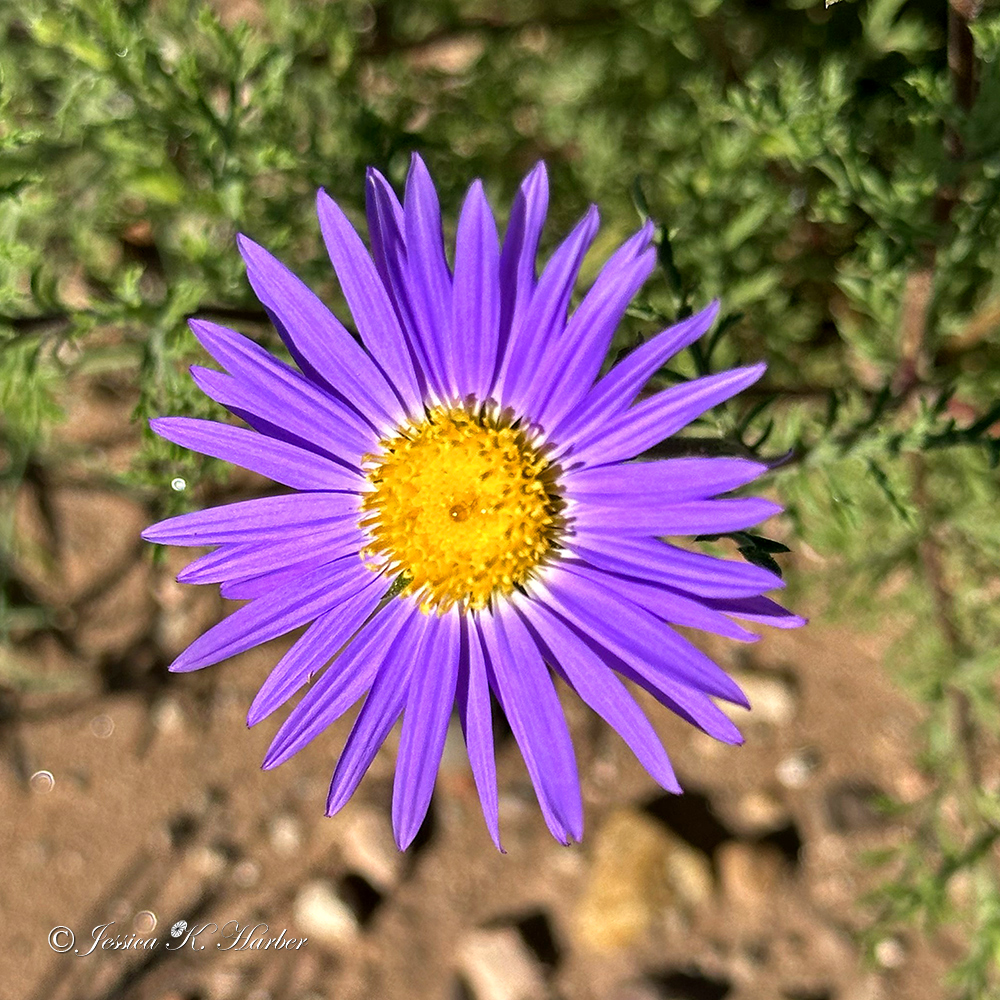
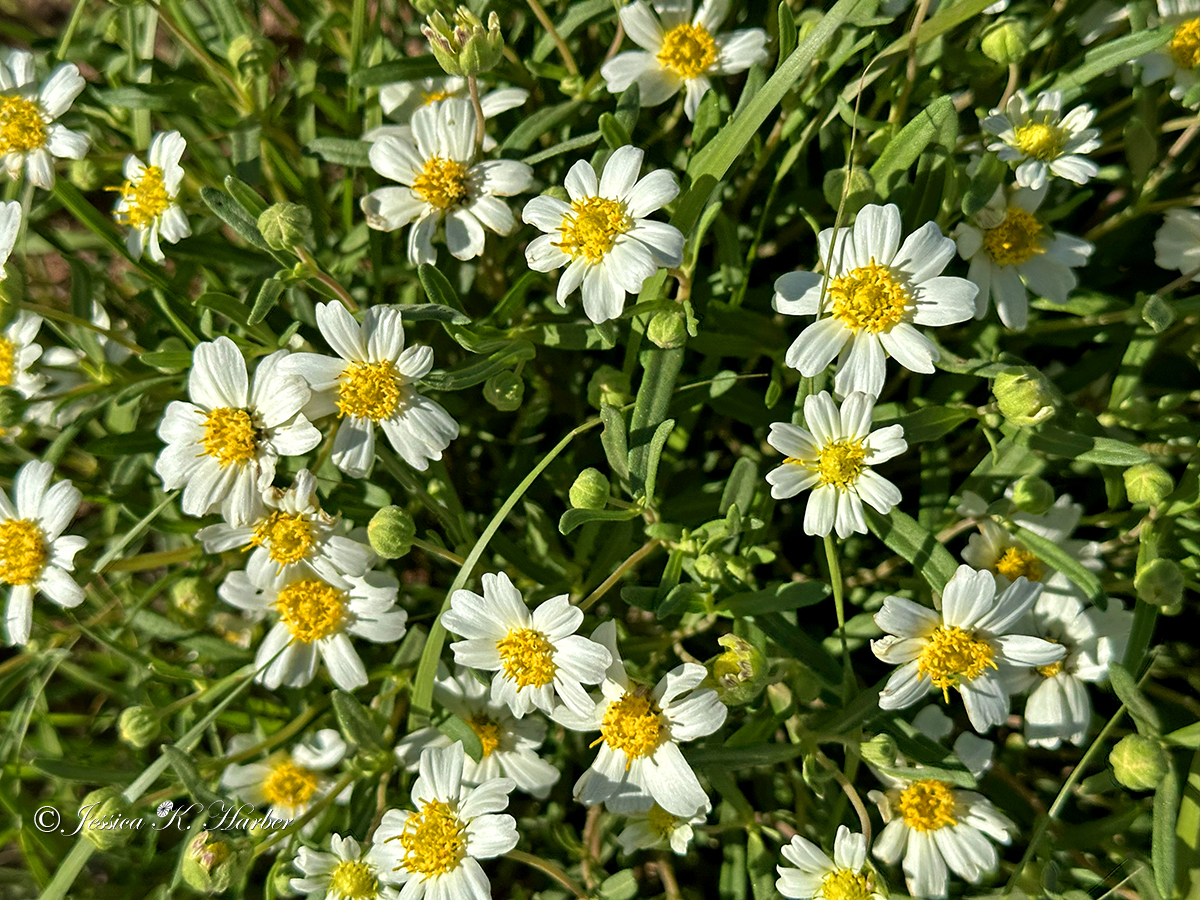
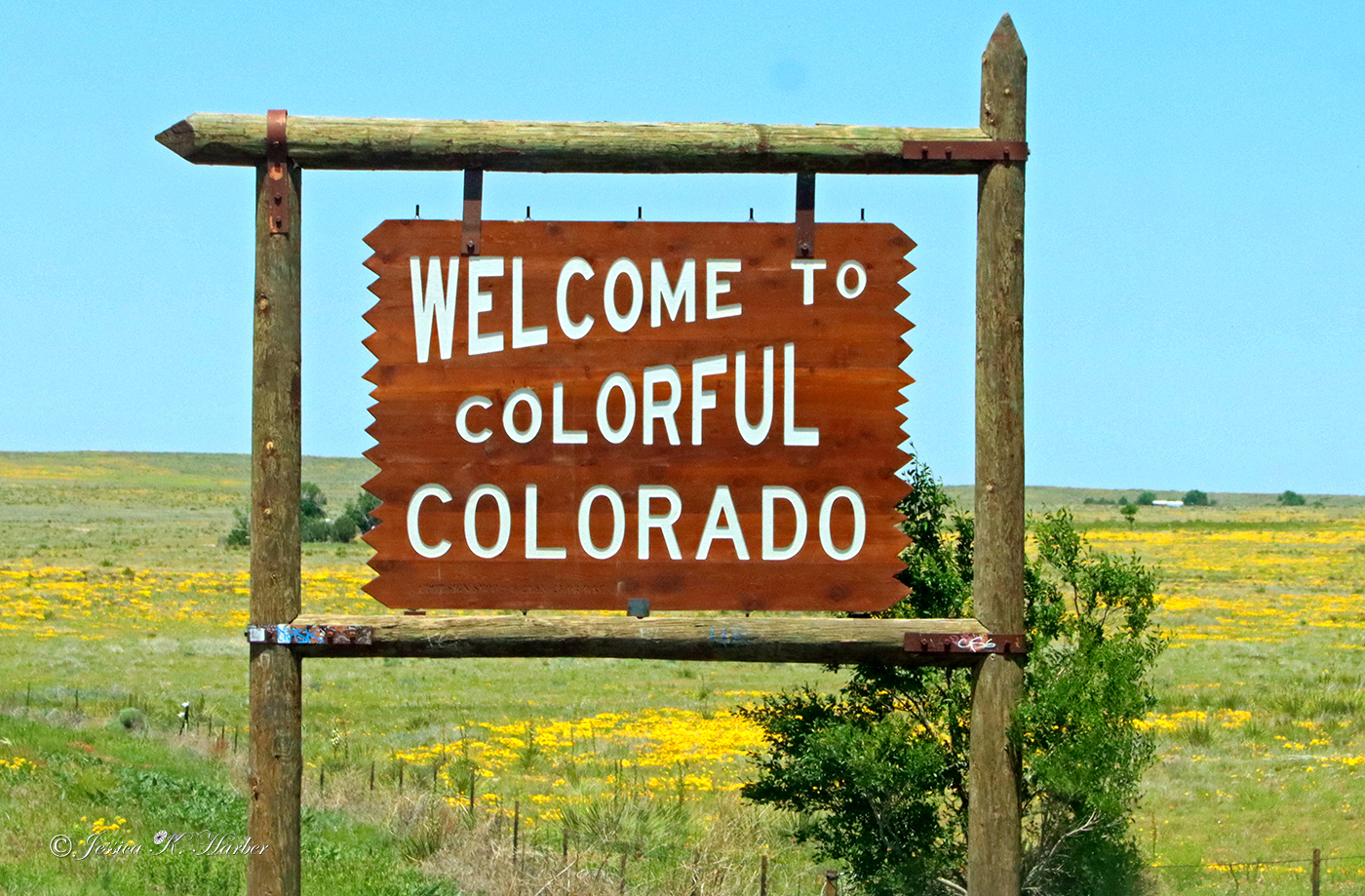
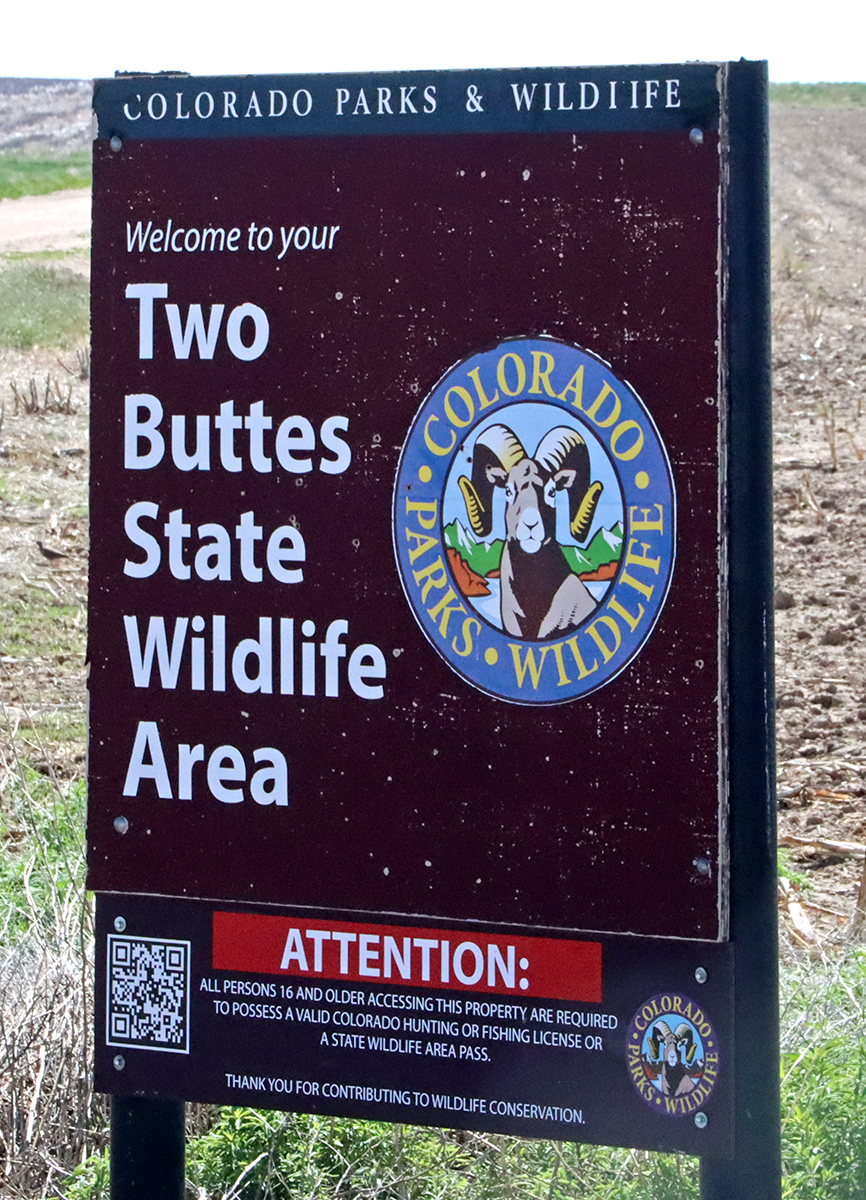
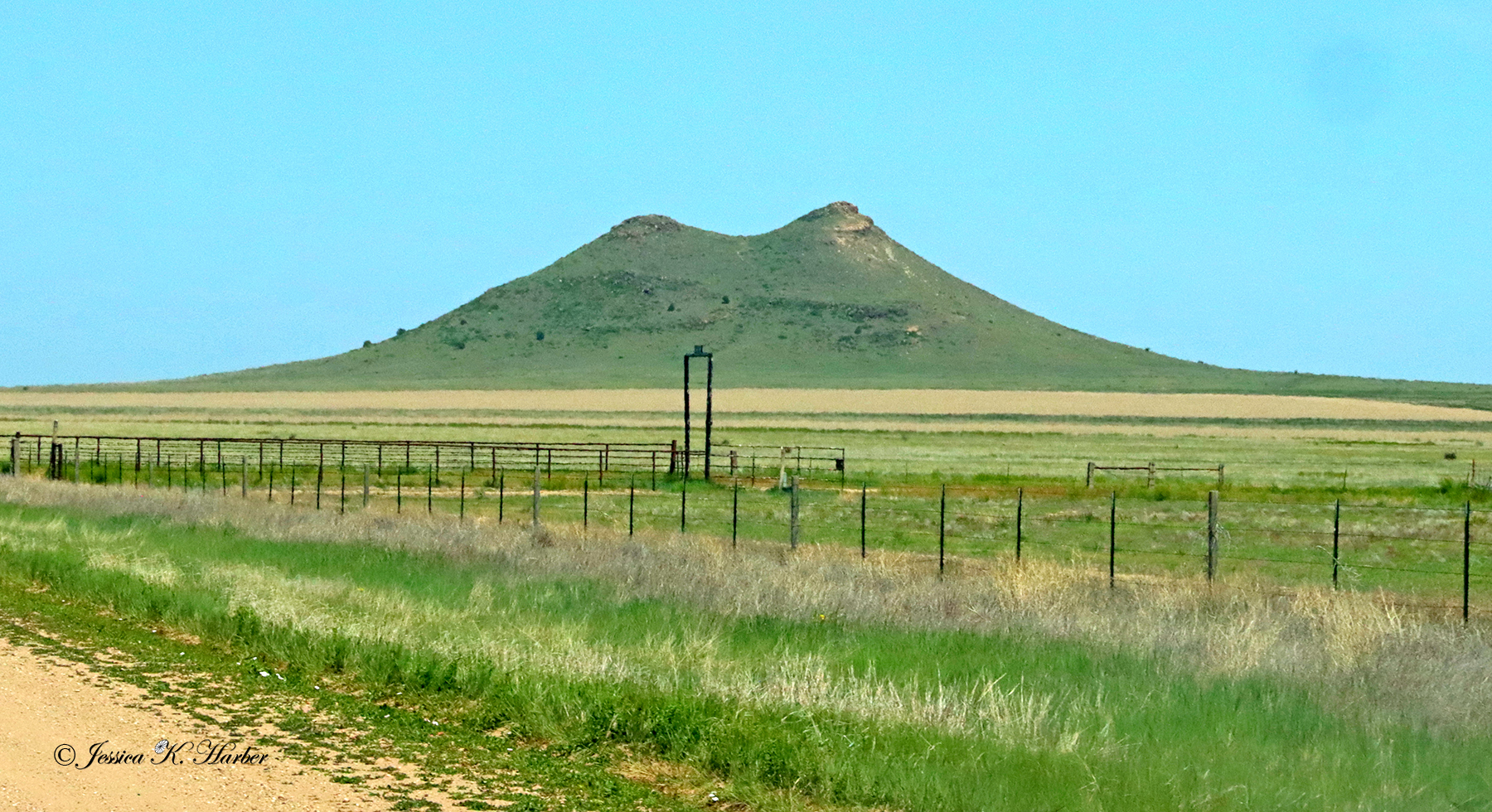
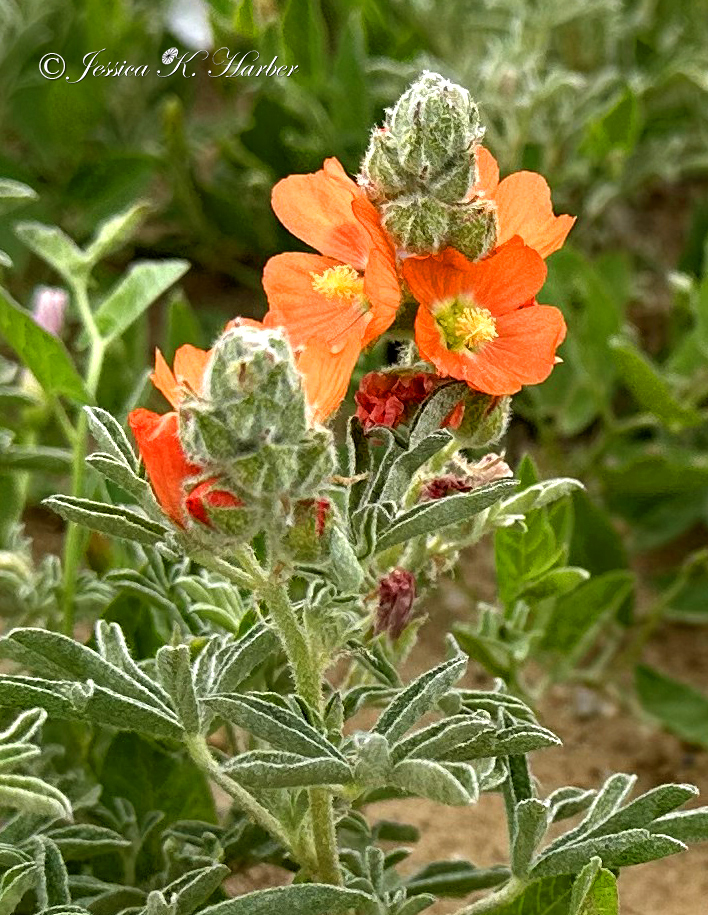
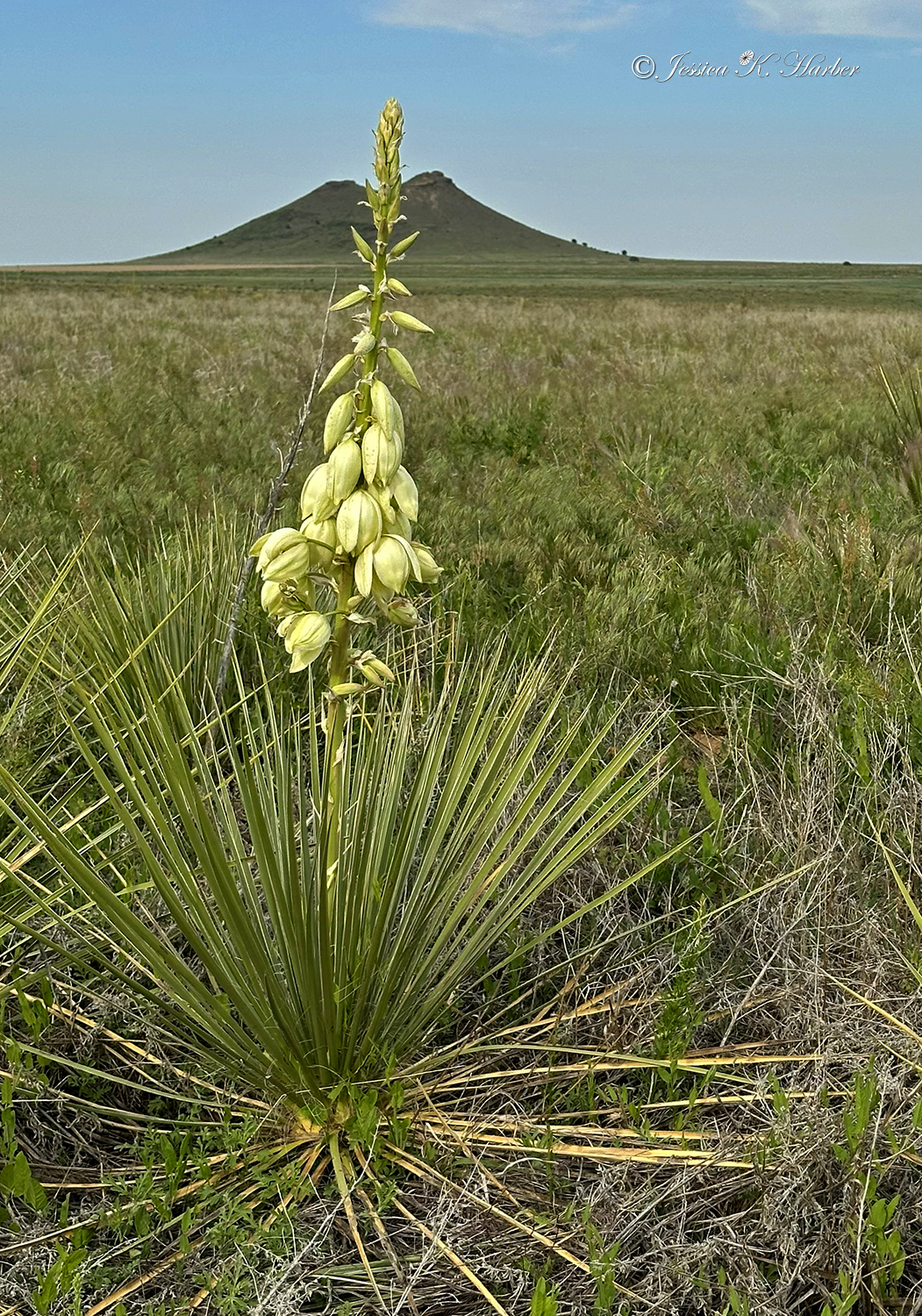
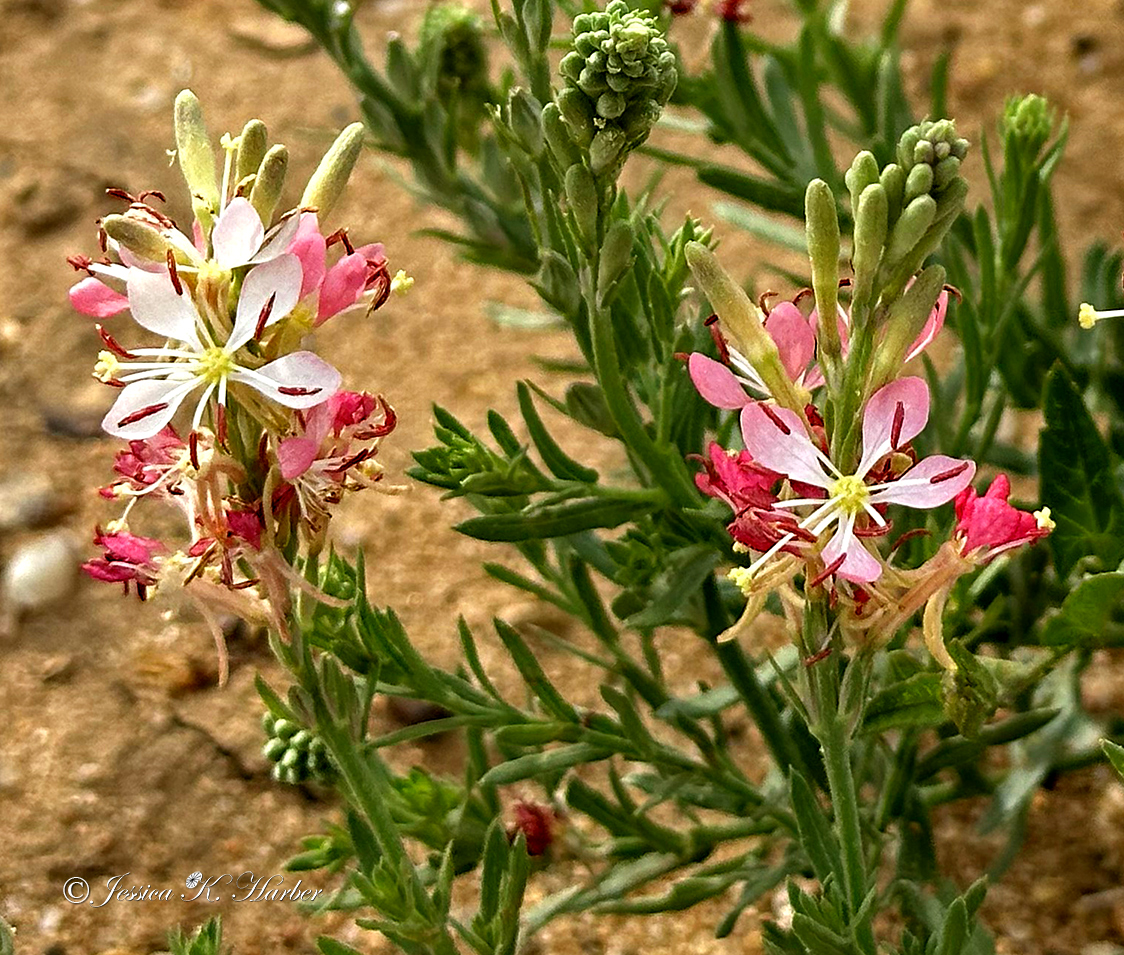
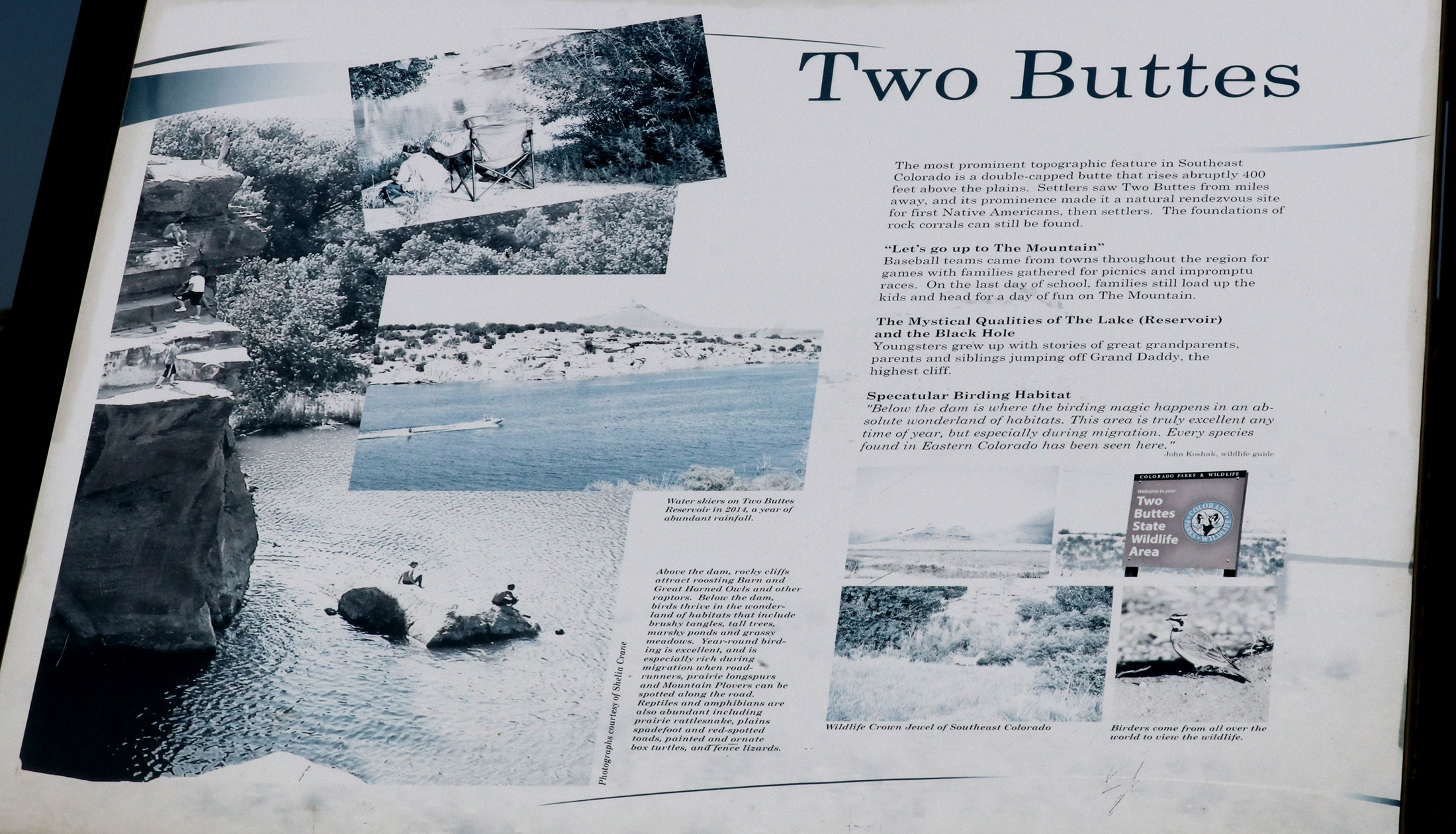
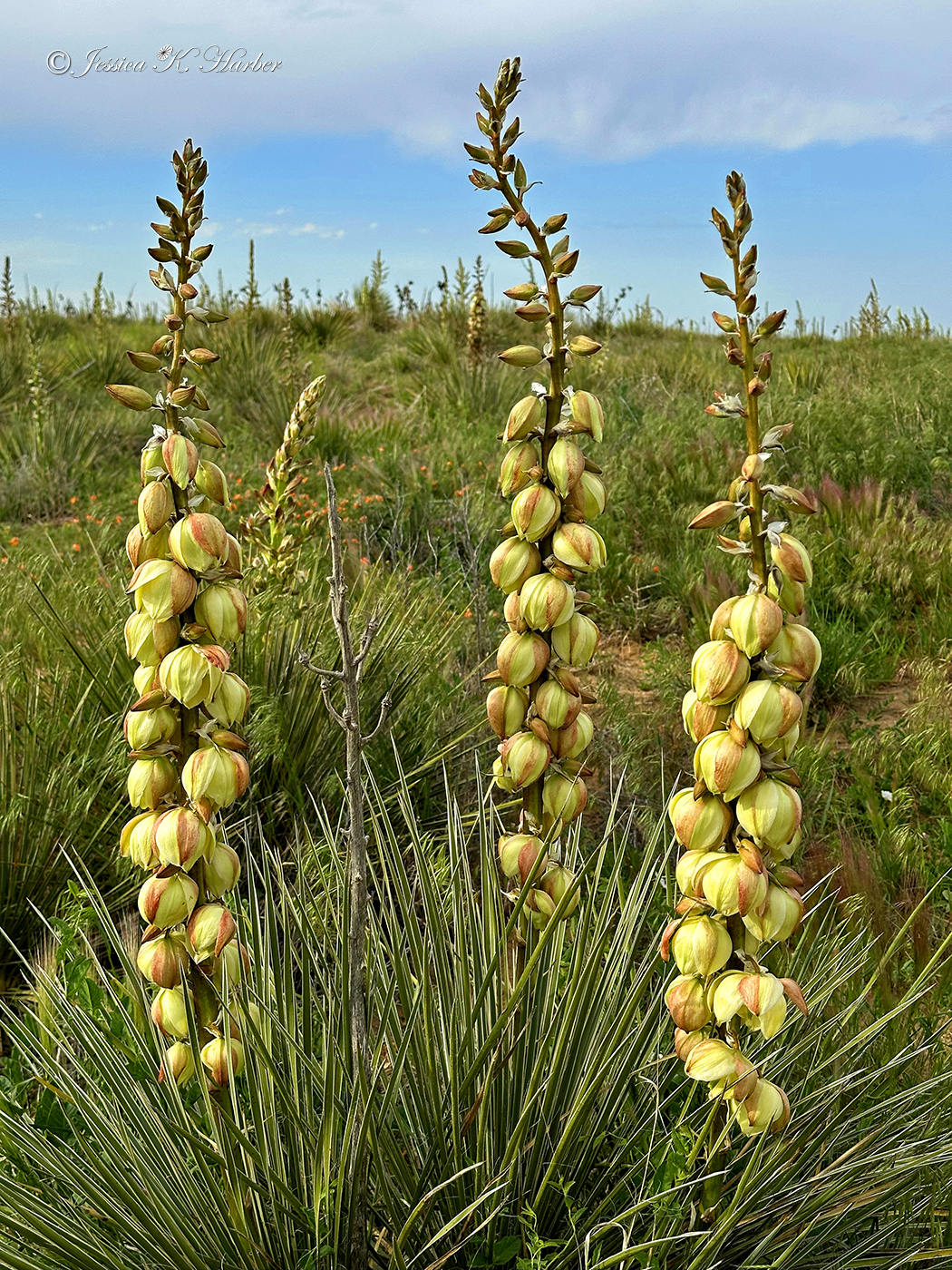
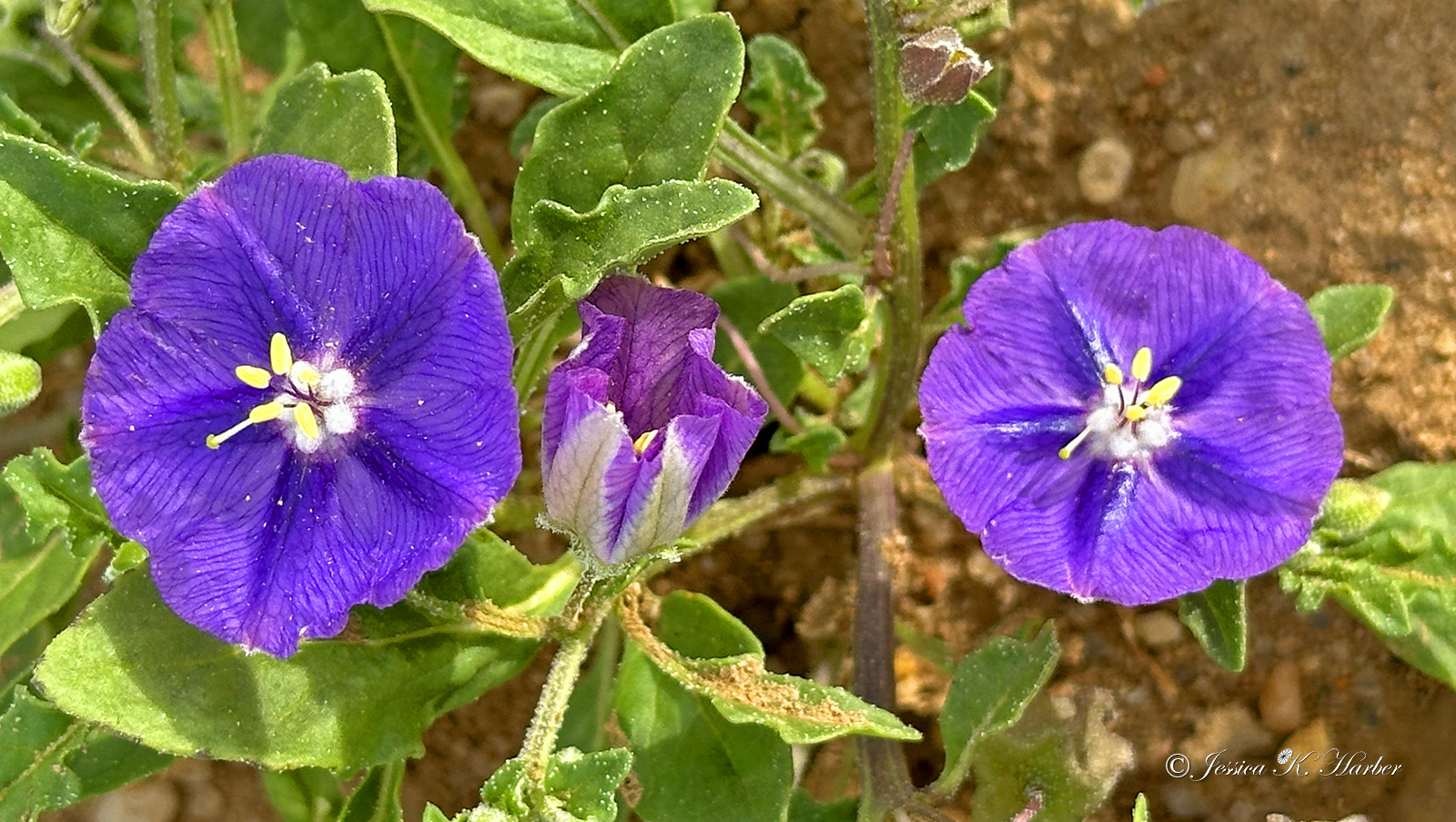
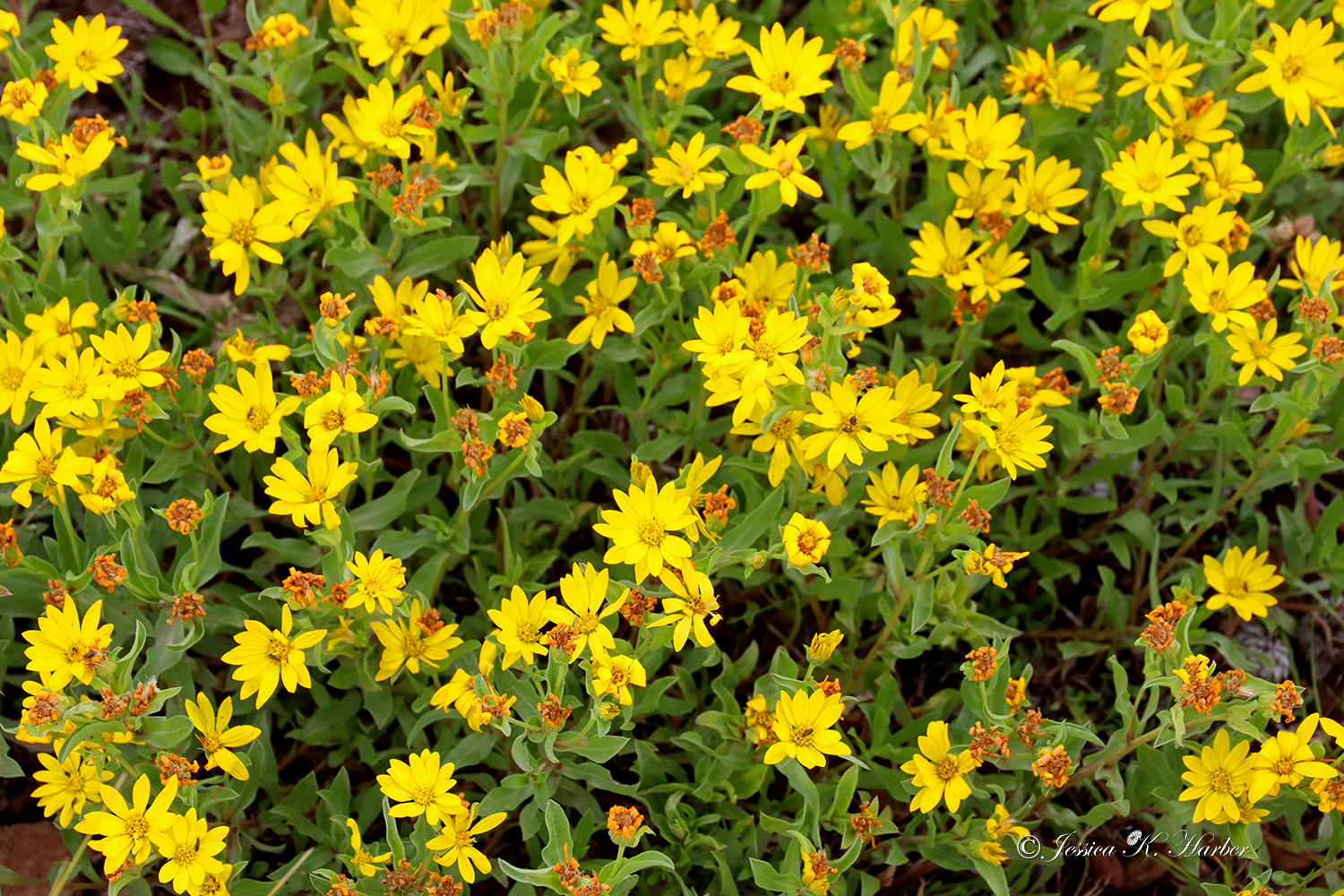
I headed into Colorado next and found a camping site at Two Buttes State Wildlife Area. This site was in the middle of nowhere and it was wonderfully quiet and surrounded by wildflowers. I stayed for a few nights and saw one other human.
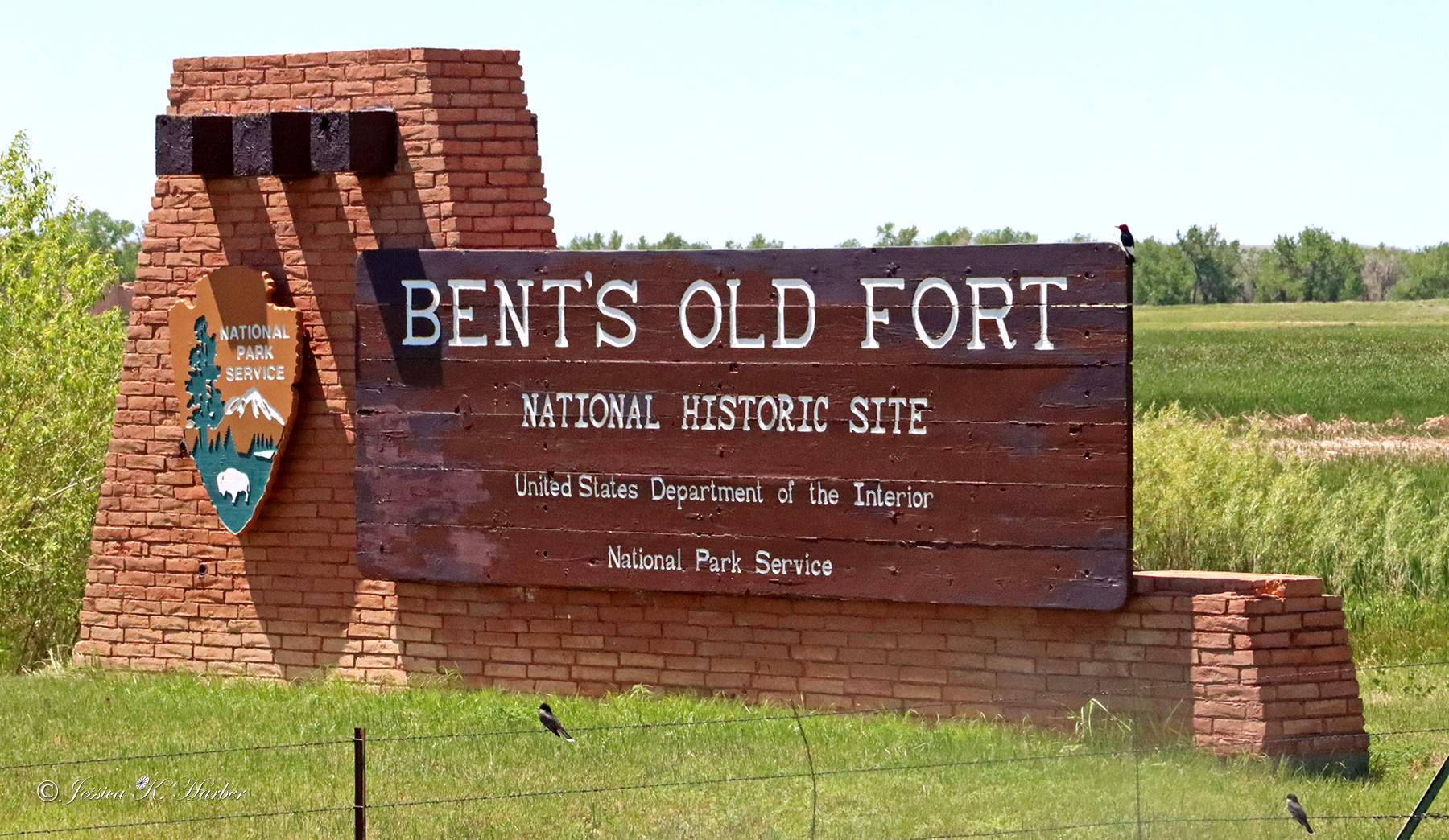
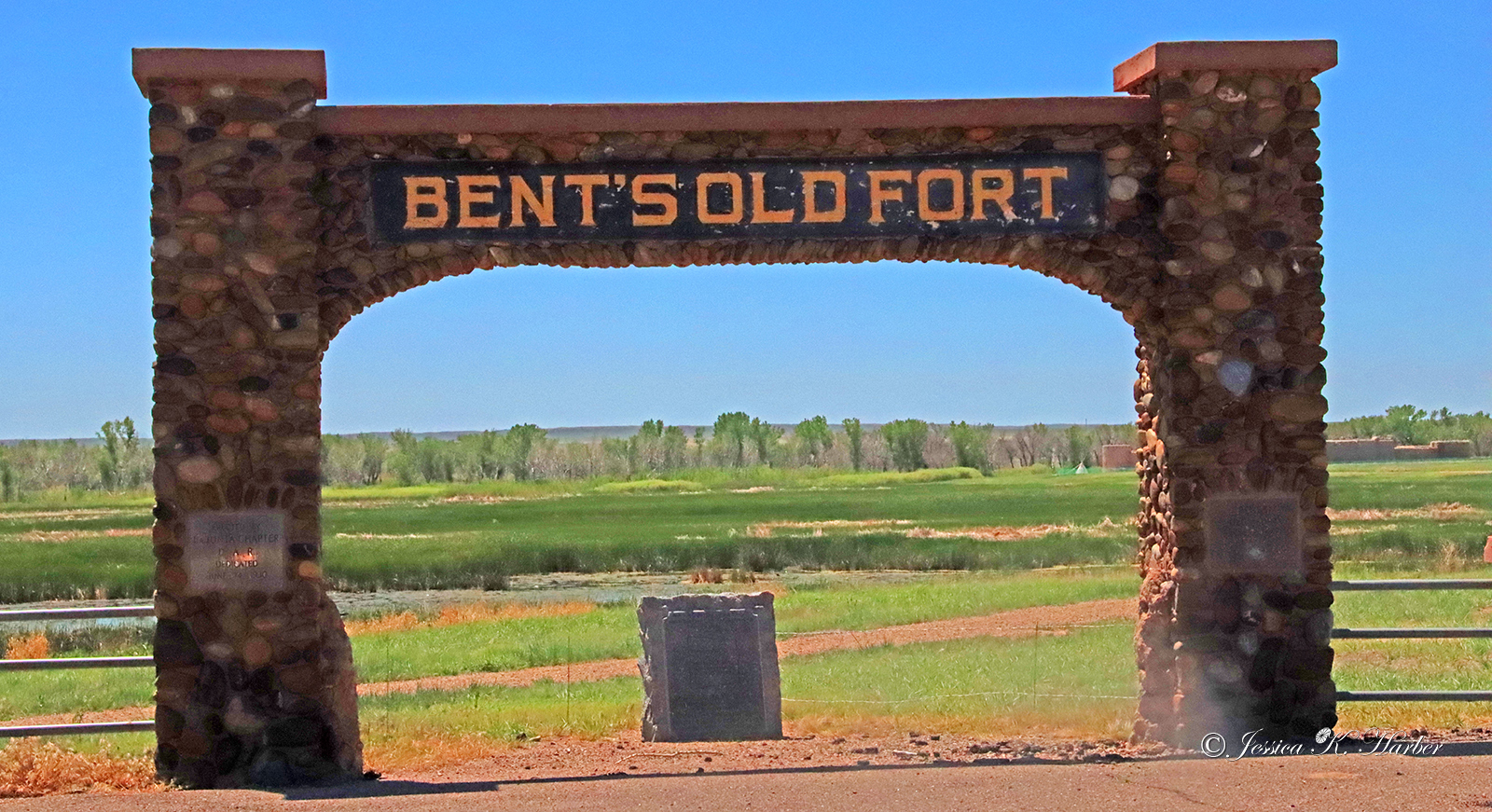
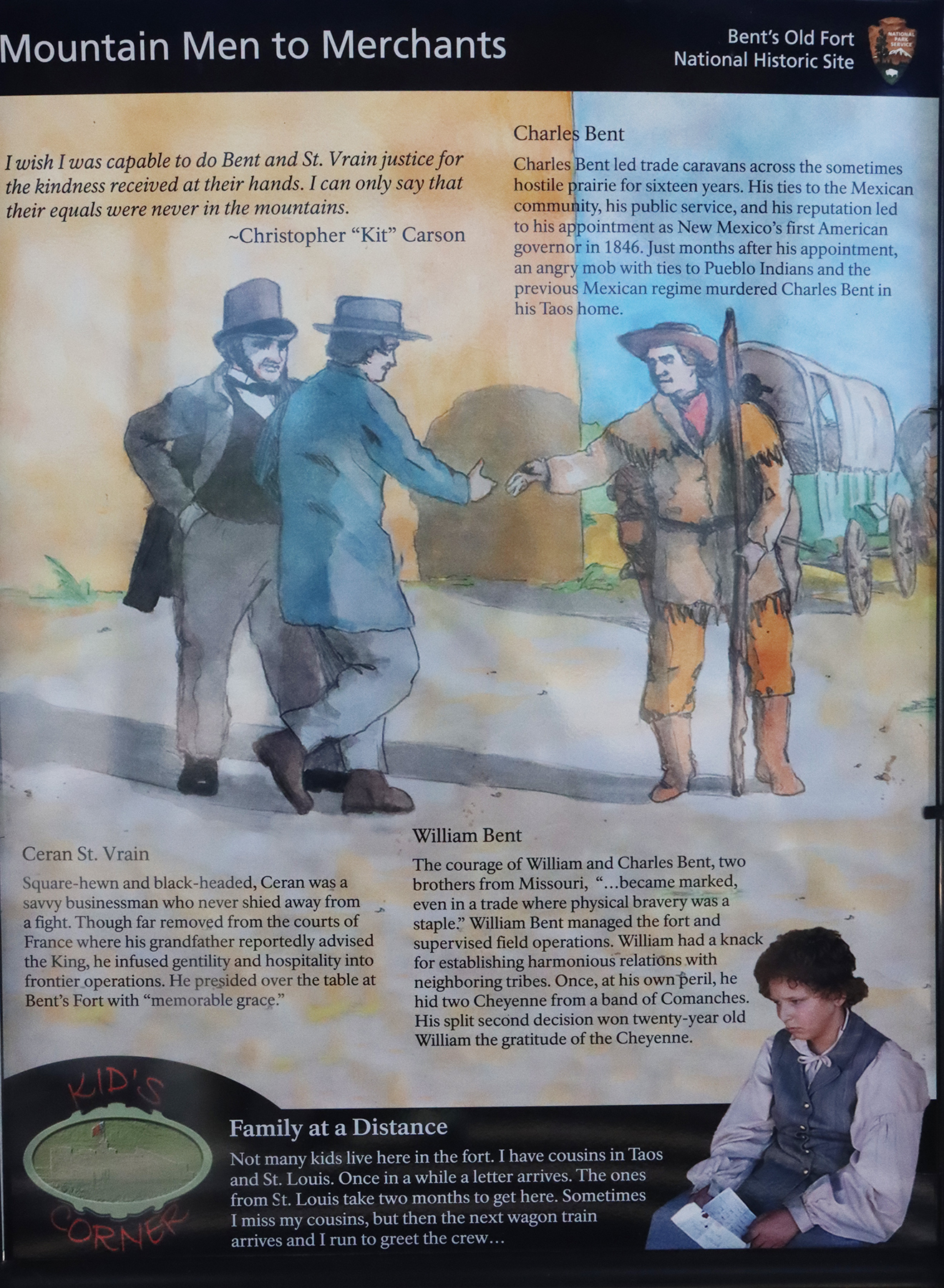
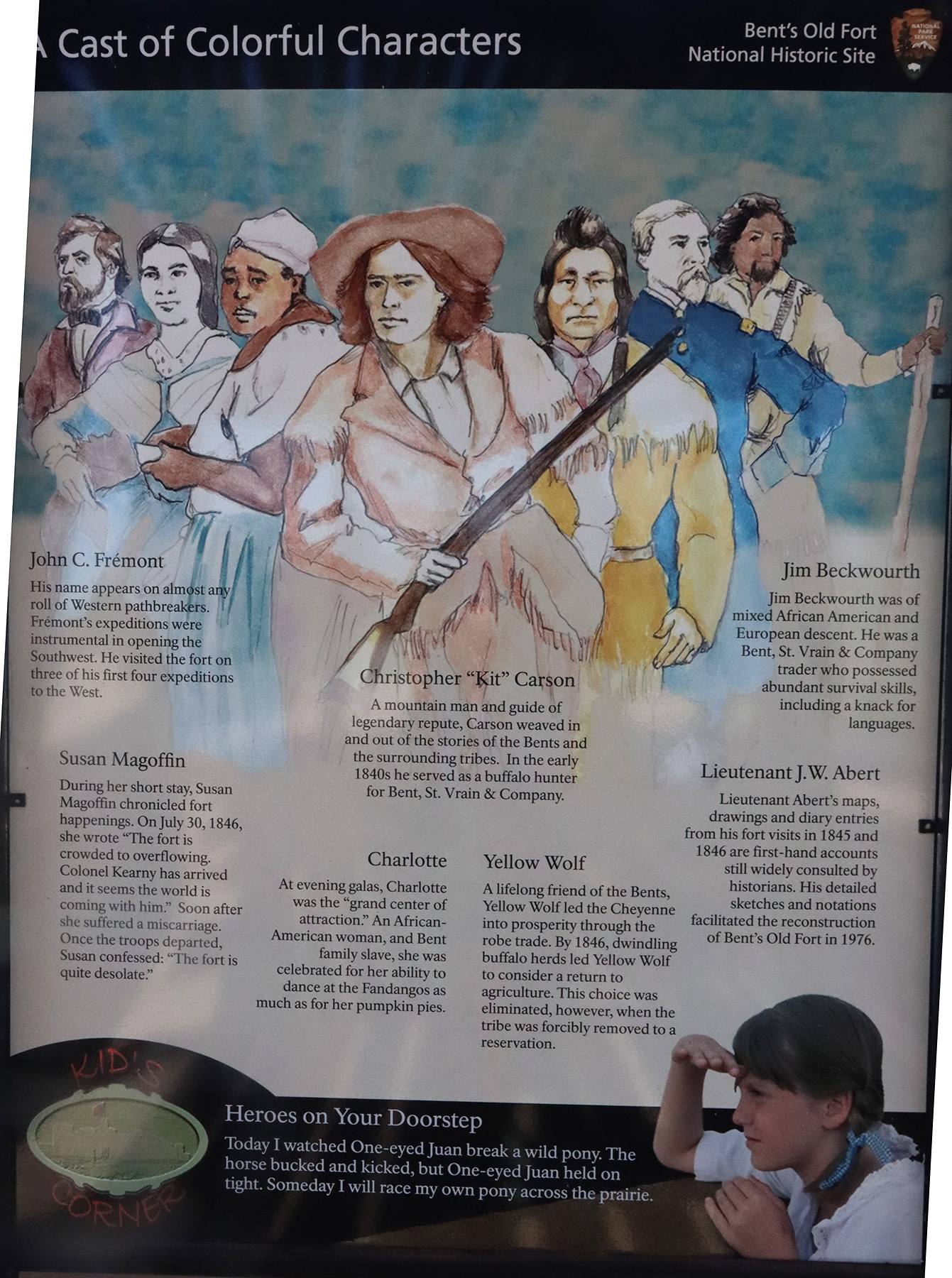
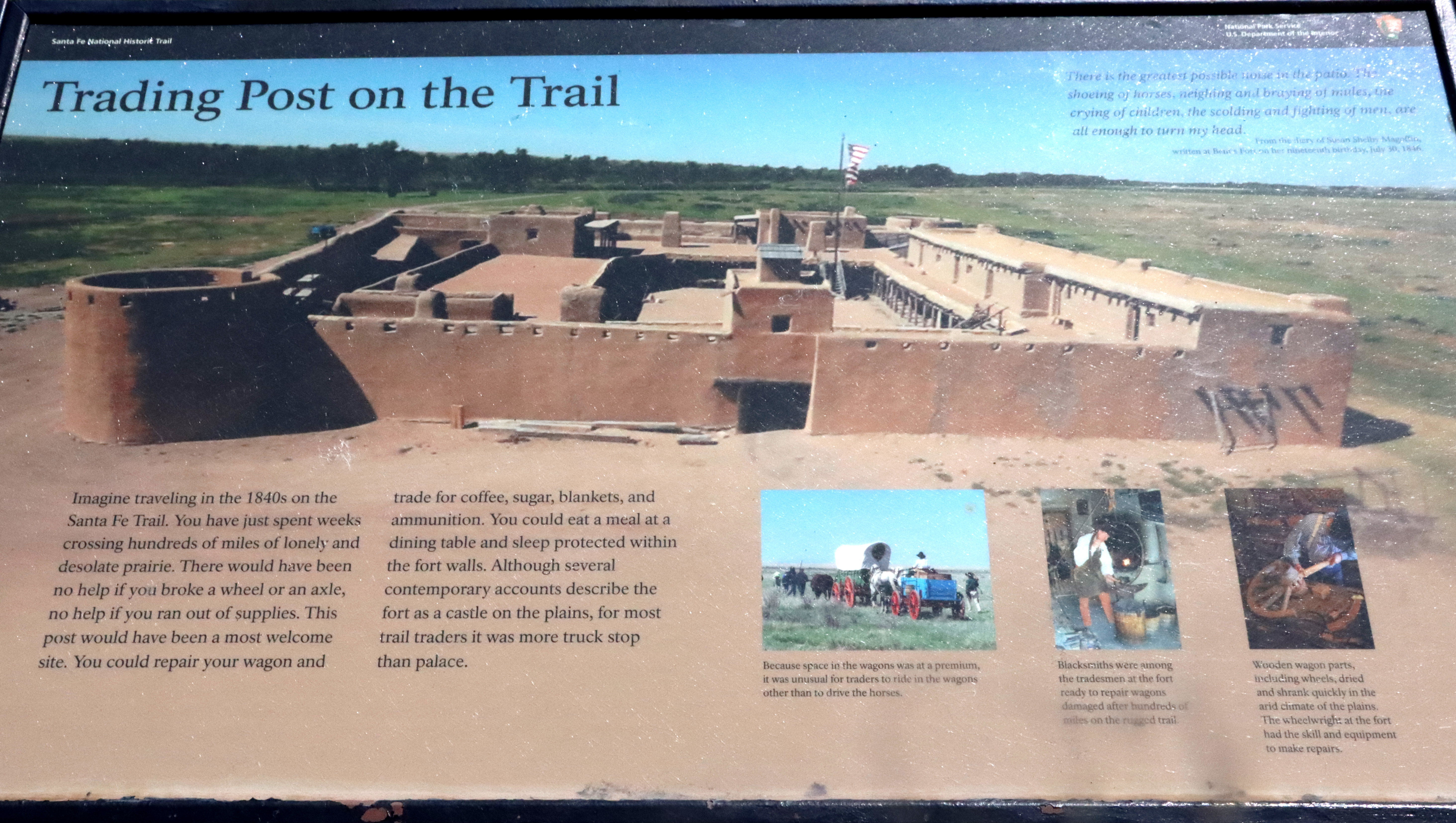
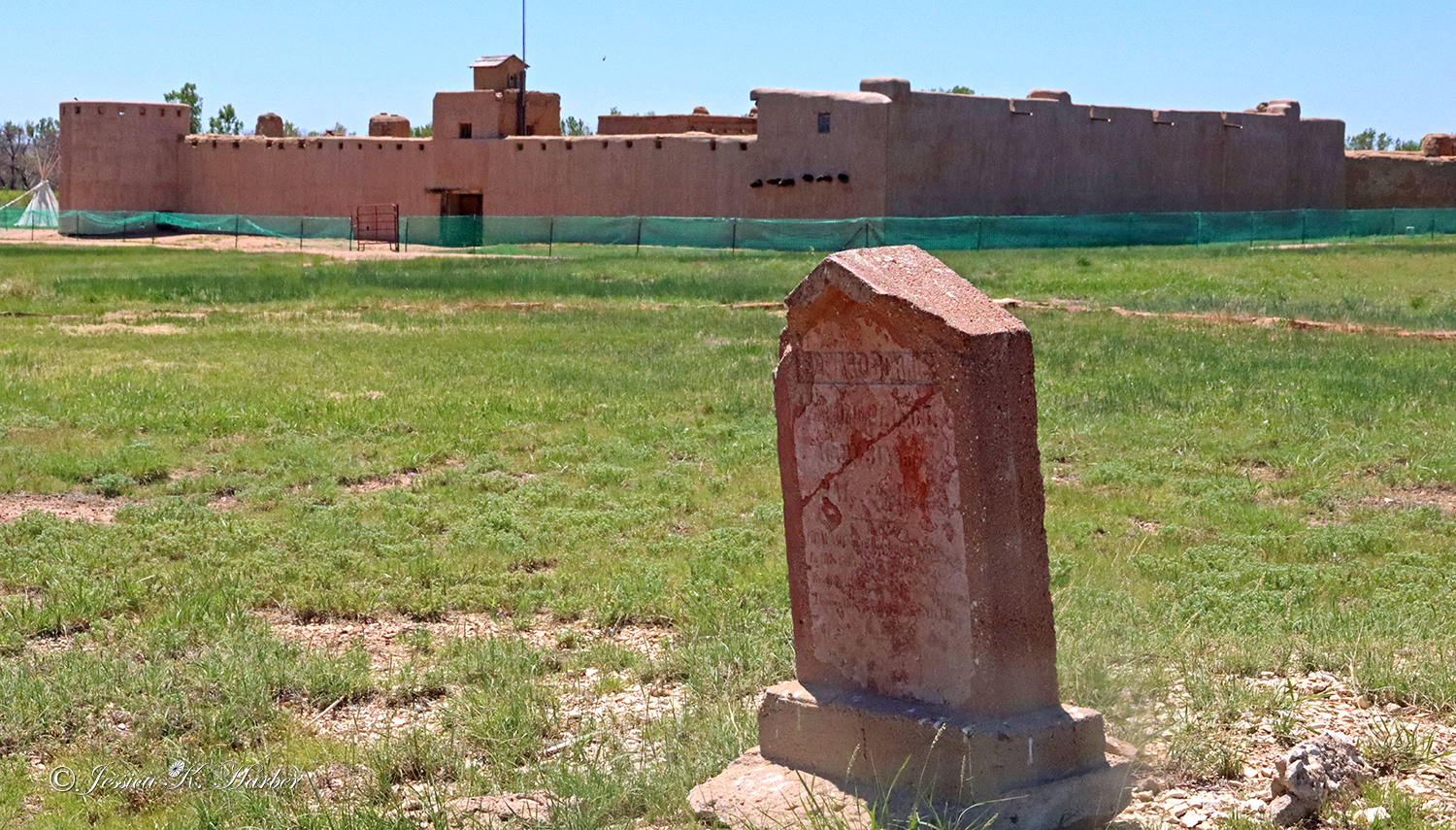
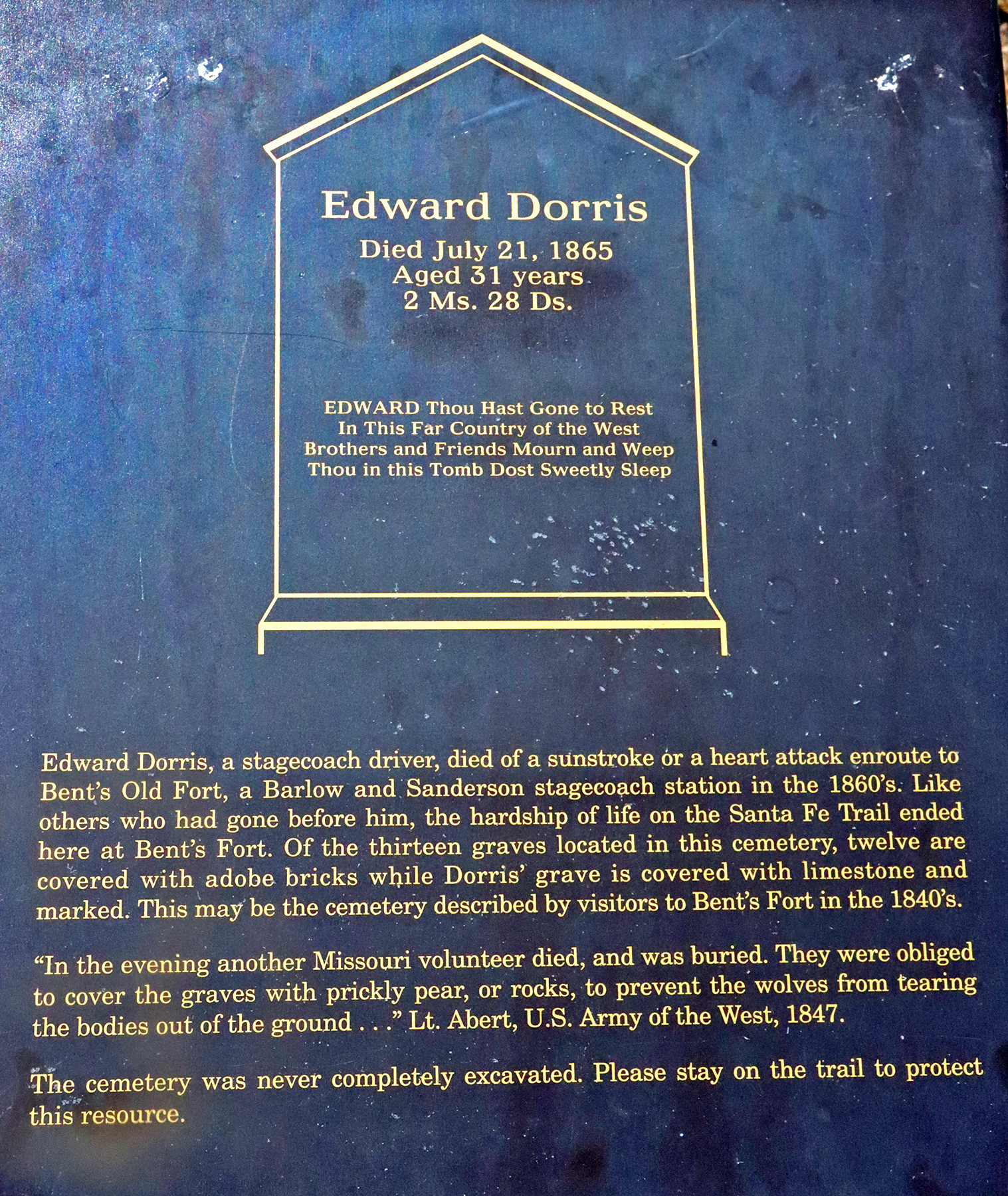
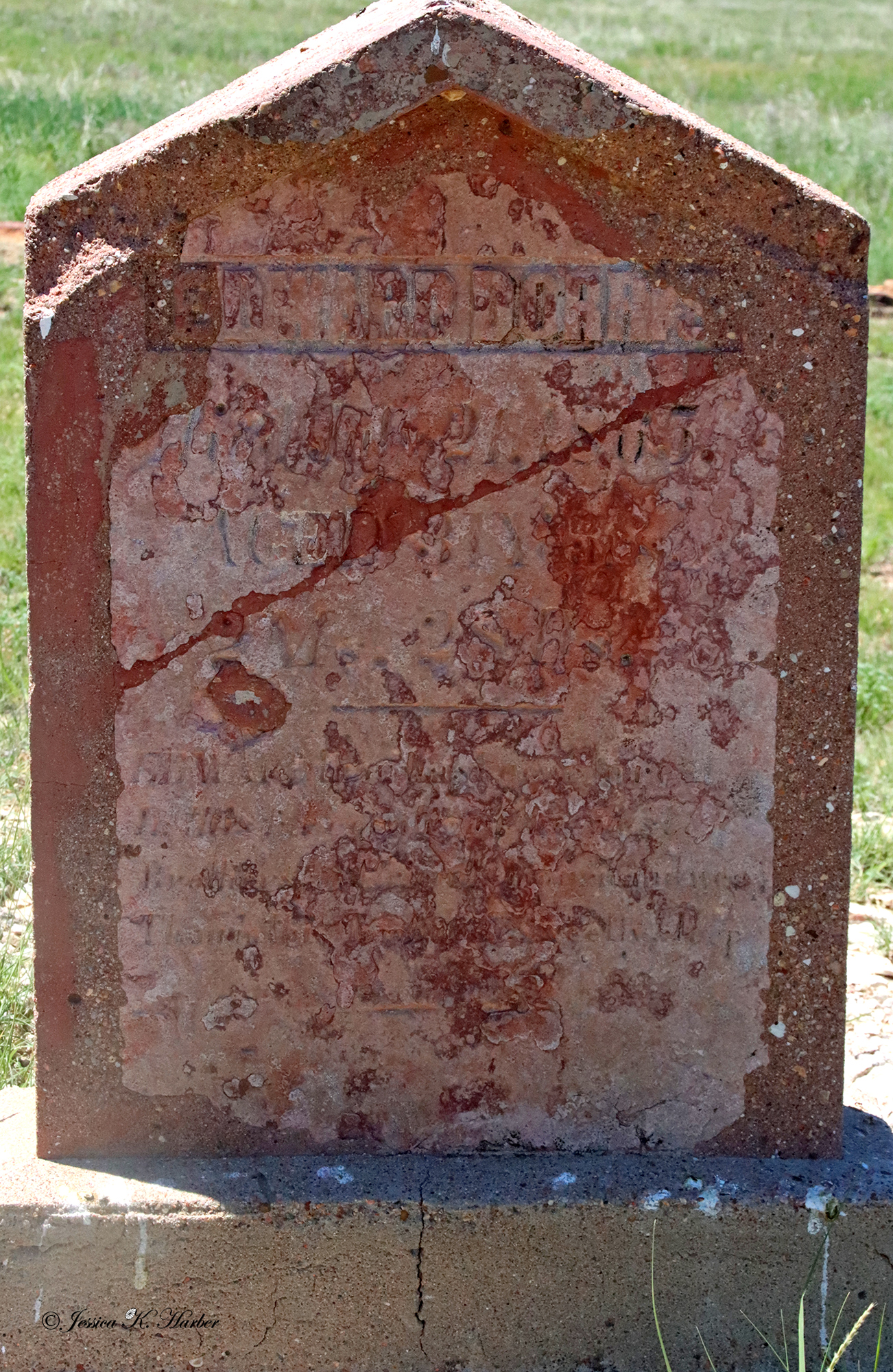
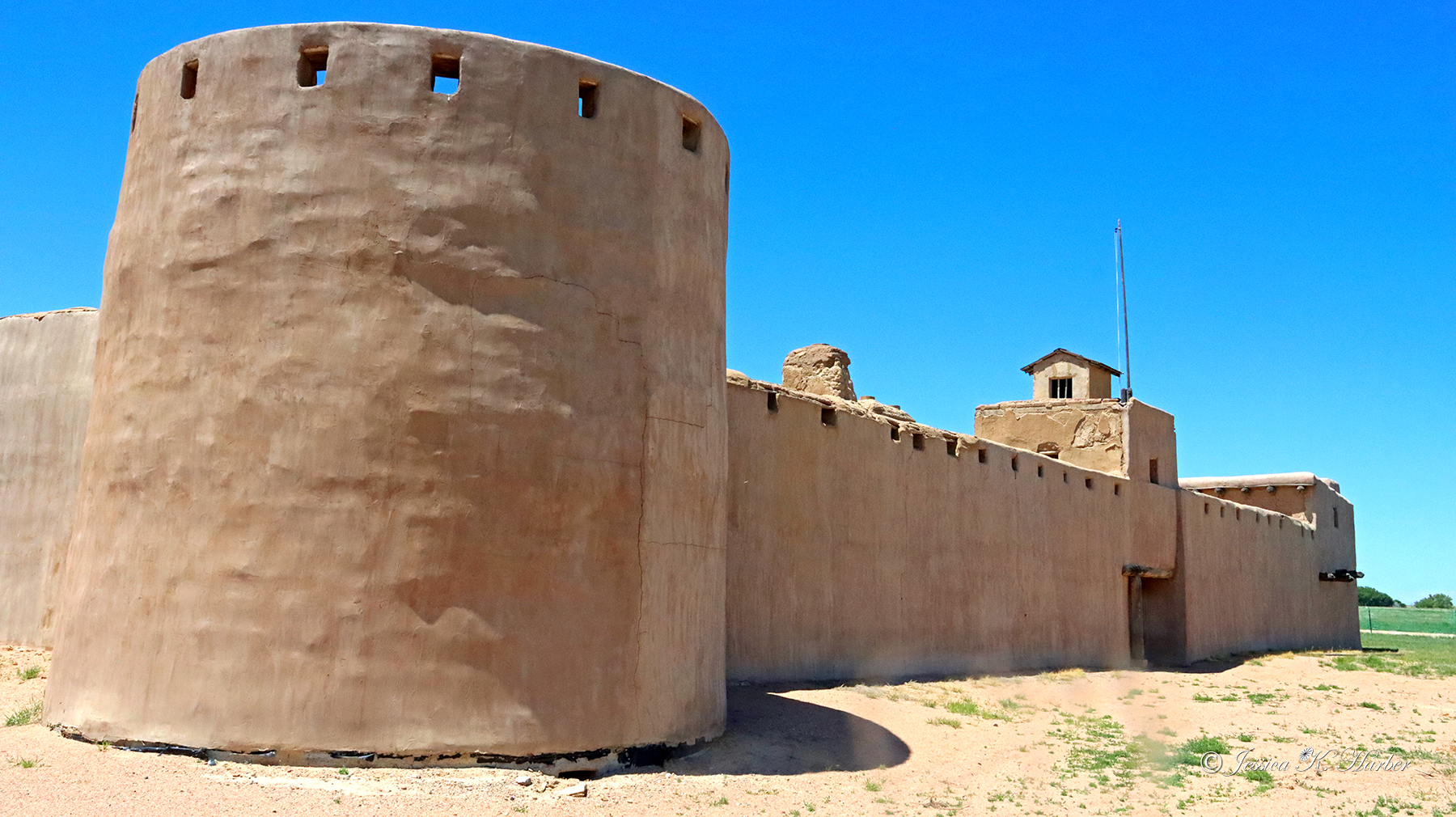
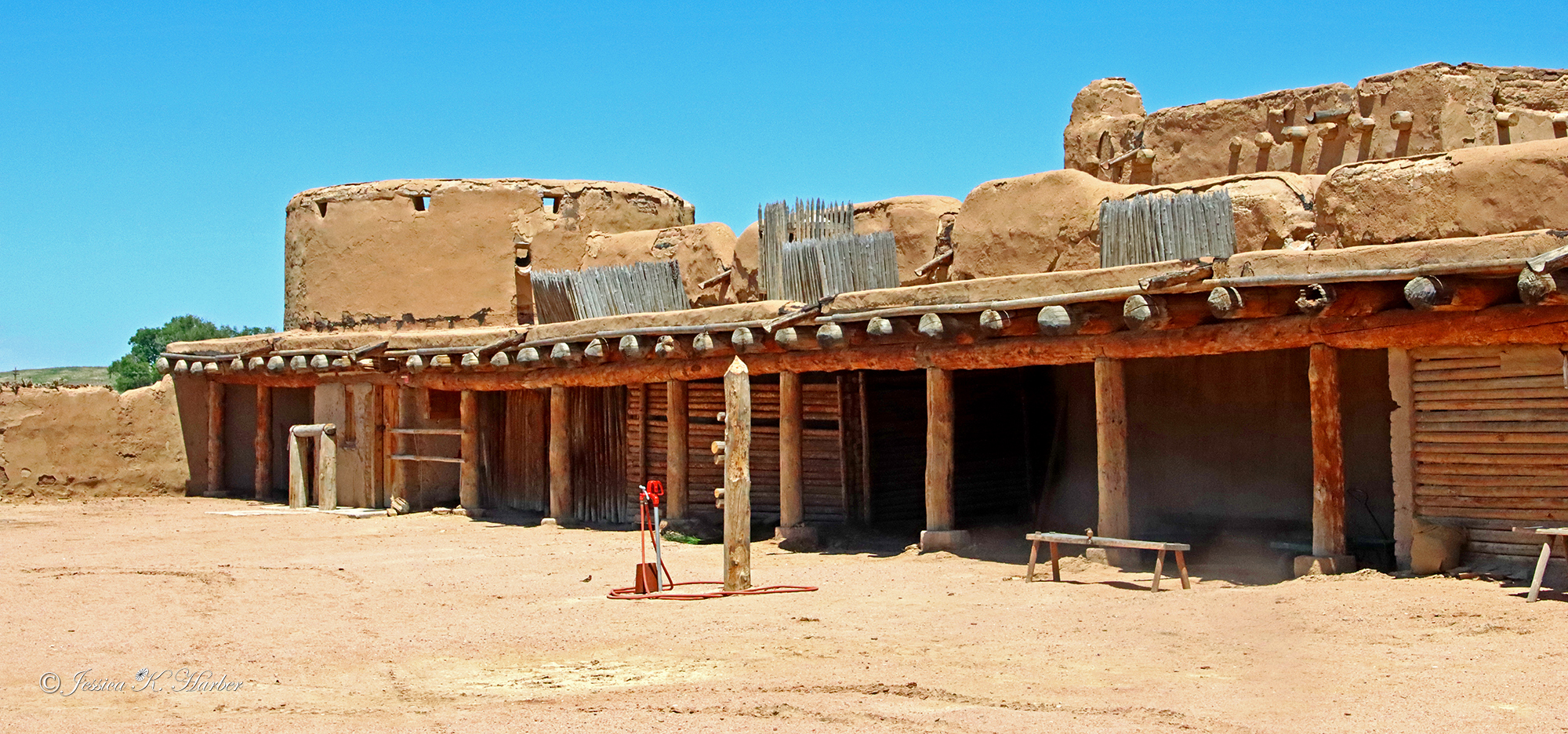
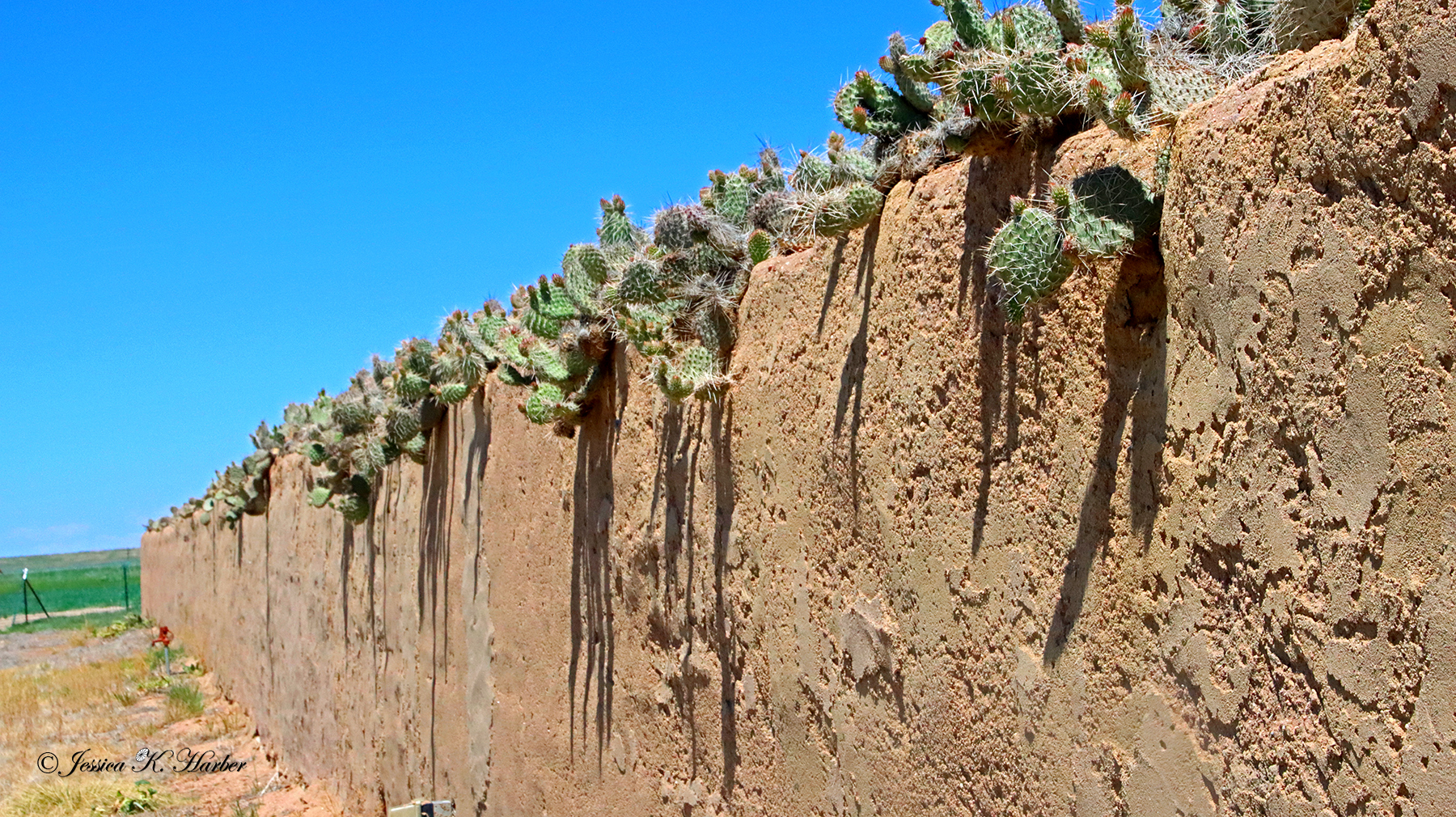
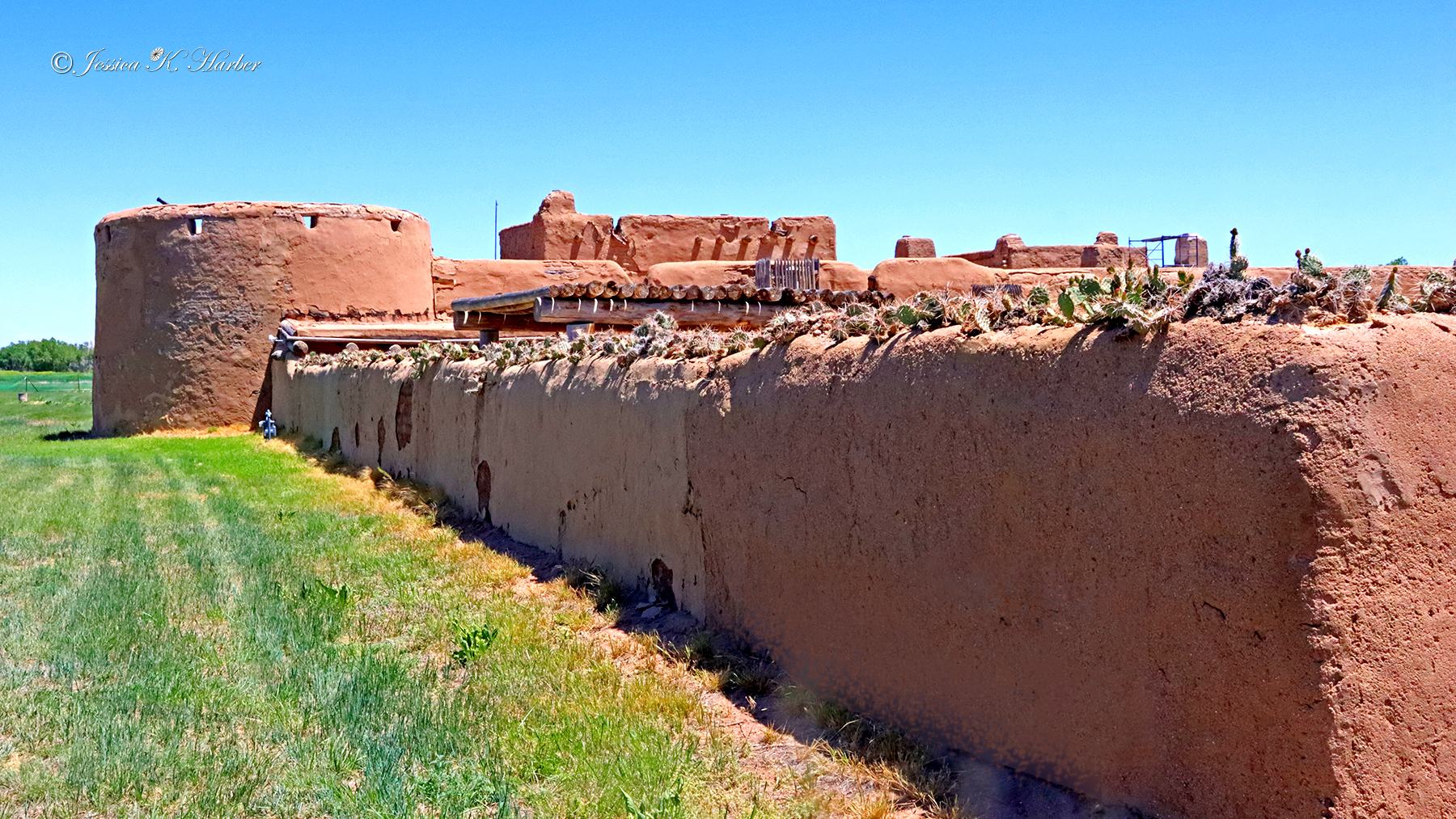
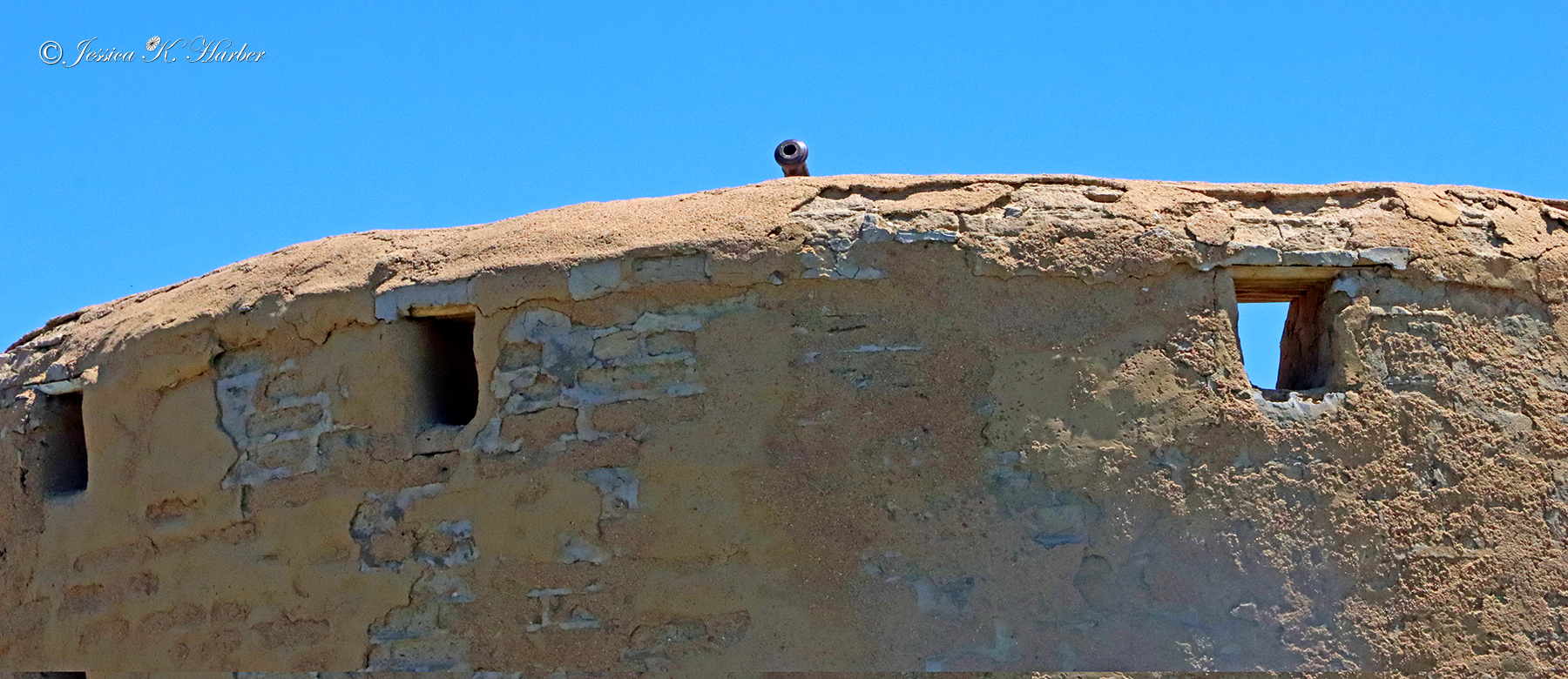
I stopped by Bent’s Old Fort National Historic Site, a former trading post on the Santa Fe Trail. Unfortunately, it was closed but it was worth a stop to read their kiosks and walk around the outside of the Fort. I would have enjoyed exploring this site; maybe another time.
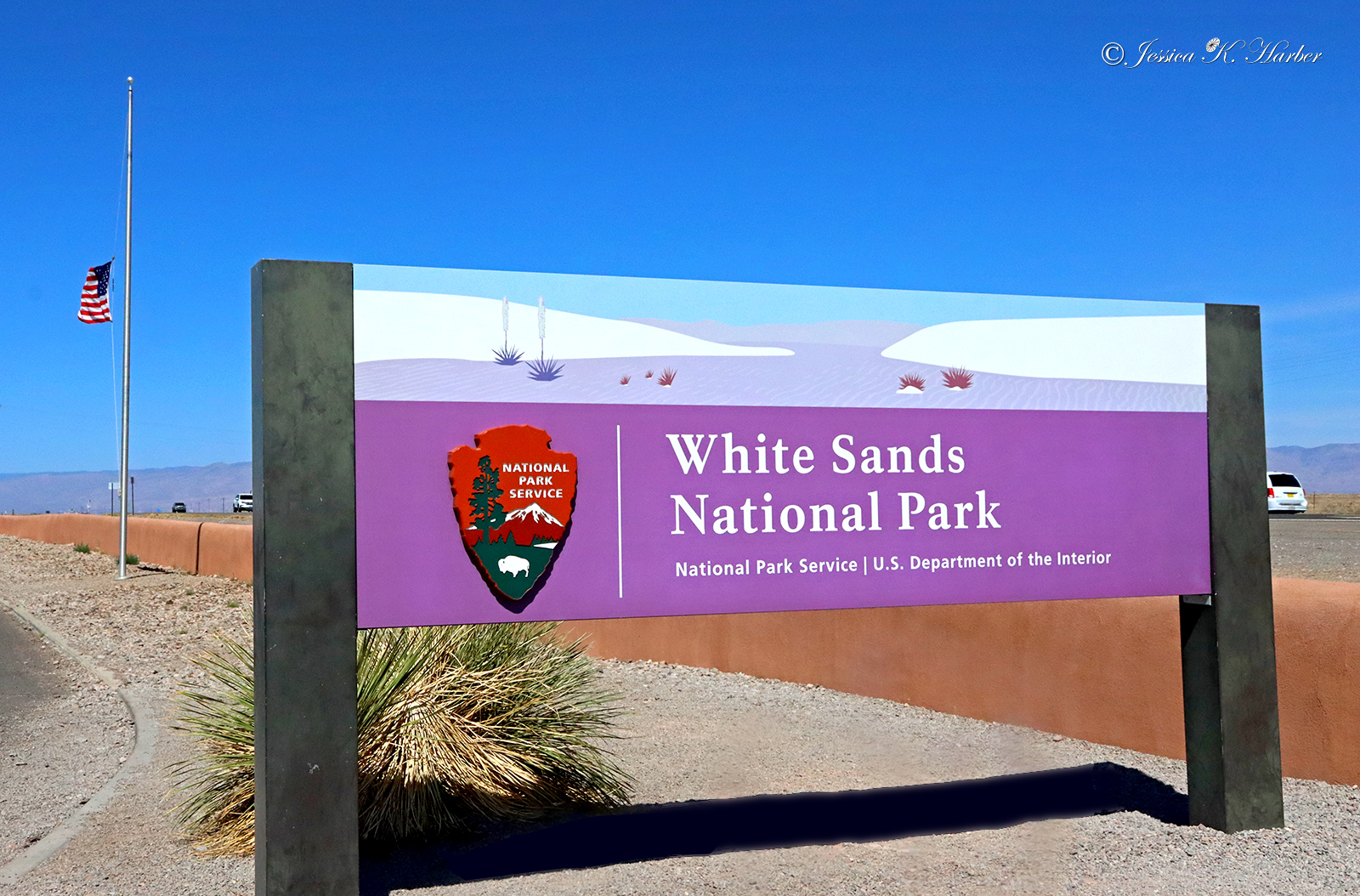
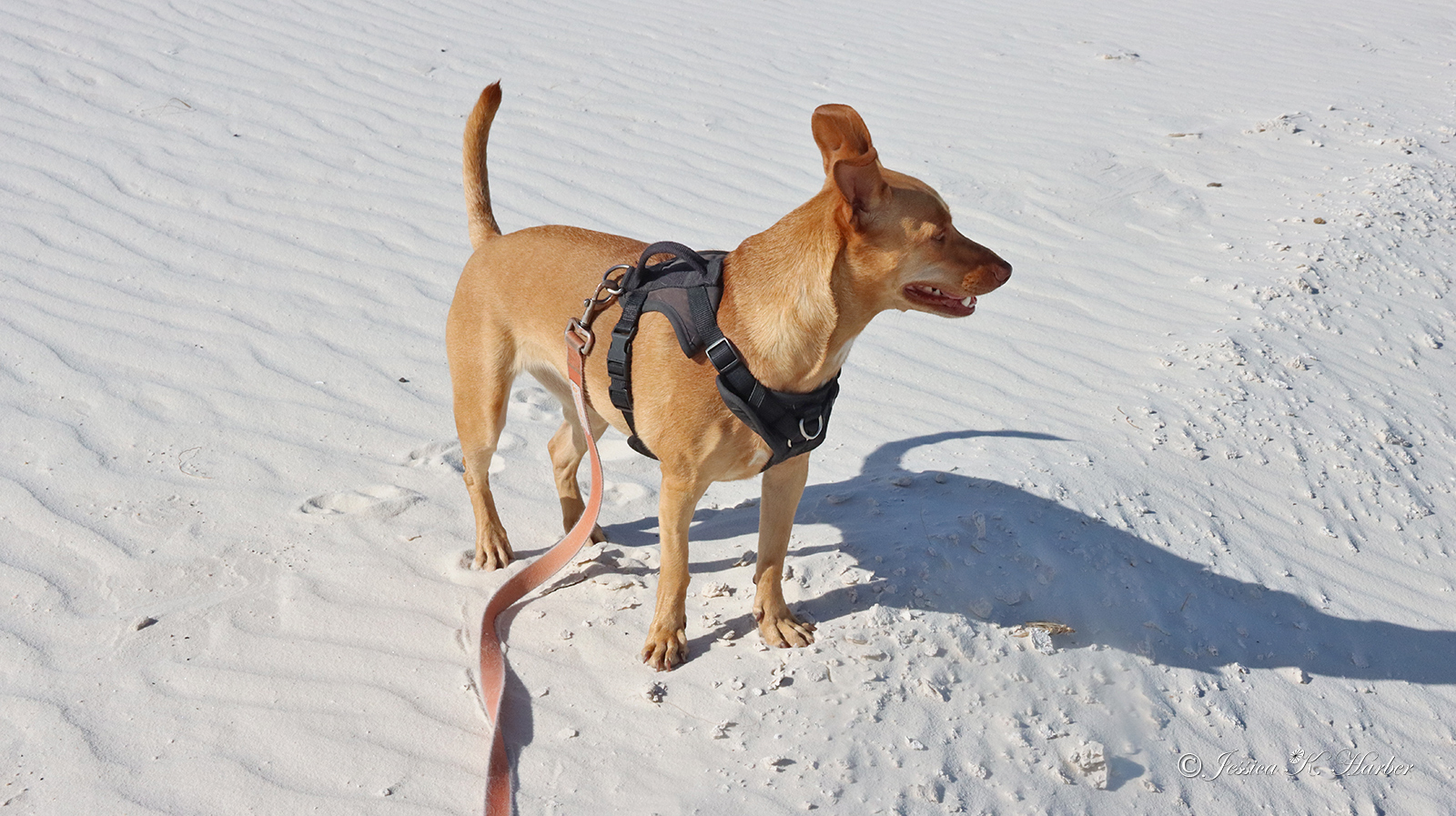
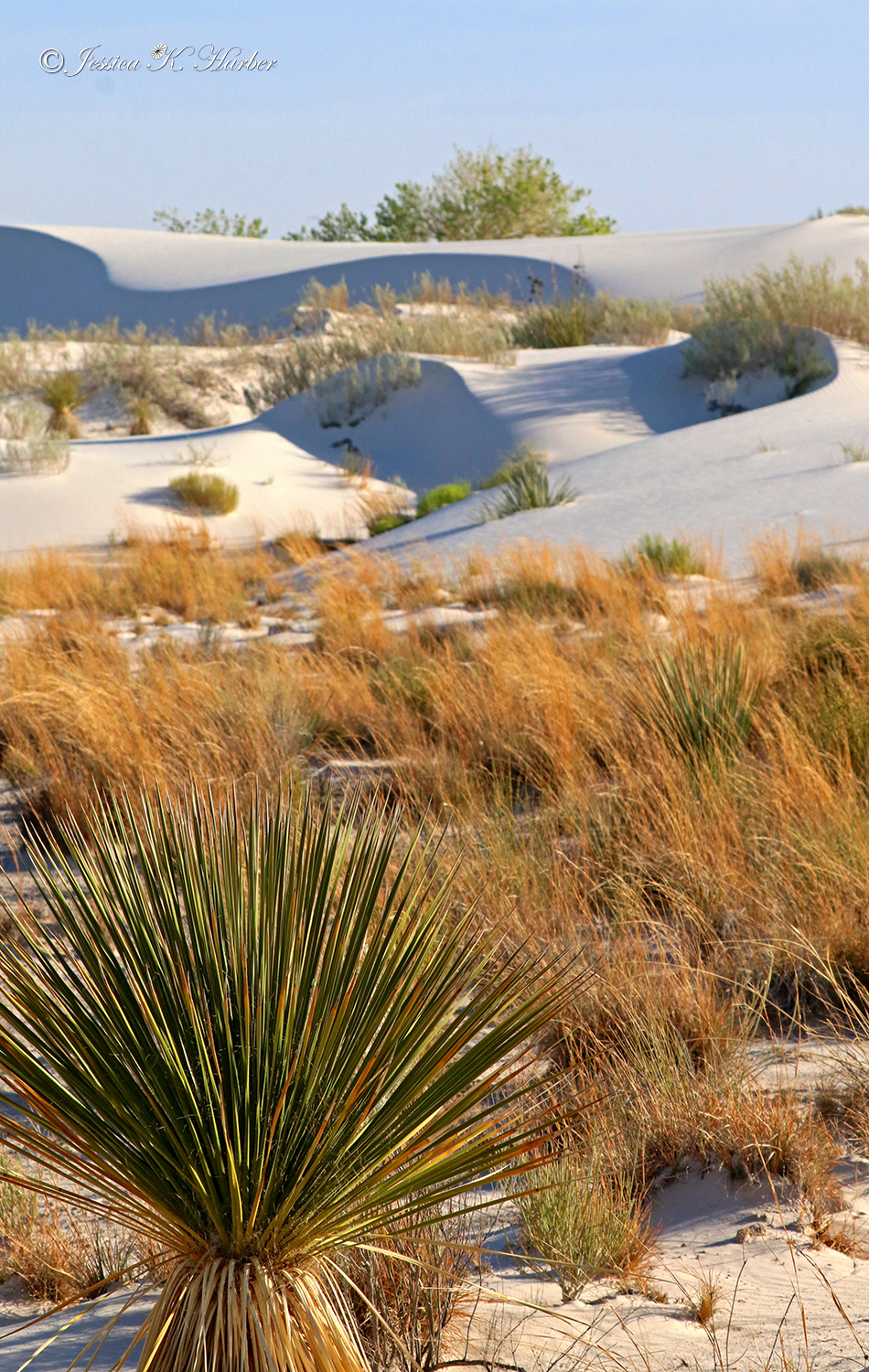
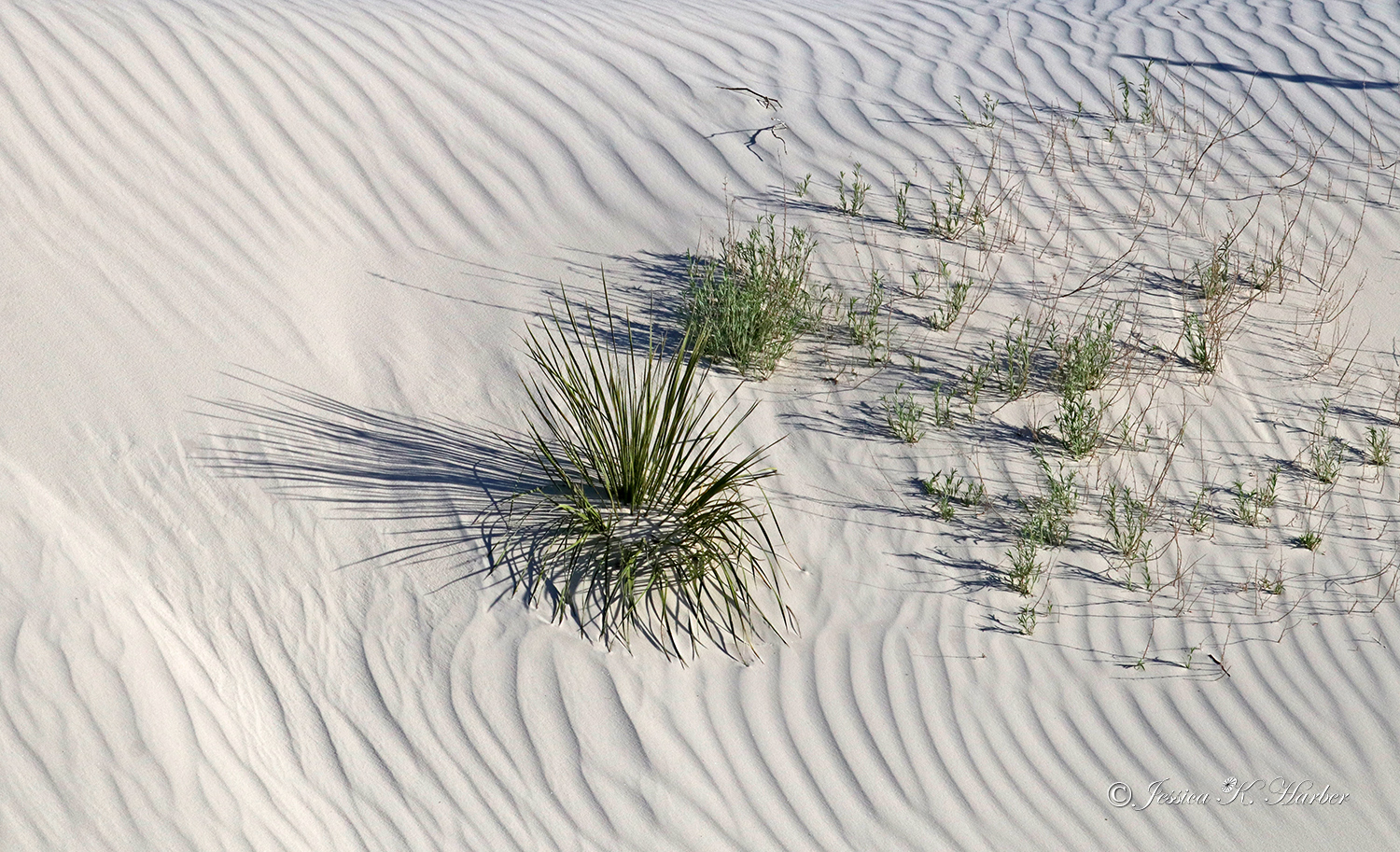
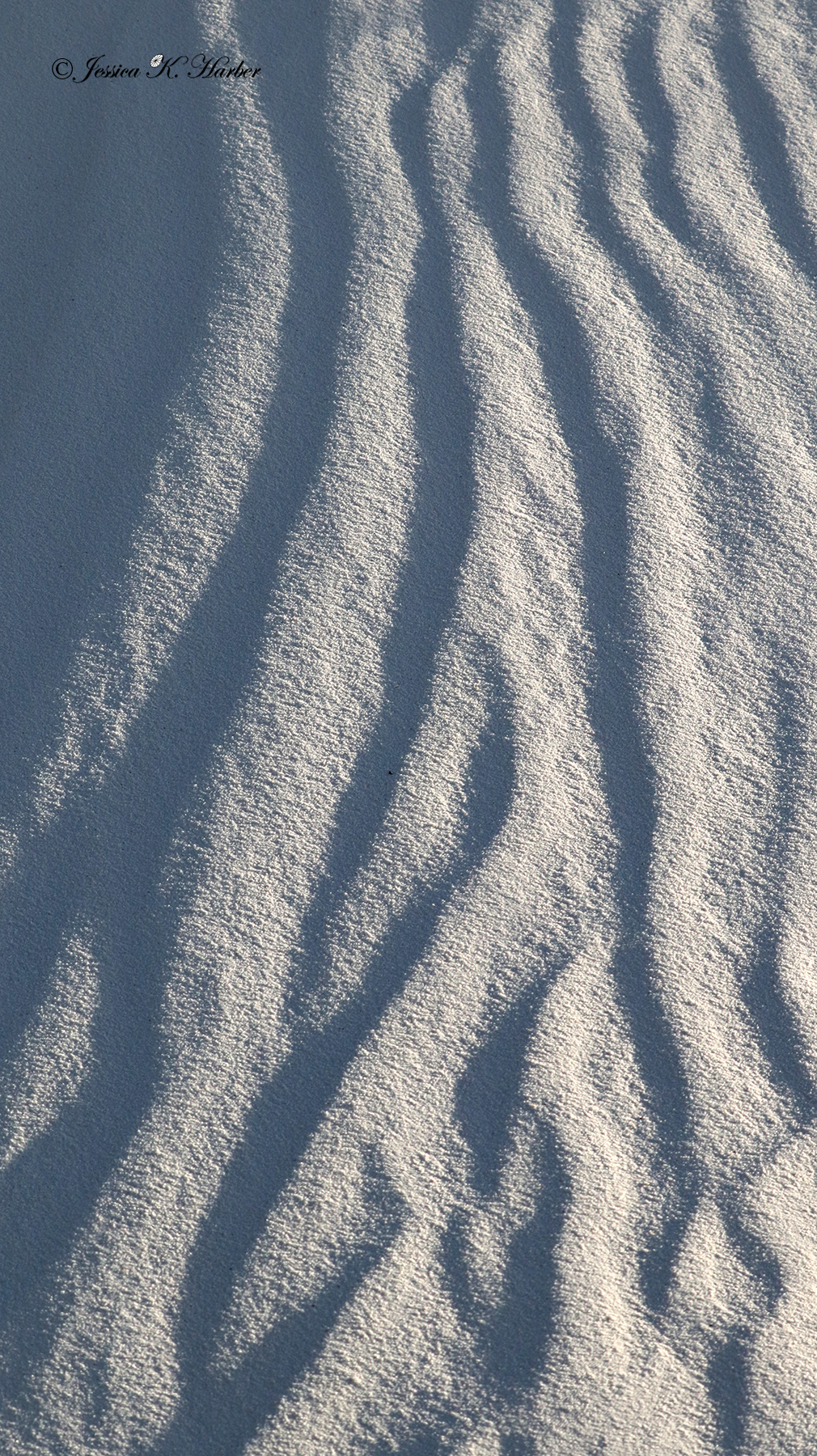
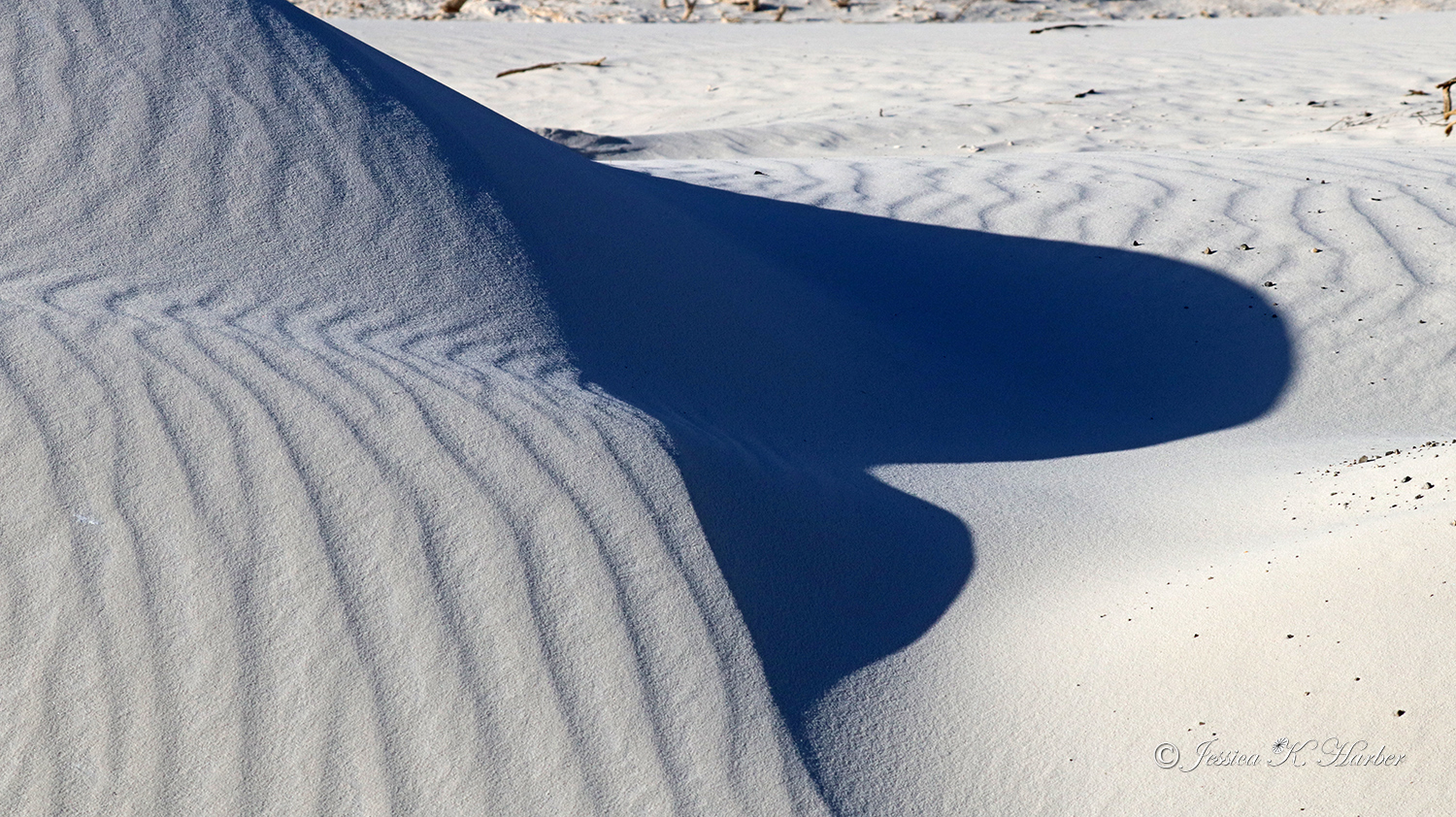
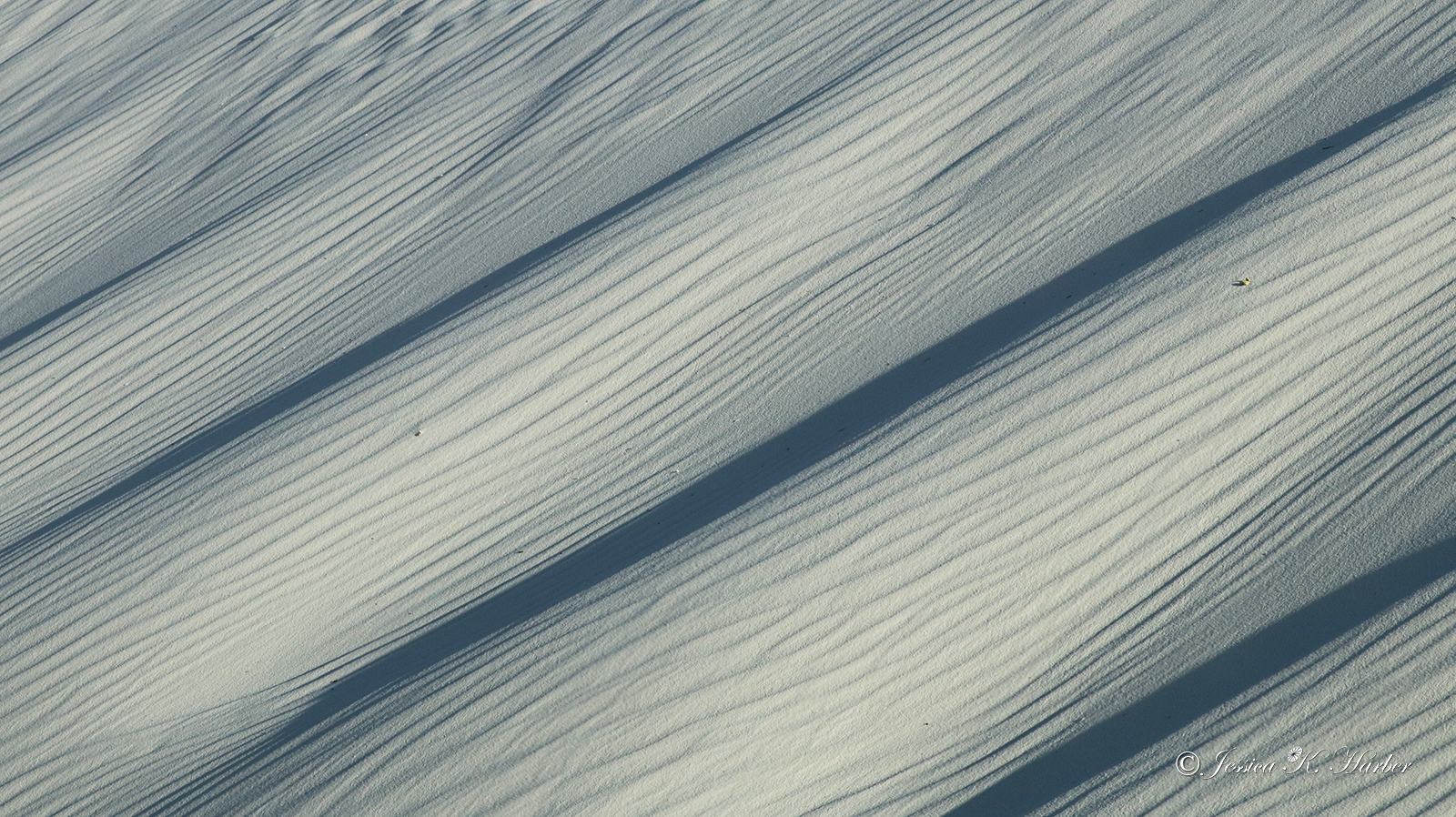
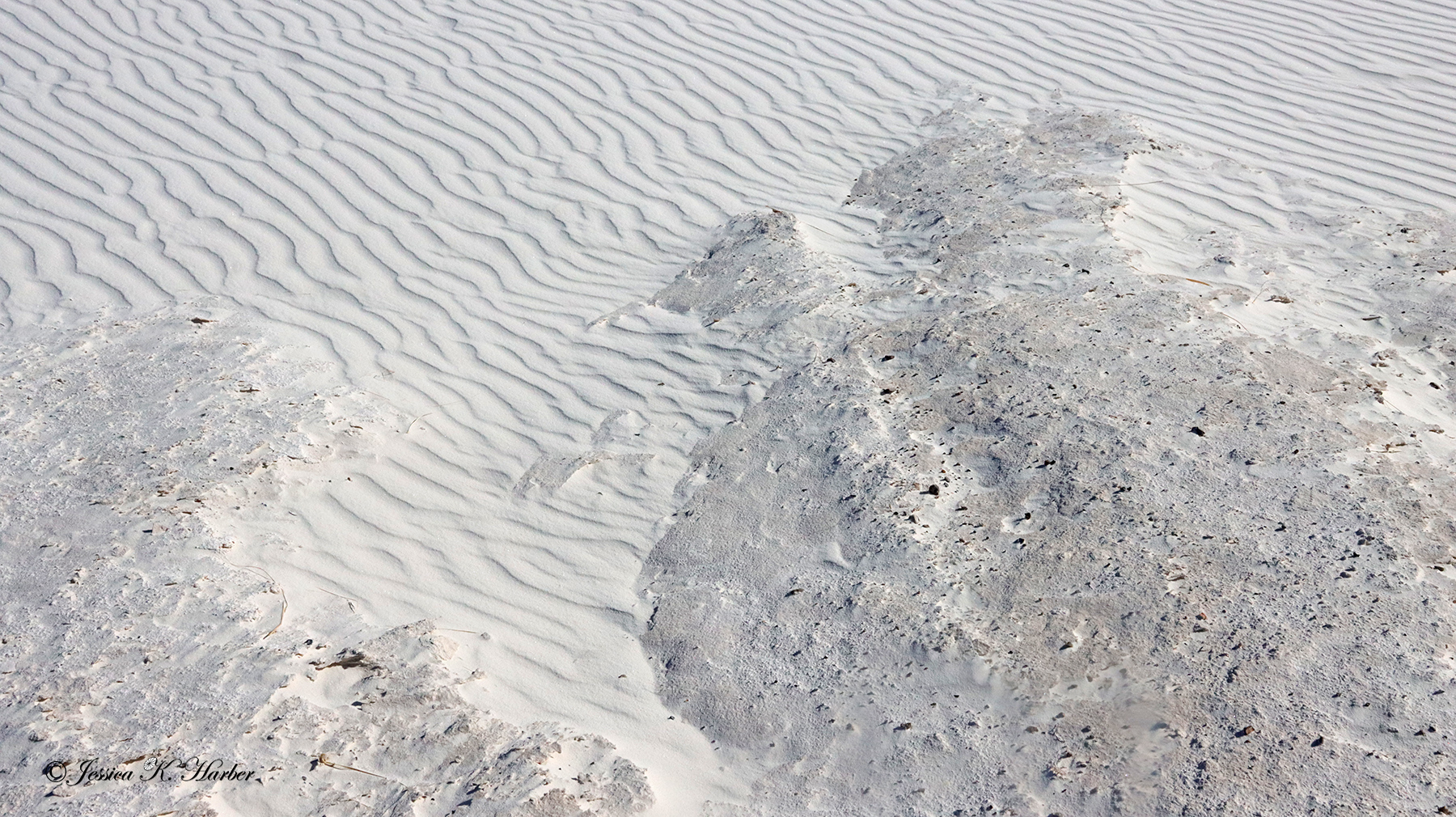
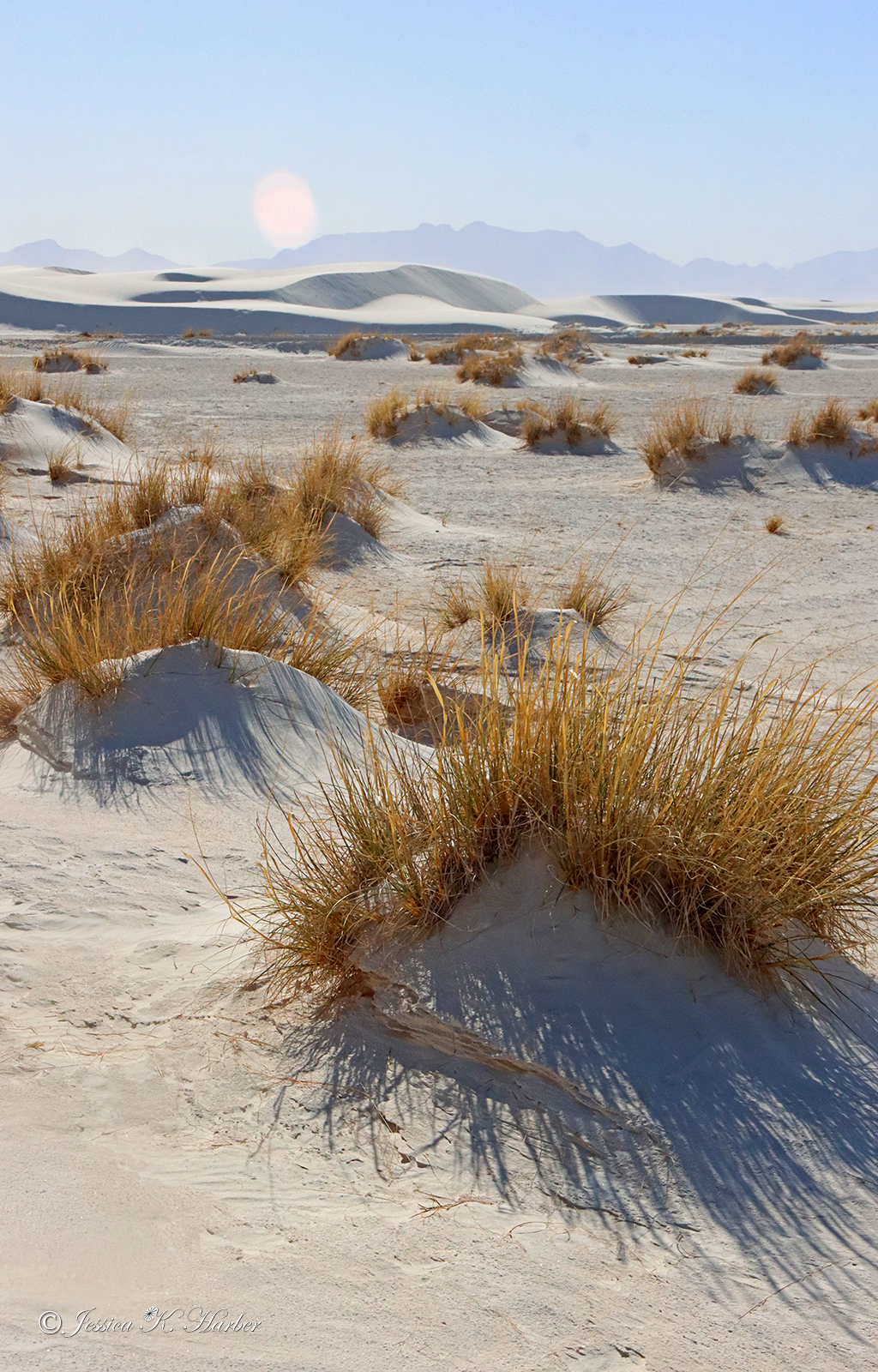
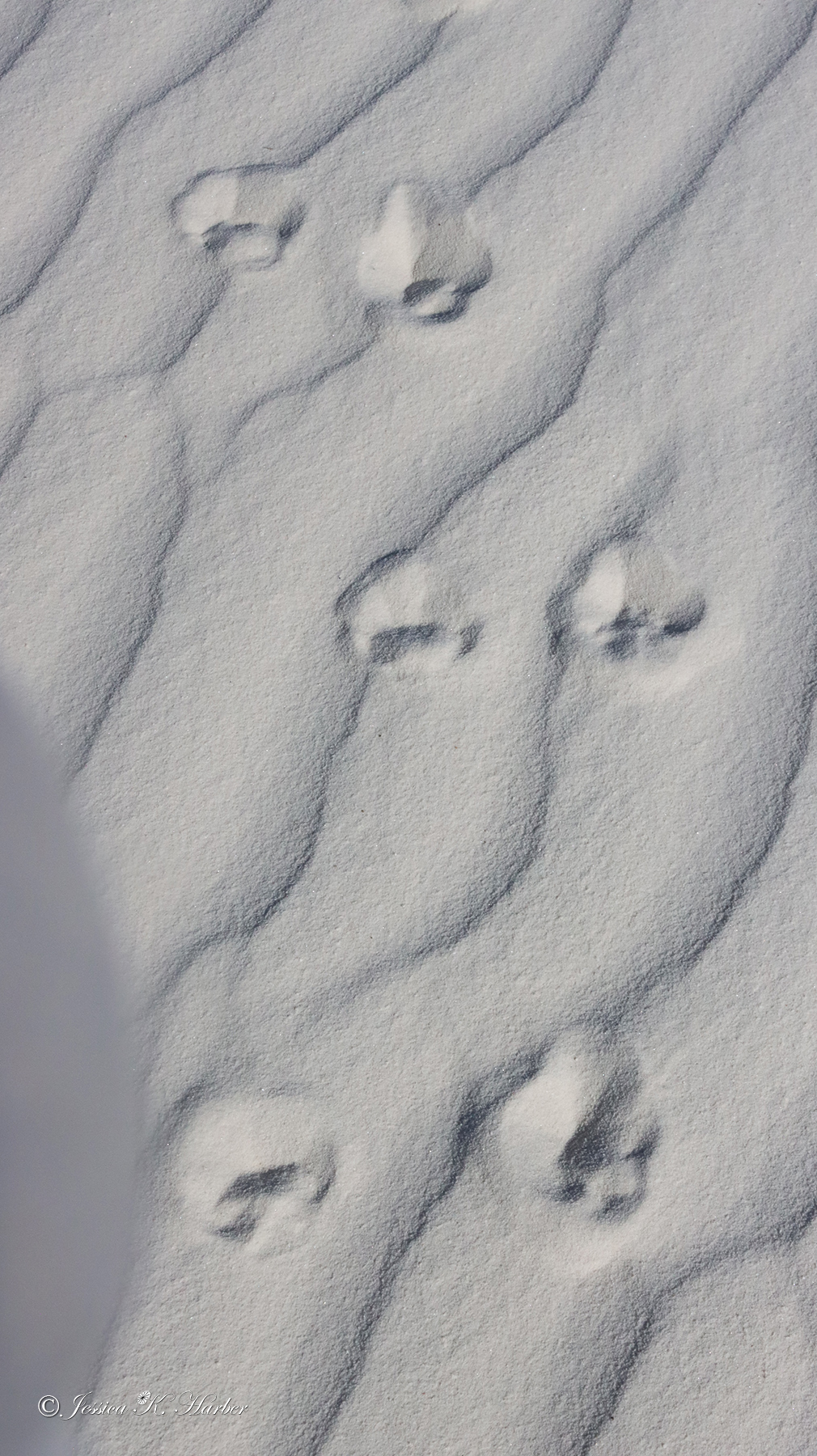
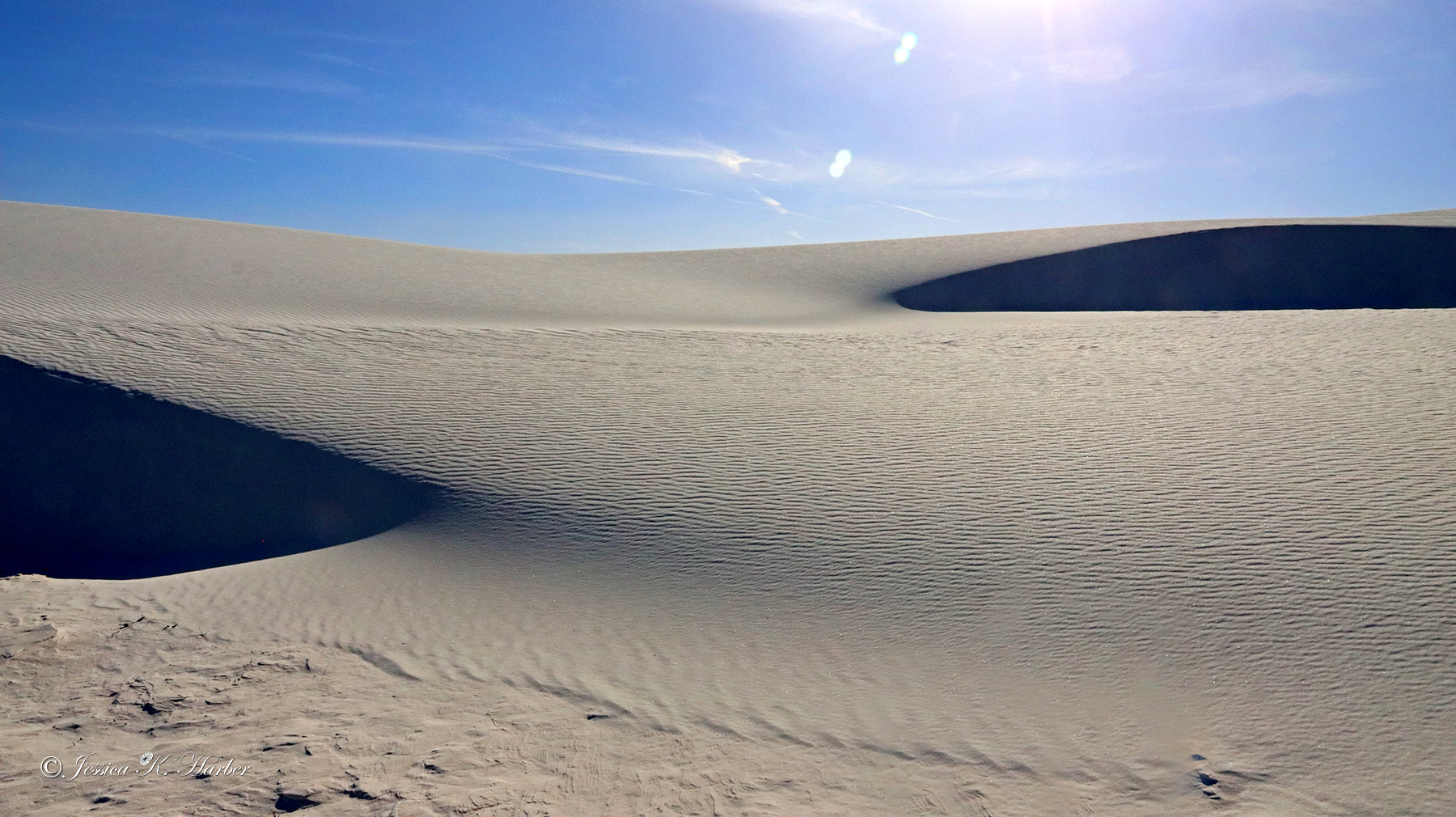
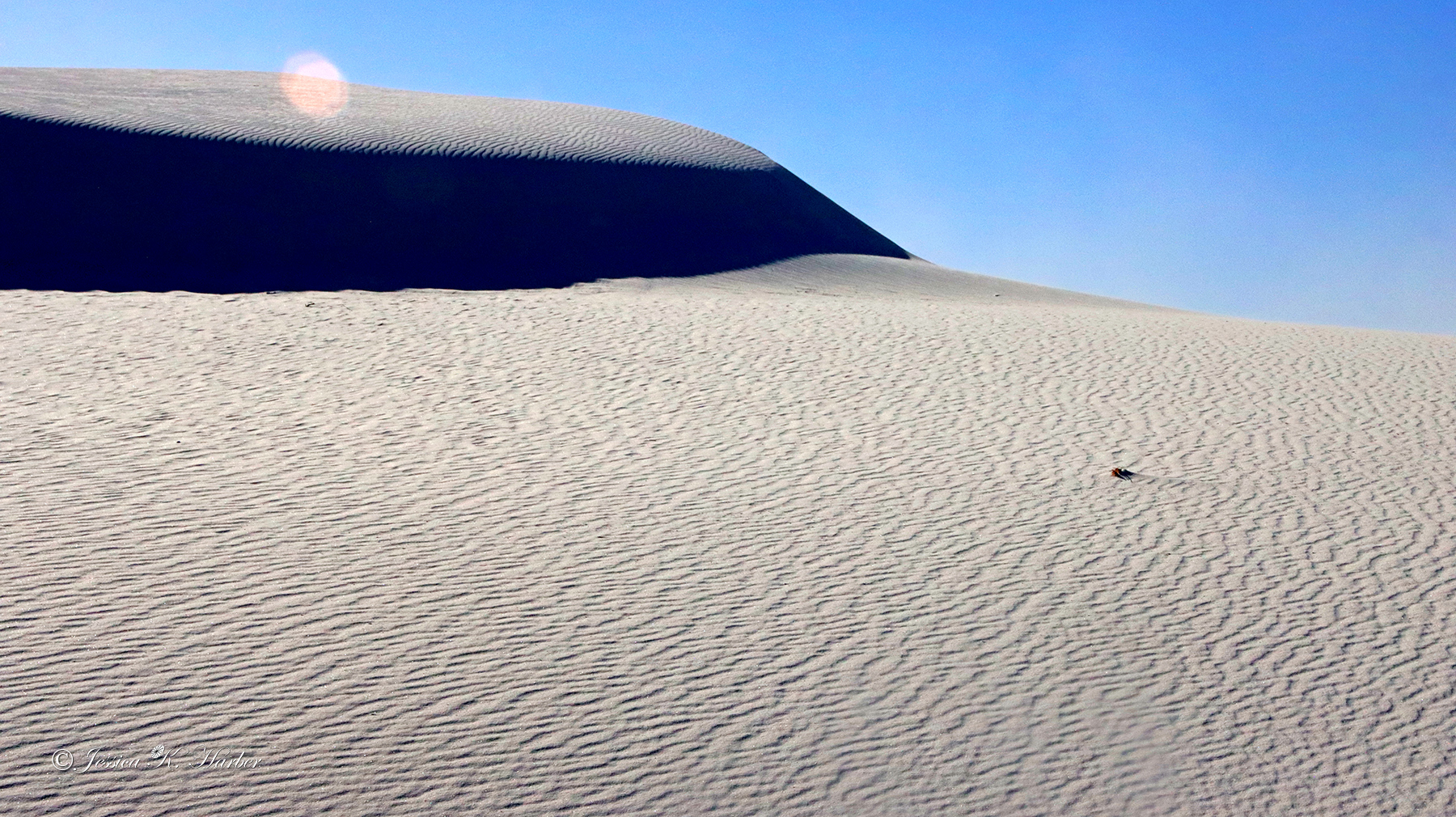
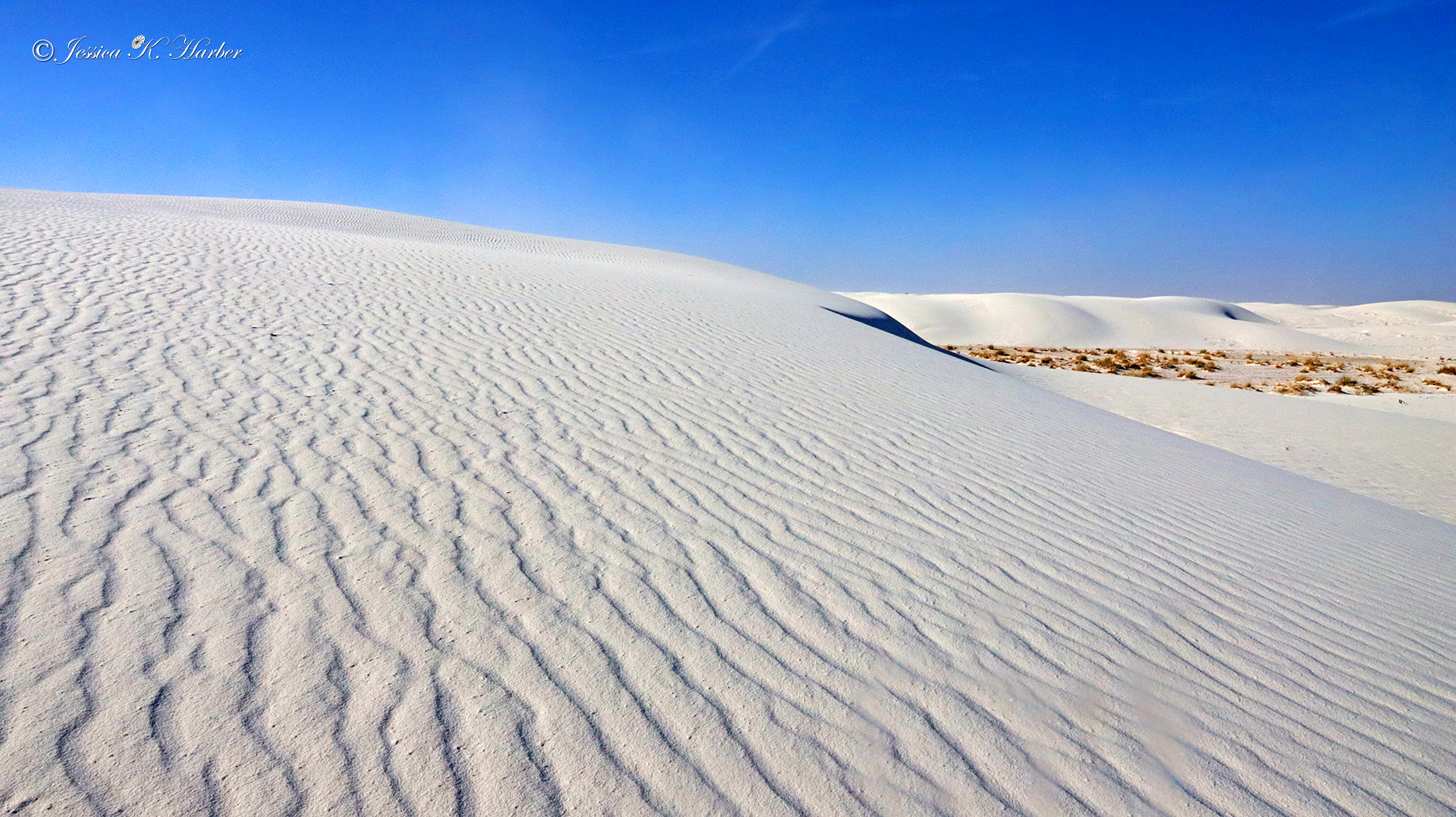
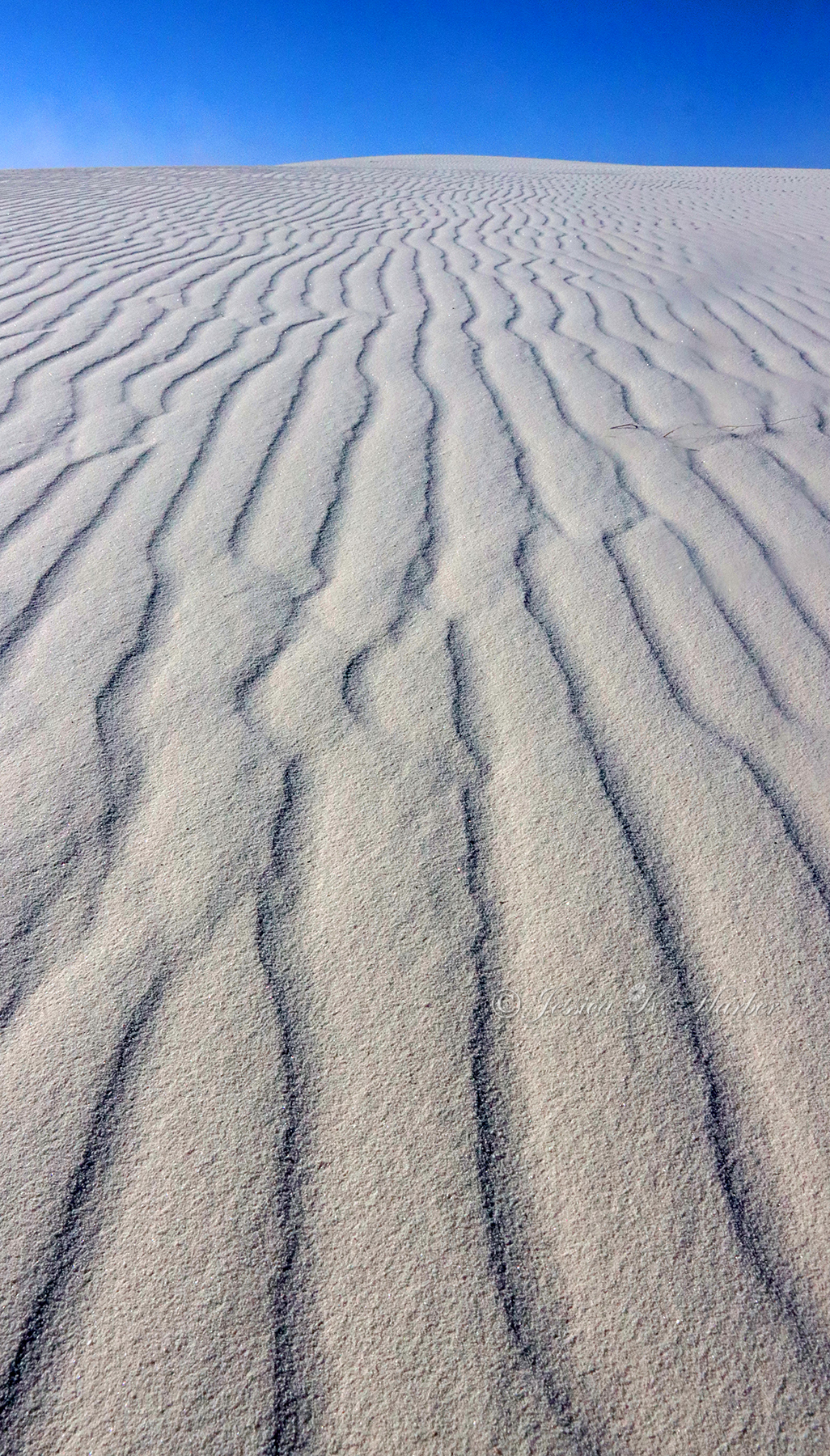
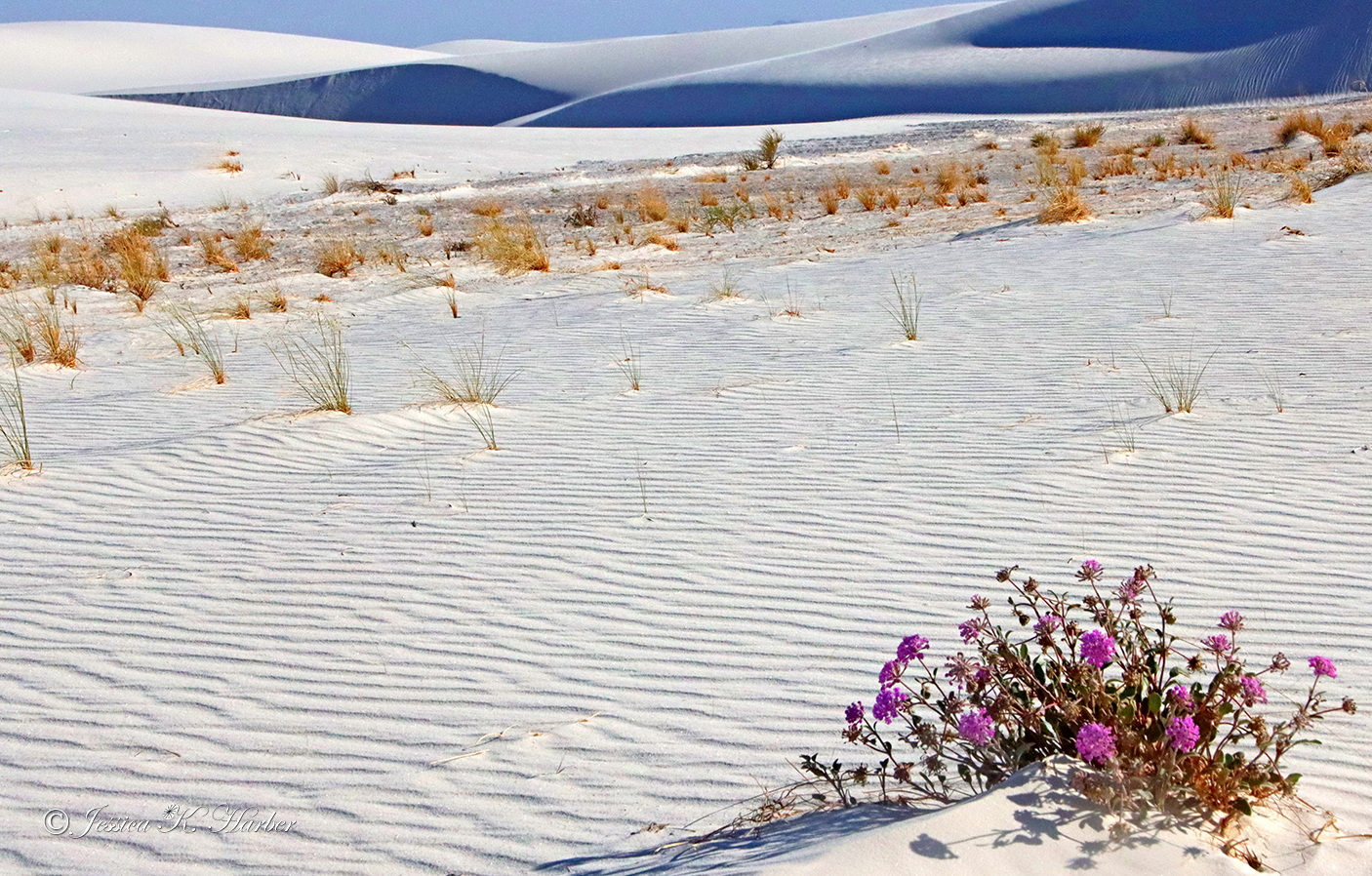
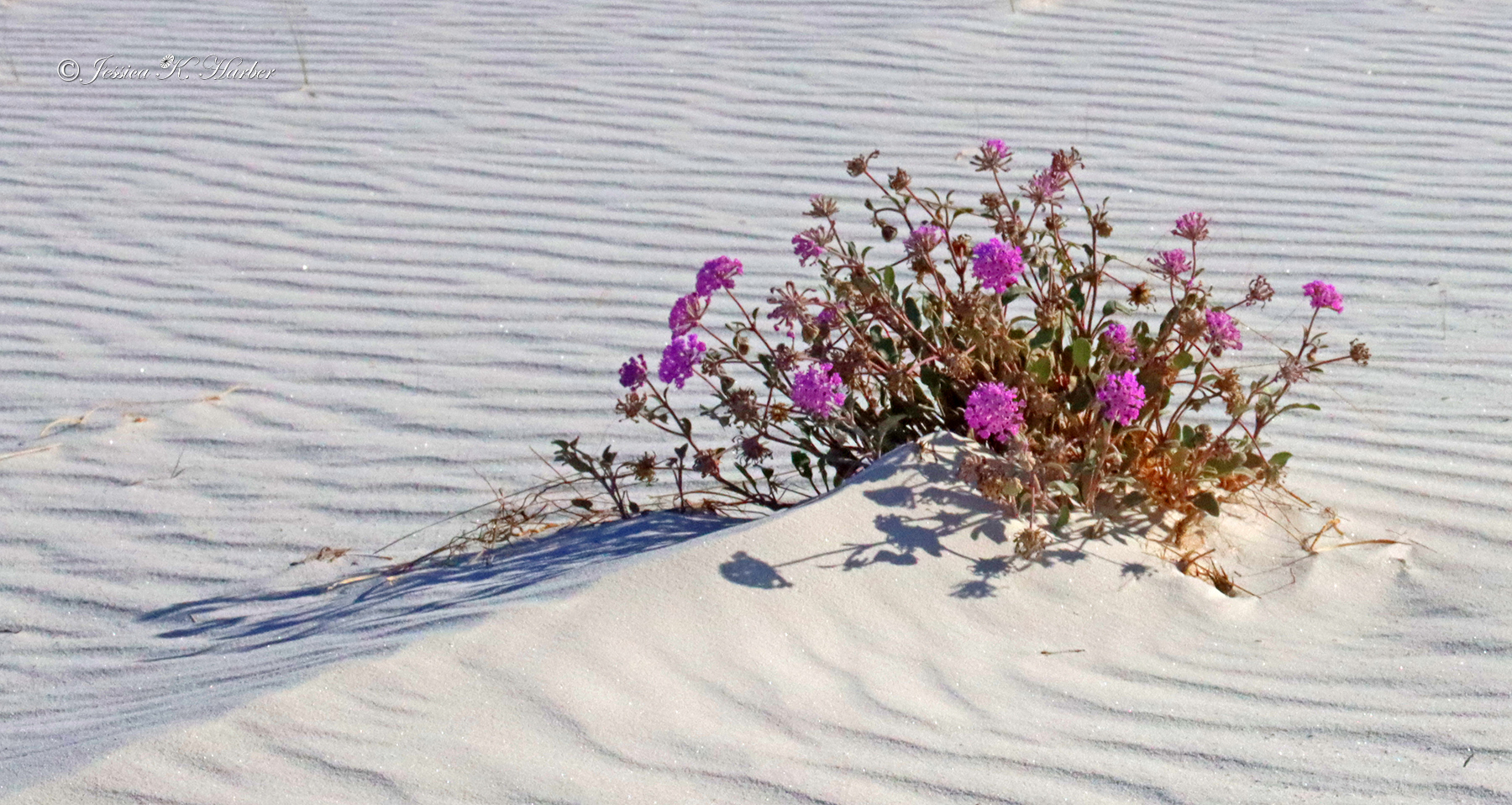
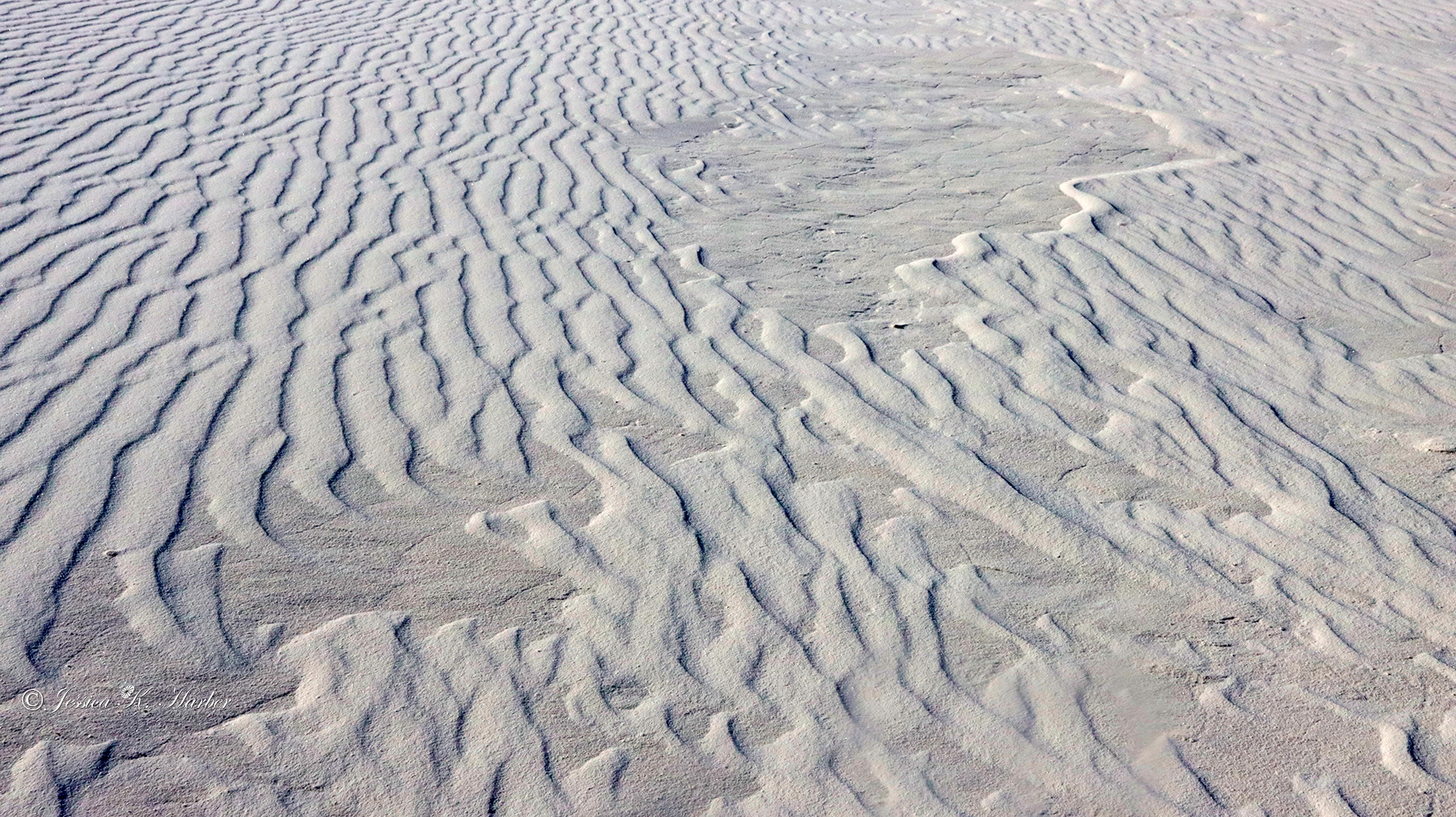
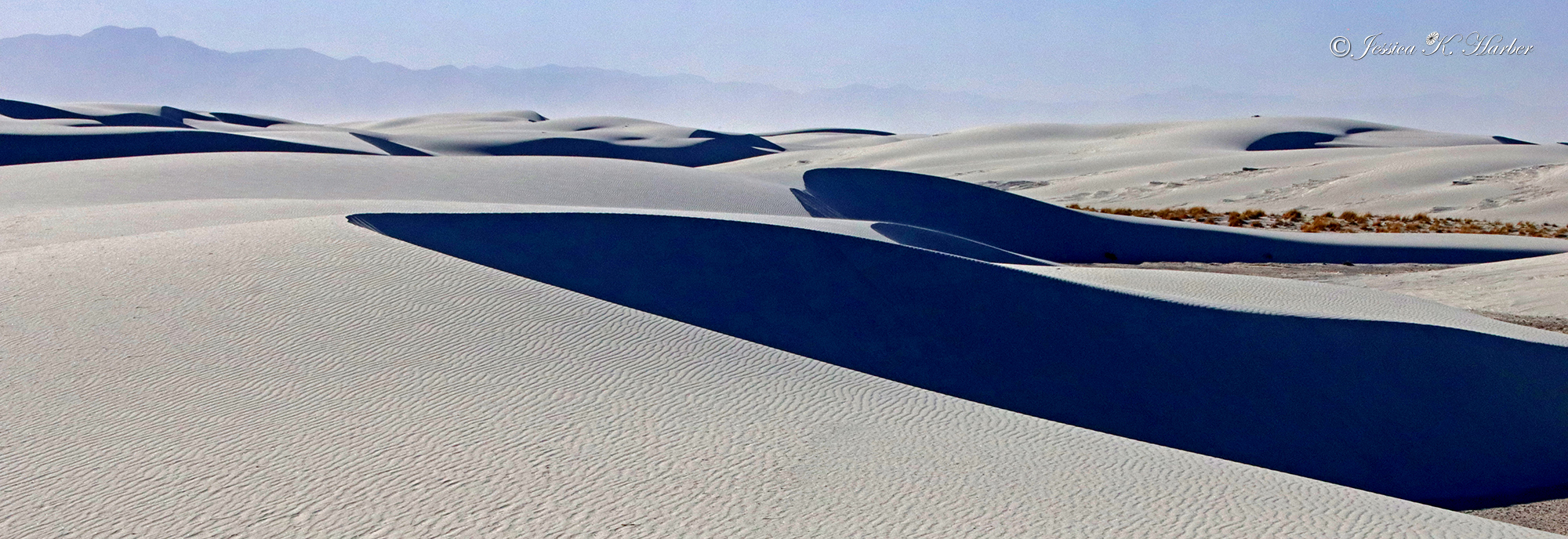
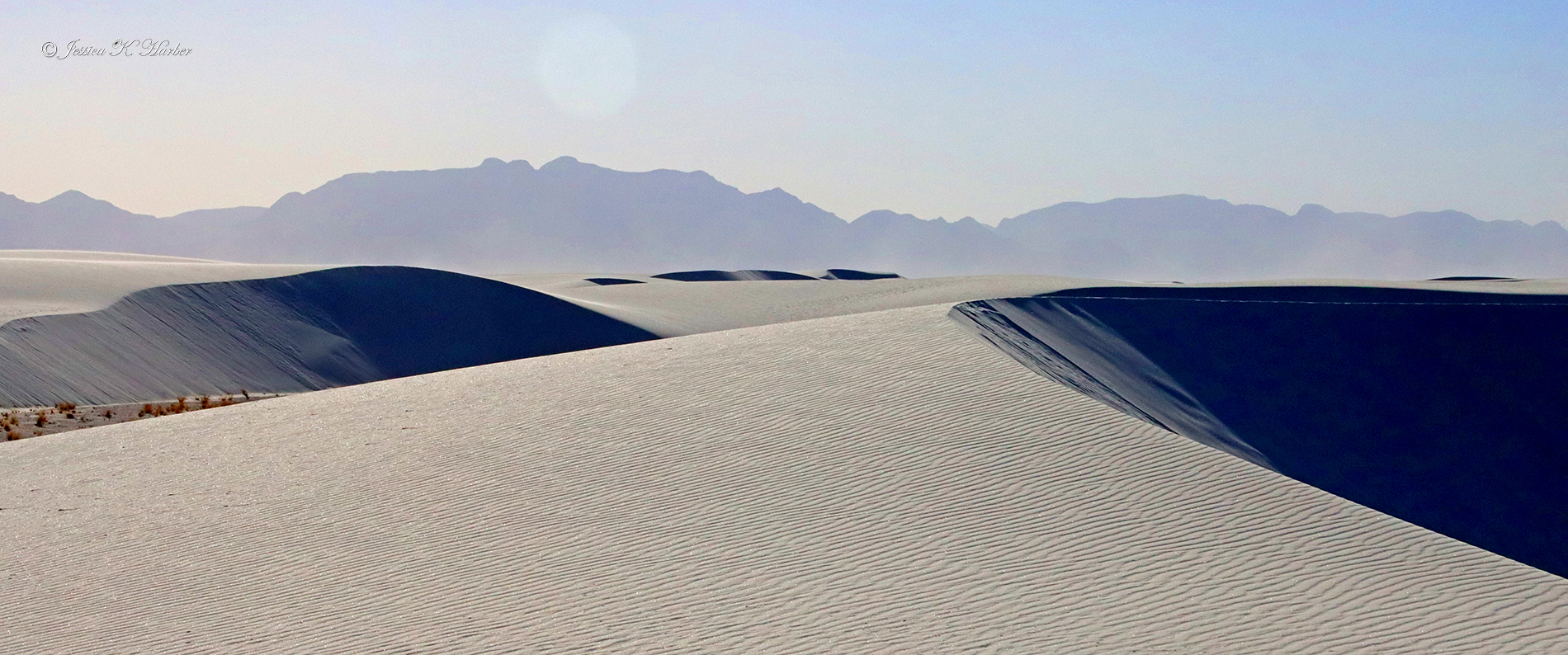
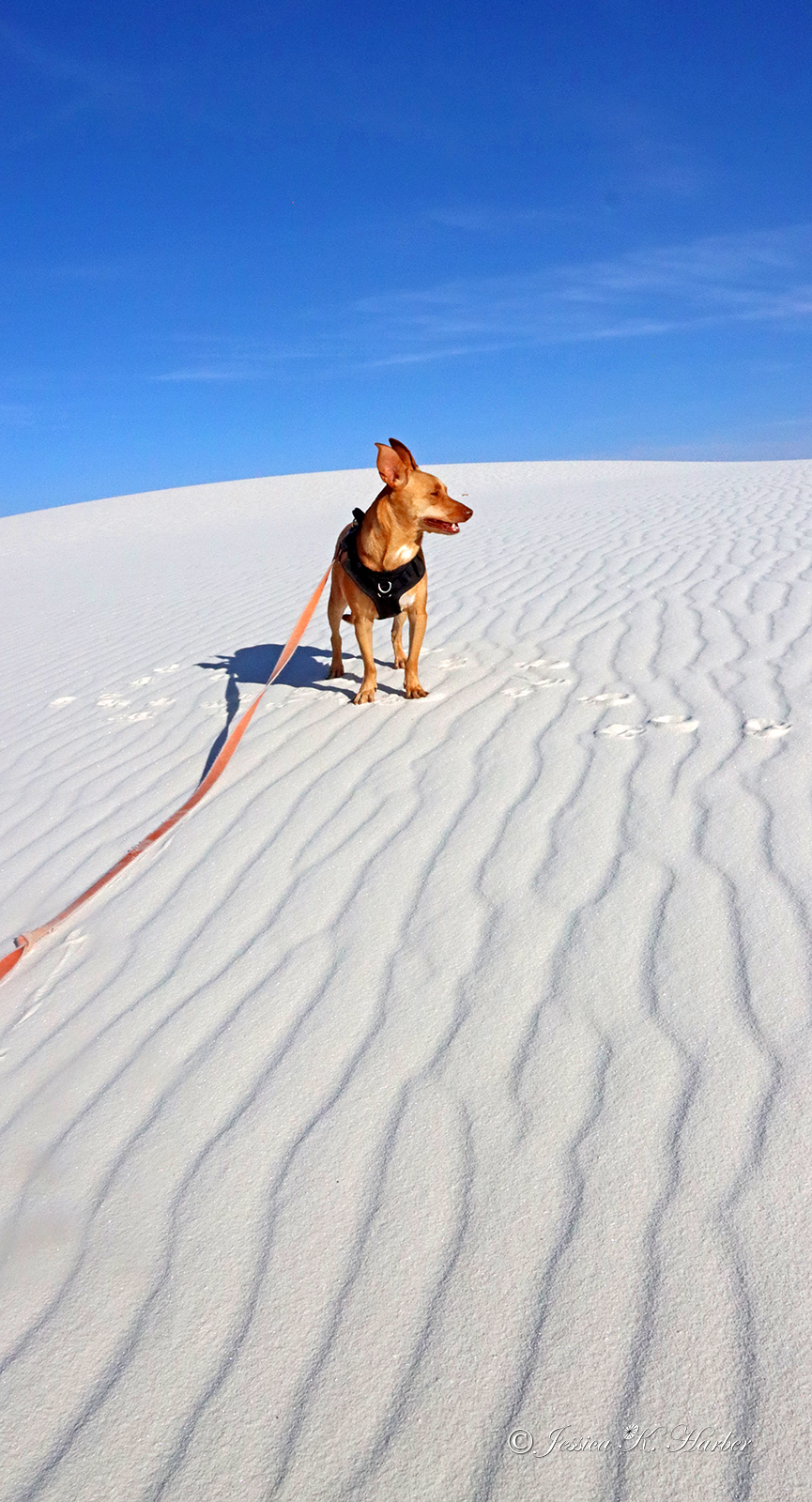
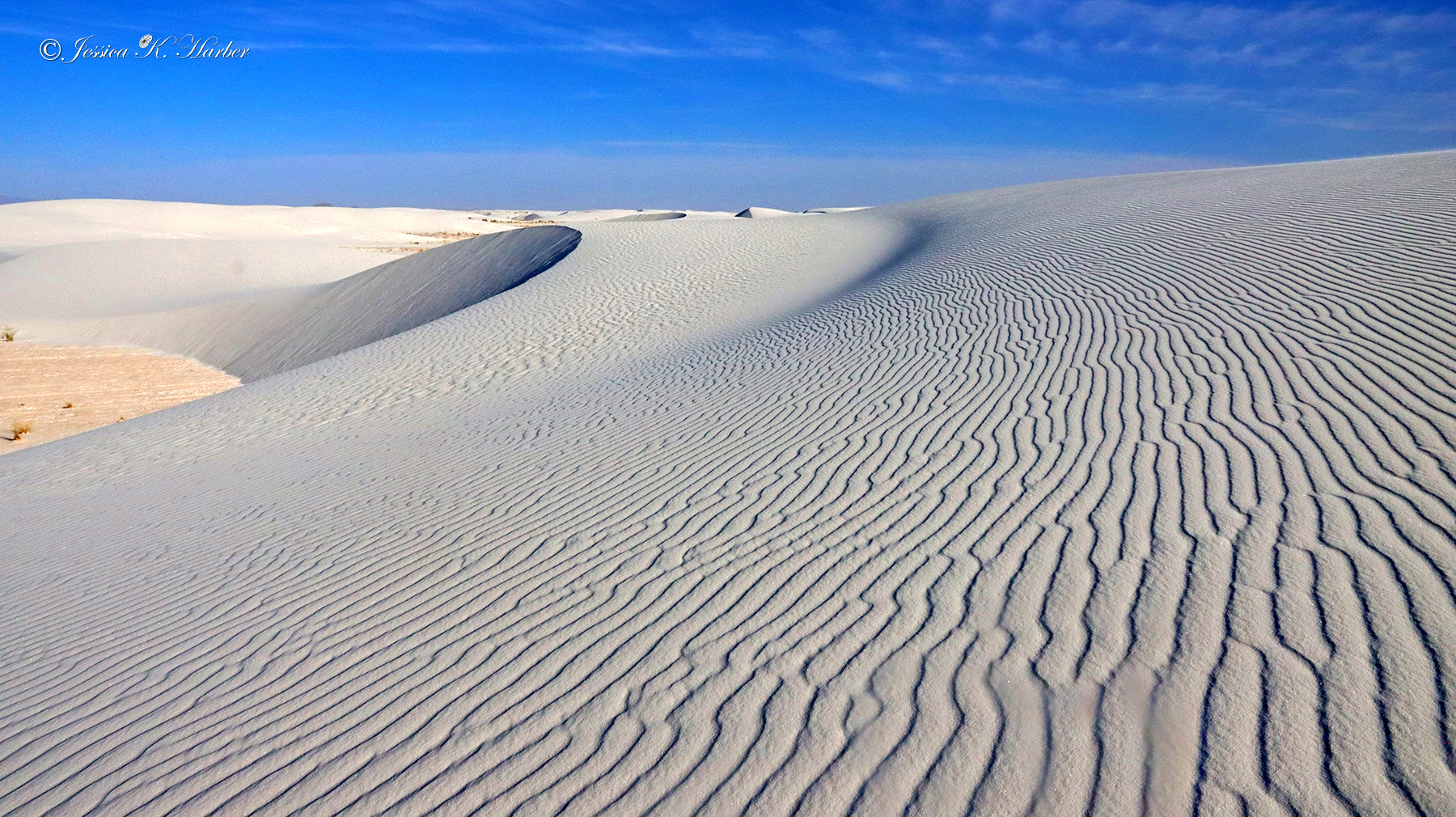
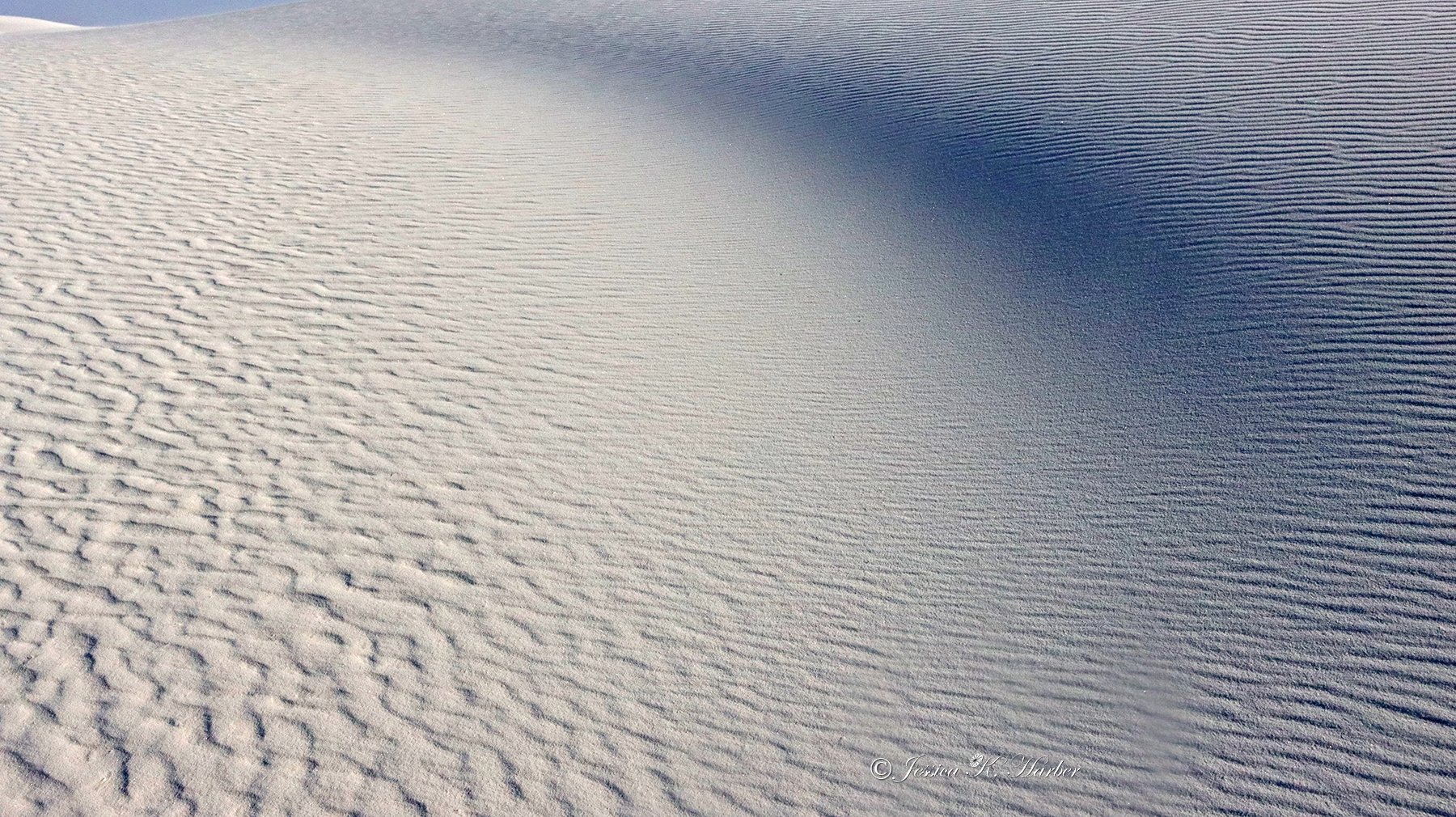
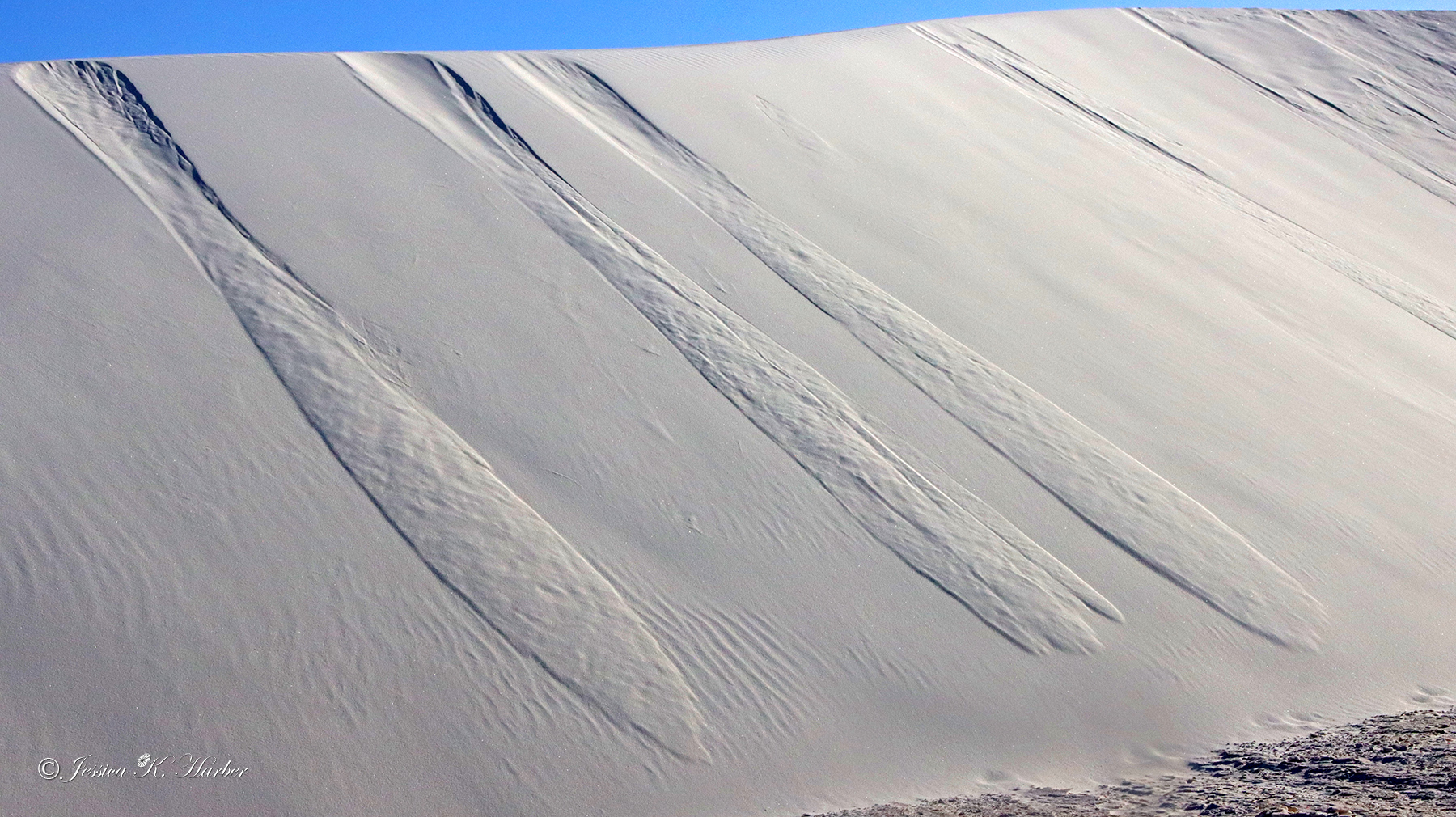
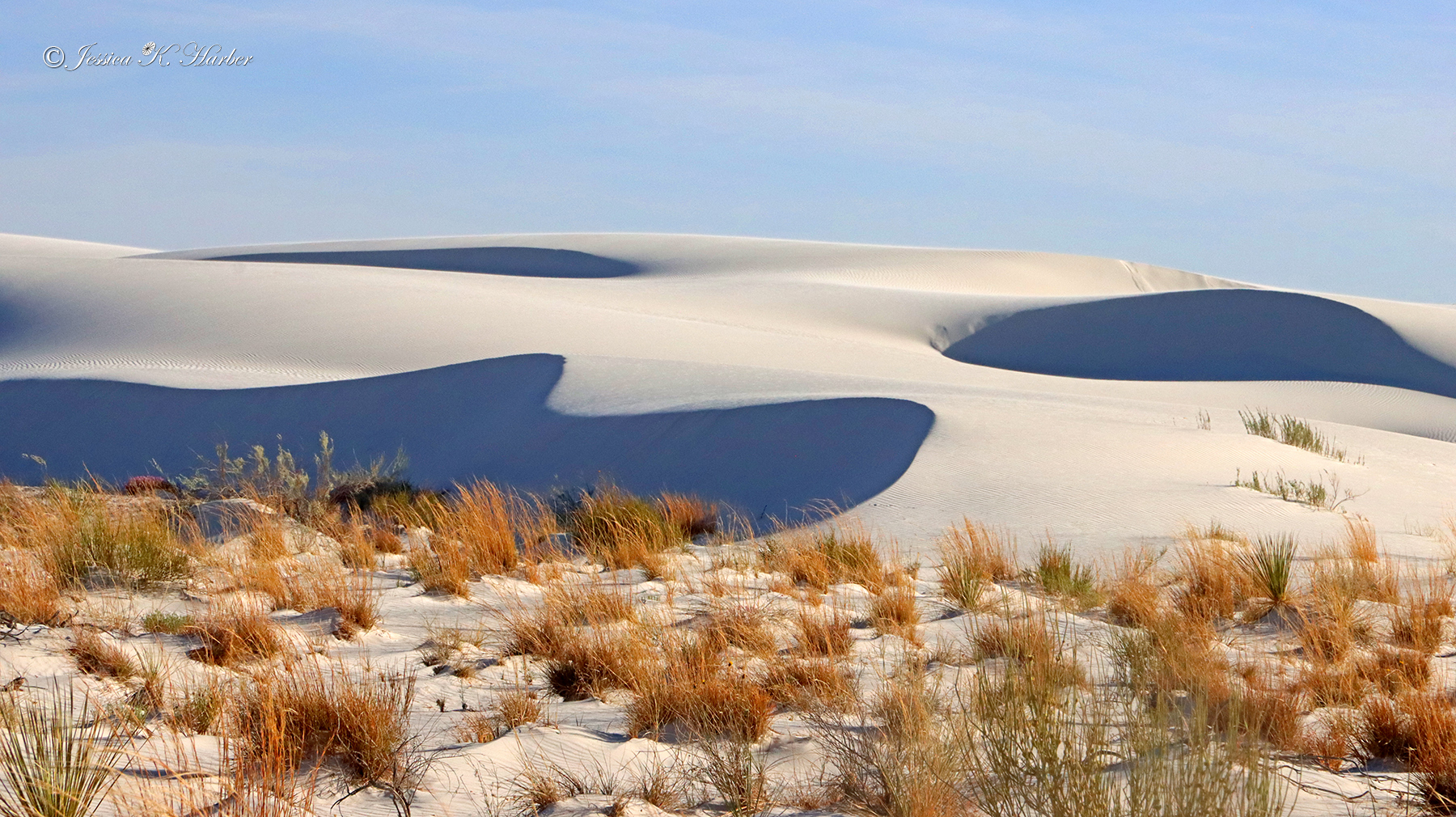
Next was White Sands National Park. There is a small but good visitor’s center that includes a film about the Park. I always see the Park film if there is one. It’s usually a good way to get an overall picture of the Park and/or to learn about its history. They are always free. The staff was also nice about answering several questions I had.
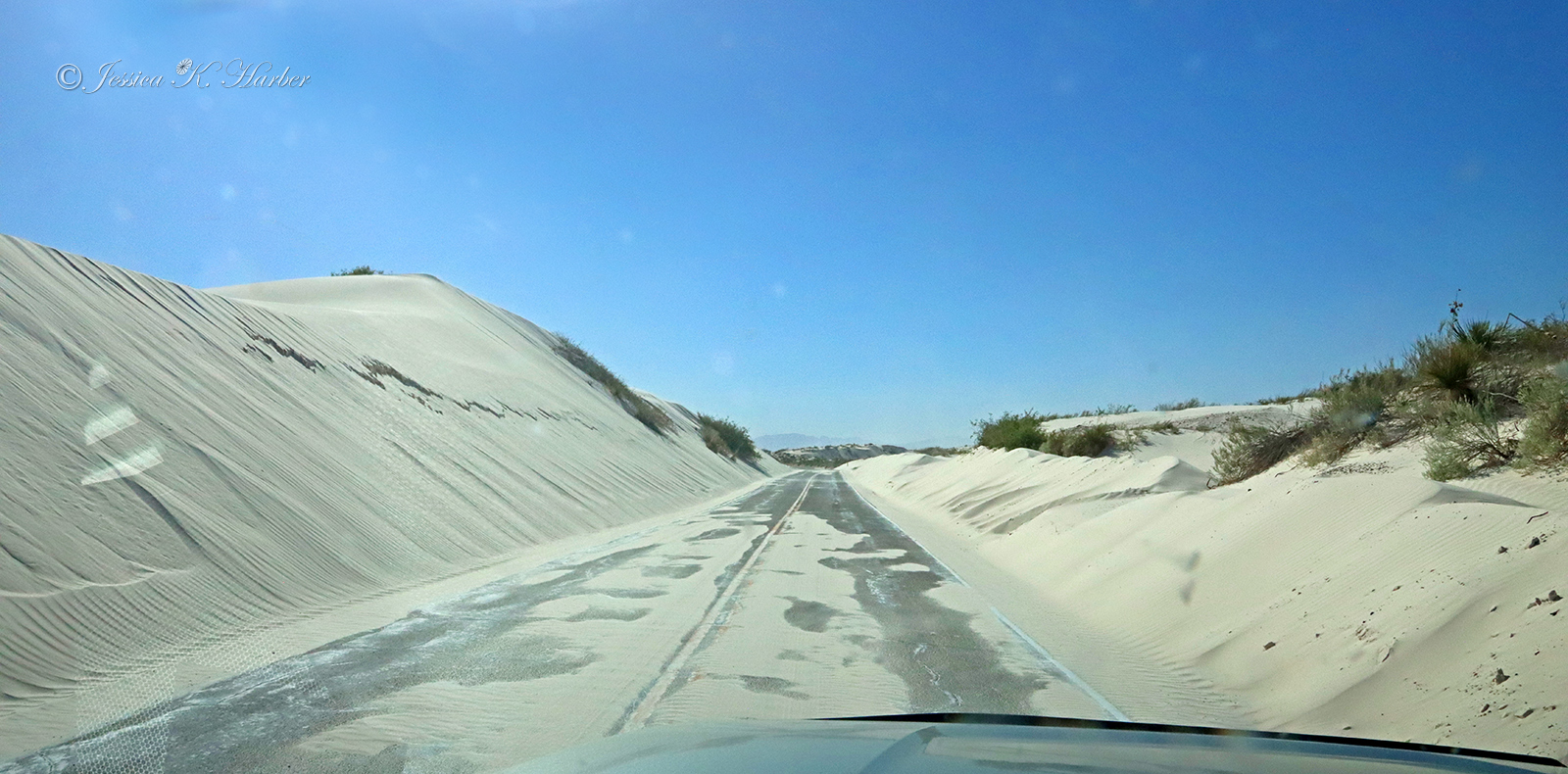
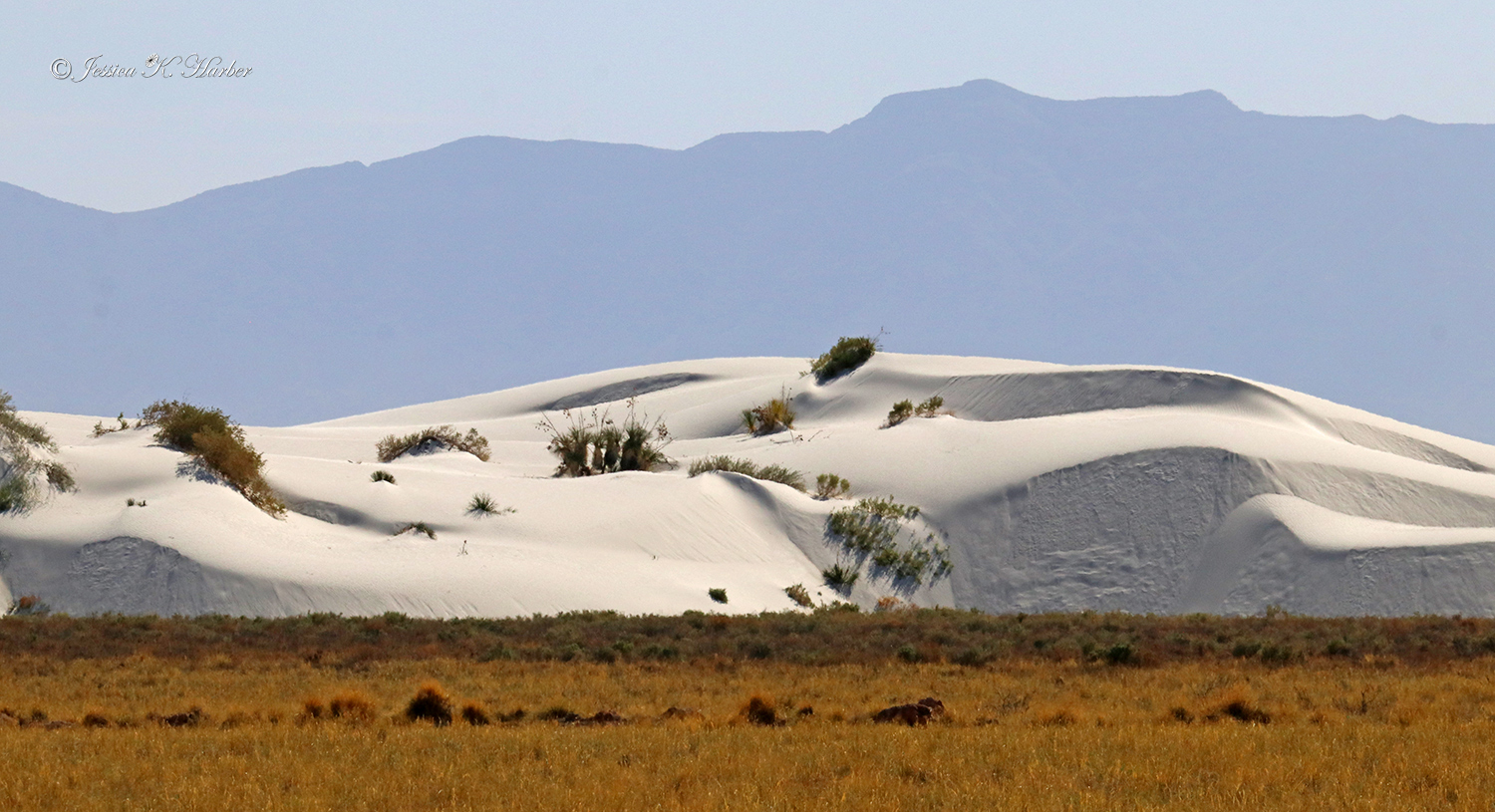
I enjoy seeing and photographing sand dunes because of the different patterns the wind makes in the sand and the way the light plays off the dunes. Sand is also challenging for me, though, because it is the absolute worst for camera equipment–even more so than water. If the sand is blowing, it can actually ruin equipment, so if that starts, I usually retreat to my vehicle or at least put away my camera(s).
There was not a great deal of wind, however, and I was somewhat able to take advantage of late afternoon light before leaving. I enjoyed this Park but, on this occasion, one afternoon was a long enough visit for me.
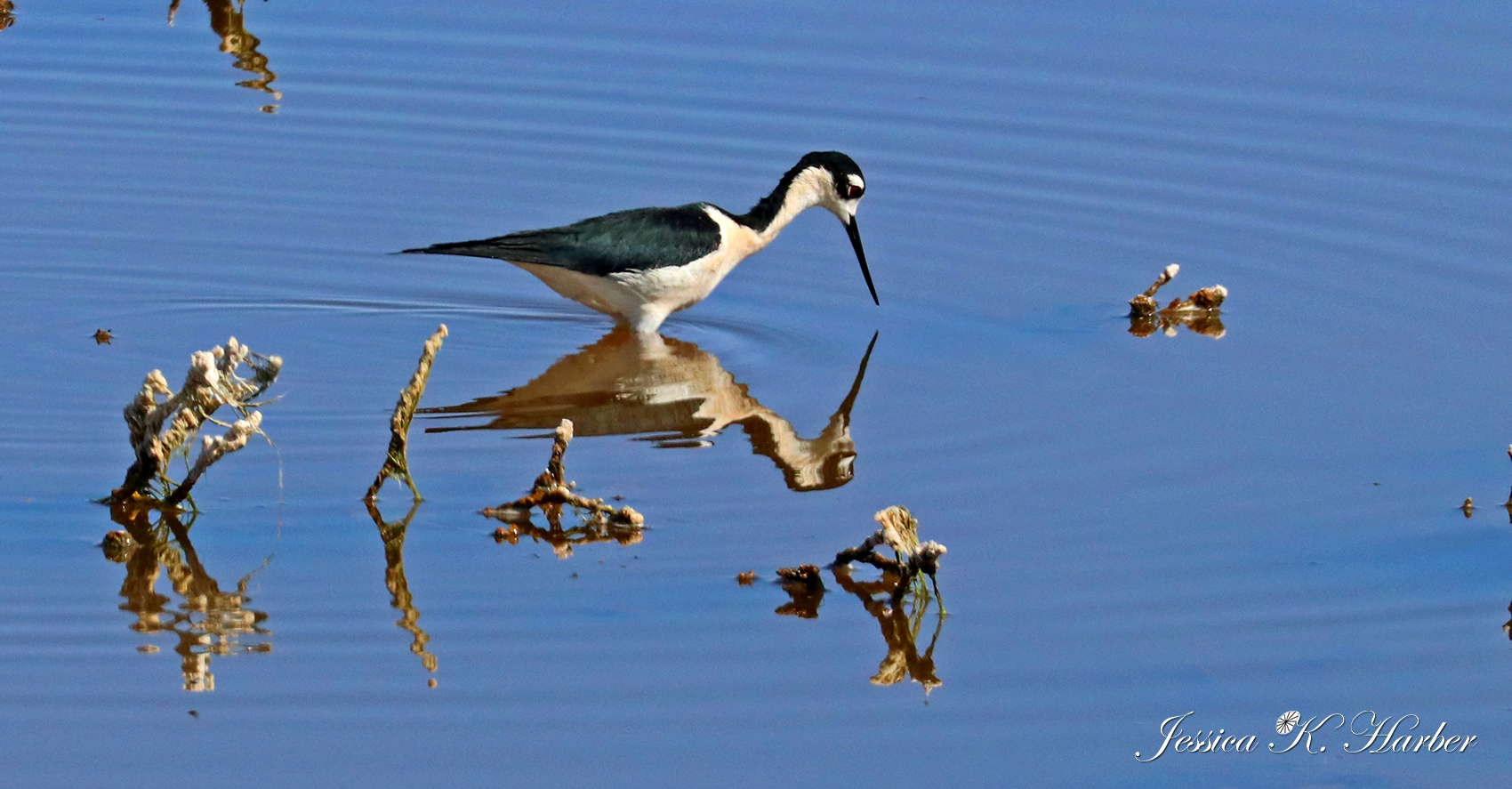
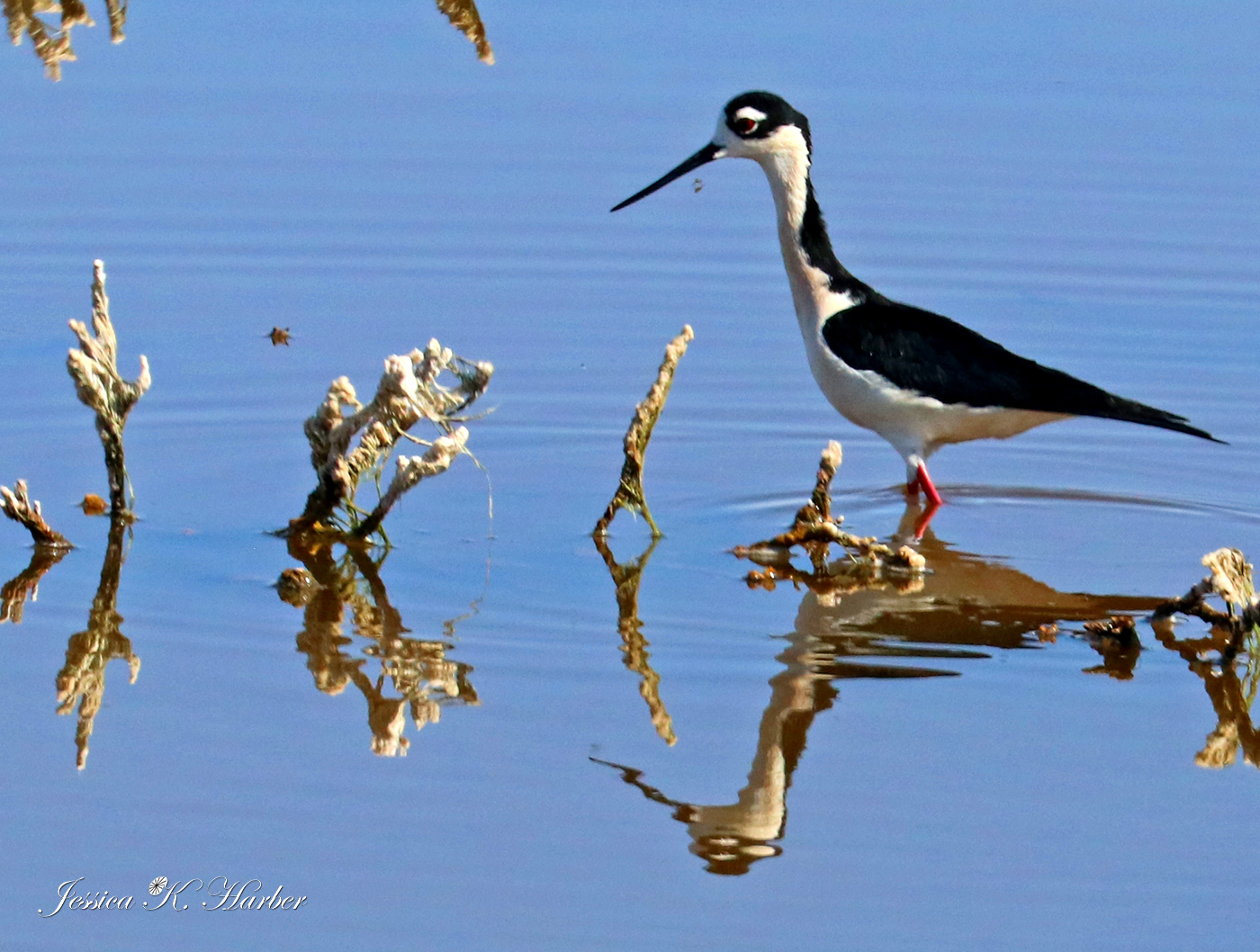
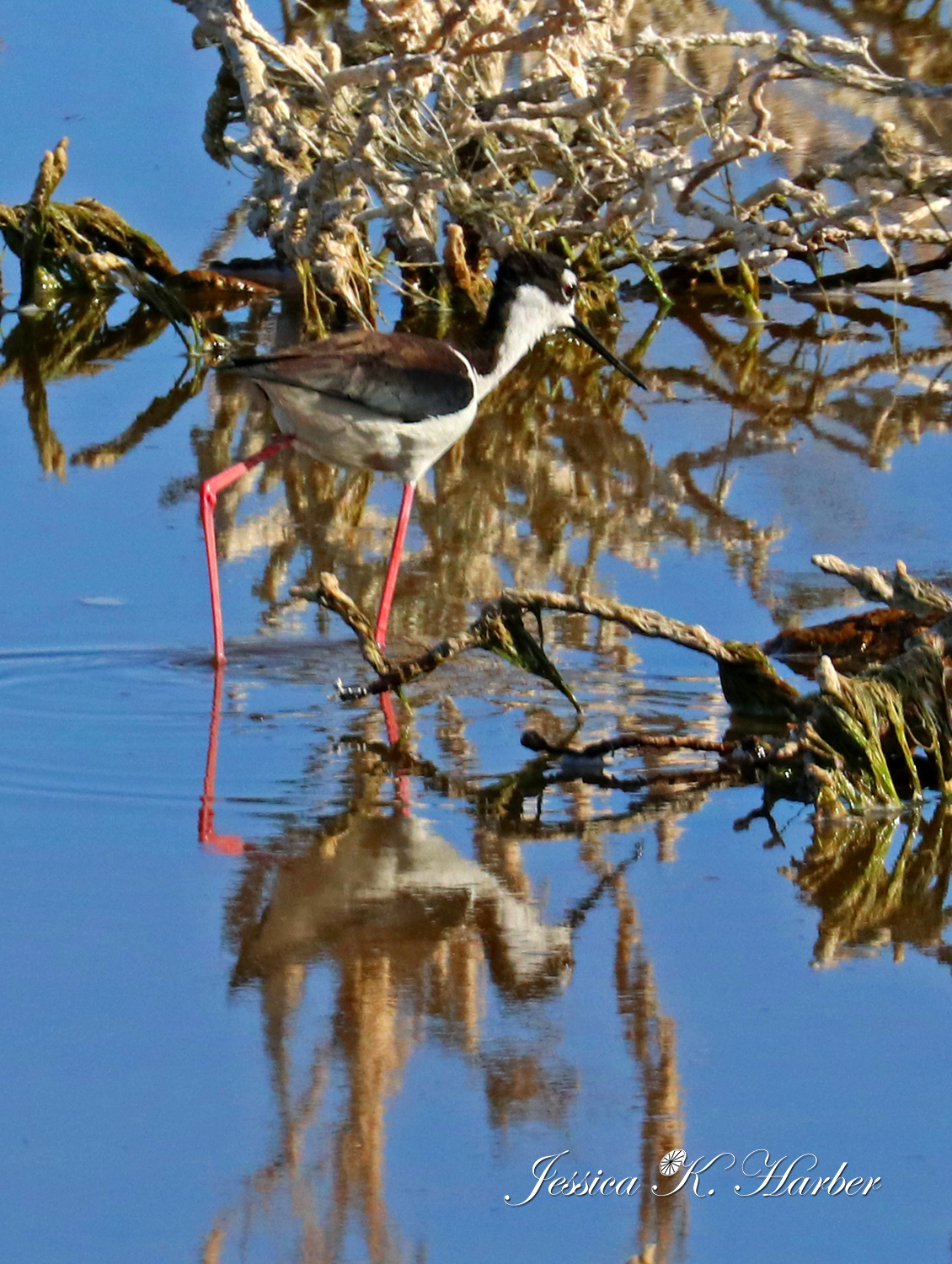
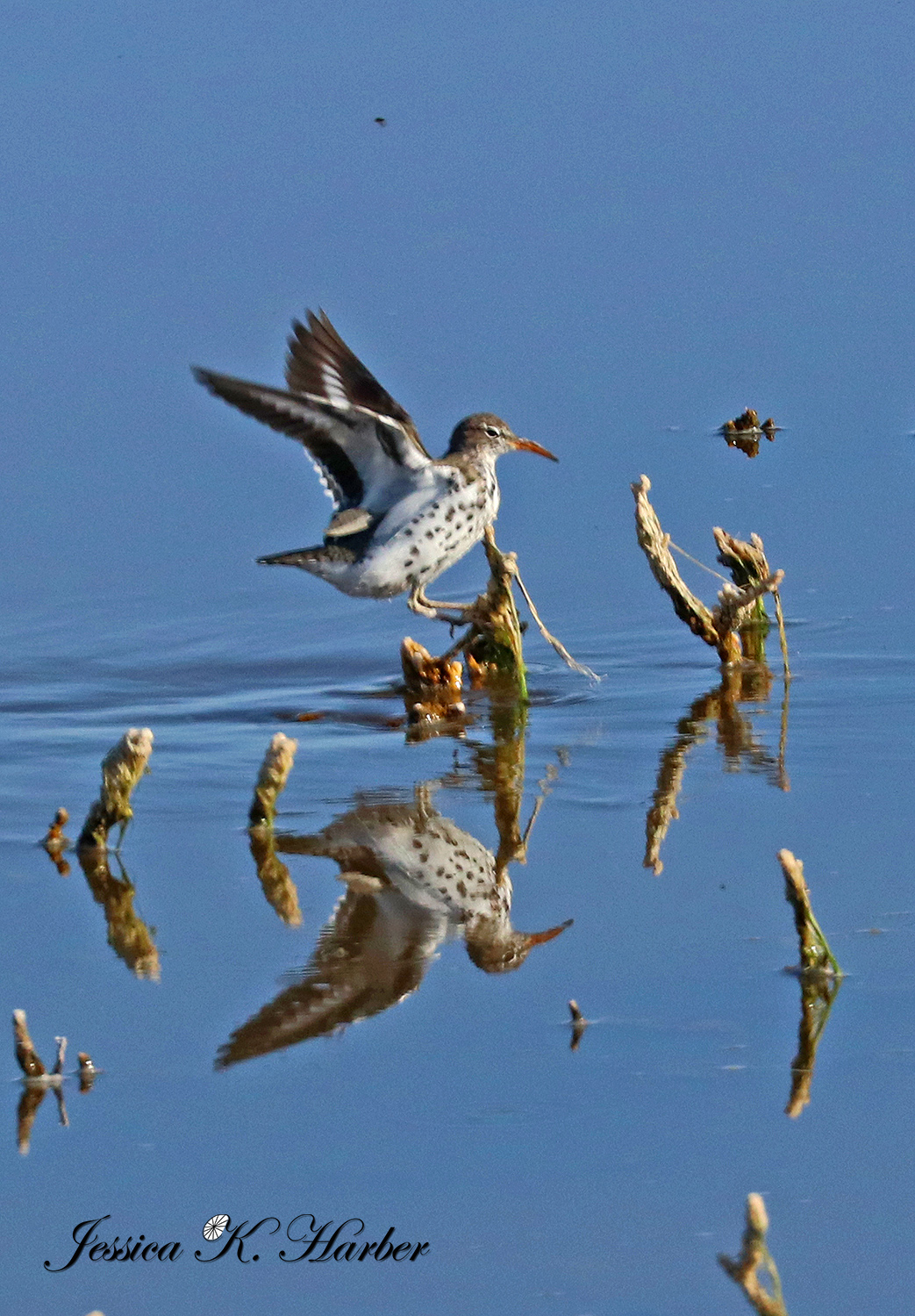
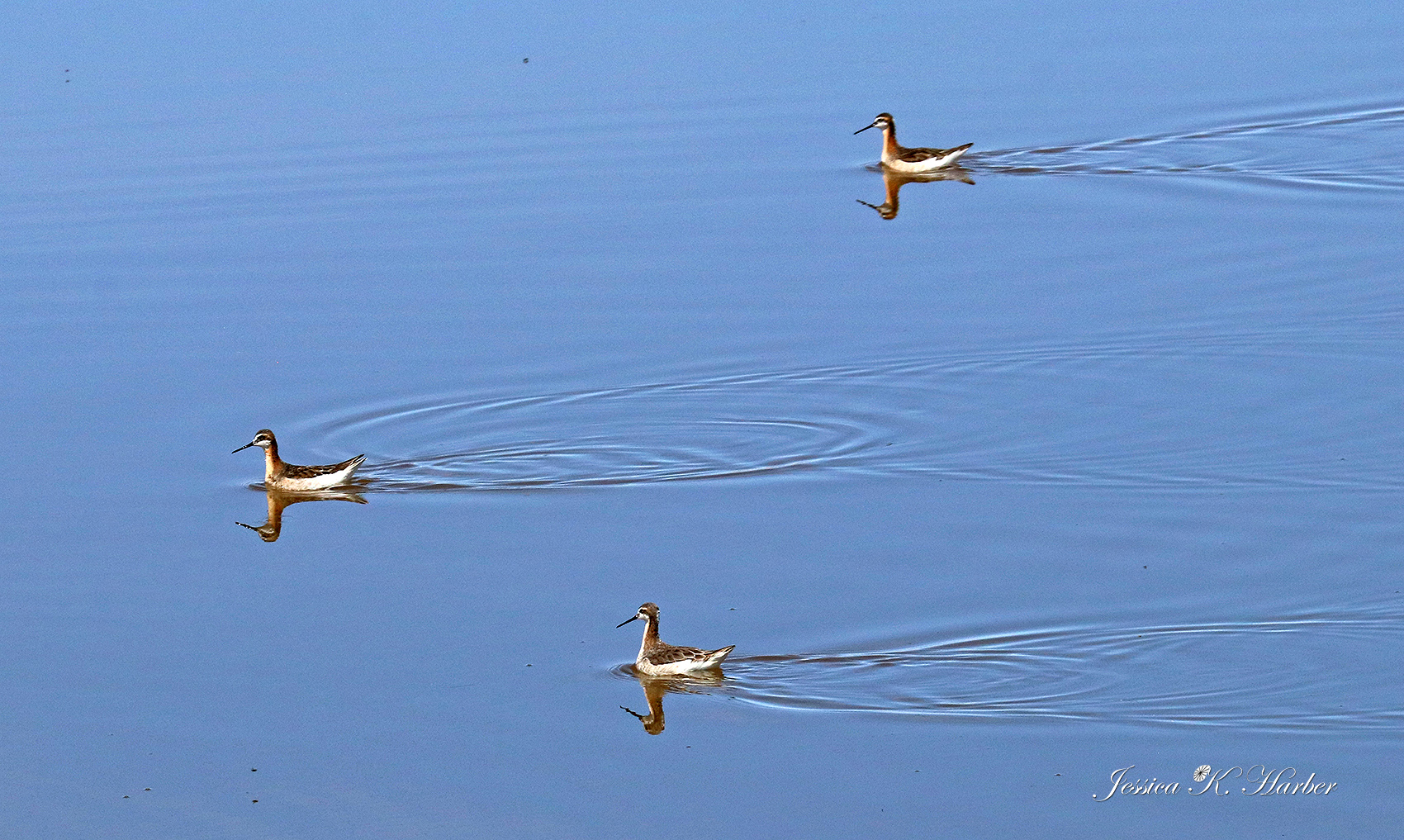
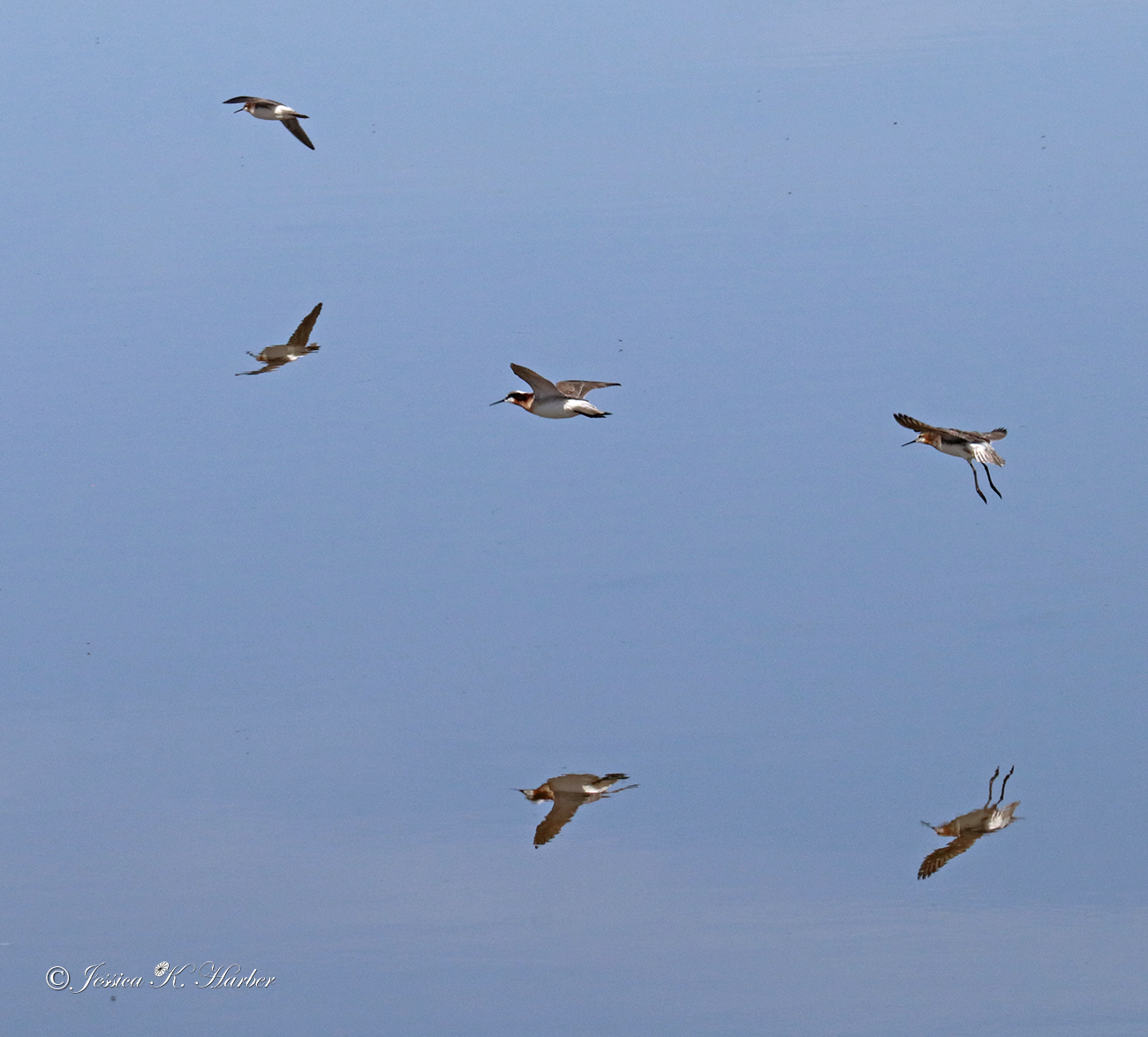
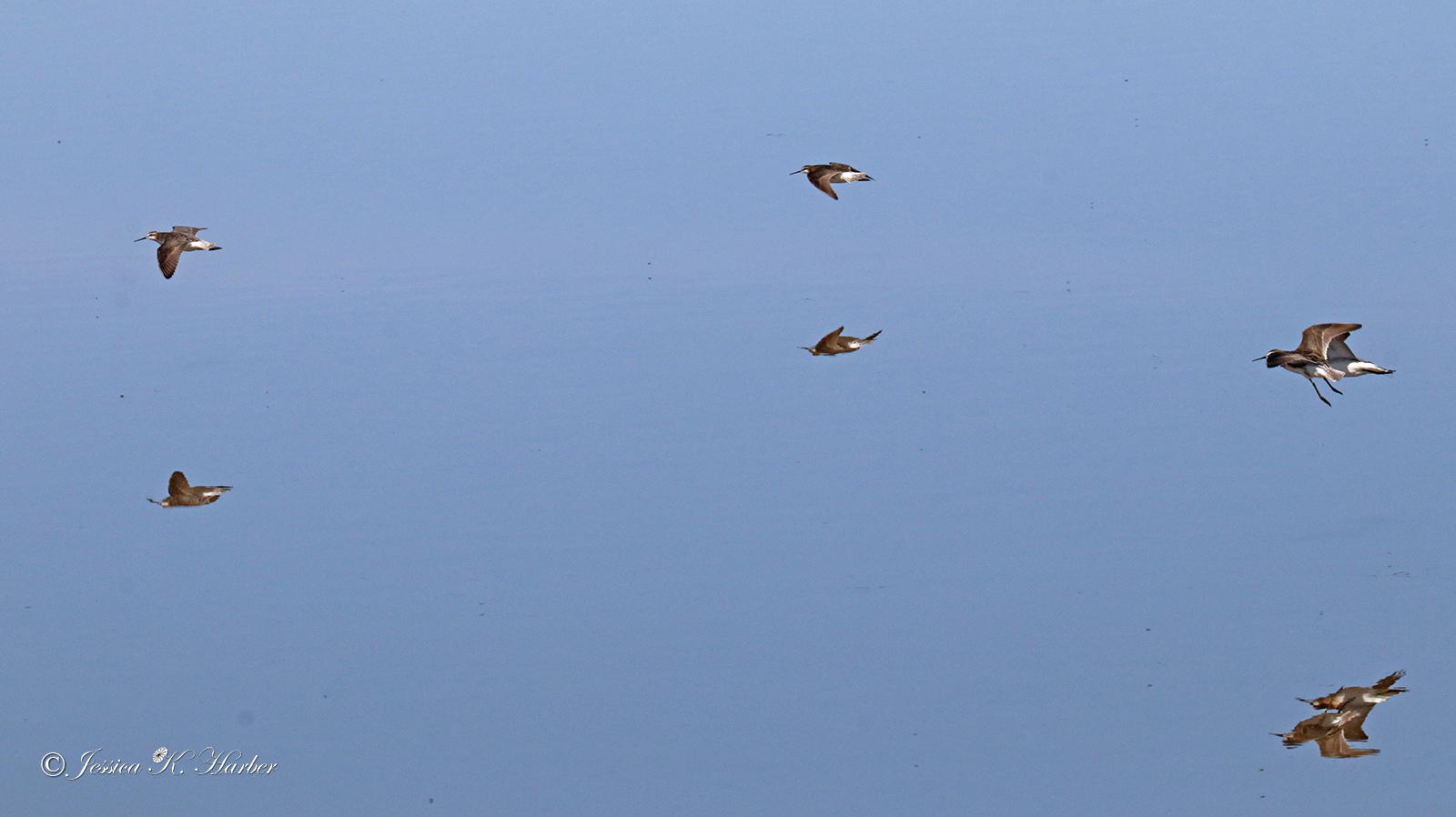
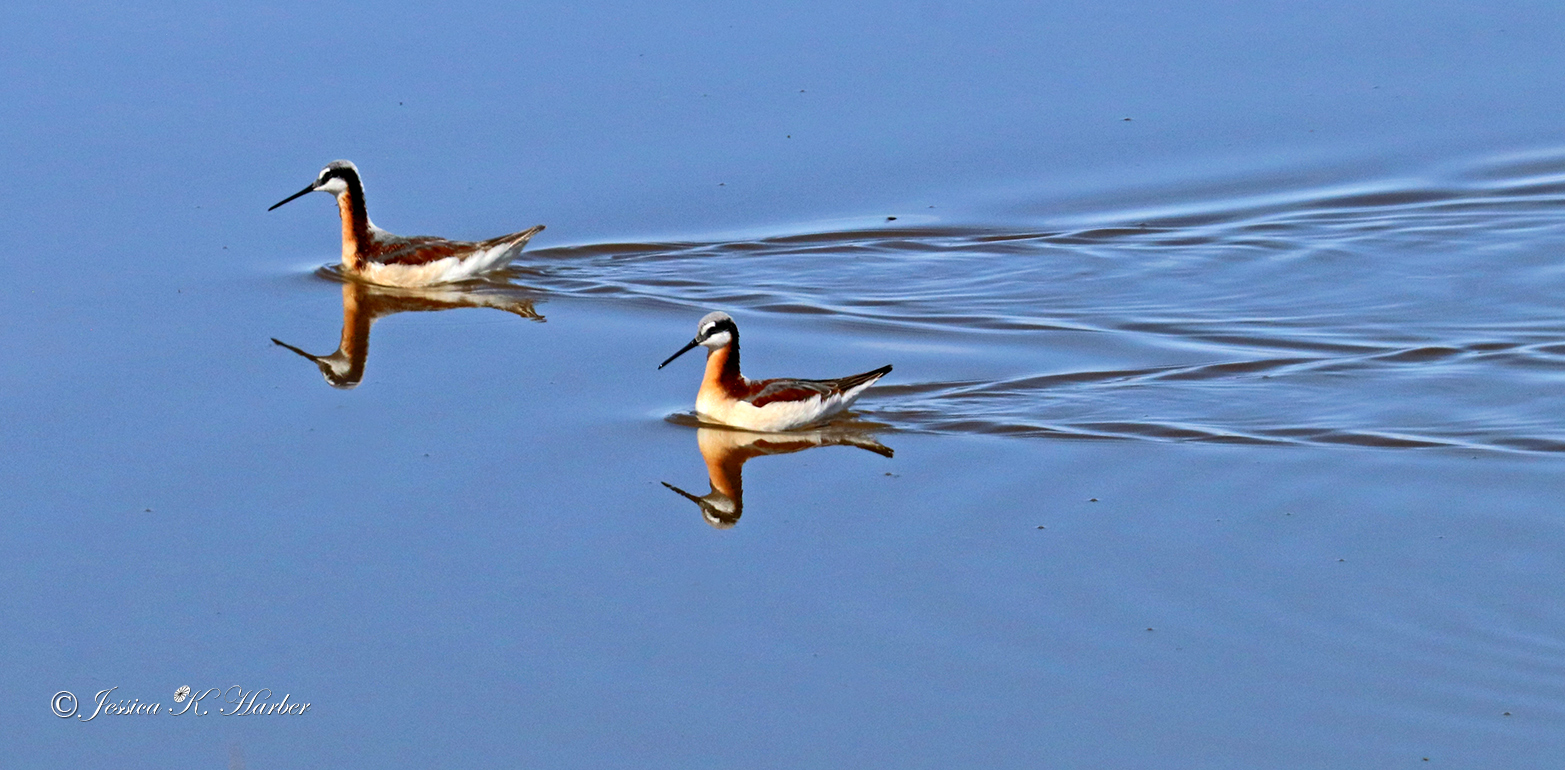
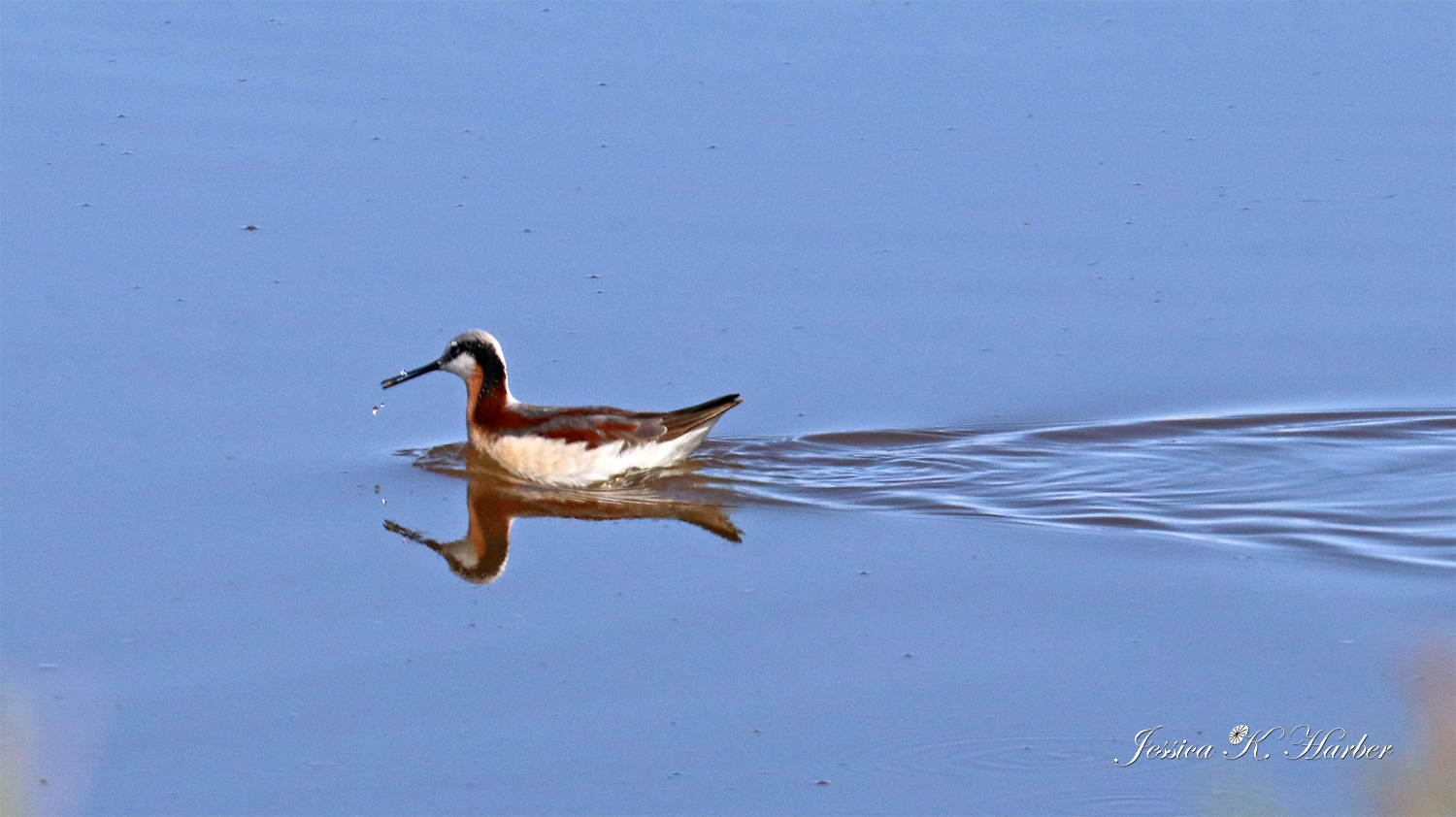
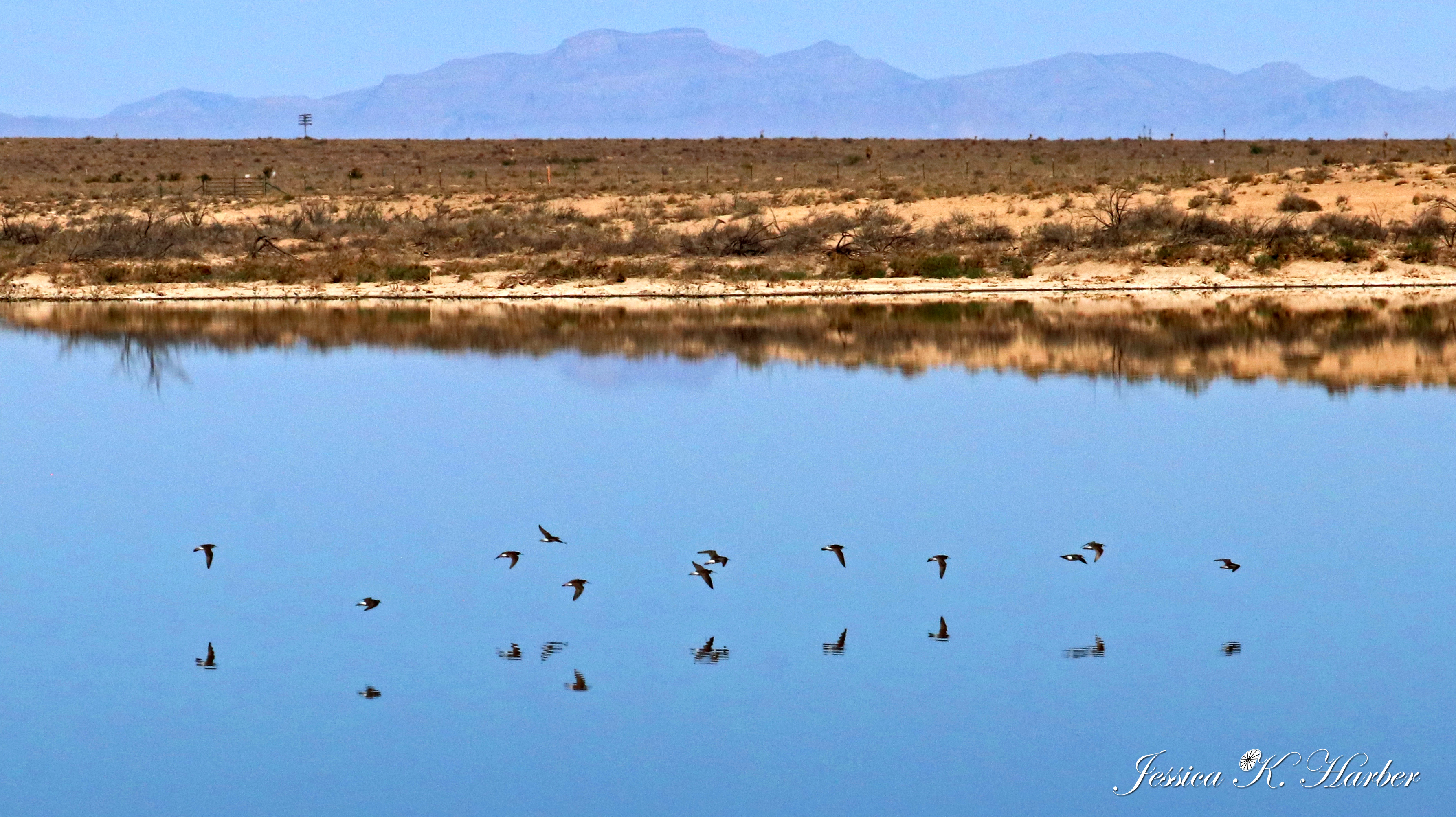
Before my arrival, I had scoped out a dry camping spot which was quite close by. It was by an evaporation pond and signs said not to use the water in any fashion. The birds used it, however, and it made for some nice reflection photographs. There were no amenities here, but it was a great, easy-to-access location with space for several rigs next to the water.
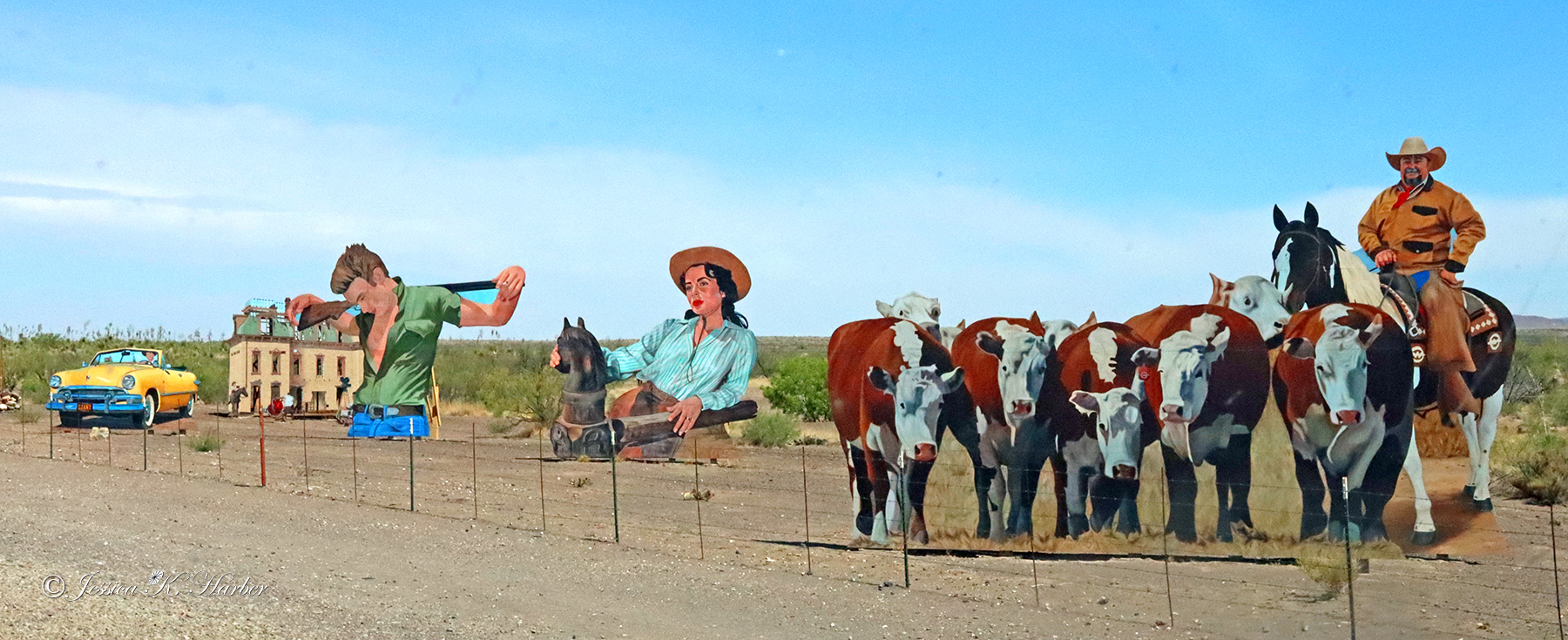
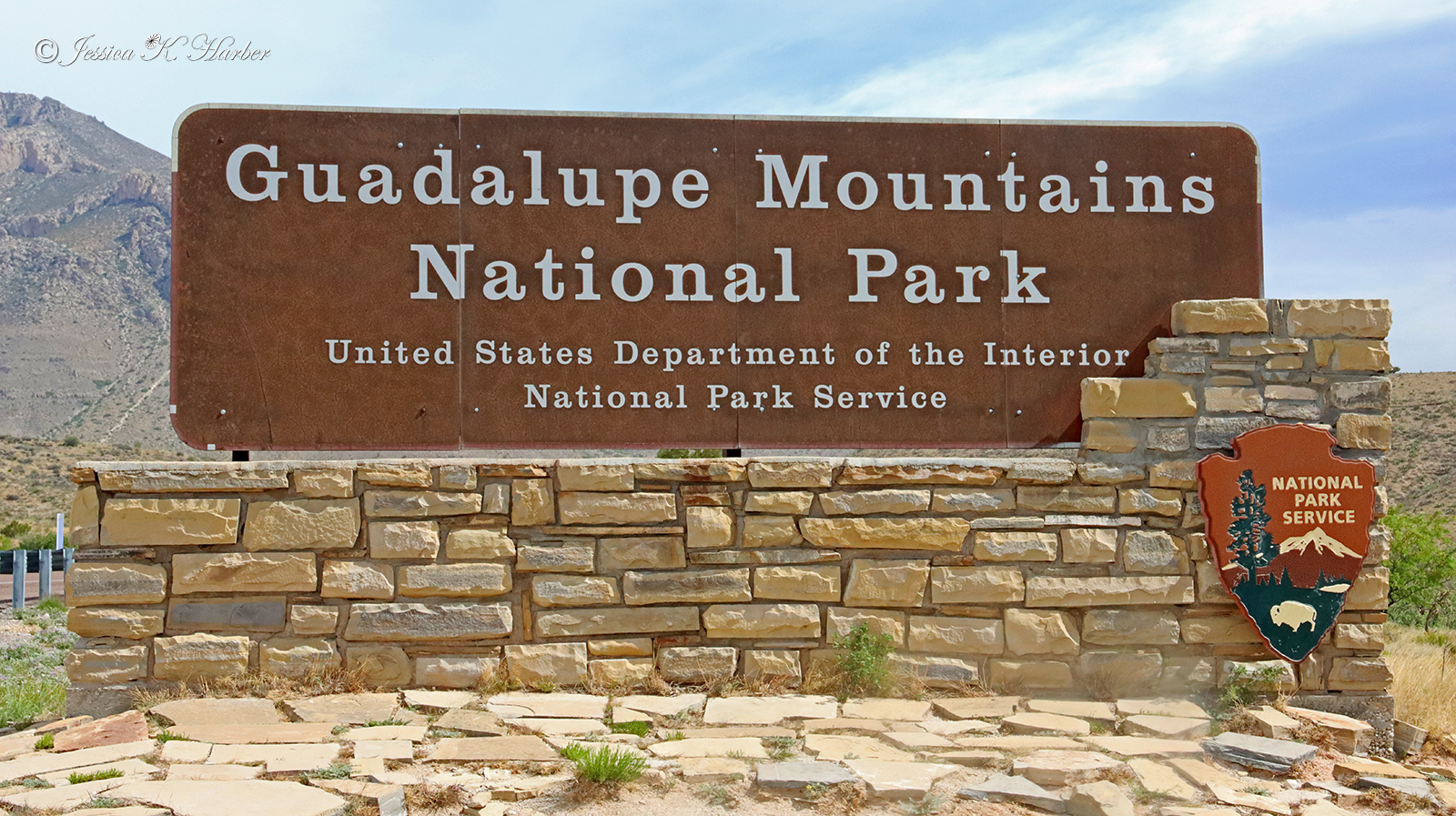
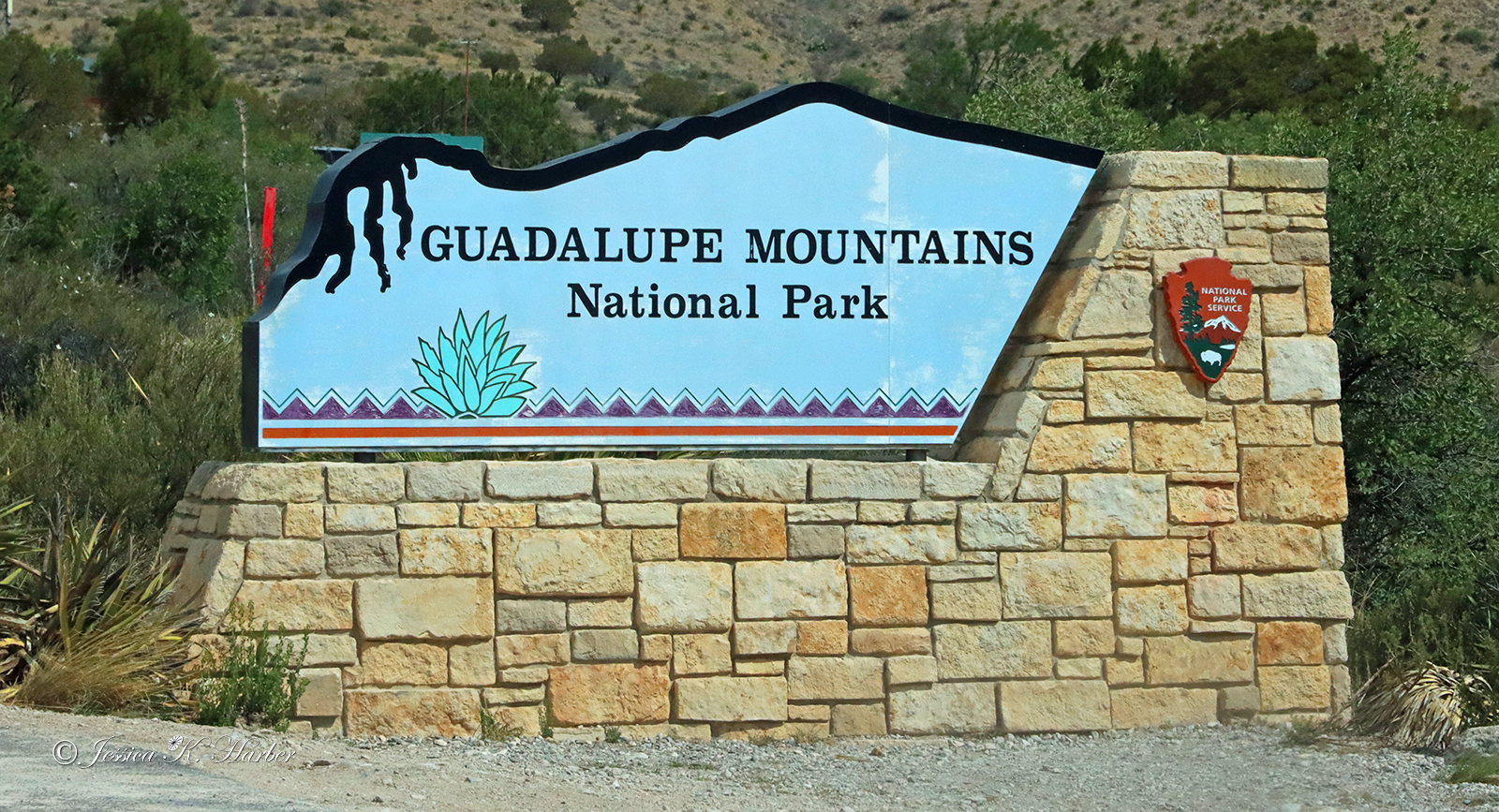
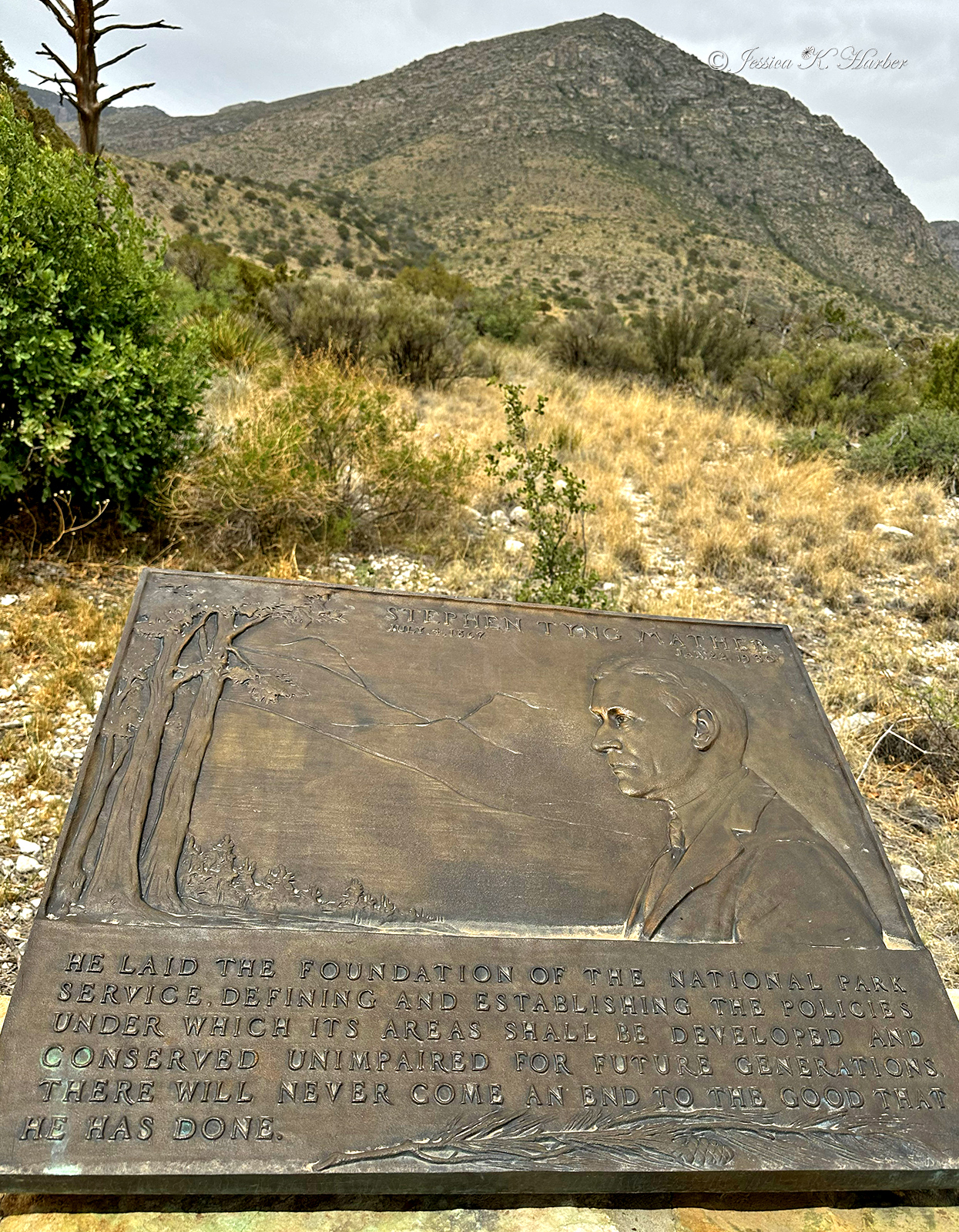
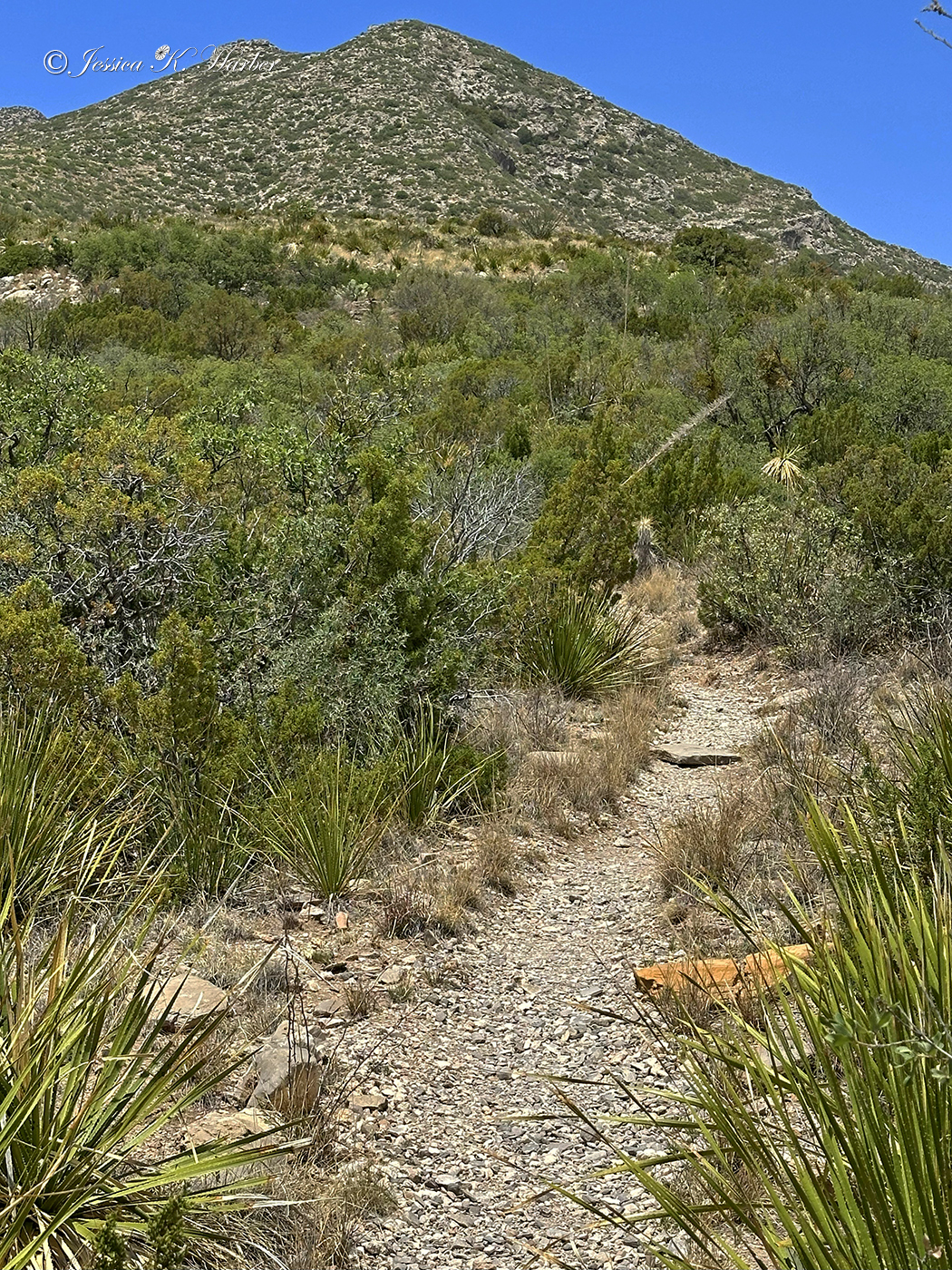
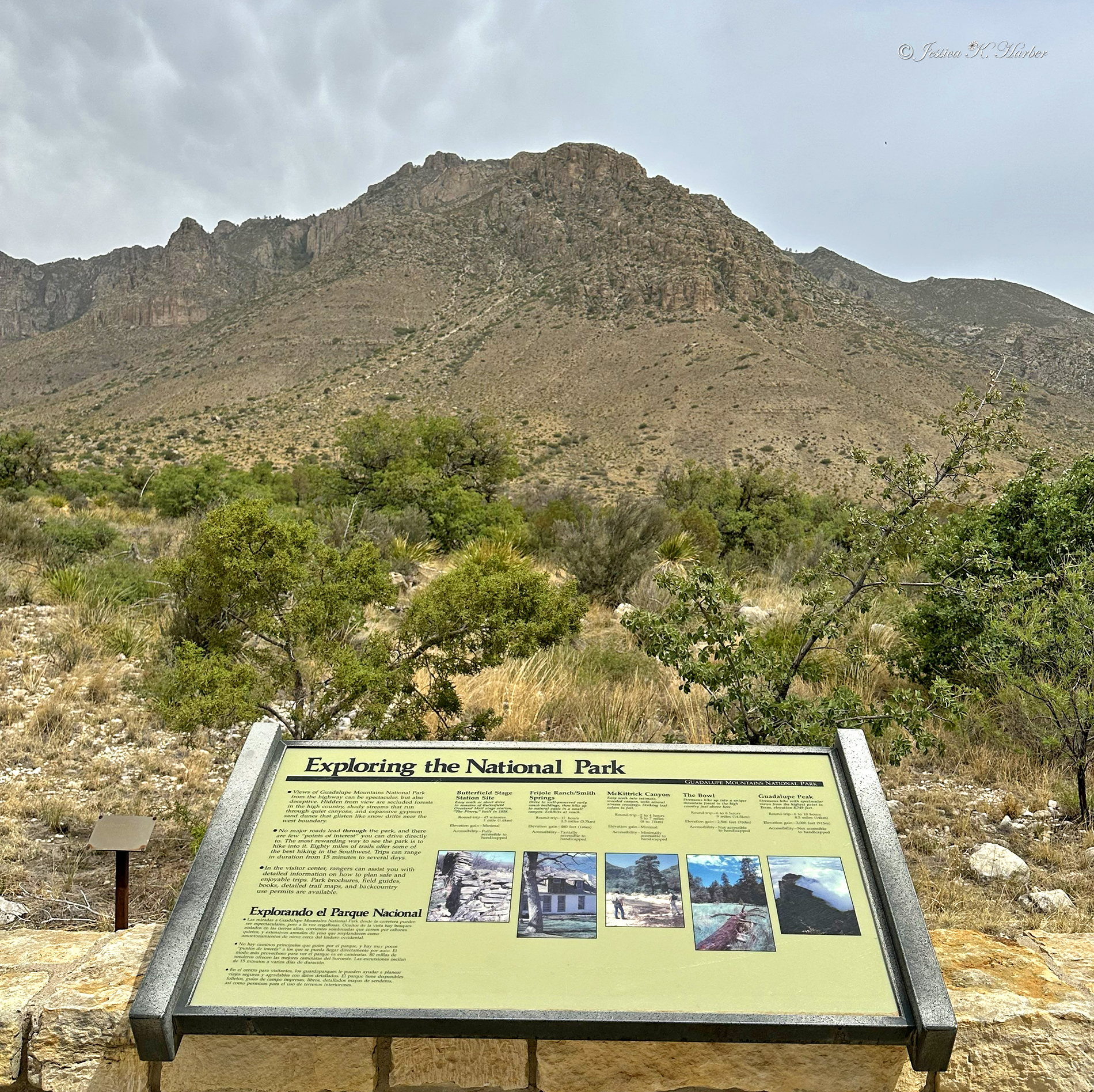
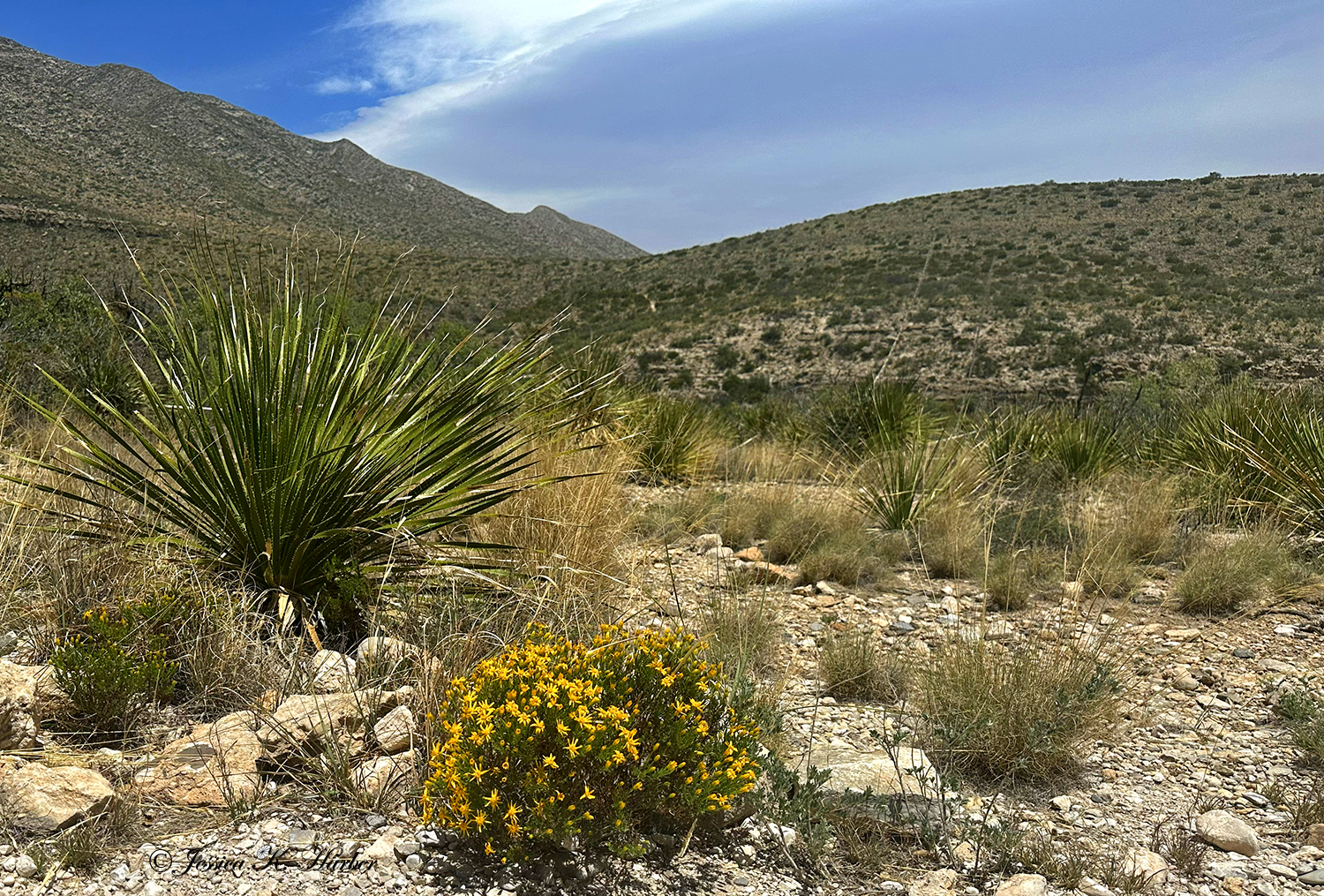
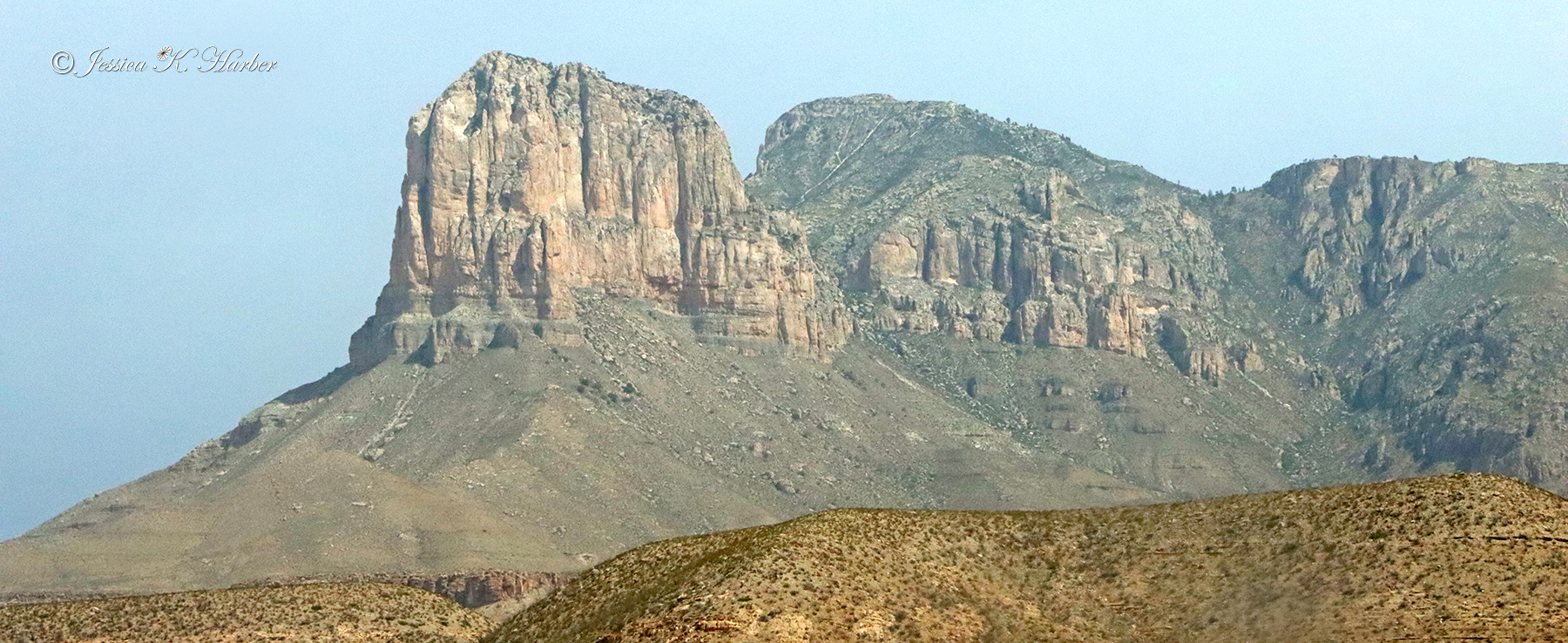
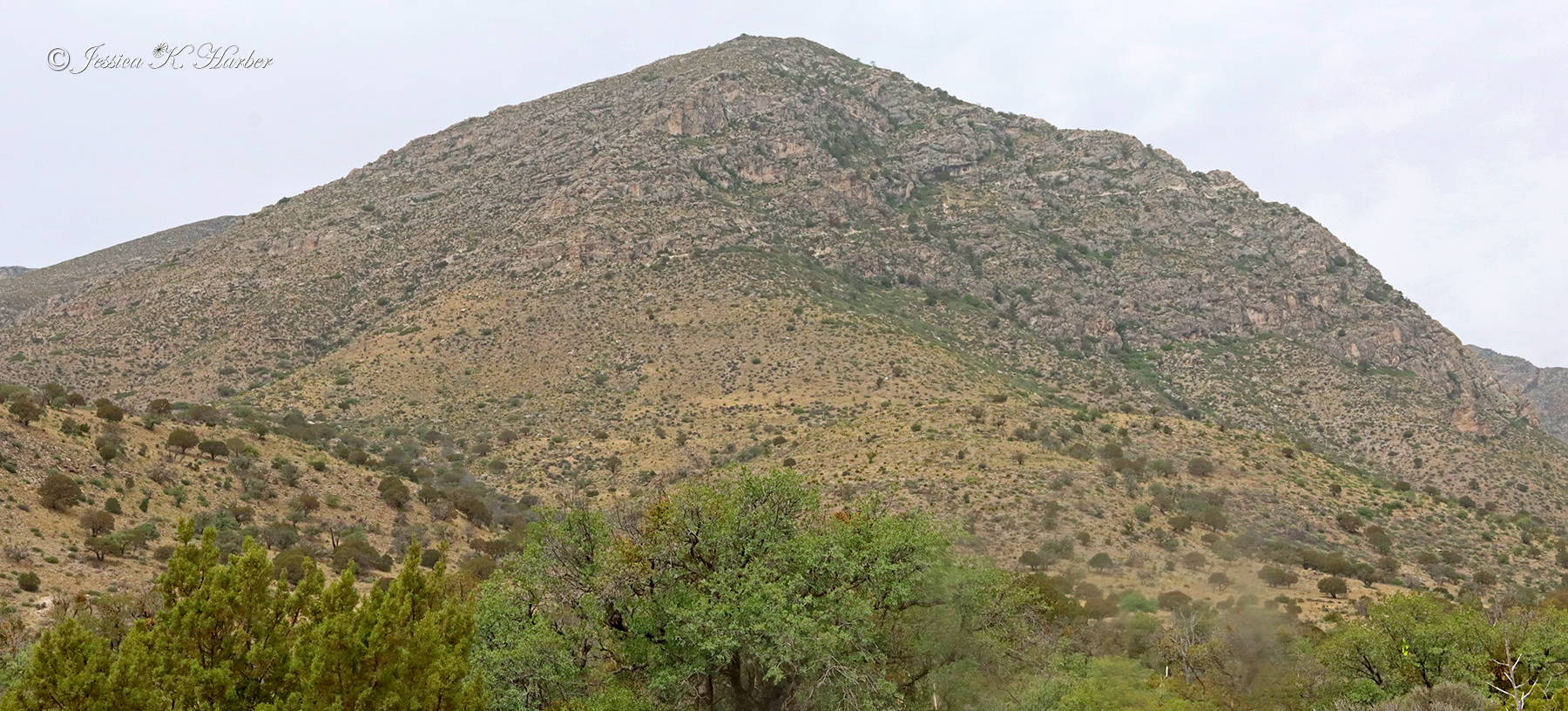
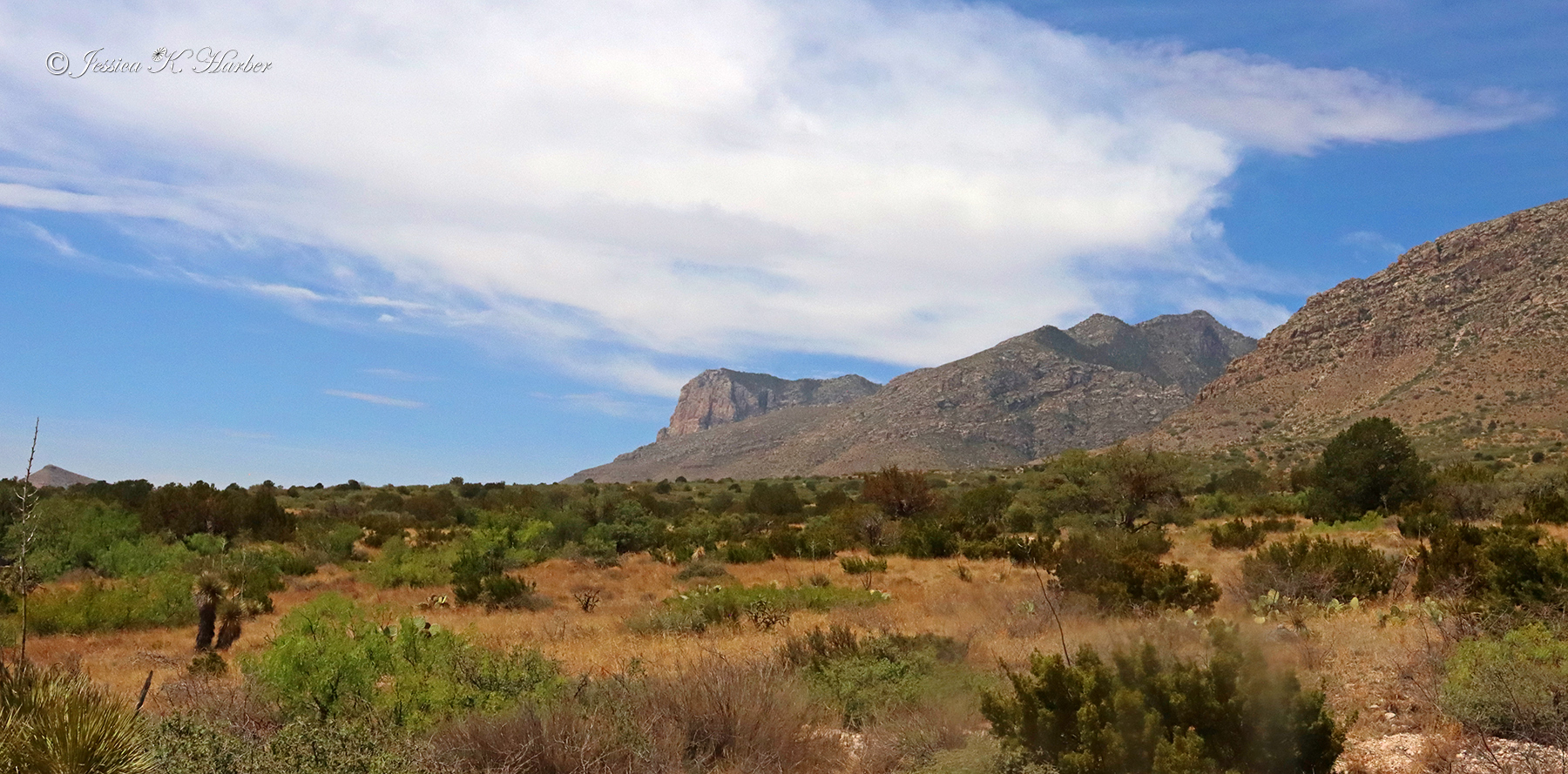
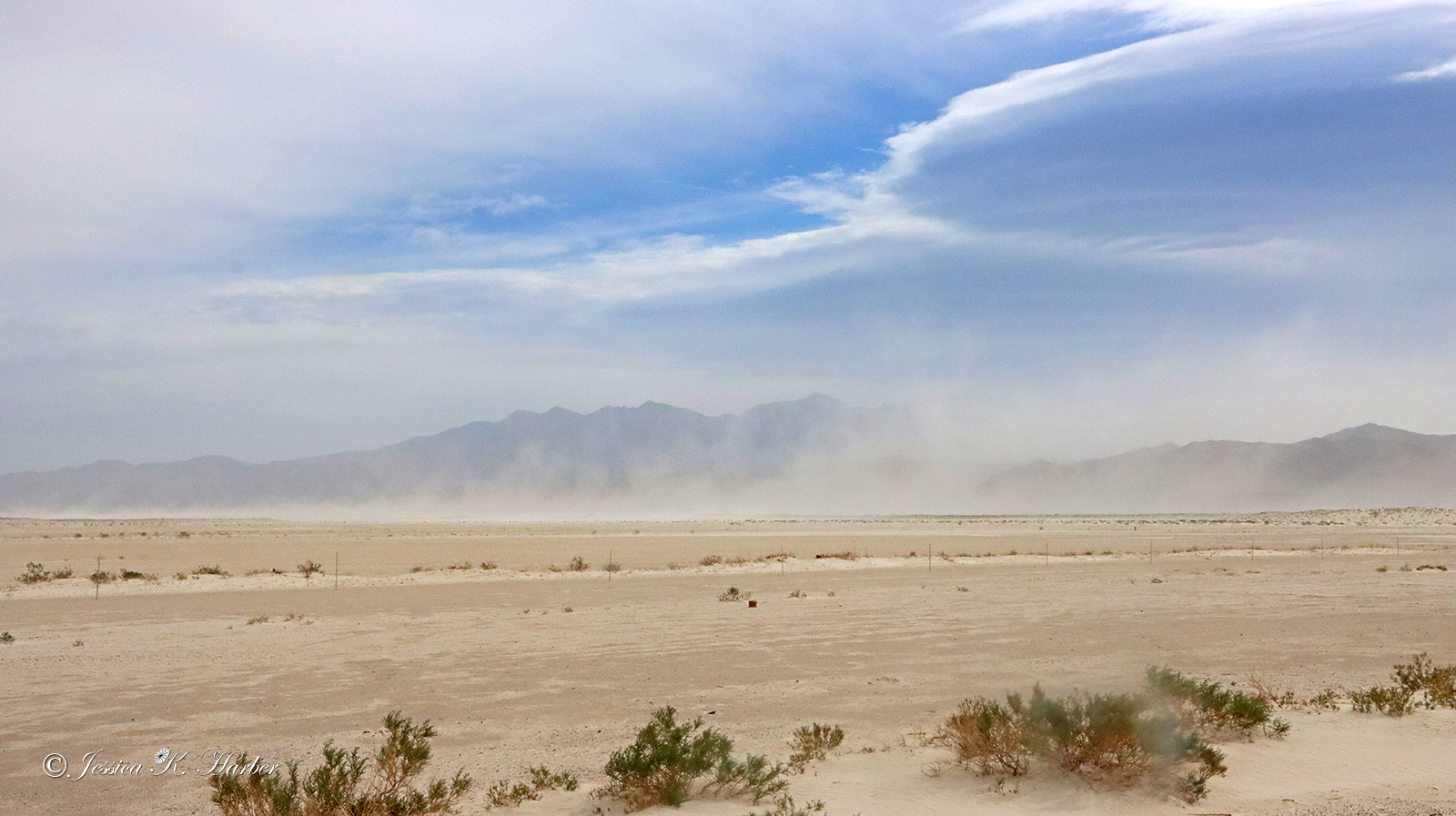
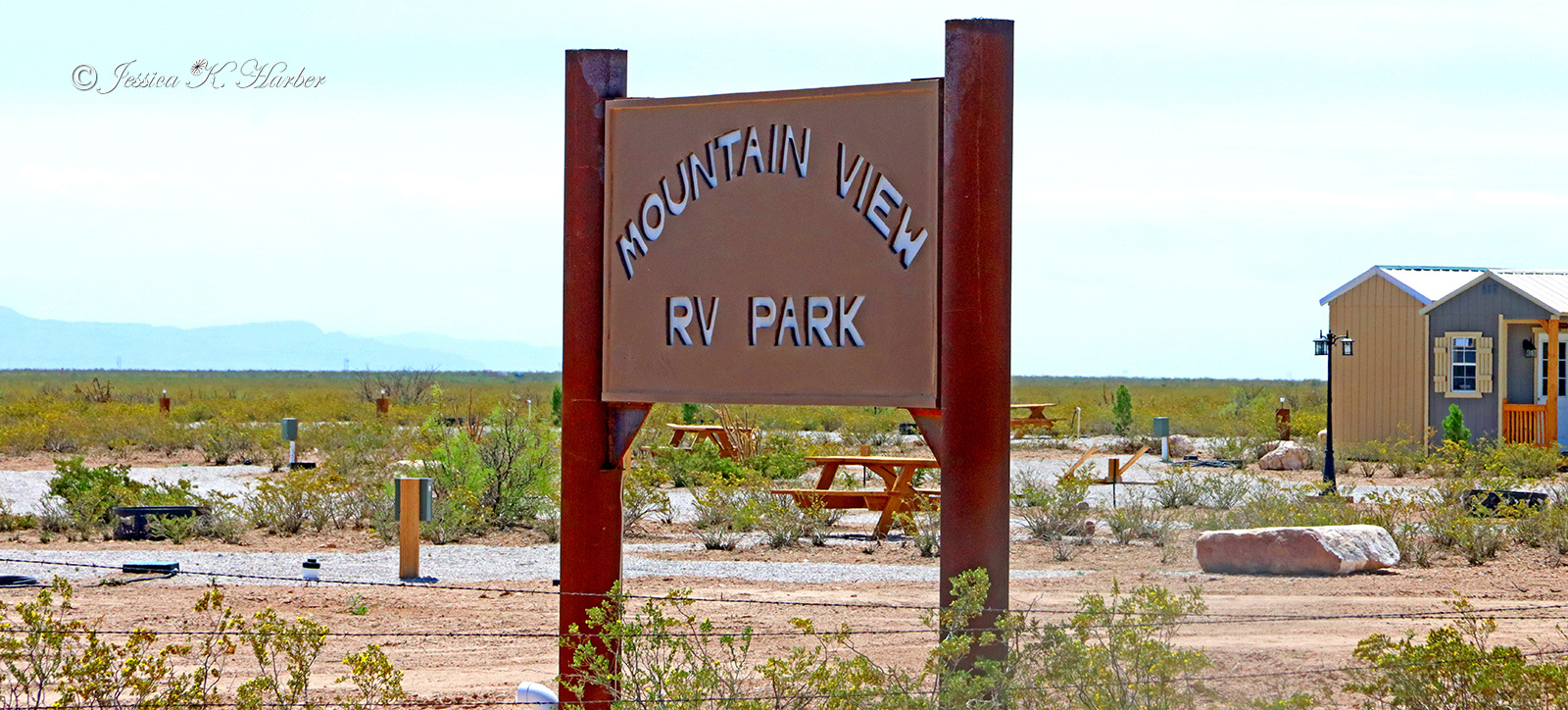
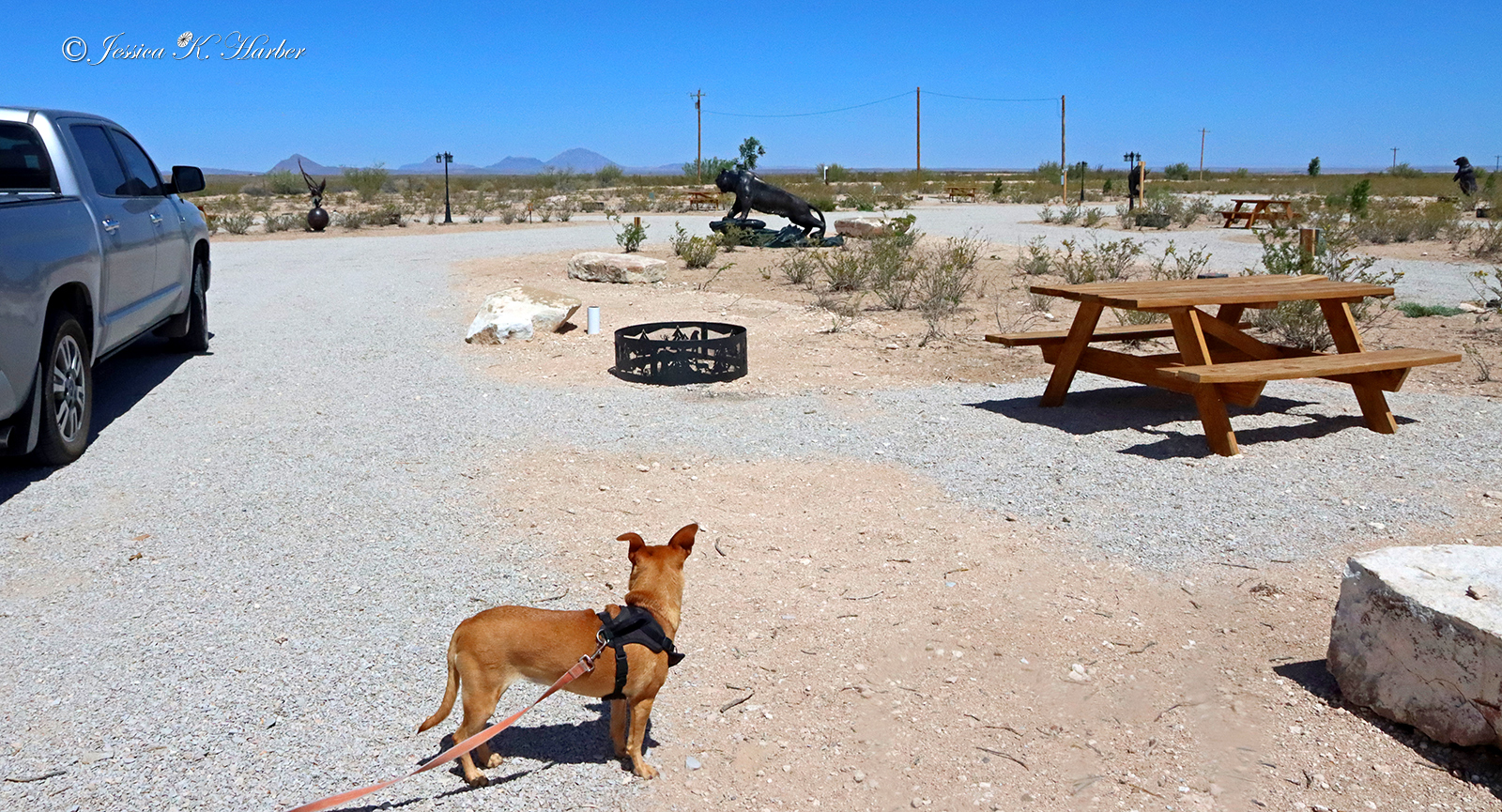
I headed toward the Guadalupe Mountains next. This national park is in a very remote area where fuel–along with everything else–is hard to find. I ended up staying in an almost-empty, privately-owned campground that I found by literally driving by. No one was there but I peeked in at a brand-new bathroom with showers as well as a small but also brand-new laundromat. In the middle of nowhere, those were a very welcome sight, so I decided to stay. It took a little work to find out how to pay. I came to find out the owner (whose house was a few hundred yards off the highway behind the campground) was on vacation in Alaska(!) but I called & was able to pay him over the phone. He was extremely nice and he told me his uncle was keeping an eye on the place while they were gone. I later met Dave, the uncle, who was also very nice. It’s so comforting to find good folks when one is in the middle of nowhere! Their place was some distance from the Park but still served well as a base while I explored the area. I ended up staying an extra day because, of all things, a sandstorm which dangerously affected visibility on the highway leading to the Park.
At the campground, I met a young German man named Philip who was/is exploring the U.S. He was very nice also and we found we had photography in common. His work is very good.
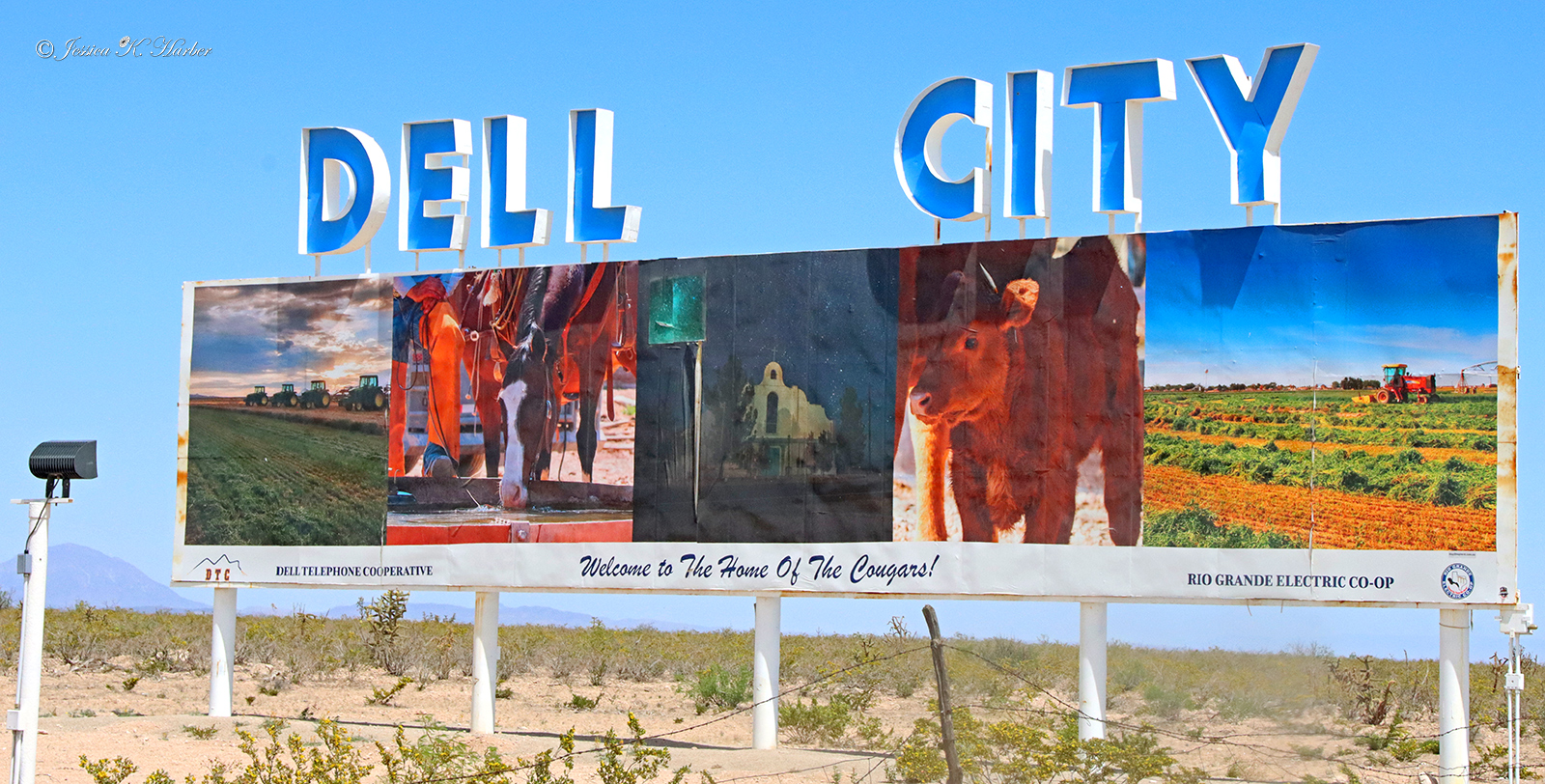
This area counted among the top three or so of the “most remote”, especially when it came to fuel. The tiny town of Dell, several miles away (opposite direction from the Park), had one or two mom-and-pop stations with either limited hours or limited paying options. It was definitely different but doable with help/info from local folks.
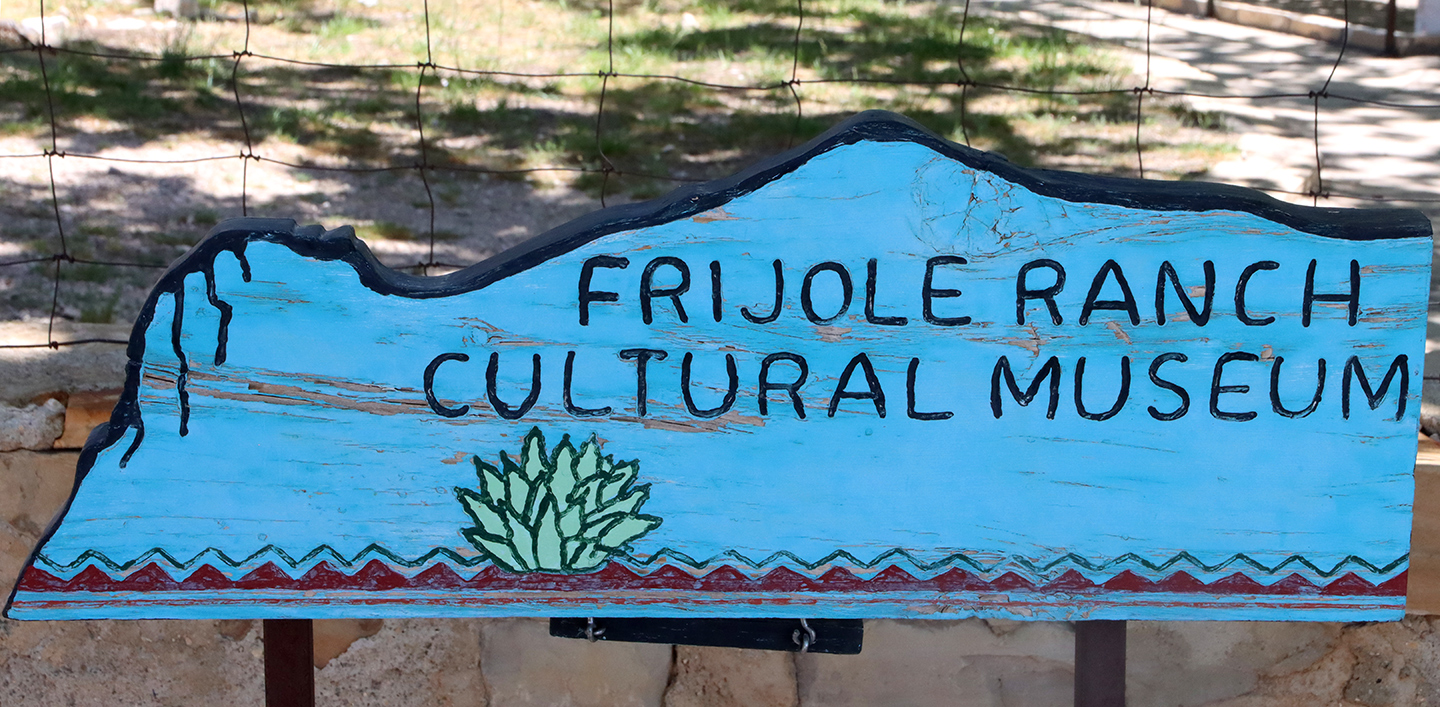
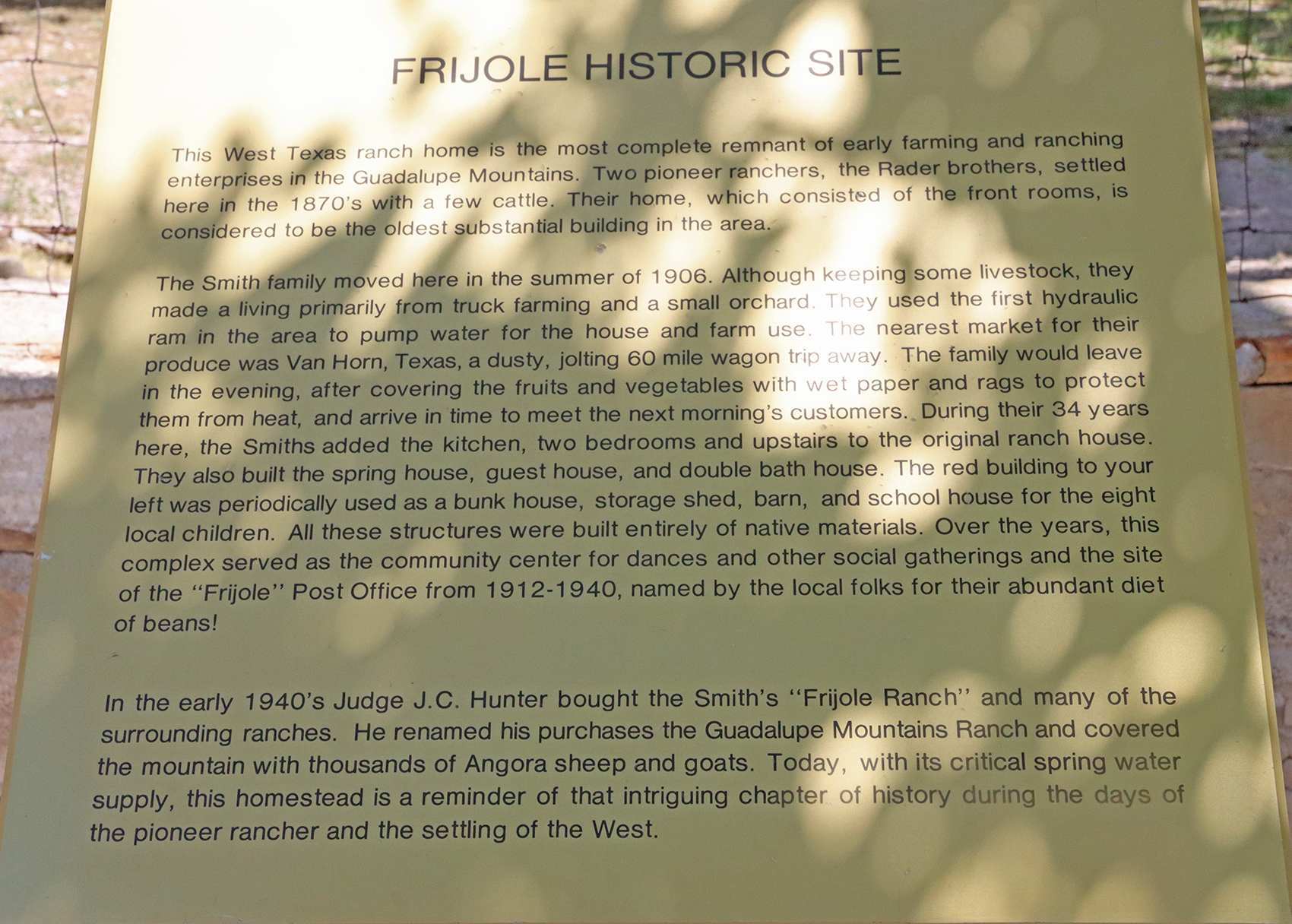
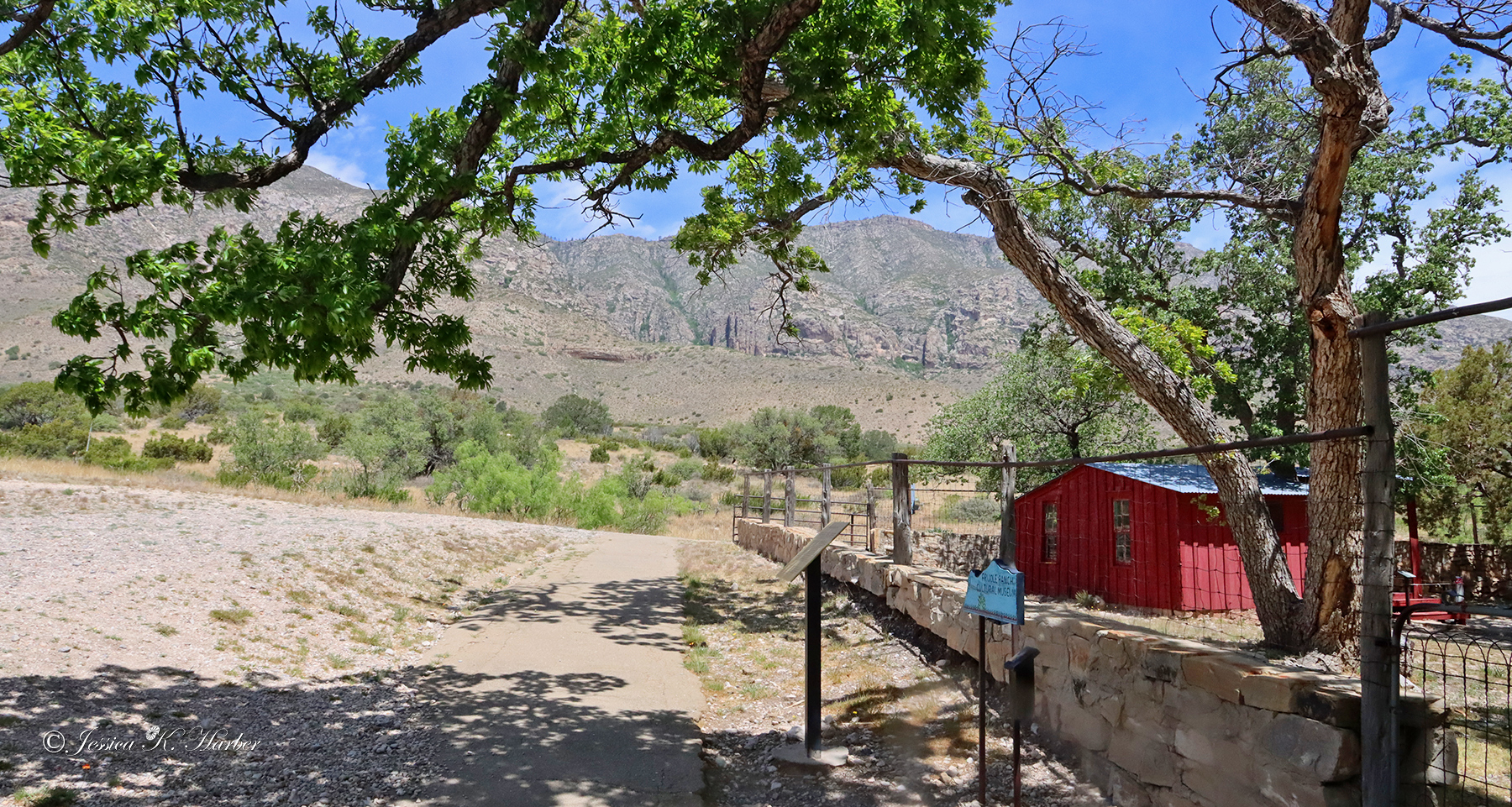
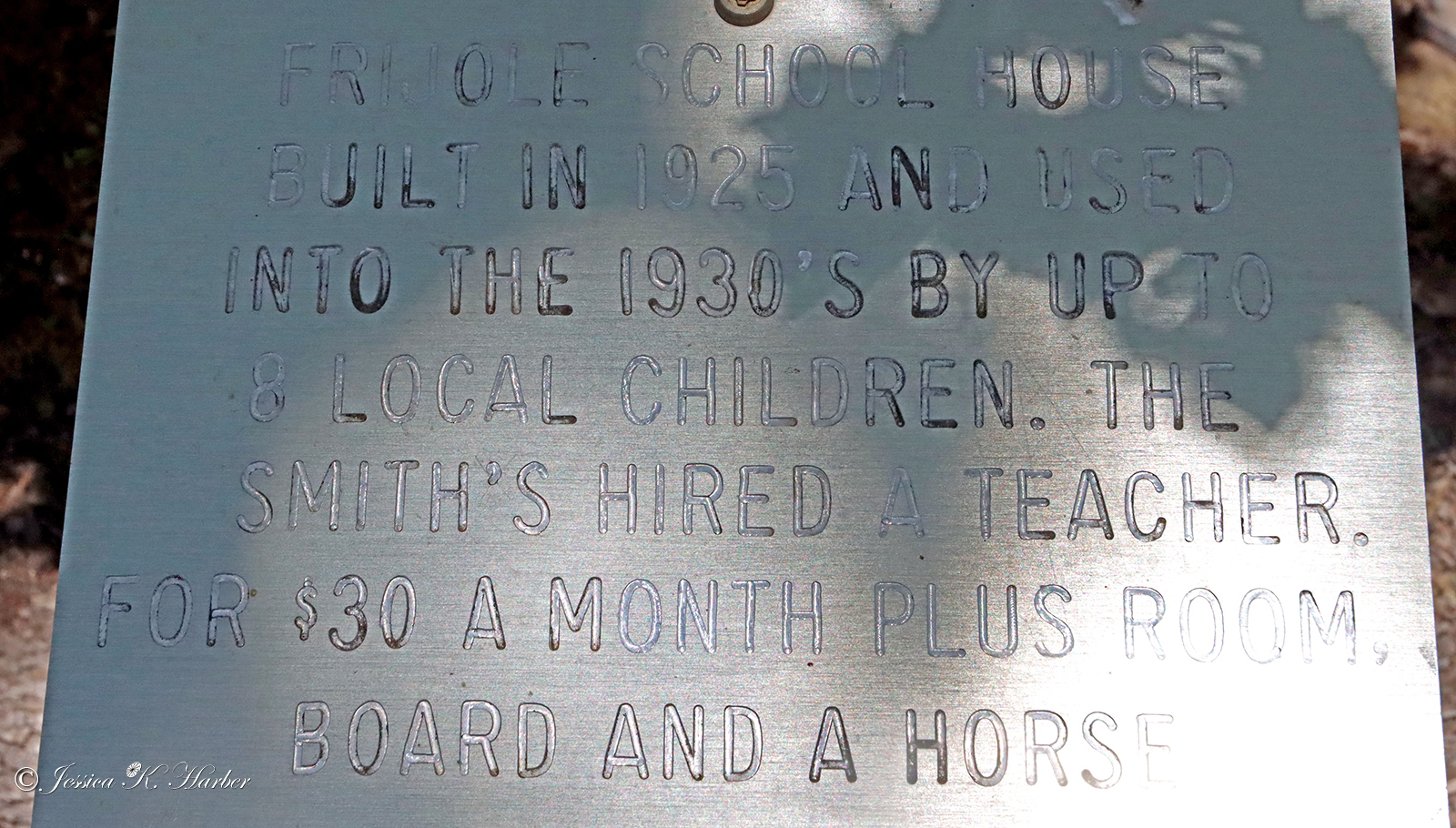
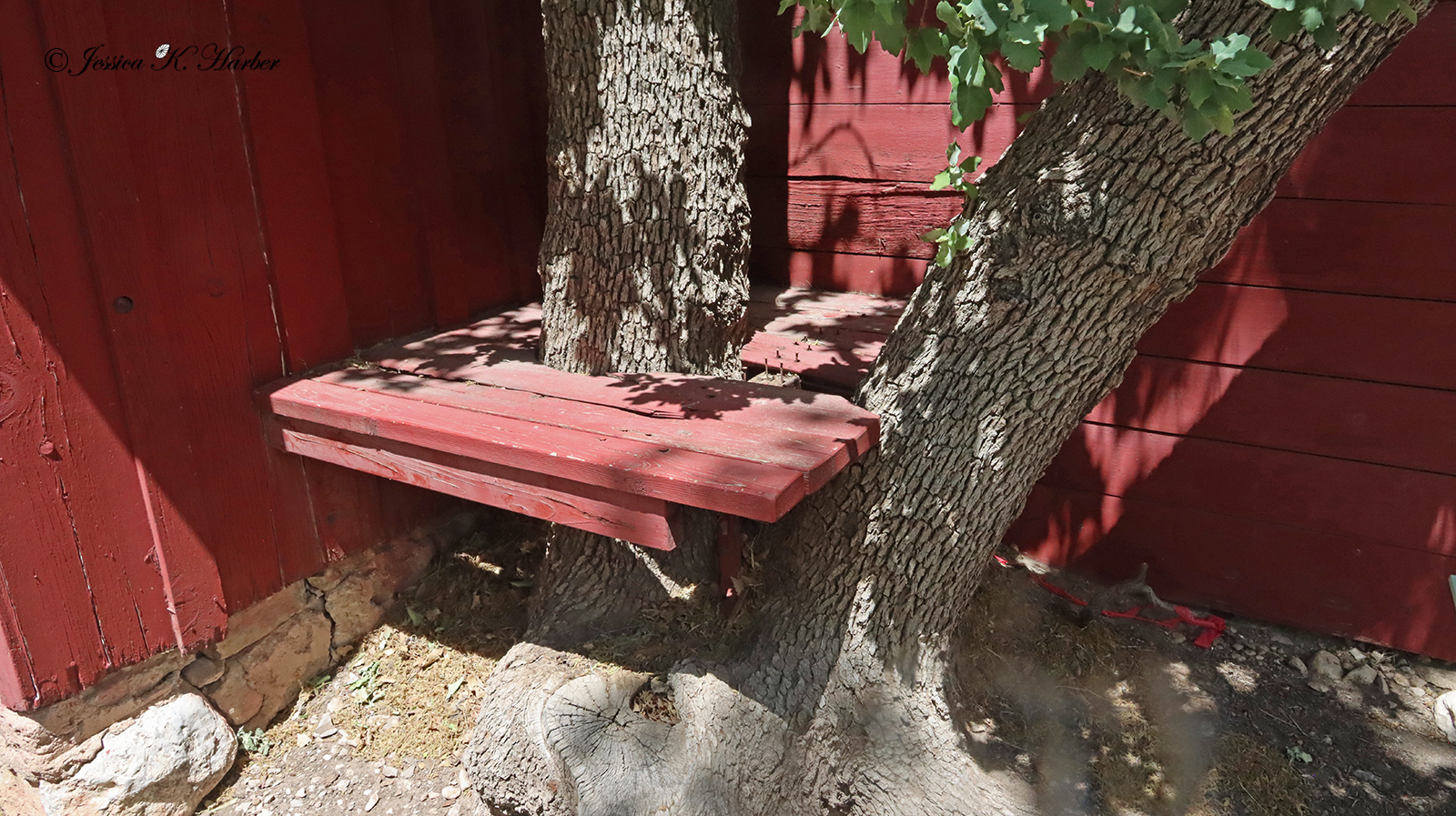
The Park was different, too, as it doesn’t have any roads *through* the Park. It is accessed only through formidable hikes. After visiting the visitor center (which was good), I took a short hike on the outskirts and explored an interesting historic ranch. The other hikes were too long for me, and Sadie wasn’t allowed on any of them, anyway. Maybe return at a cooler time of year & when I’m in better hiking shape…?
Also, the wind was absolutely crazy here. I don’t know if it’s always like this, but no matter how tight my ballcap was “fastened” on, it still kept blowing off. Had to go around with hat hair. An example of the wind is included in the video after the gallery, below.
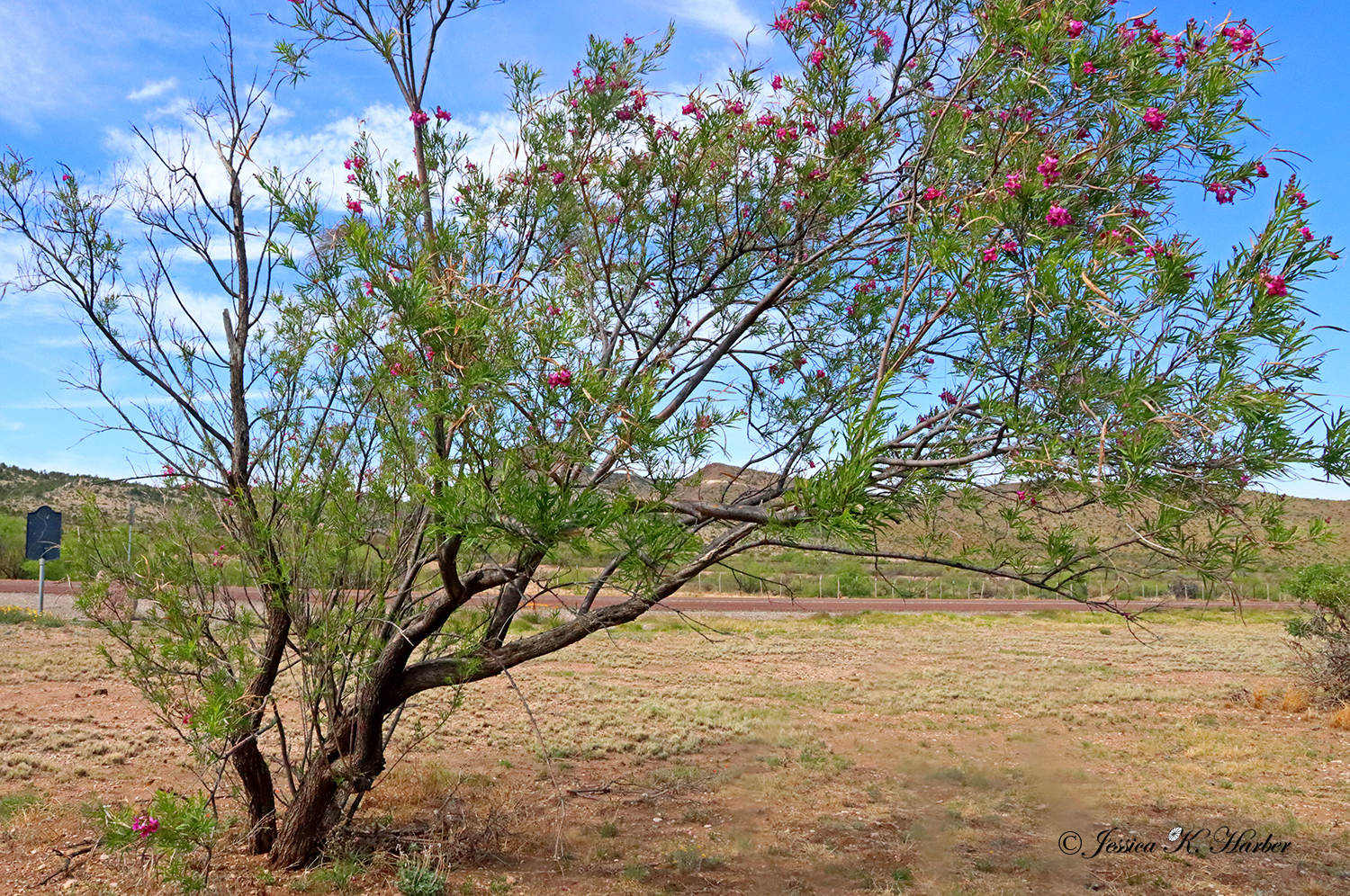
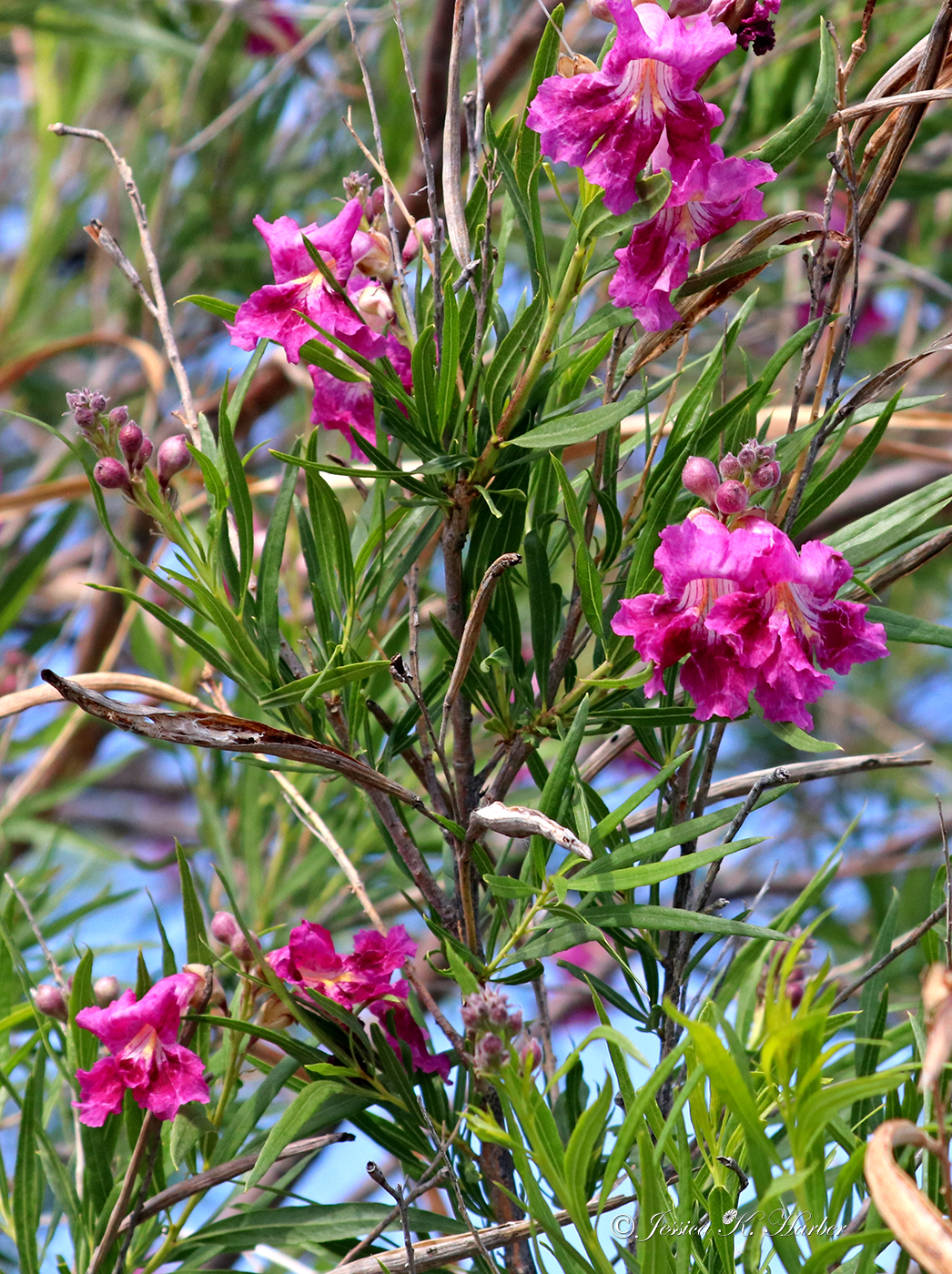
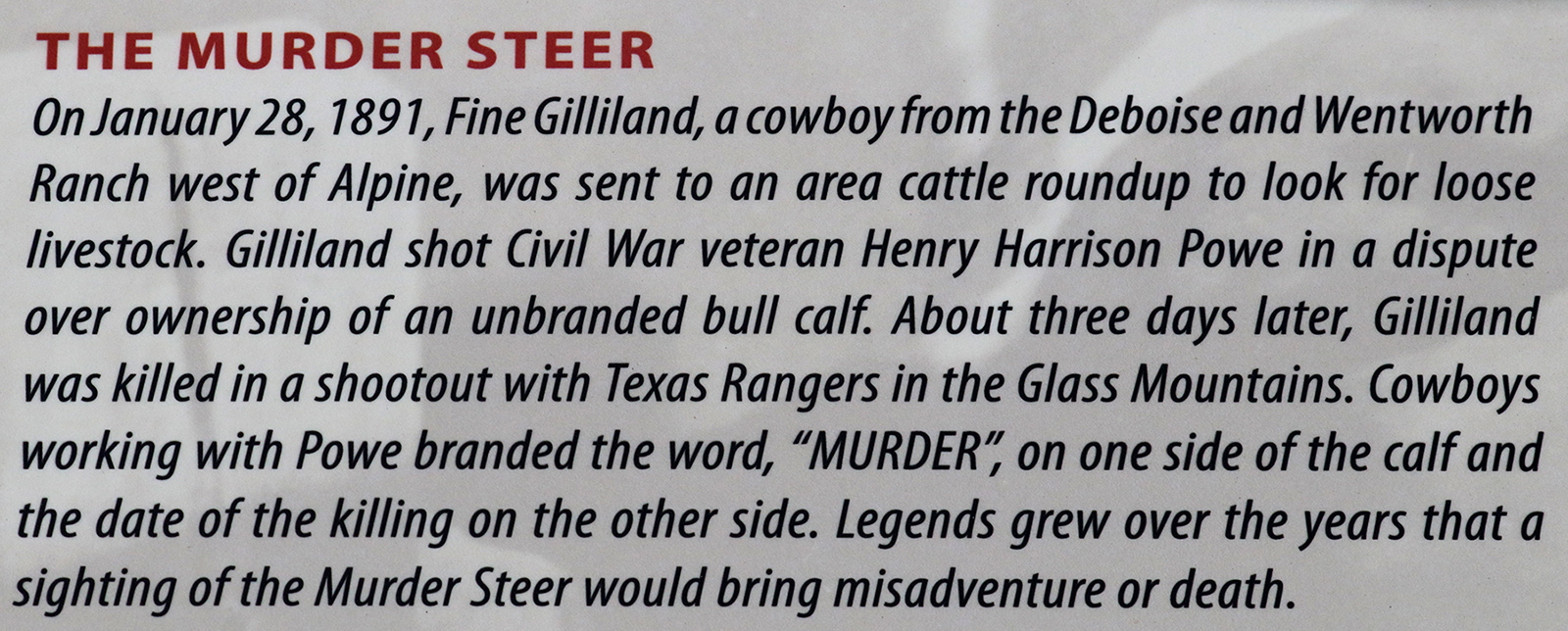
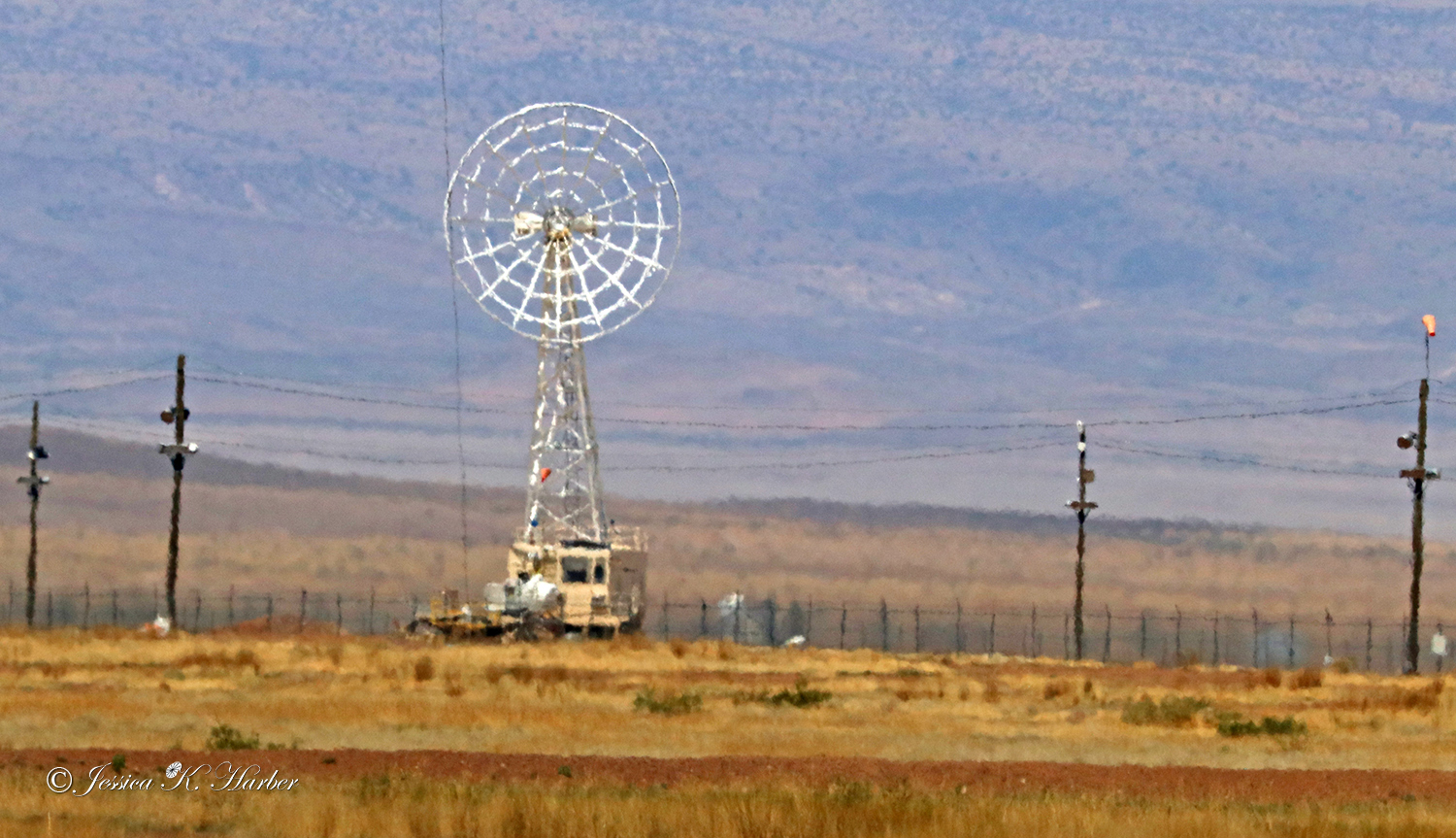
(more info in captions)
TEXAS. MAY.
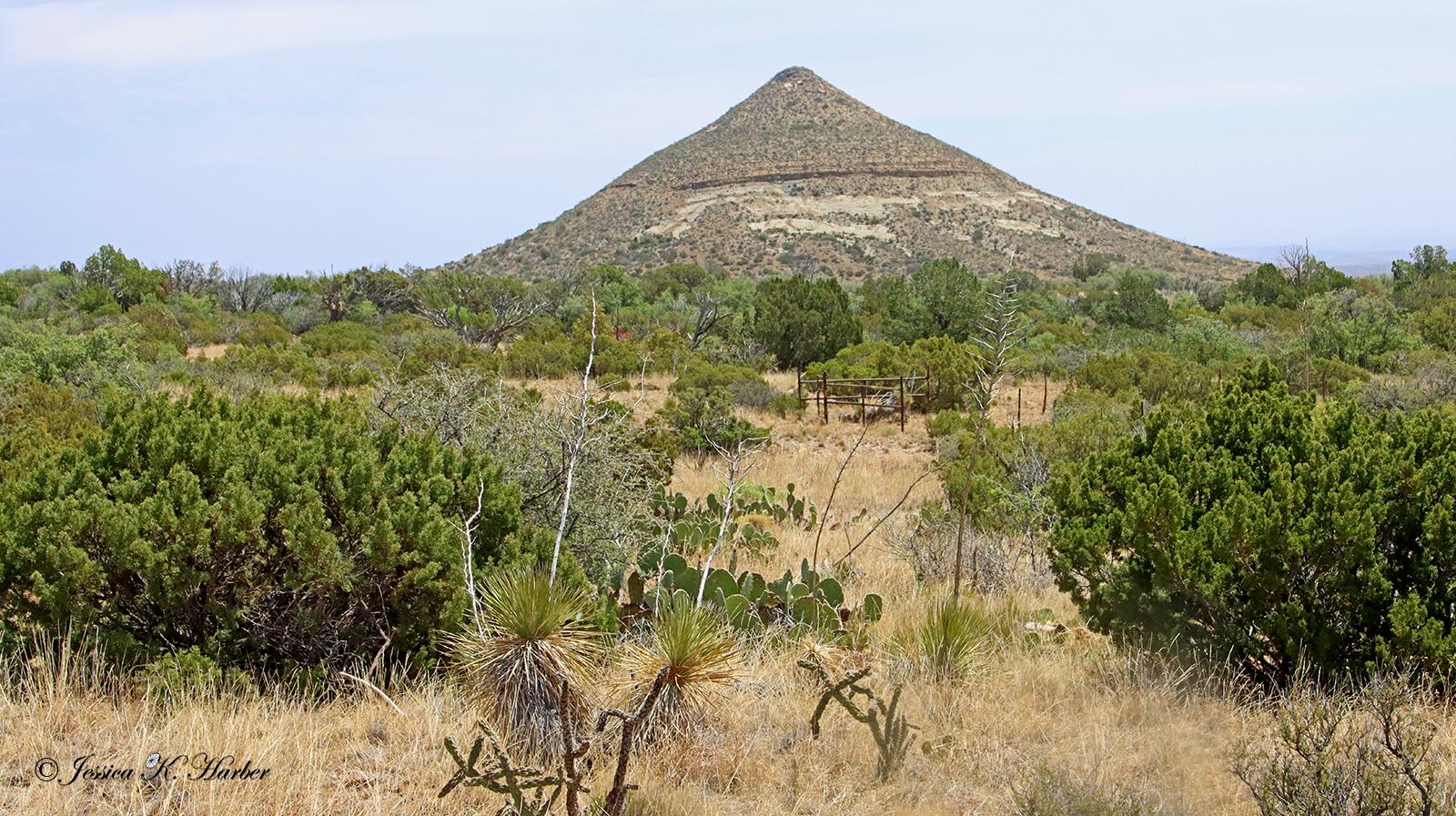
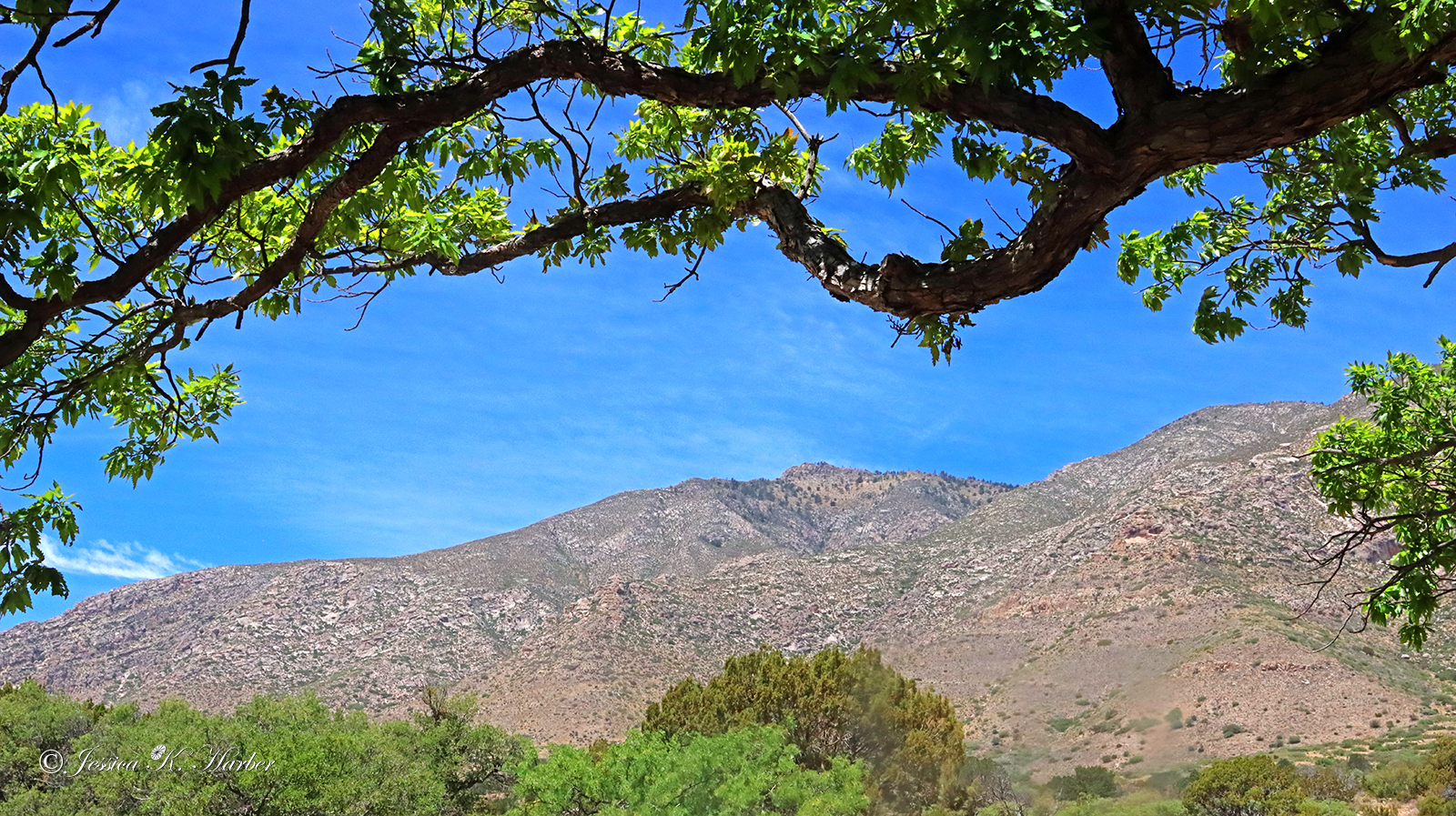
First, an interesting mountain ridge on the route, Second, tremendous wind at a rest stop looking back at the Guadalupes, Third, Sand!
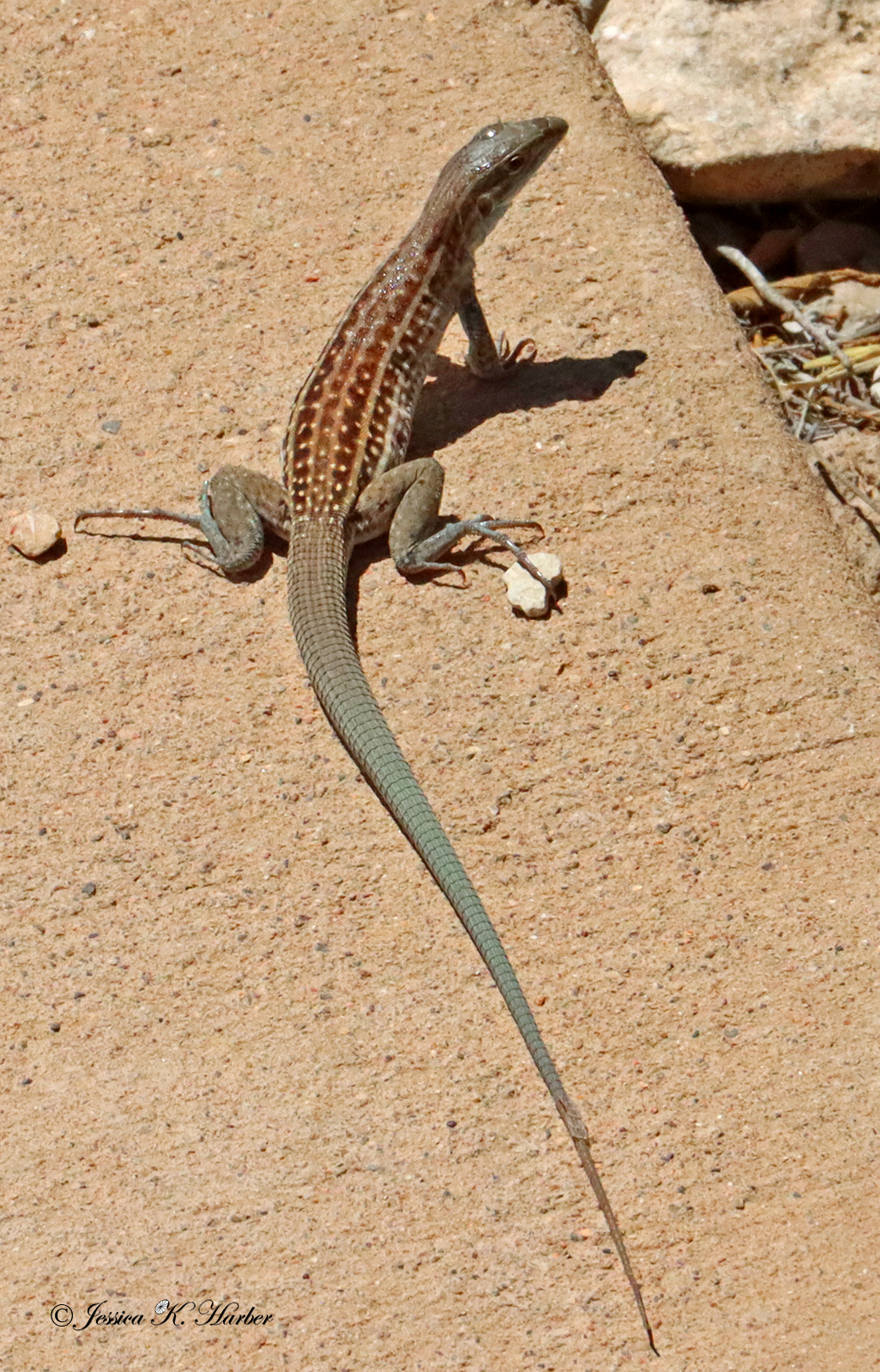
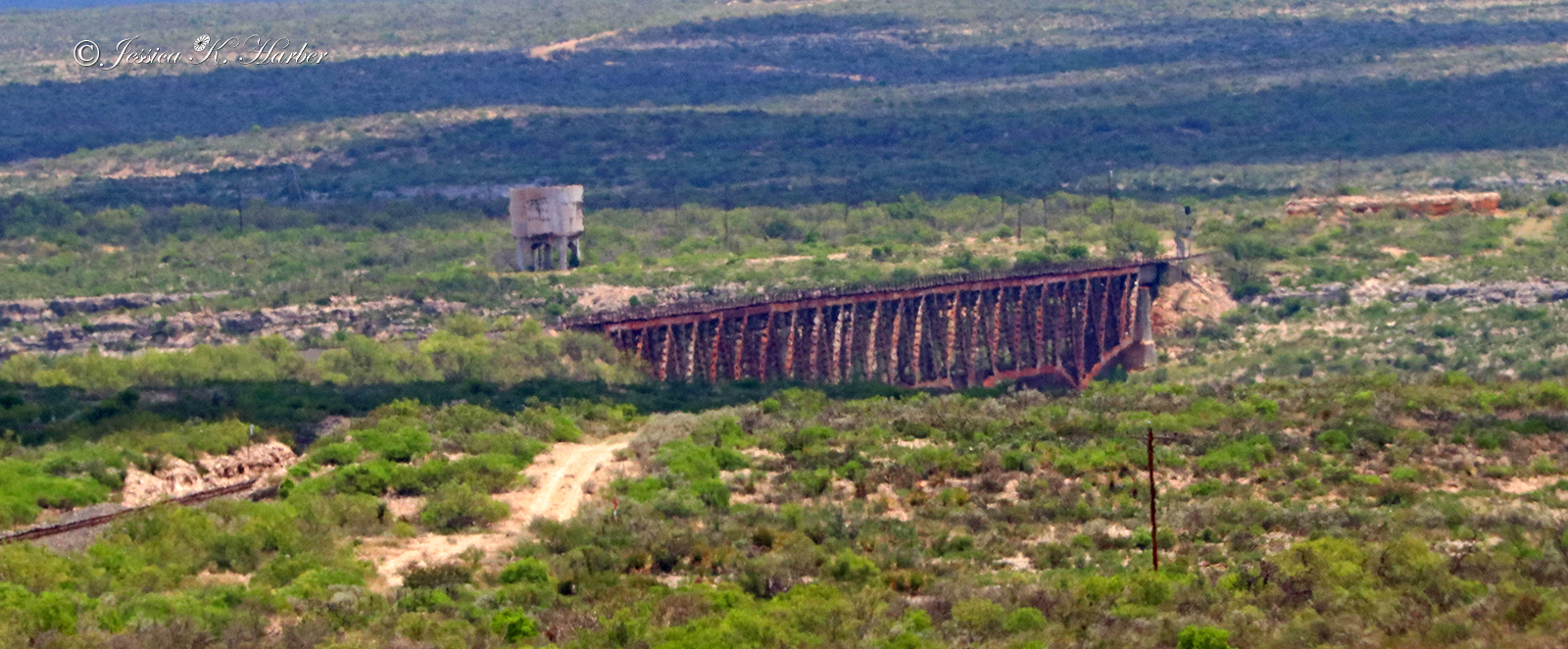
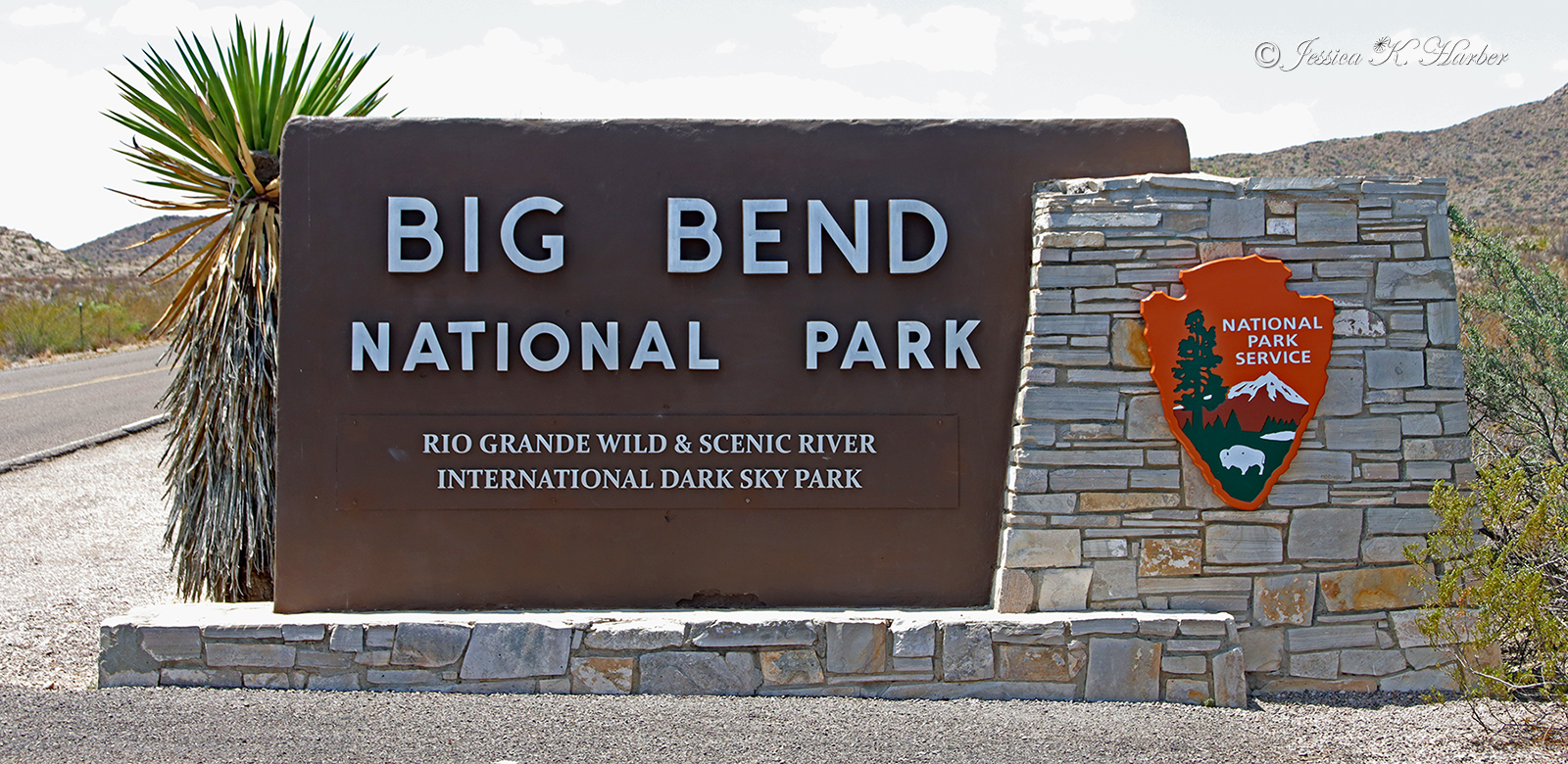
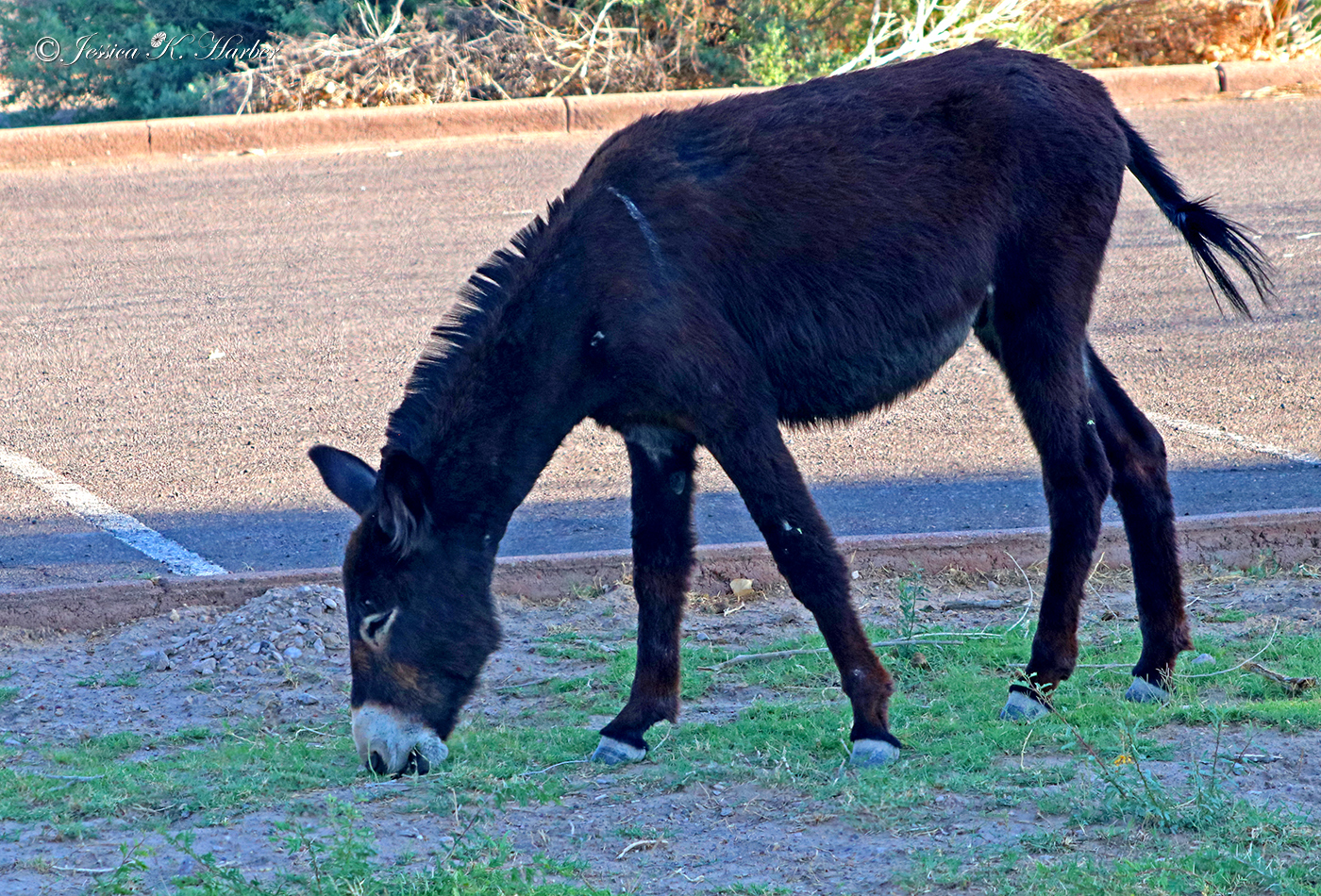
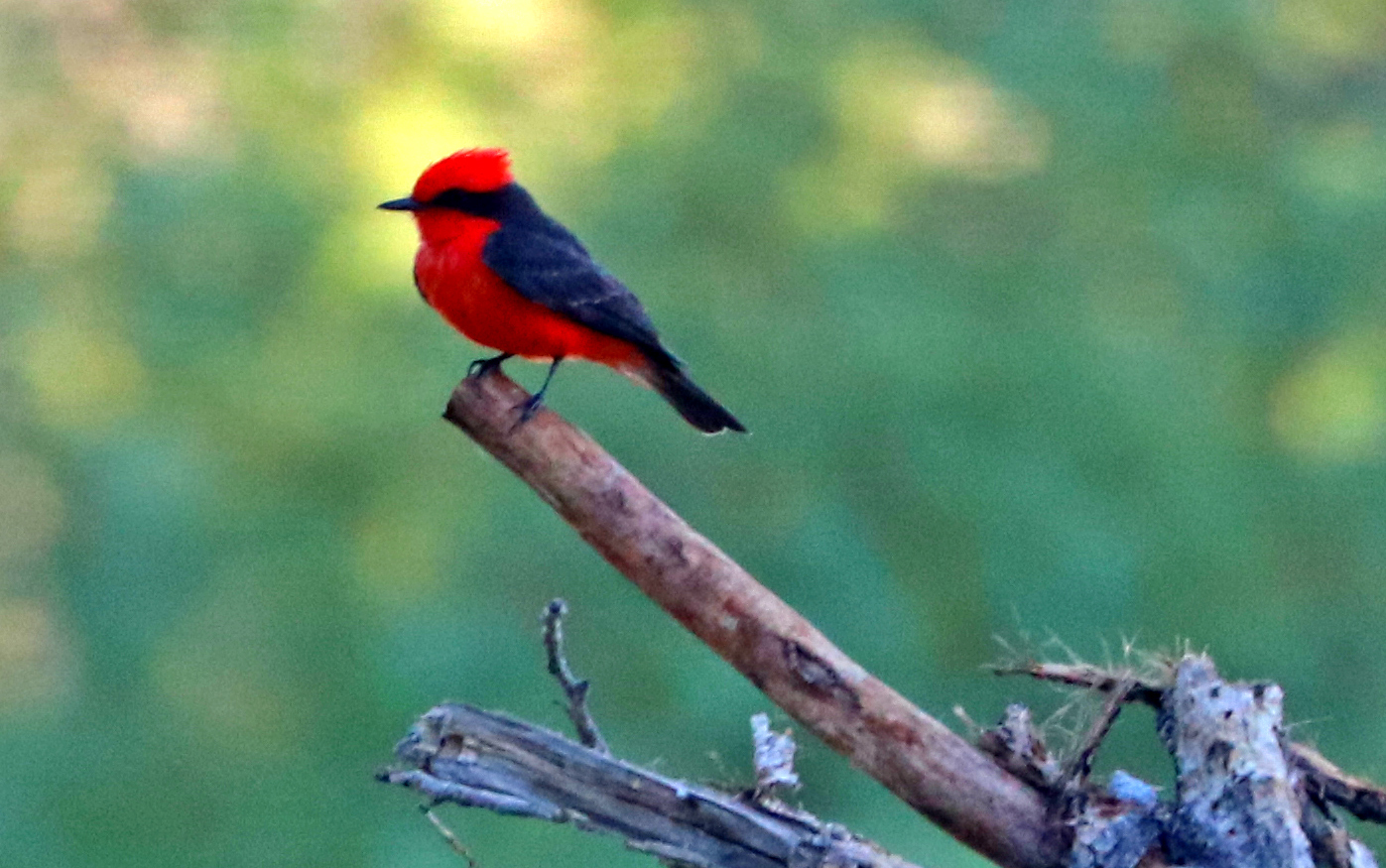
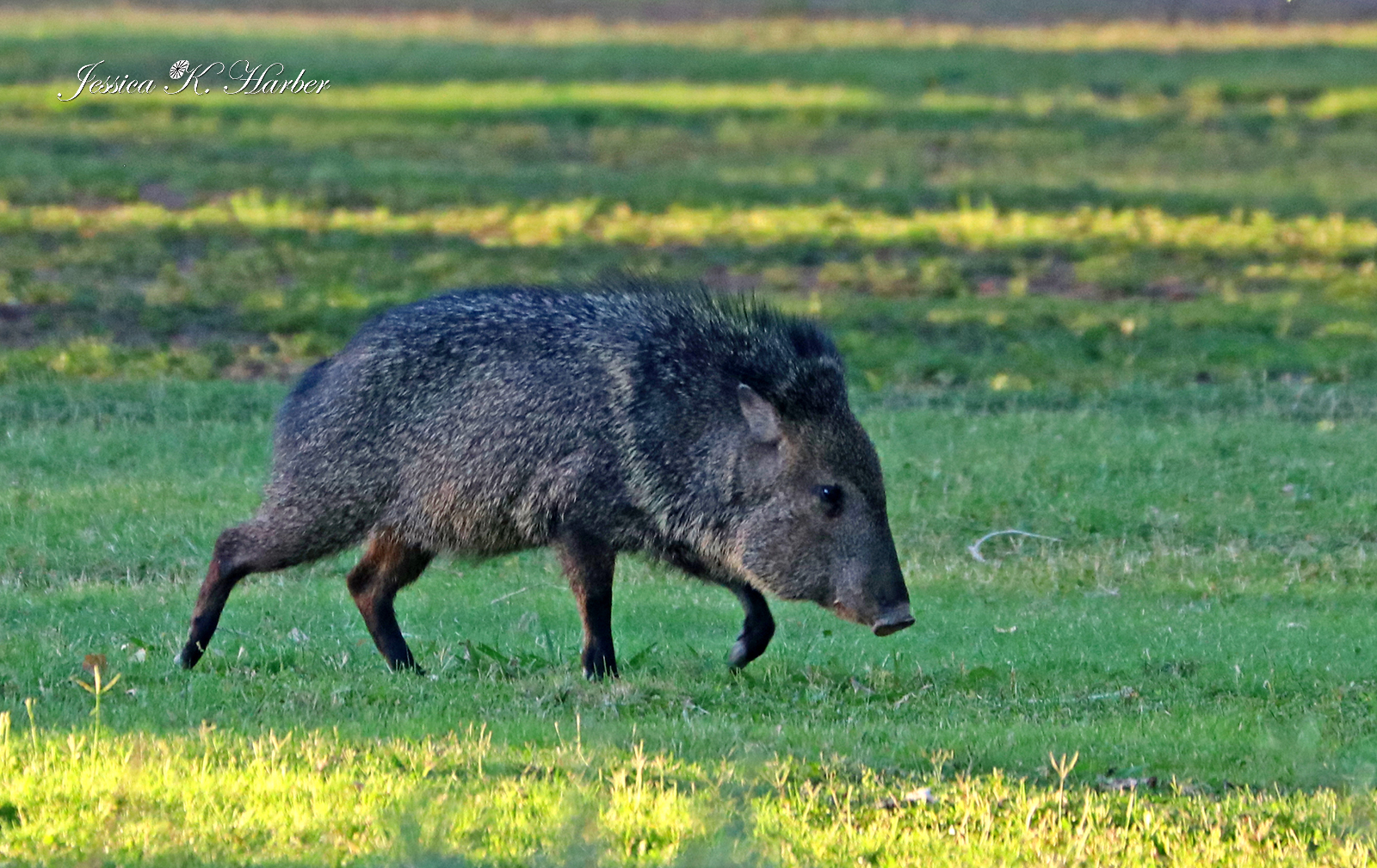
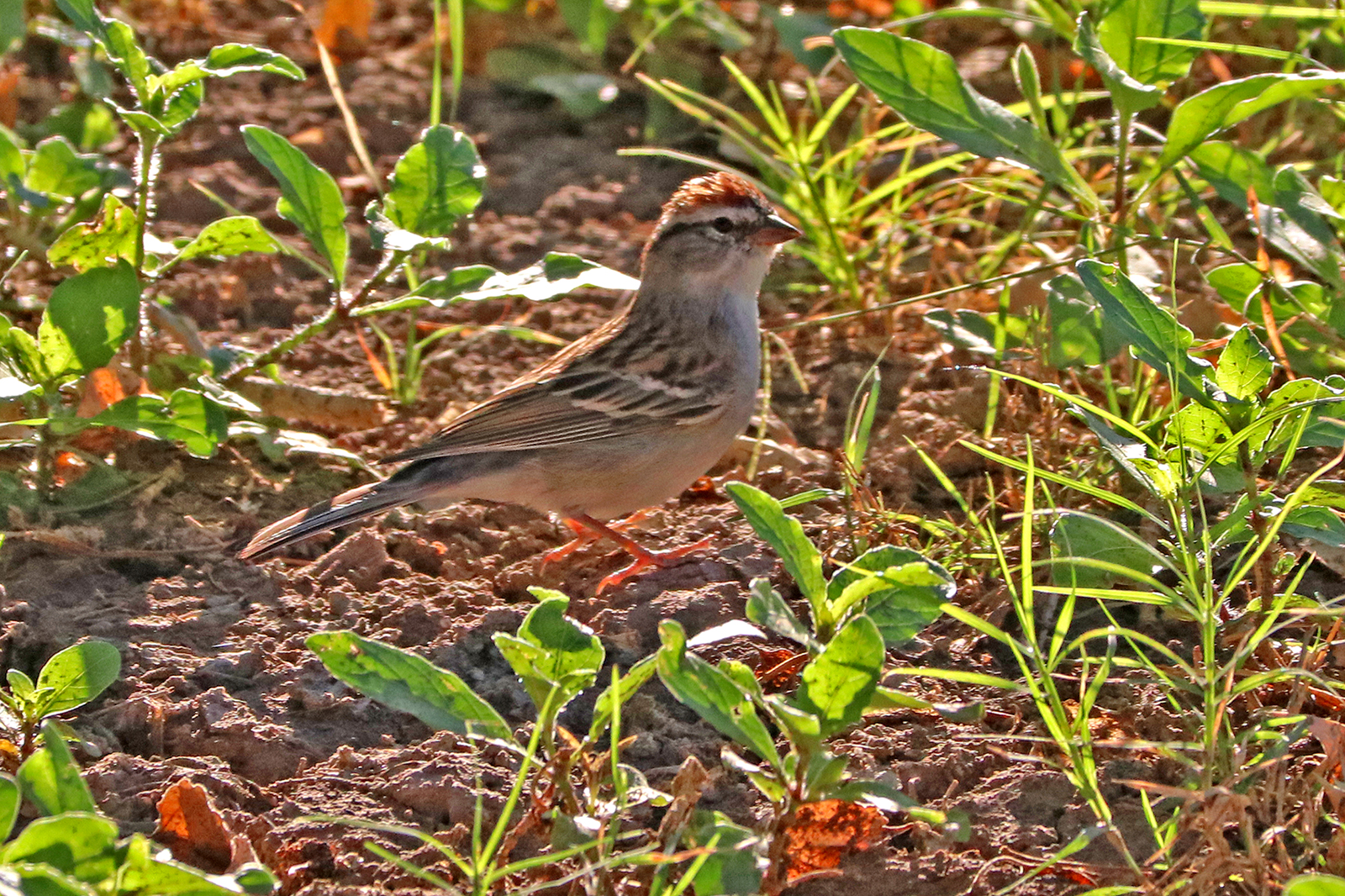
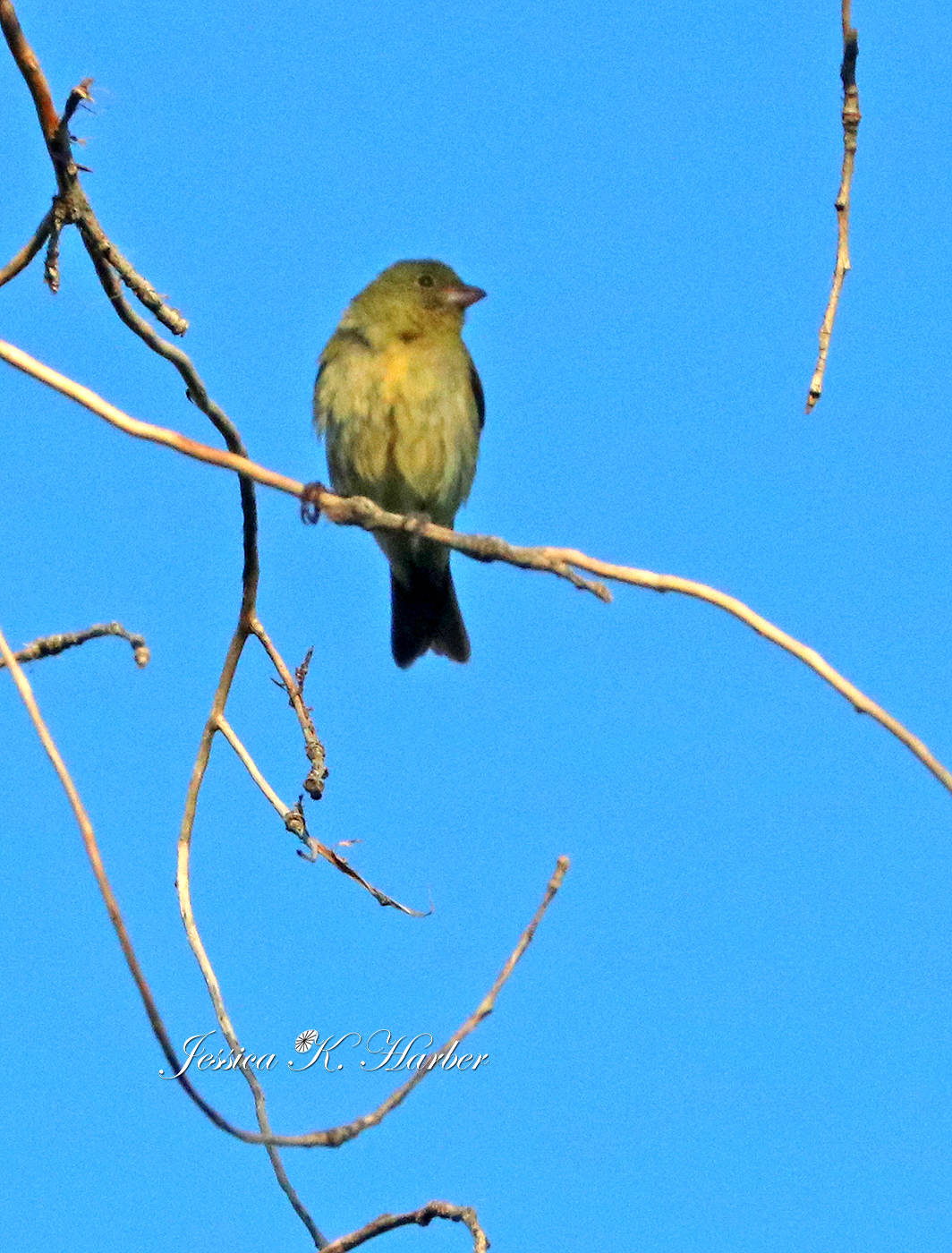
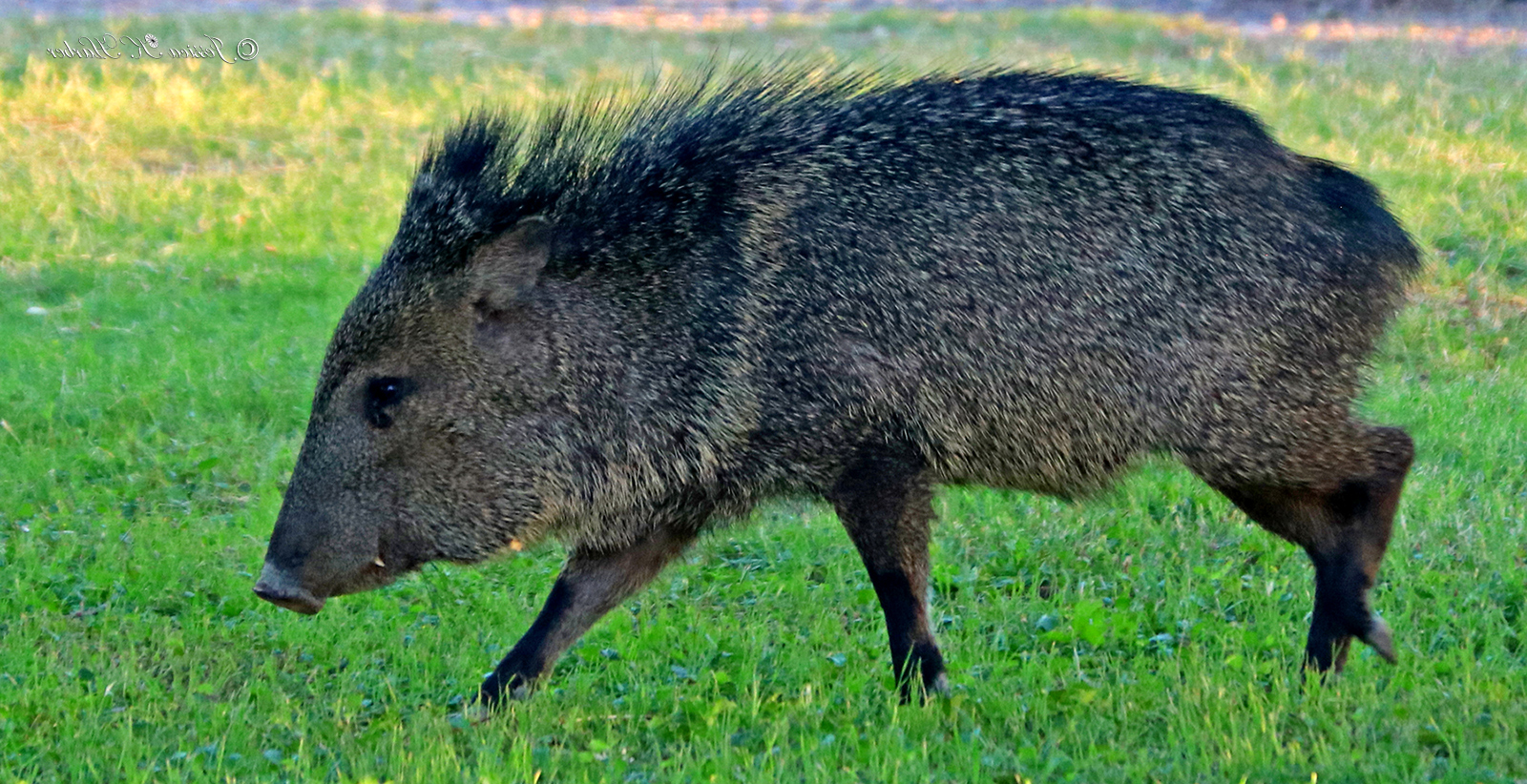
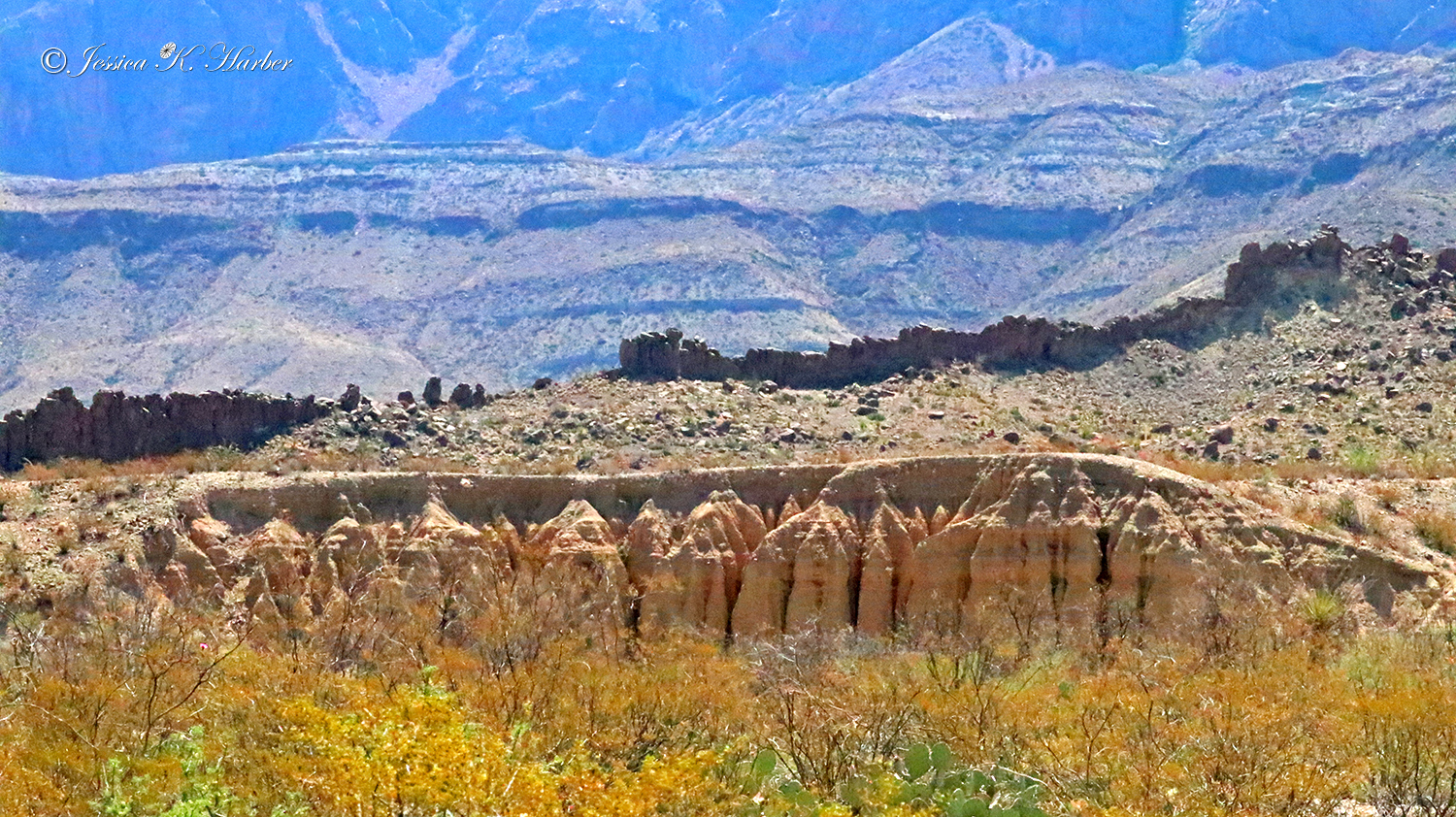
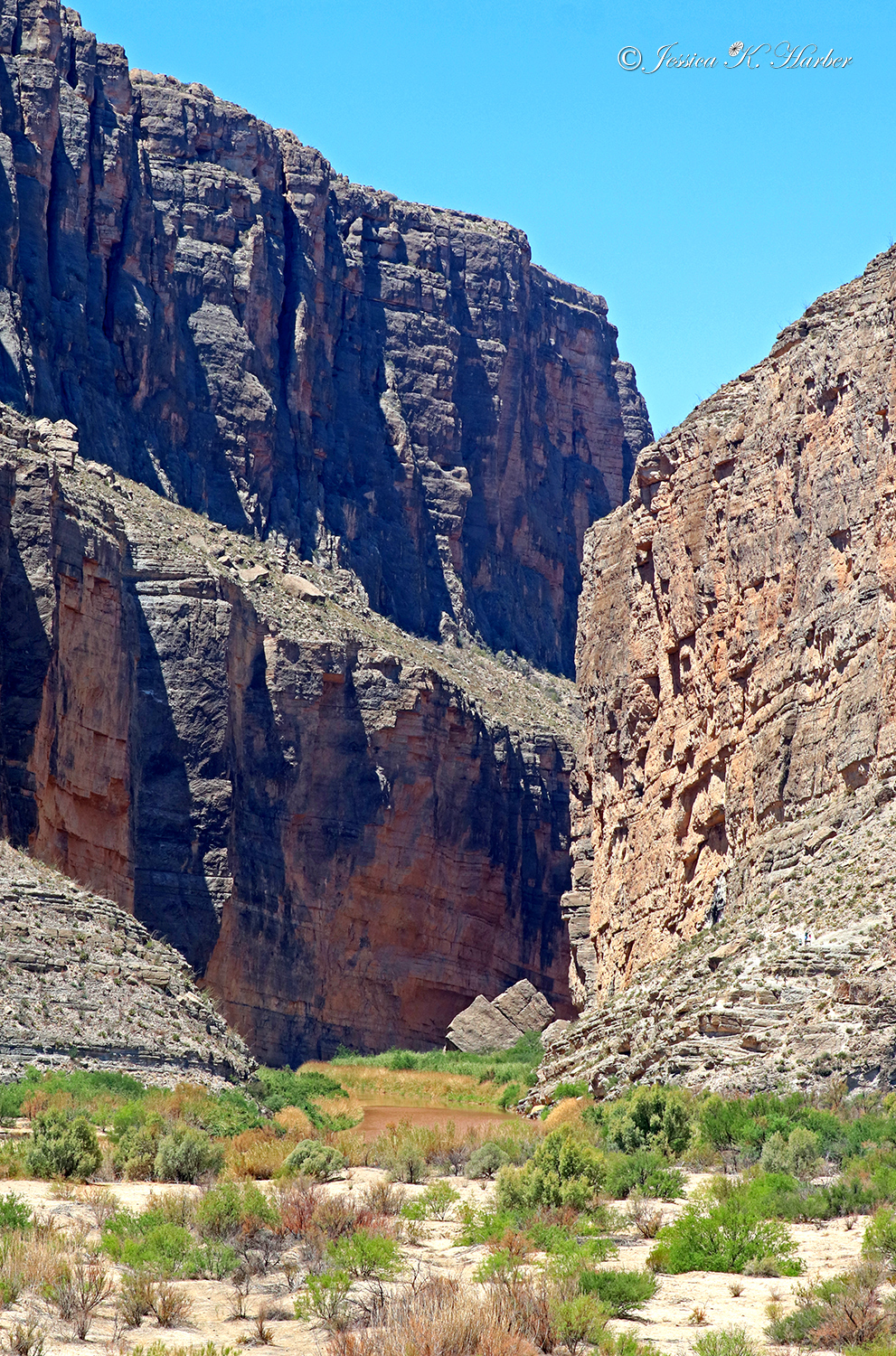
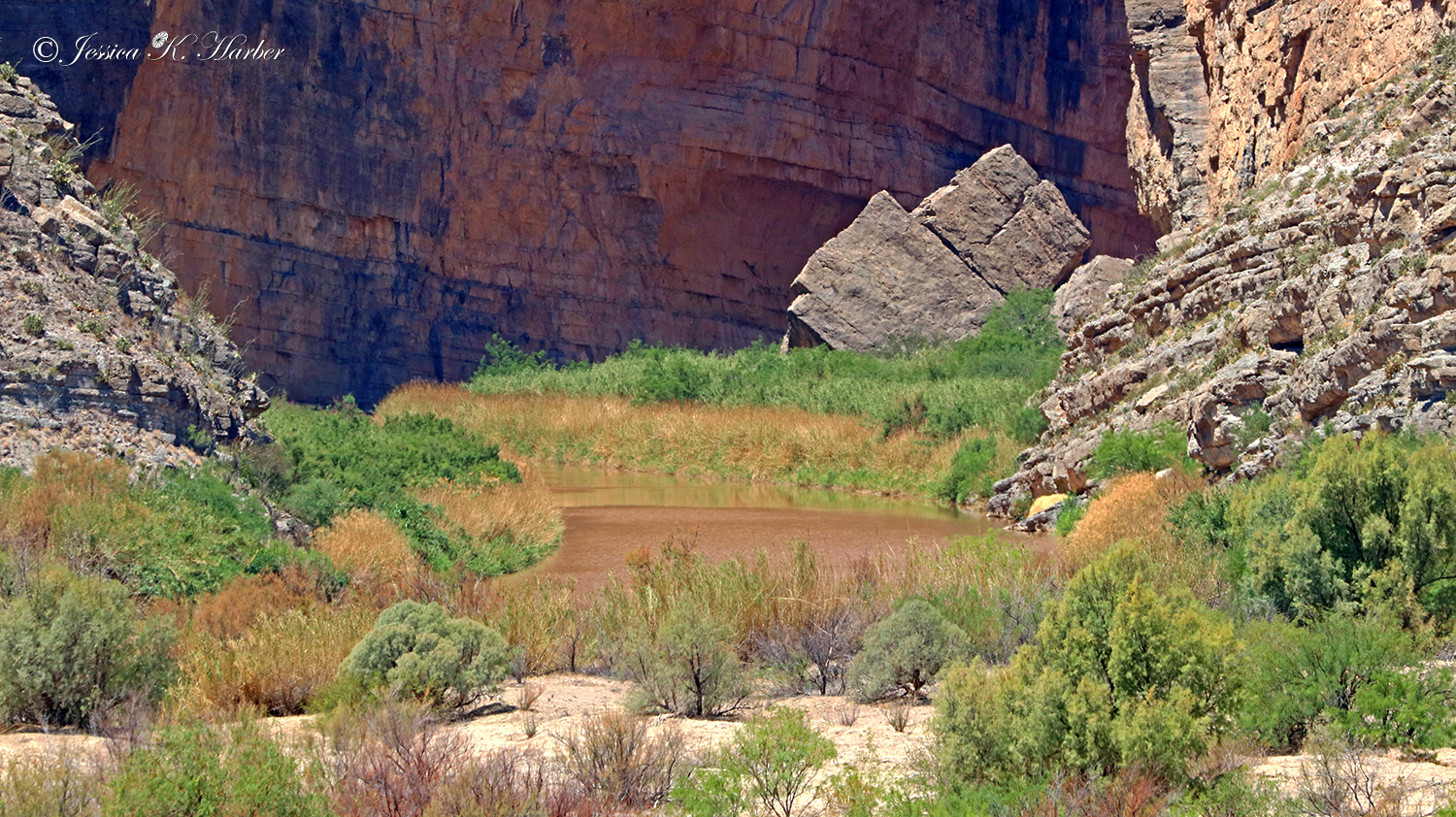
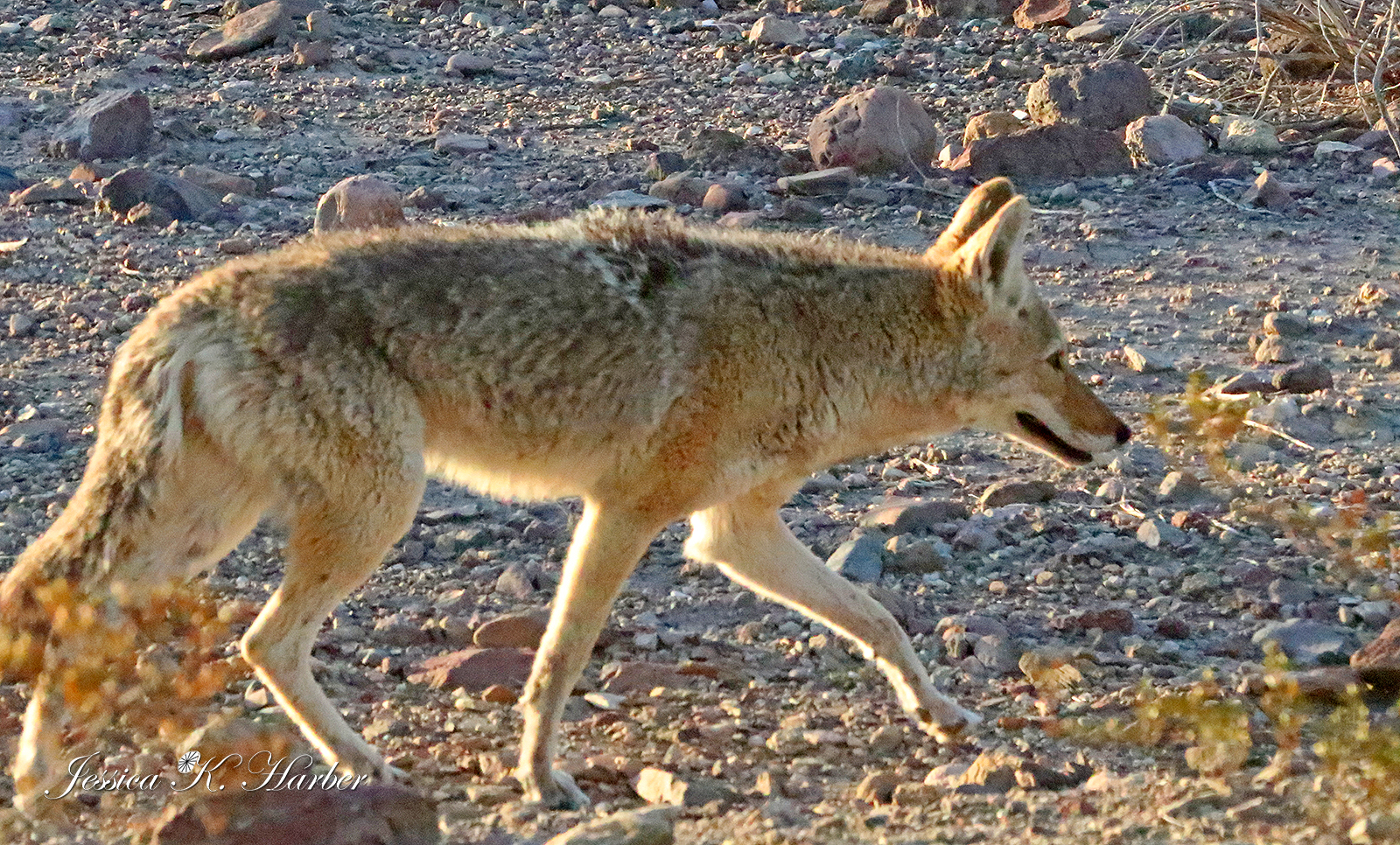
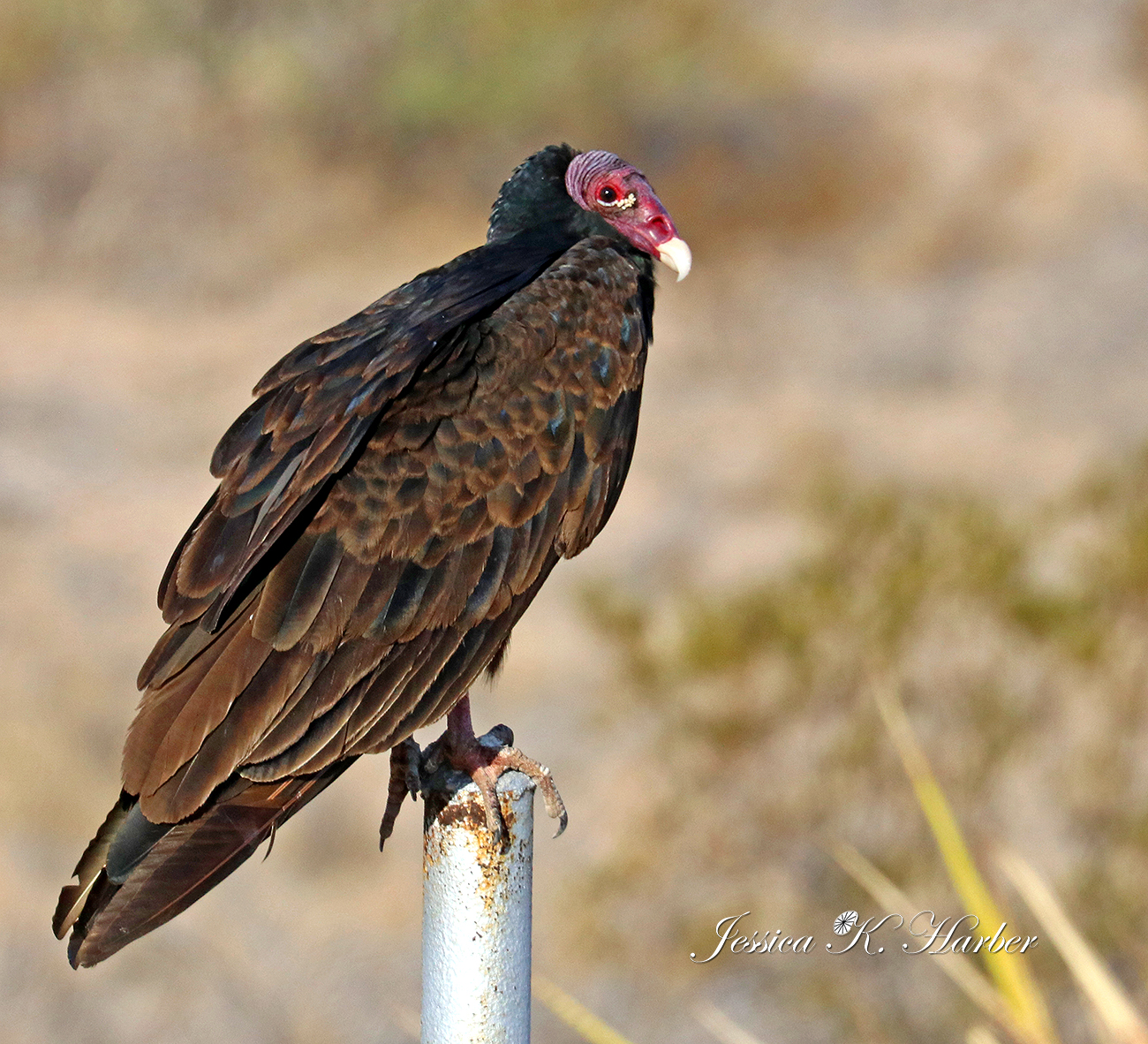
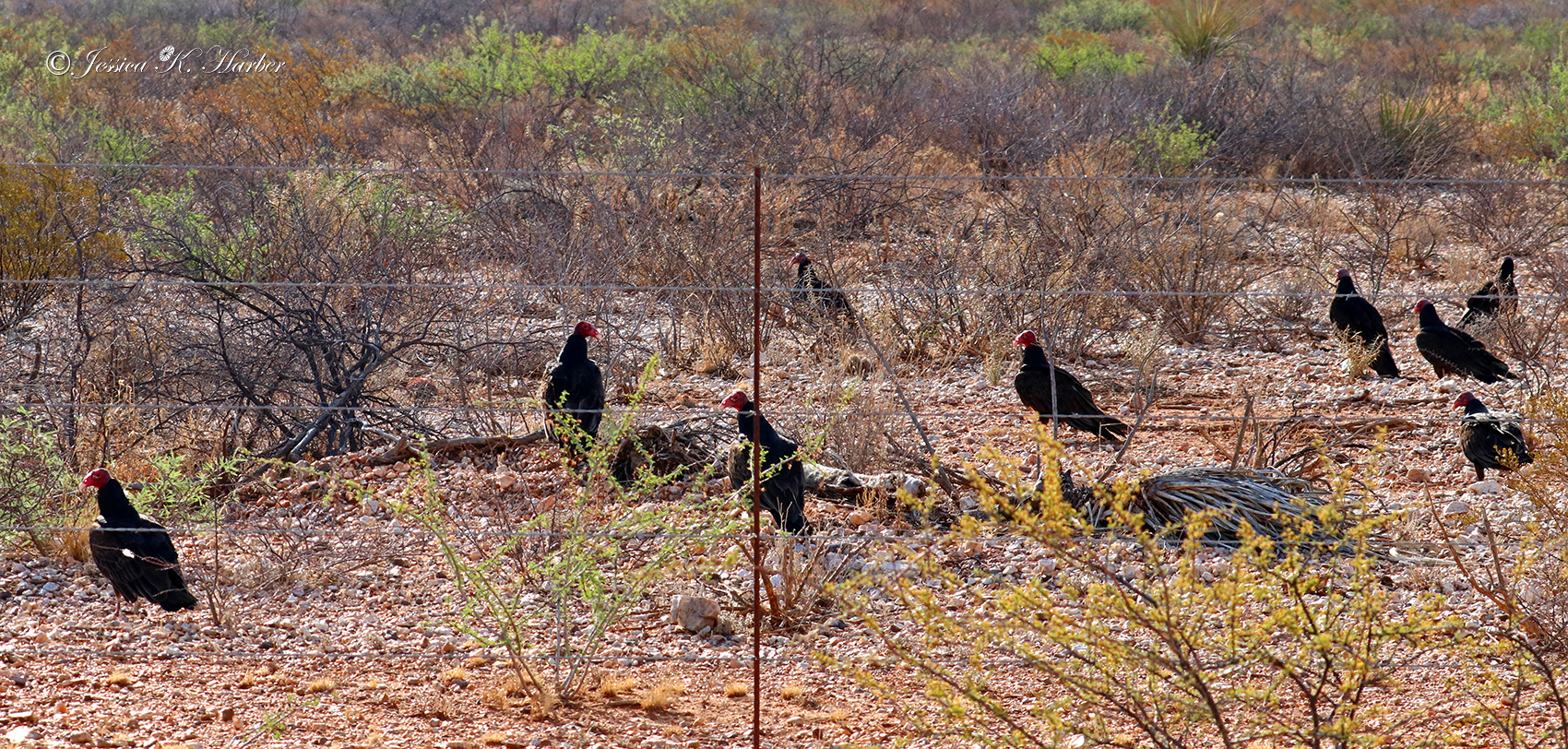
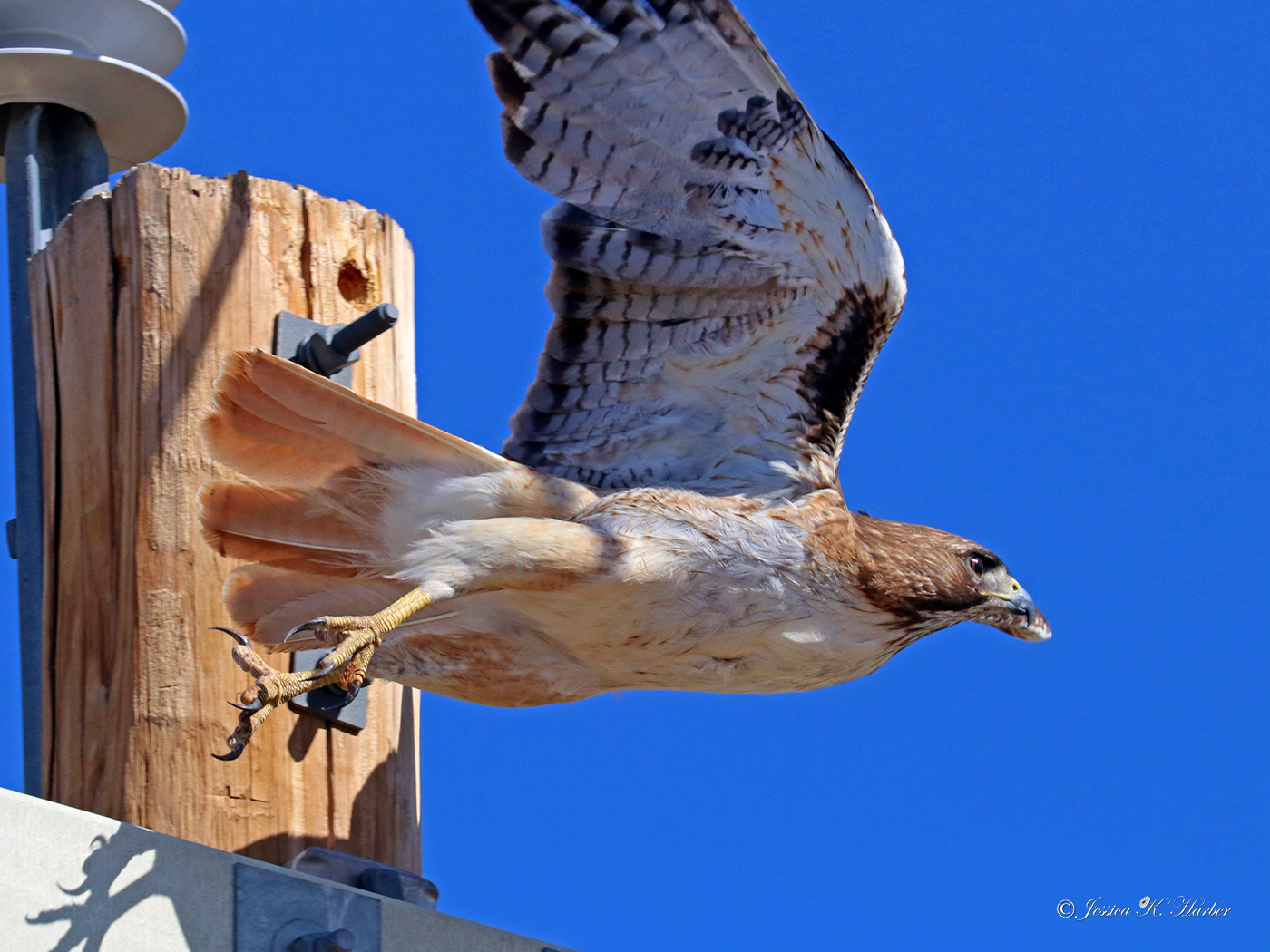
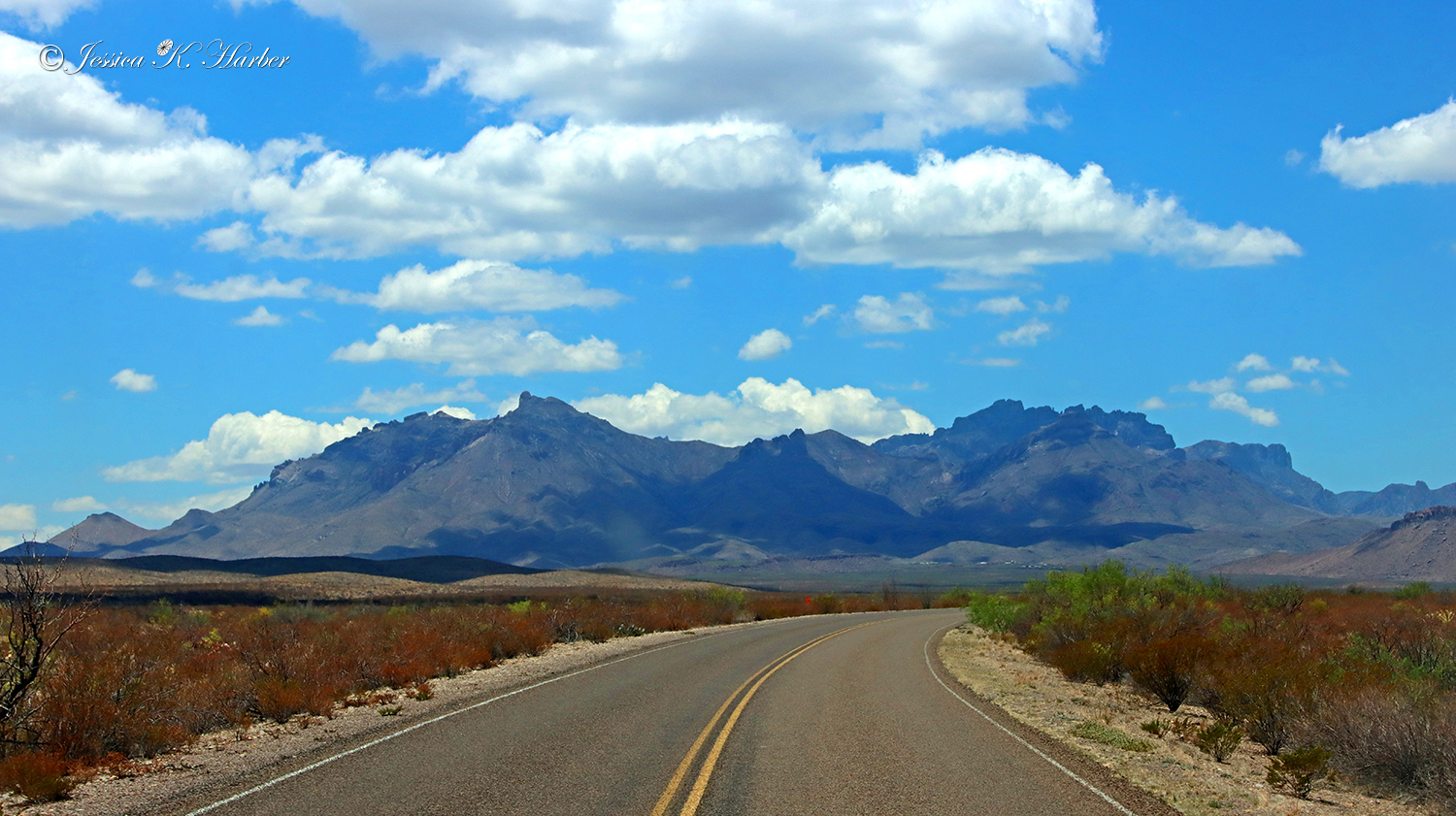
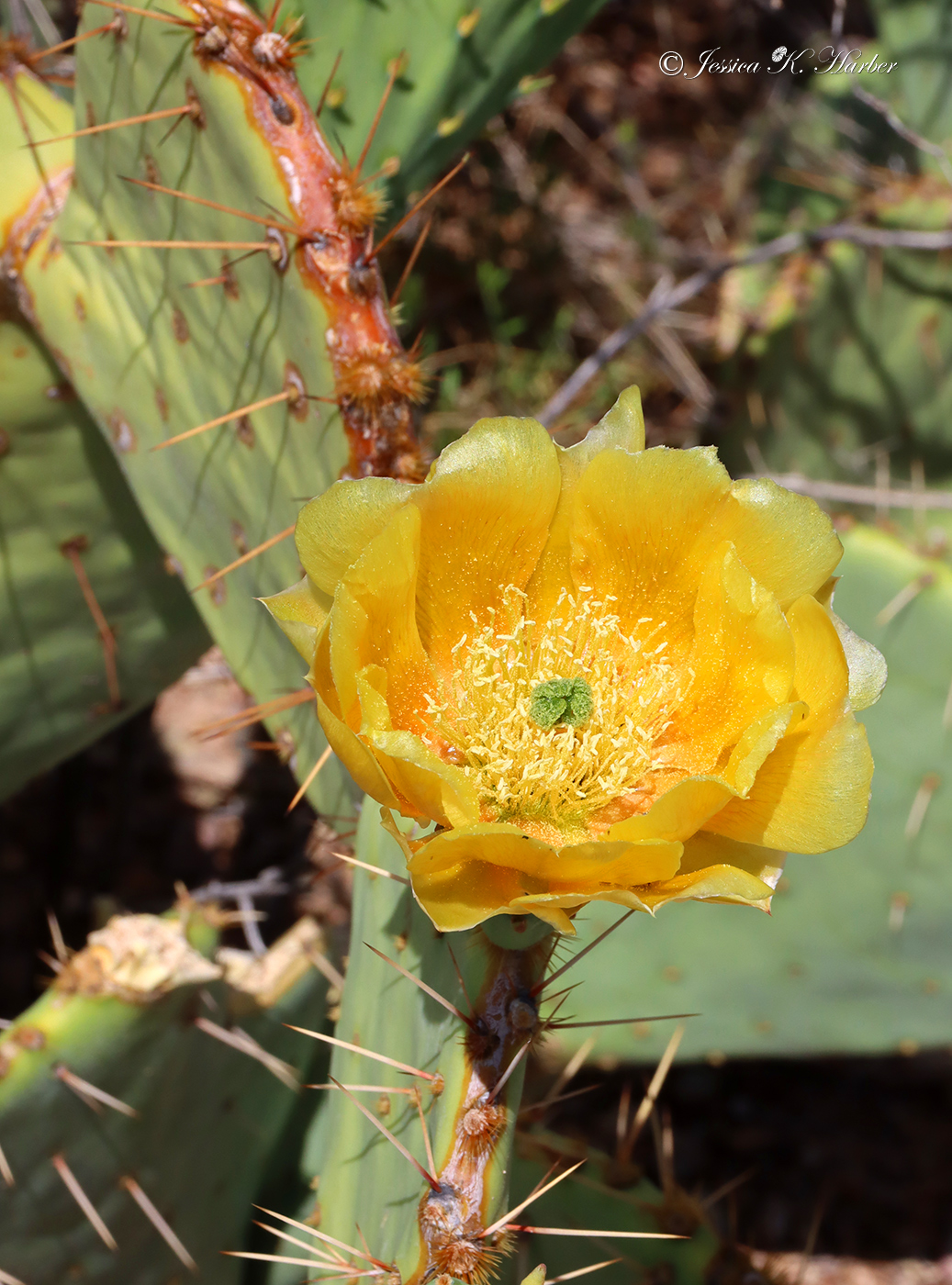
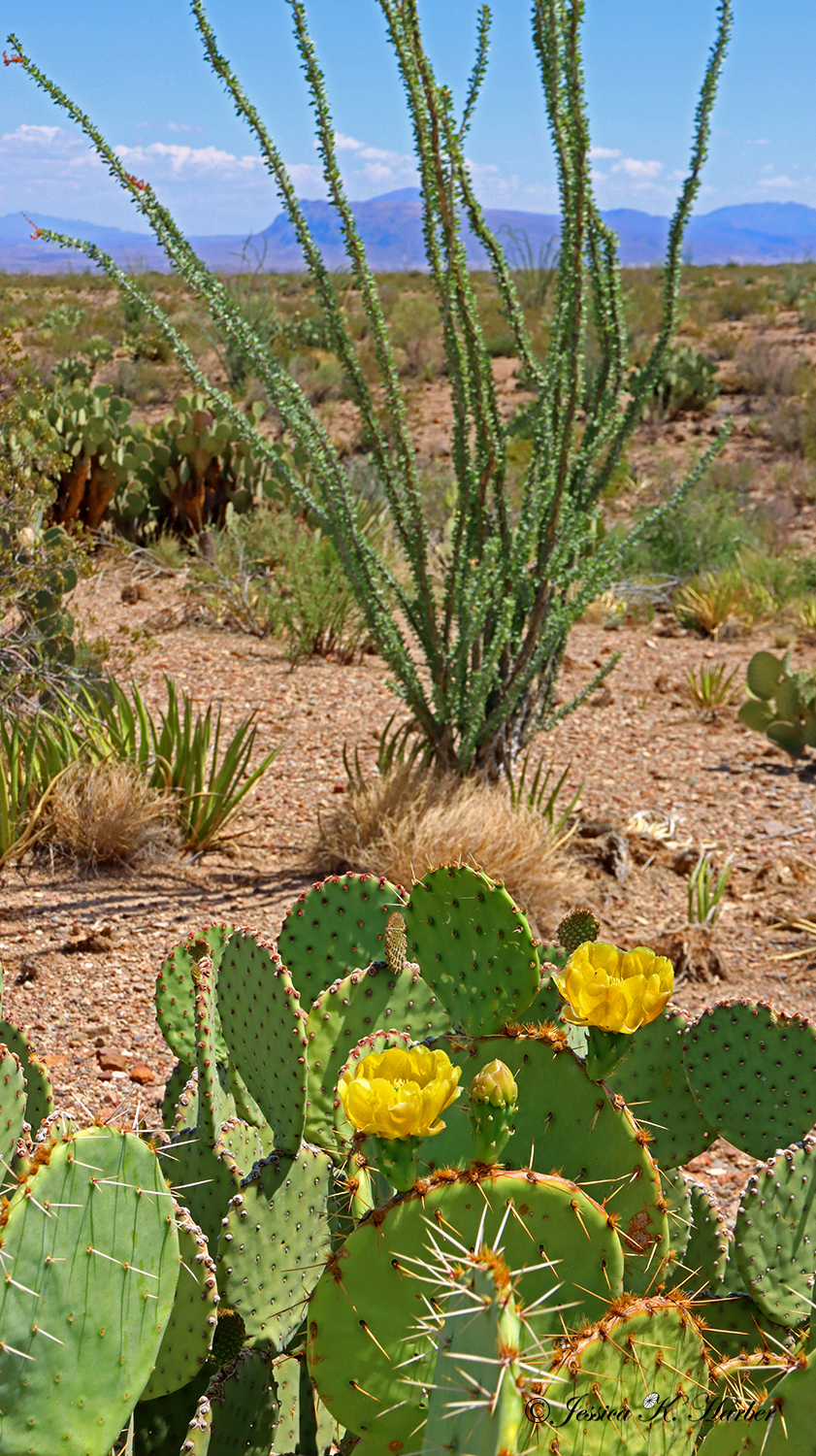
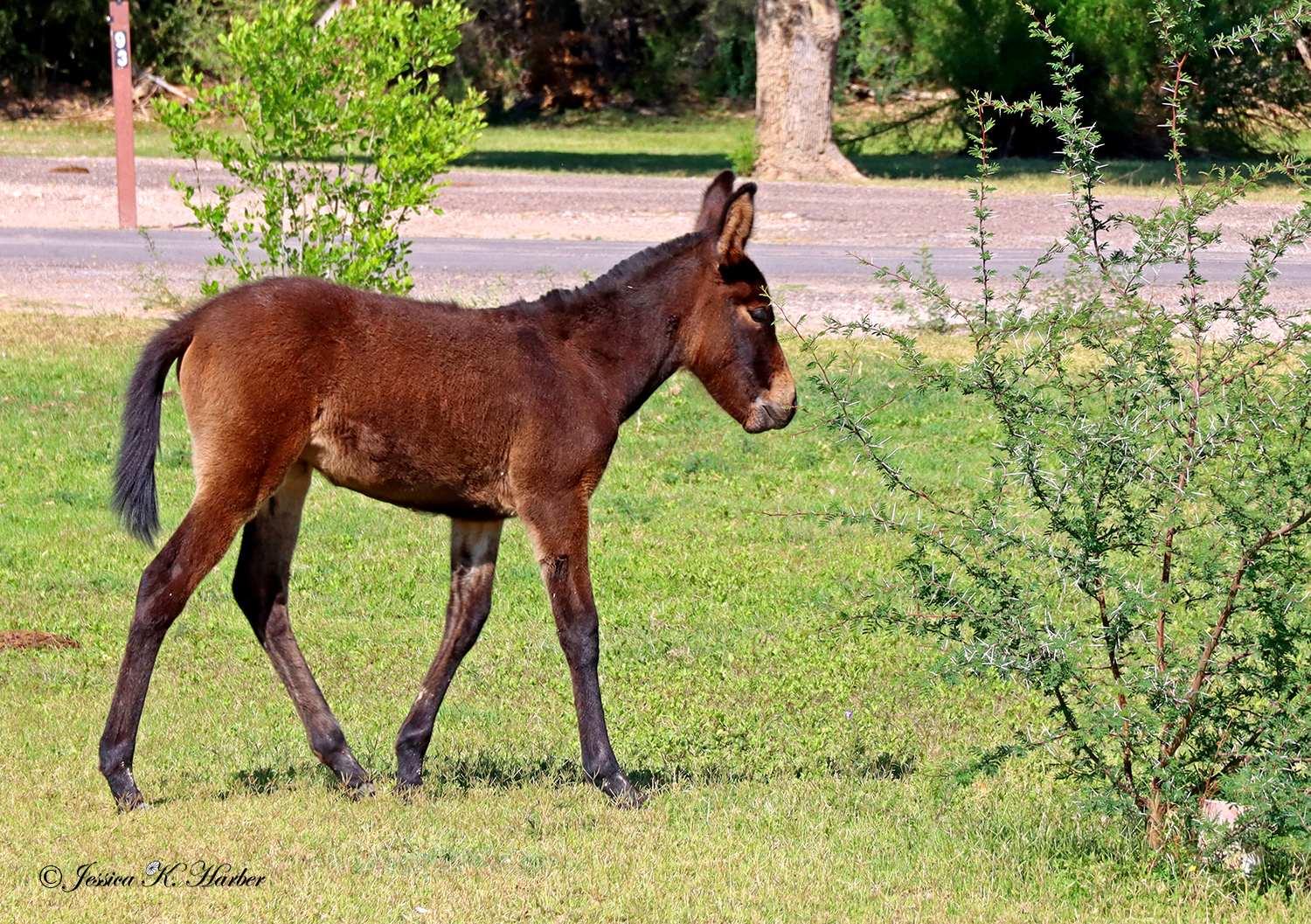
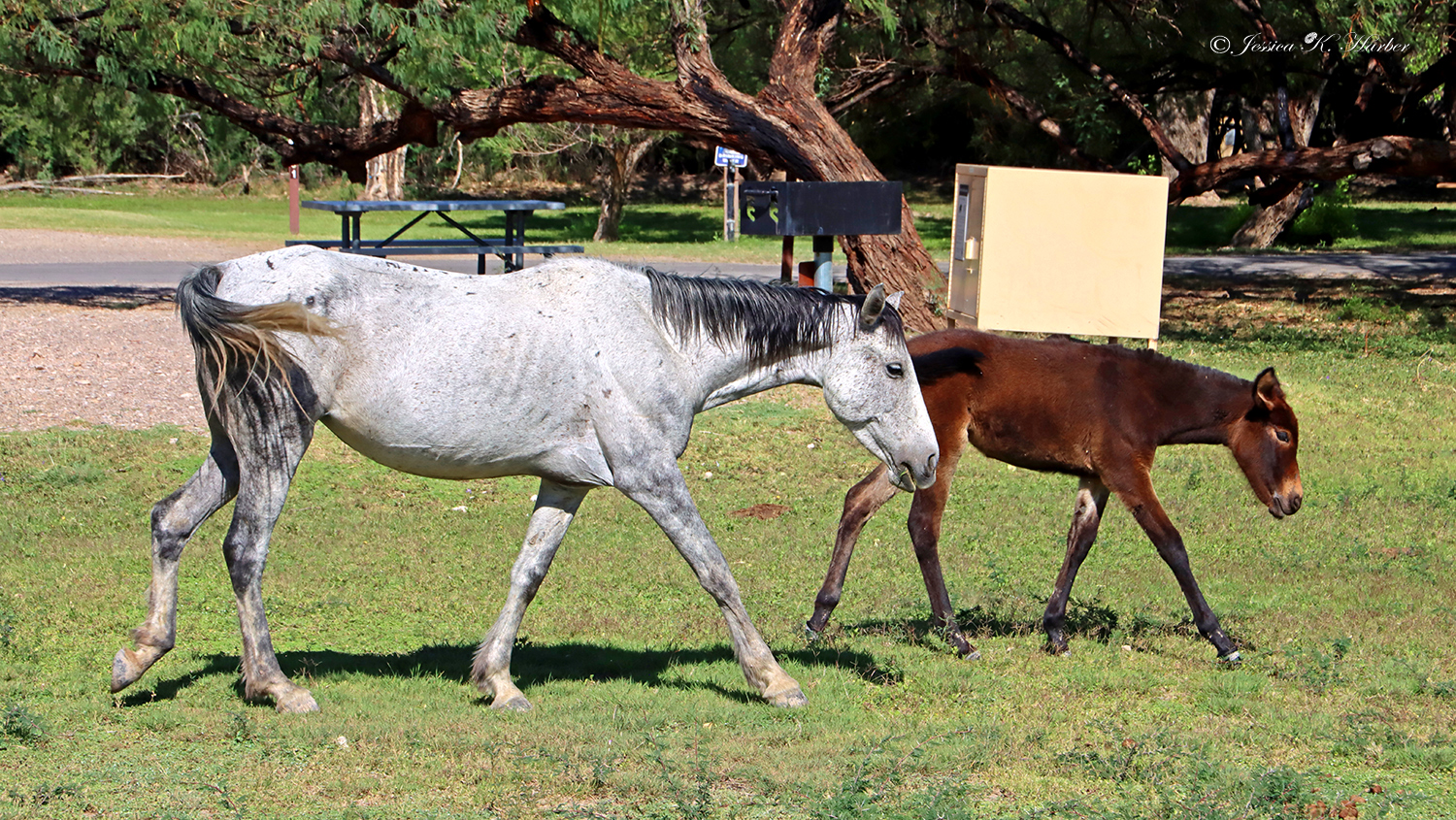
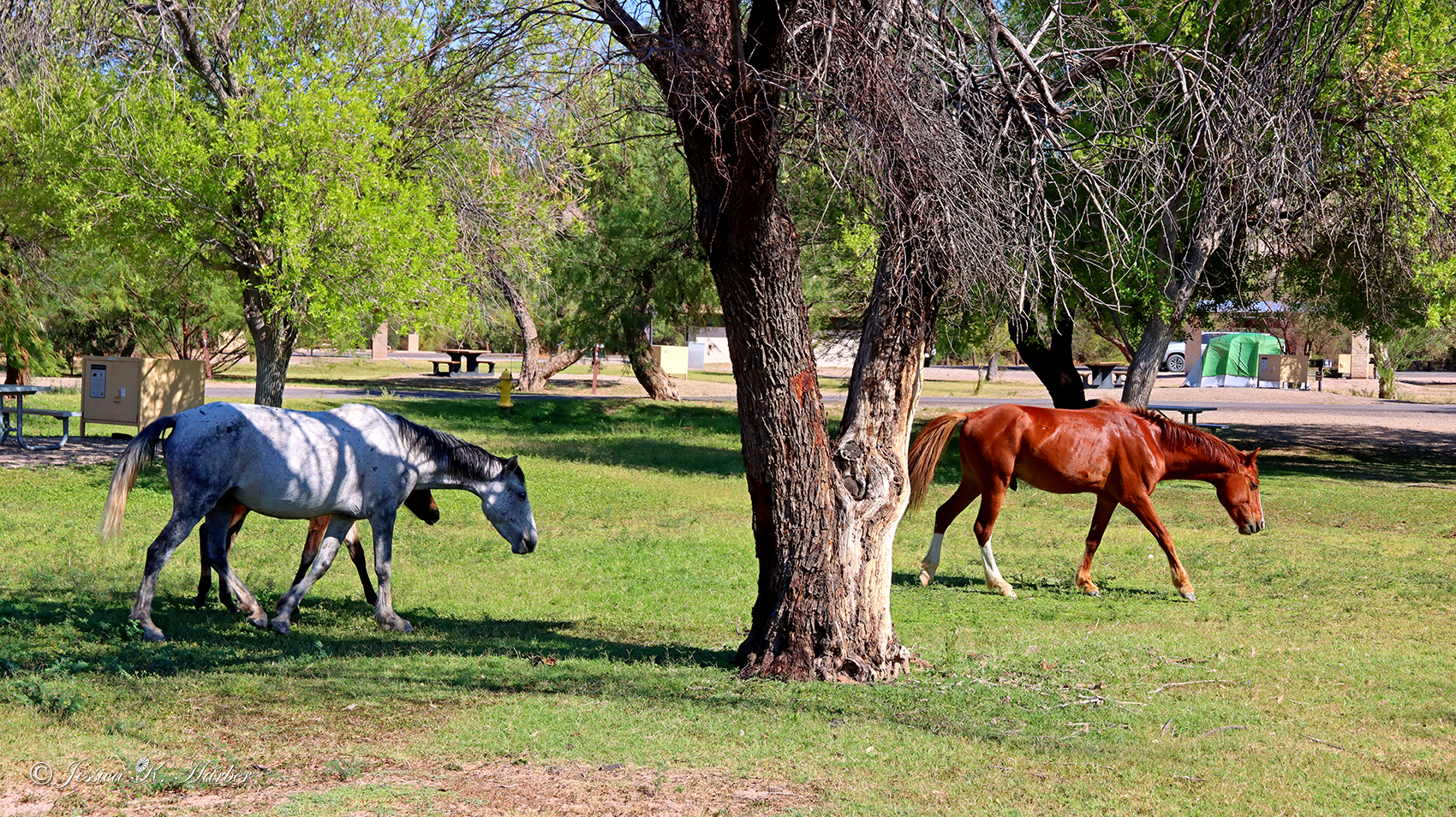
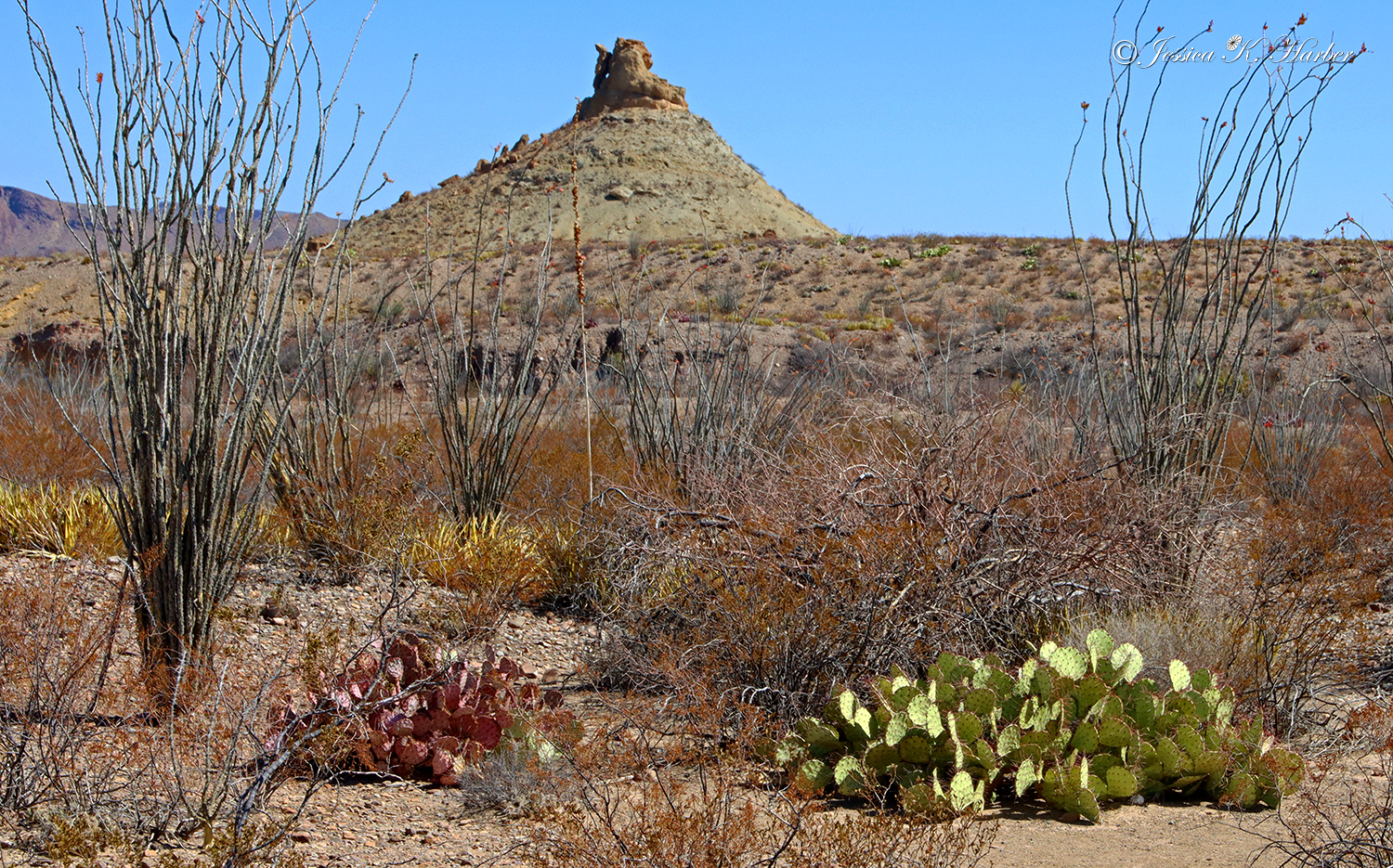
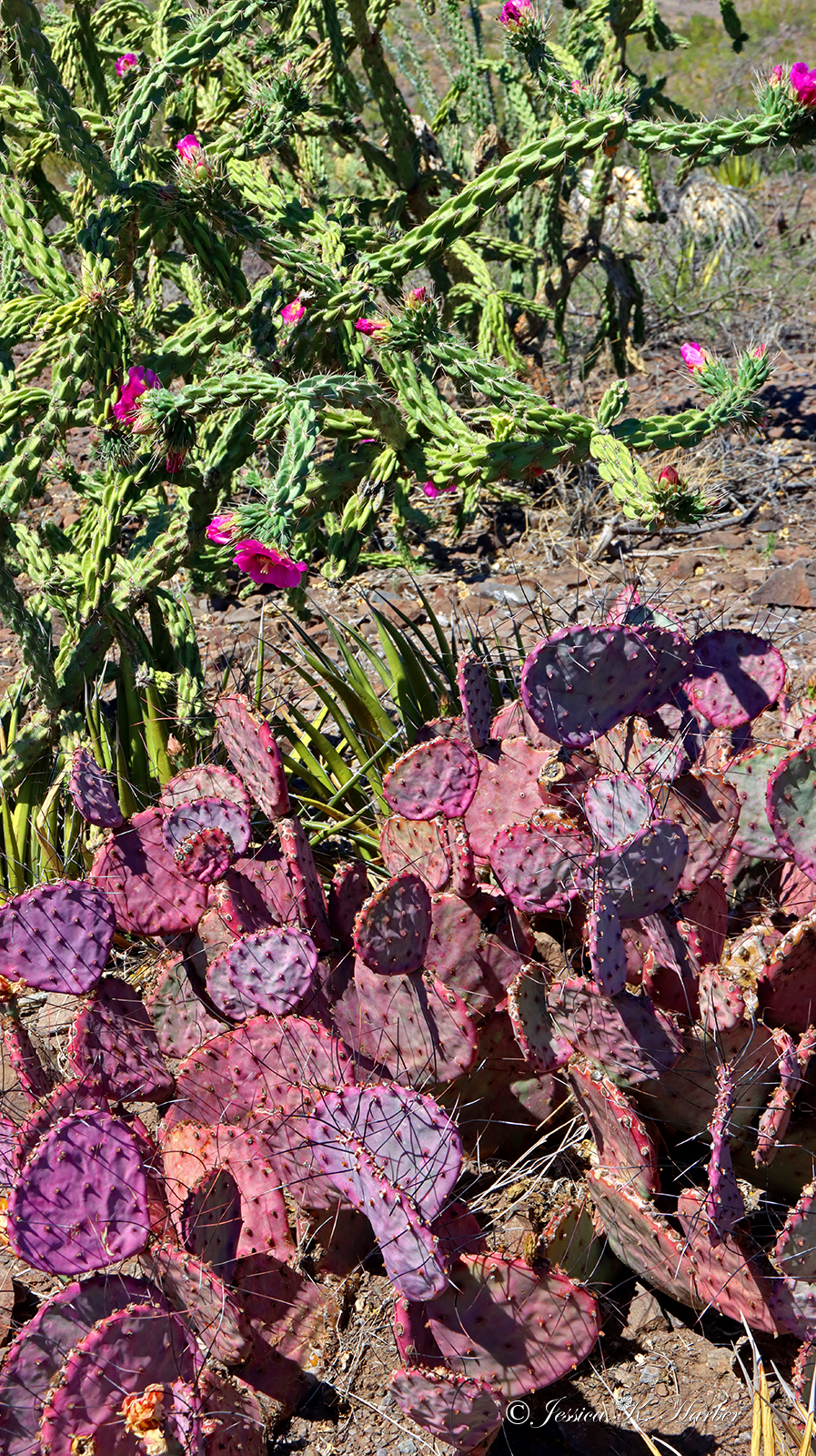
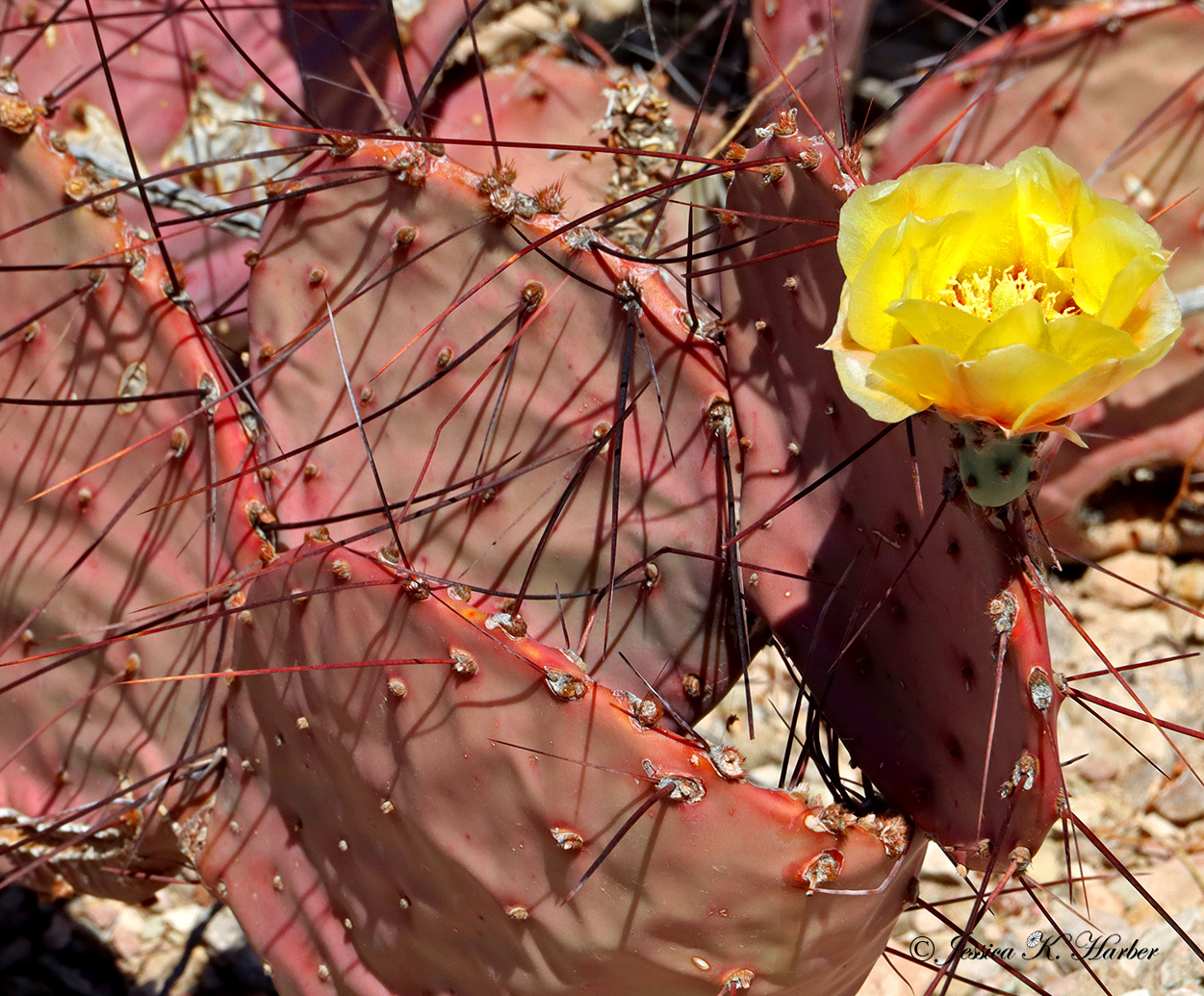
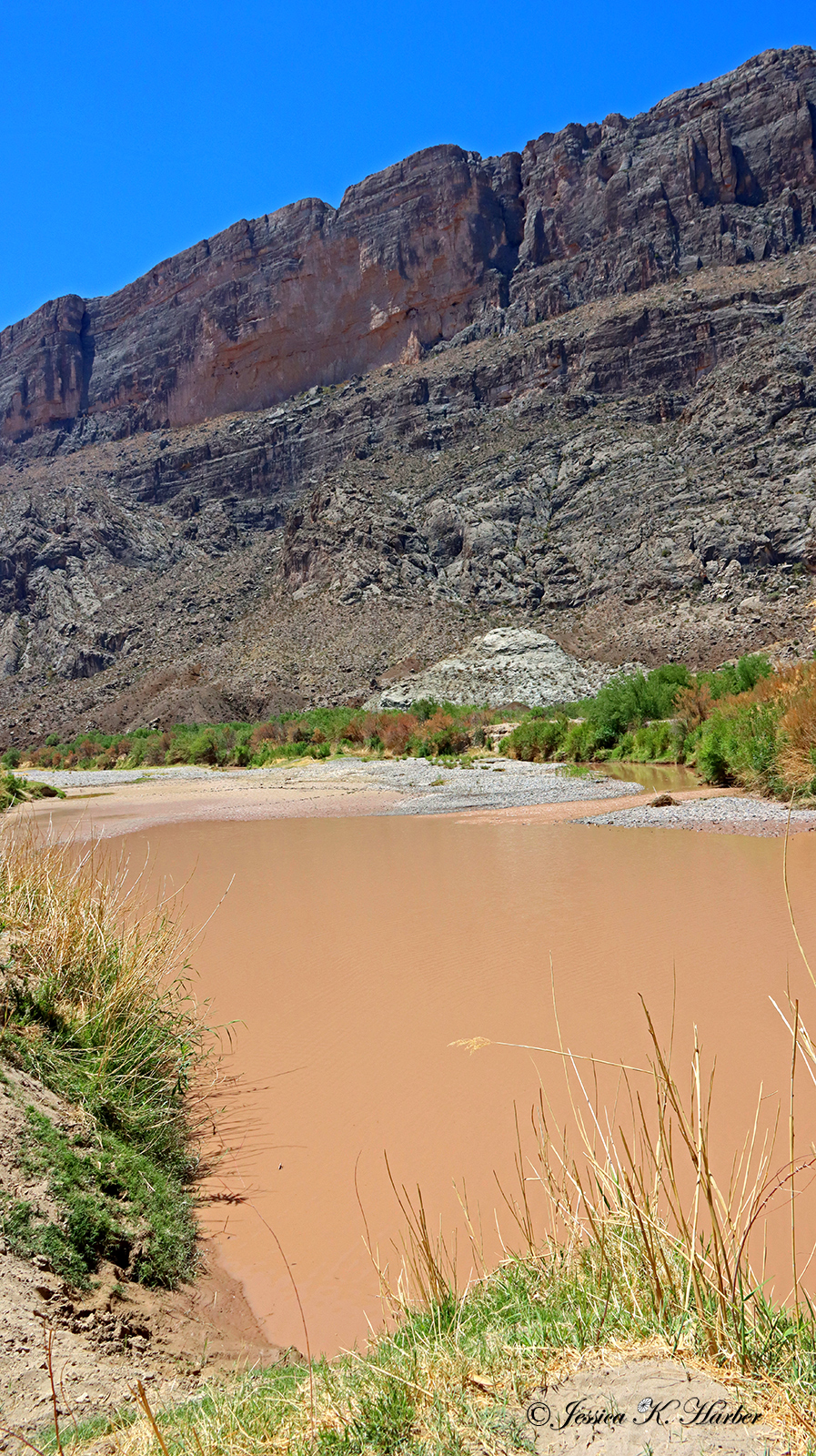
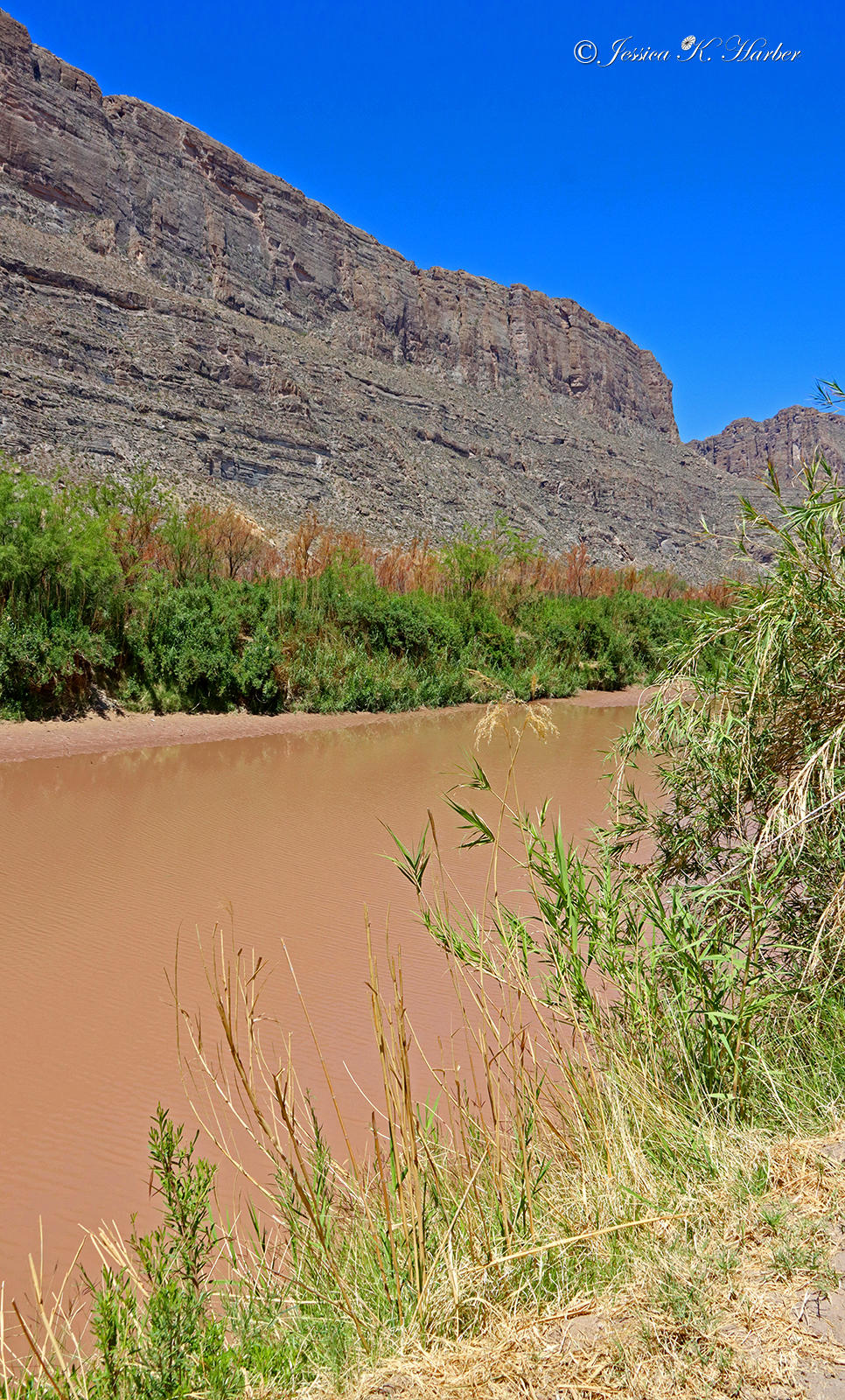
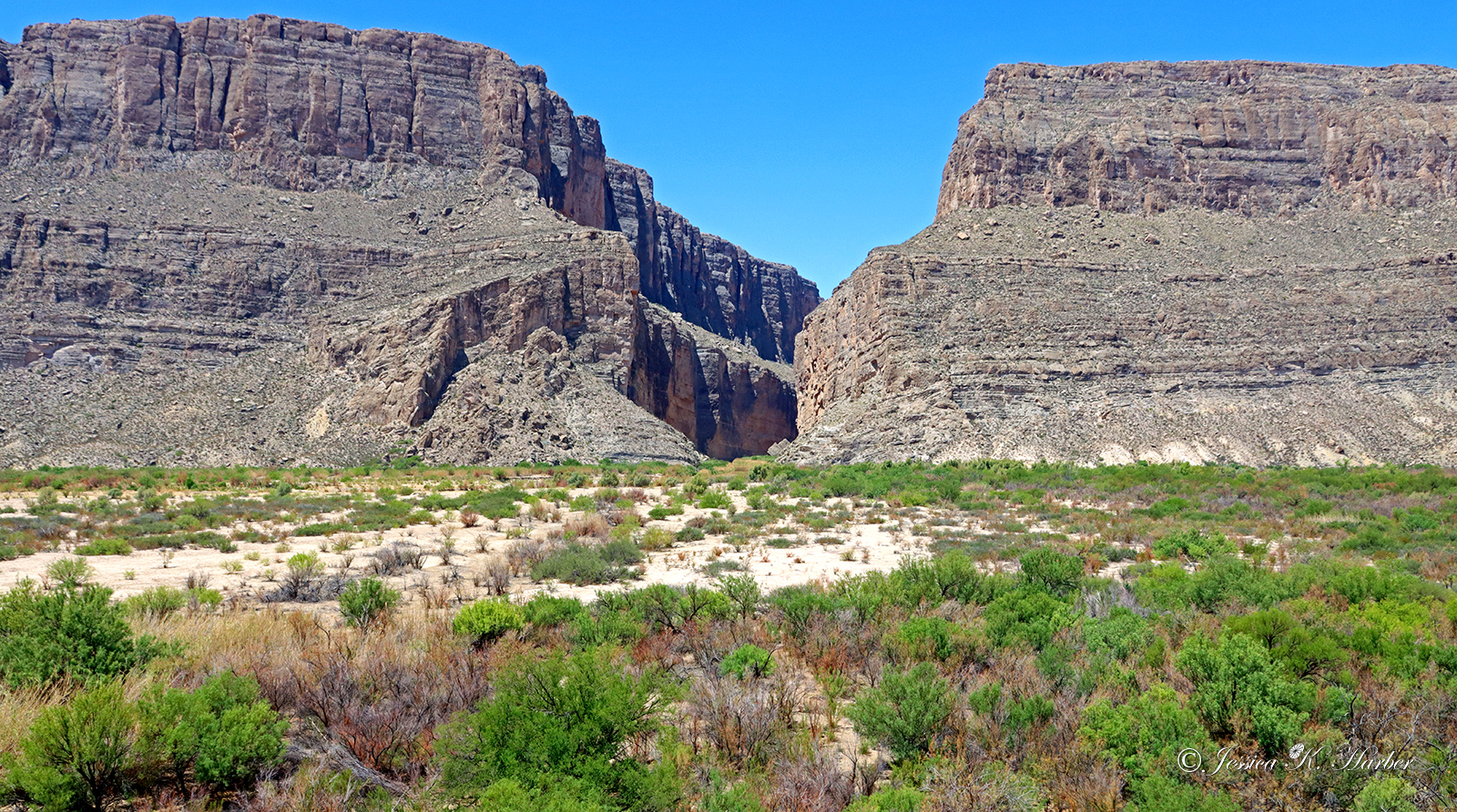
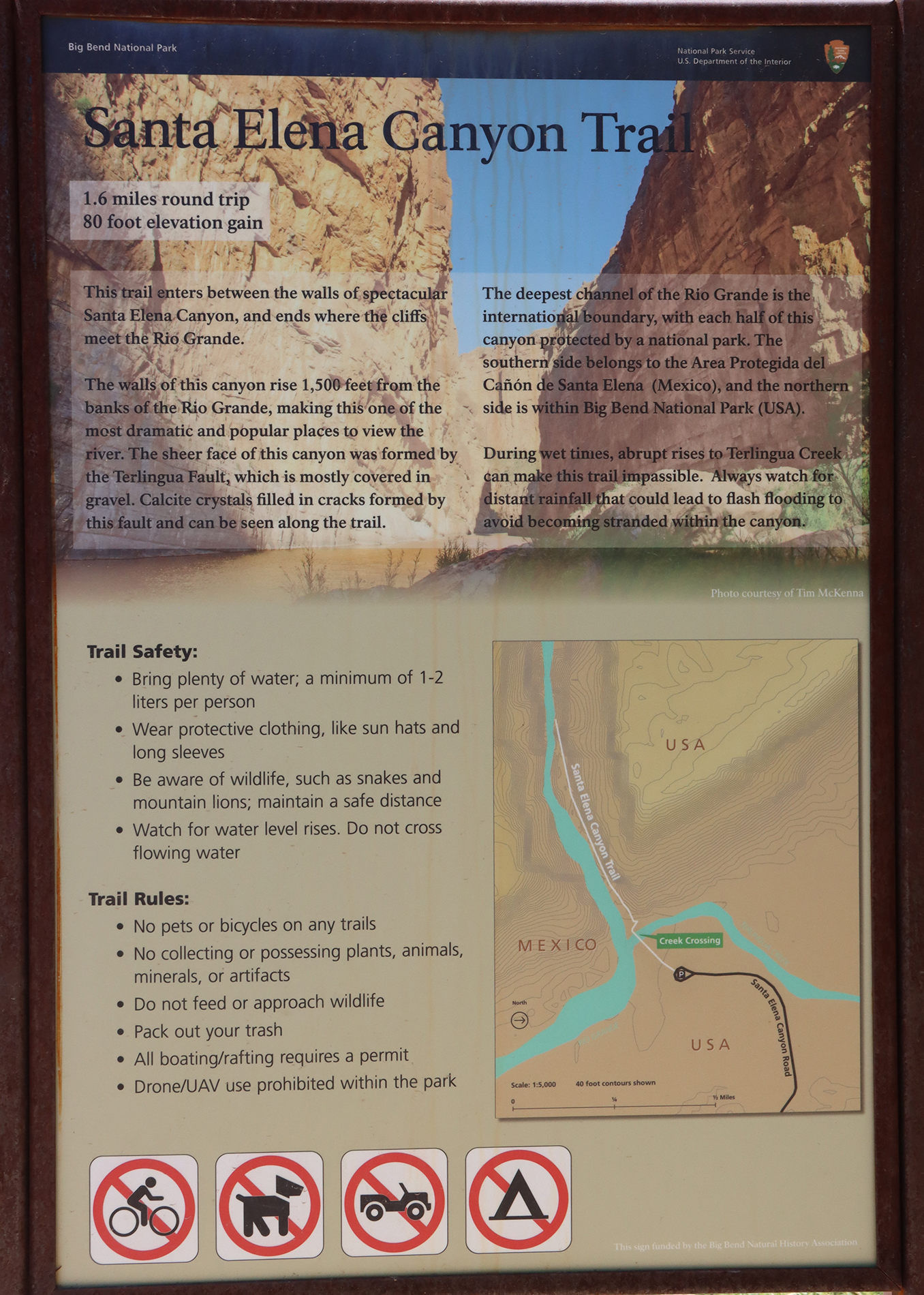
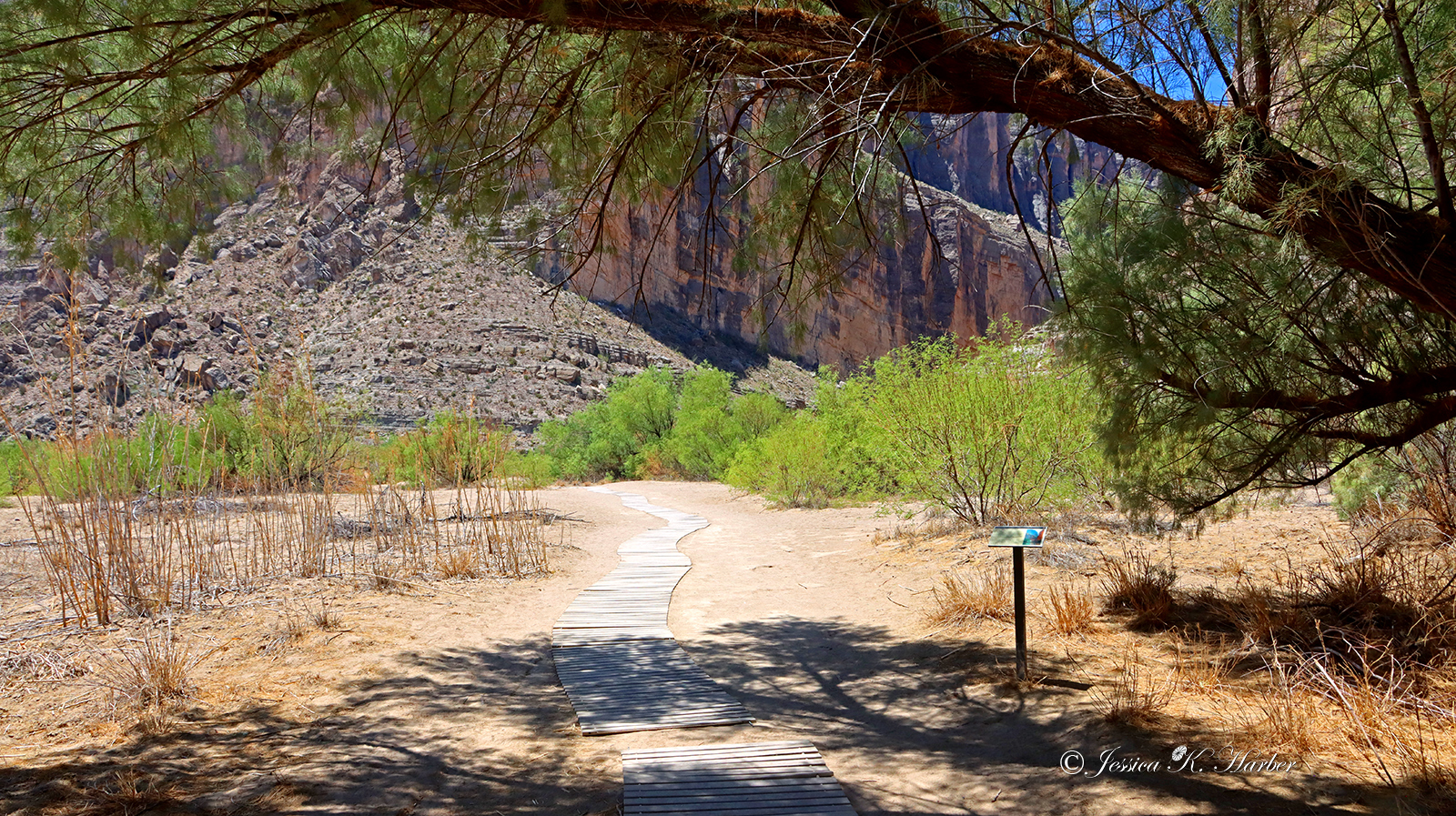
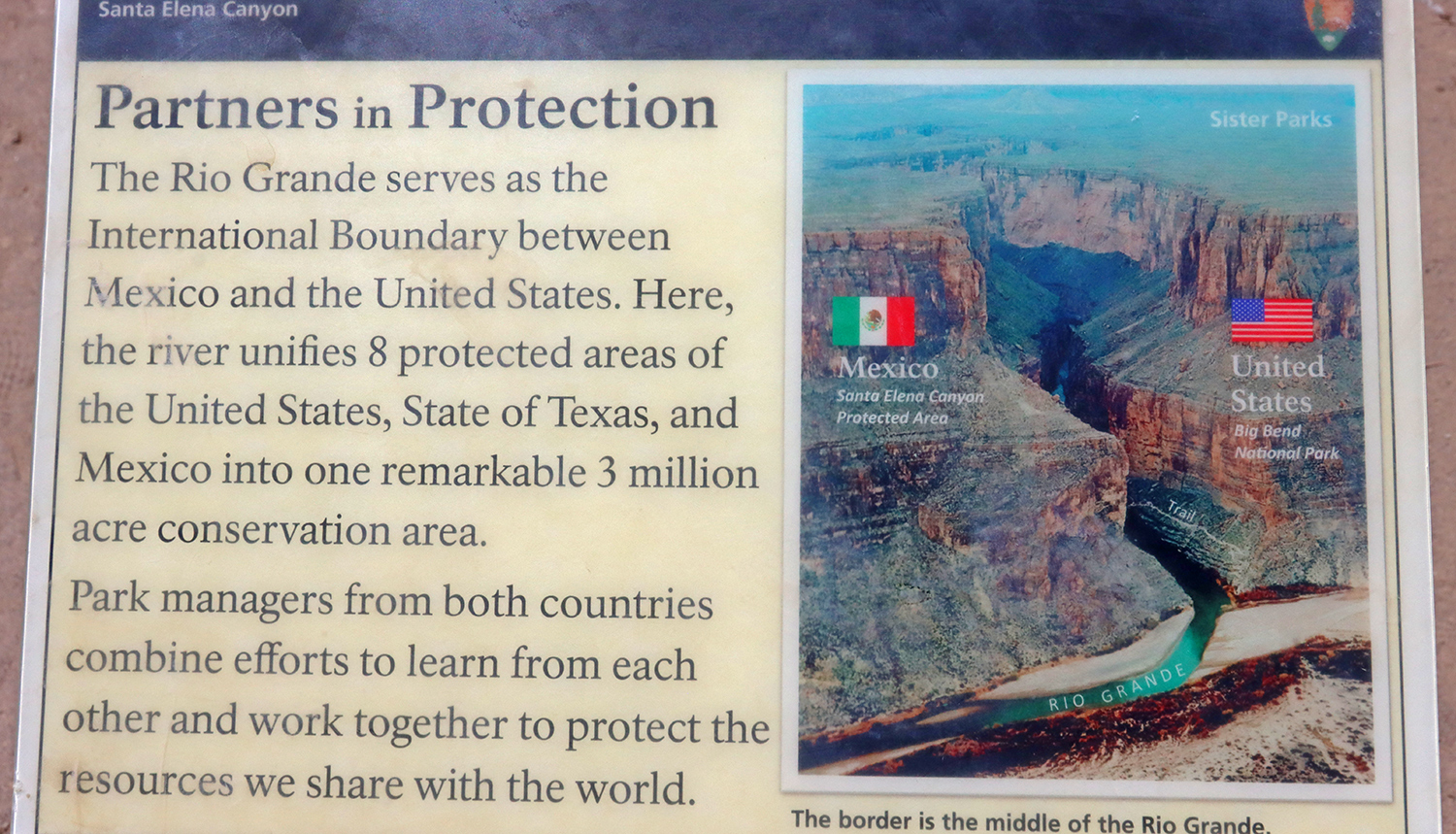
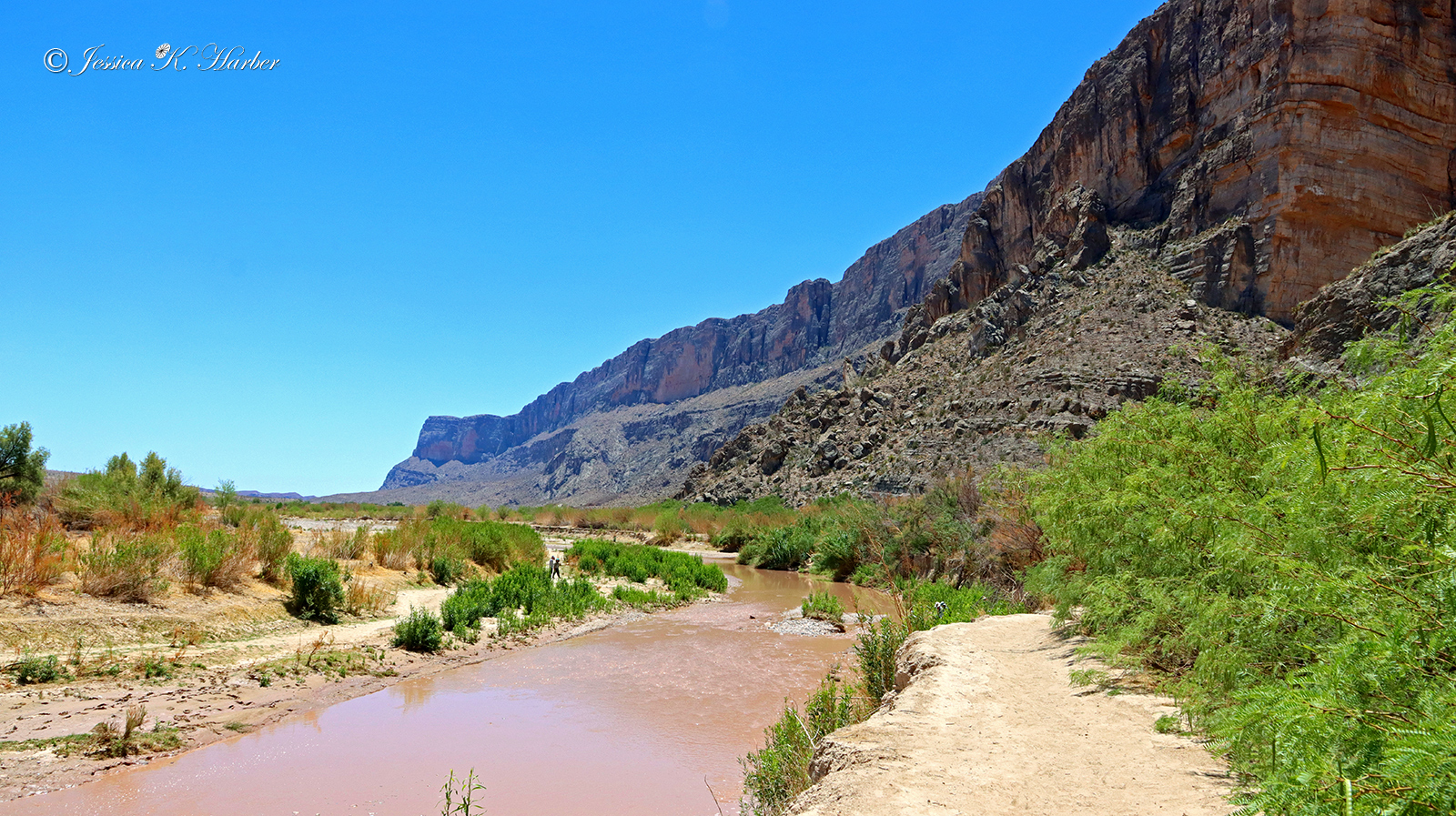
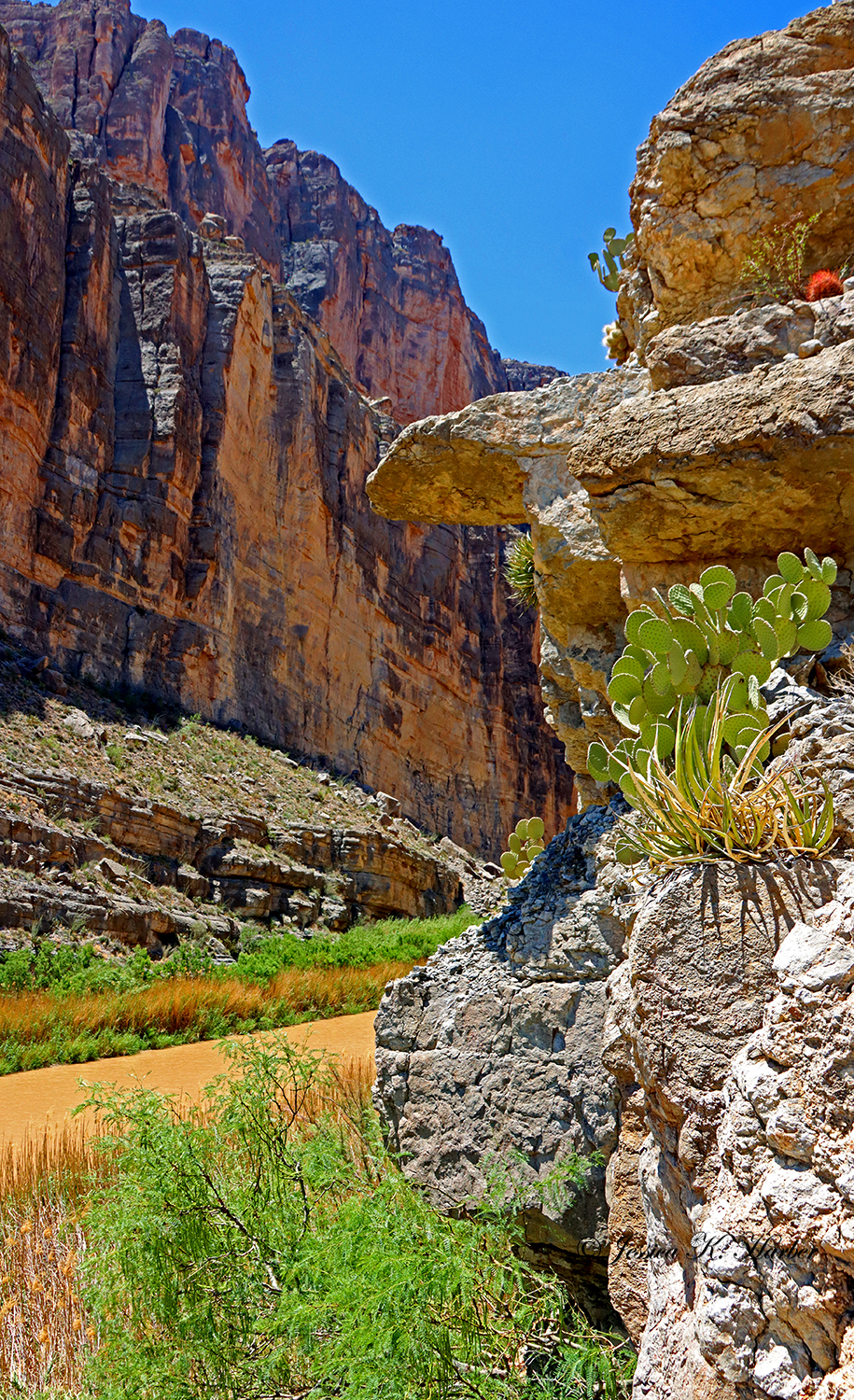
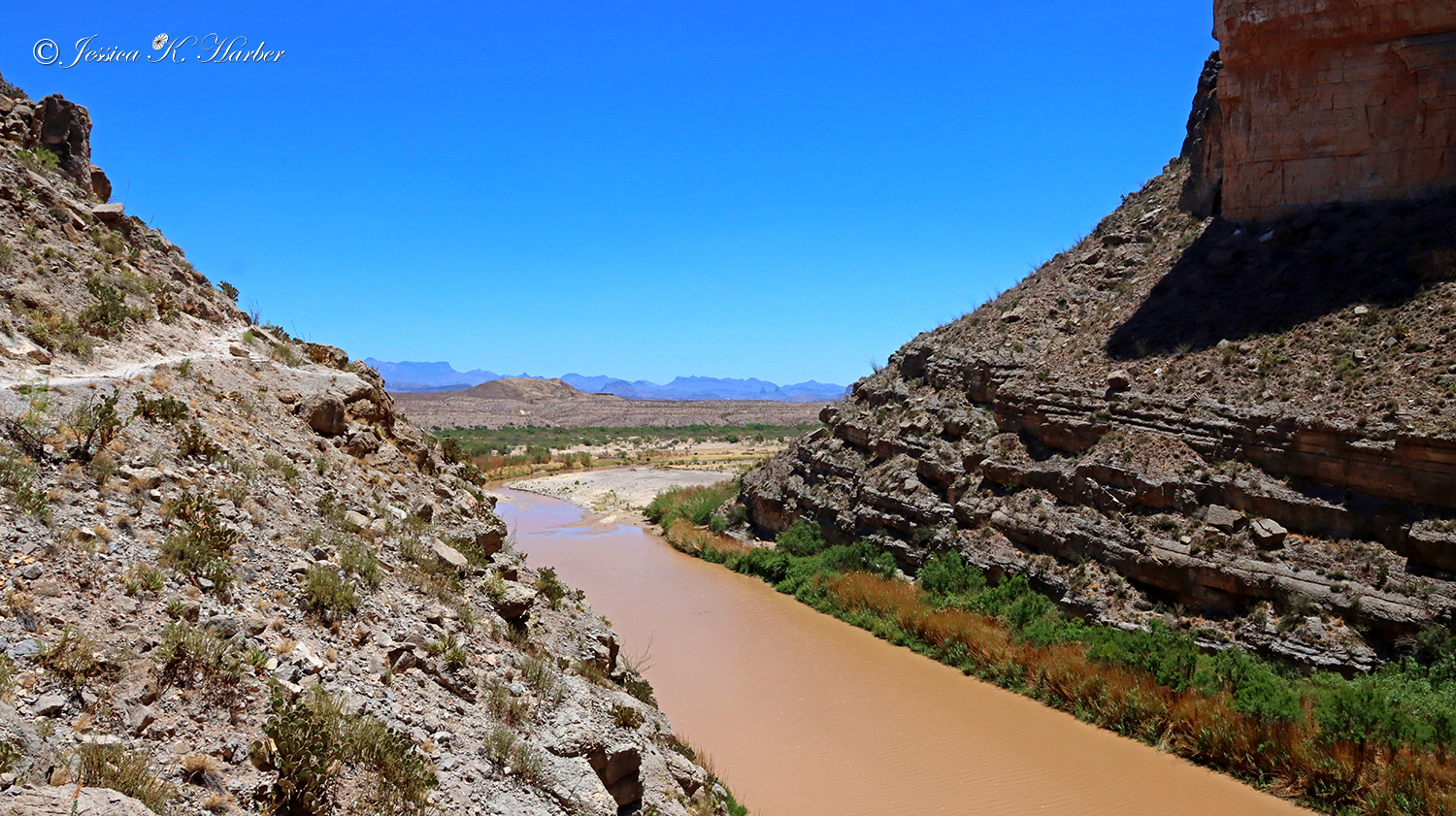
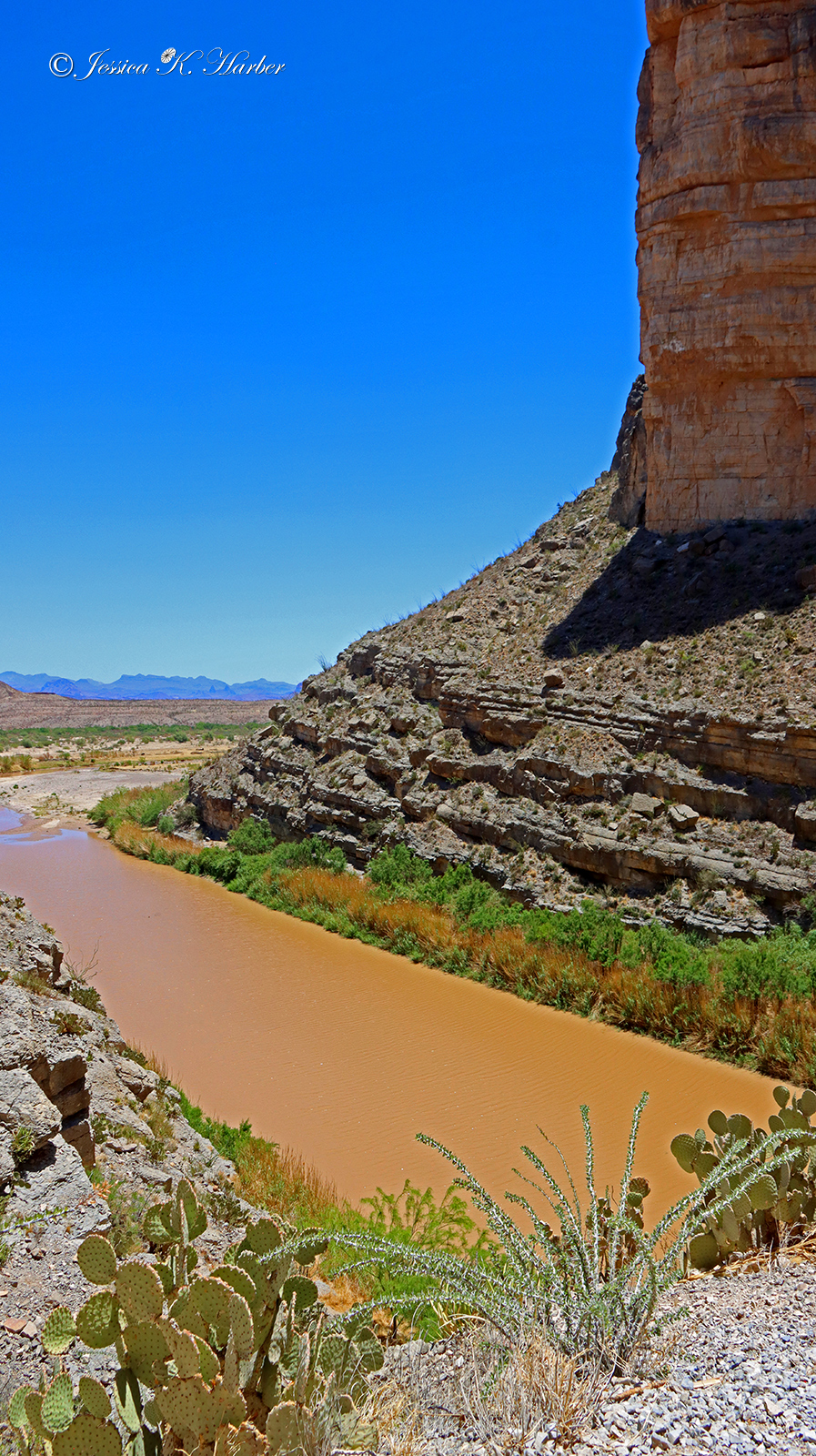
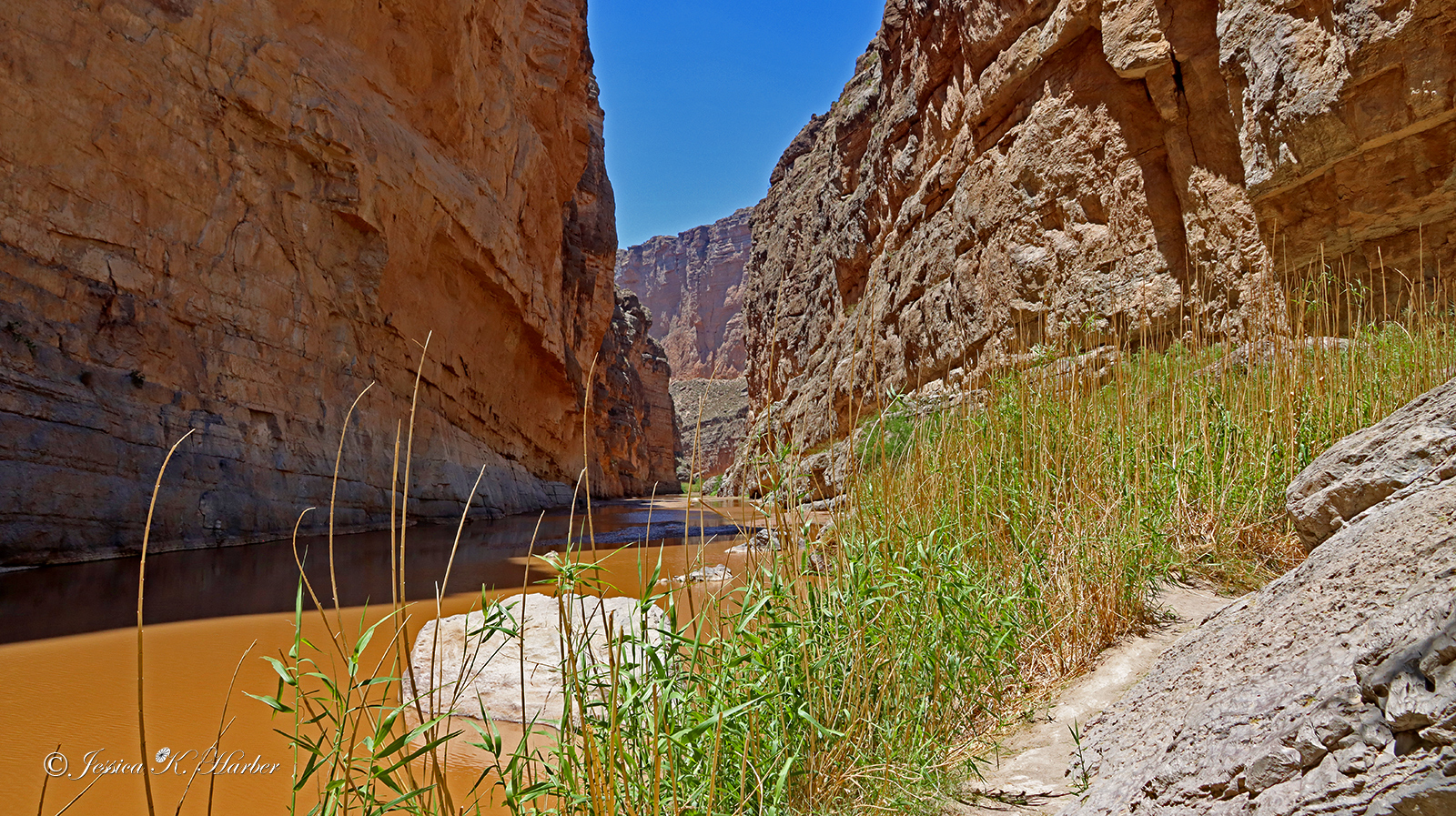
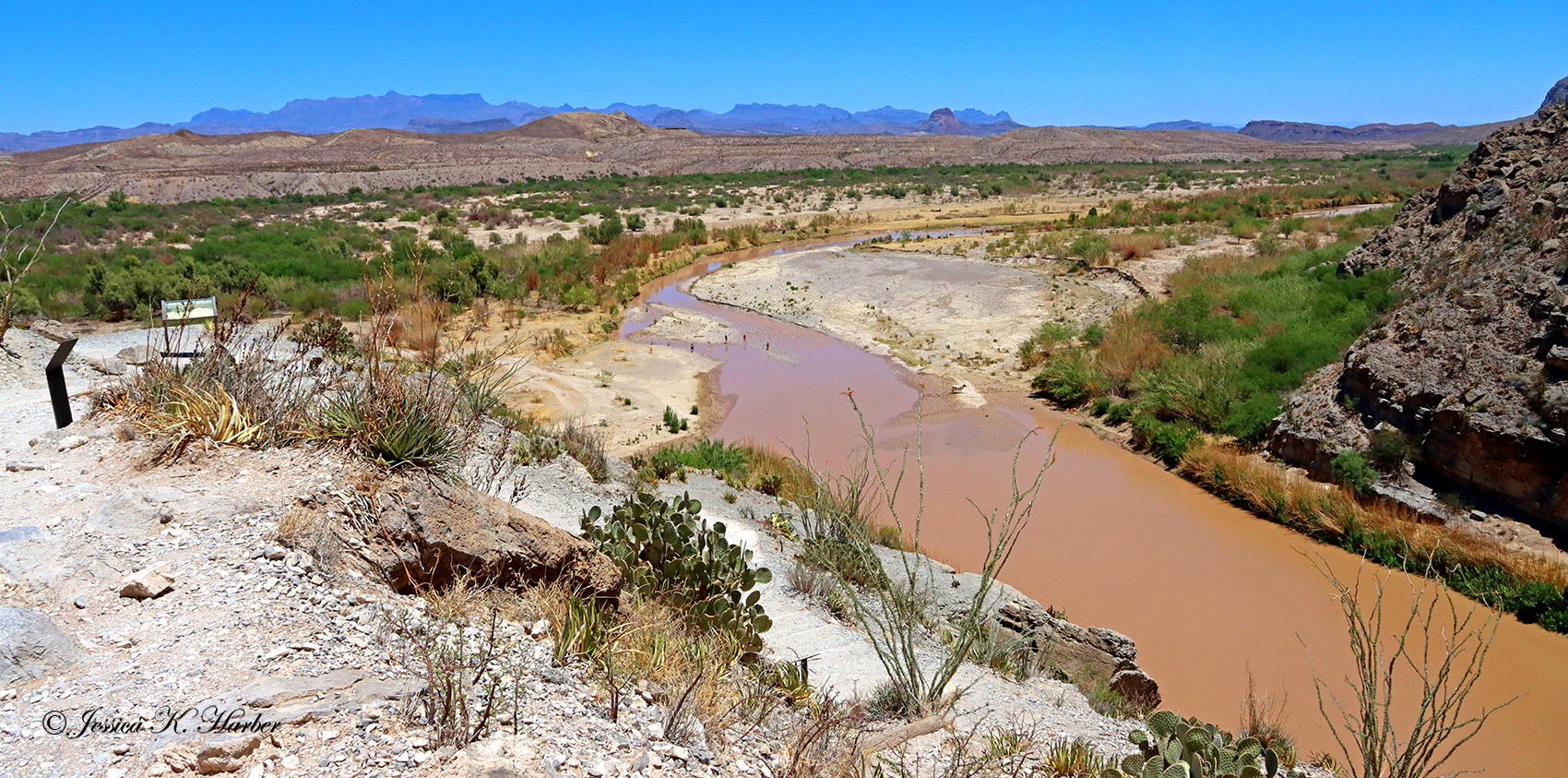
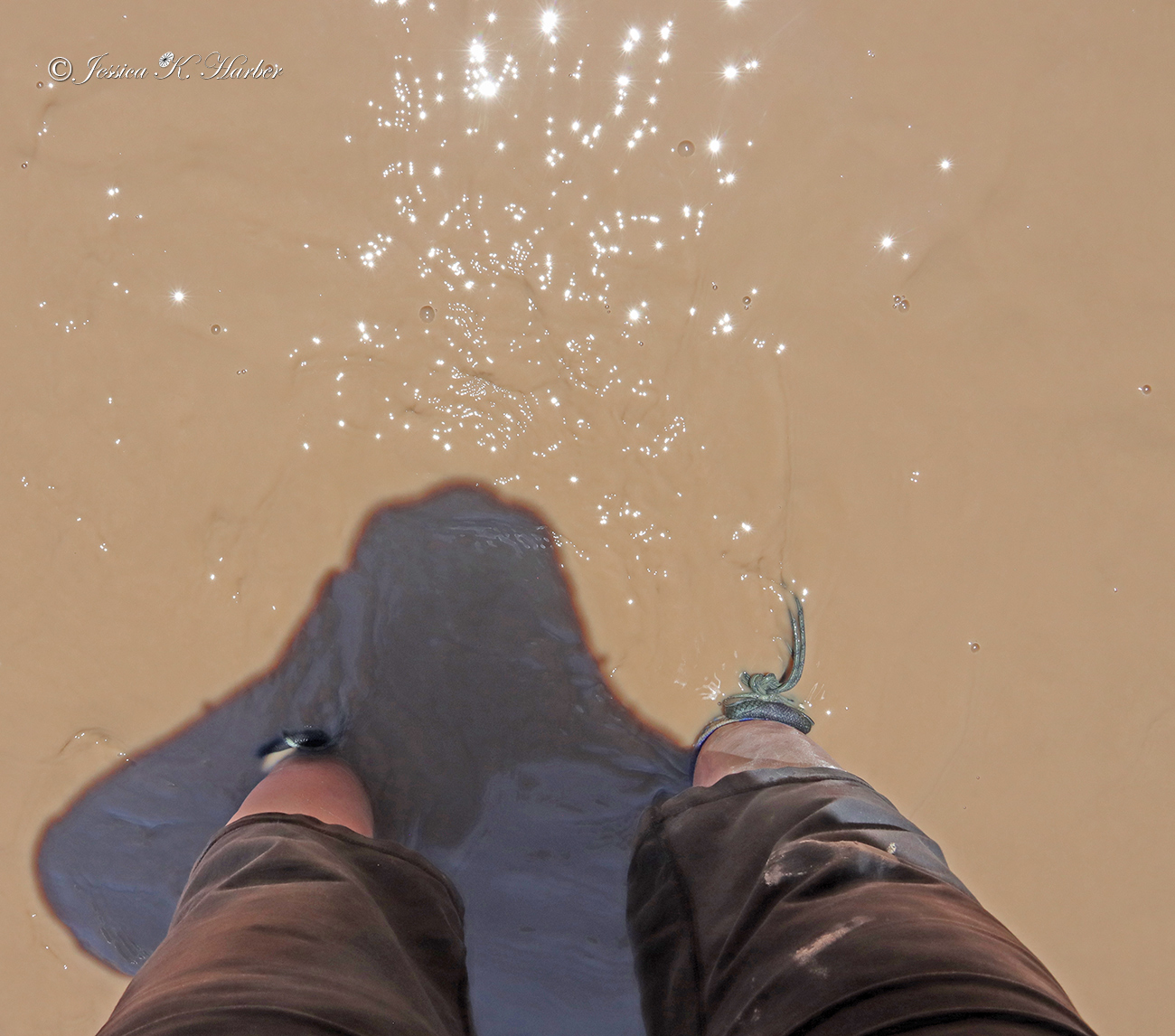
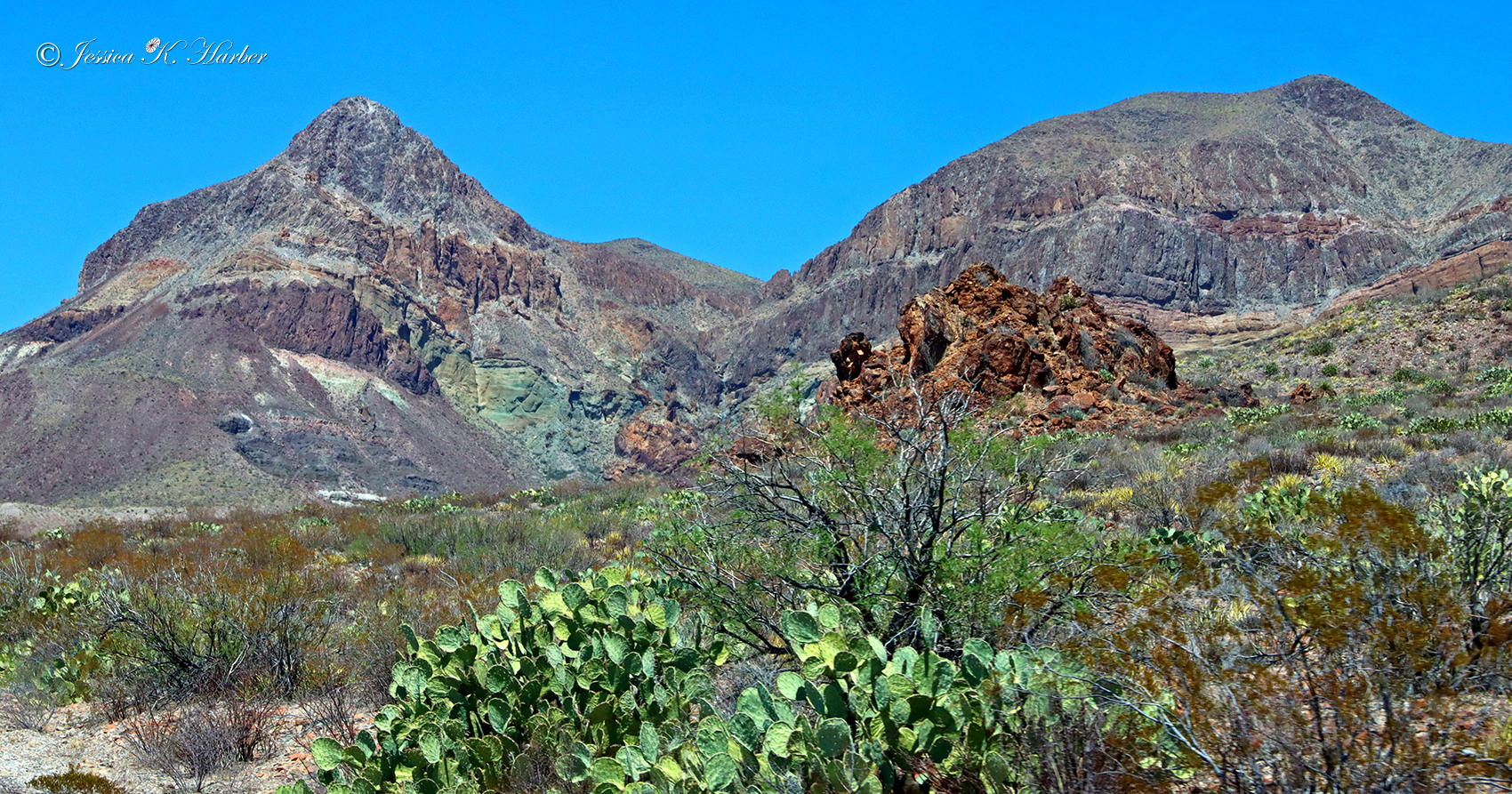
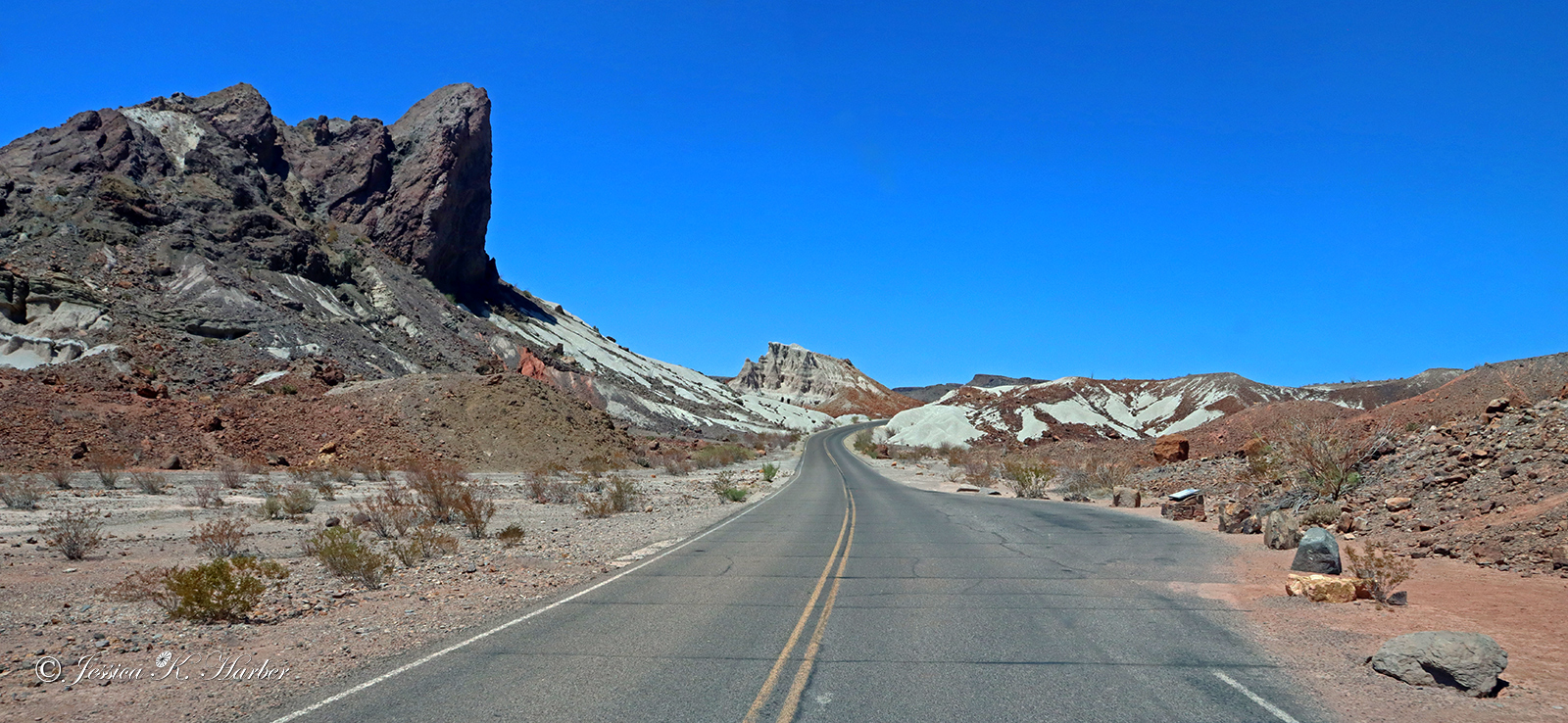
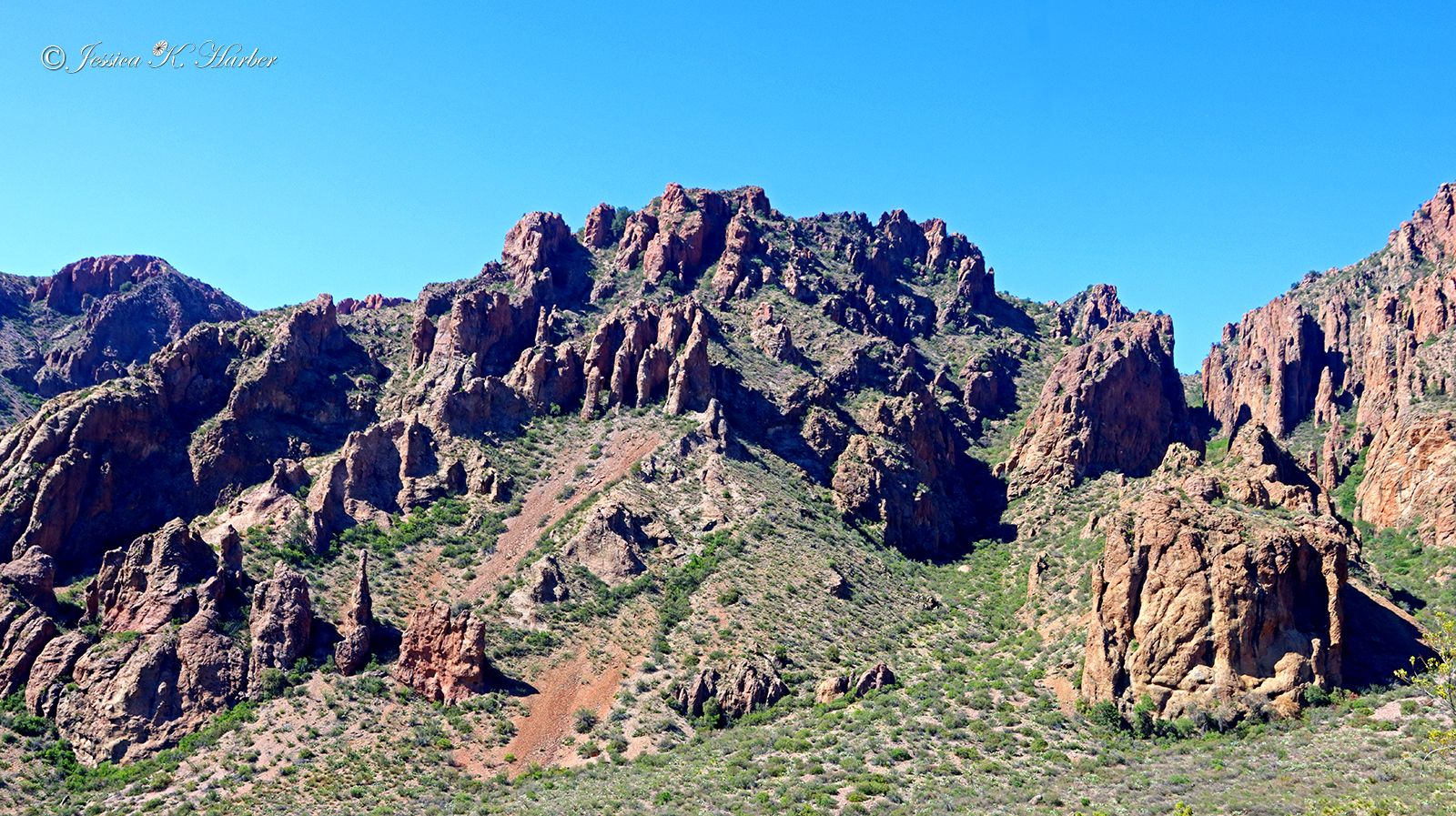
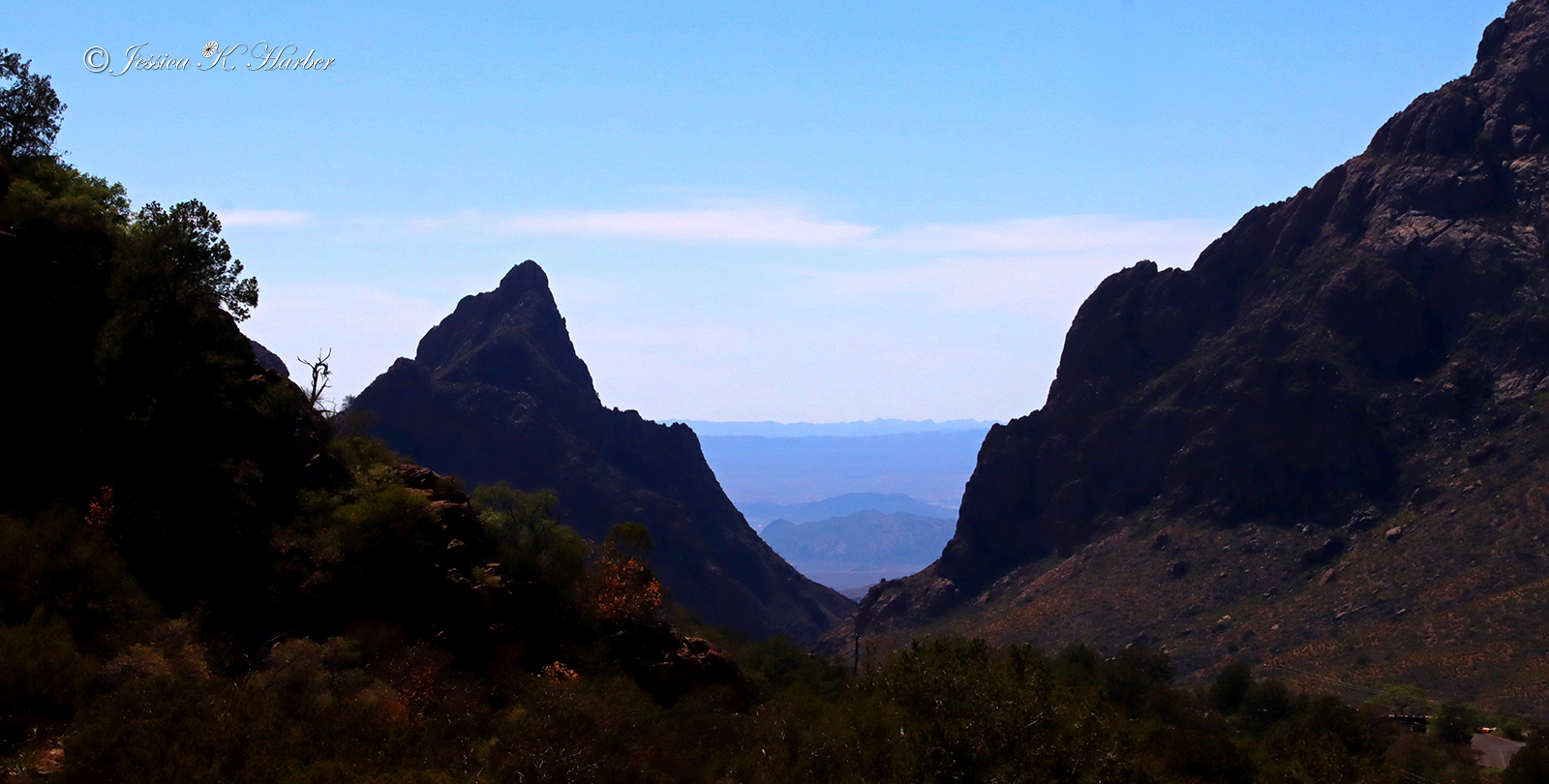
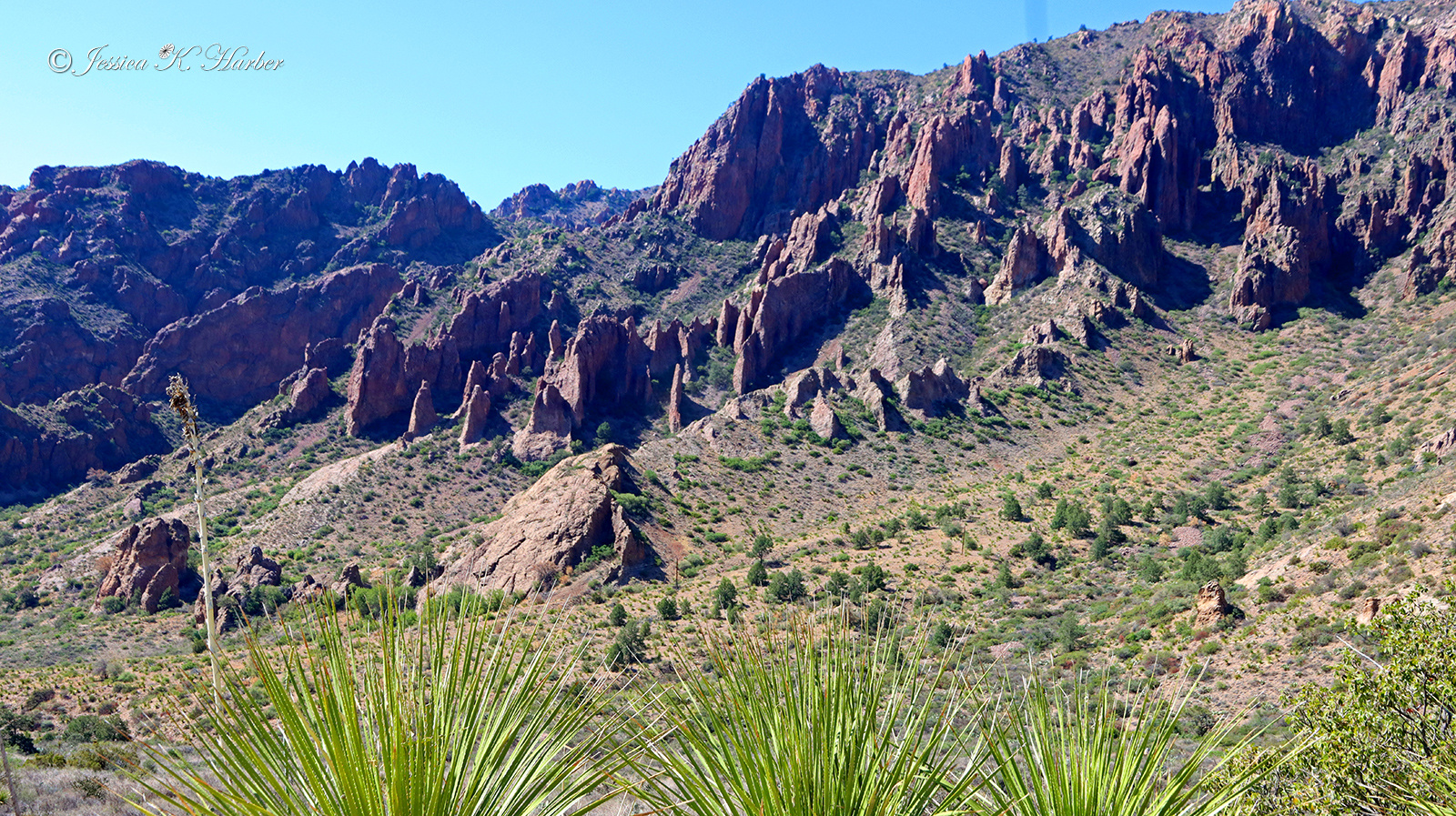
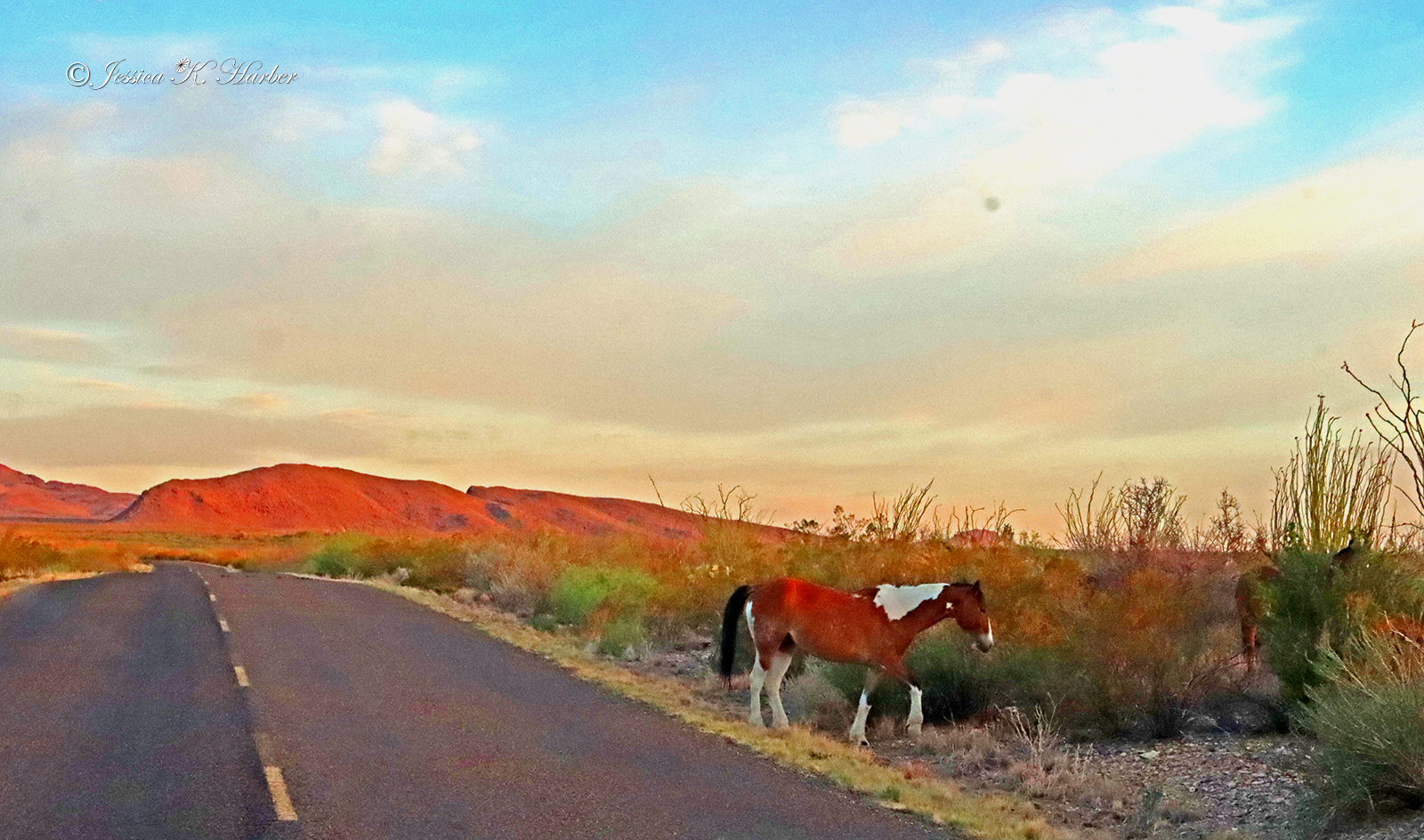
In trying see as many national park sites as possible, I headed toward Big Bend next. It was starting to get hot, so the park and campgrounds weren’t crowded. And I was pleasantly surprised by all the wildlife there–many of which I saw right in the campground. I went on only one hike but drove all the roads in the park. If I ever go back, I will make a rafting trip part of the plan.
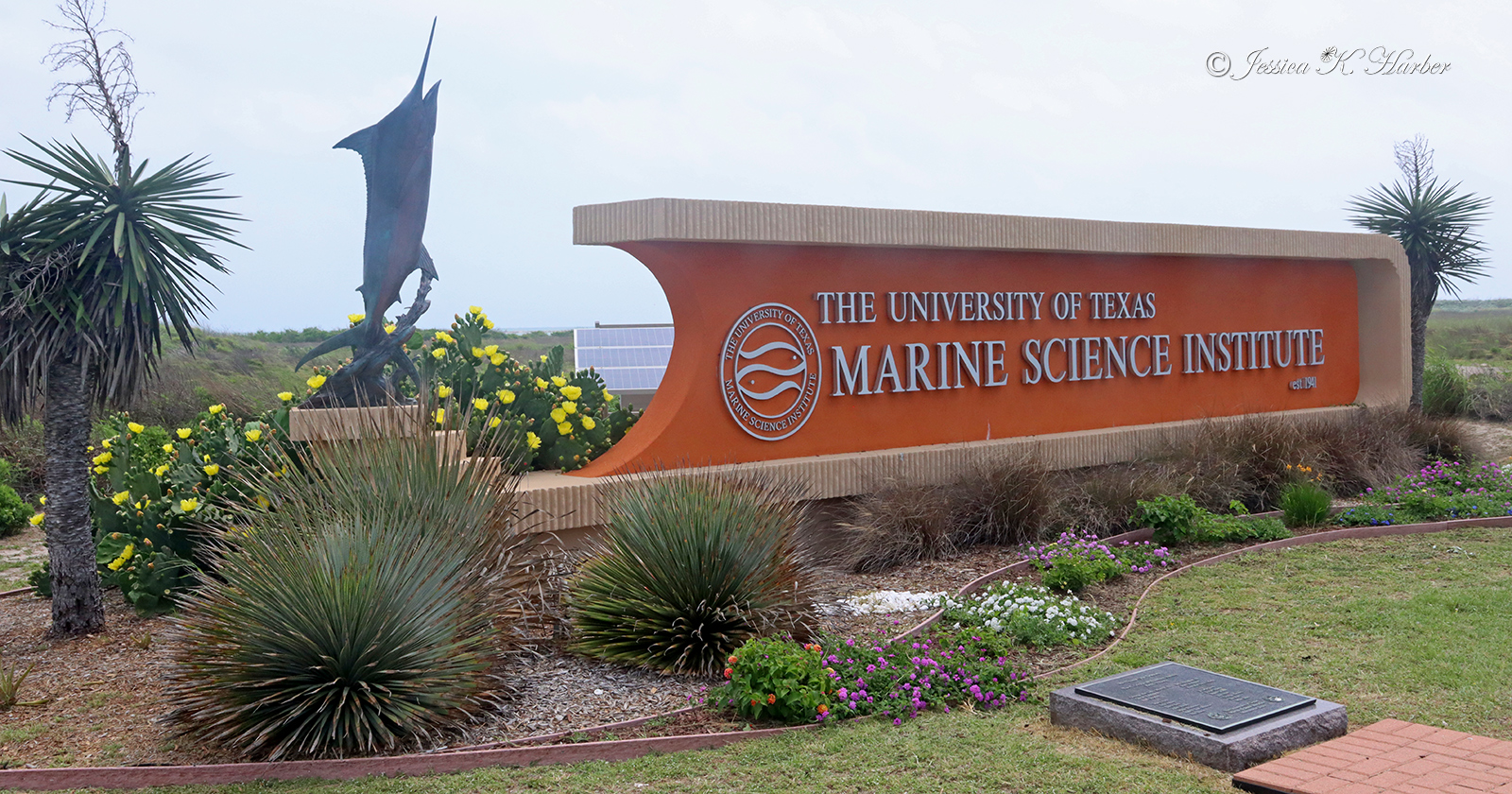
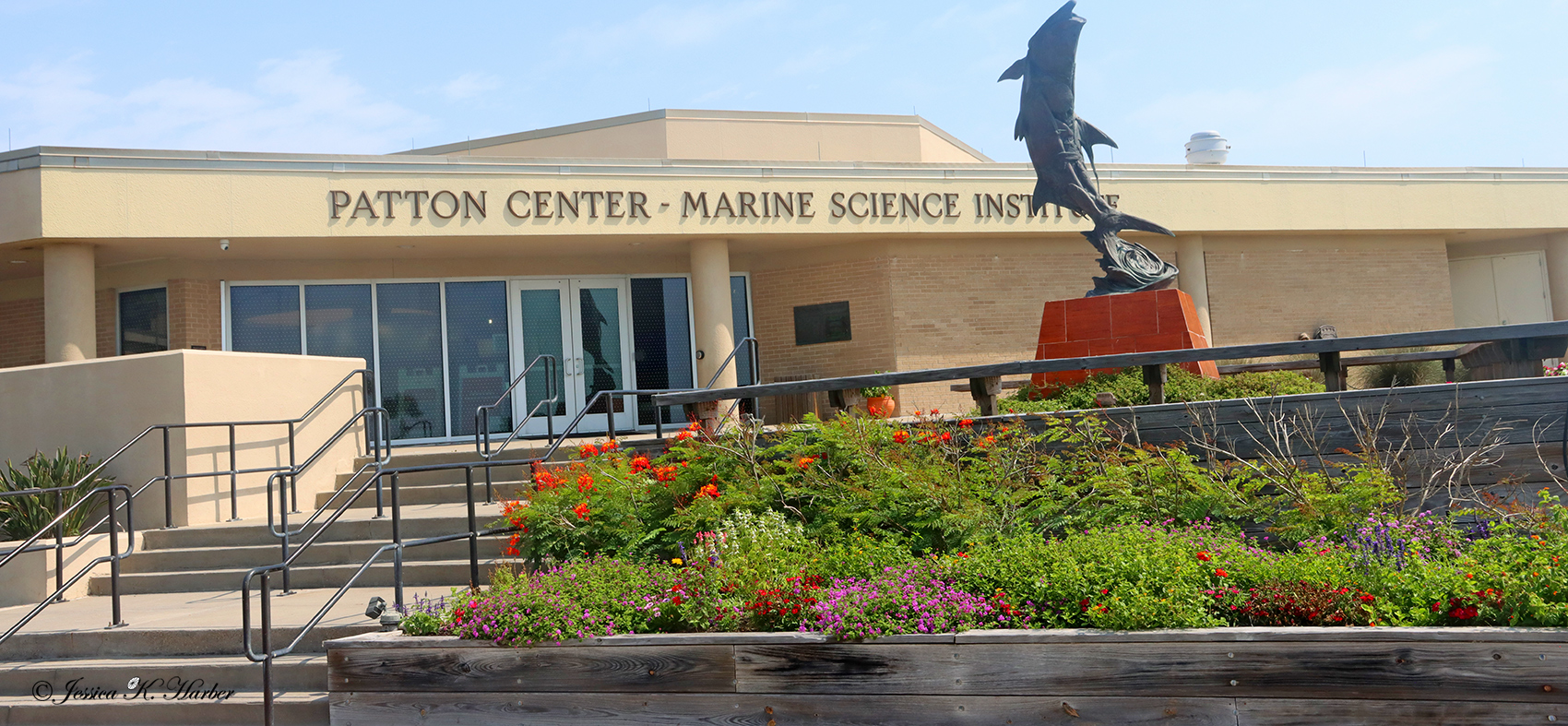
As we moved to our third camping spot on the coast, we made a stop at the Patton Center/Marine Science Institute at the suggestion of one of our number, Diane. It was free and worth a visit. Plenty of parking.
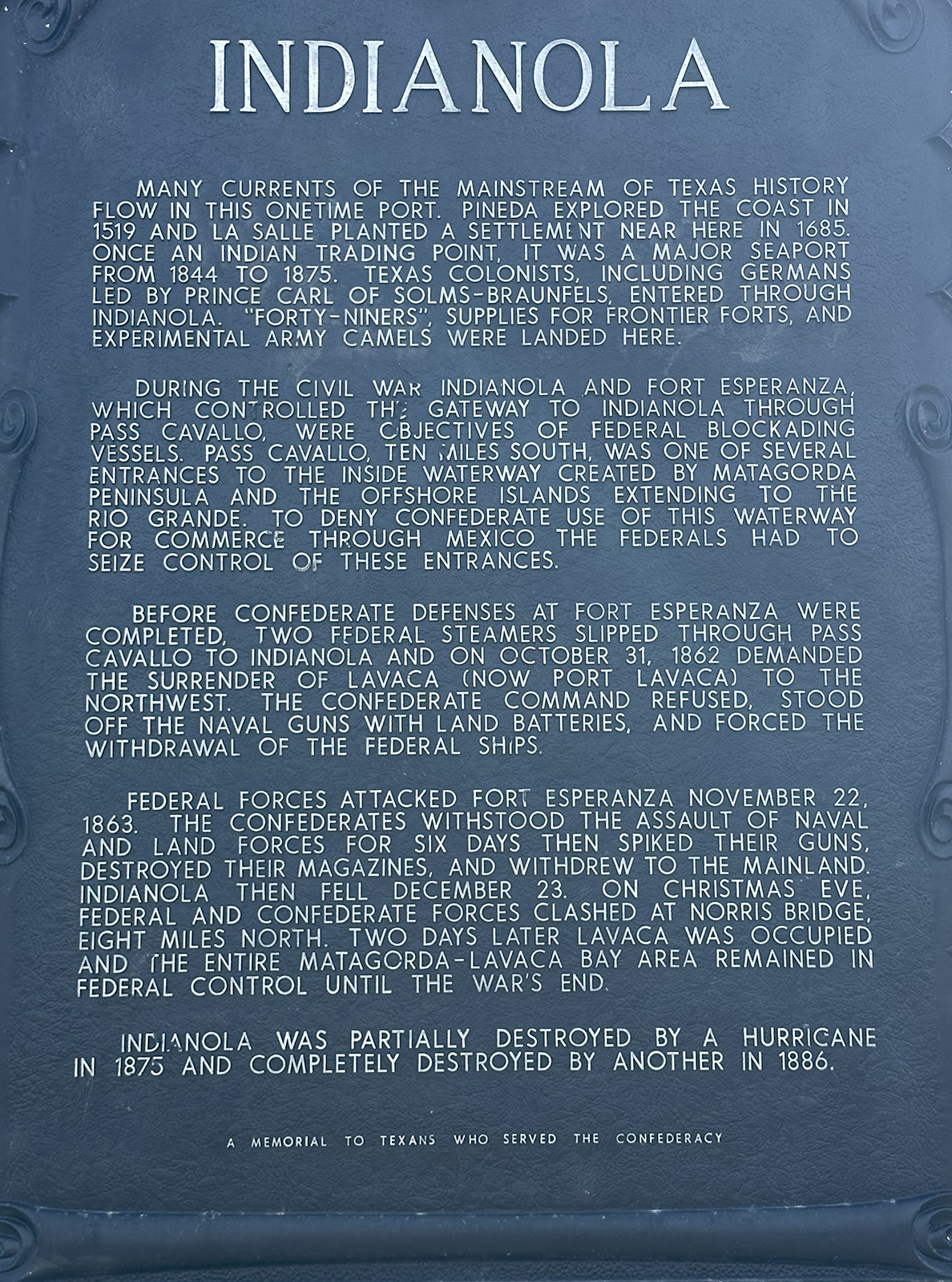
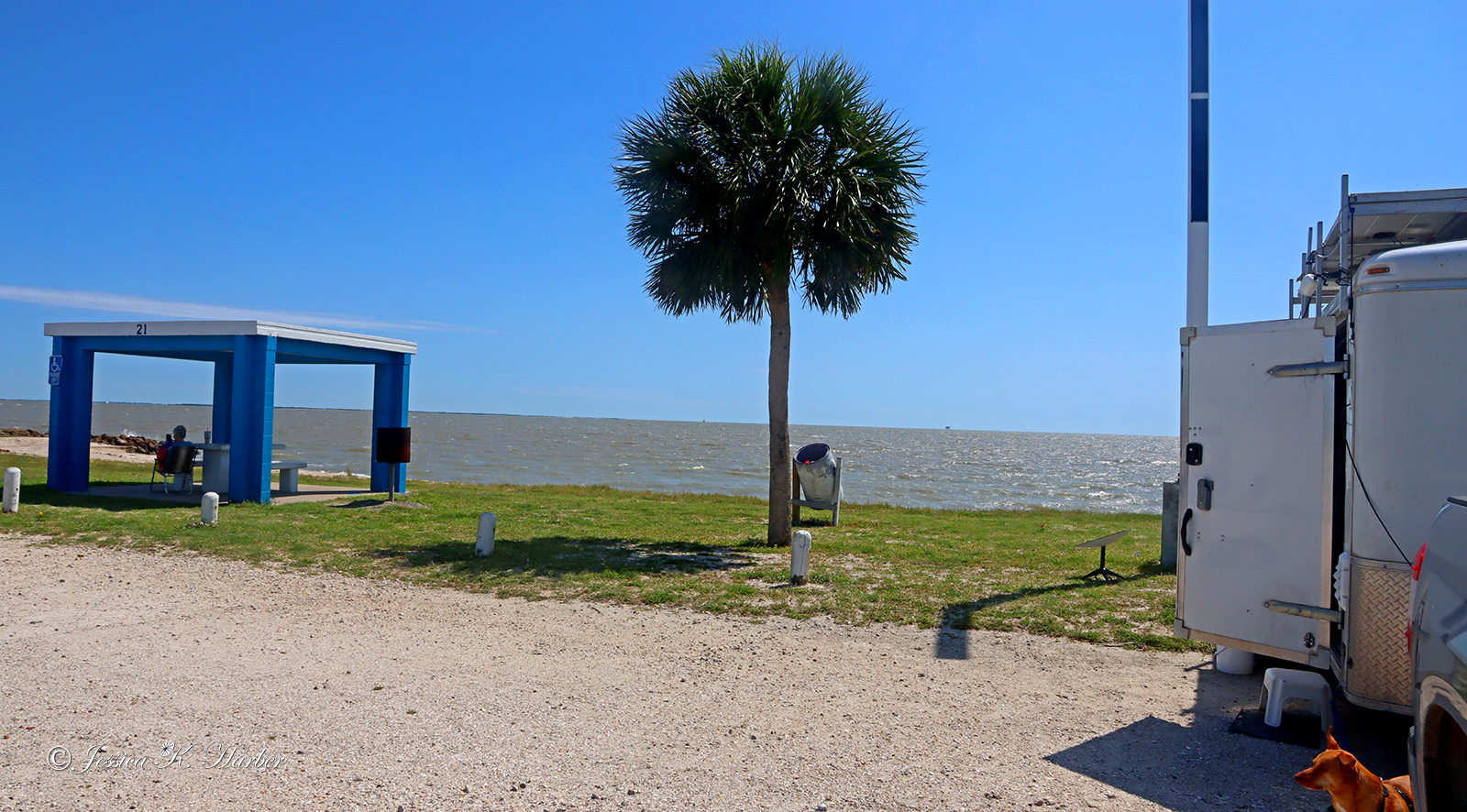
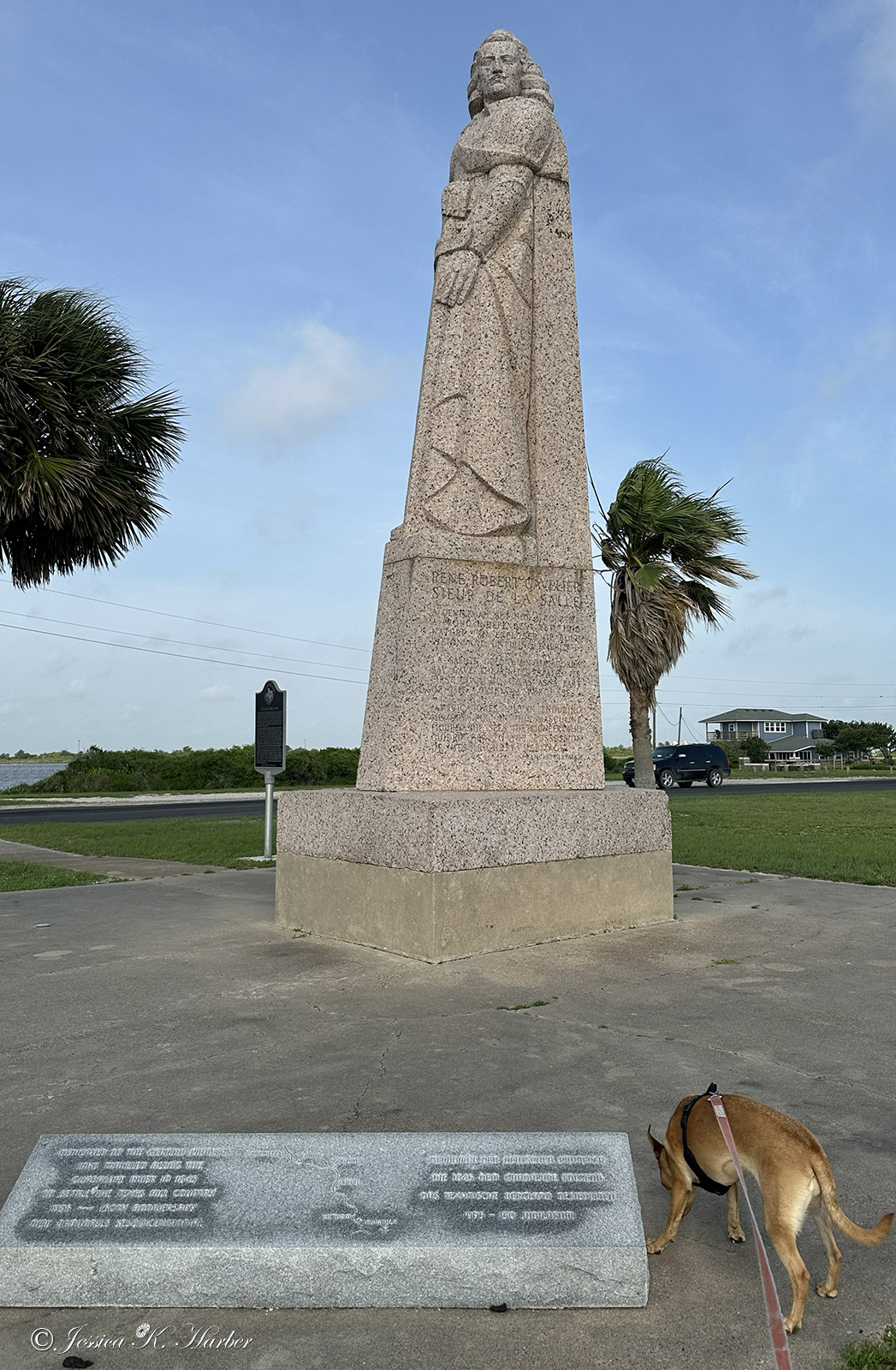
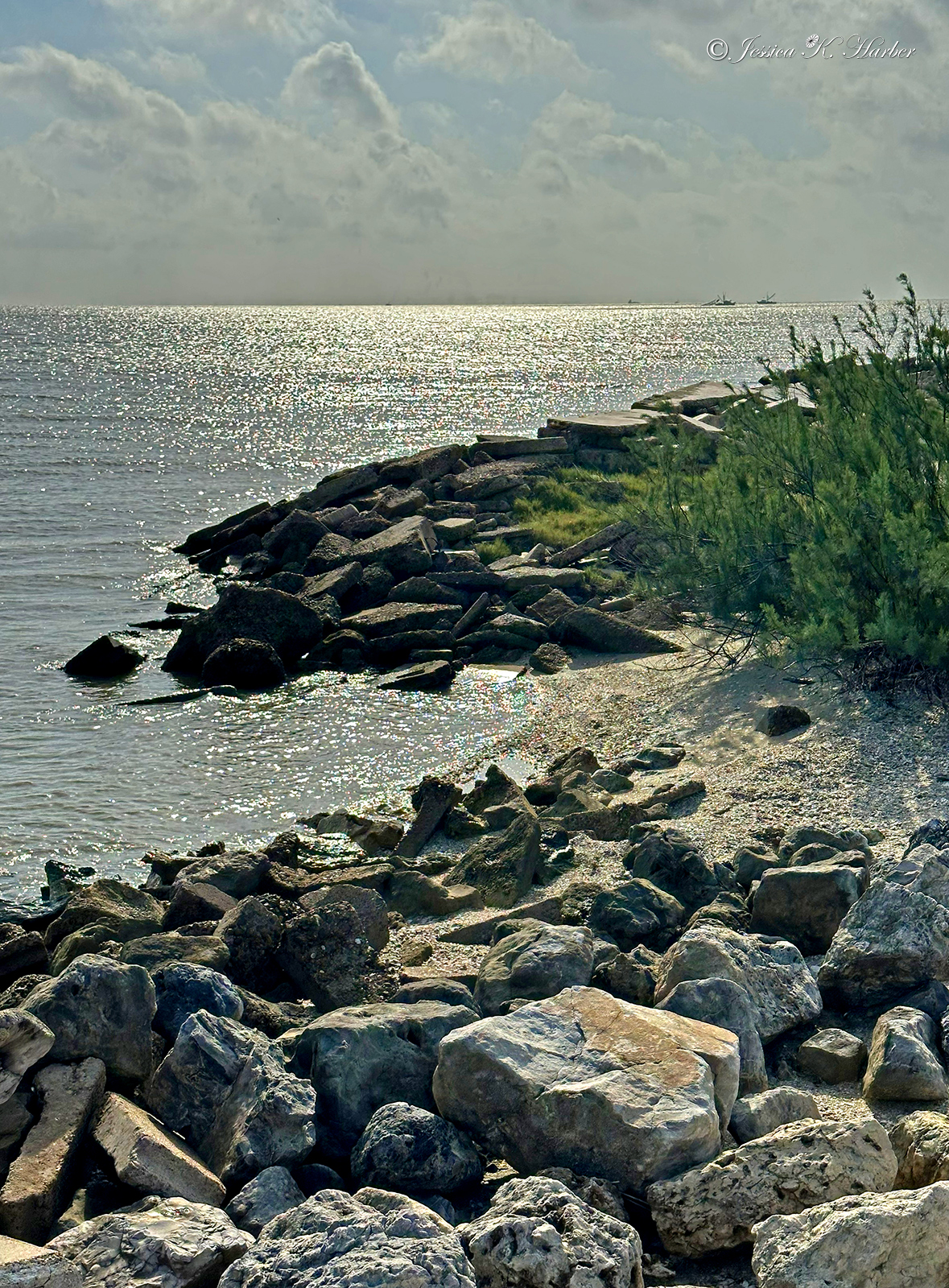
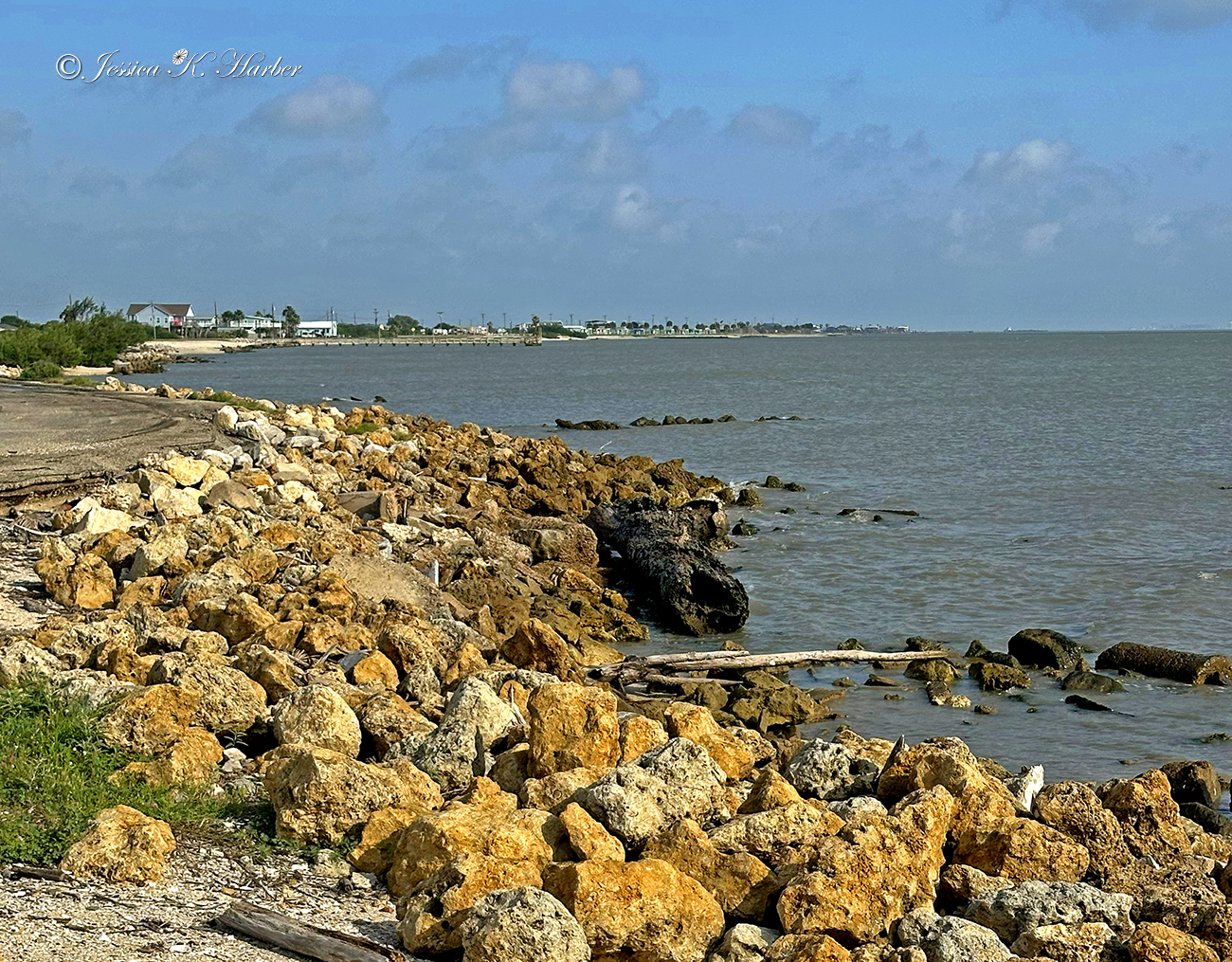
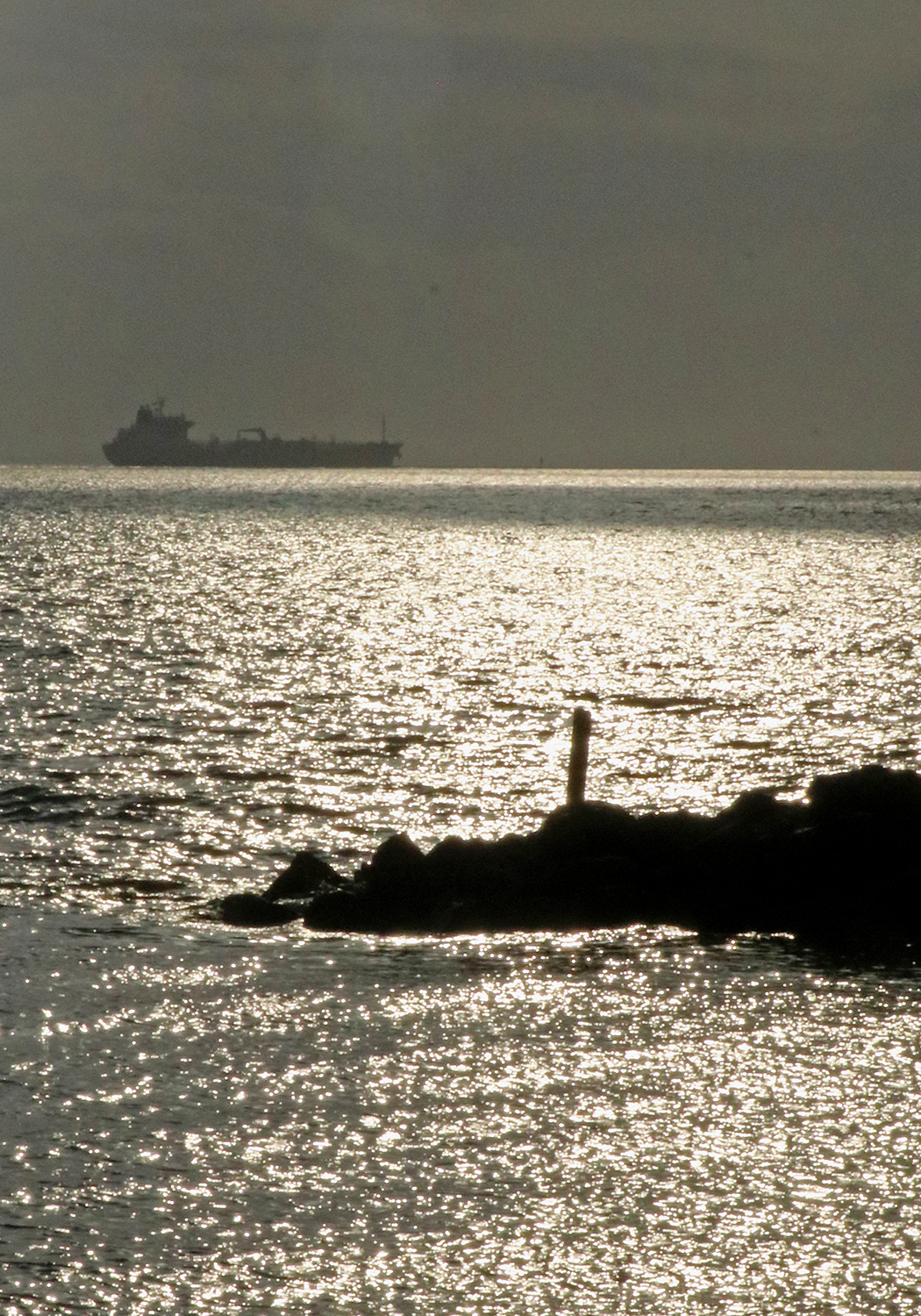
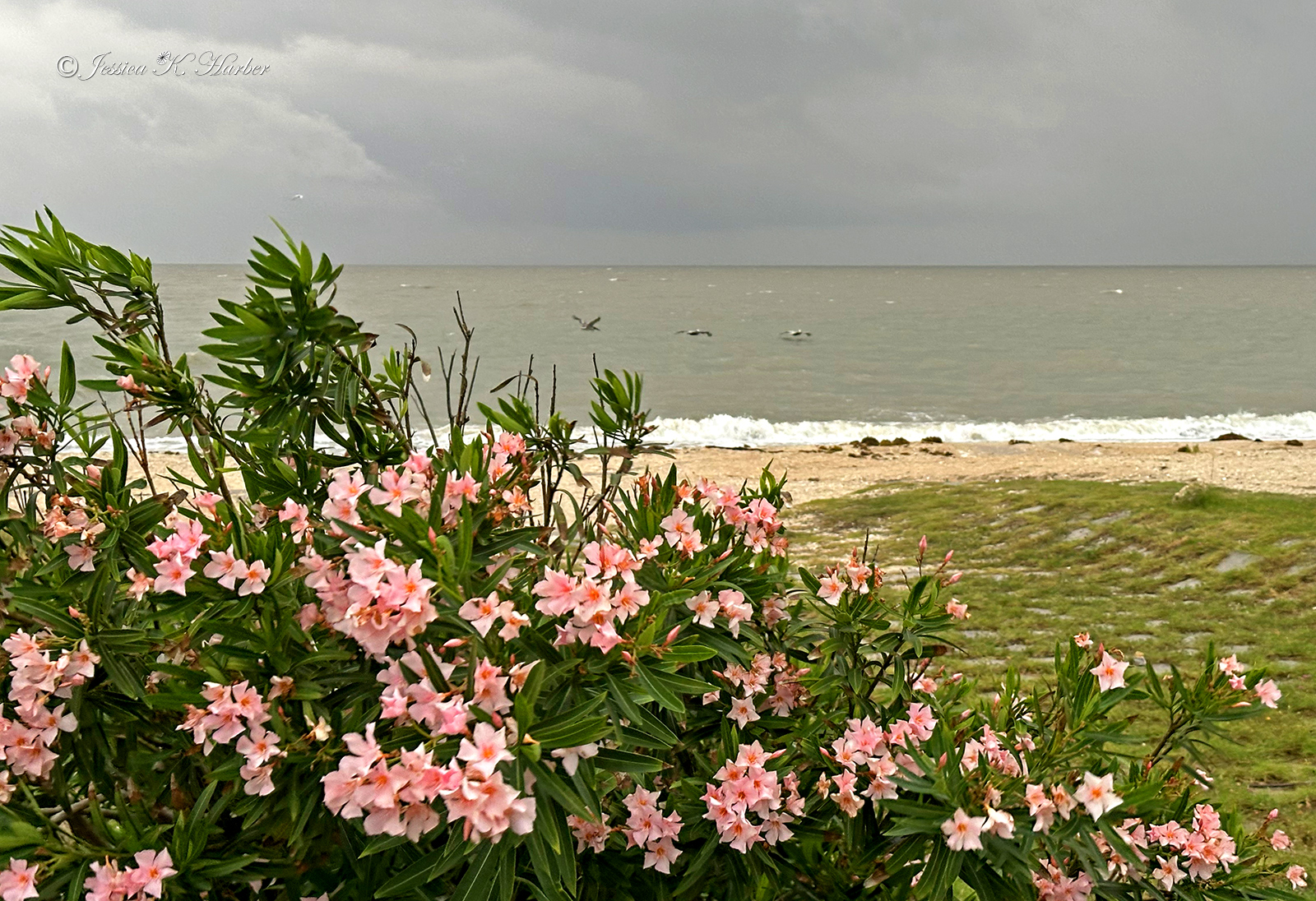
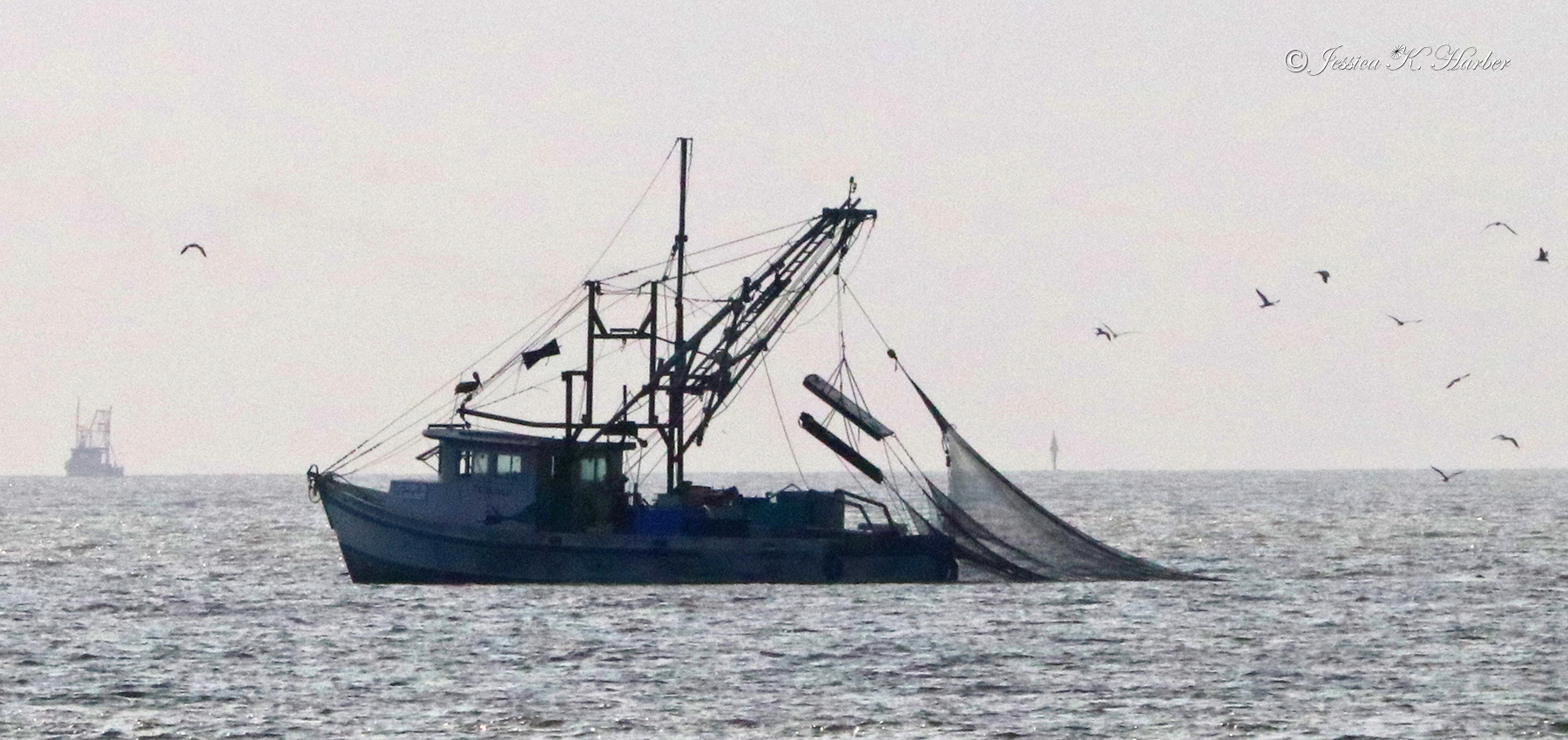
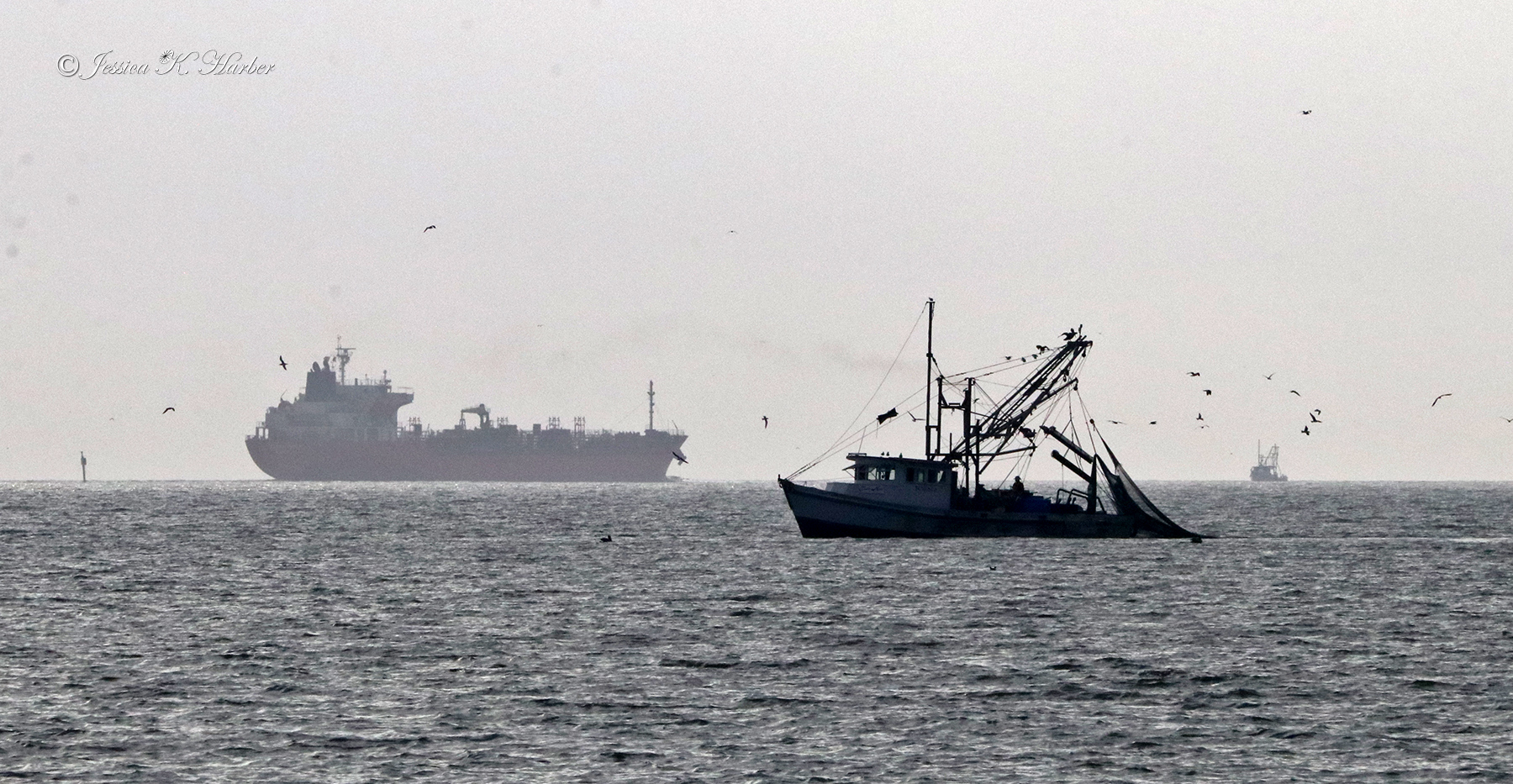
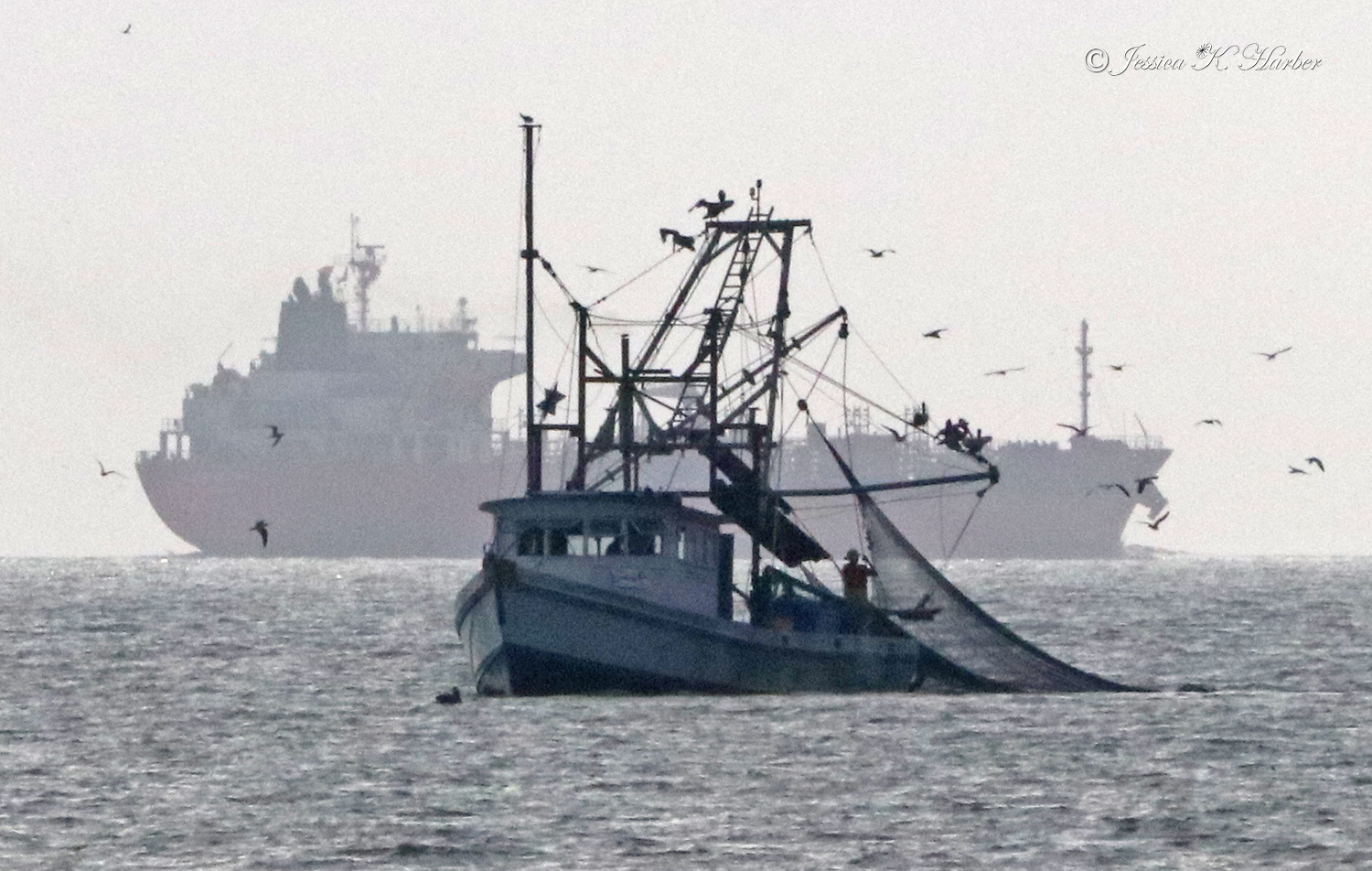
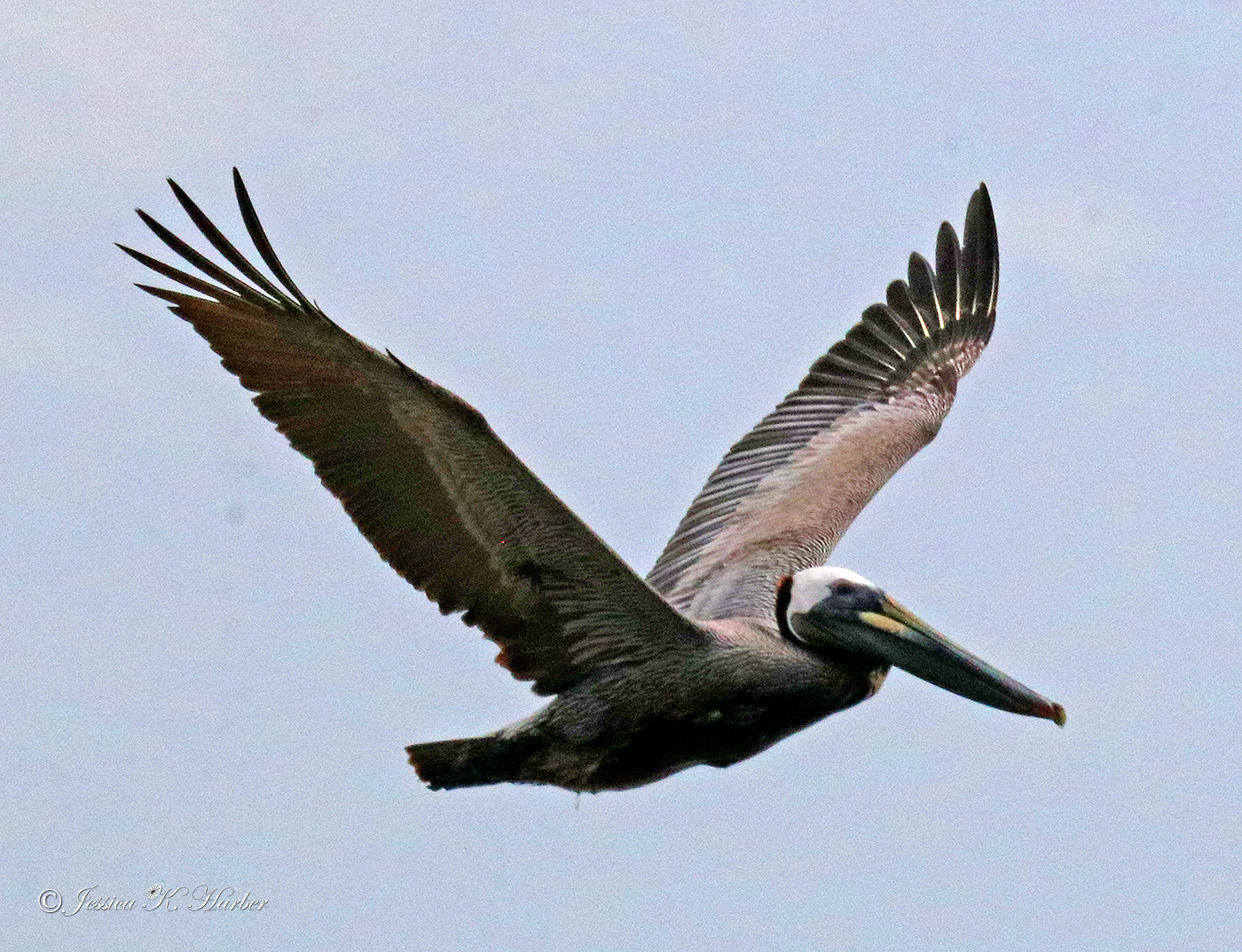
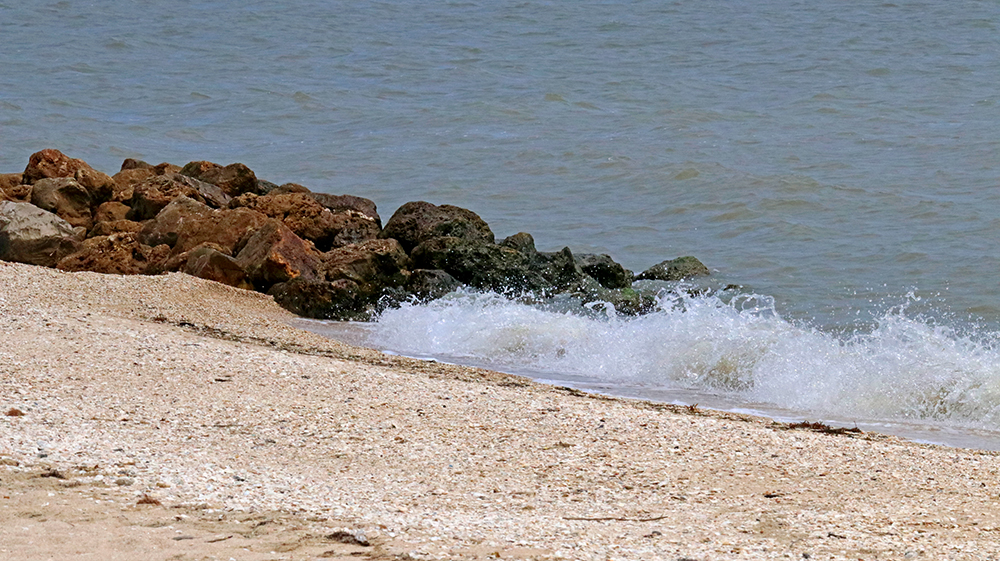
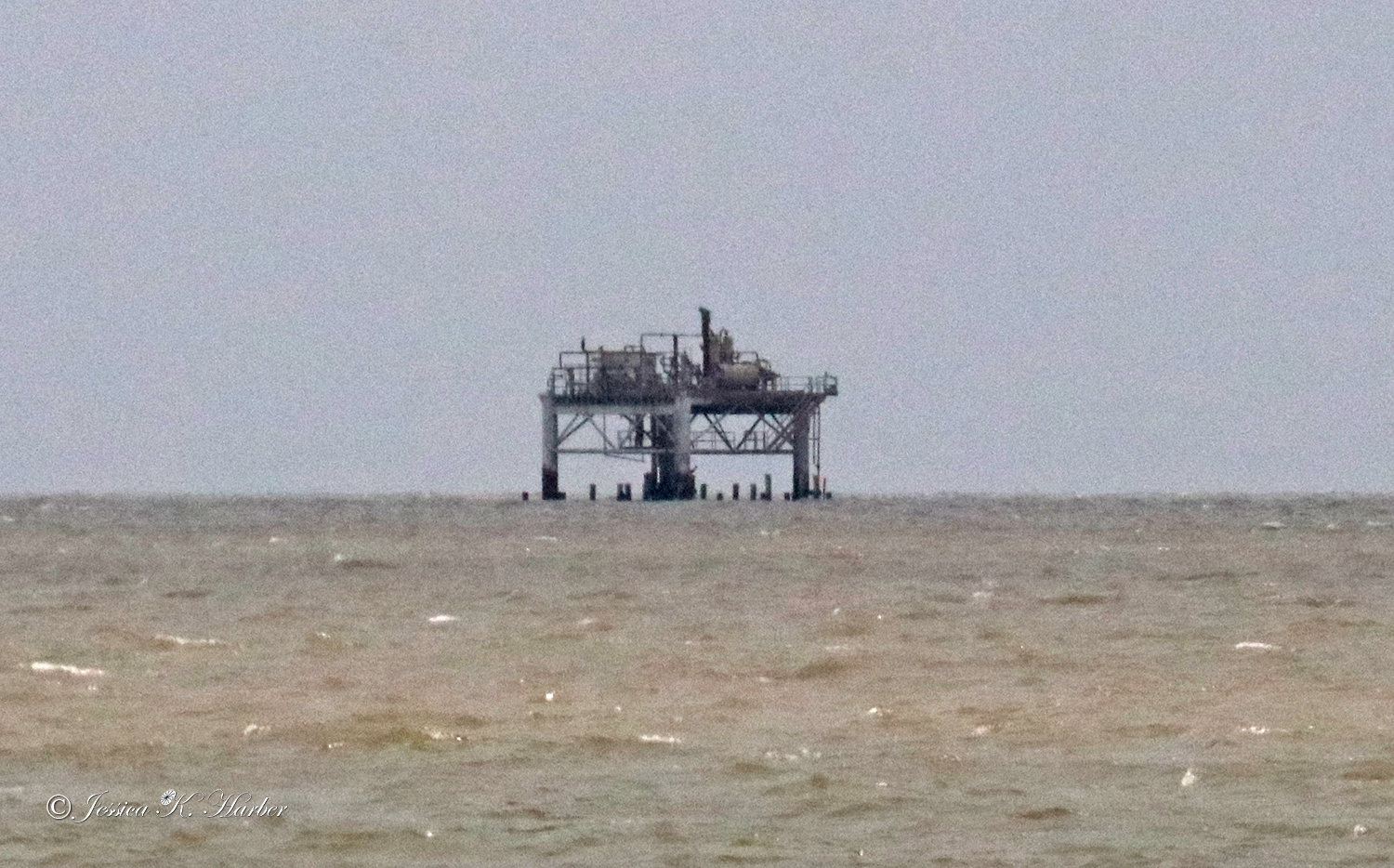
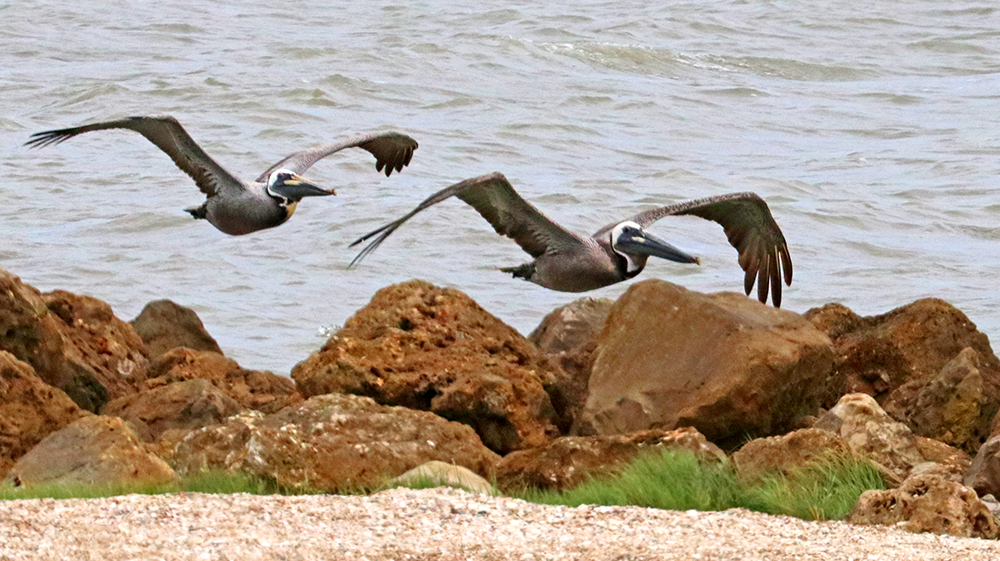
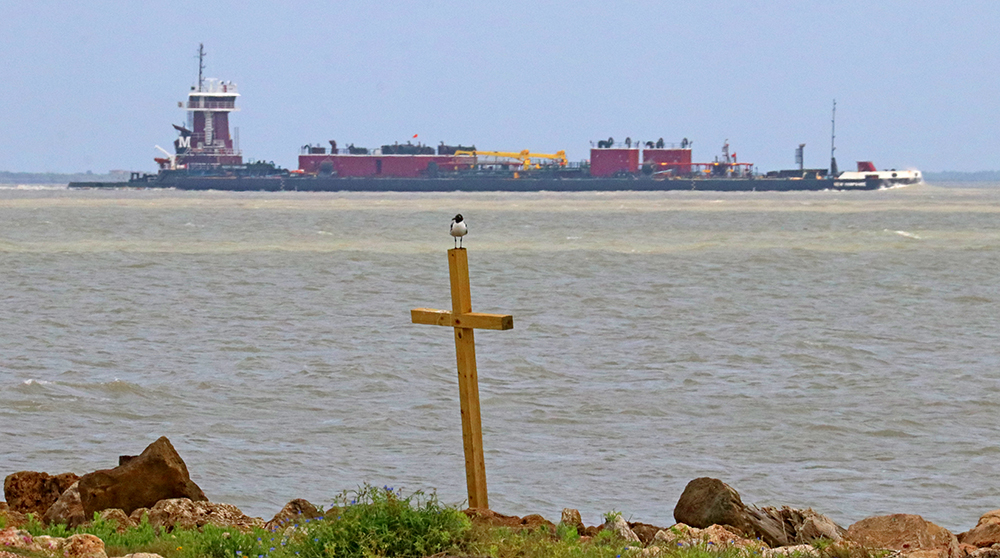
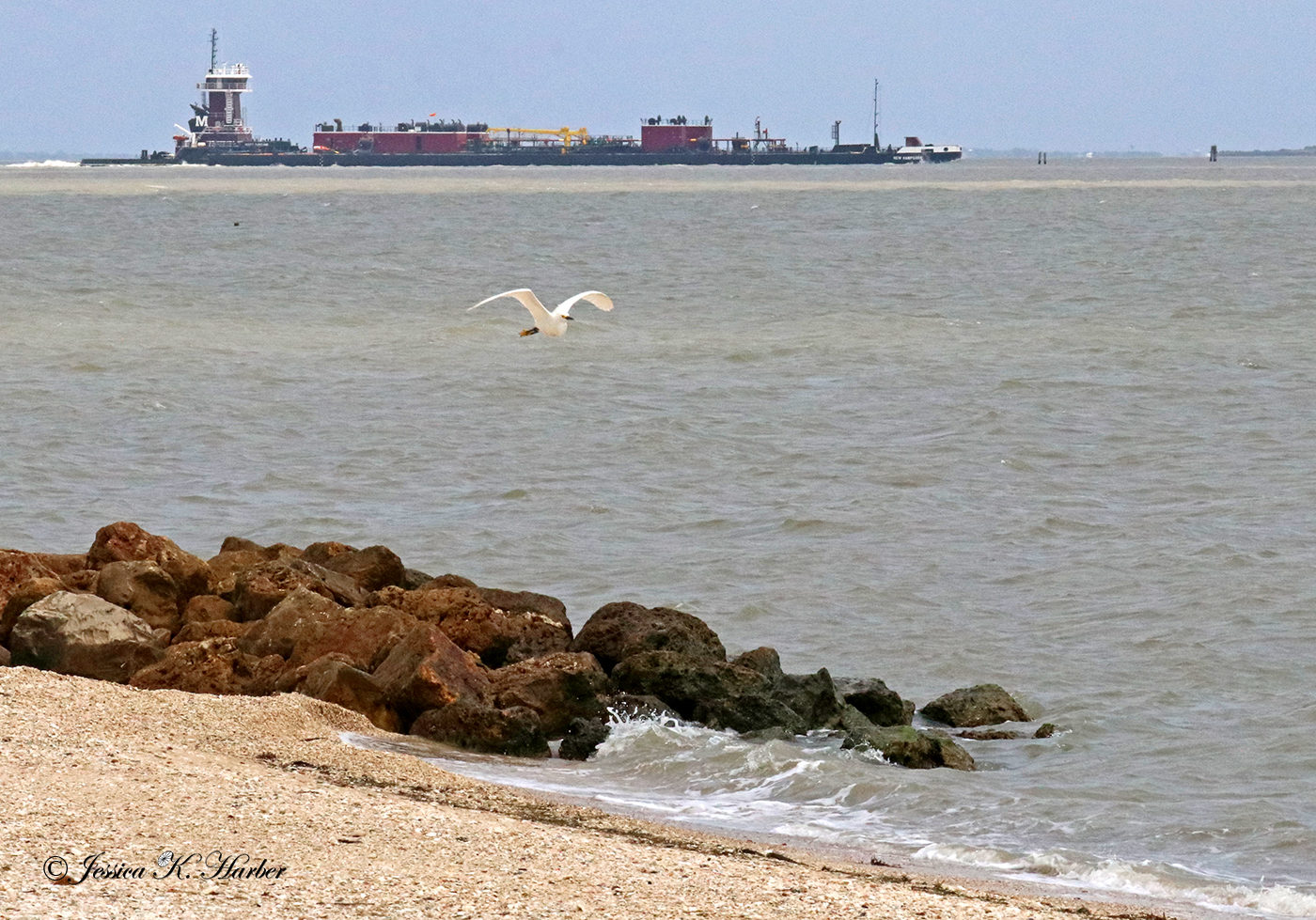
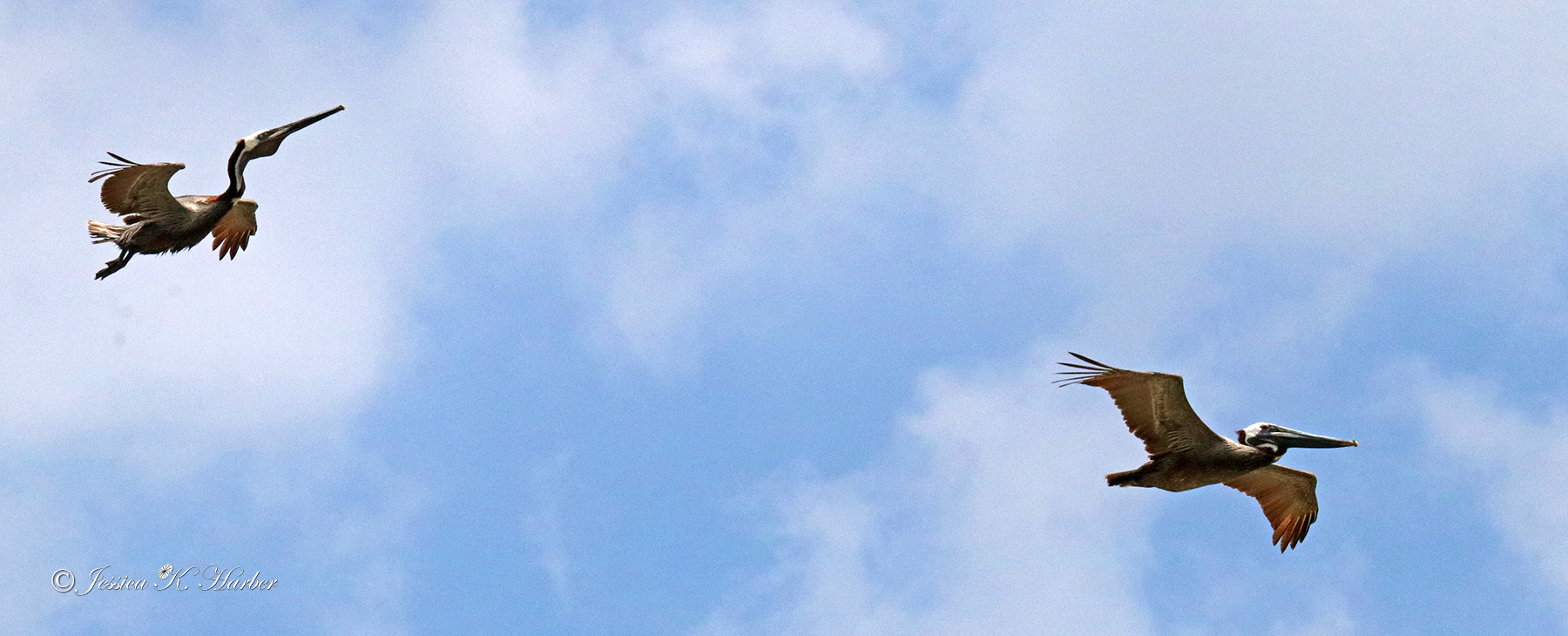
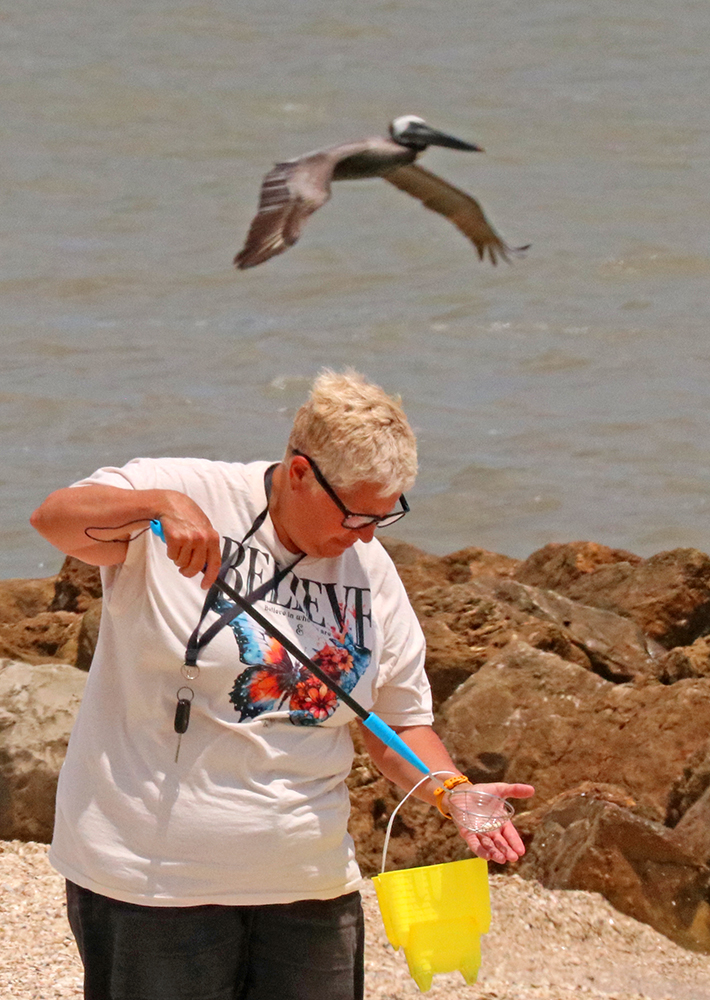
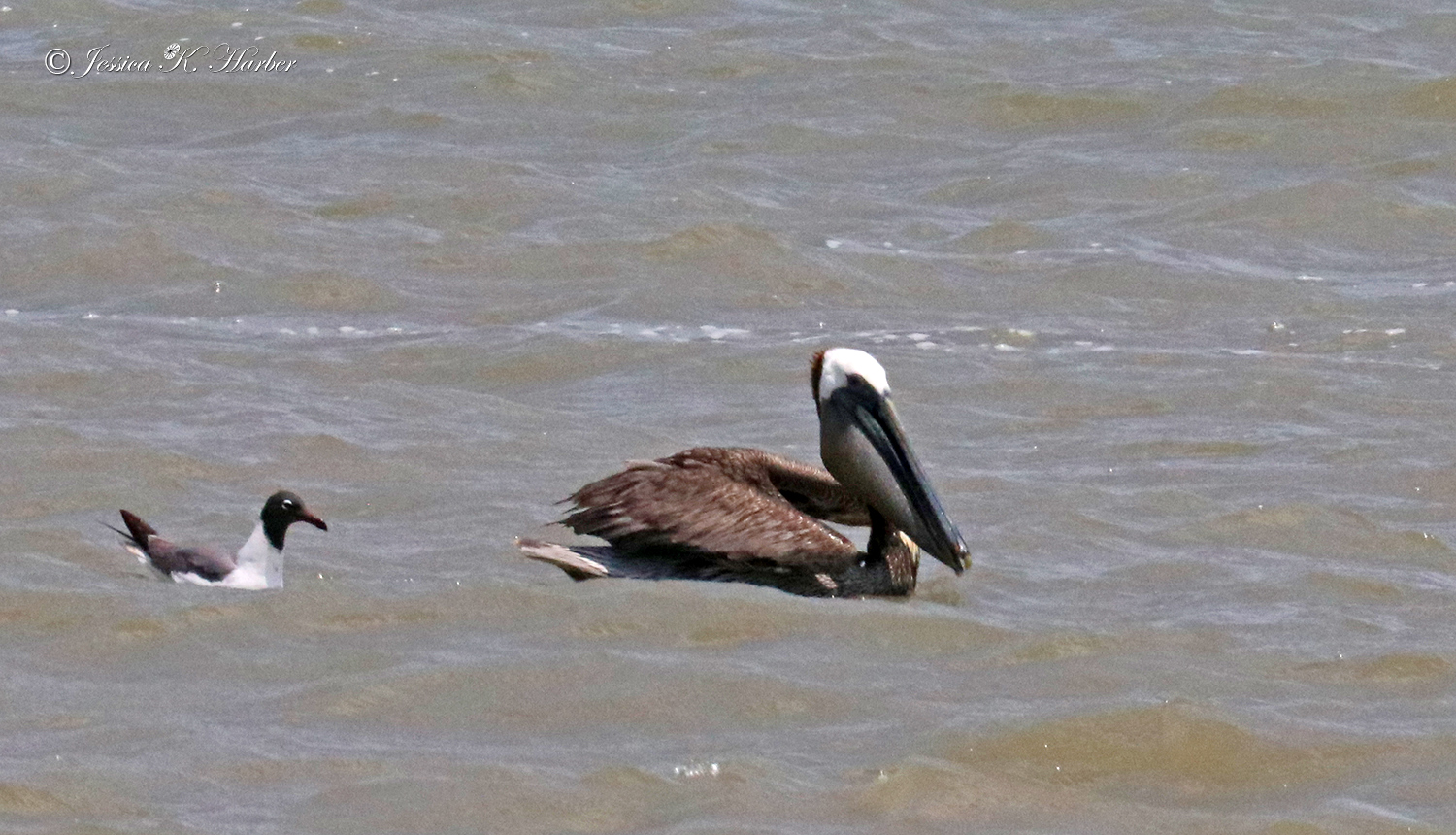
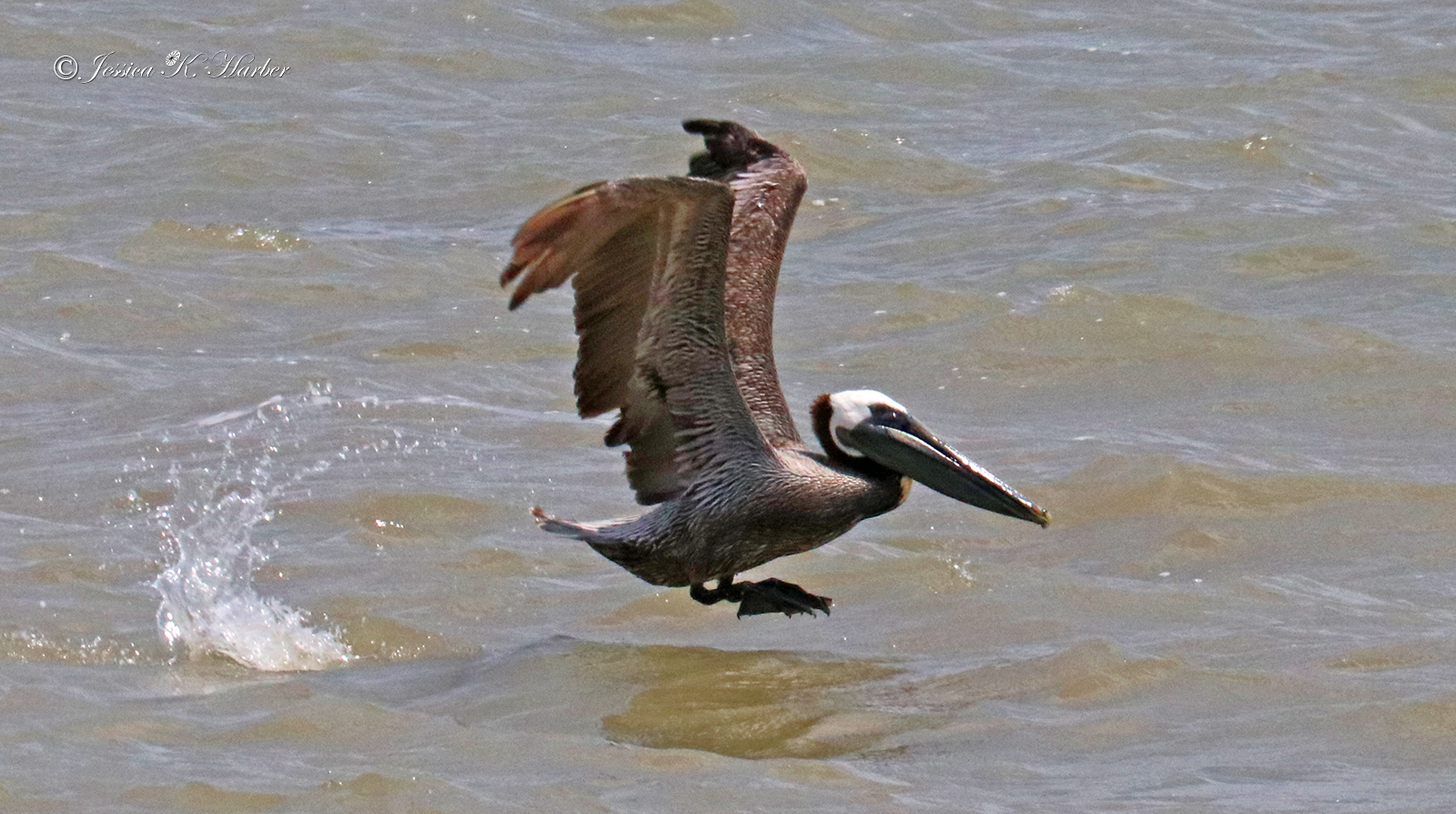
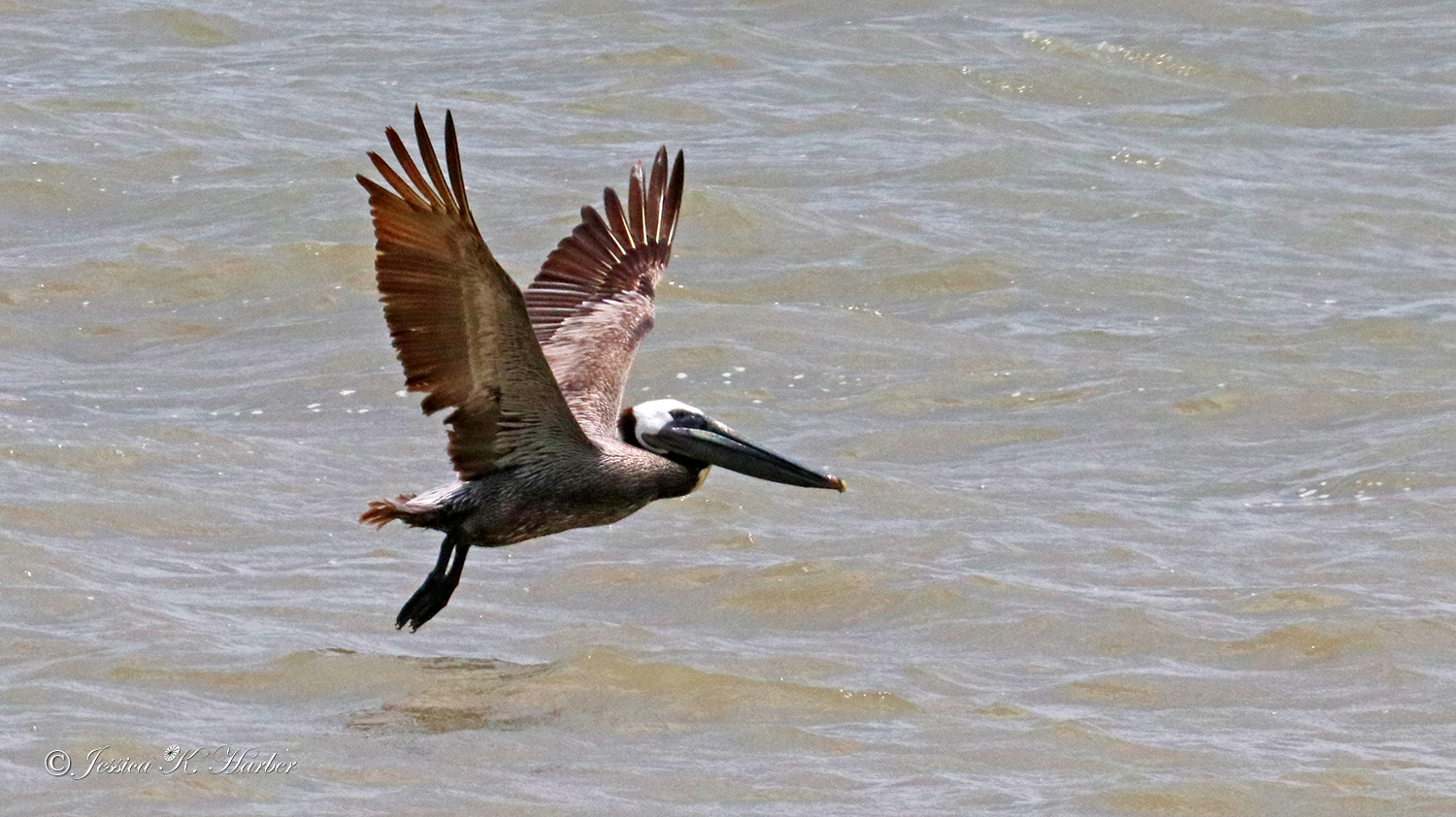
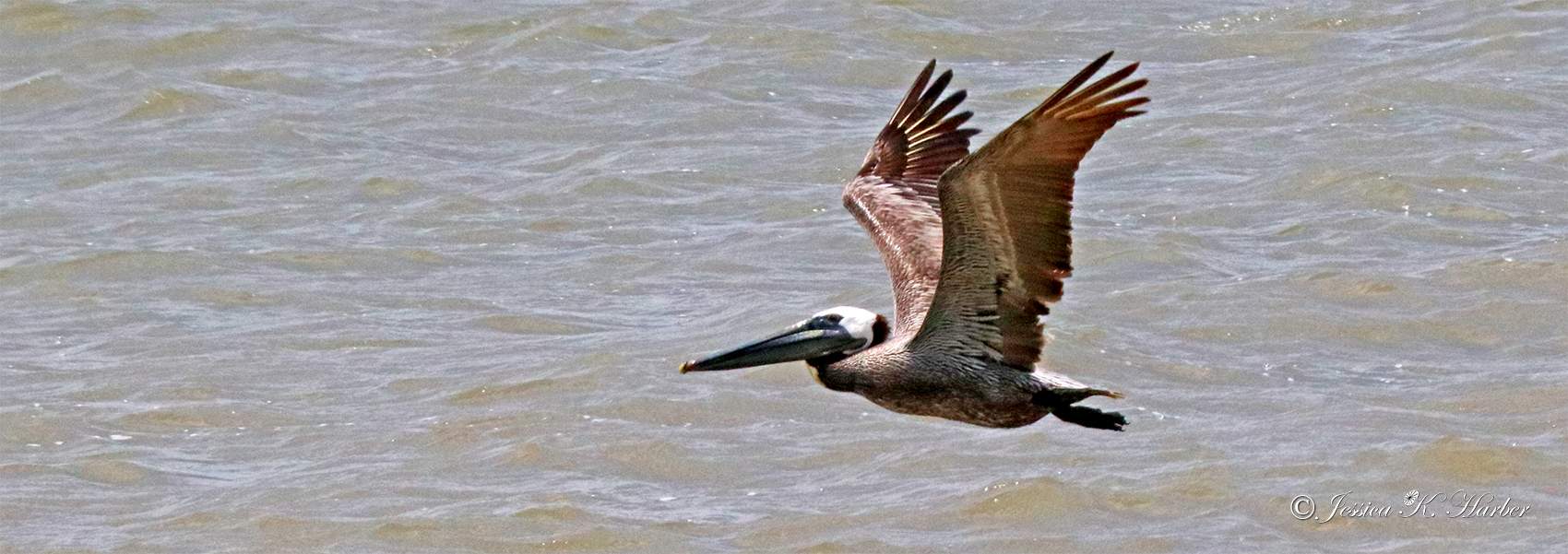
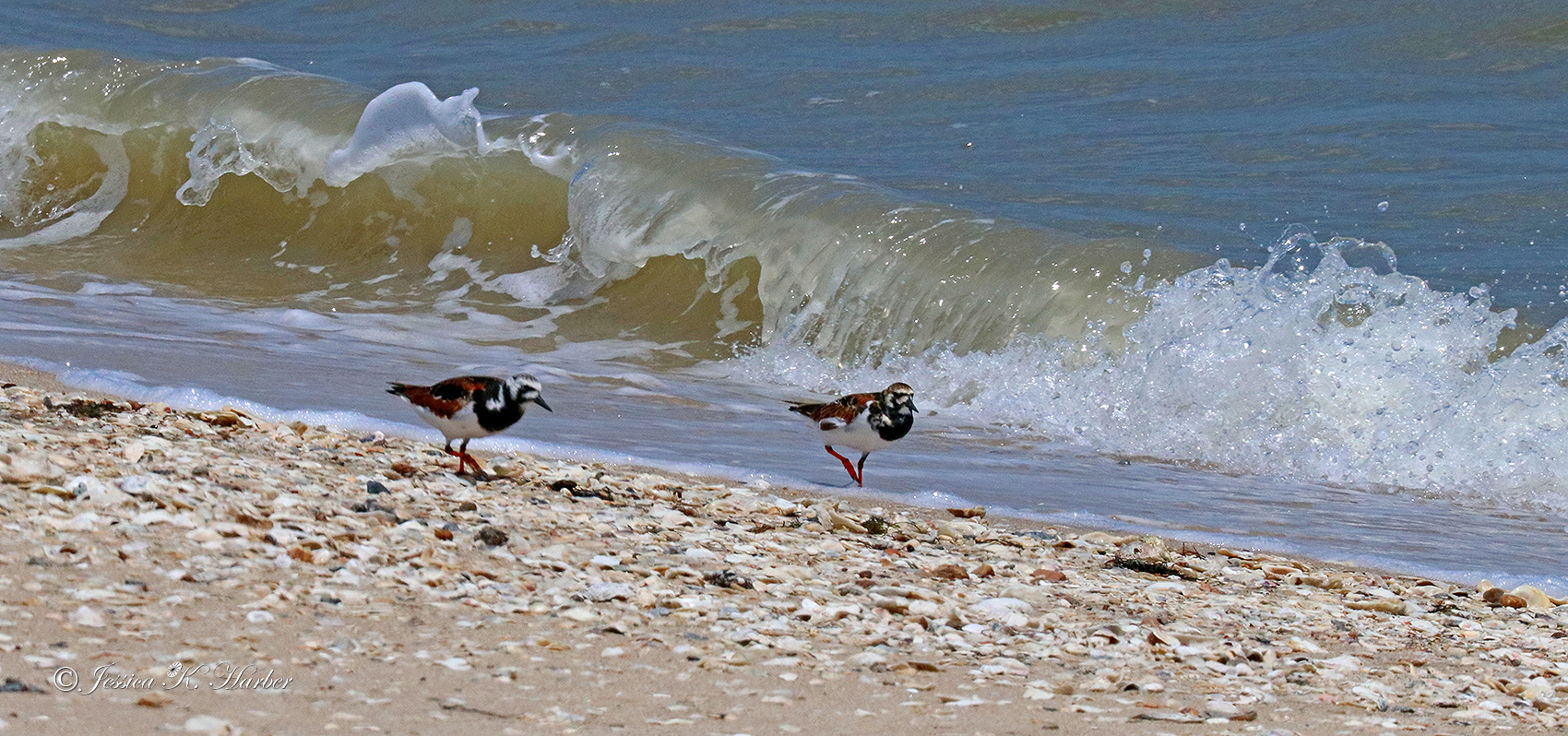
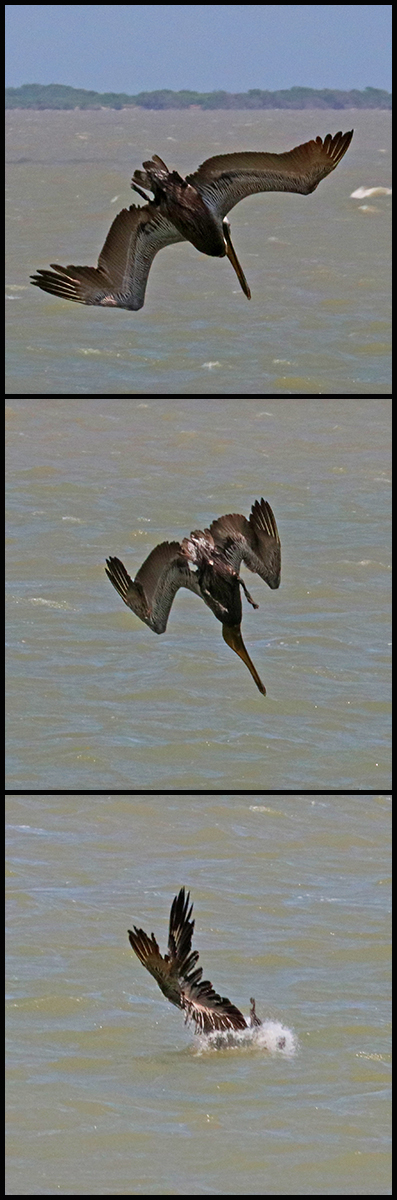
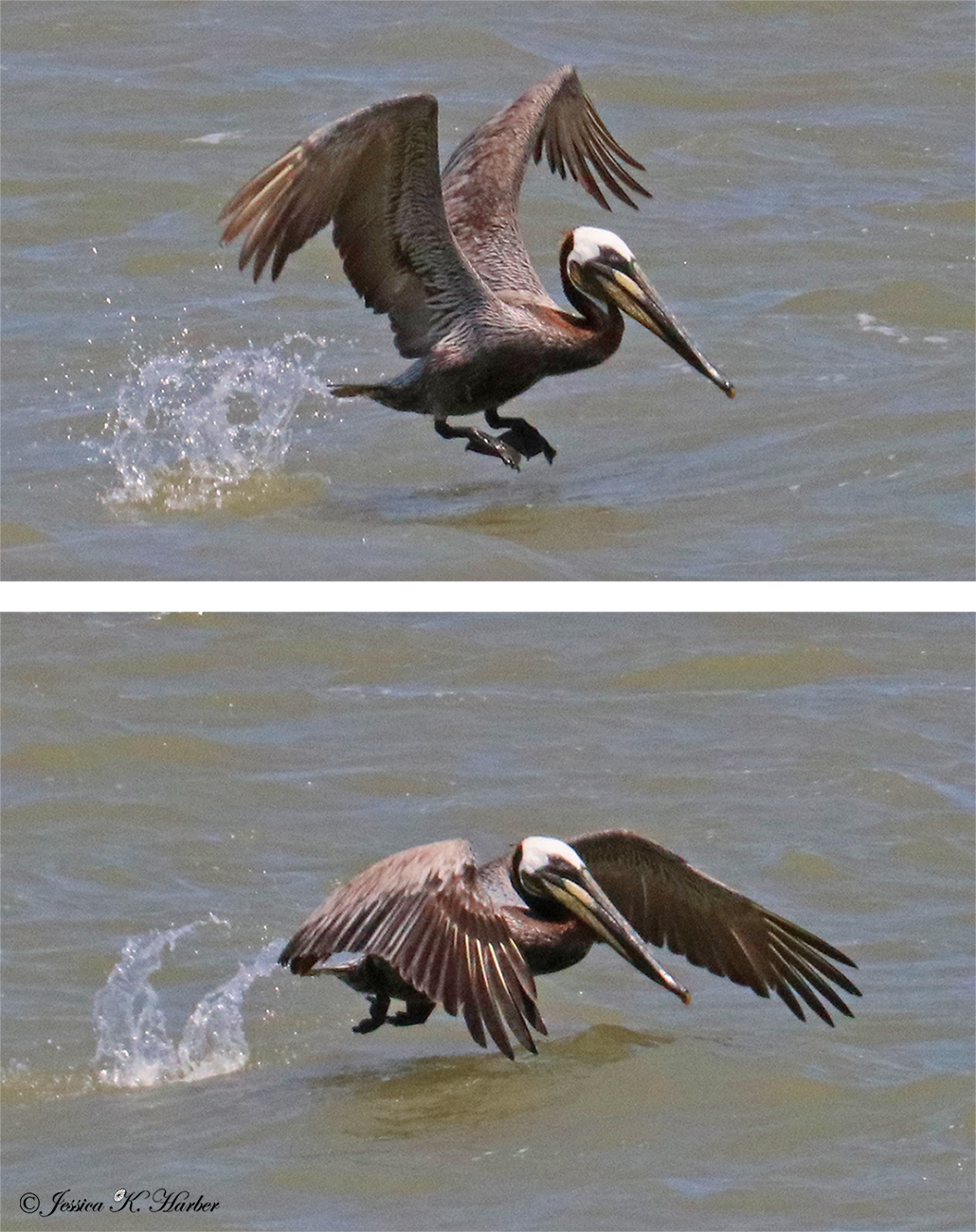
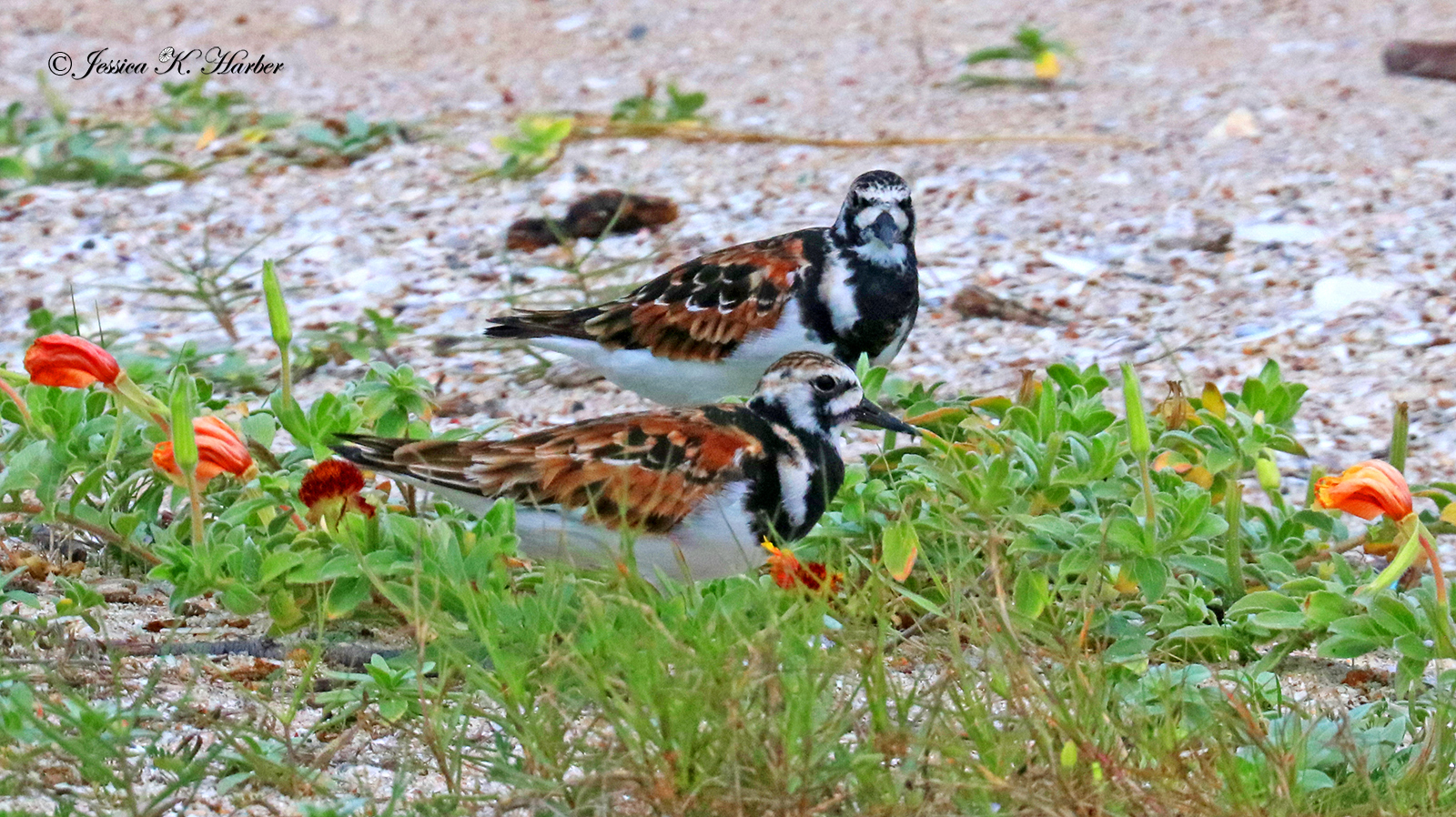
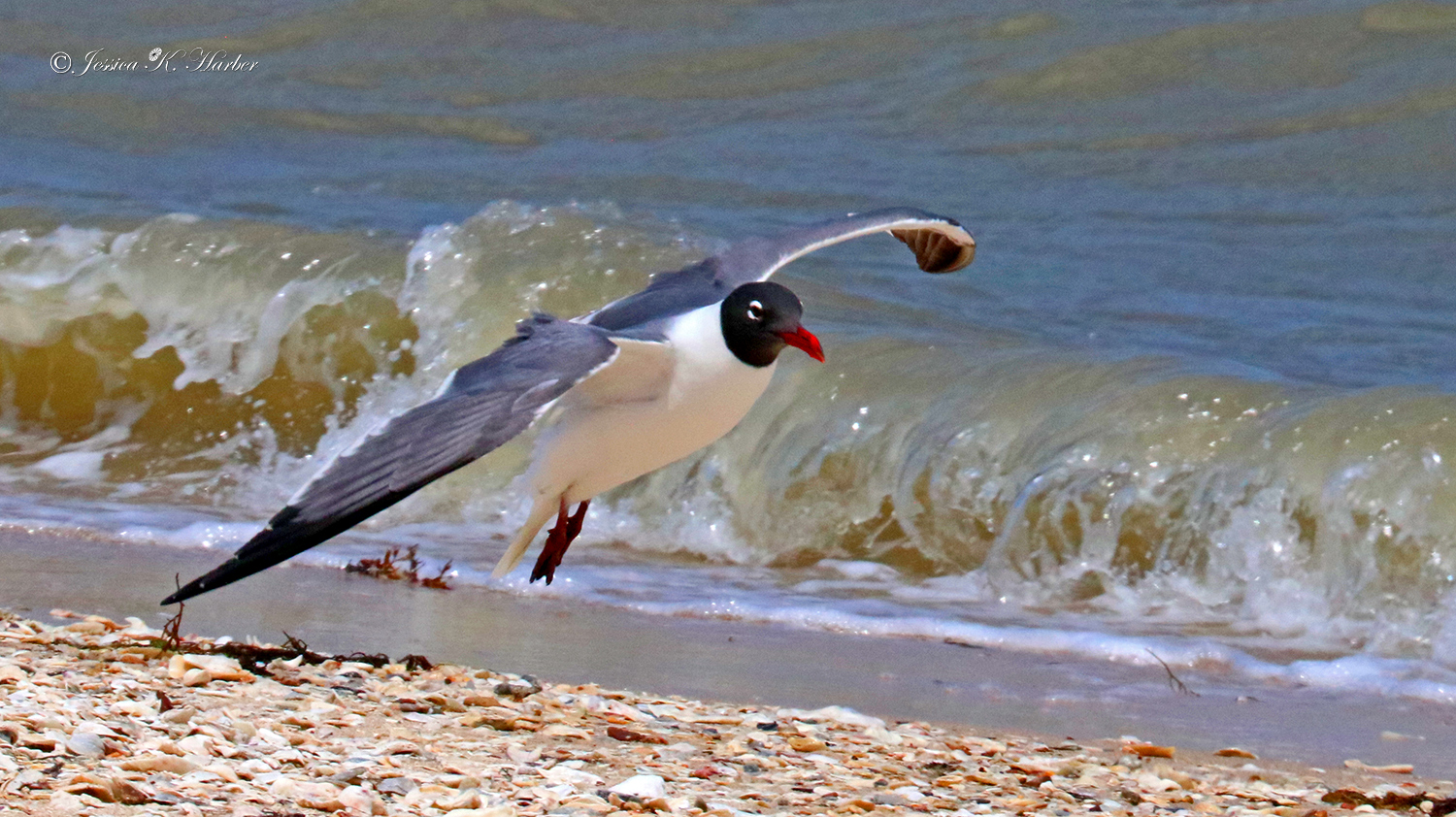
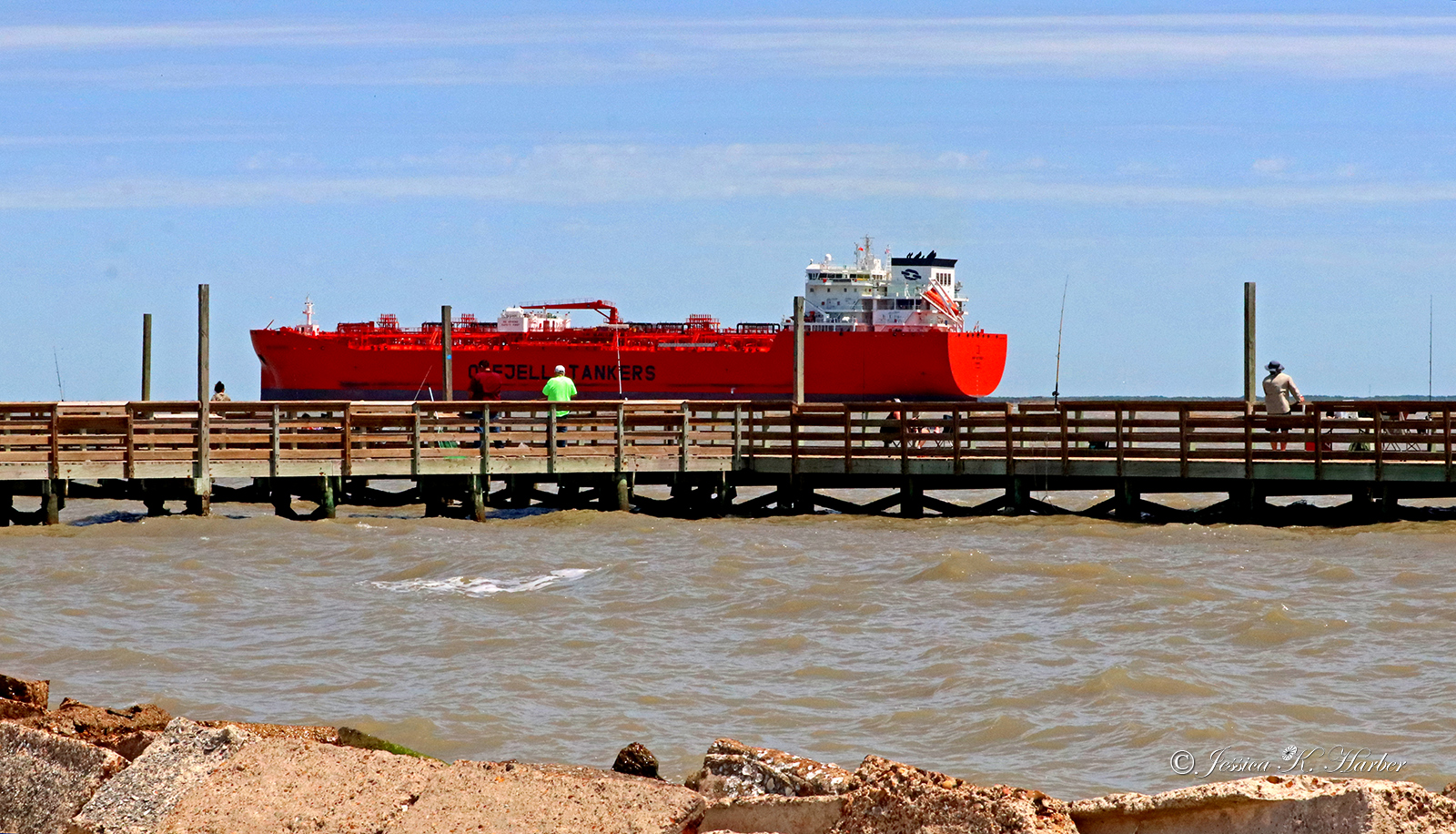
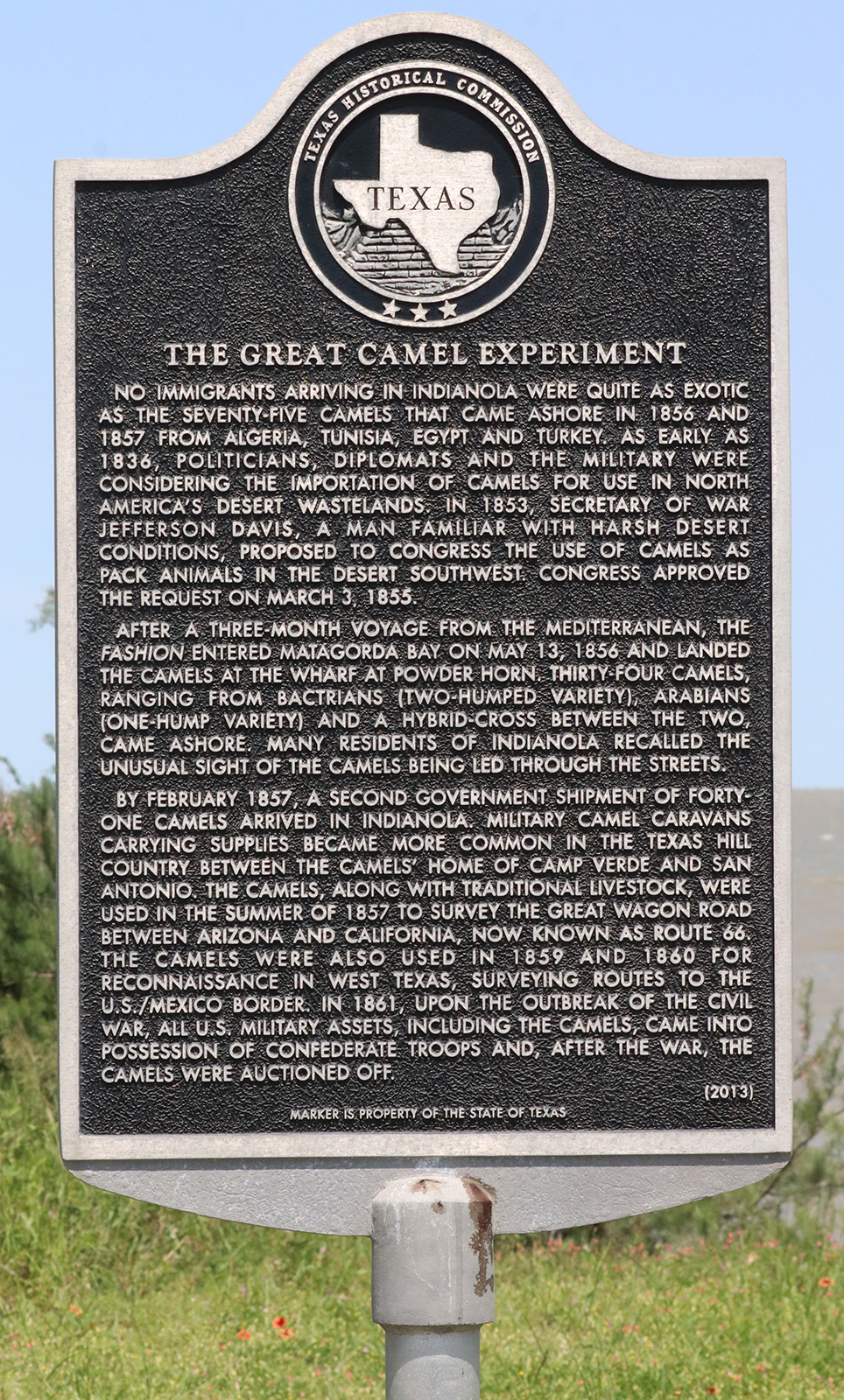
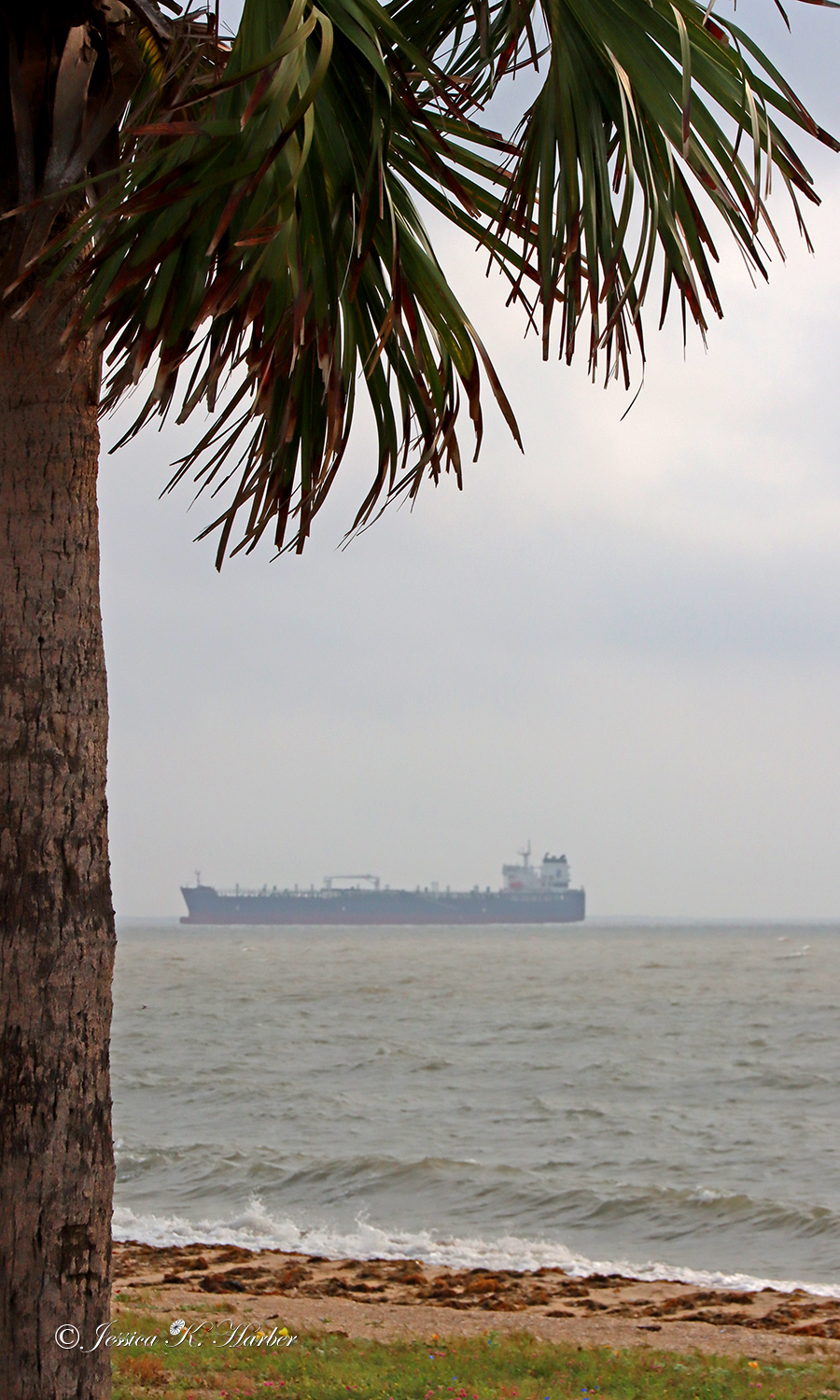
We moved on to a free camping area on Indianola Beach next. Amenities: Pavilions with picnic tables, bathroom, and an outdoor shower (for swimmers). Enjoyed watching the sea/coastal birds including a number of brown pelicans & listening to the waves constantly coming in. Occasional ships and fishing boats could be seen in the distance. We also found a local hole-in-the-wall restaurant with great seafood. All of our time on the Texas coast was a bit hot and sticky but helped by coastal winds.
TEXAS. APRIL.
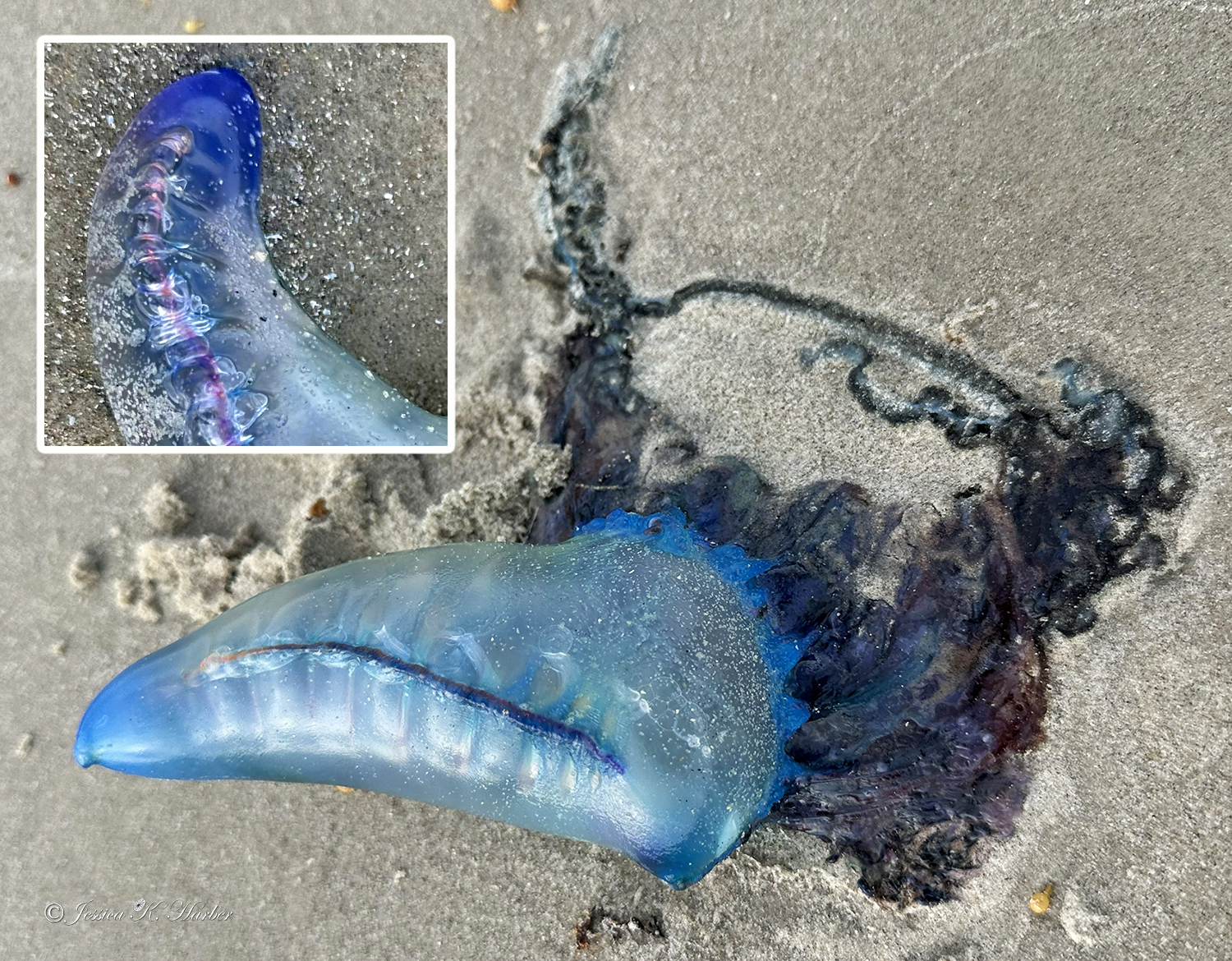
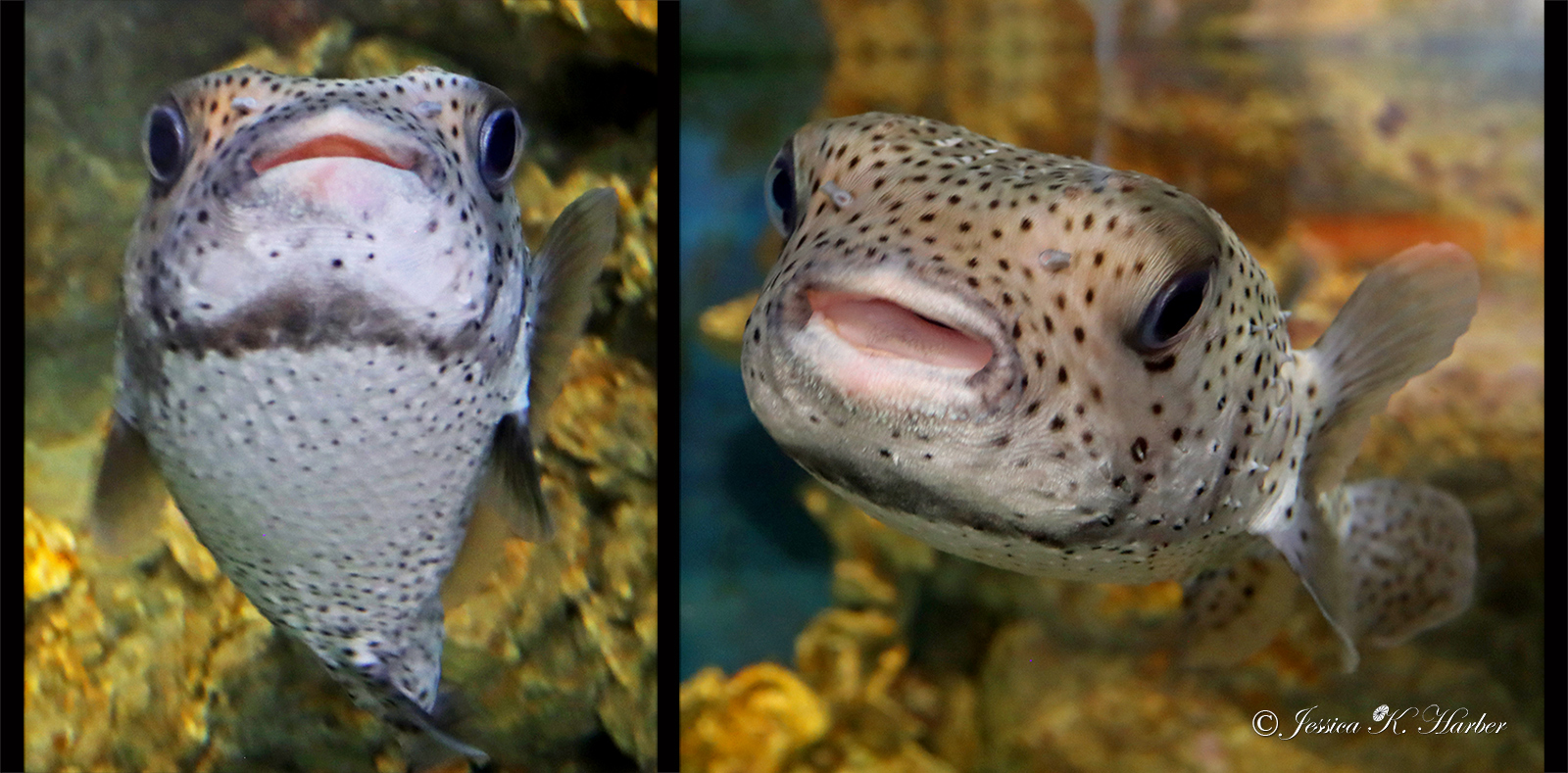
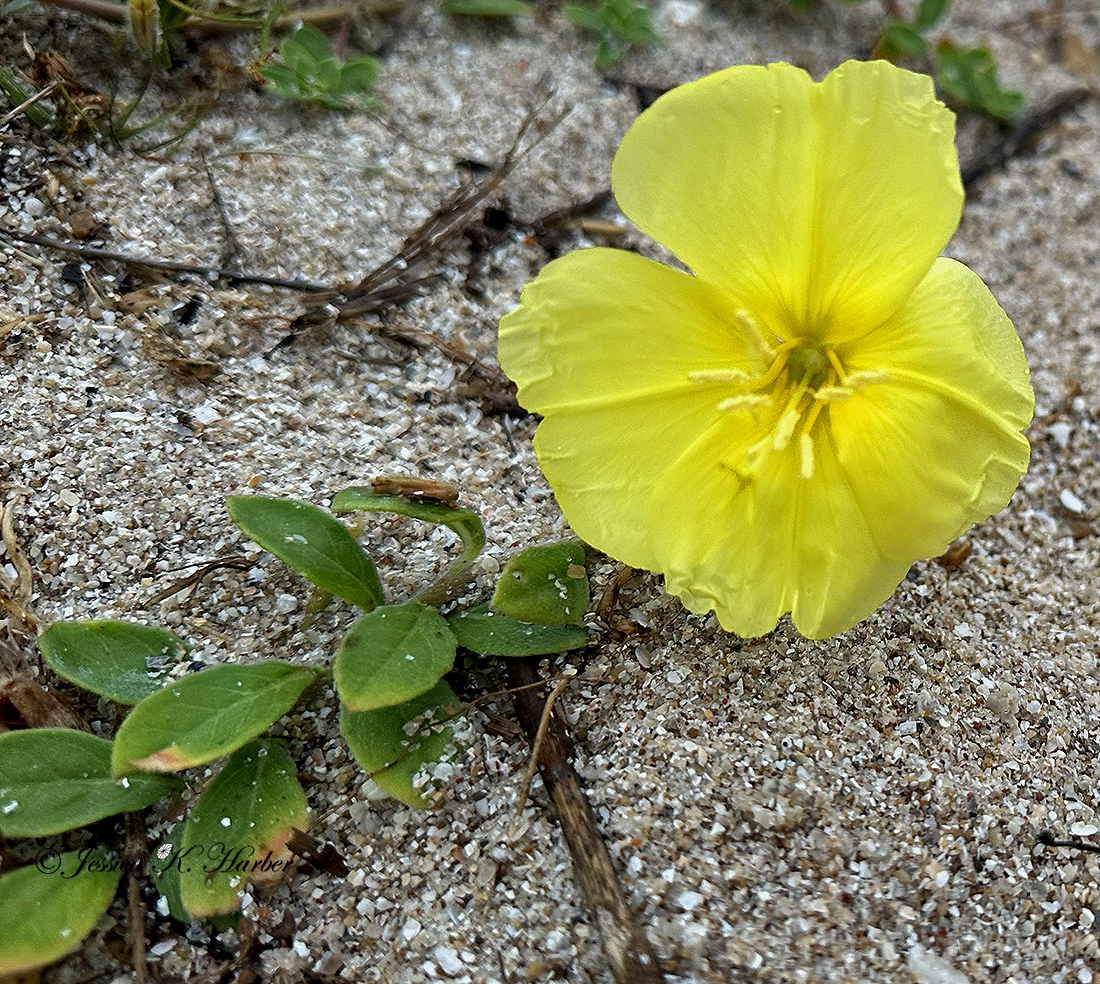
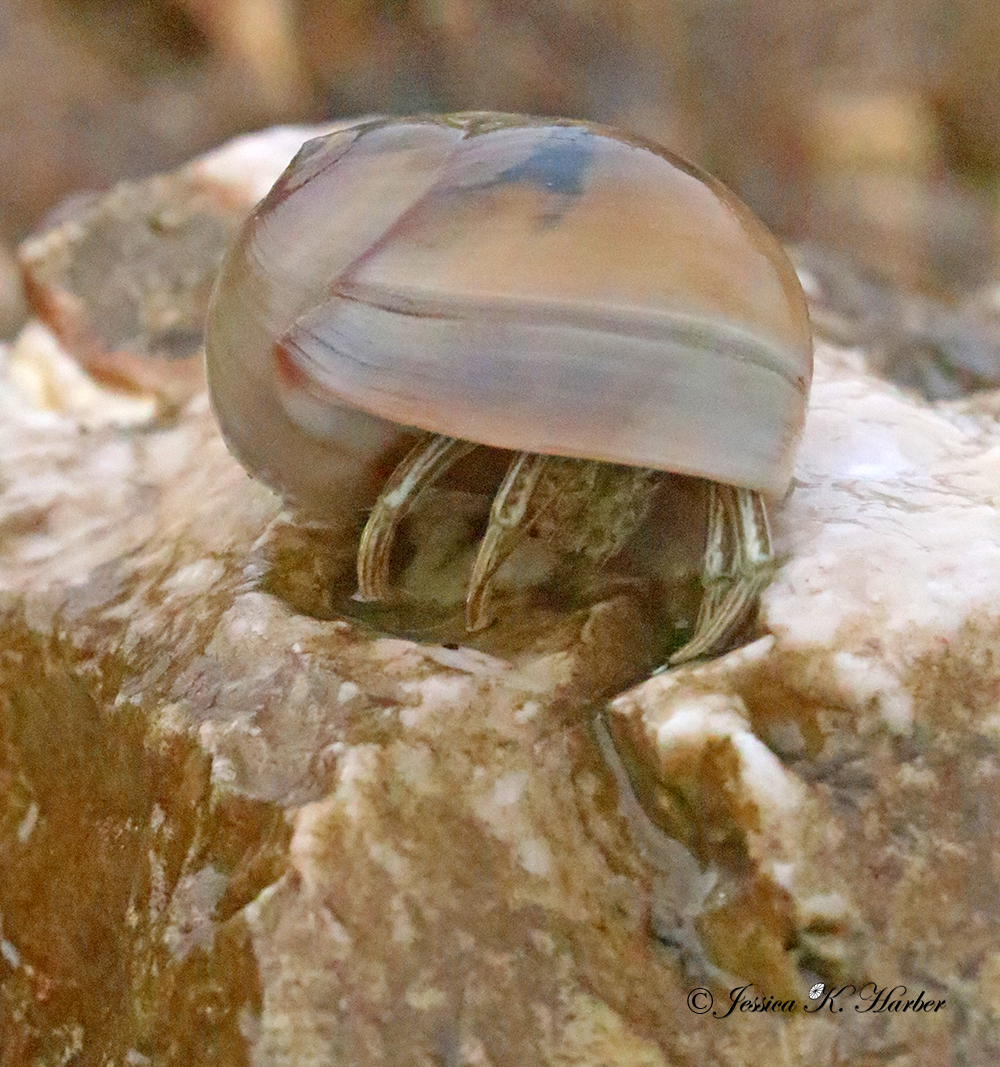
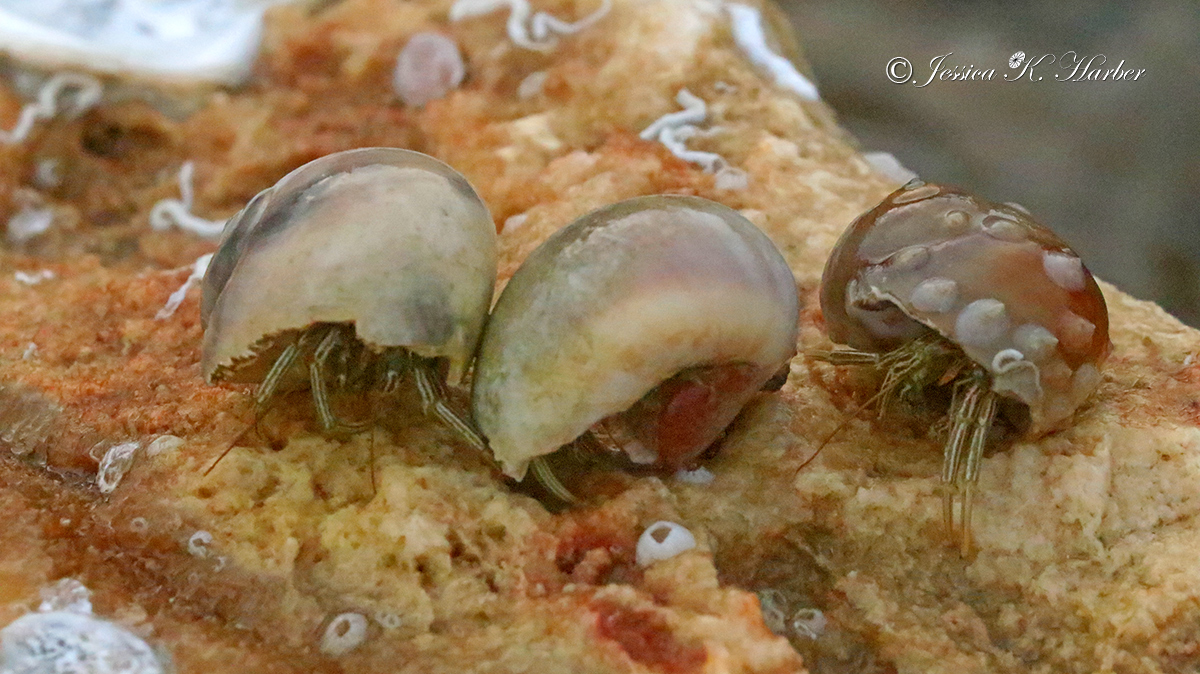
A Couple Creatures from the Aquarium at the Patton Center/Marine Science Institute
After my stay in Tucson, I headed back to the Yuma area and then up to Quartzsite to volunteer for a charity I support, Homes on Wheels Alliance. After that, another stay in Southern California to rest up from the busy volunteer days. Friends invited me to stay at their Nevada home for a while and then it was off to Apple Valley, Utah, to camp with a friend’s group.
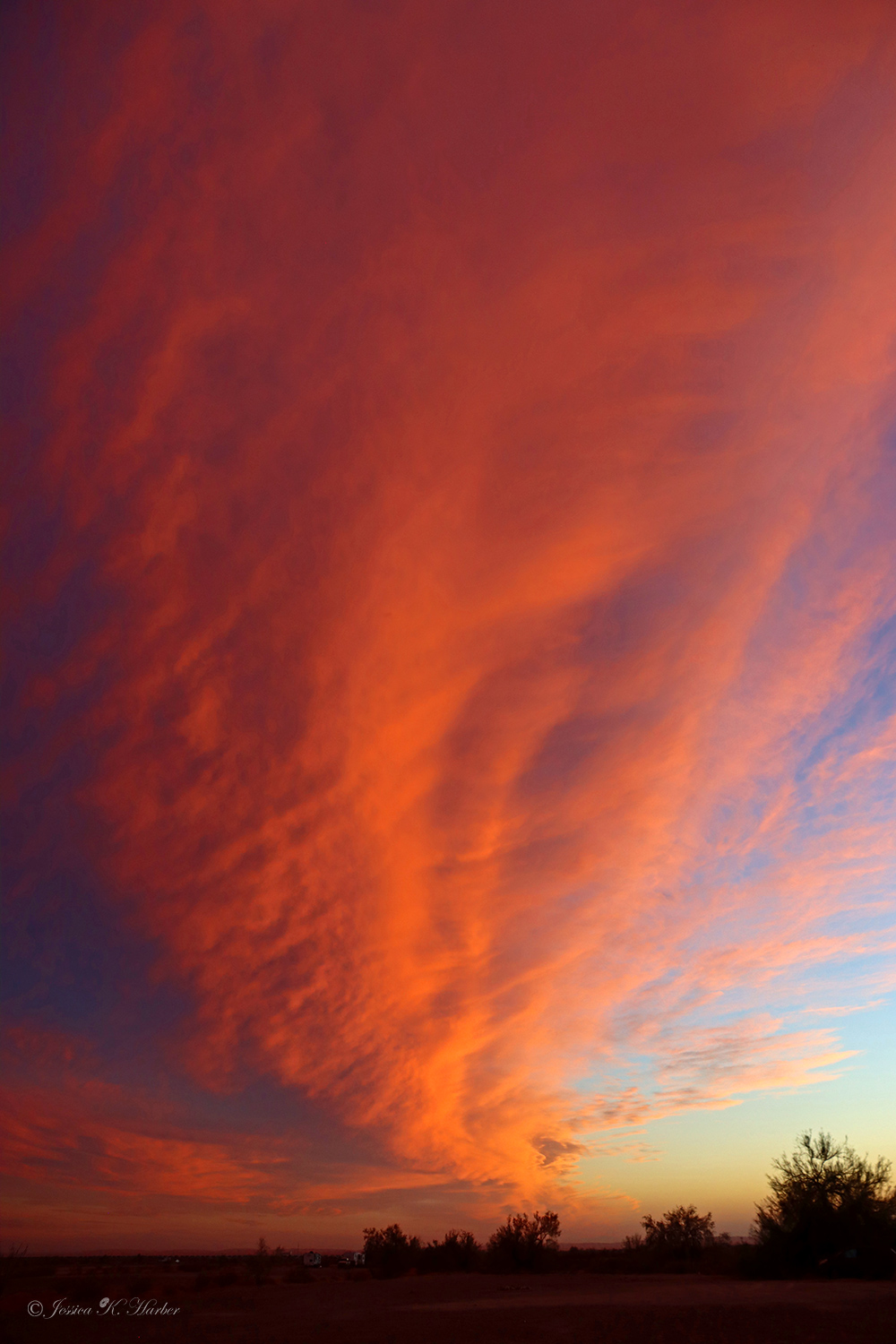
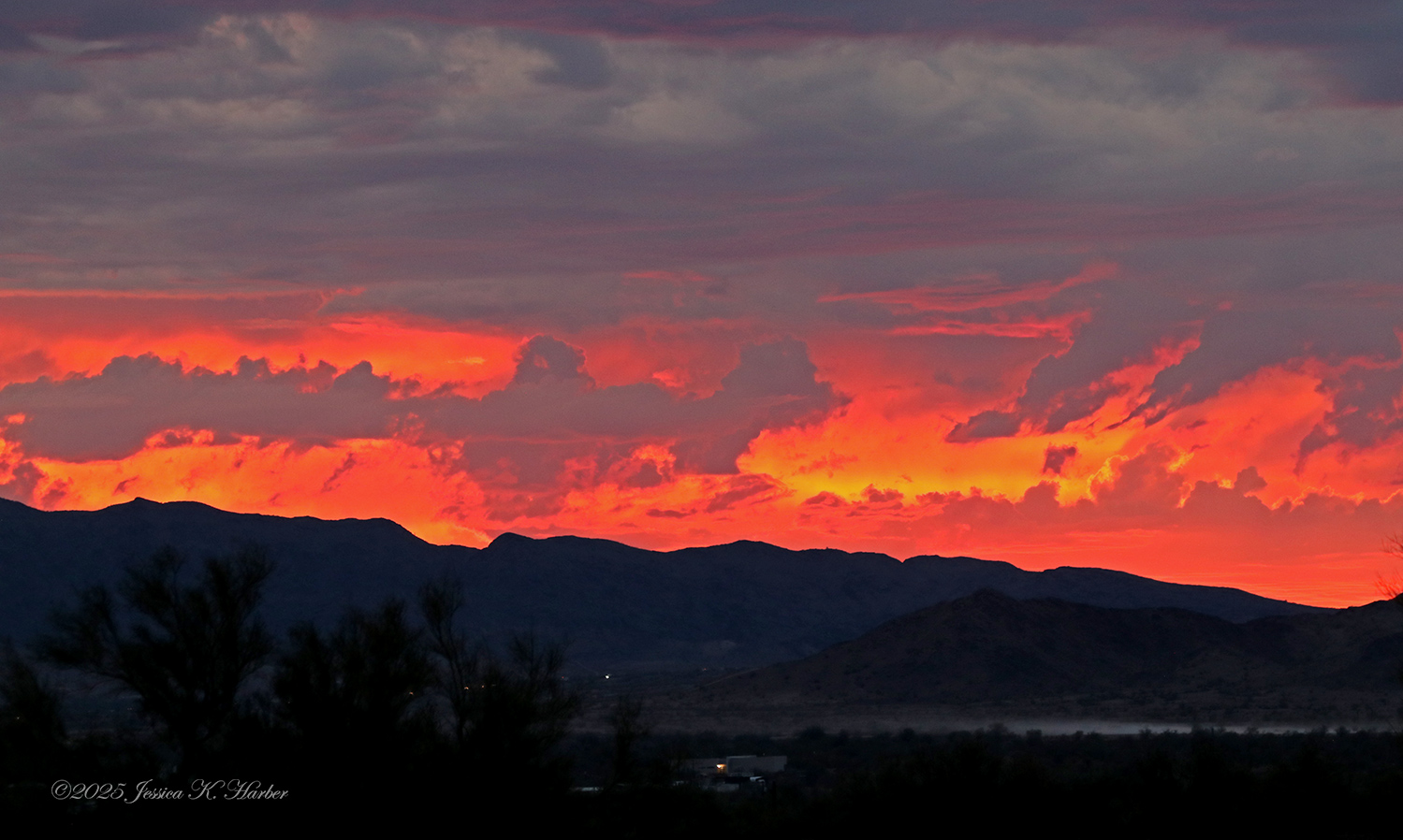
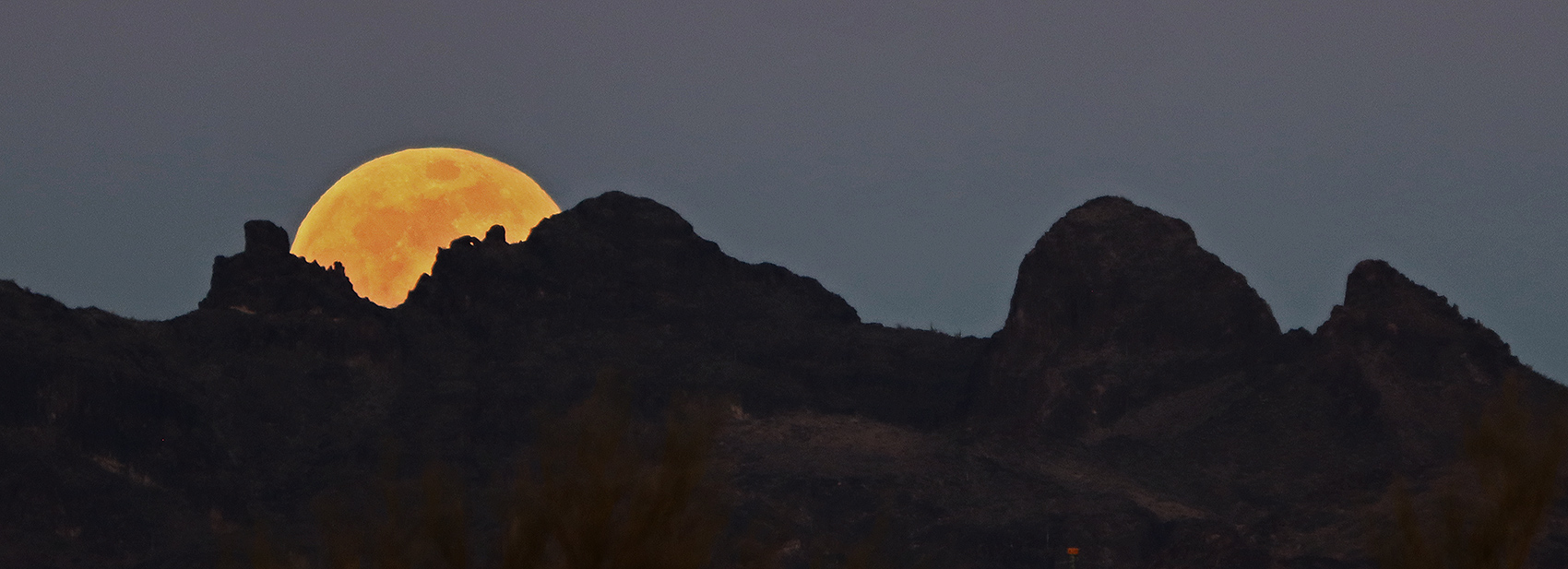
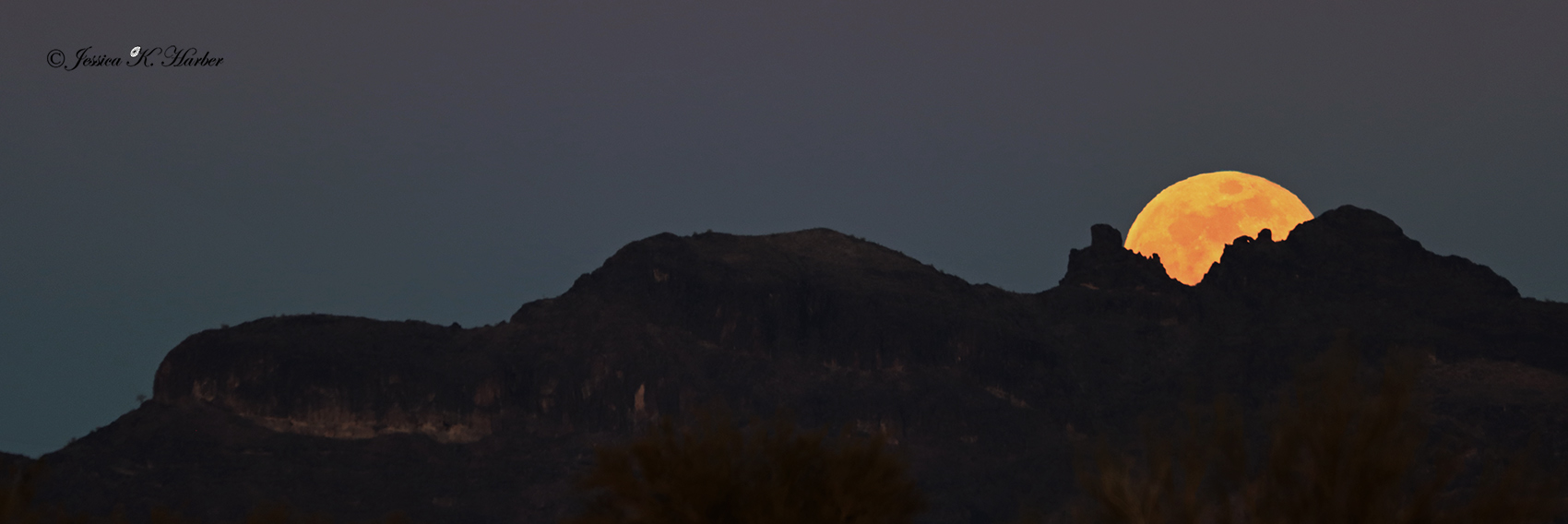
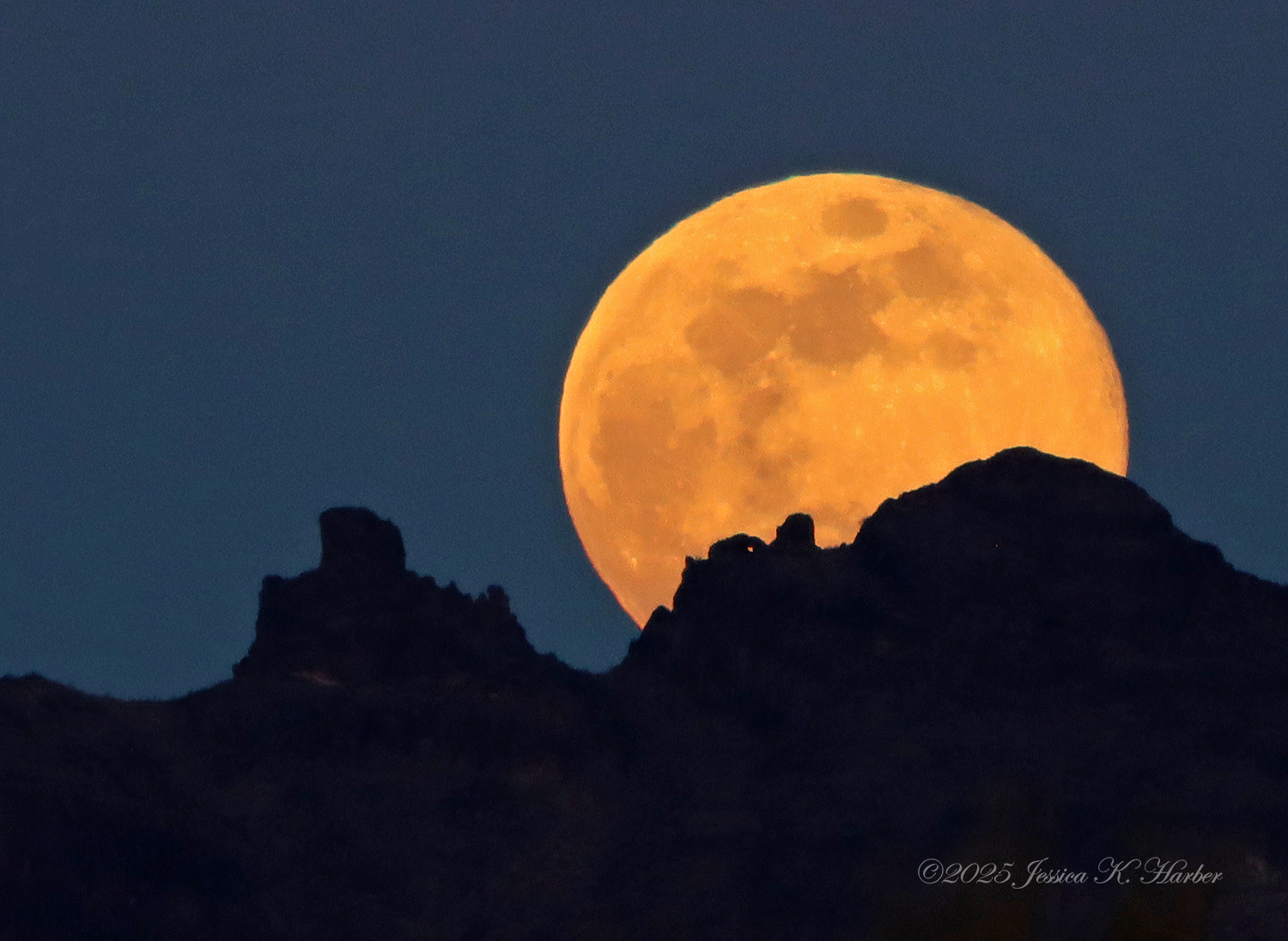
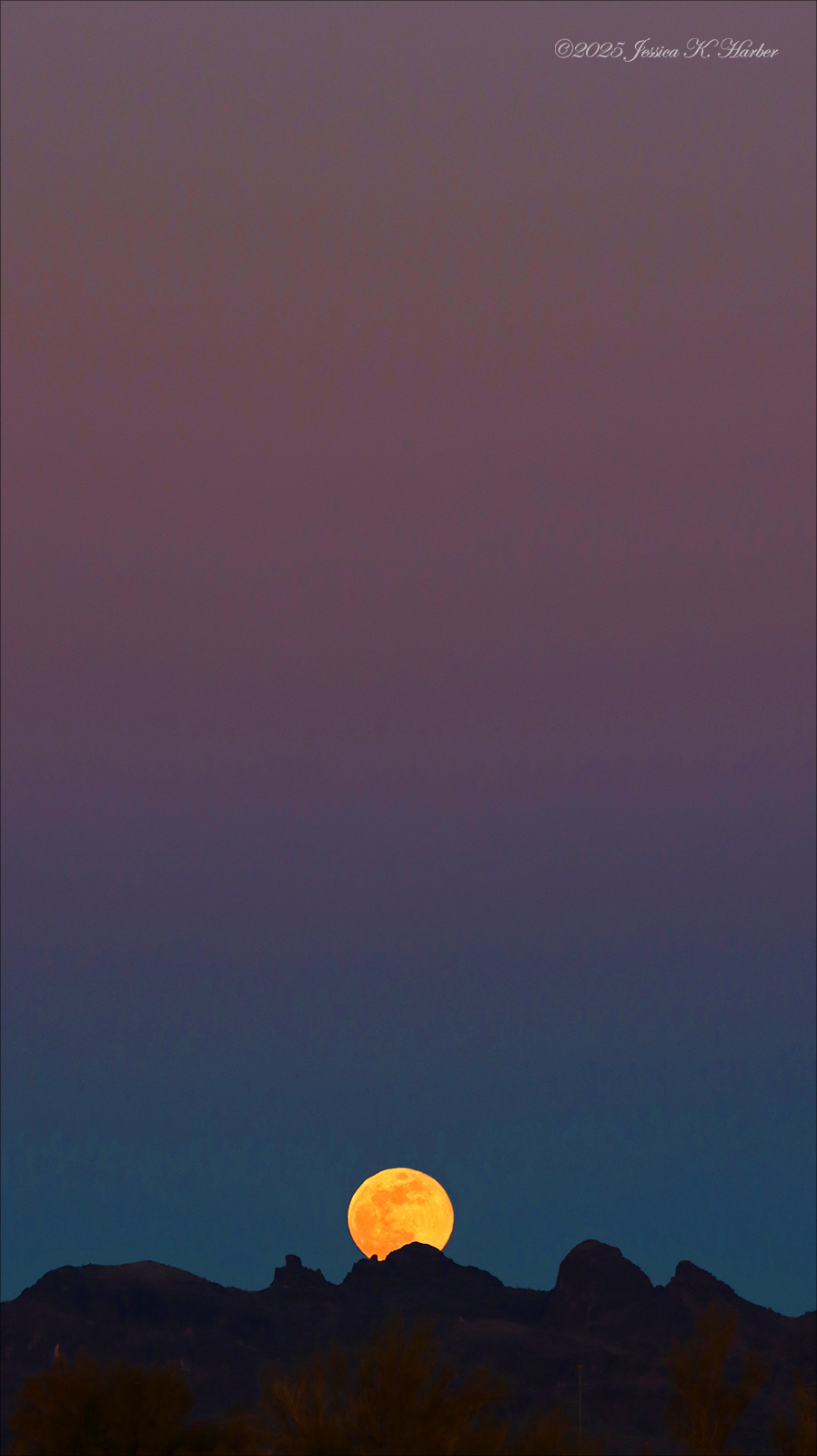
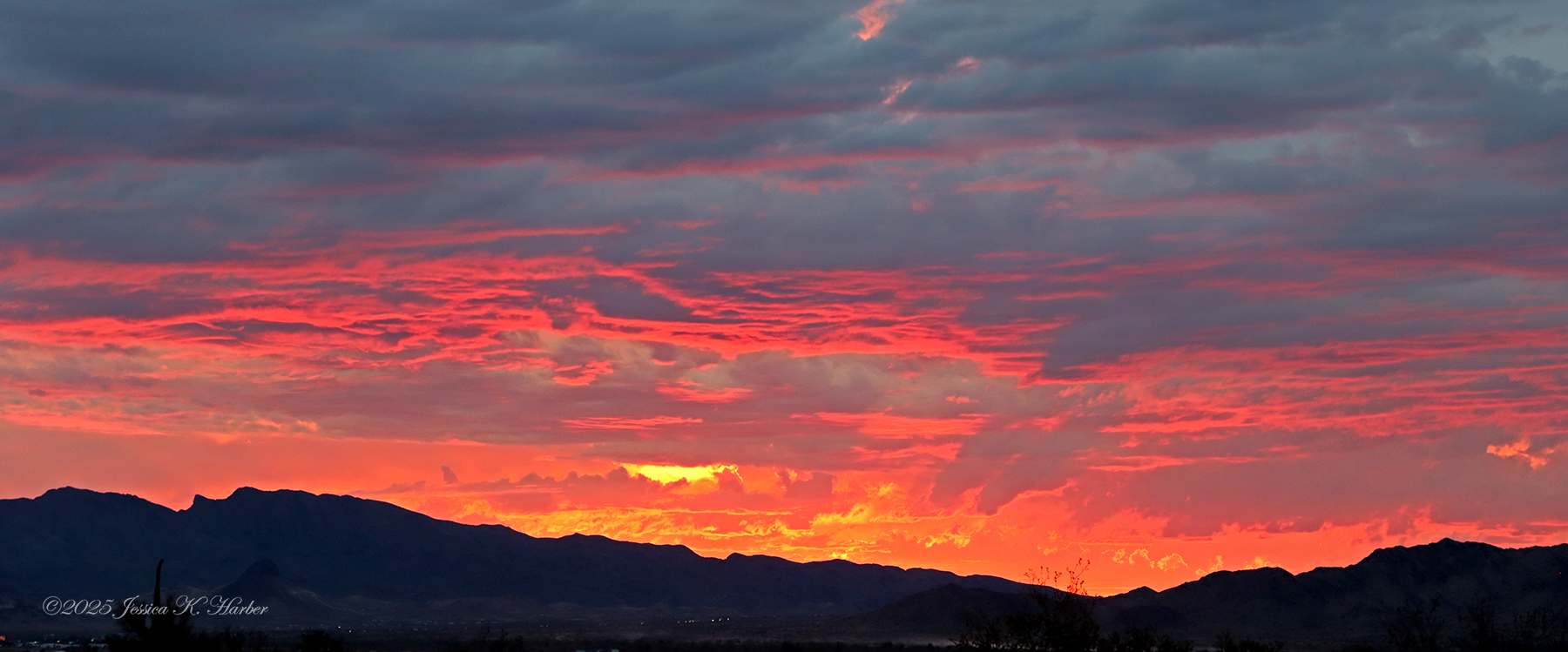
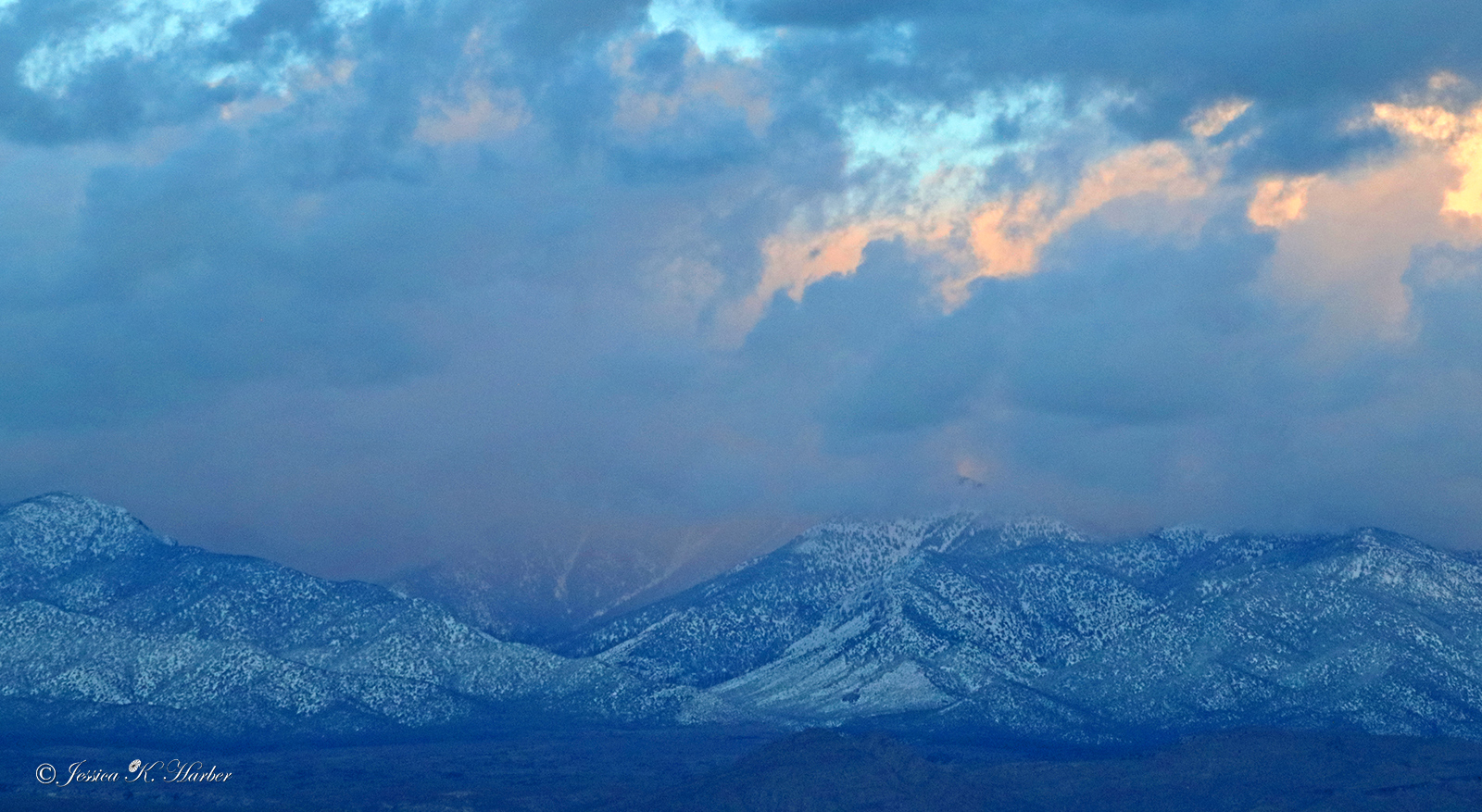
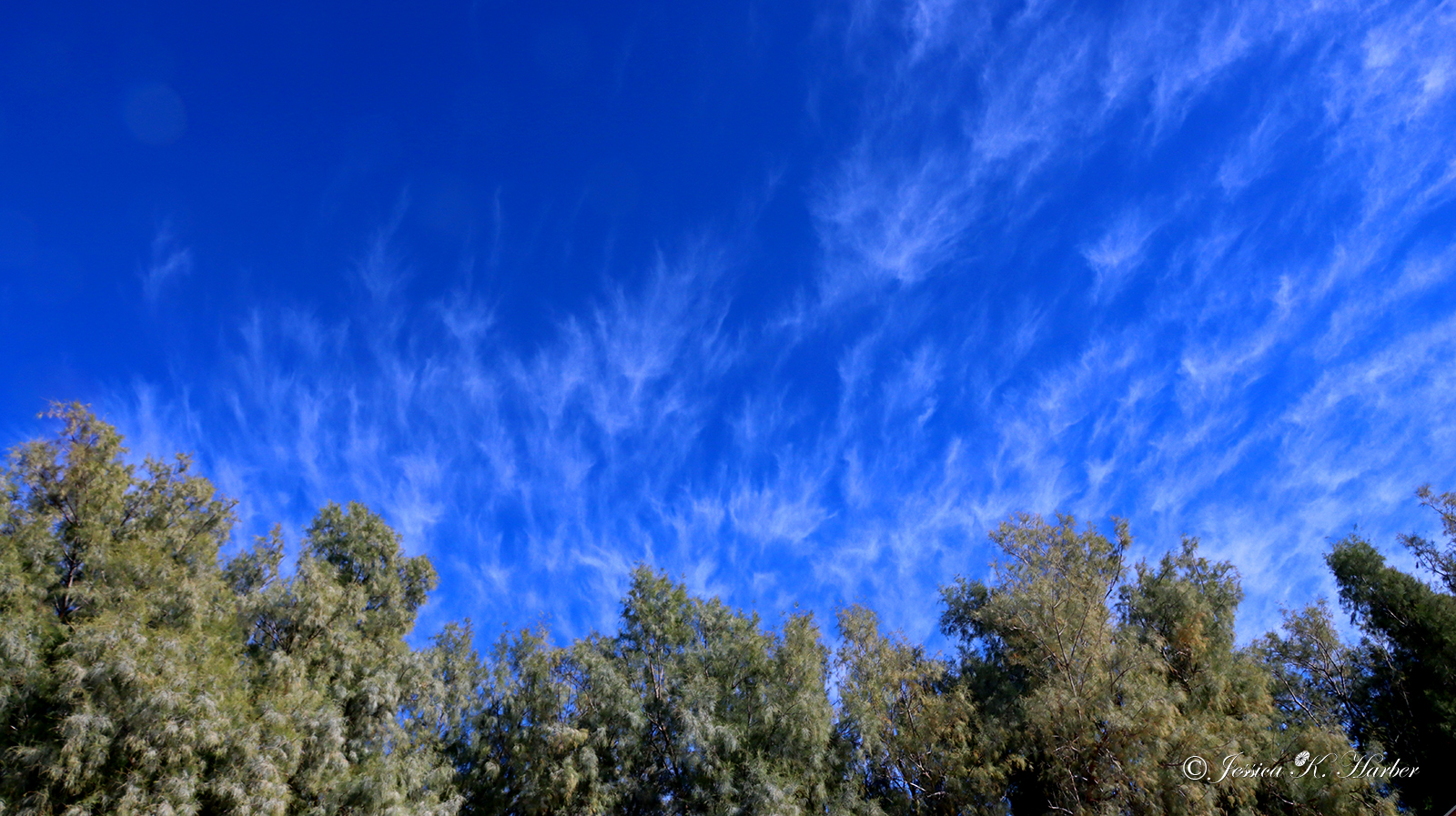
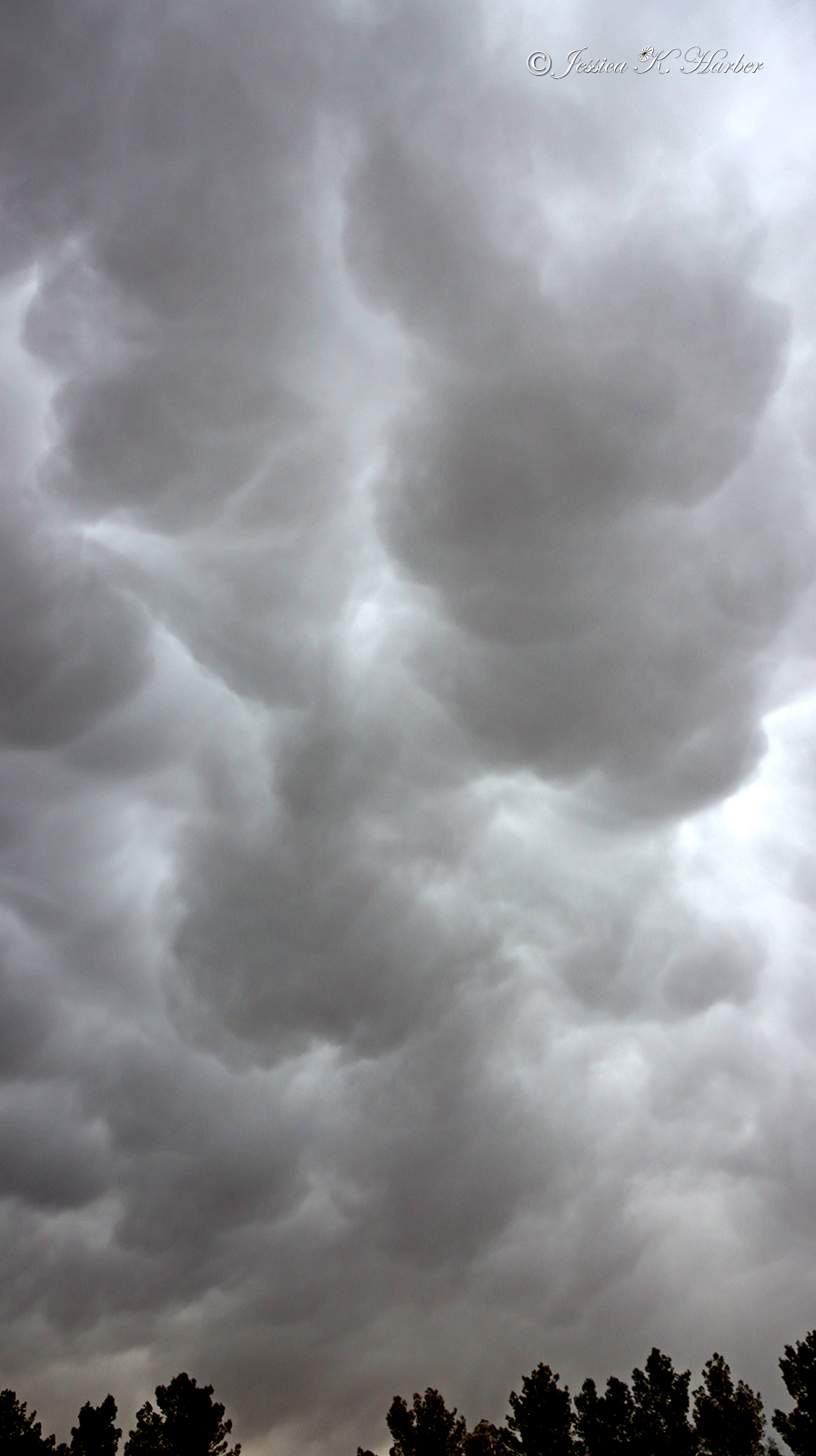
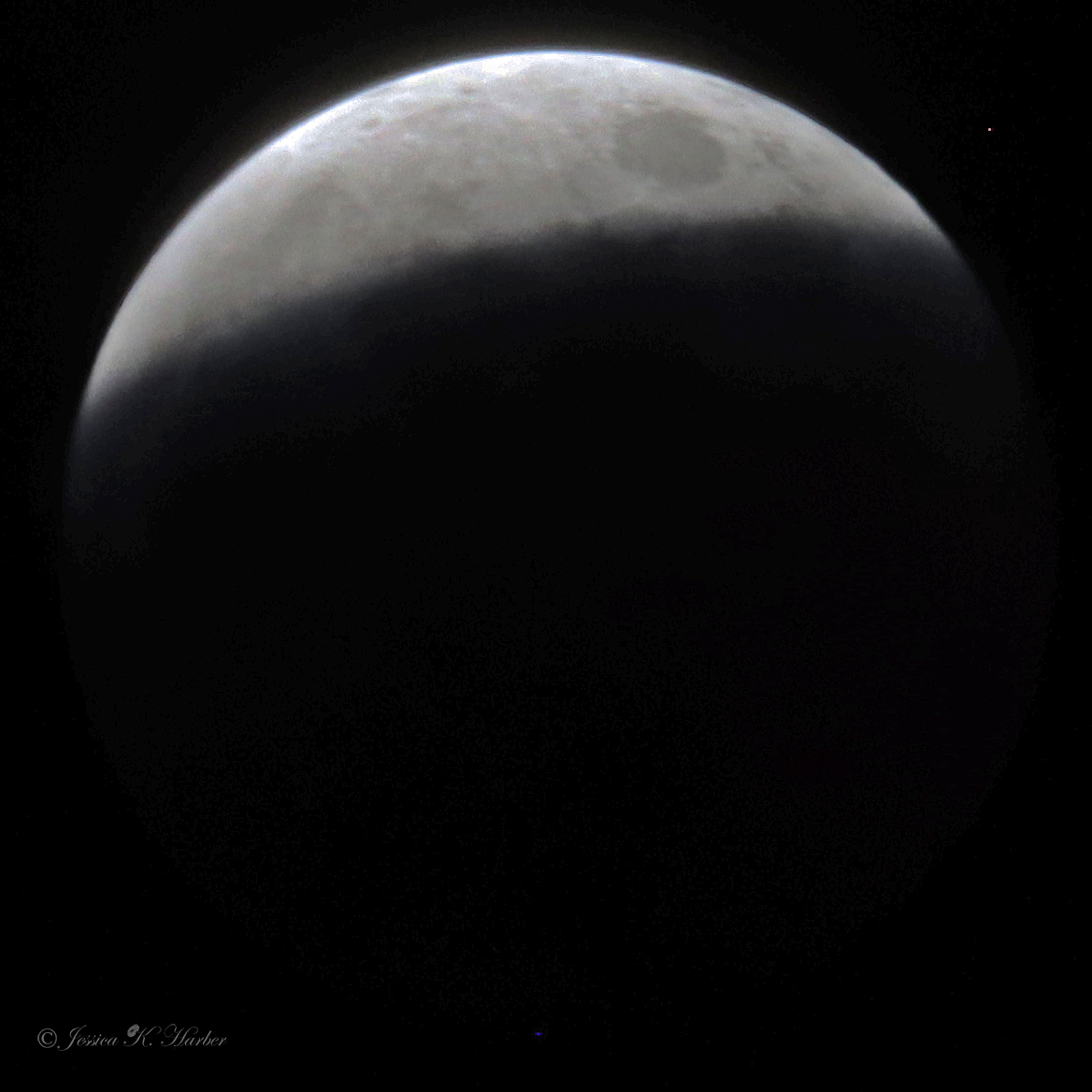
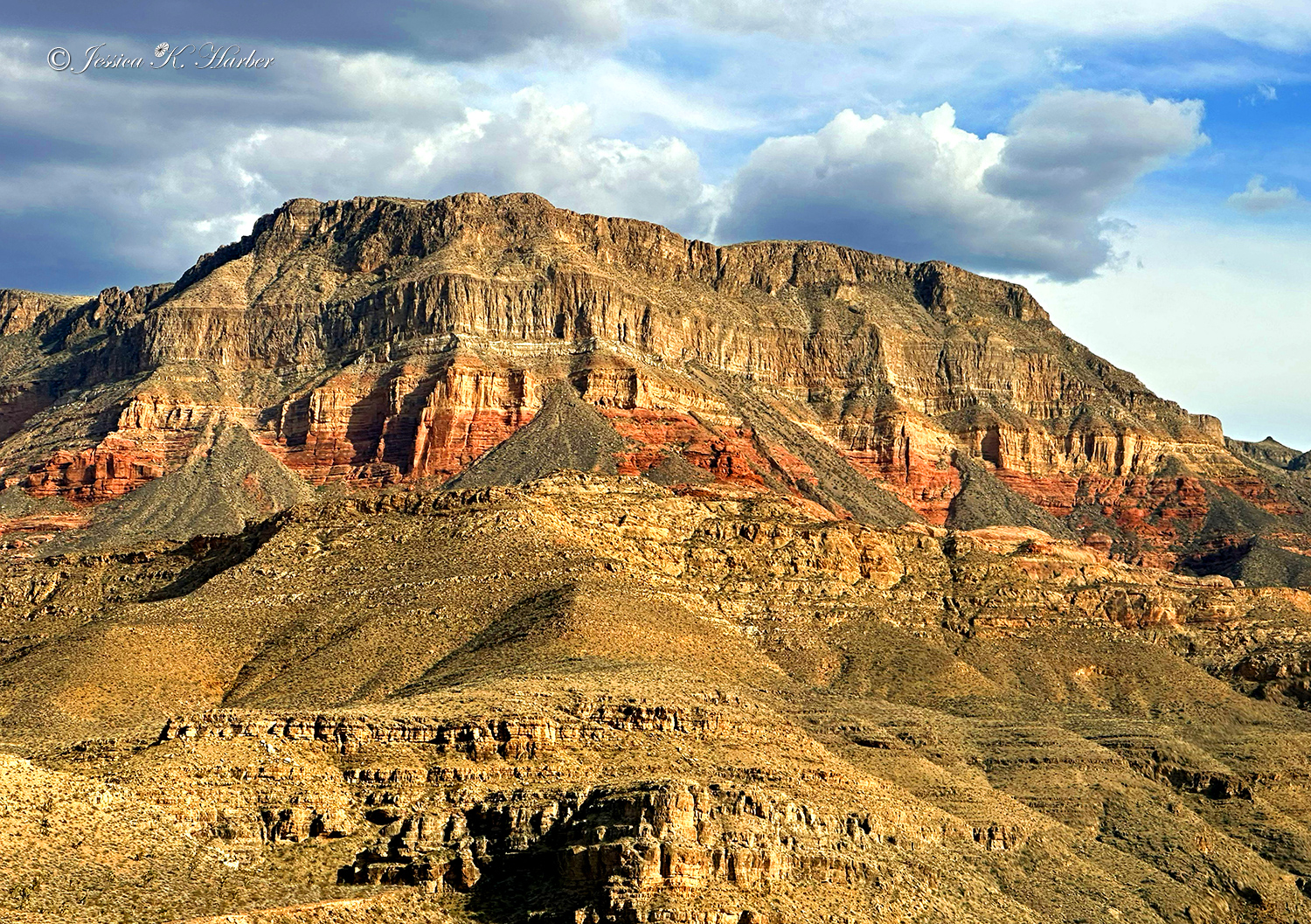
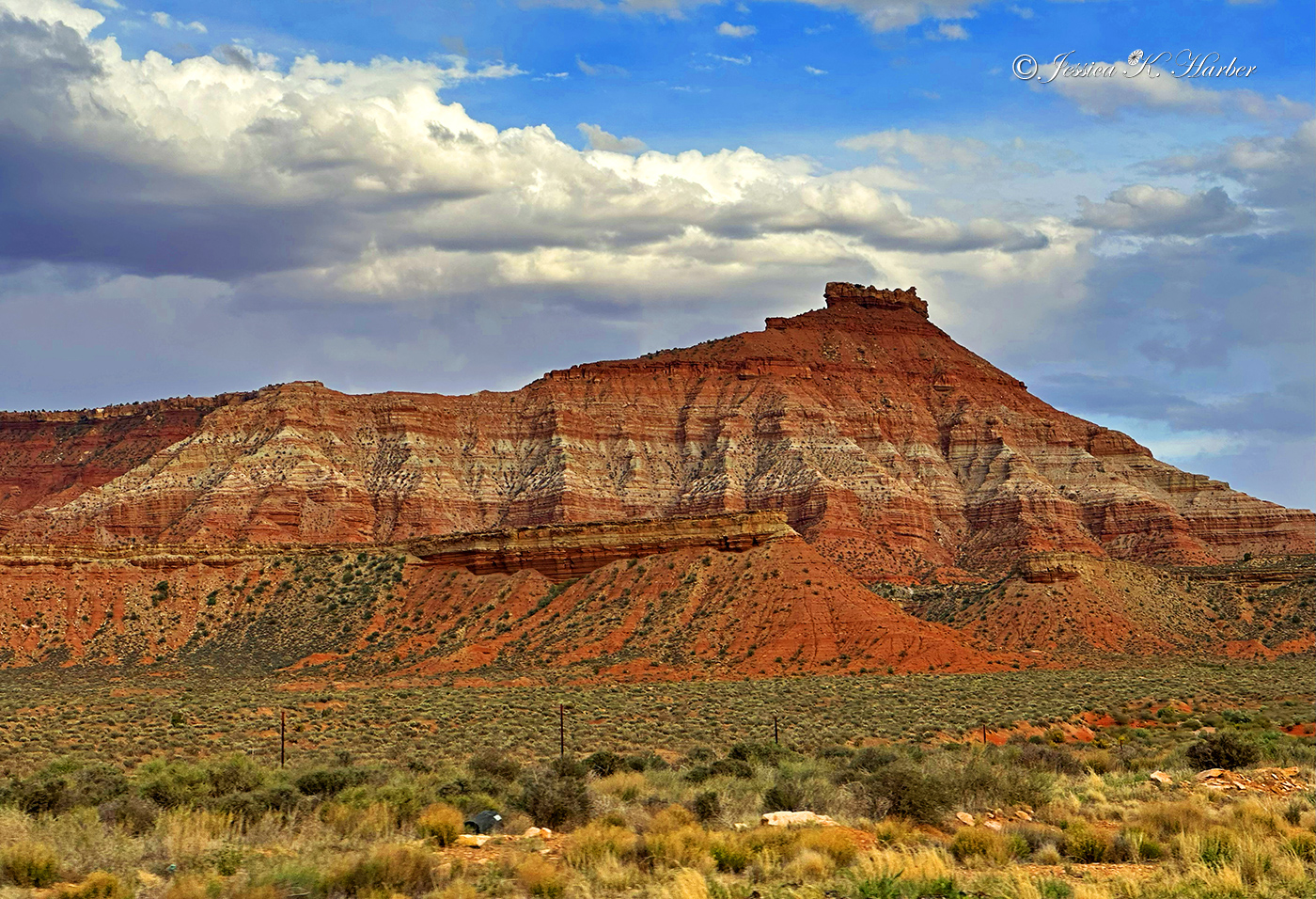
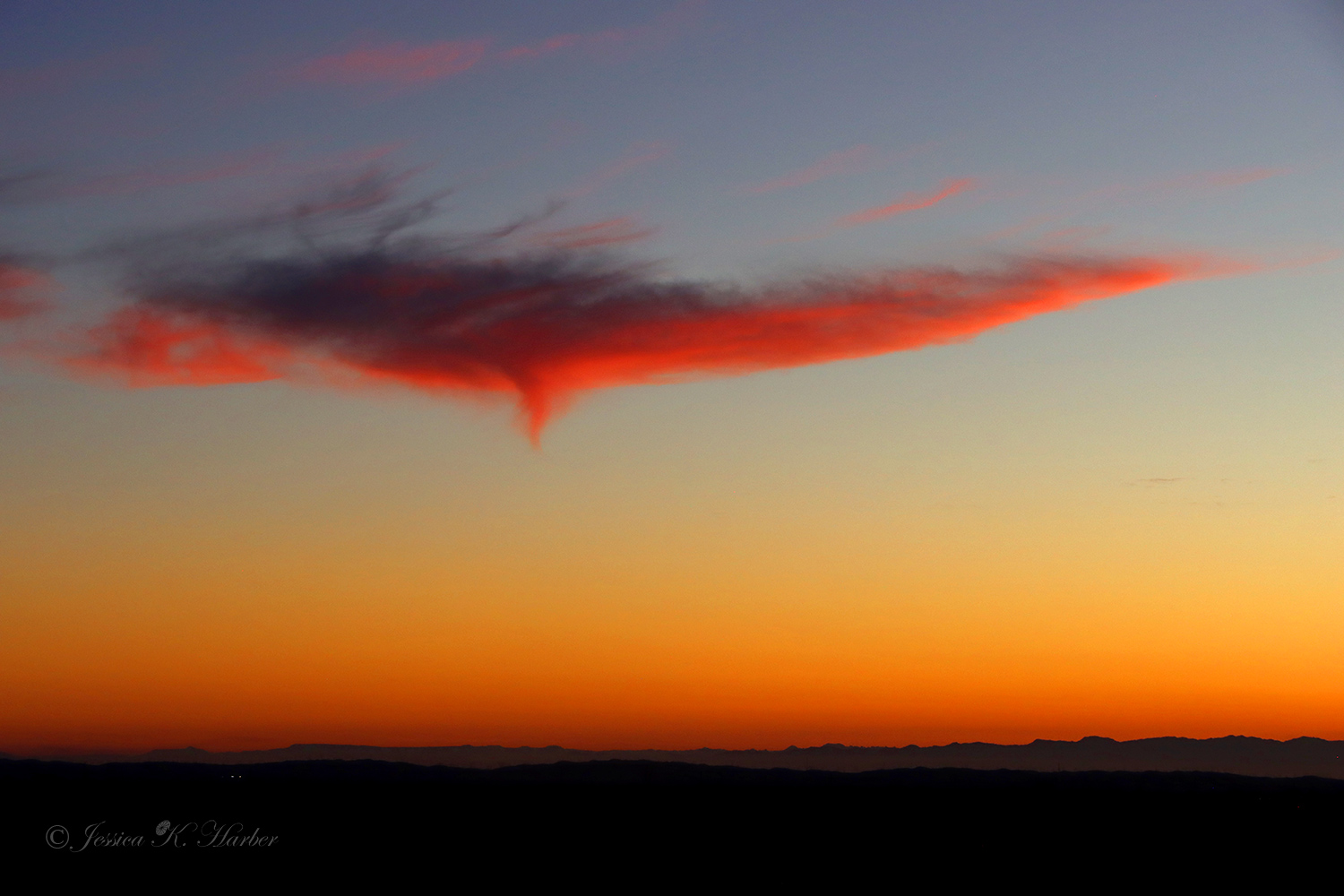
My photos from these stays ended up being mostly of weather and celestial events–at least until I got to Utah. It was a pretty part of the state that I had not visited before. After that, I decided to head to Texas for an event I’d been wanting to attend for some years.
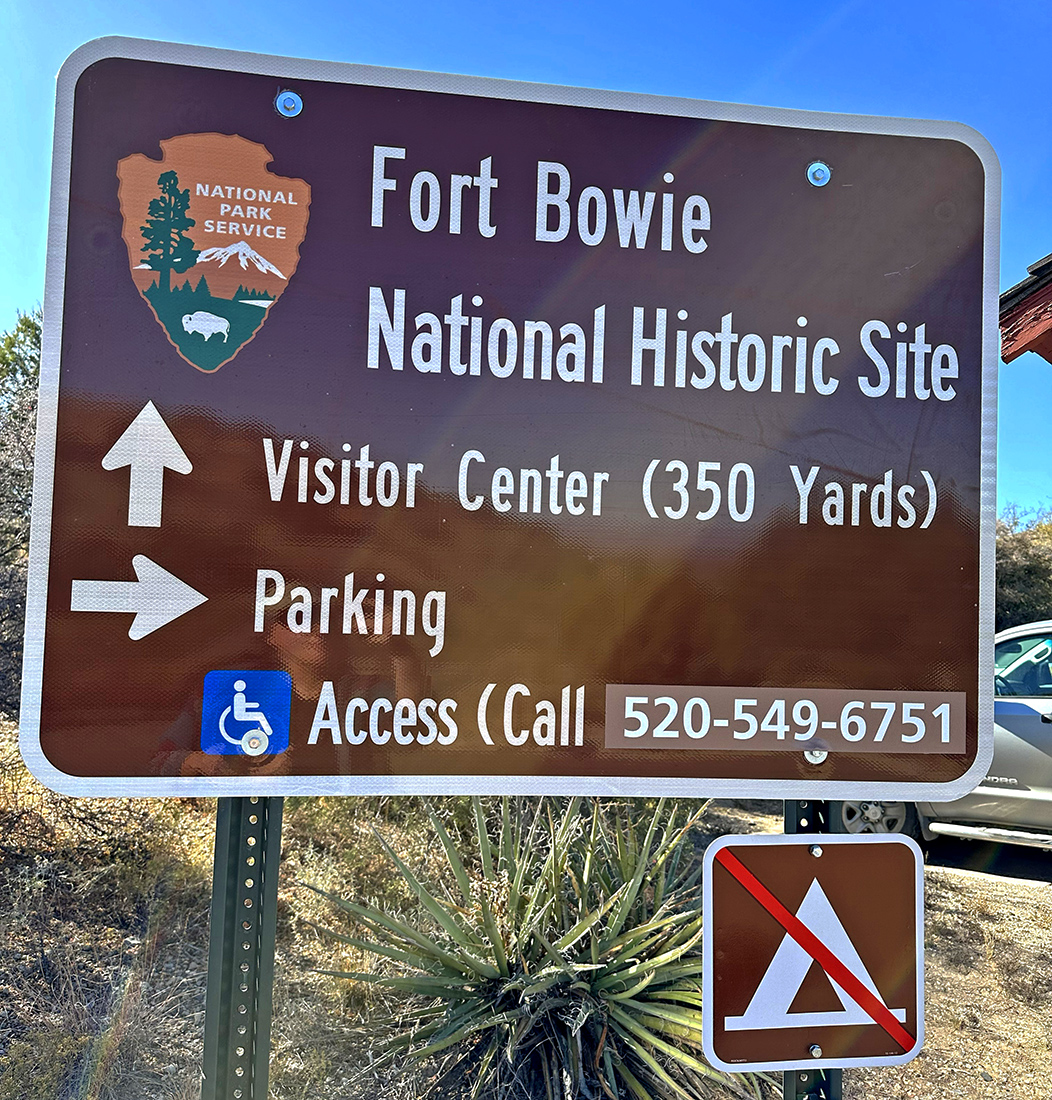
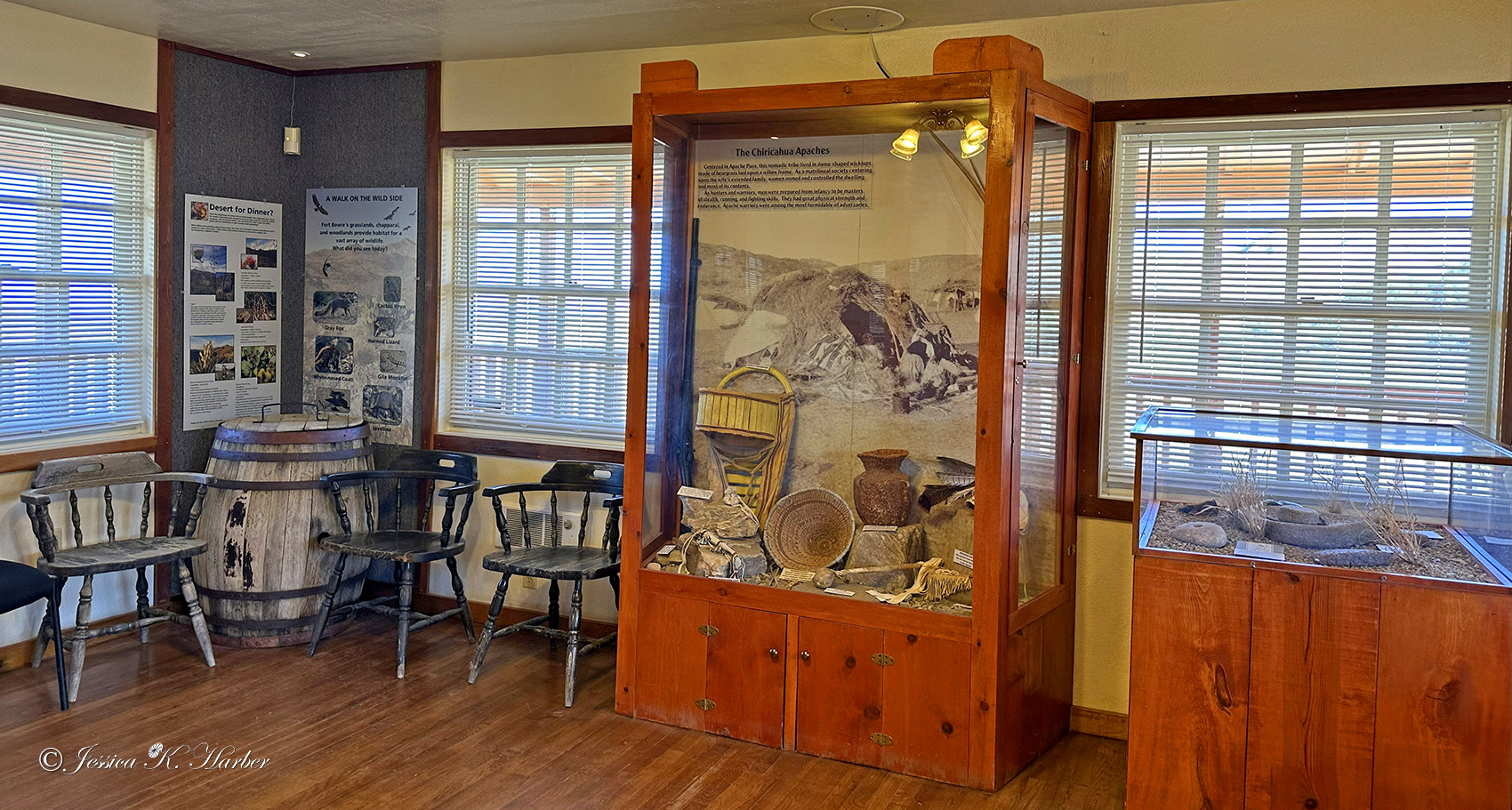
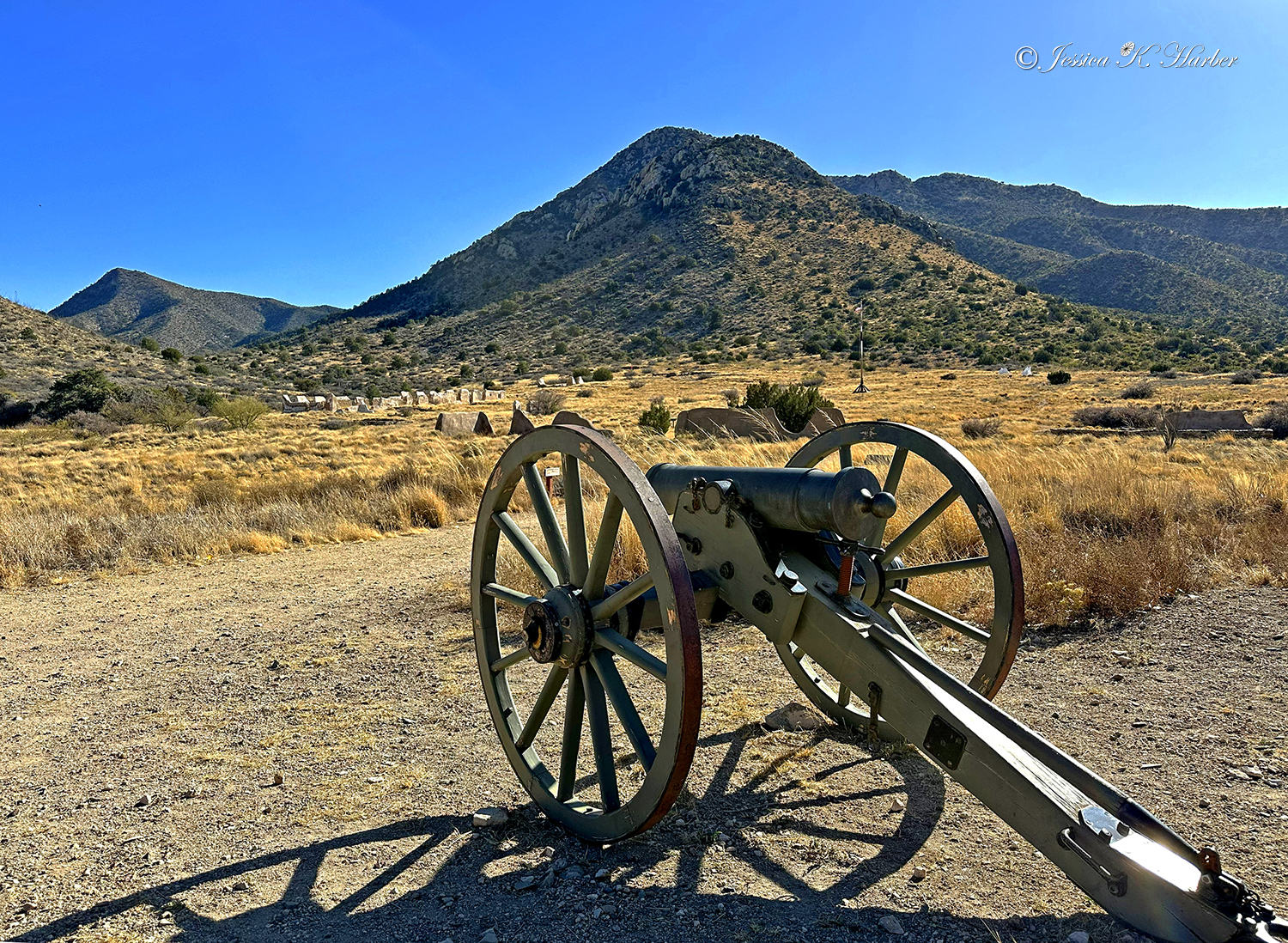
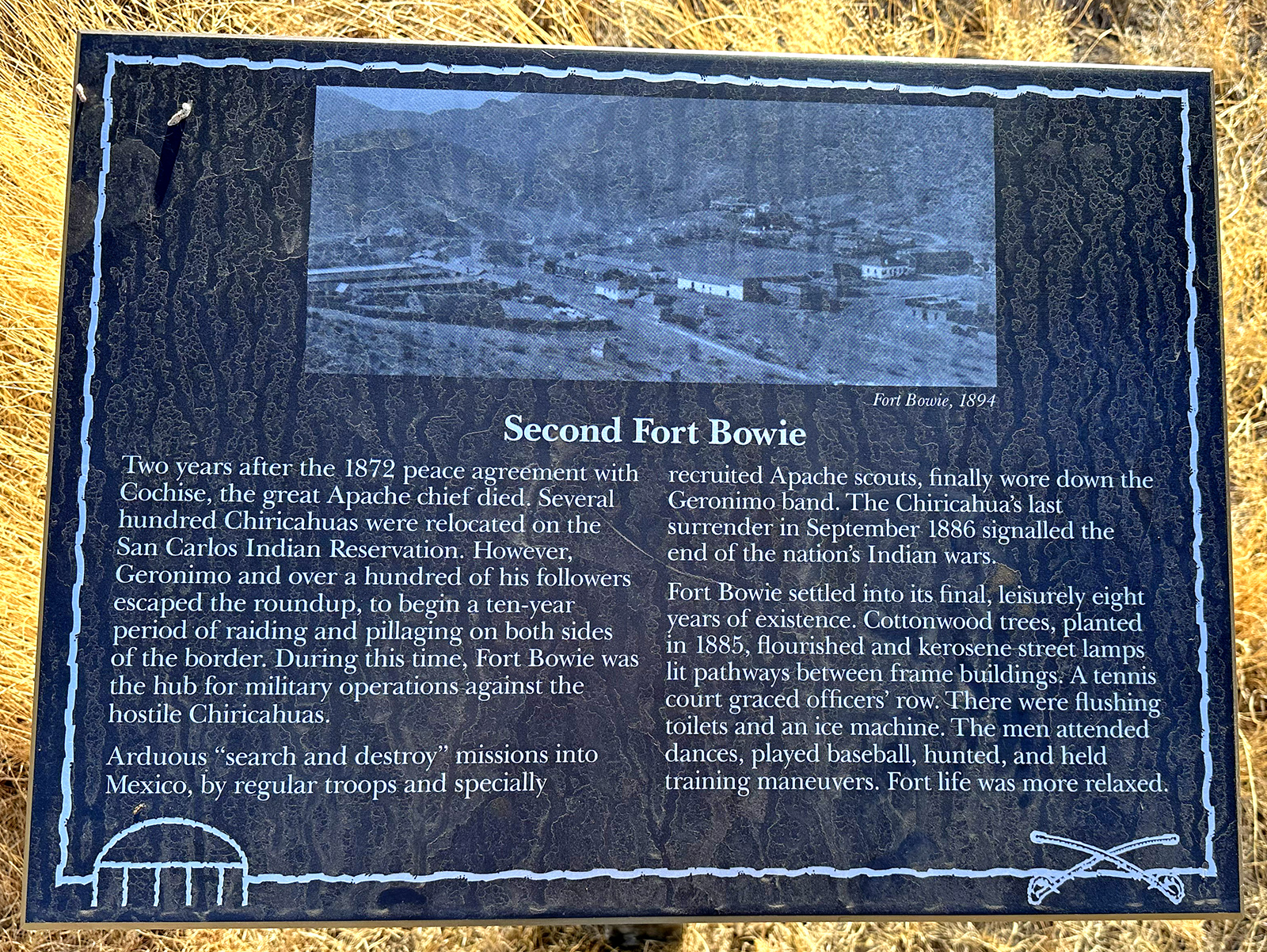
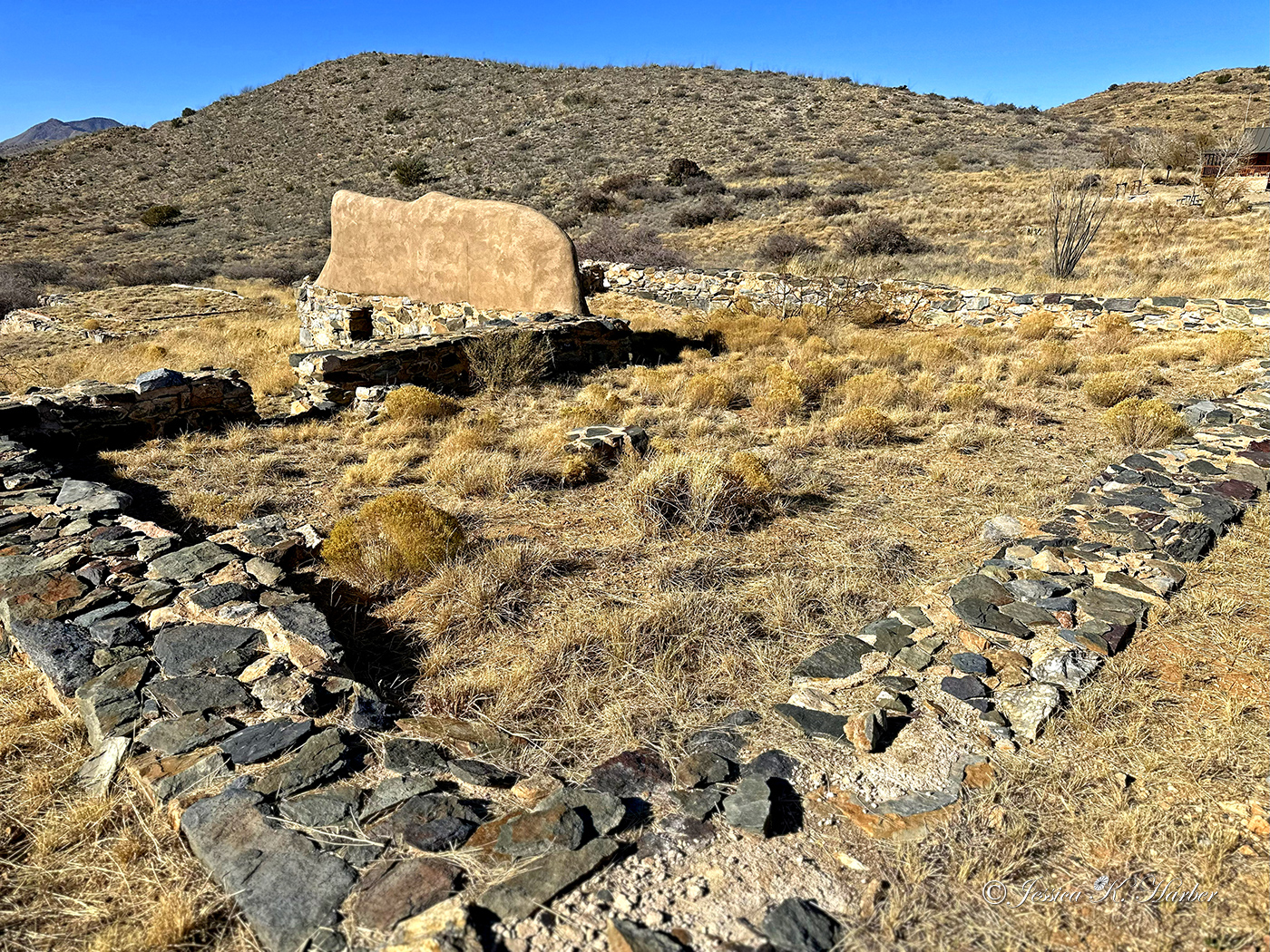
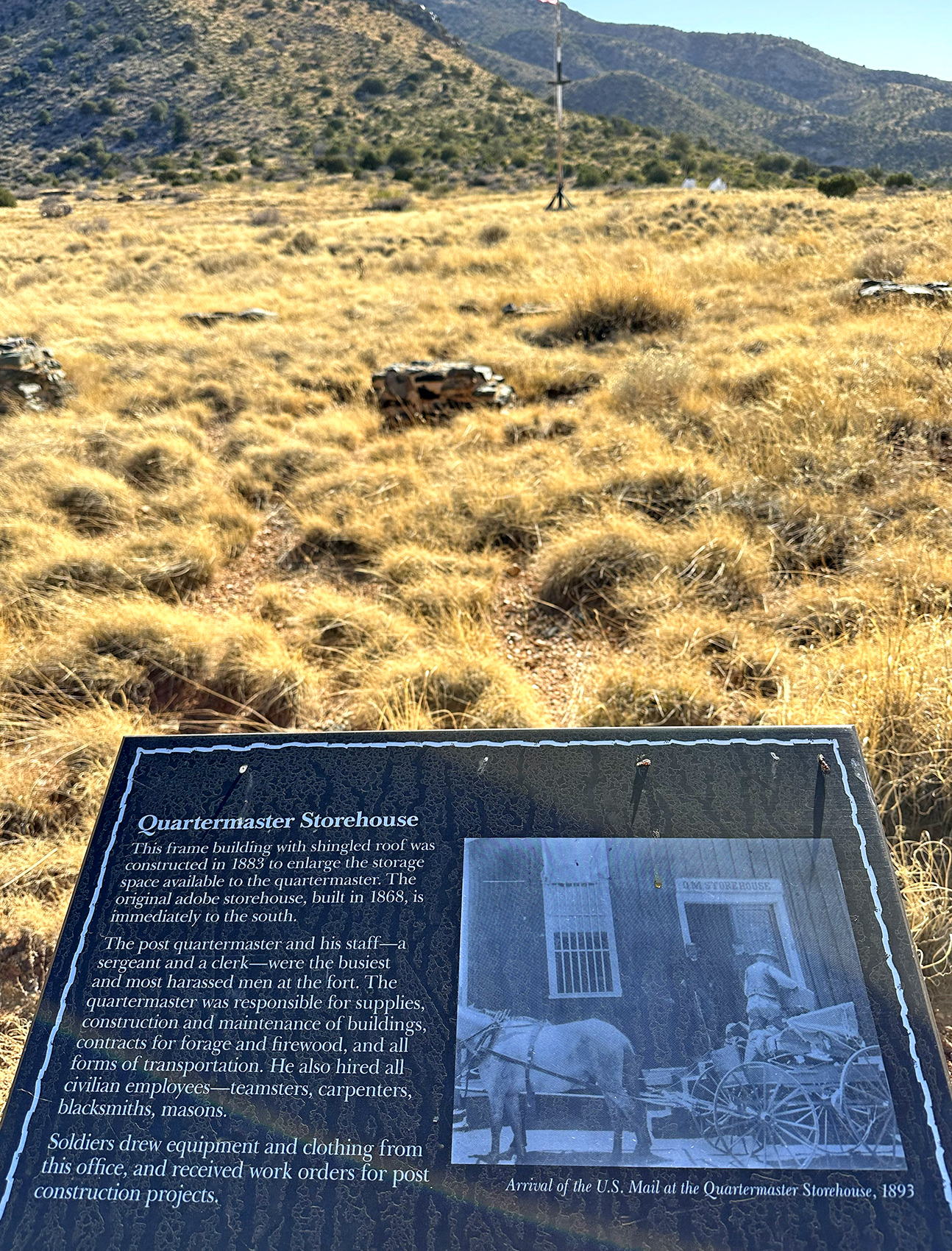
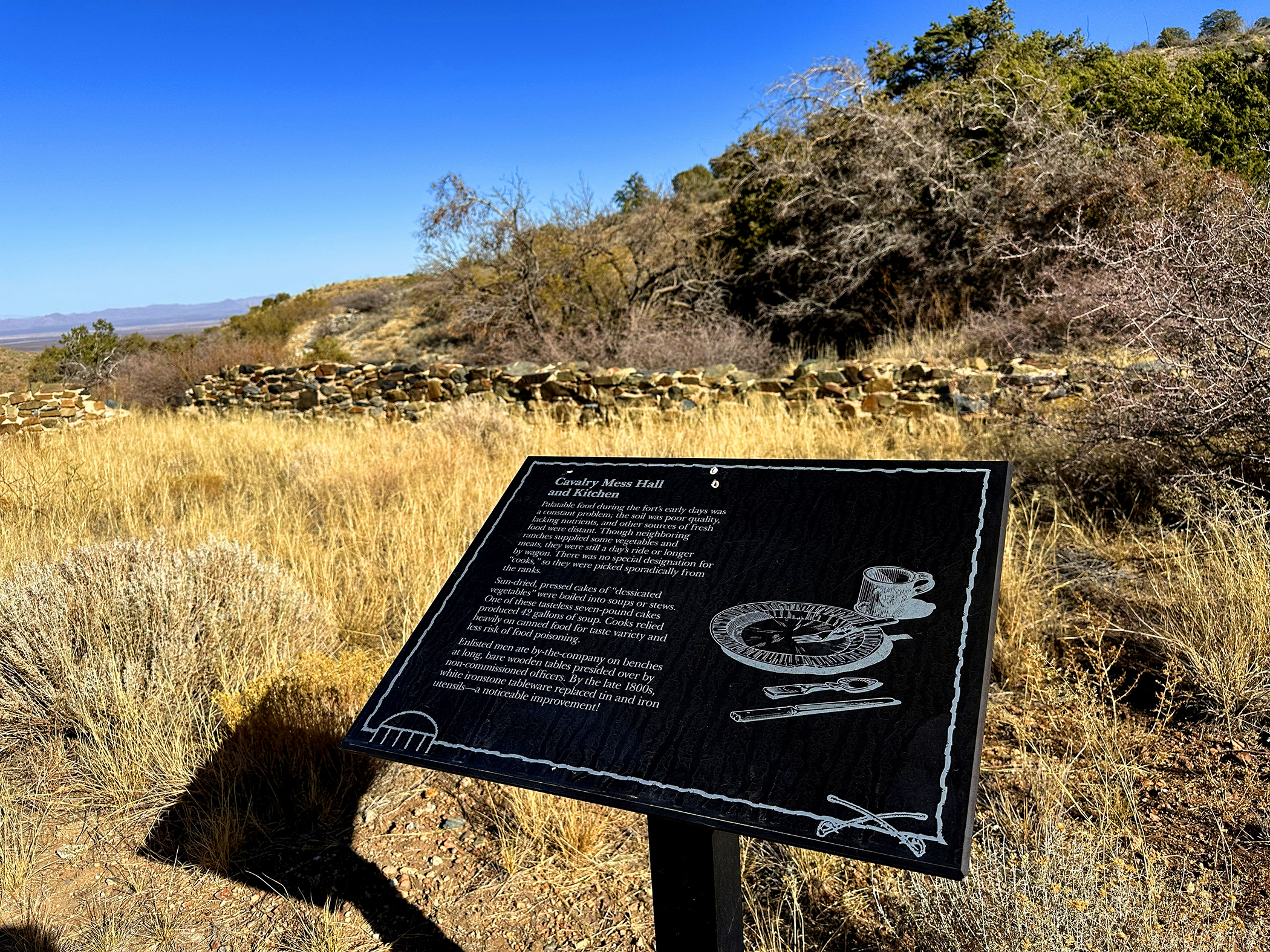
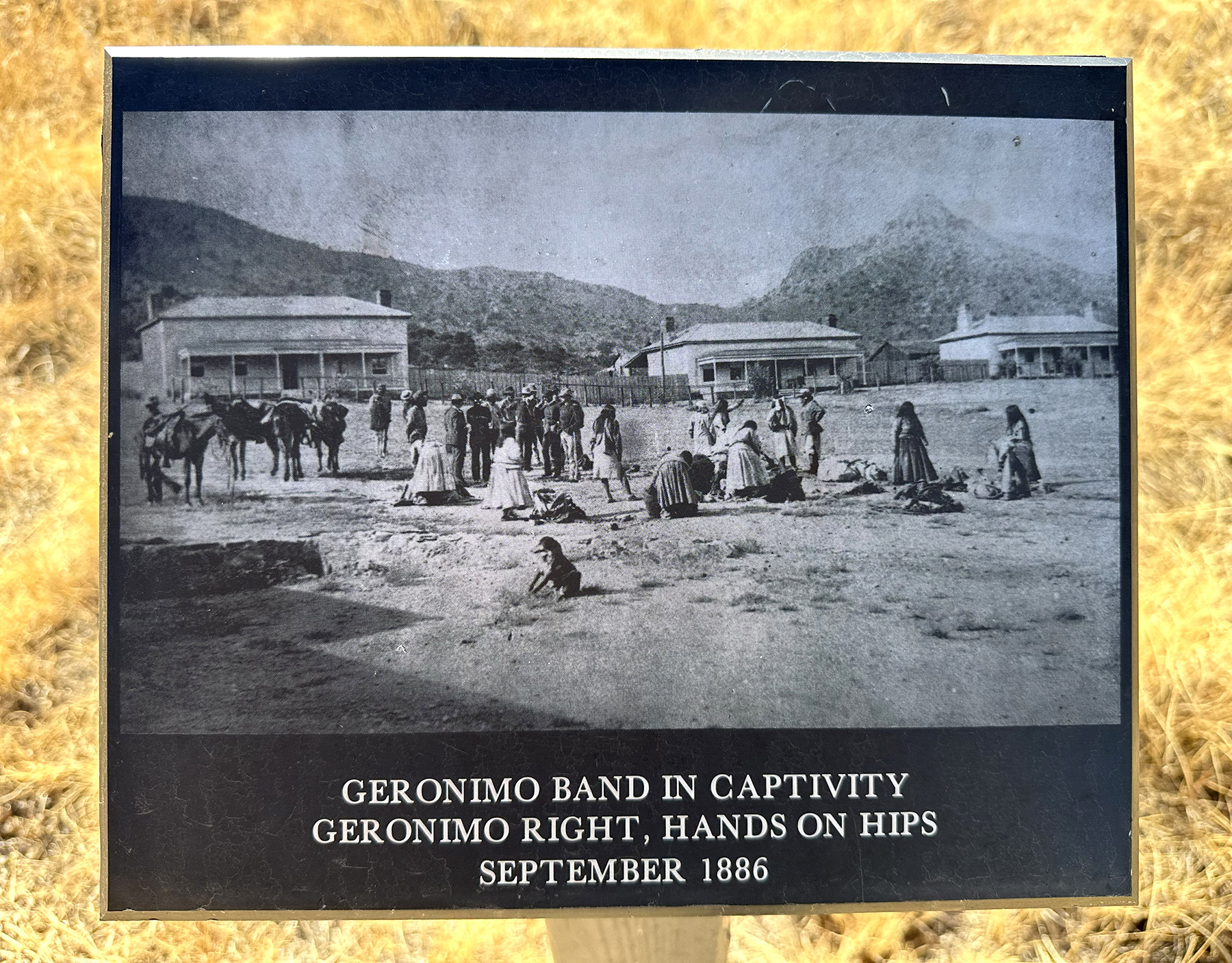
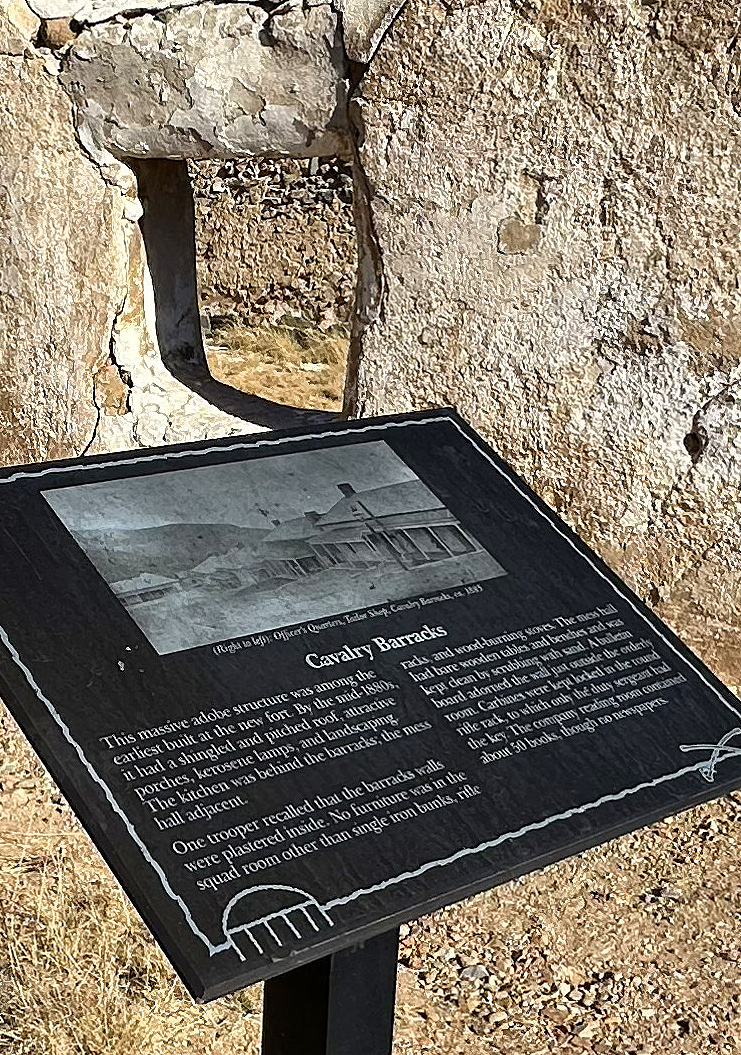
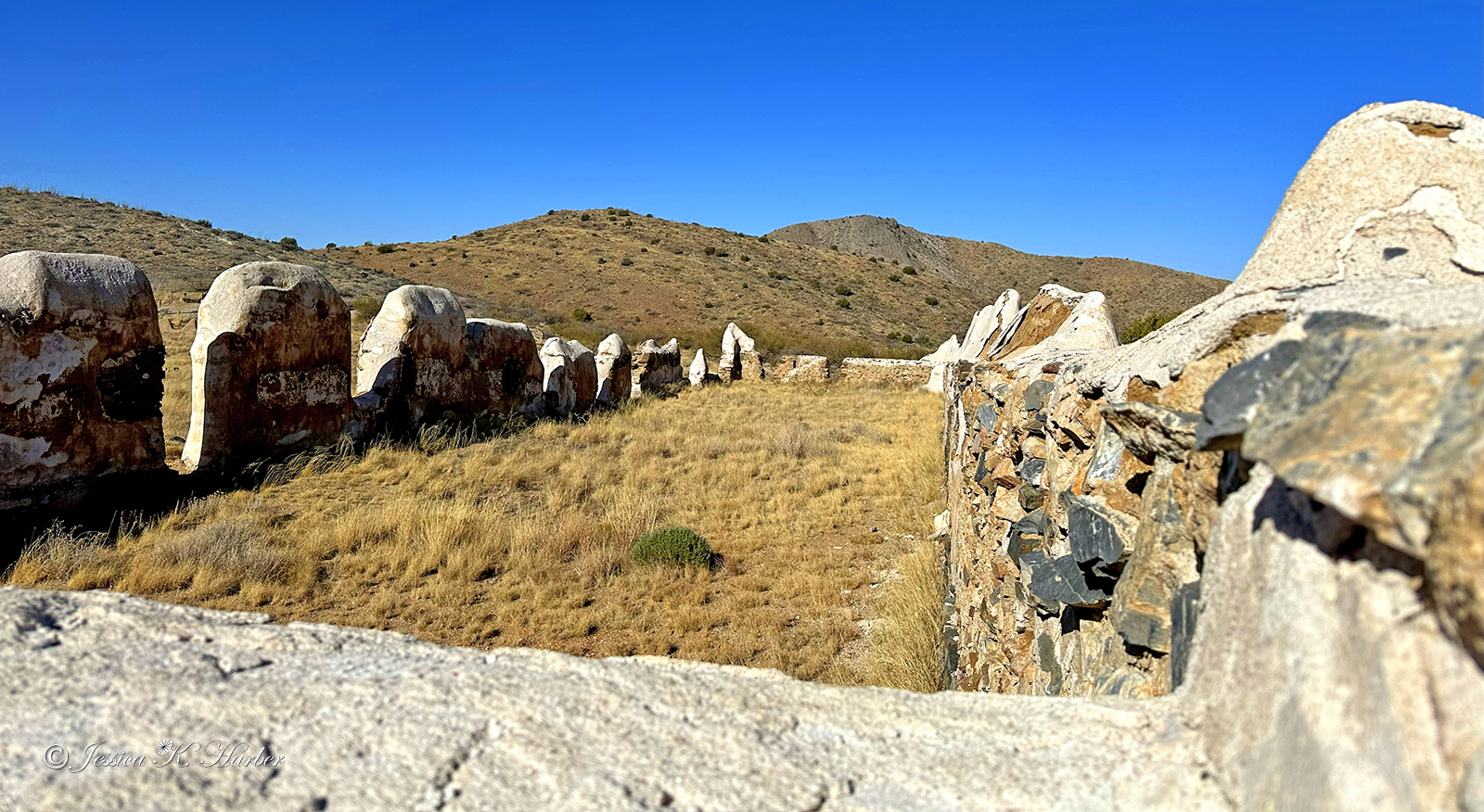
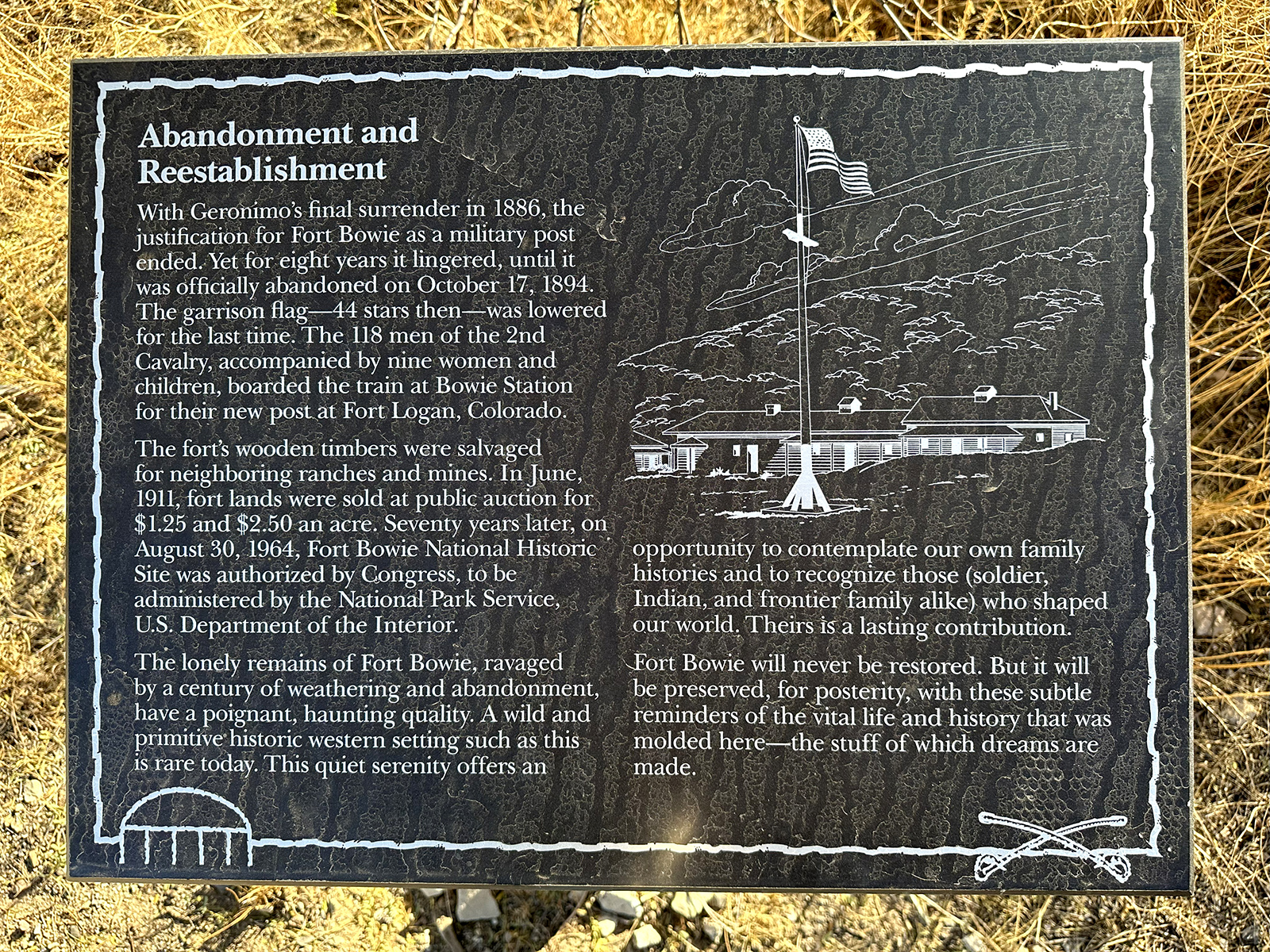
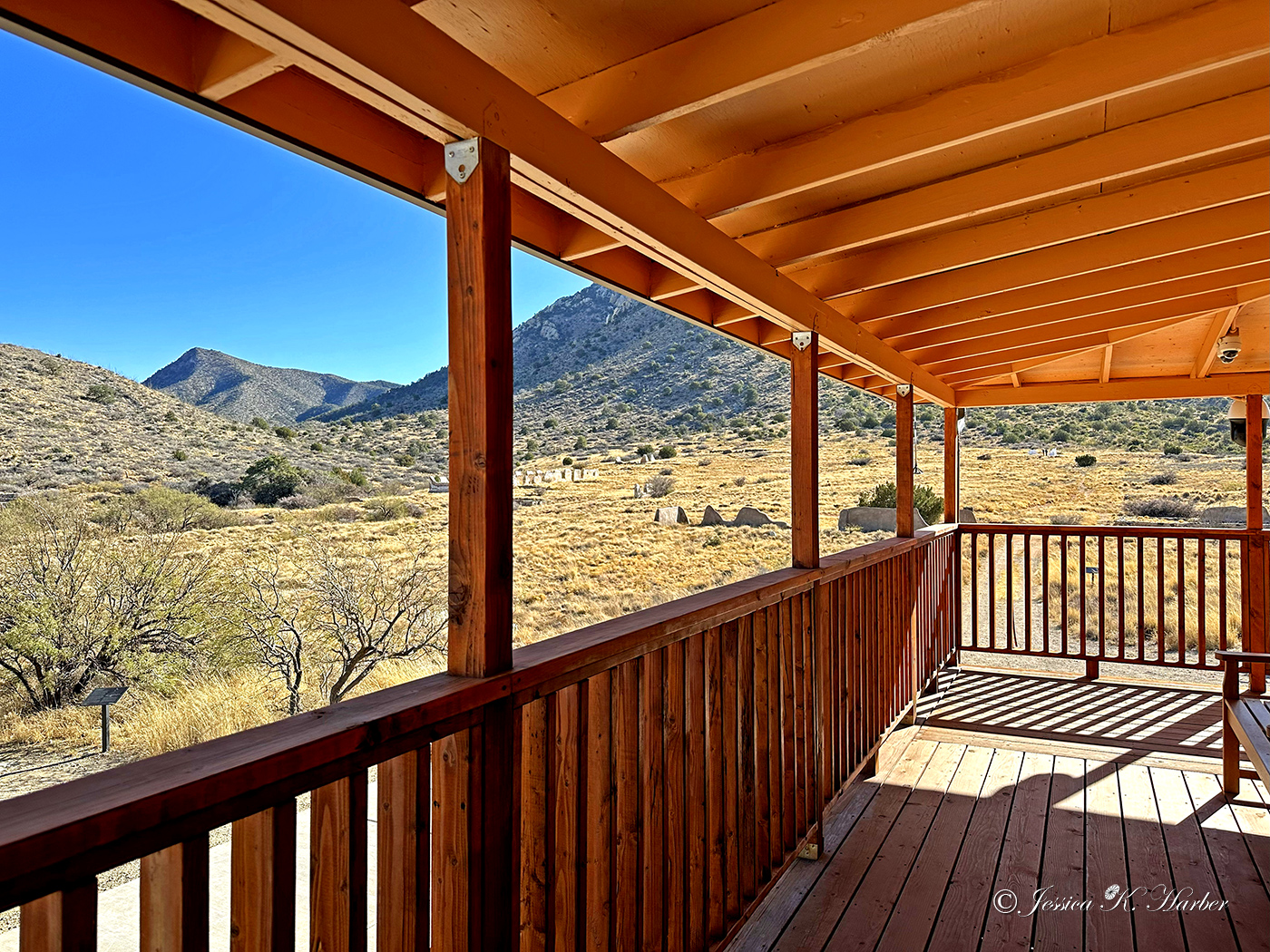
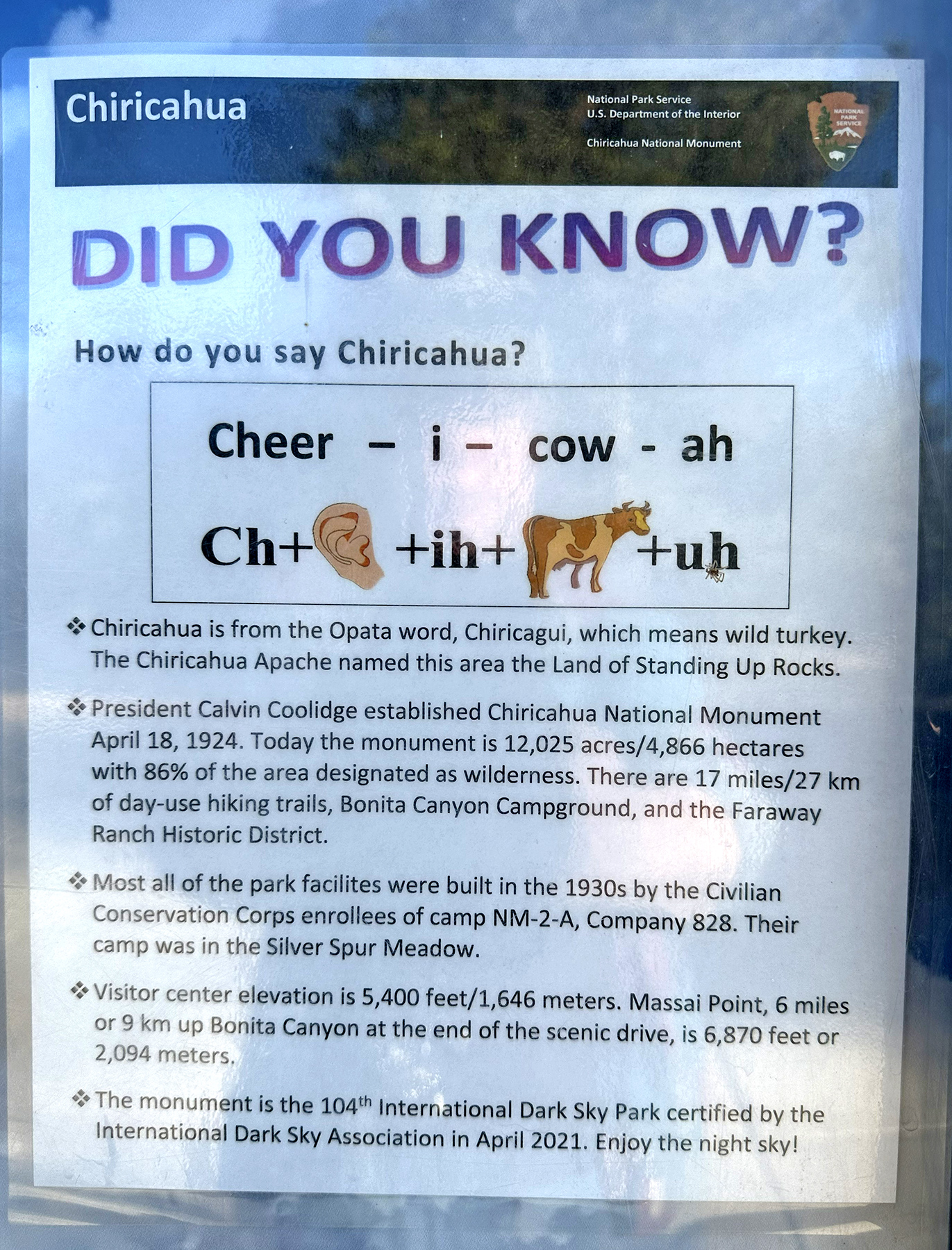
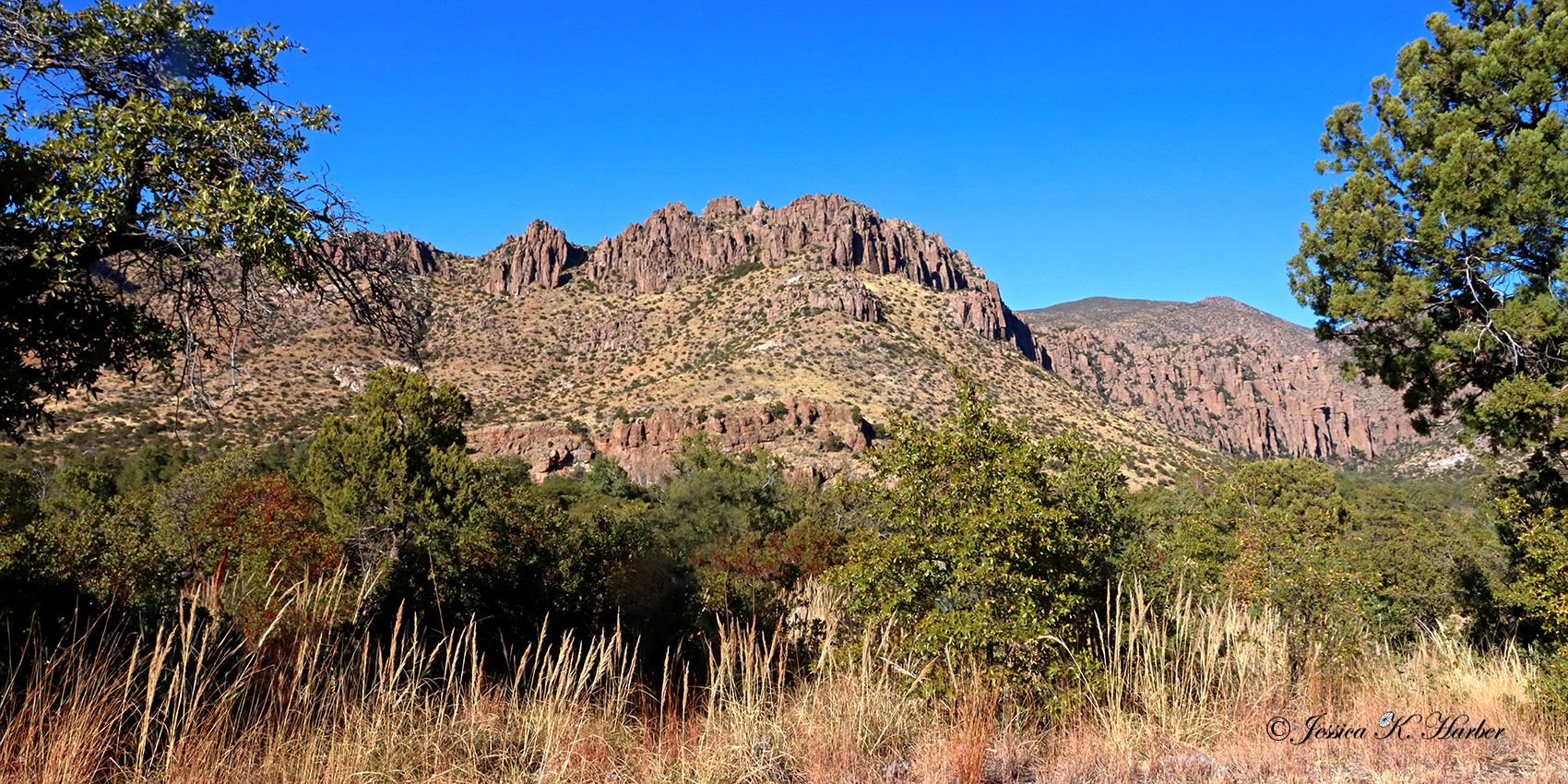
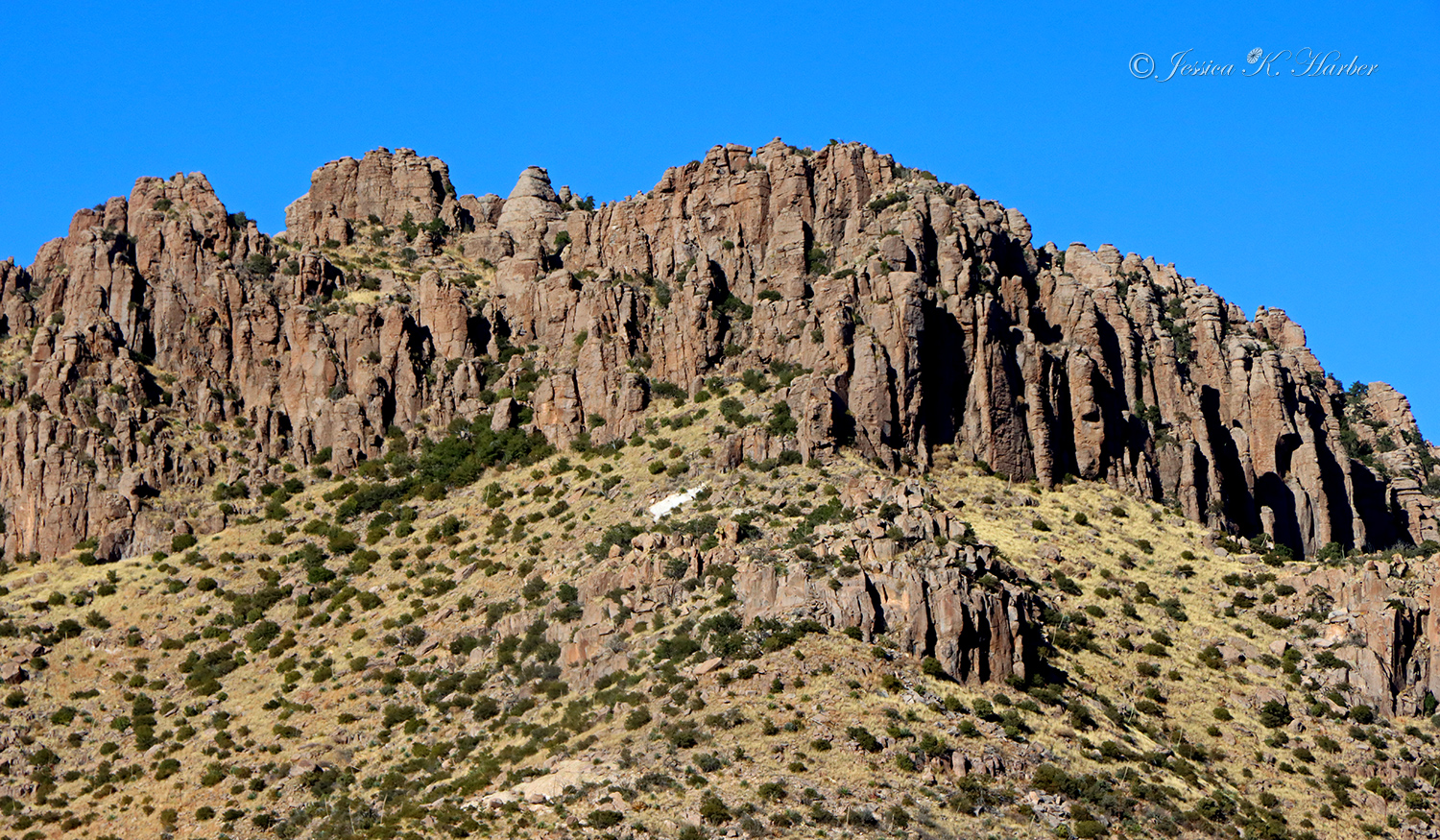
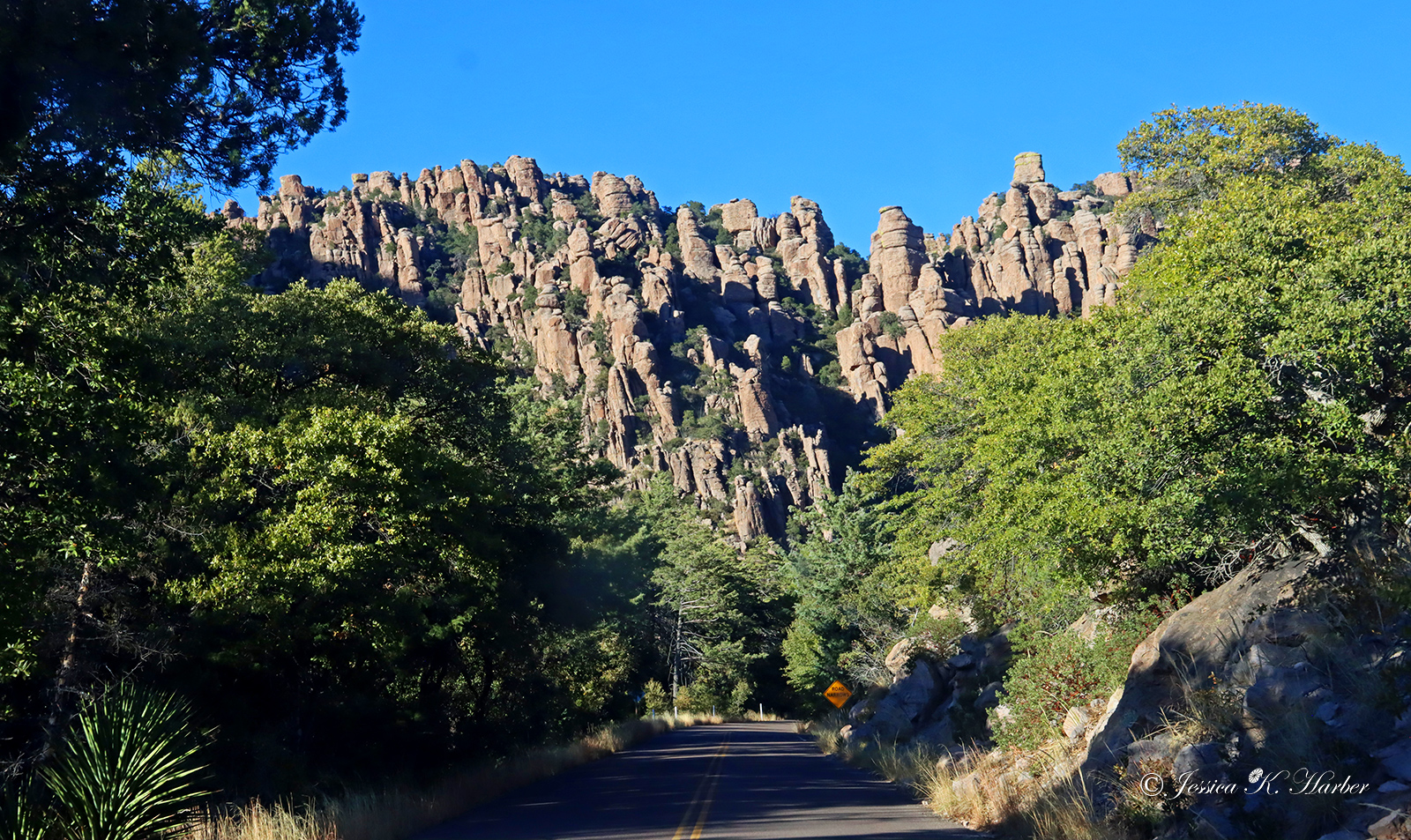
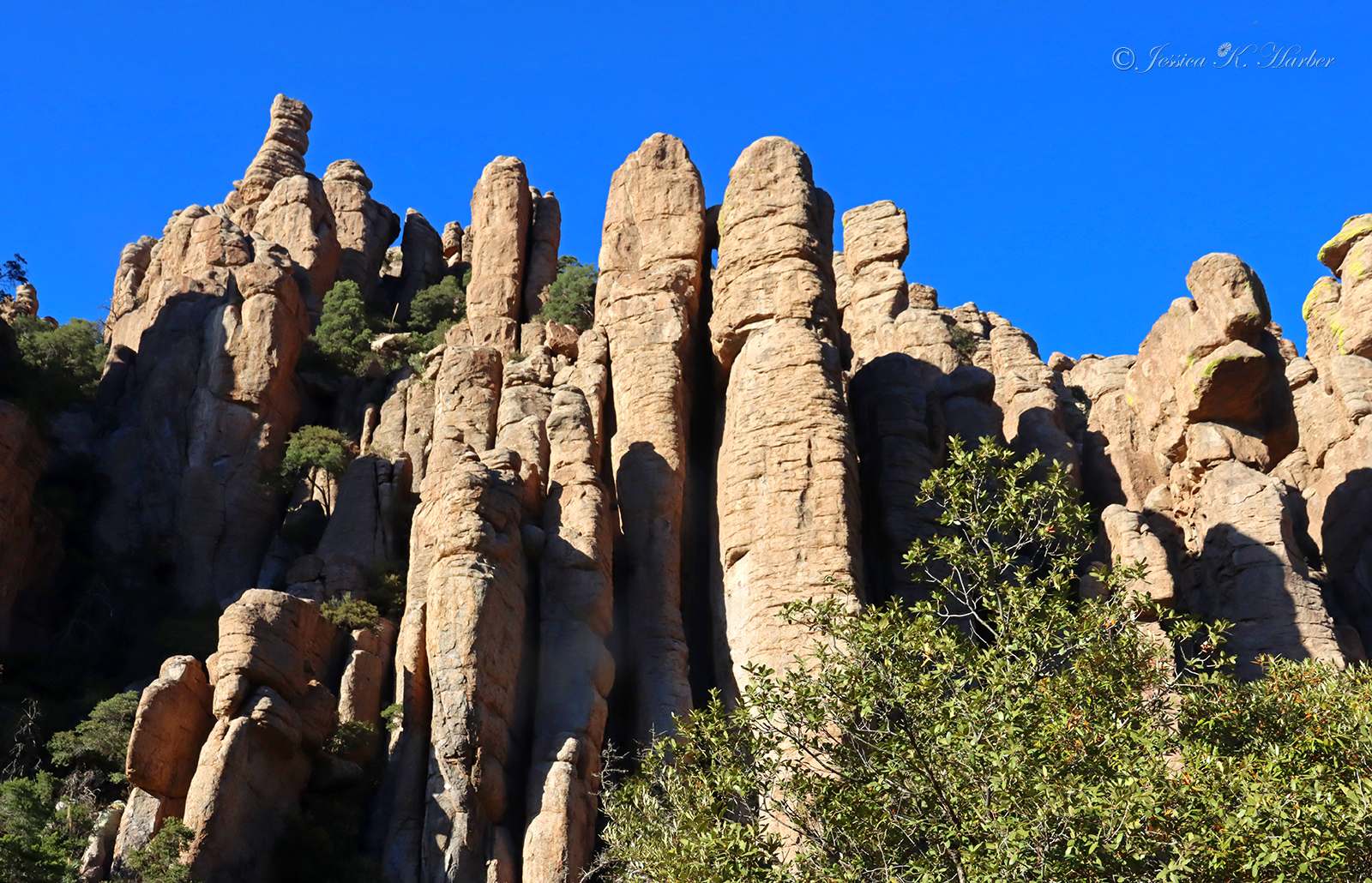
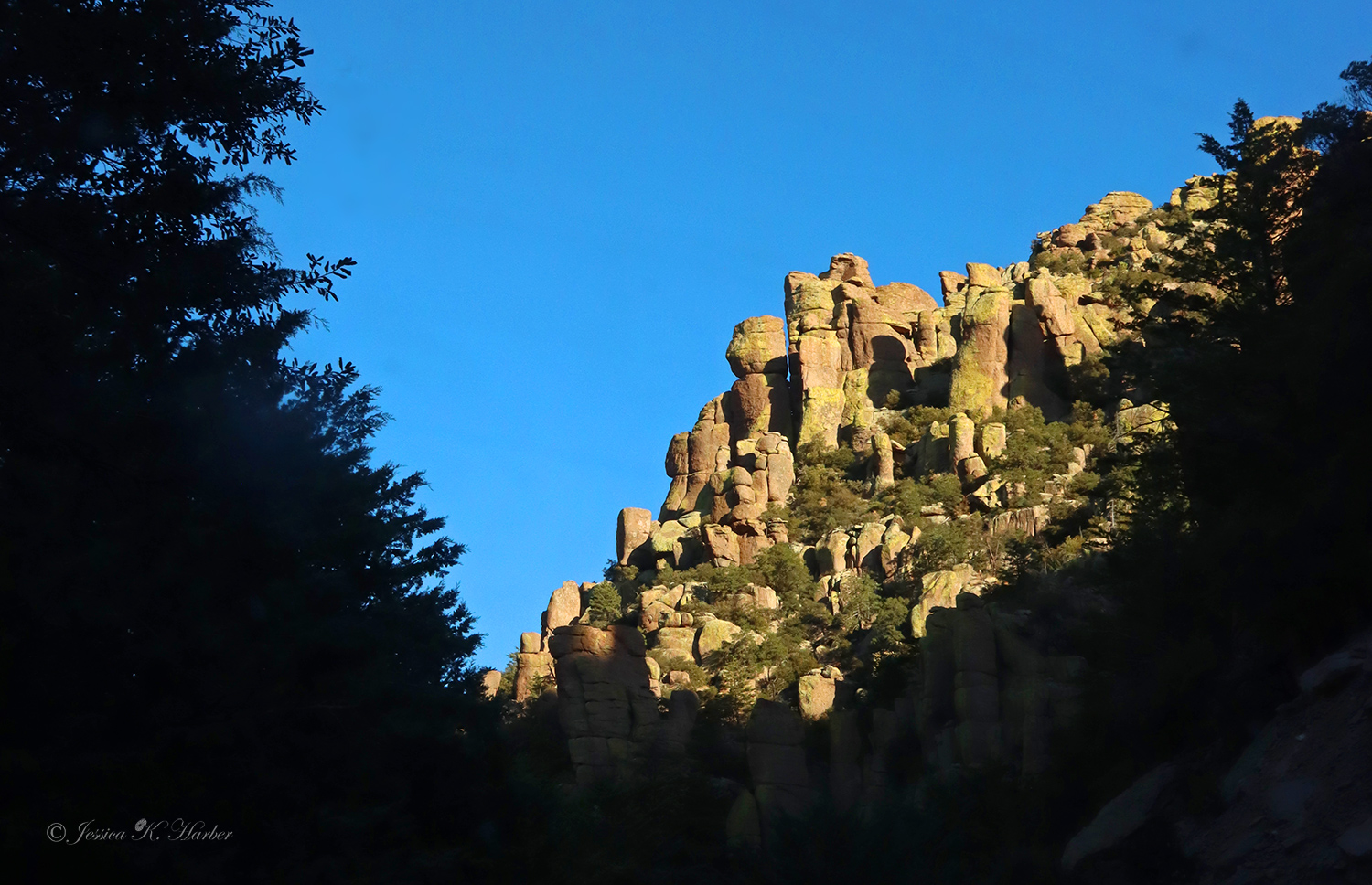
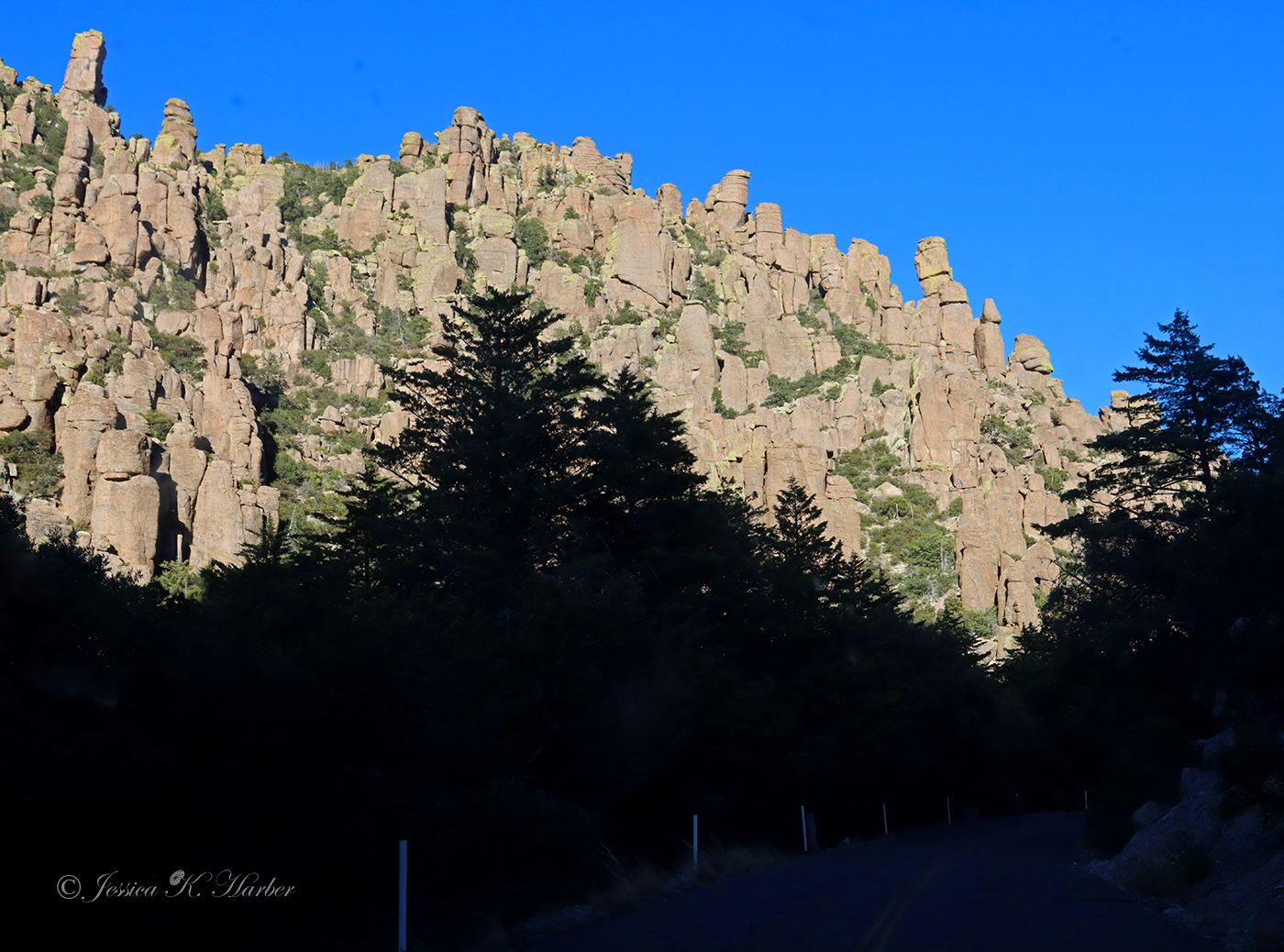
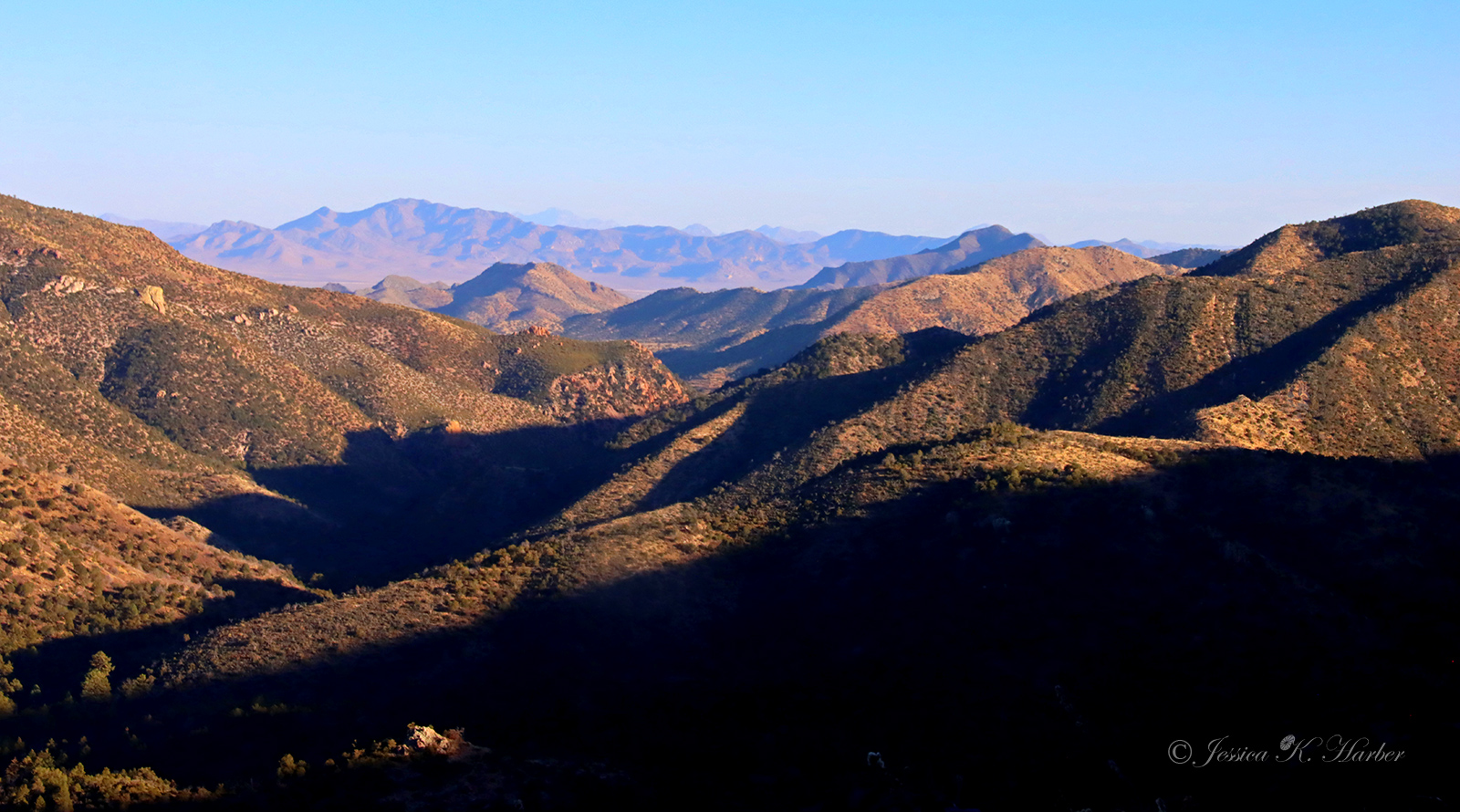
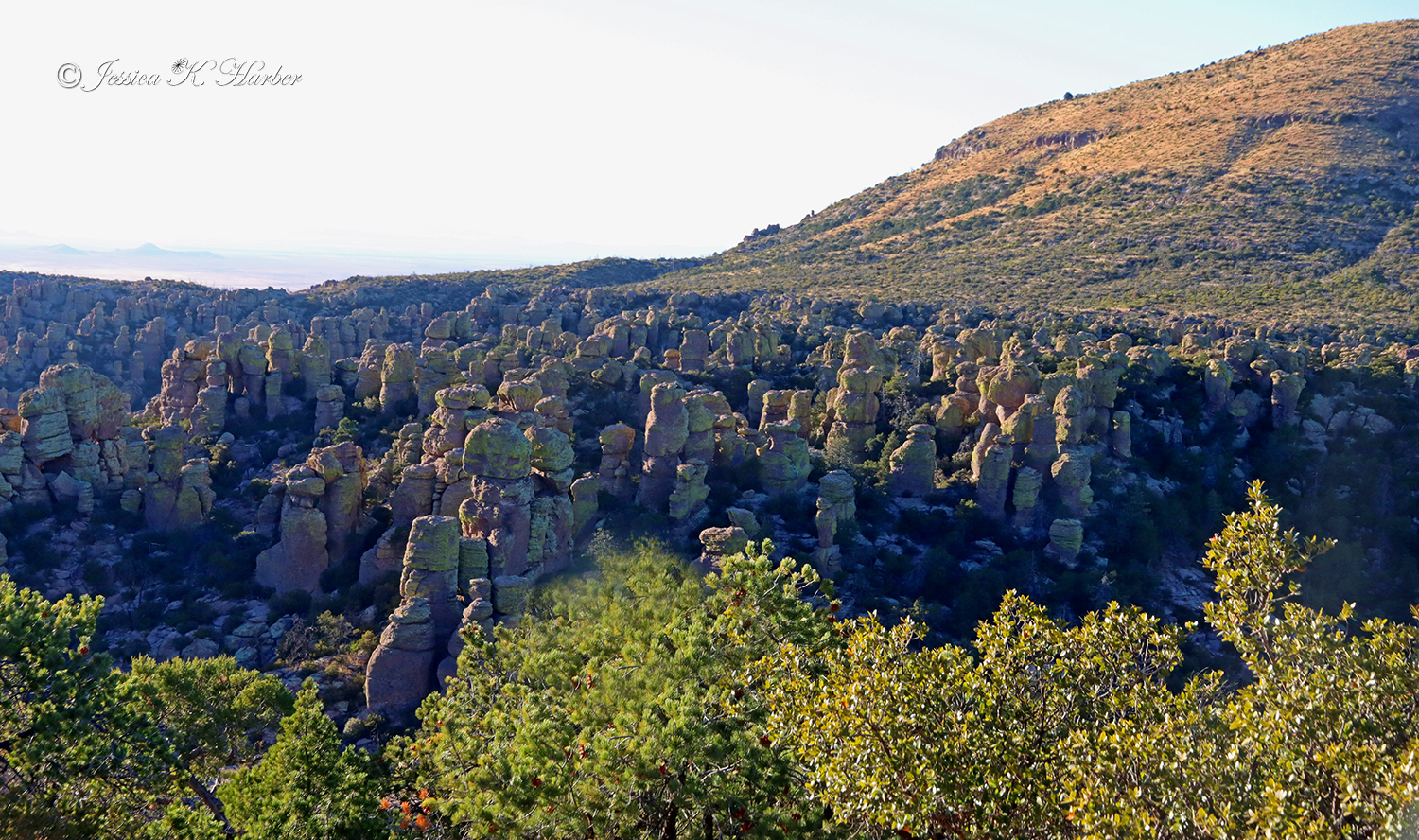
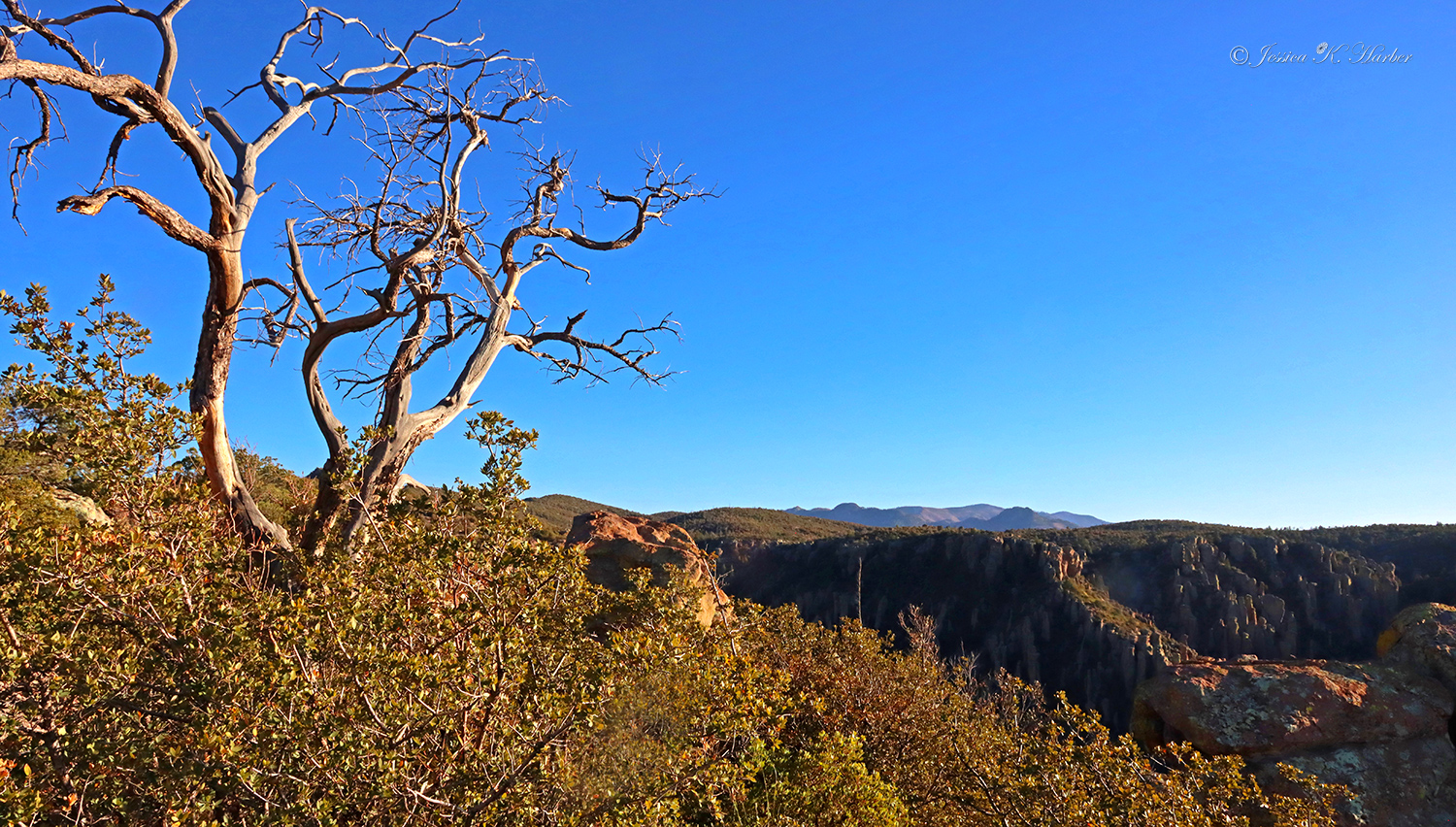
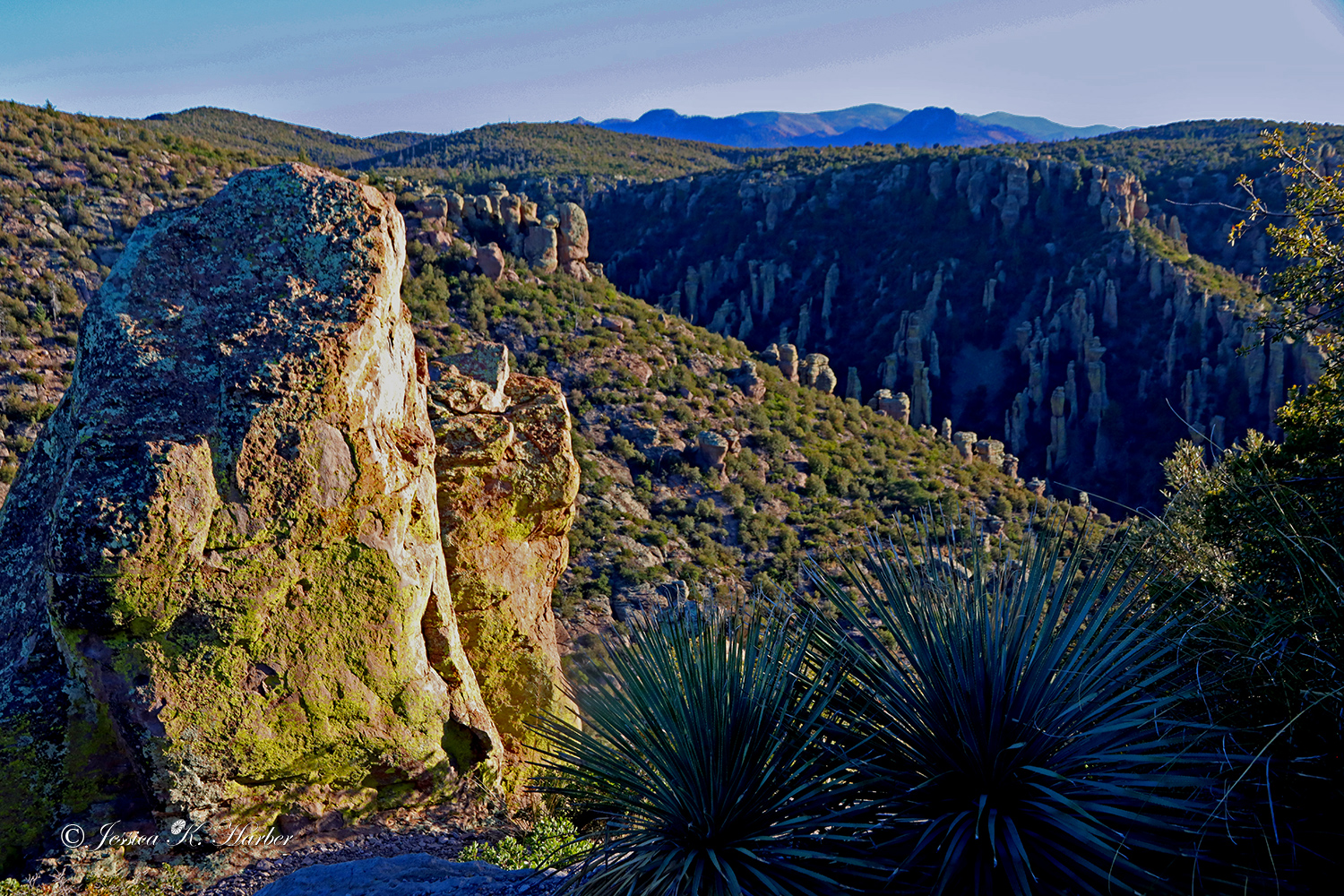
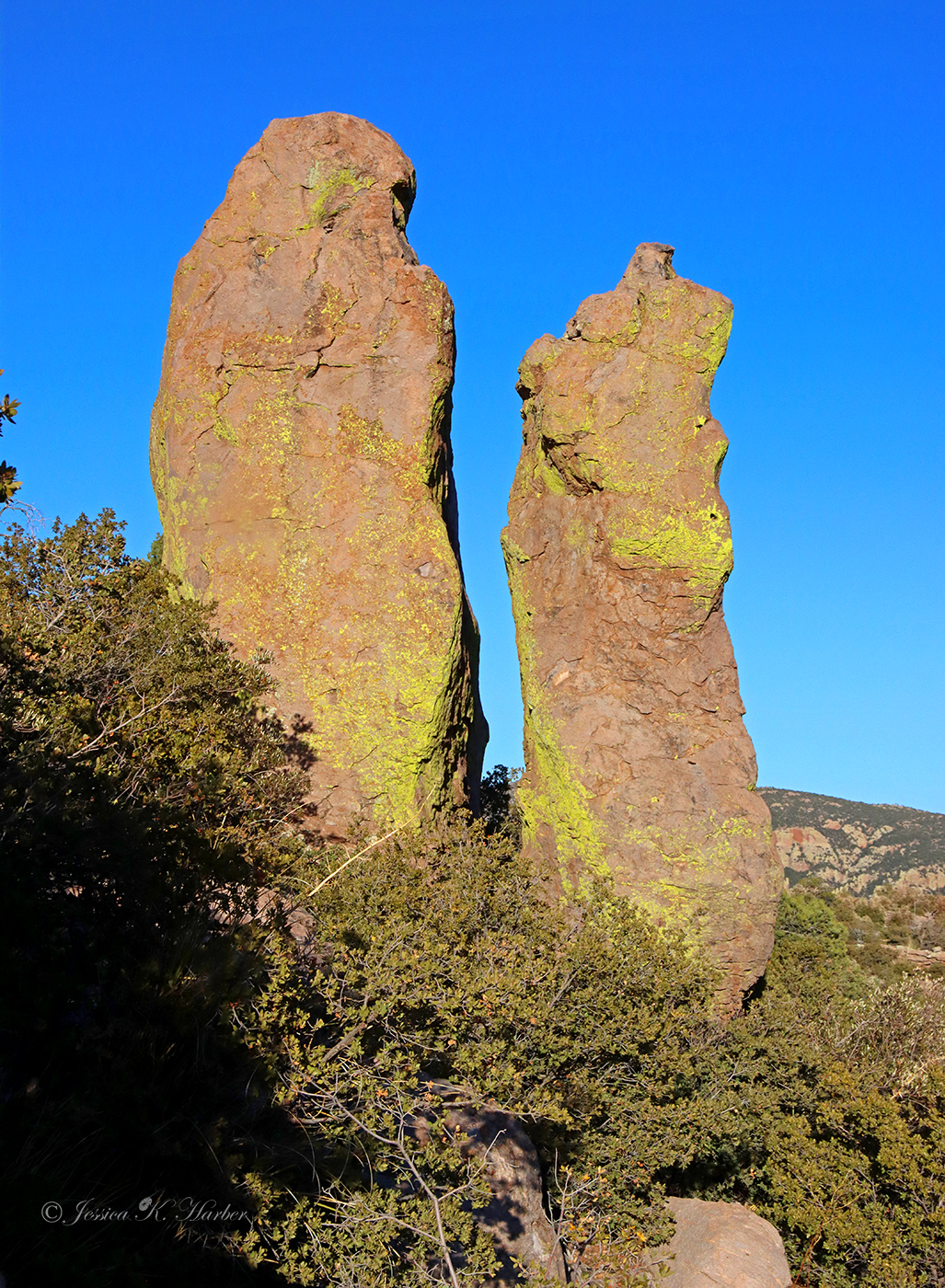
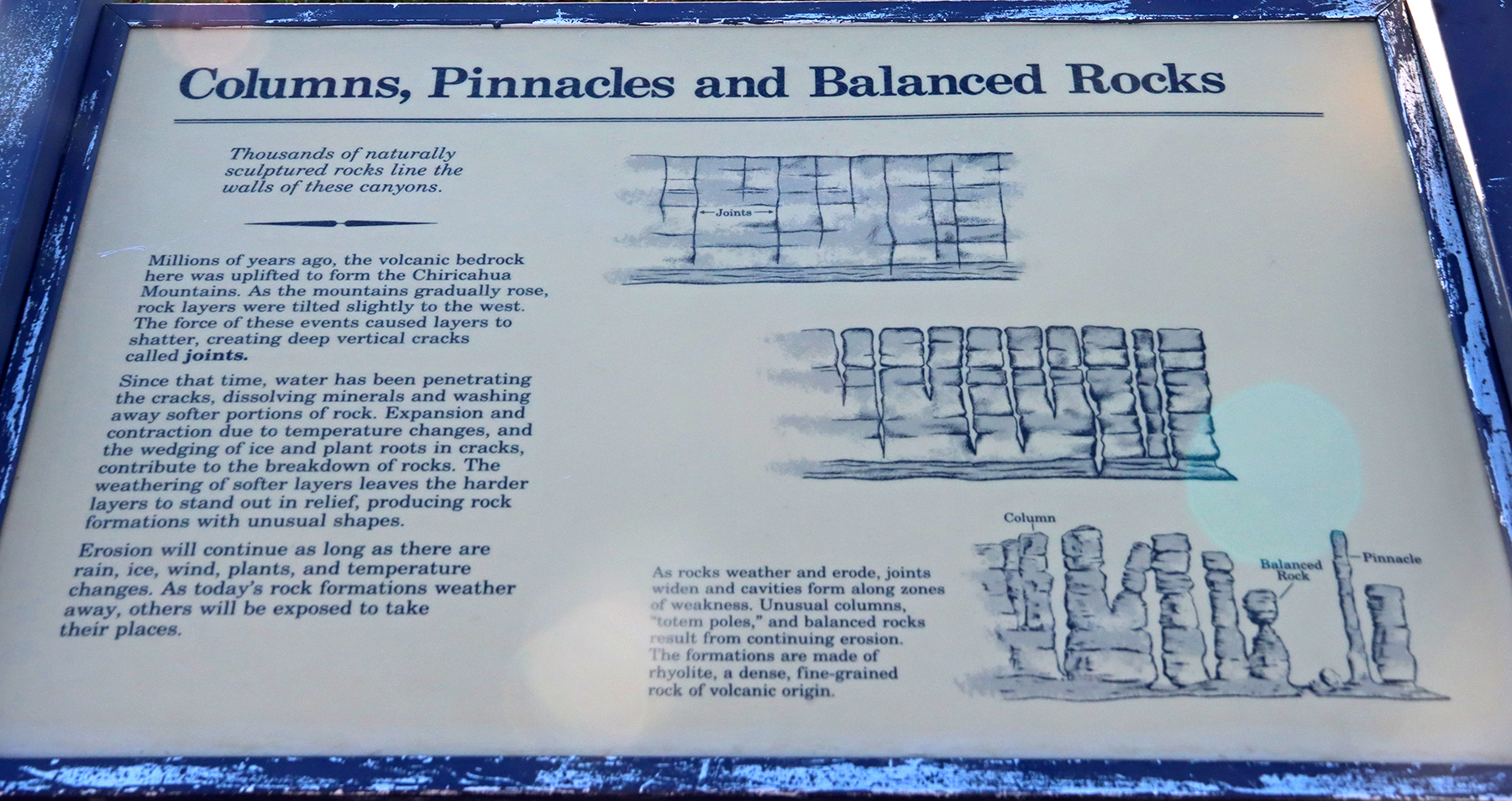
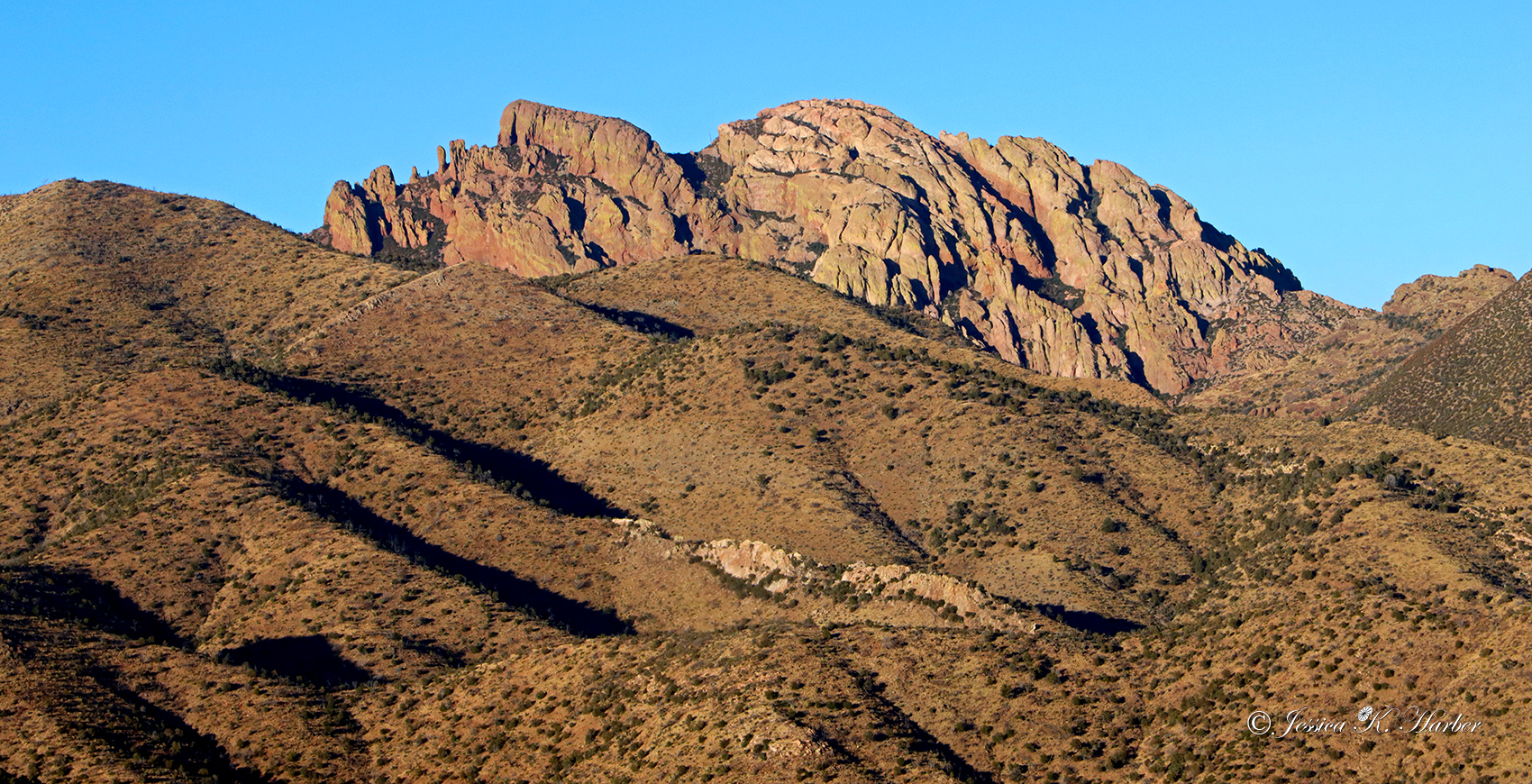
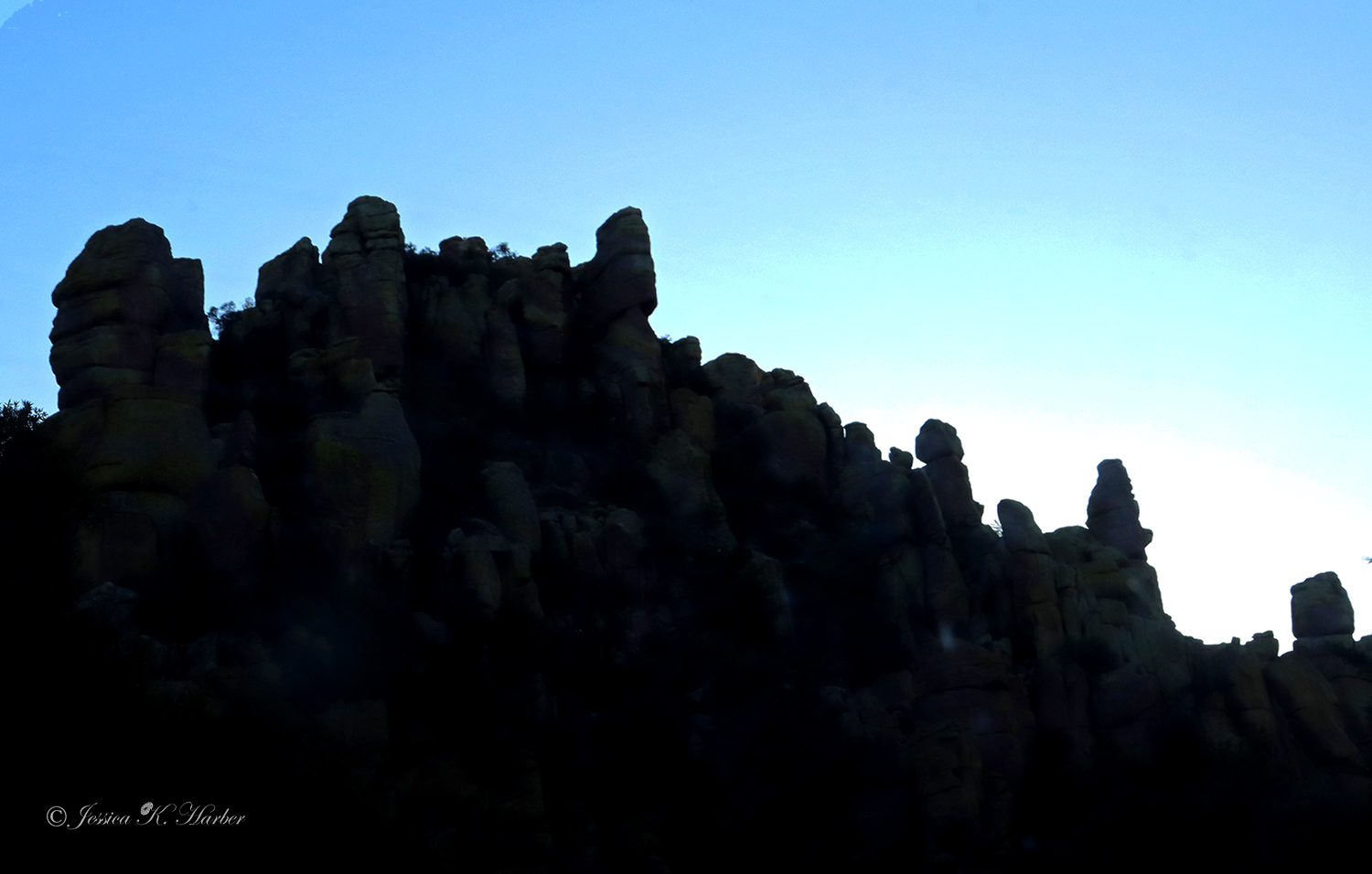
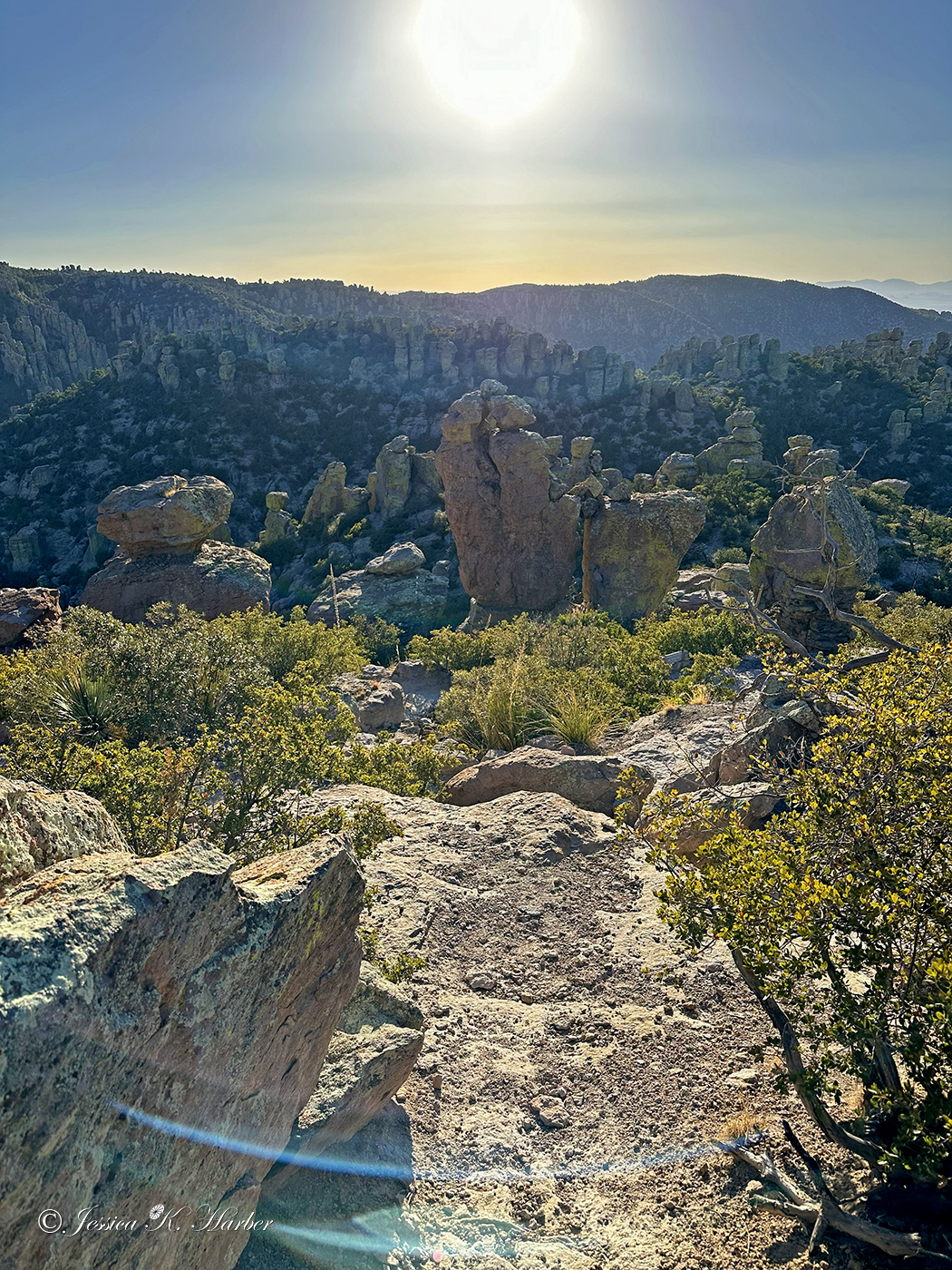
I started heading even further south toward some friends’ house in Tucson with a camping stop in Southern California near Yuma. While getting vehicle repairs in Tucson, I visited a couple NPS sites, Fort Bowie National Historic Site and Chiricahua National Monument.
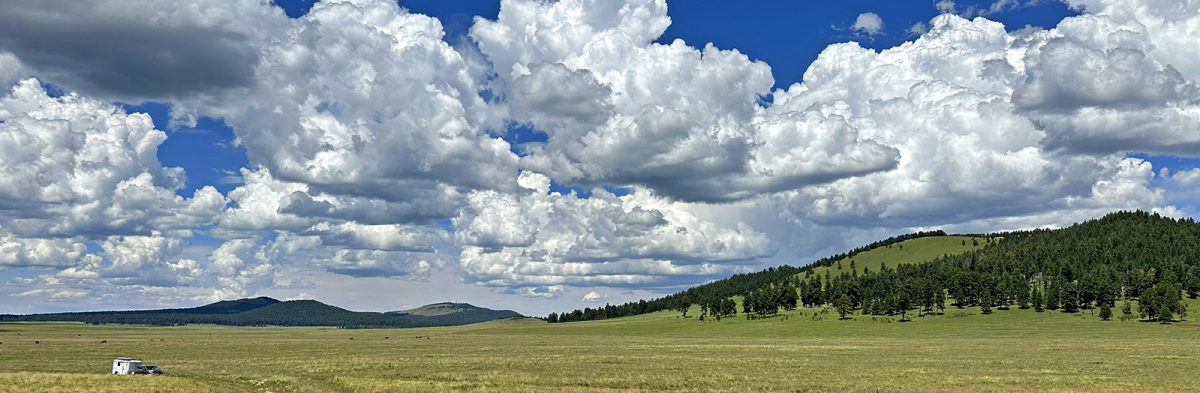
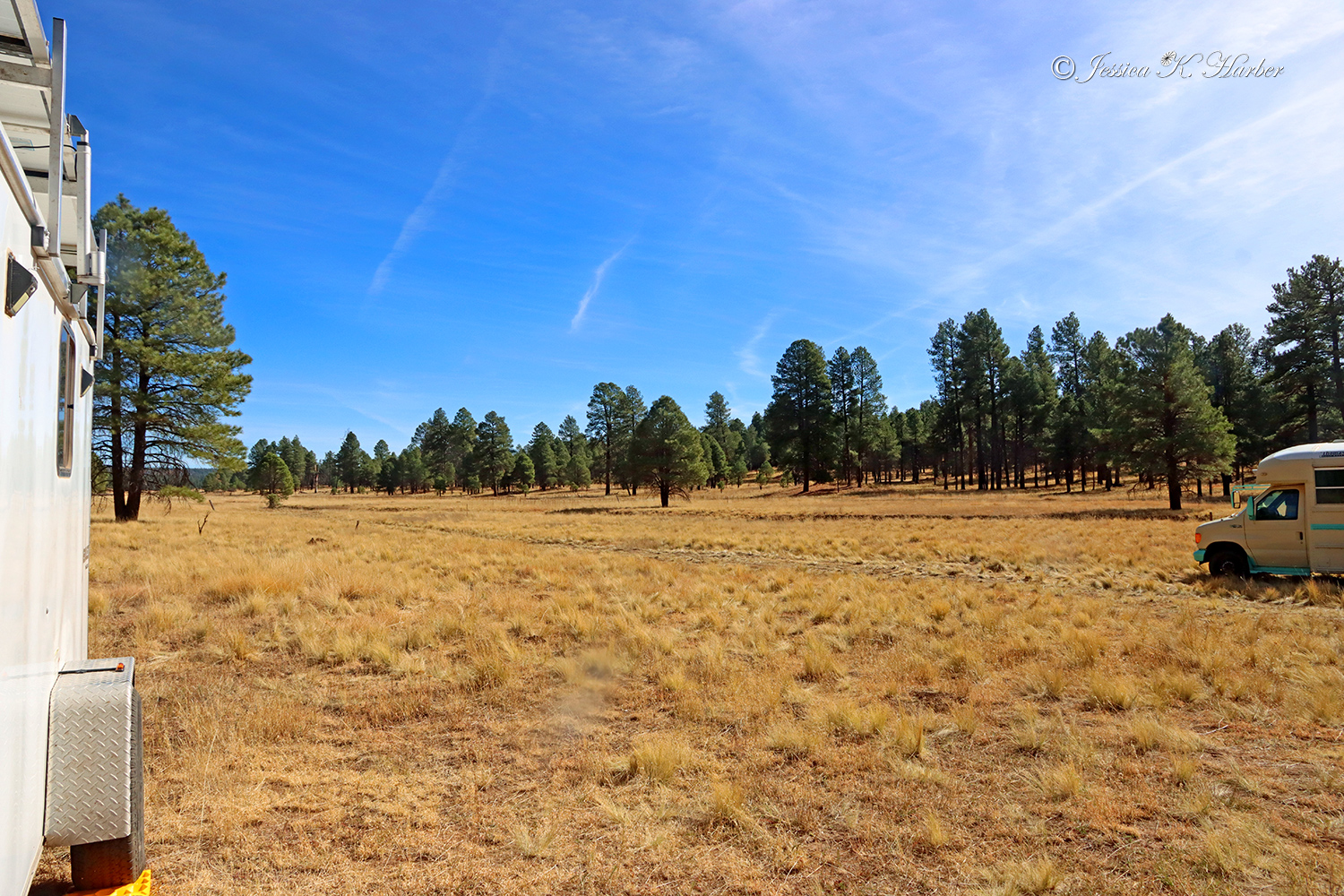
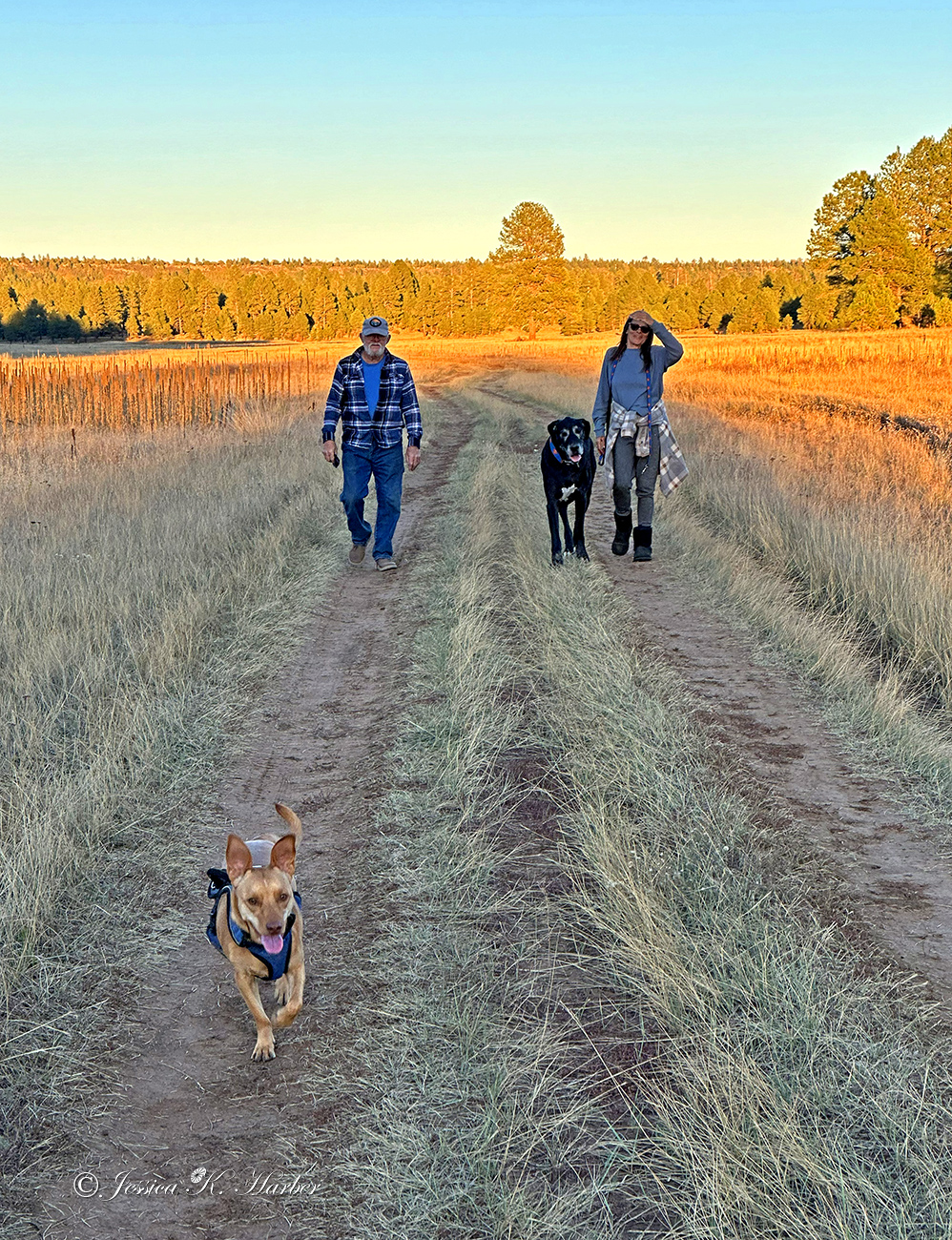
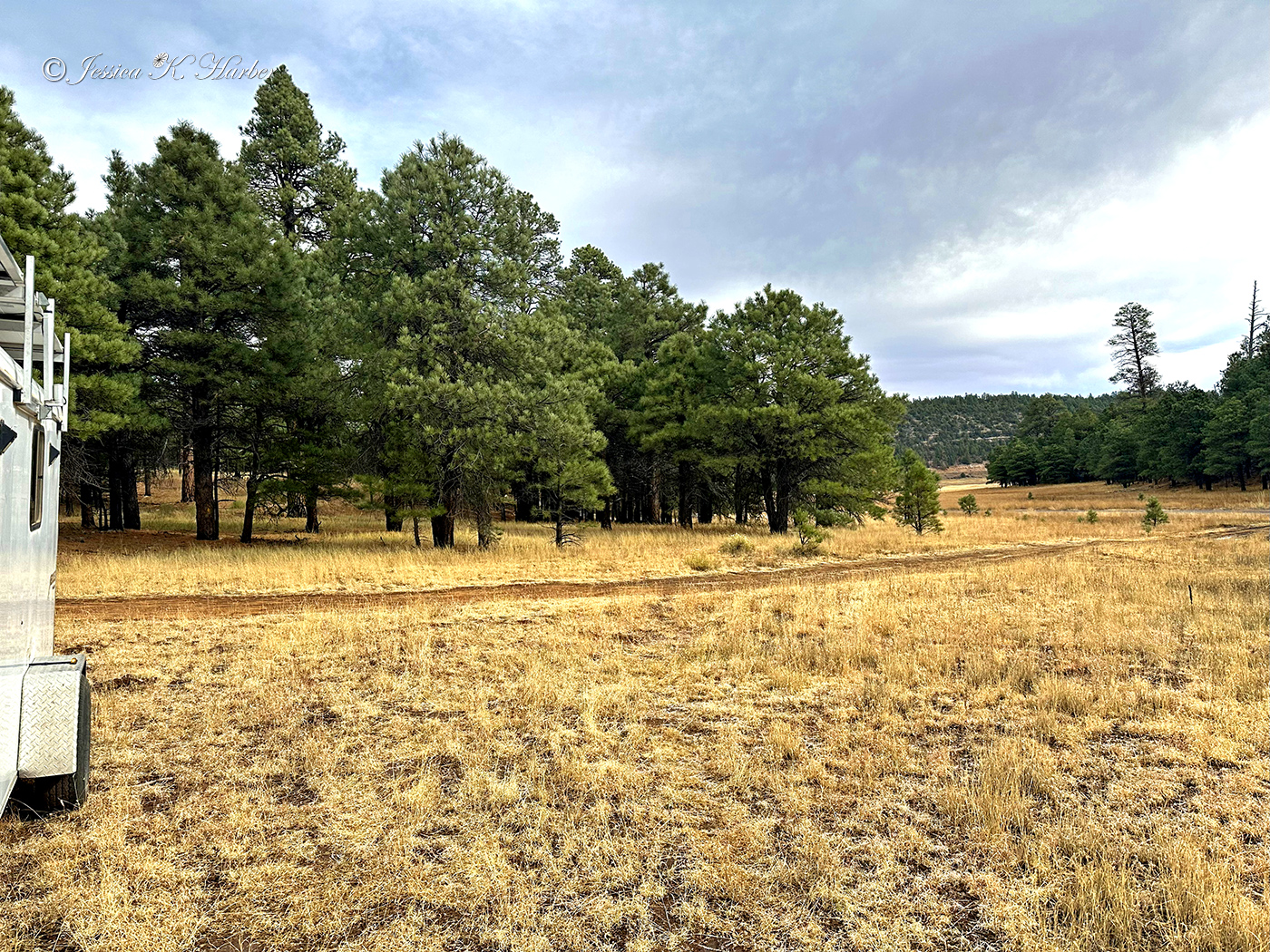
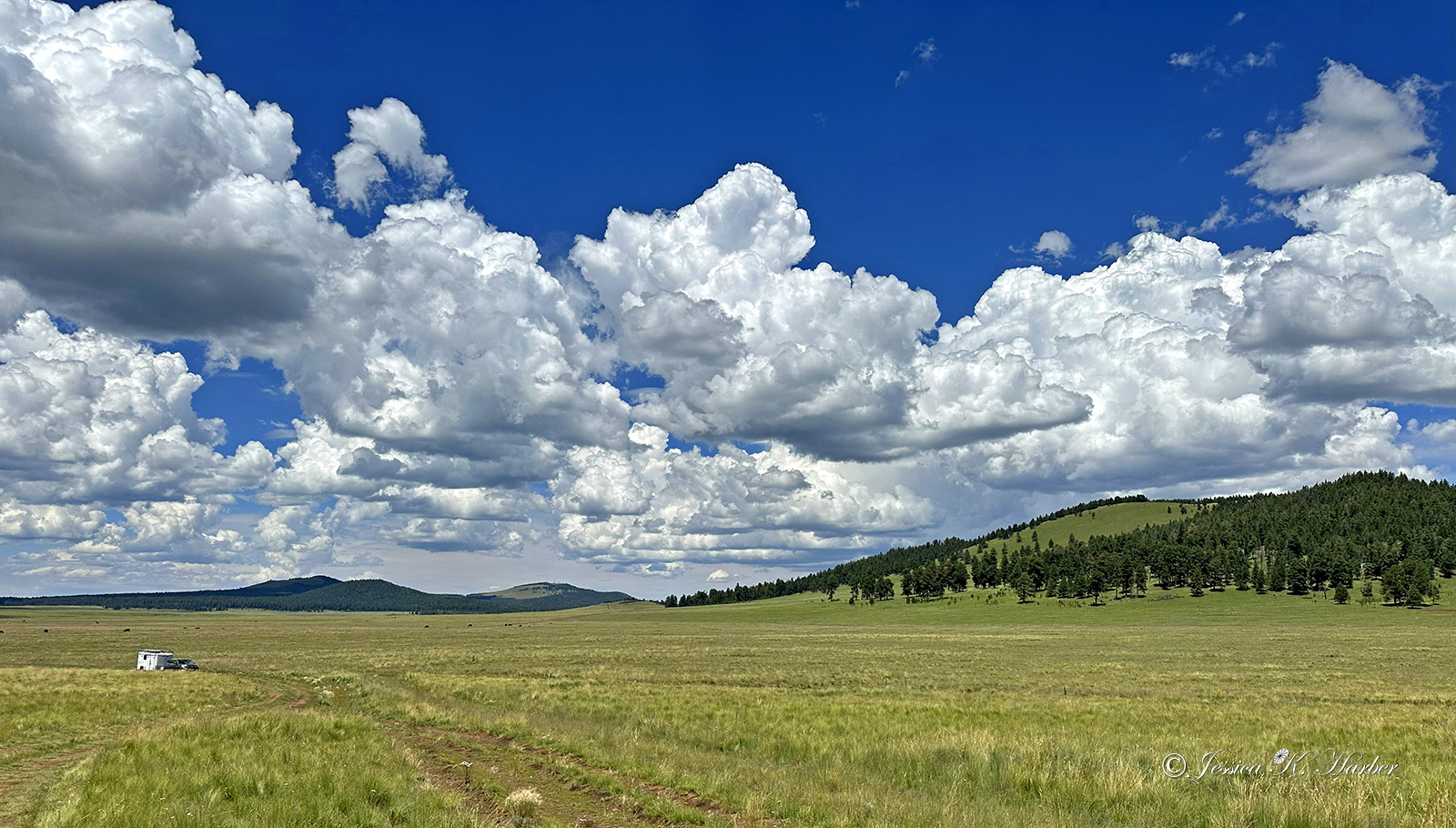
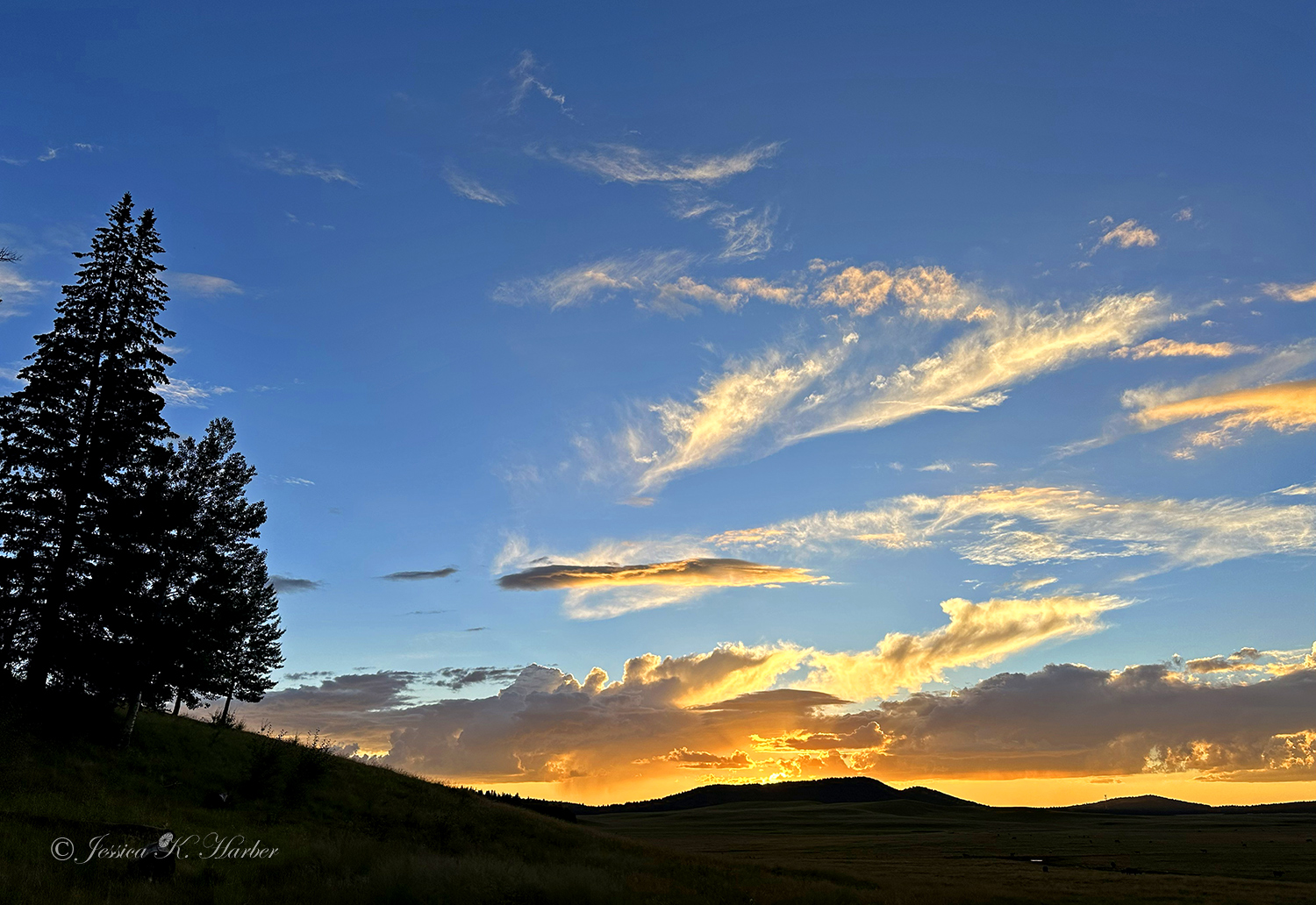
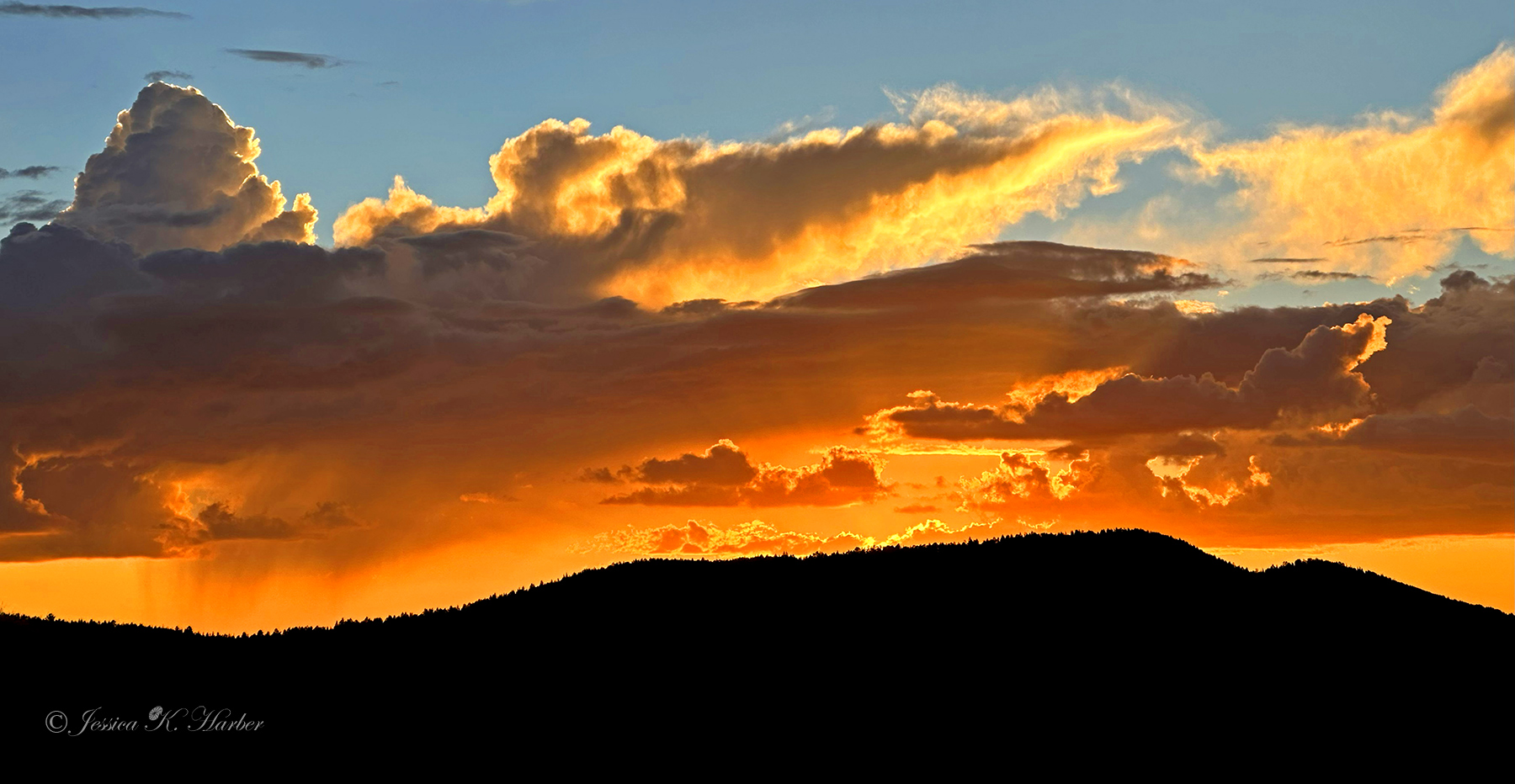
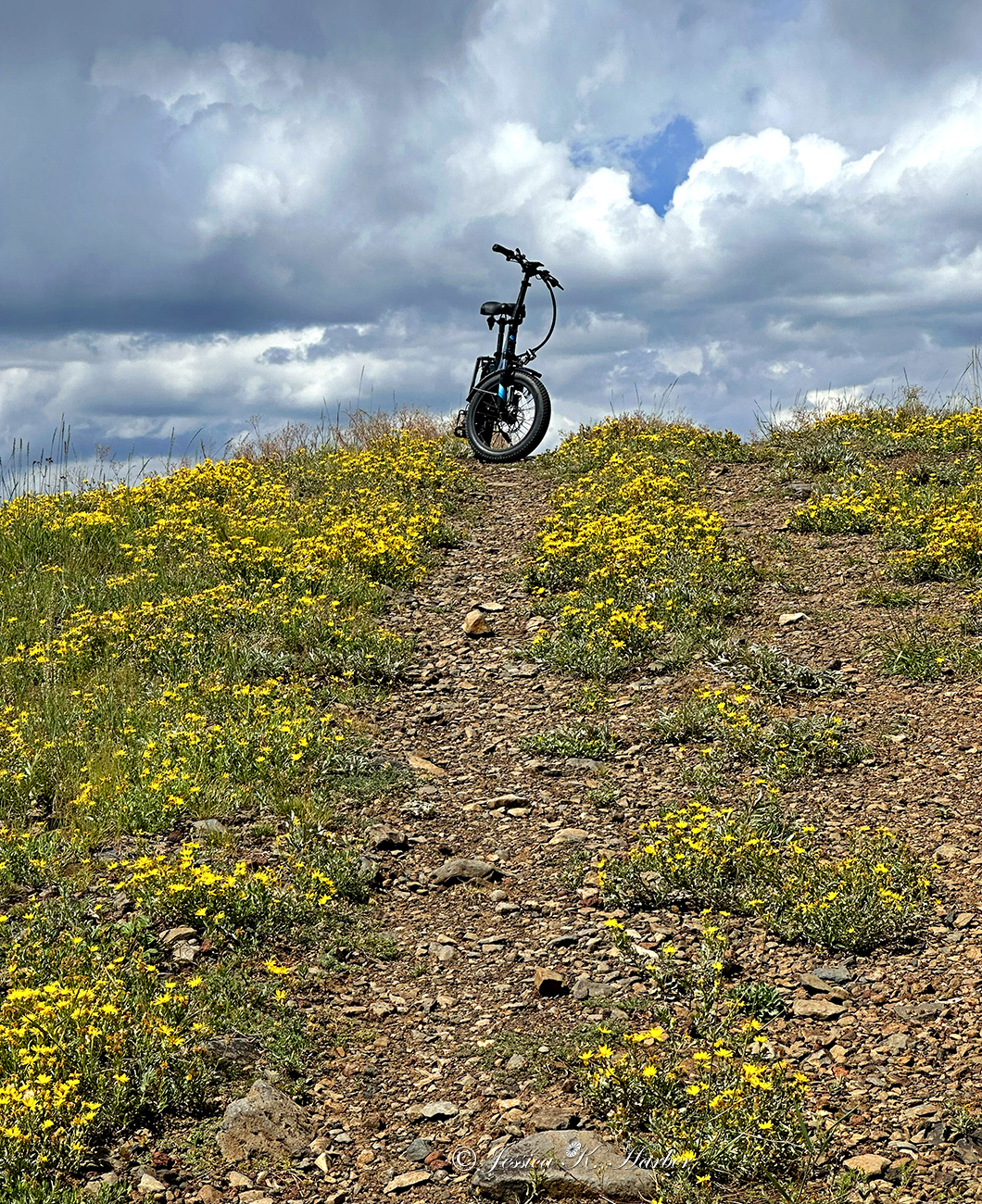
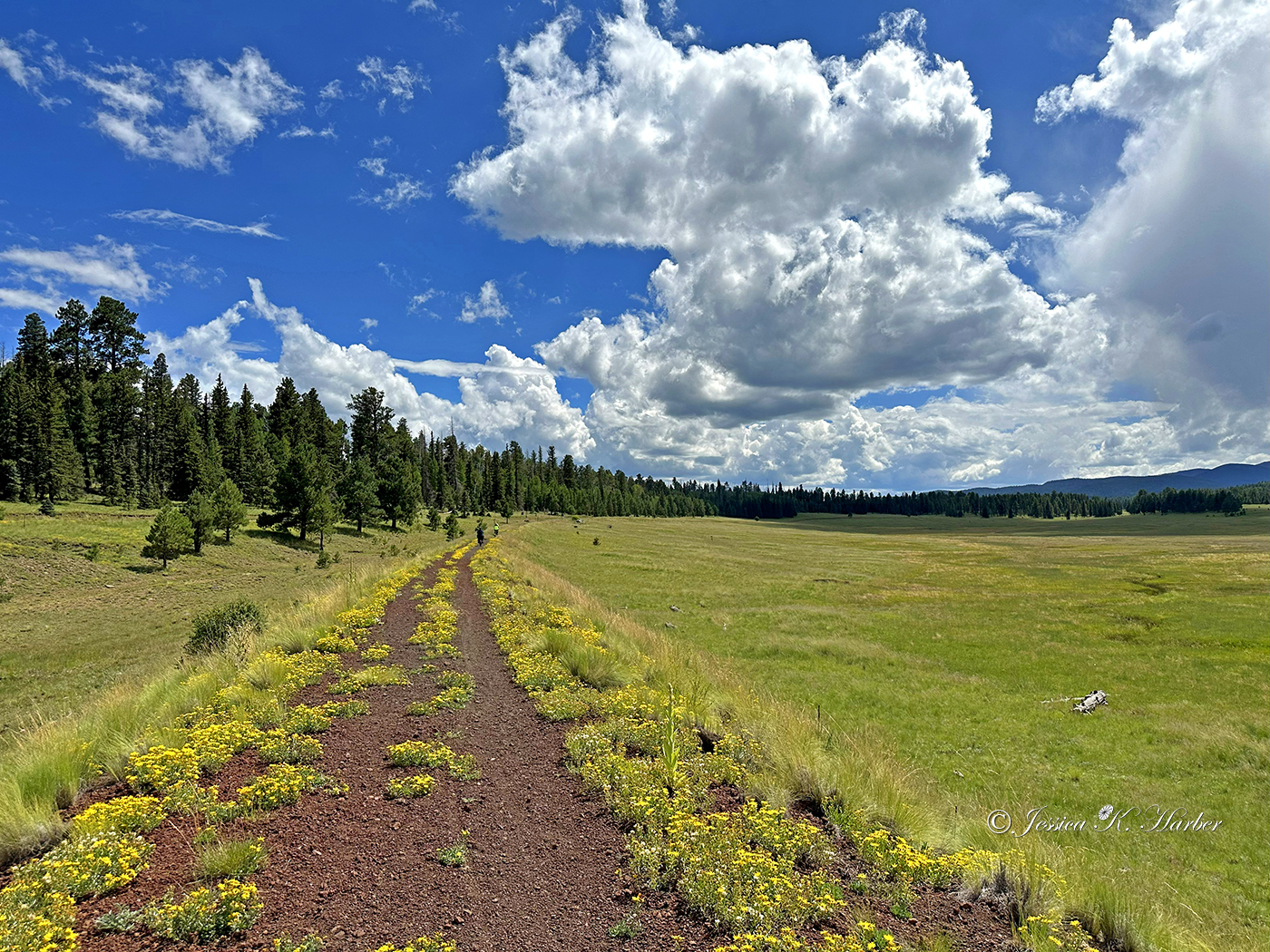
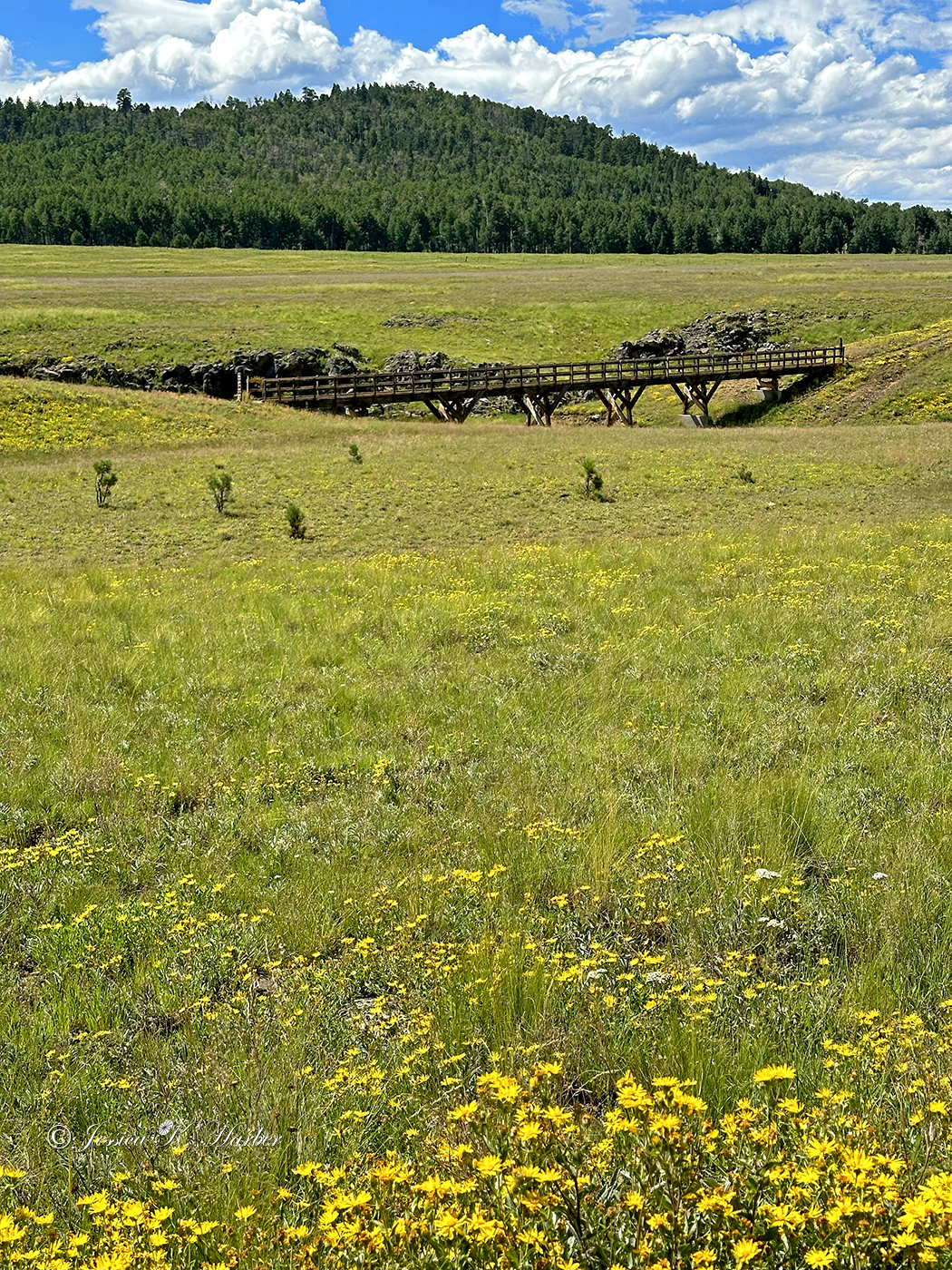
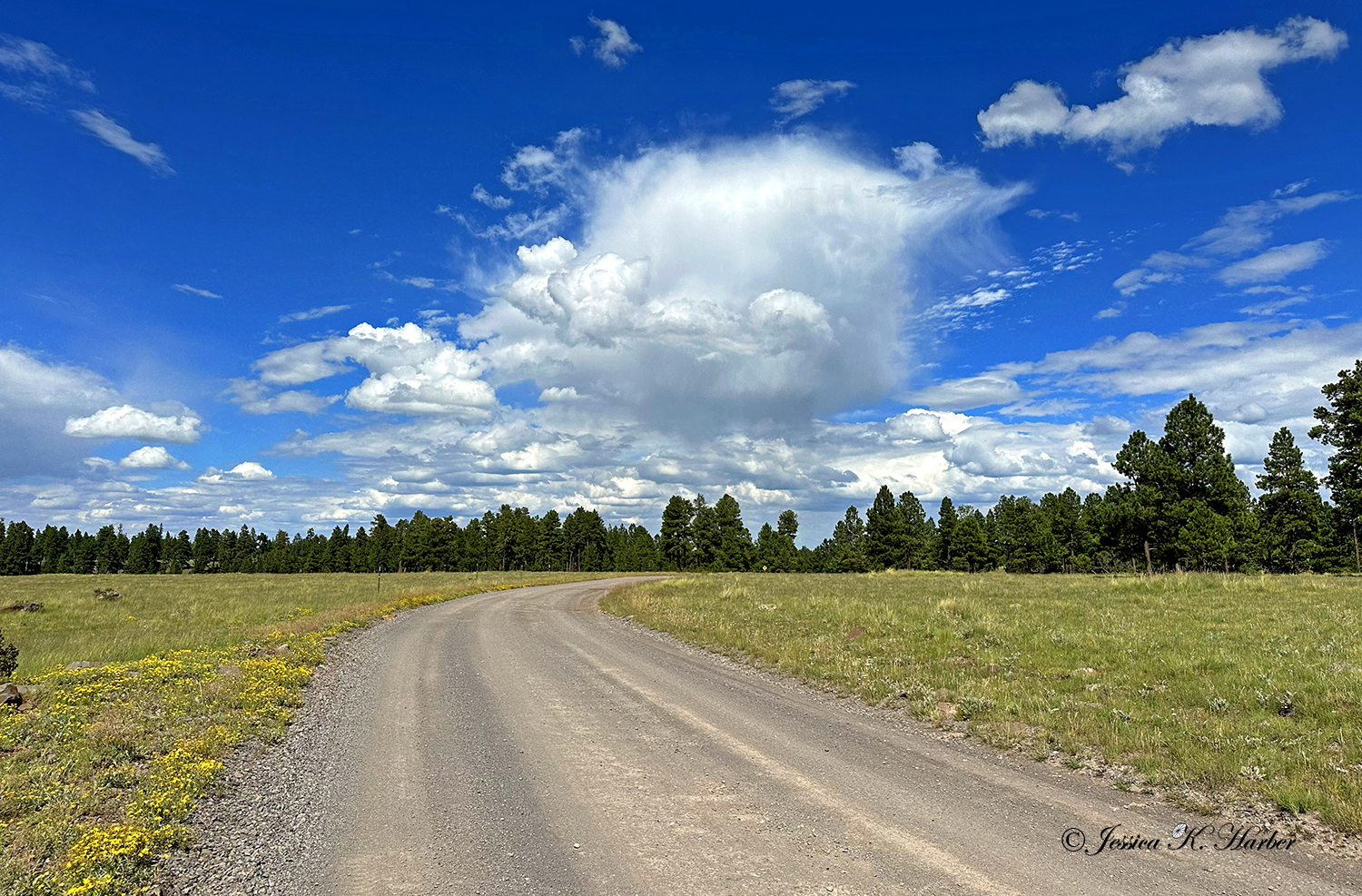
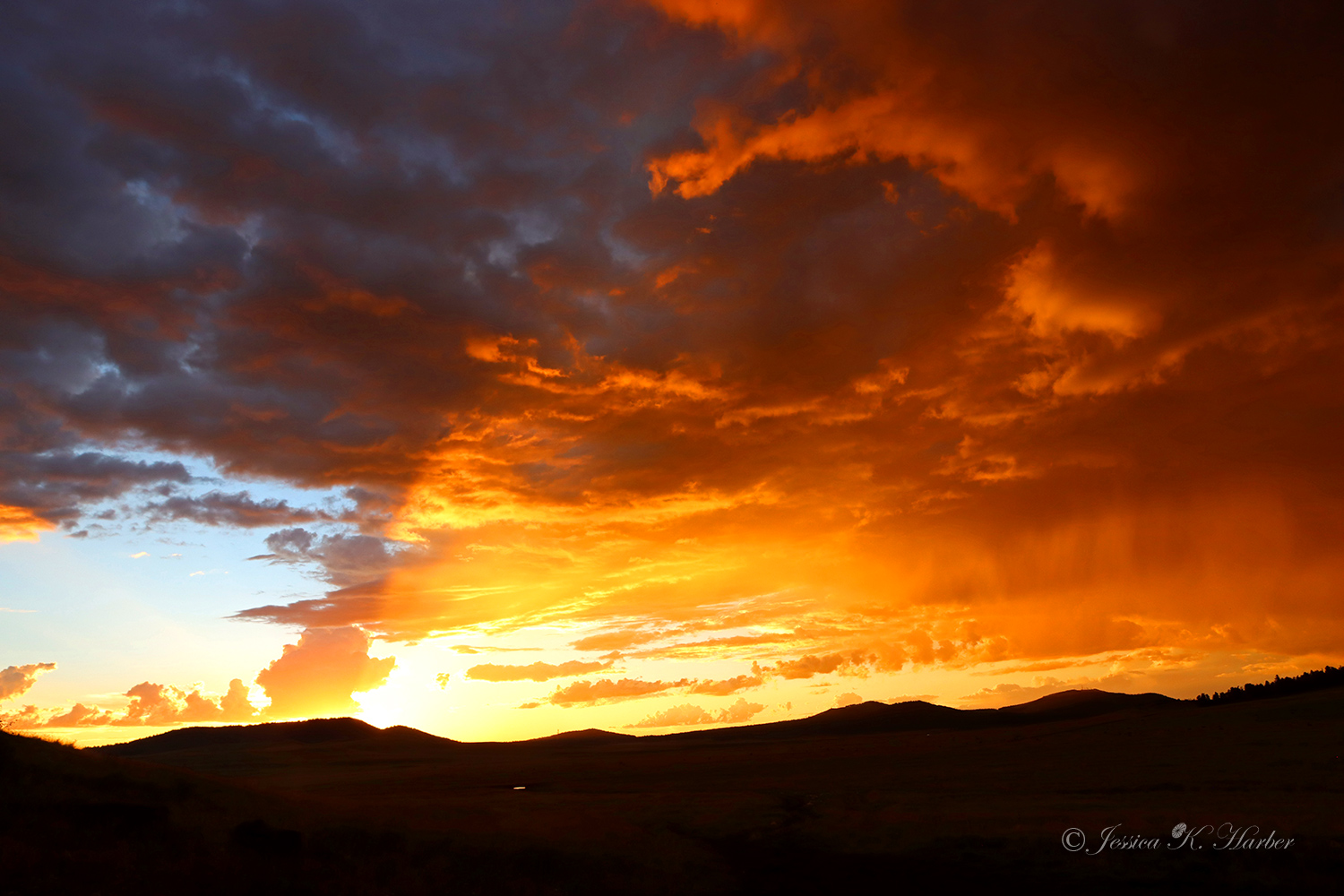
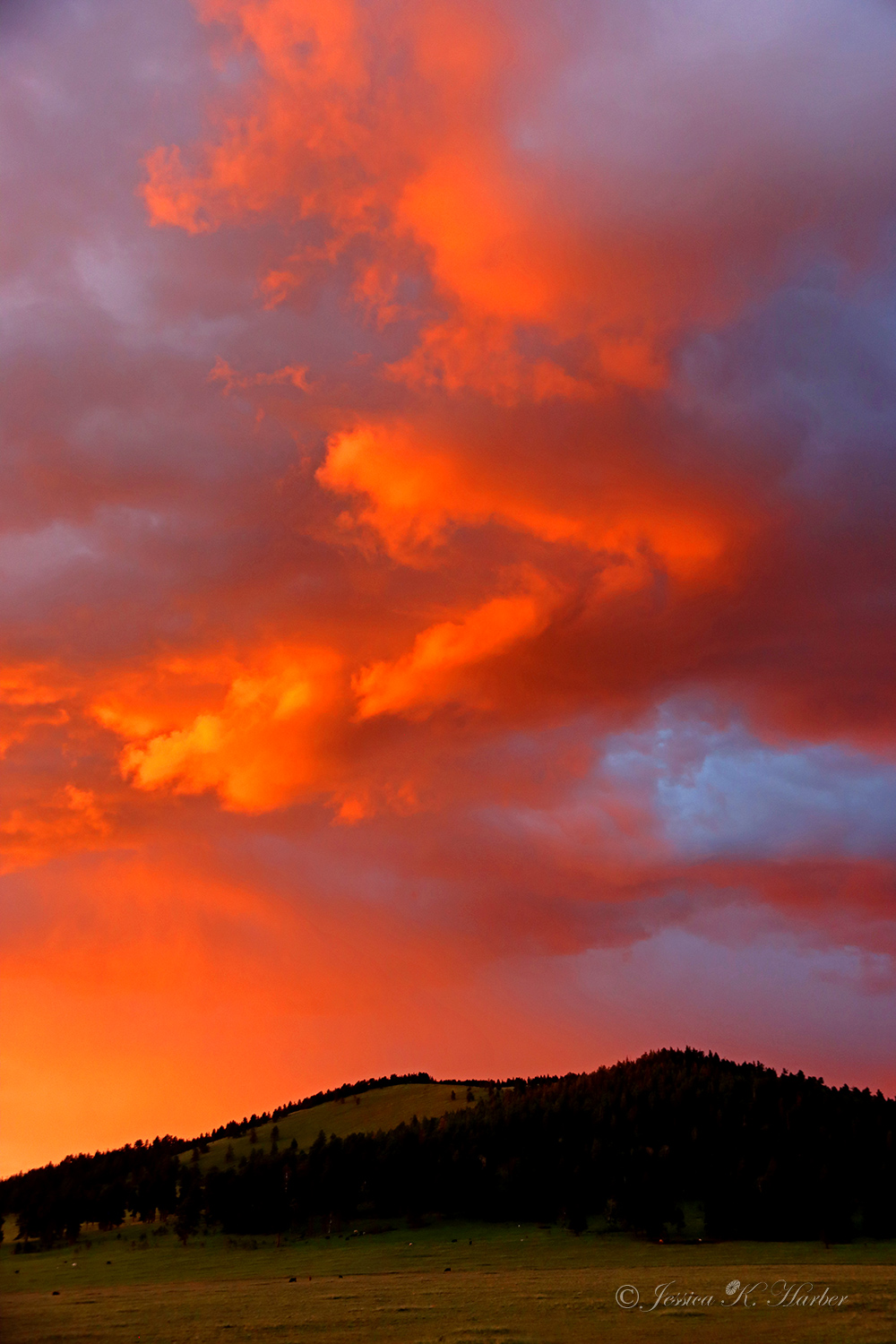
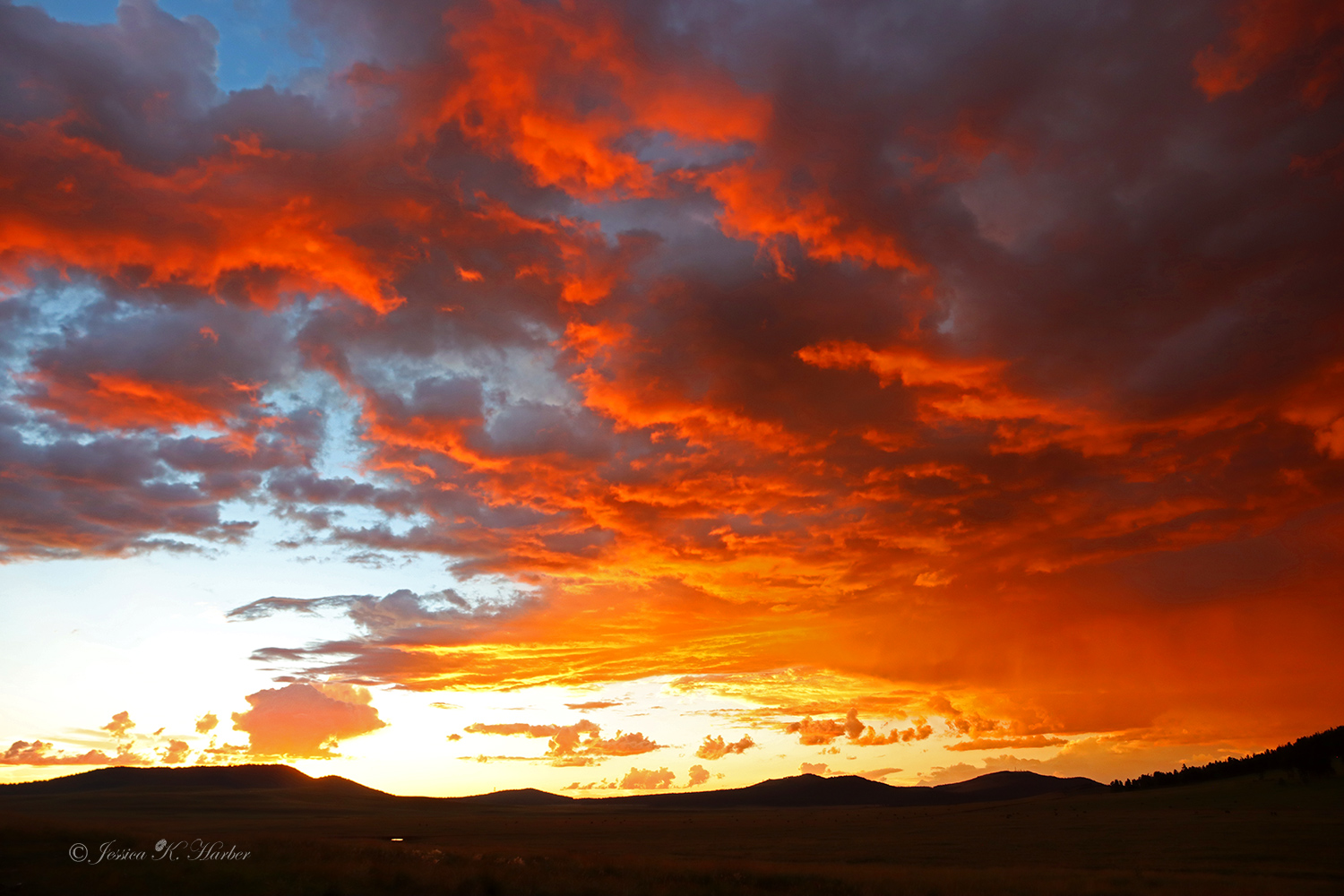
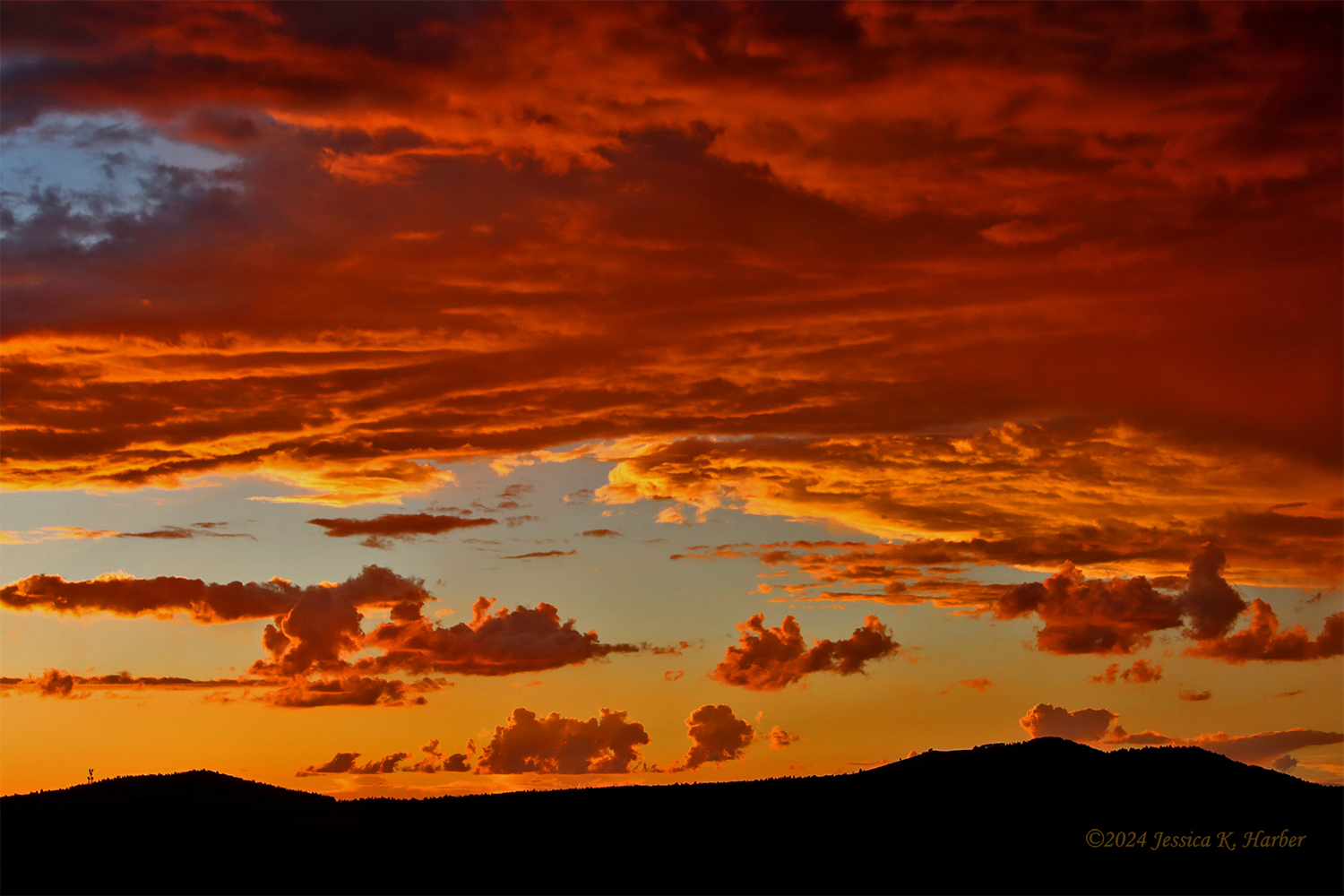
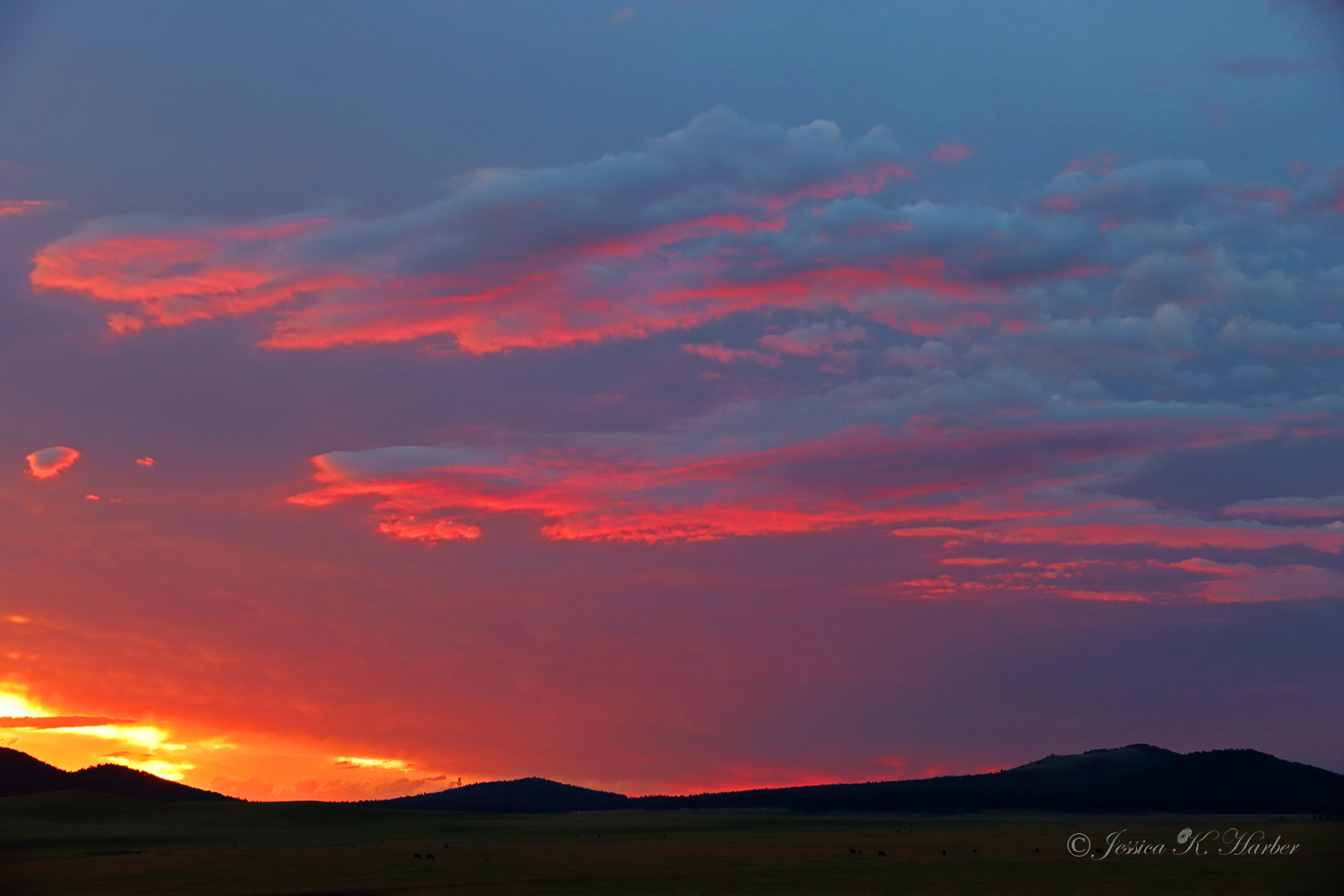
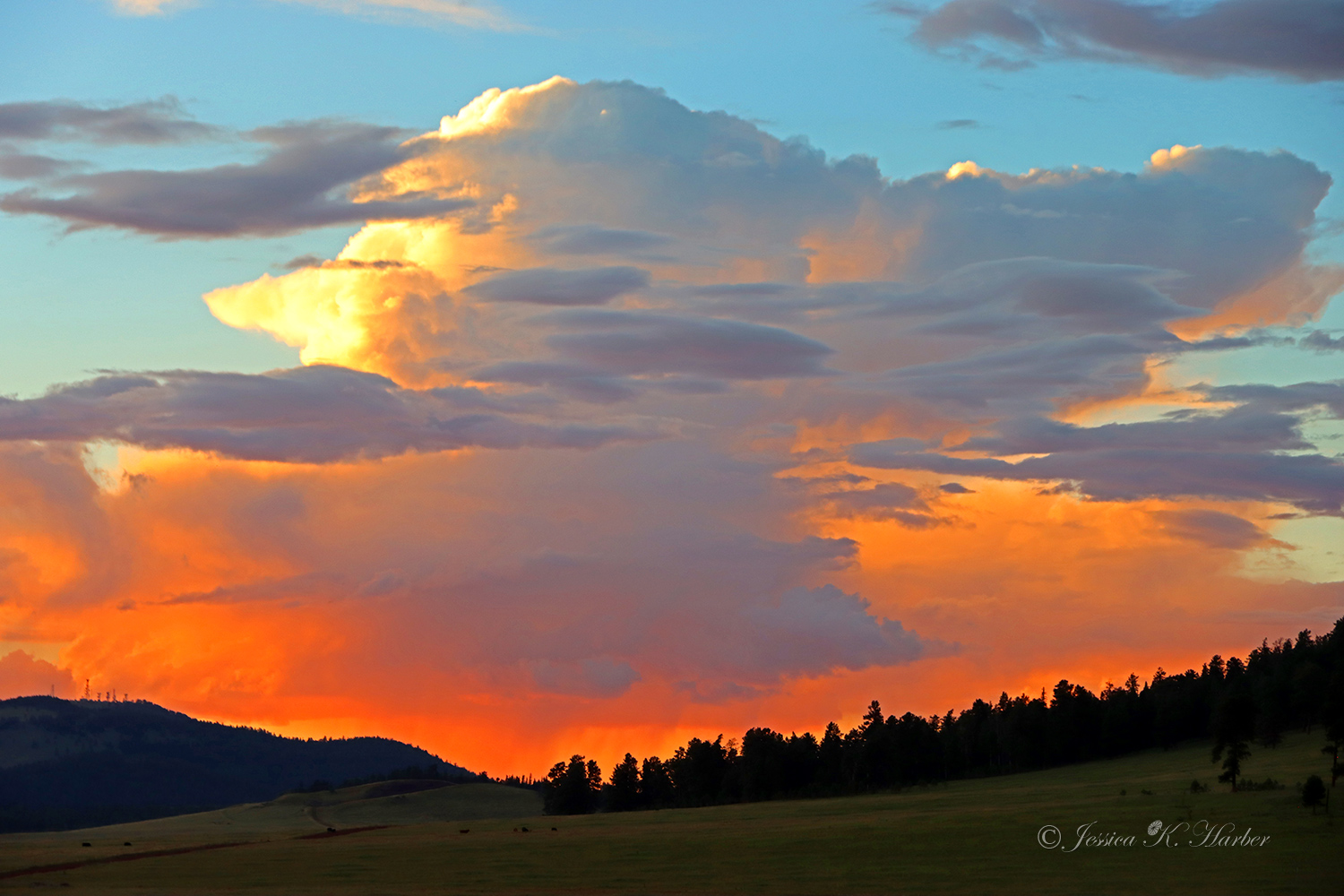
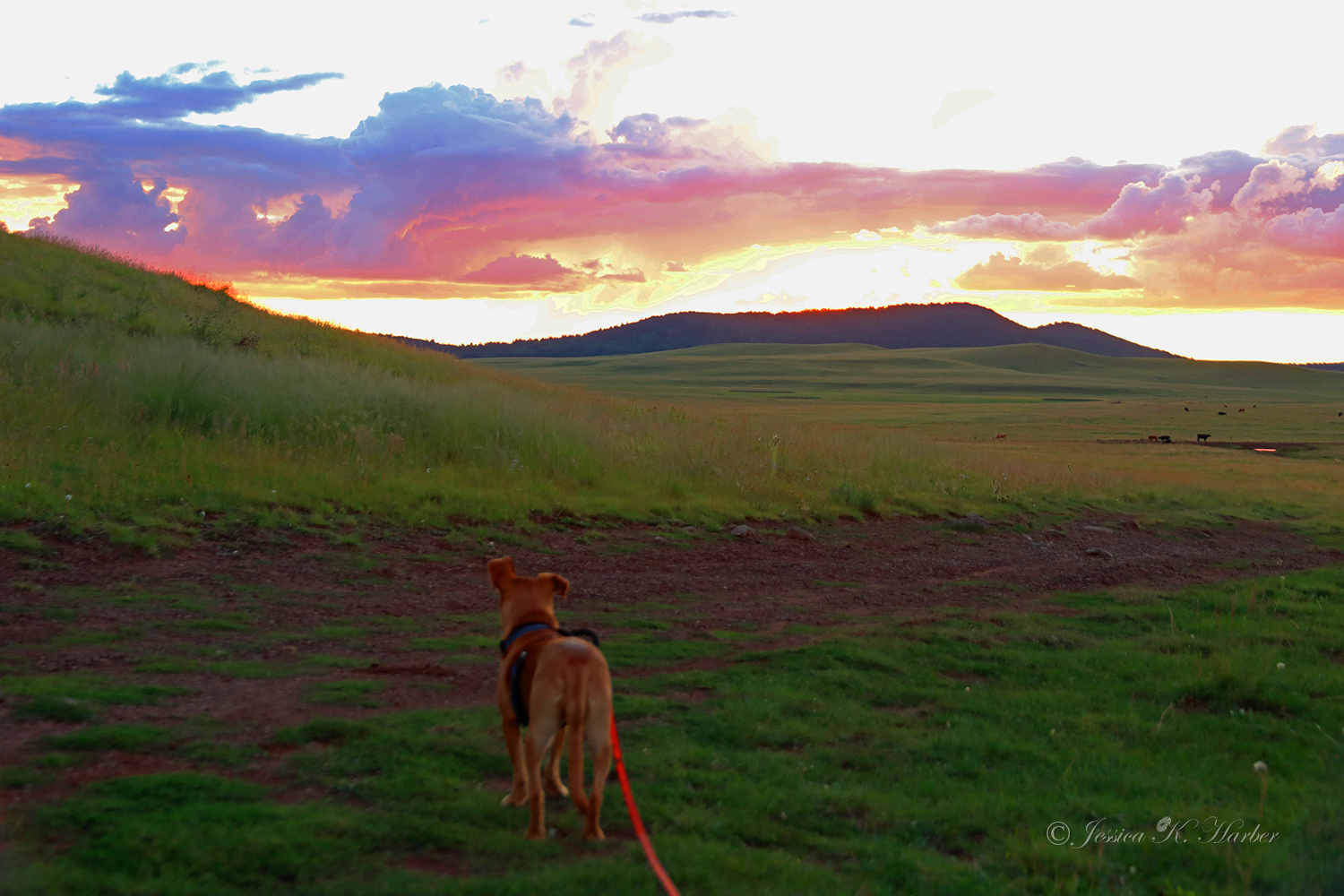
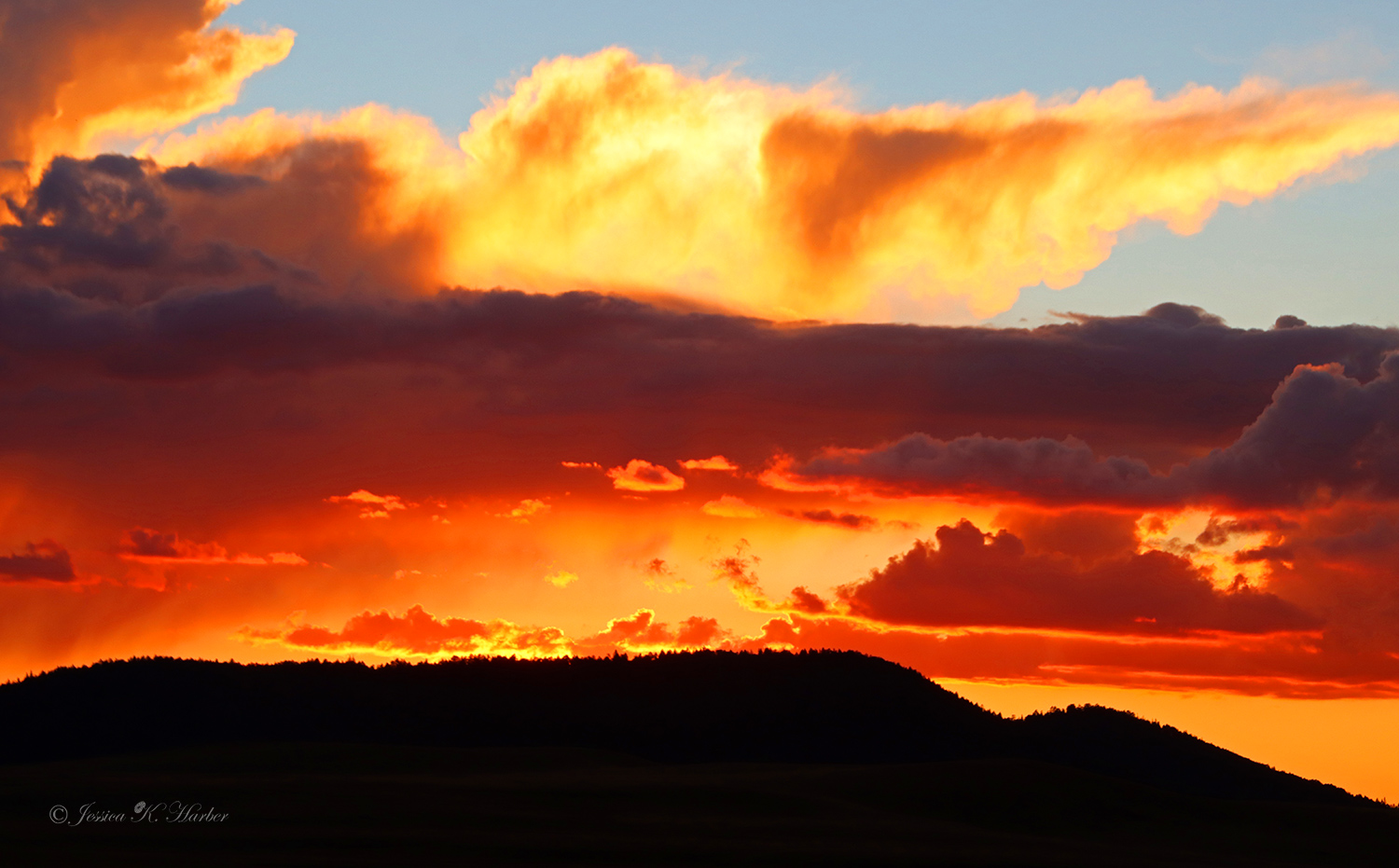
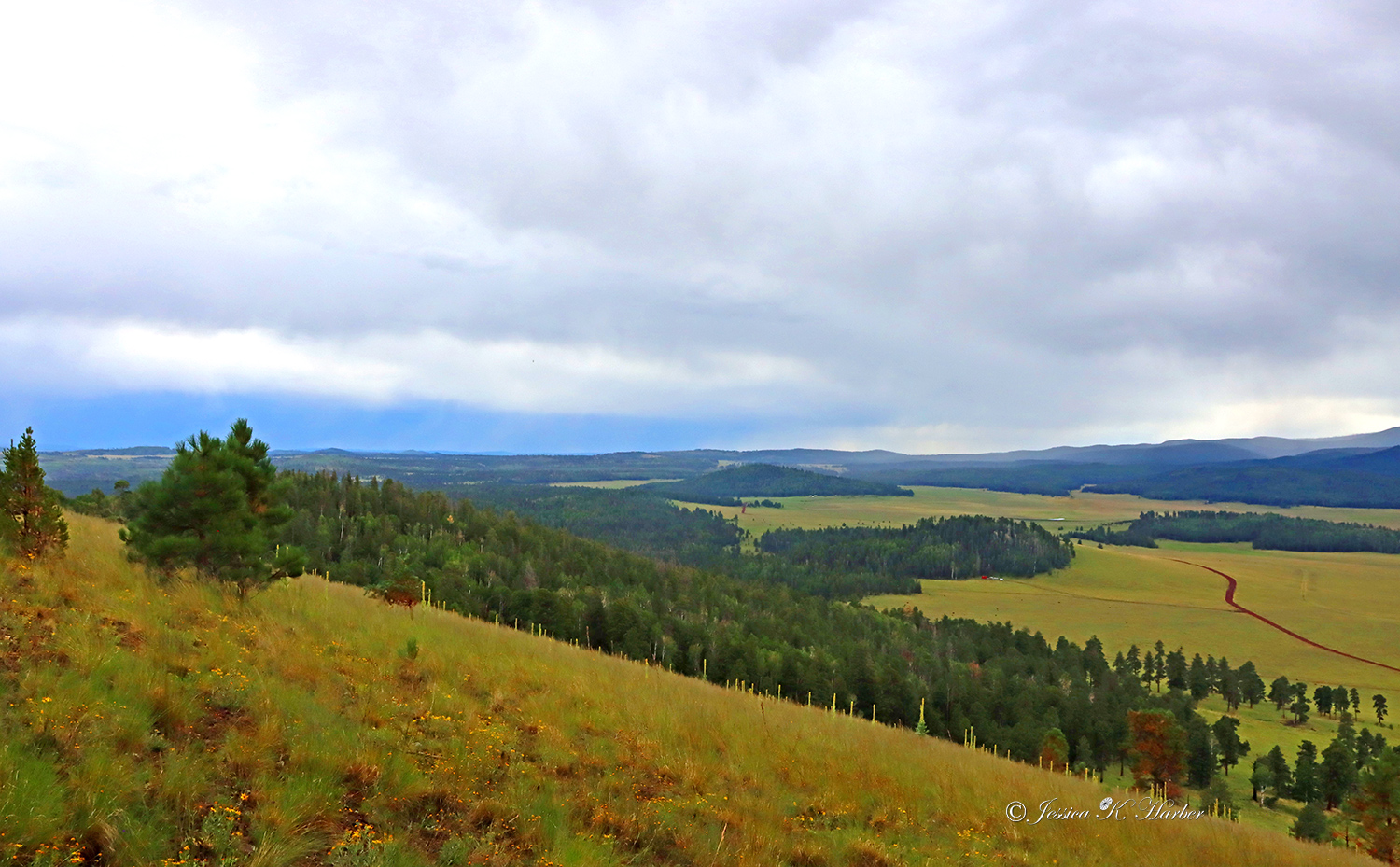
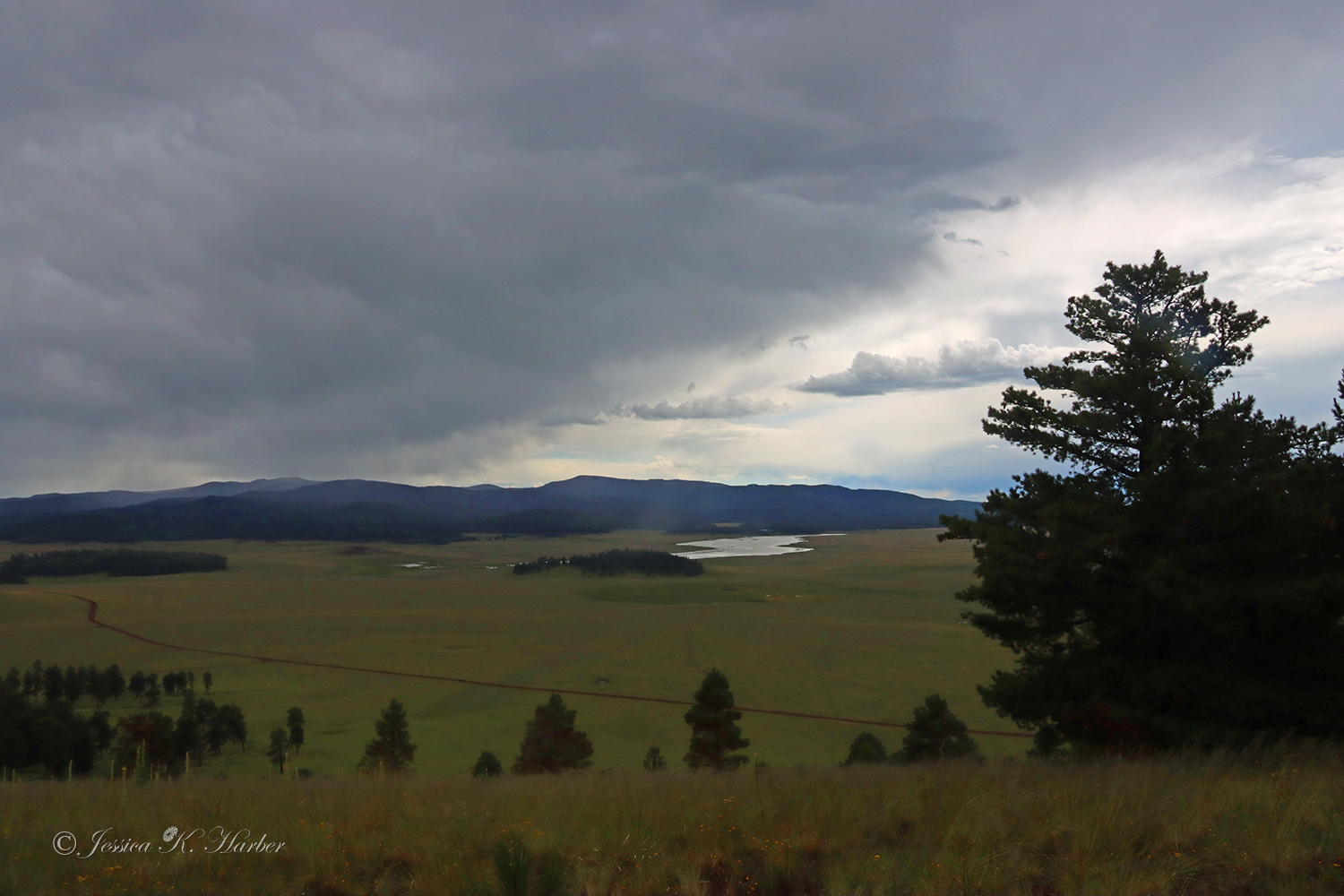
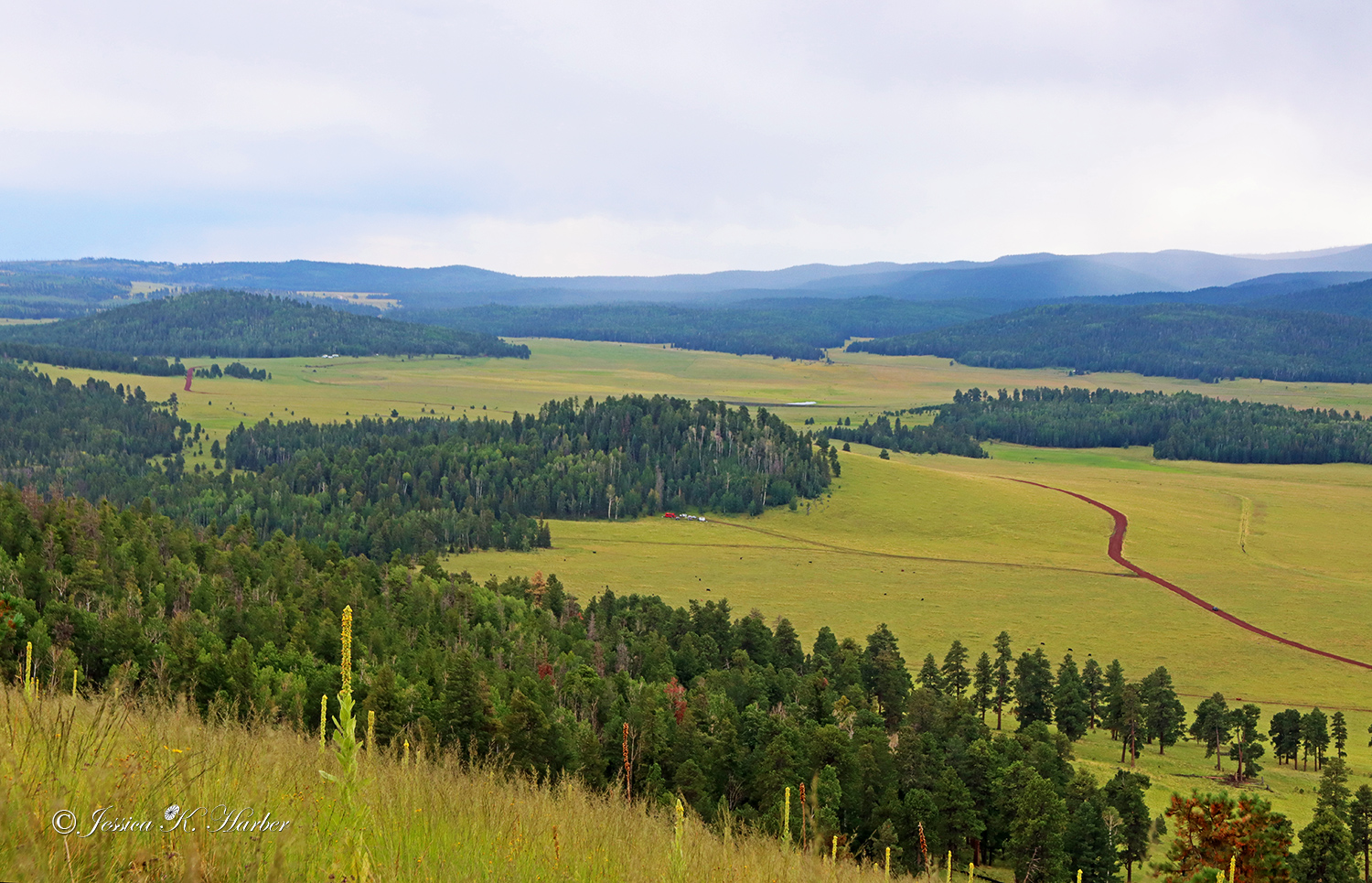
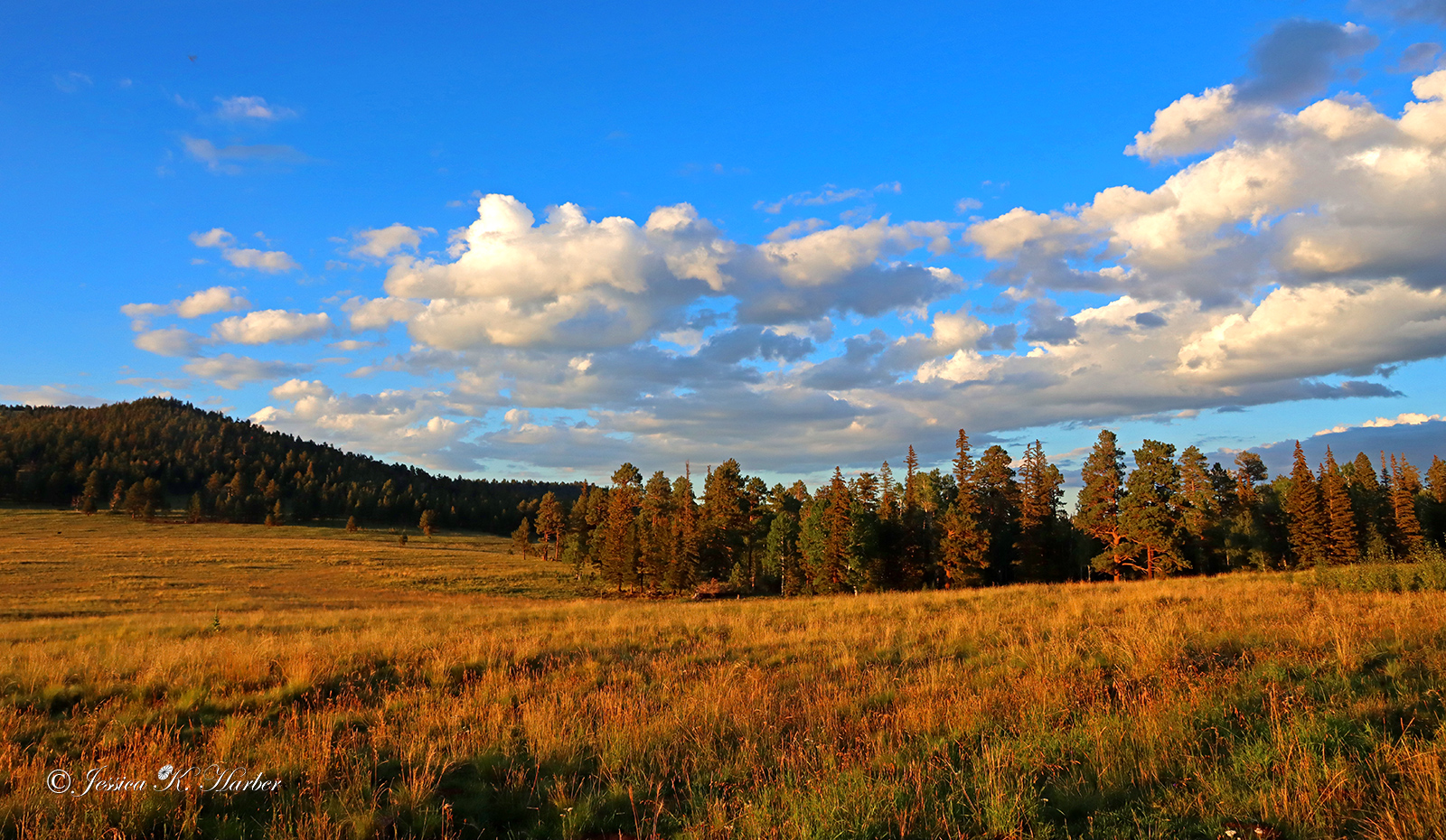
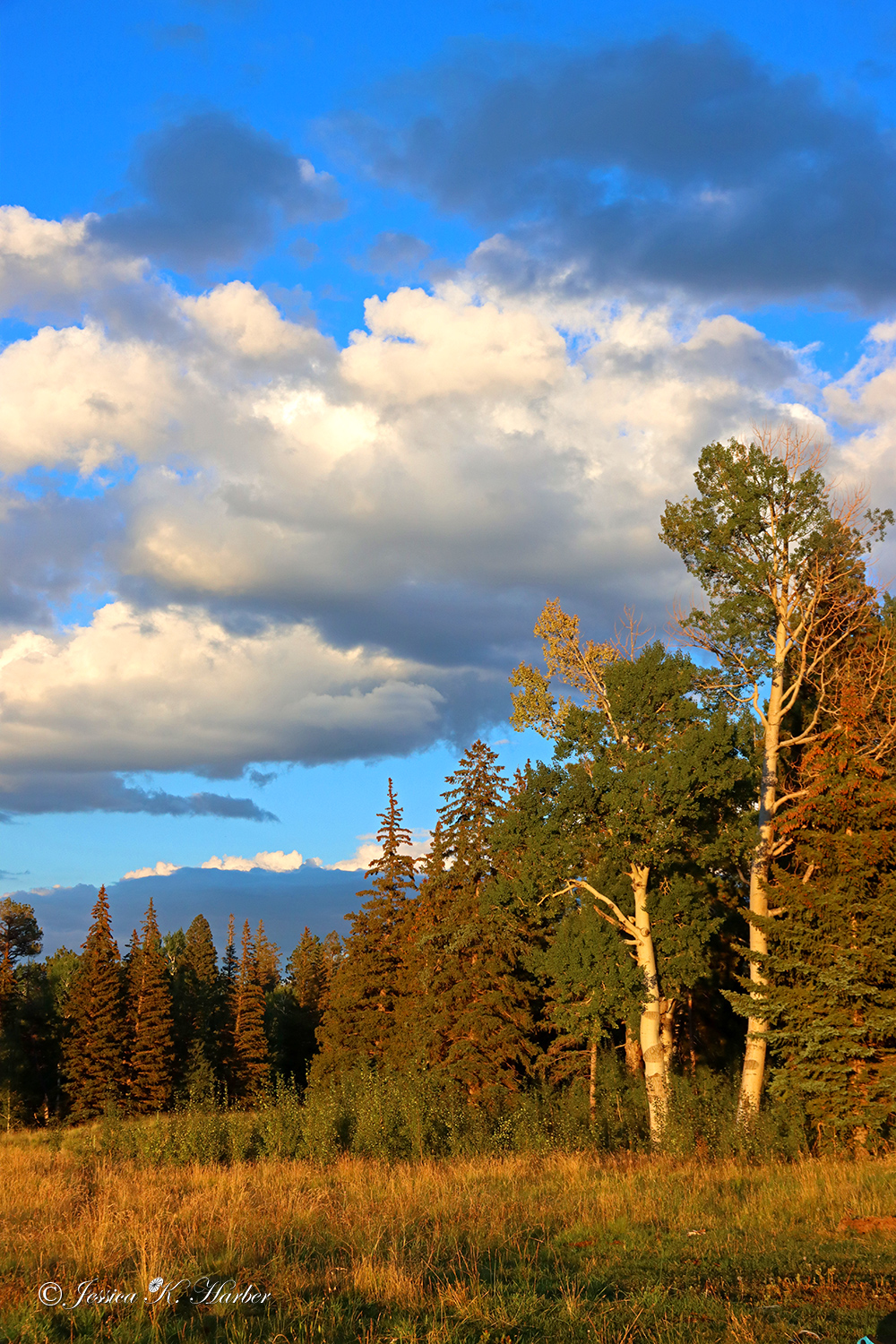
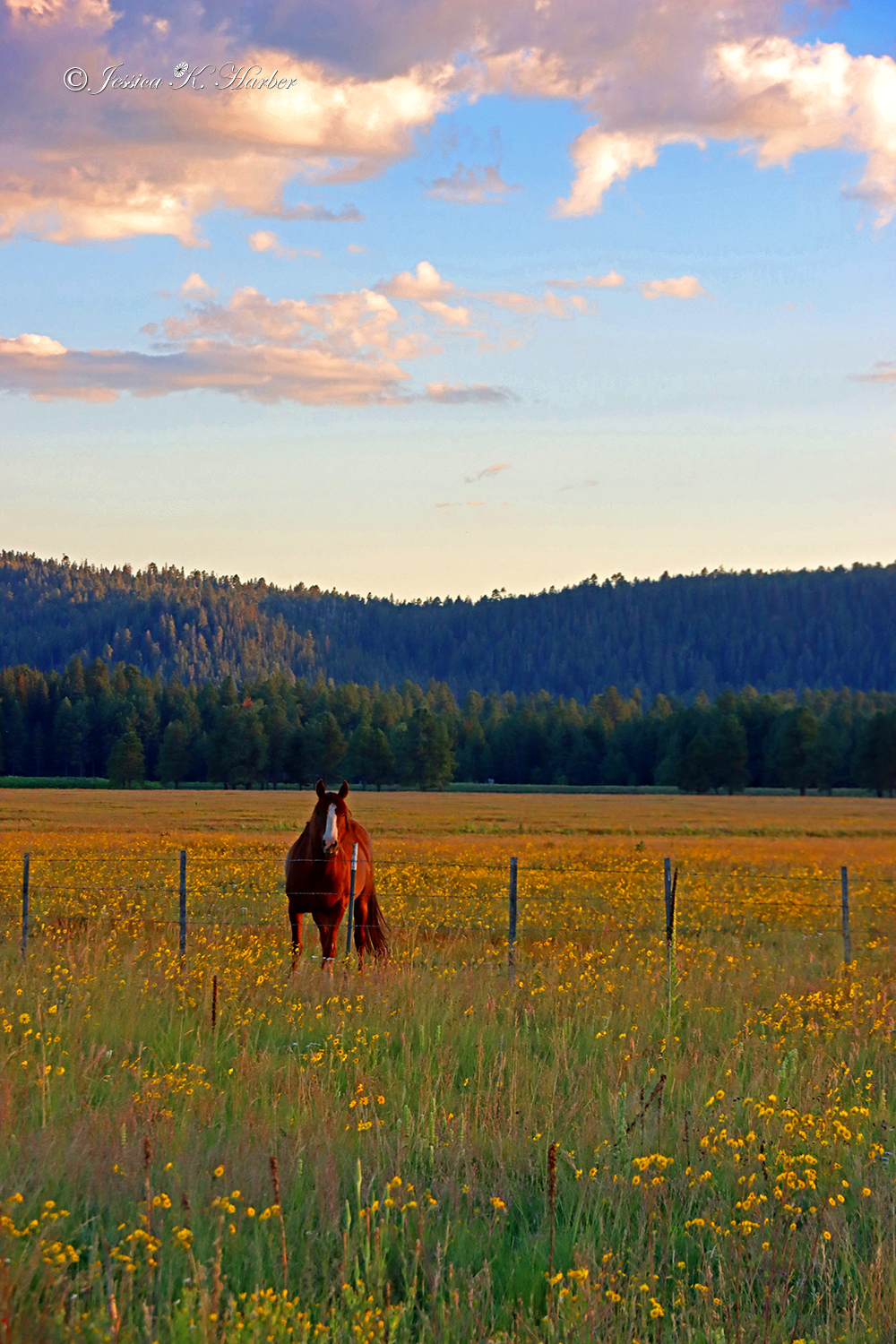
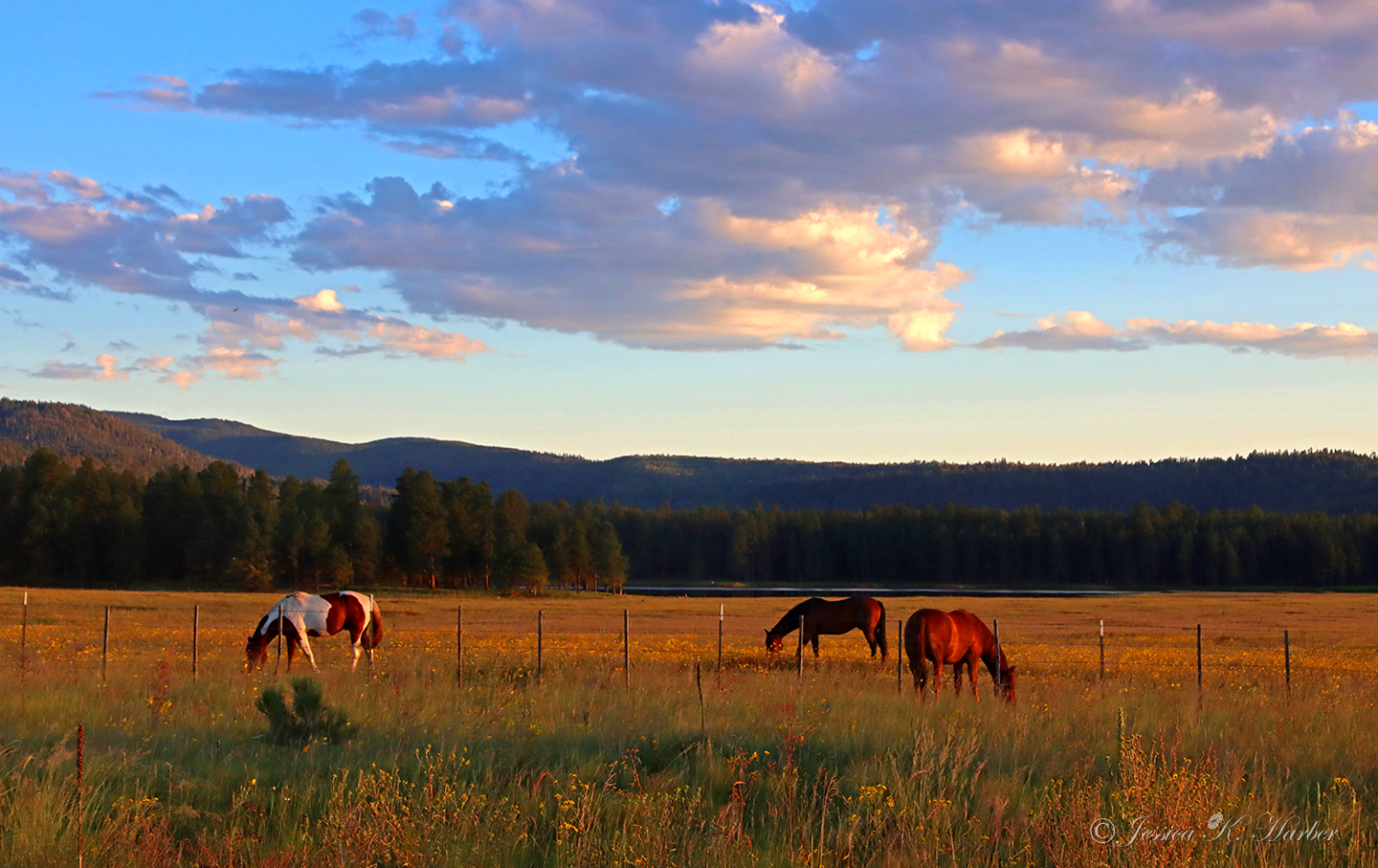
This is my third or fourth stay in the White Mountains. I always love coming because the light here is extraordinary.
A strange thing happened as I neared the area. I was driving along a remote two-lane when I came upon a vehicle upside down on the shoulder. A guy had stopped, and I slowed to ask if anyone was inside. He said he hadn’t found anyone. There wasn’t a signal at that location, so he said someone had driven one way to get a signal to call 911. I said I would drive in the opposite direction to try the same. After driving some distance, I was able to call emergency services. I went back to the accident site where by now more people had gathered; I let them know I had been able to get a call through. They still had found no victims. Since it was getting late, I decided to leave and, several miles down the road, met the responders on their way to the scene. I checked the local news for the next few days but never did see anything about the accident. Both a bizarre and sobering event.
I drove all the way to the area in which I planned to camp, arriving after dark – something I almost never do. I simply pulled off the dirt road for the night and the next day, scouted out a camping site for myself and friends I was meeting.
This is a beautiful area that I highly recommend.
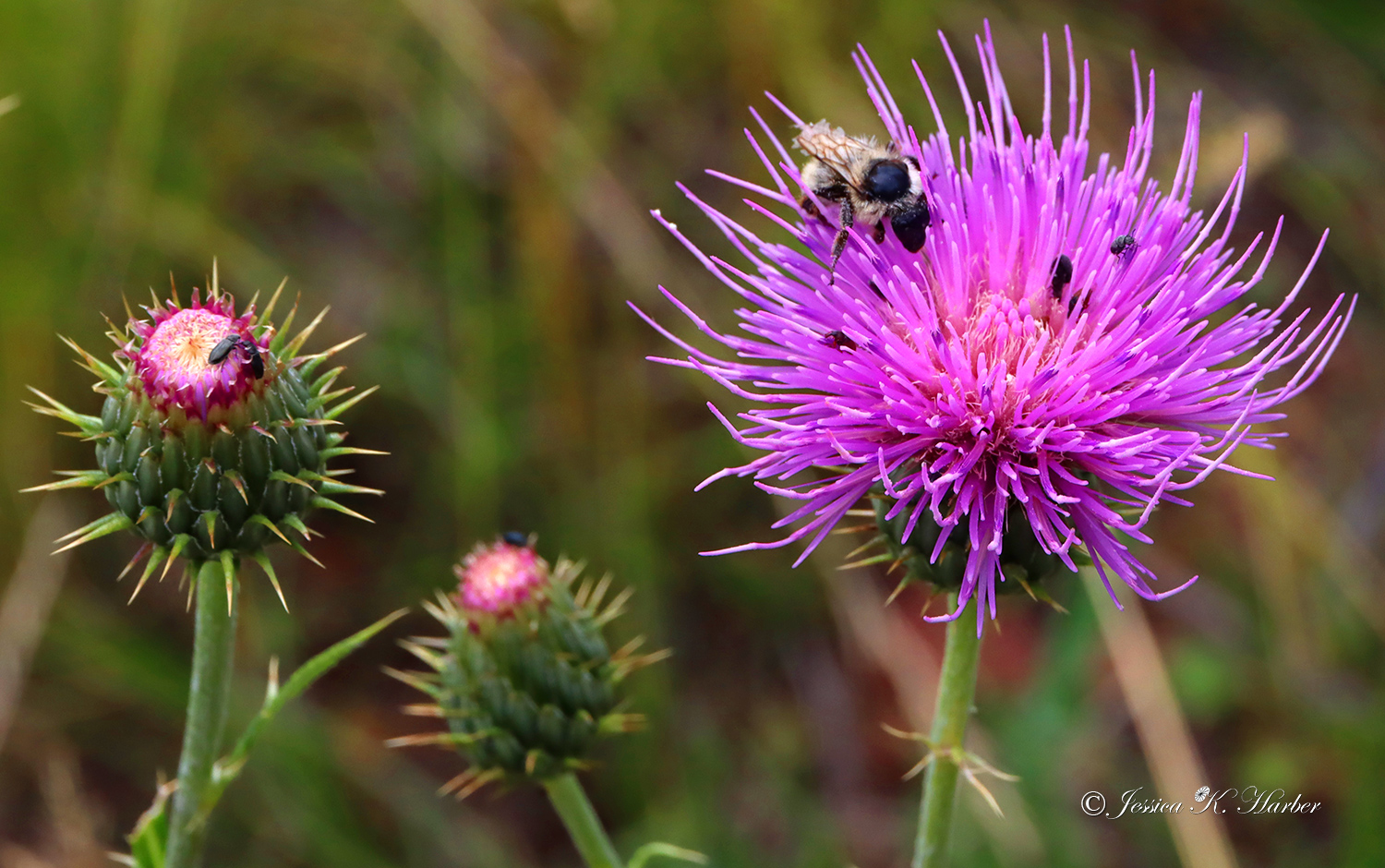
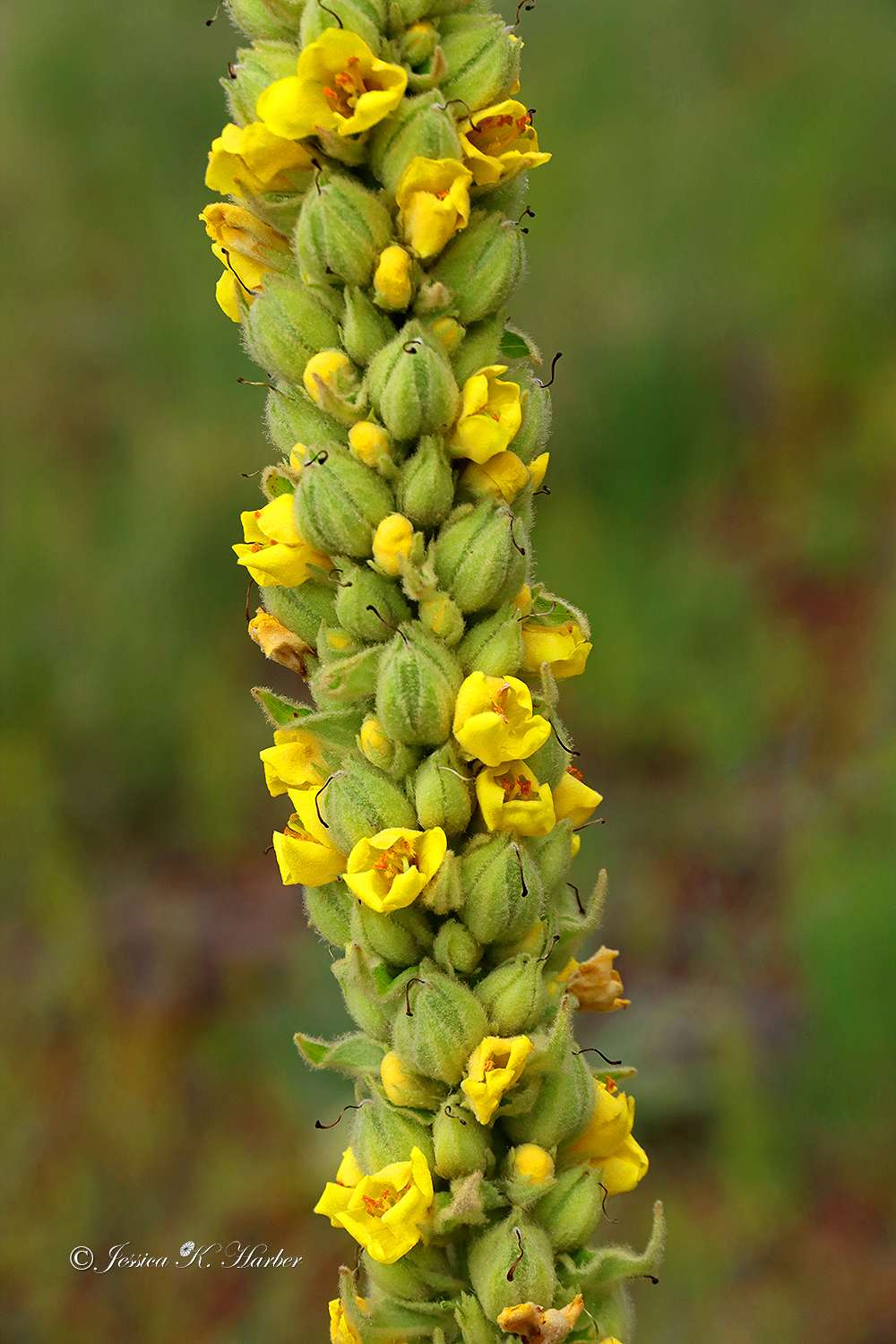
(see photo captions for more info)
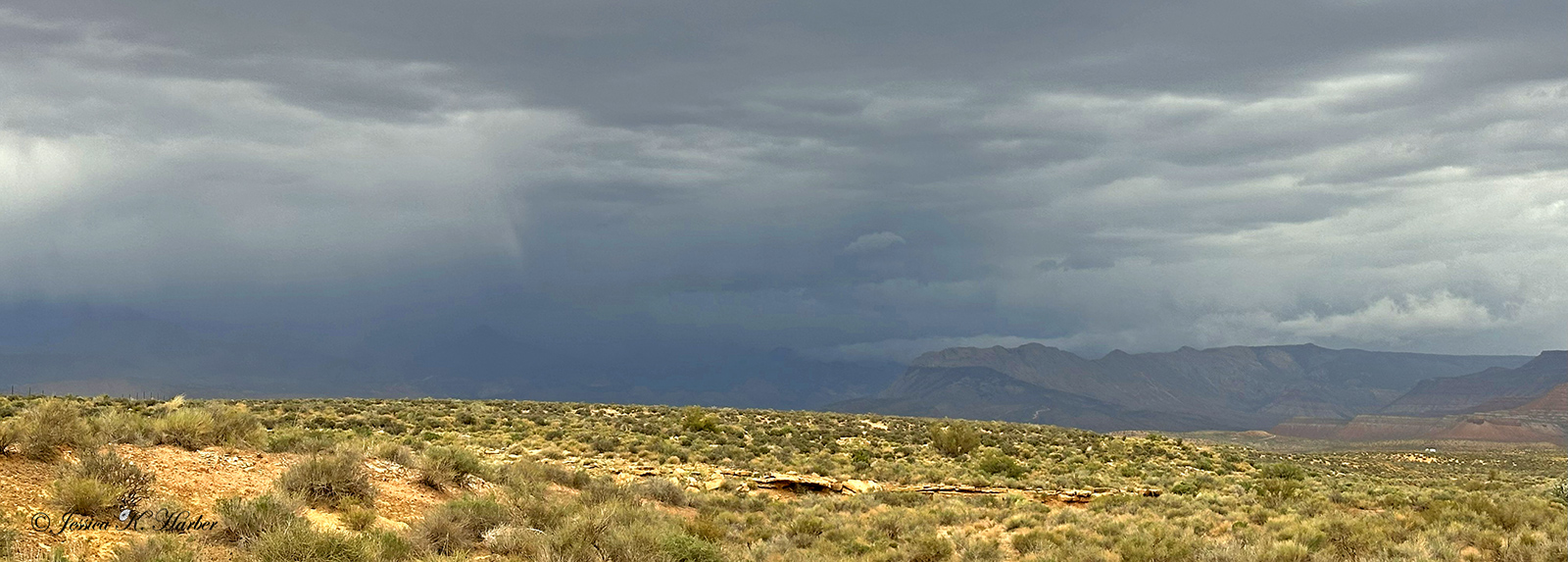
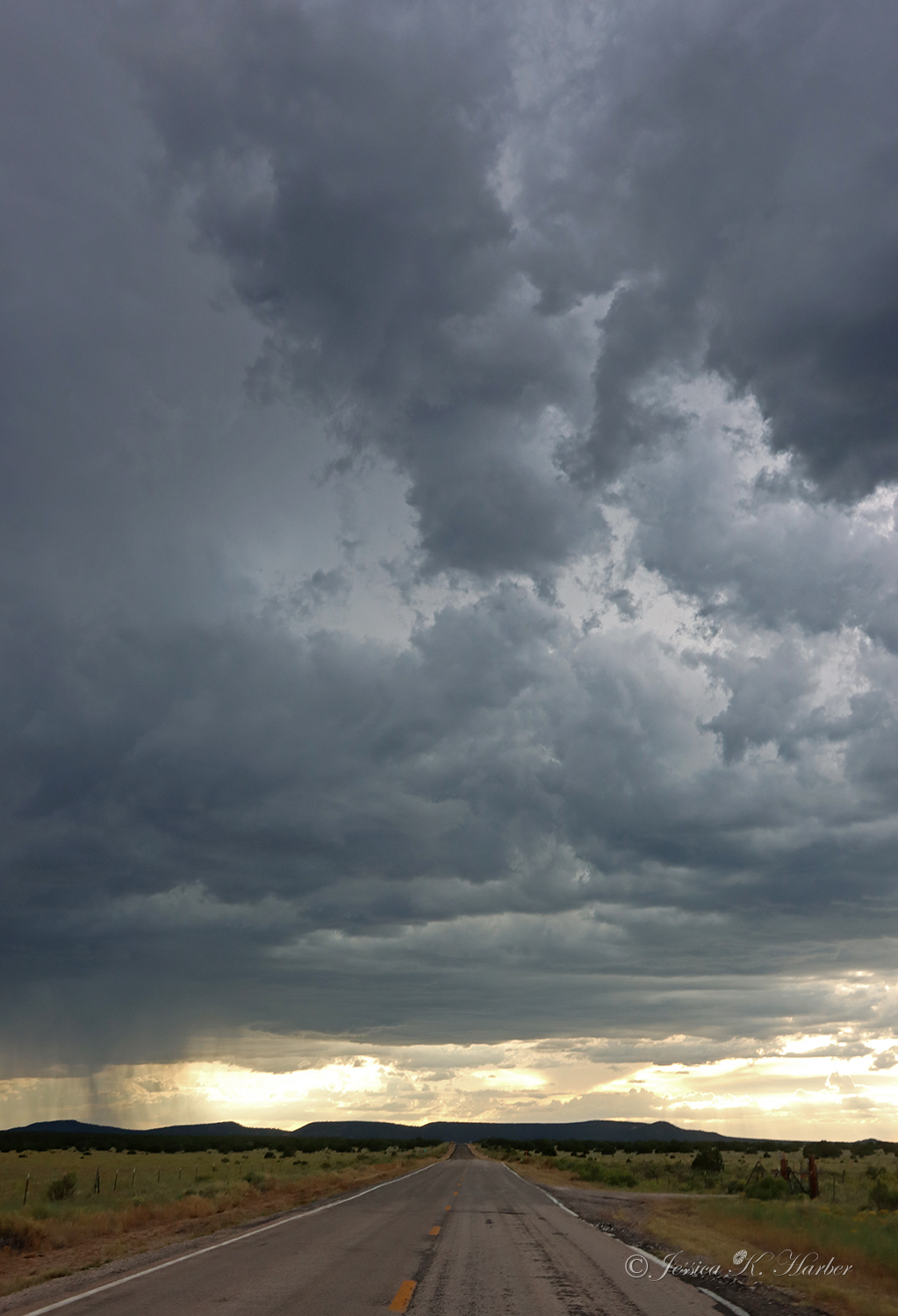
Stormy skies on the approach to the White Mountains
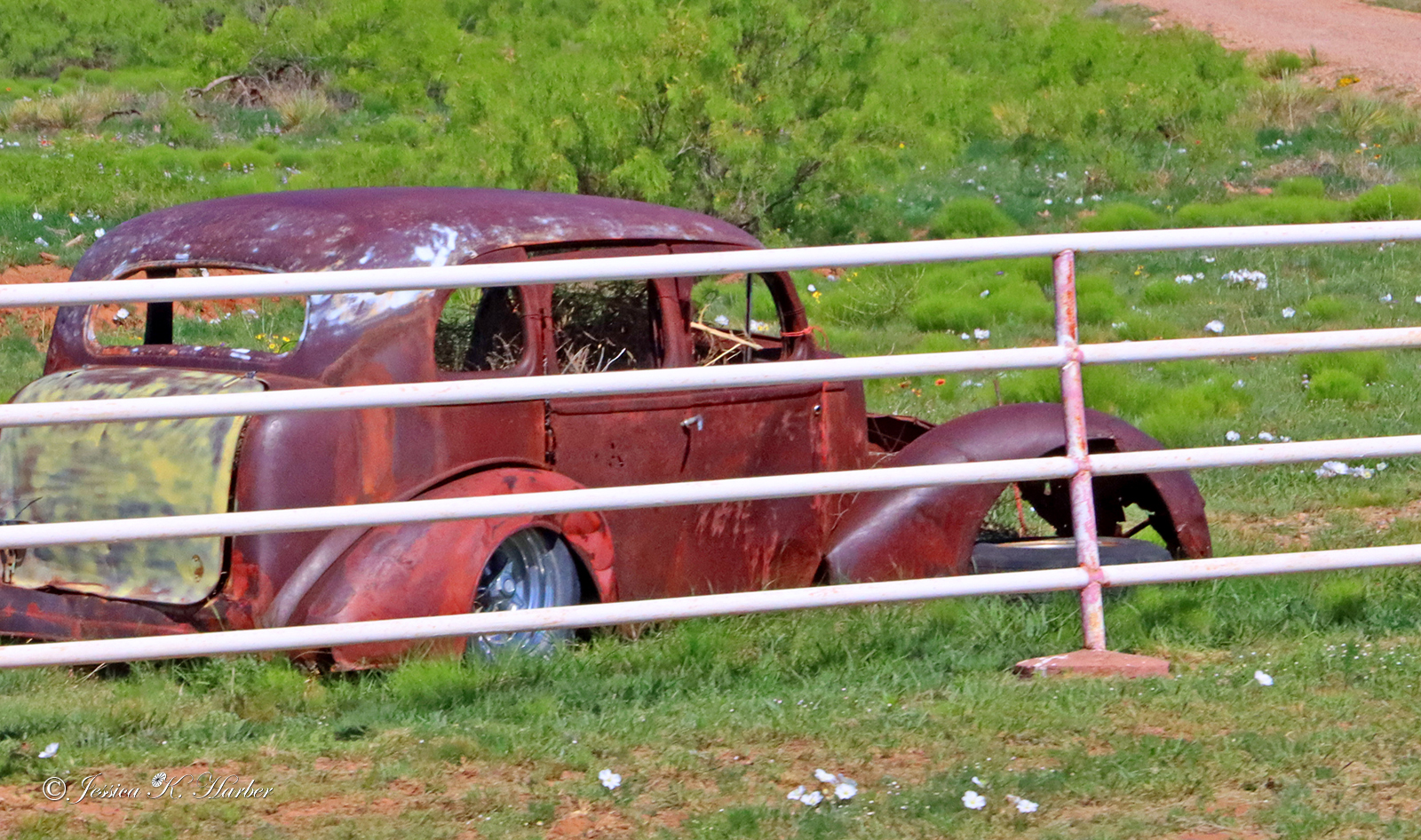
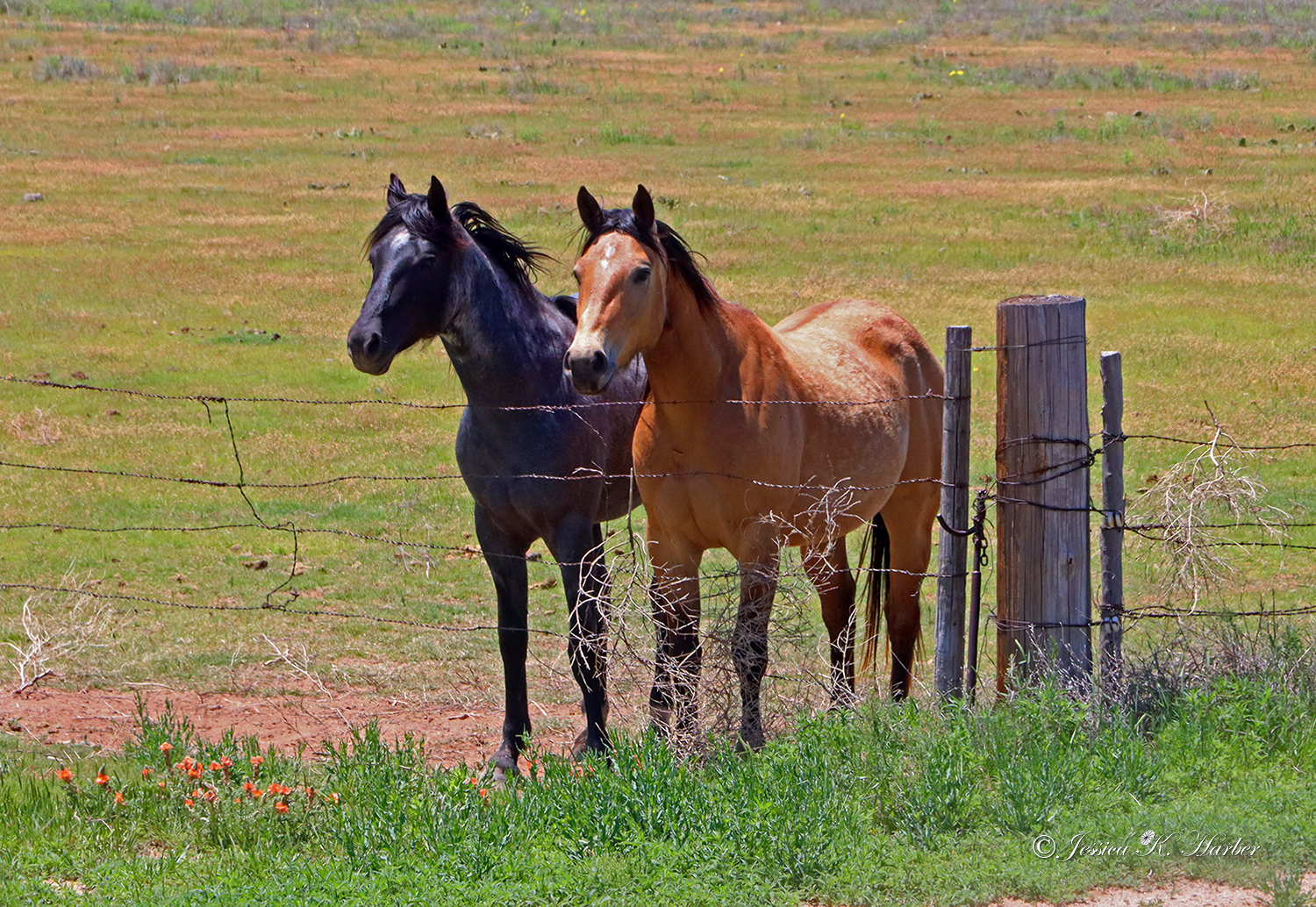
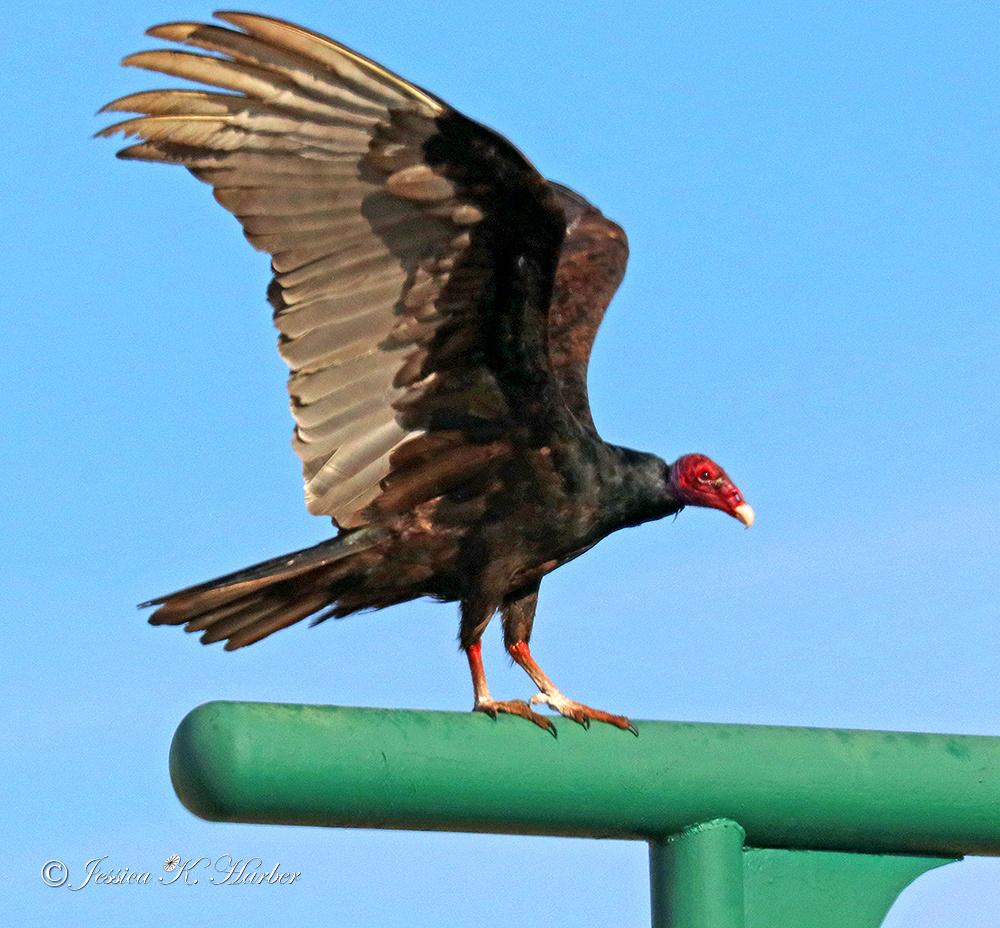
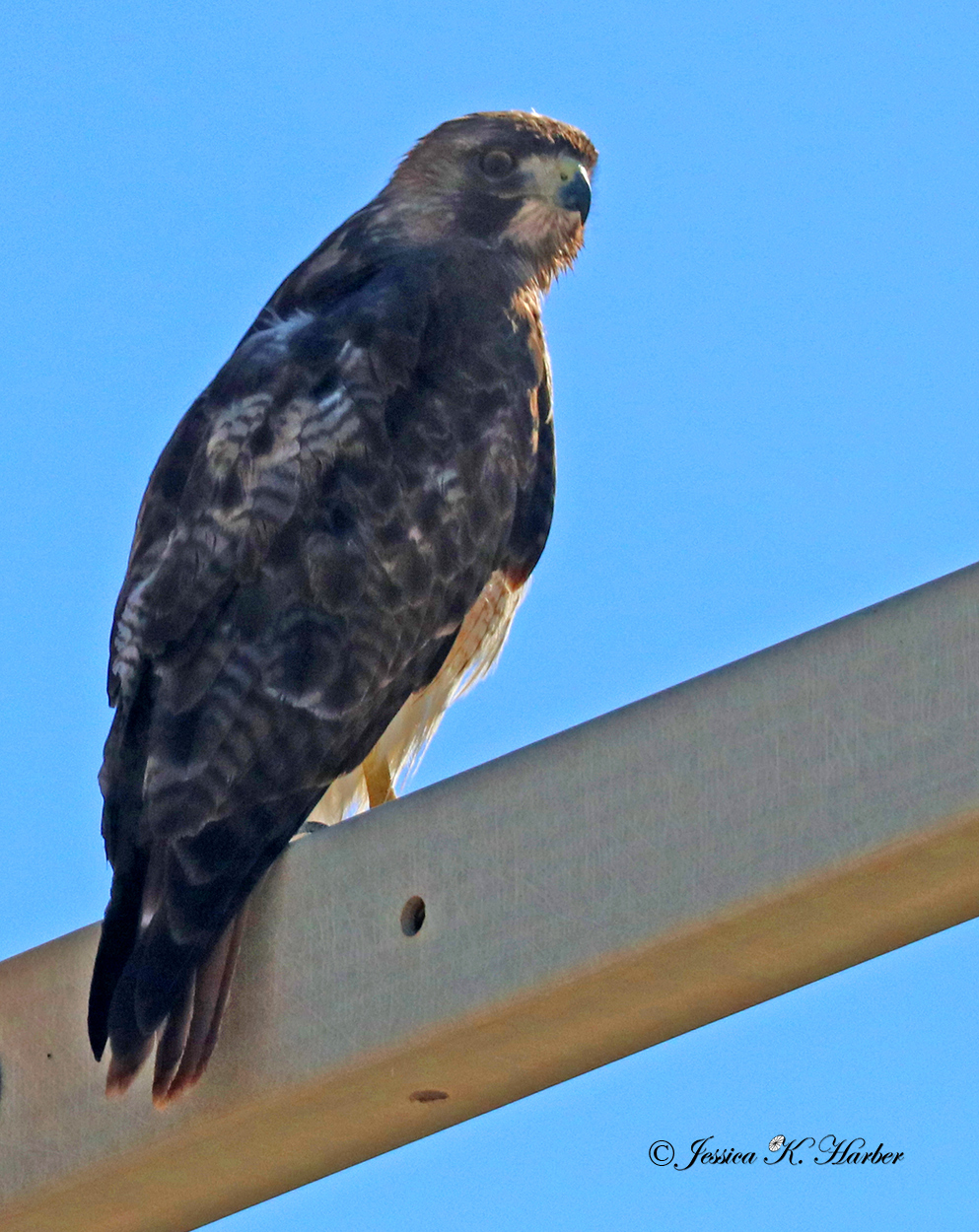
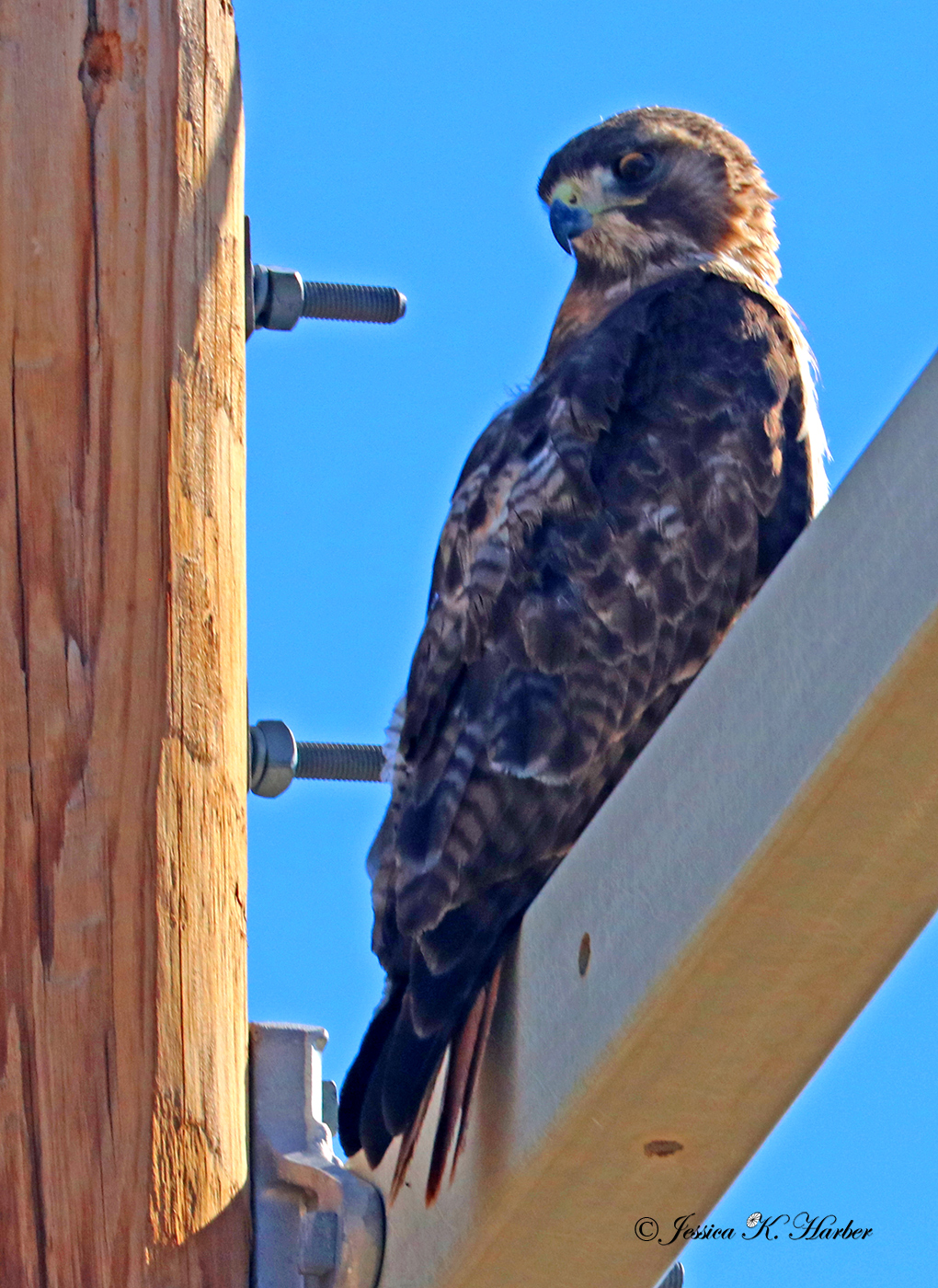
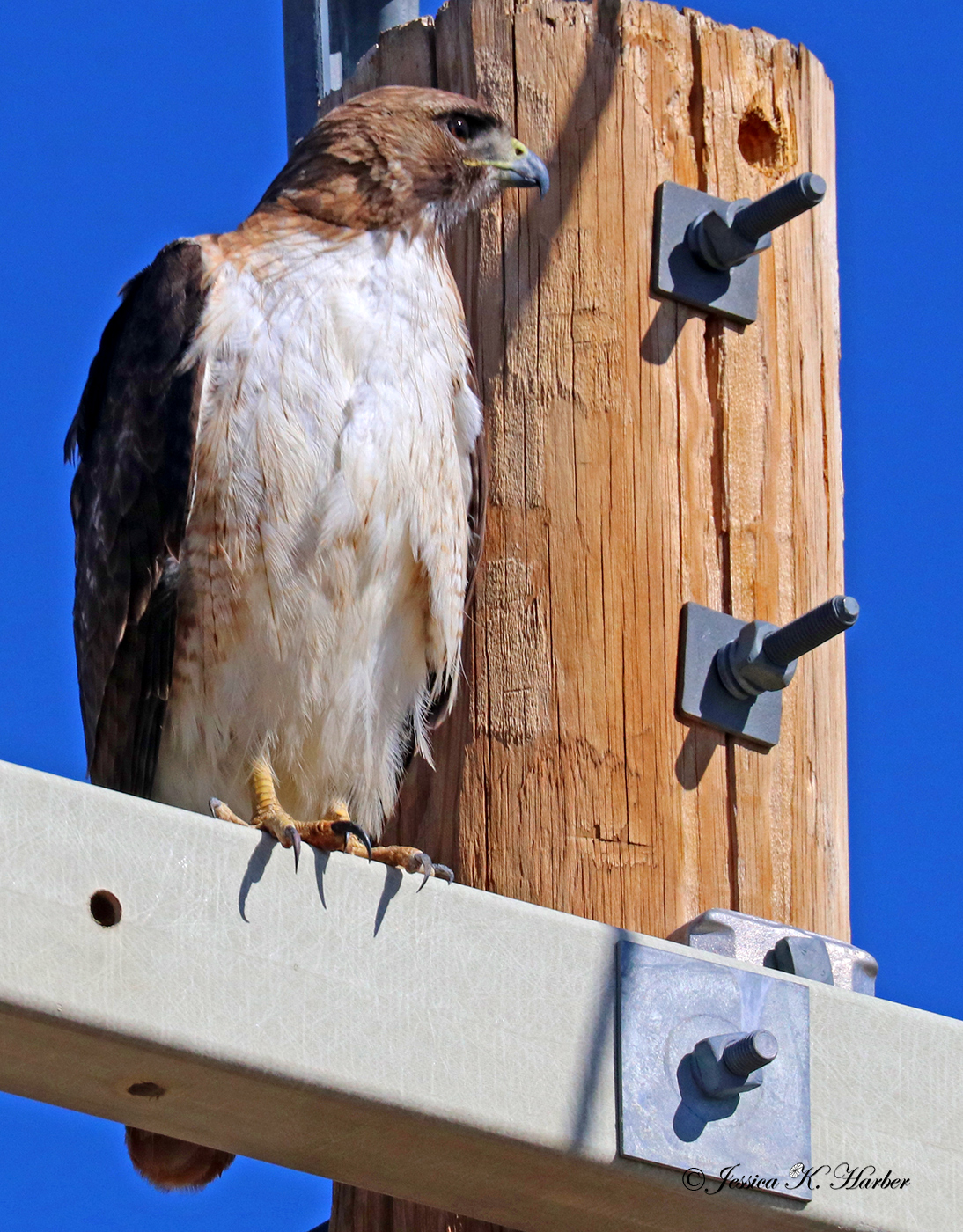
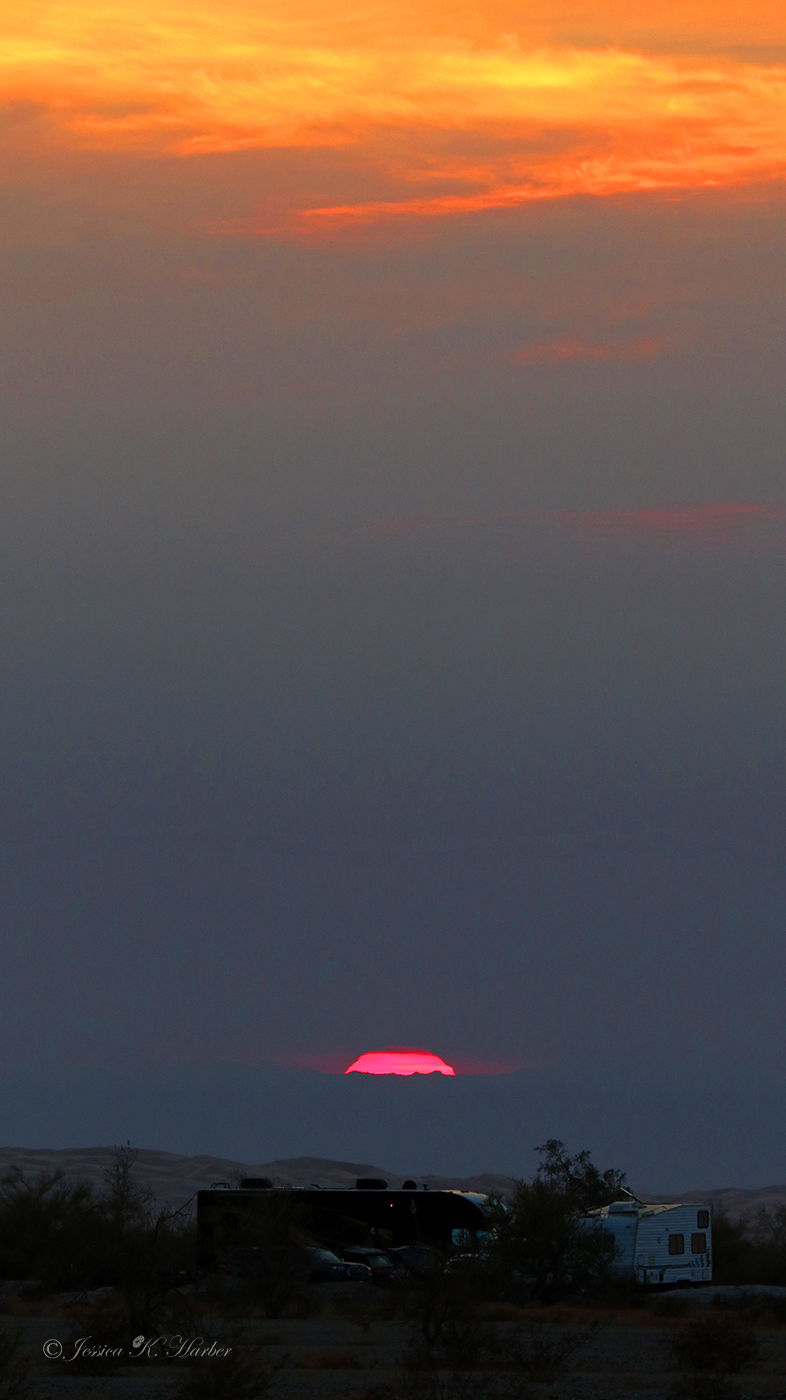
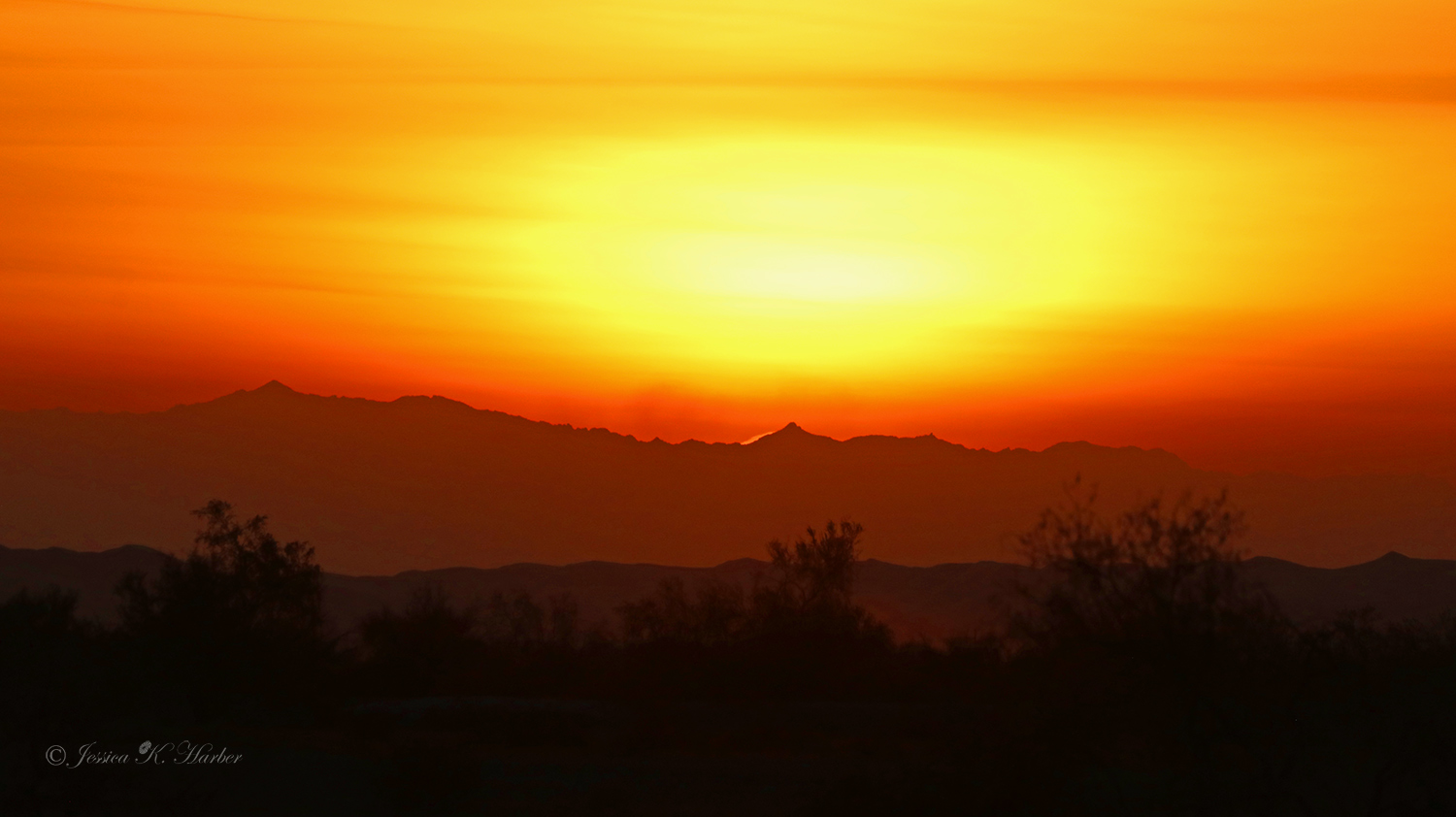
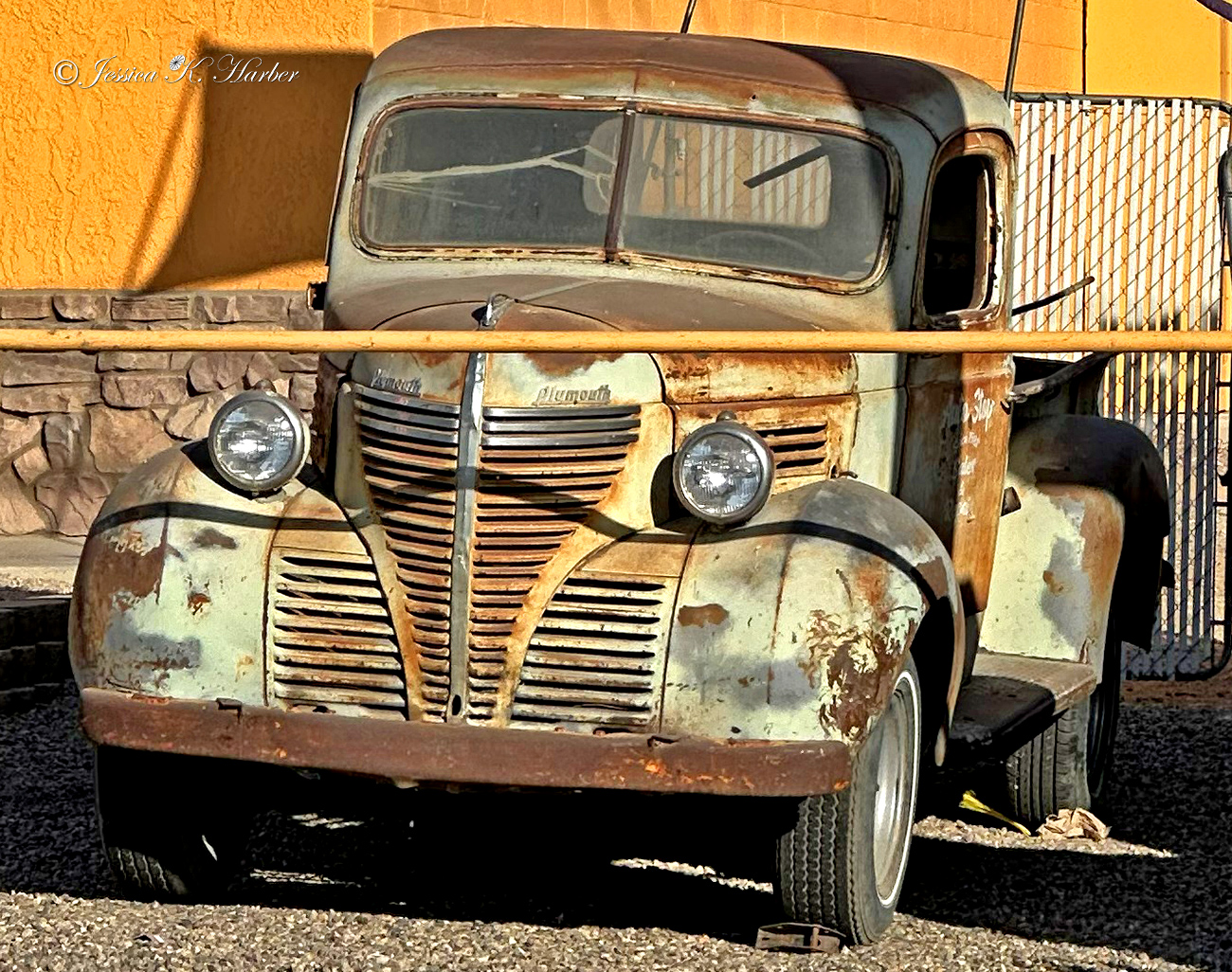
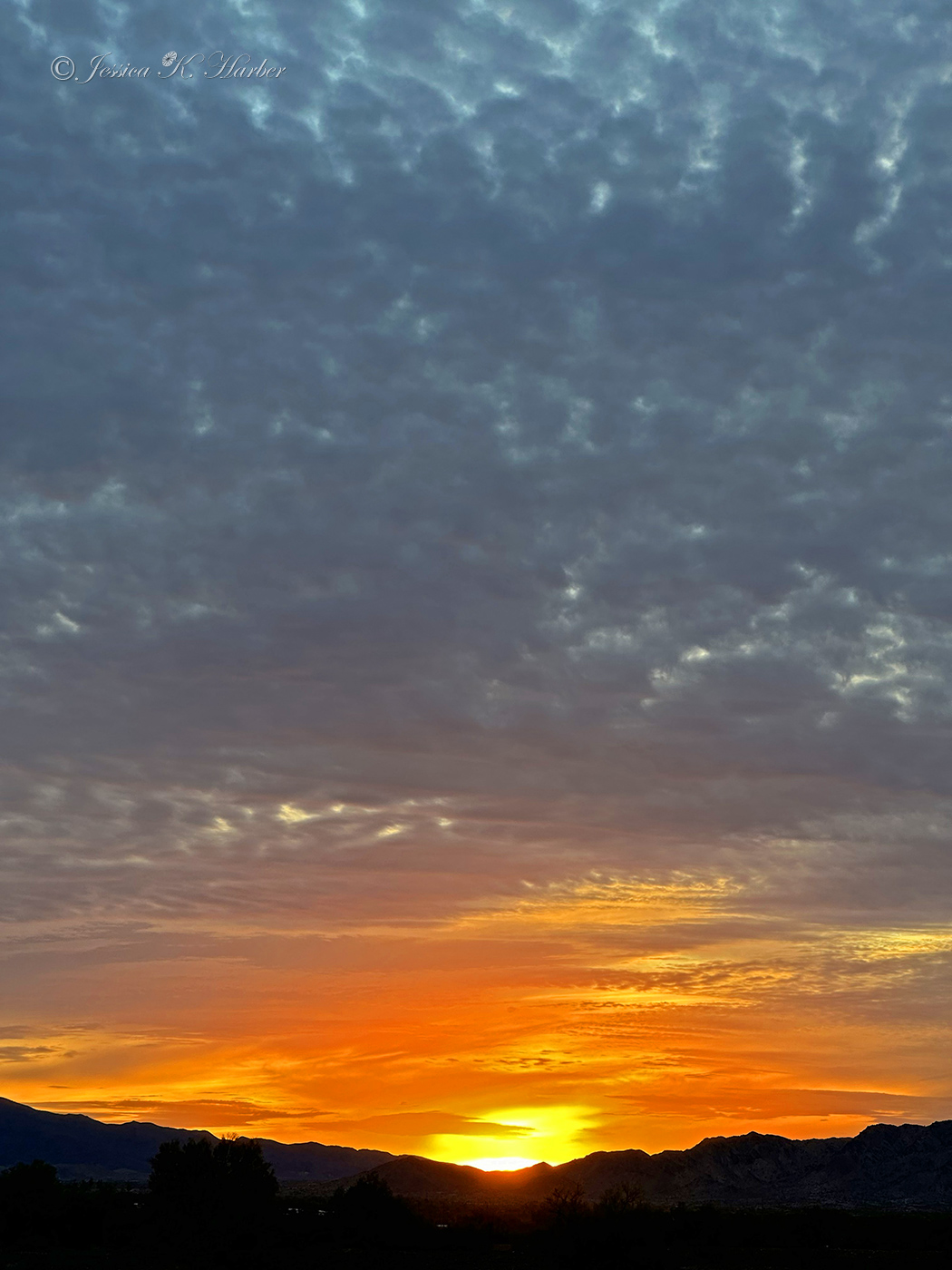
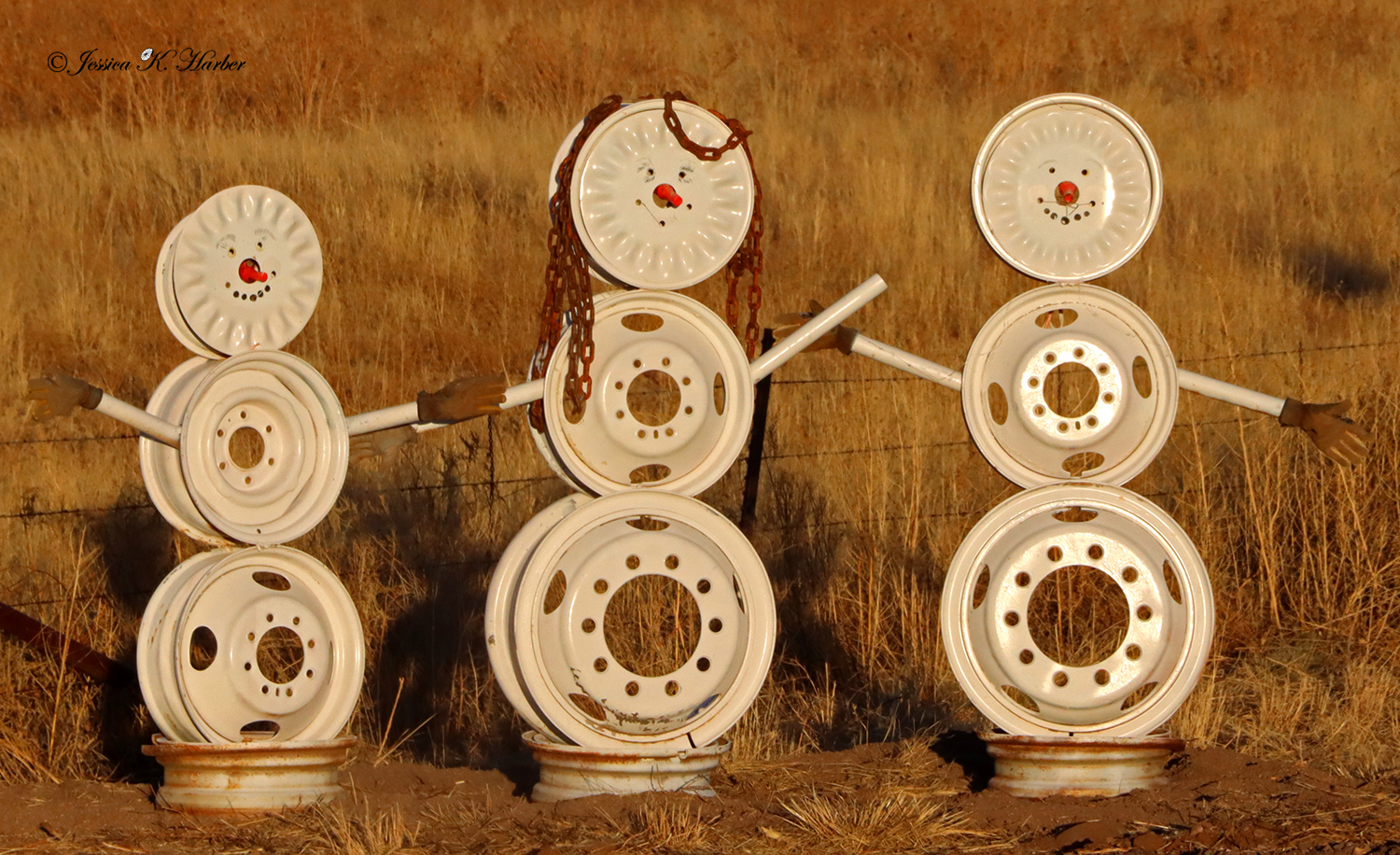
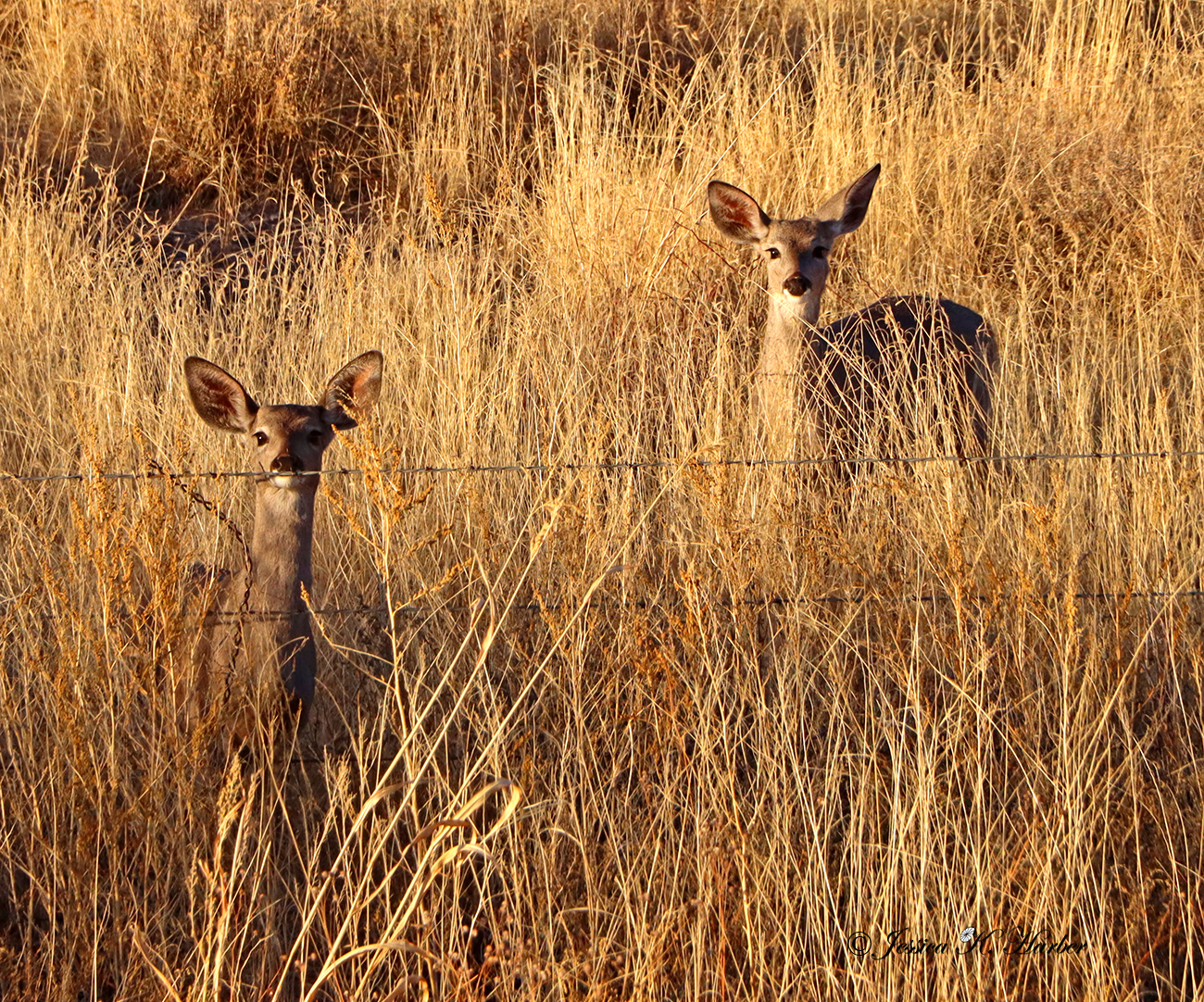
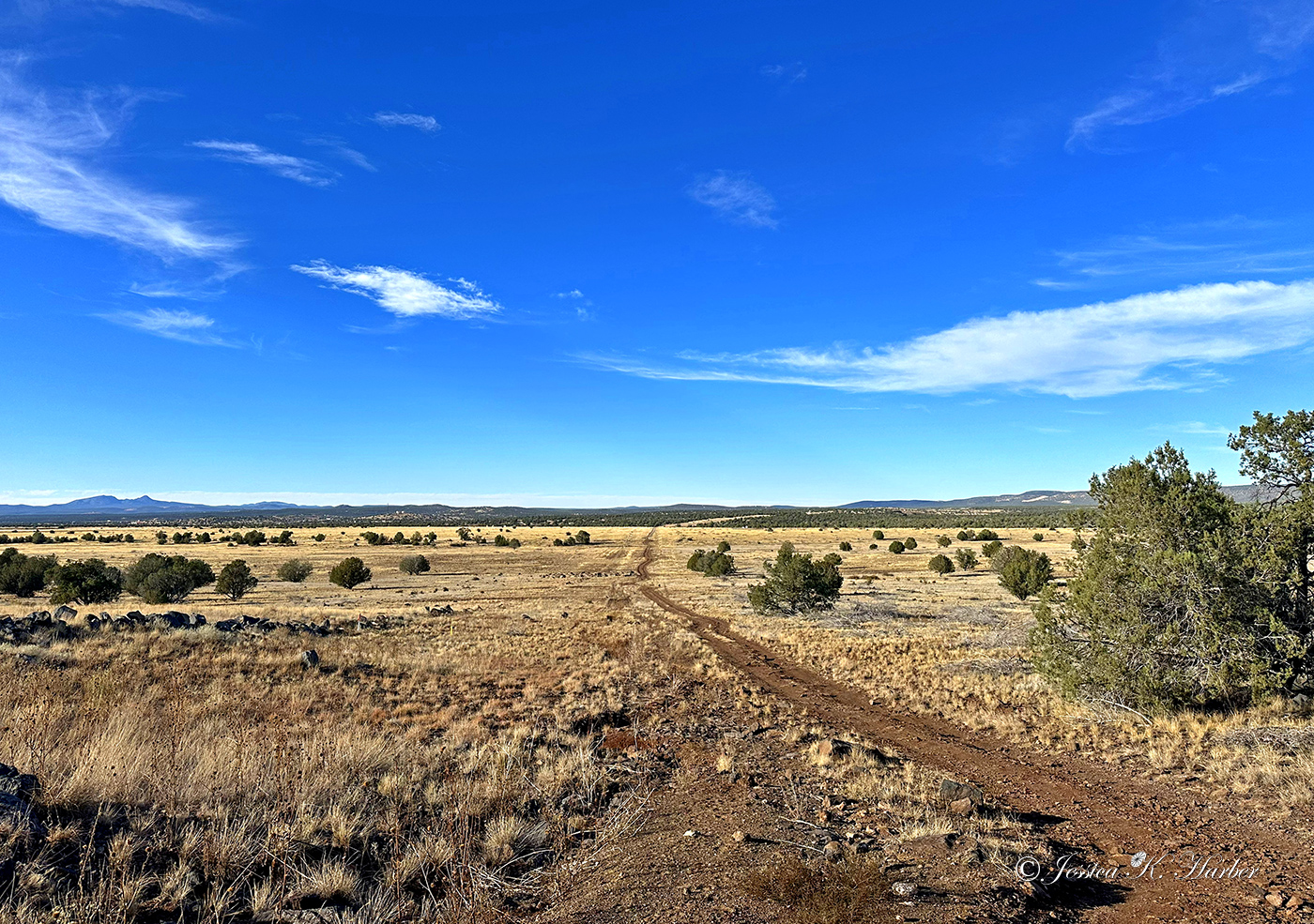
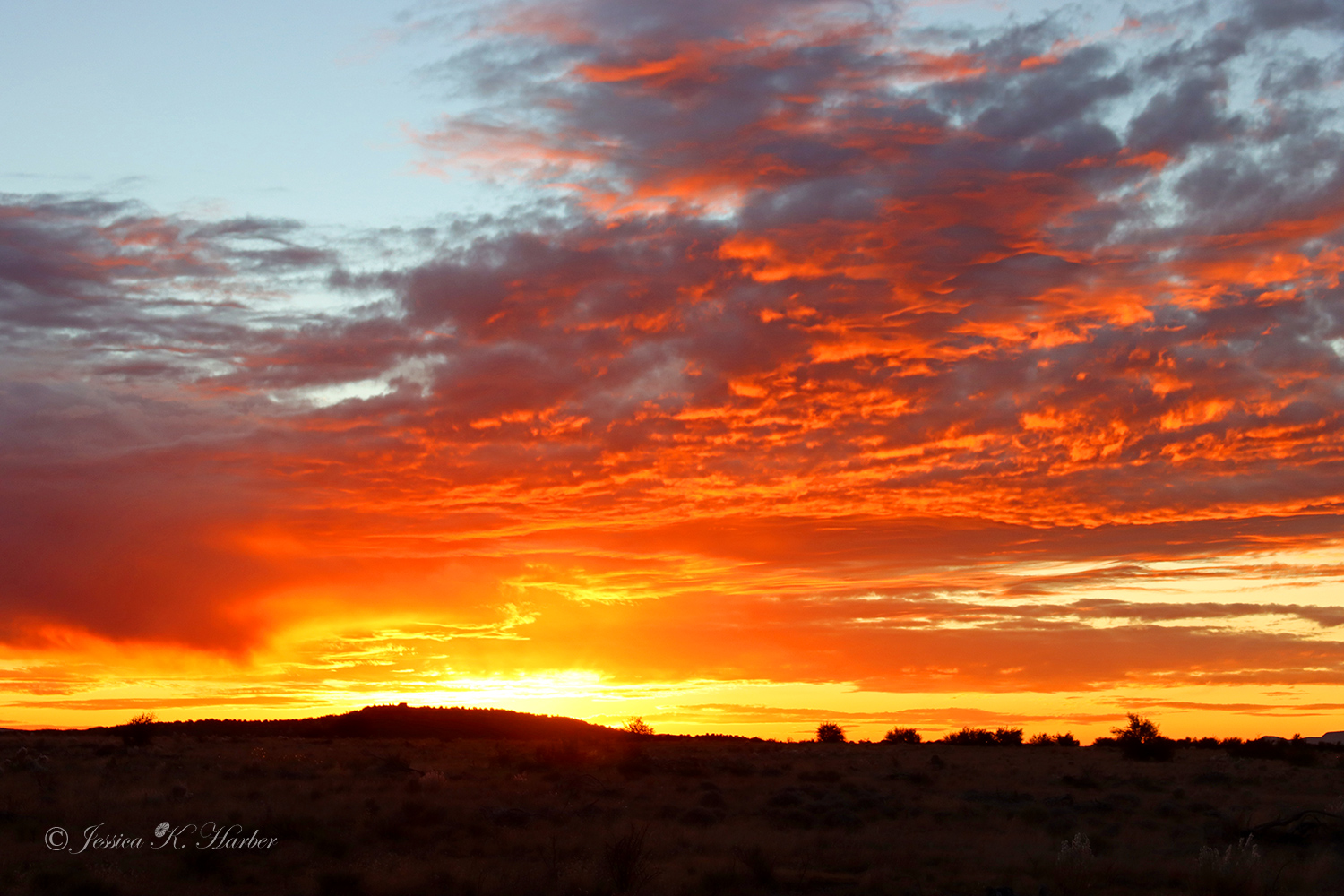
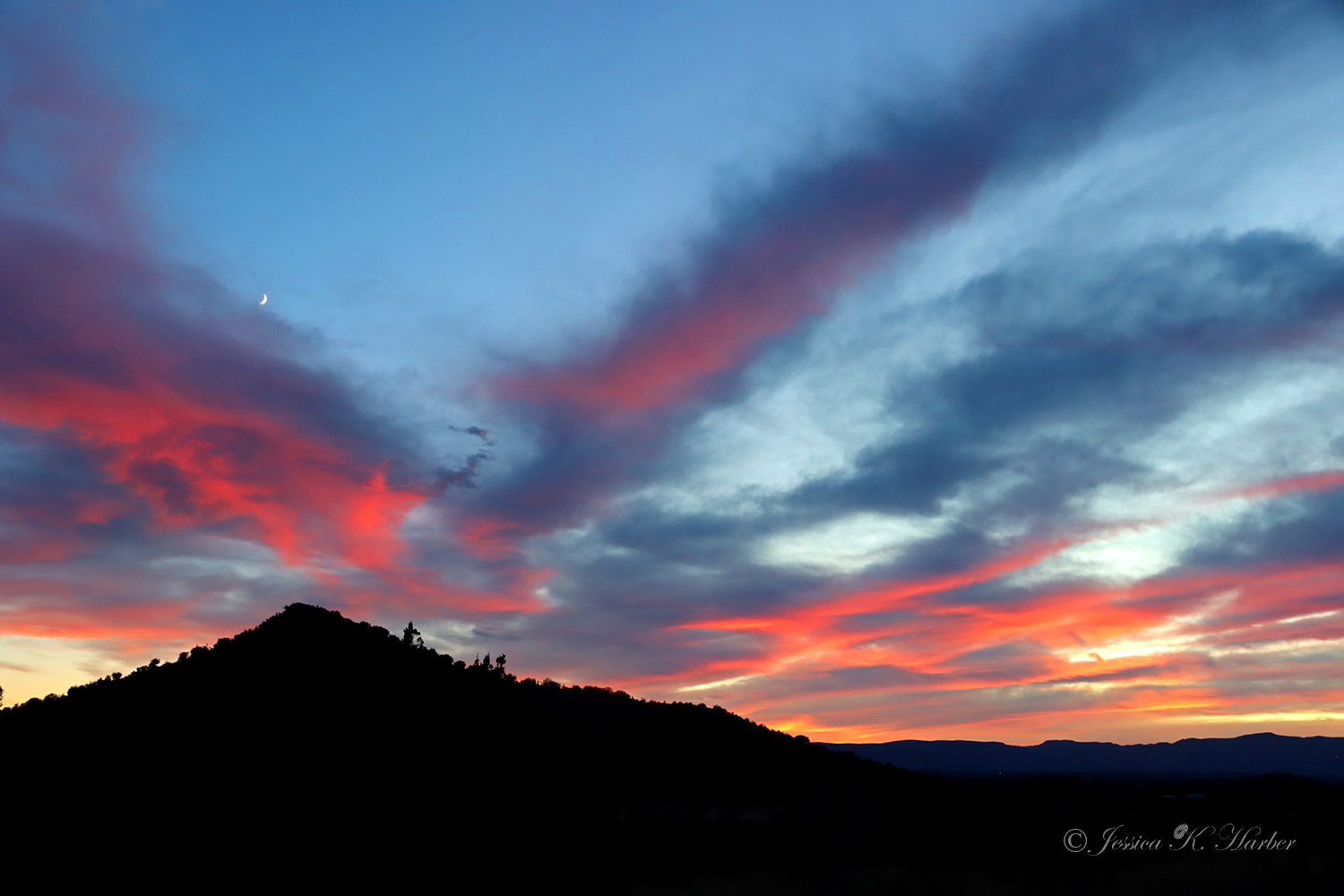
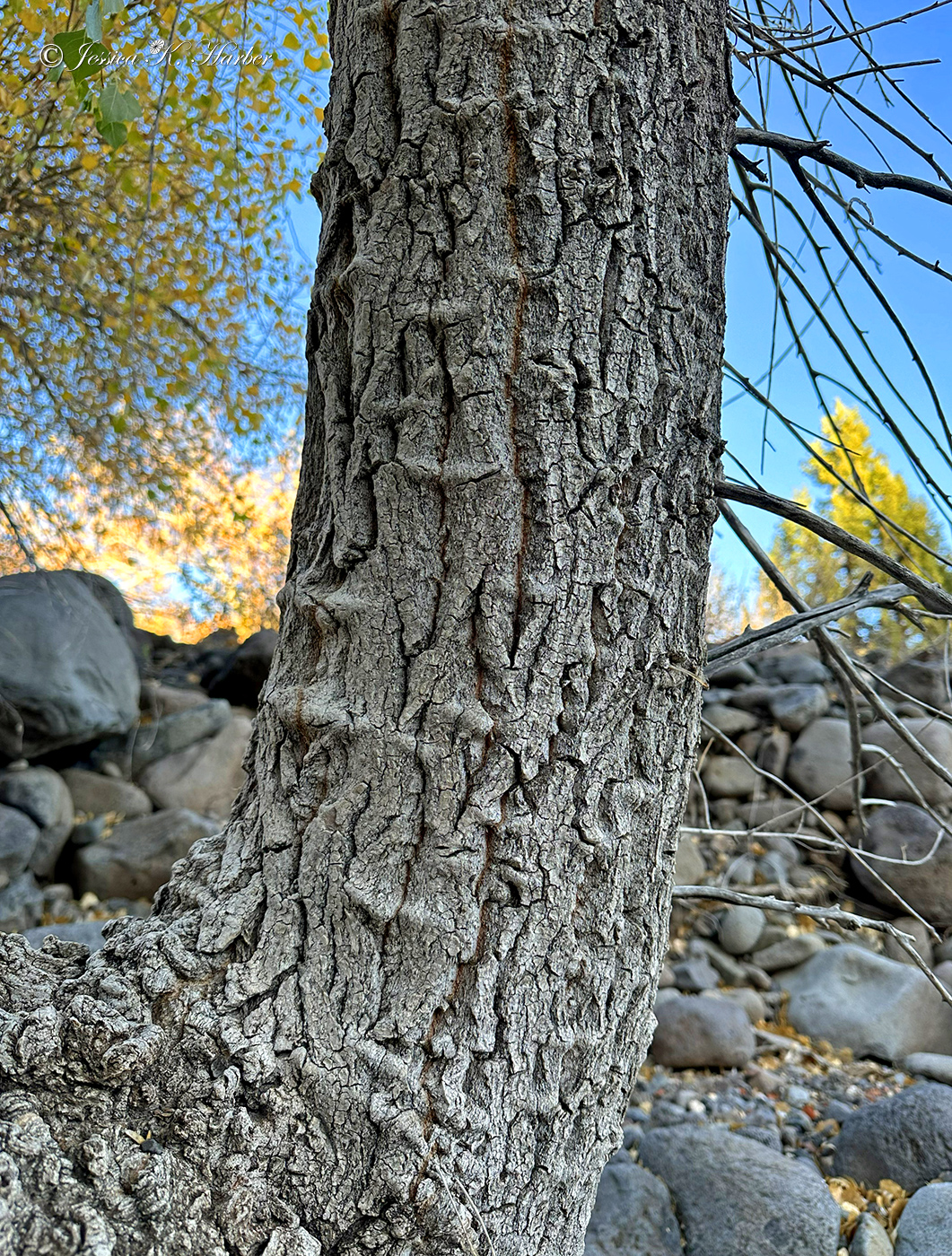
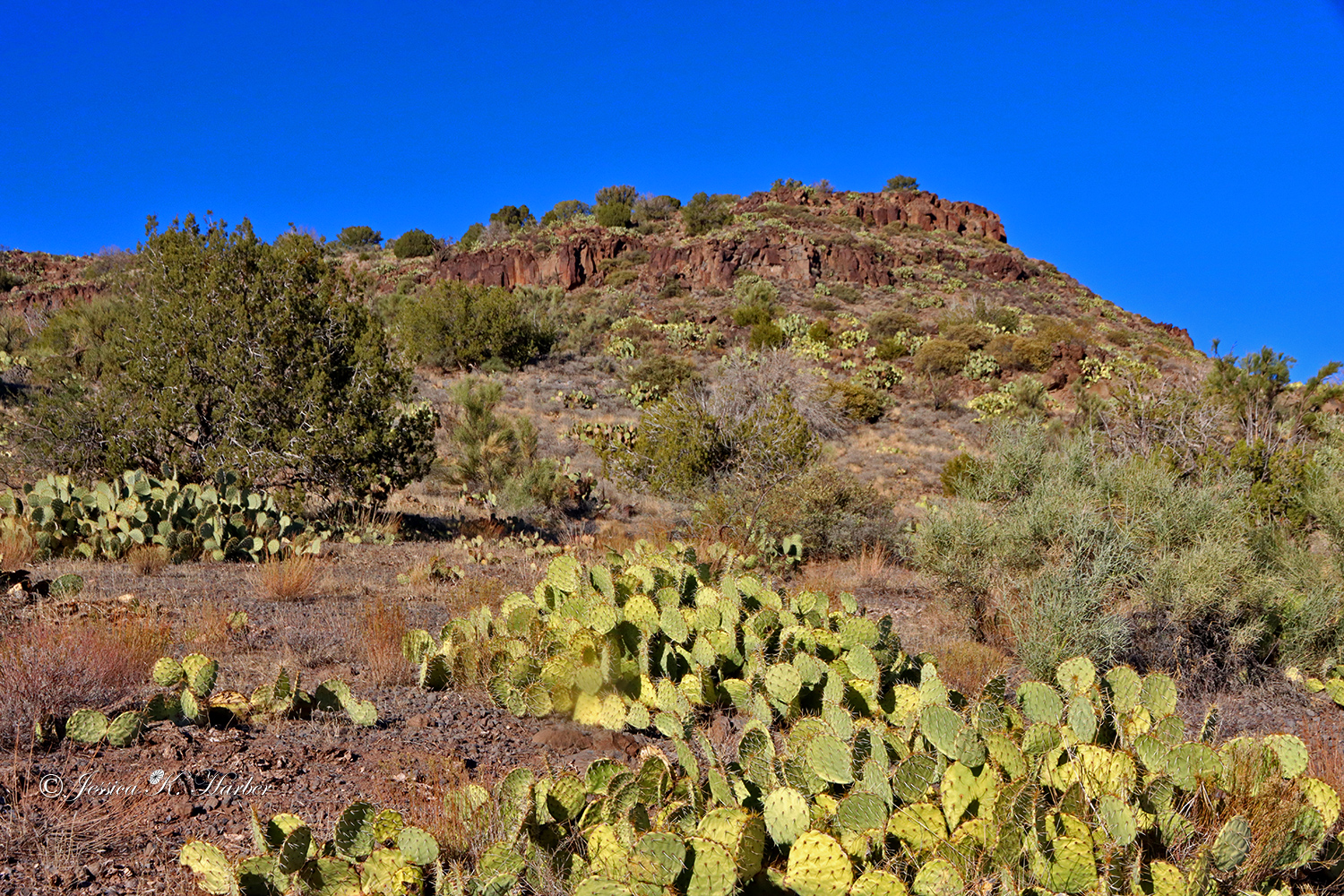
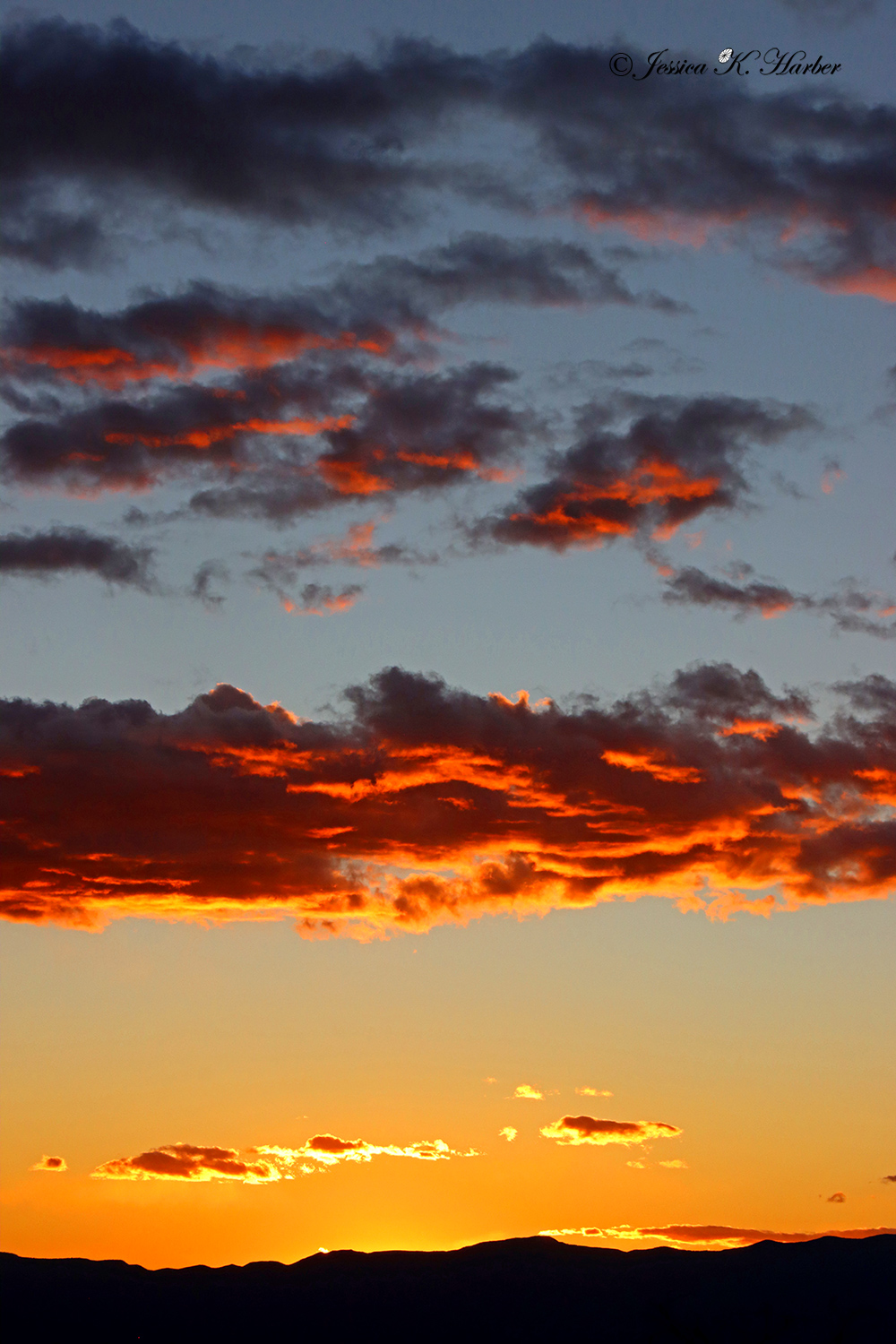
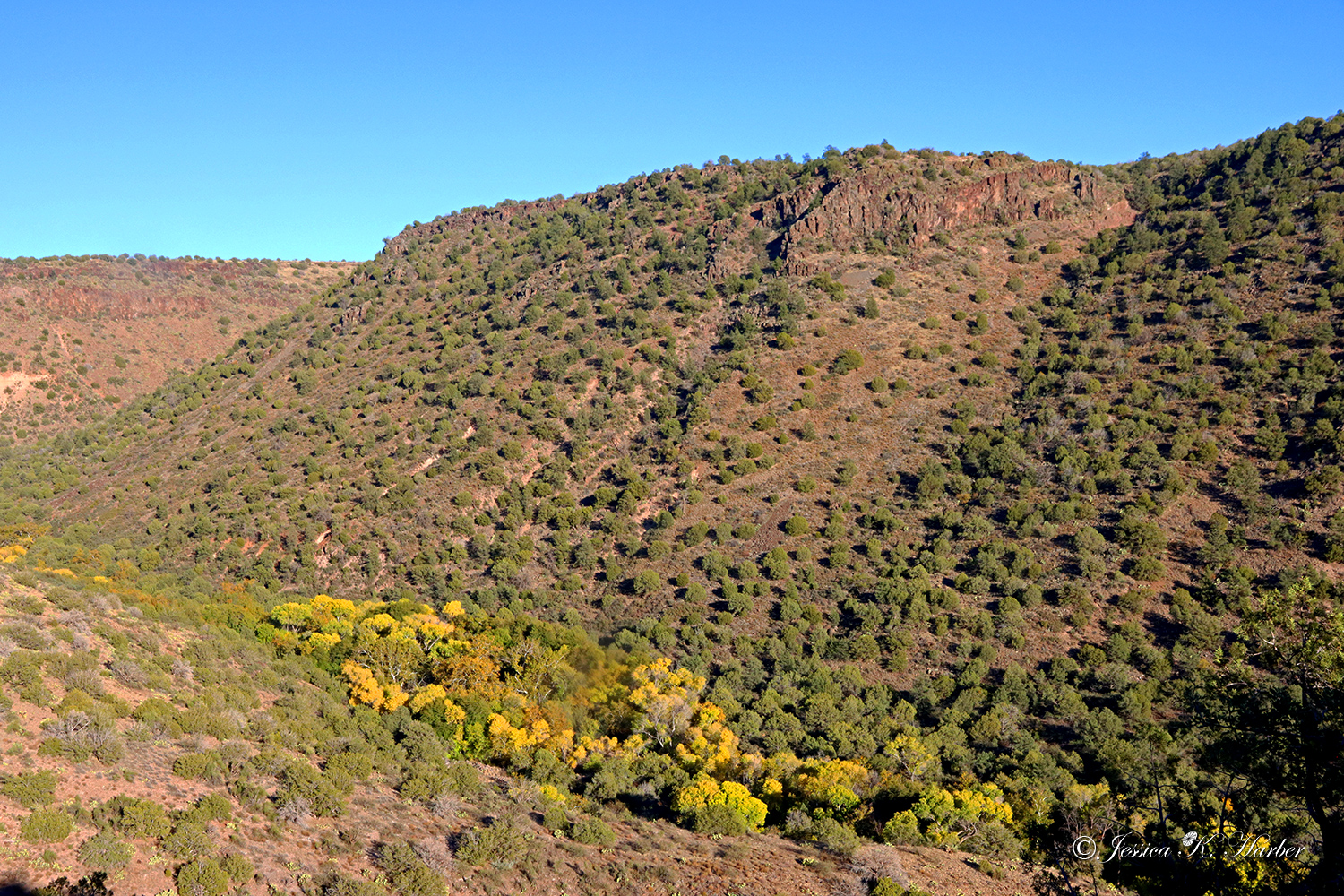
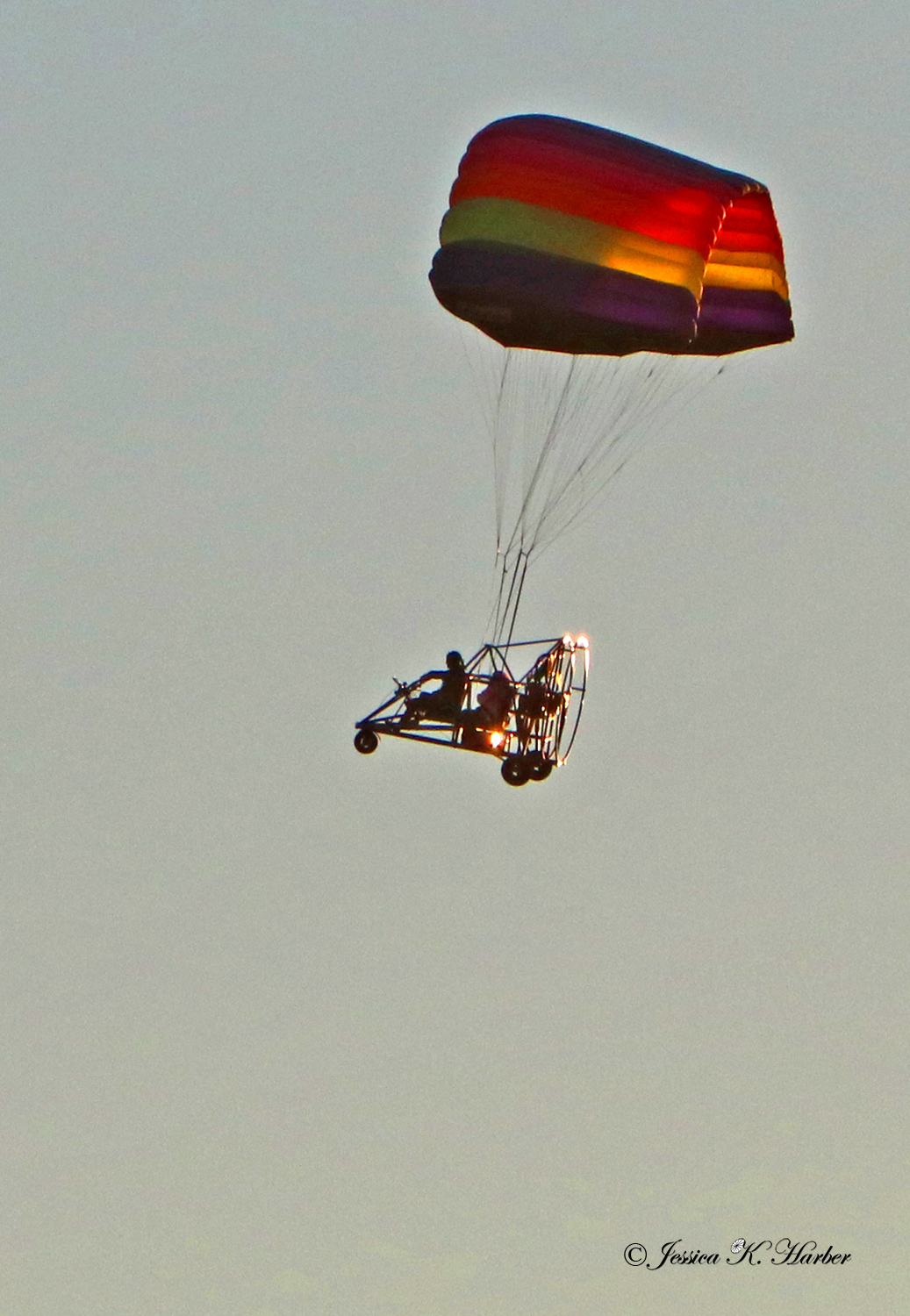
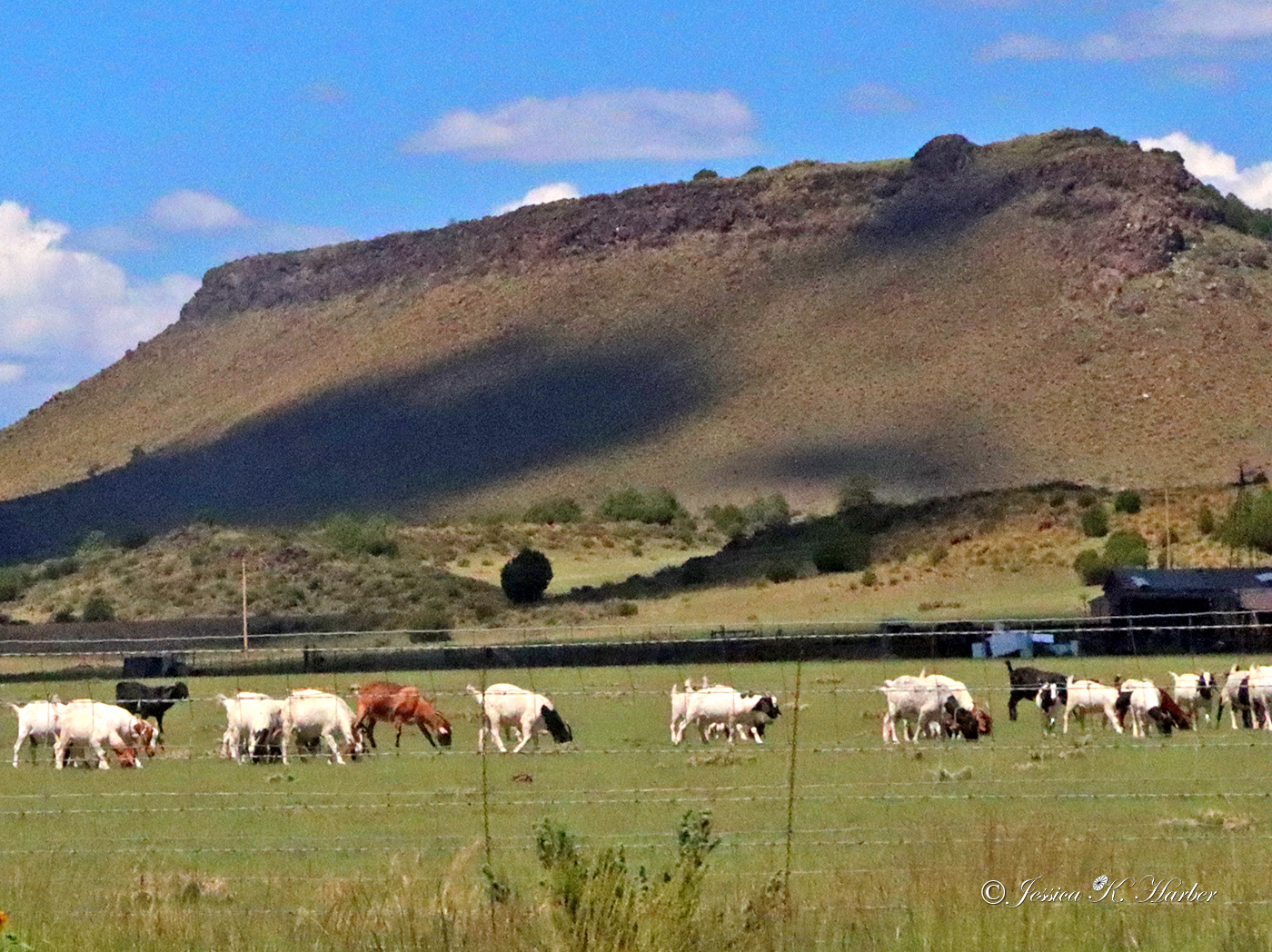
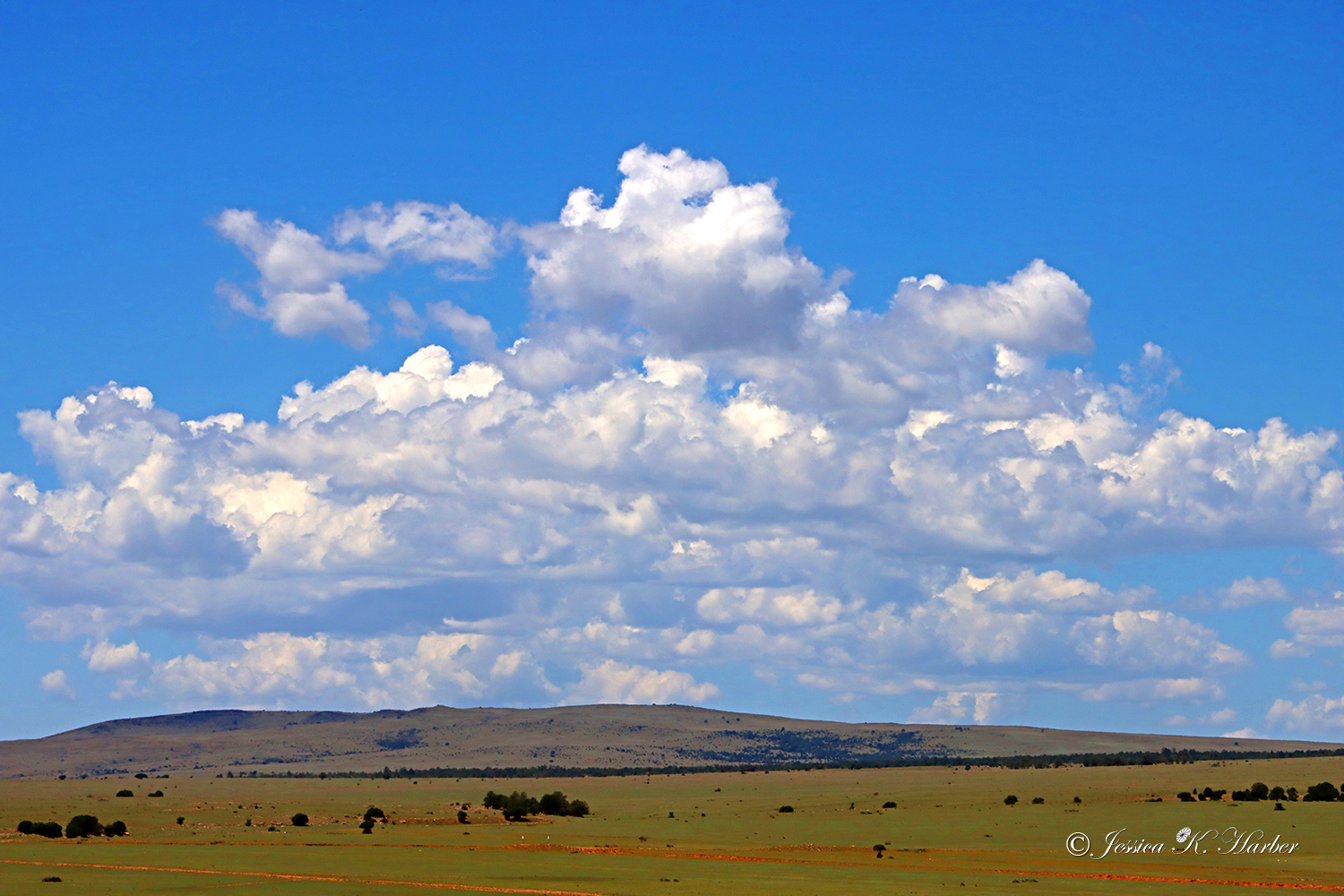
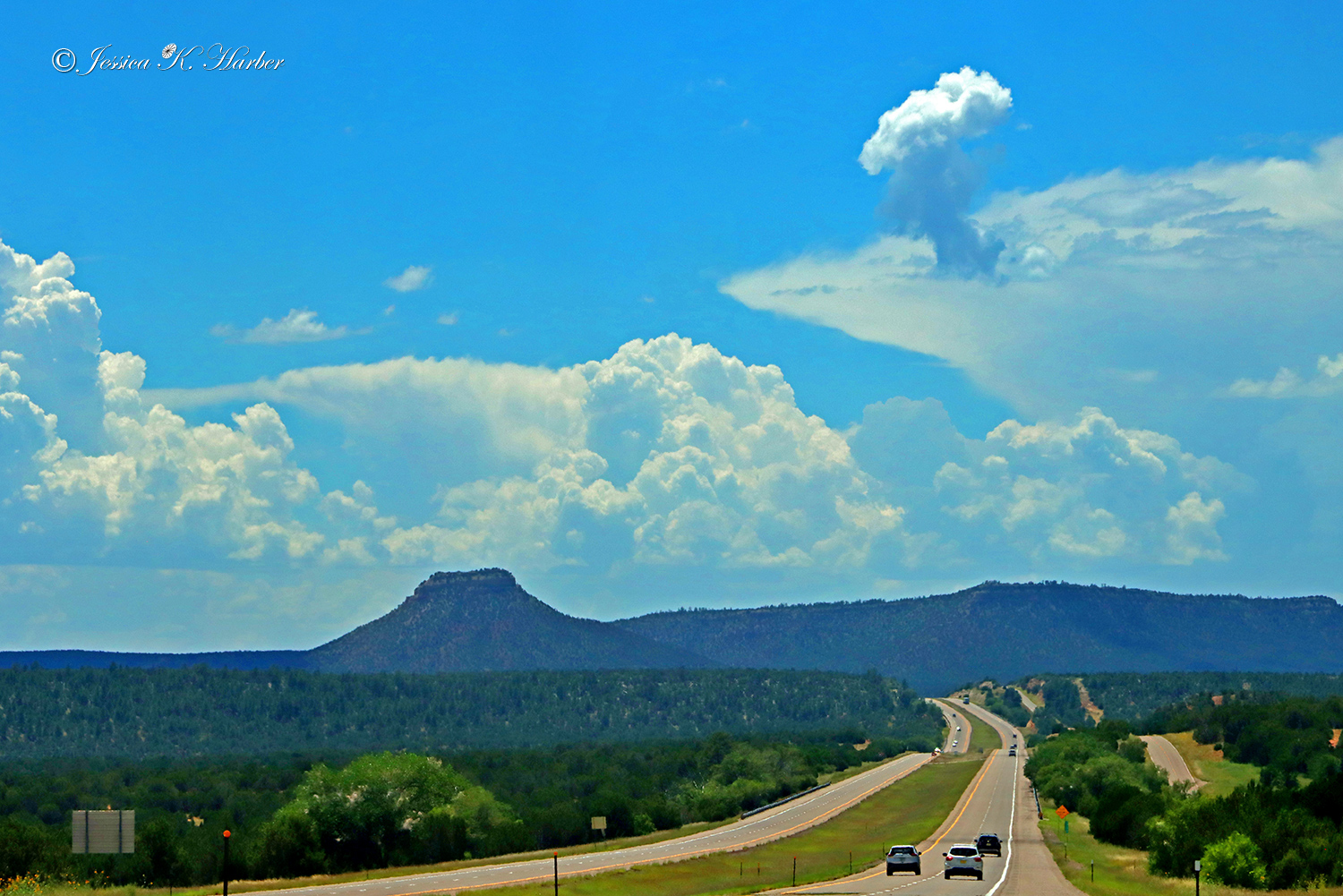
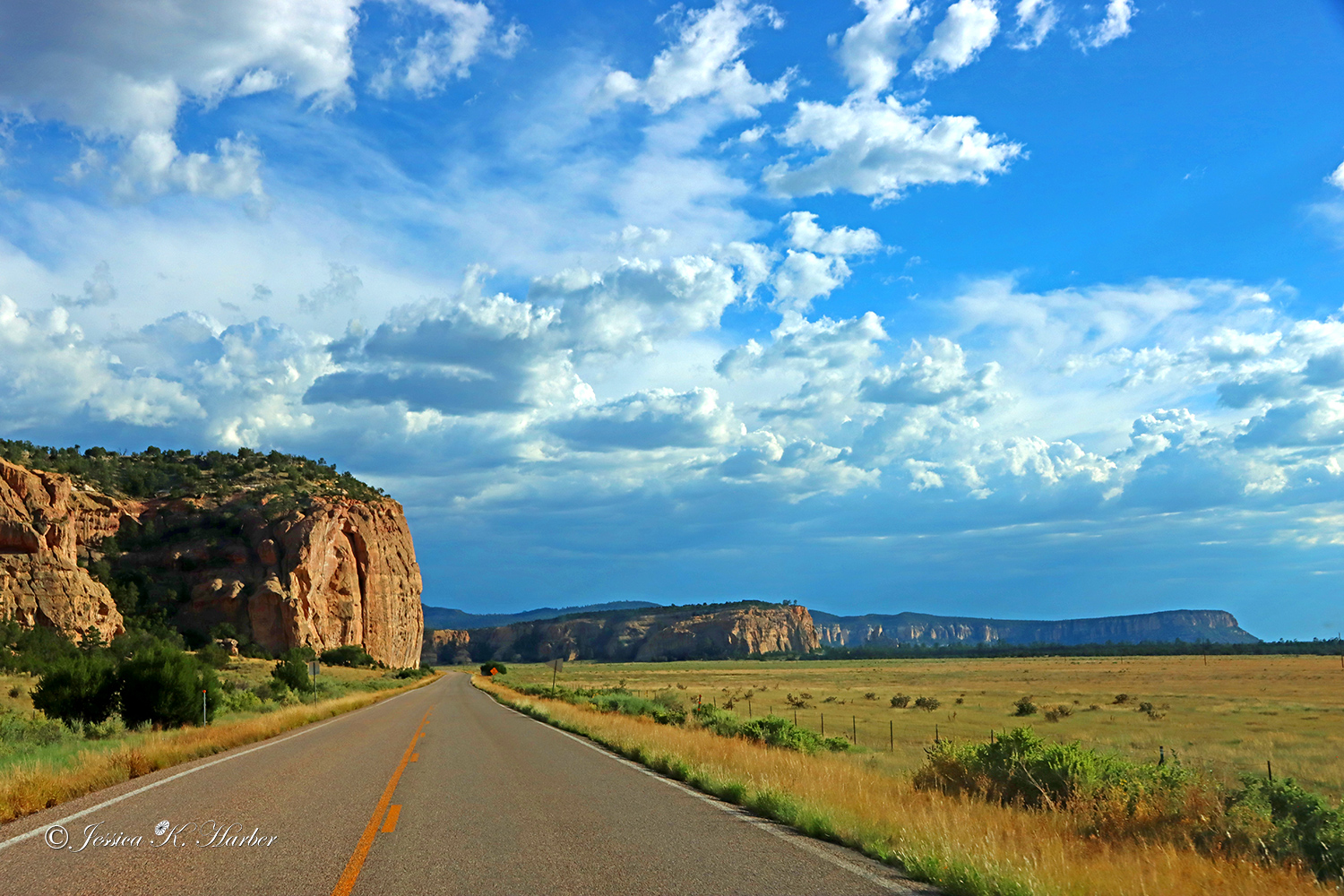
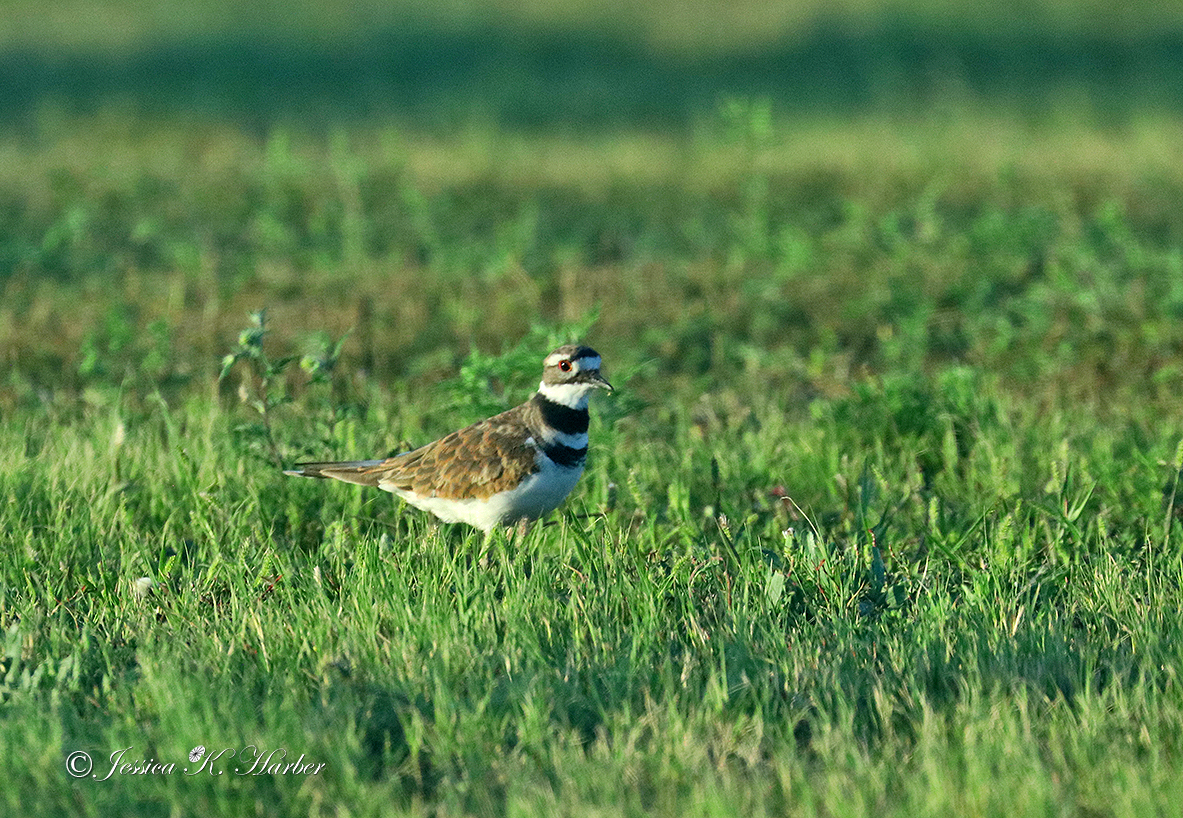
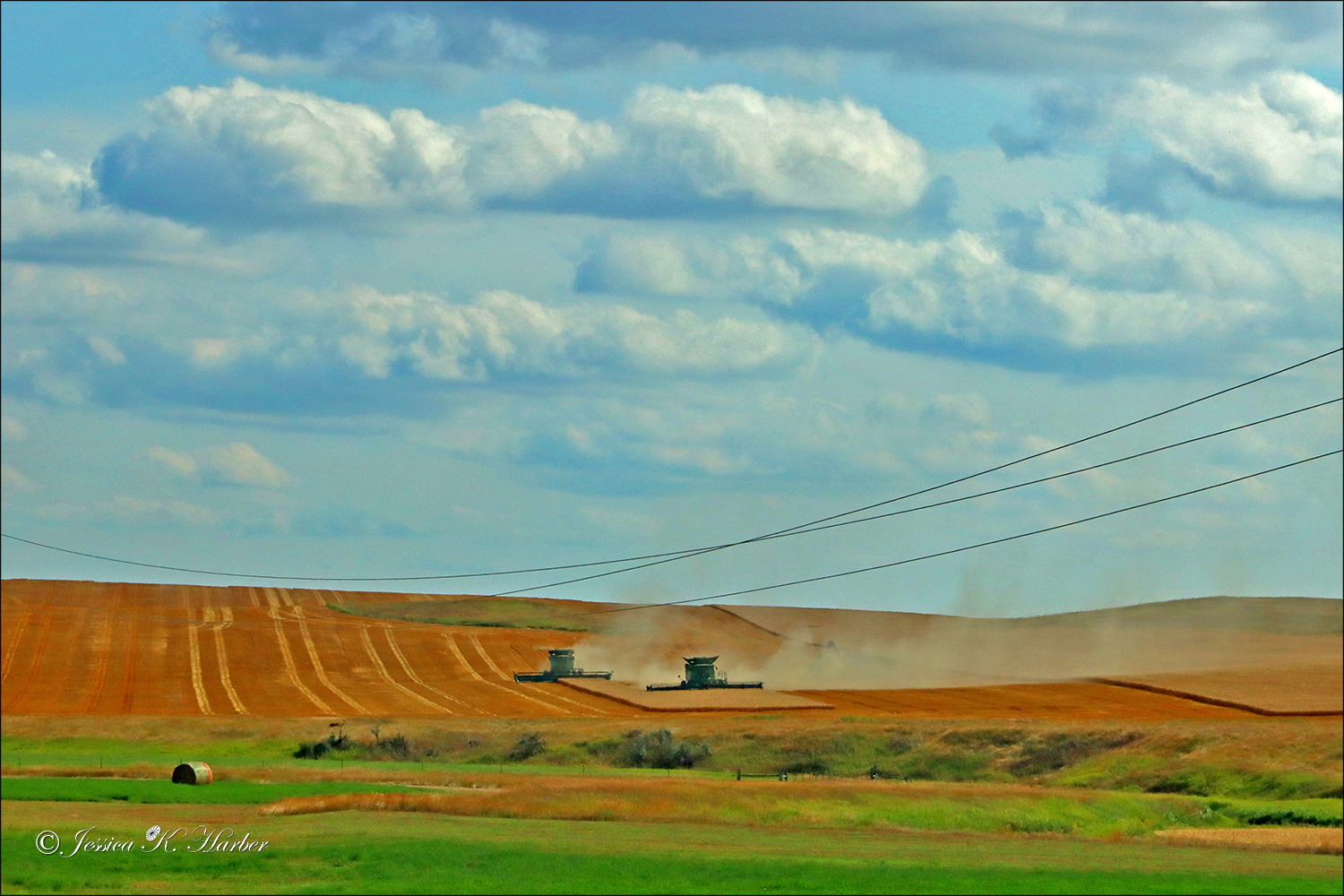
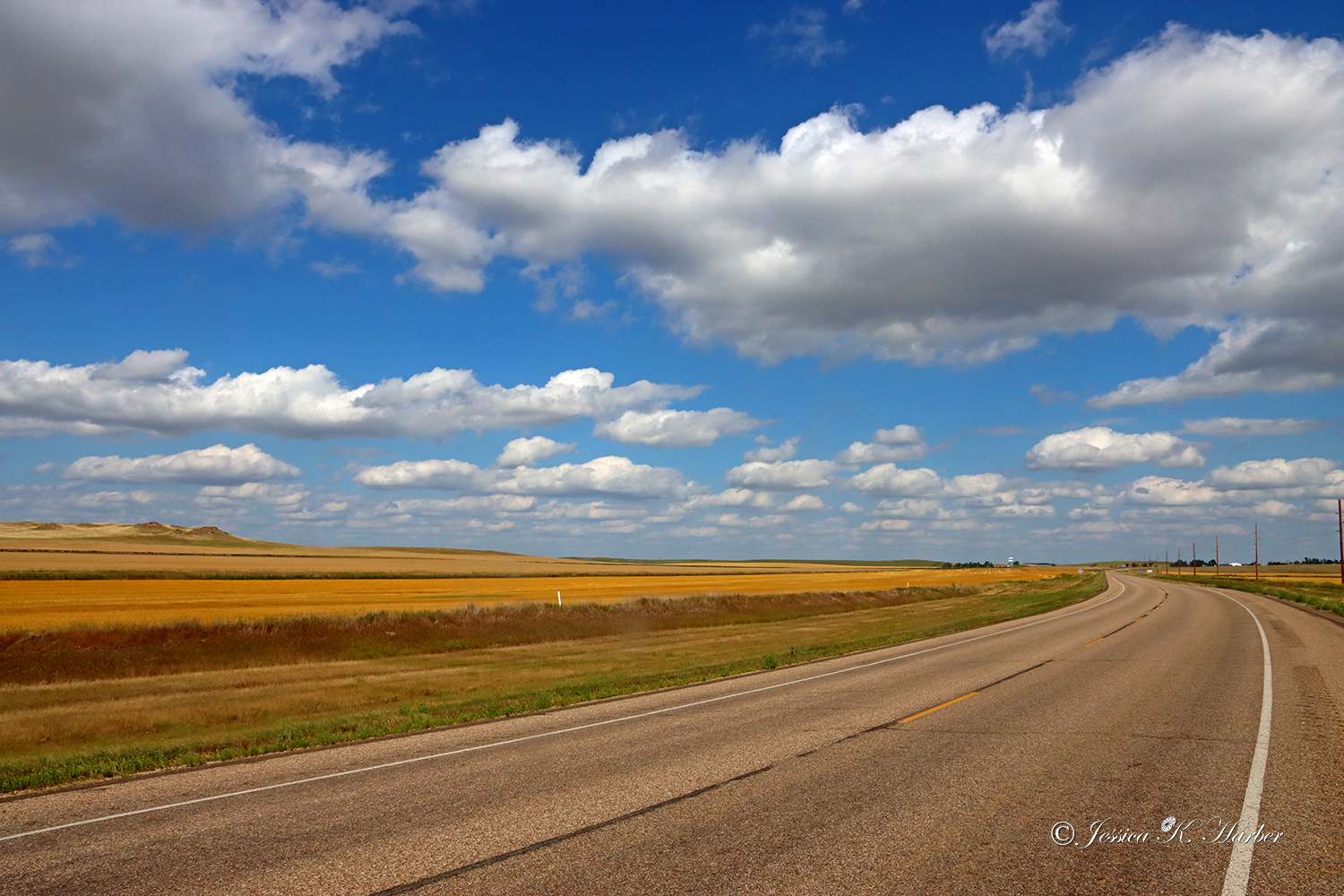
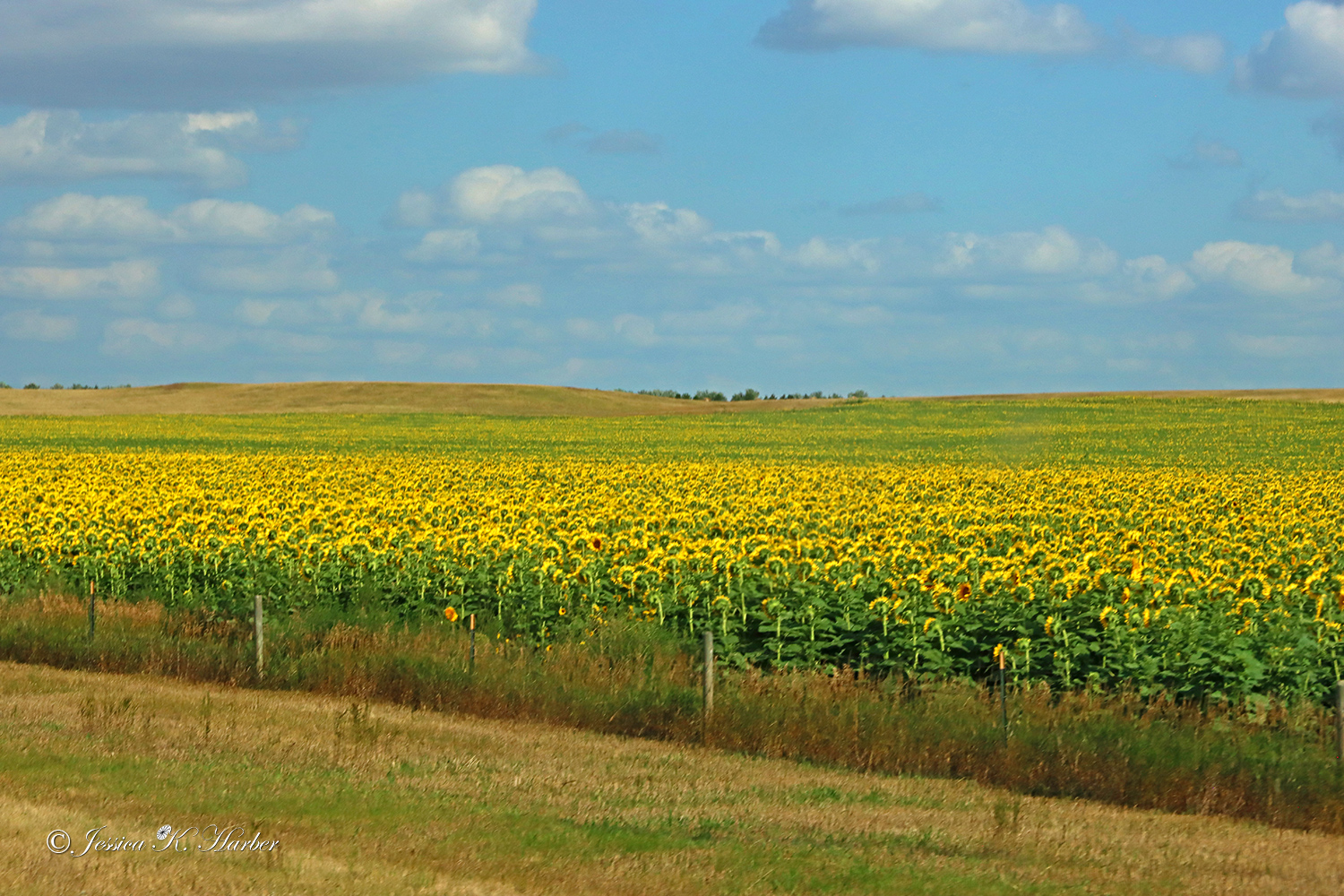
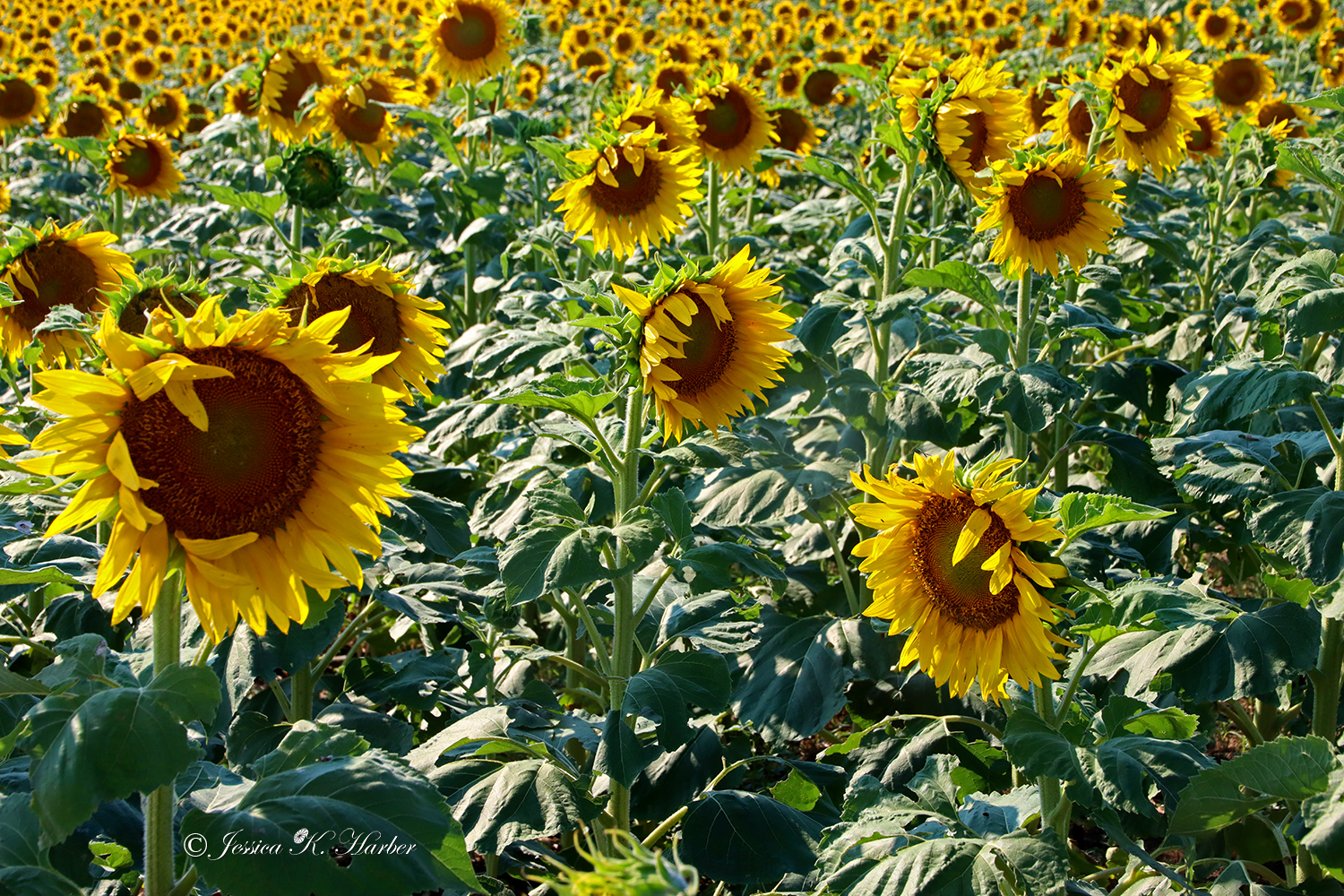
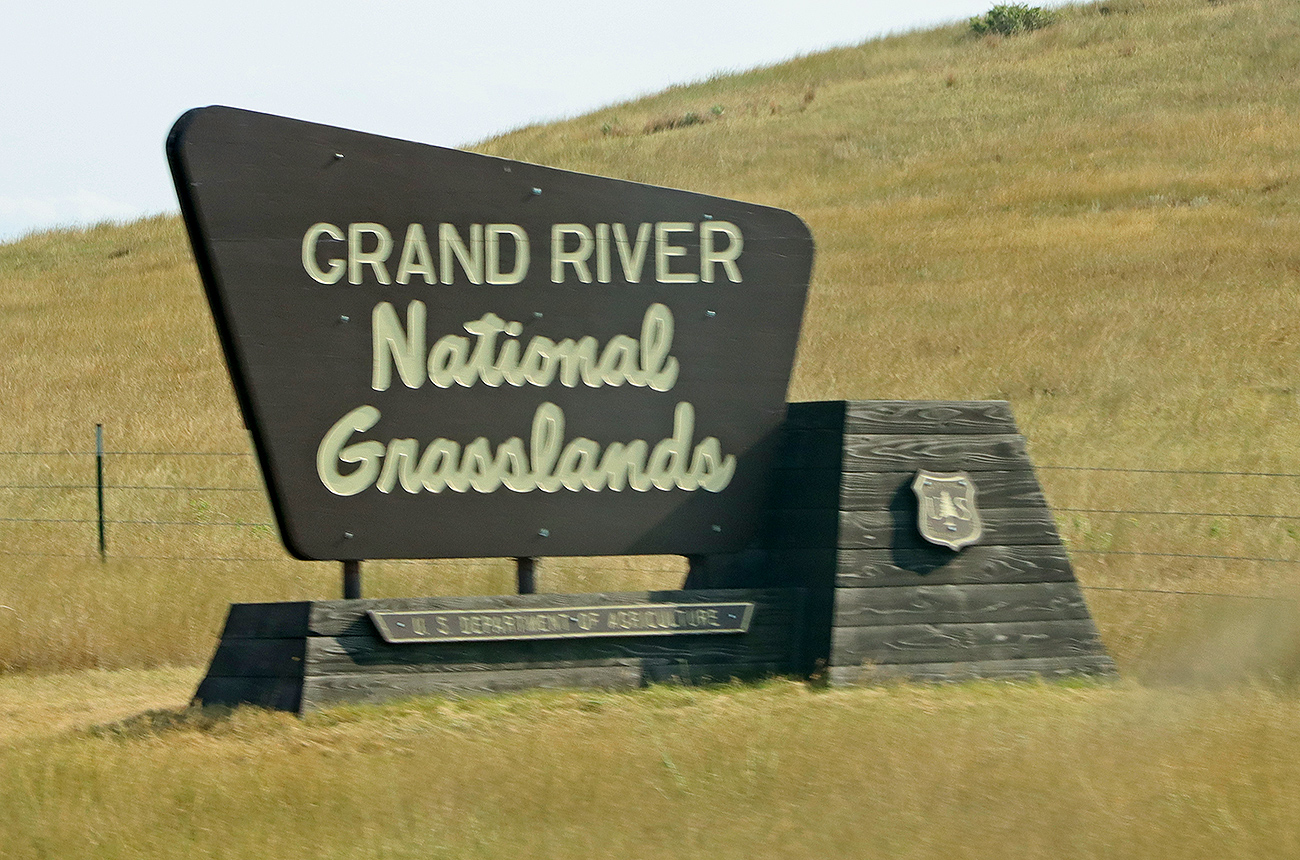
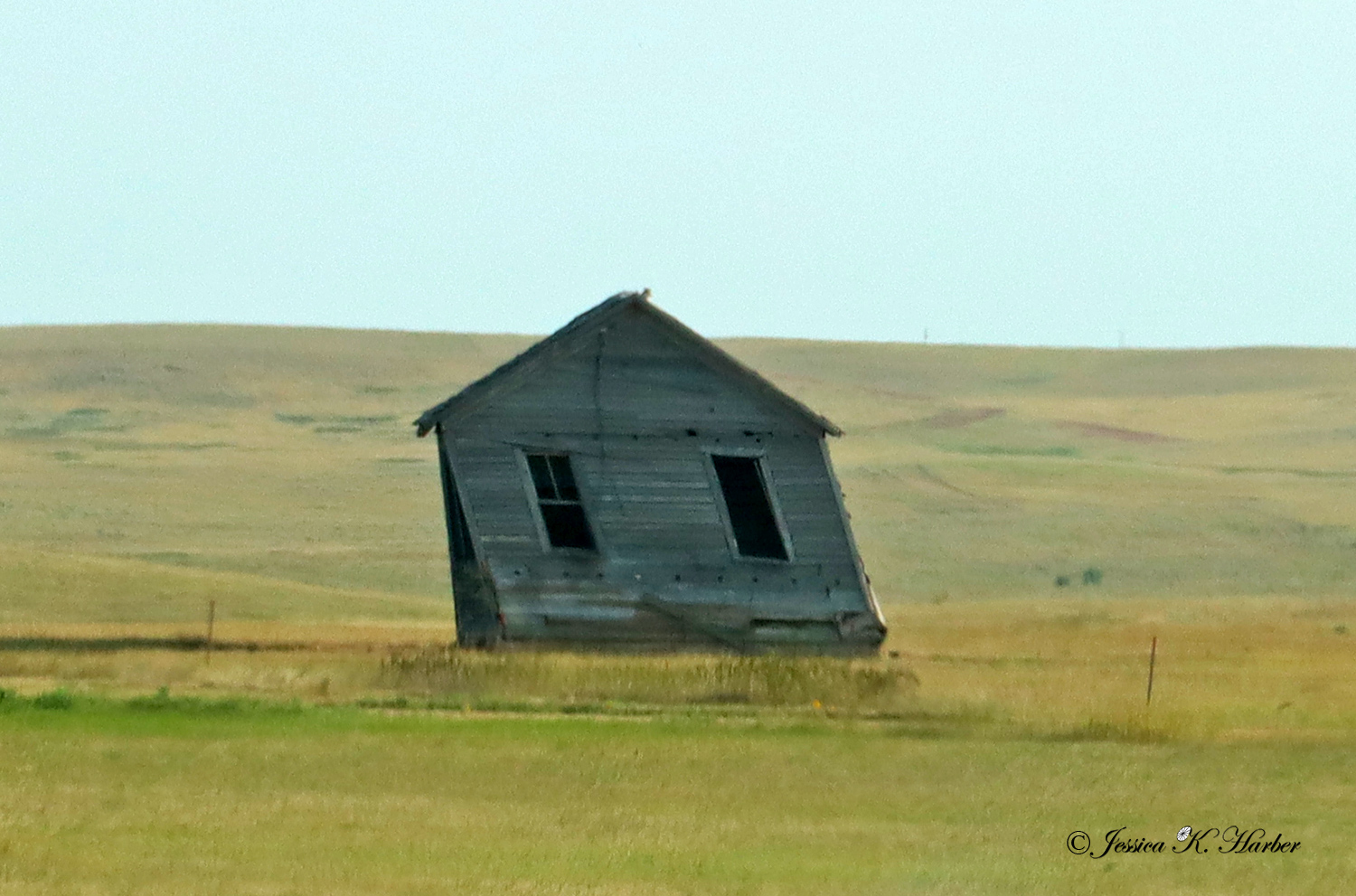
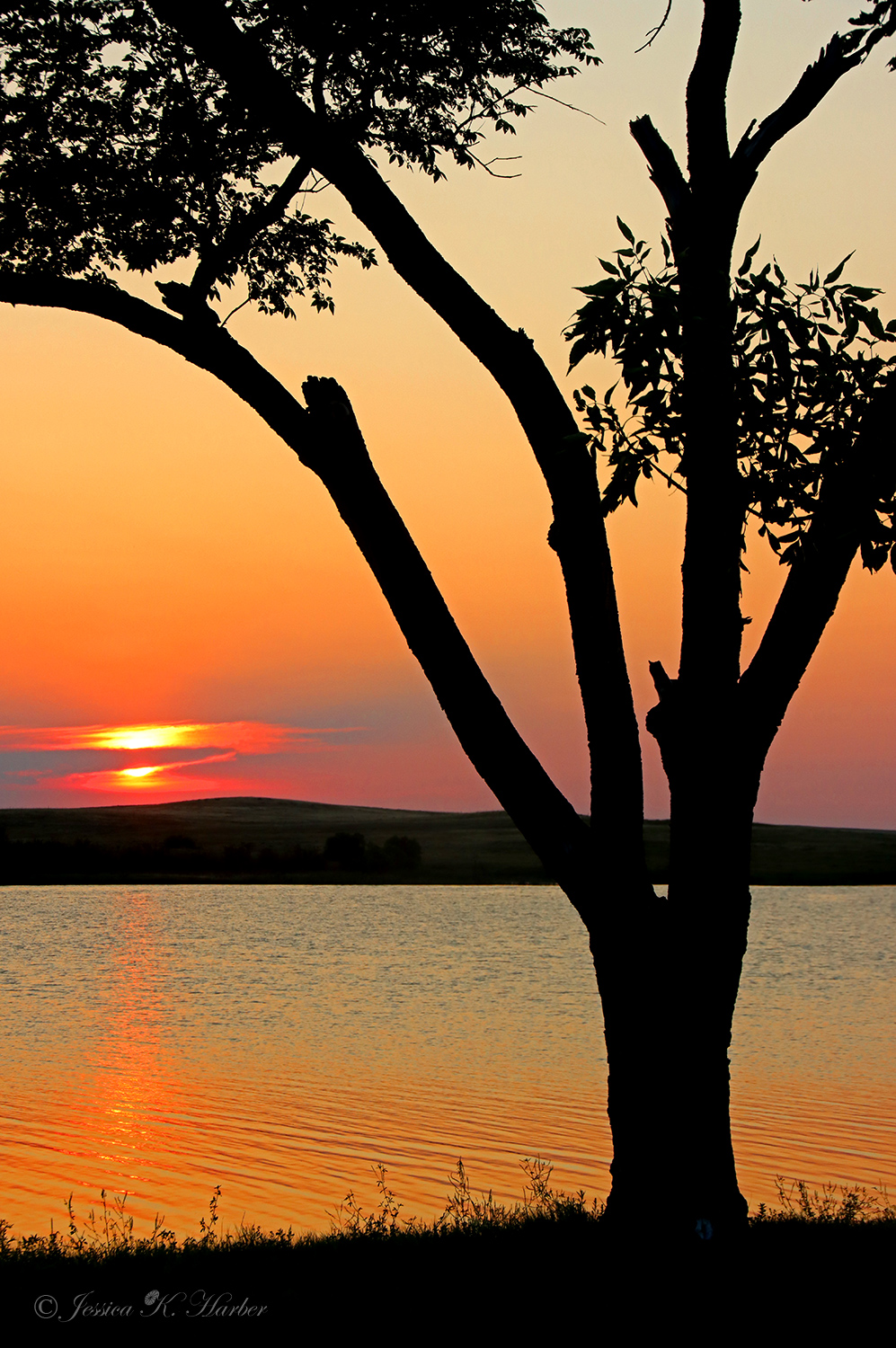
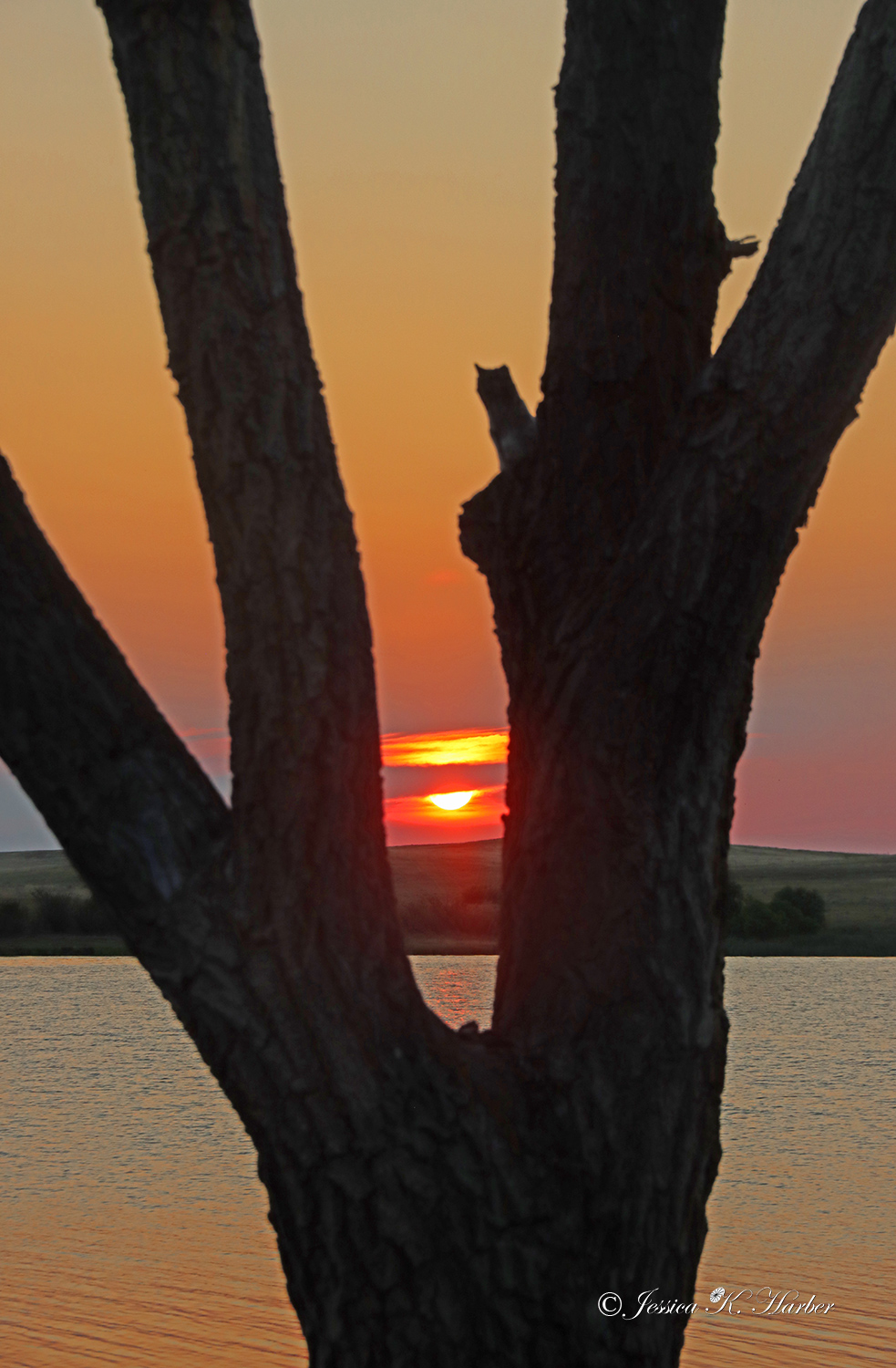
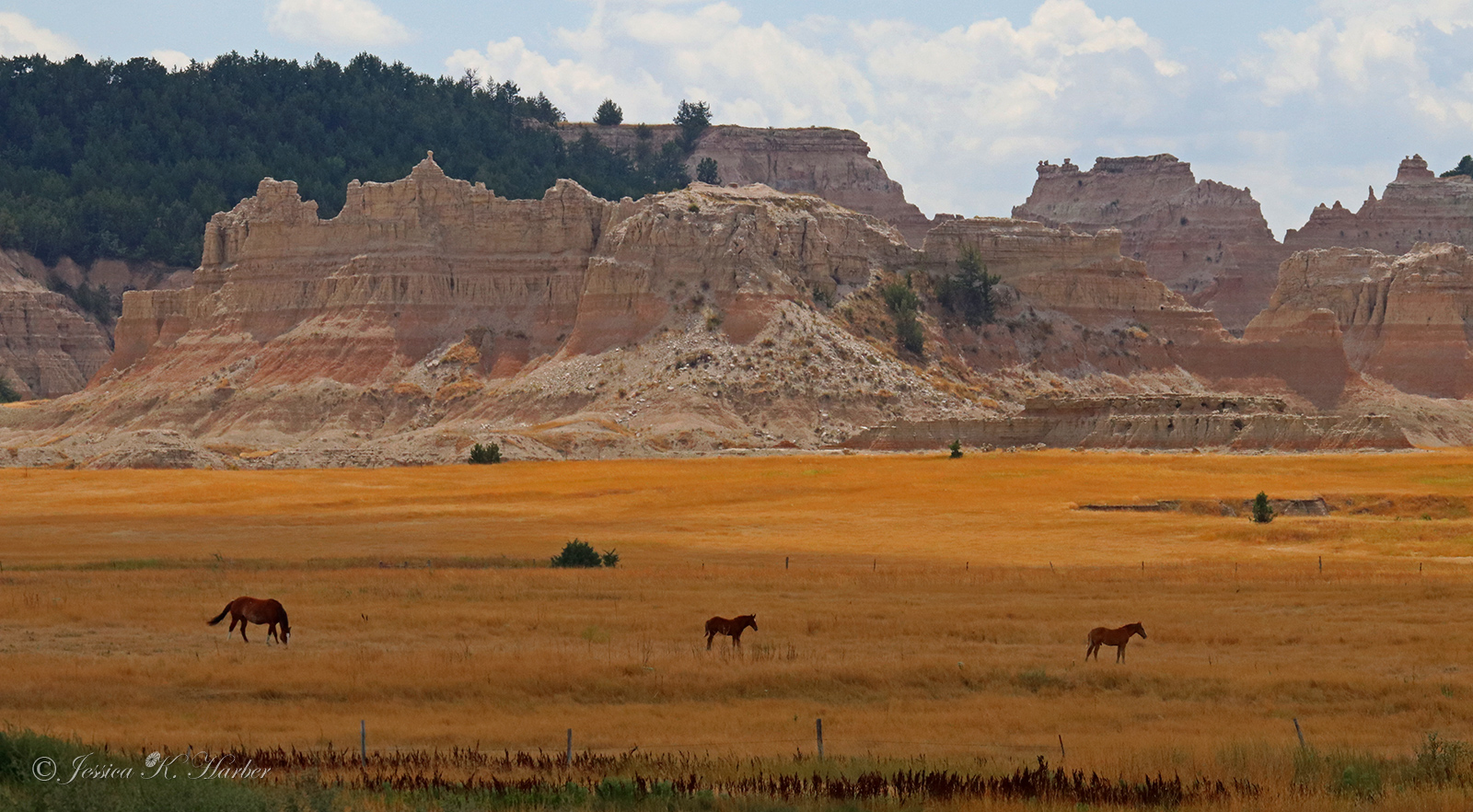
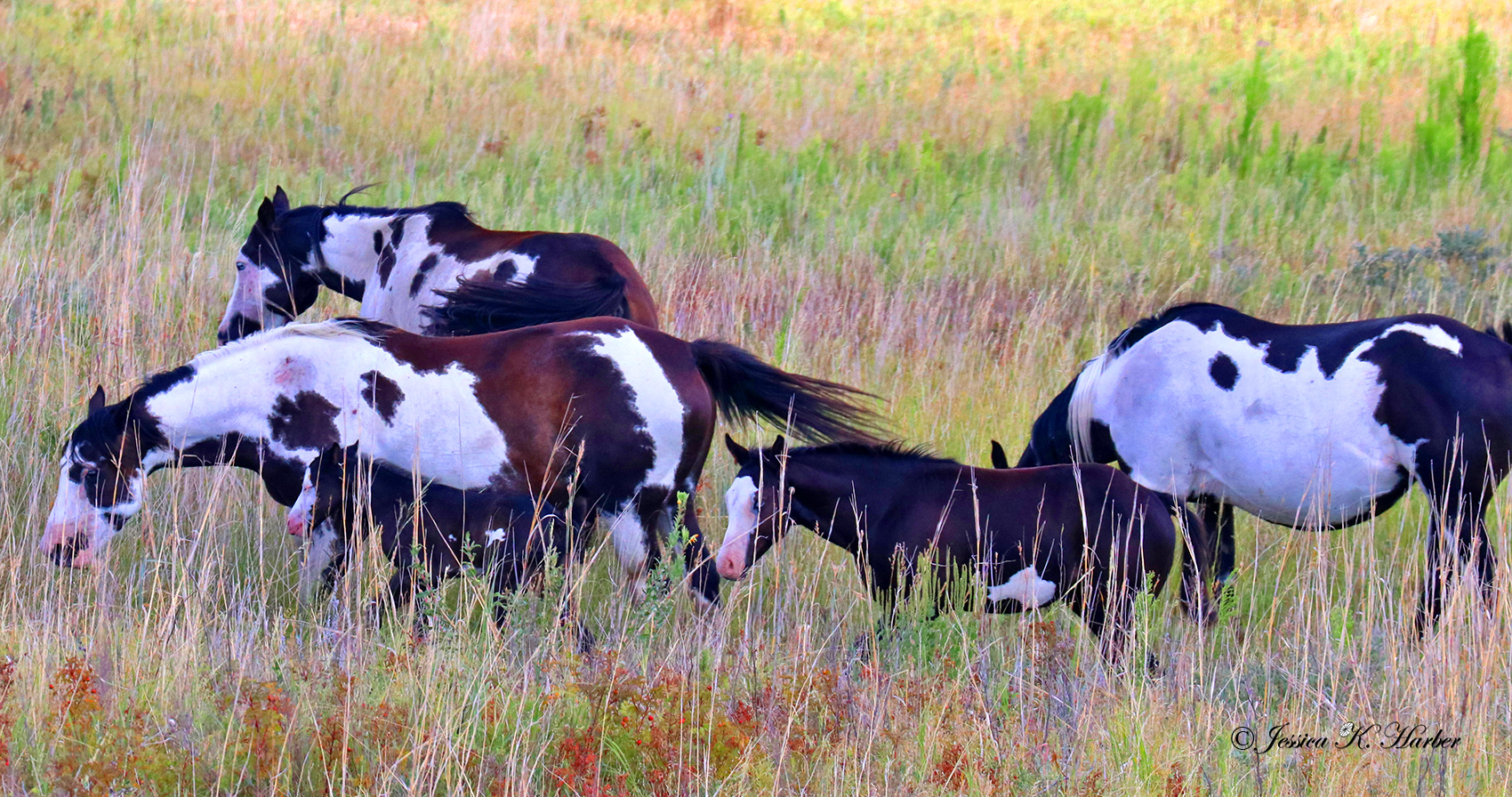
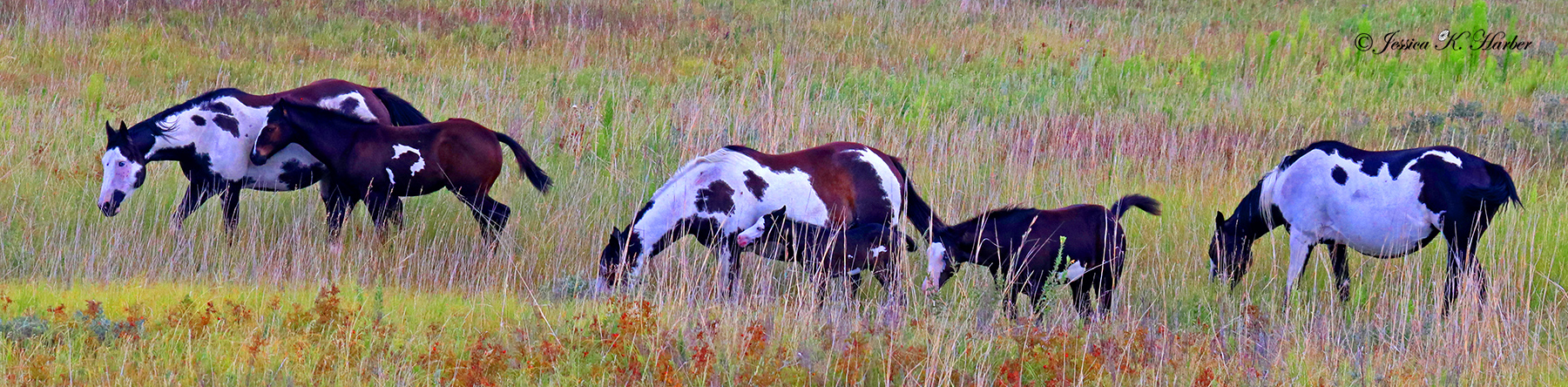
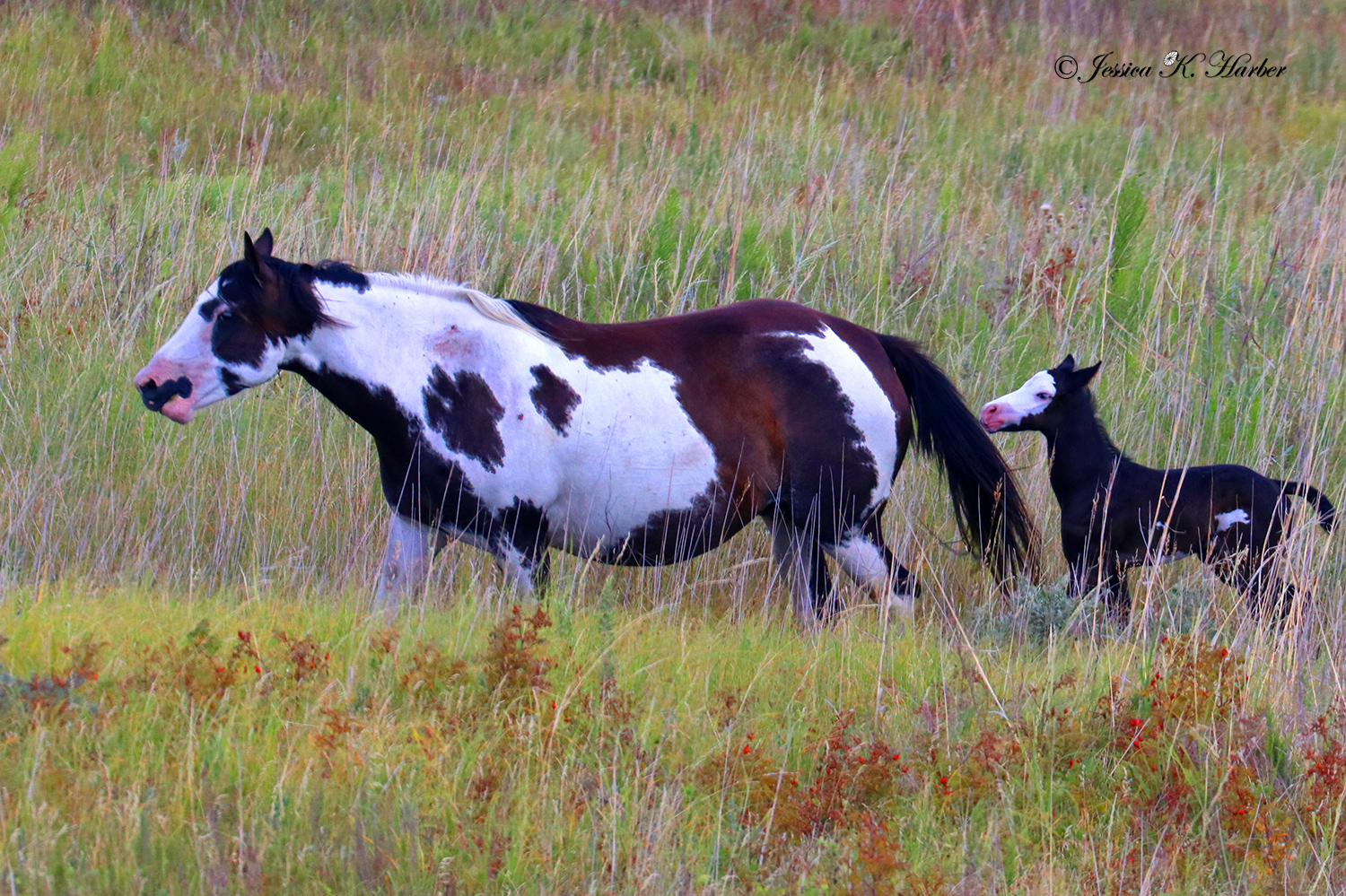
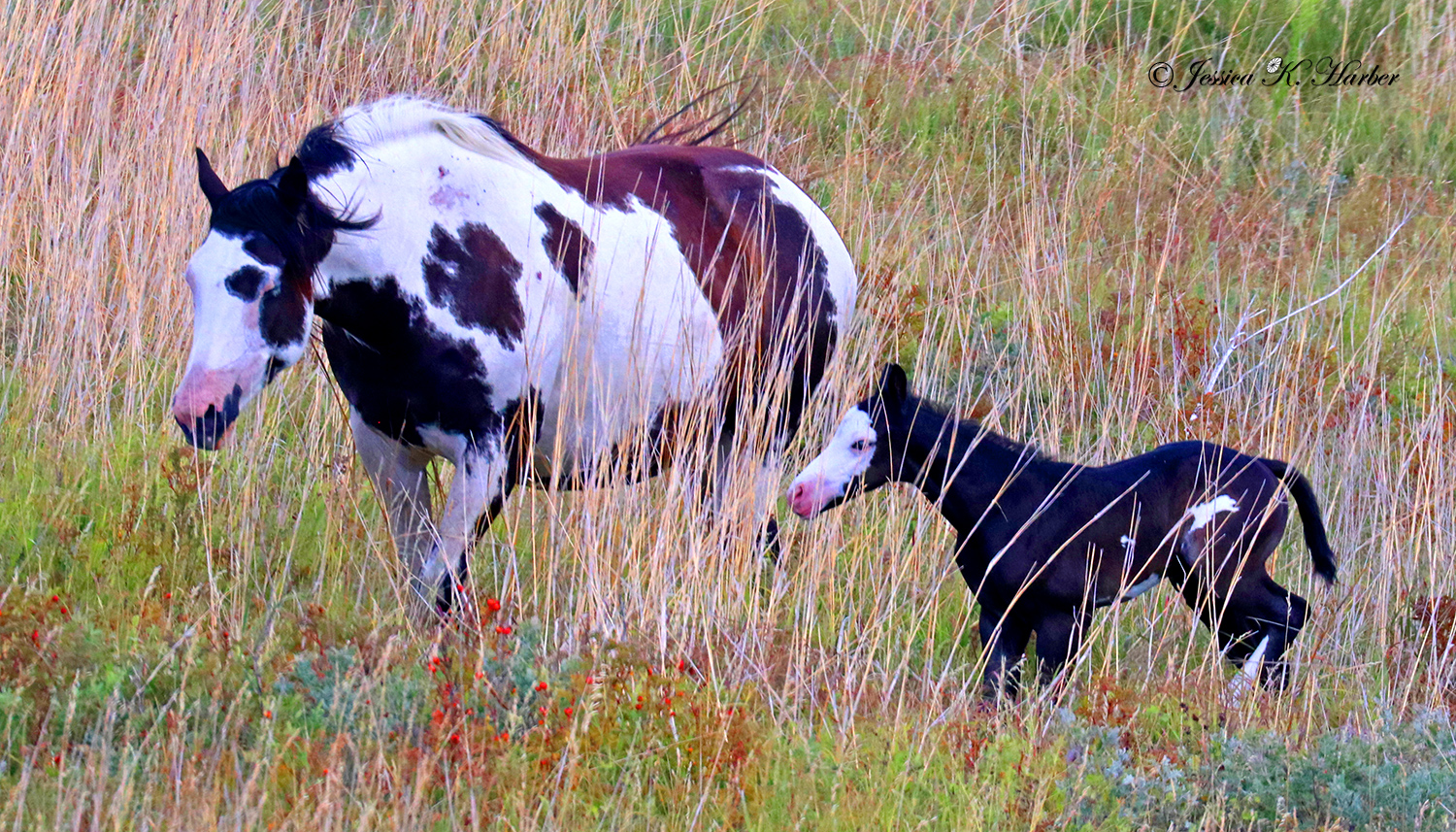
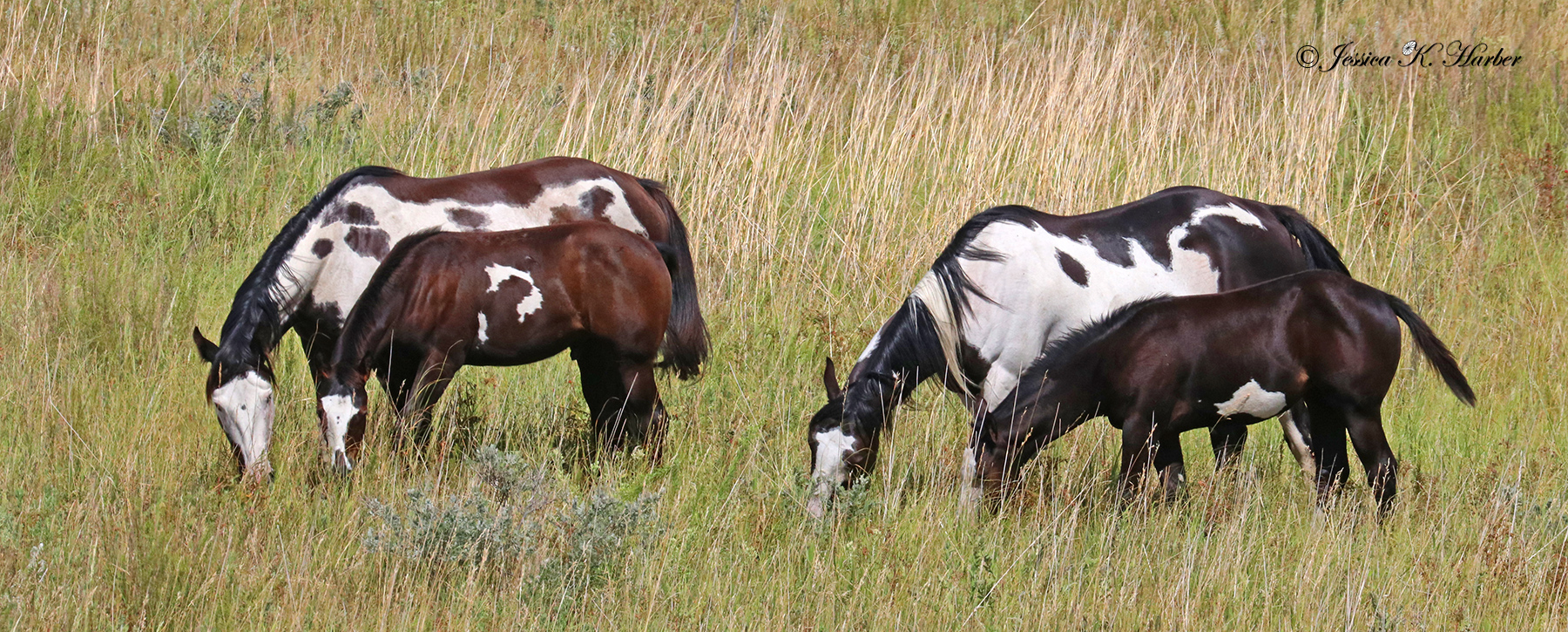
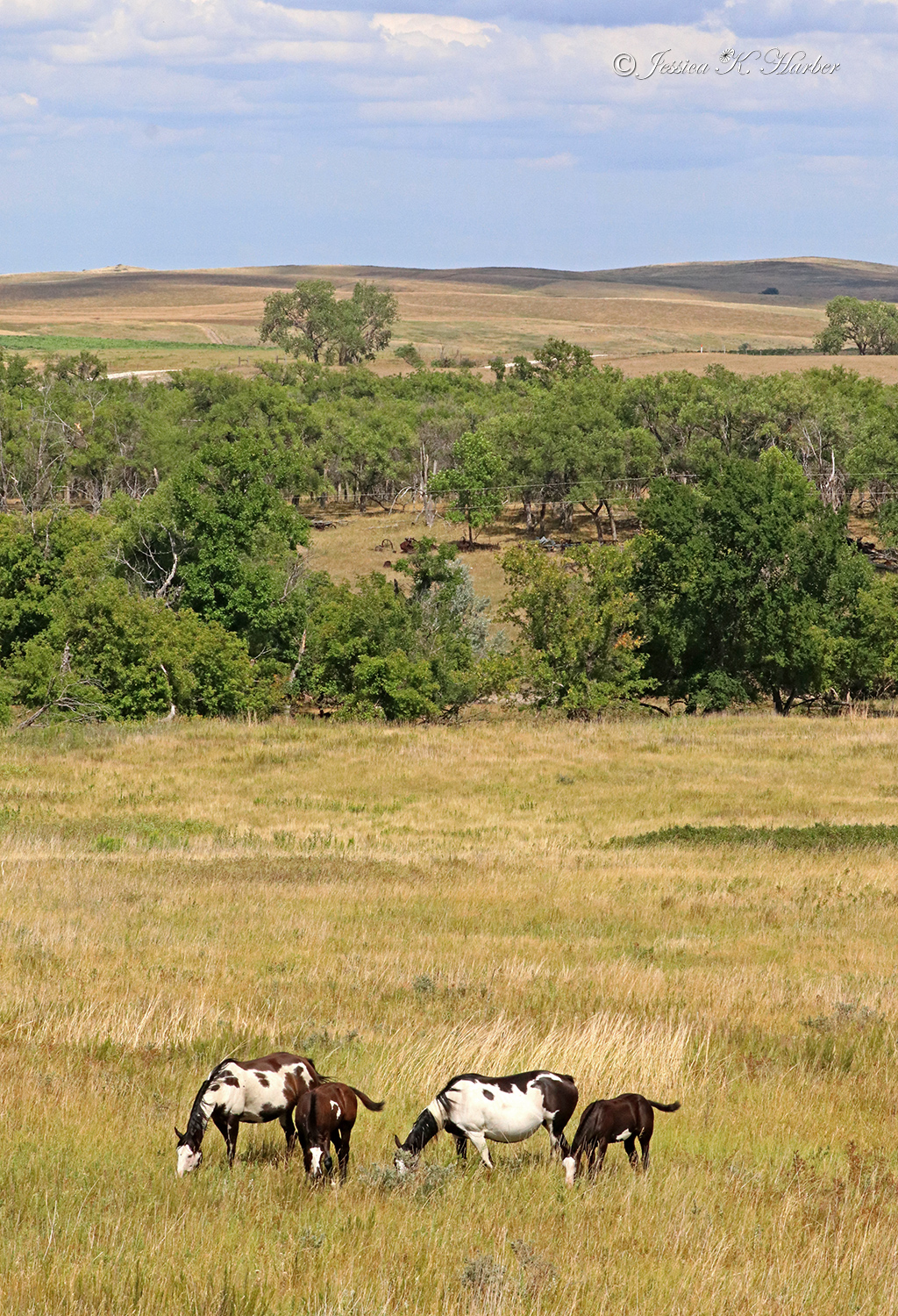
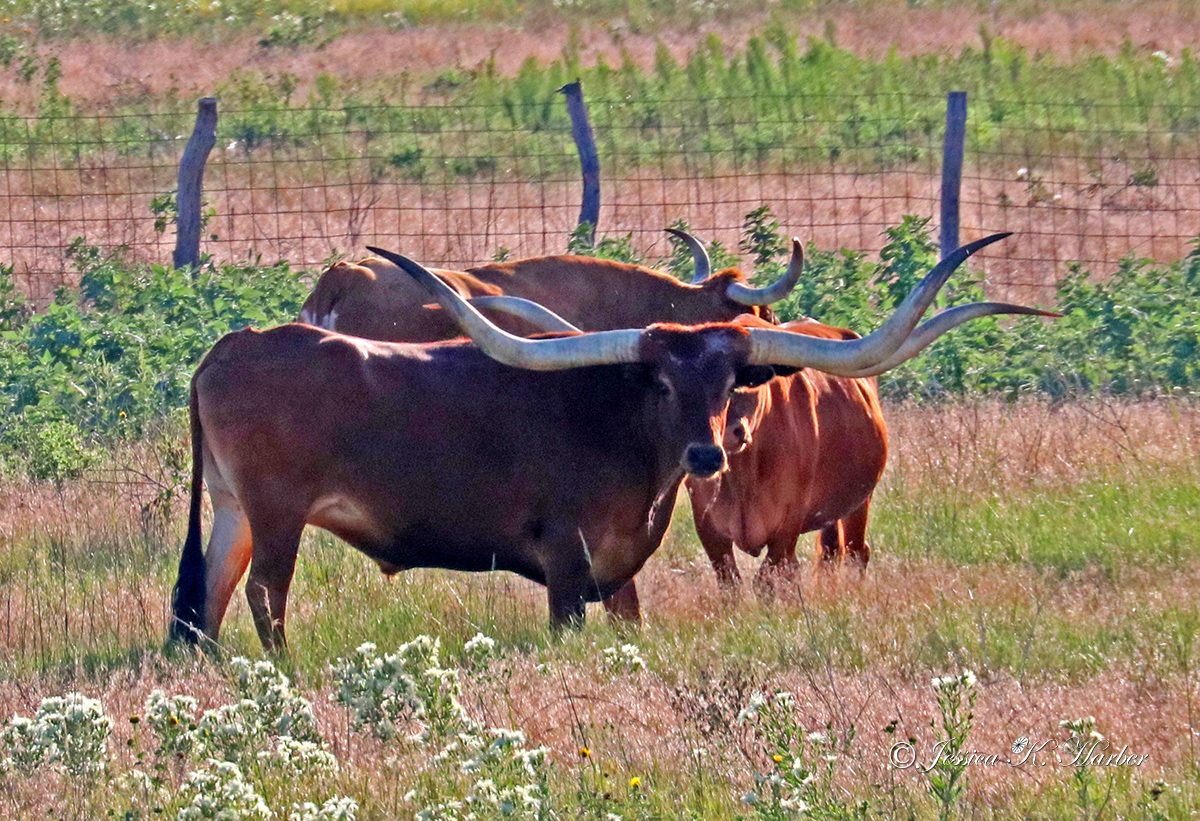
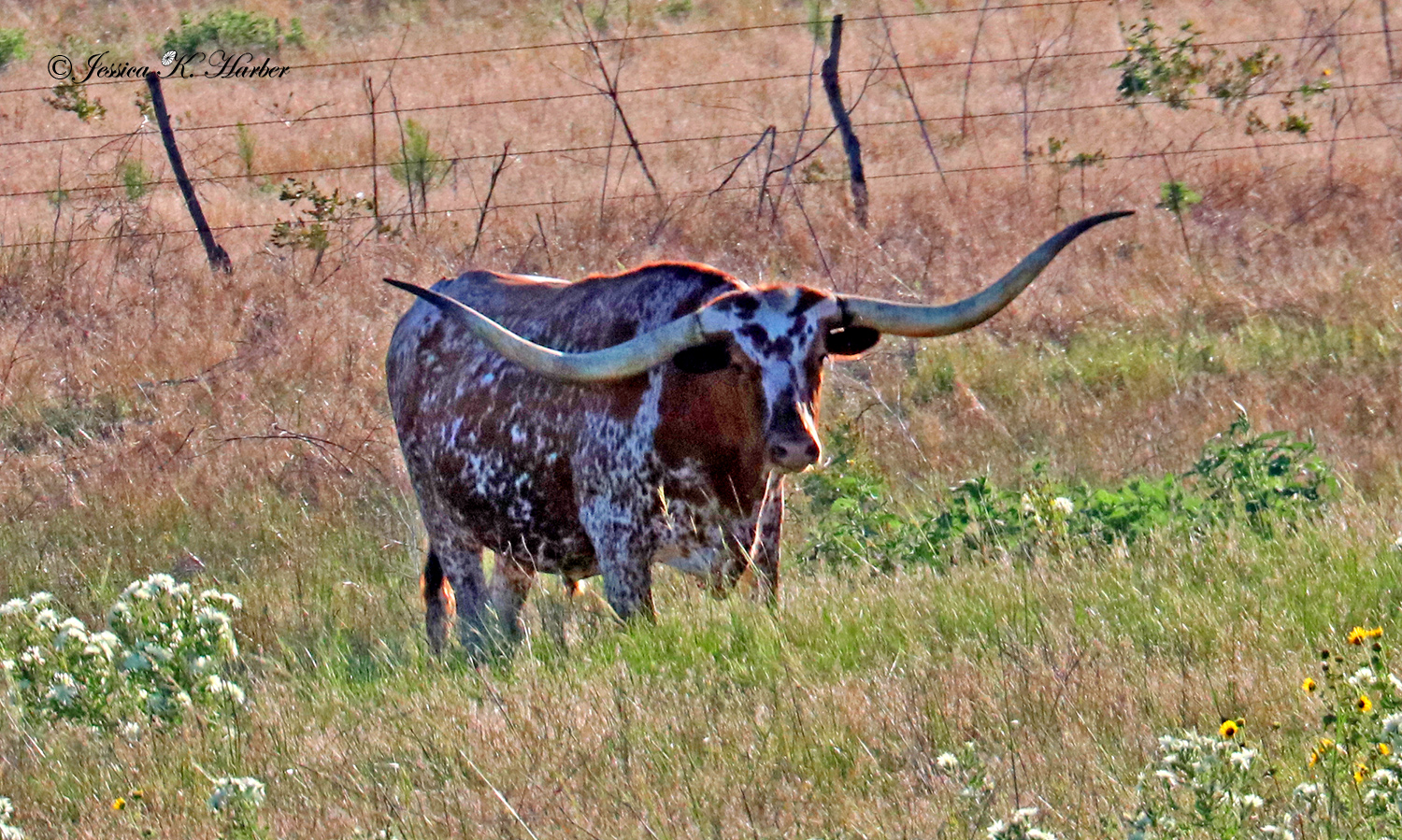
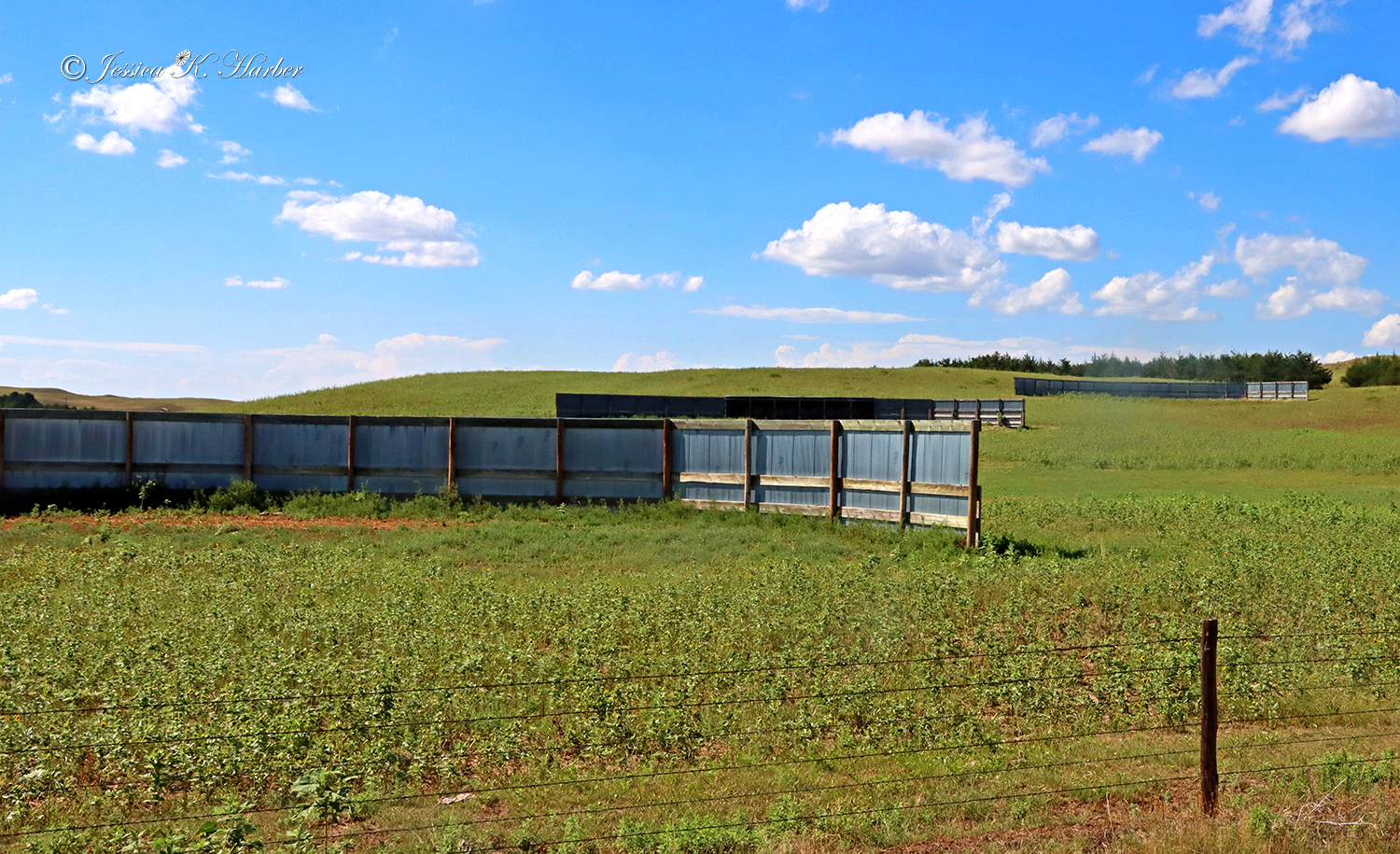
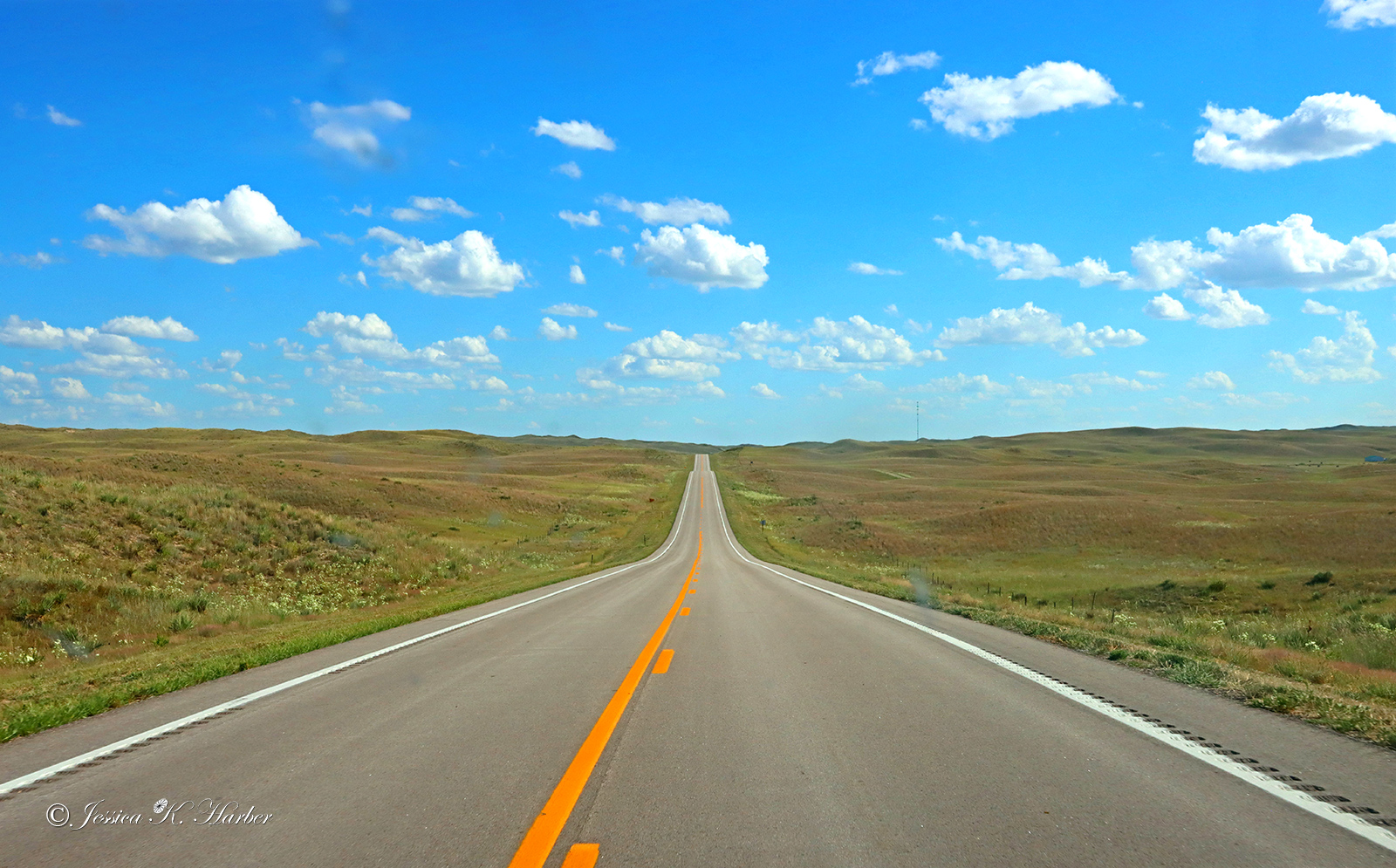
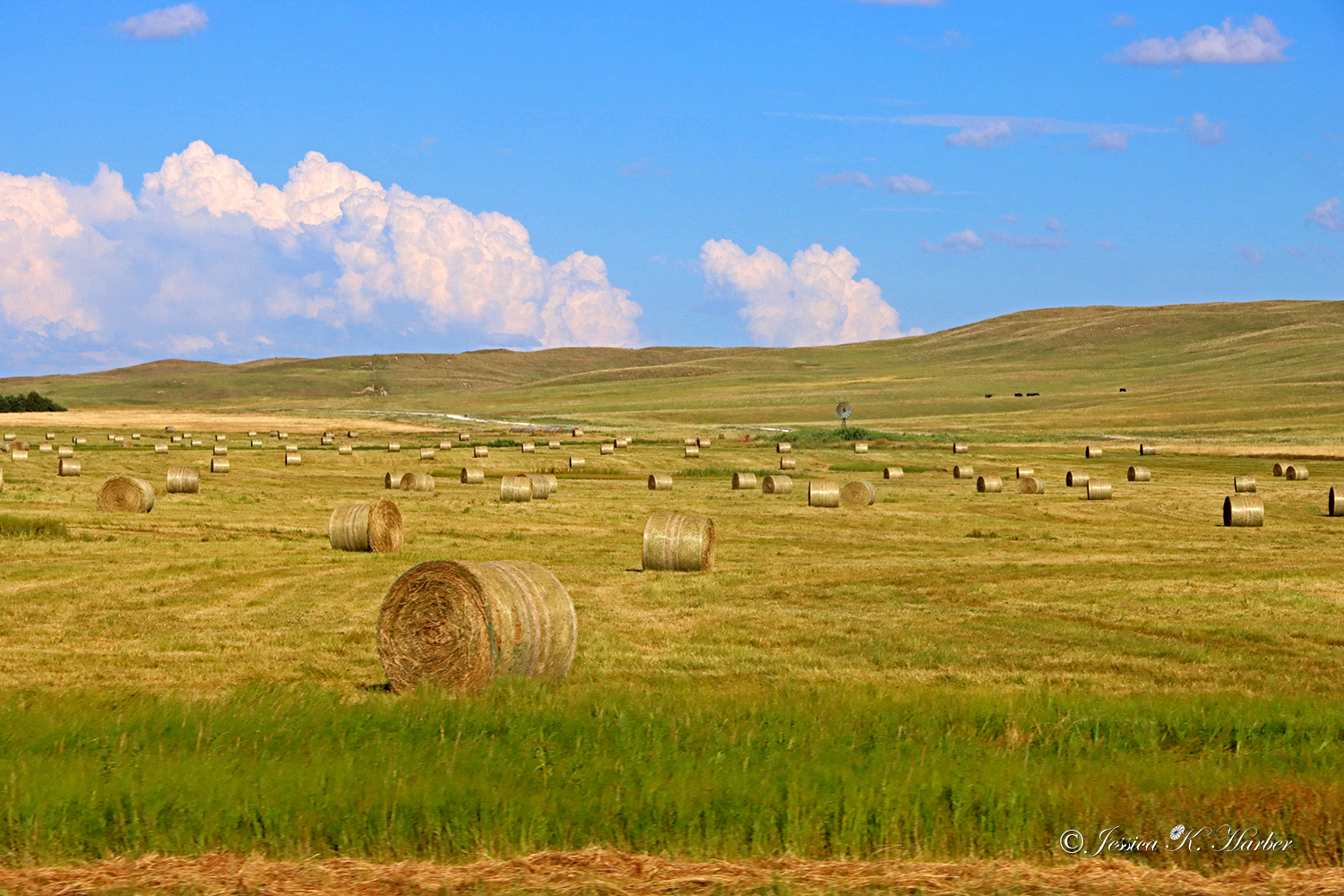
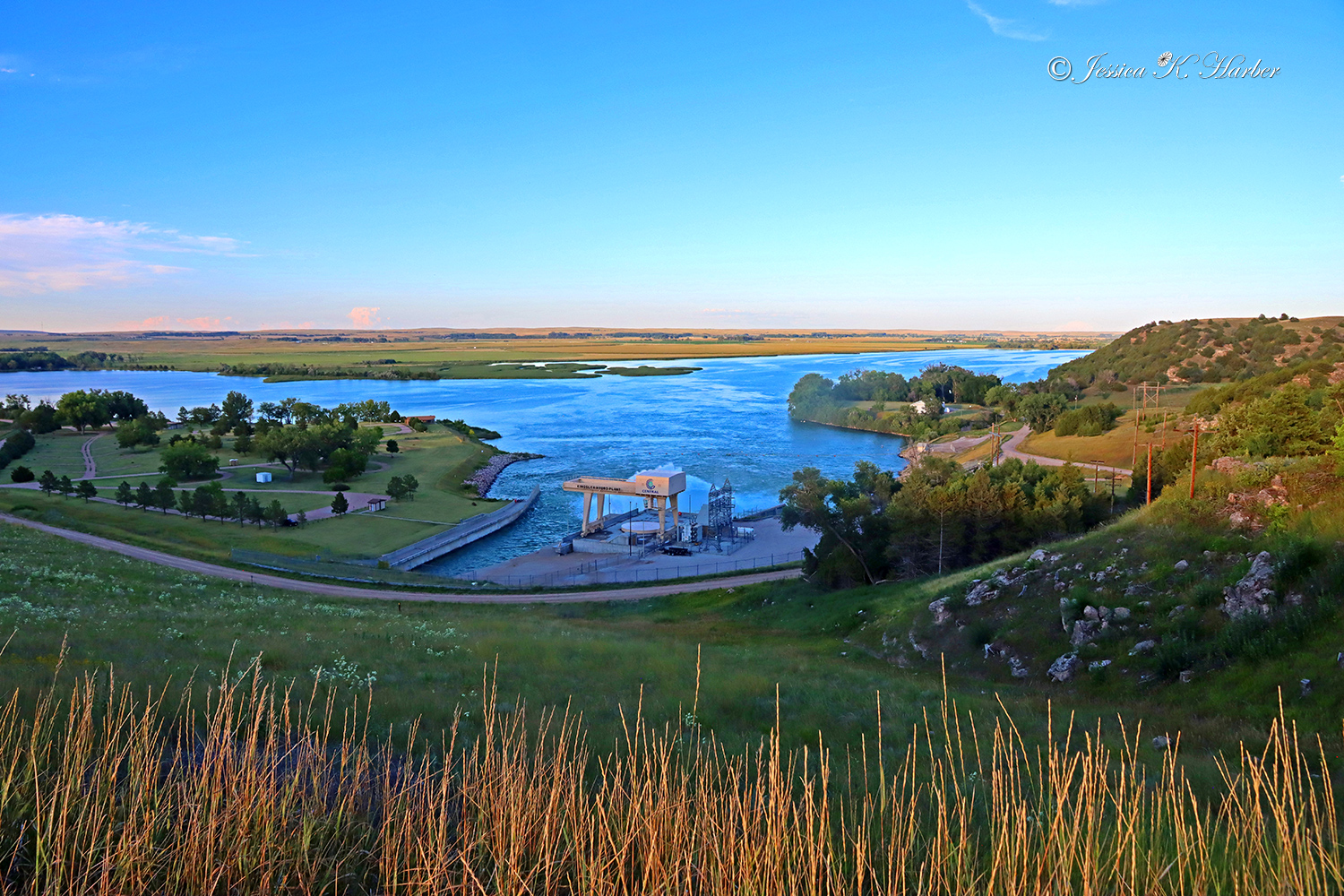
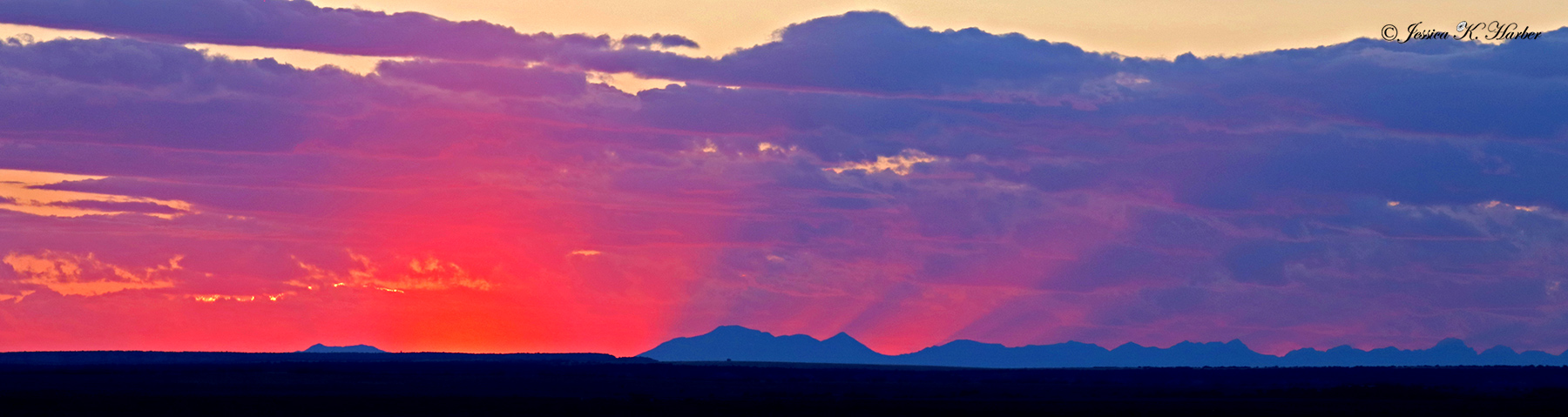
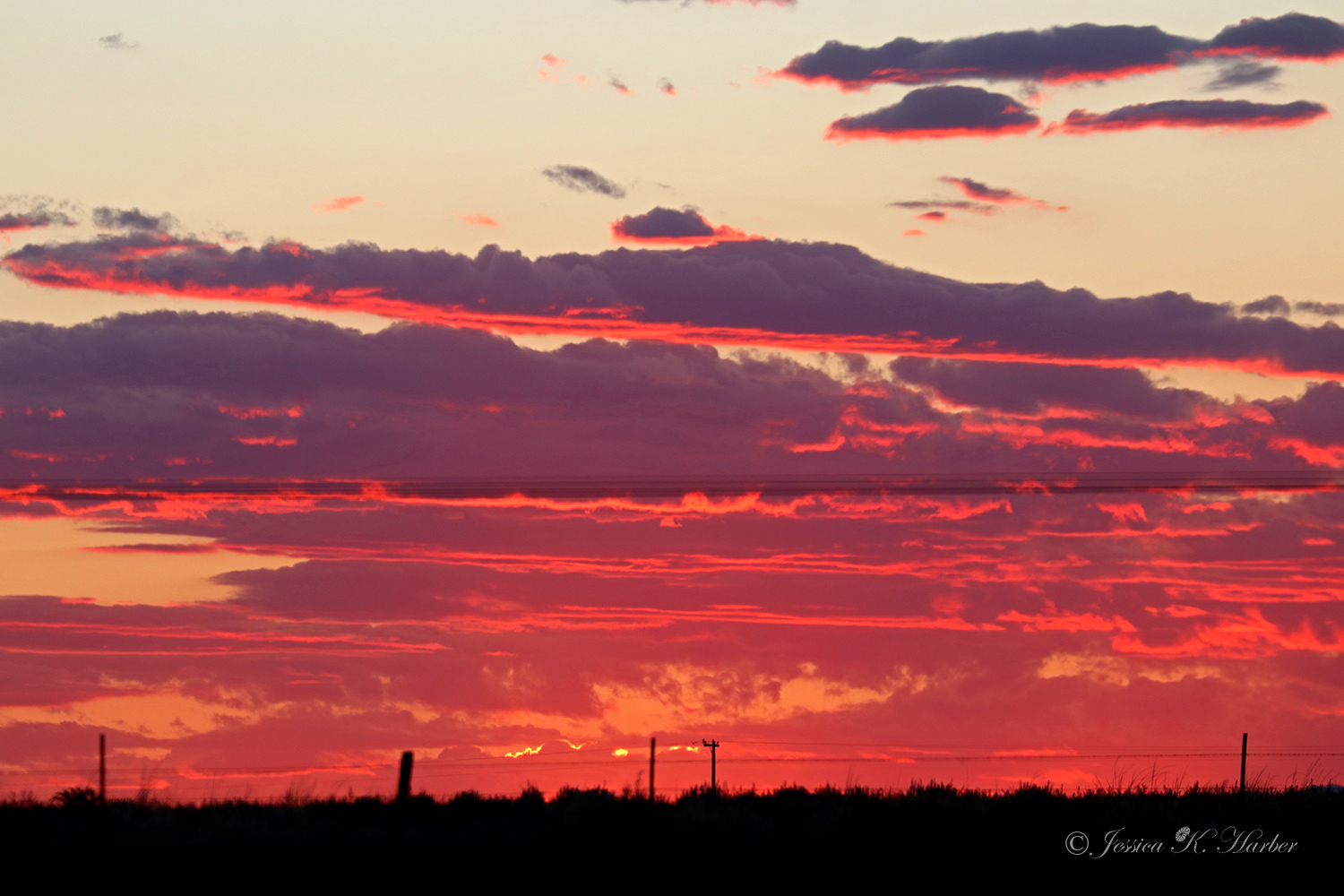
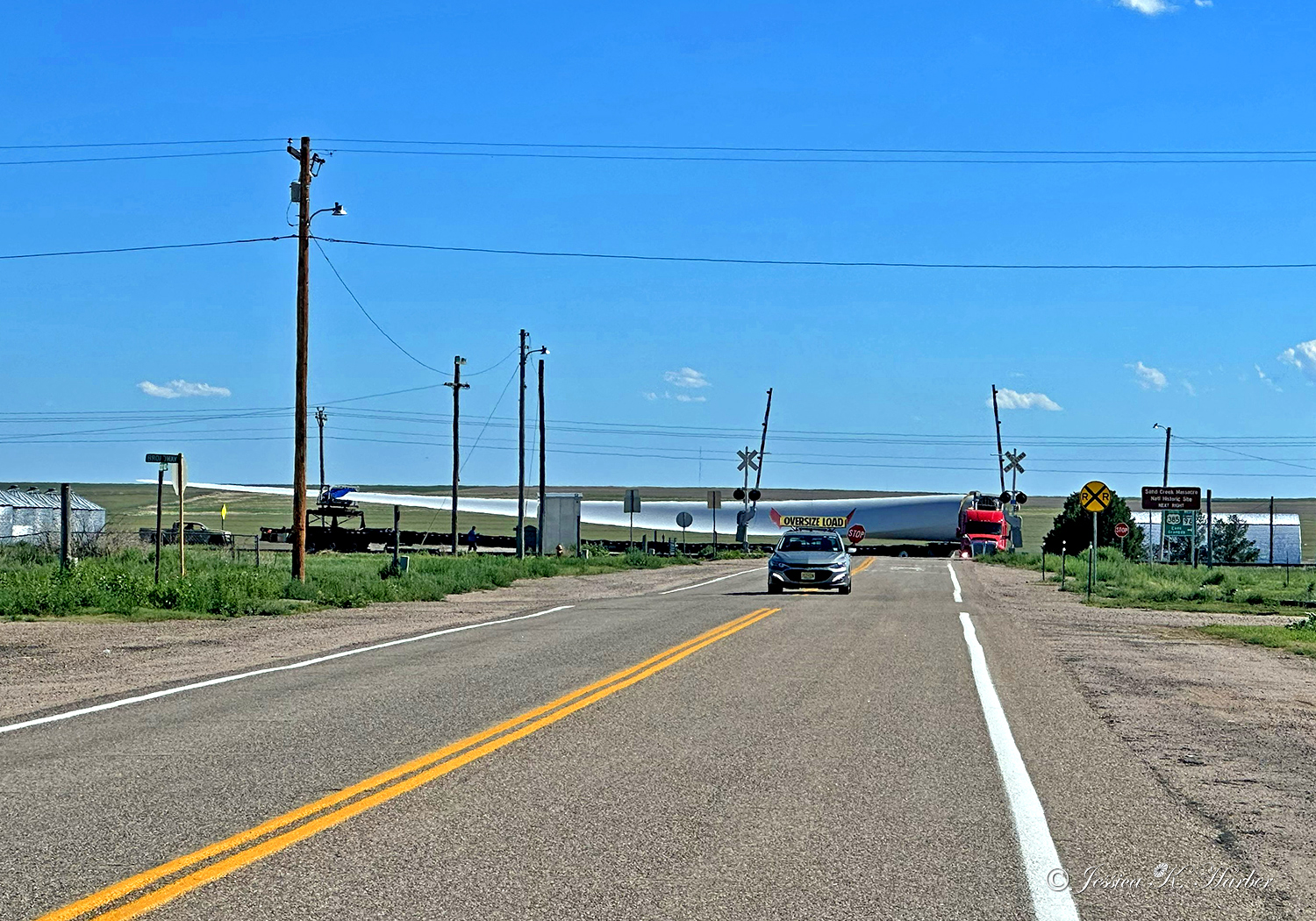
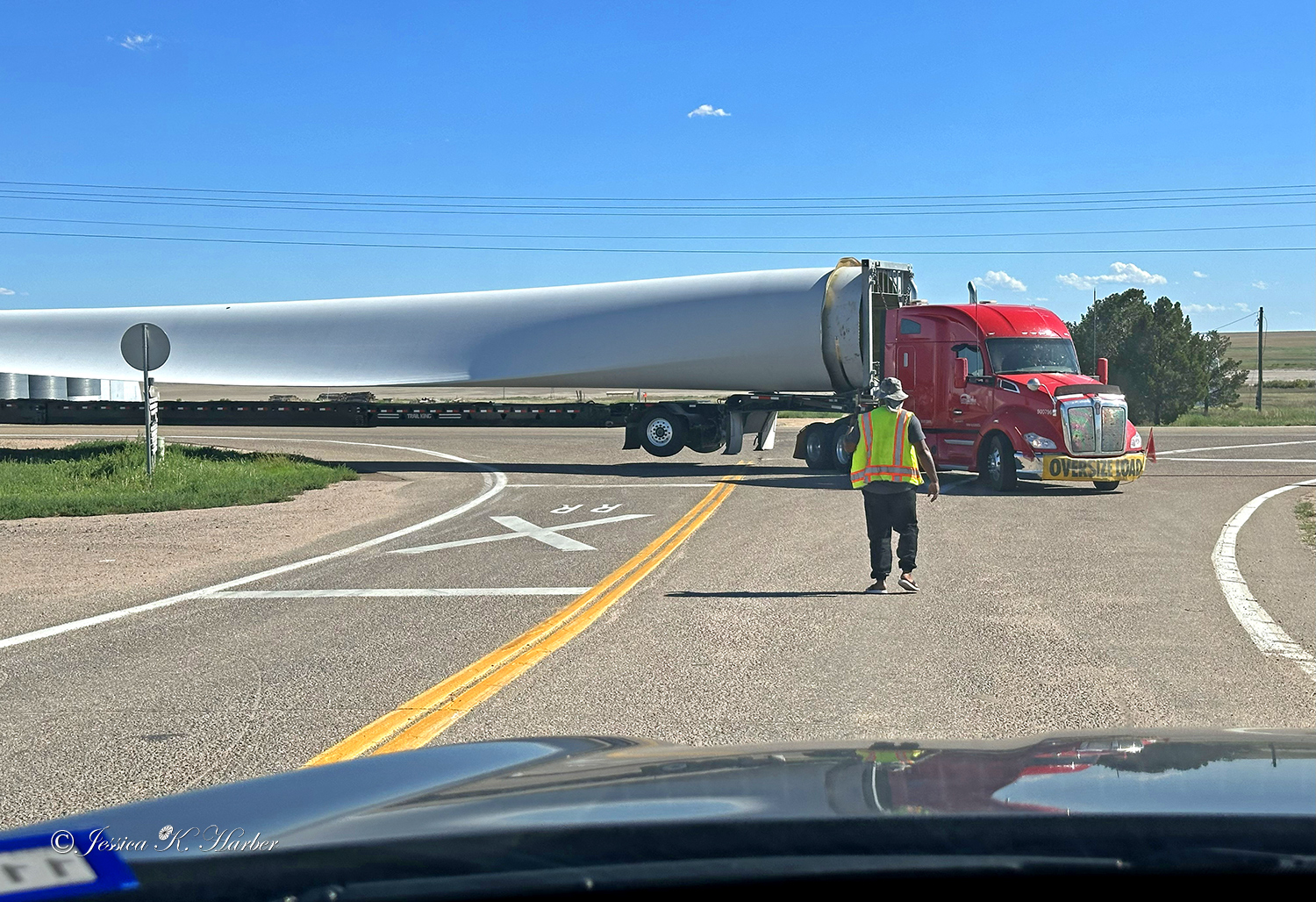
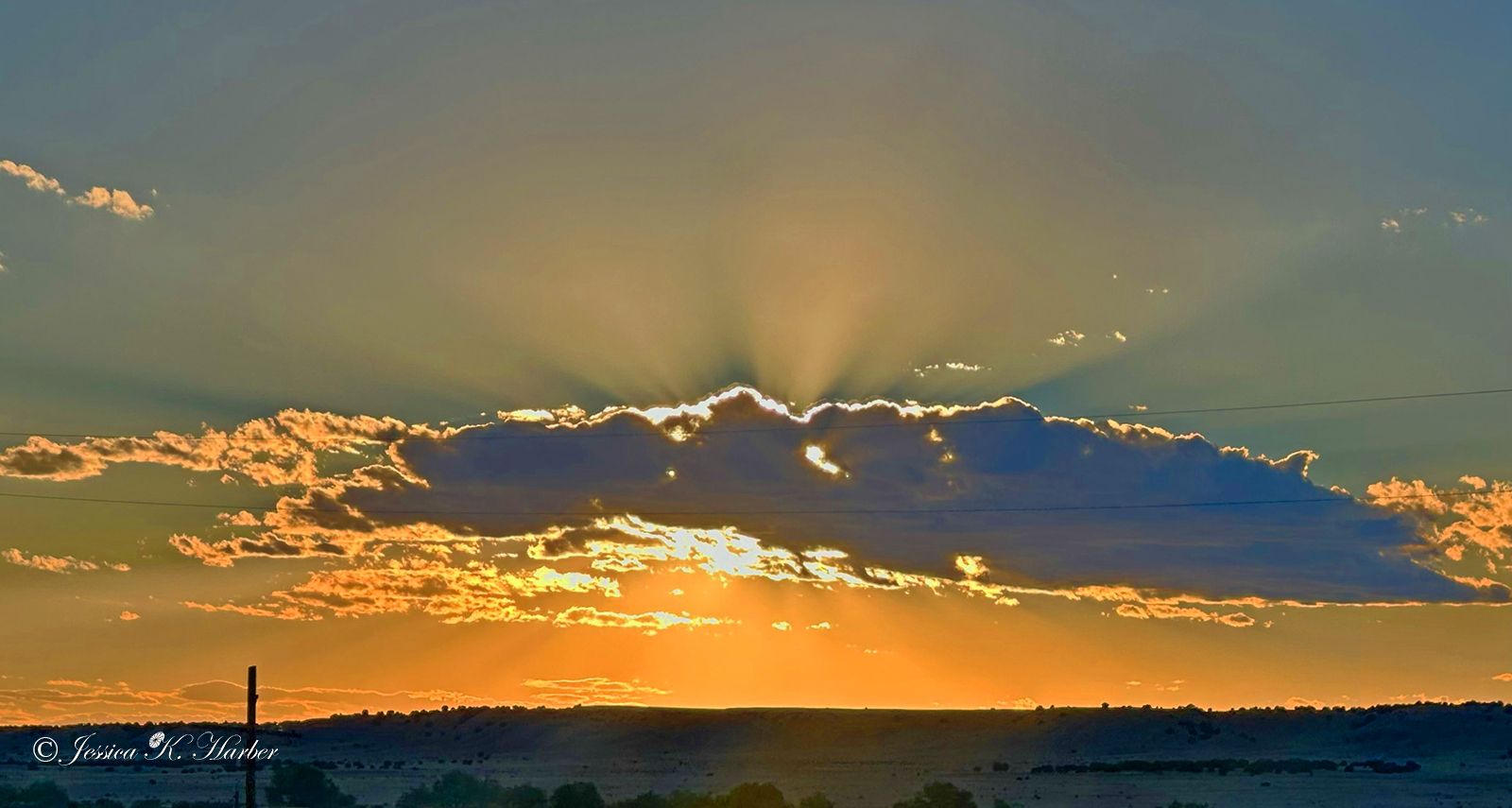
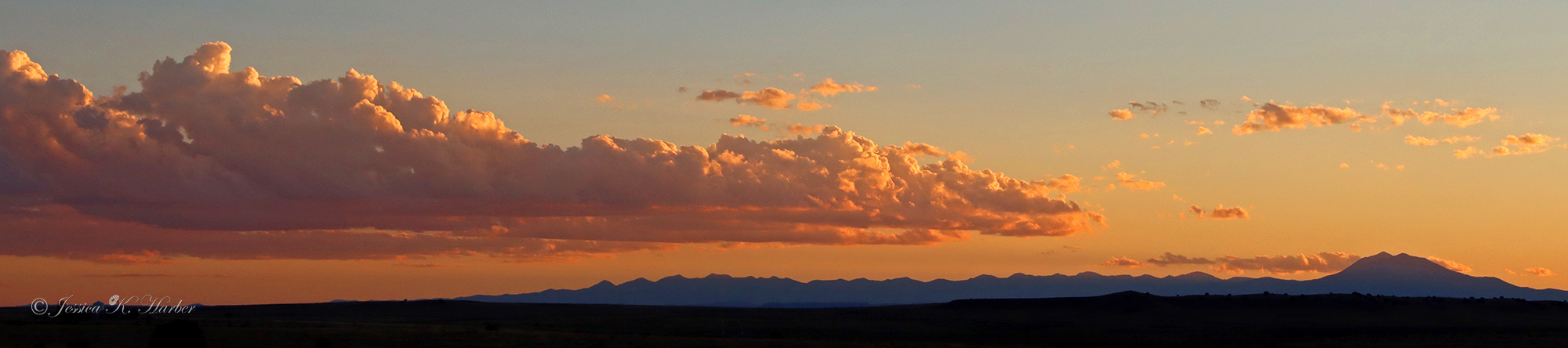
Agriculture, wildlife, sunsets, domestic animals, a transported wind turbine rotor blade in a precarious situation – I never know what I’m going to see around the next curve or over the next hill – but I know it will be interesting and new.











 My Side of the Adventure