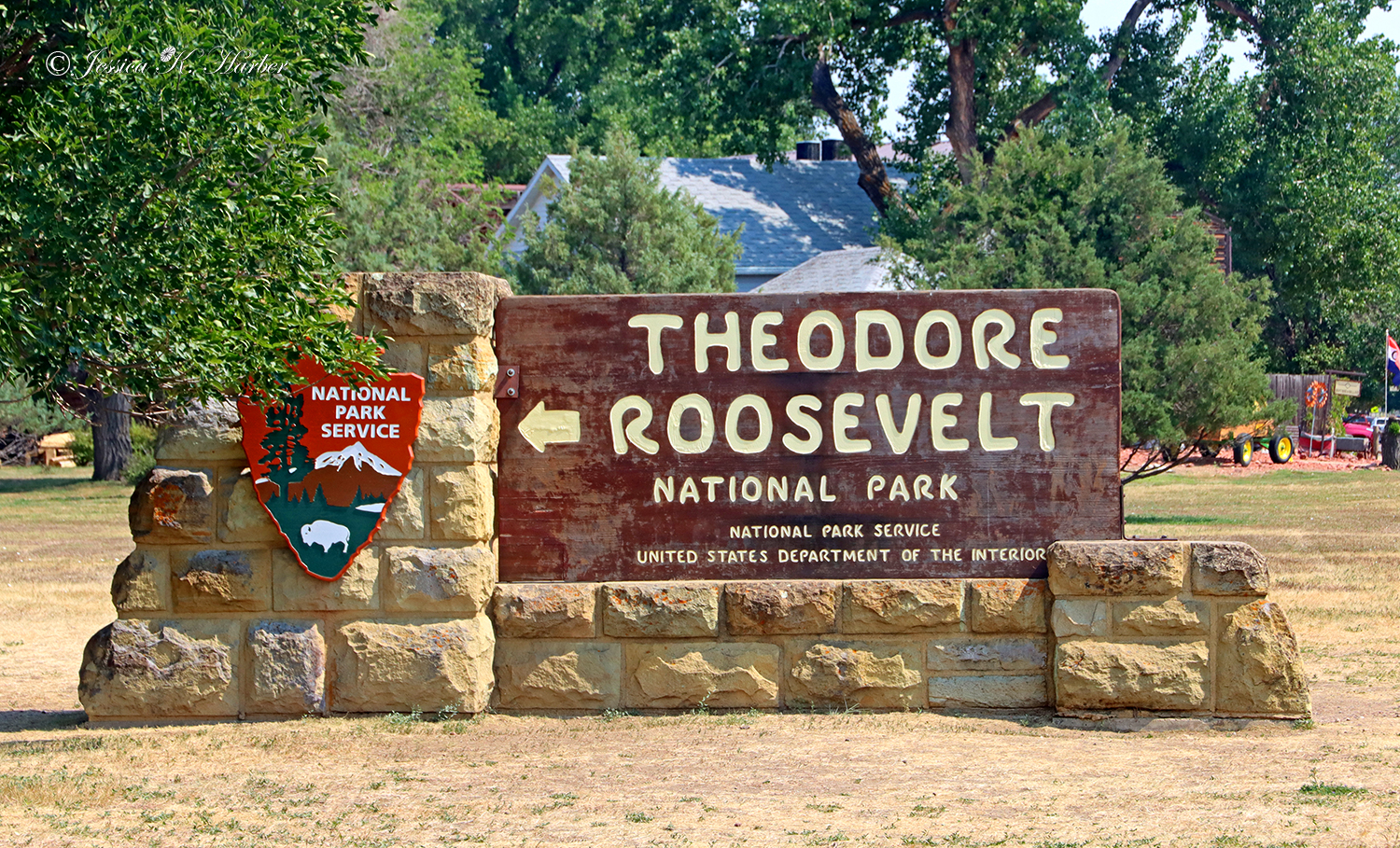
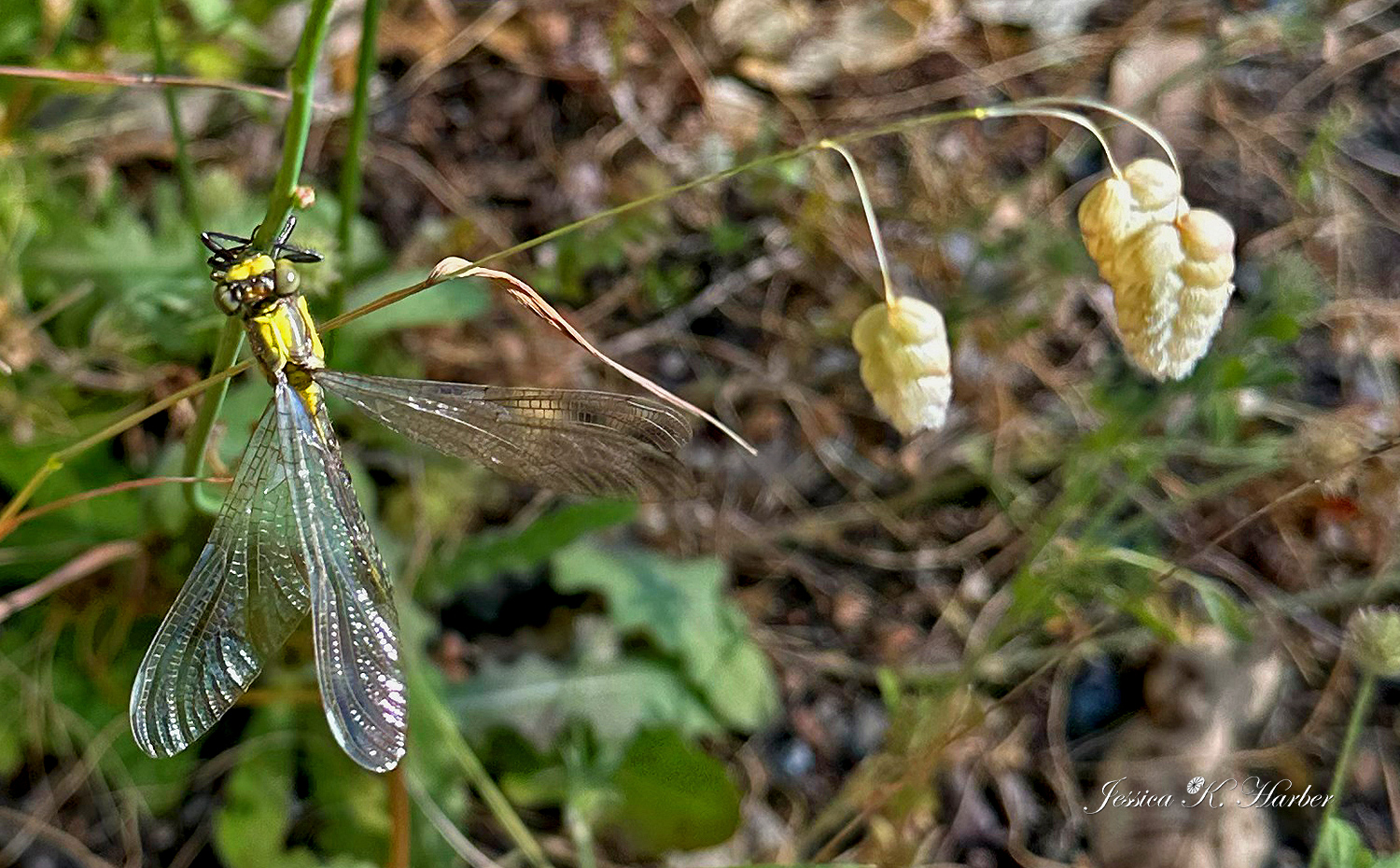
Theodore Roosevelt National Park

NORTH DAKOTA. AUGUST.

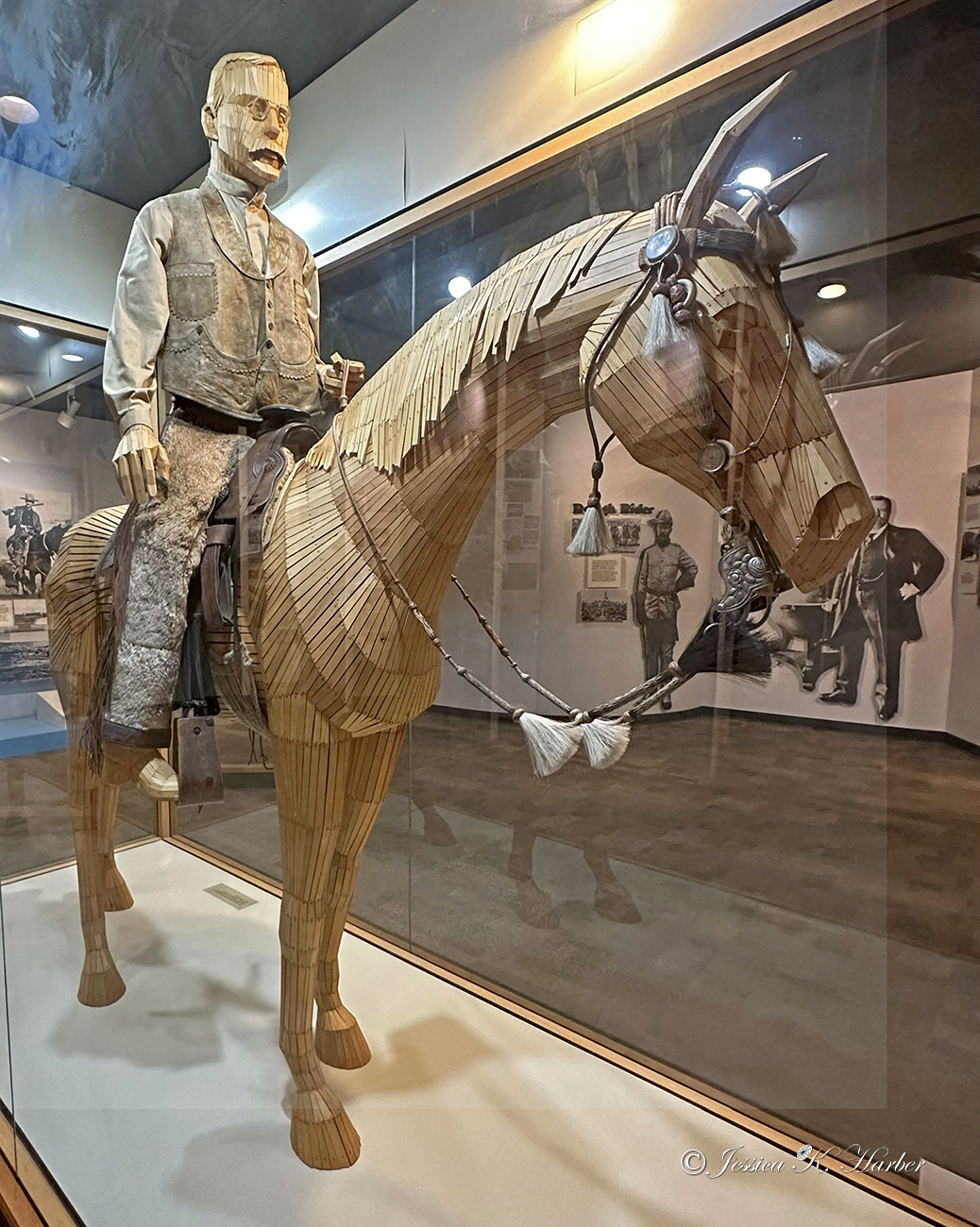
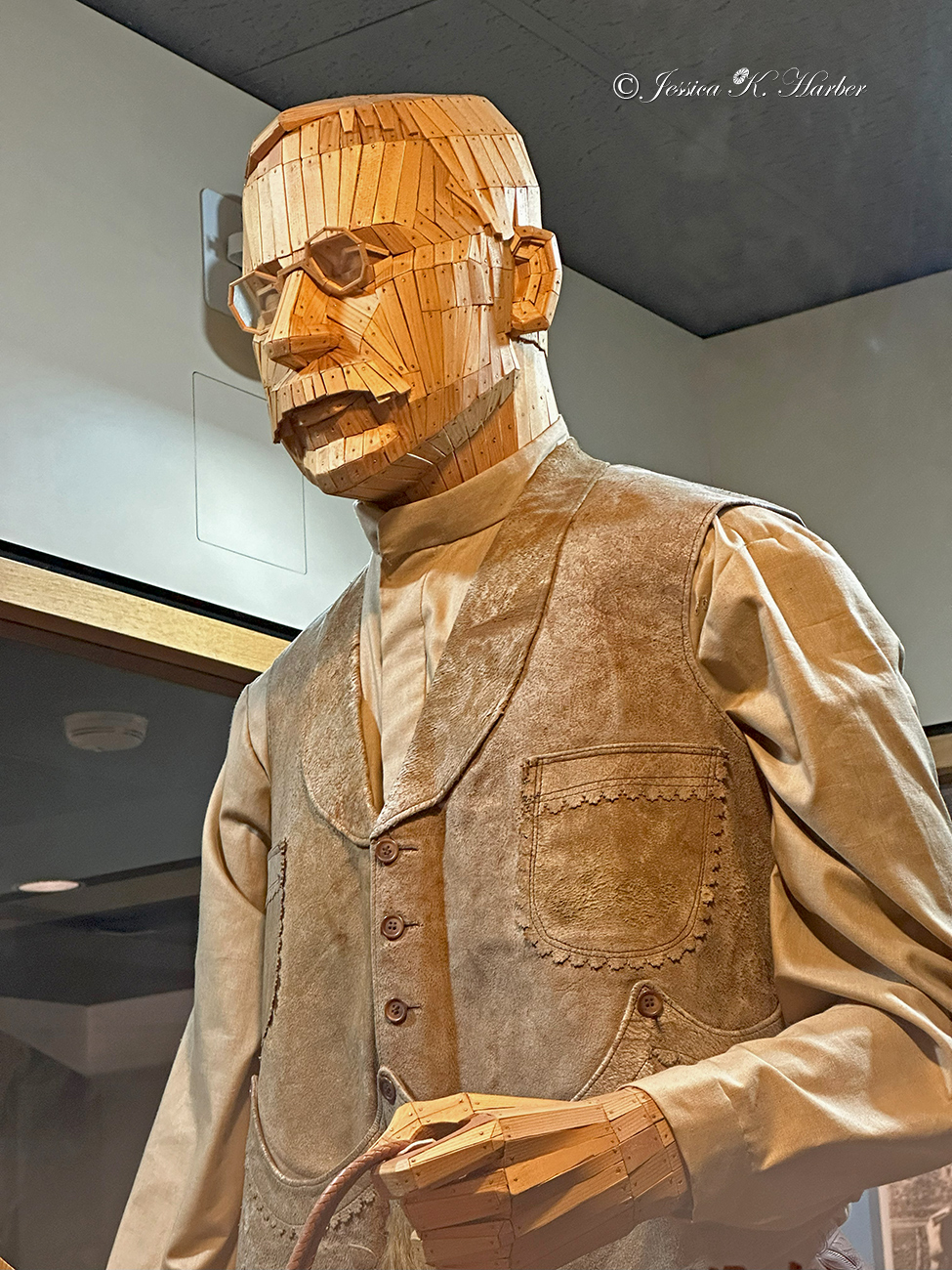
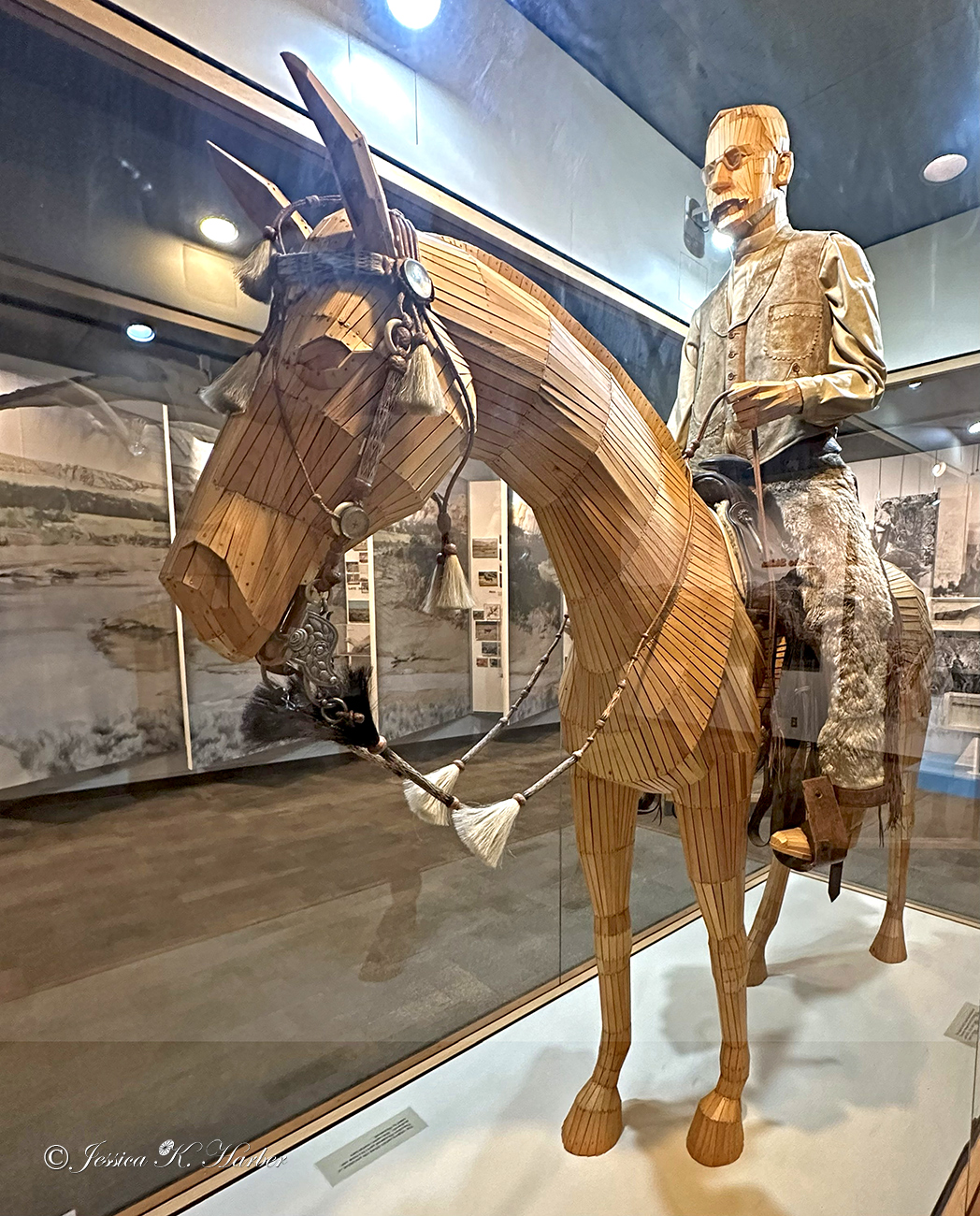
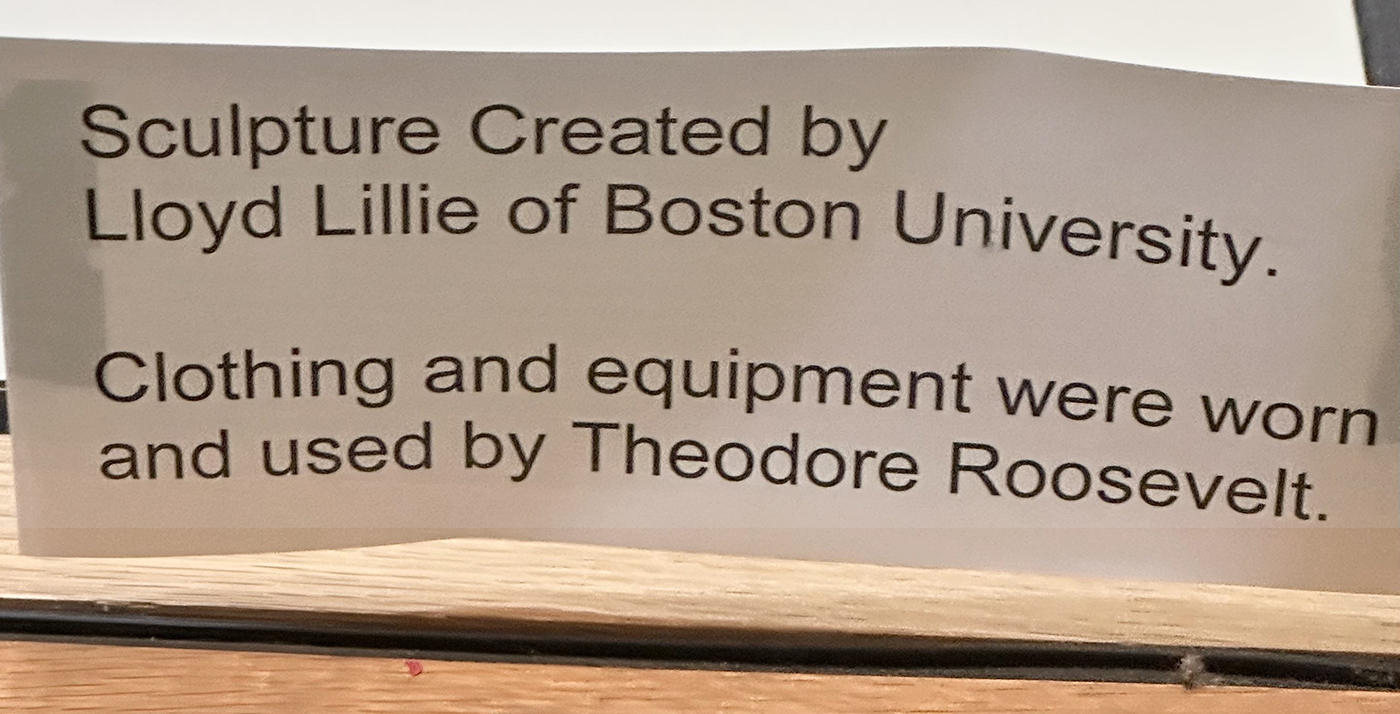
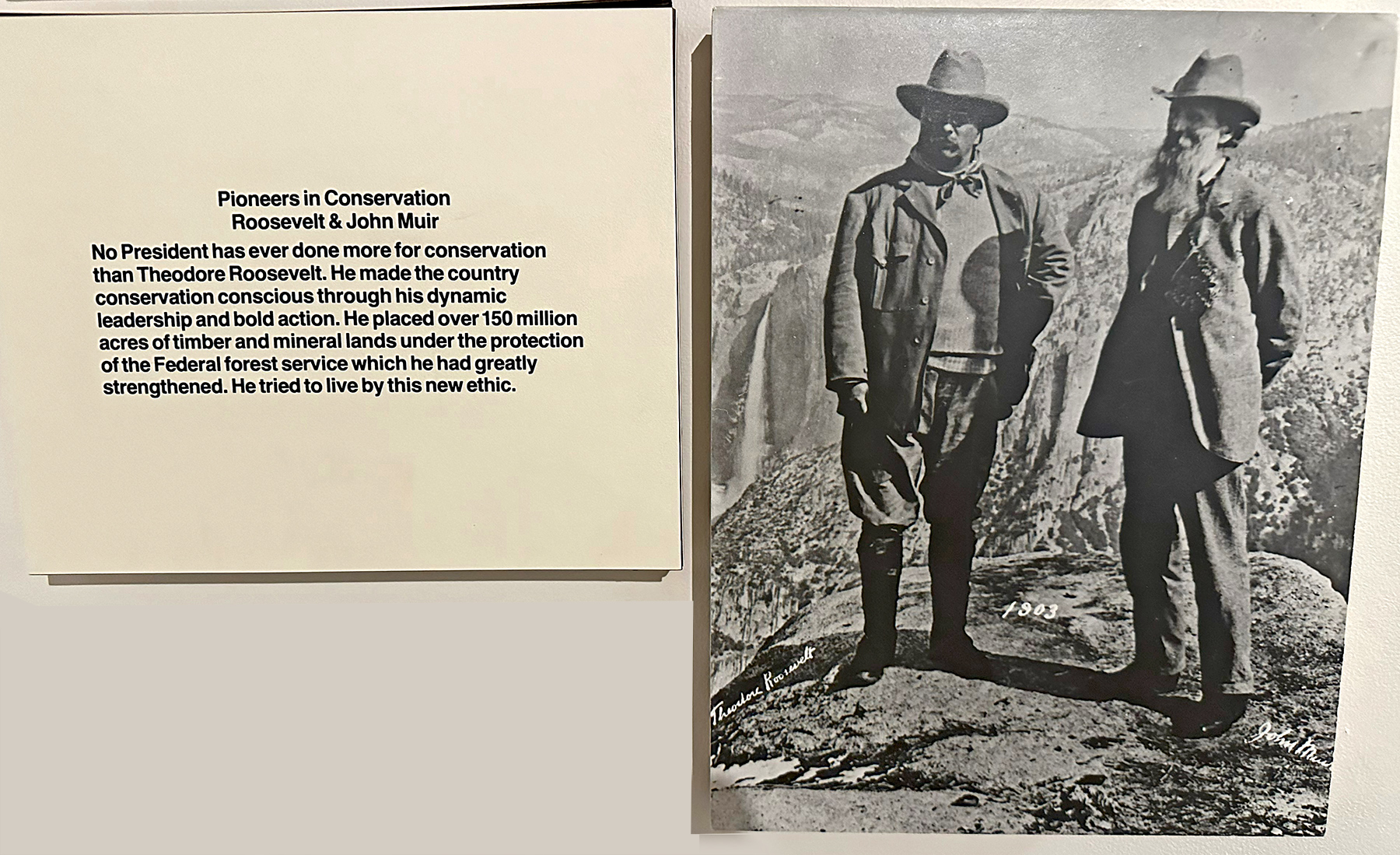
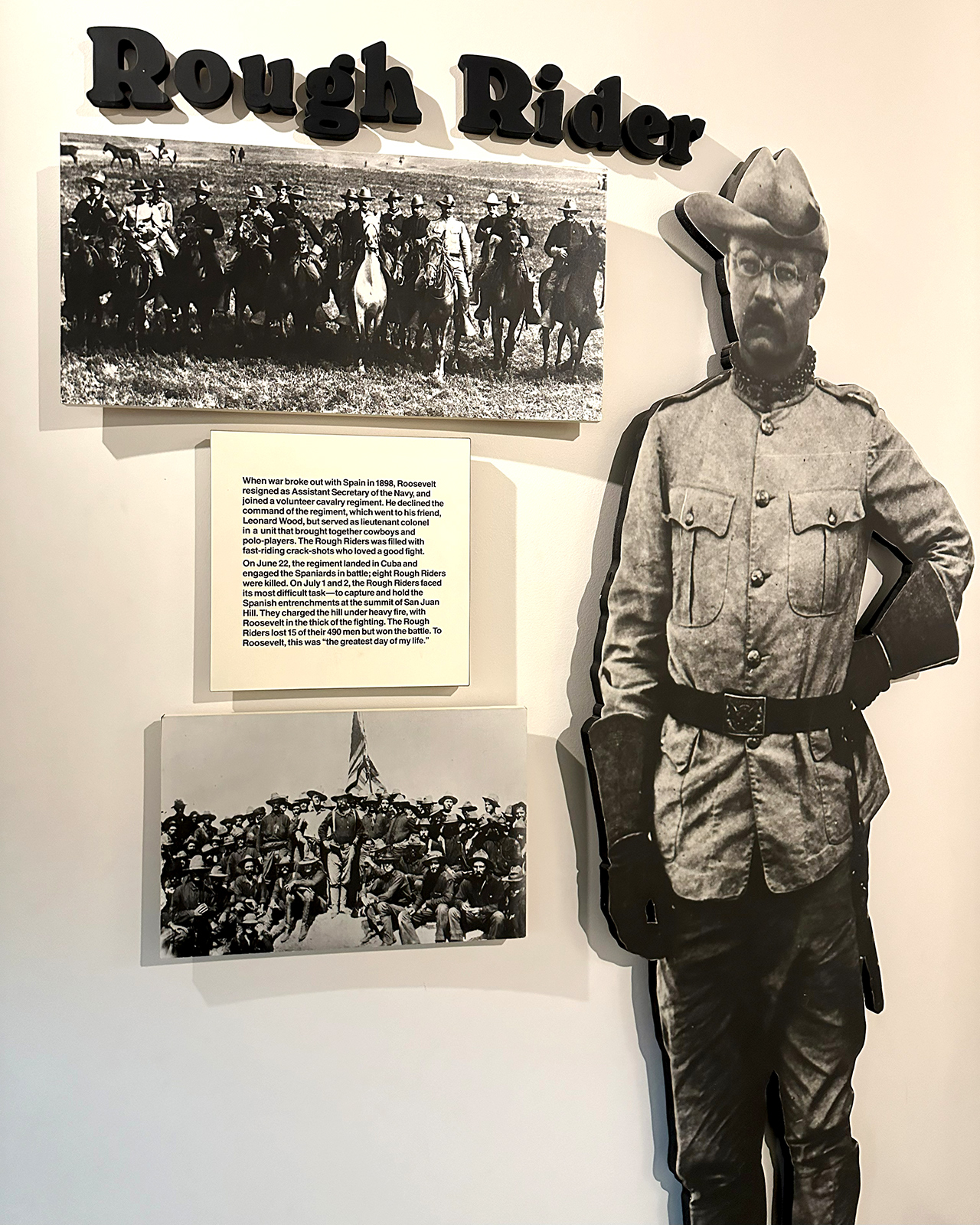
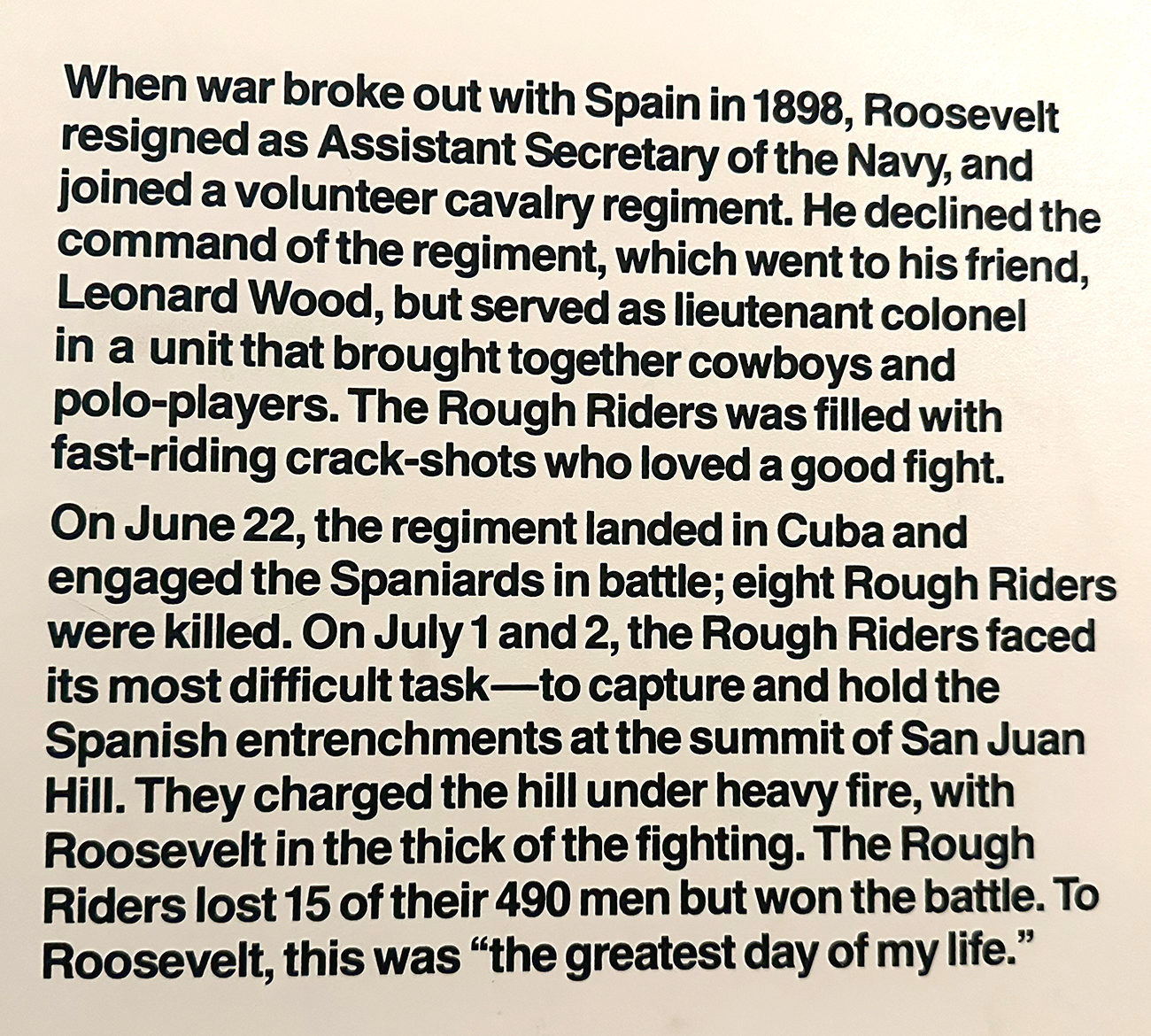
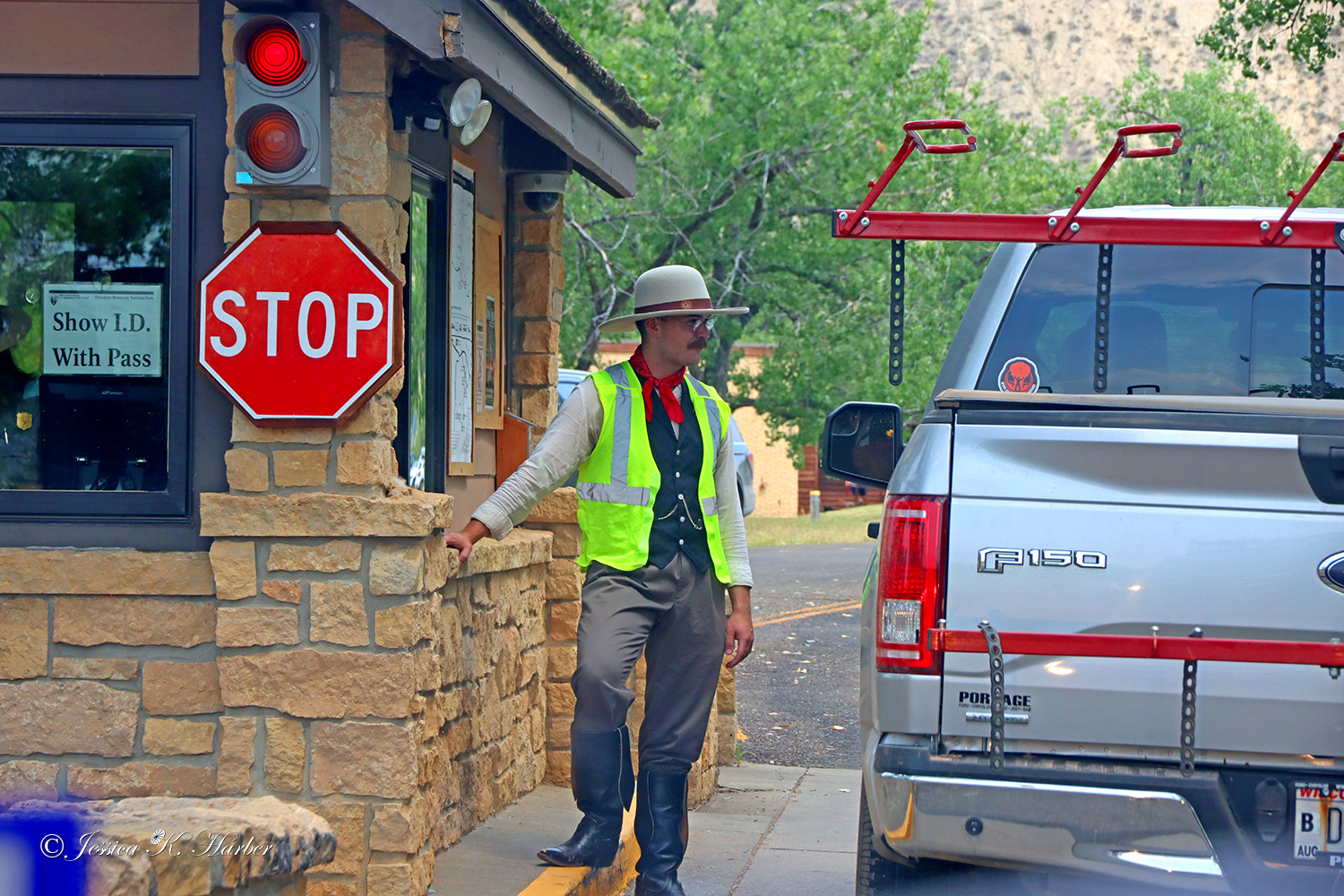
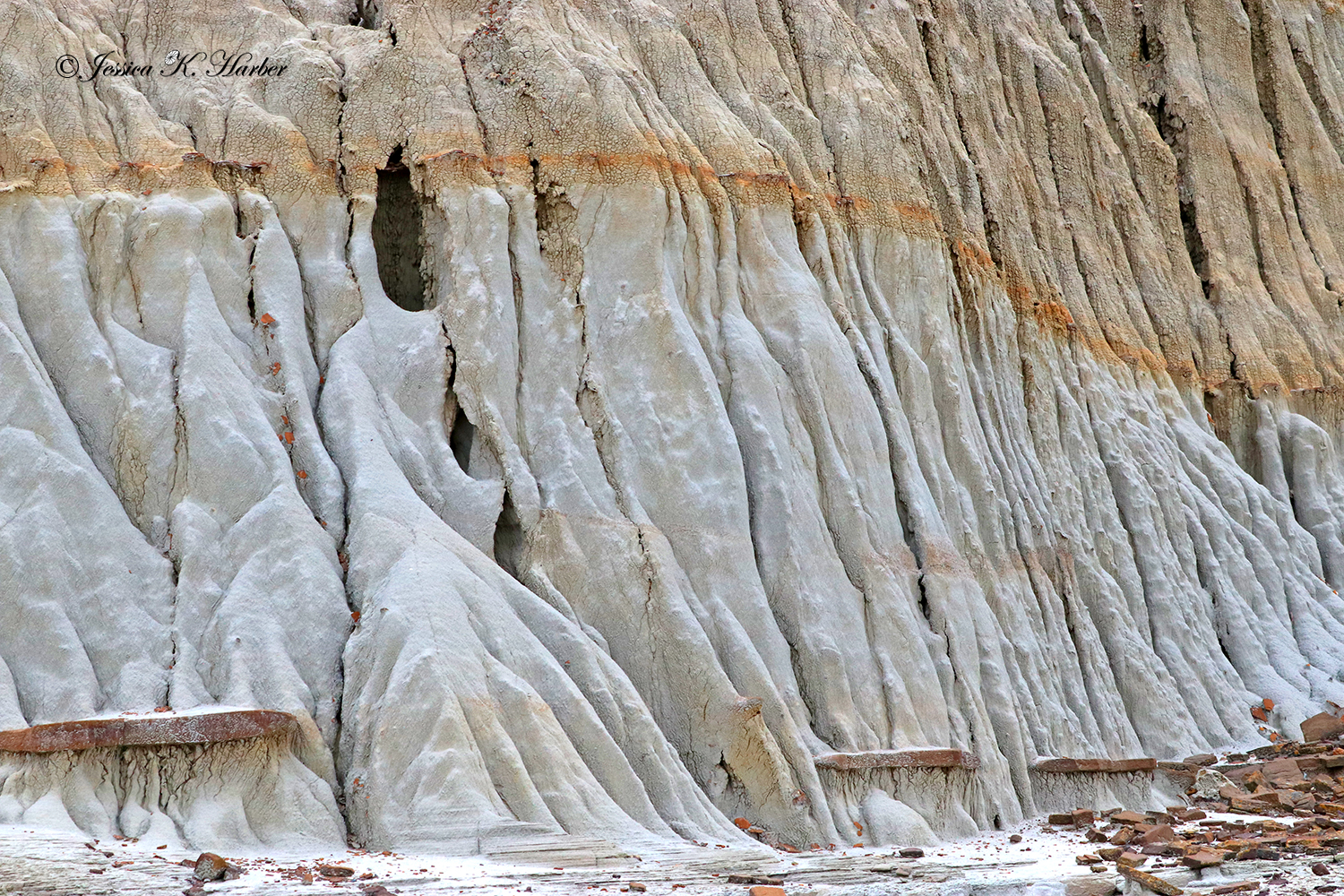
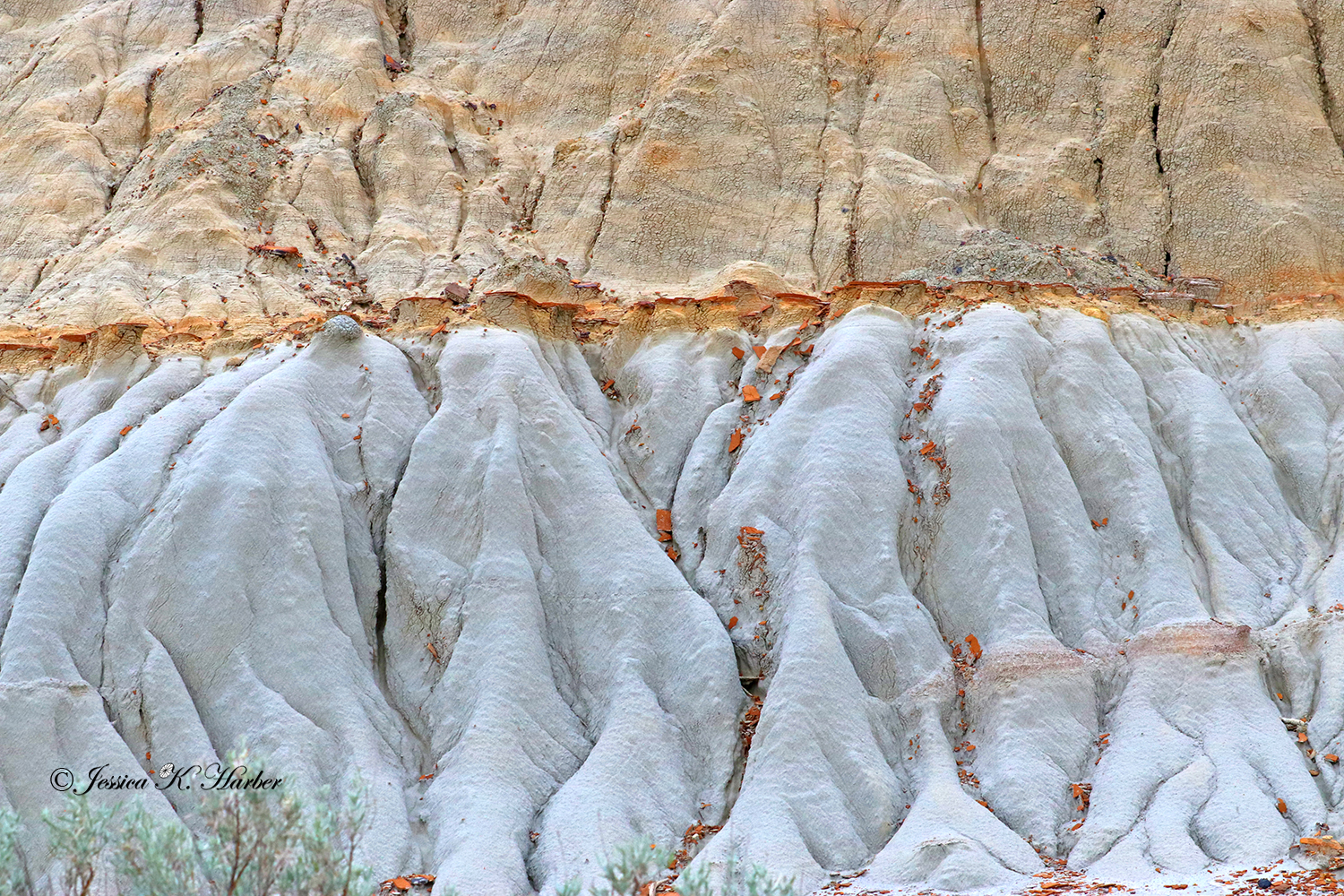
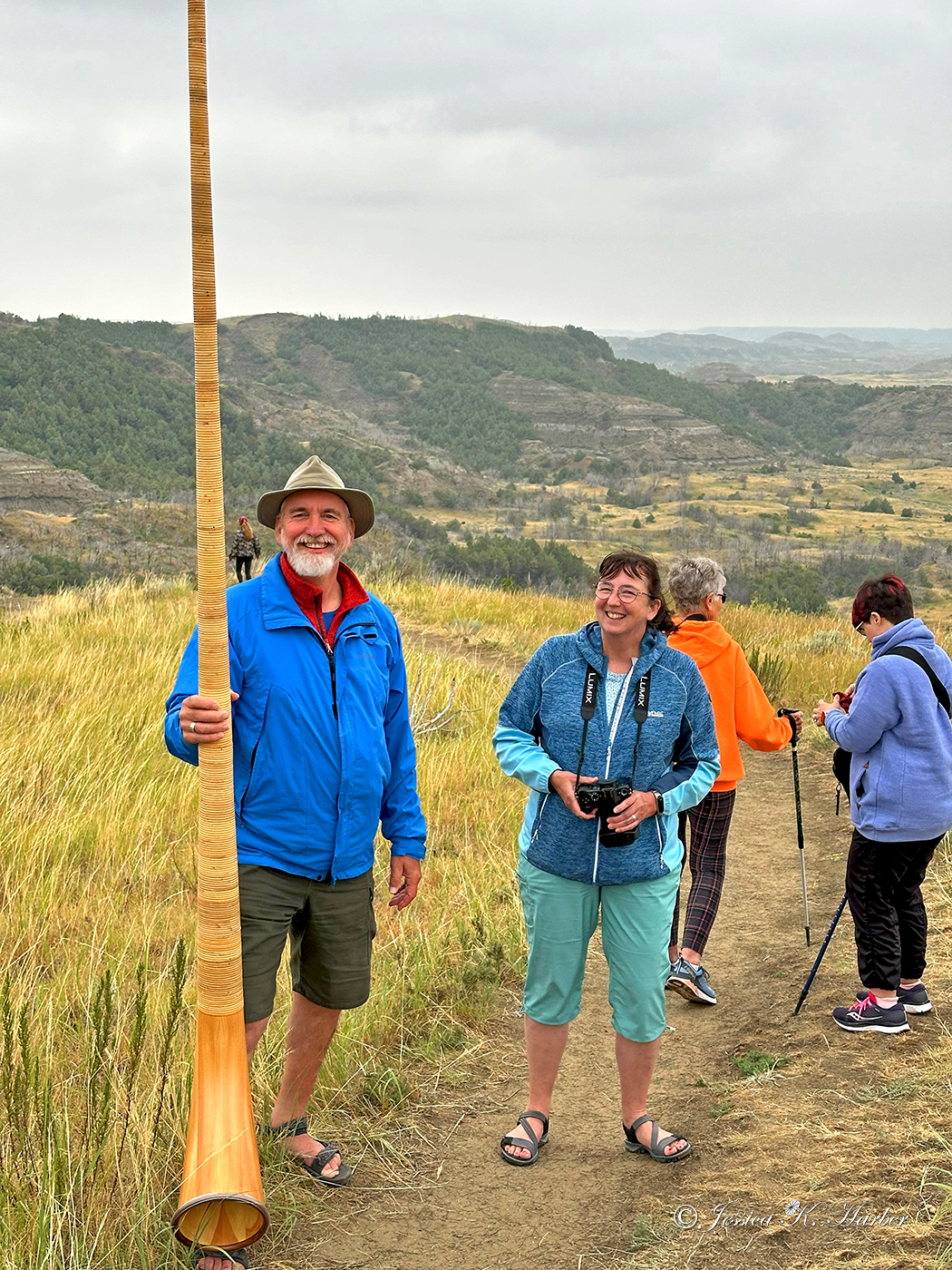
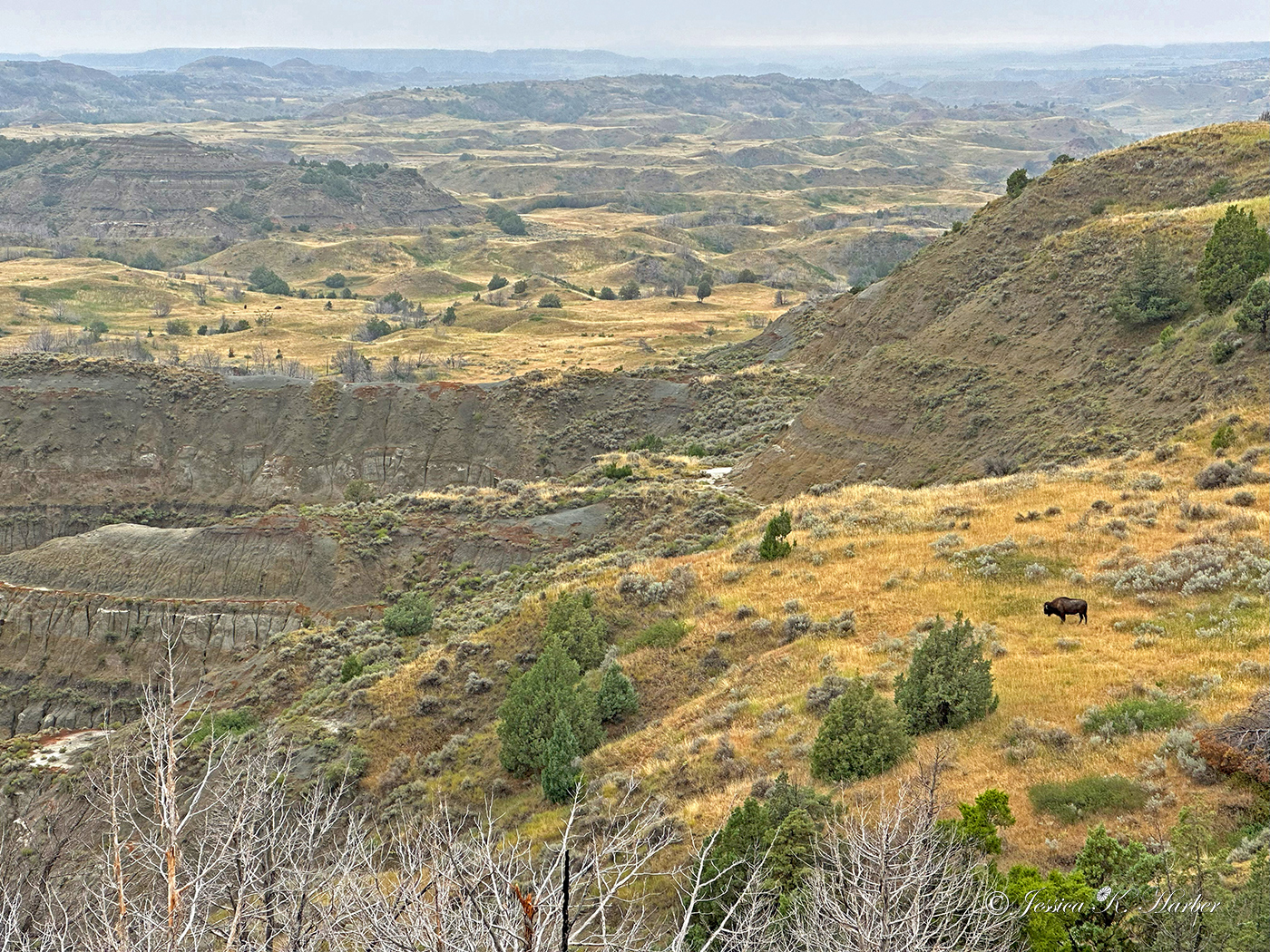
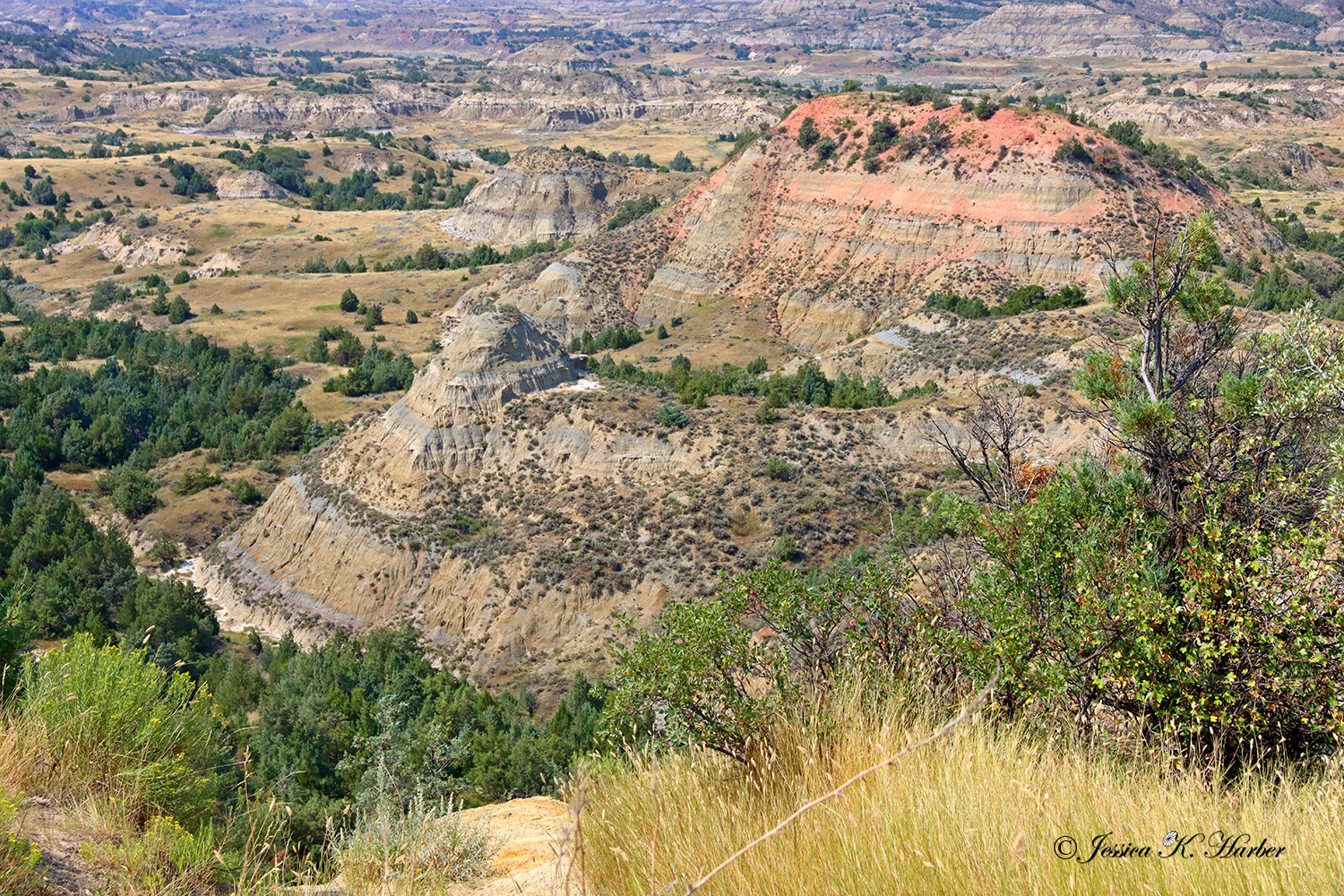
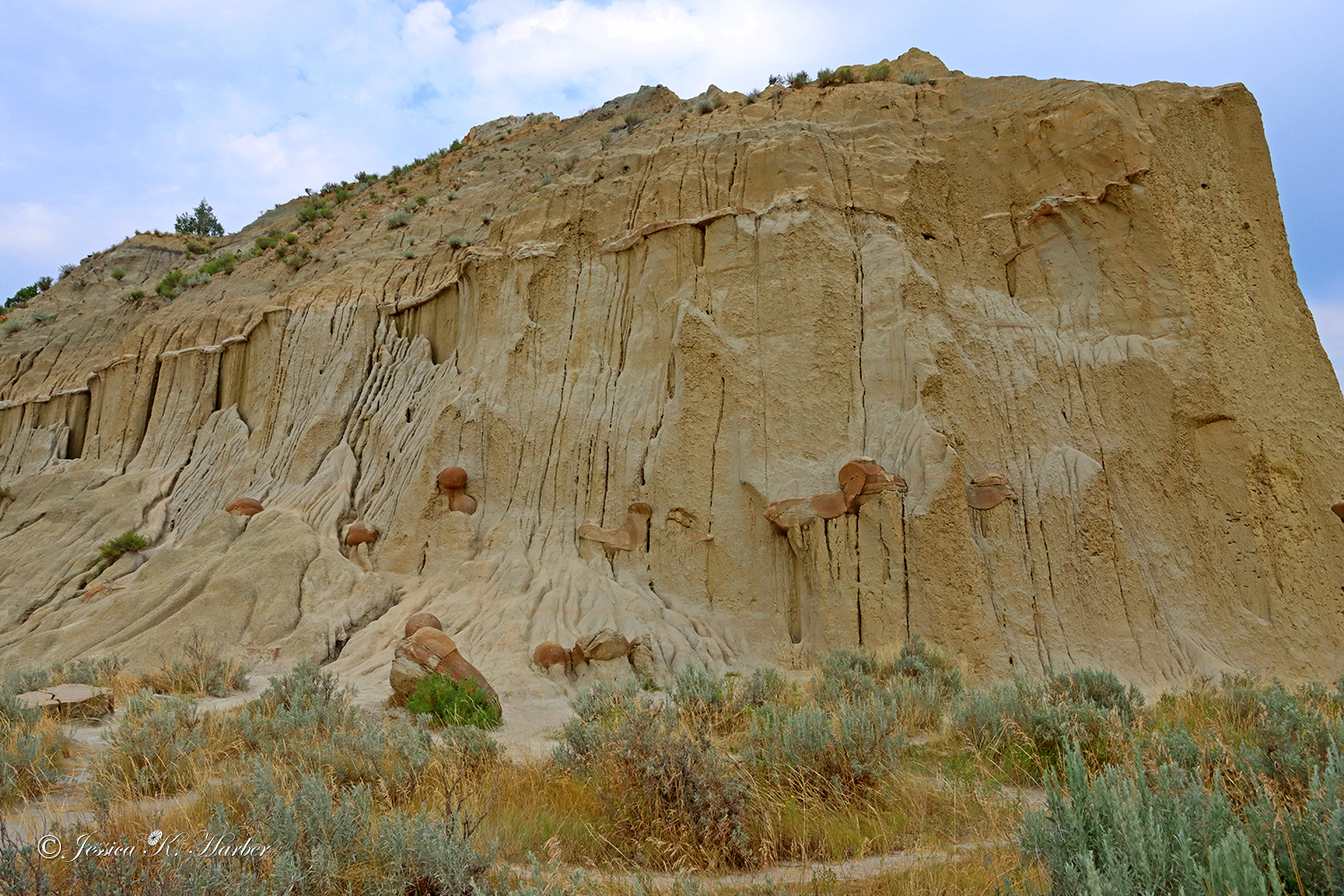
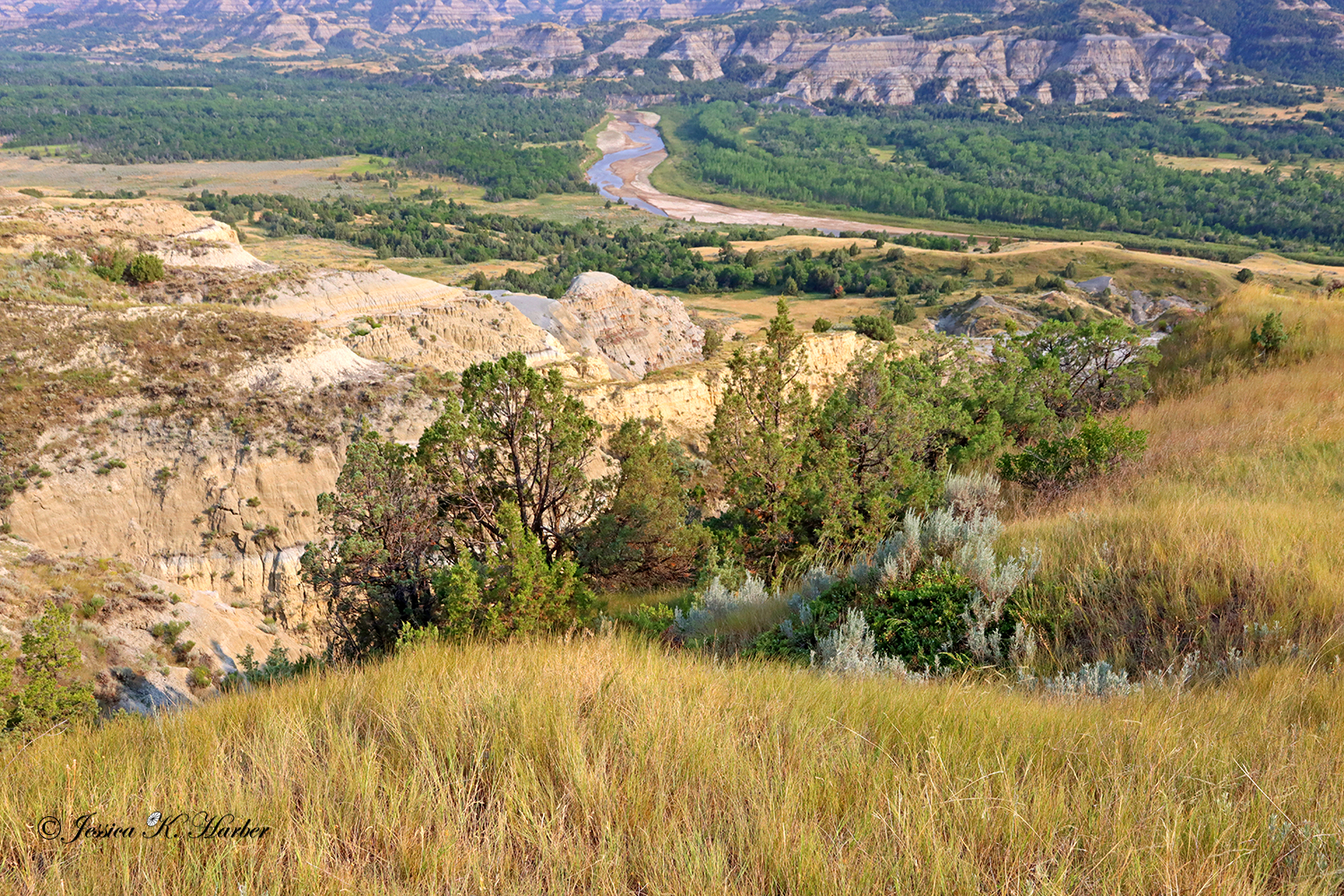
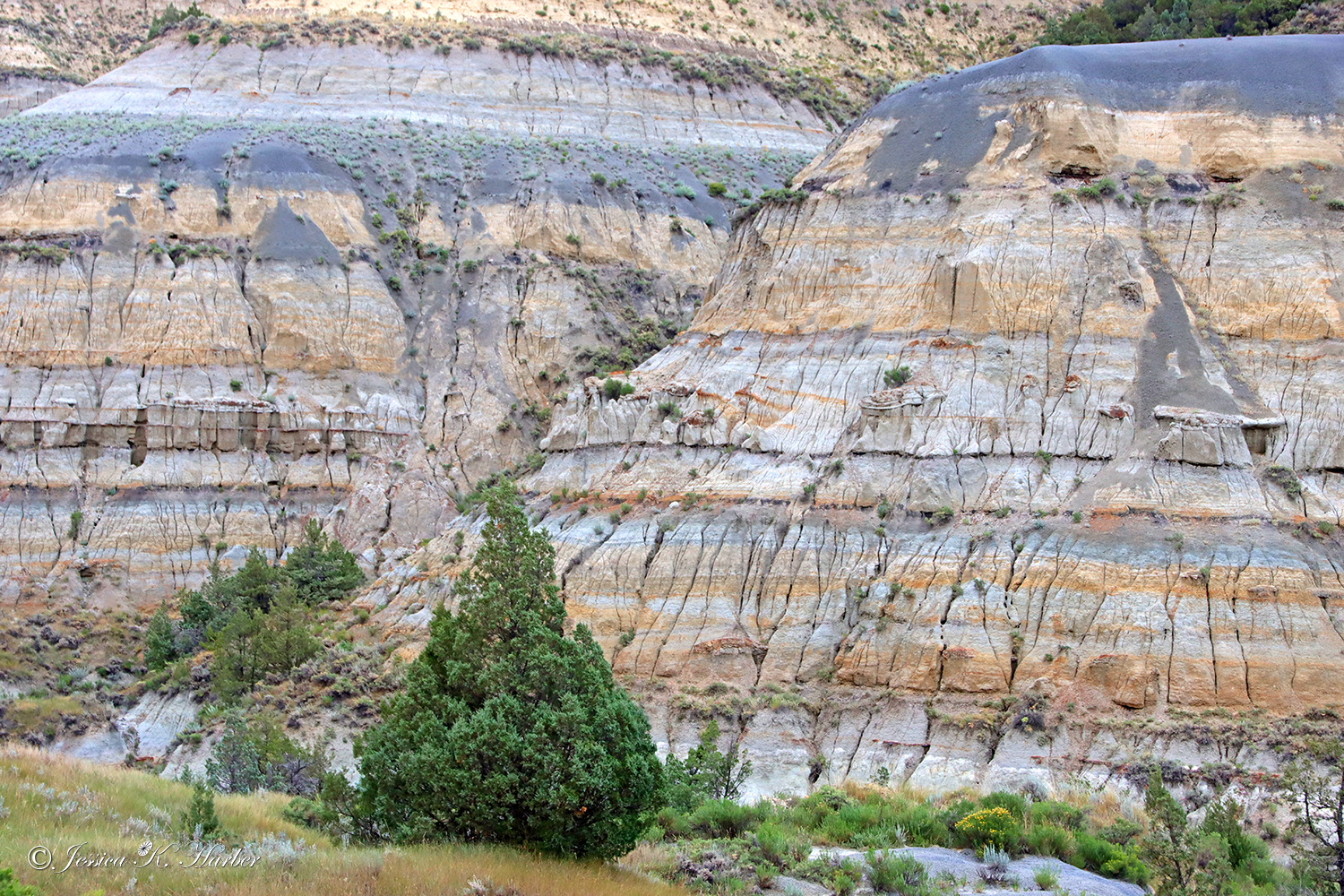
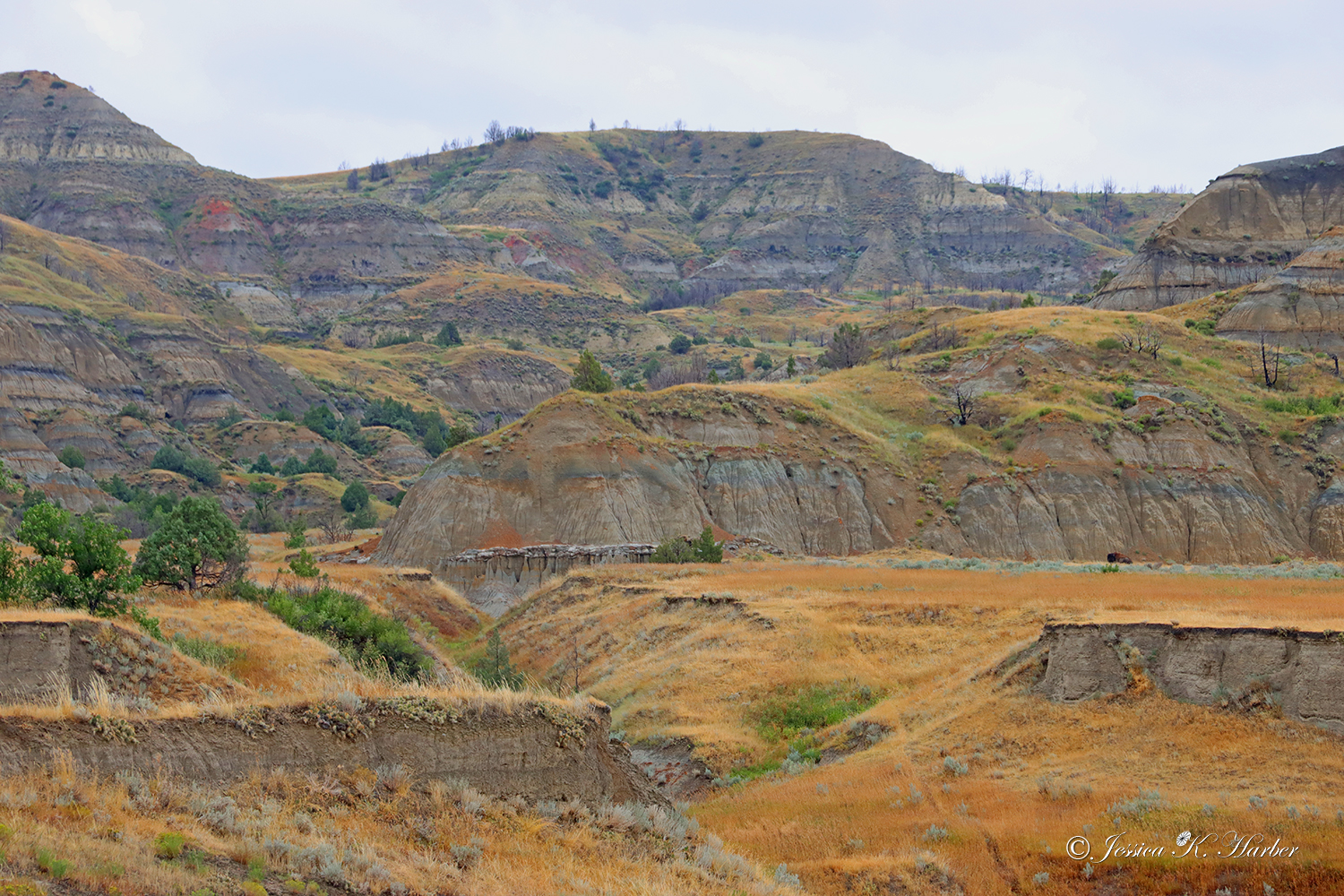
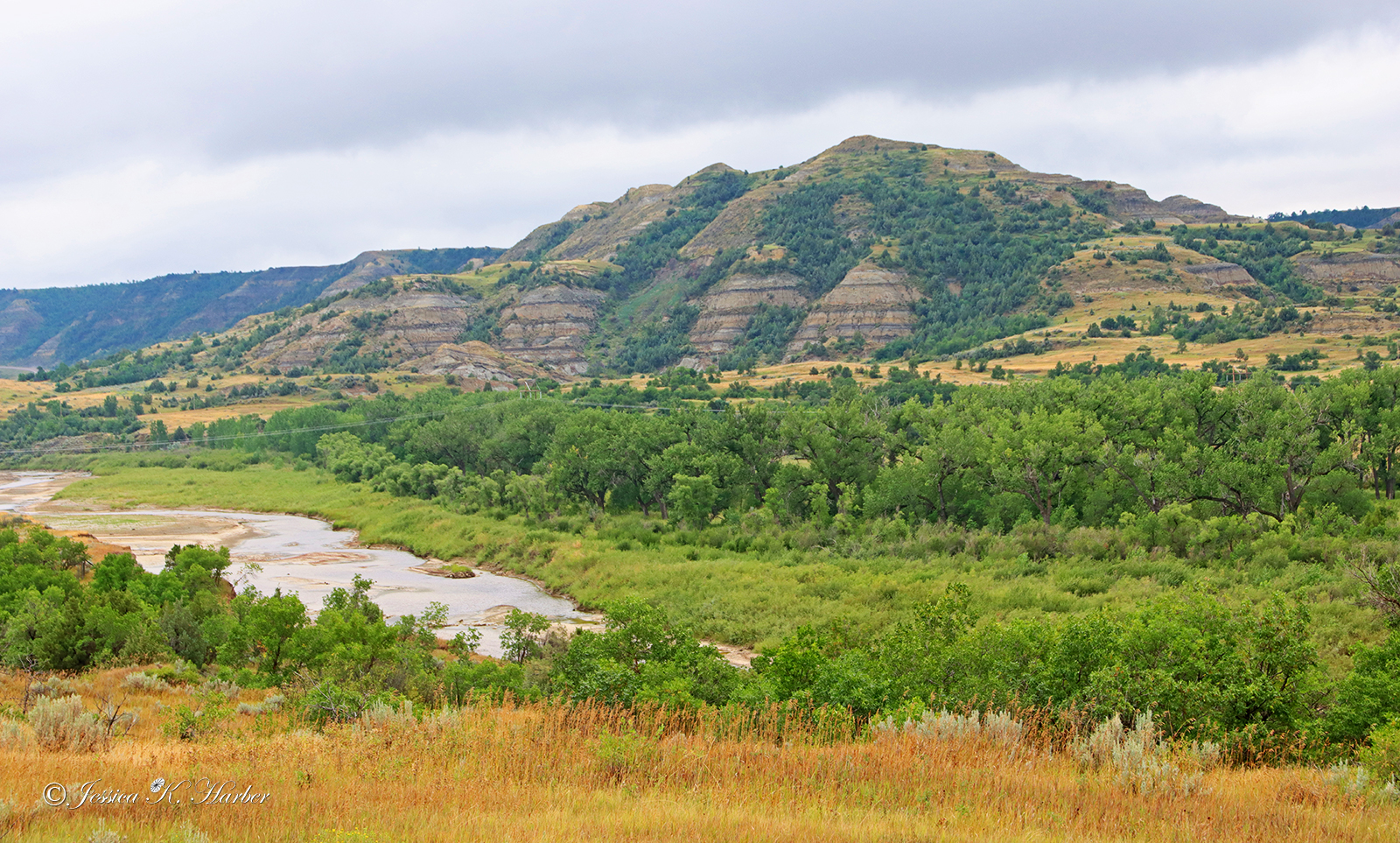
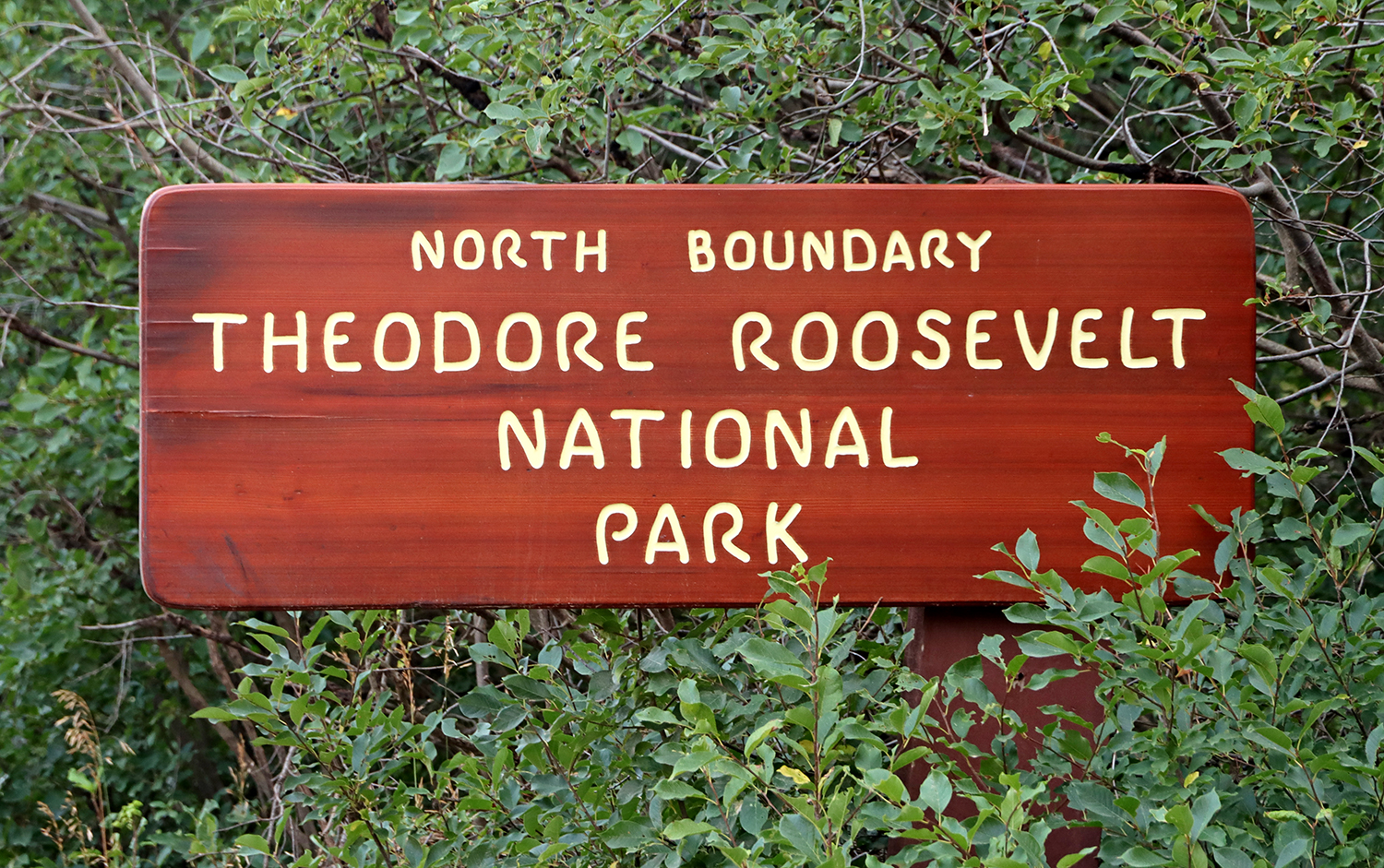
I was excited to visit the Theodore Roosevelt Park as I’m a bit of a Teddy fan. Not politically but personally — and because of his conservation efforts and support of National Parks. Even if folks are not in his fan club, I would think most people would find him interesting, at least. He led a varied and fascinating life. From NPS site: “President – Colonel – Rough Rider – Father – Naturalist – Rancher – Theodore Roosevelt was all of these things and more. His life was one of constant challenge and adventure. “

The Park has both a south and north unit. The visitor’s center at the south unit had a lot of good historical information and exhibits.

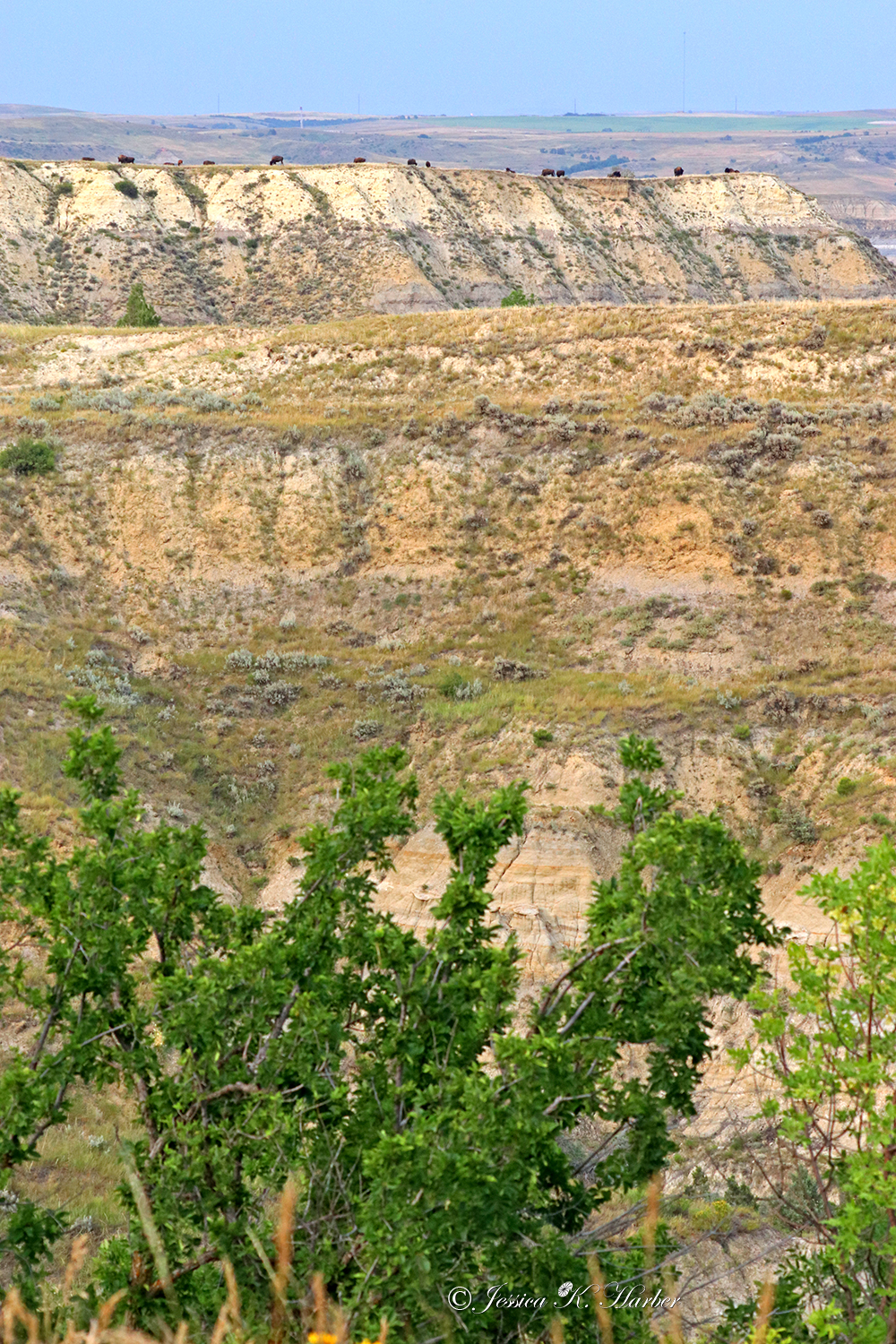
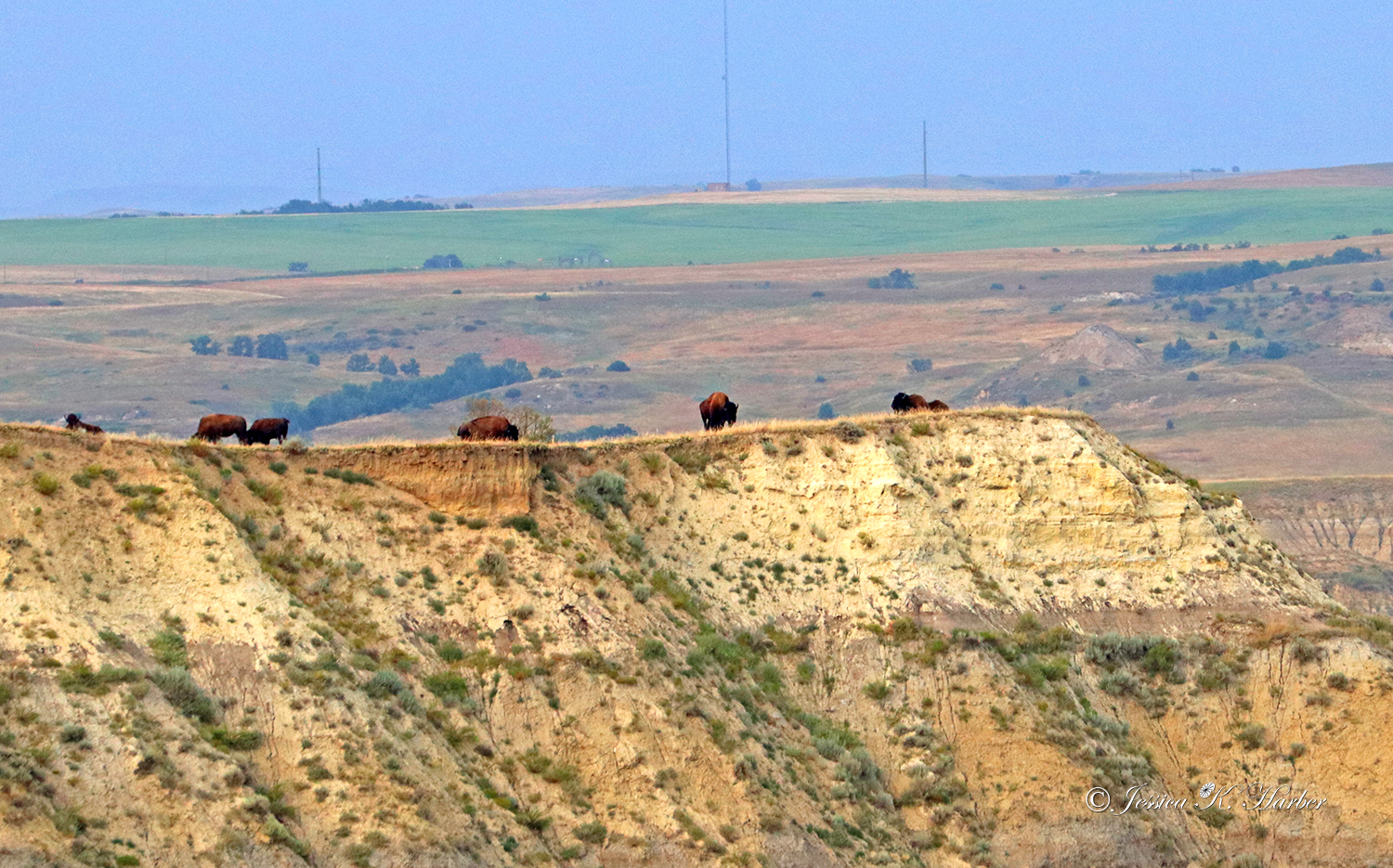
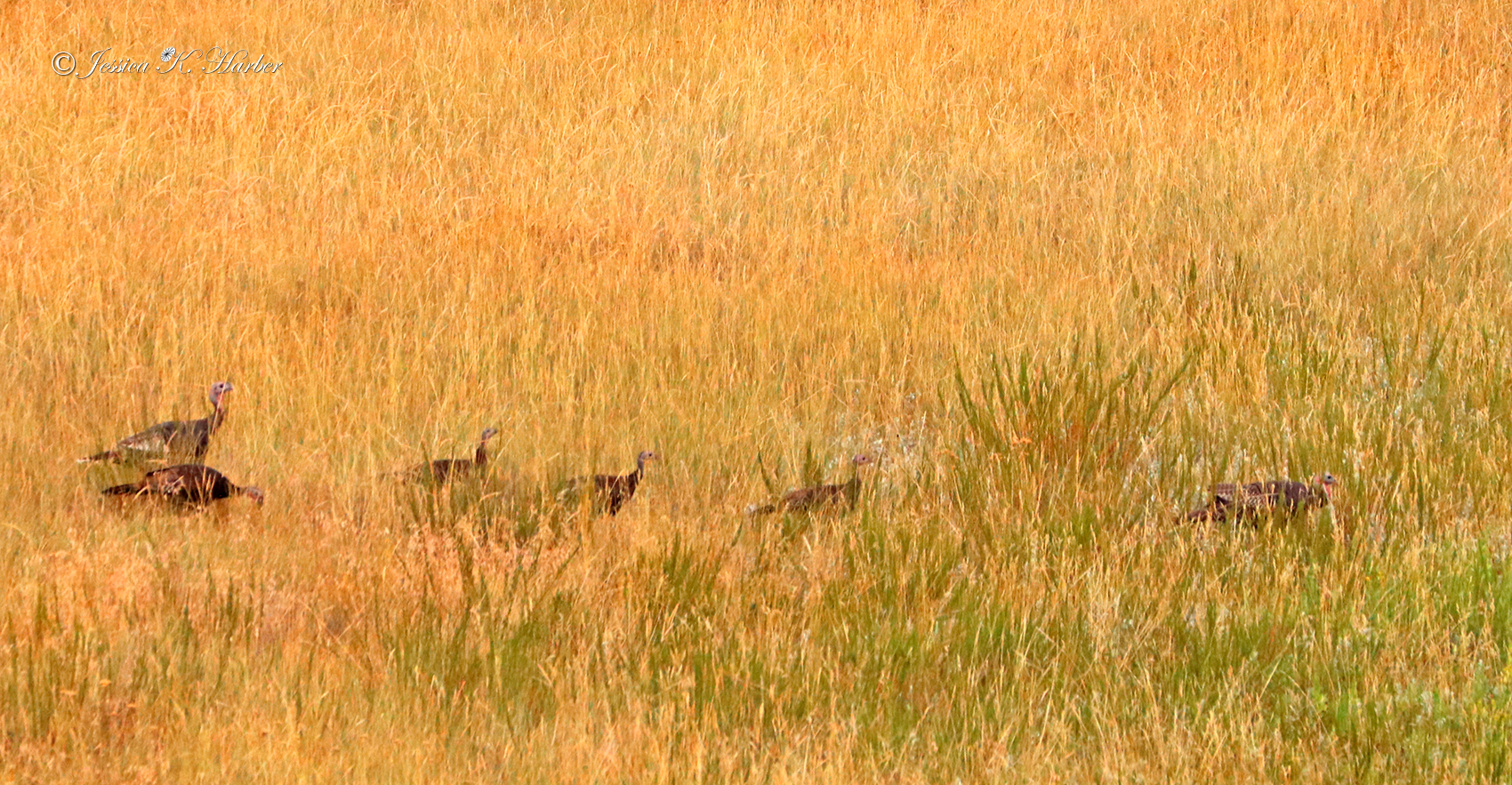
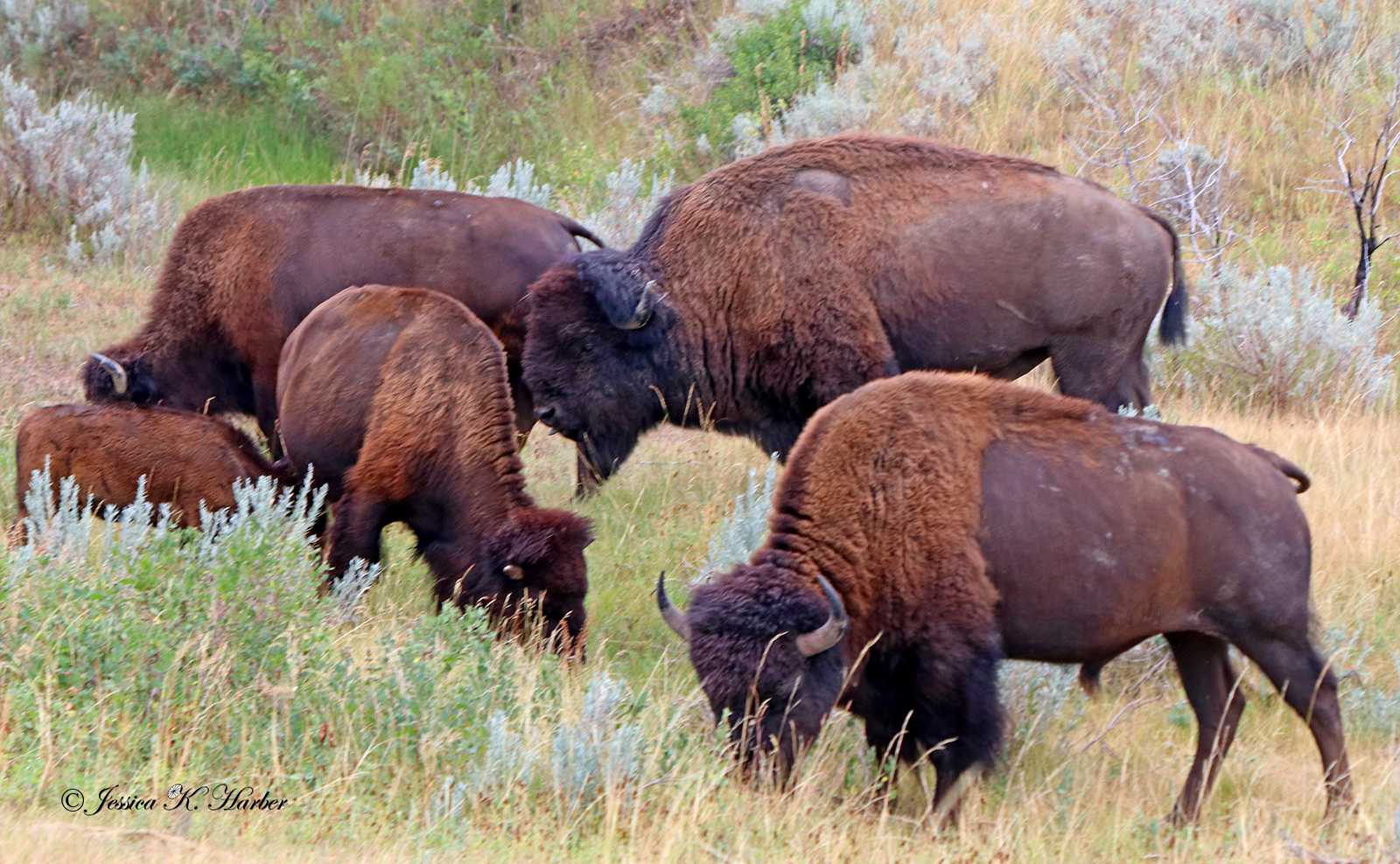
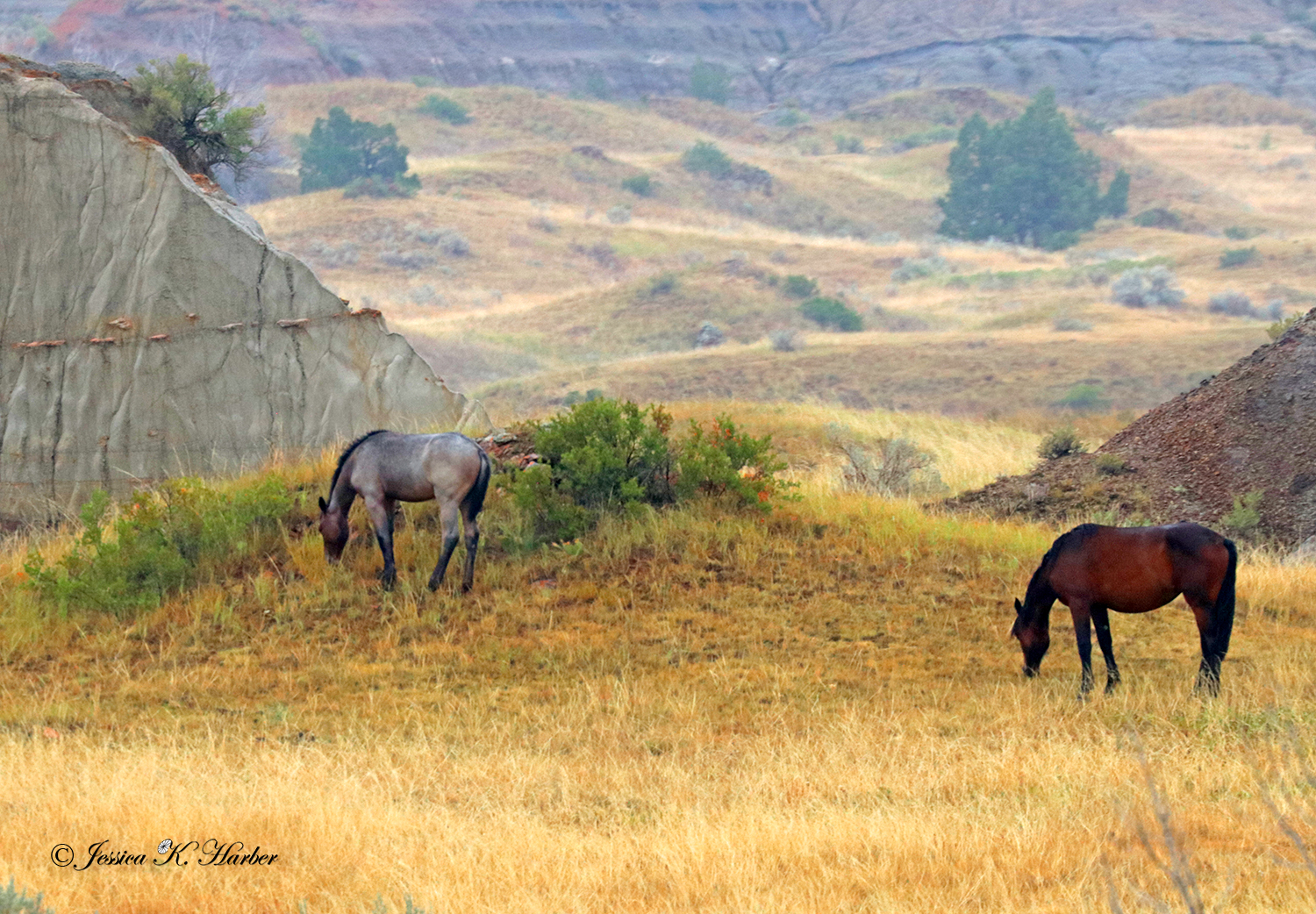
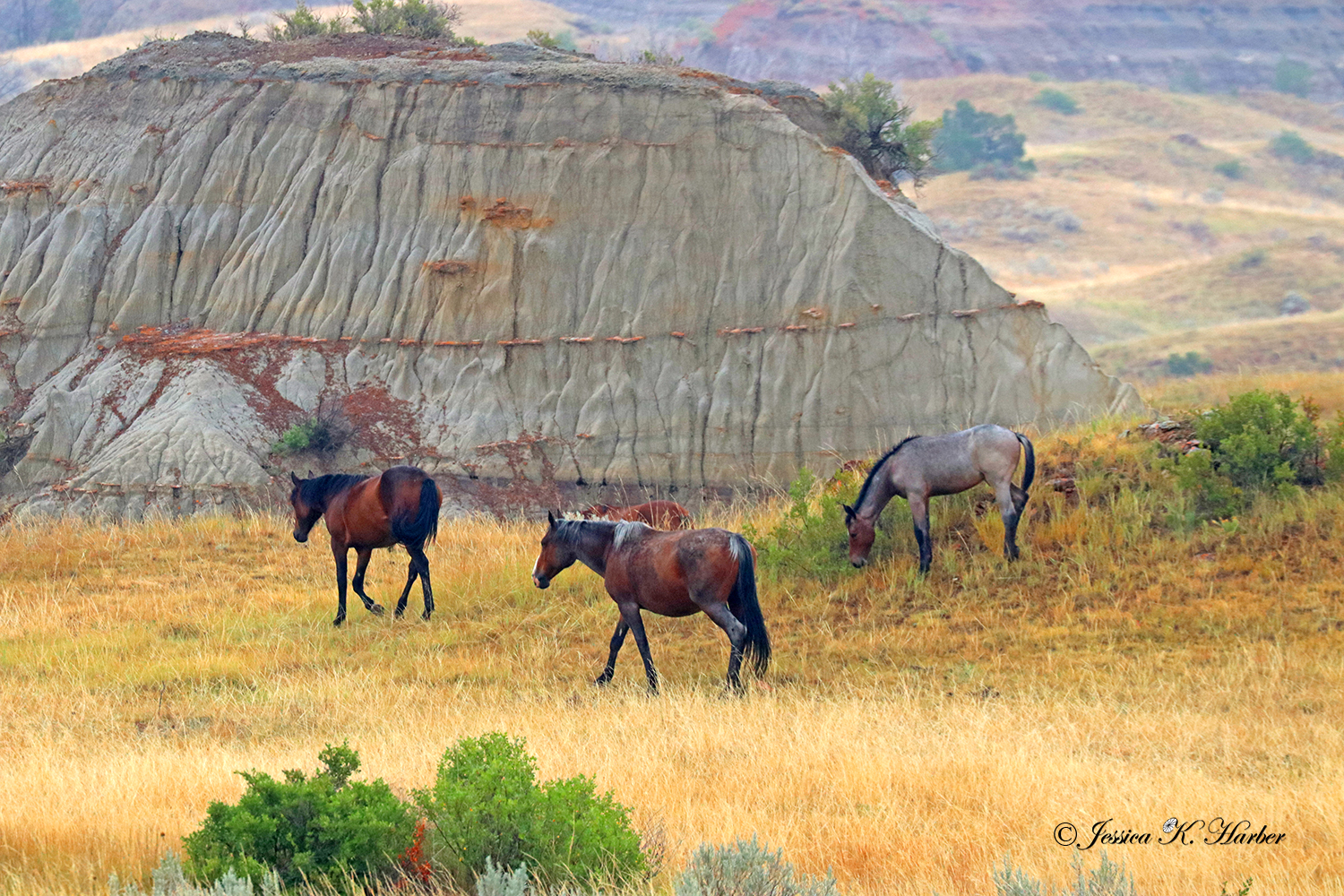
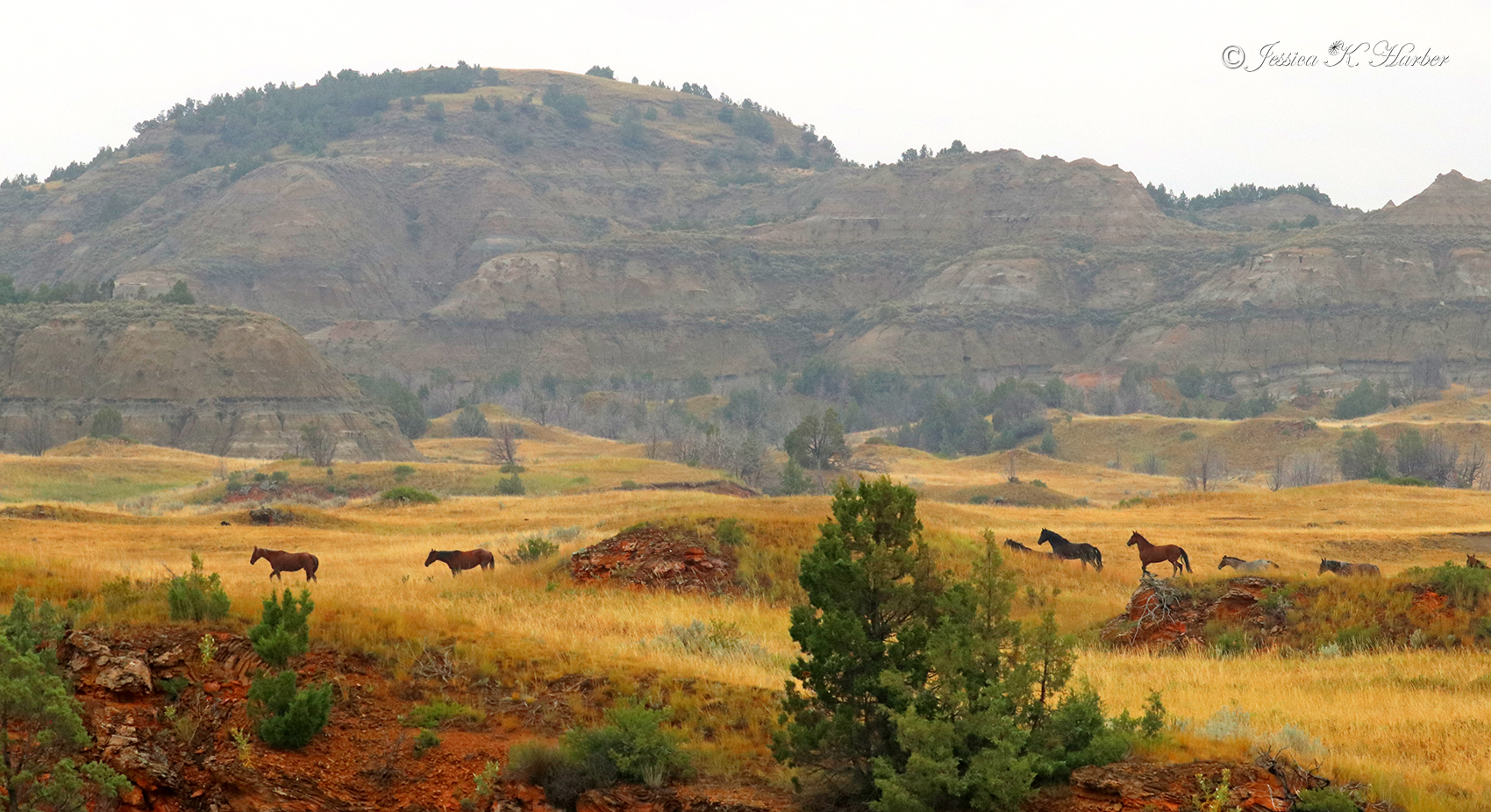
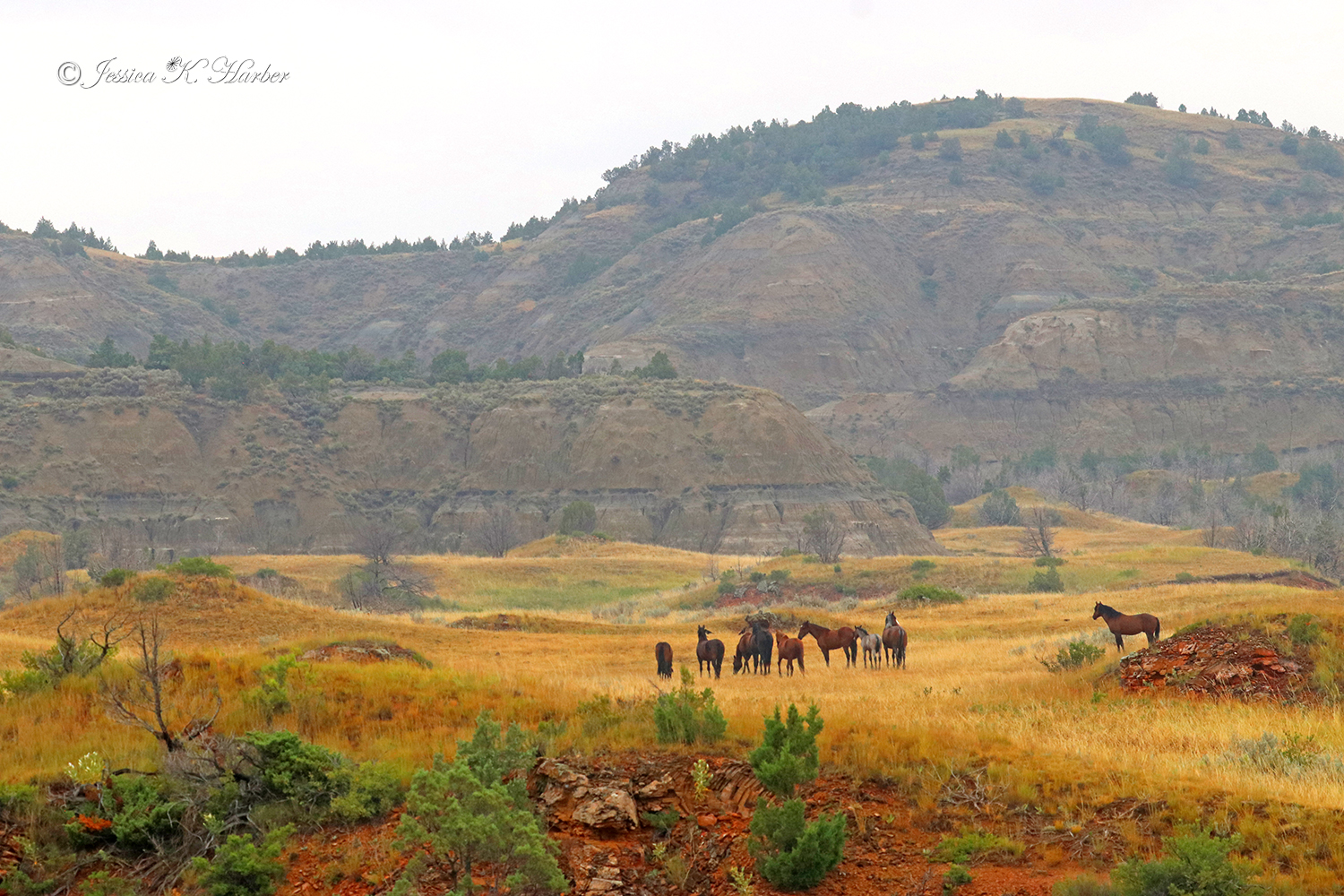
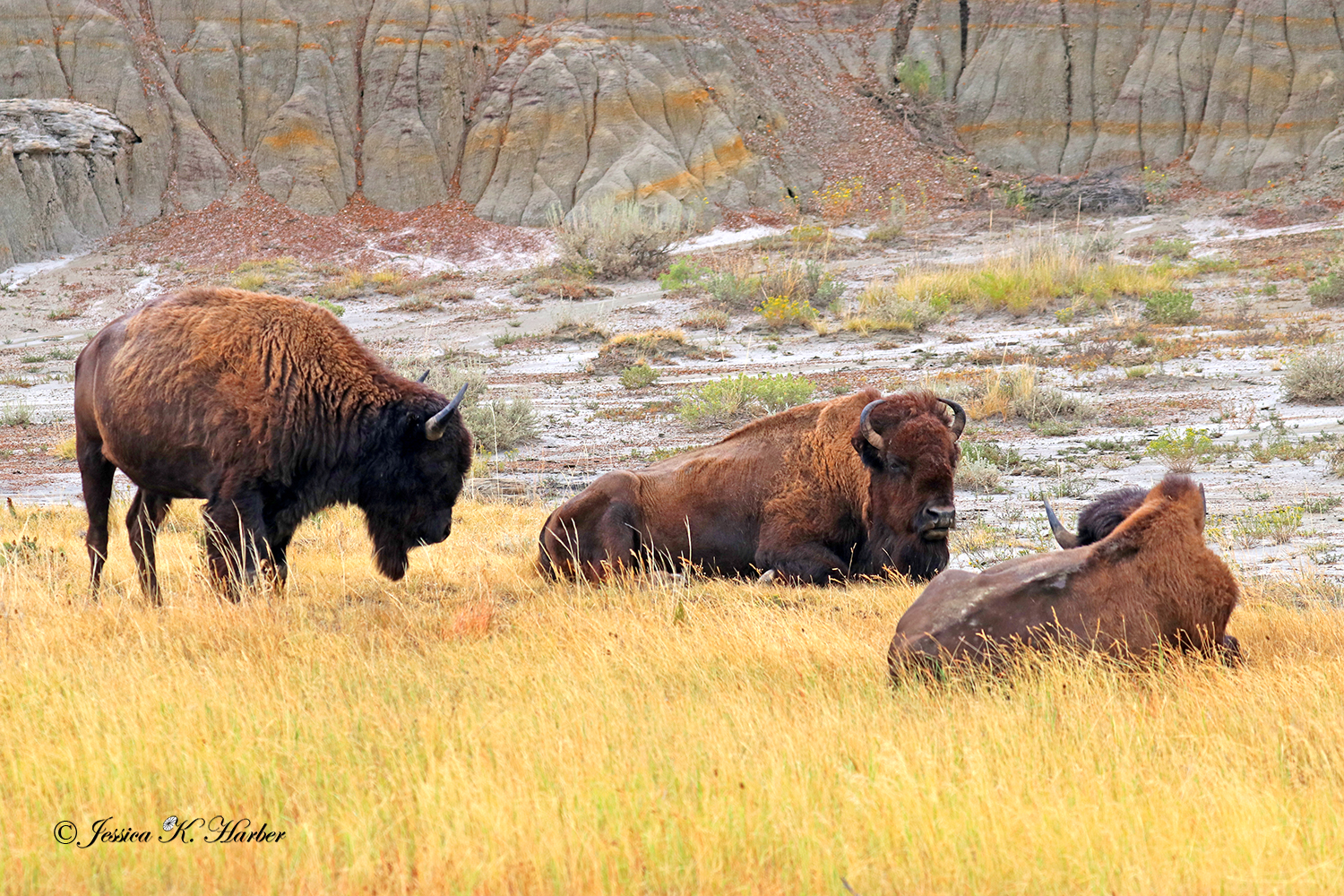
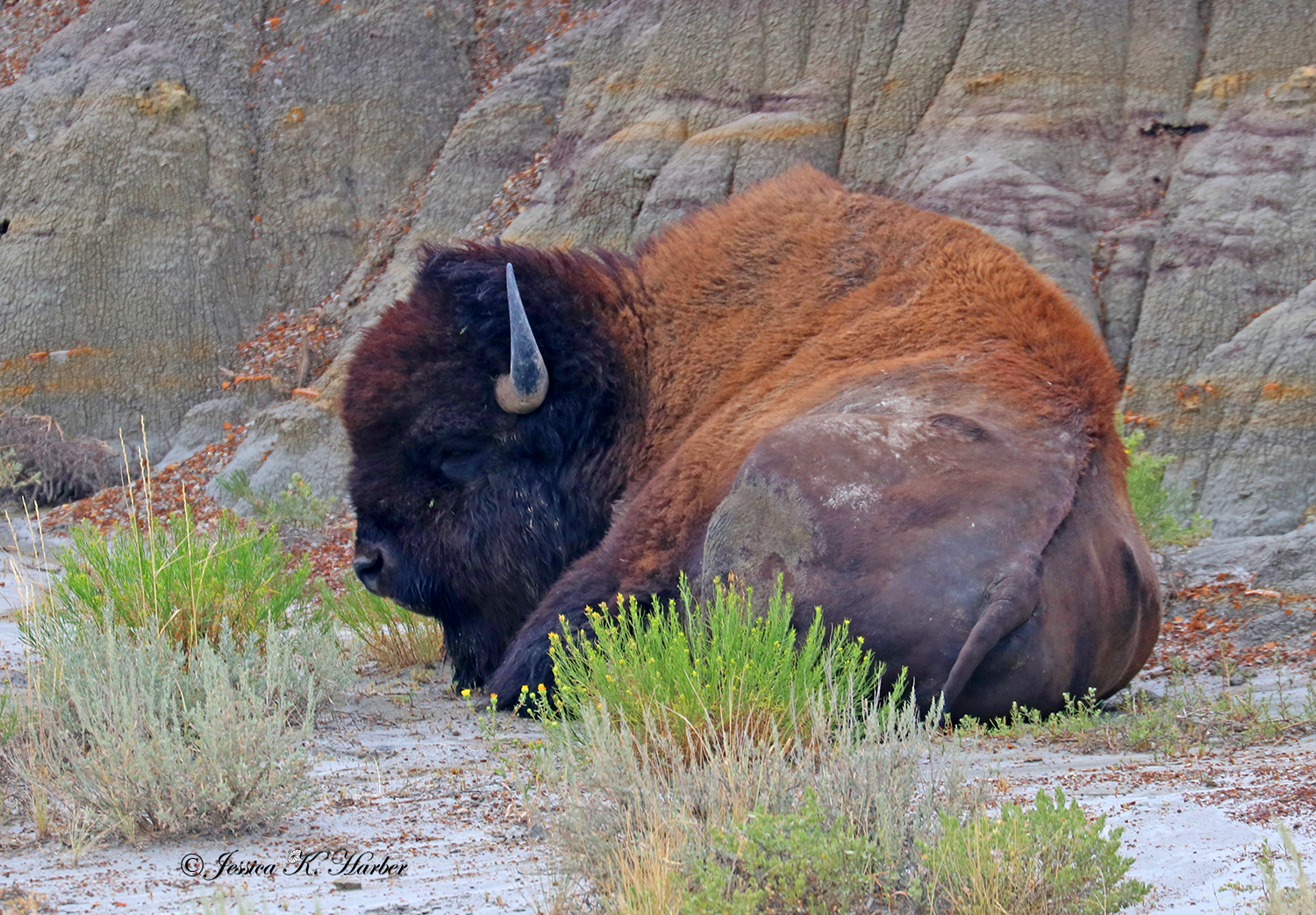
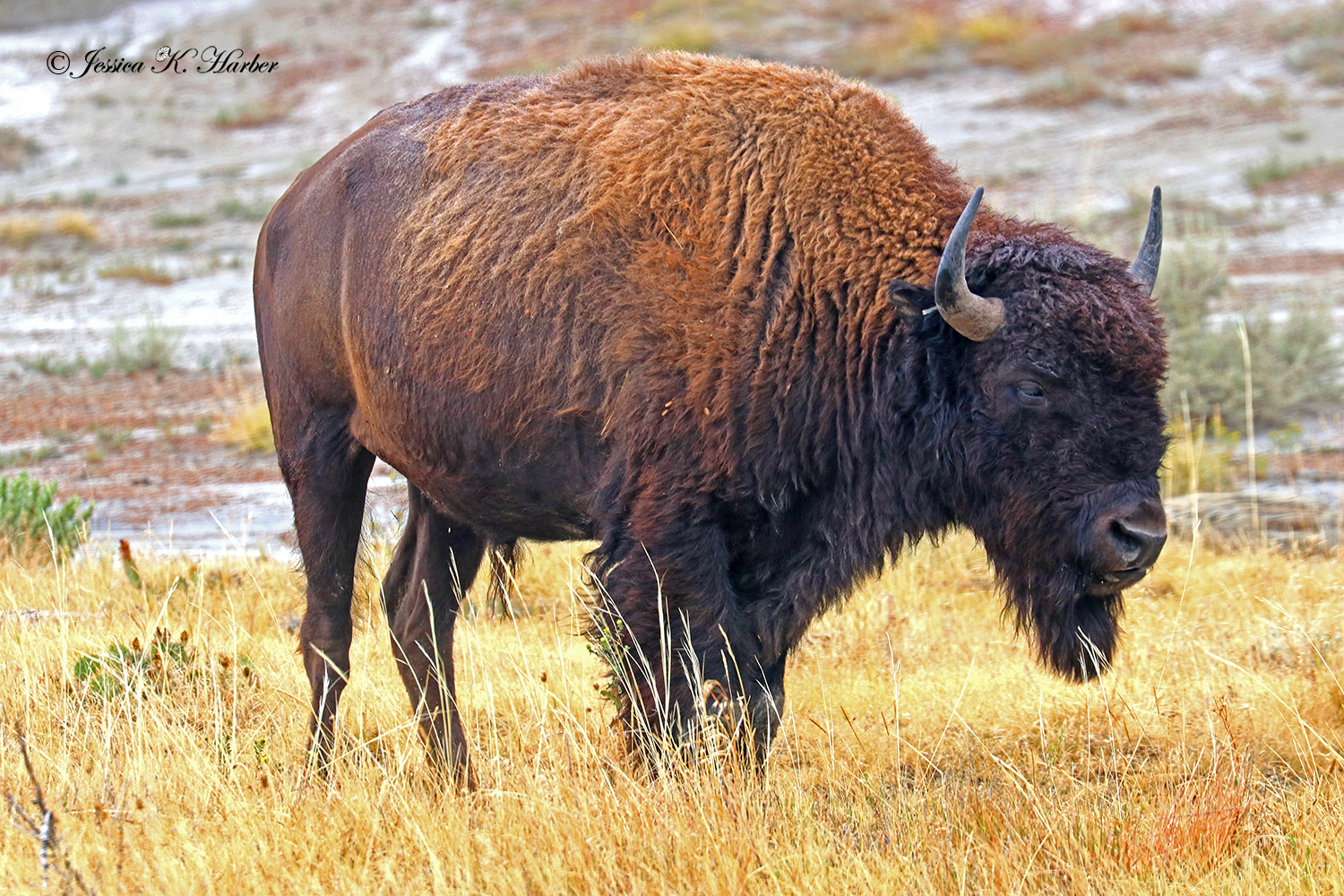
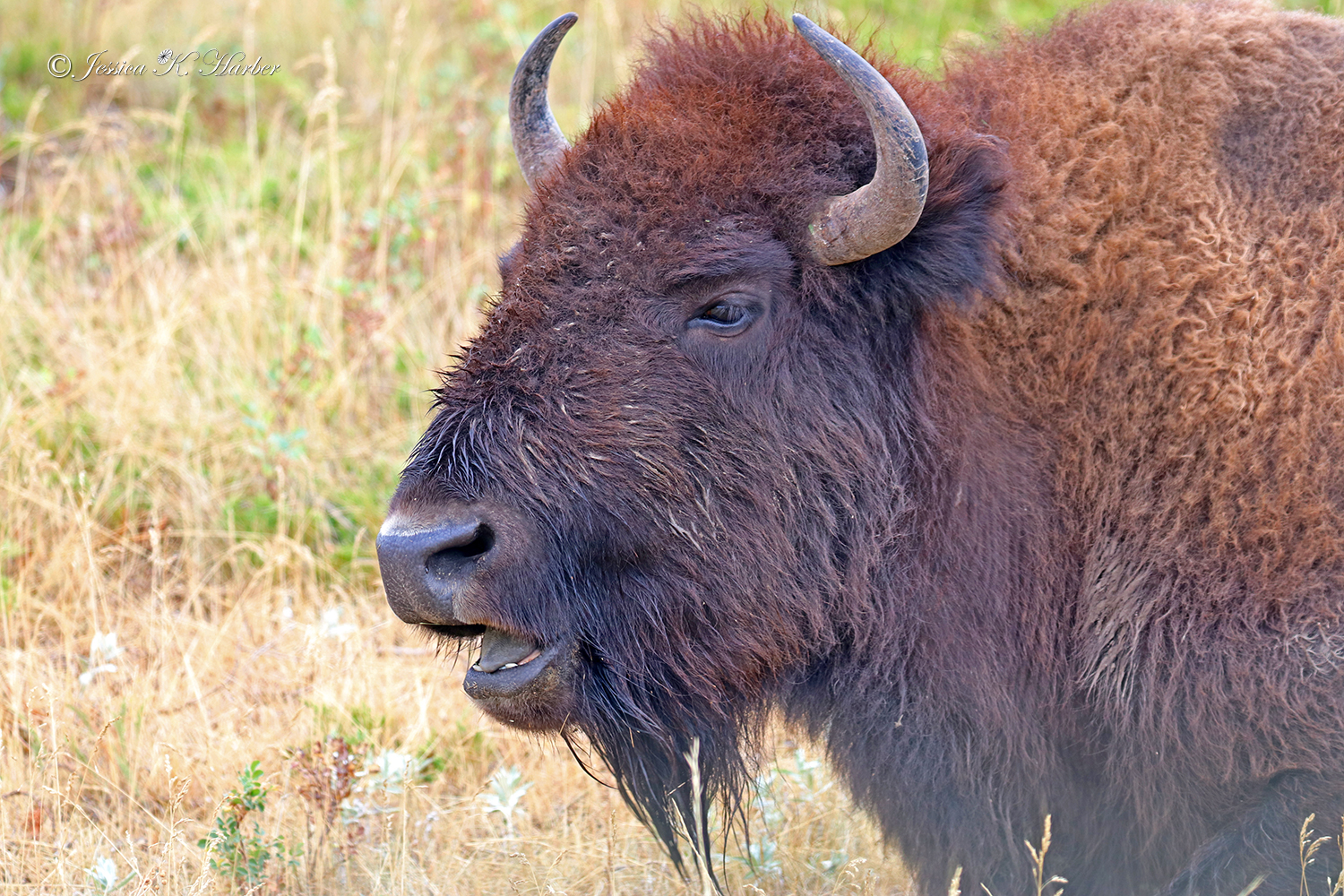
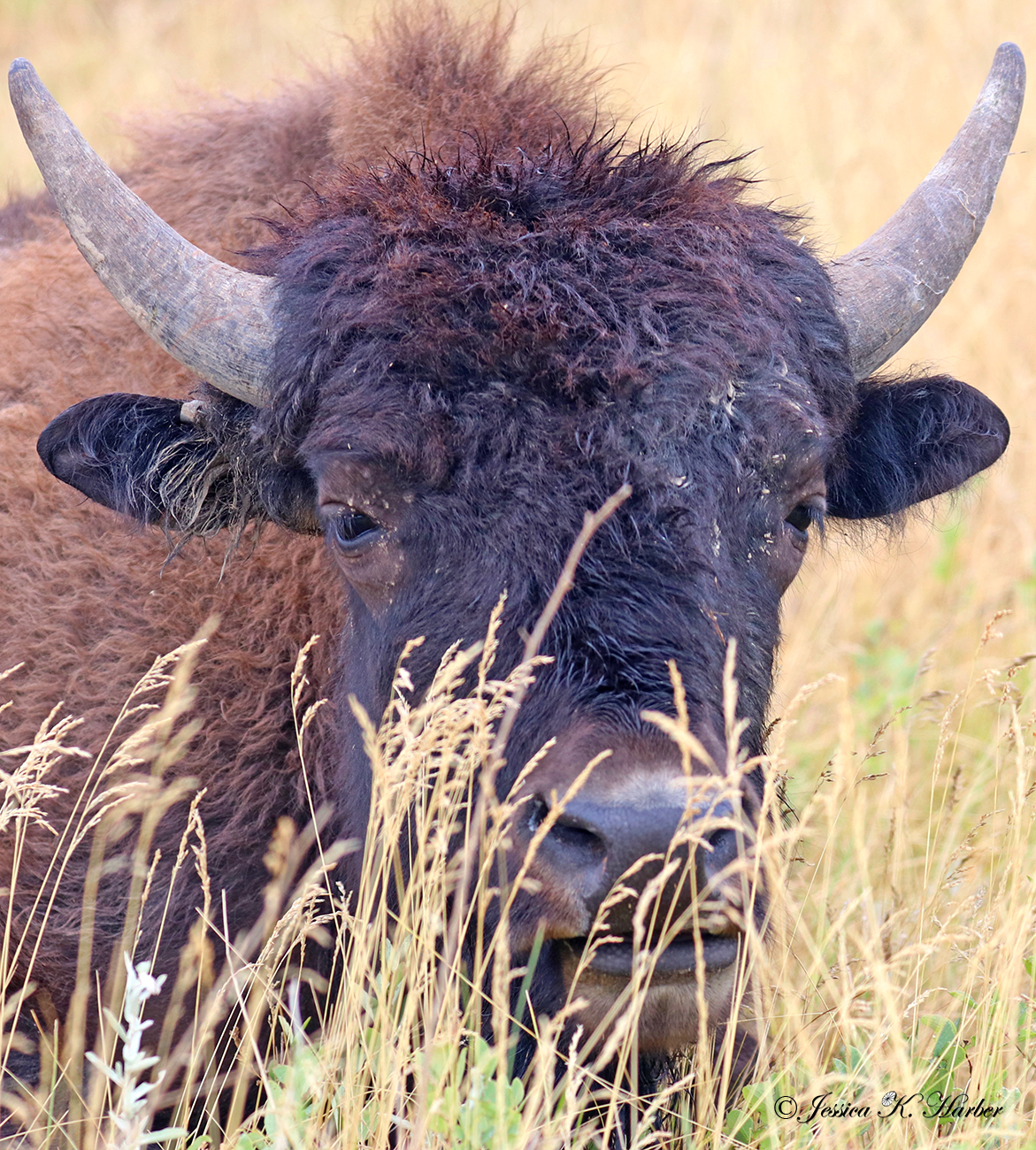
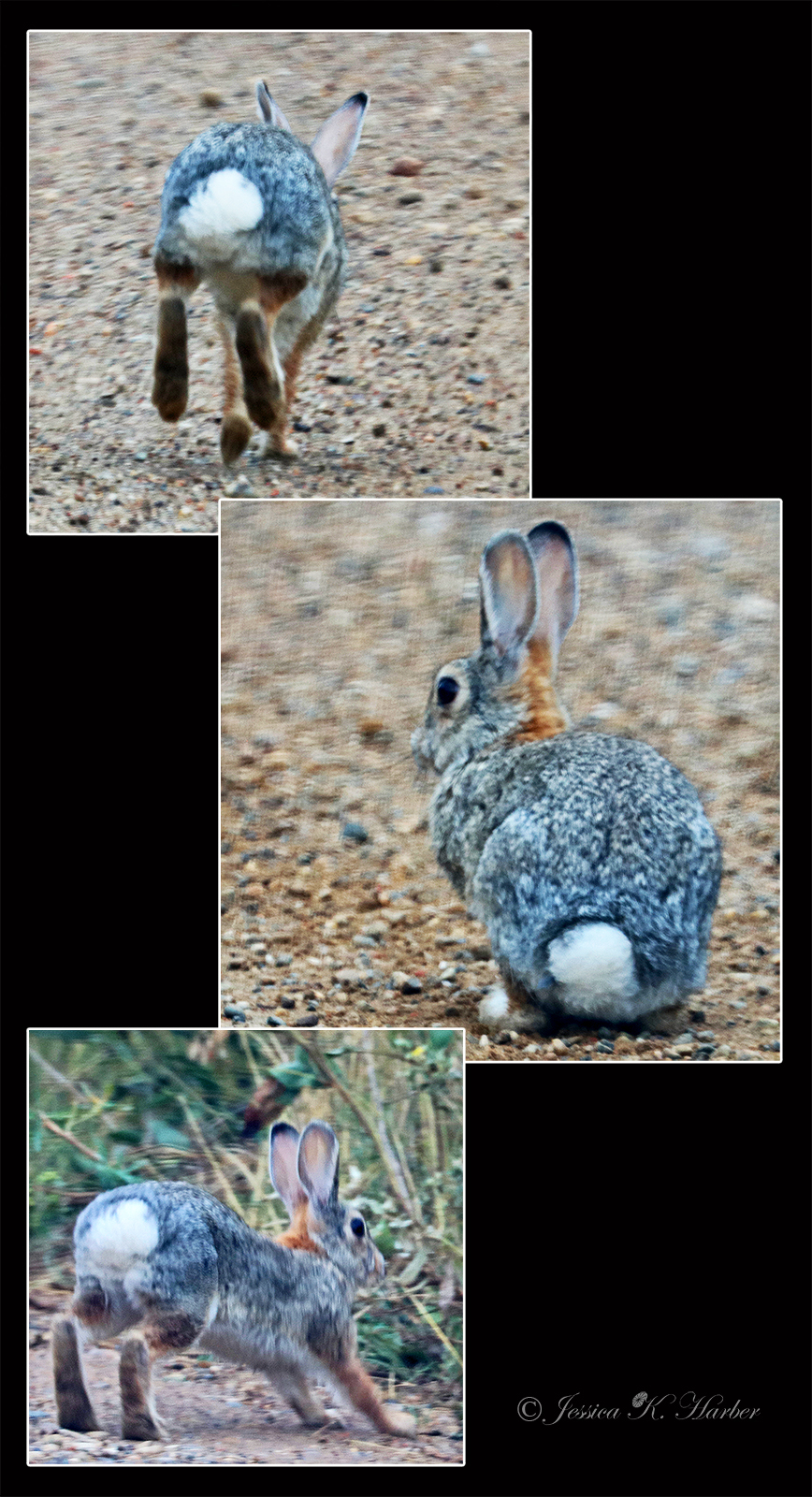
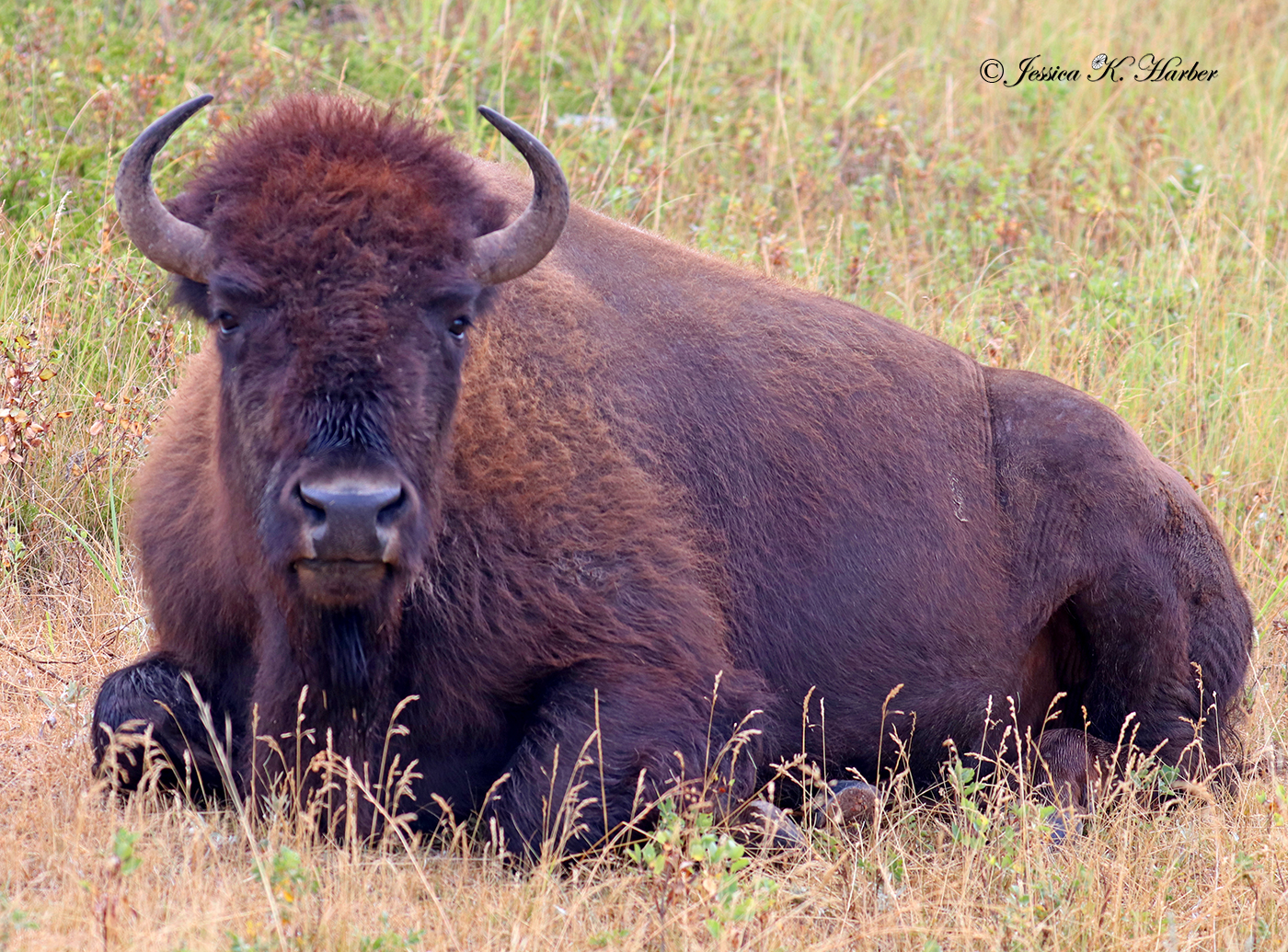
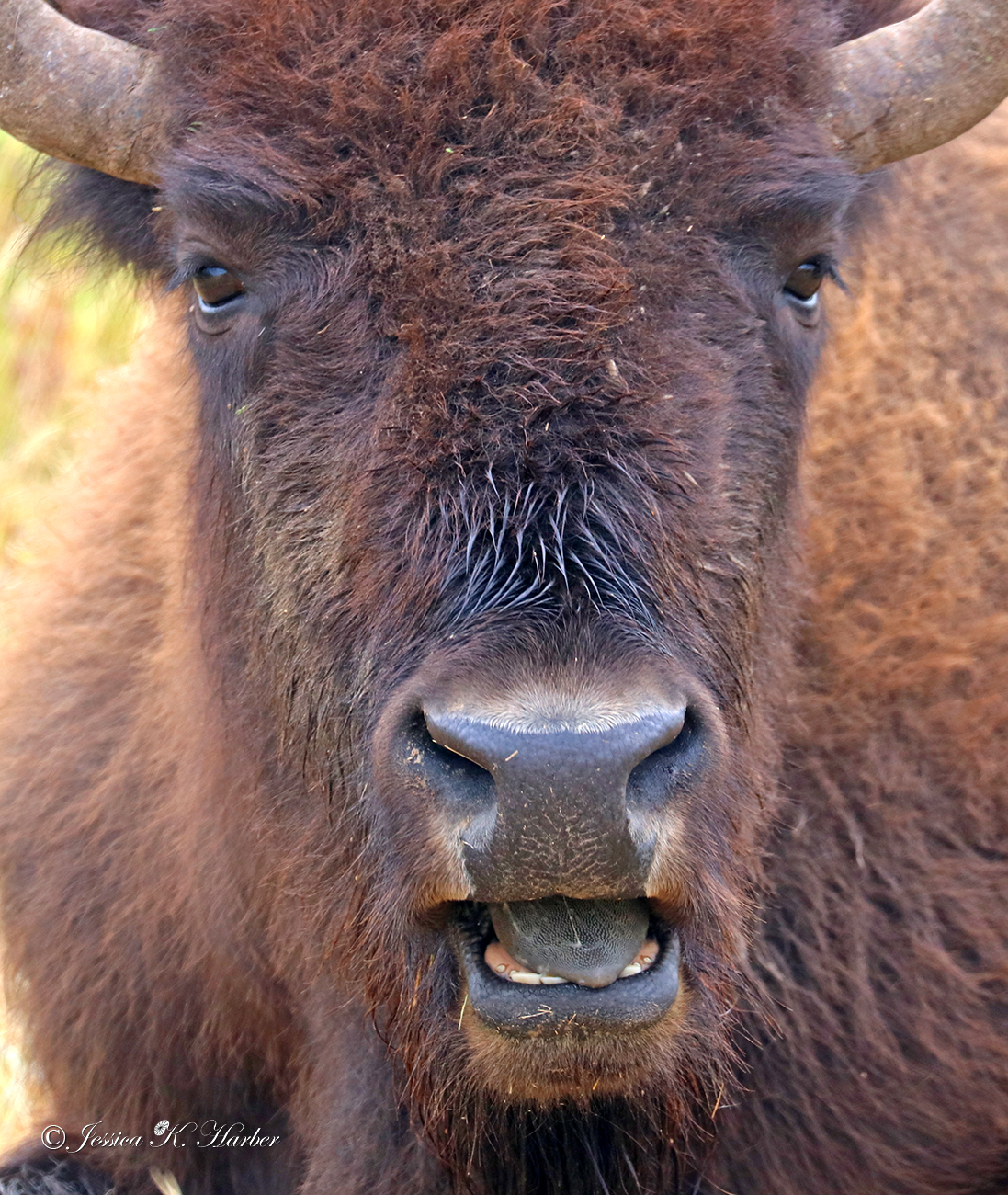
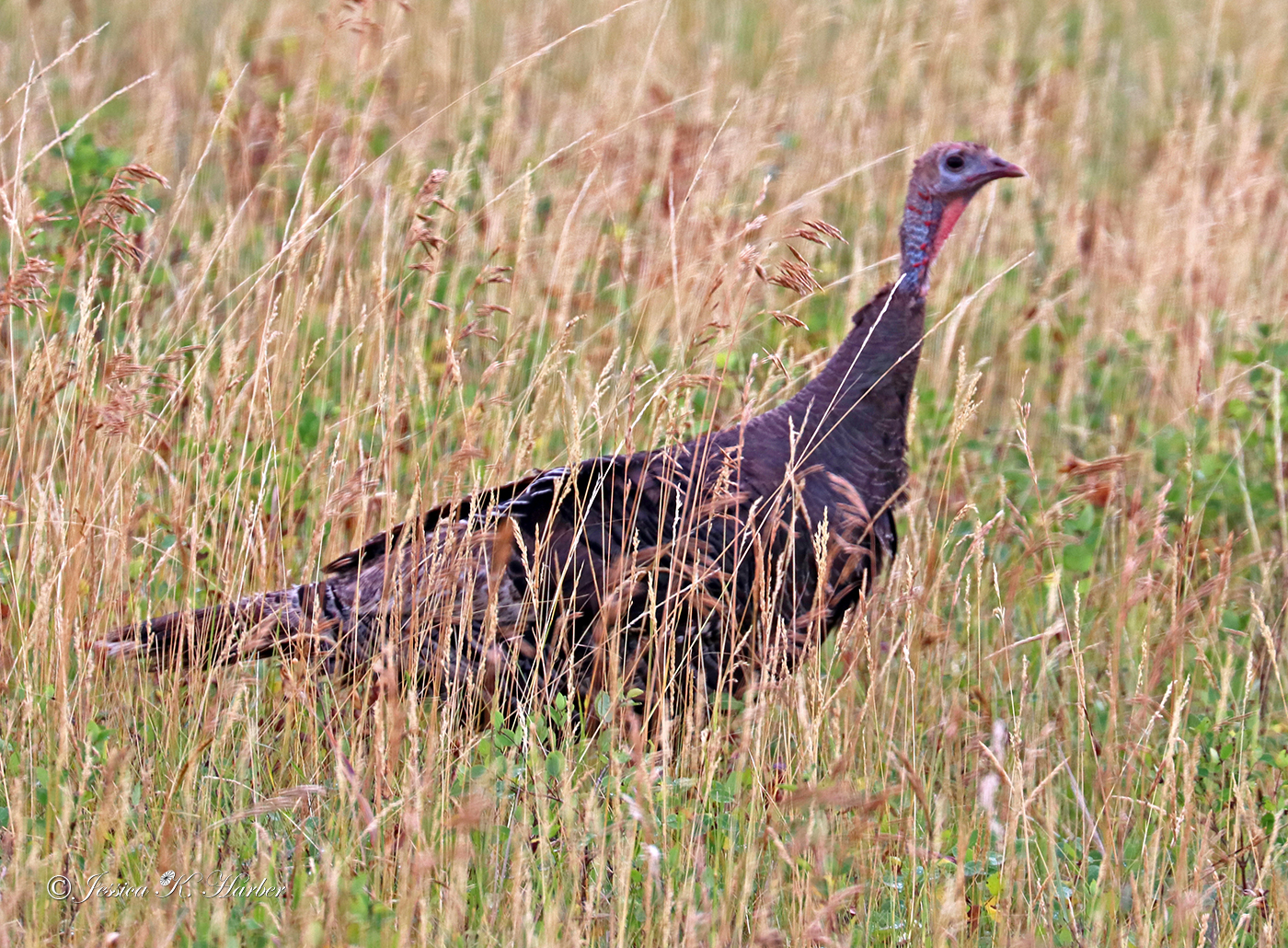
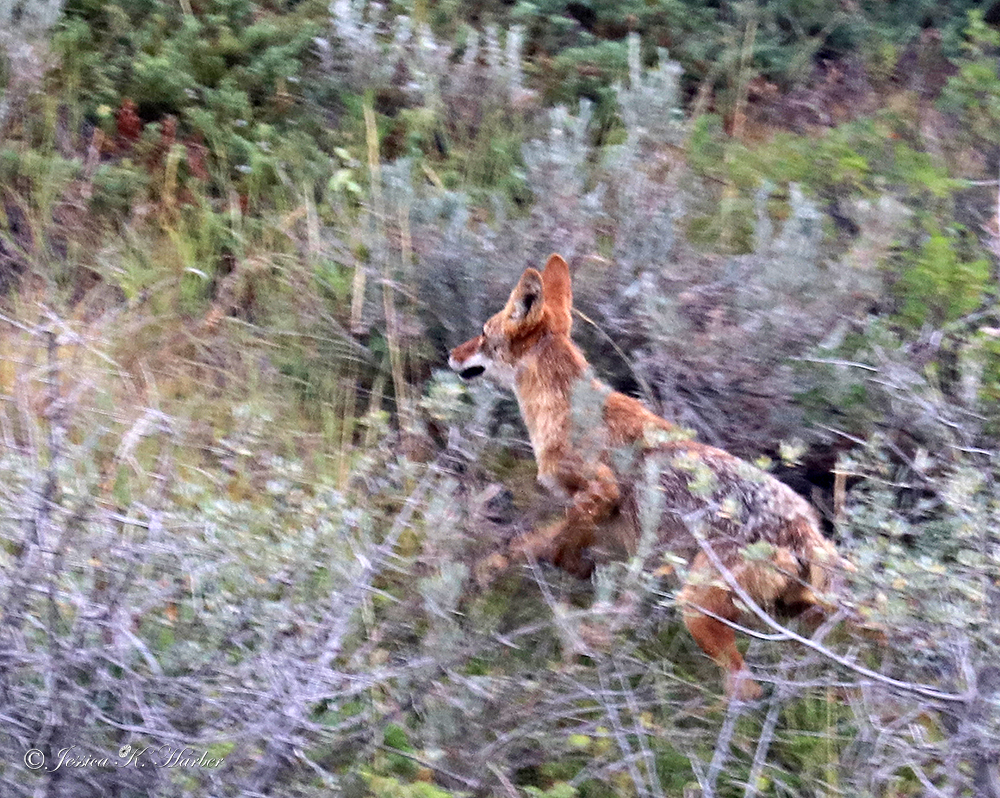
I was also interested in the Park because, before I came out on the road, I had heard of the abundance of wild horses found here. I saw some but had hoped for more. On my next visit, I plan to do more research on when and where to find them. There was a good bit of other wildlife which I always enjoy.

Despite the lack of horse sightings, this Park was a highlight for me.

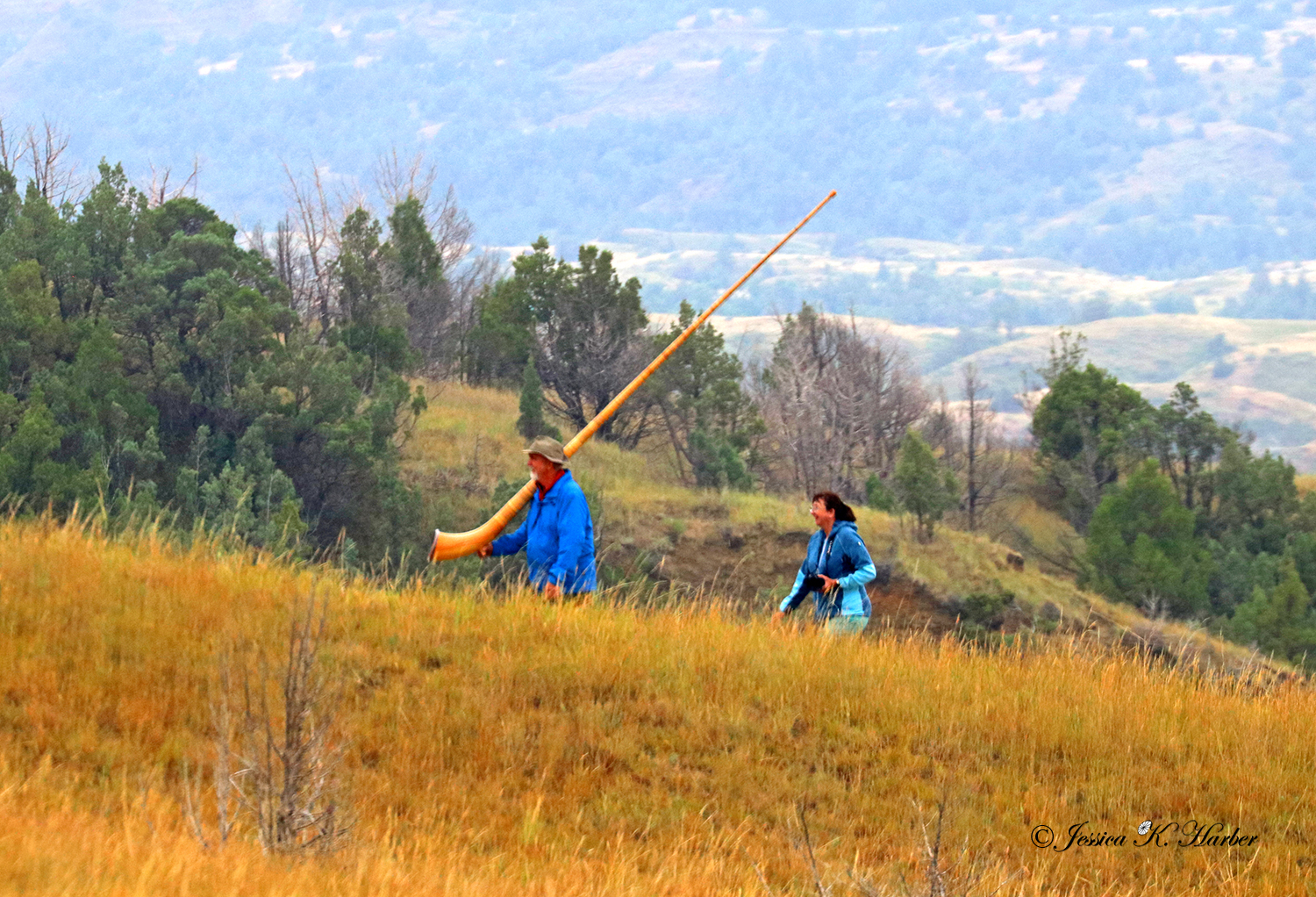
(See photo captions for more info).

Travel through MT & ND, including “Pompey’s Pillar”

MONTANA/IDAHO. AUGUST.

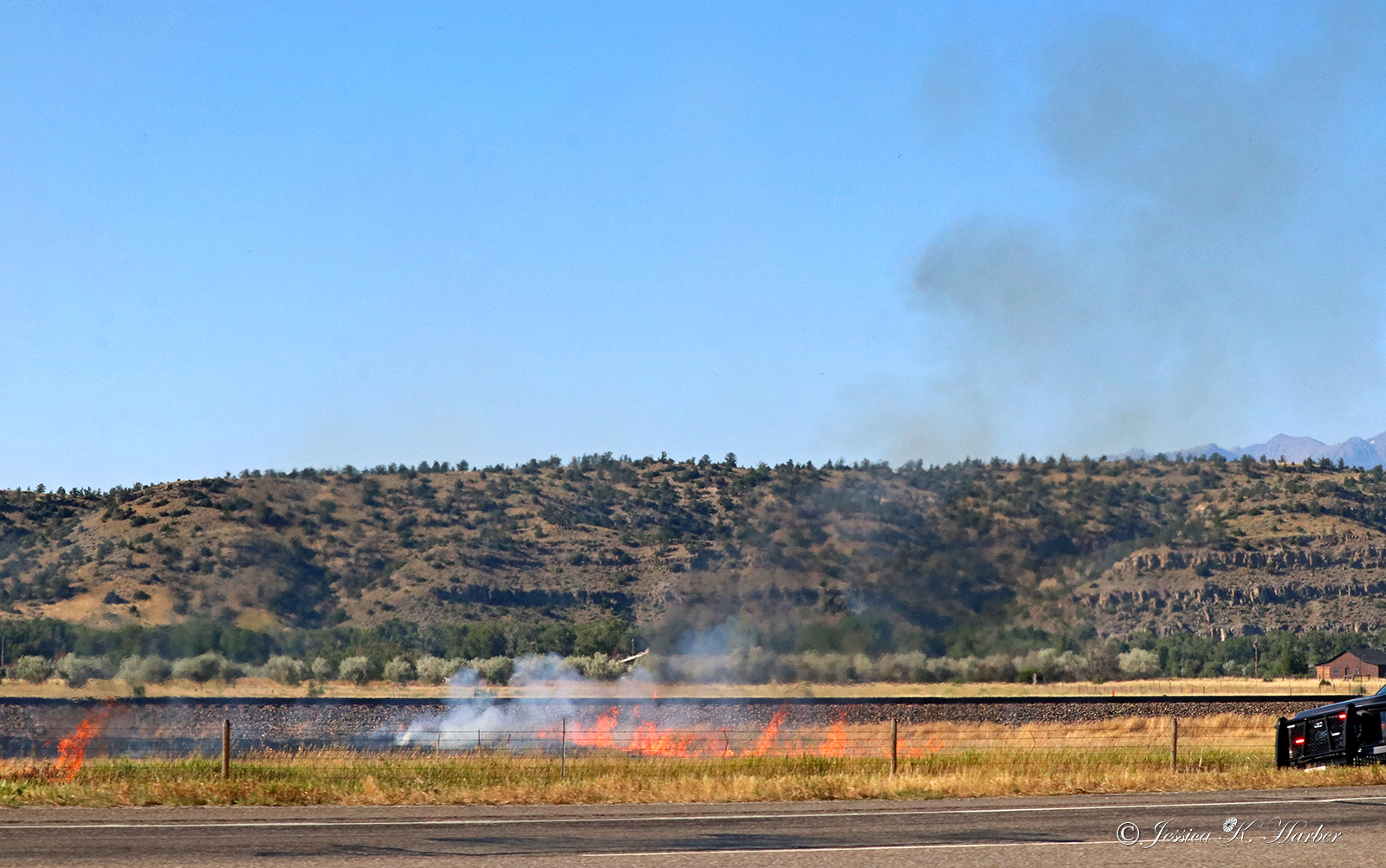
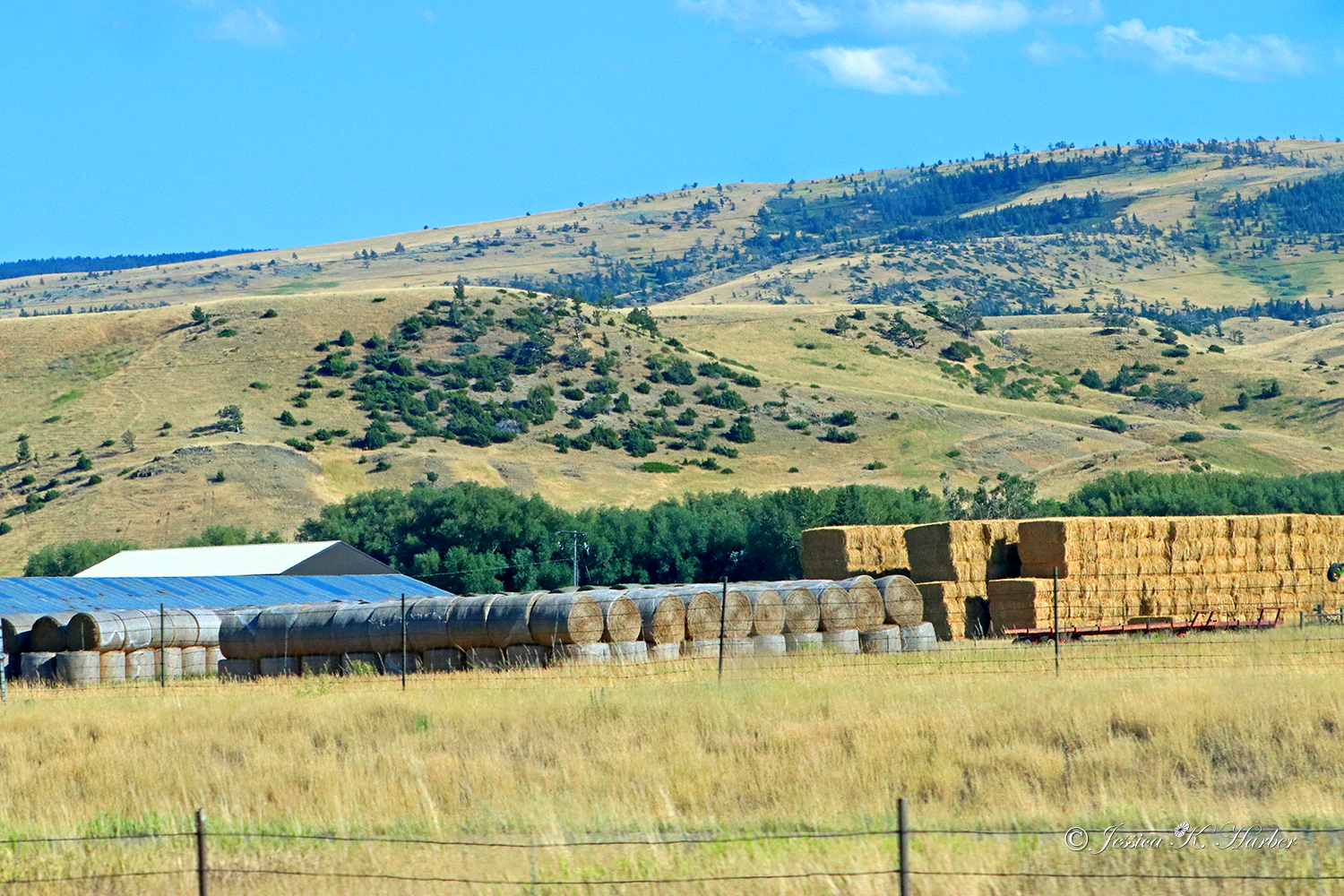
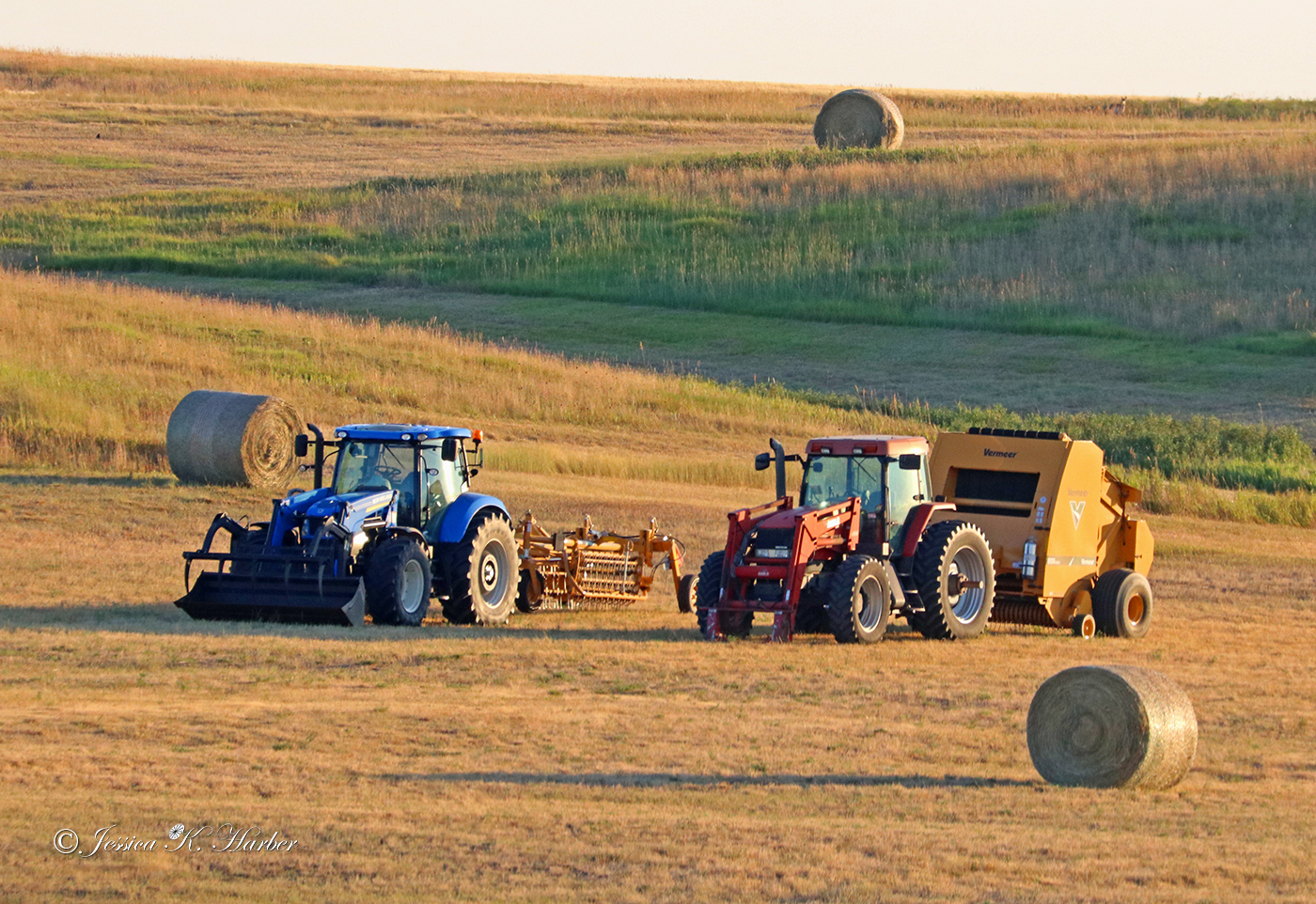
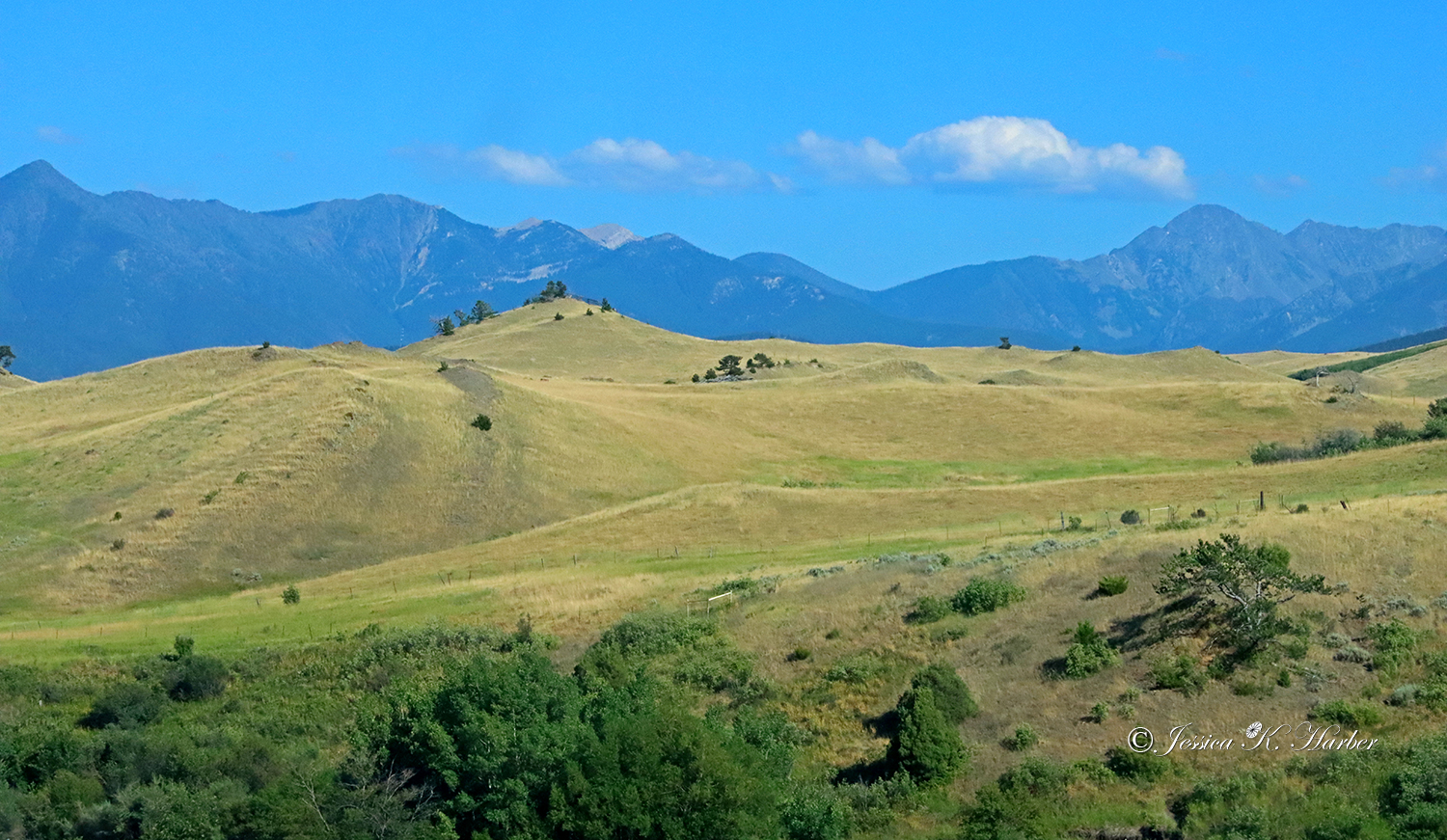
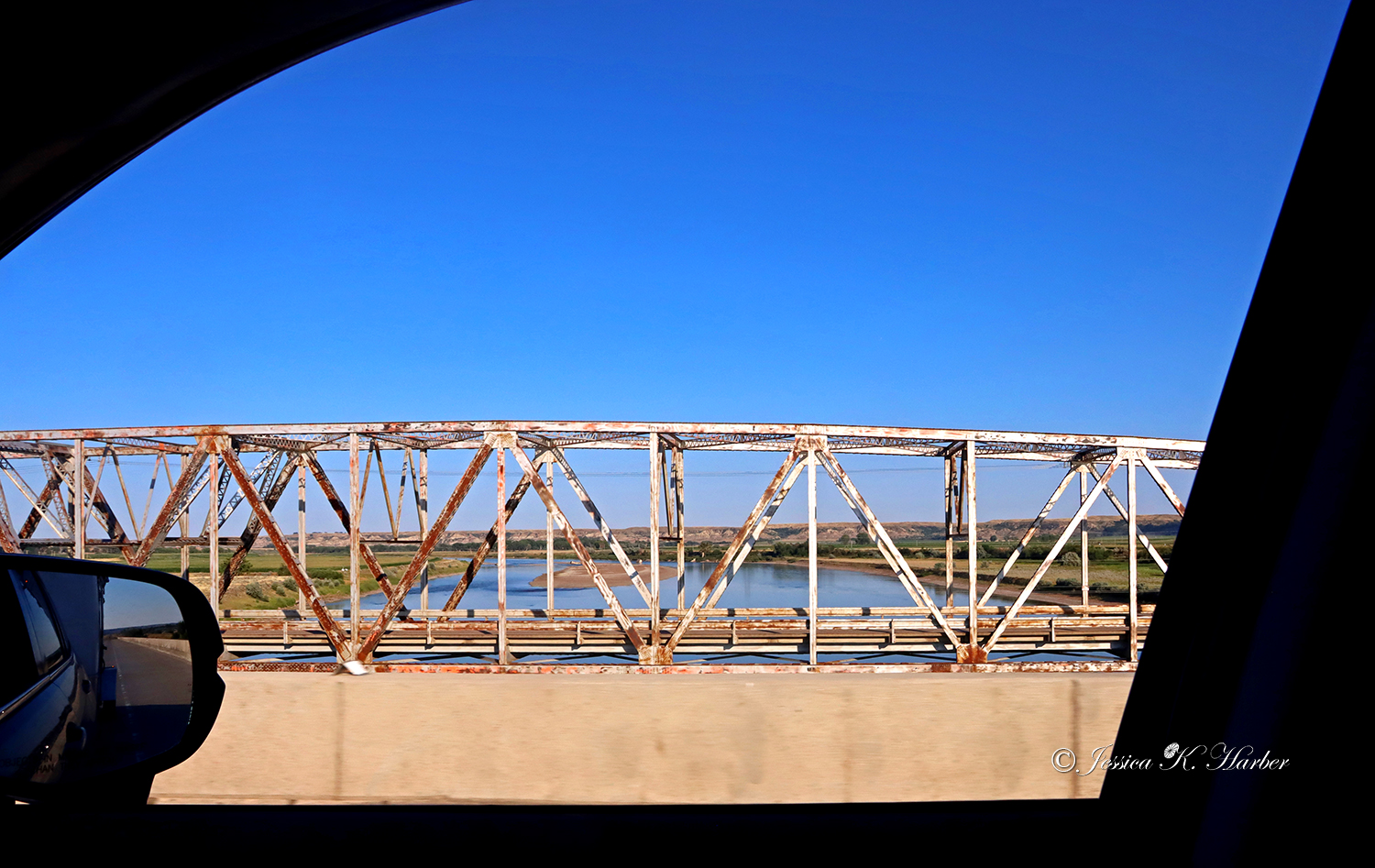
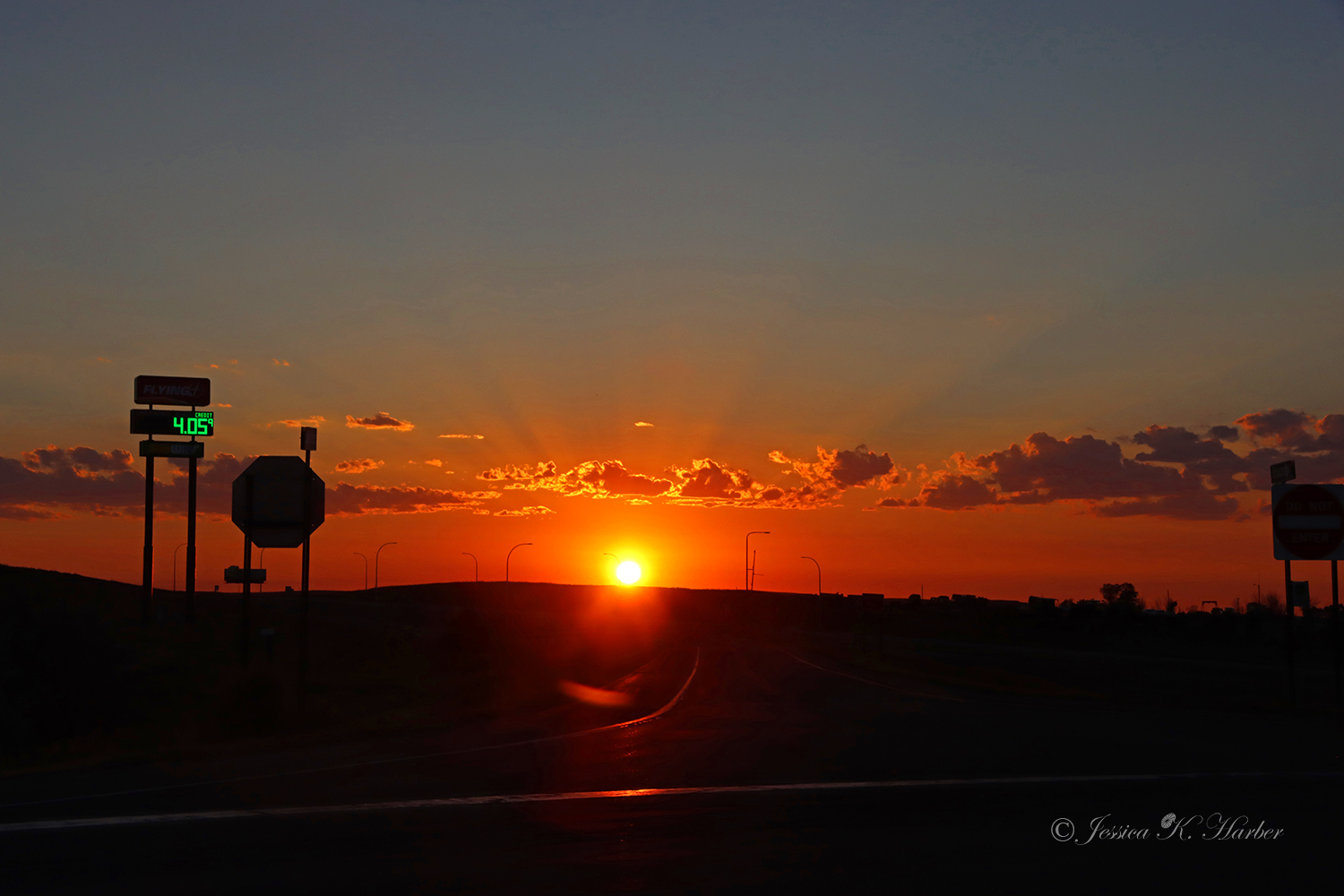
Our travels continued through Montana and then I decided to head to Theodore Roosevelt National Park in North Dakota.

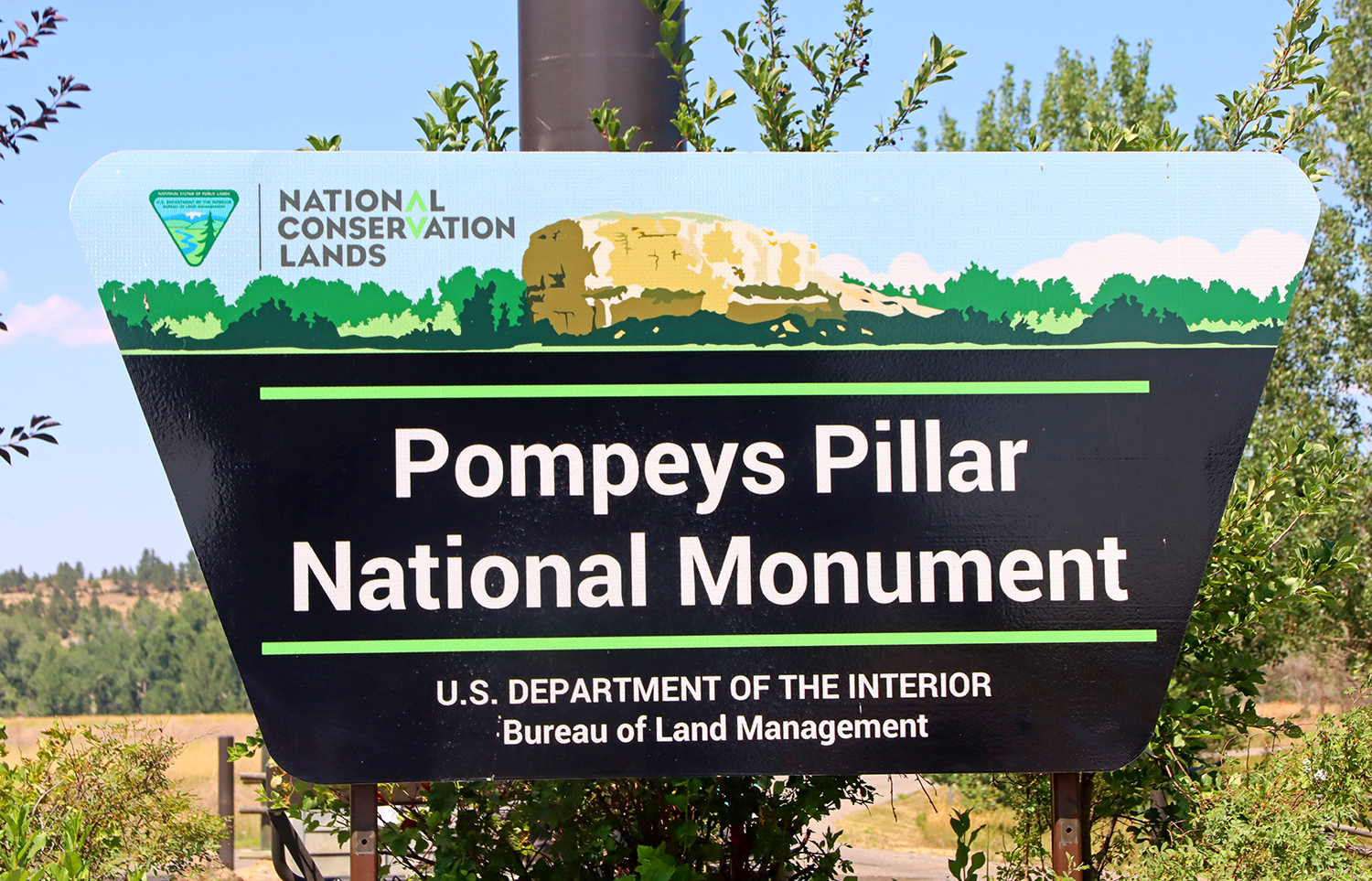
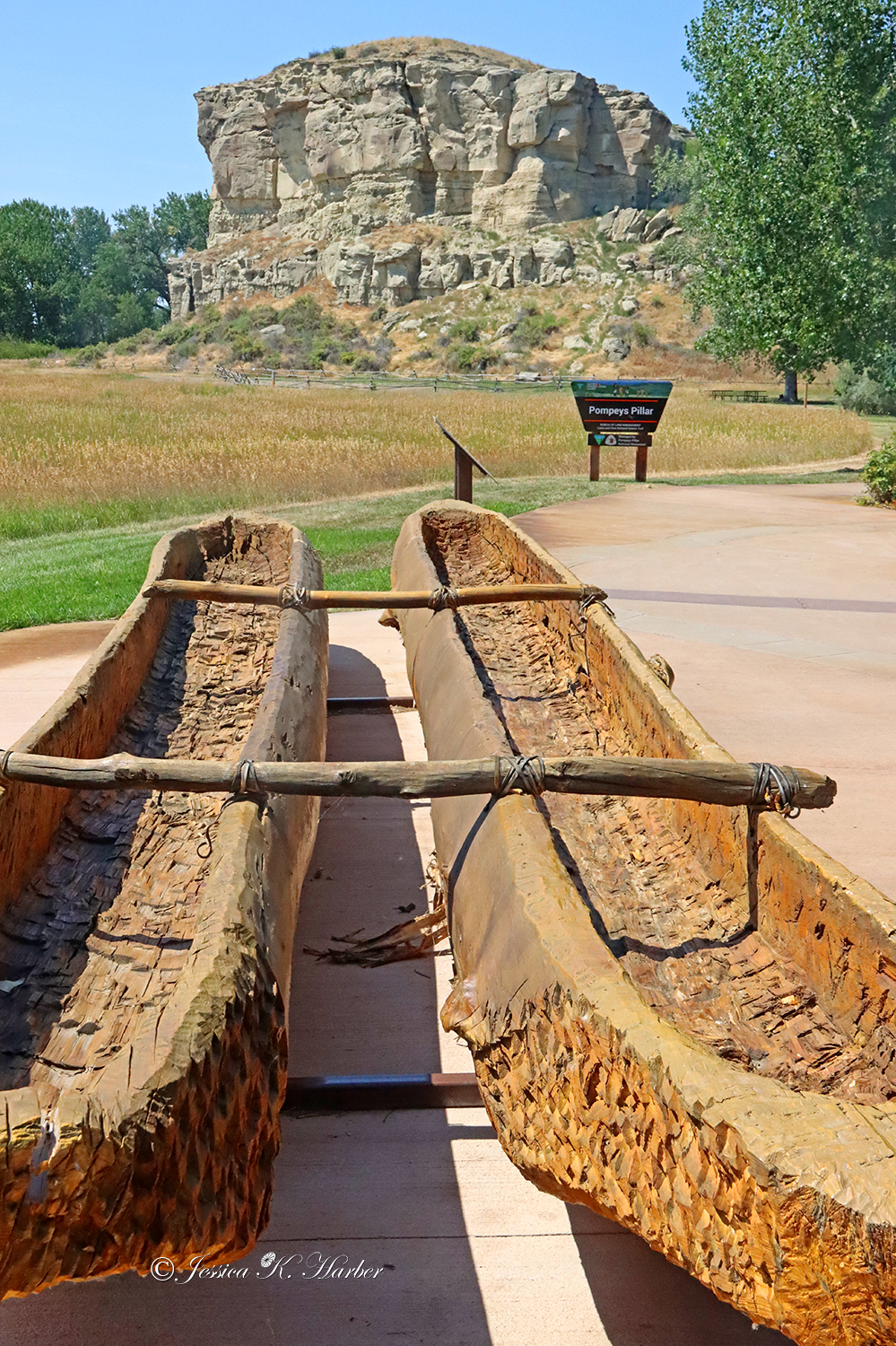
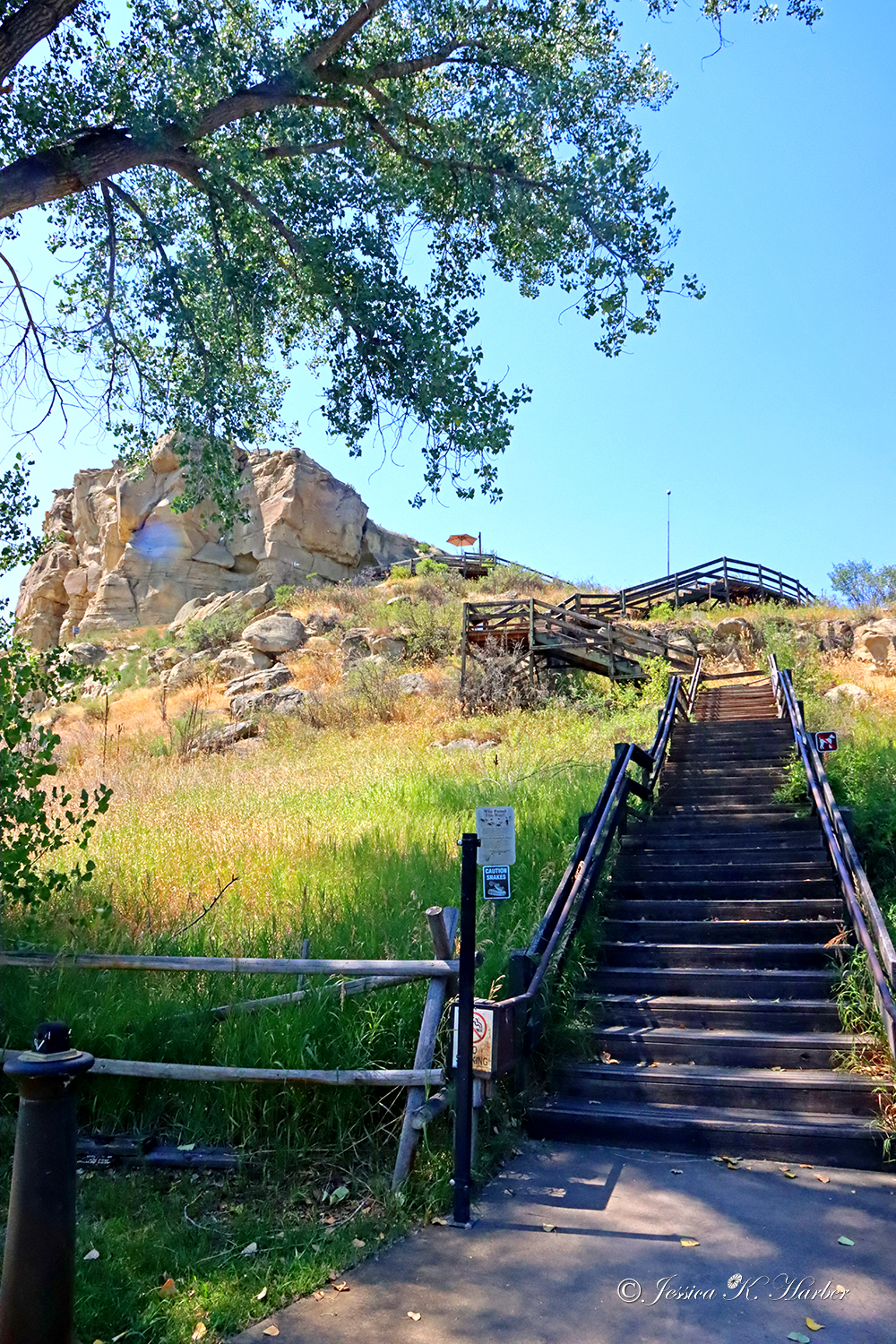
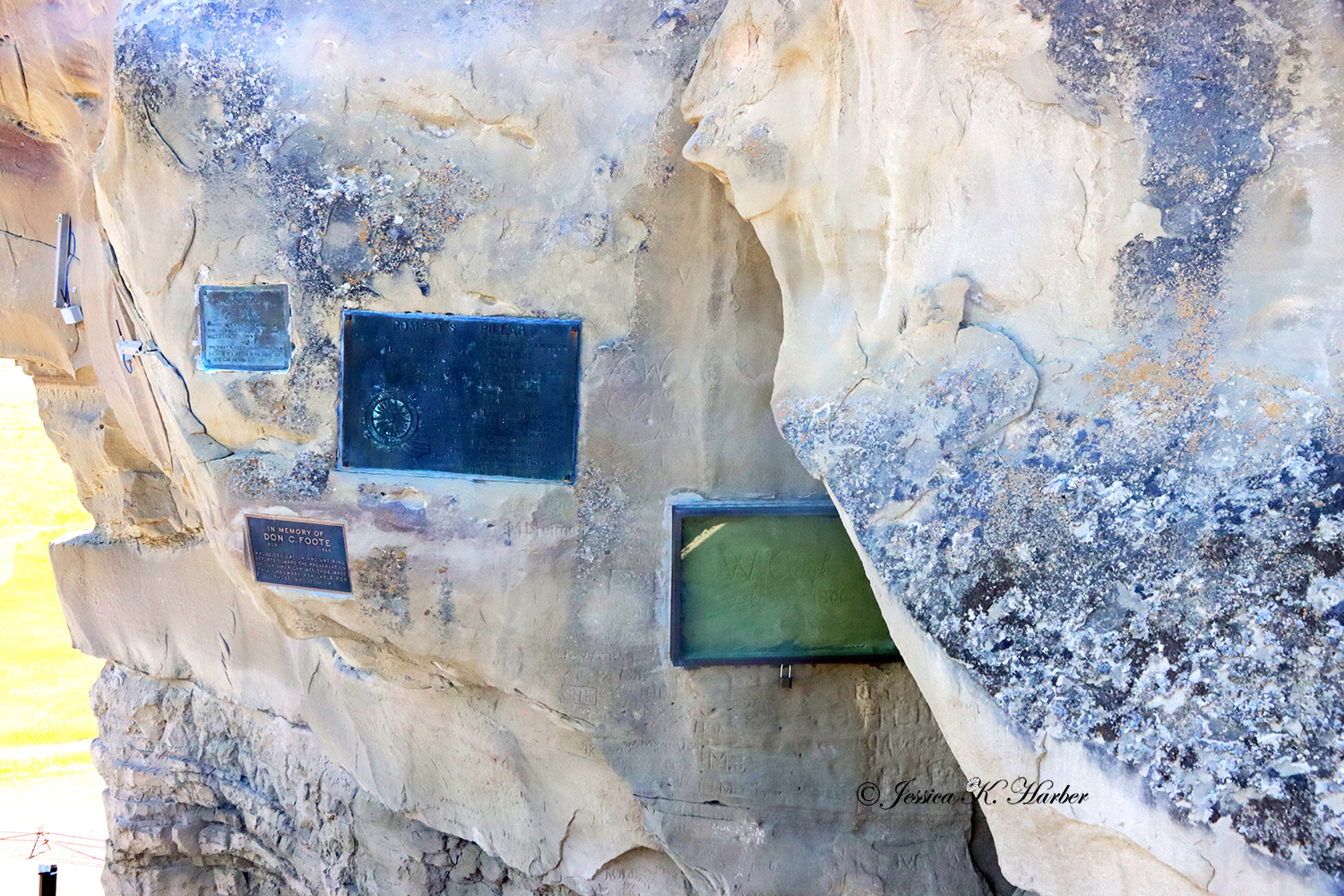
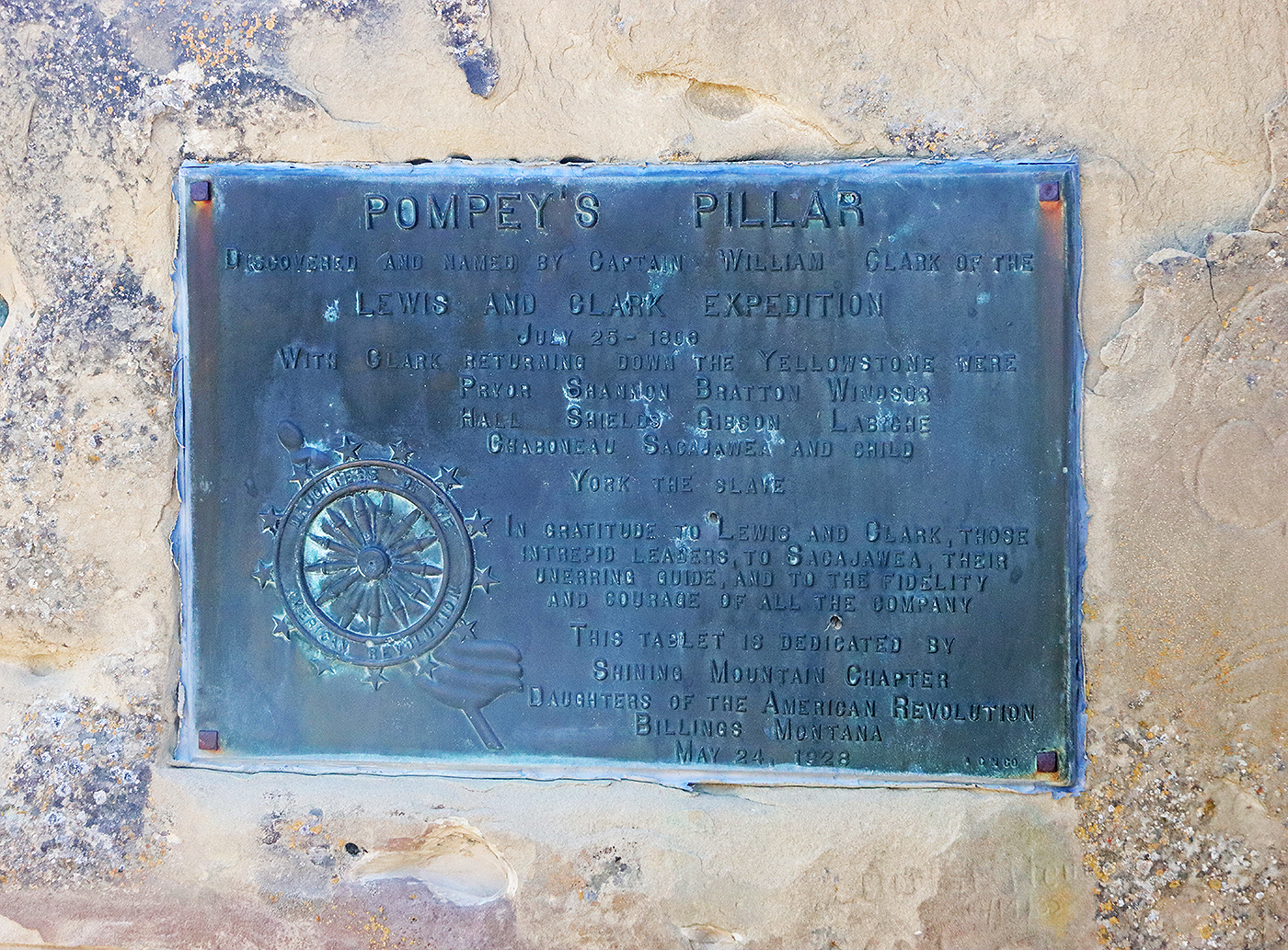
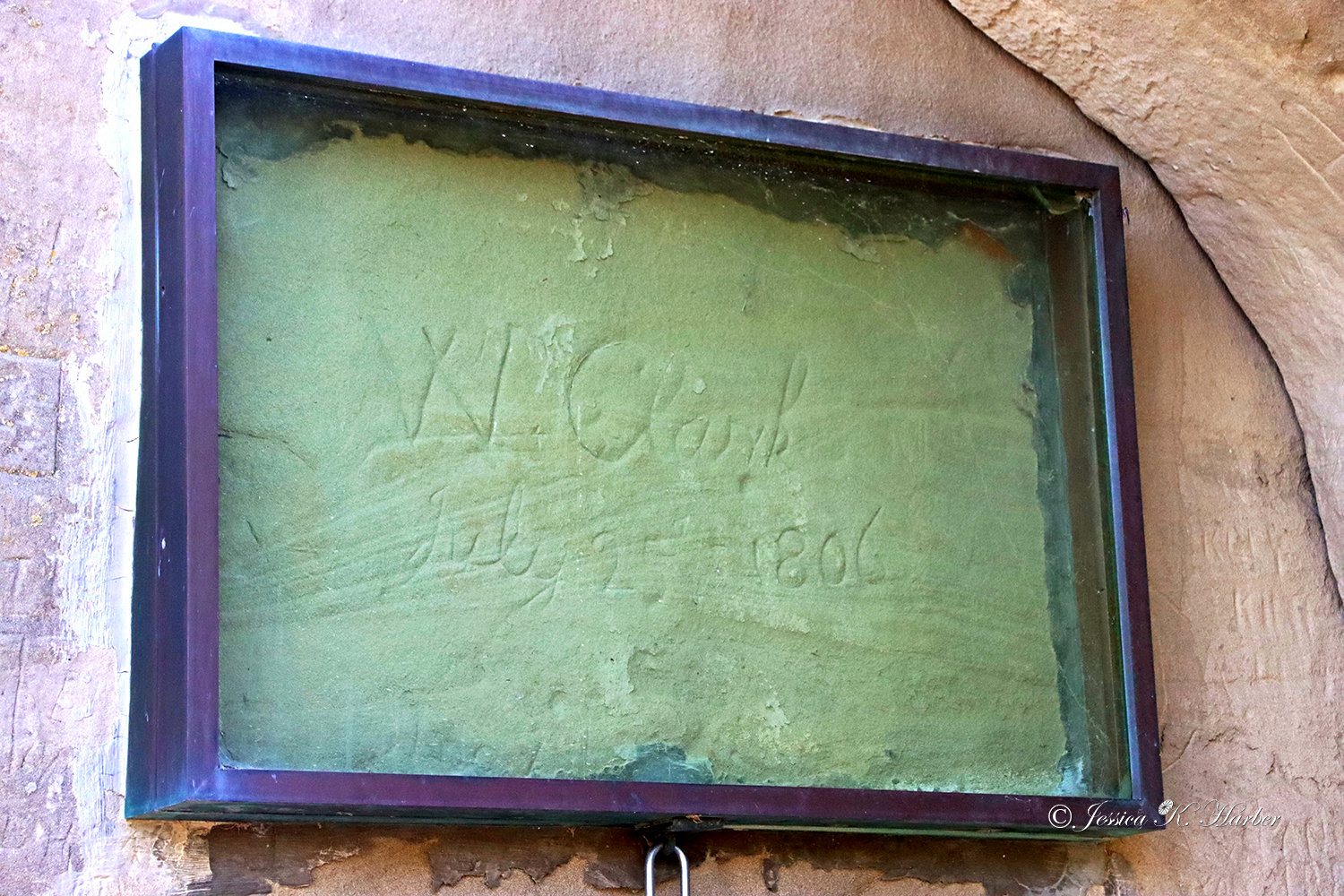
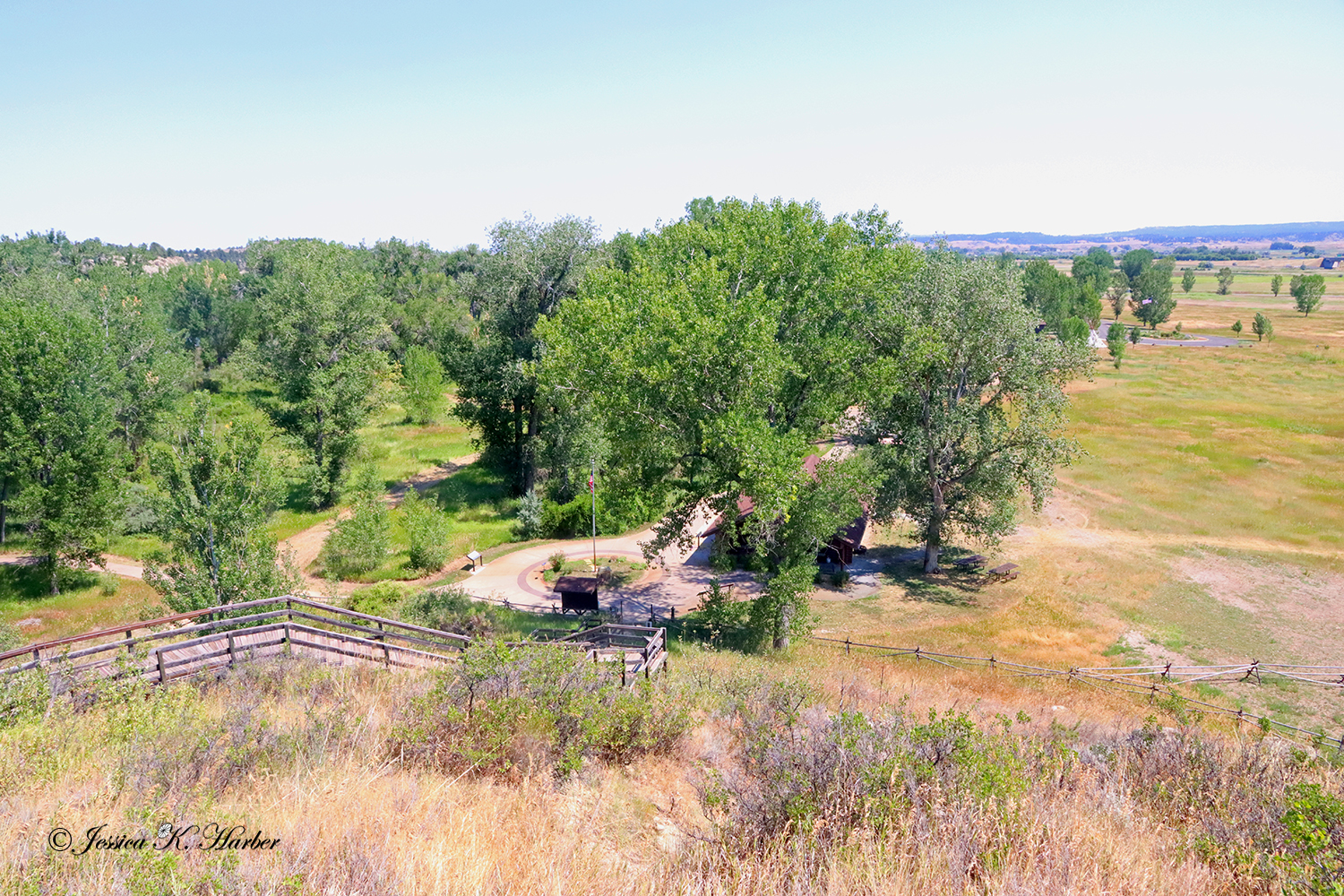
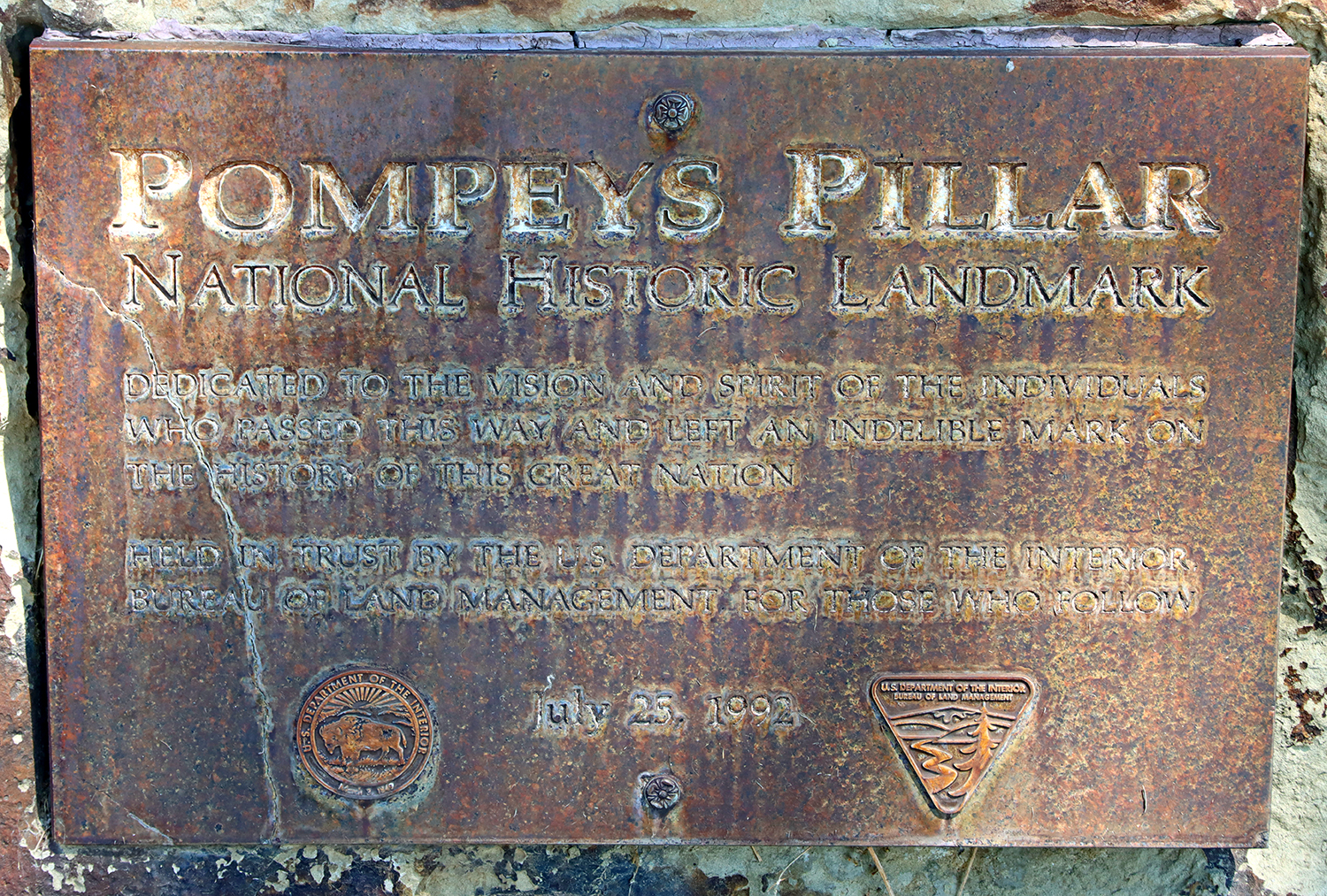
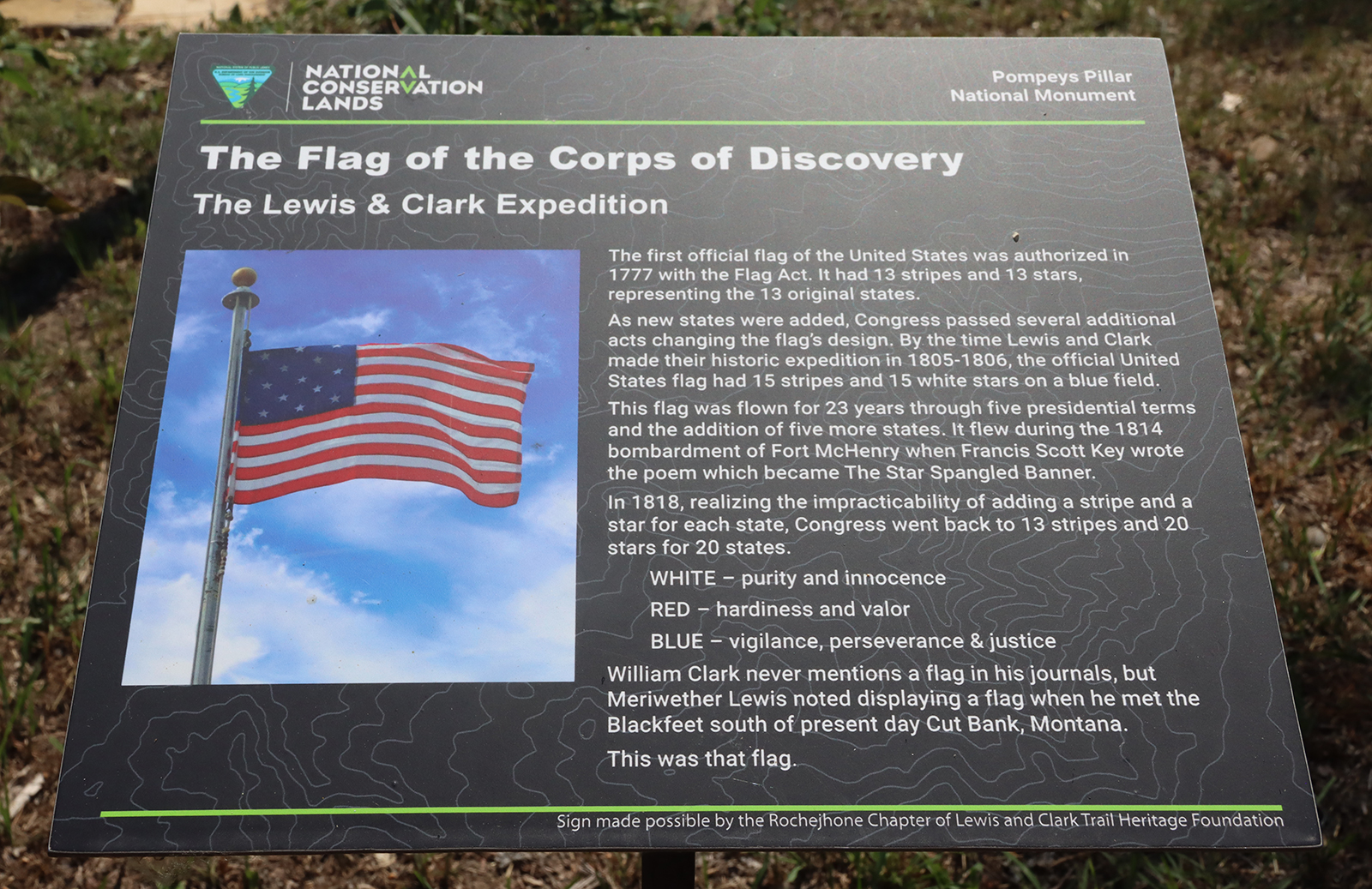
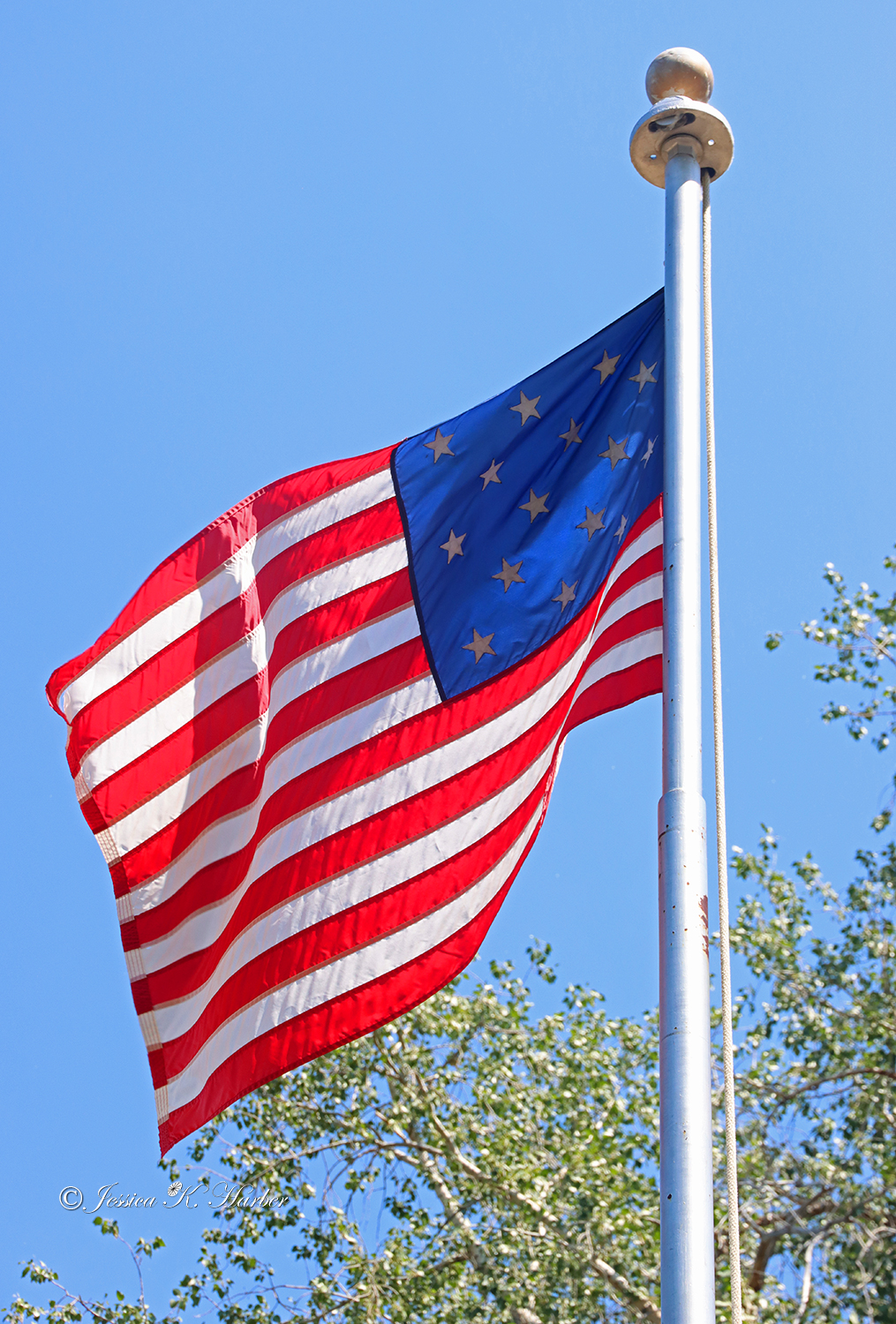
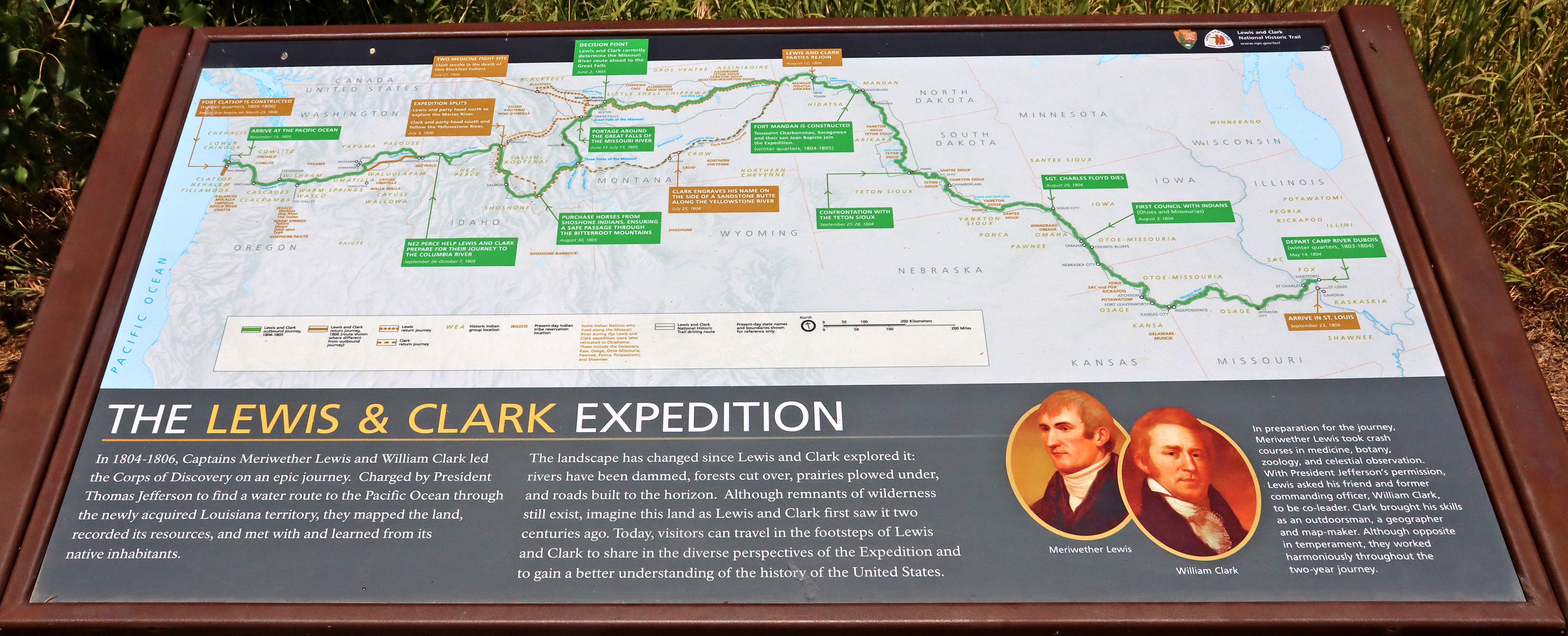
Along I-94, I made another spontaneous stop – this time at the Bureau of Land Management’s “Pompeys Pillar National Monument”. Pompeys Pillar, a large sandstone outcrop, boasts an engraved signature by William Clark* of the famous Lewis & Clark explorer duo. His signature is said to be the only visible physical evidence of the expedition on their trail. Also online: “The area has been a landmark for Native American tribes for thousands of years, and the pillar is covered in numerous petroglyphs, carvings, and inscriptions from many peoples. ” The visitor’s center and grounds are very well done.

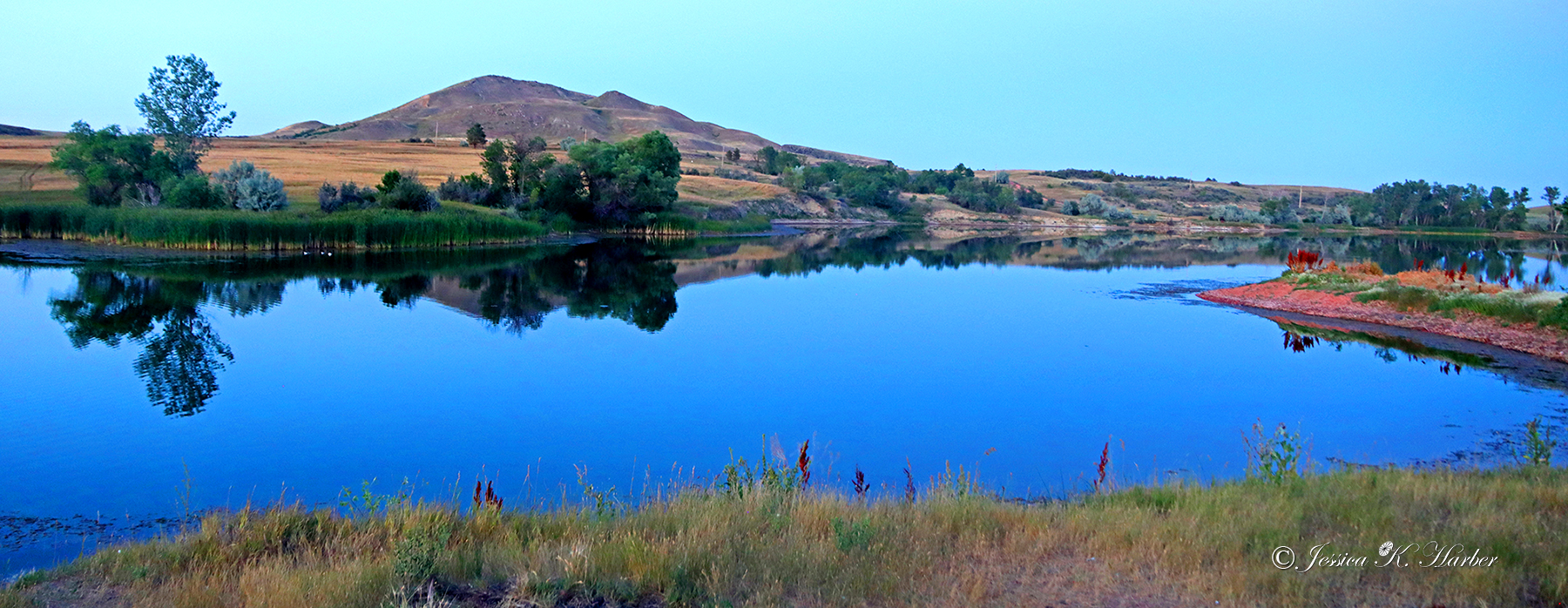
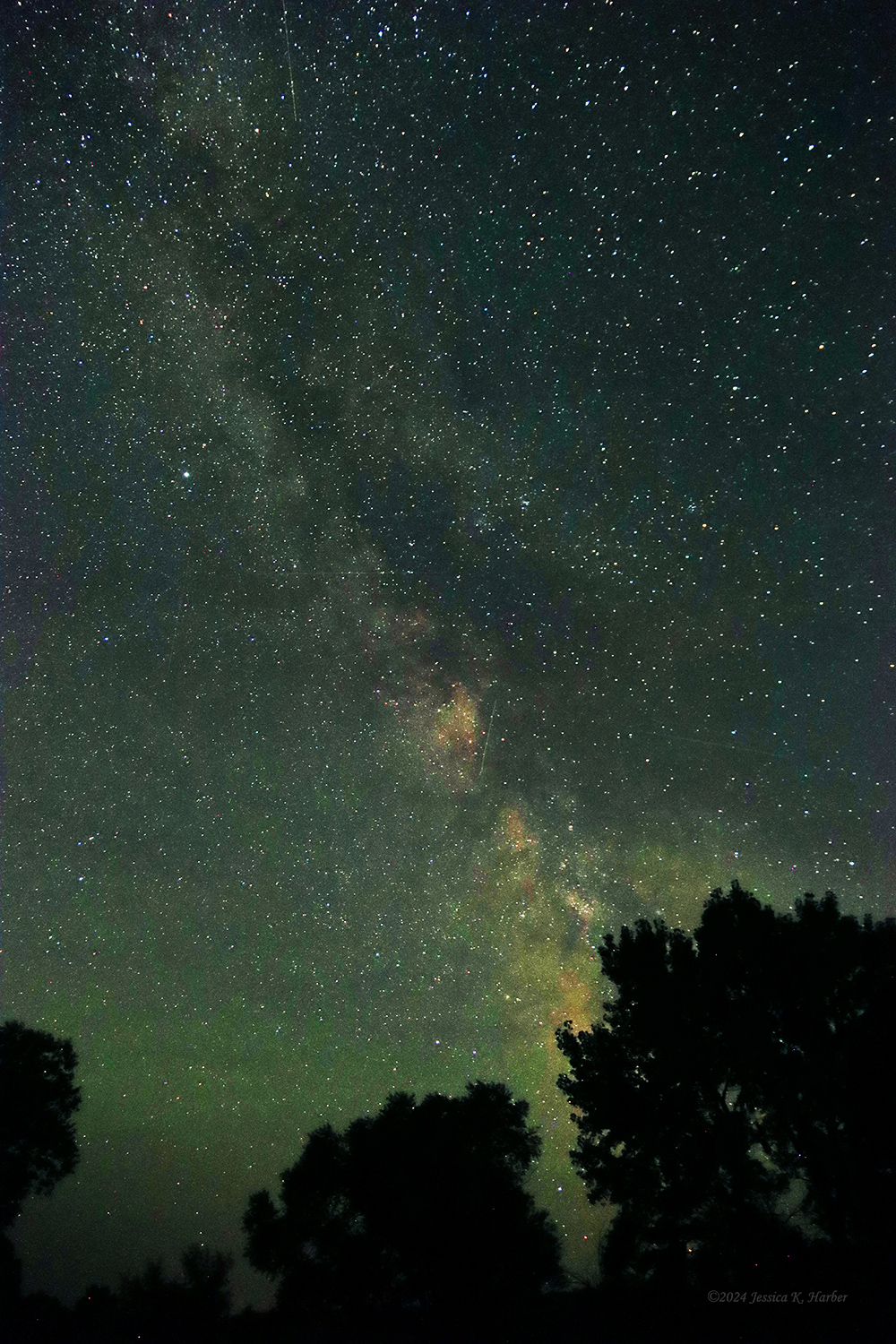
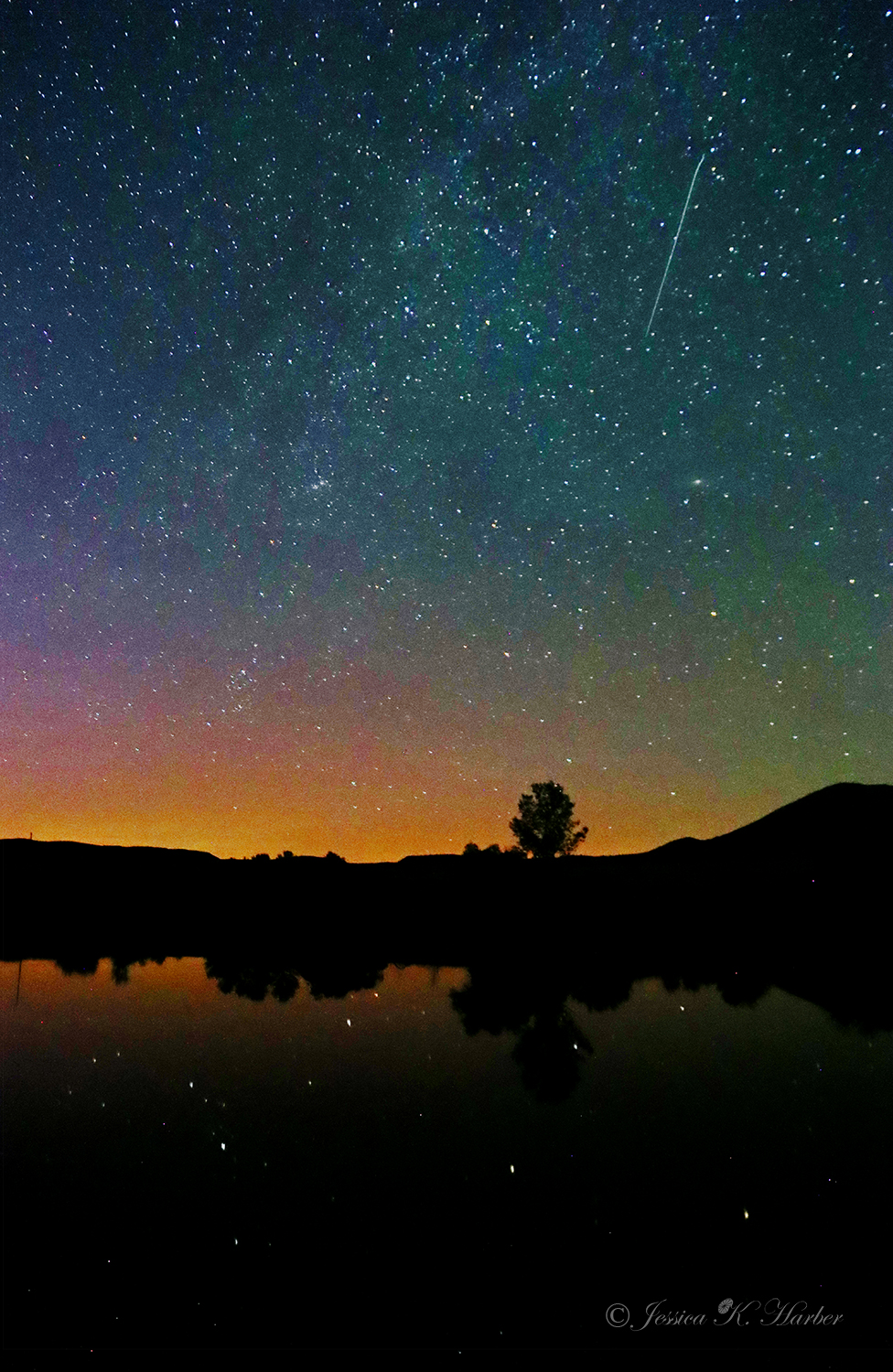
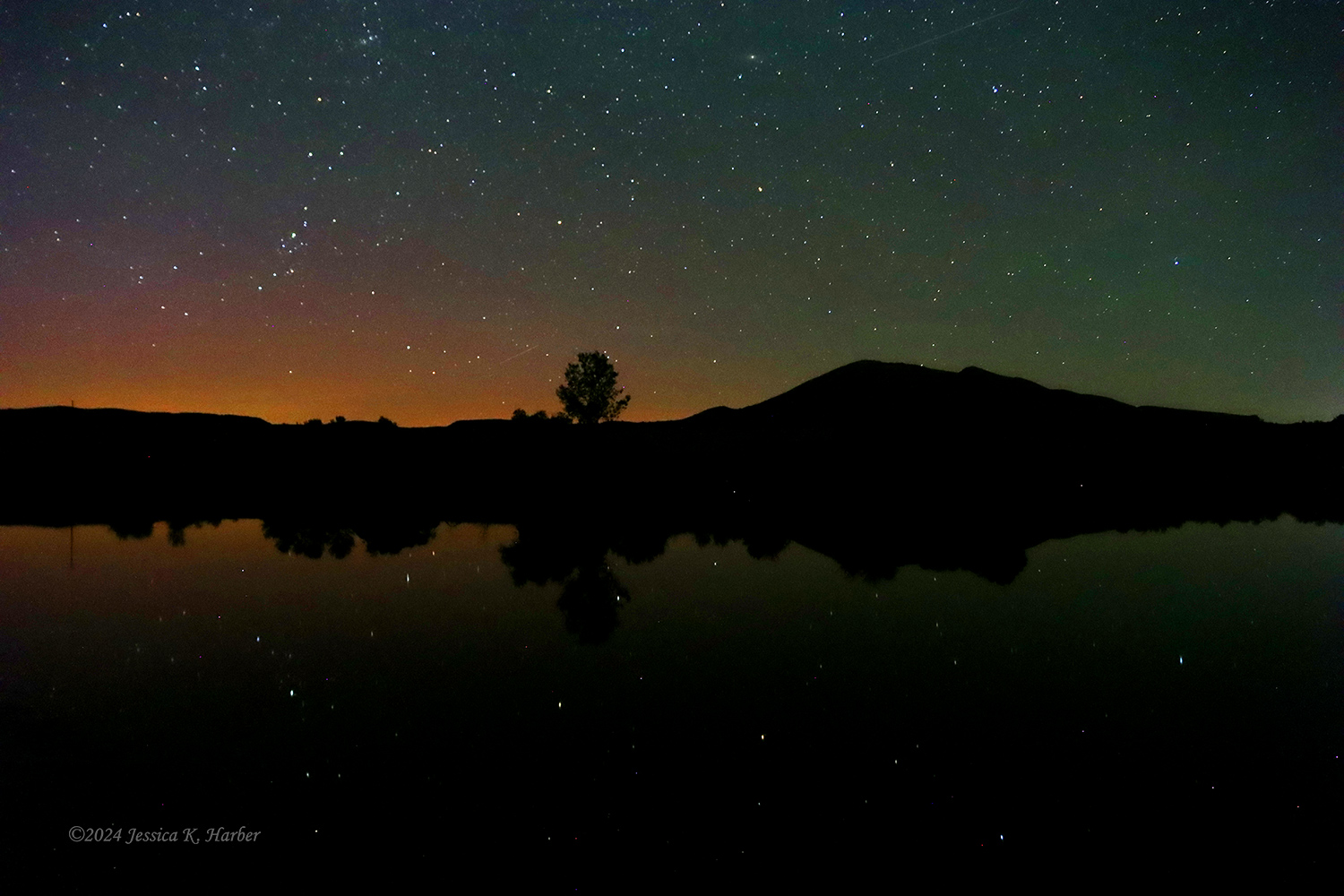
I then went on to camp 16 miles from the south unit of the Theodore Roosevelt Park at a place called “Camels Hump Lake”. No amenities but a nice quiet place to stay. Also great for night sky viewing.

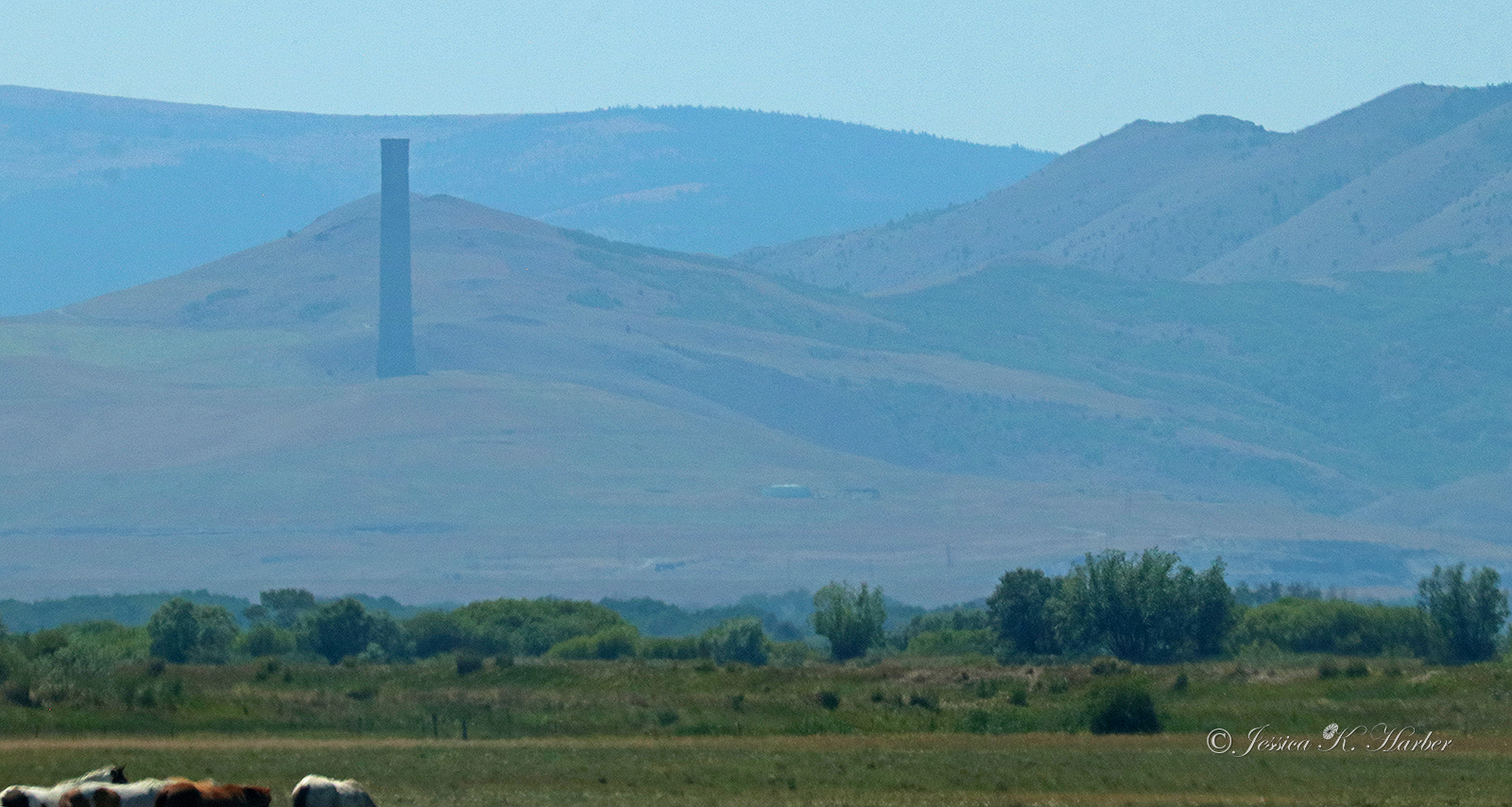
(See photo captions for more info).

* On July 25, 1806, while descending the Yellowstone River, Clark “arived at a remarkable rock Situated in an extensive bottom on the Stard. Side of the river & 250 paces from it.” He wrote that, “this rock I ascended and from it’s top had a most extensive view in every direction. This rock which I shall Call Pompy’s Tower [named for Jean Baptiste ‘Pomp’ Charbonneau] is 200 feet high and 400 paces in secumphrance and only axcessable on one Side which is from the N. E the other parts of it being a perpendicular Clift of lightish Co­loured gritty rock on the top there is a tolerable Soil of about 5 or 6 feet thick Covered with Short grass. The Indians have made 2 piles of Stone on the top of this Tower. The nativs have ingraved on the face of this rock the figures of animals &c. near which I marked my name and the day of the month & year.”

Although Clark named the feature “Pompys Tower” in his original journal entry, Nicholas Biddle altered the name to “Pompey’s Pillar” for the 1814 published history of the expedition. Clark’s inscription is the only known visible evidence of the entire journey that remains intact. Pompeys Pillar was established as a national monument in 2001. An on-site visitor center interprets the expedition’s travels through the Yellowstone River valley.

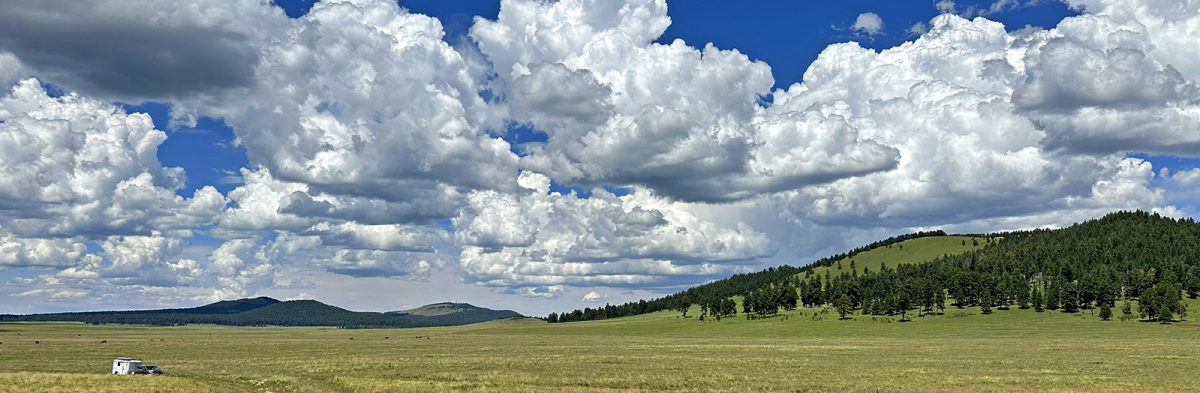
Travel thru WA & ID including “Cataldo Mission”

WASHINGTON/IDAHO/MONTANA. AUGUST.

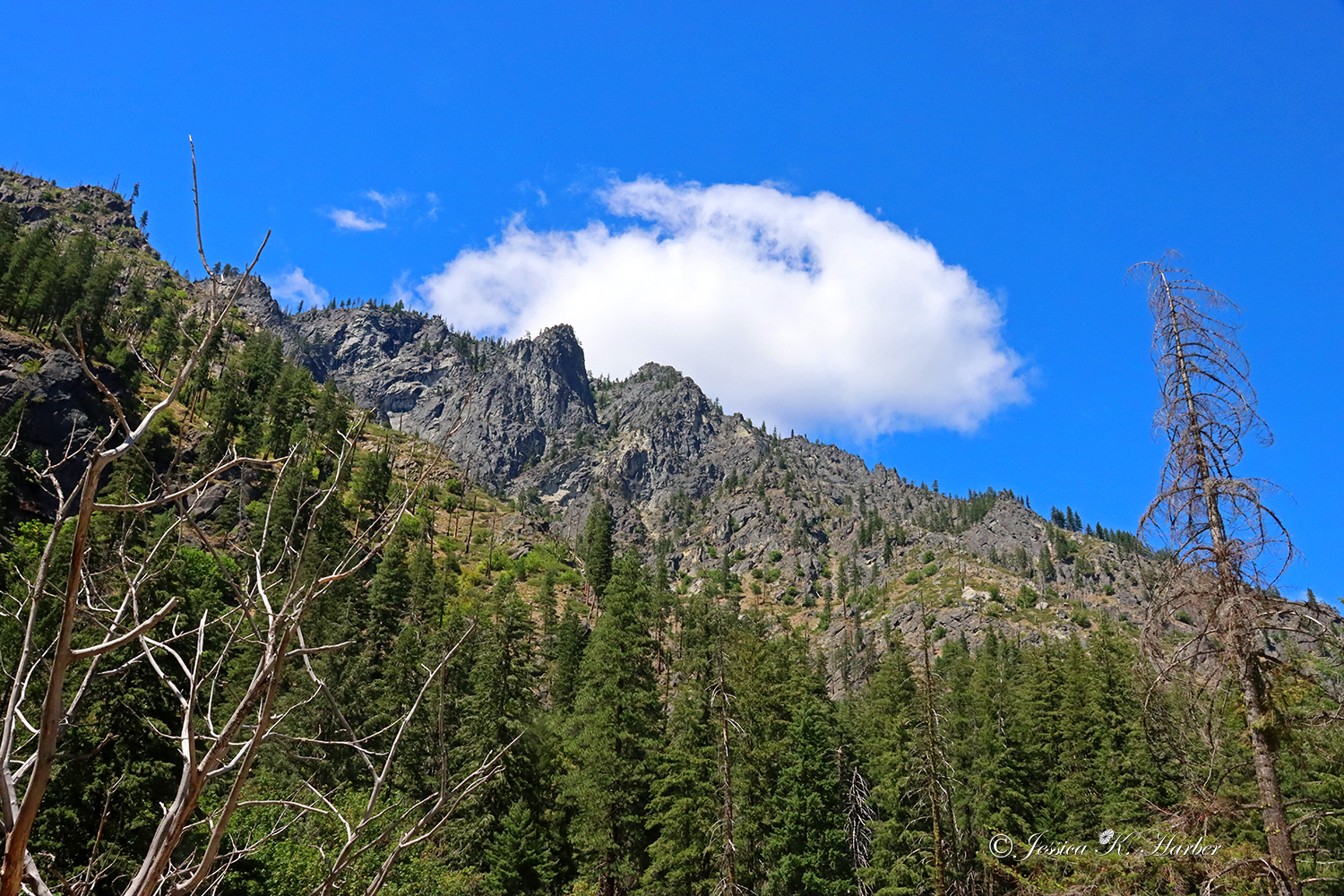
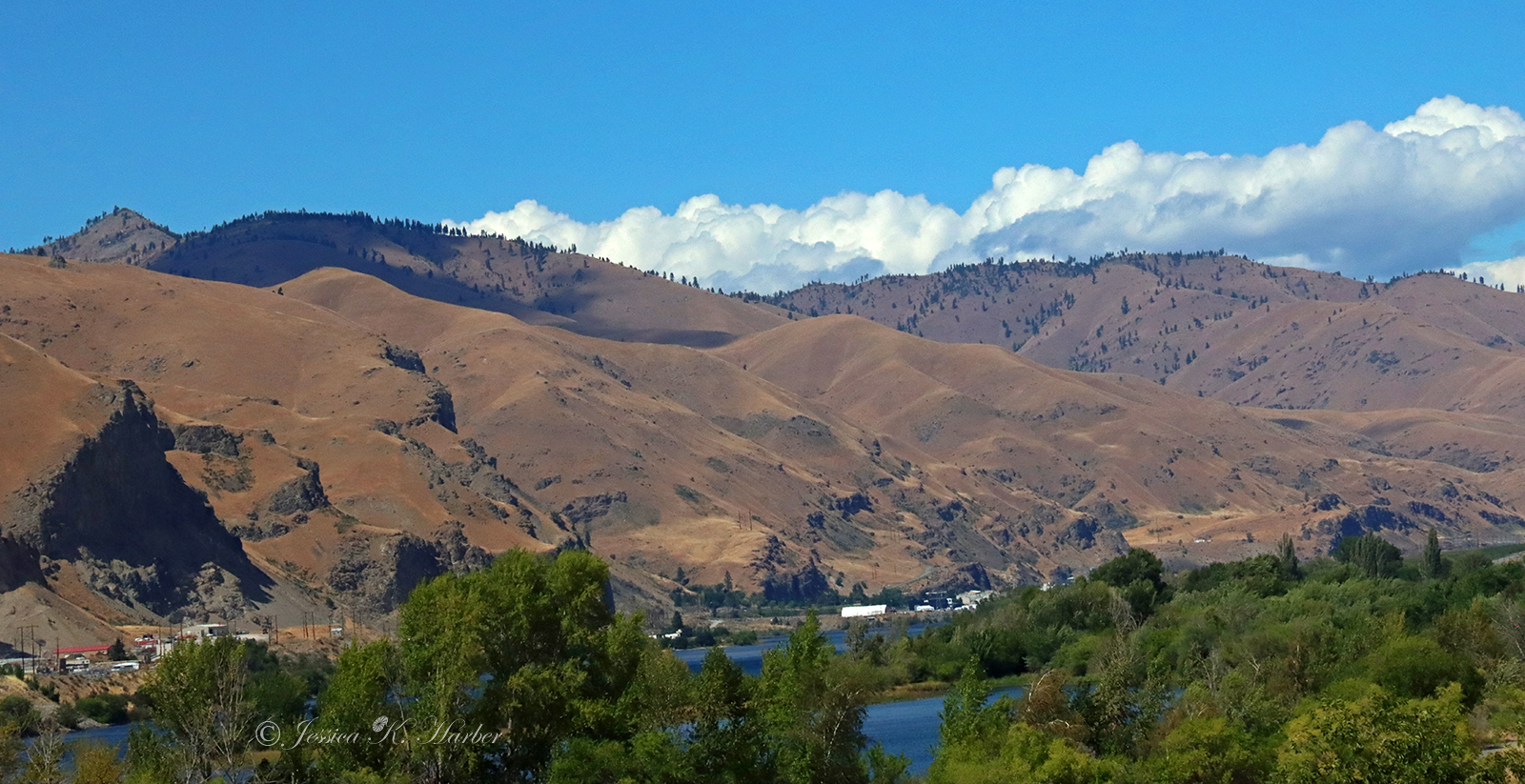
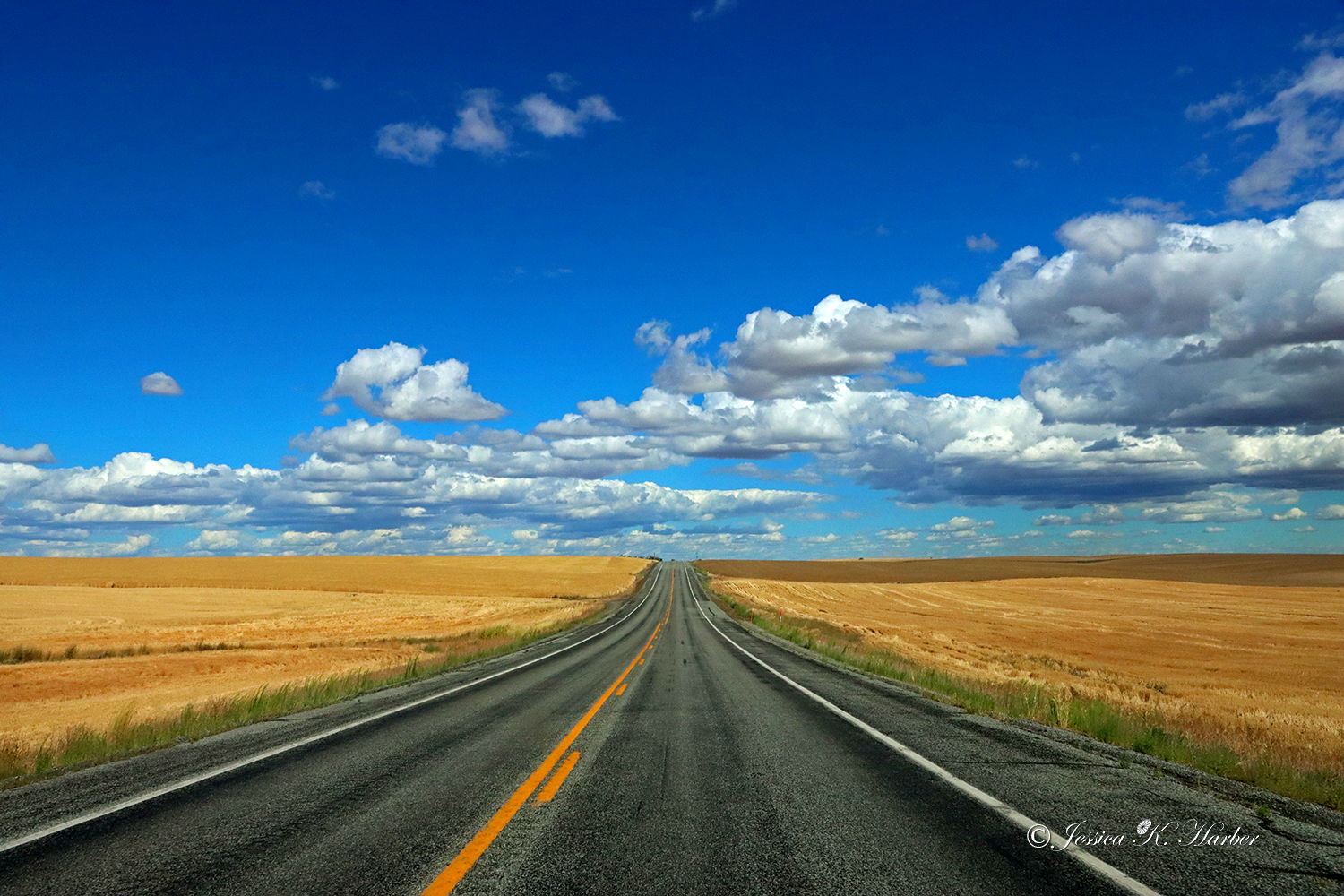
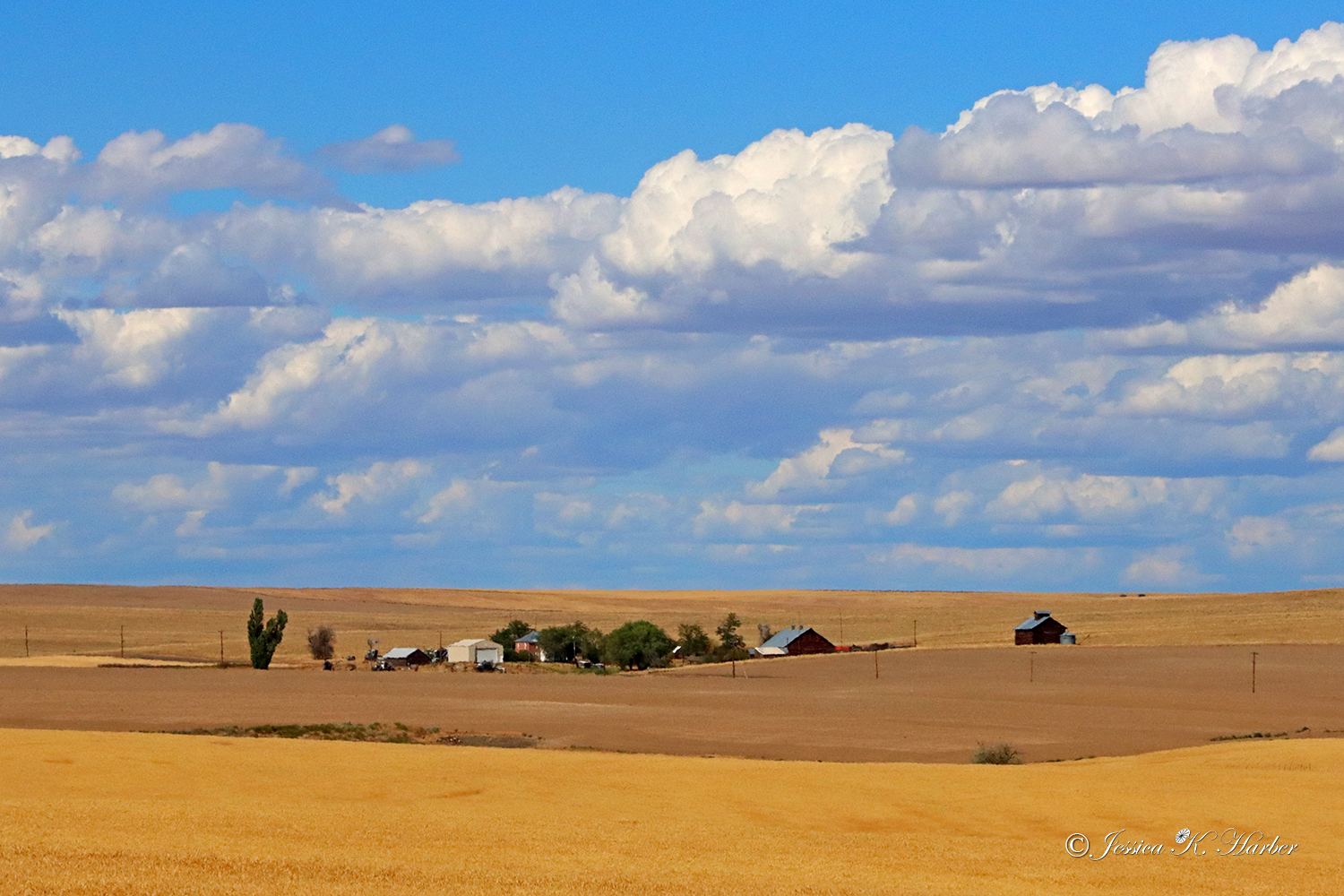
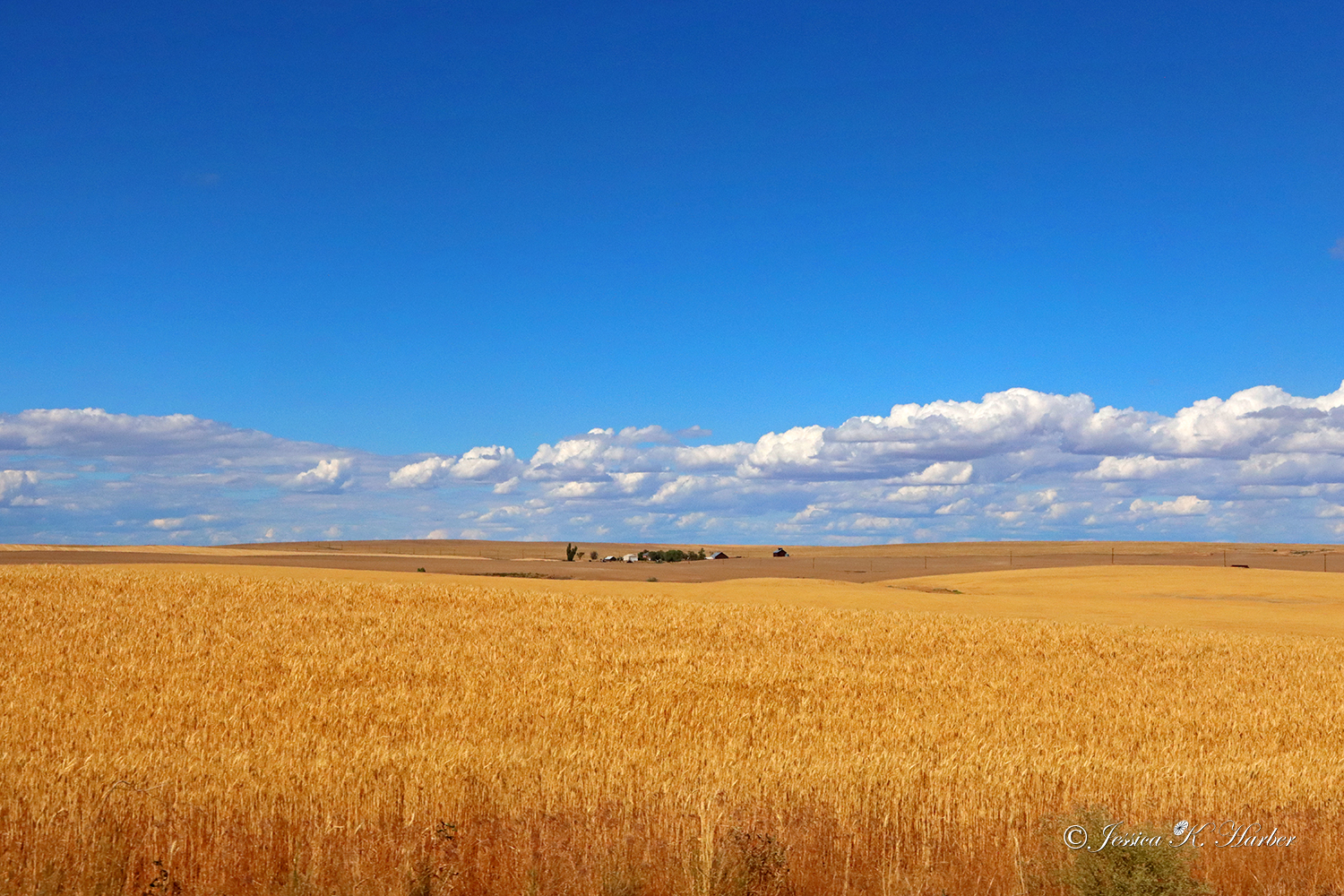
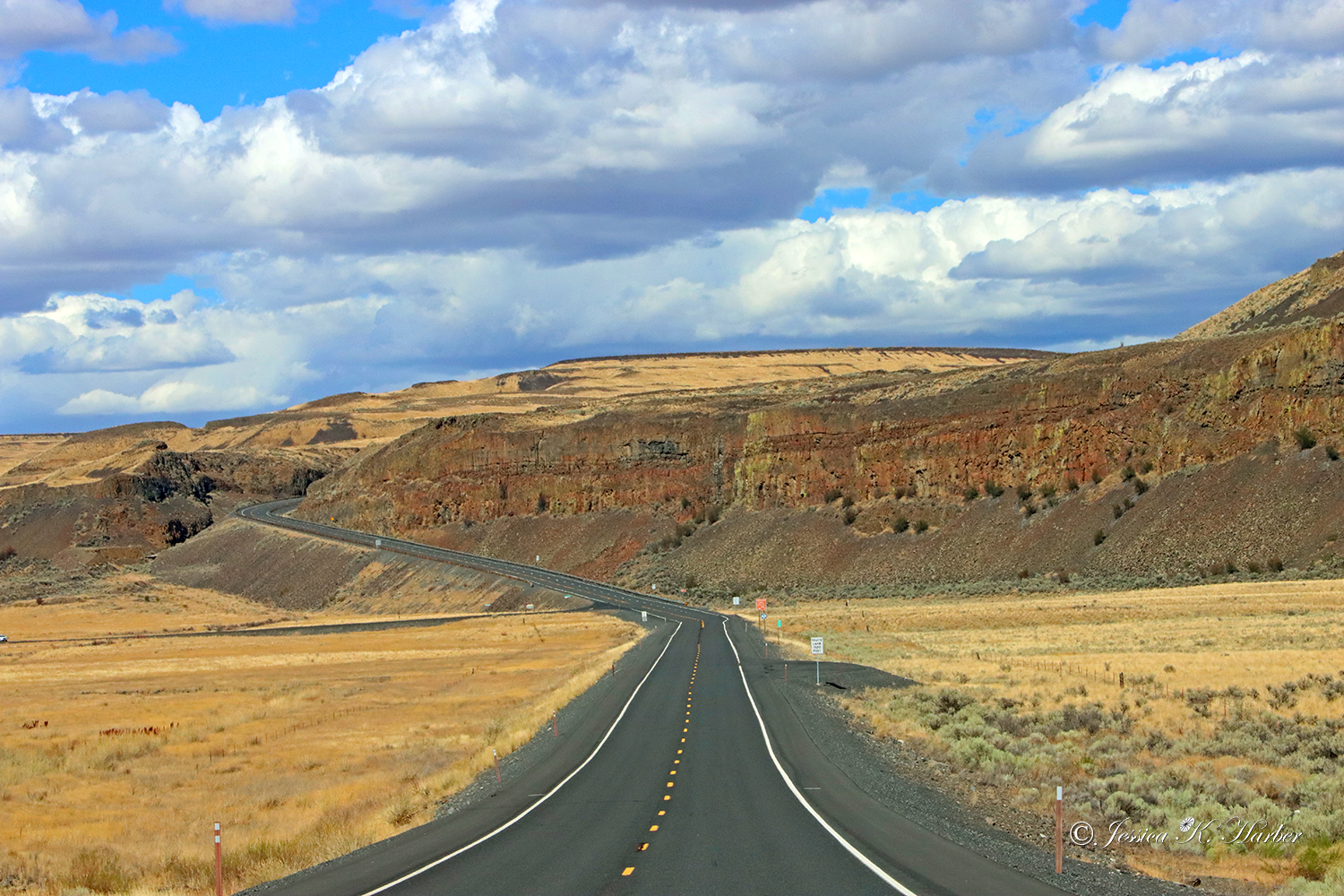
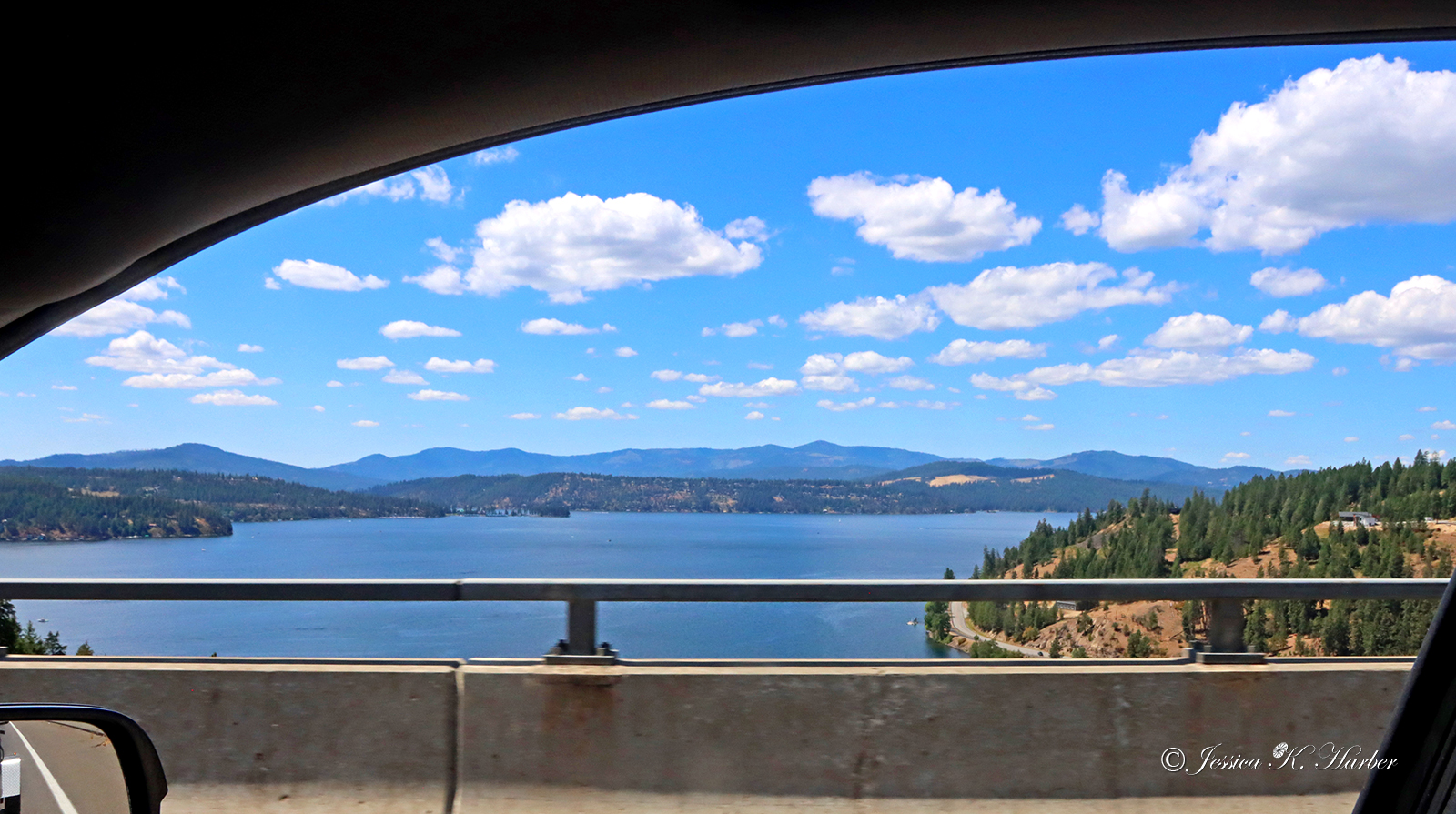
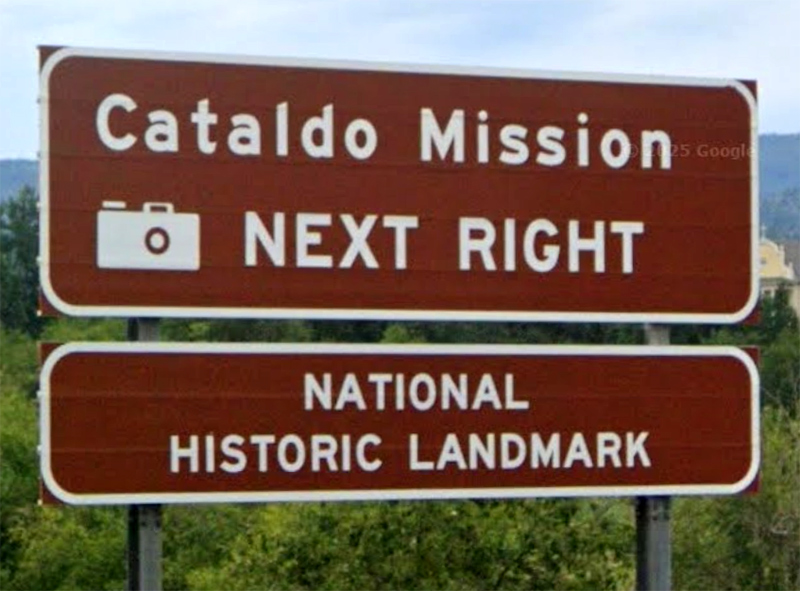
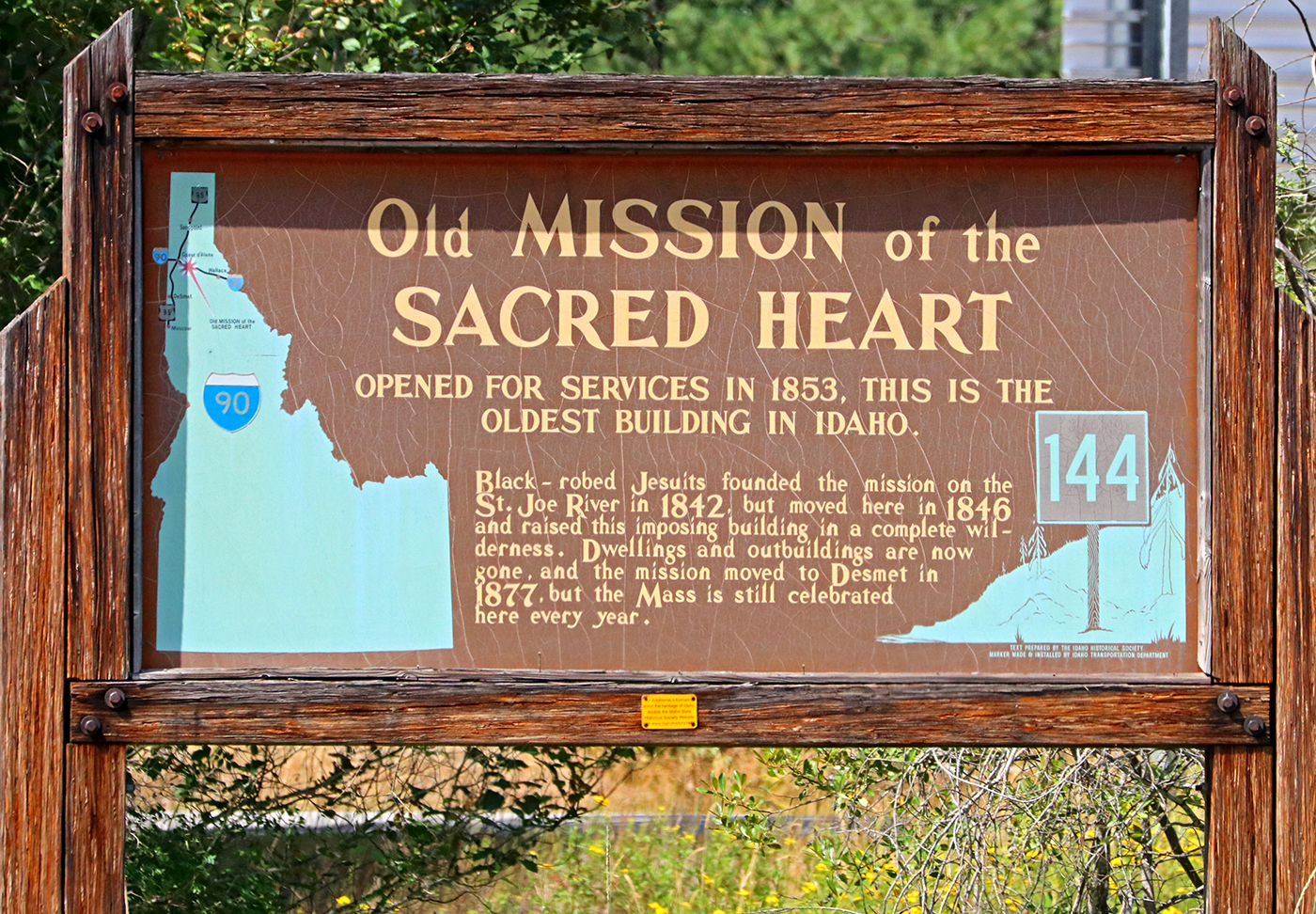
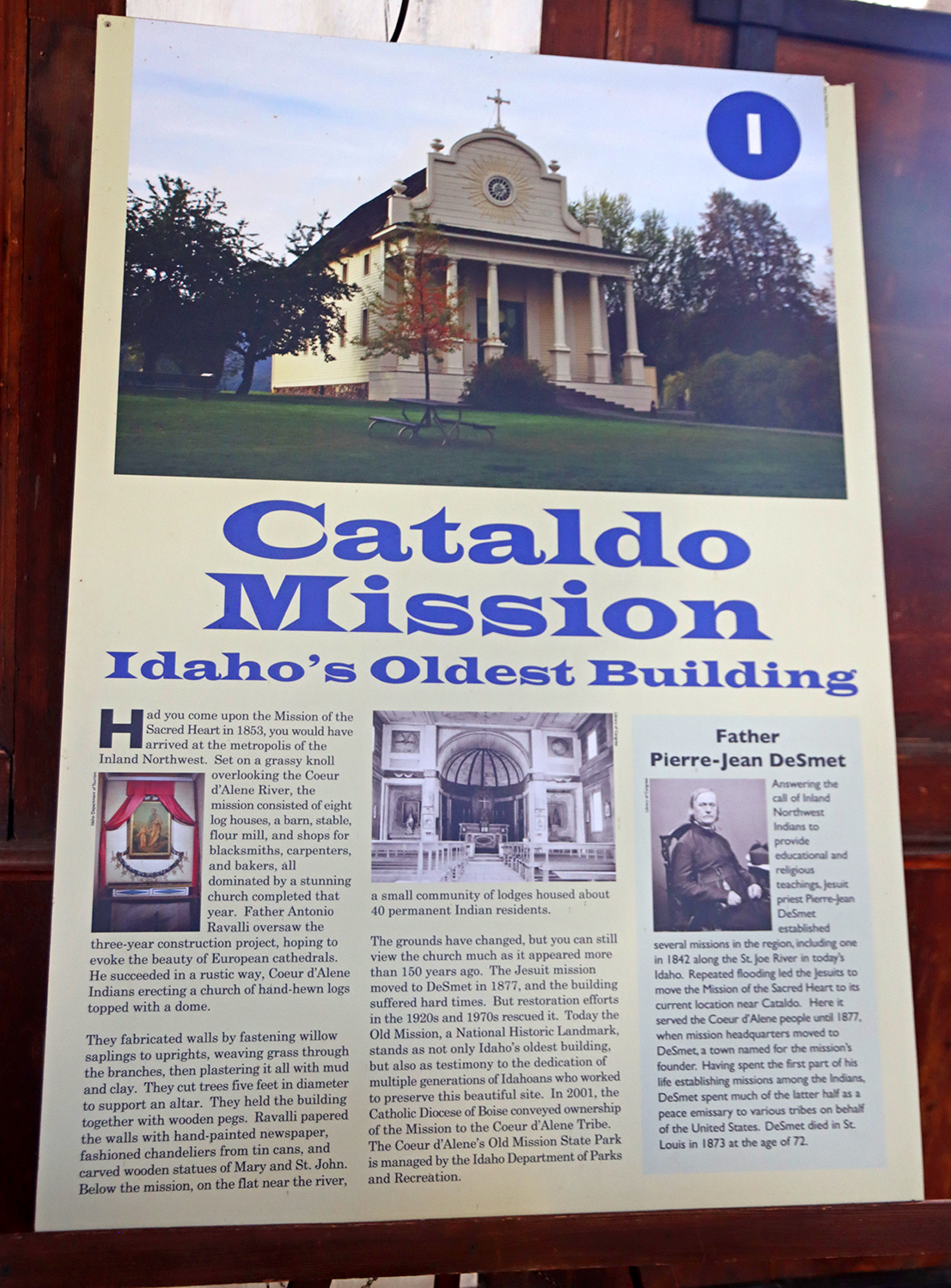
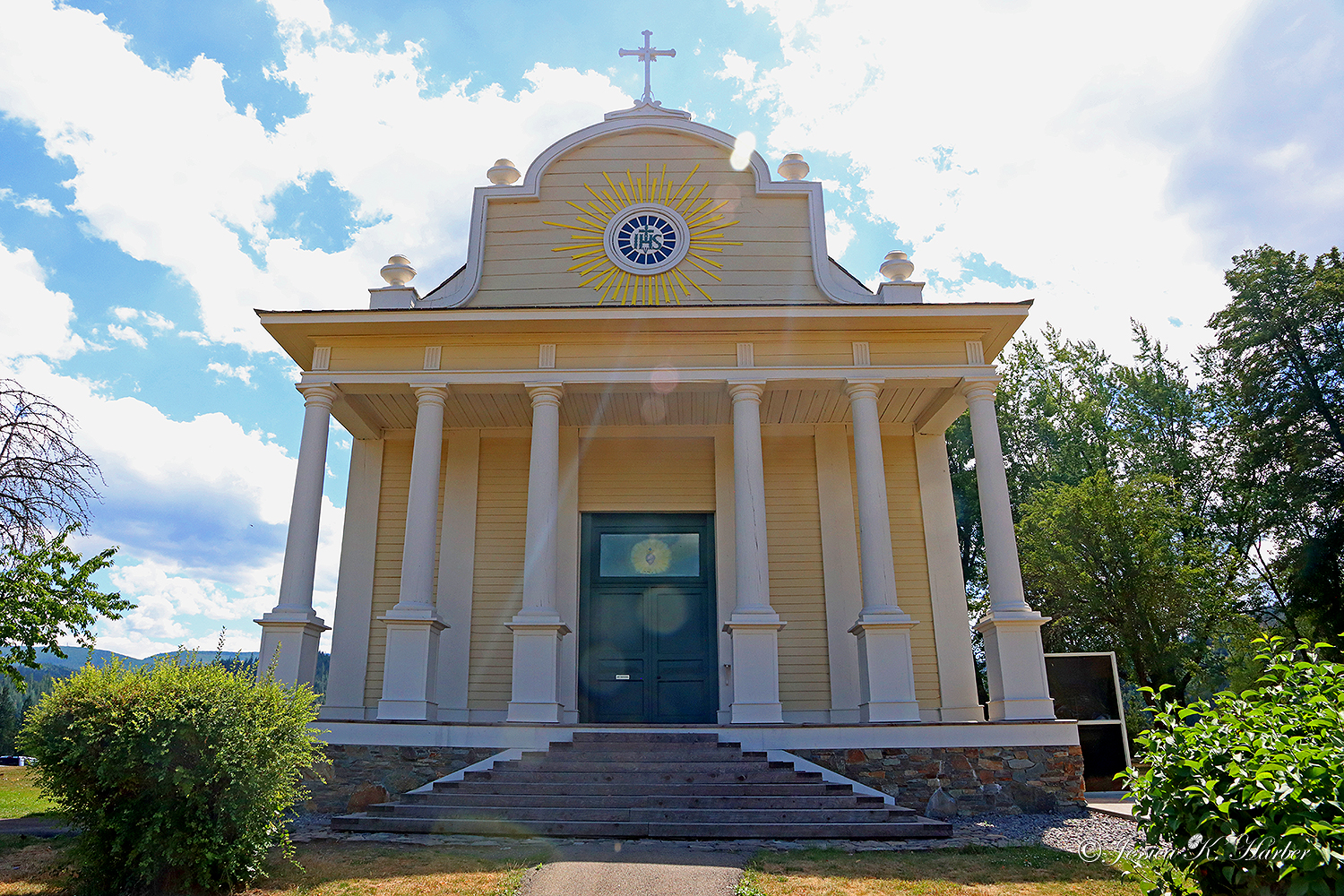
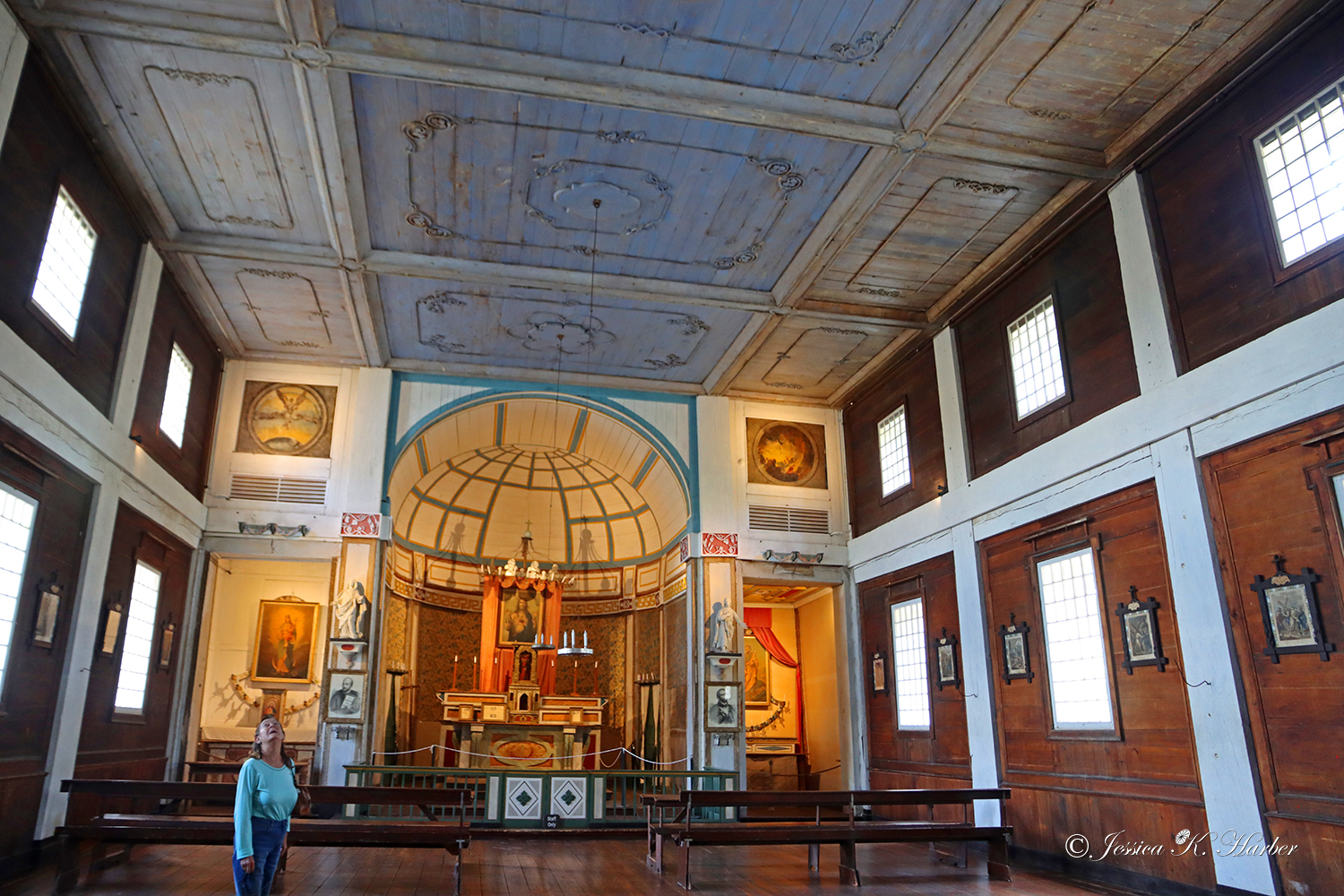
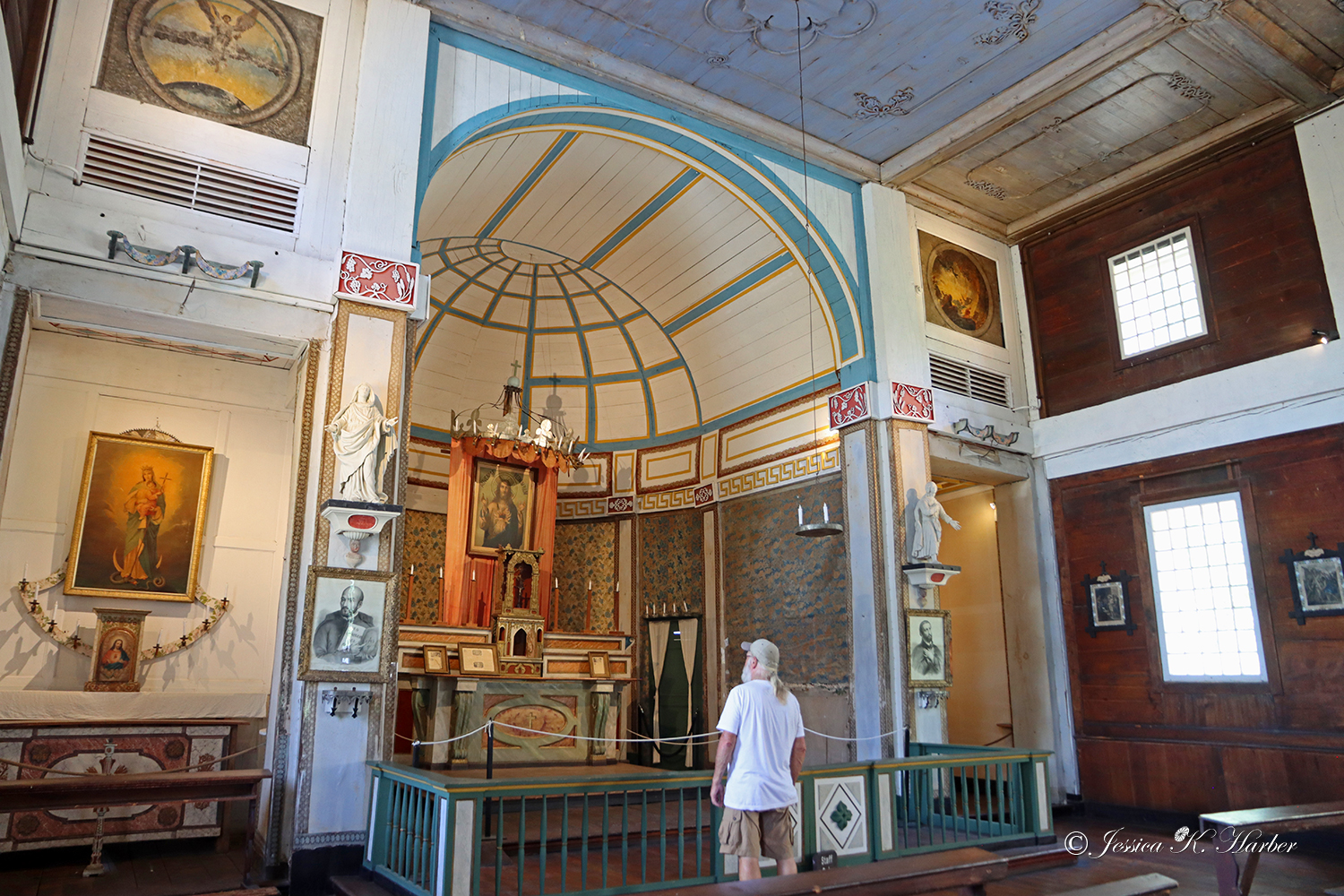
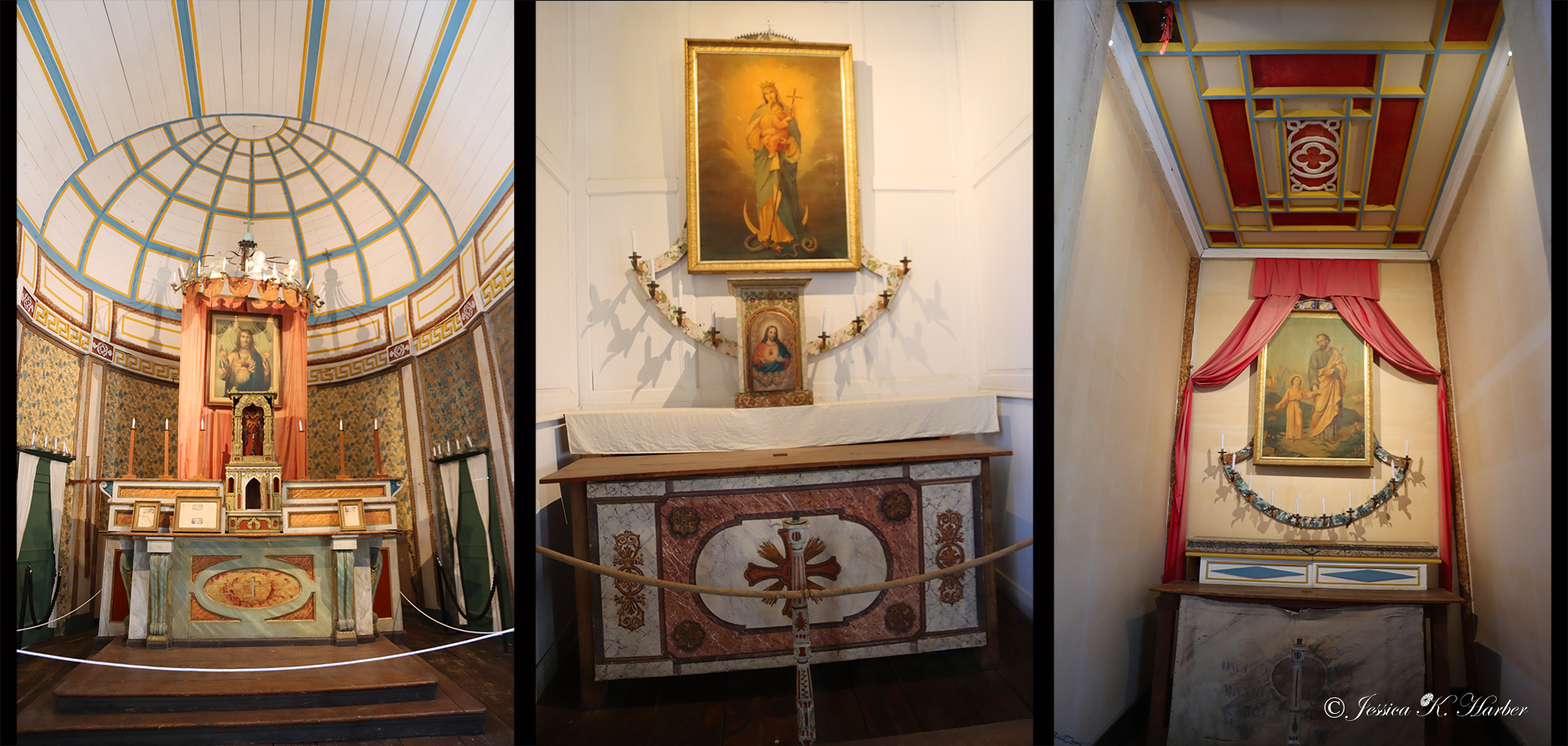
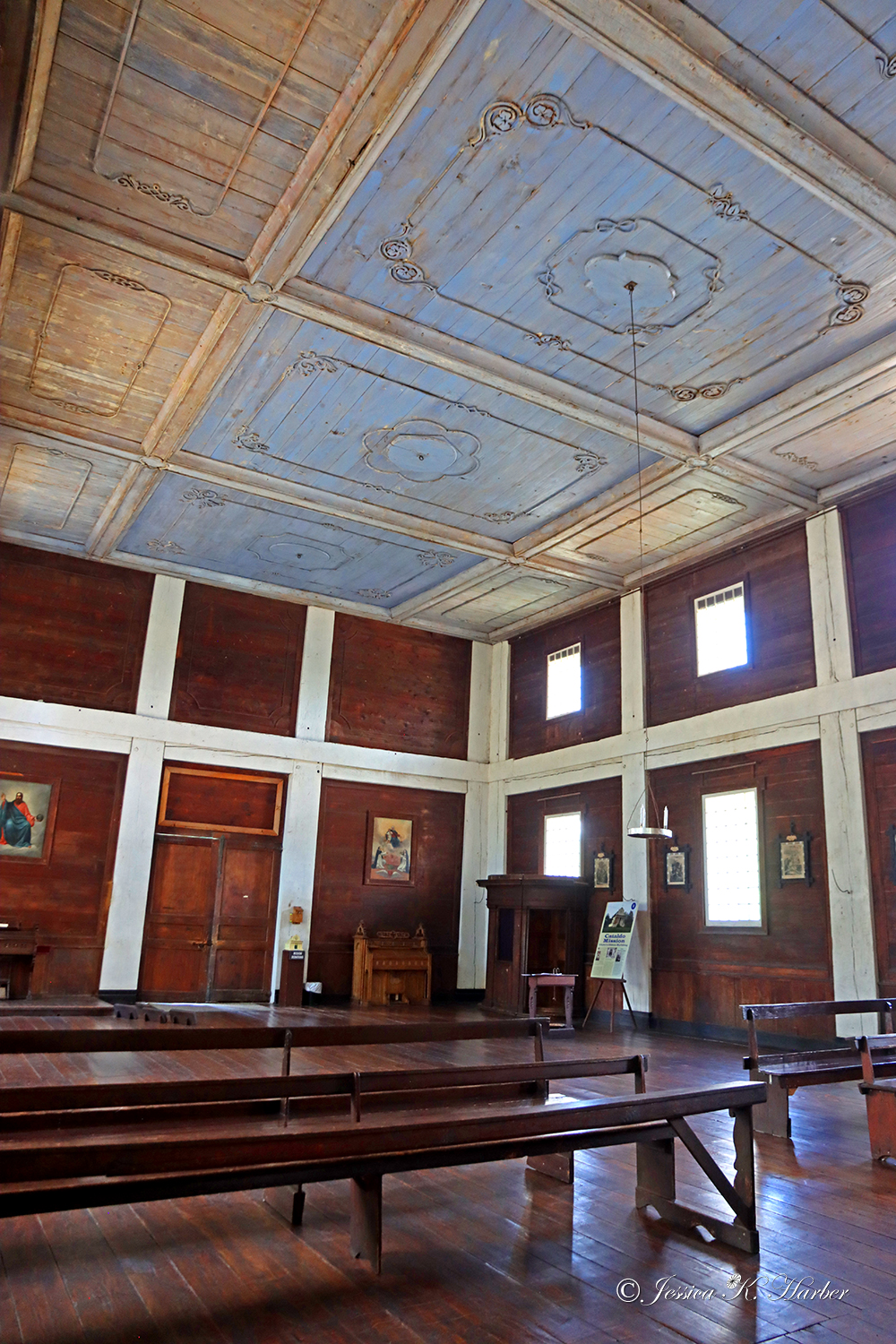
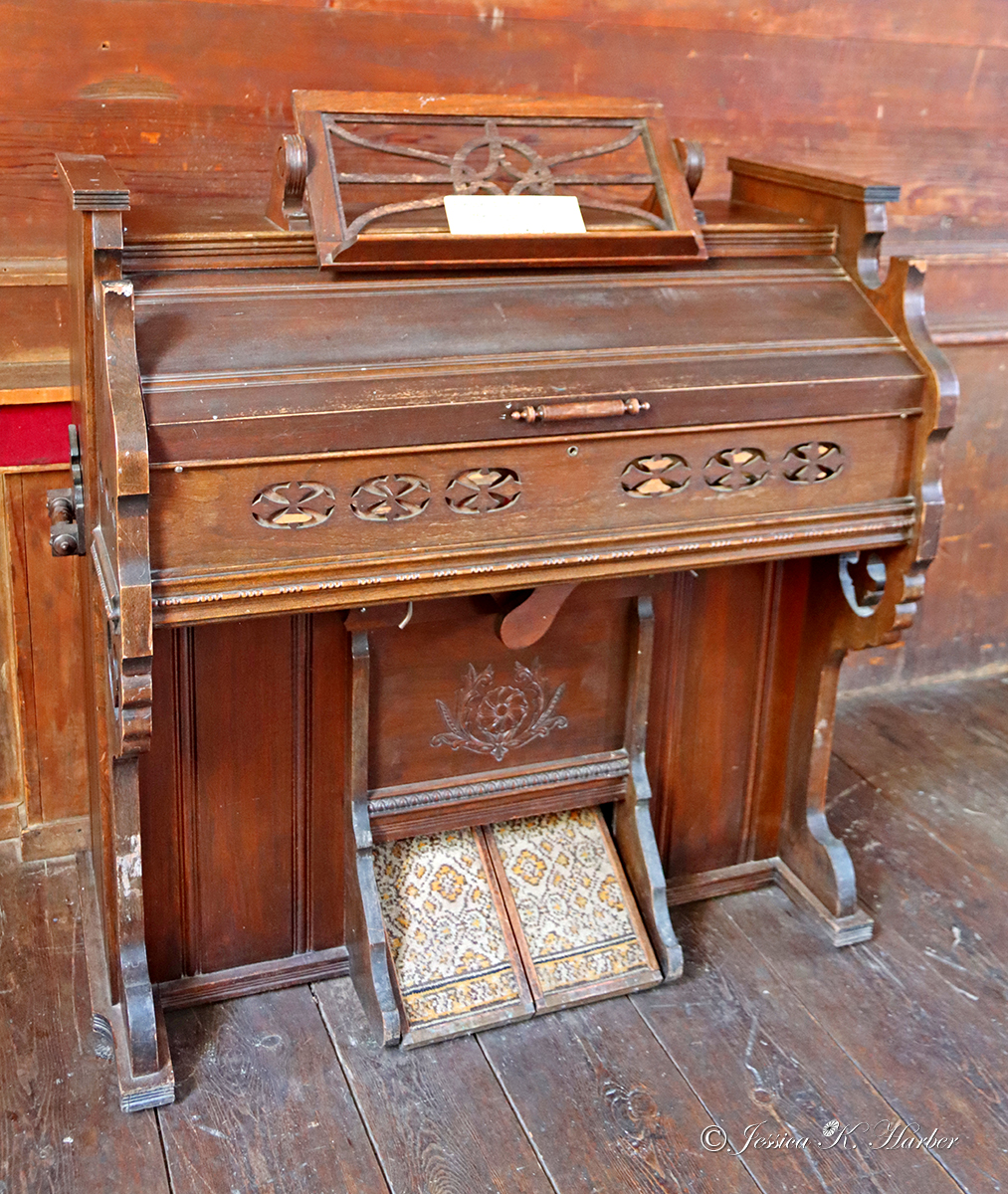
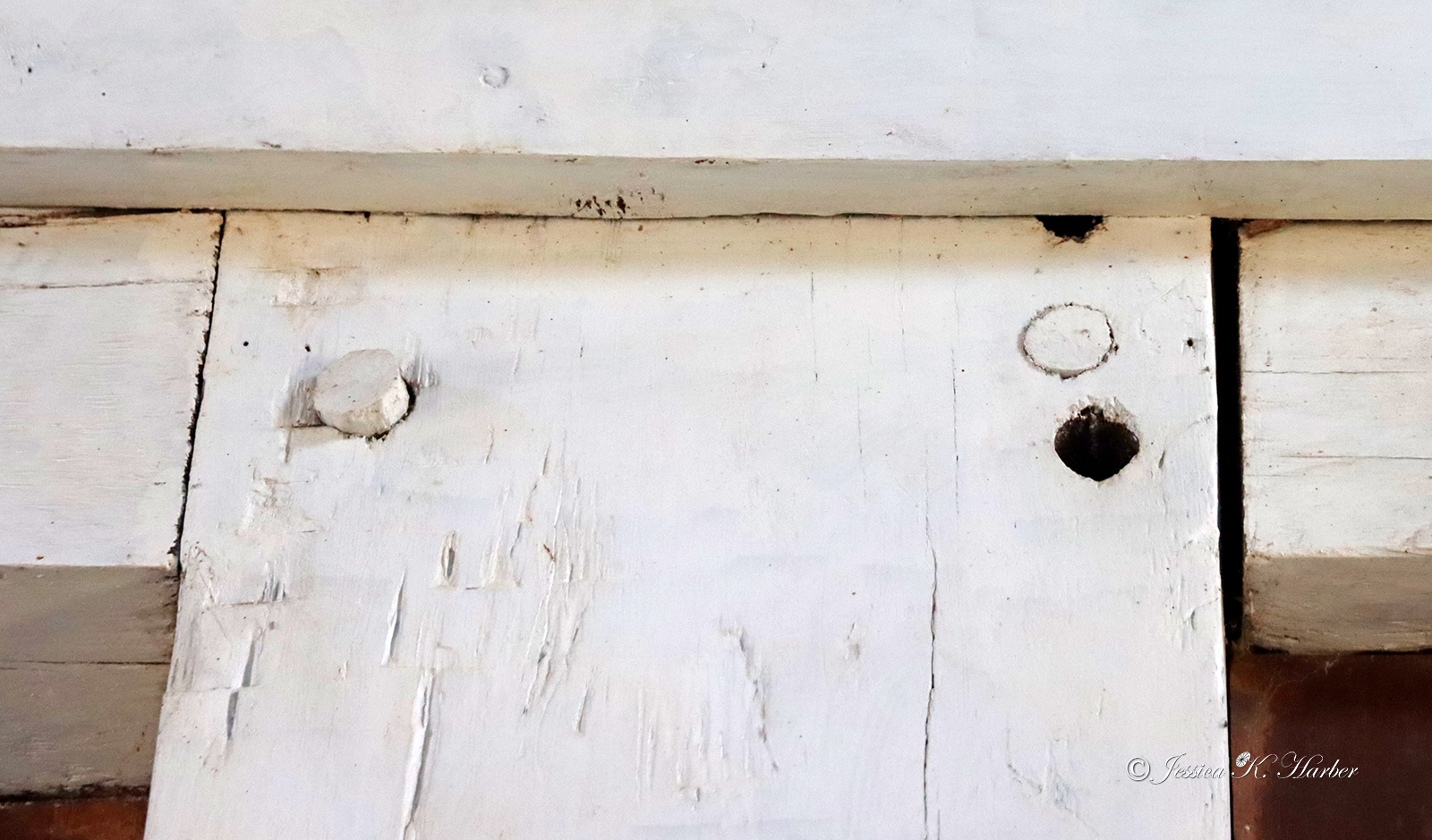
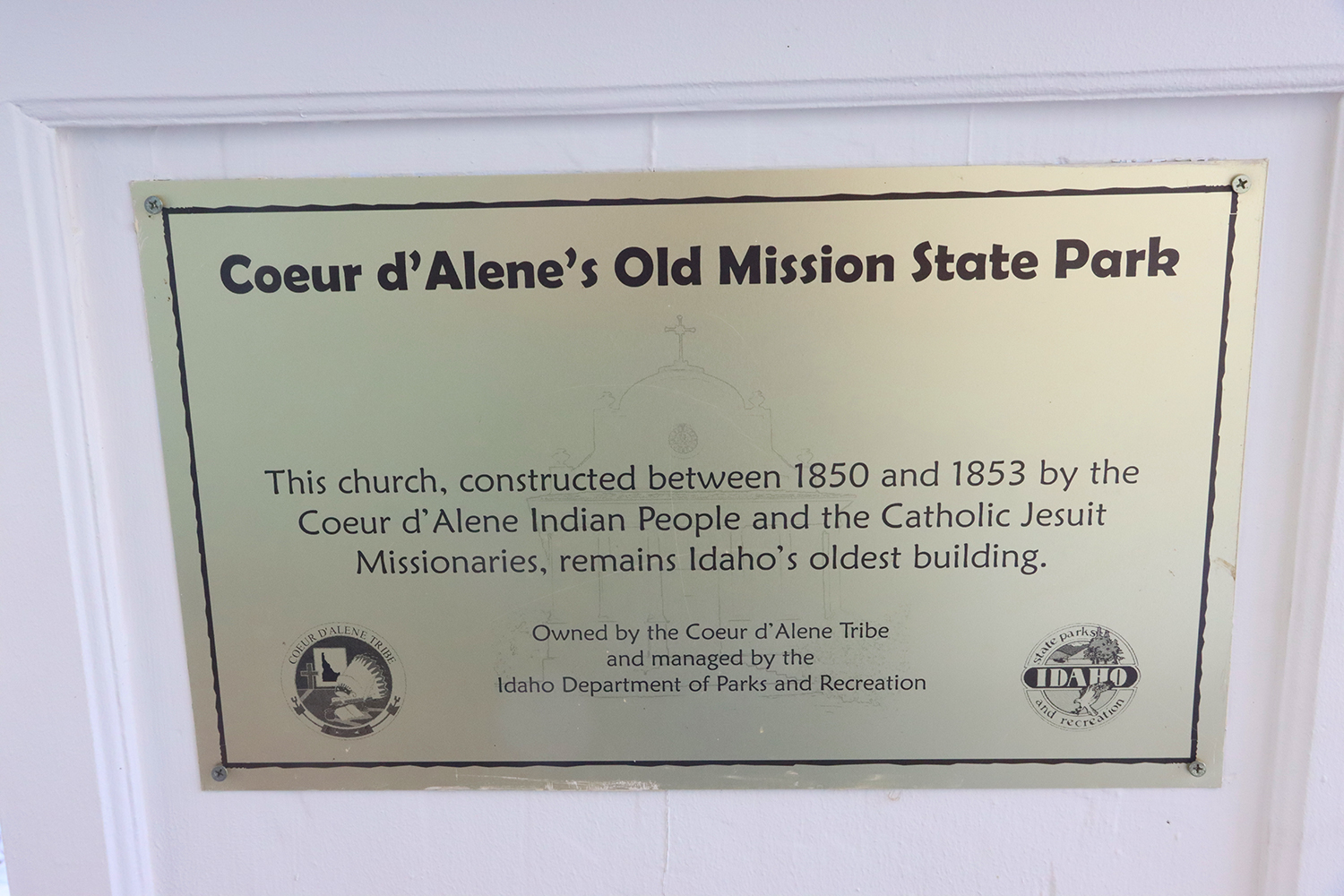
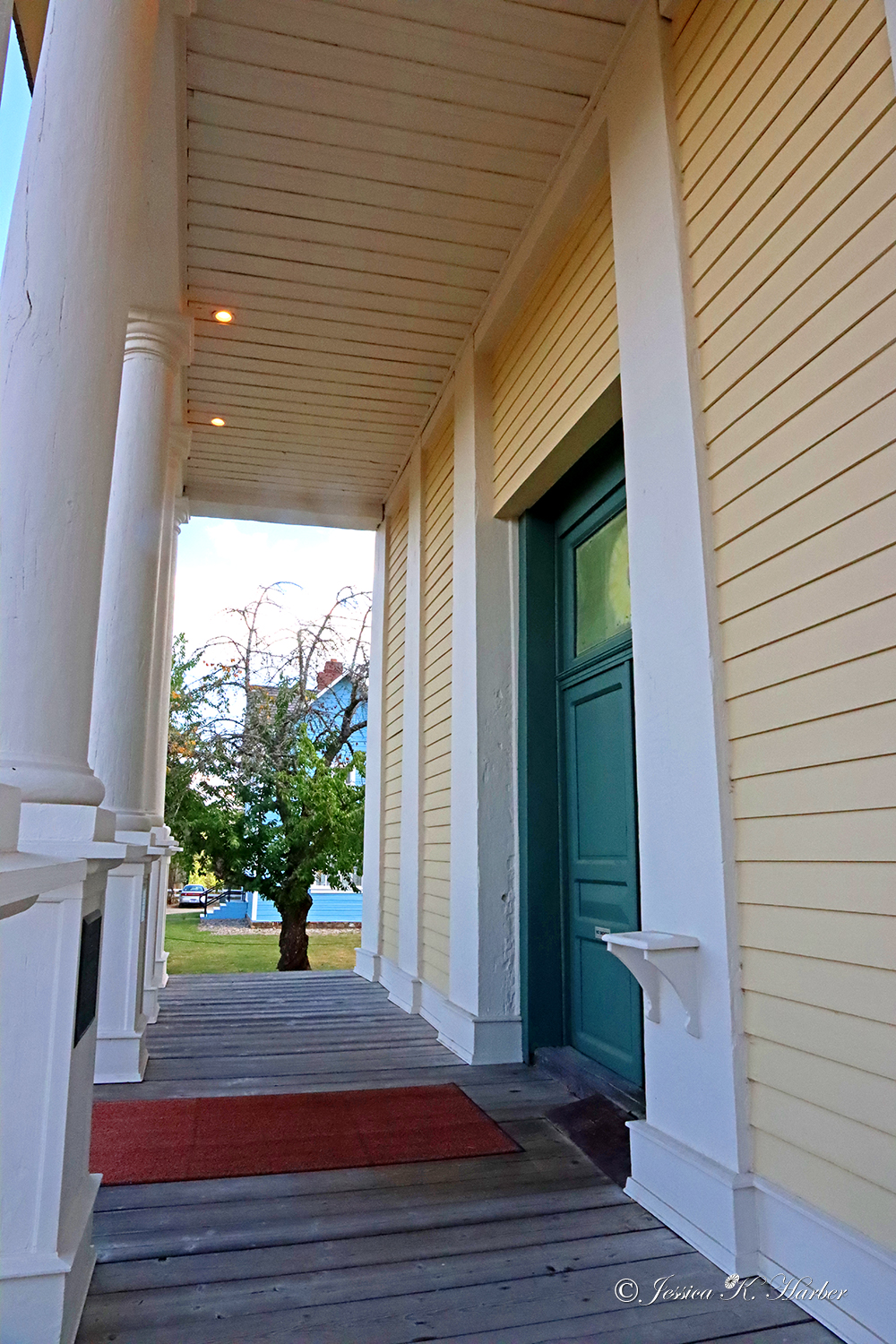
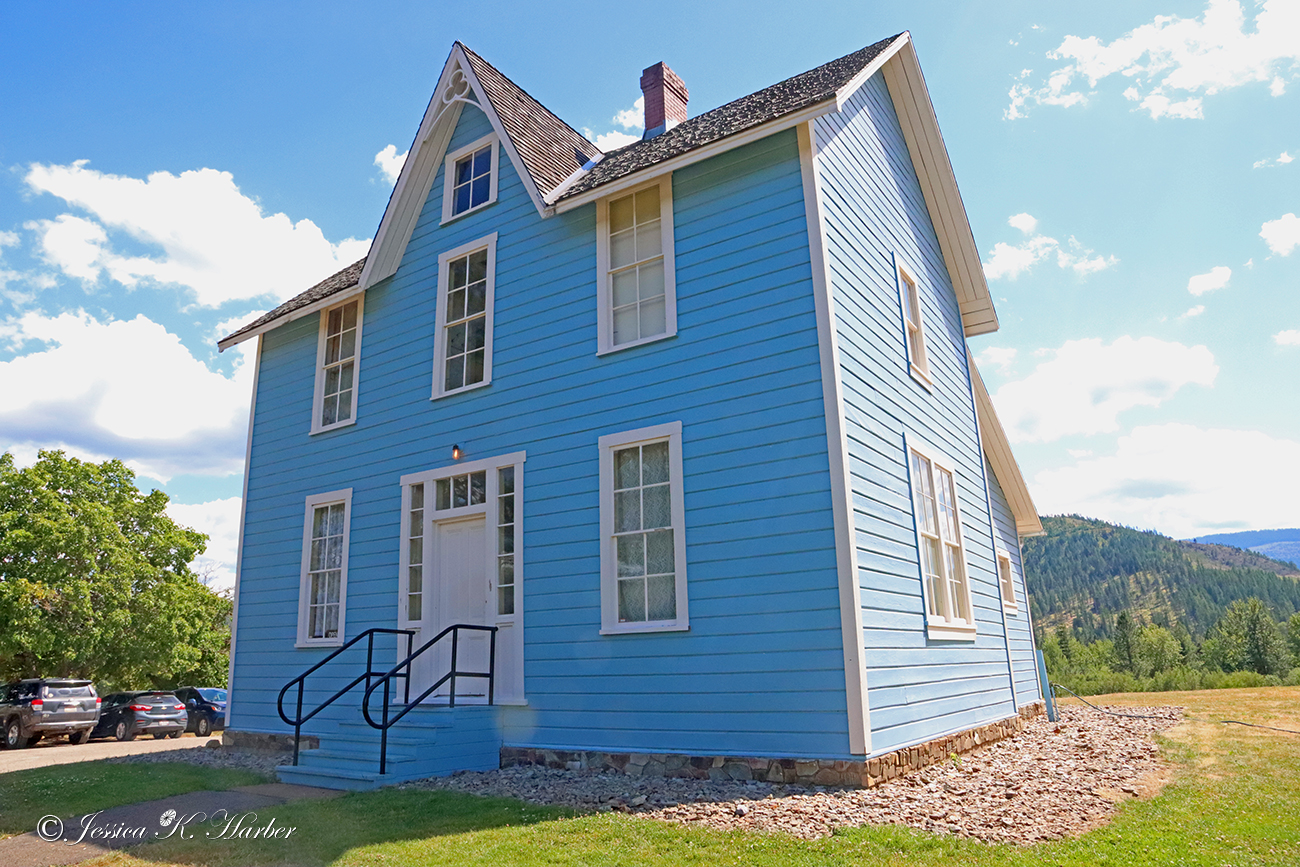
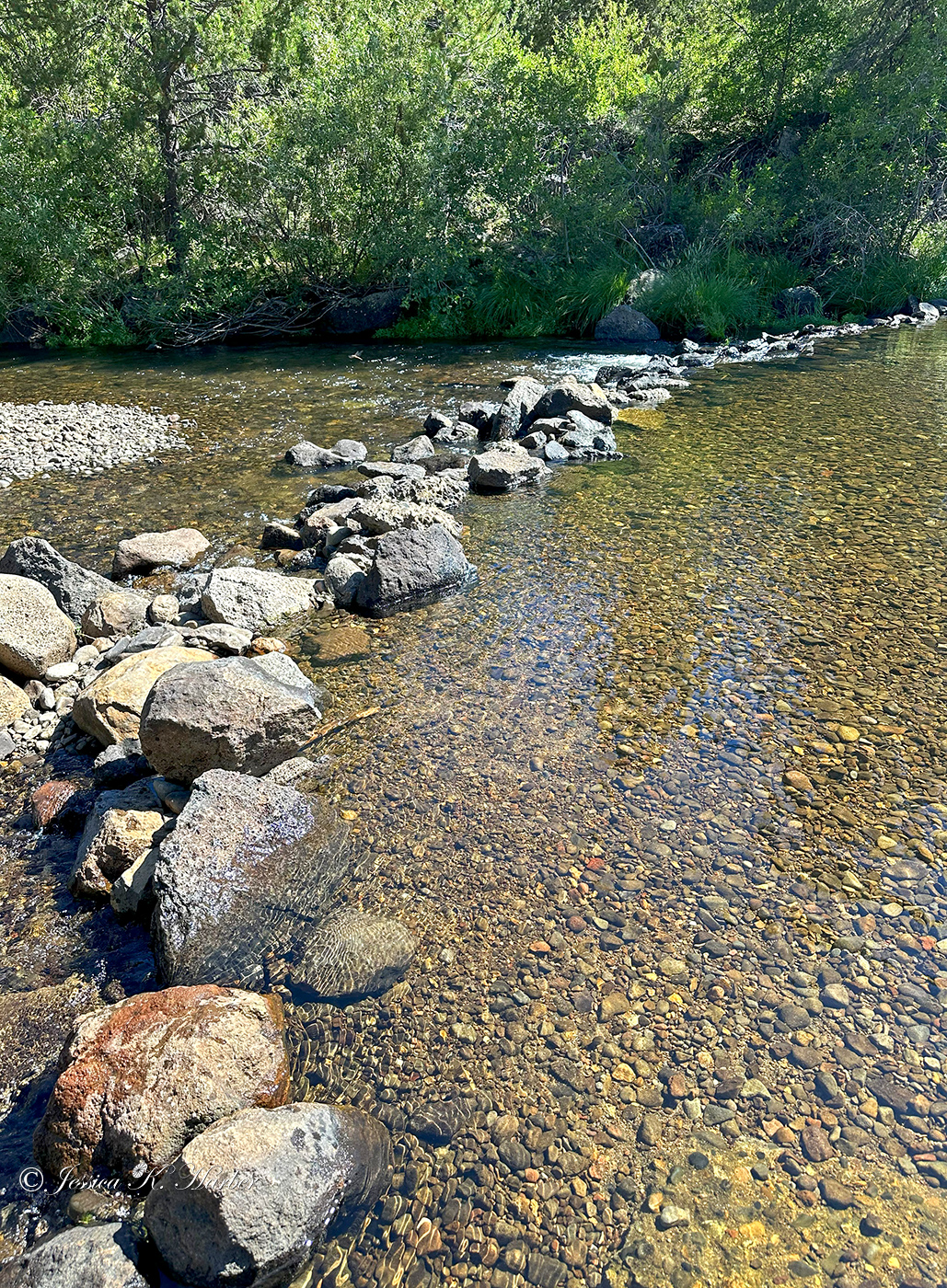
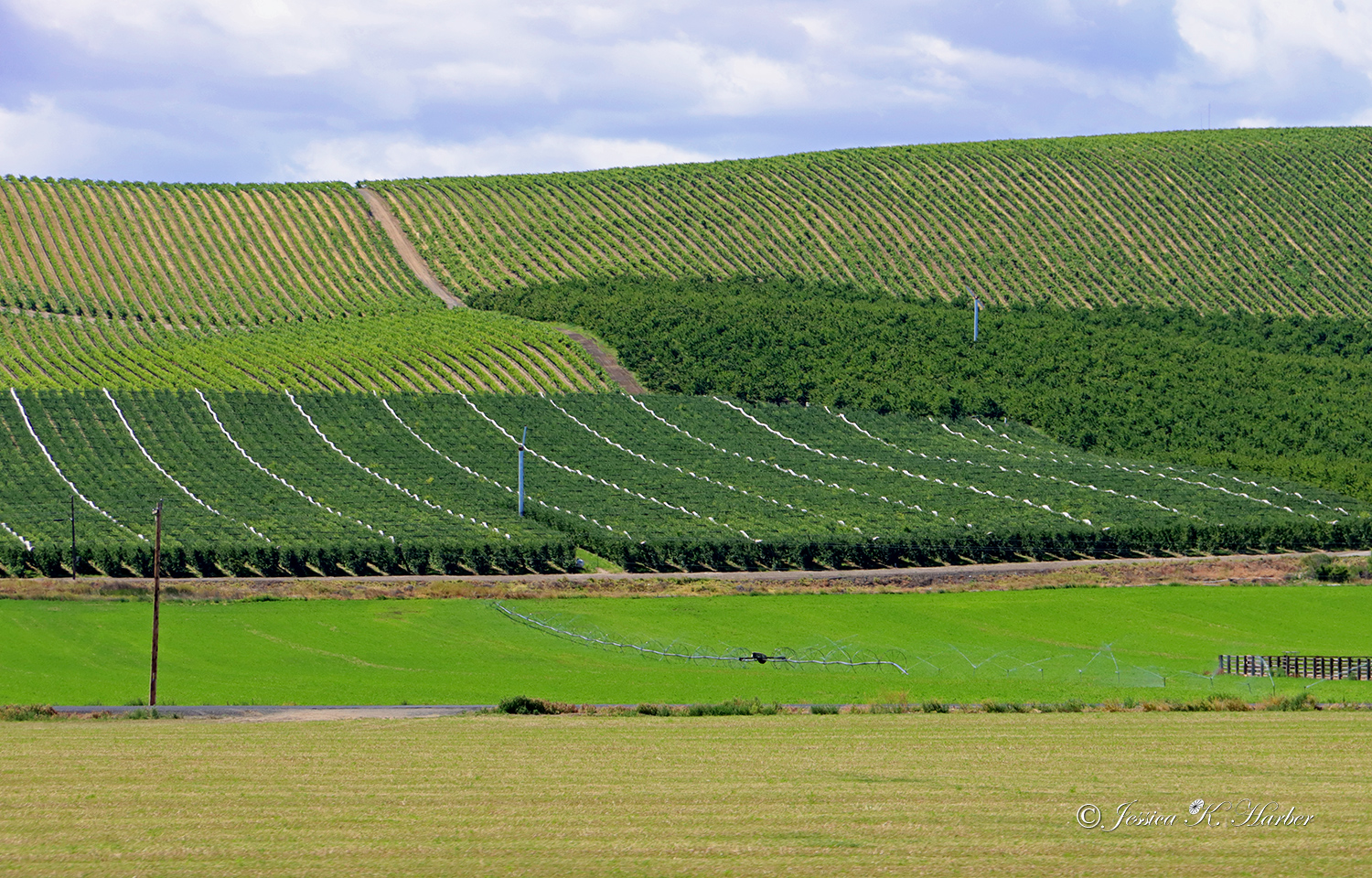
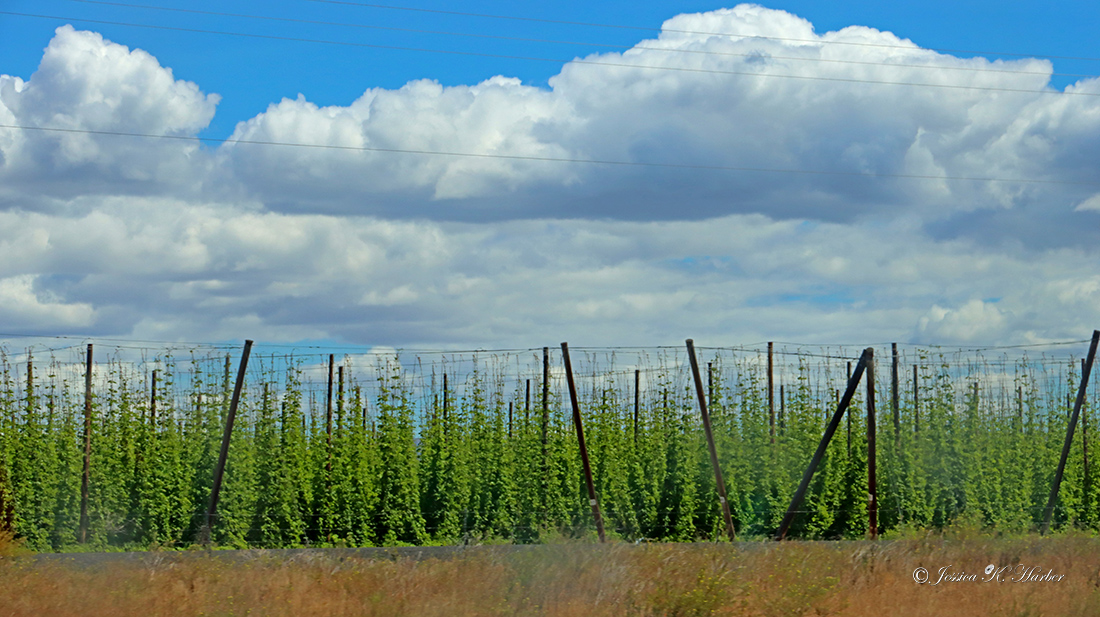
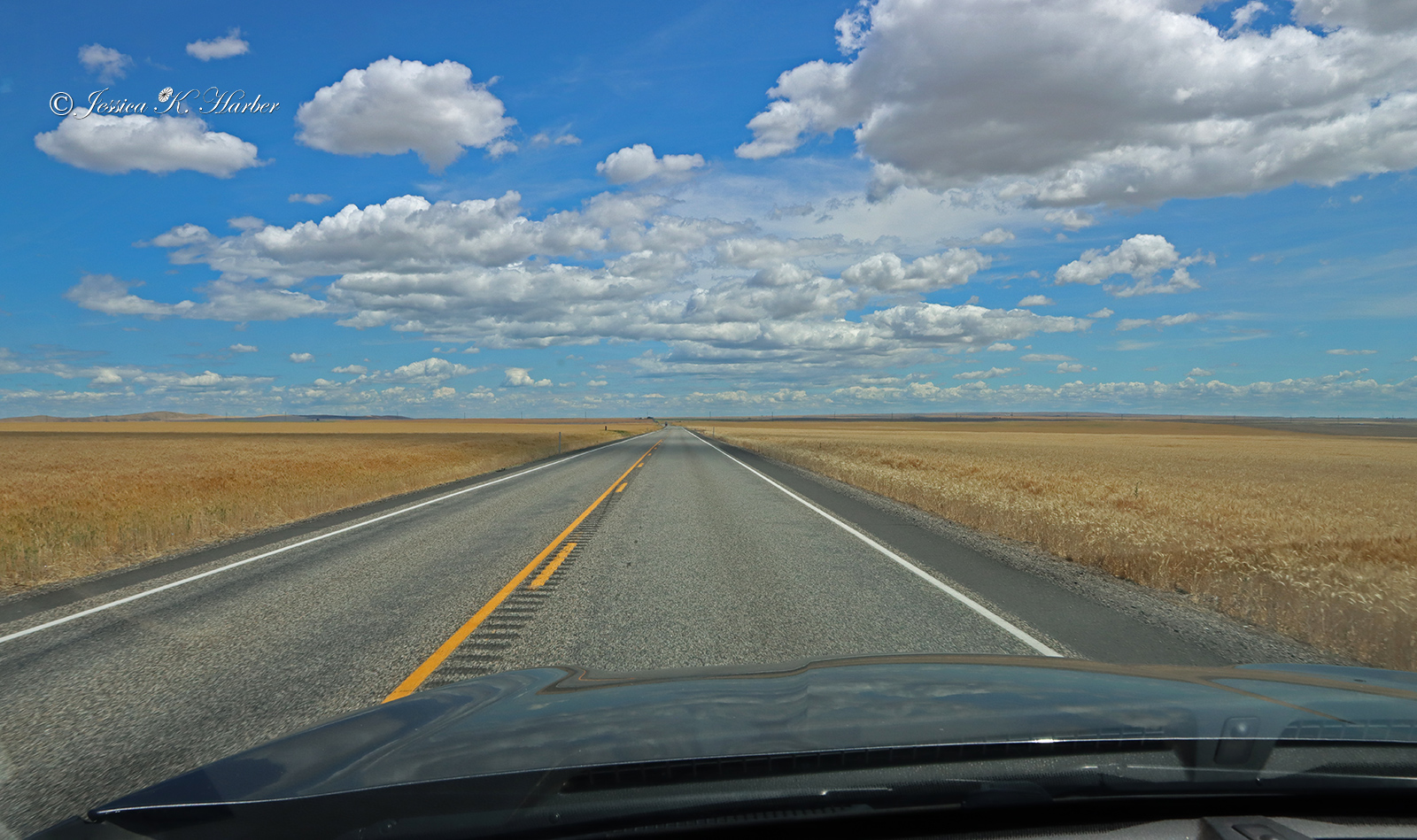
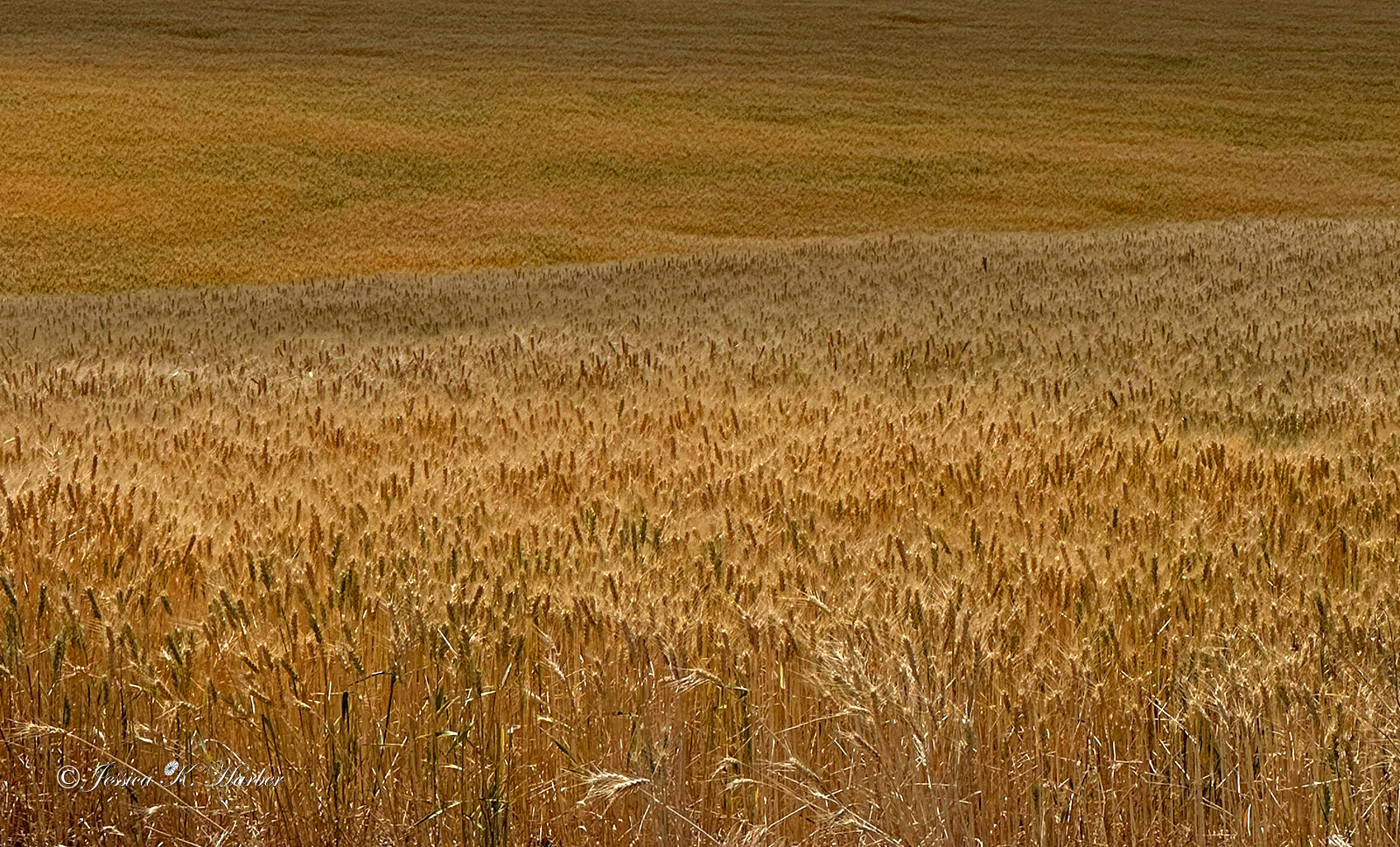
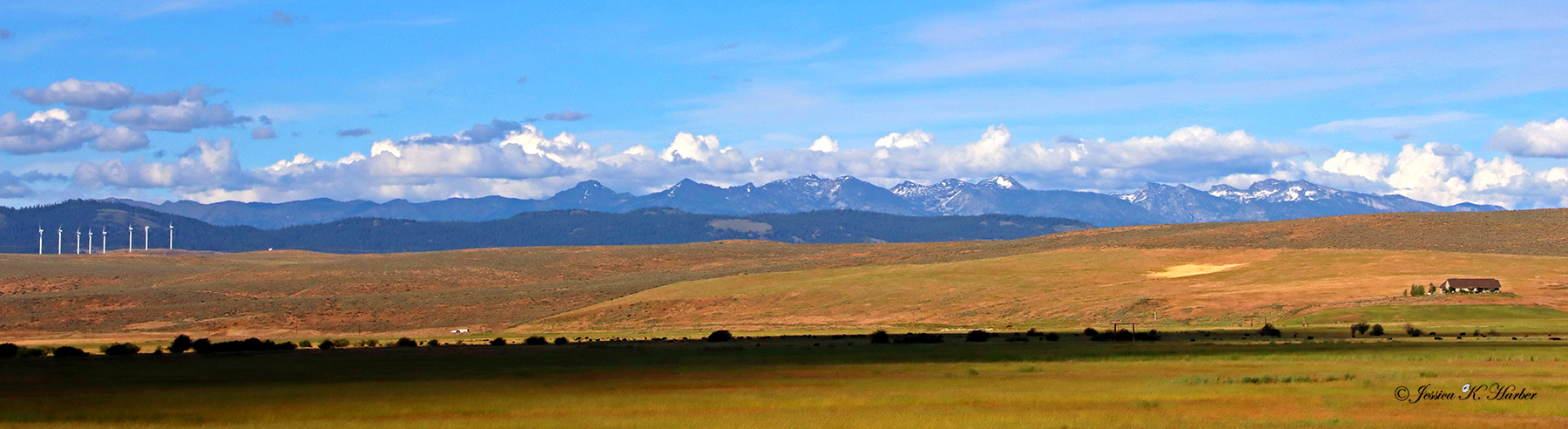
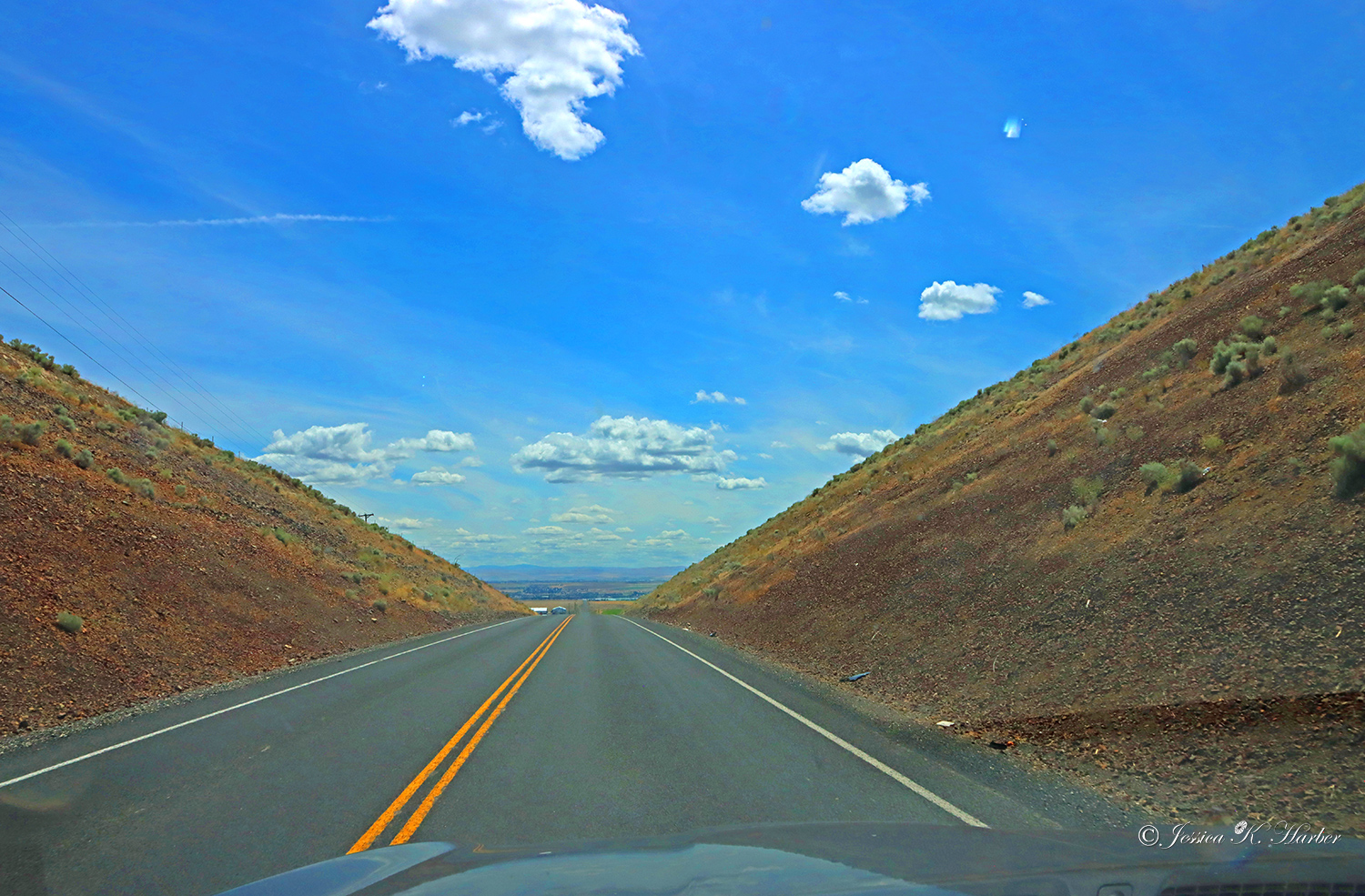
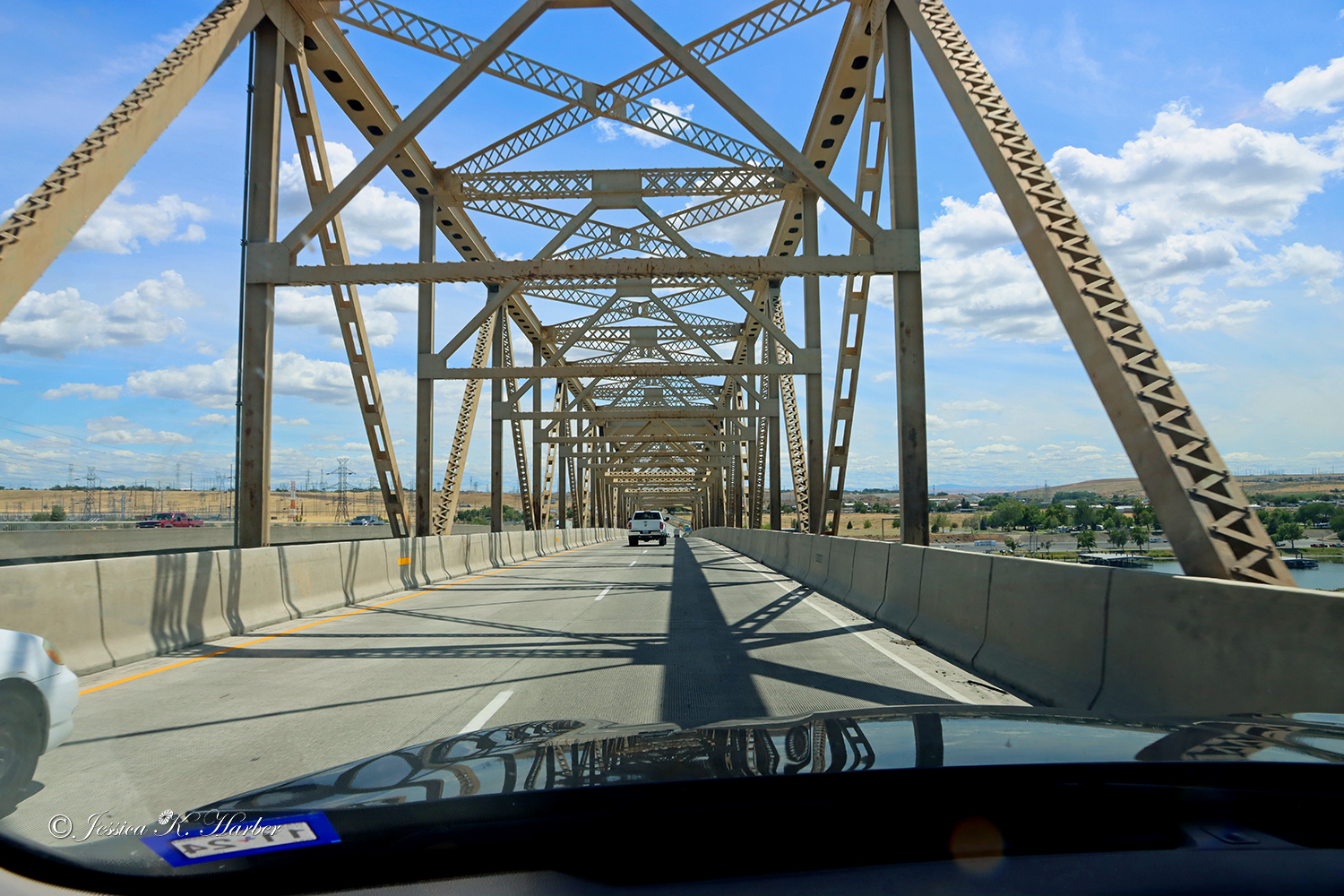
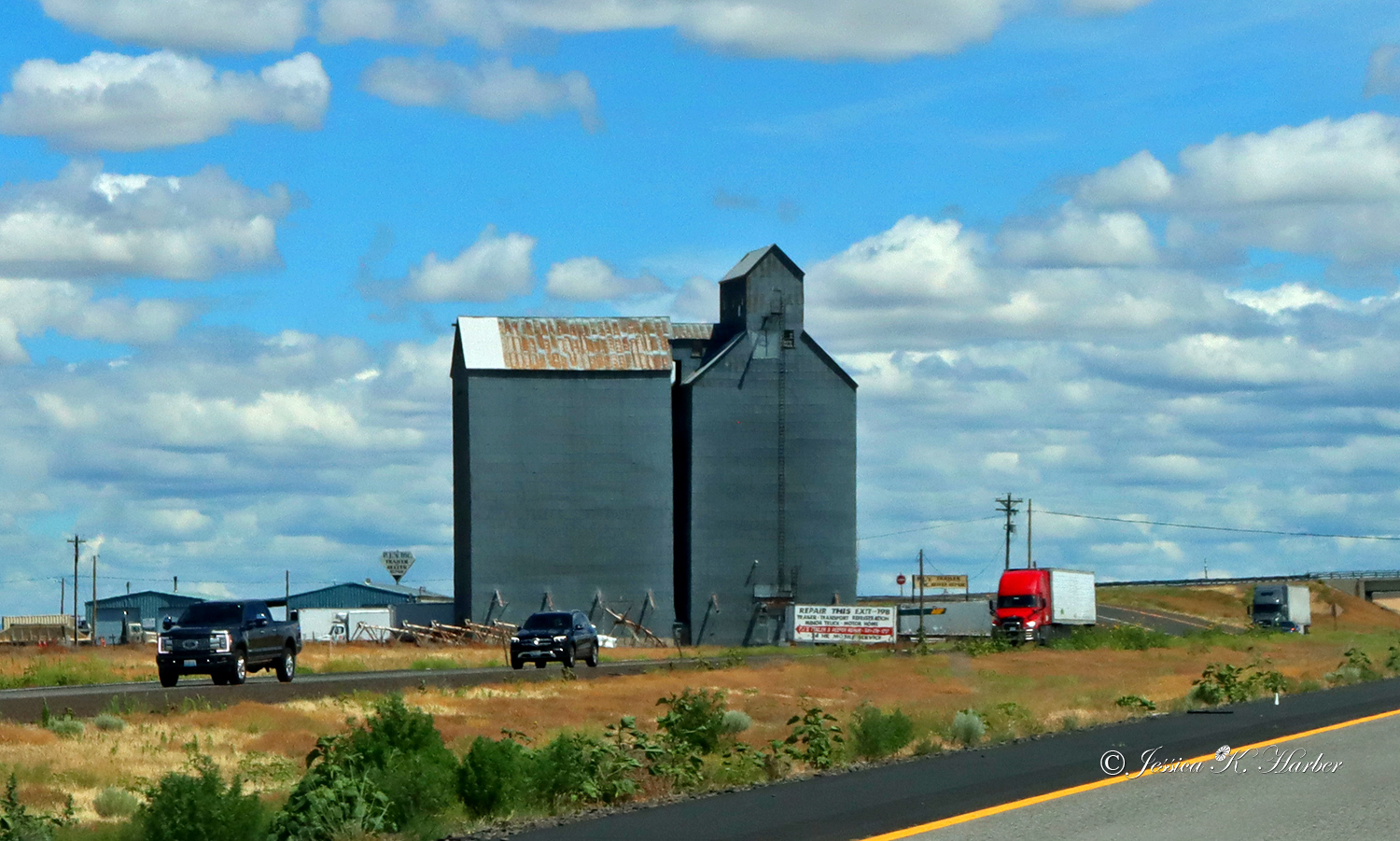
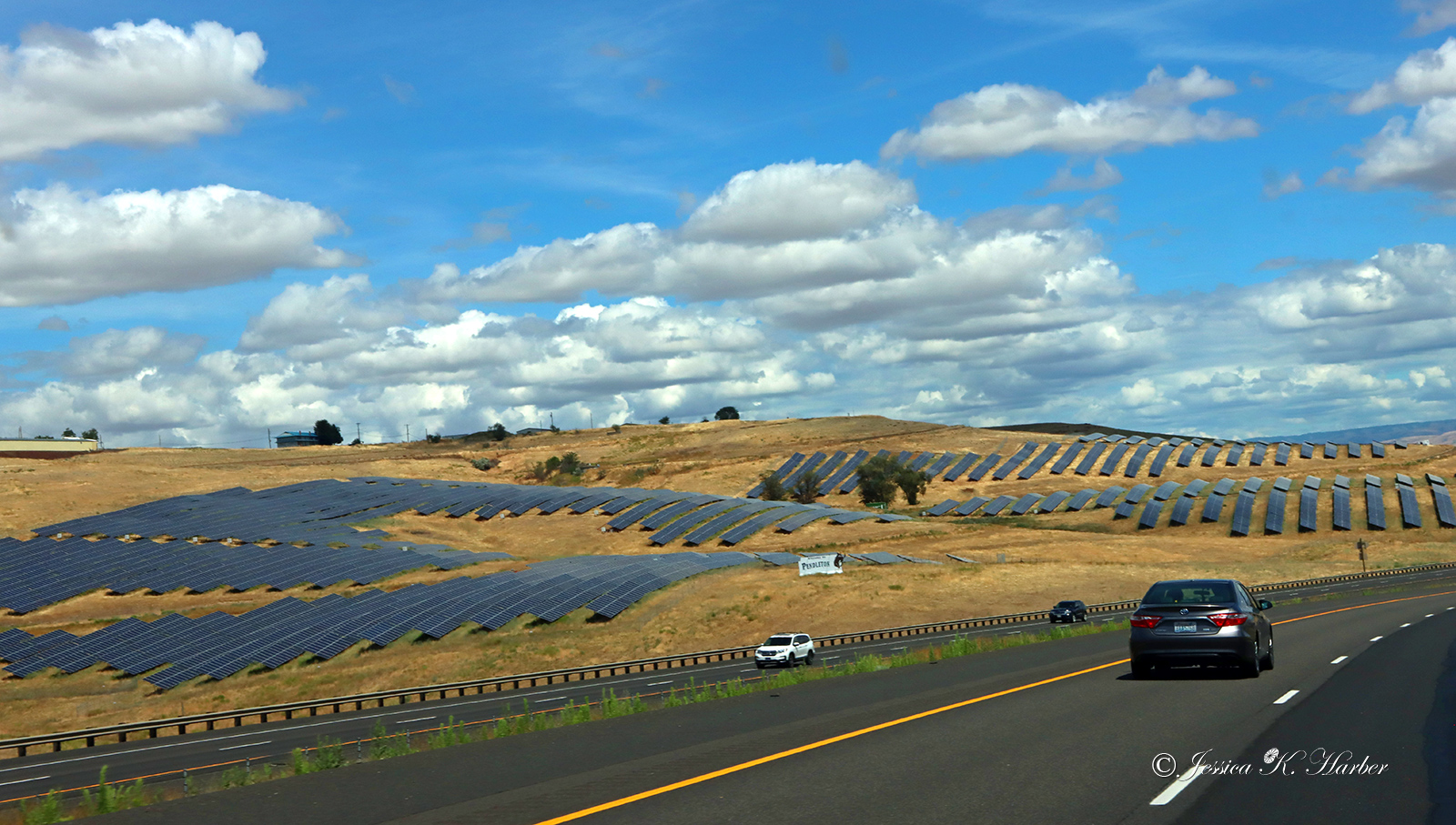
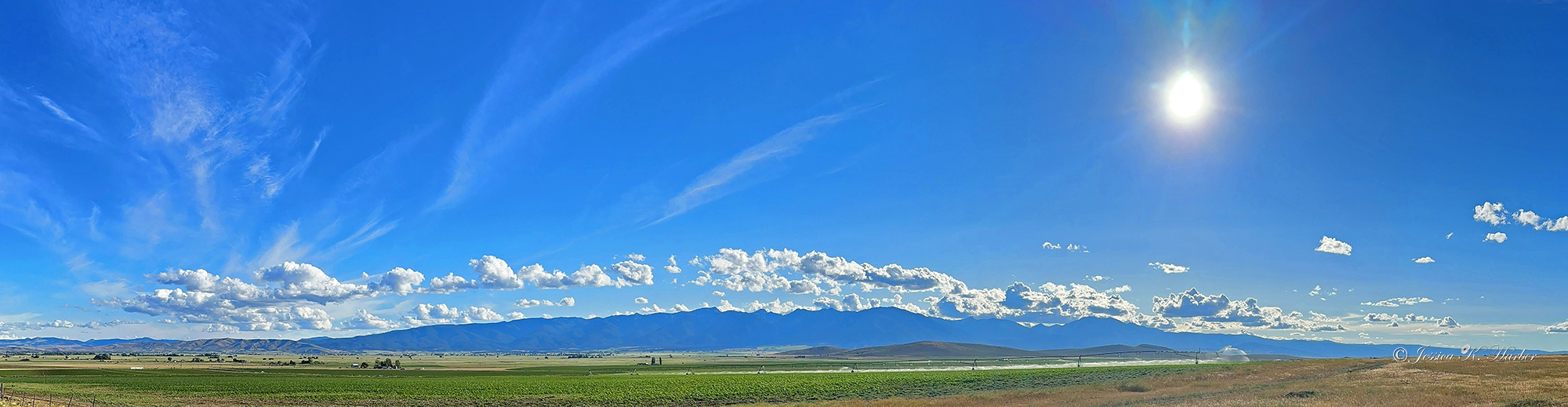
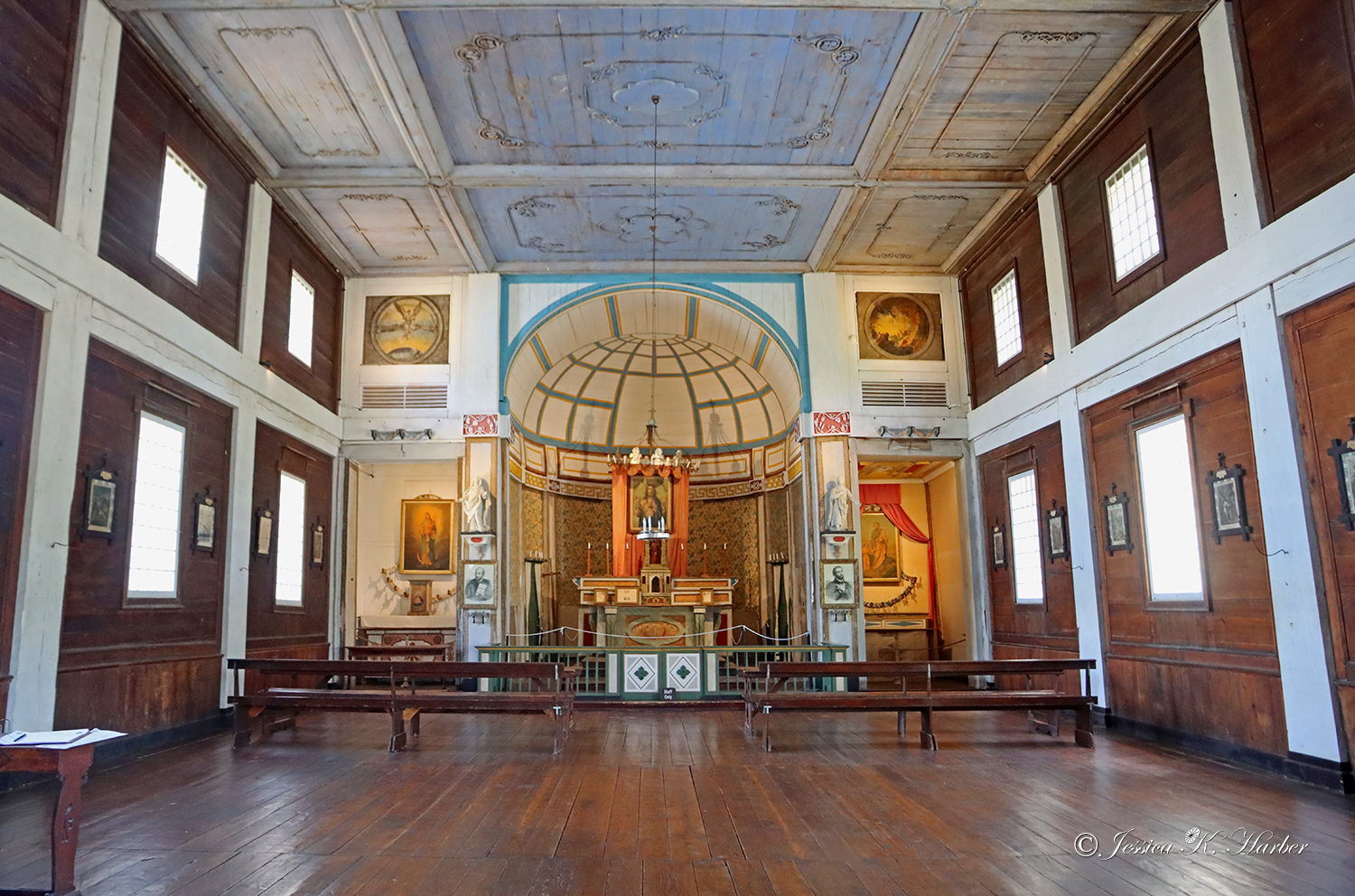
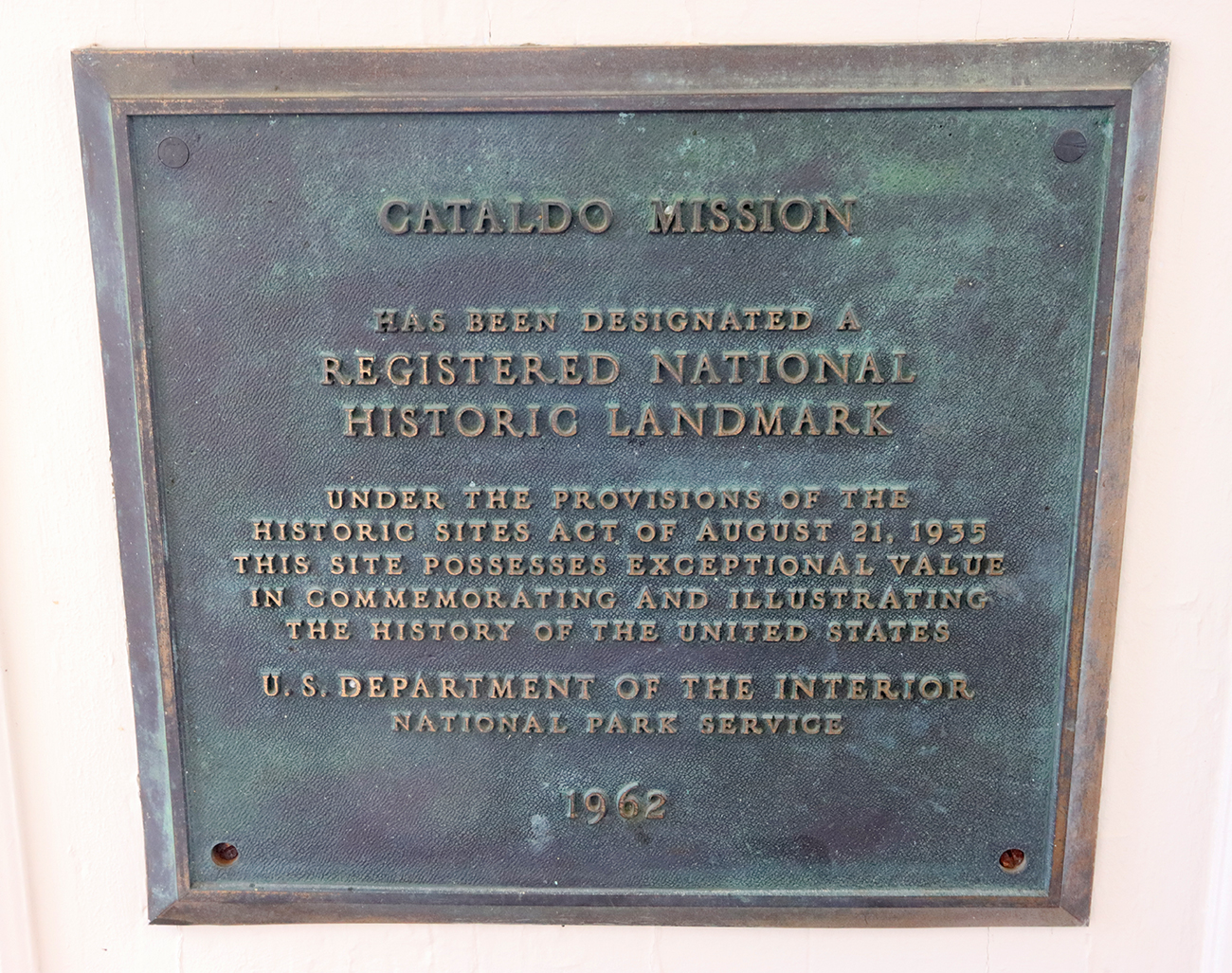
Miscellaneous photos from travel through Washington and Idaho, including a spontaneous stop at the “Cataldo Mission” in Idaho.

I saw a “brown sign” on the interstate and exited rather quickly, hoping I didn’t alarm my traveling companions behind me. I had no idea what the Cataldo Mission was but thought it might be interesting to find out, and my friends agreed, so we found the RV parking and began exploring. ‘Turns out this is the location of Idaho’s oldest building.

(See photo captions for more info).

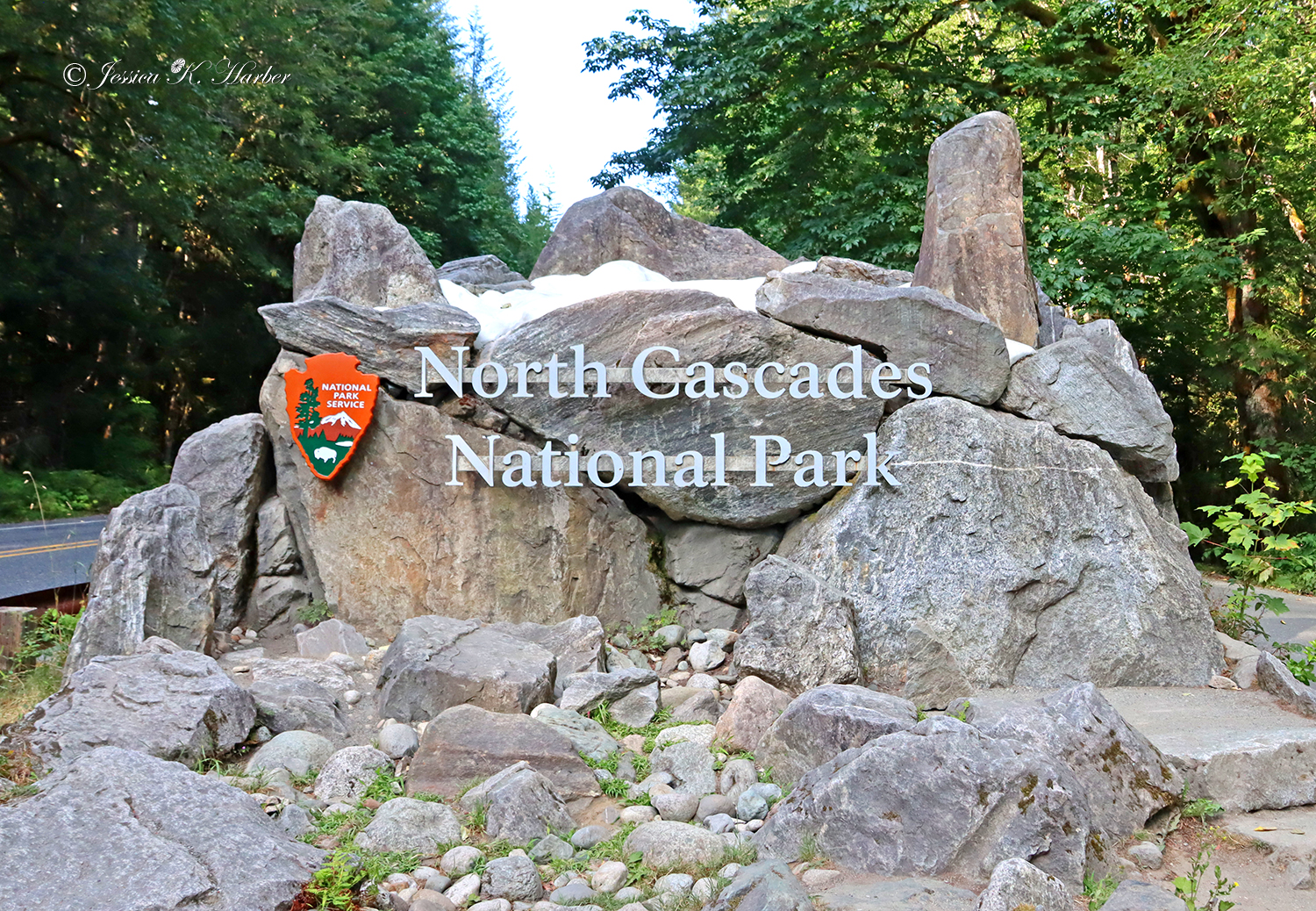
North Cascades National Park

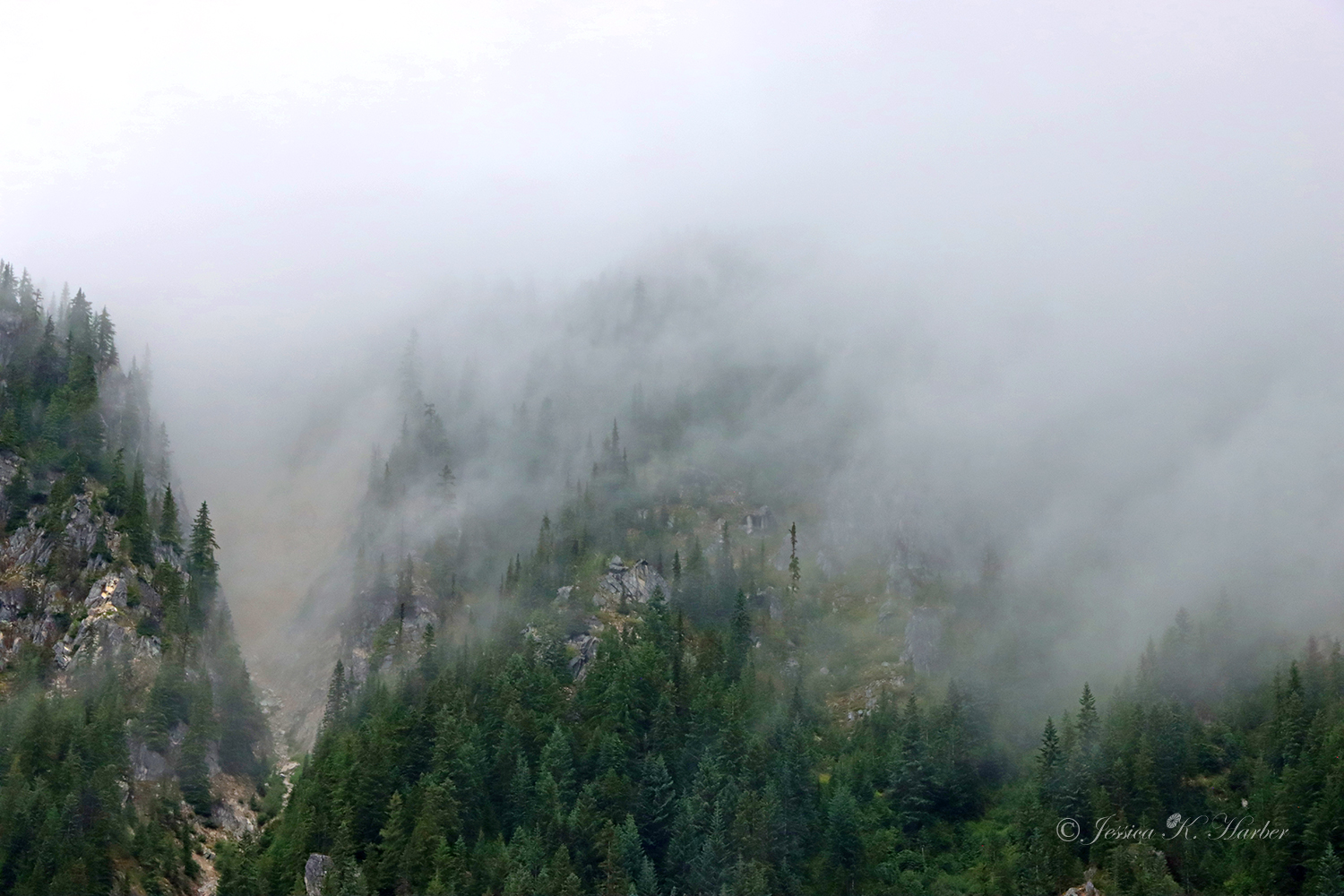
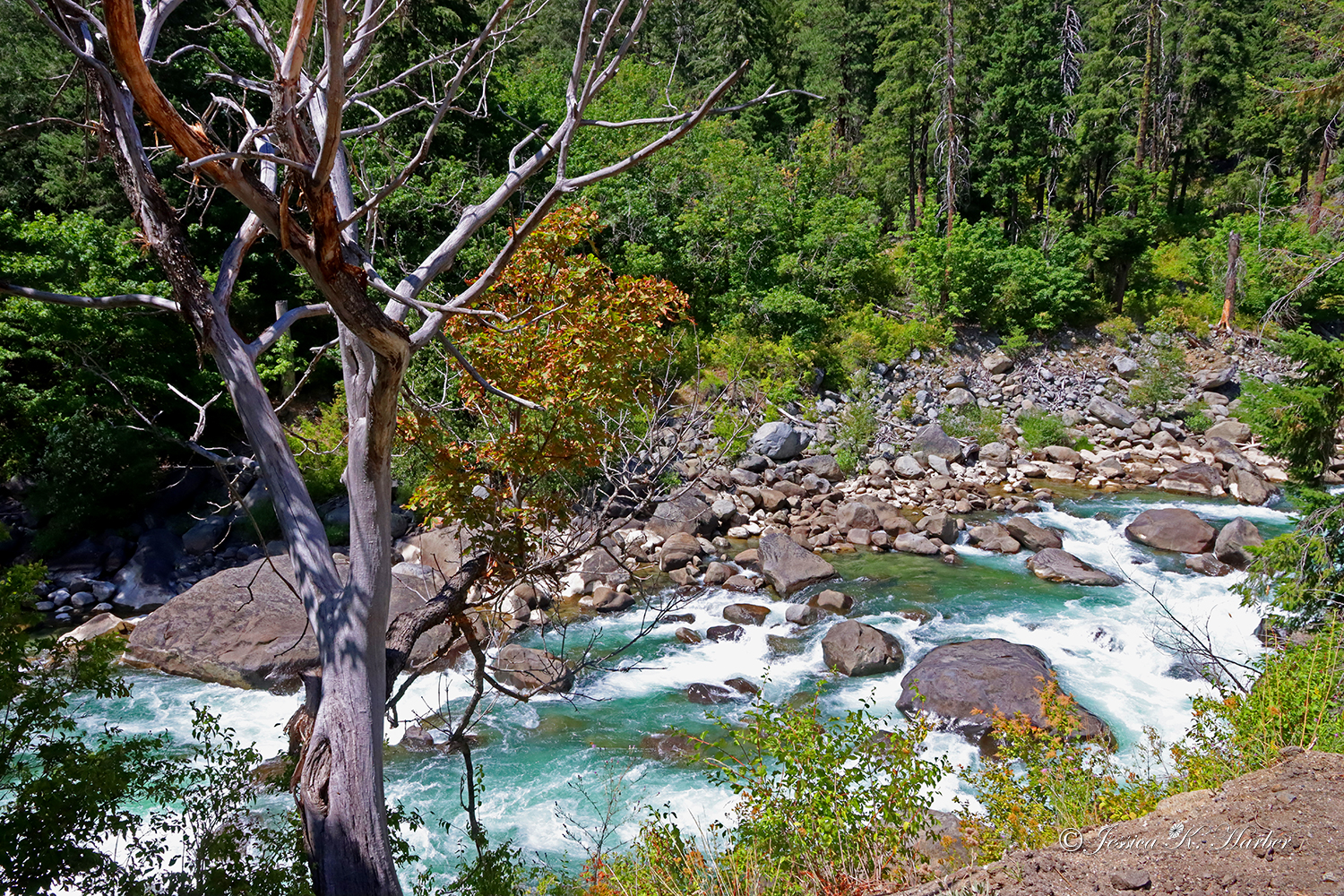
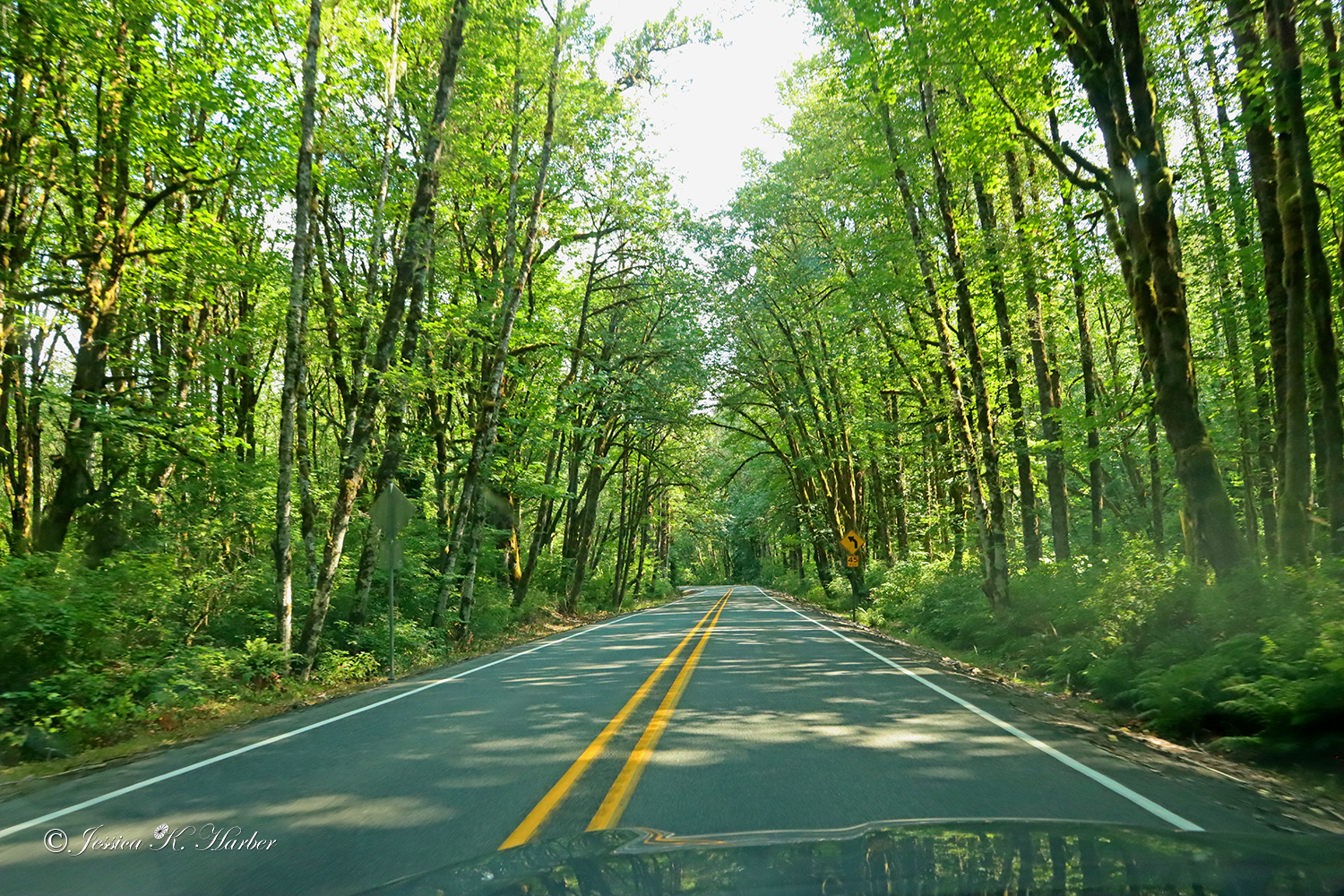
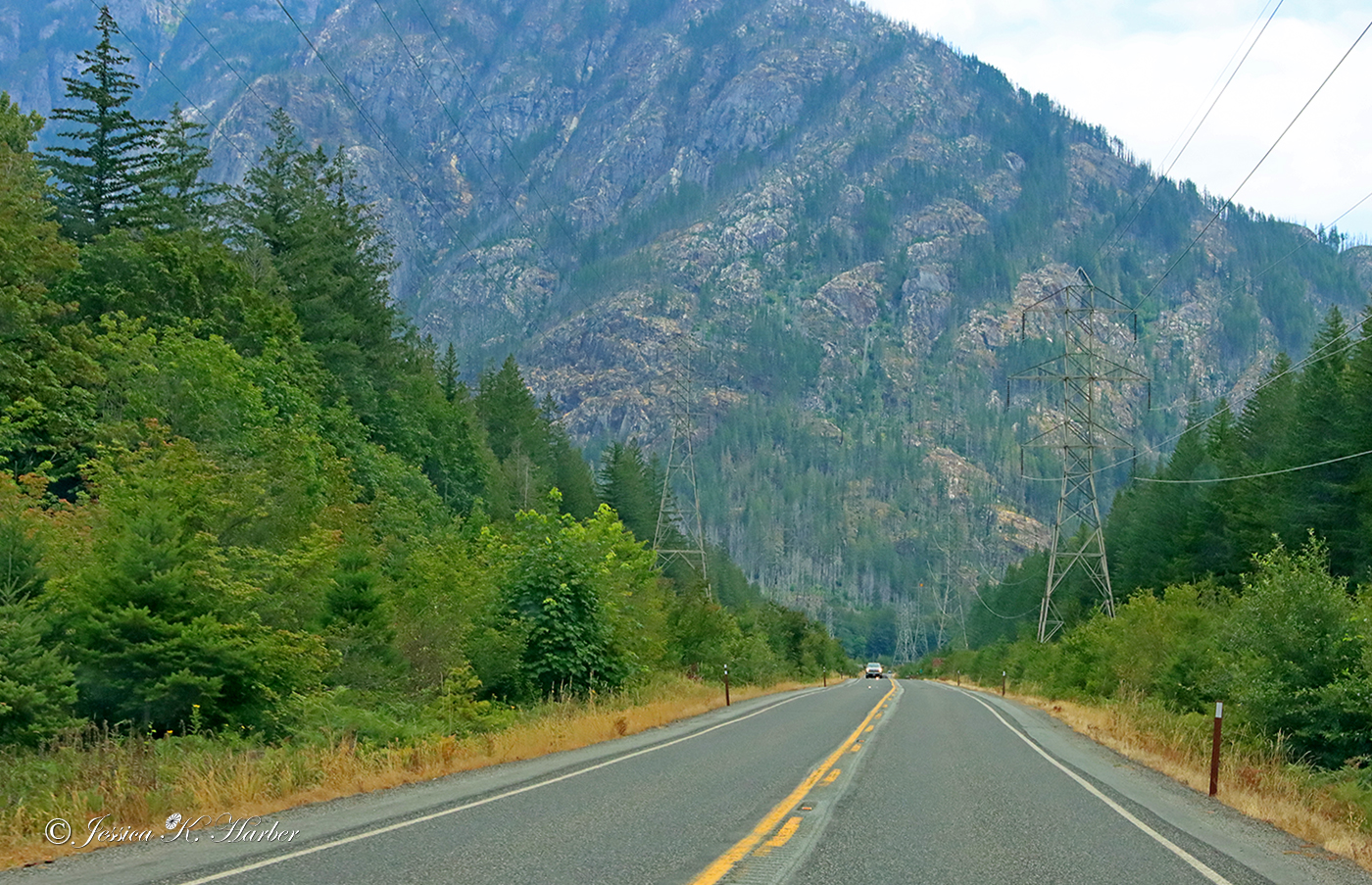
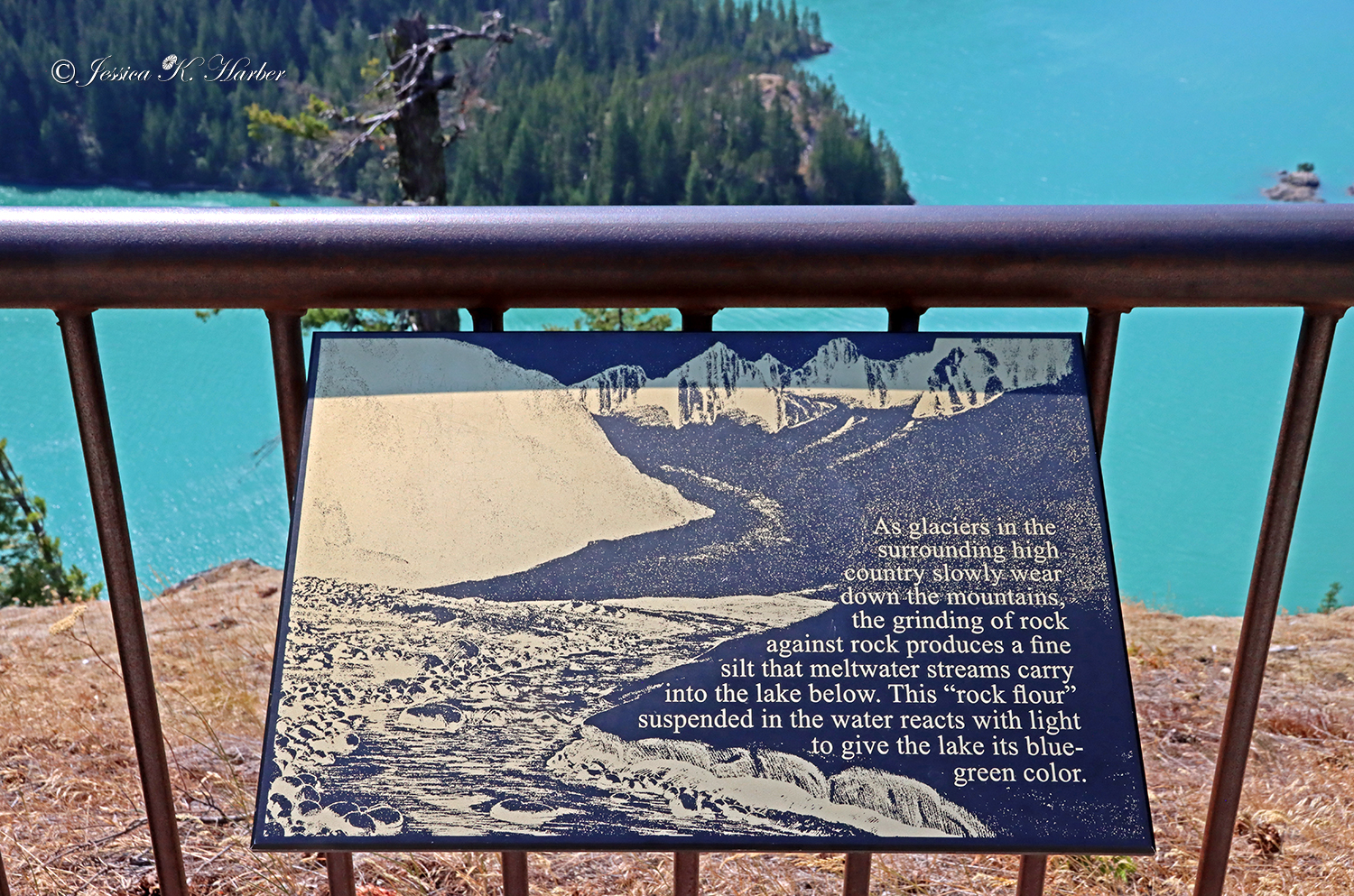
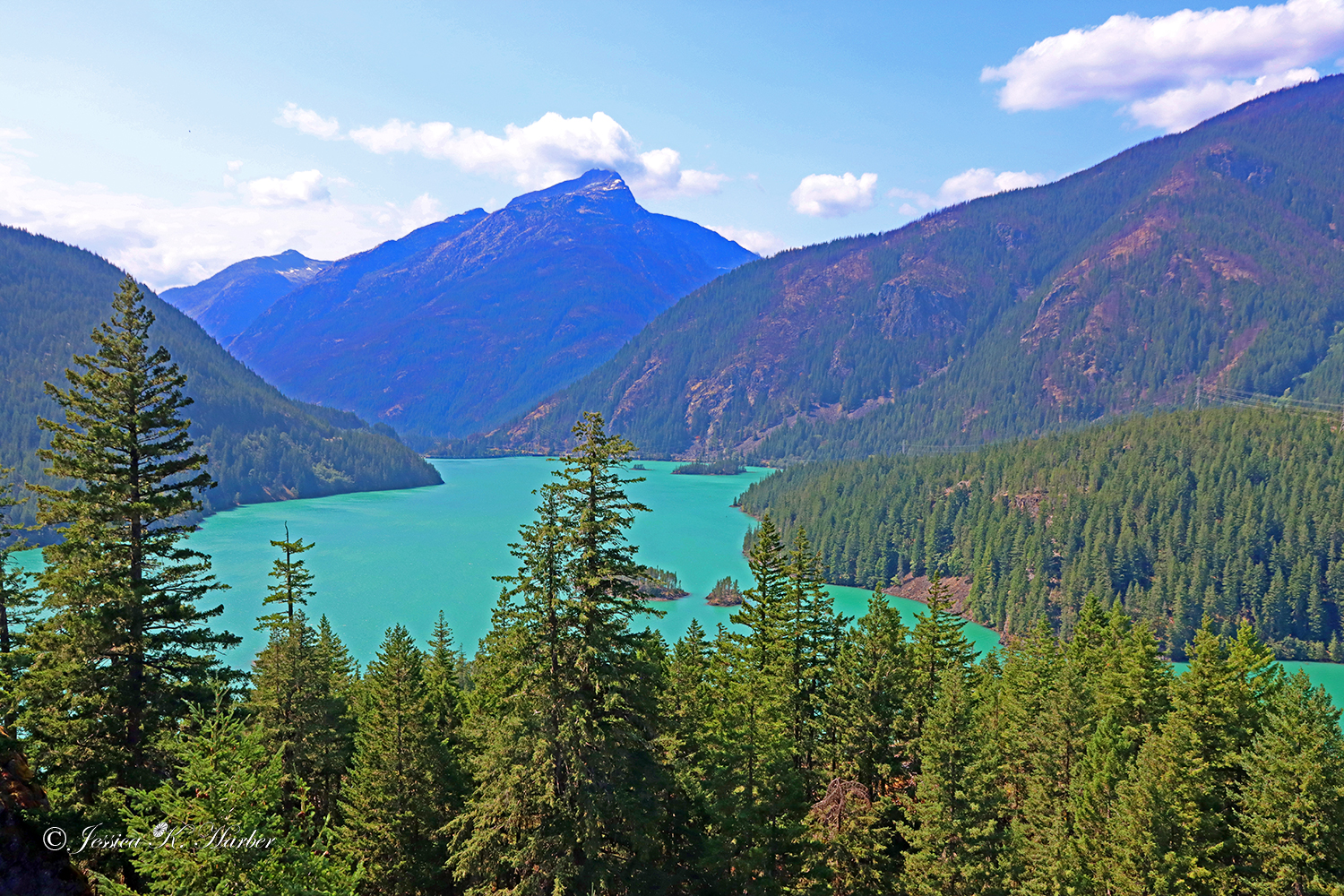
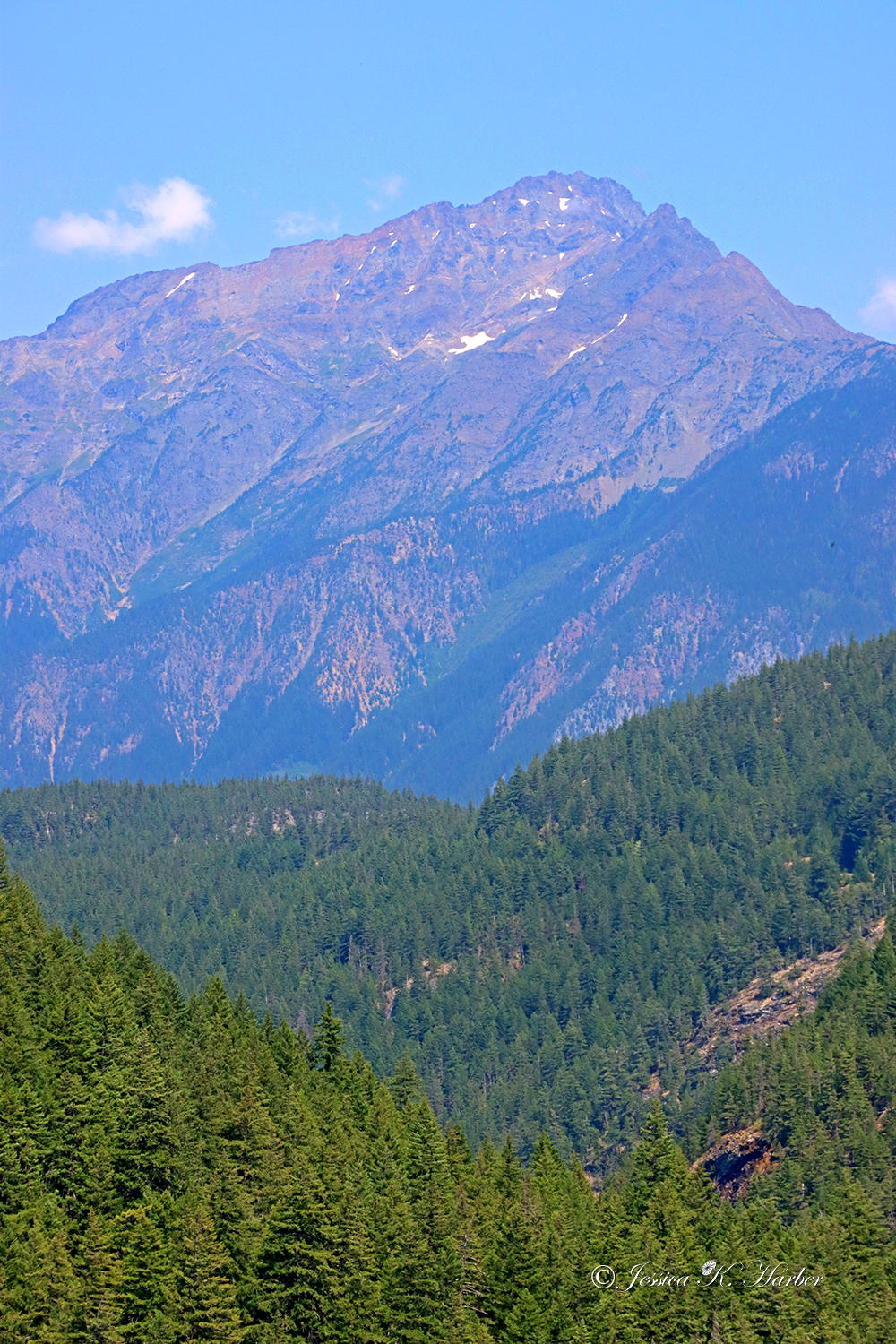
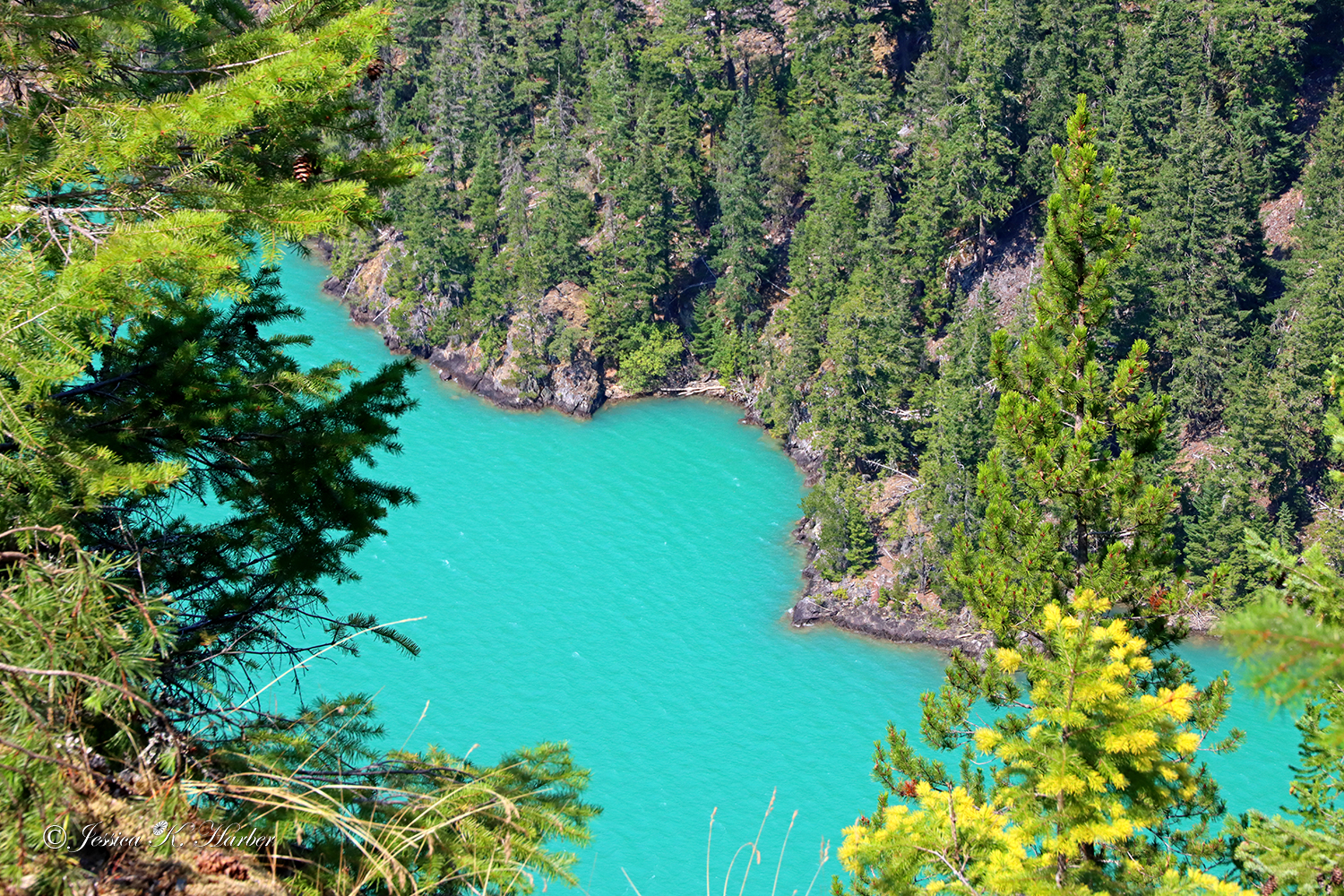
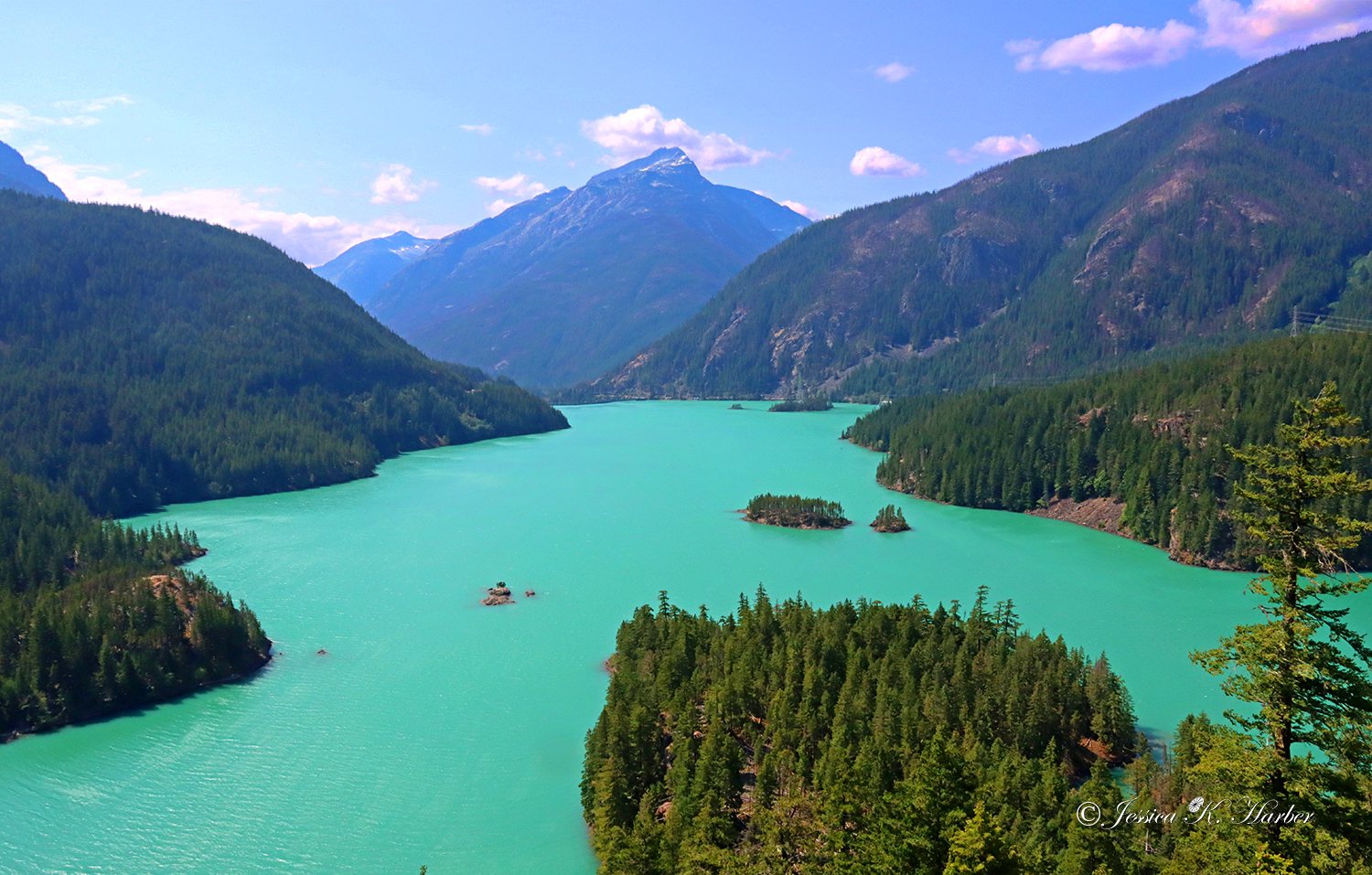
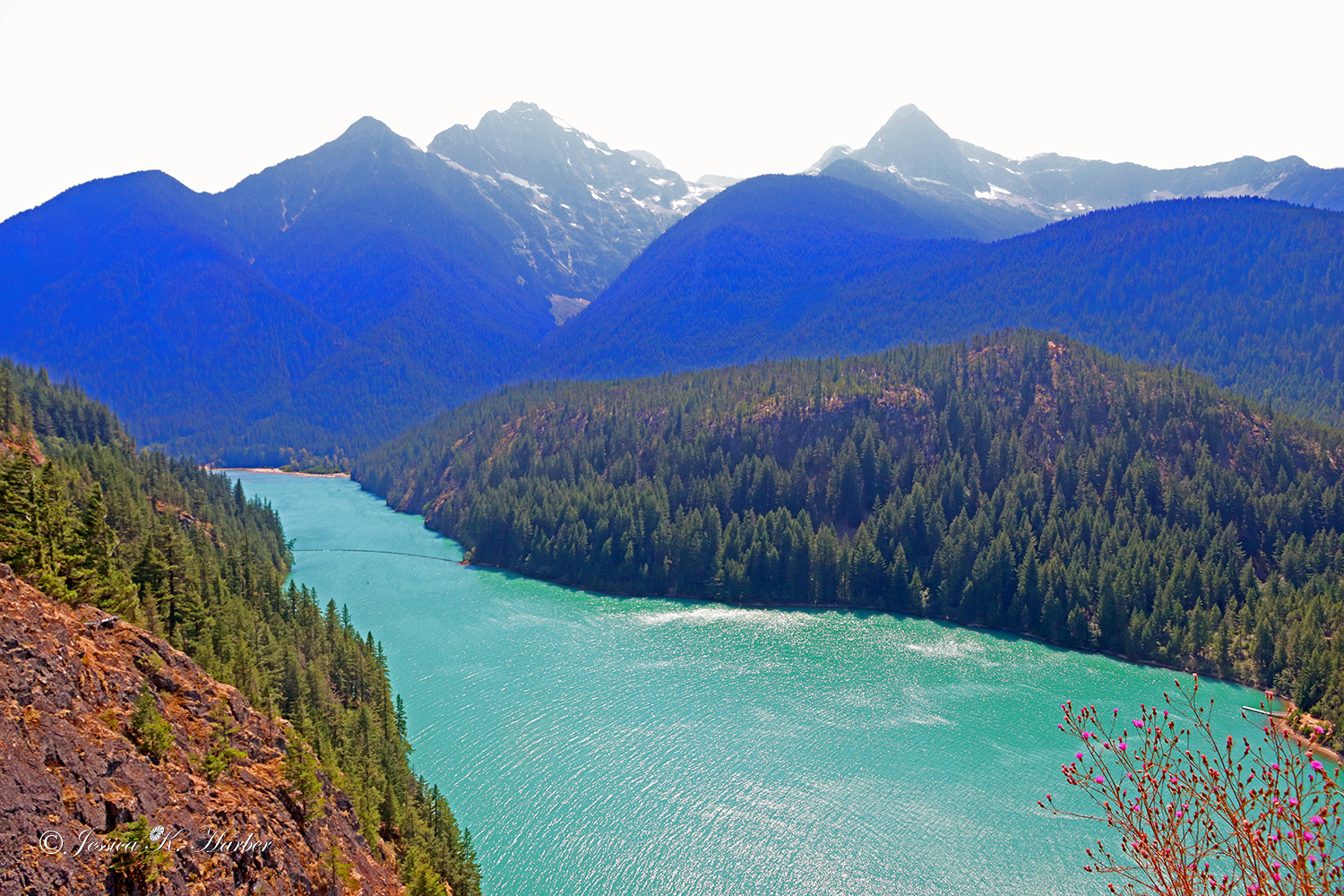
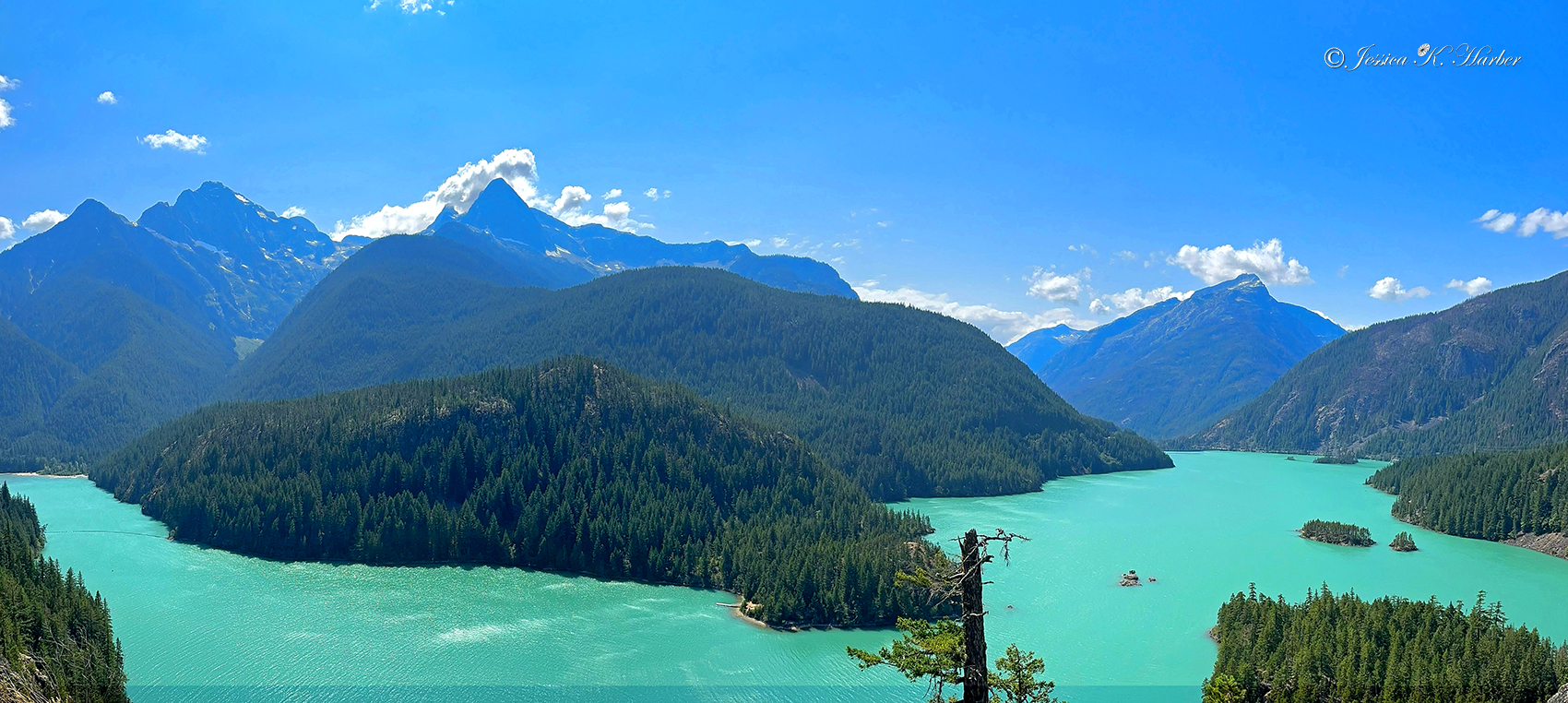
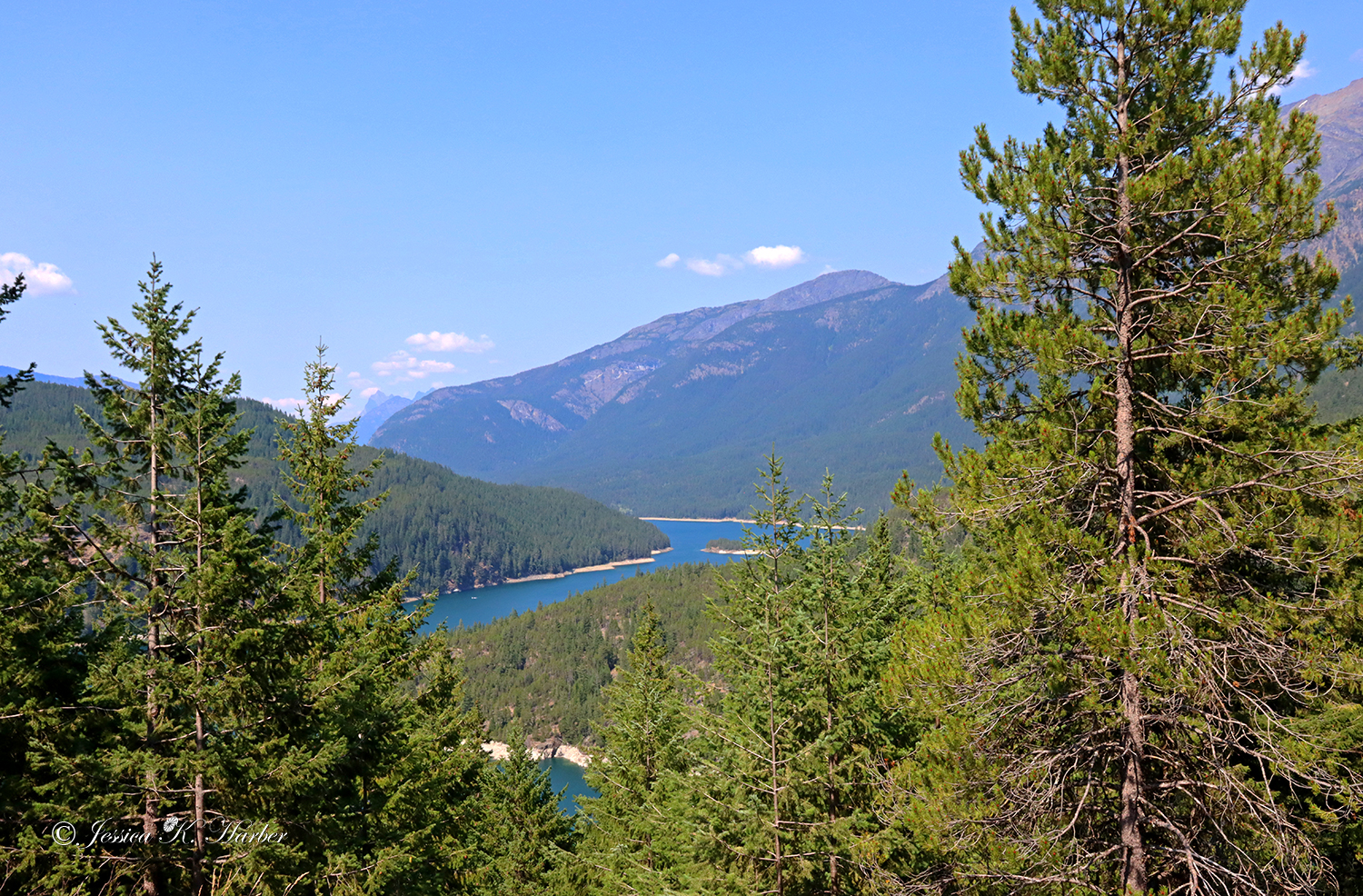
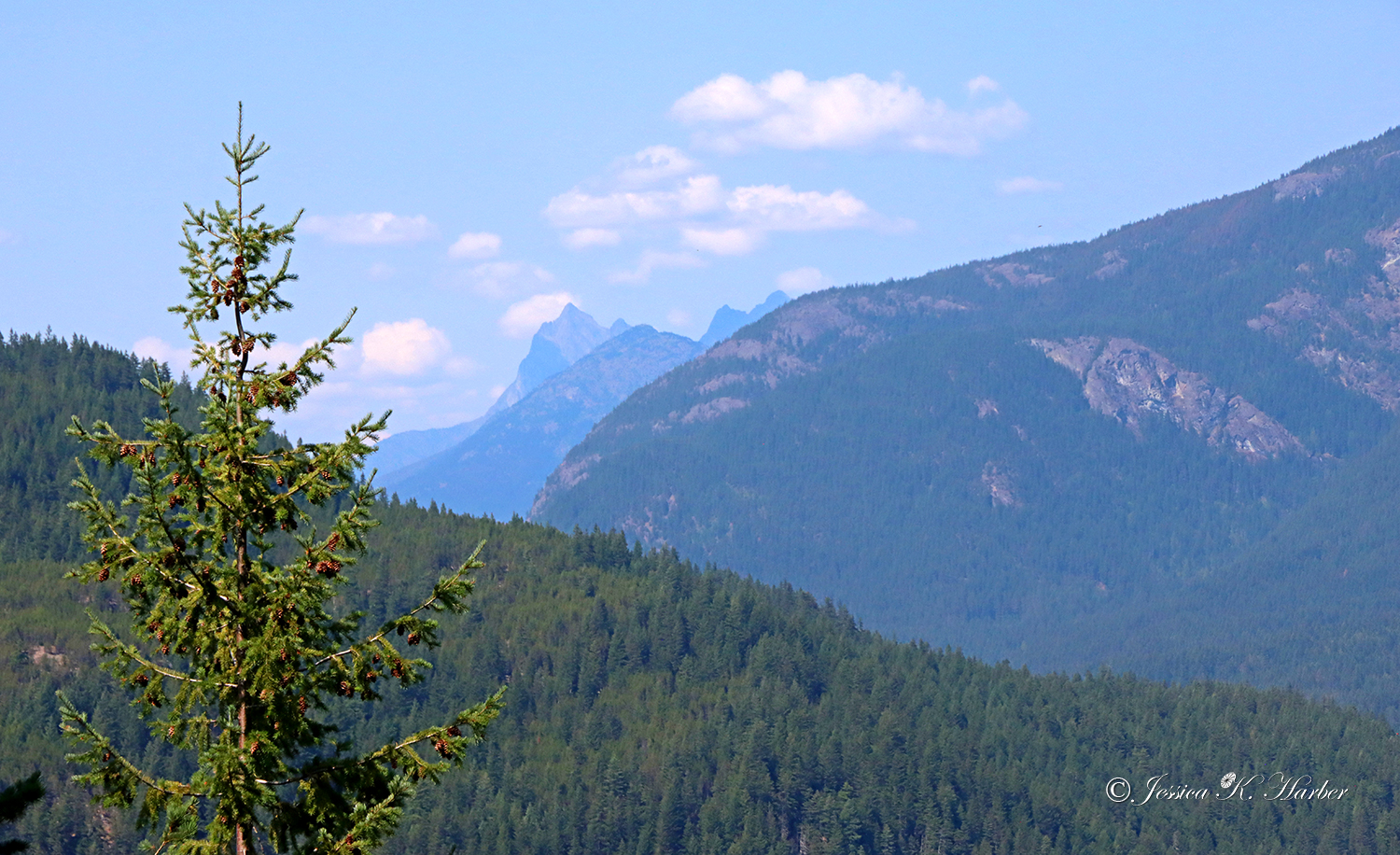
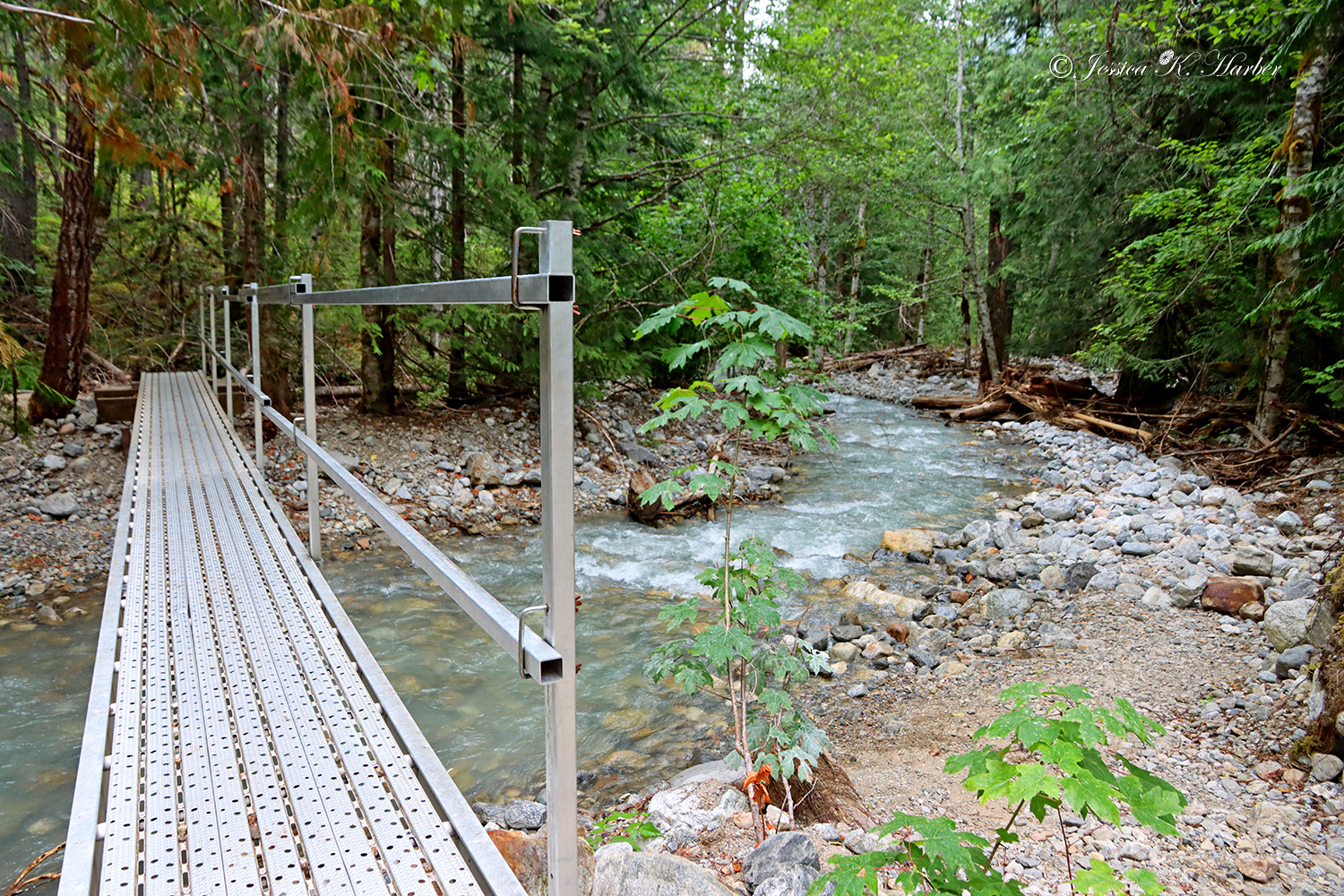
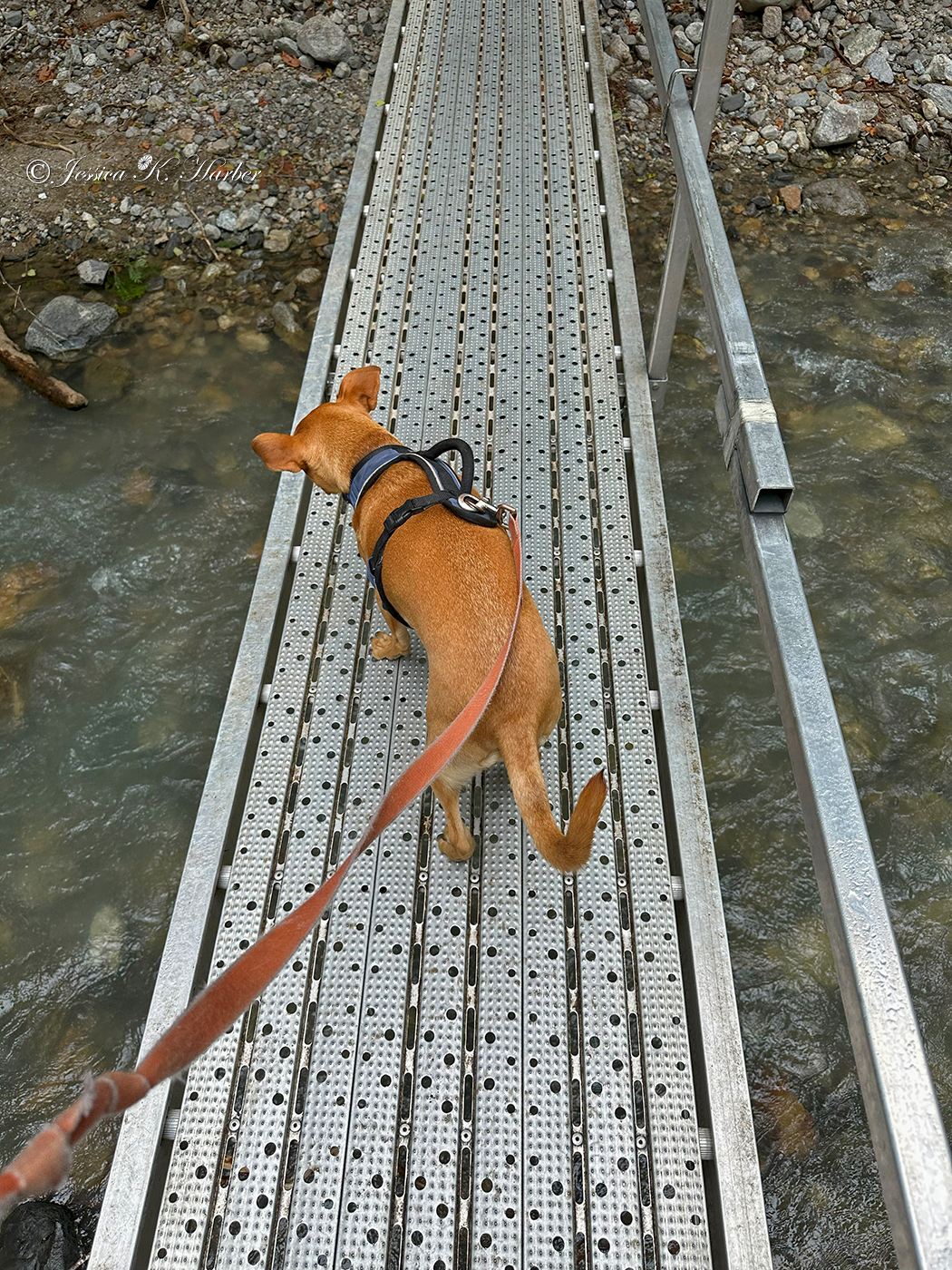
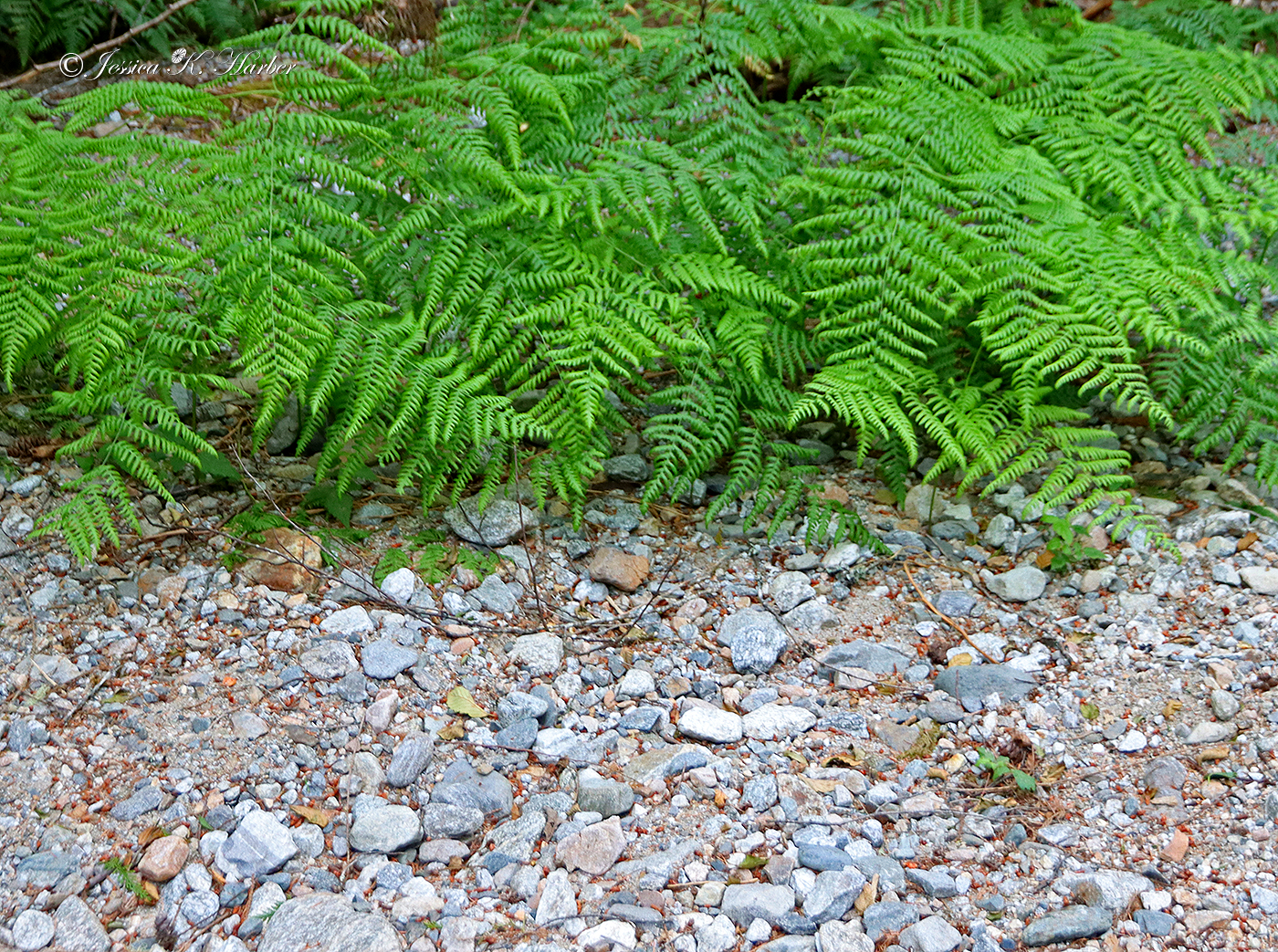
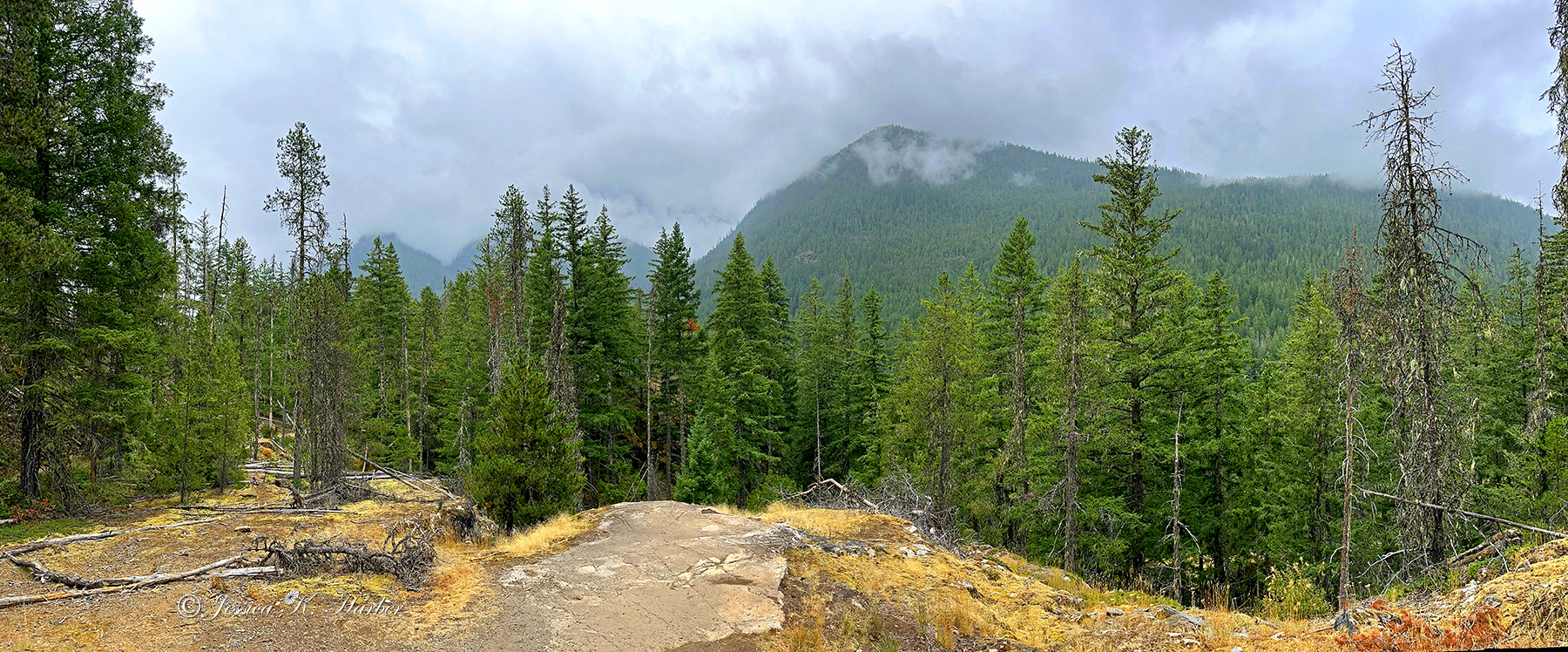
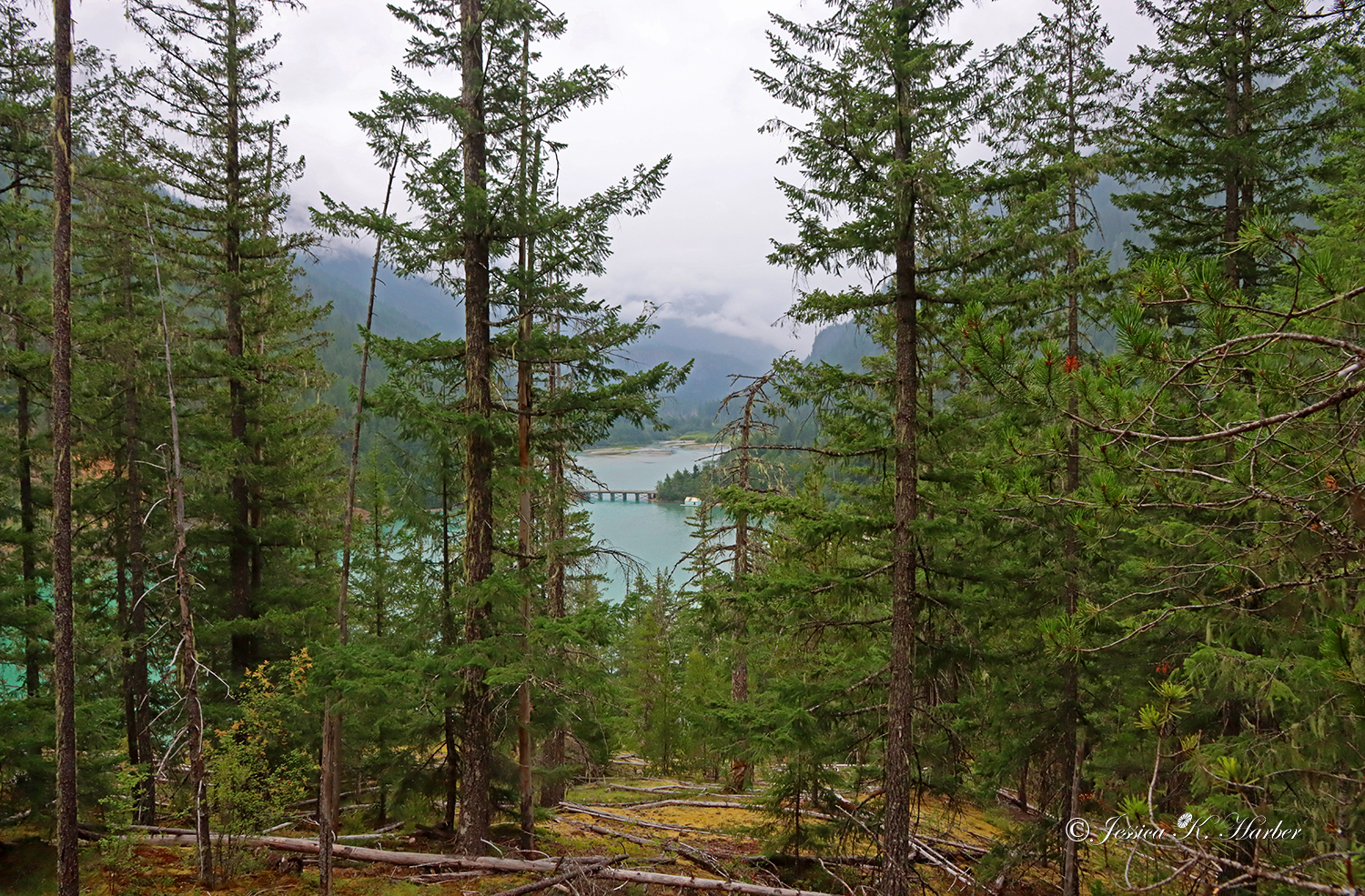
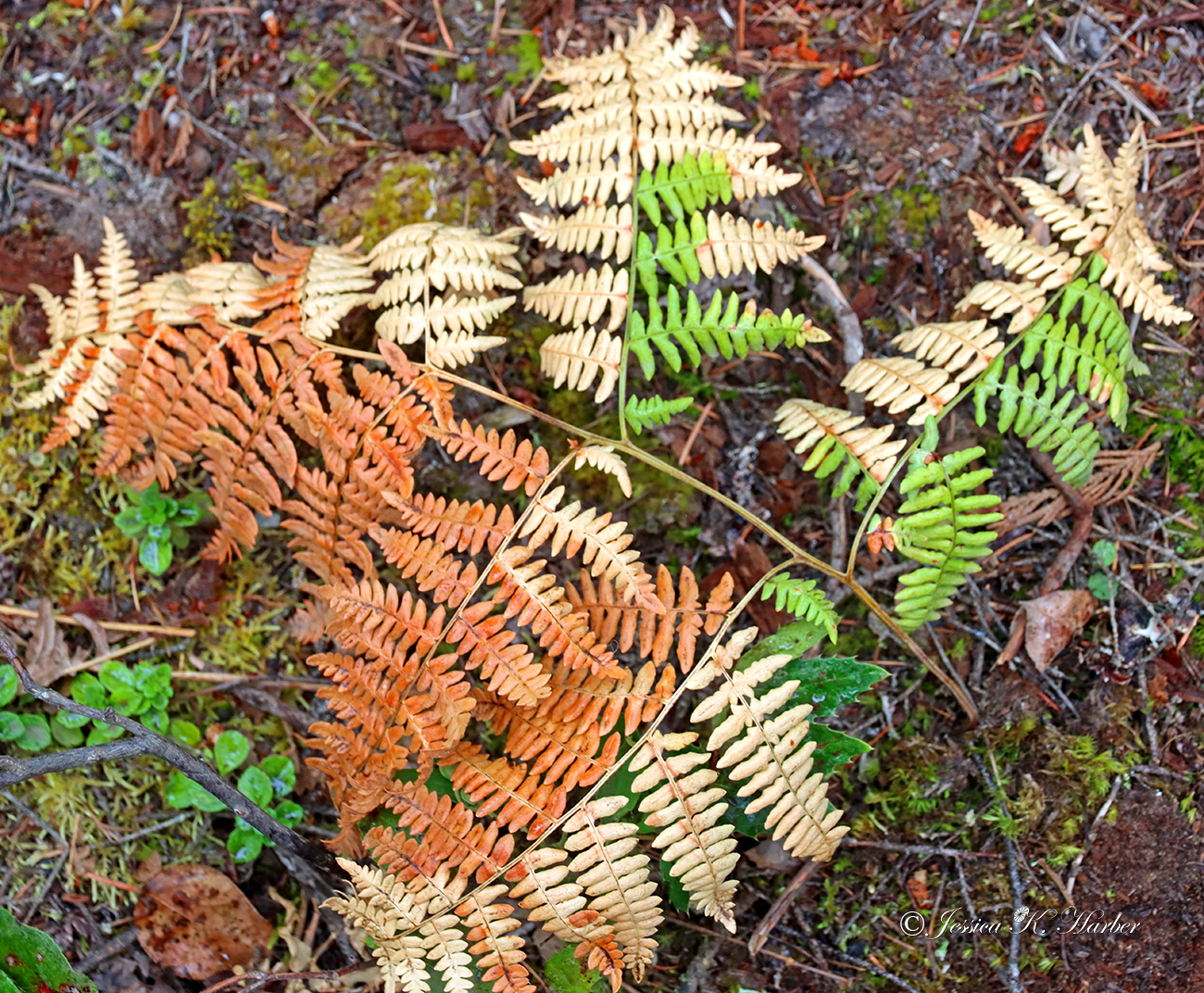
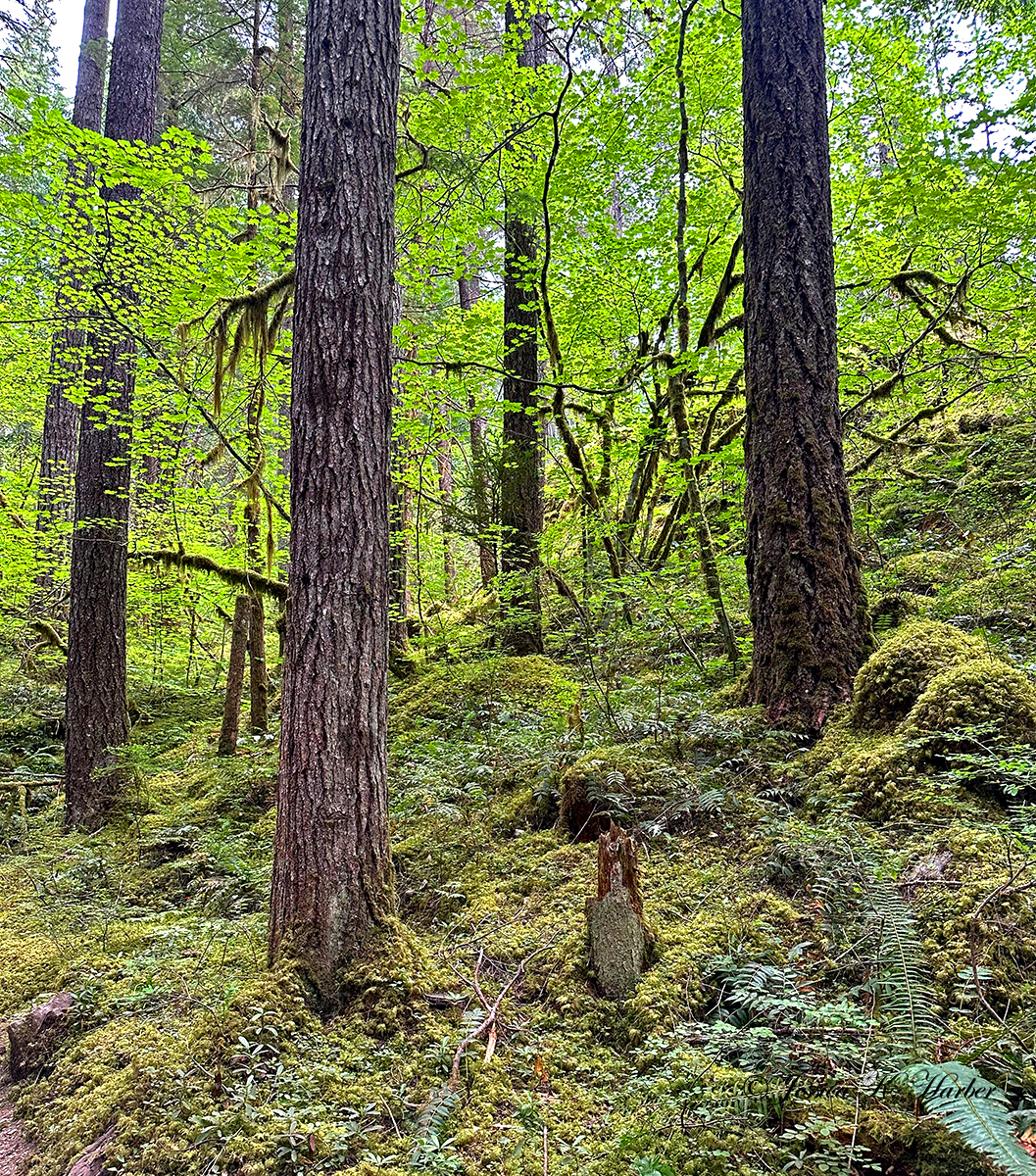
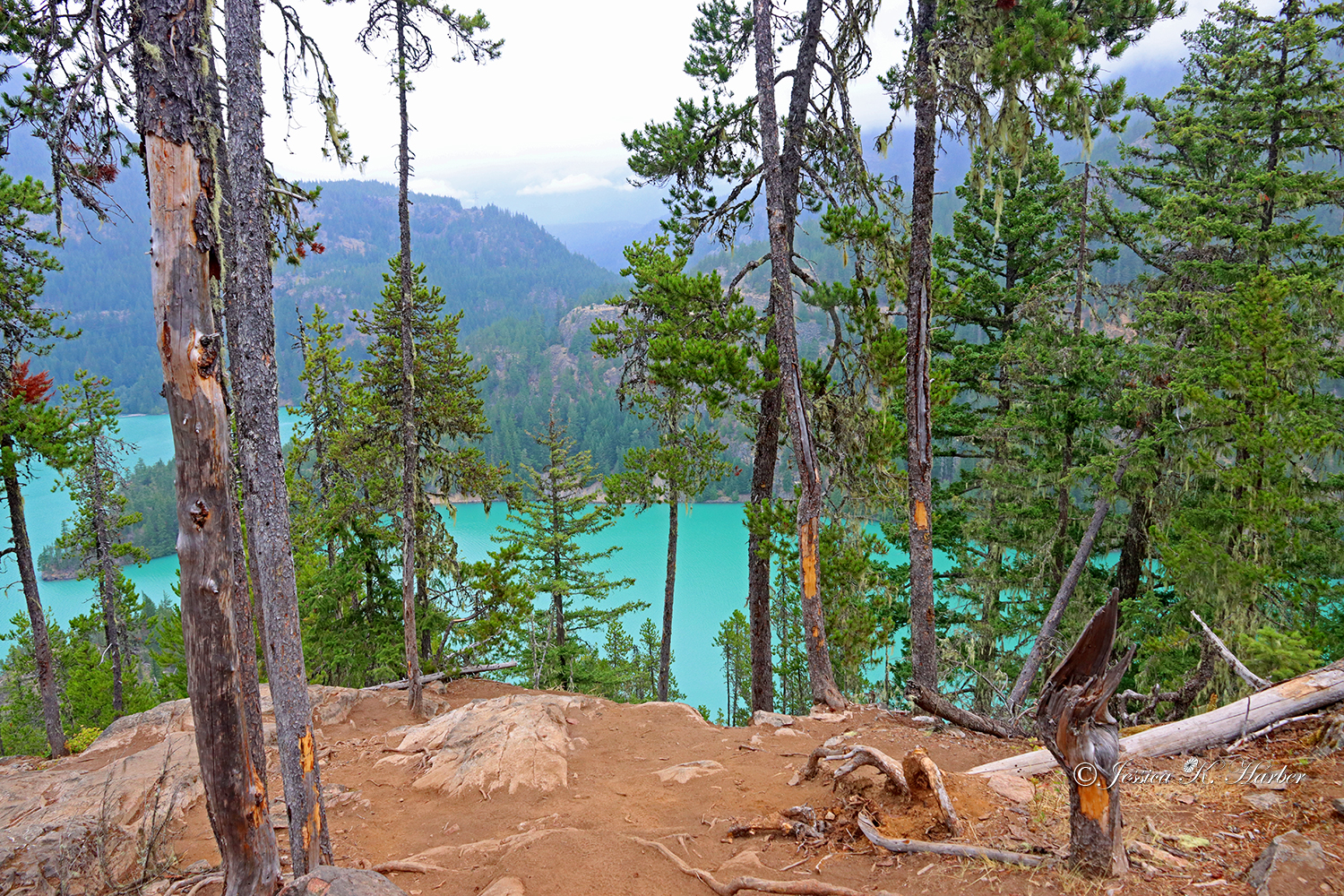
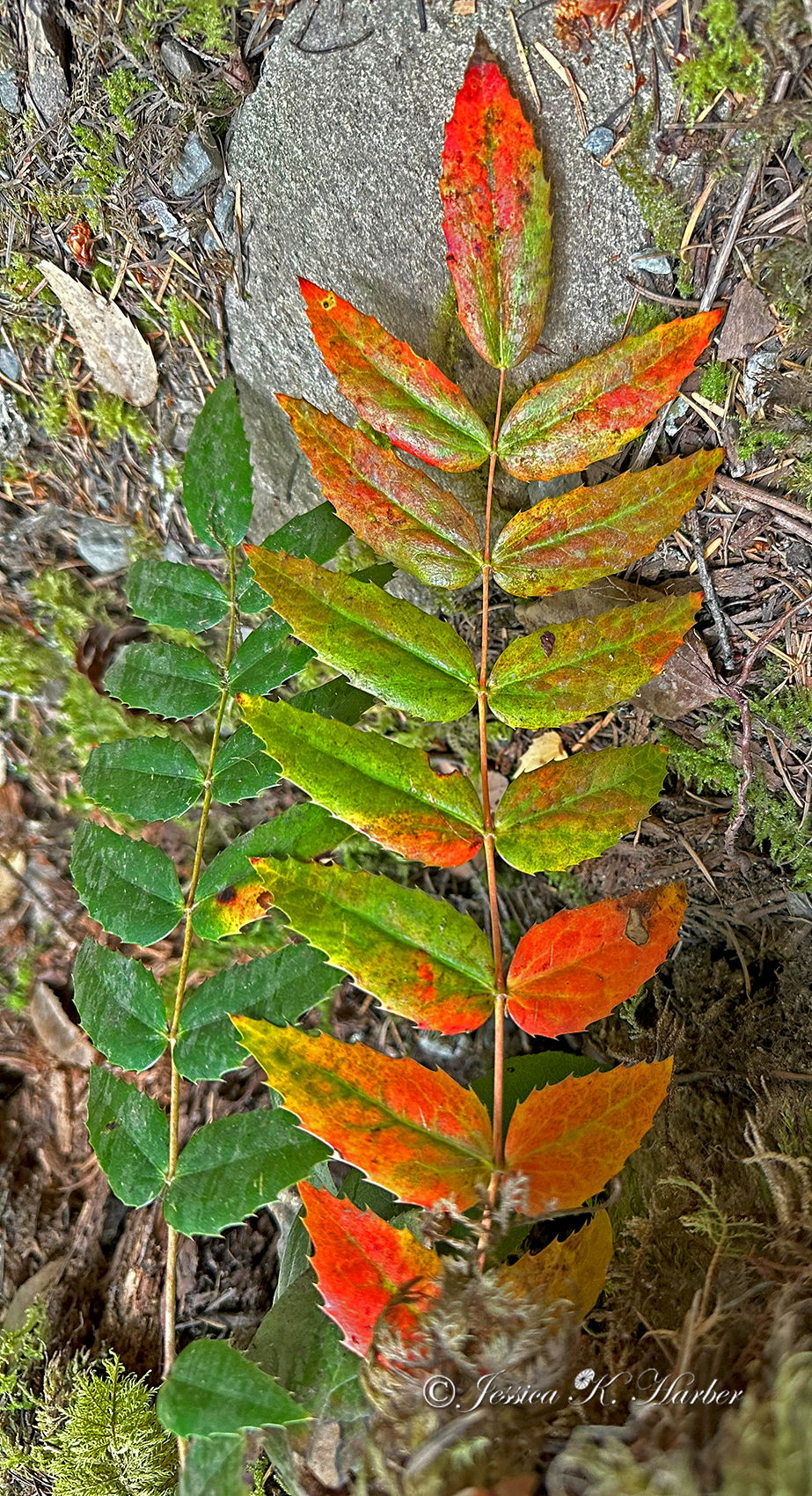
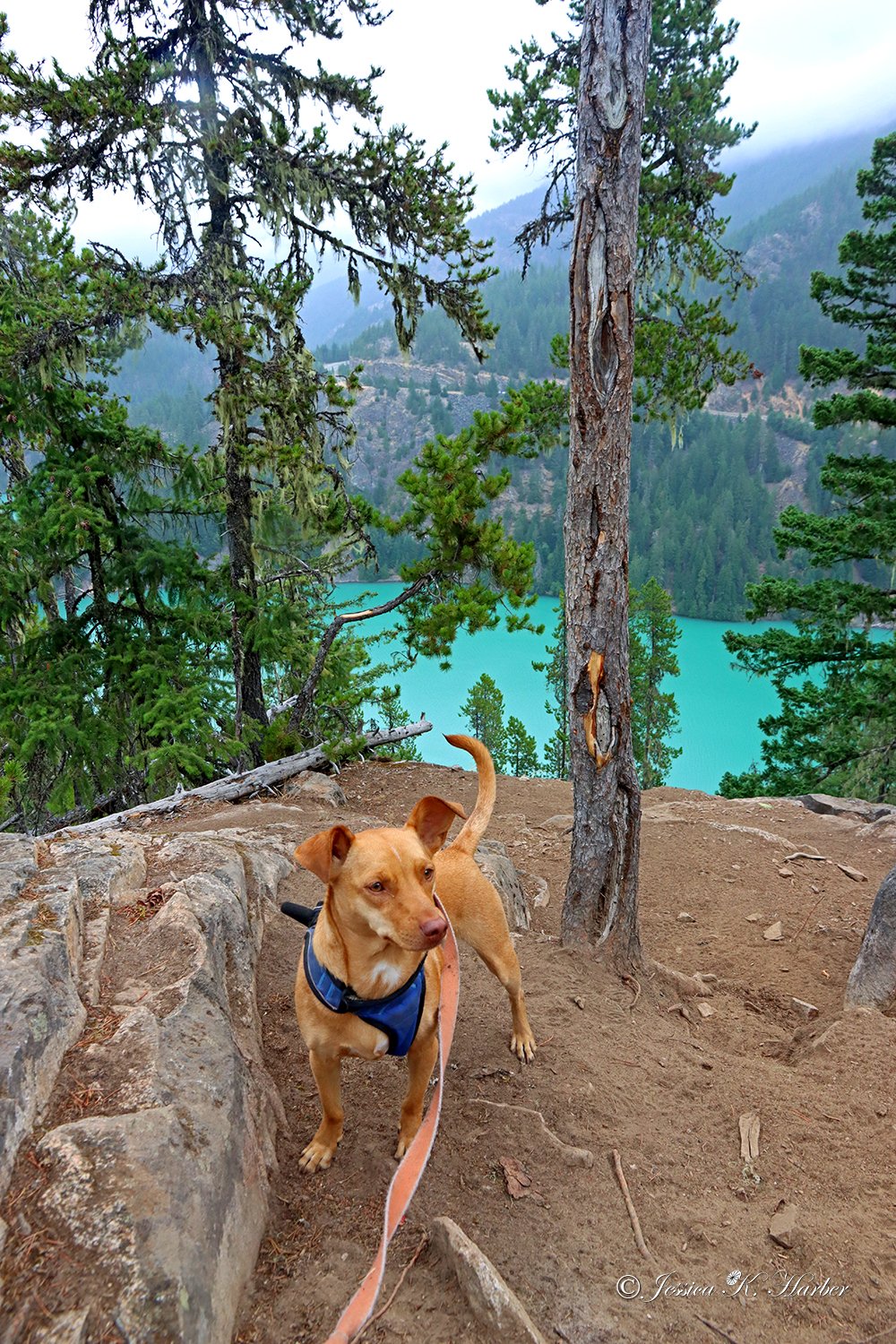
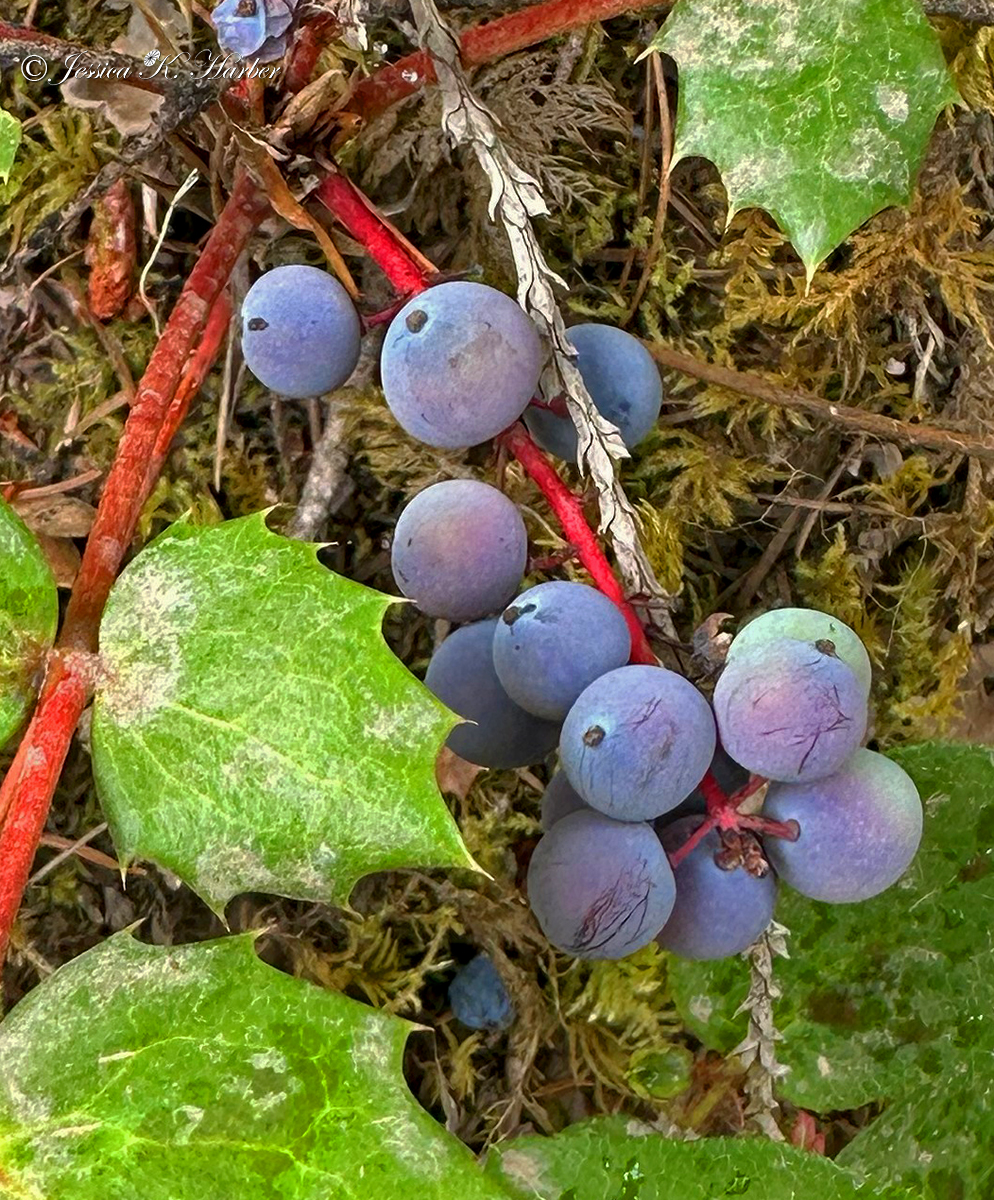
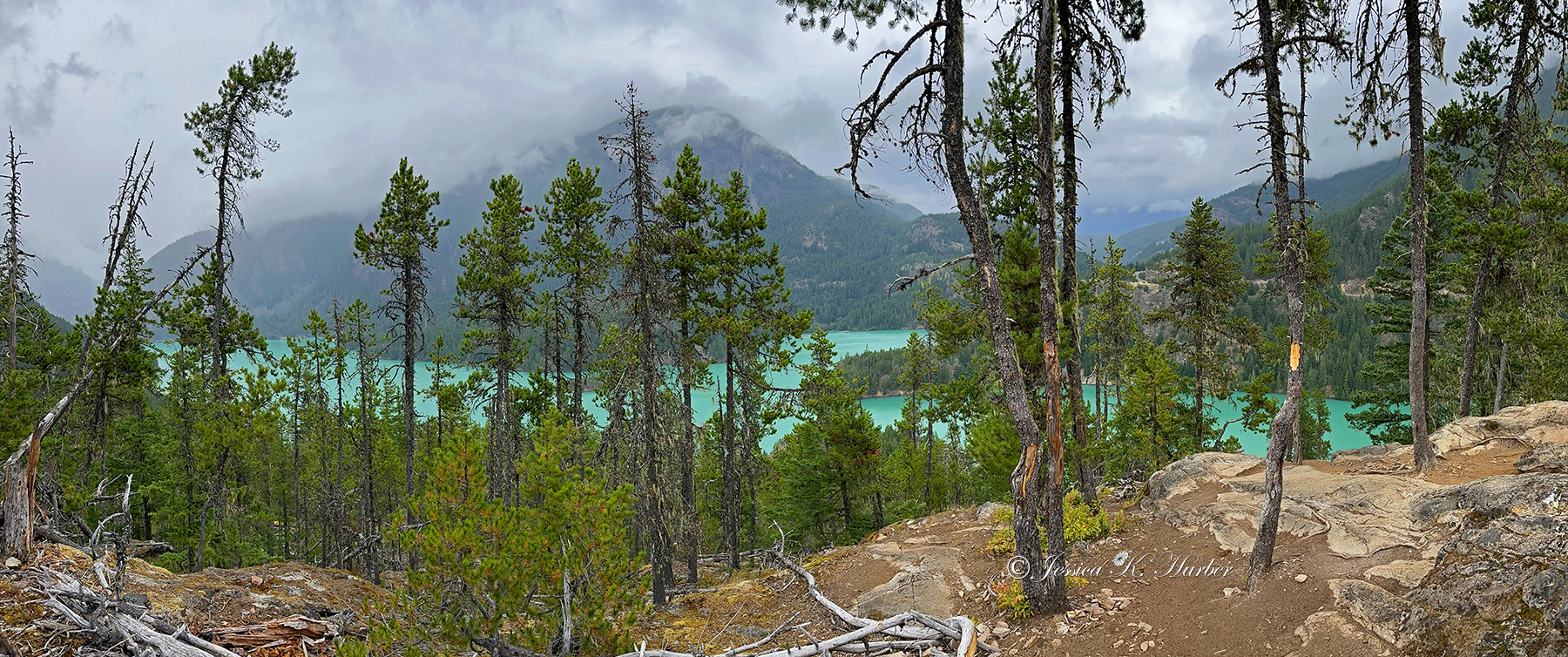
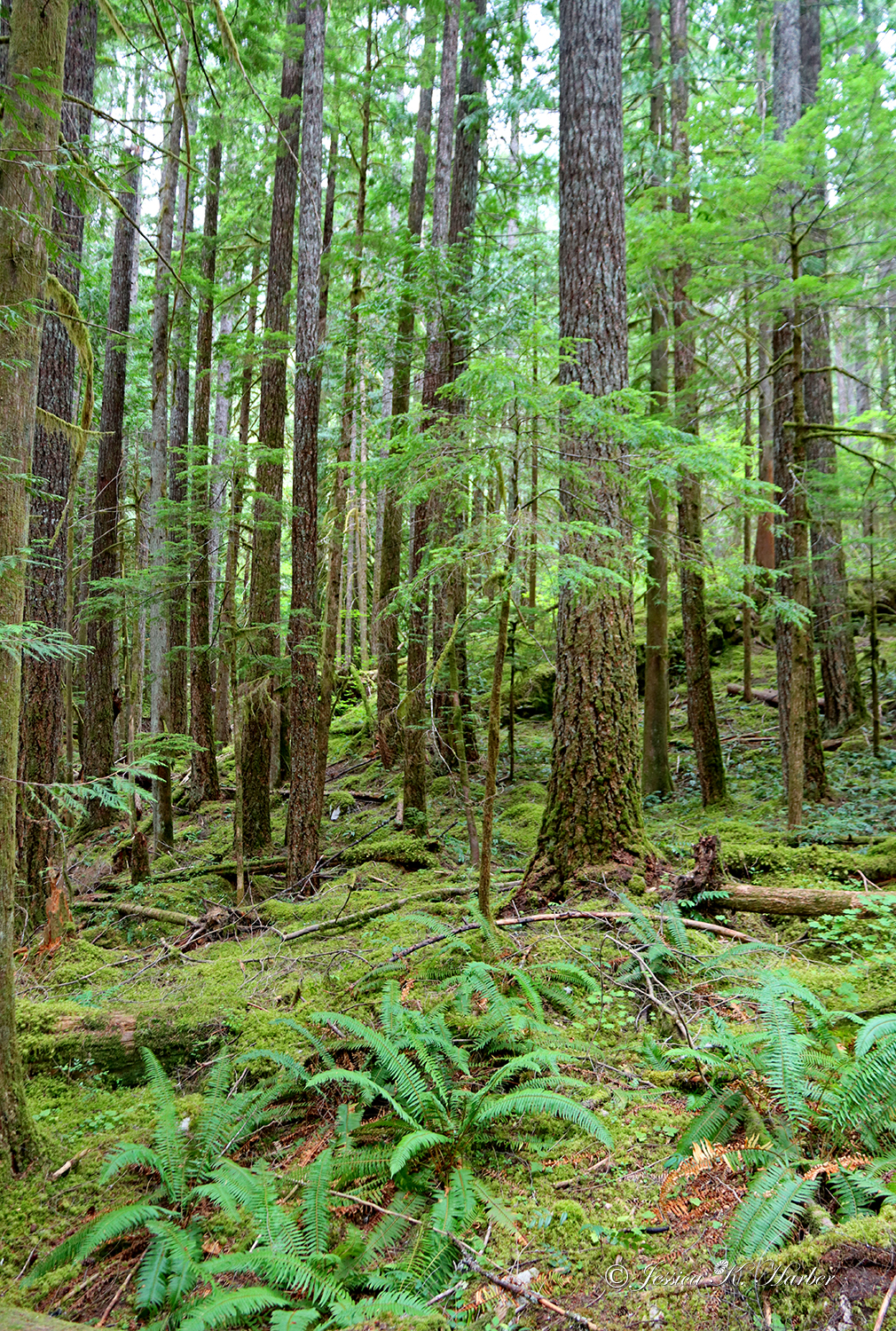
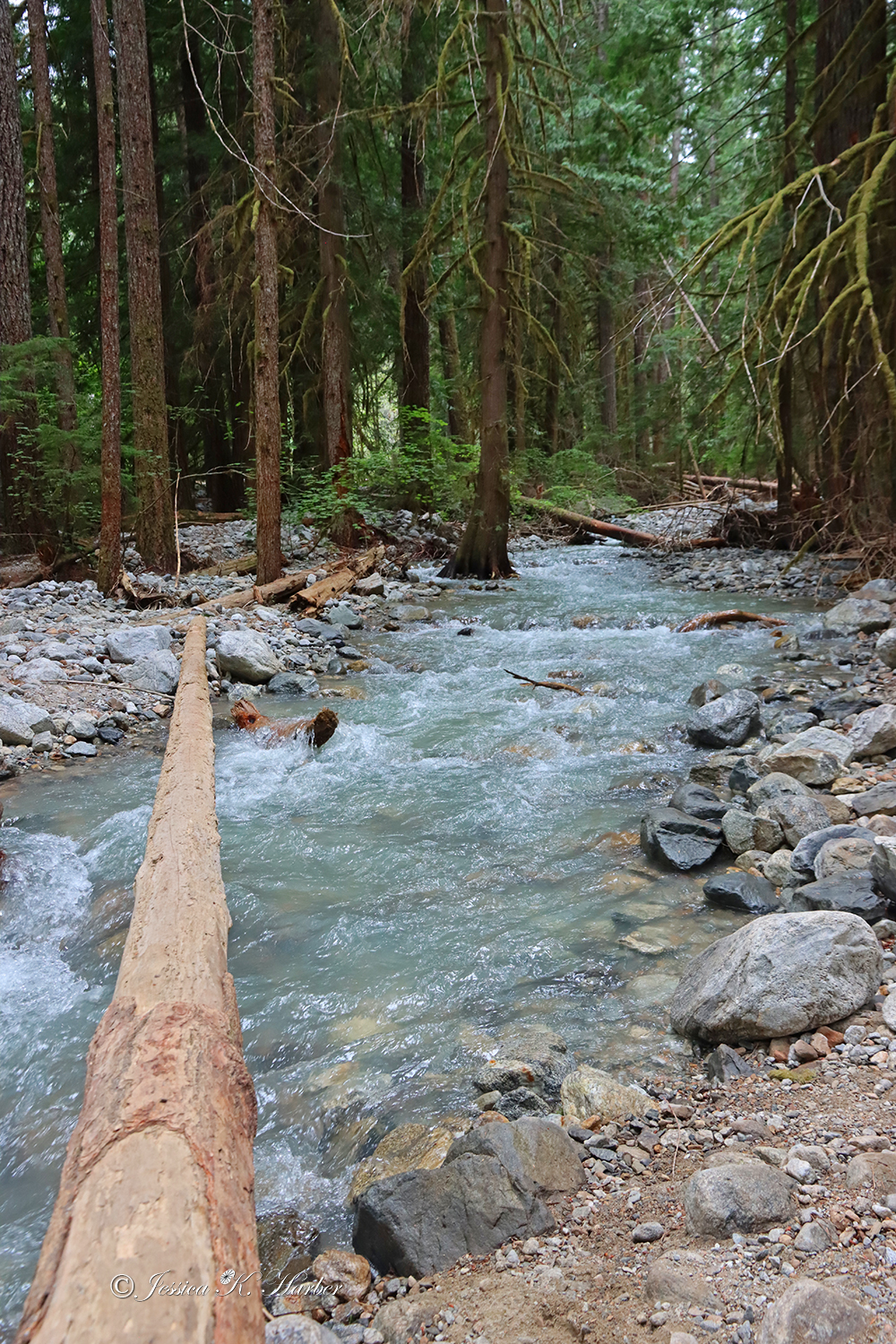
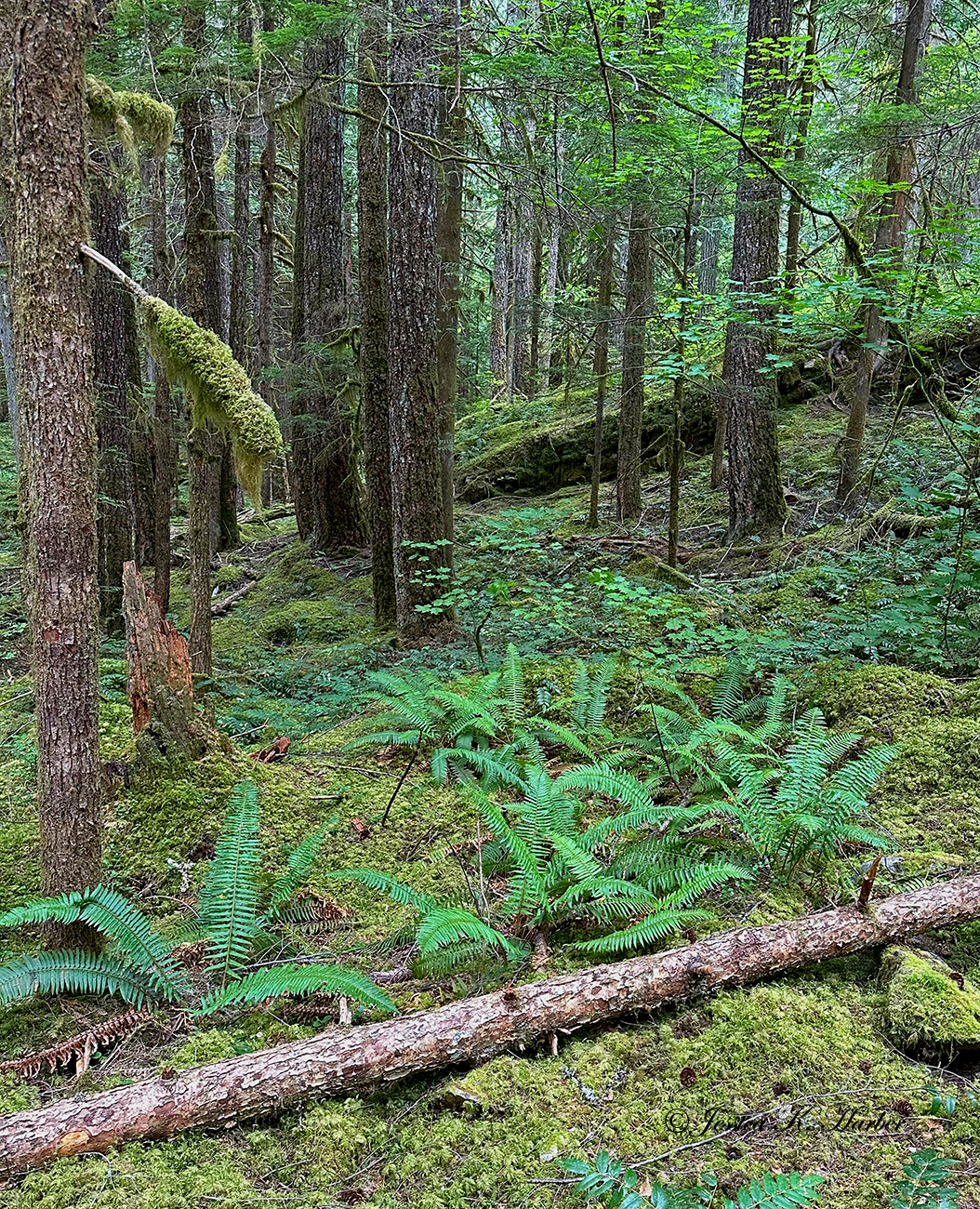
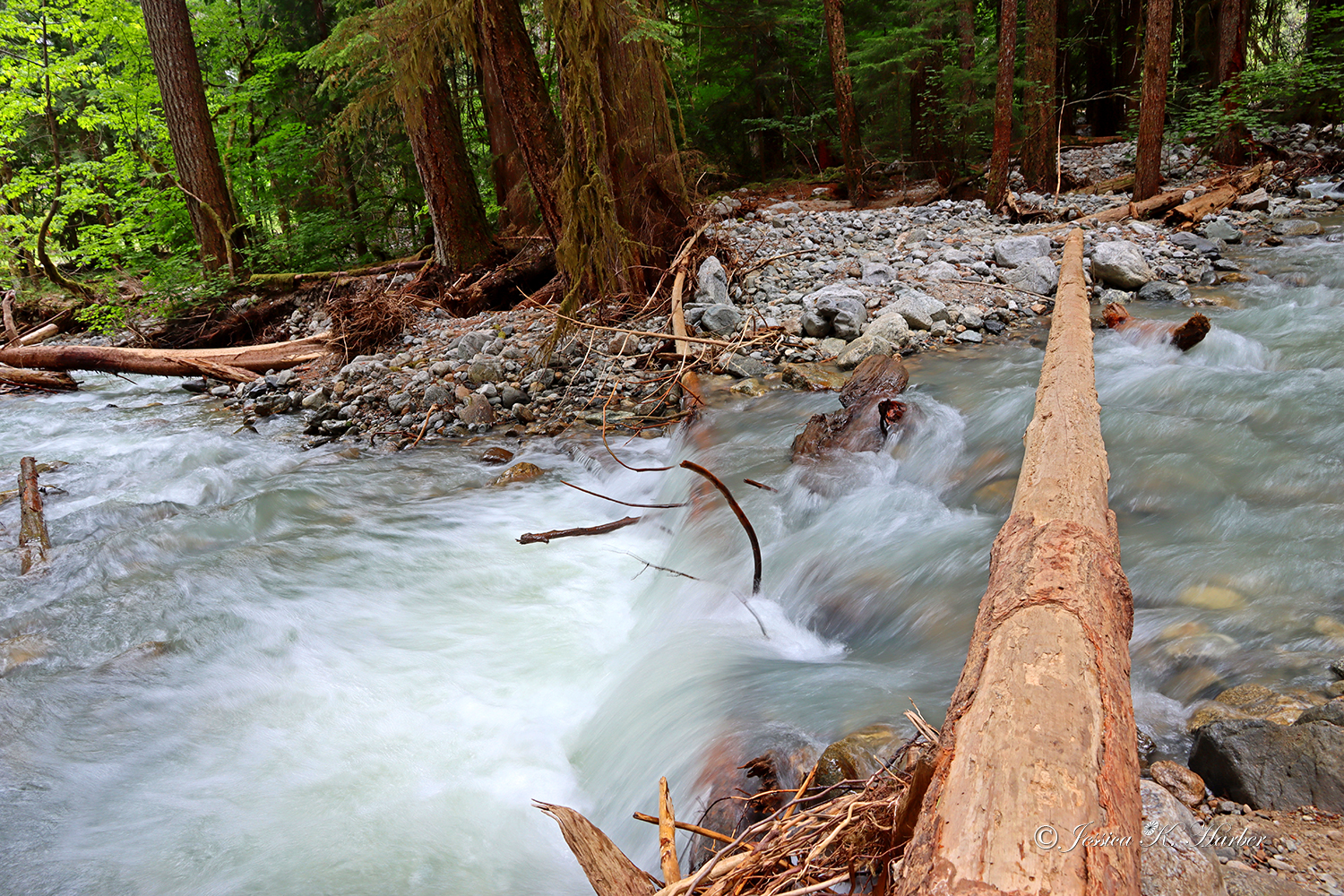
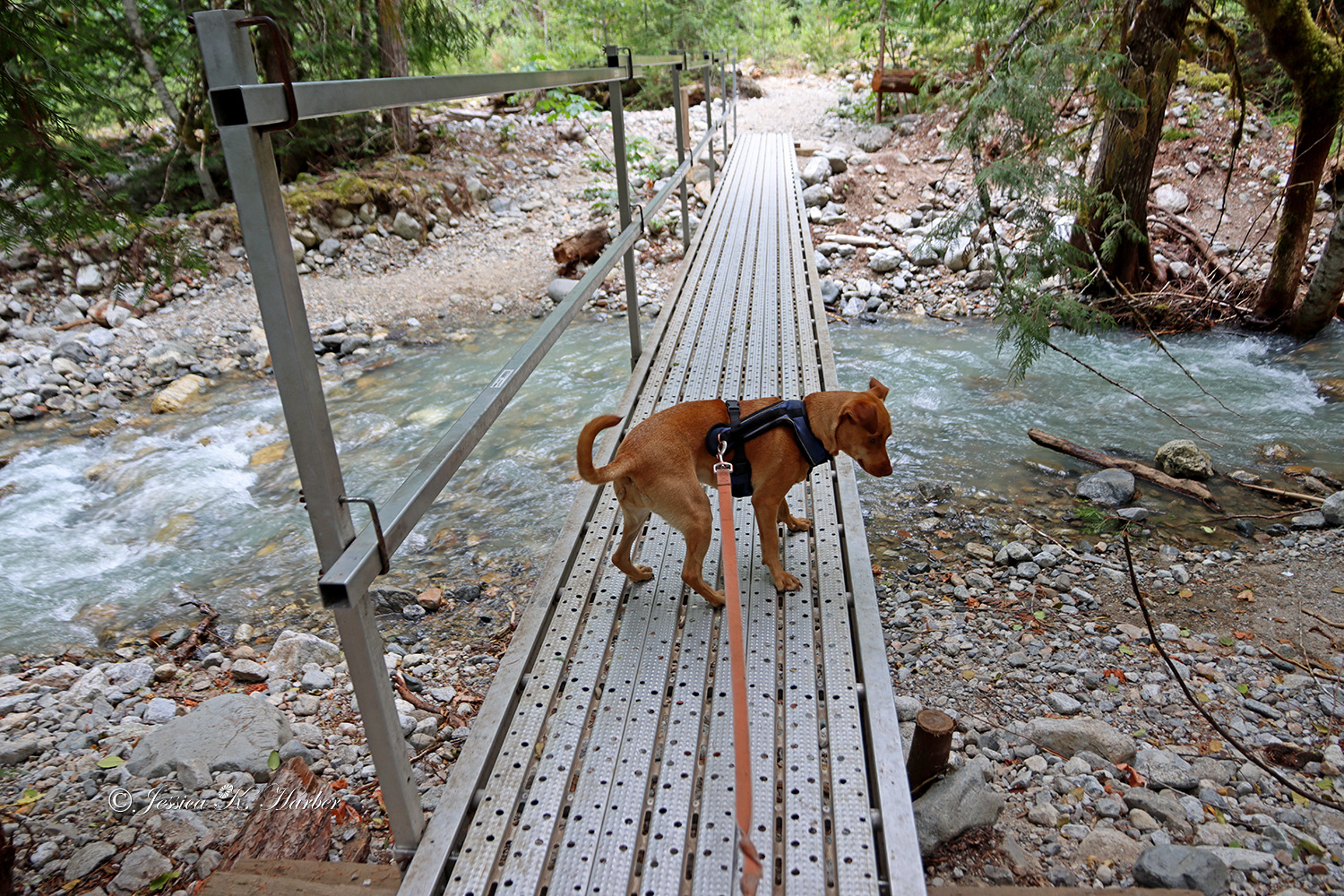
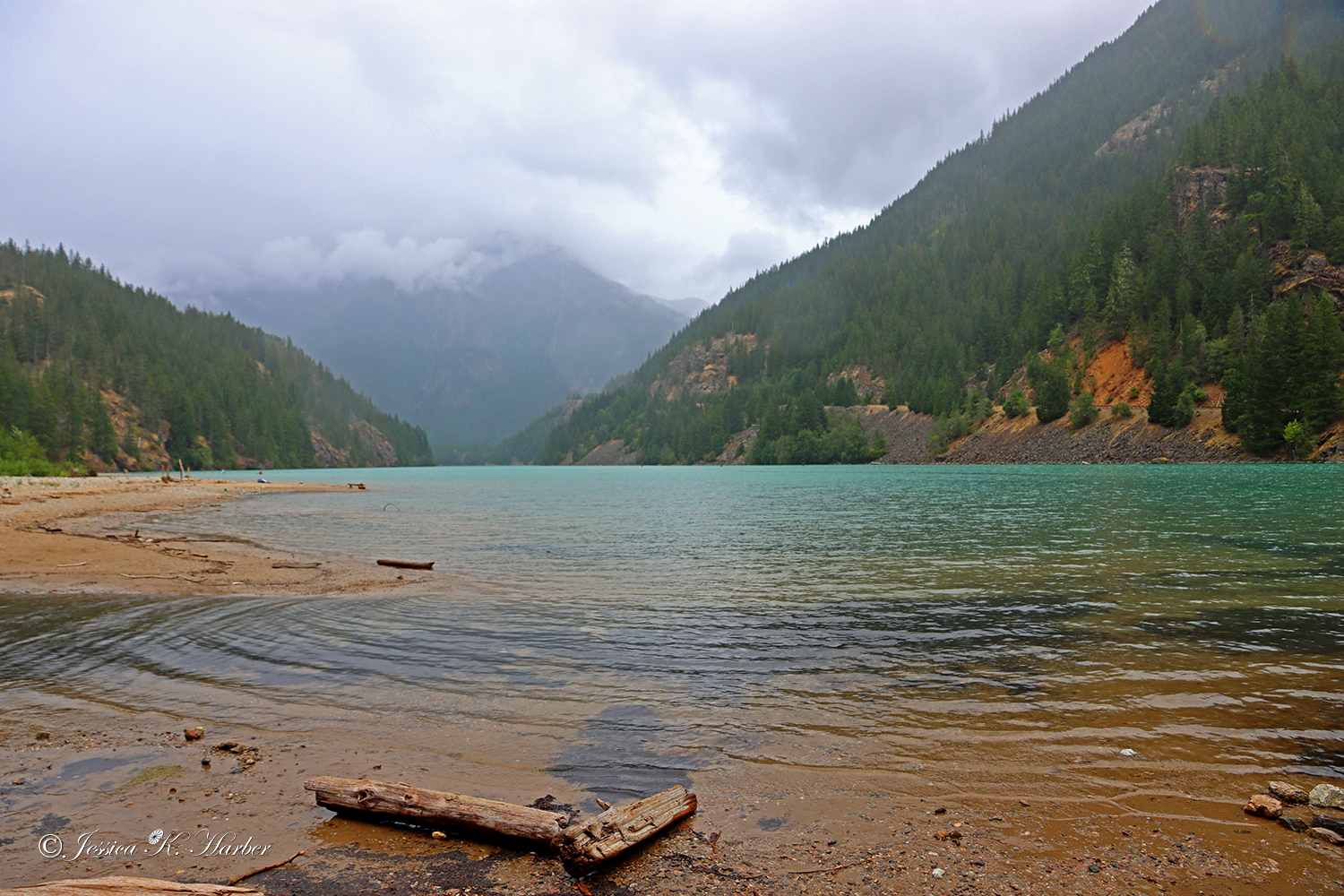
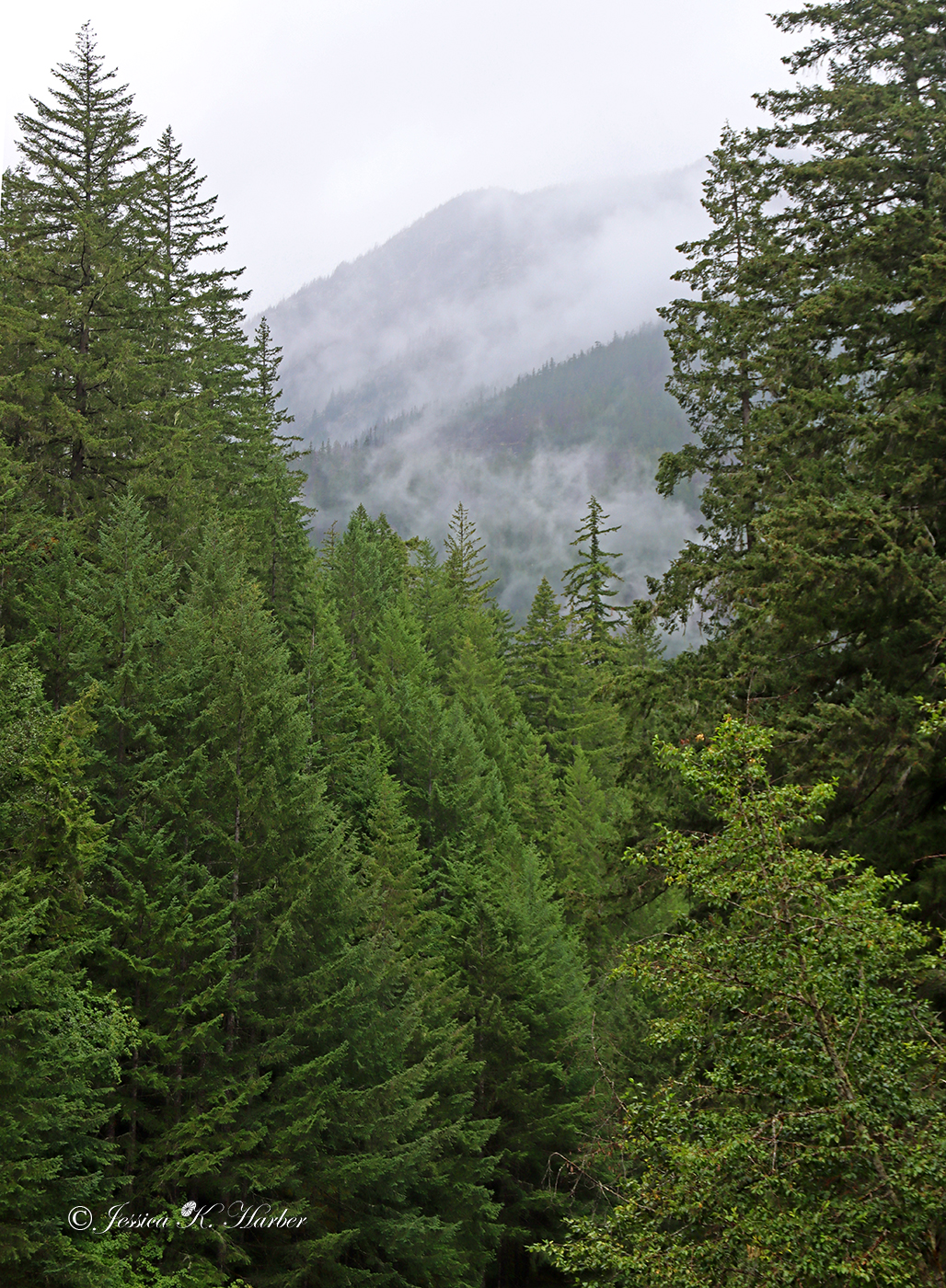
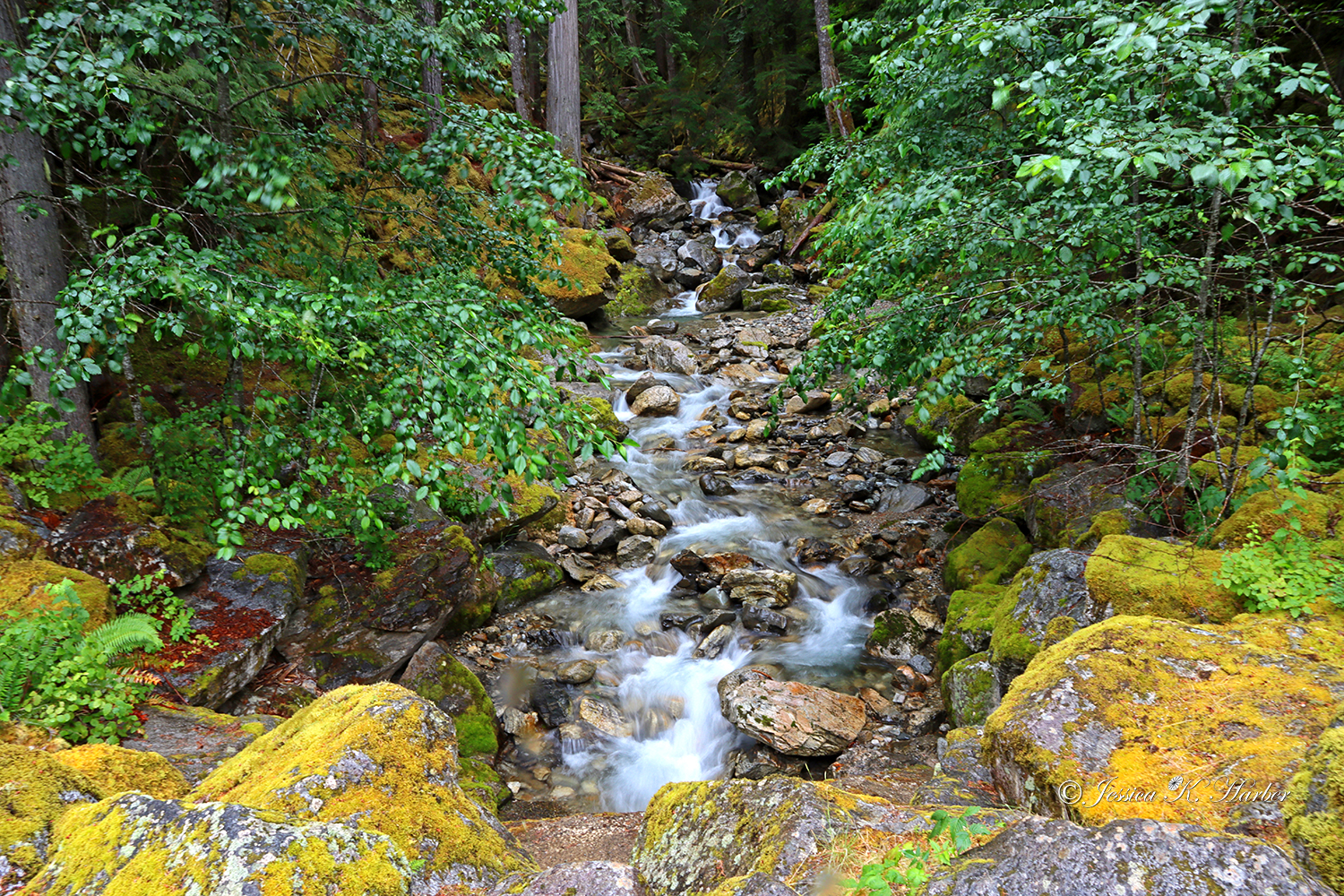
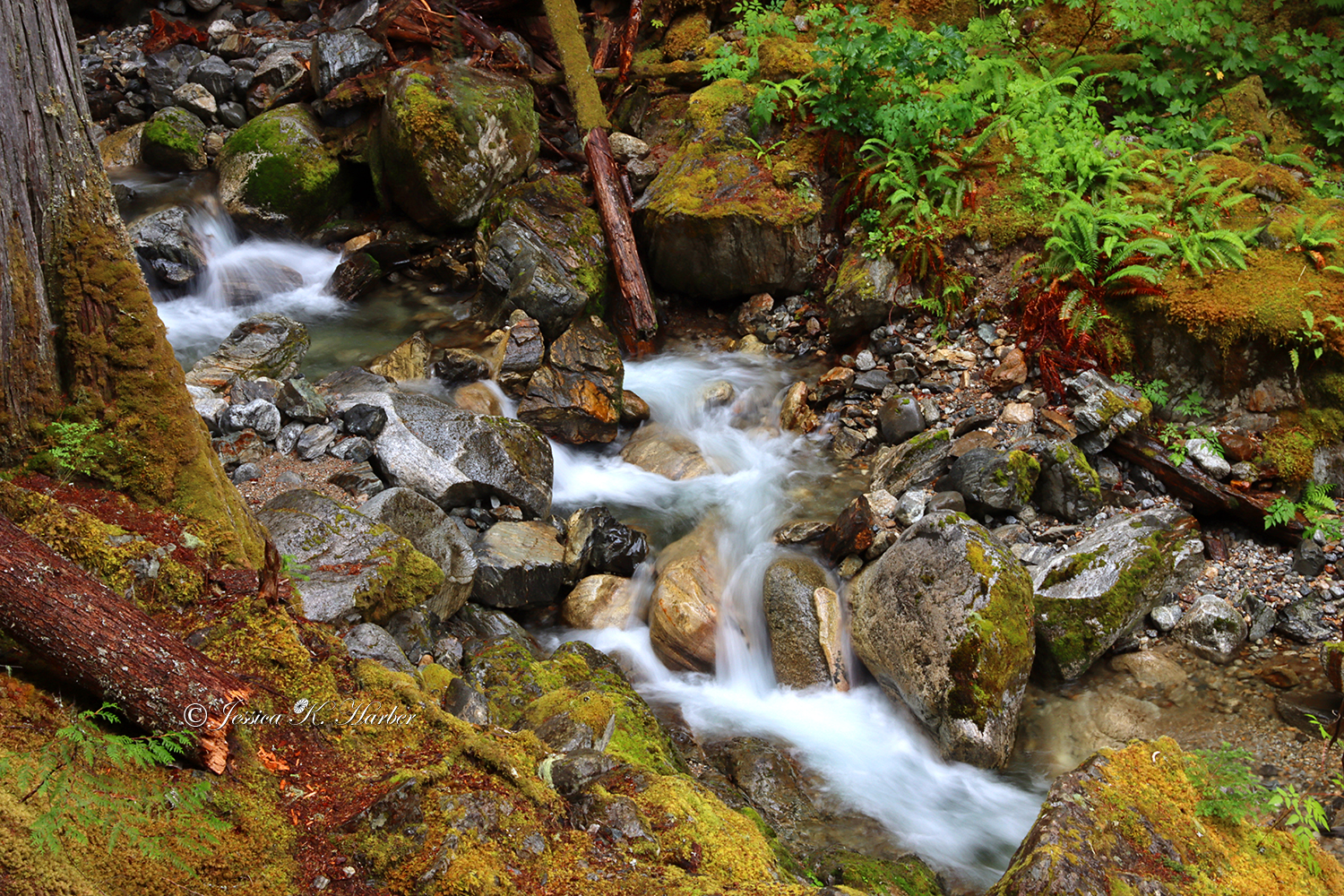
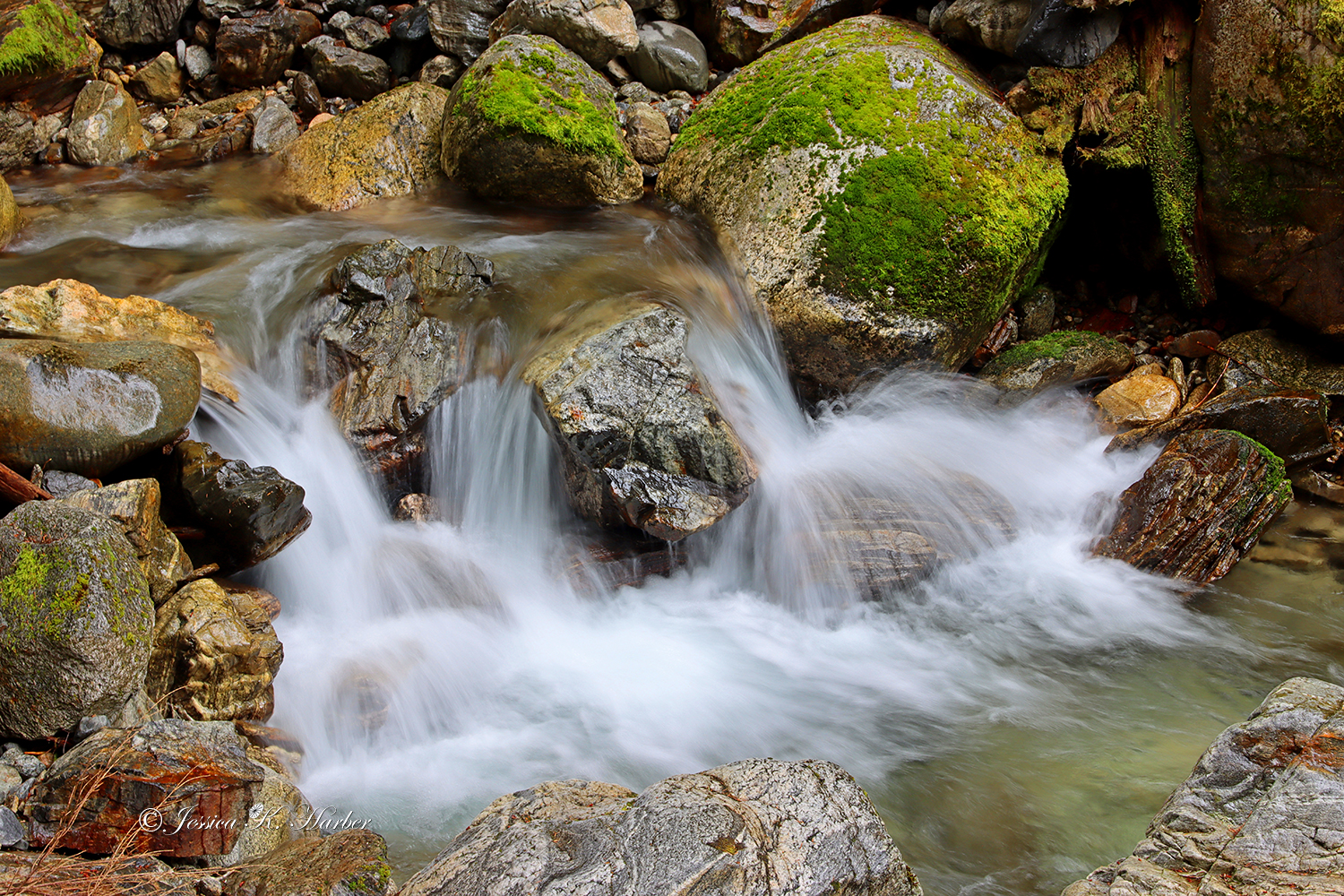
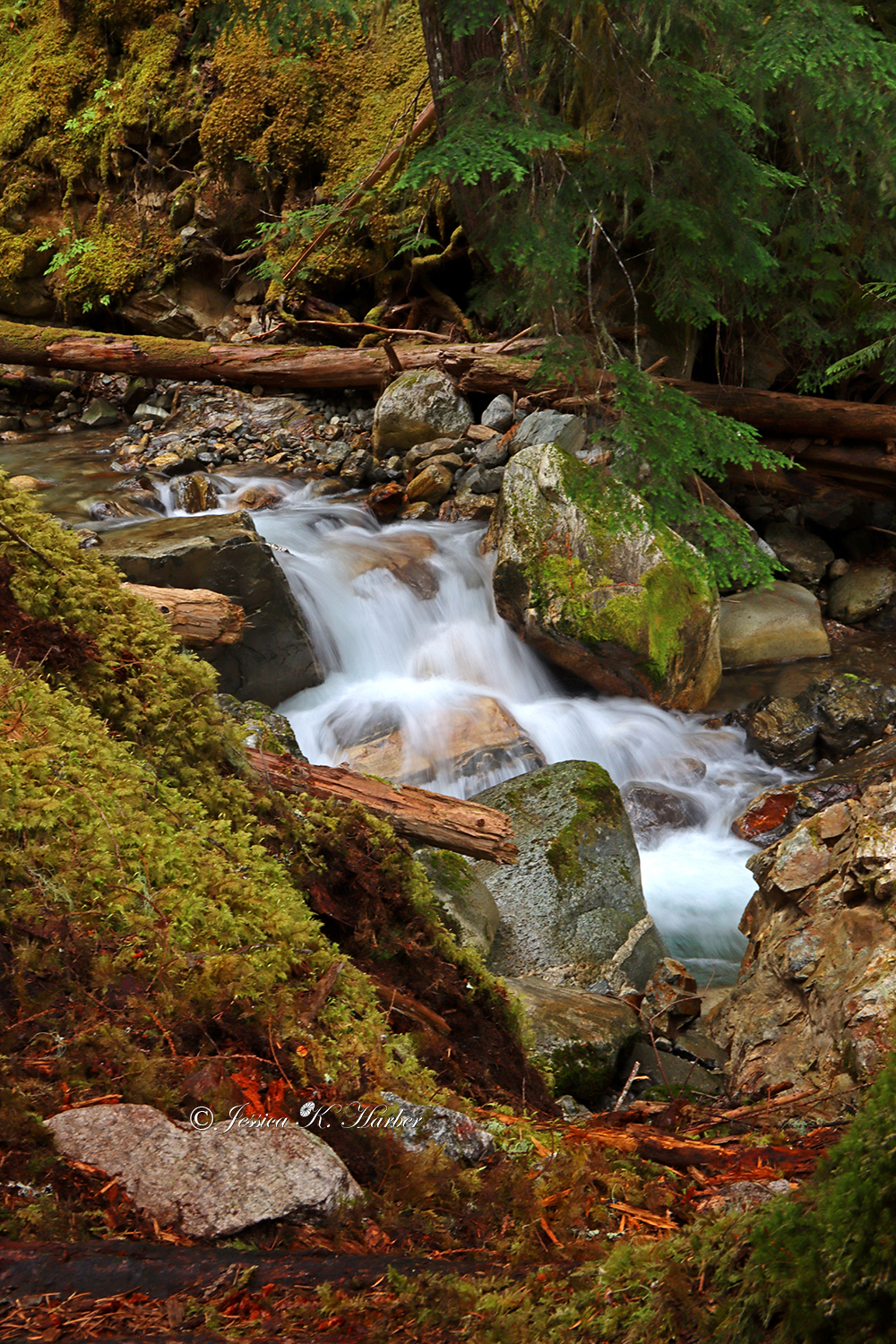
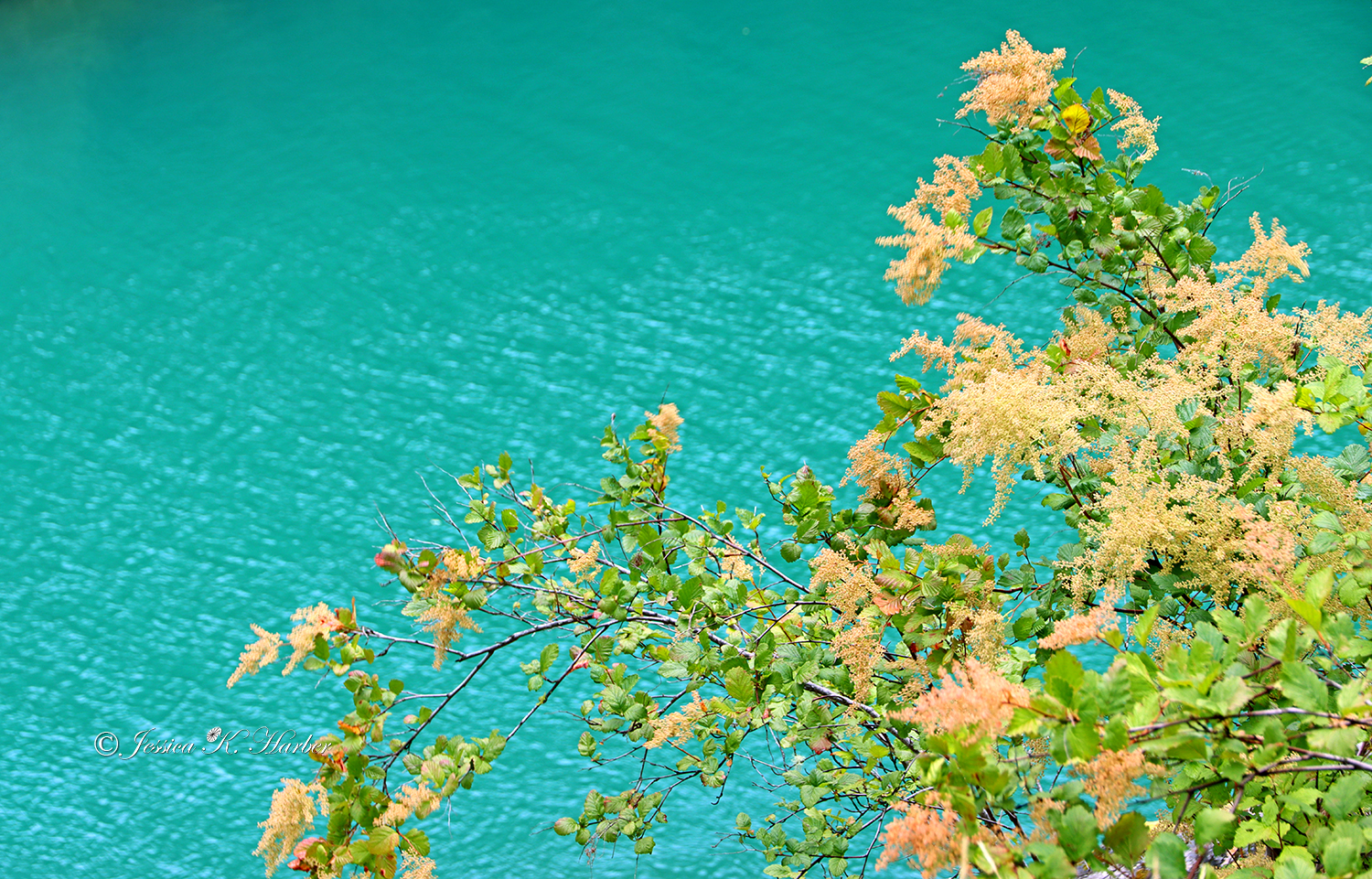
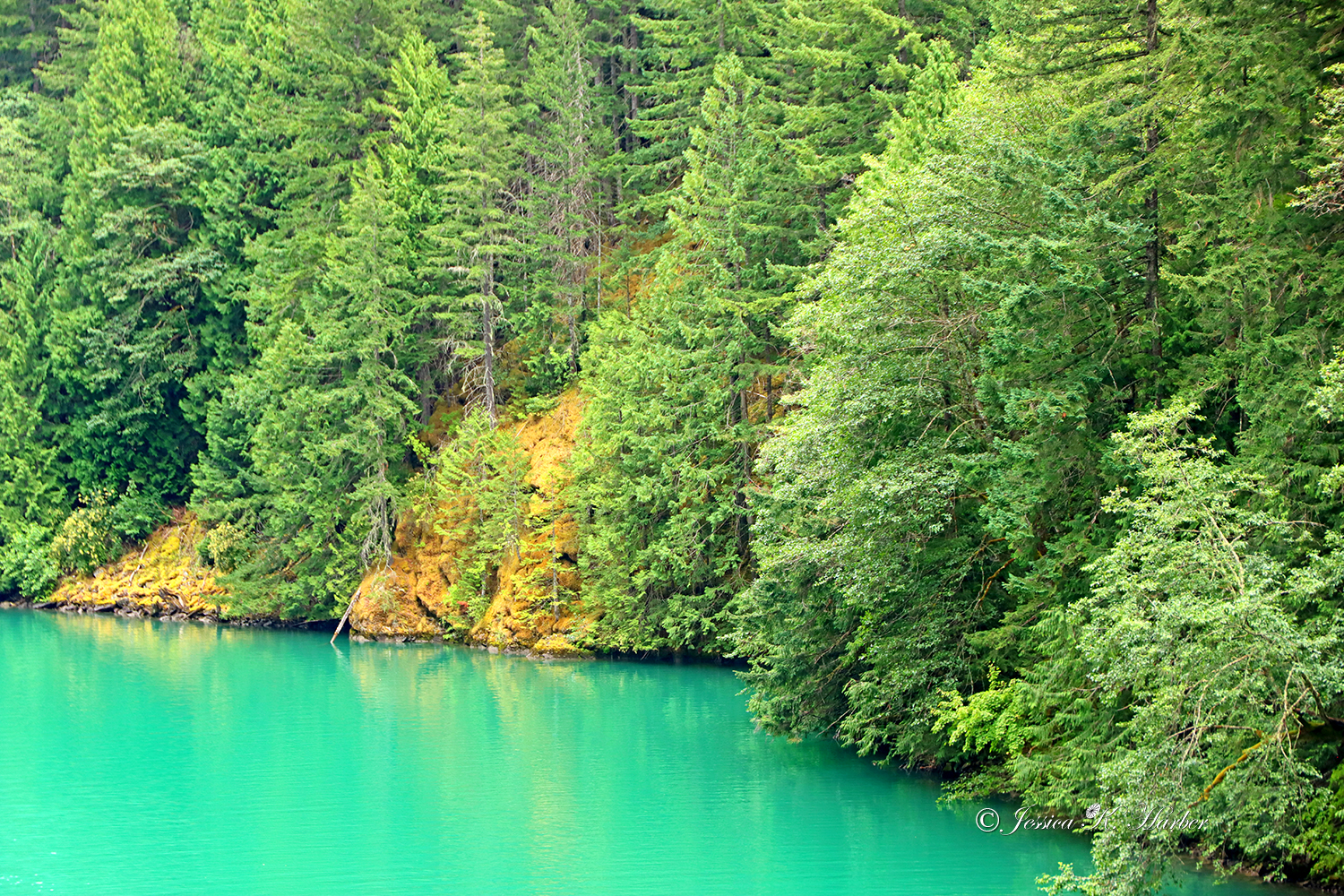
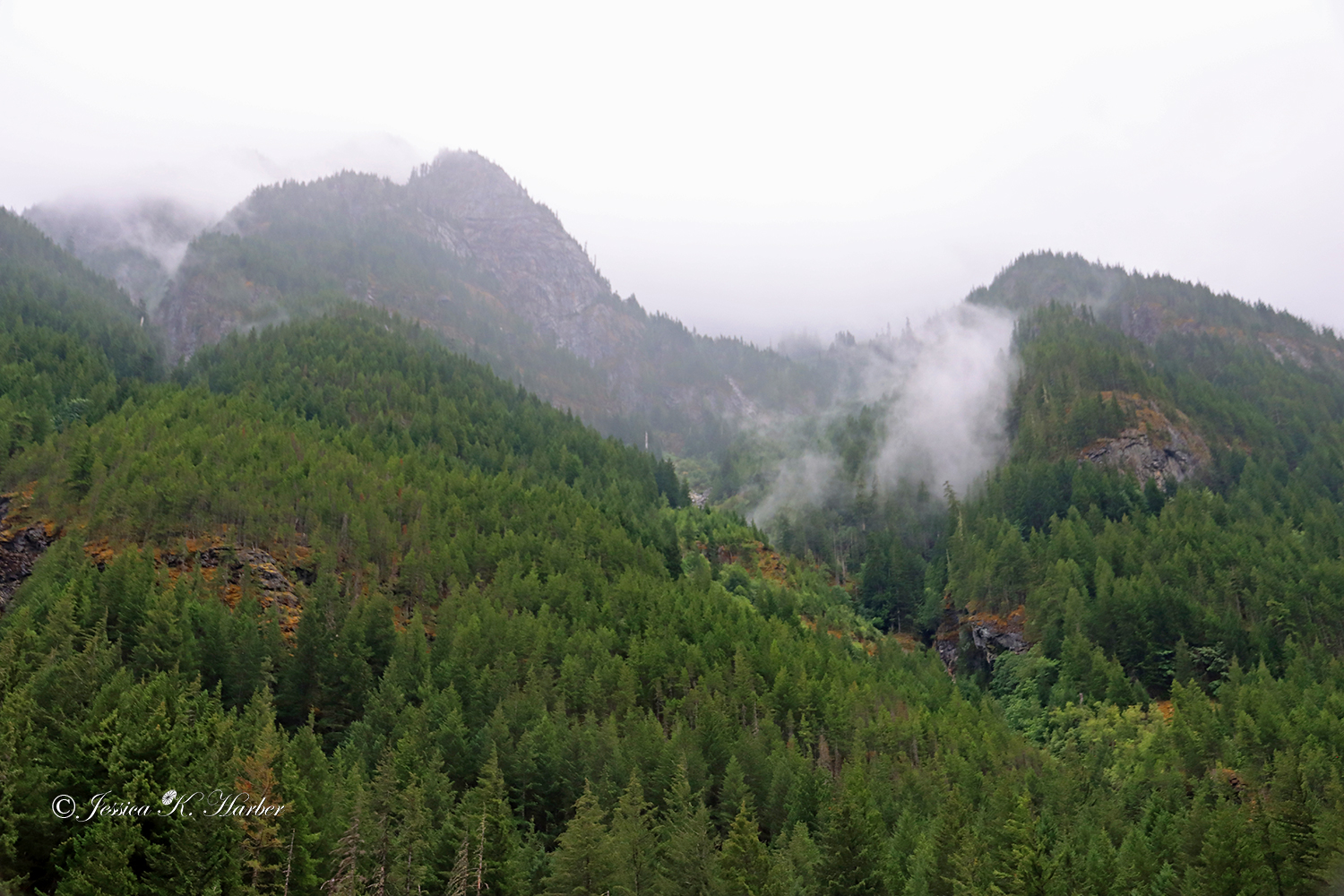
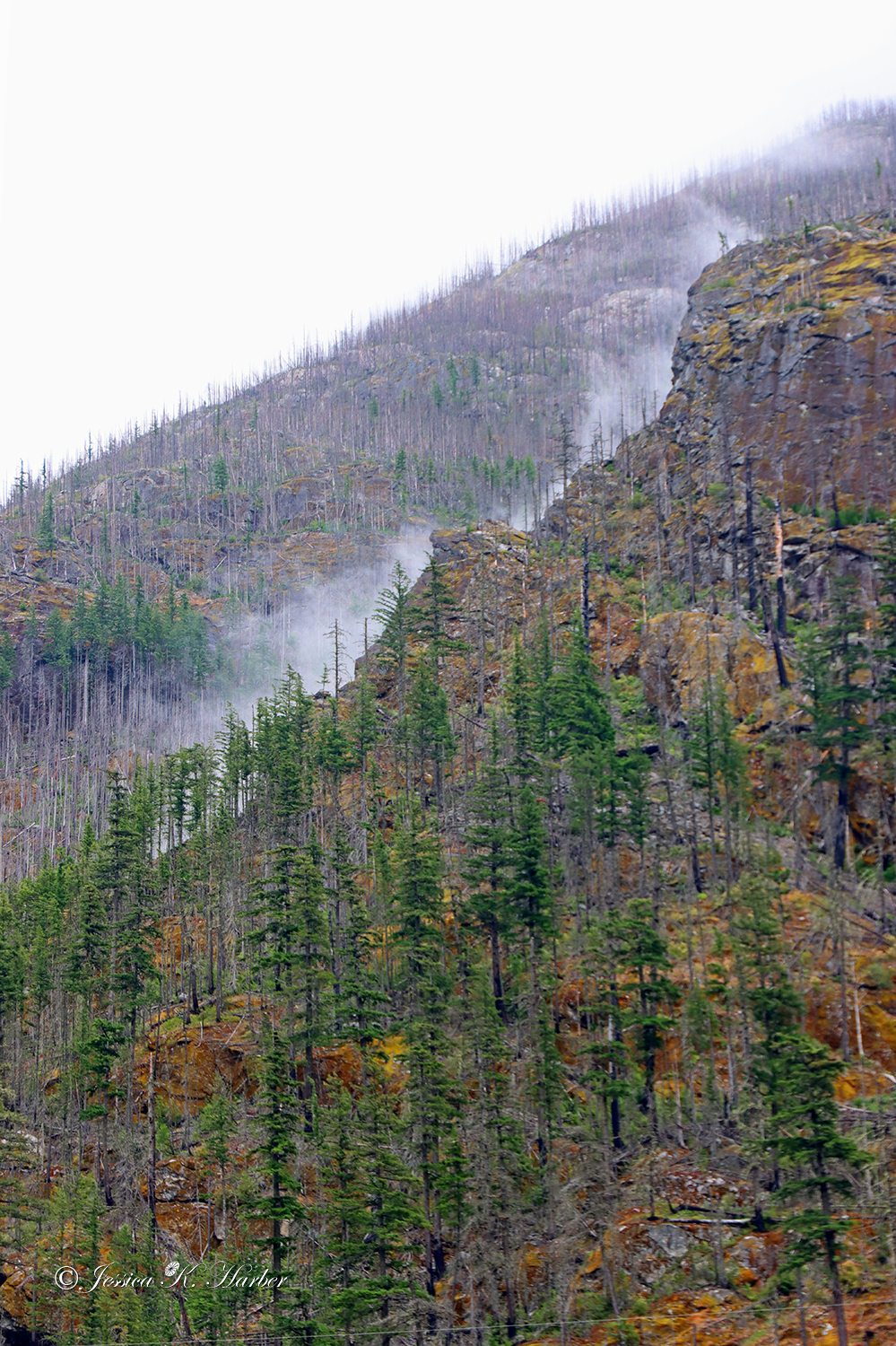
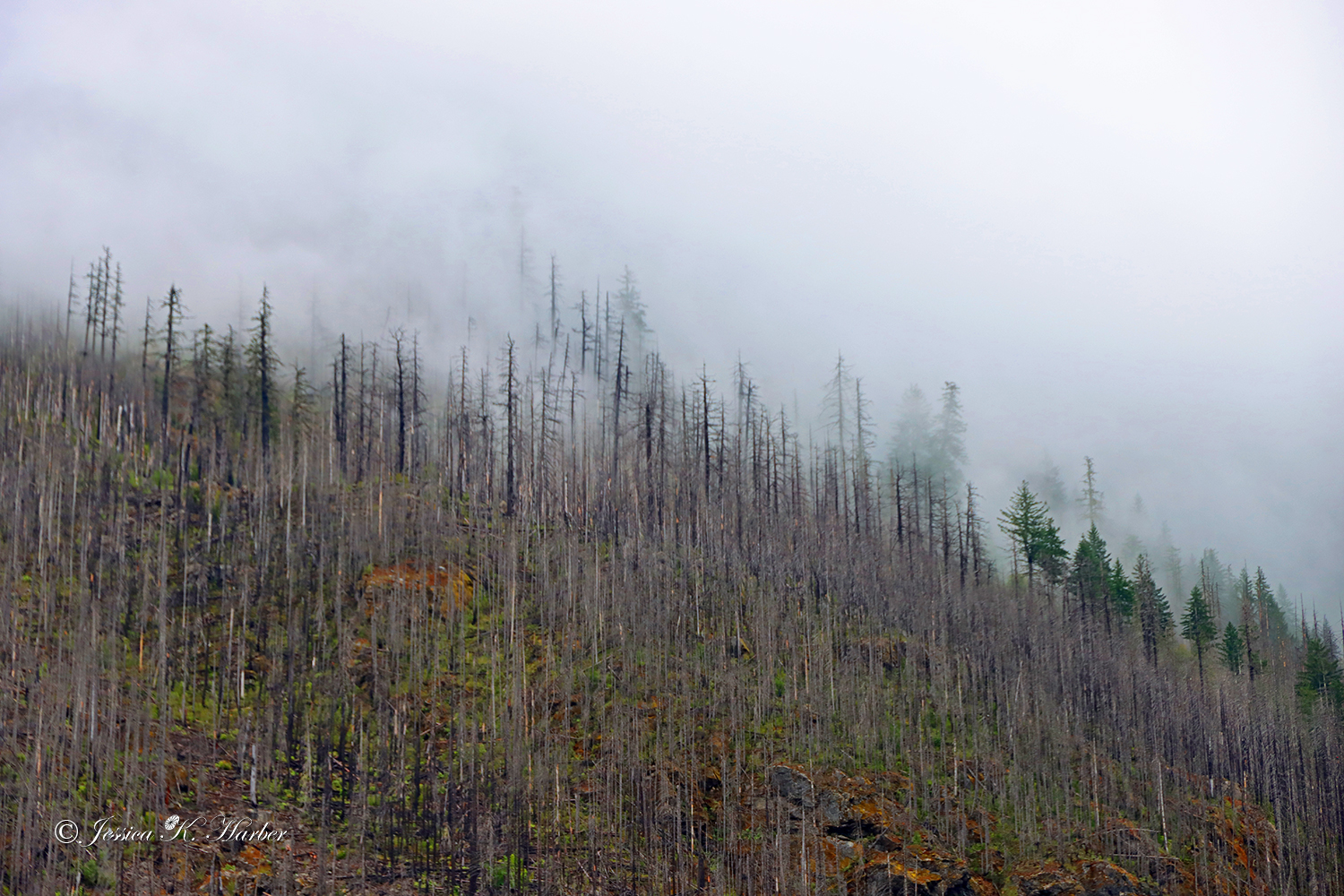
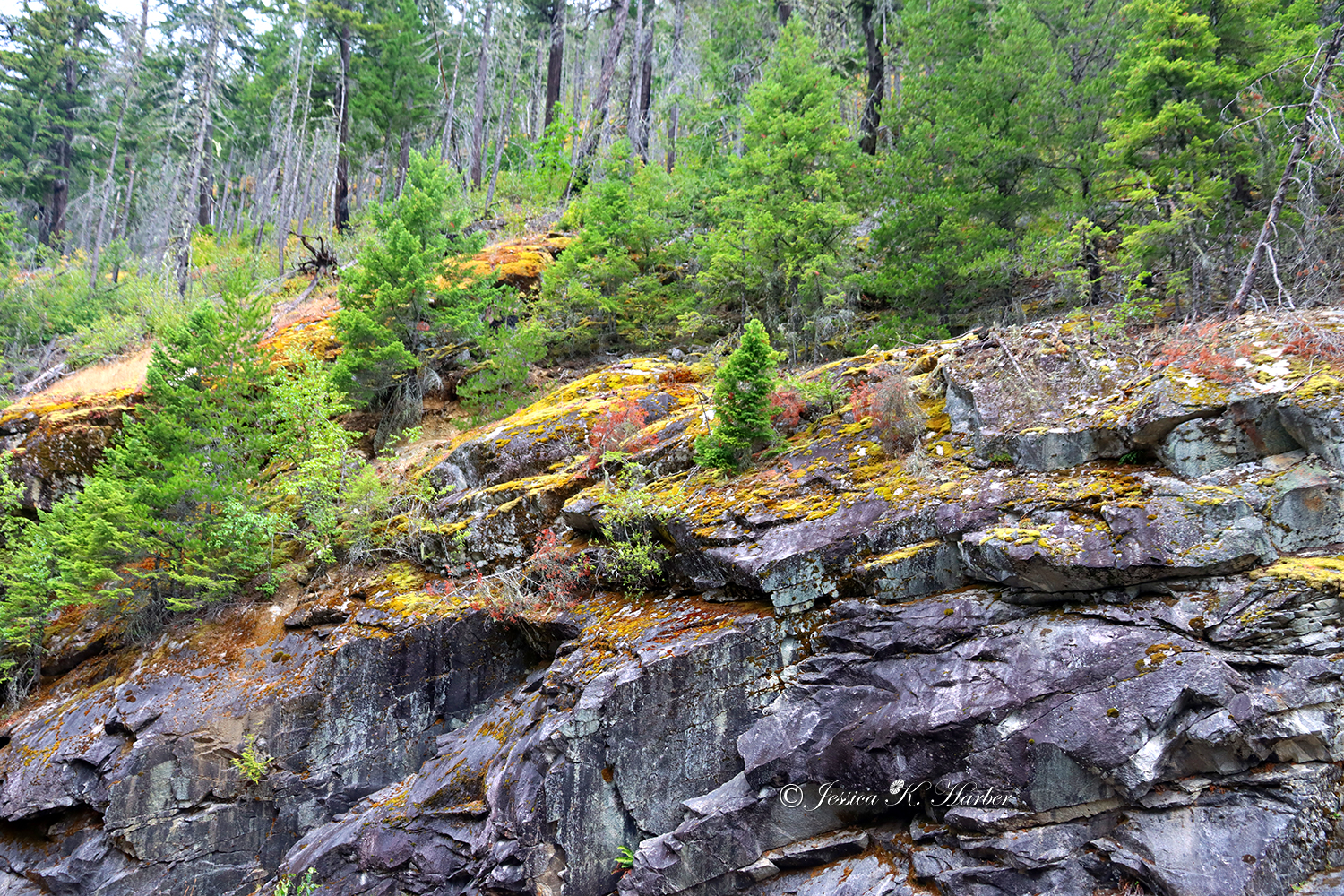
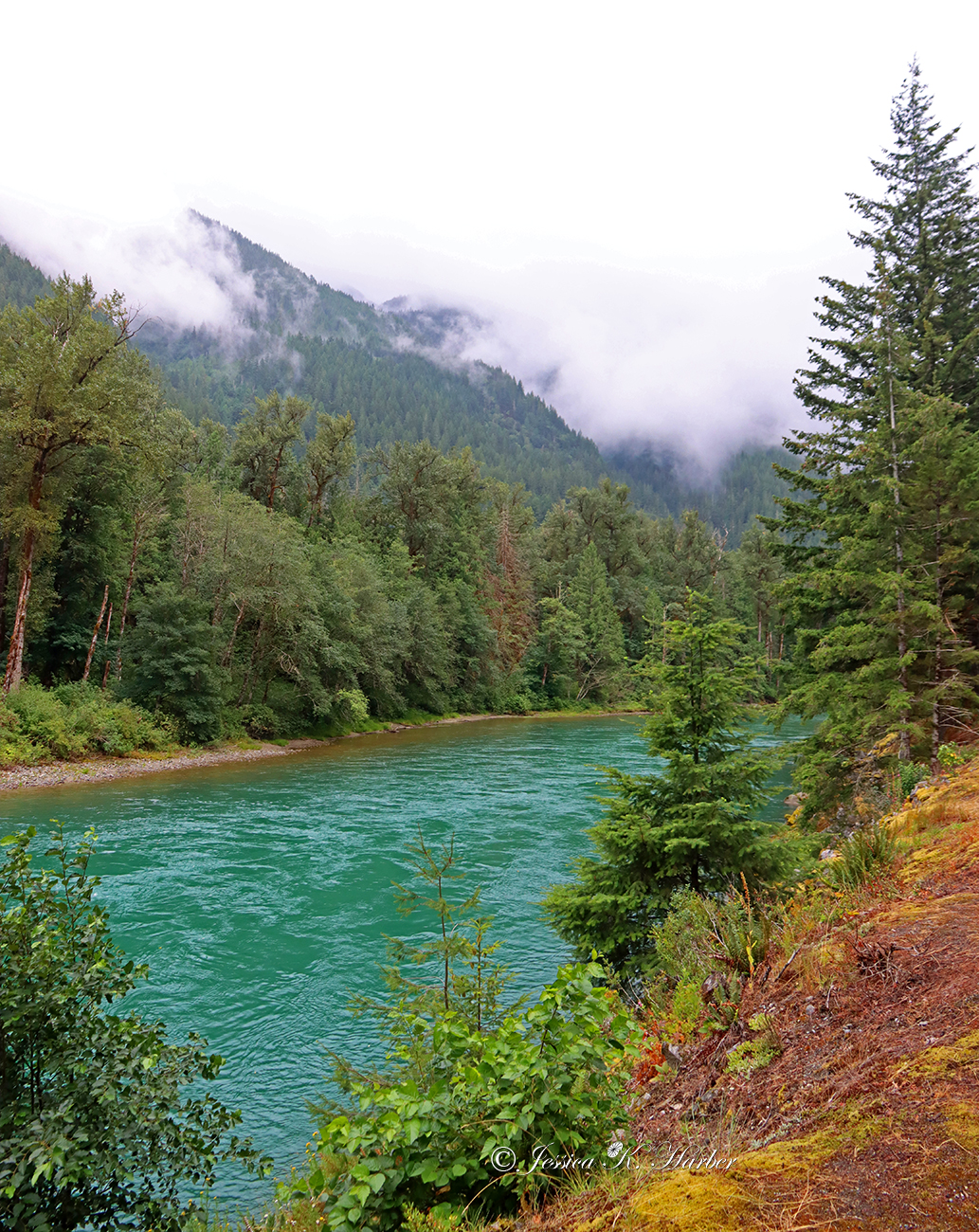
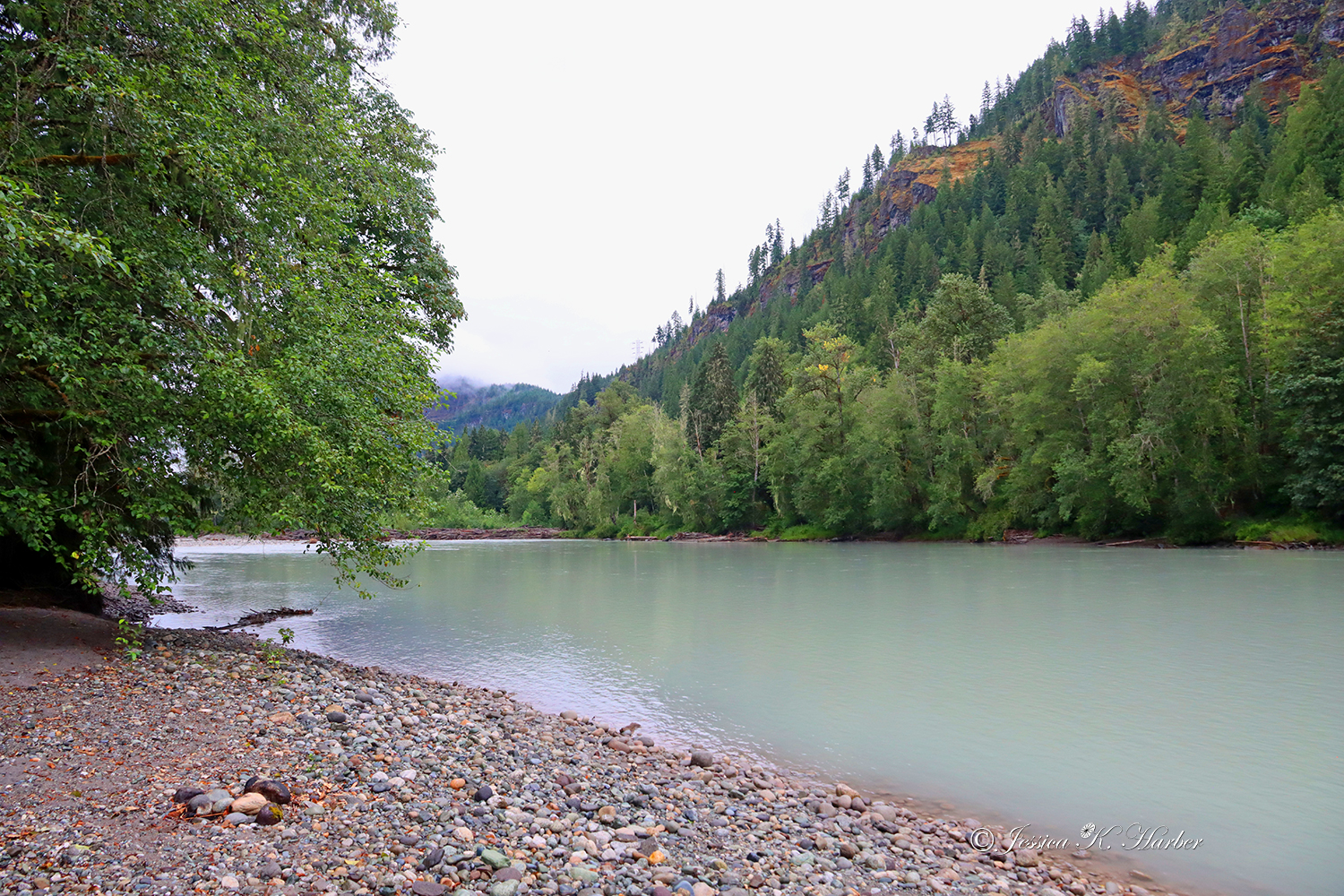
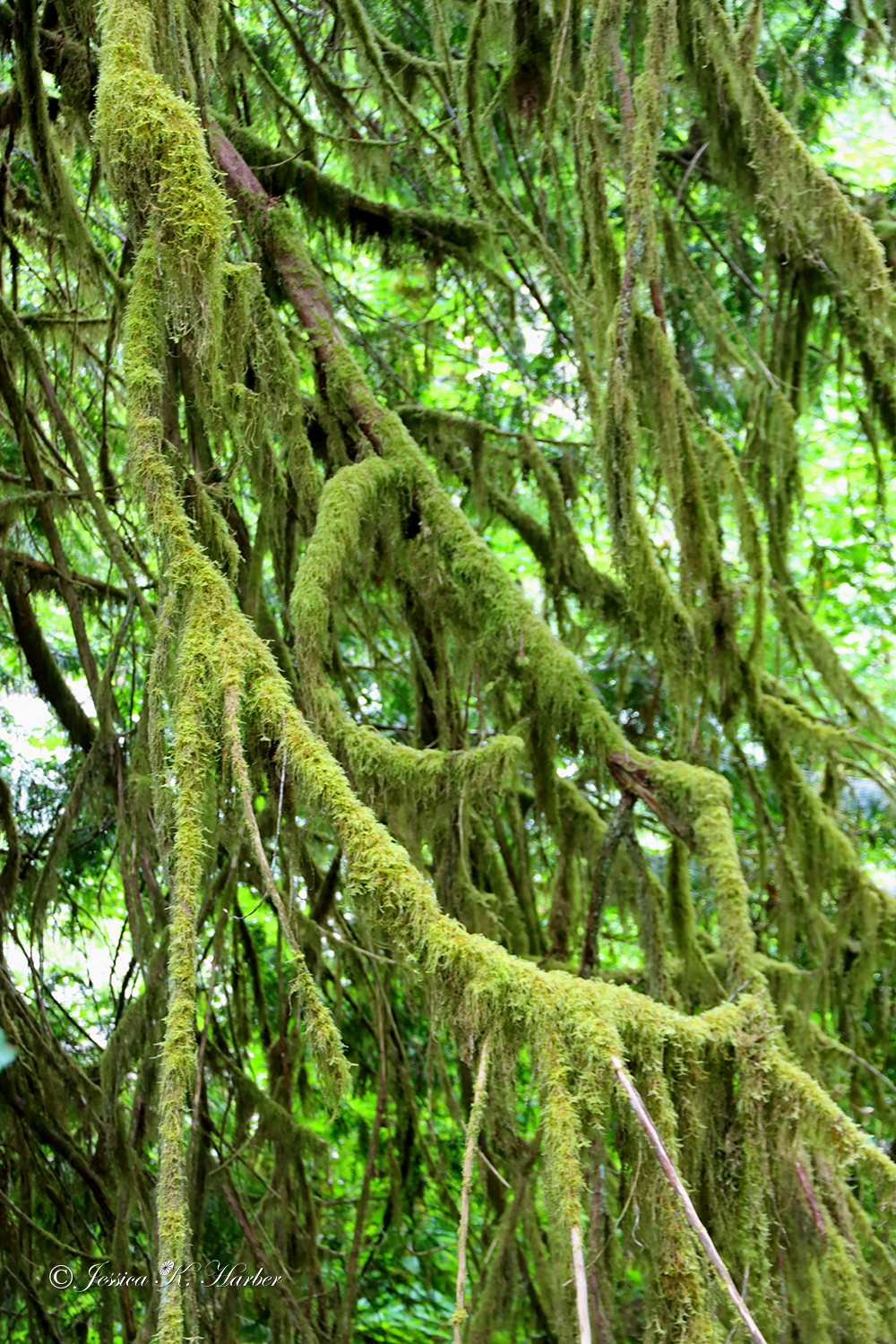
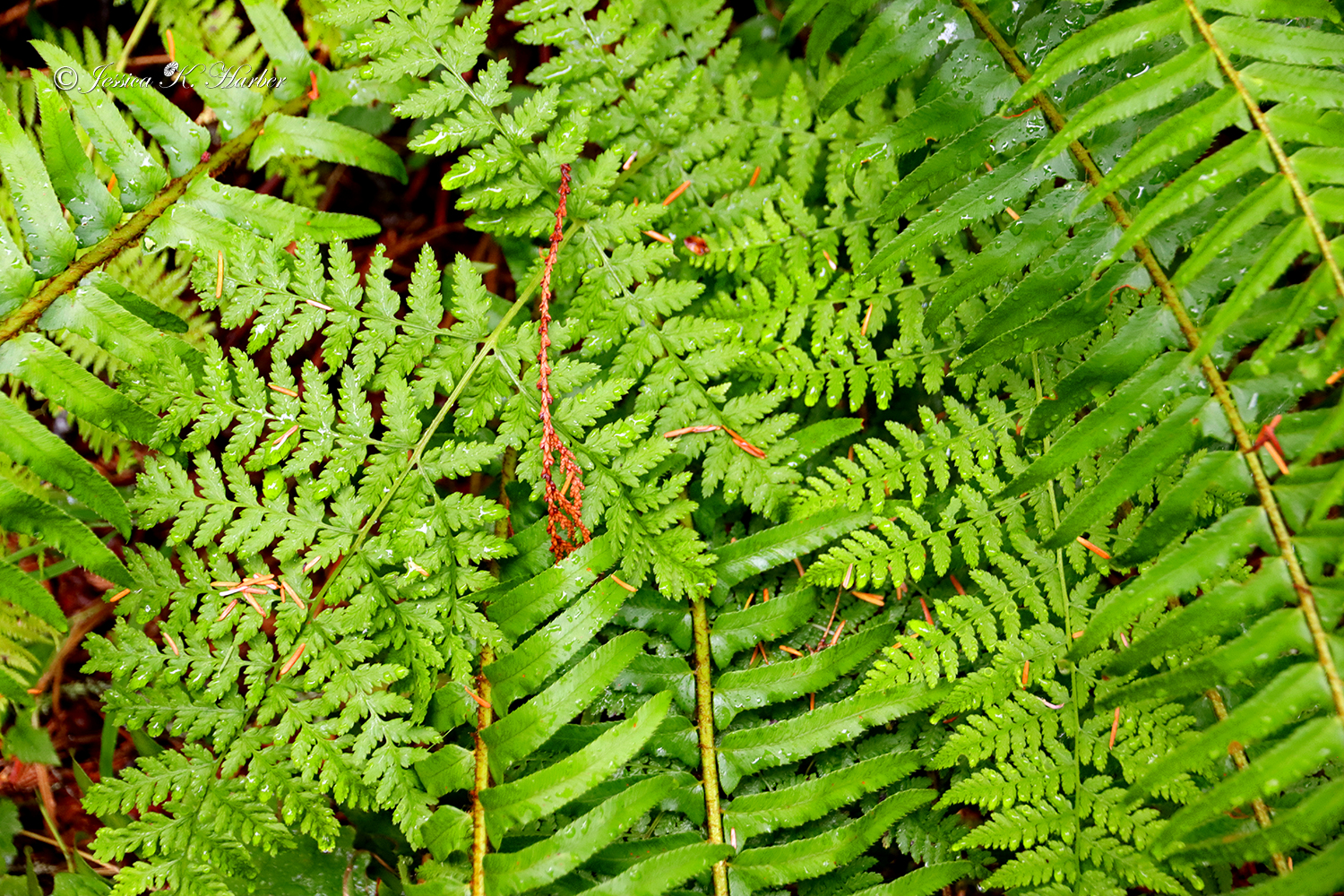
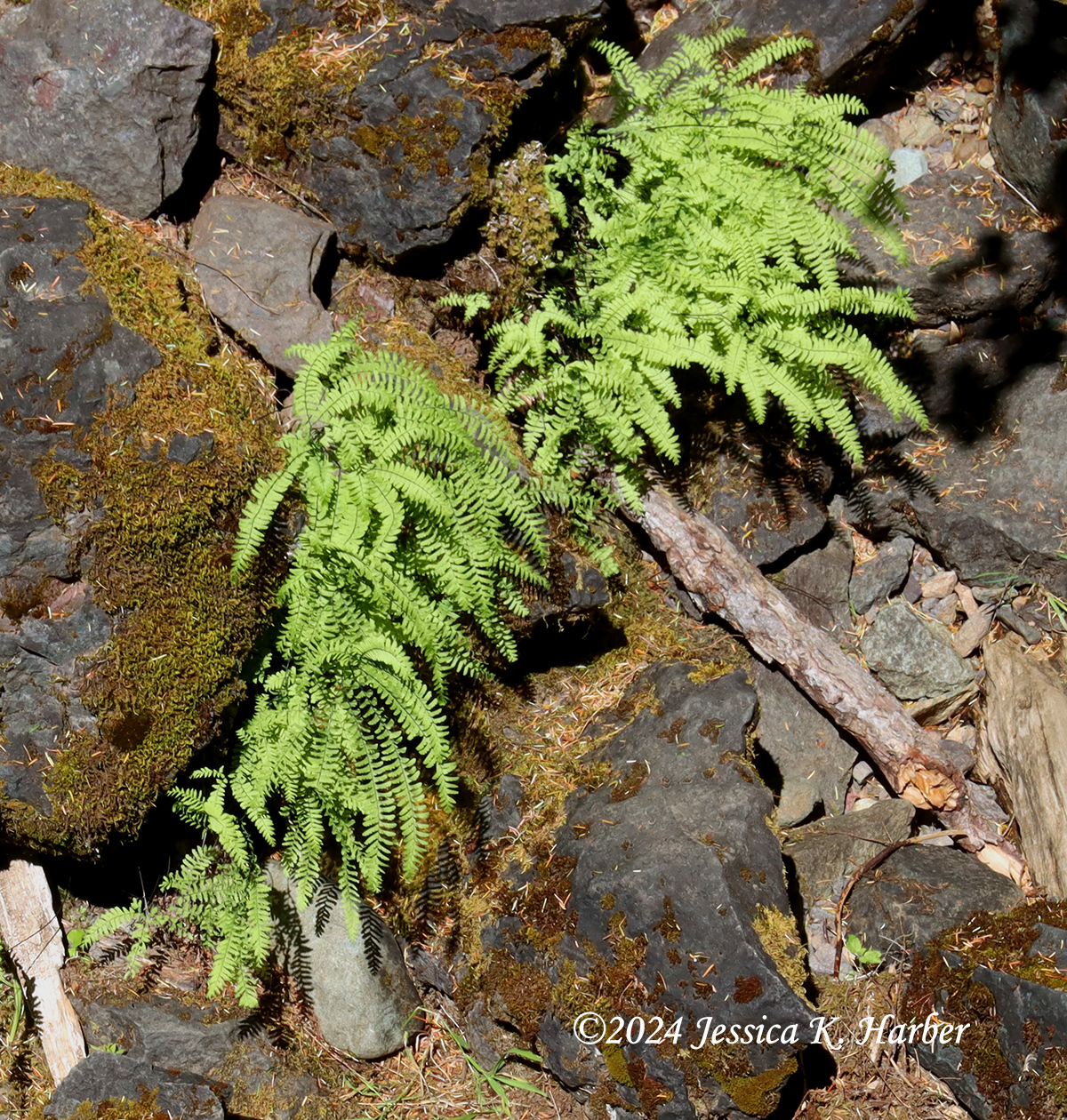
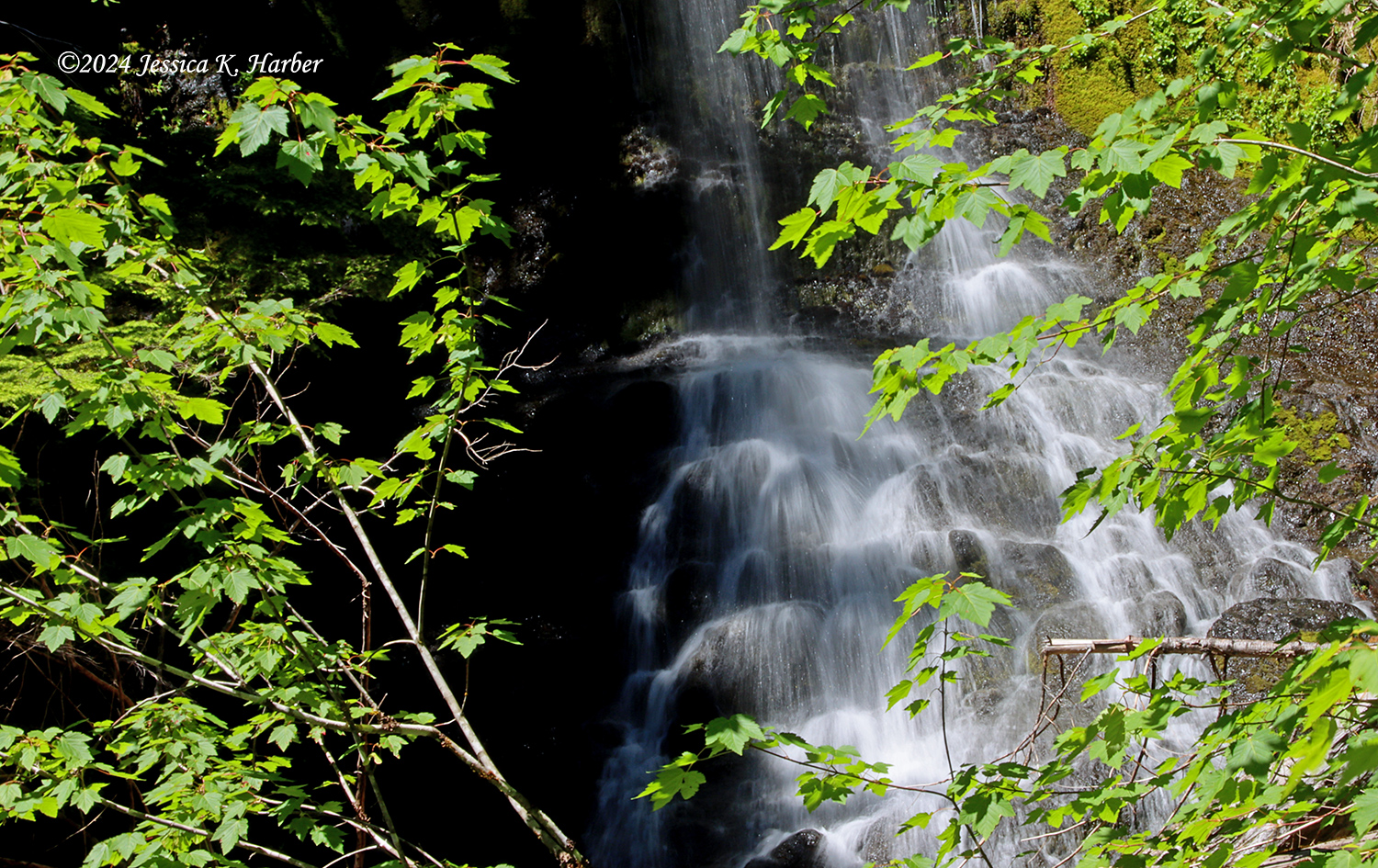
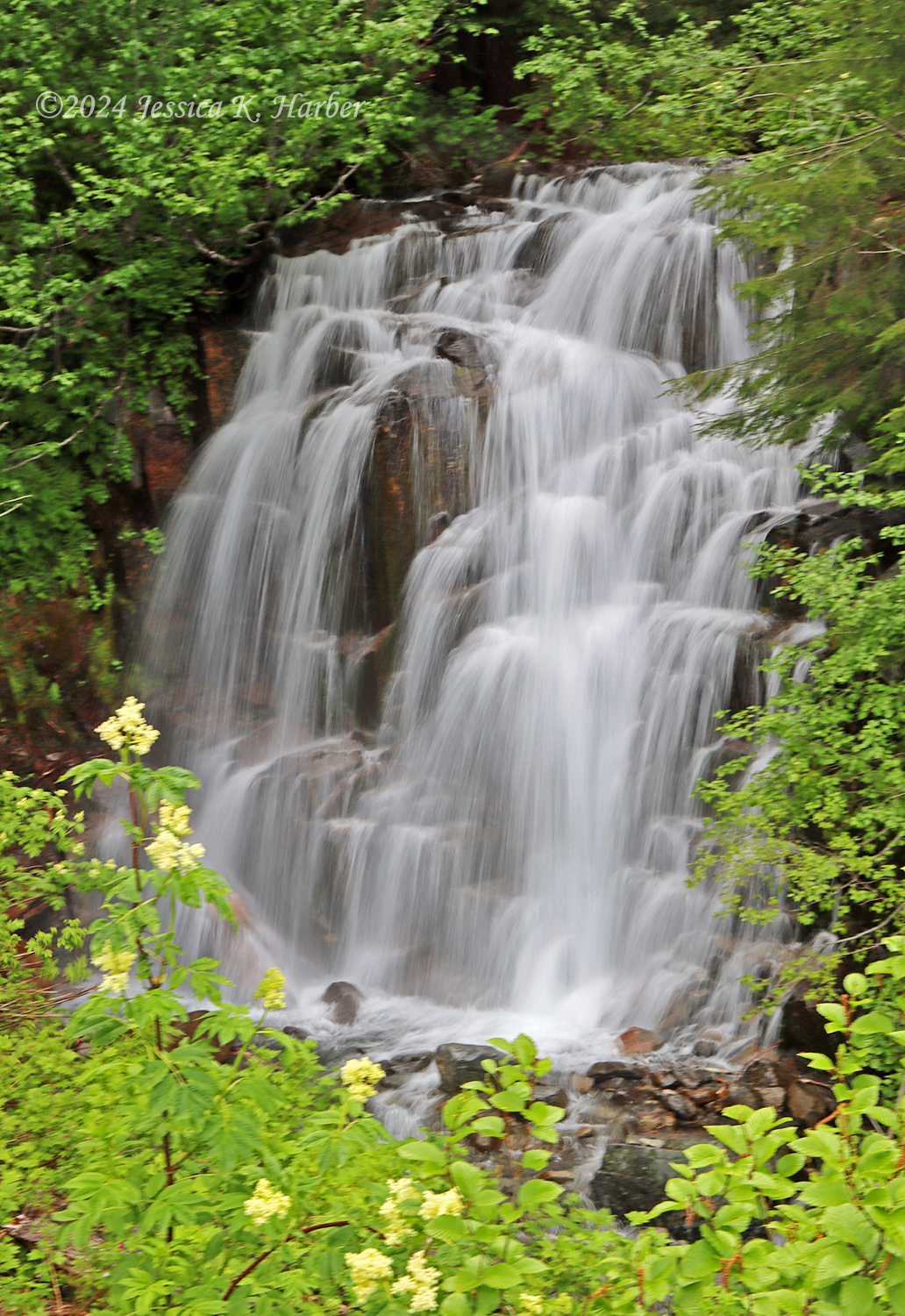
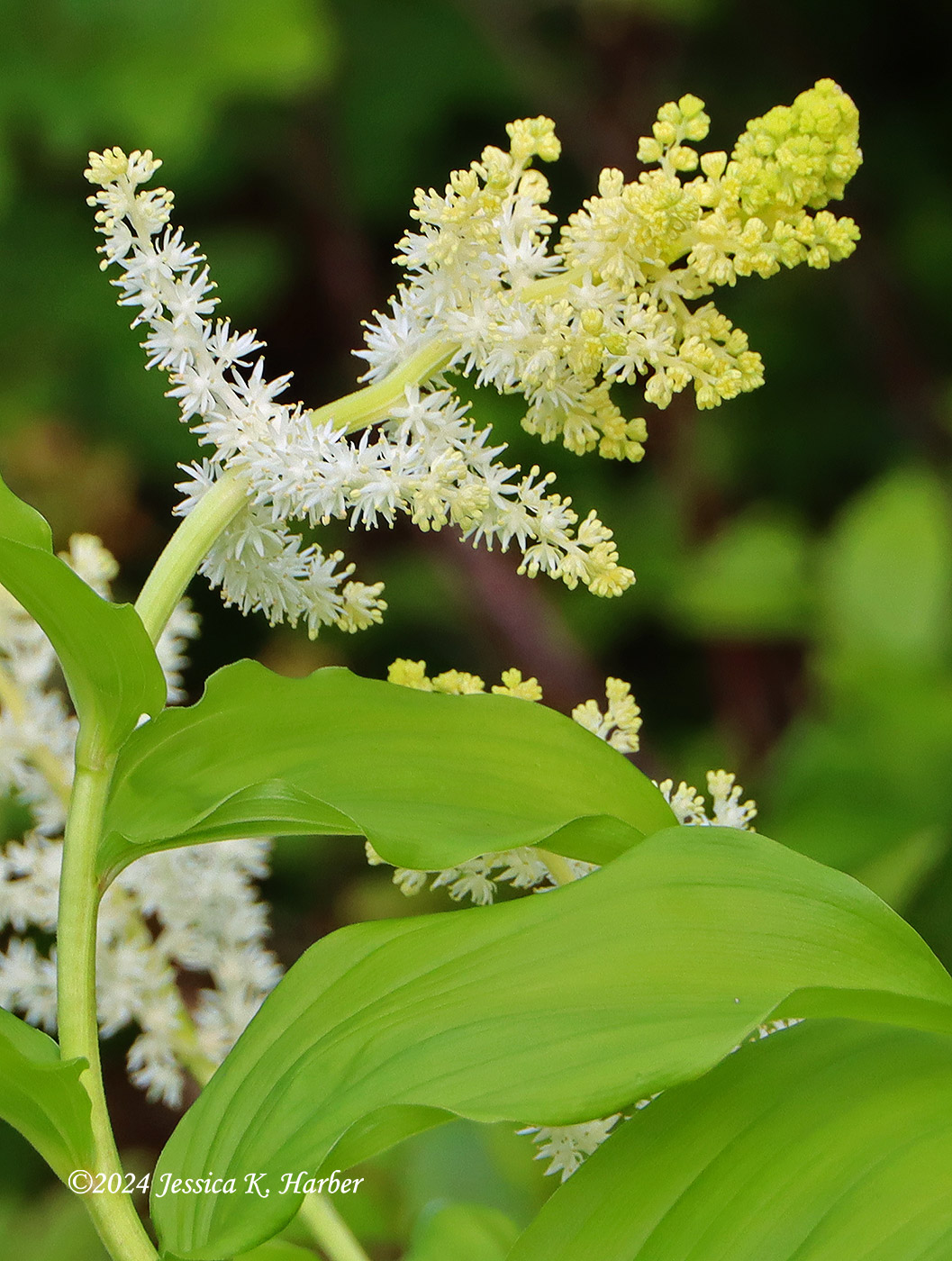
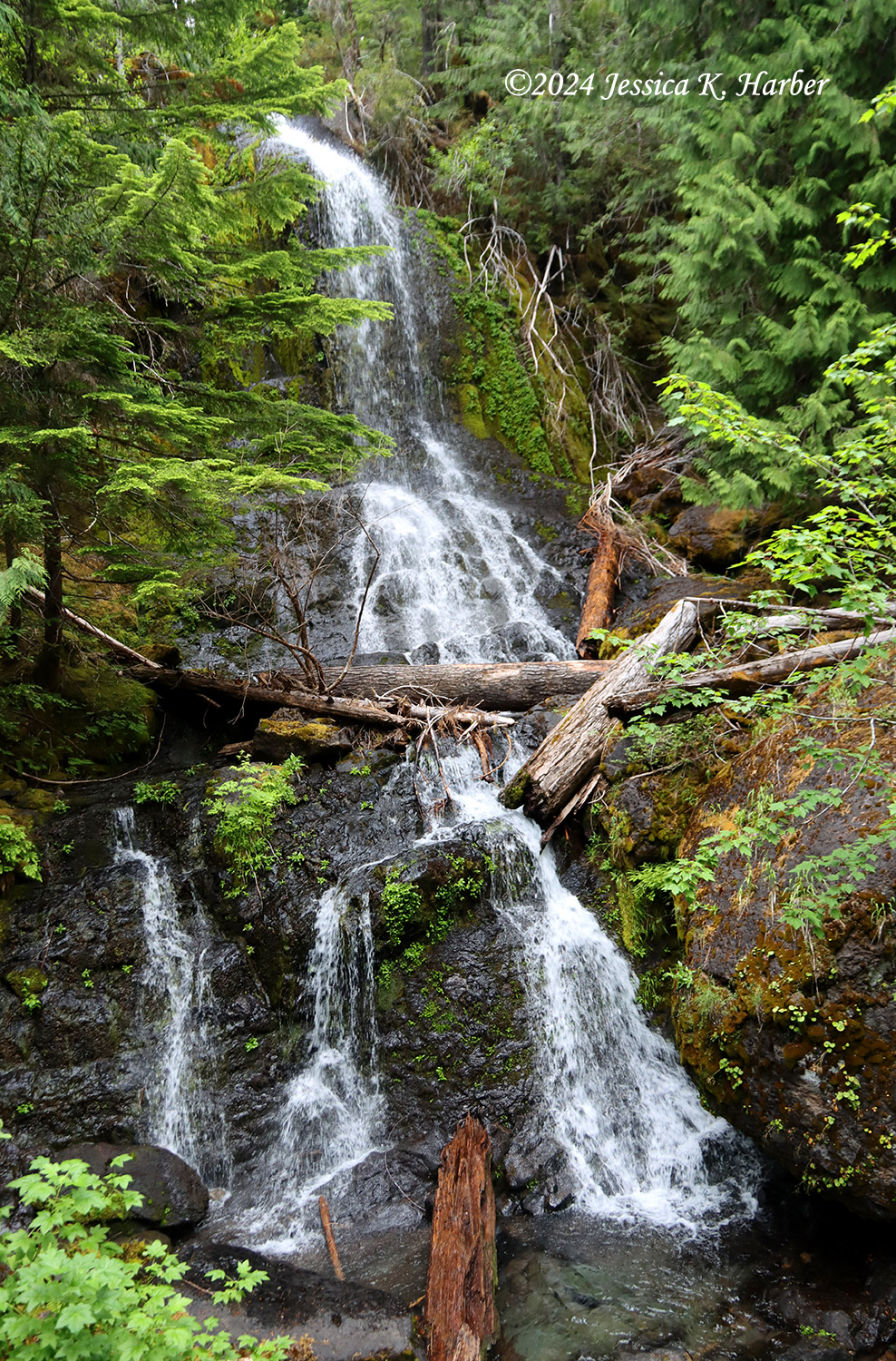
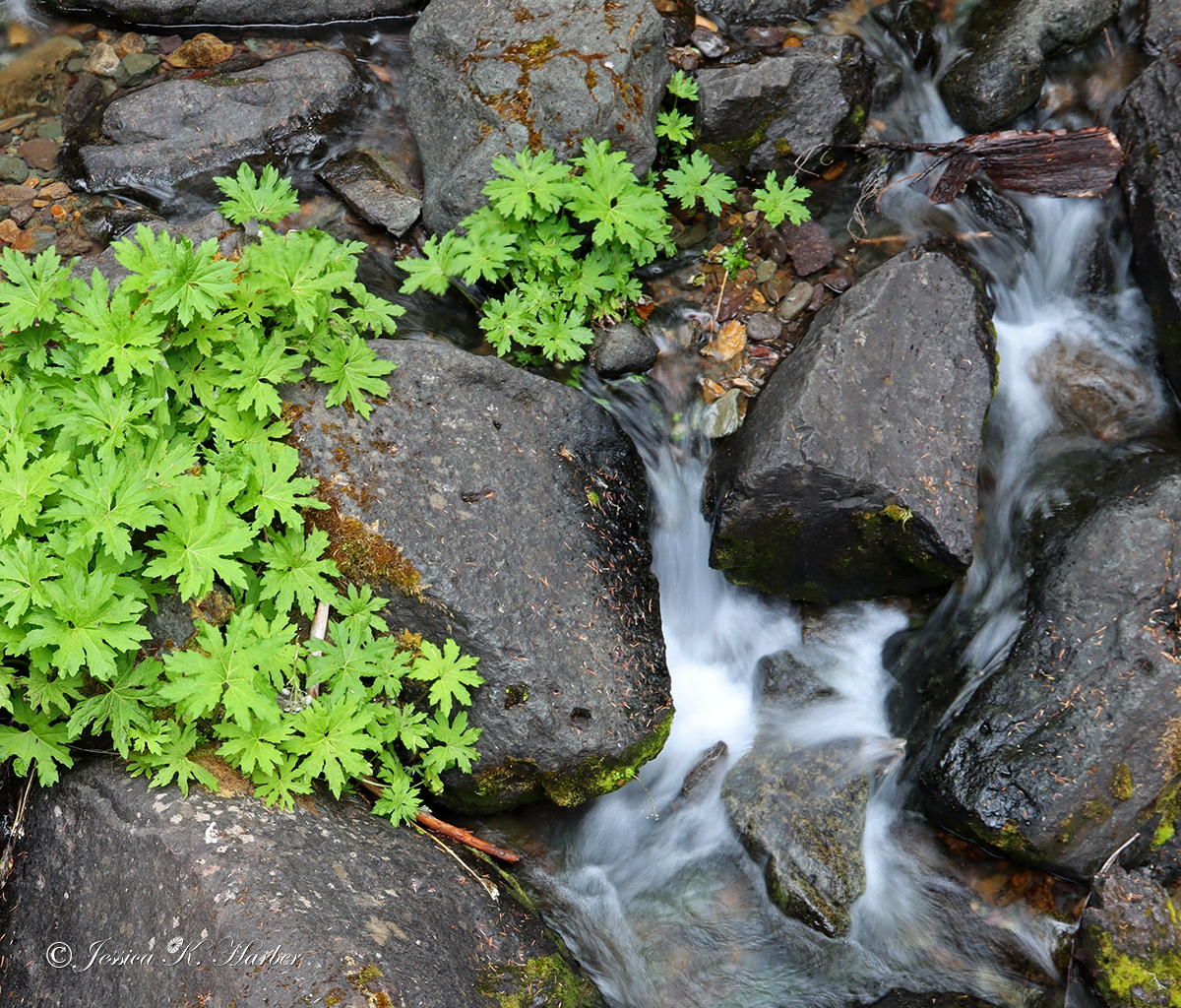
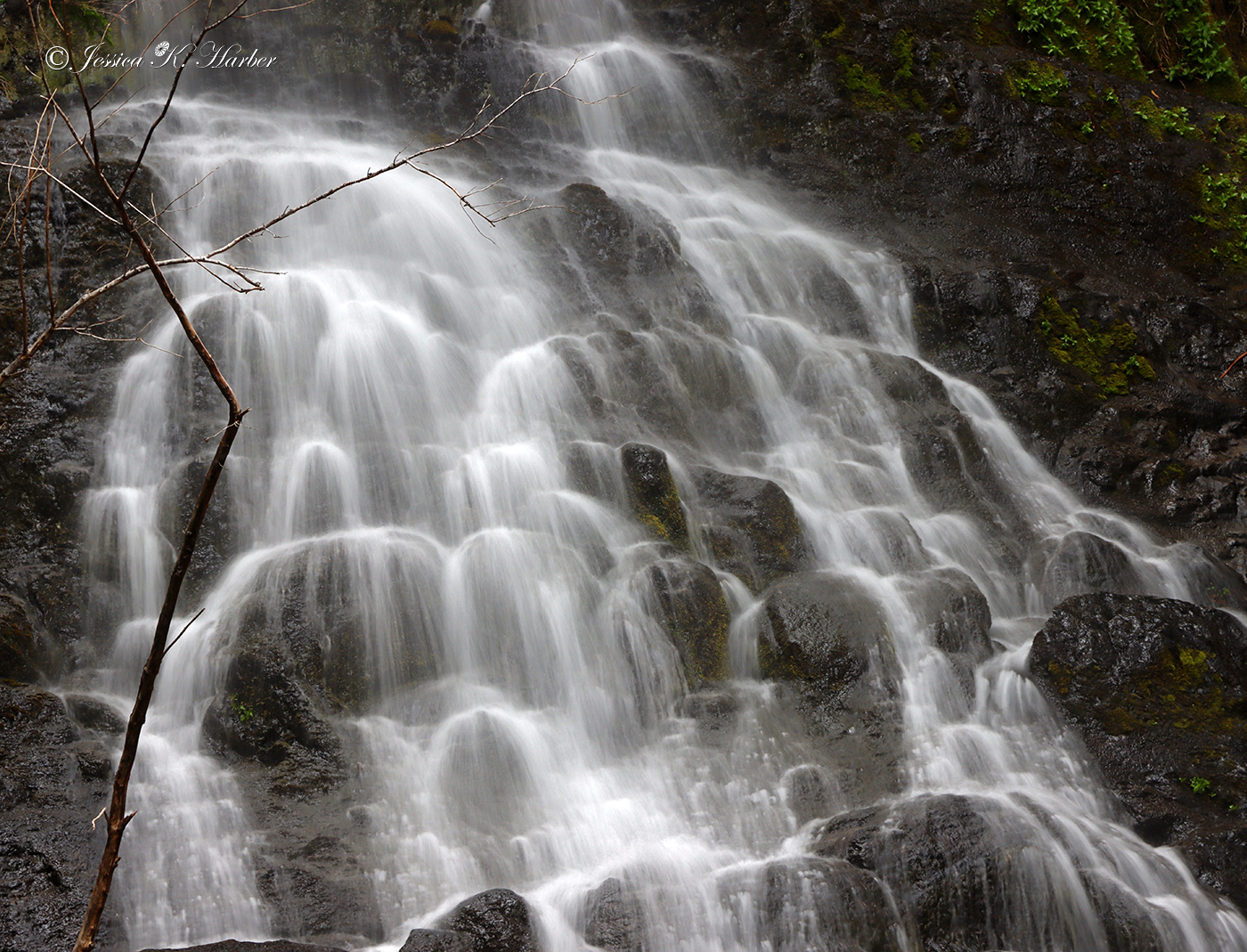
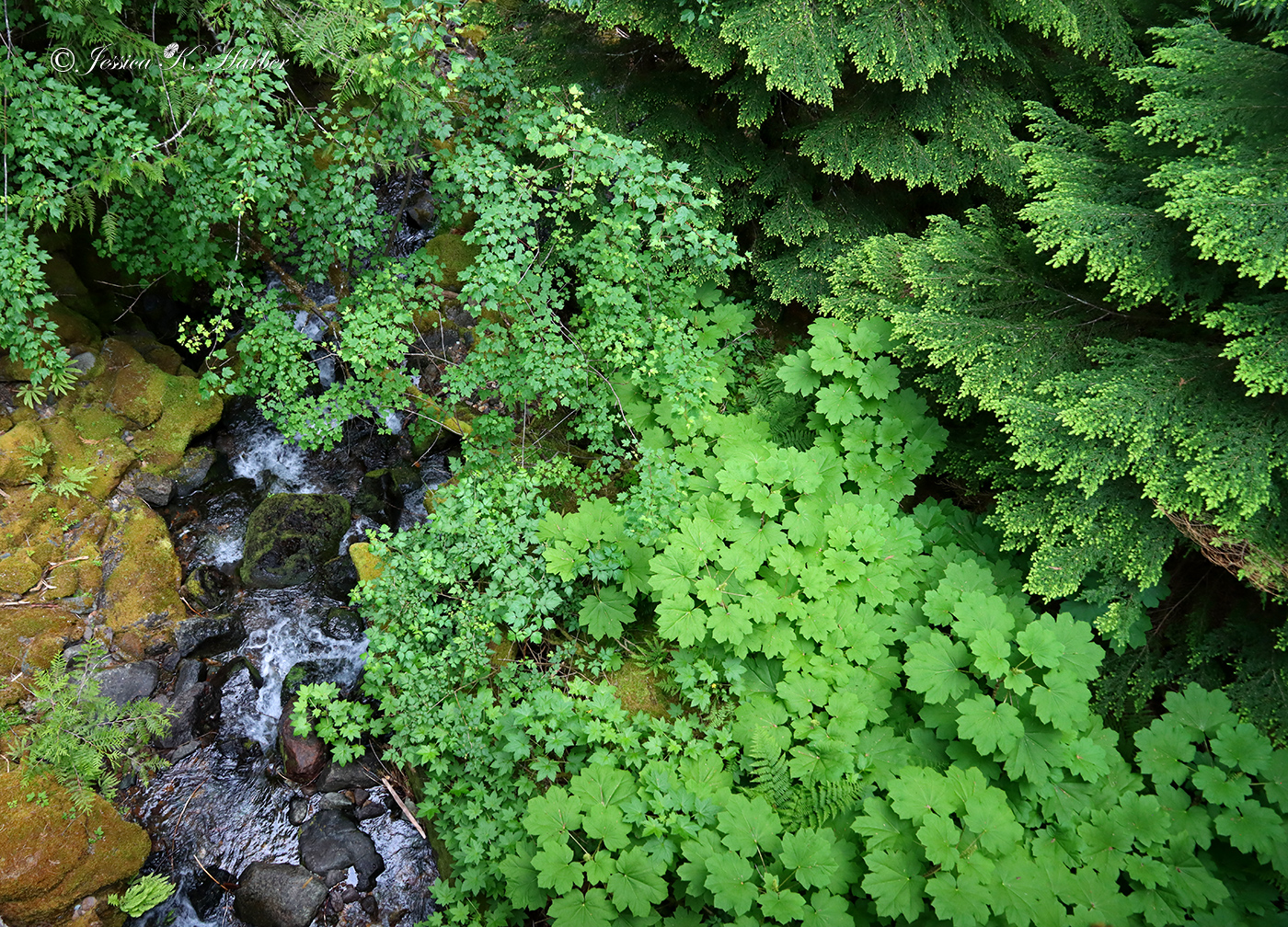
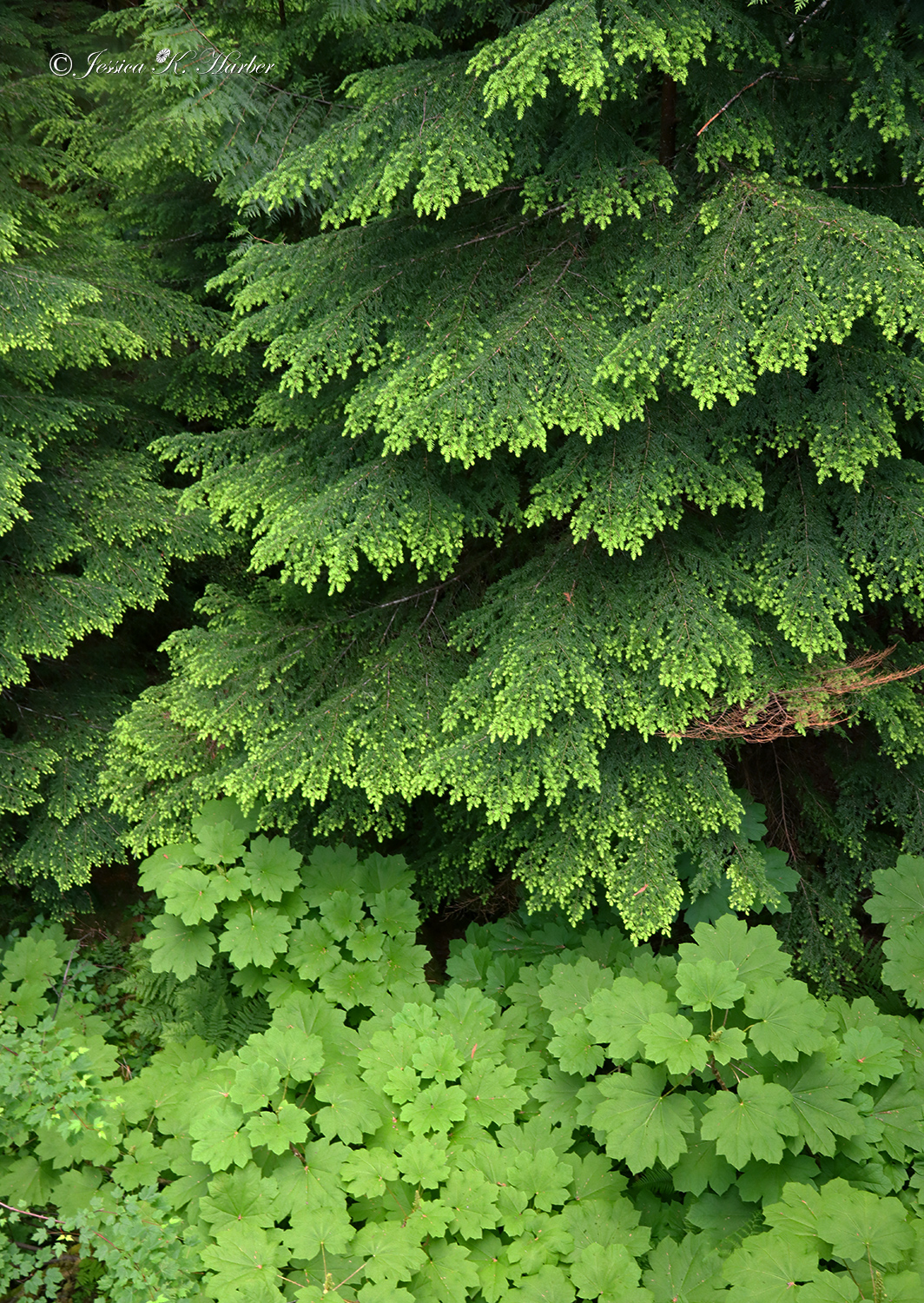
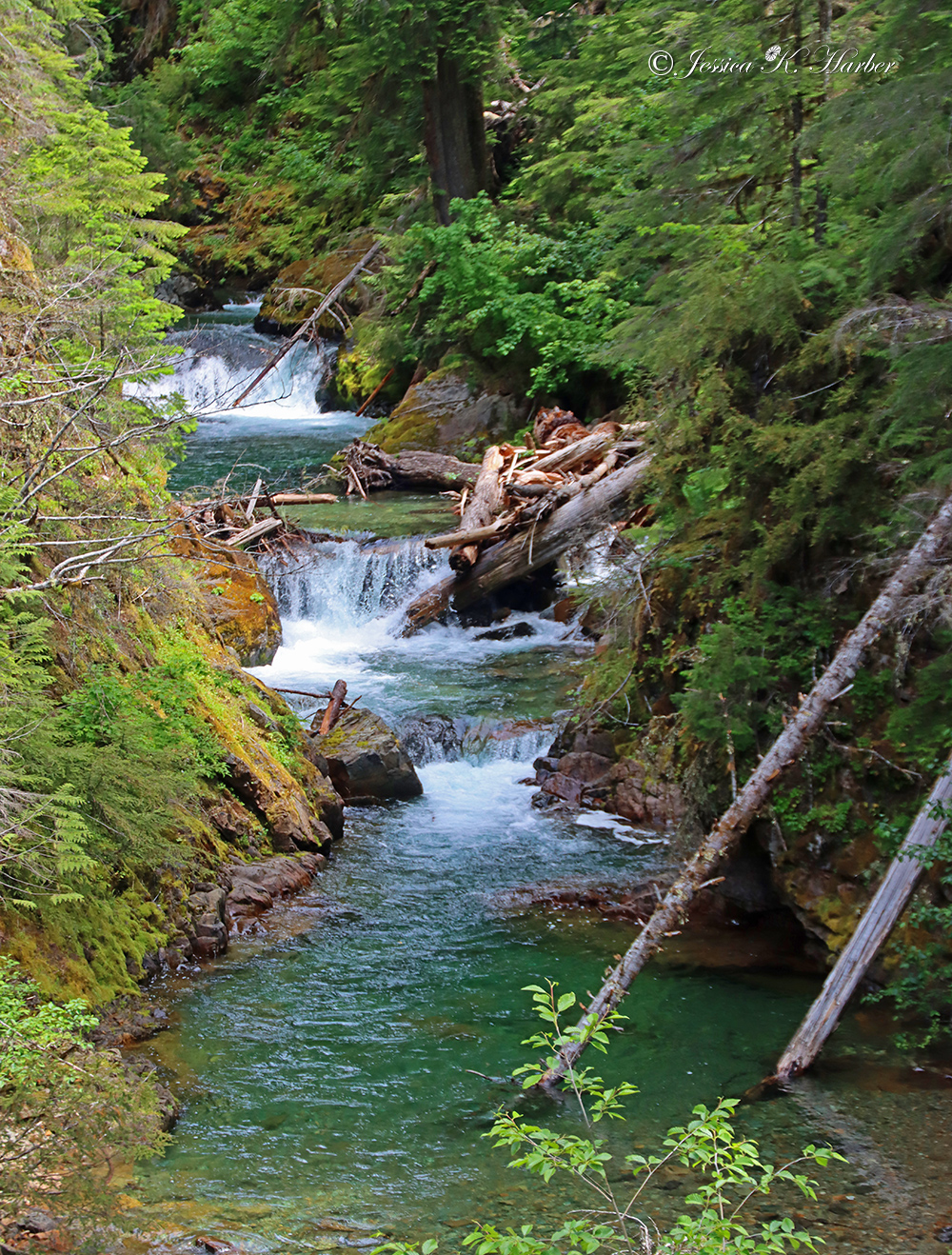
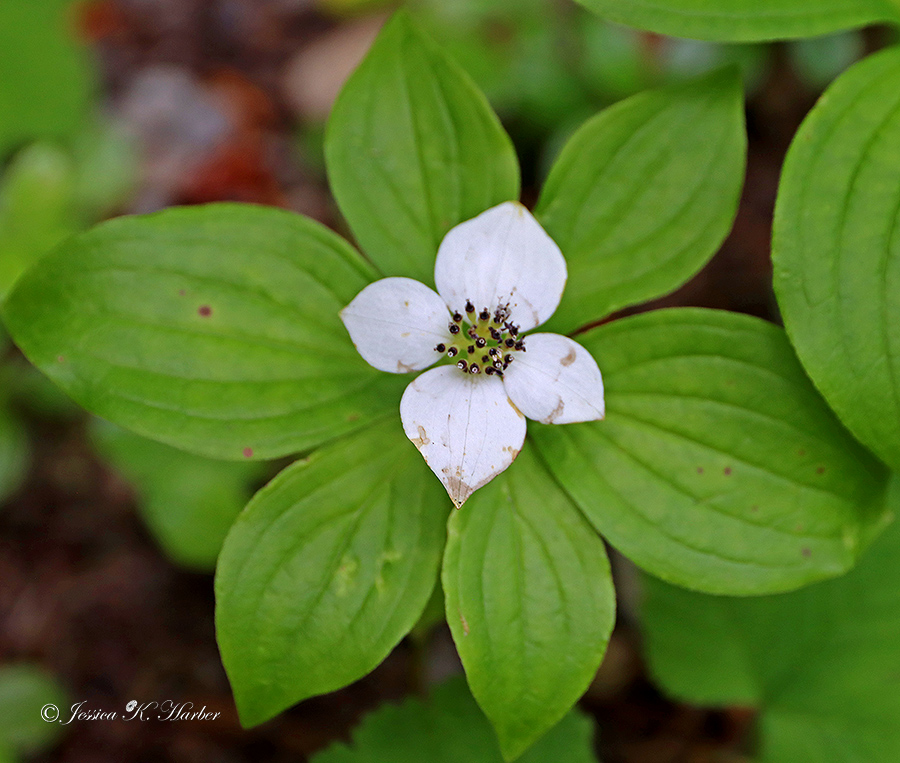
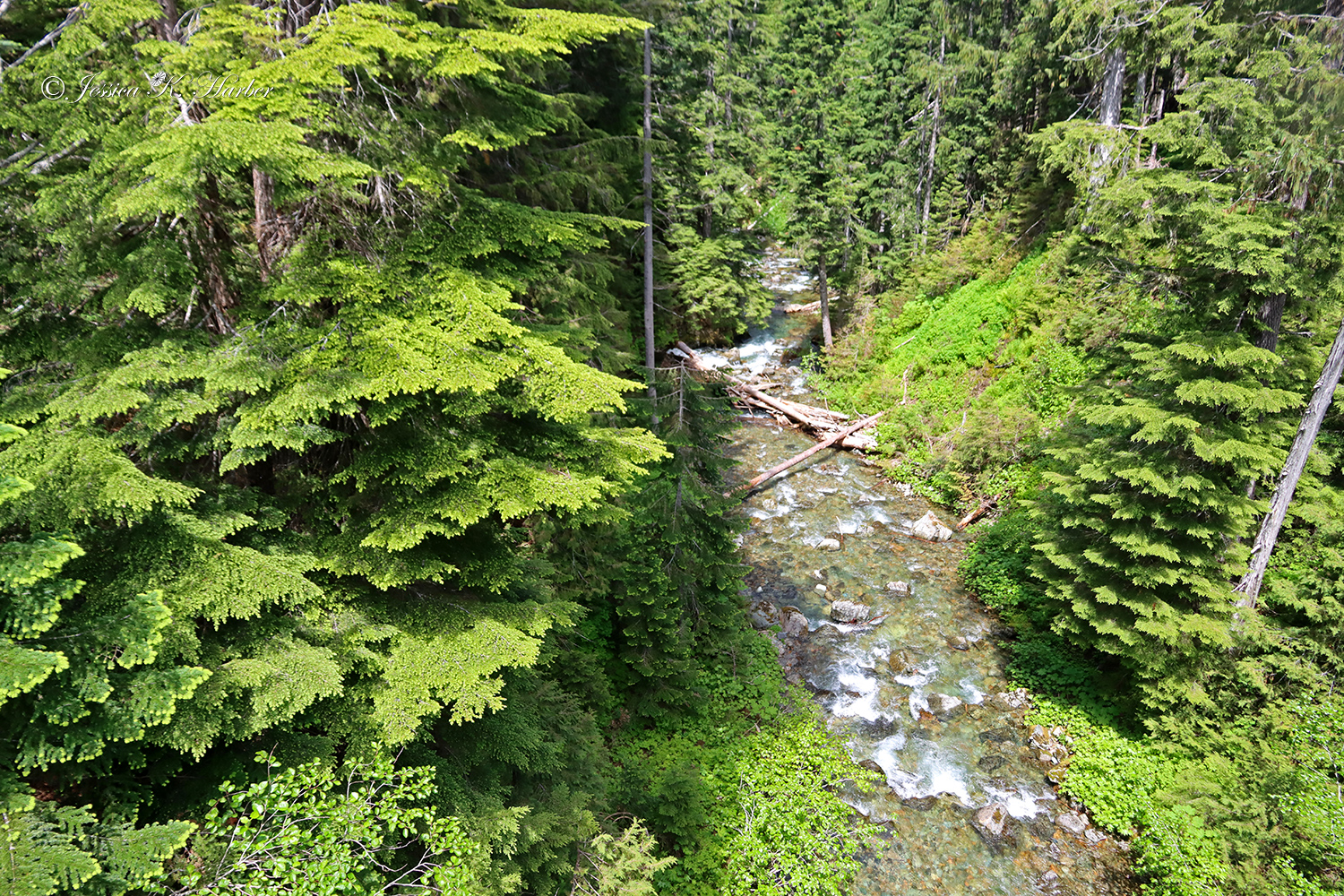
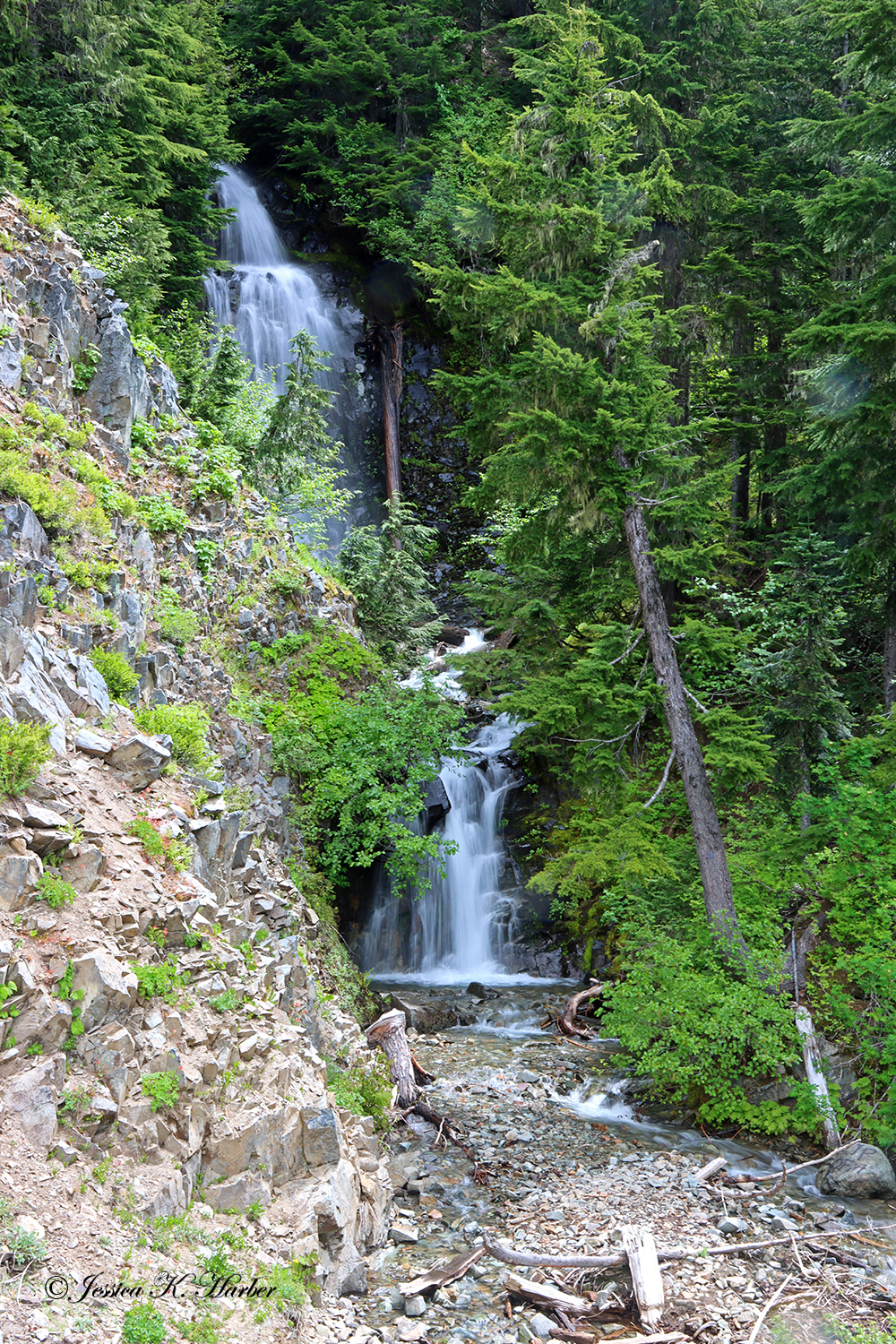
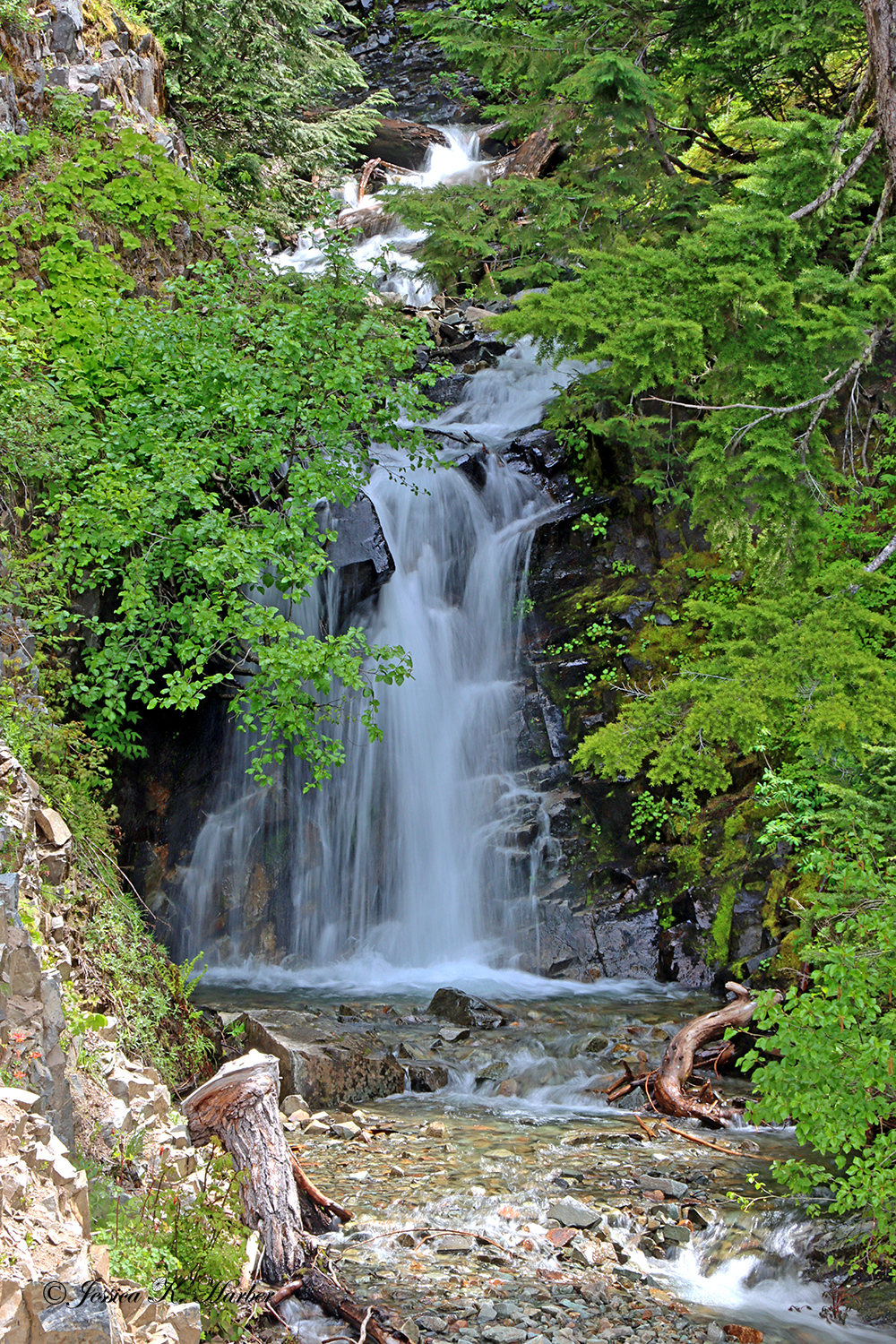
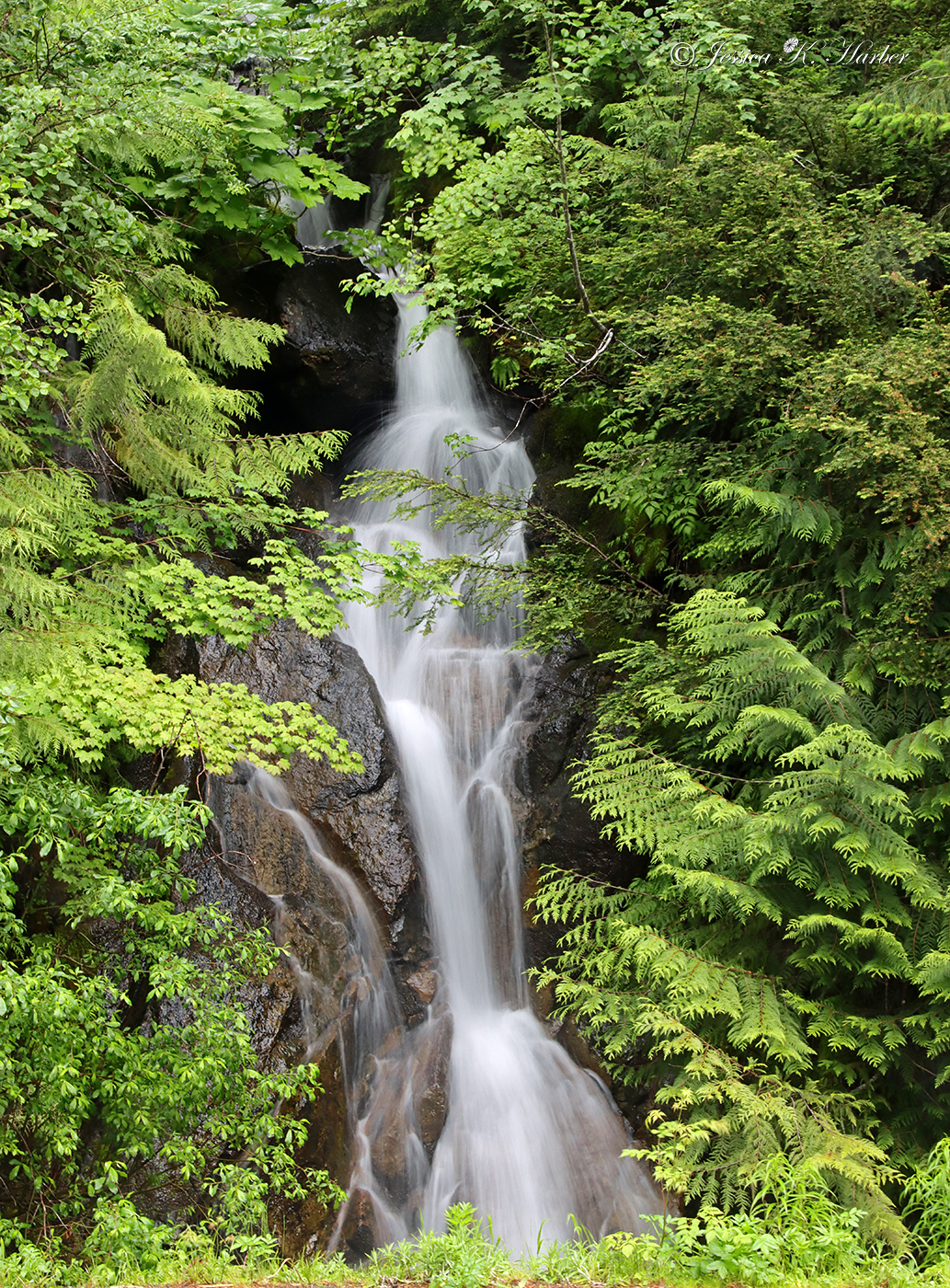
After Olympic, we headed up to North Cascades National Park on the Canadian border. The most striking part about this park is the colorful Diablo Lake. An explanation of this surprising color is in one of the photos. Sadie and I took a hike that also overlooked Diablo Lake. I happened on what I thought was a particularly beautiful roadside cascade one day, too. The usual PNW moss, ferns, and wet was everywhere. Beautiful area.

North Cascades Scenes

Lassen Volcanic National Park

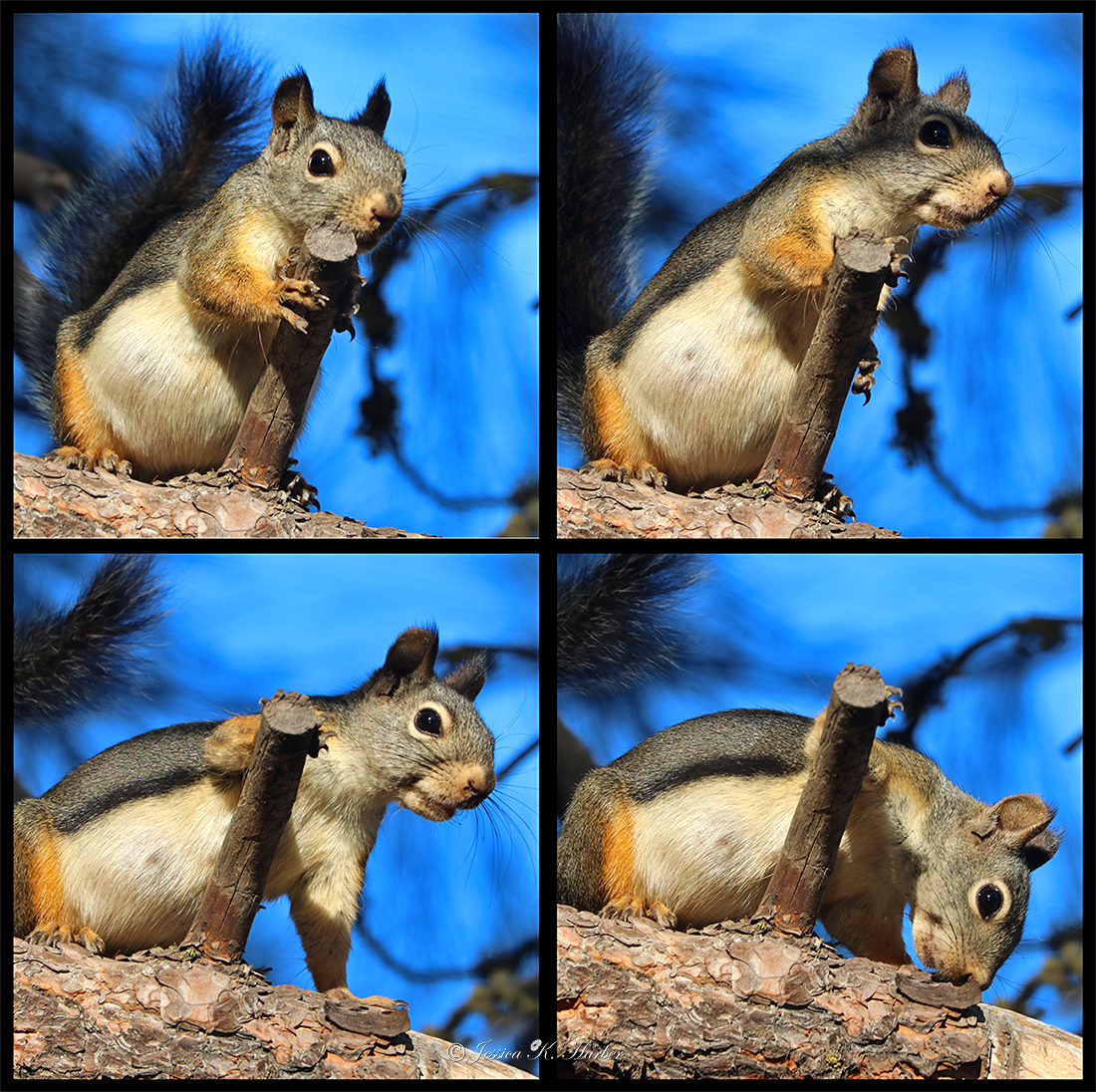
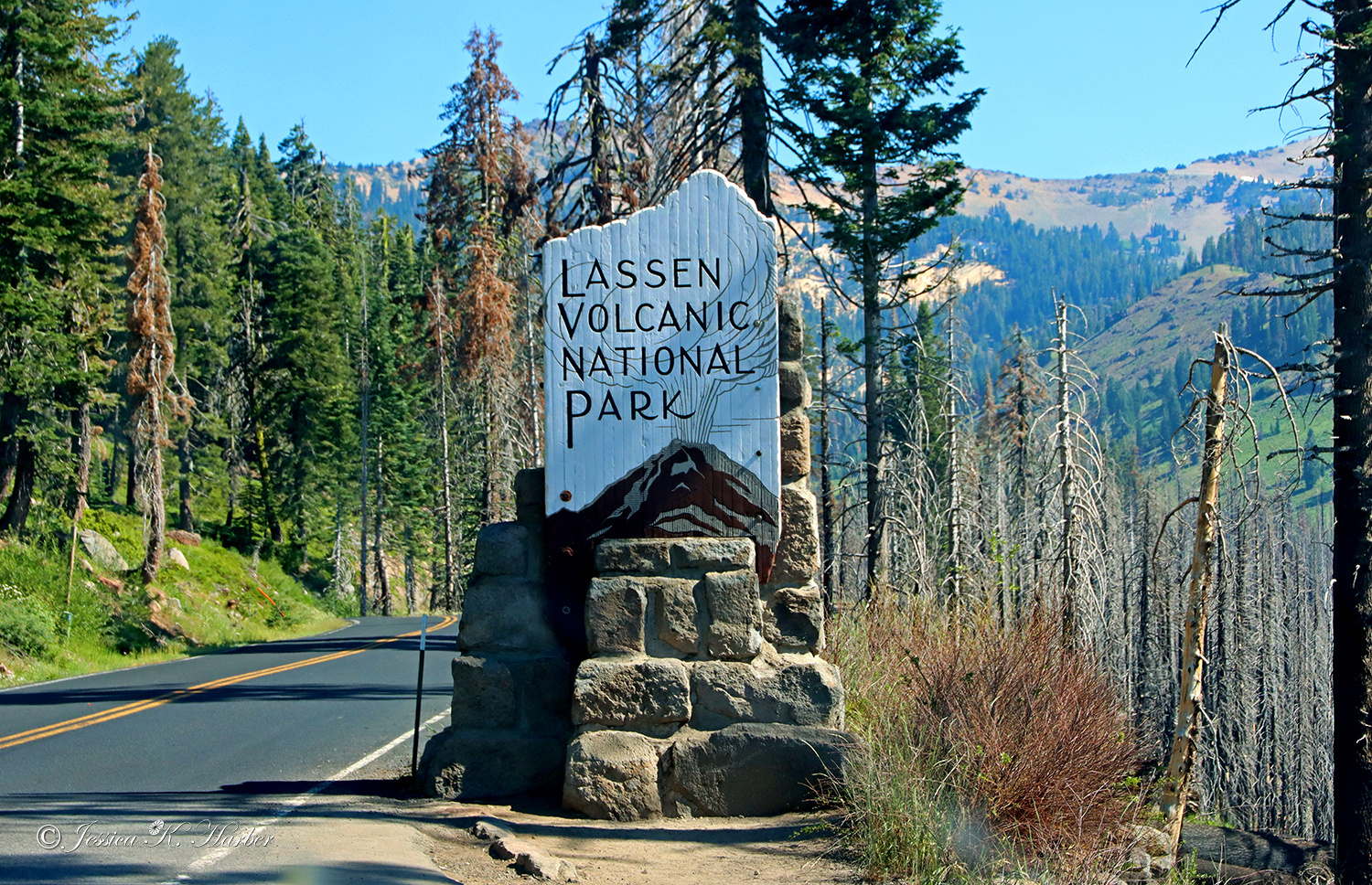
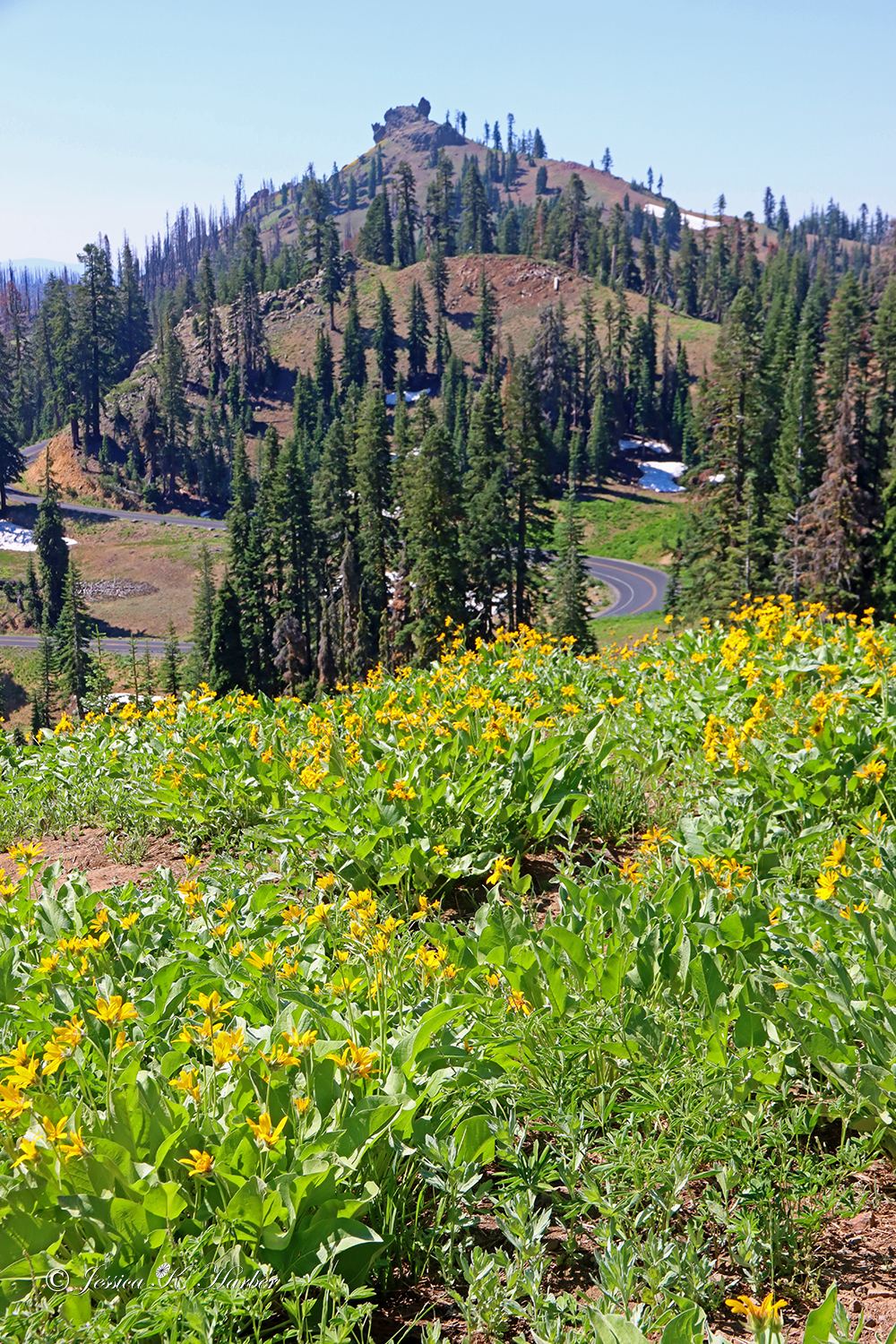
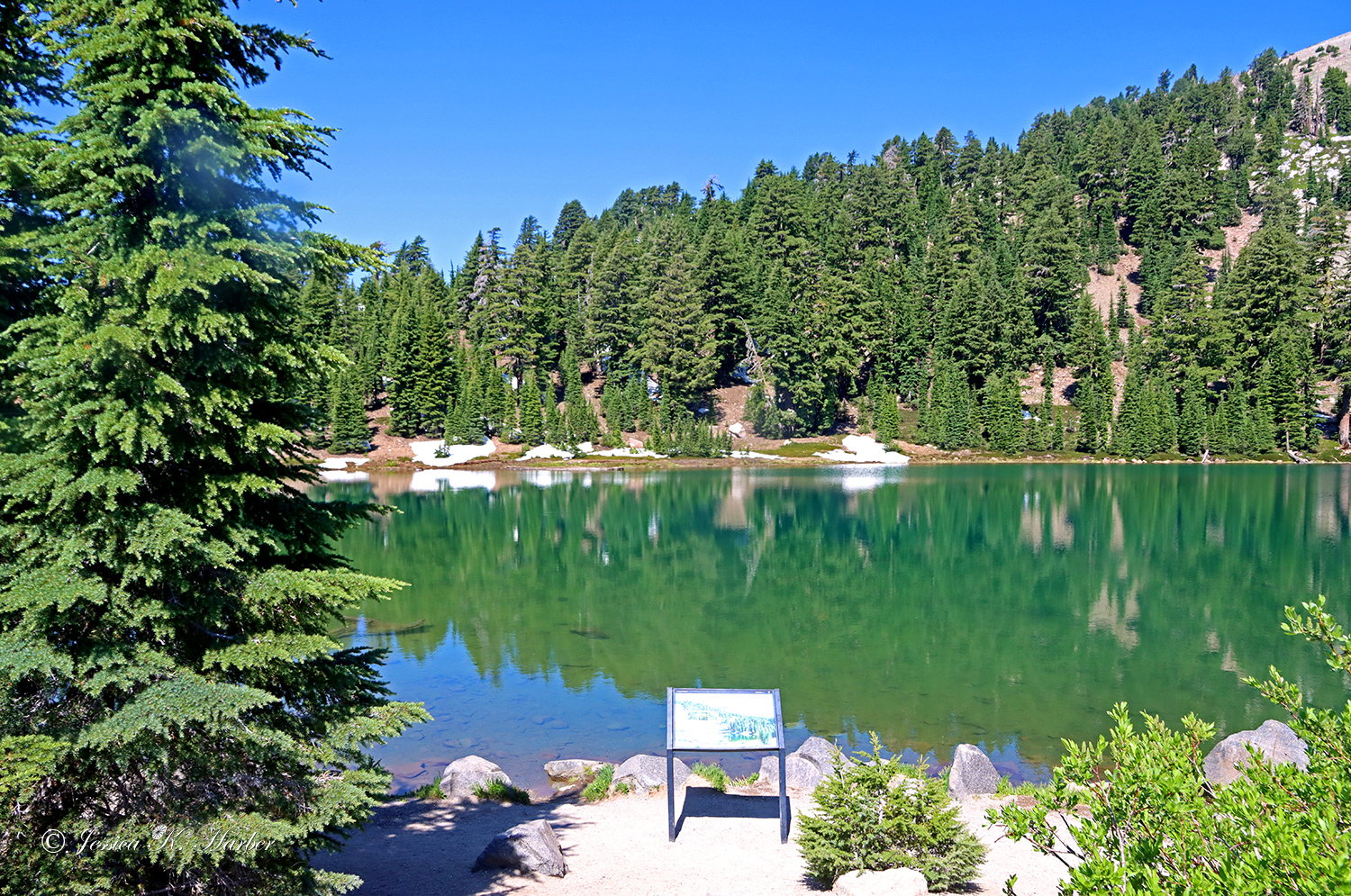
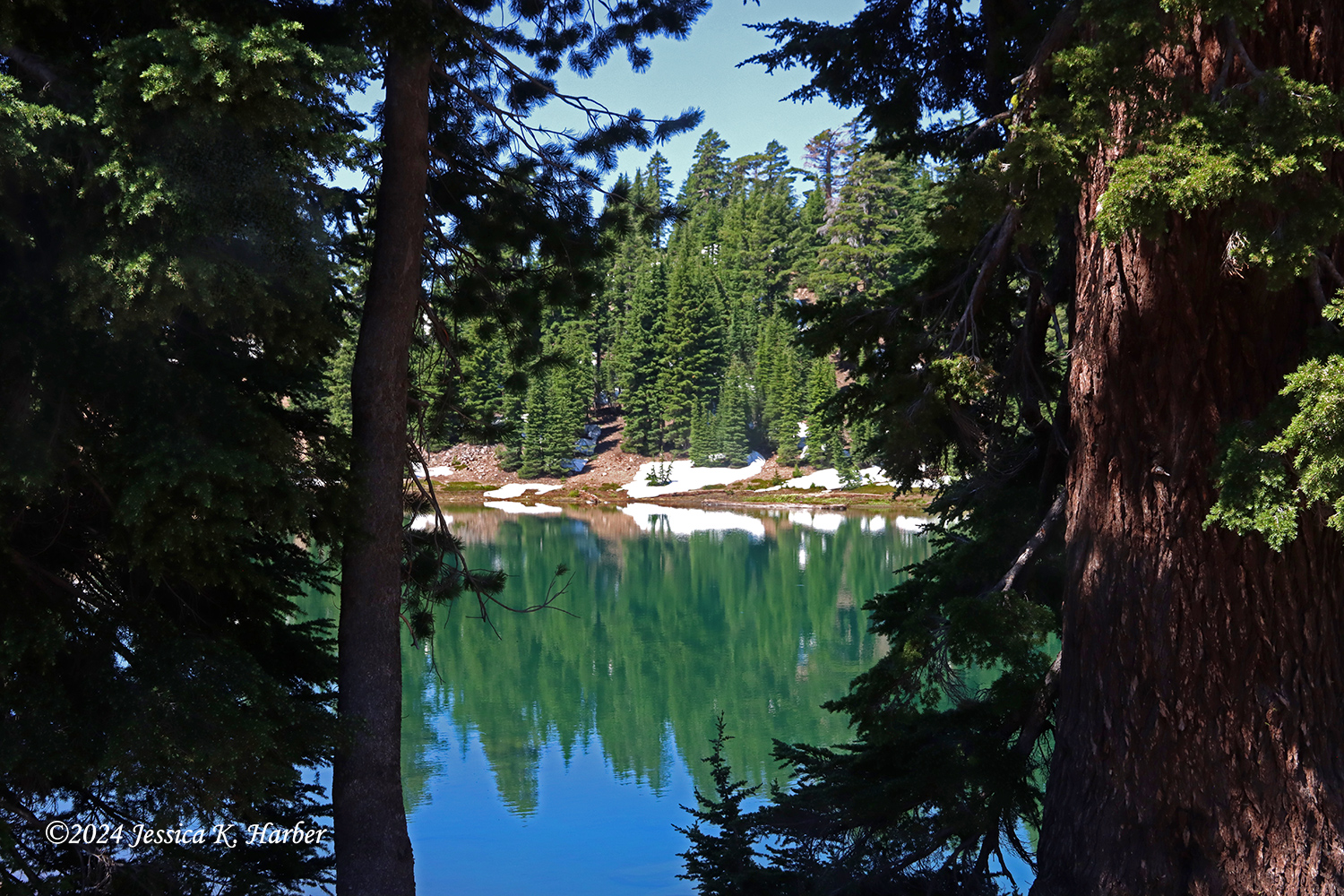
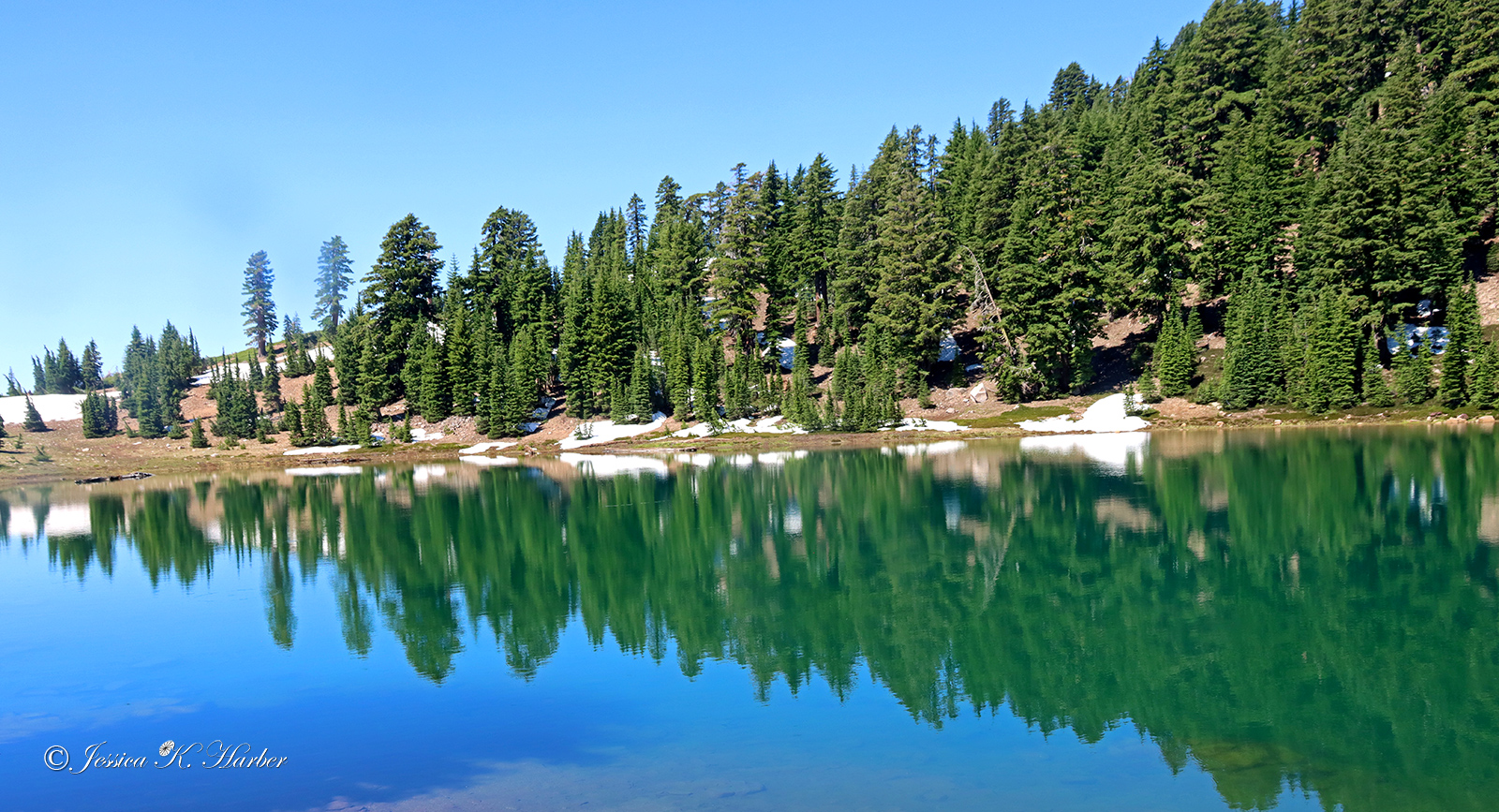
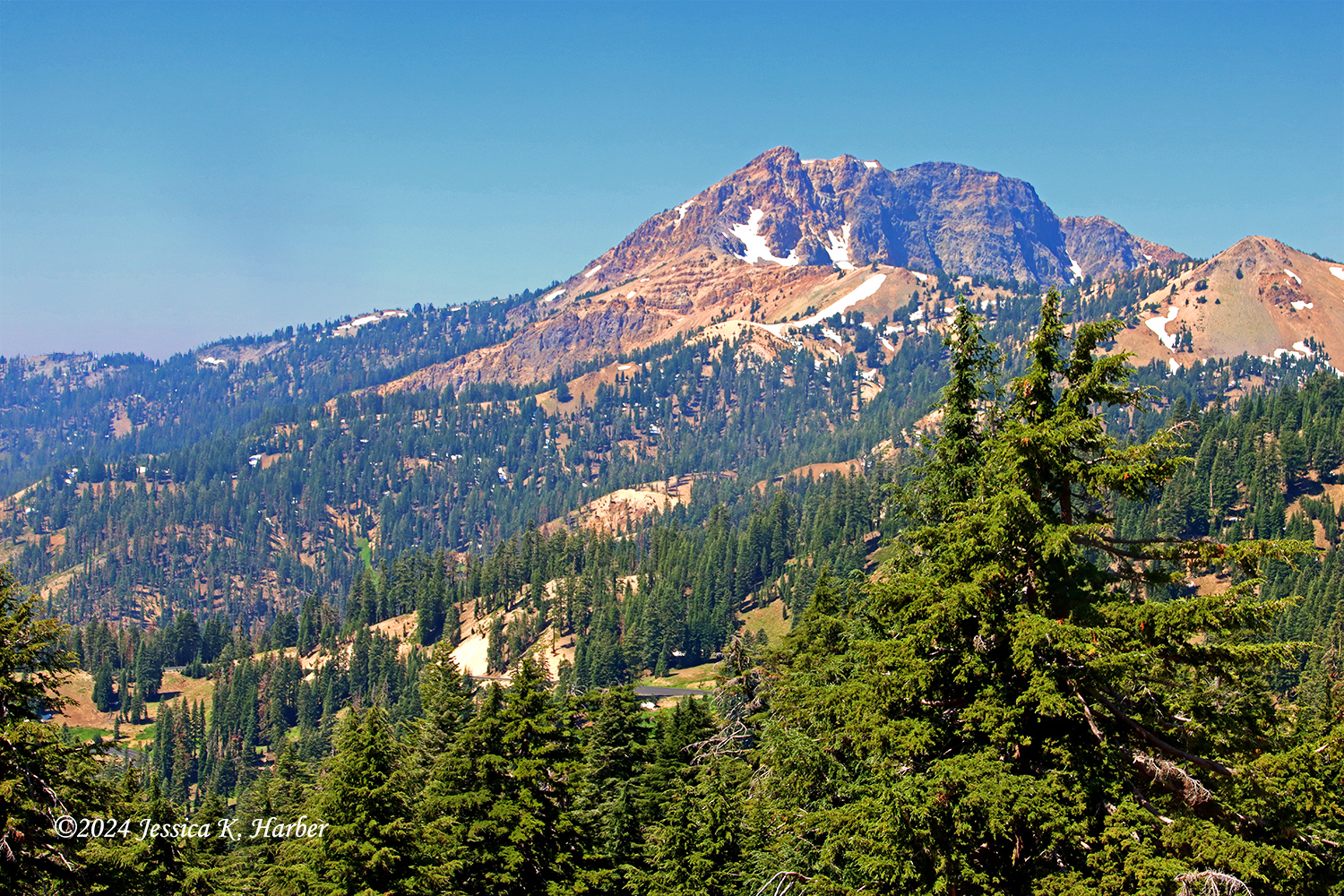
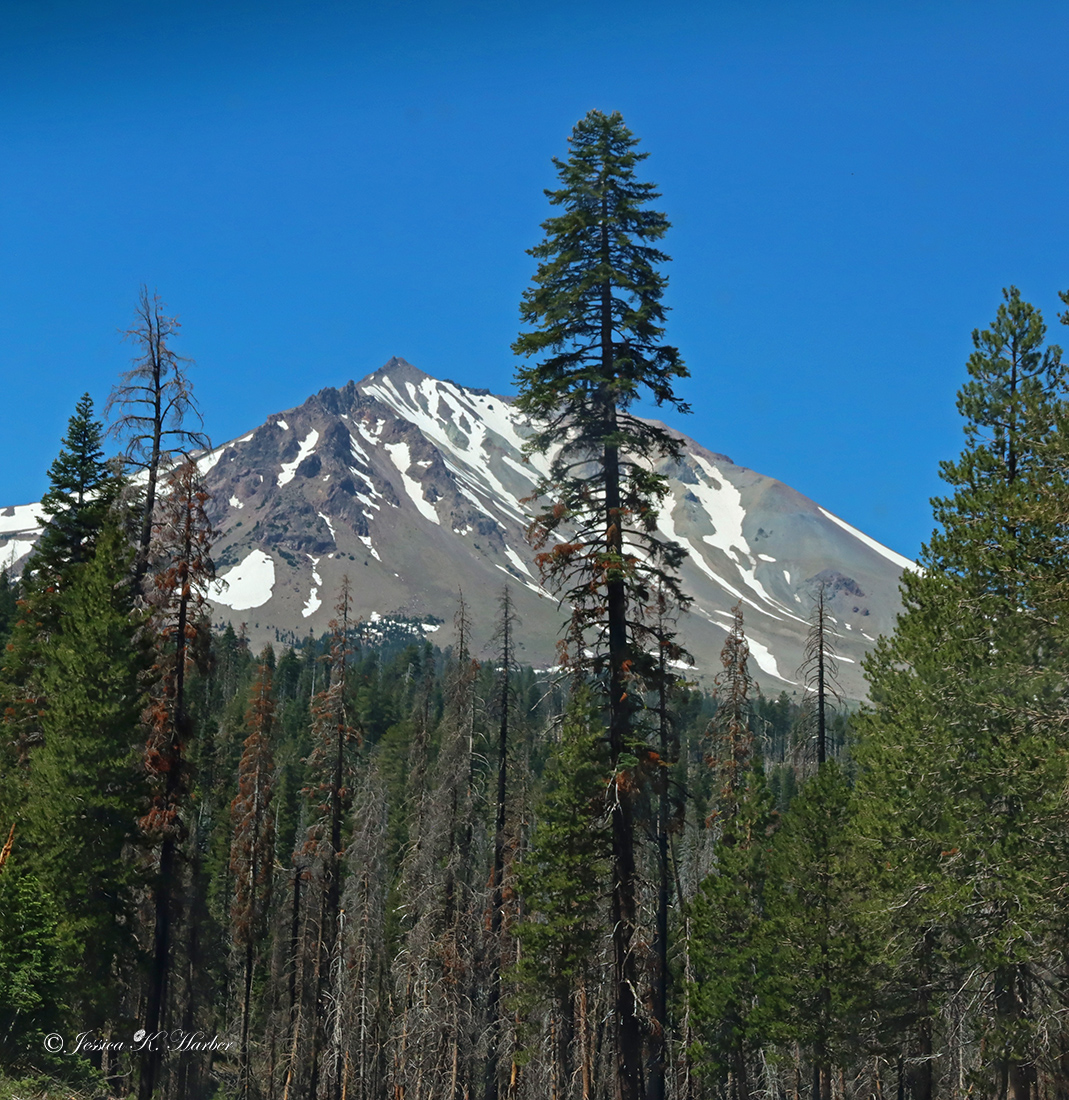
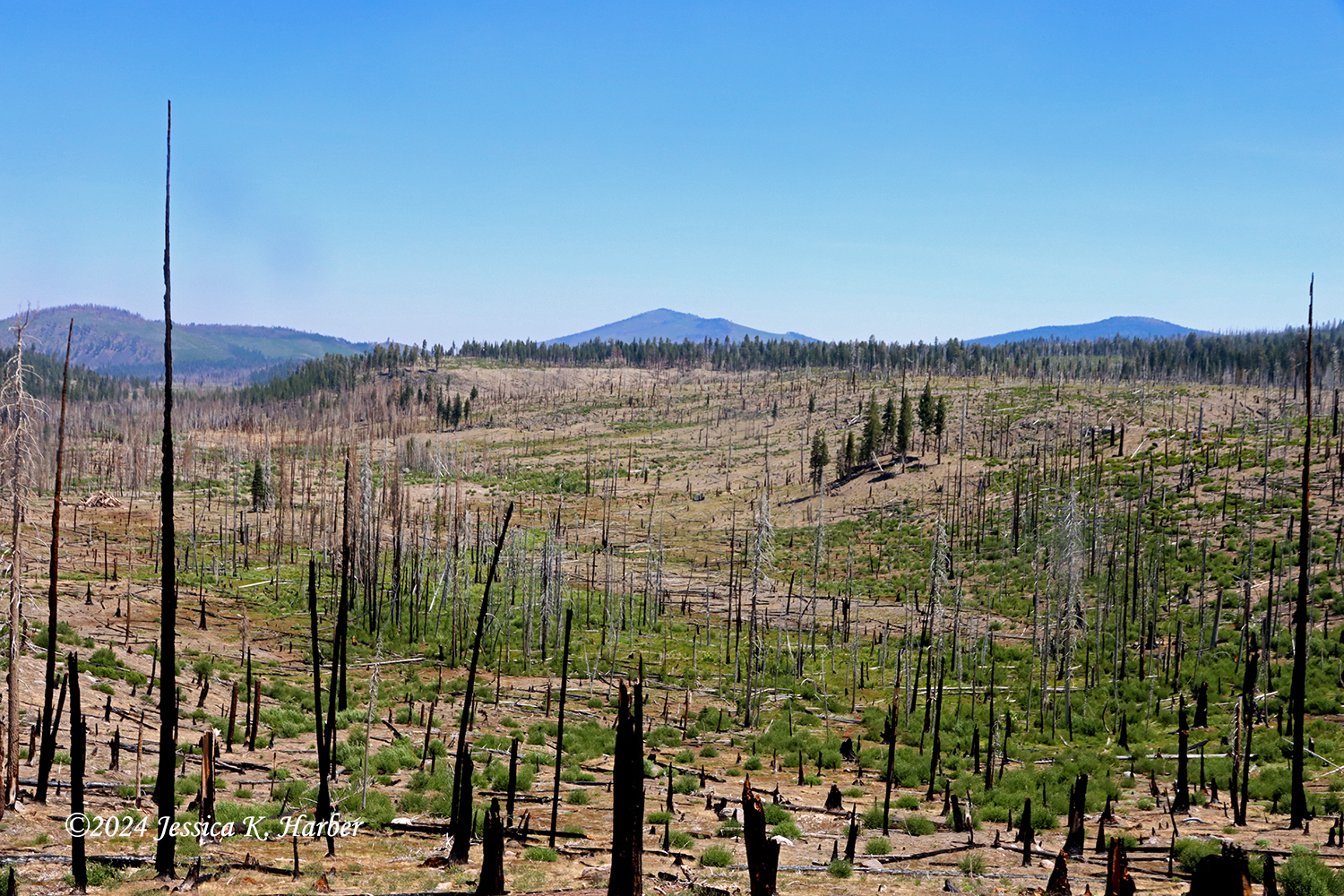
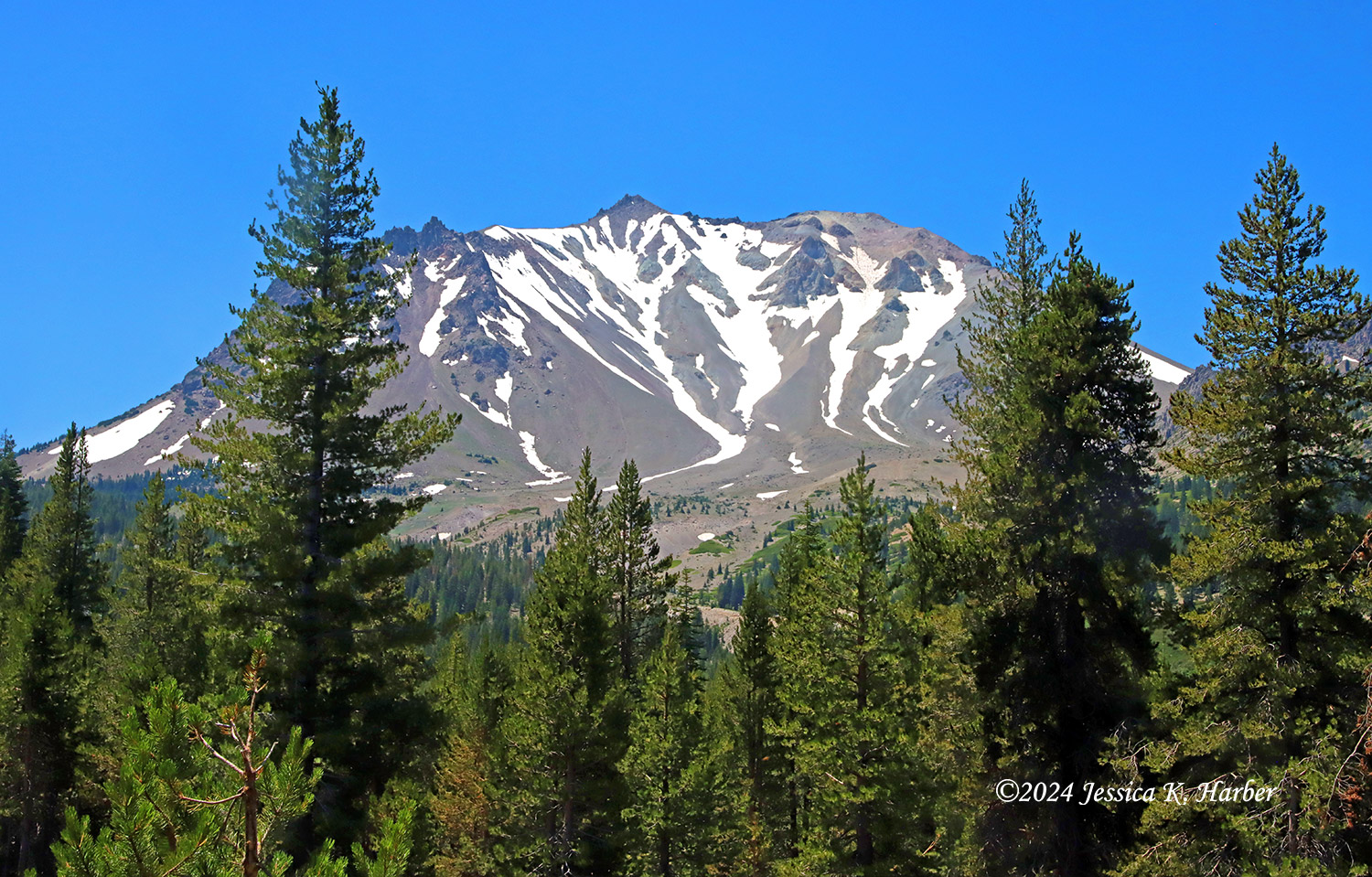
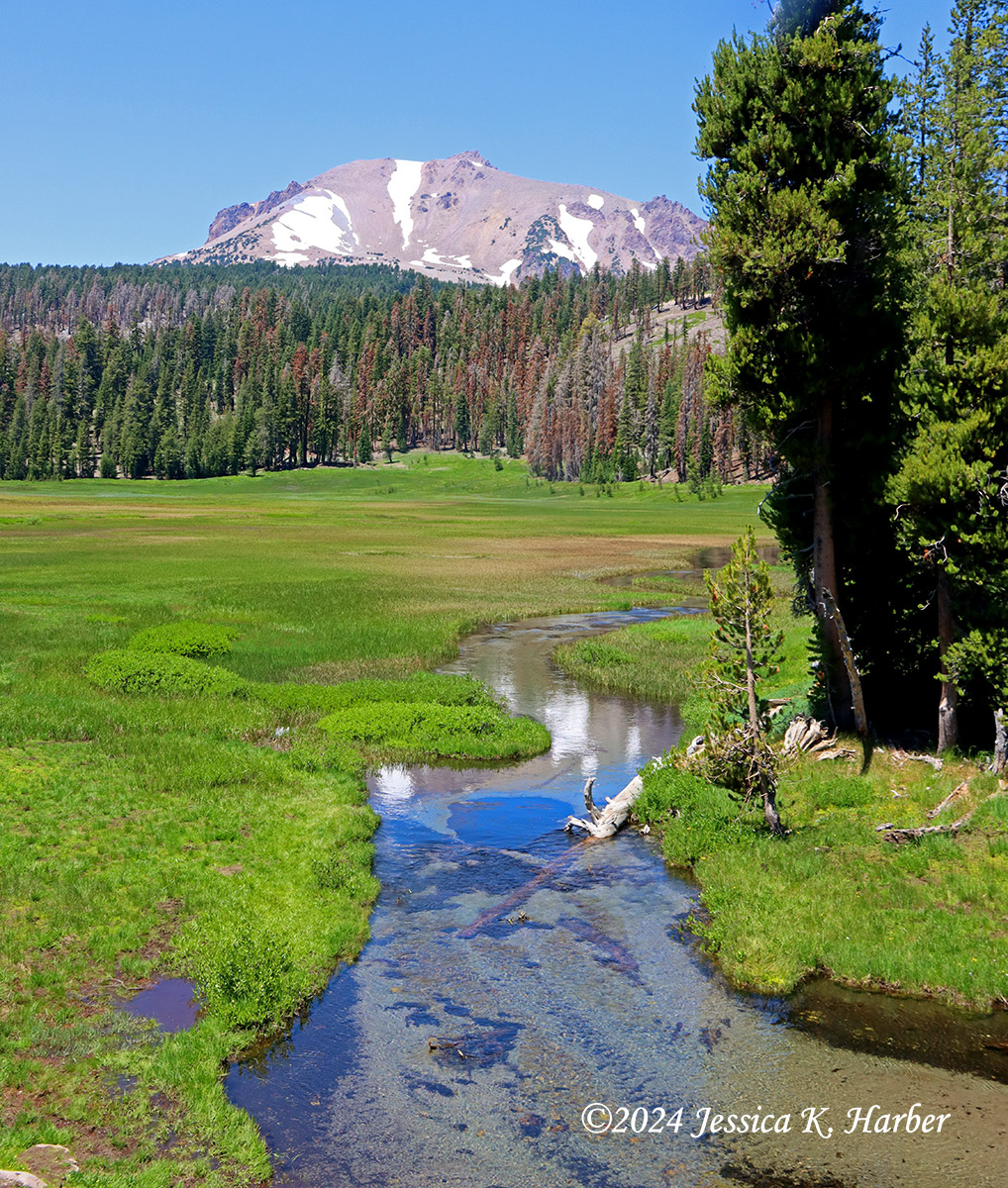
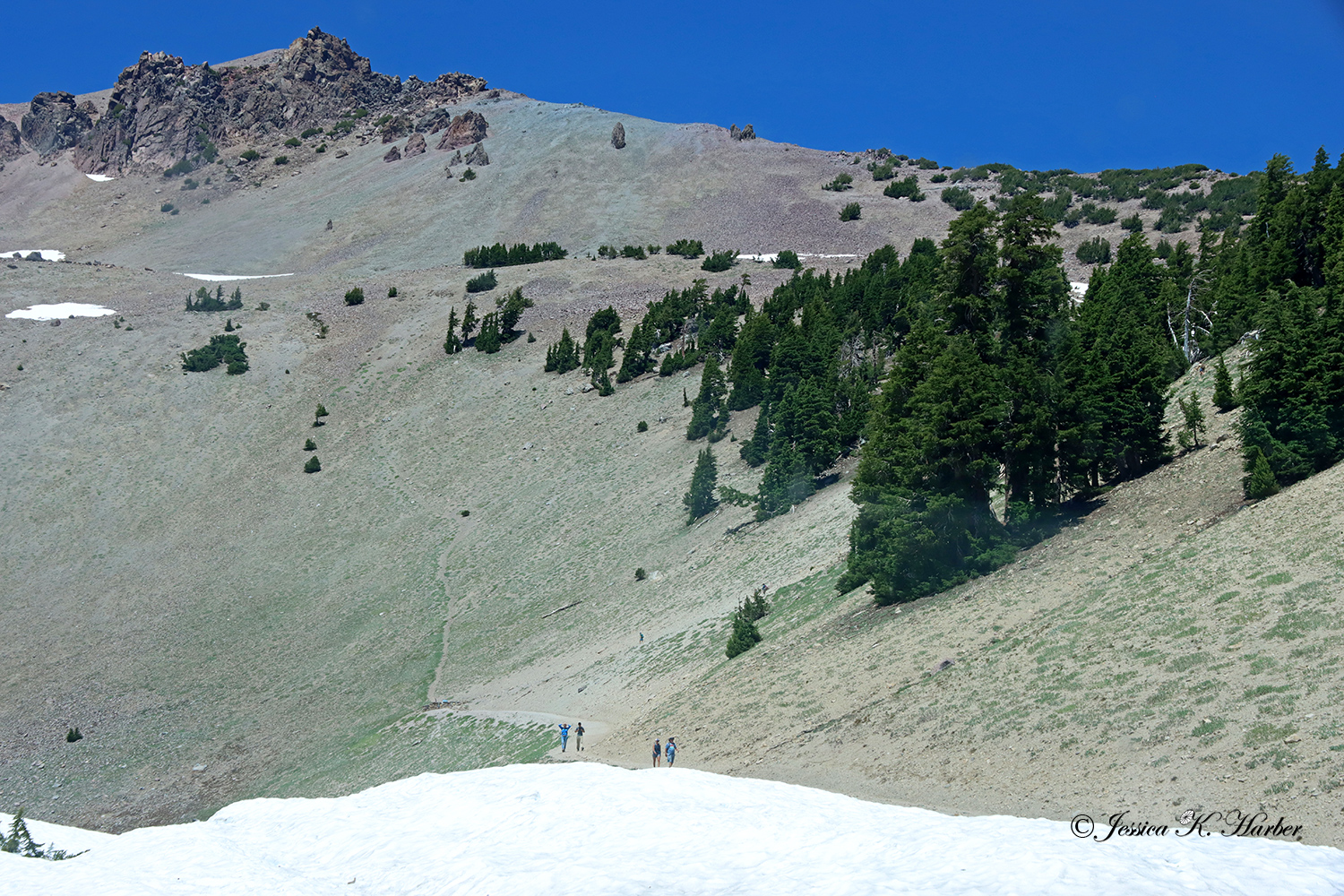
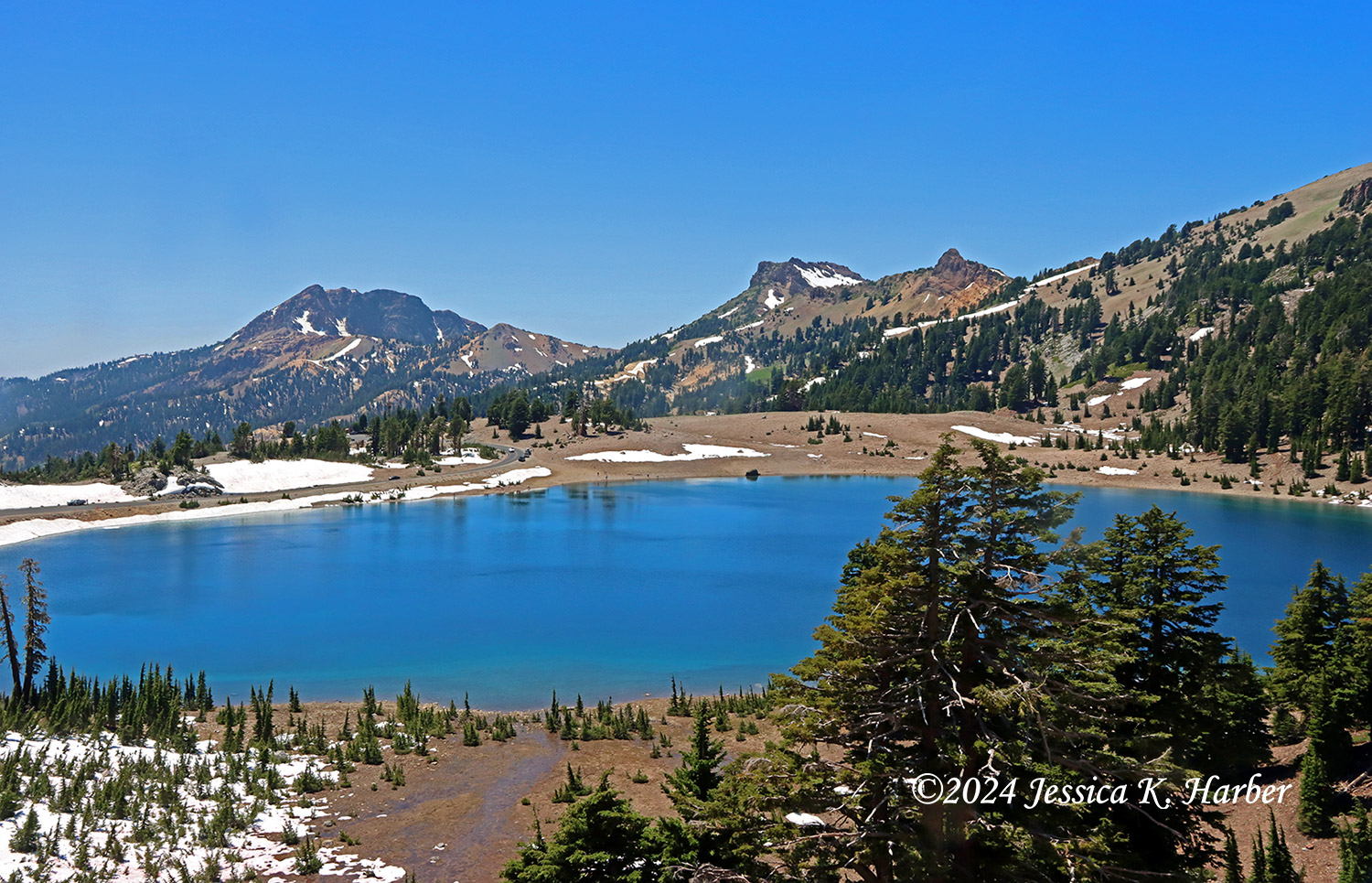
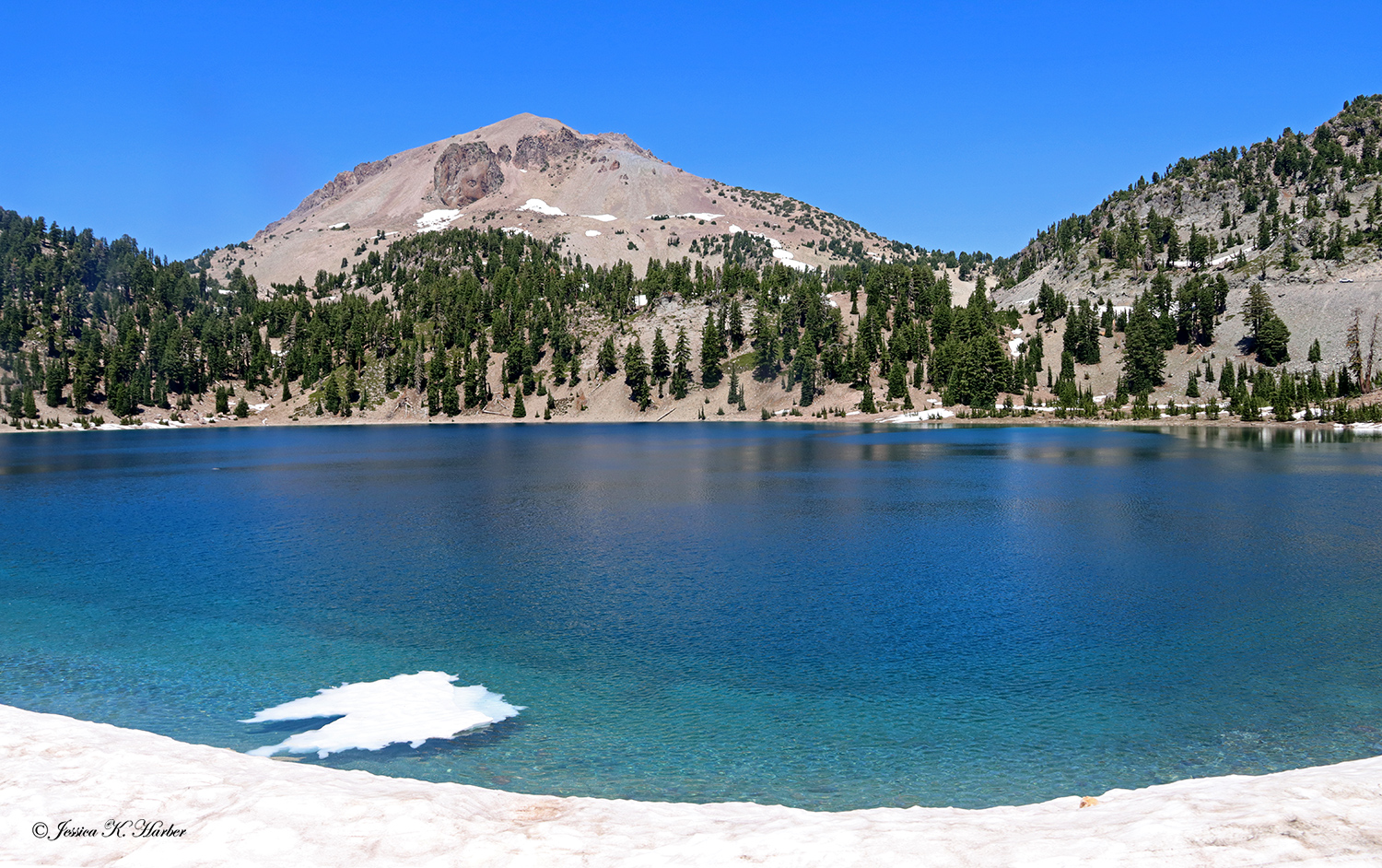
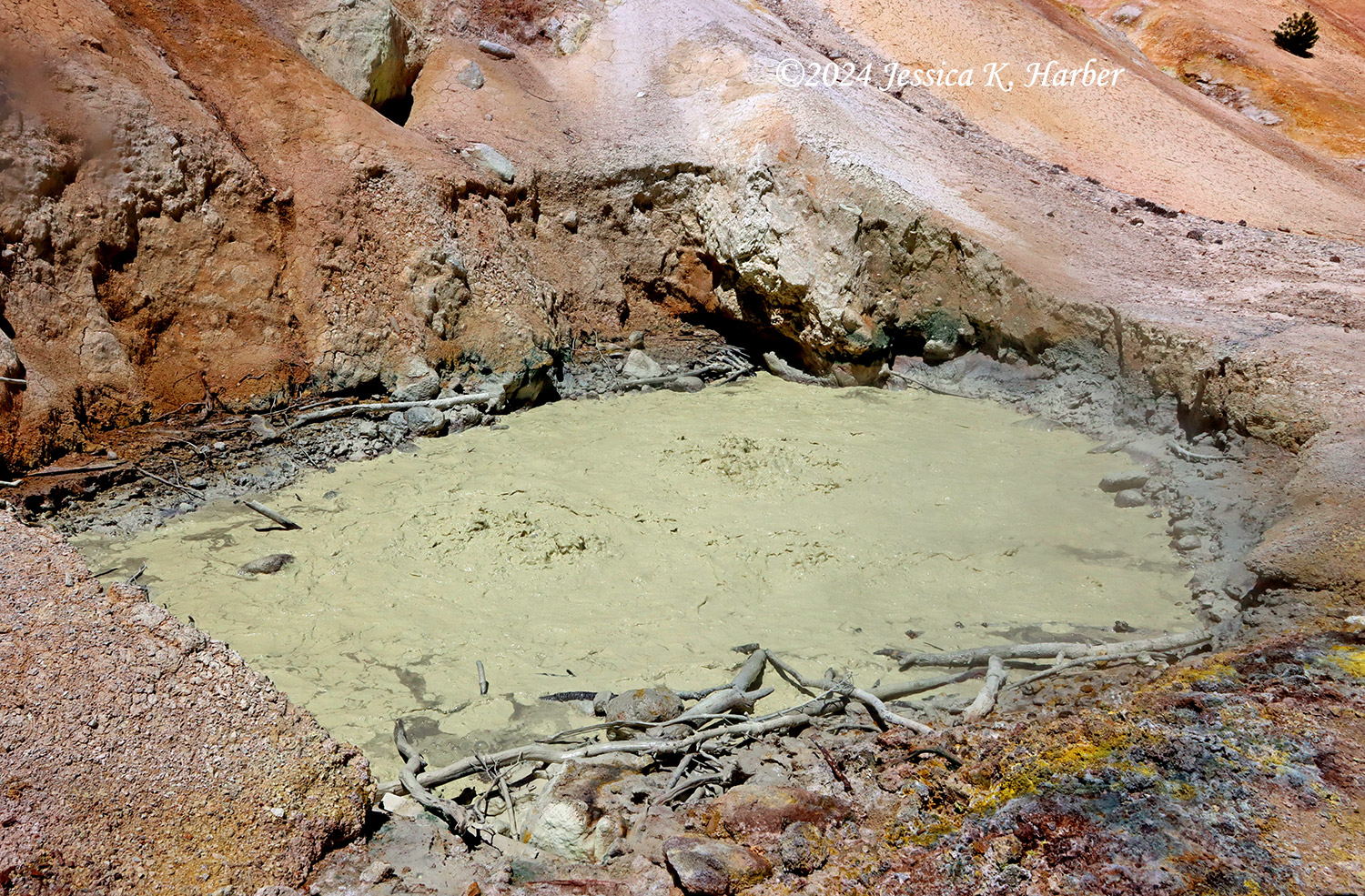
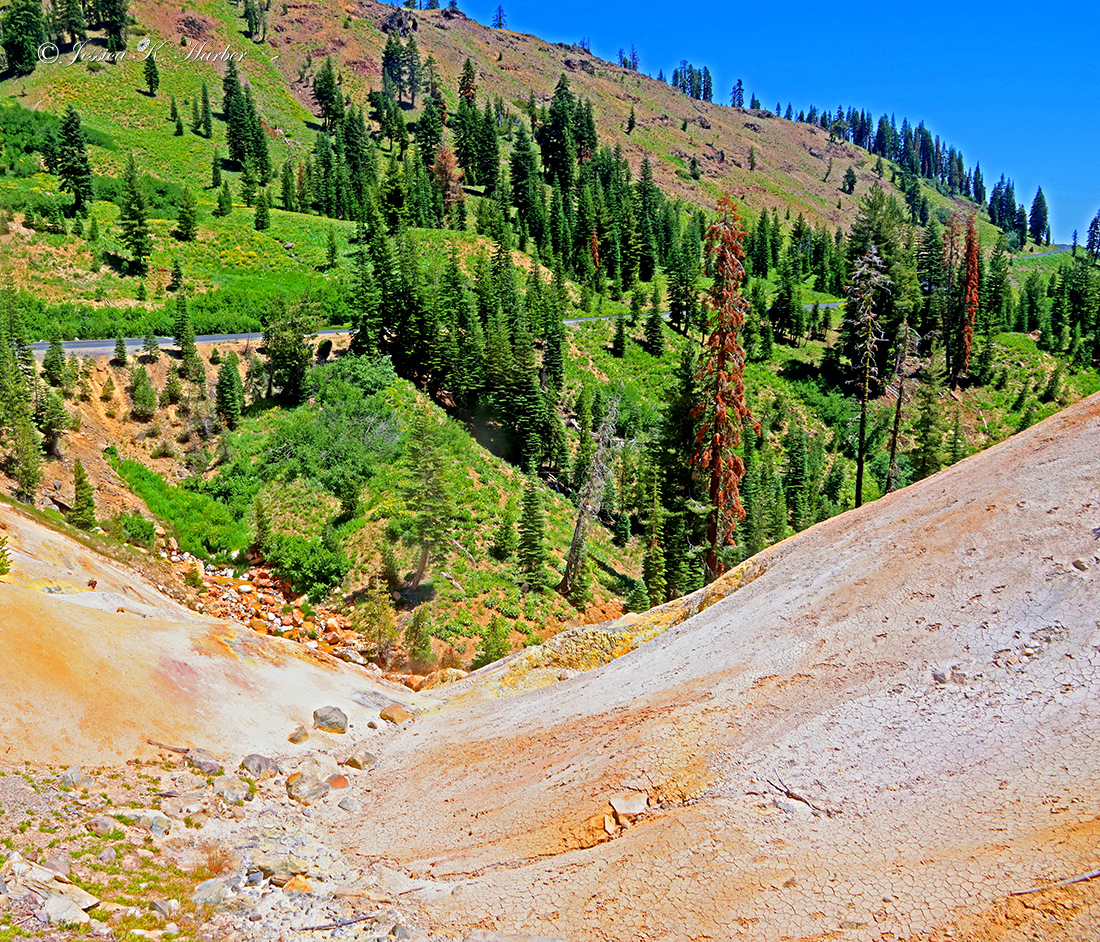
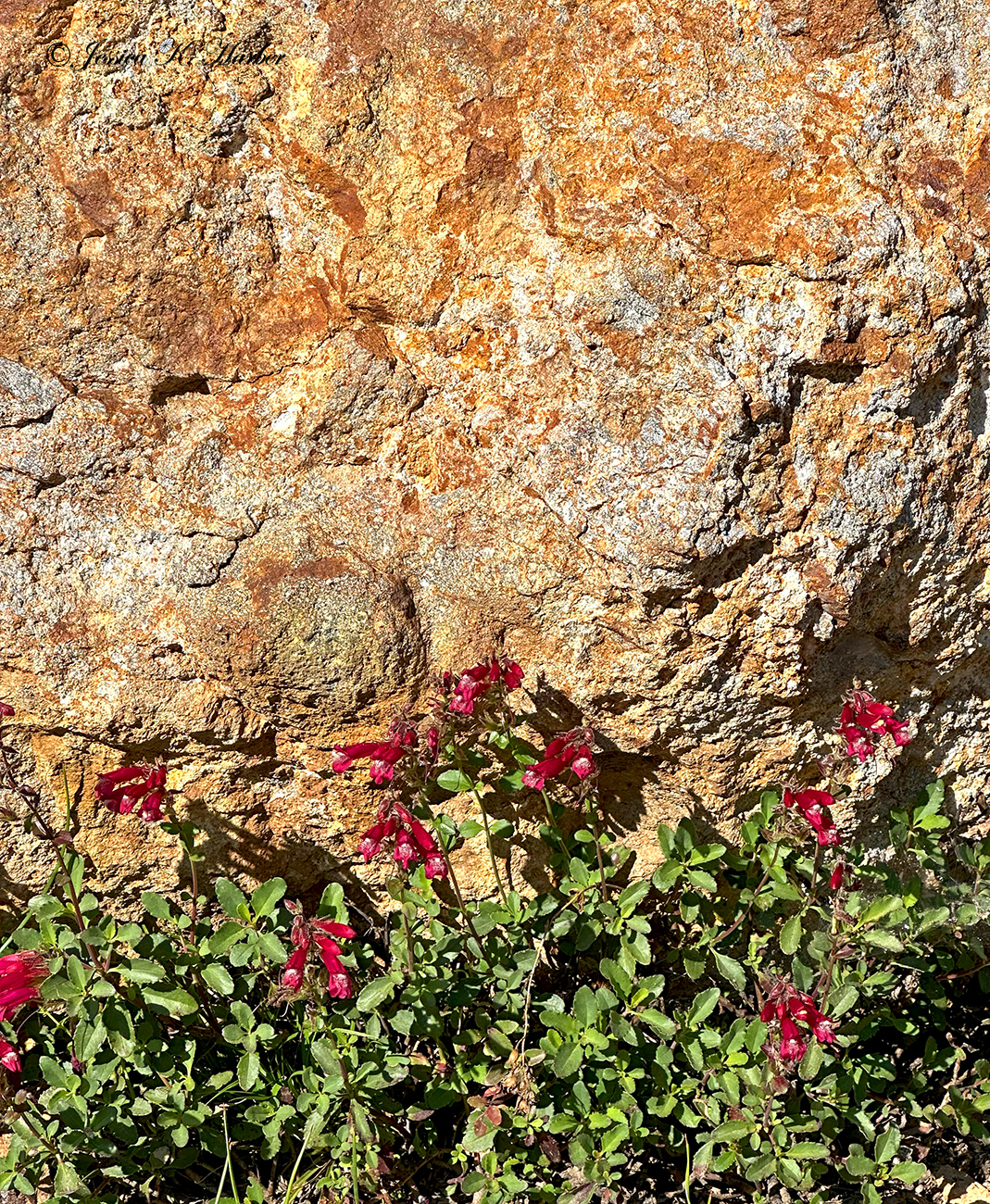
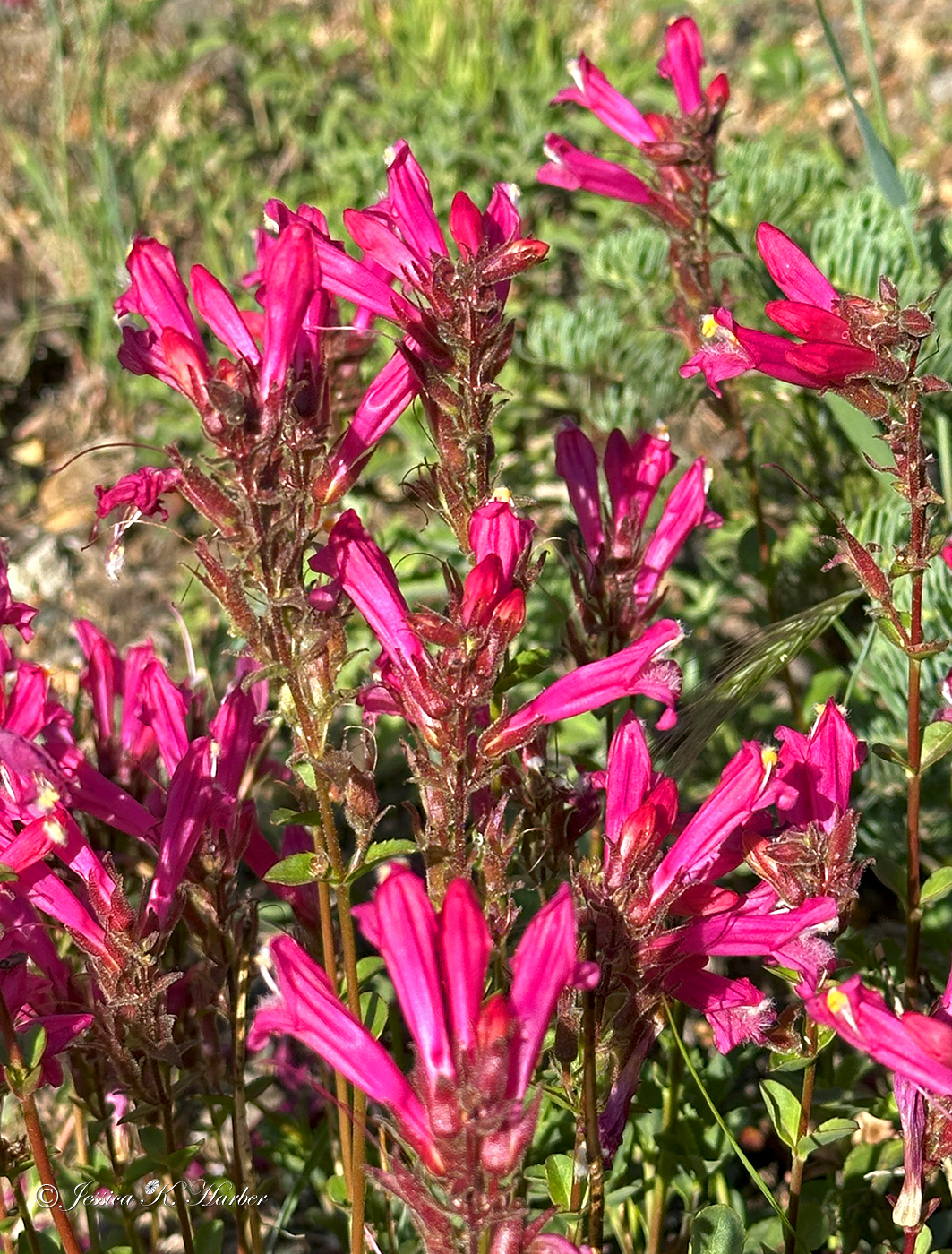
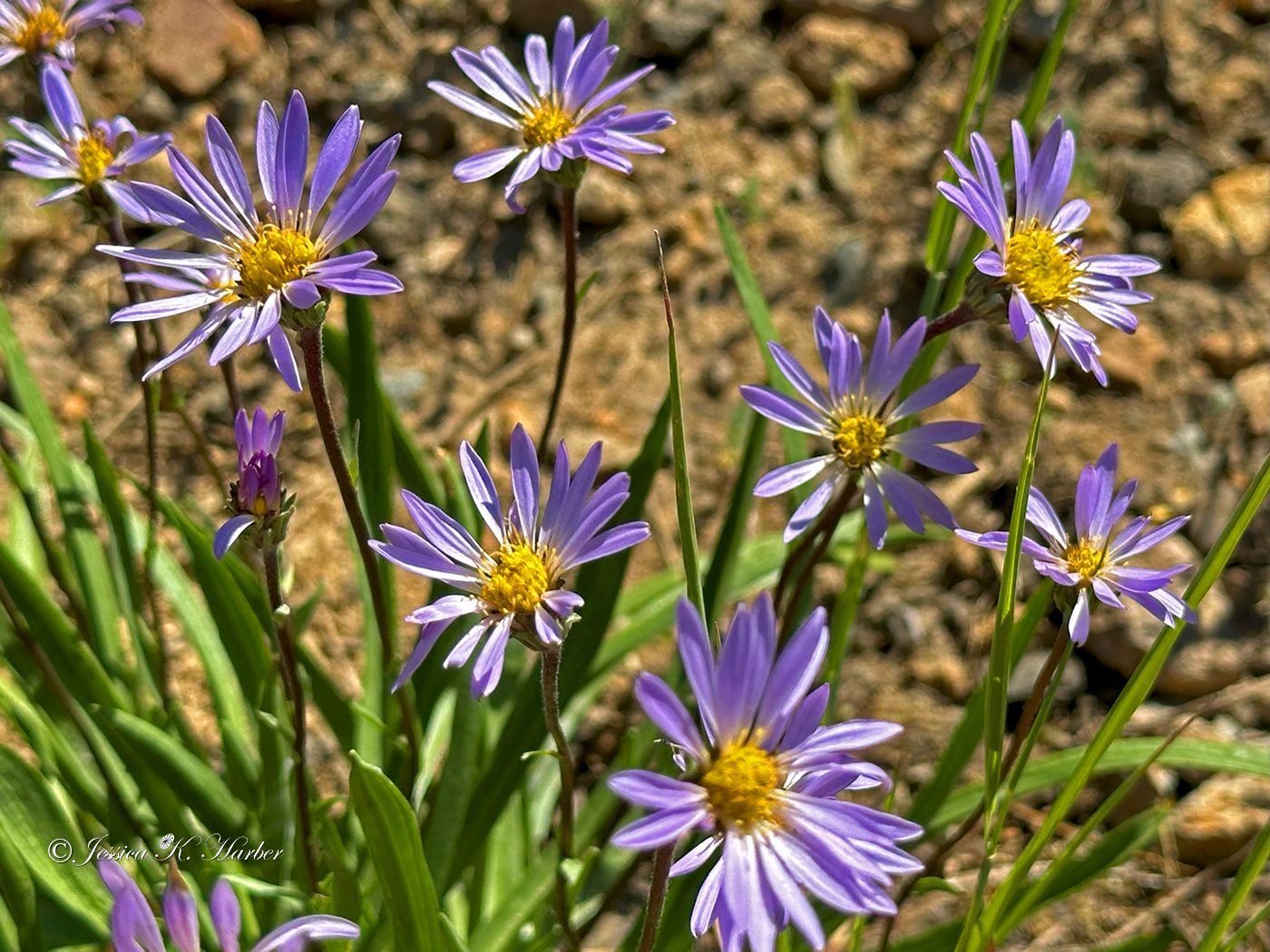
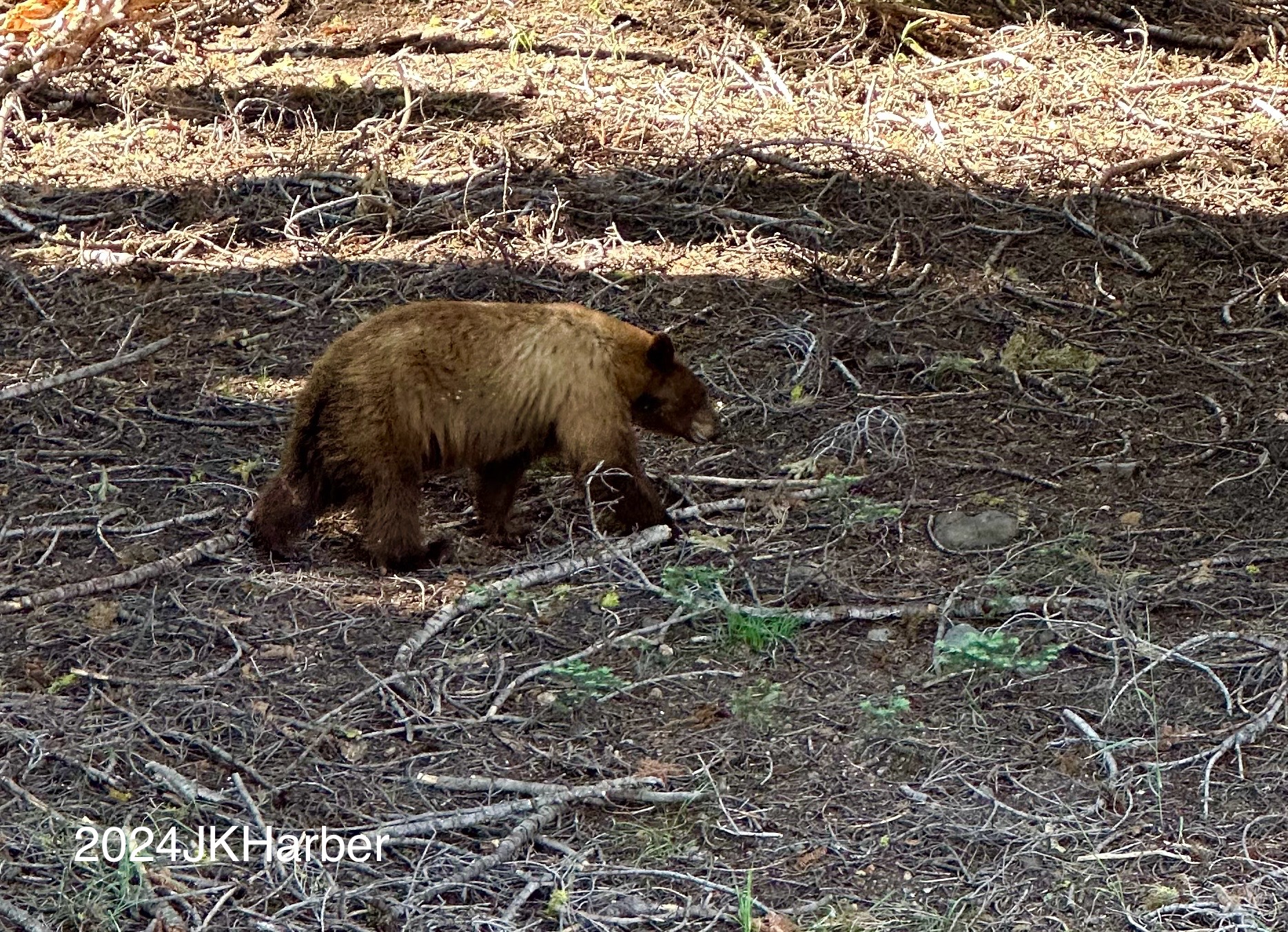
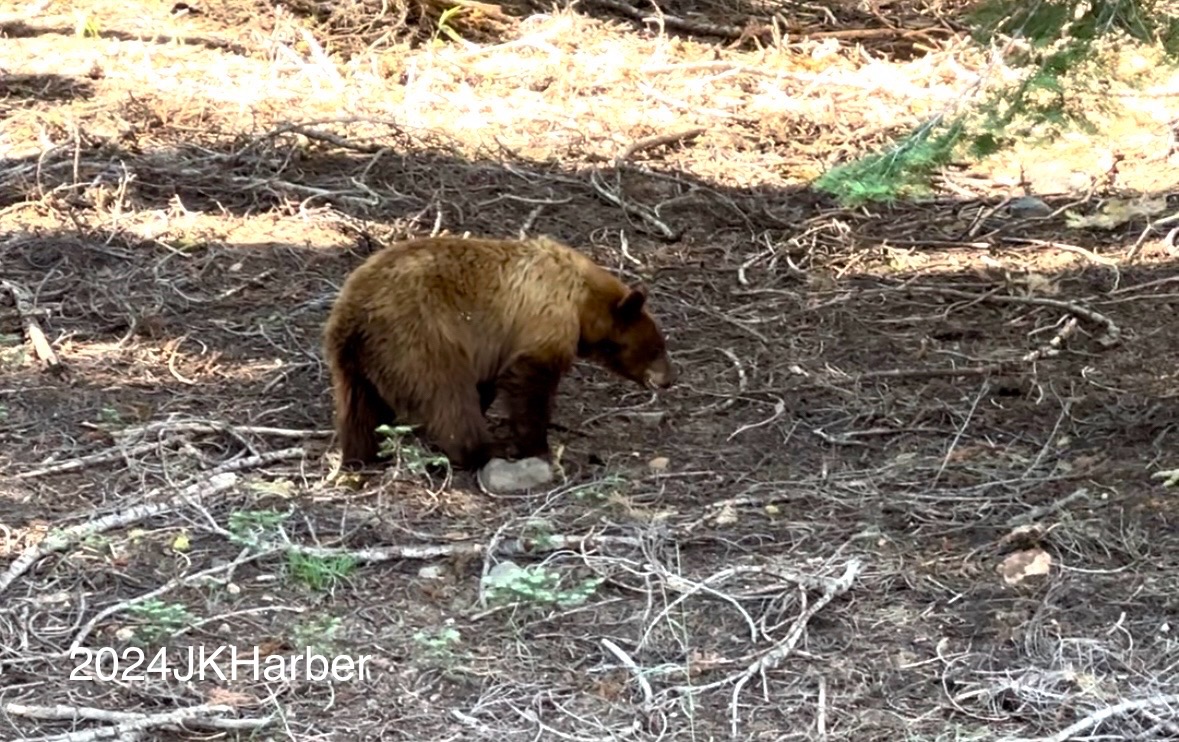
First, a few more sights along the way and then back to California to Lassen Volcanic National Park. Lassen is small but packs in a lot of variety and beauty. One day, when I drove into the park from our nearby campground to get a signal, I was very excited to see a cinnamon black bear–a first for me. Unfortunately, I didn’t have my camera with me, but took a few shots and video with my phone, both of which are below. The Park features mountains, lakes, wildflowers, mud pots, and snow in July!
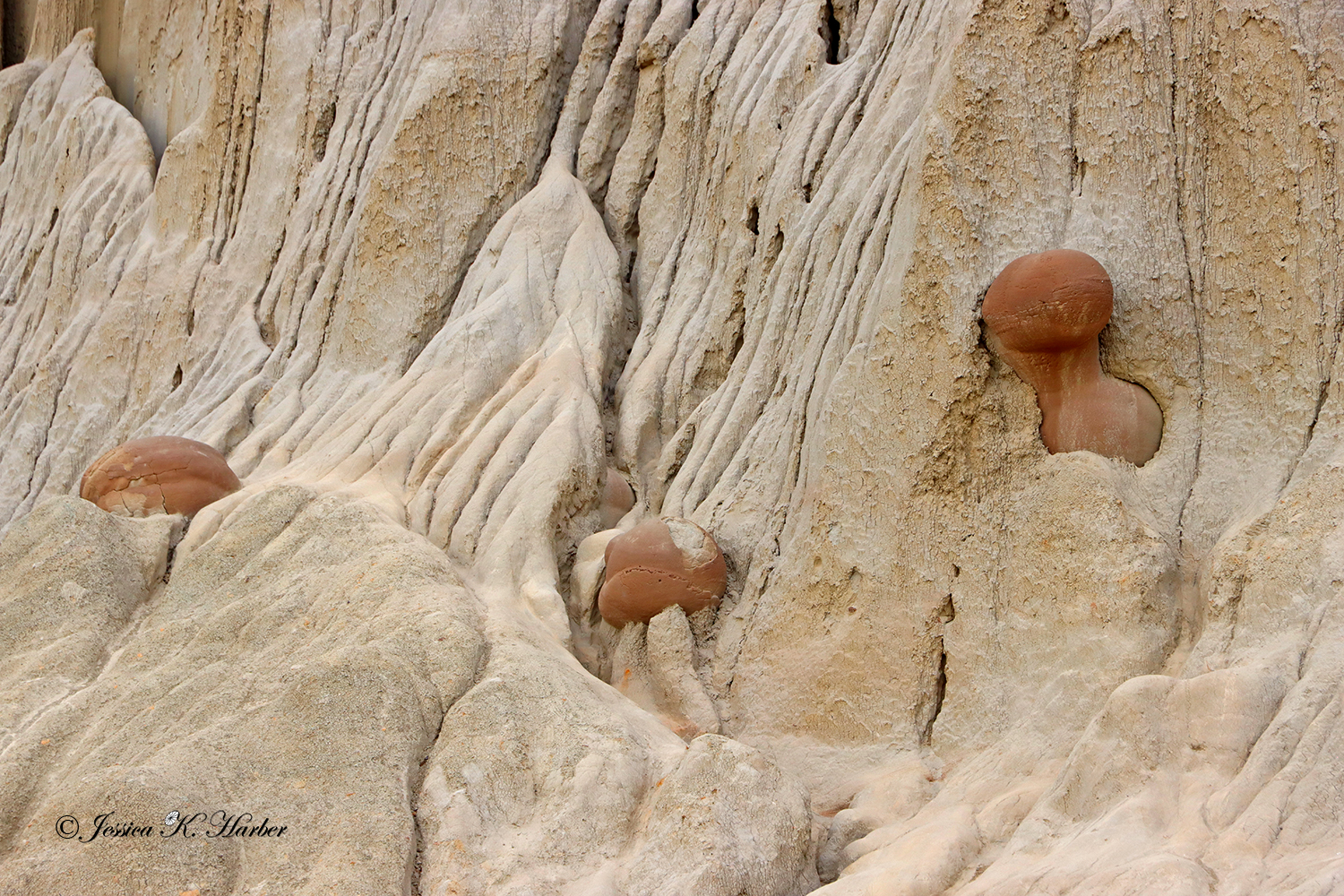
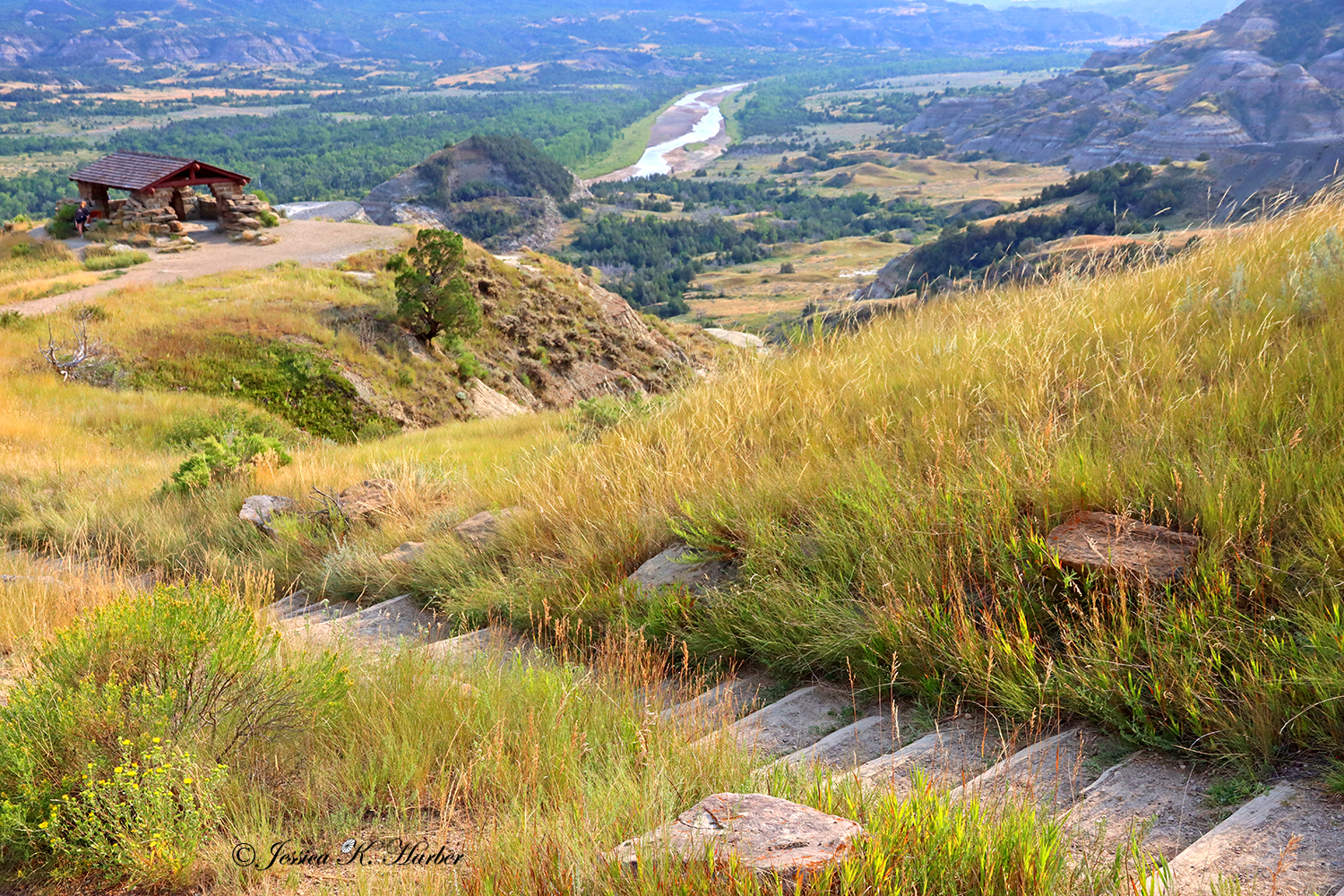
Still photo gallery first, followed by a few videos.

Videos:

Mount Rainier National Park

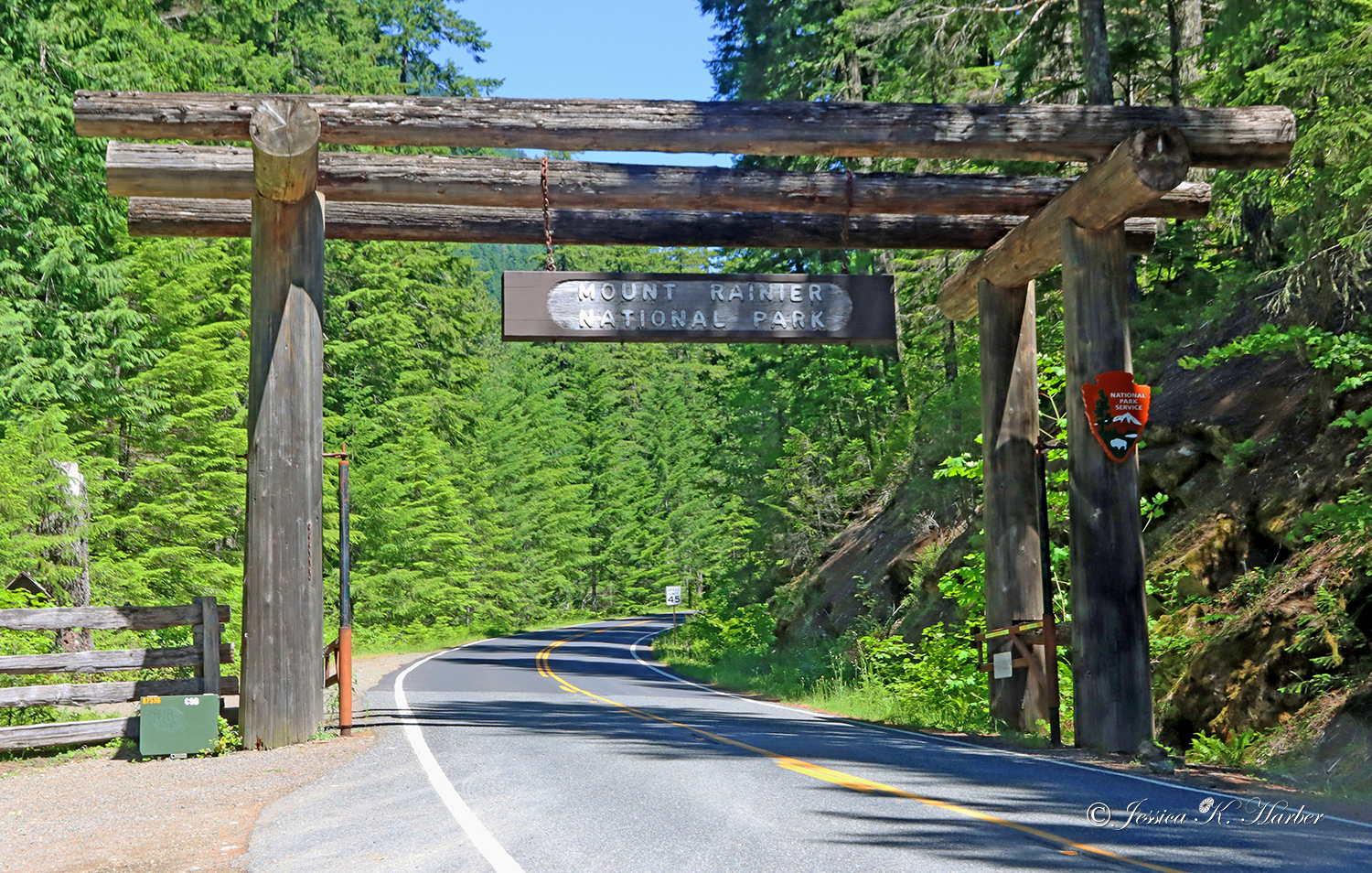
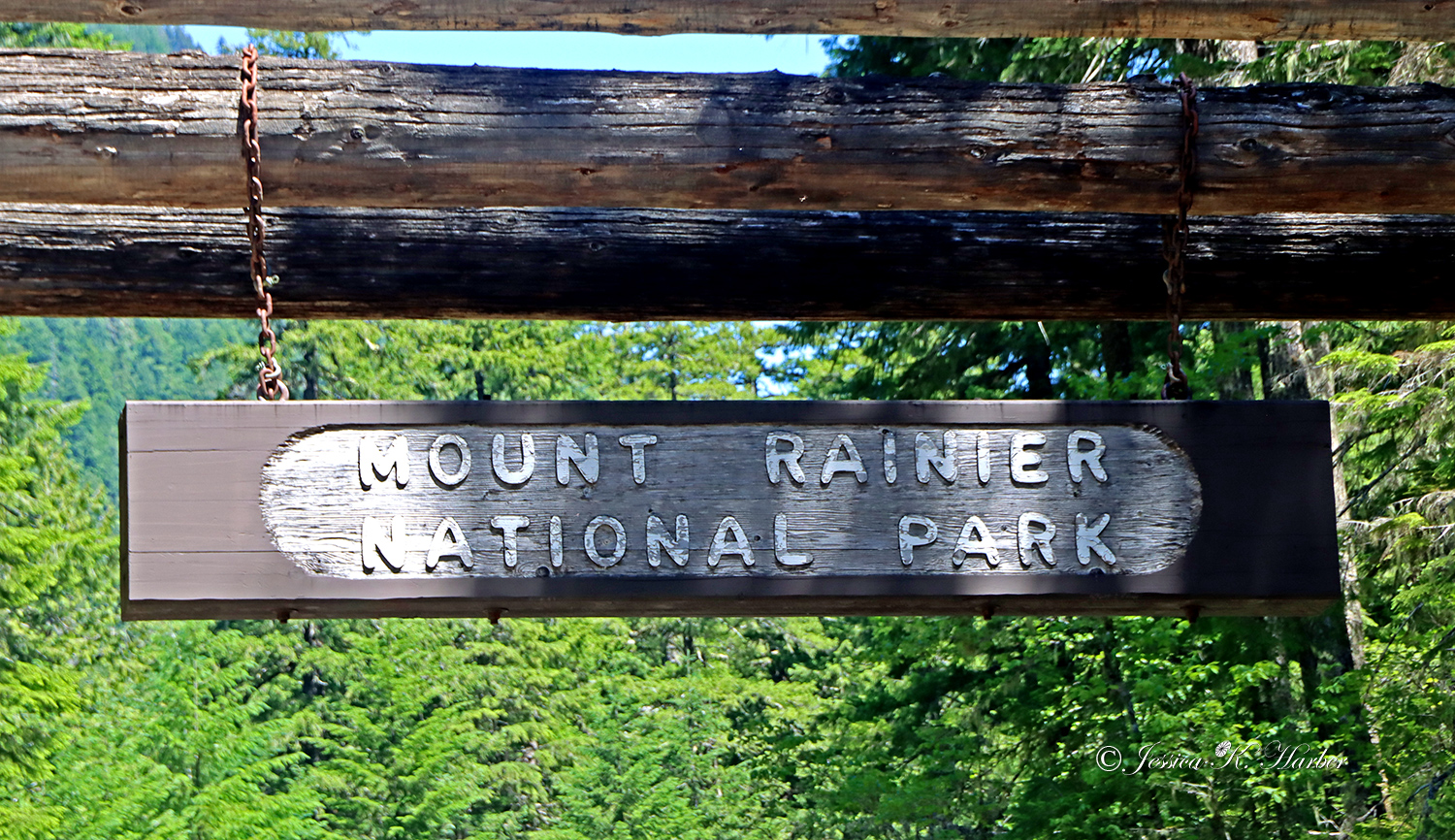
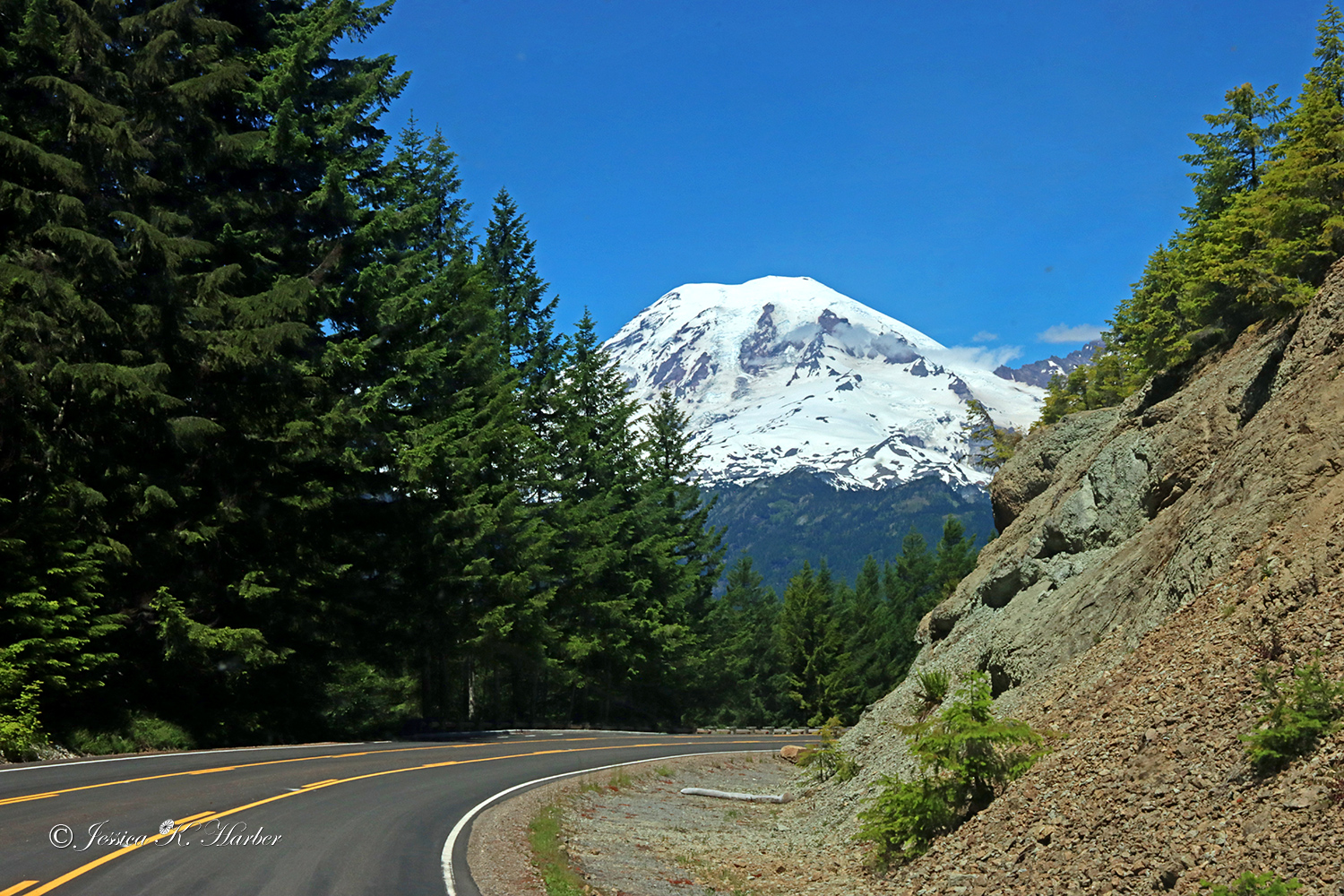
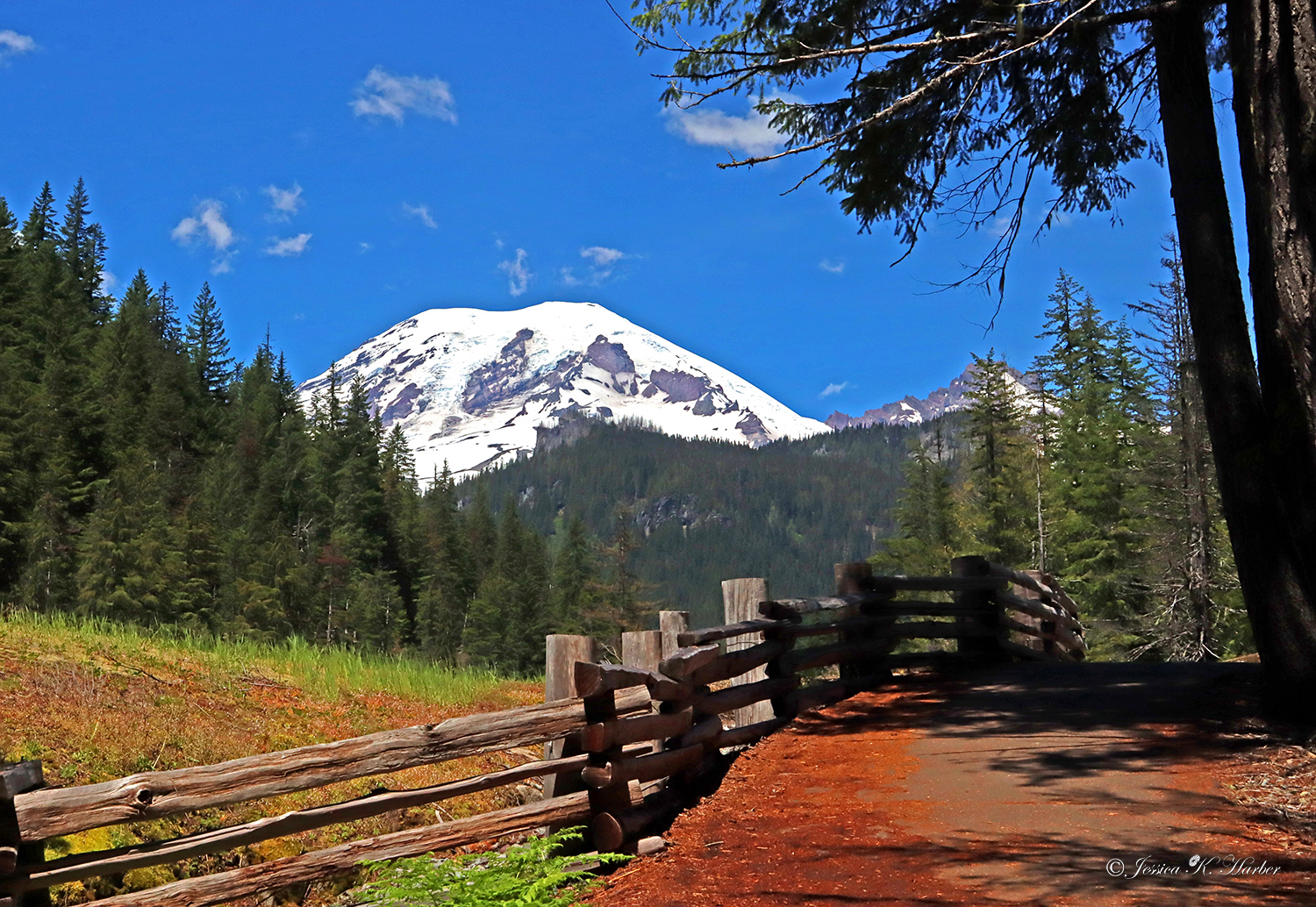
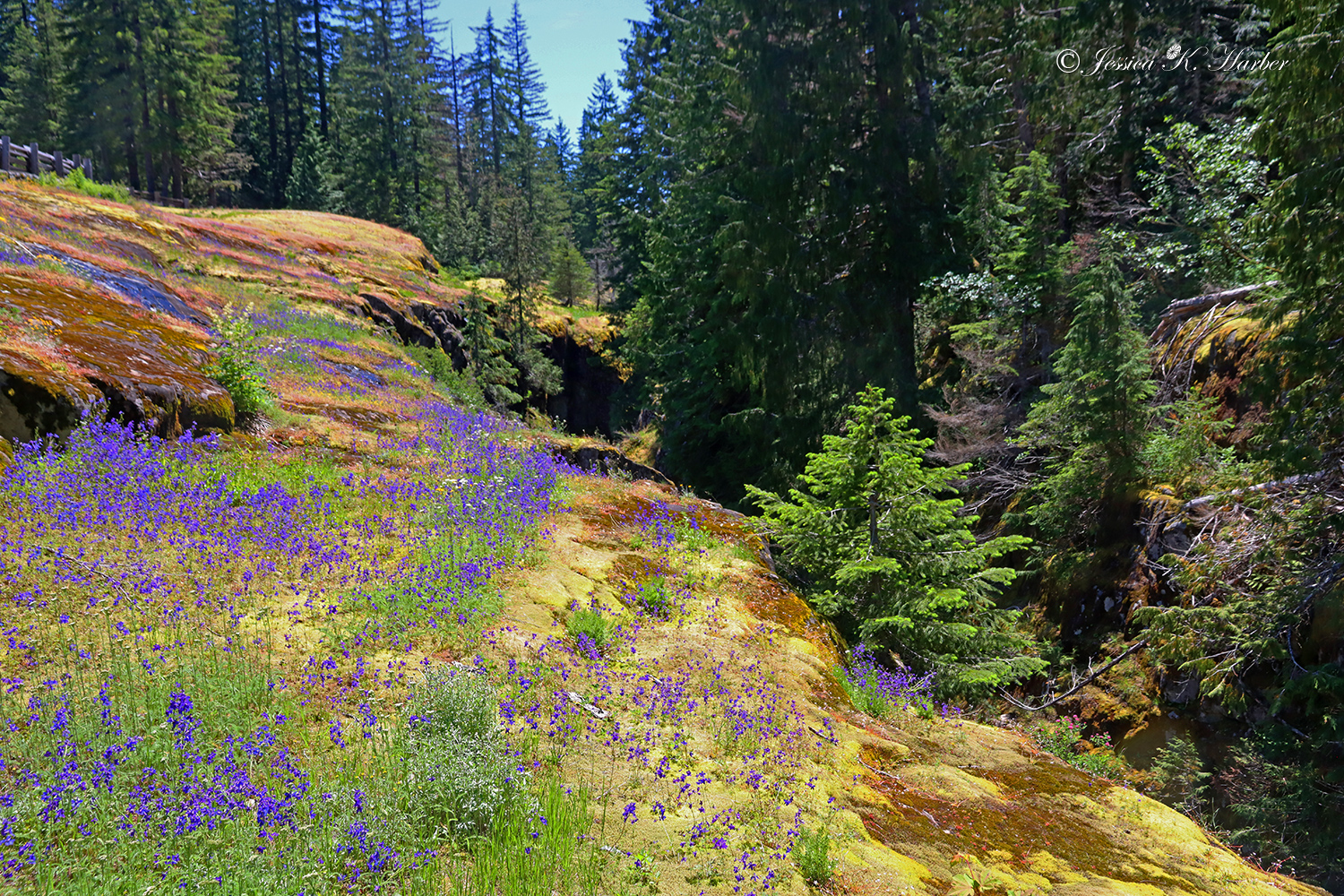
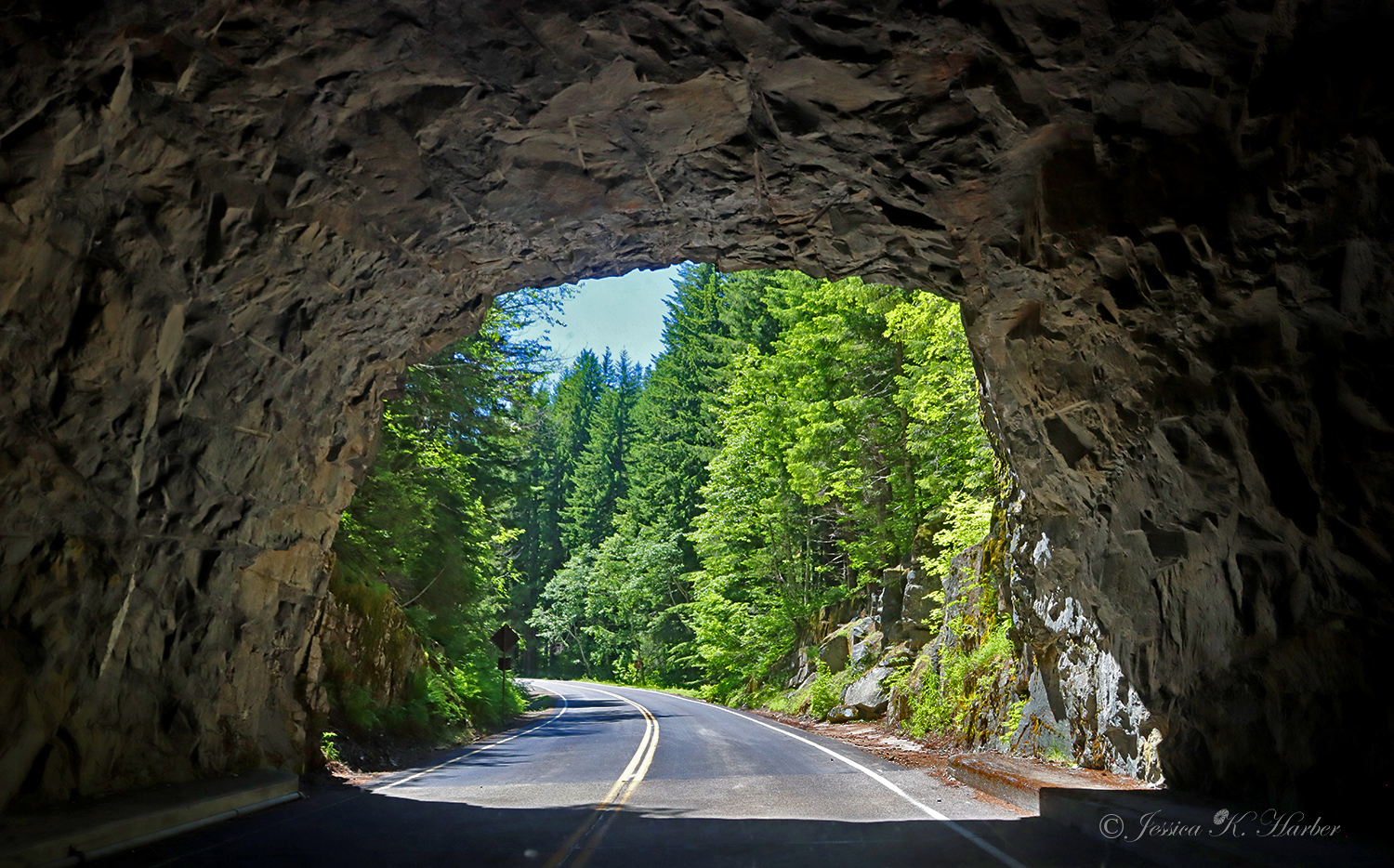
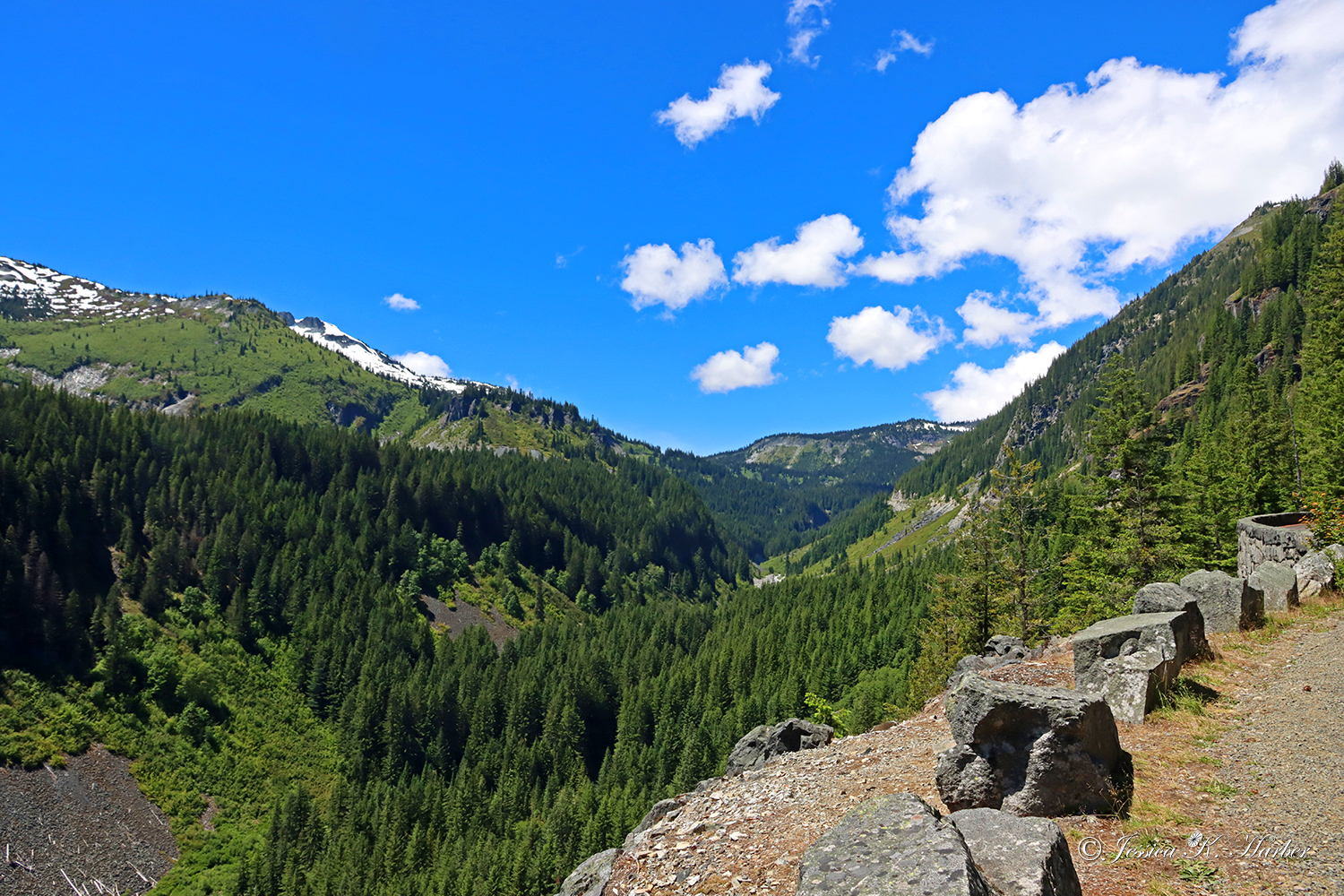
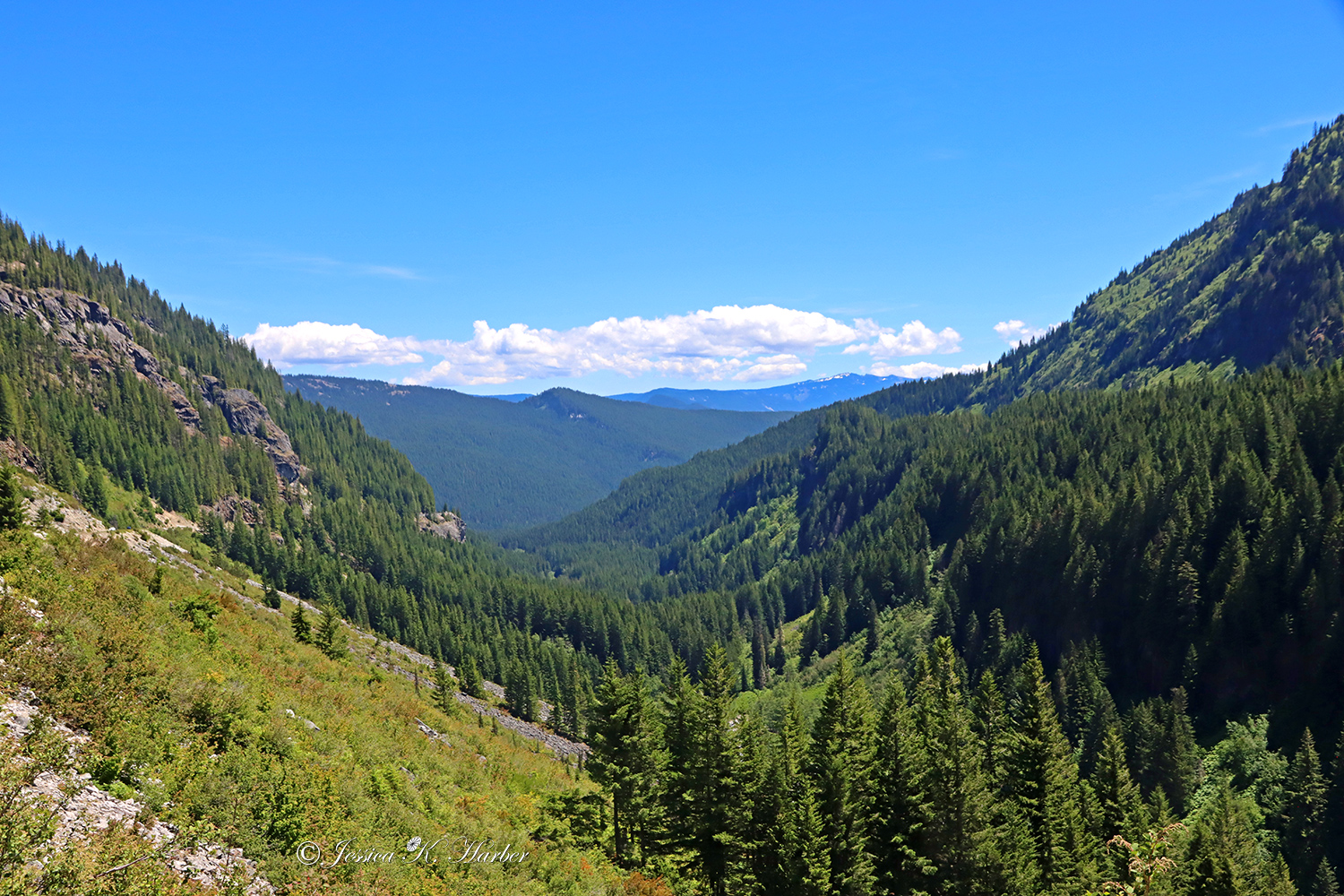
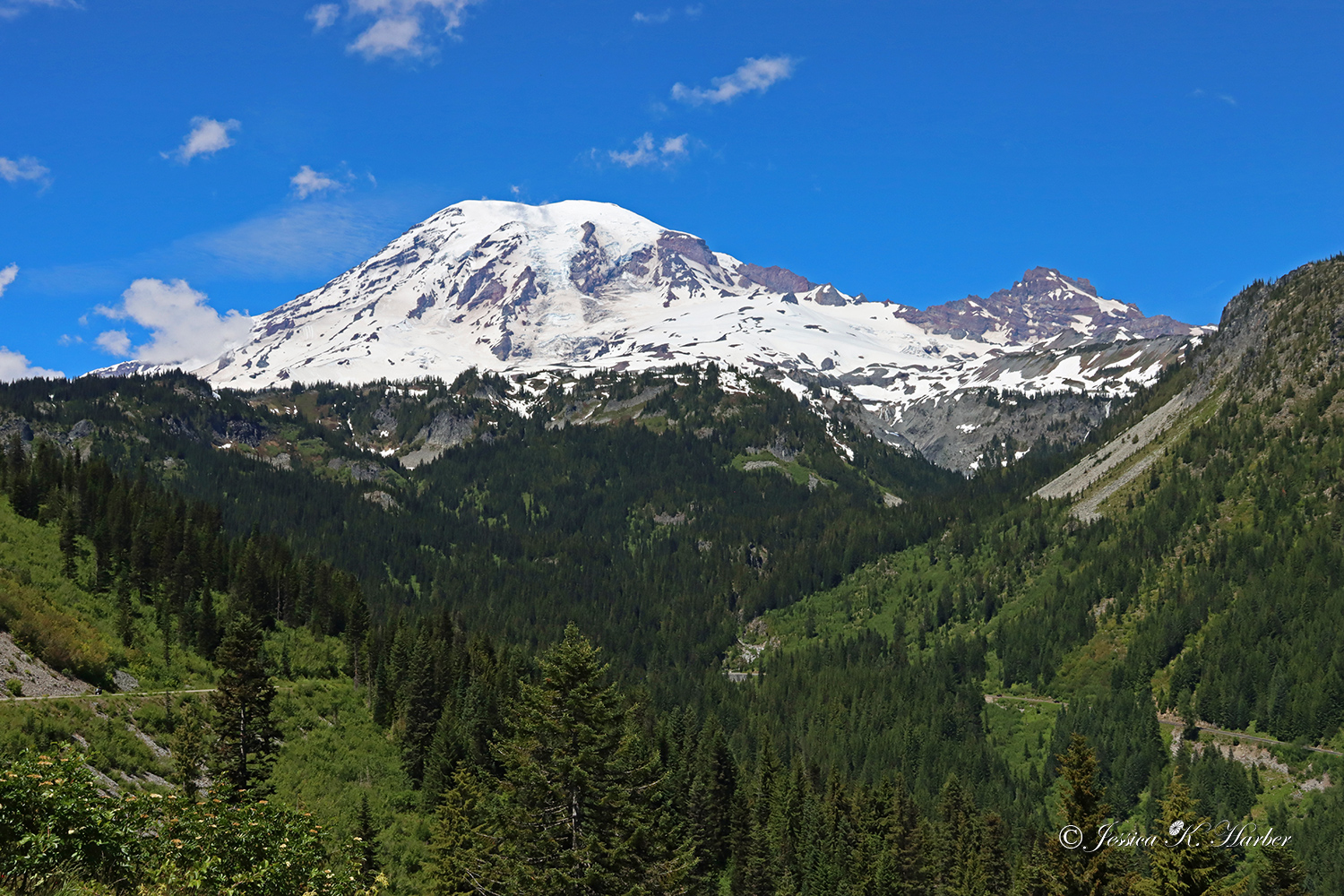
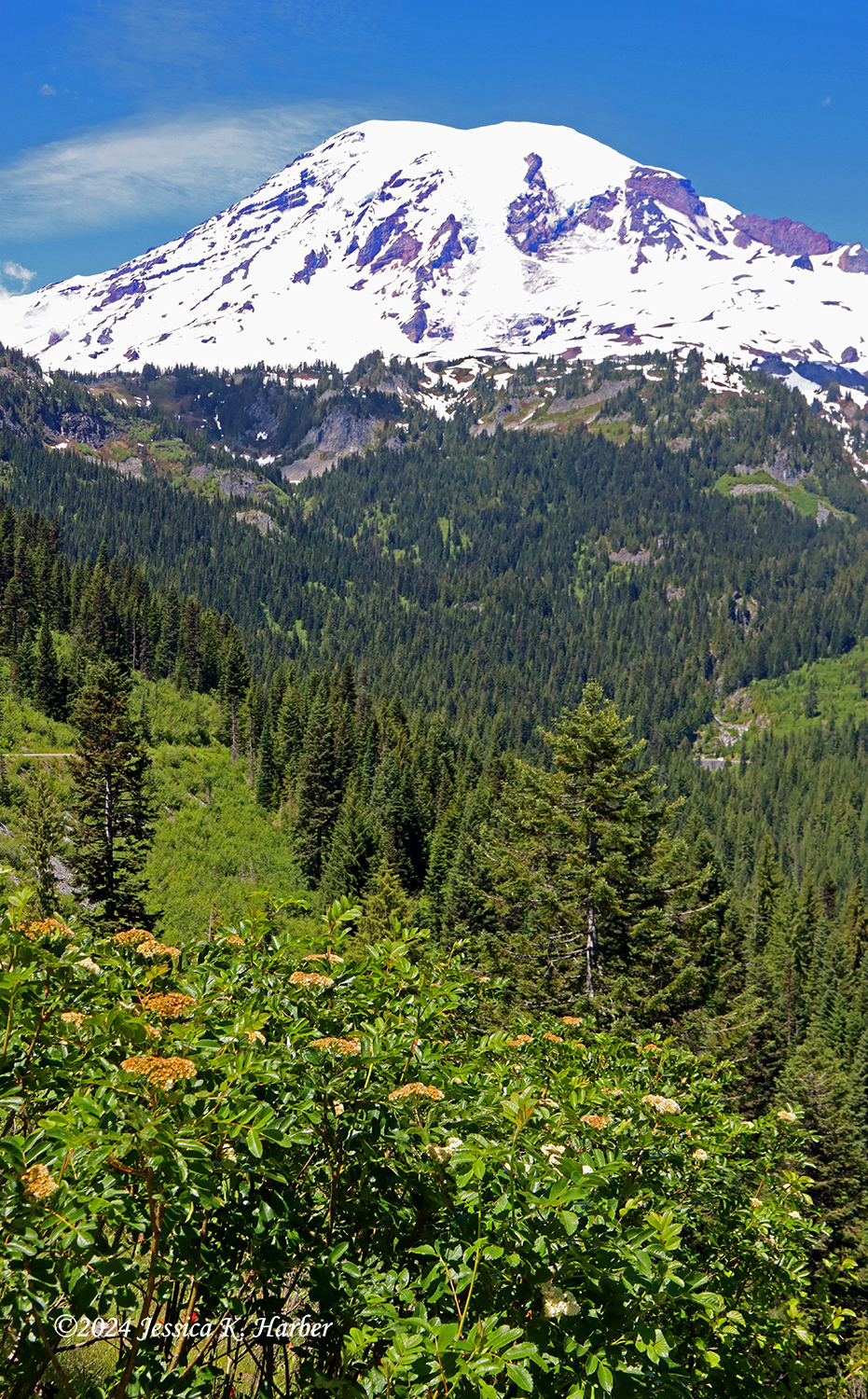
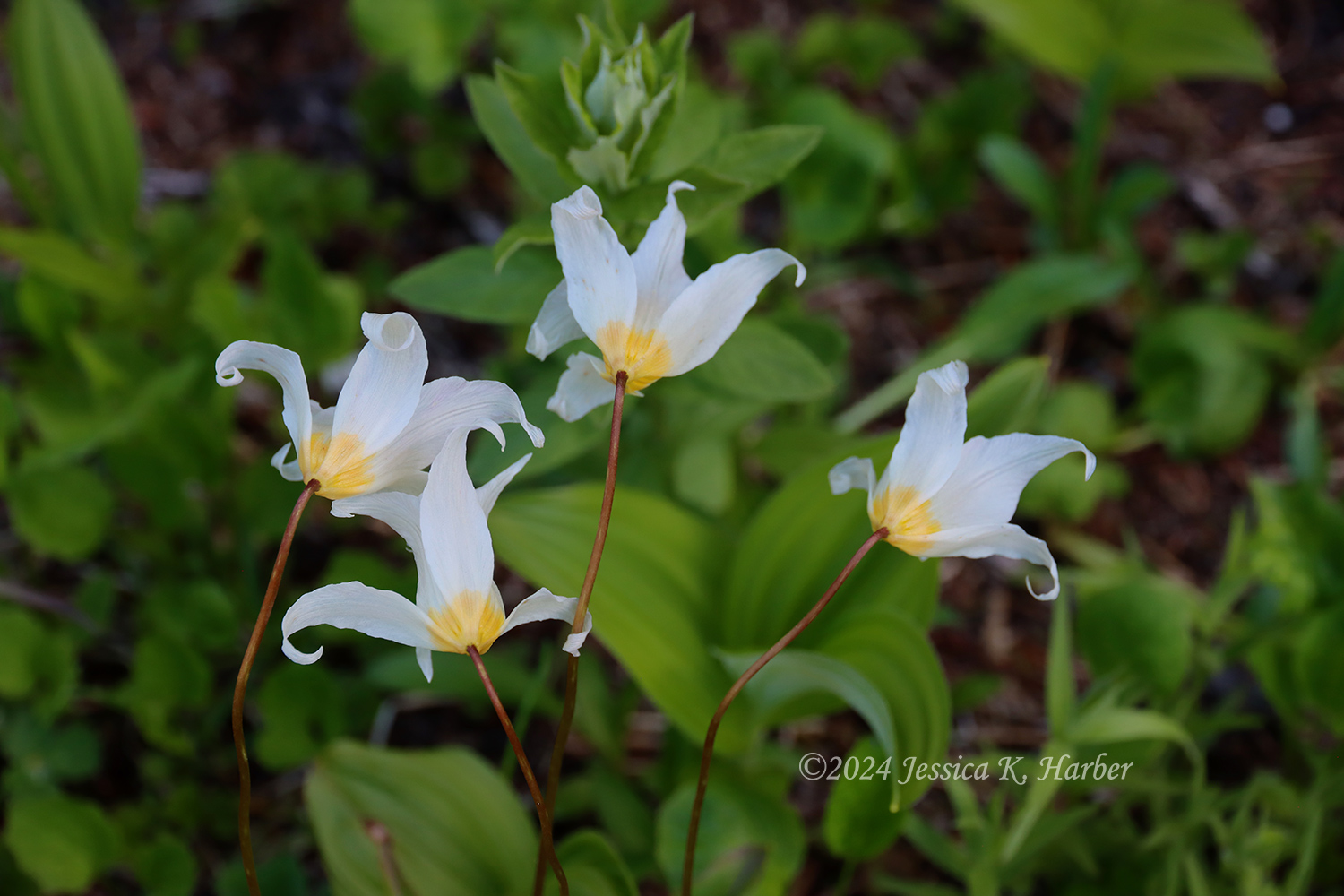
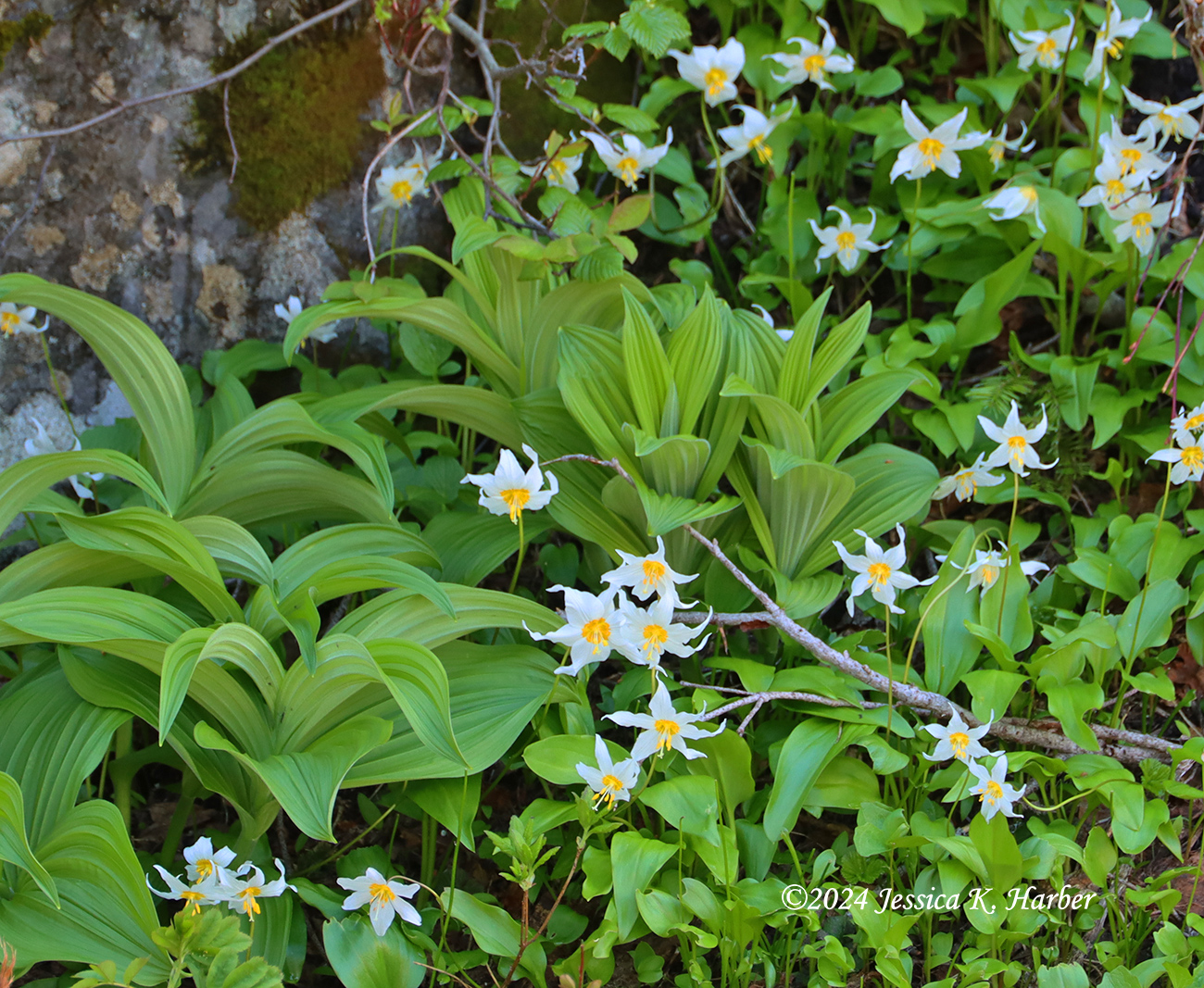
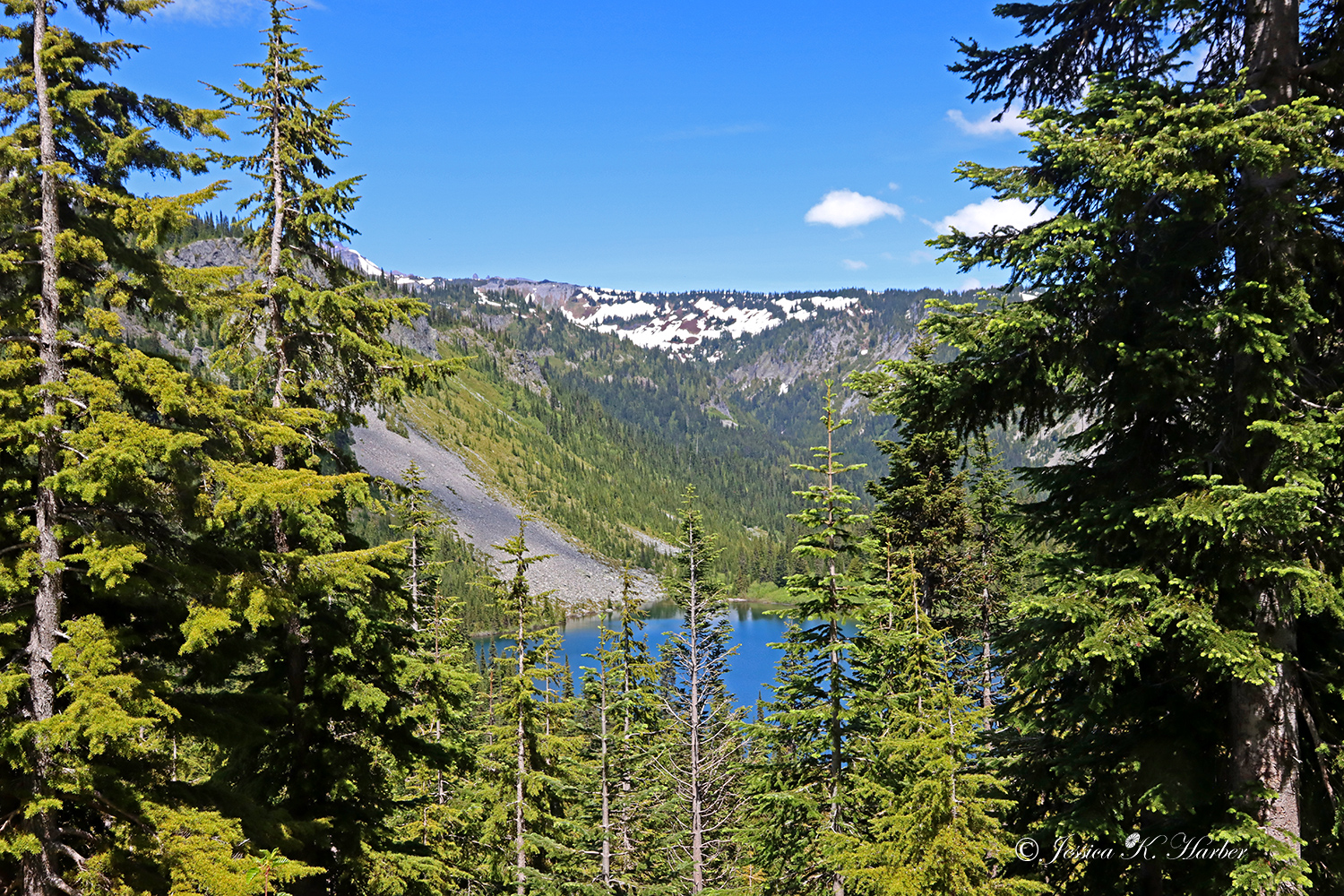
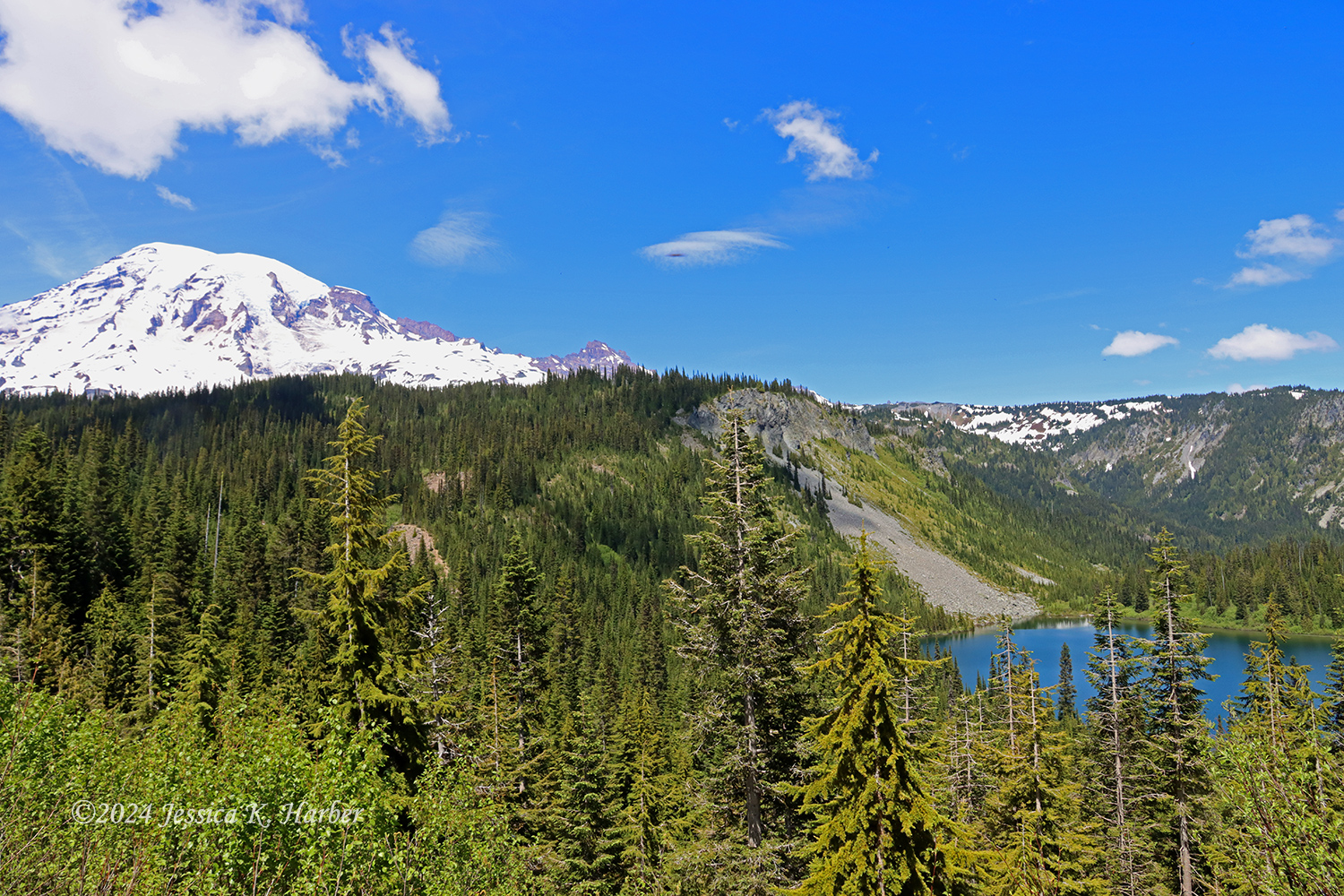
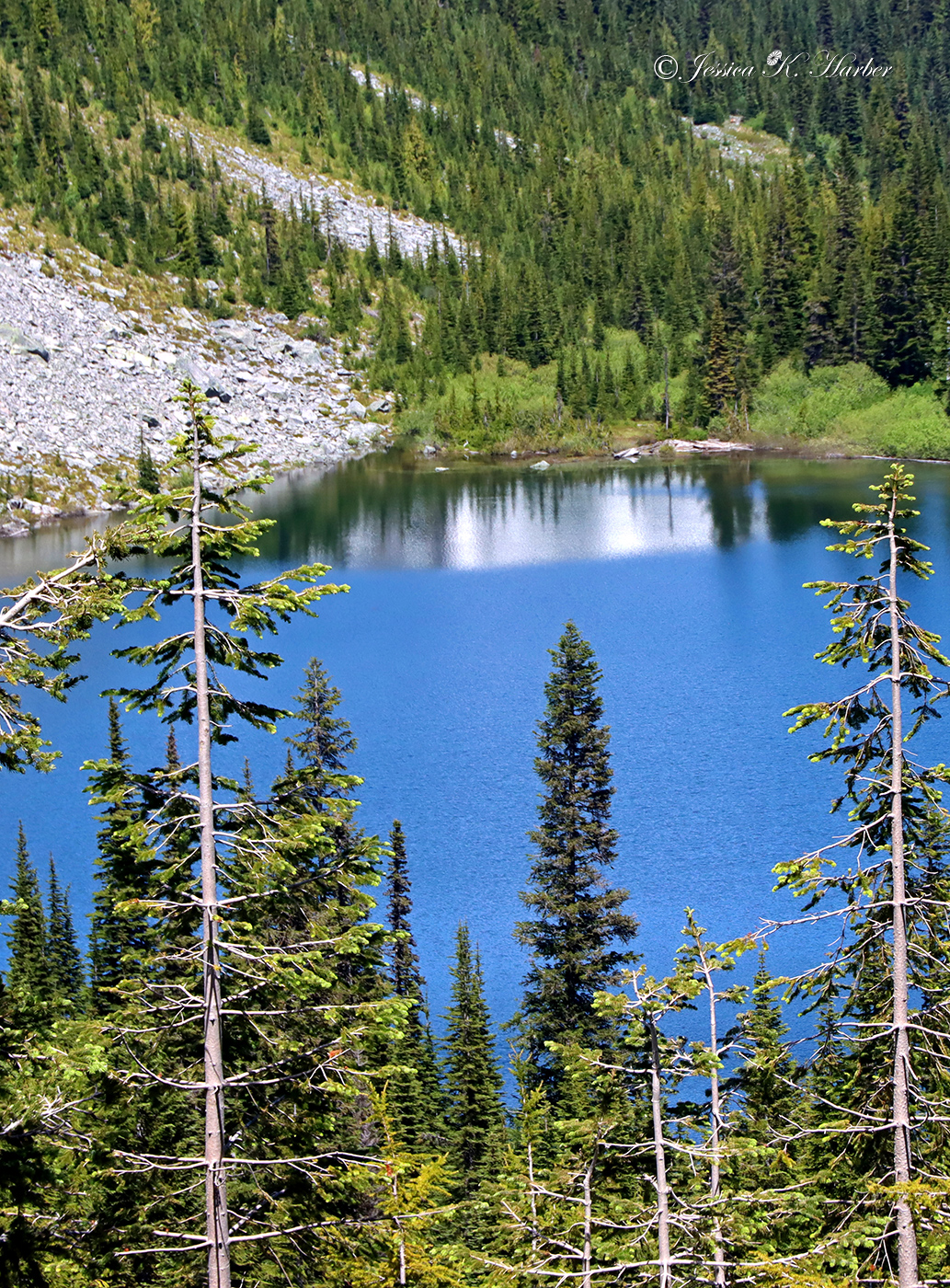
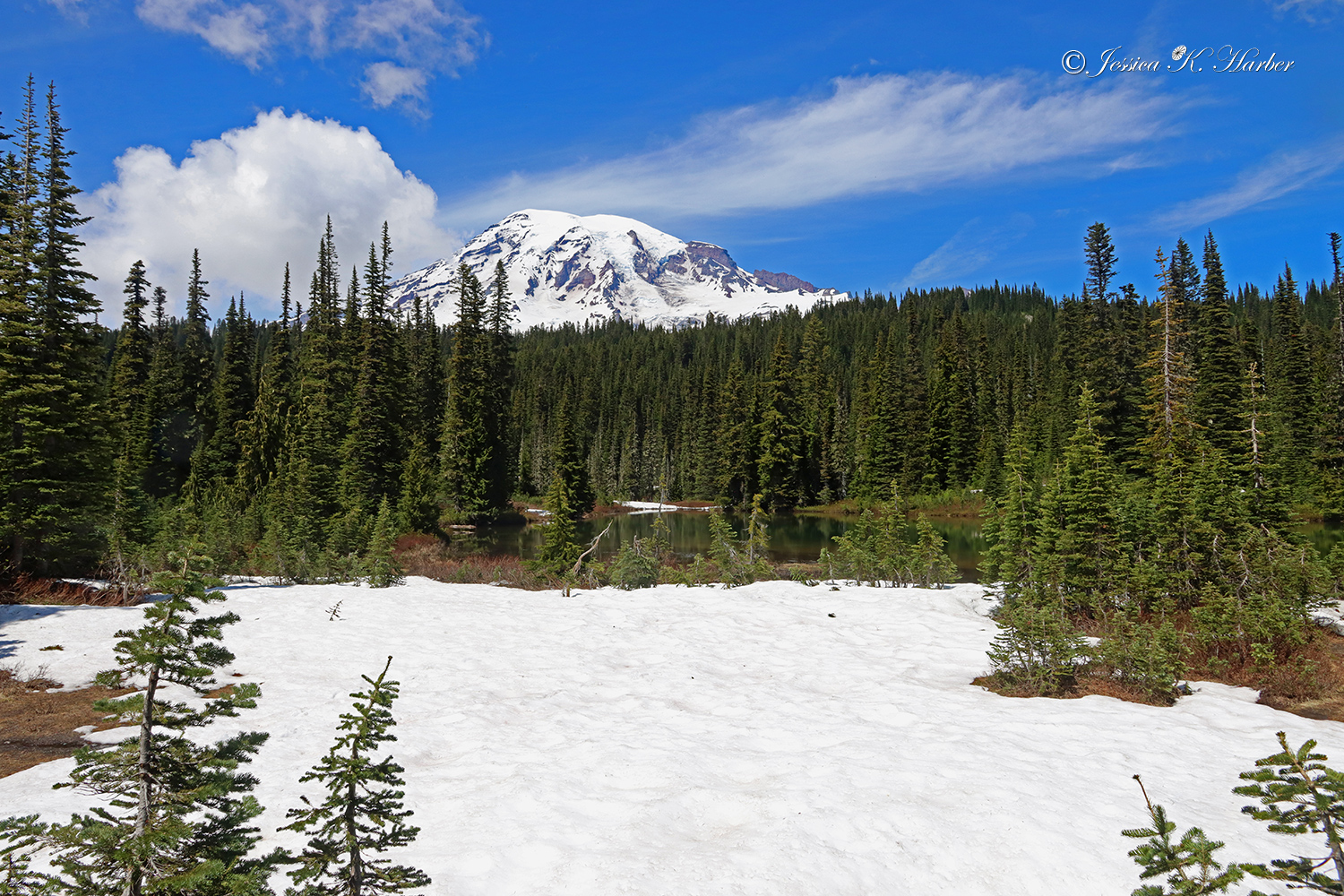
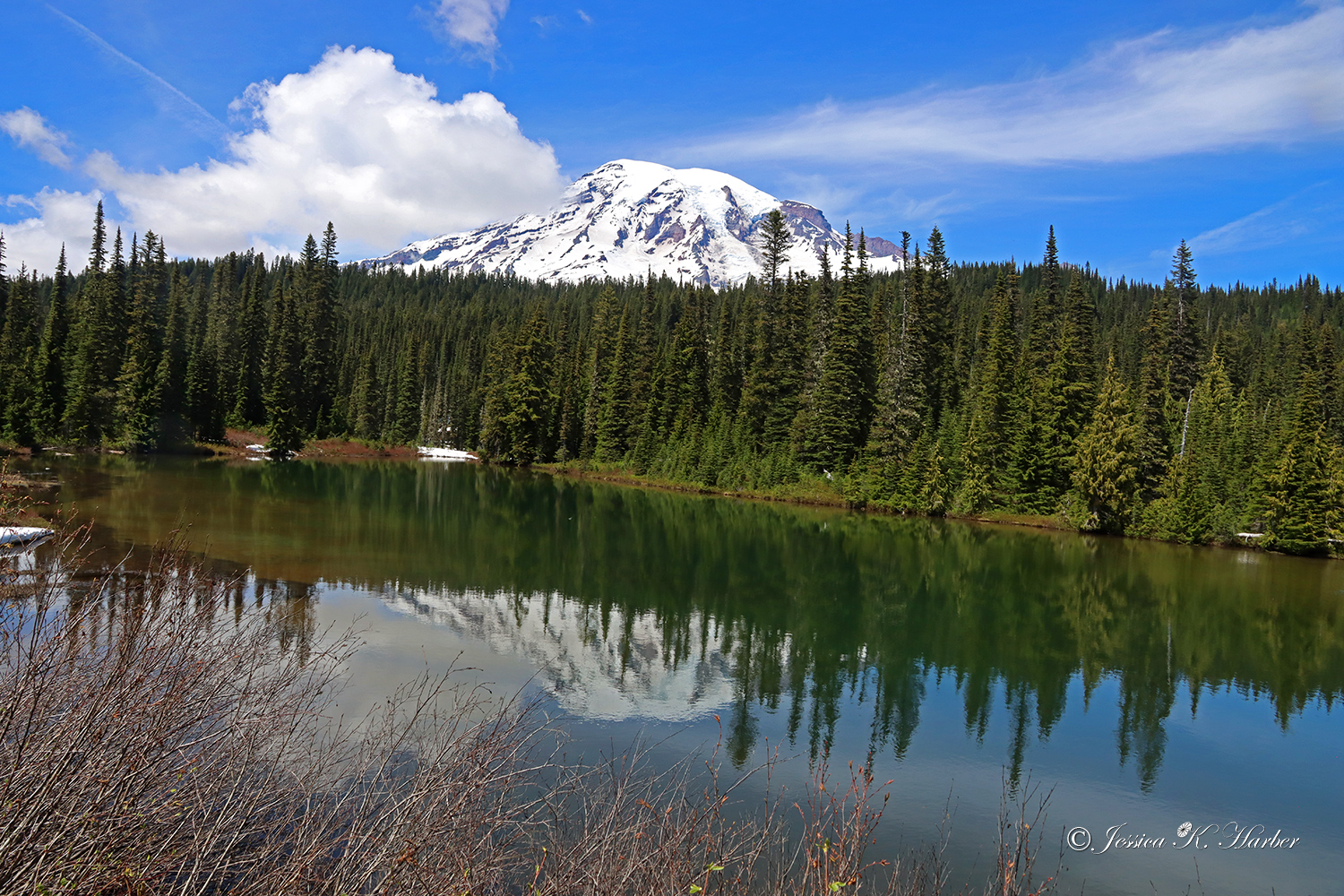
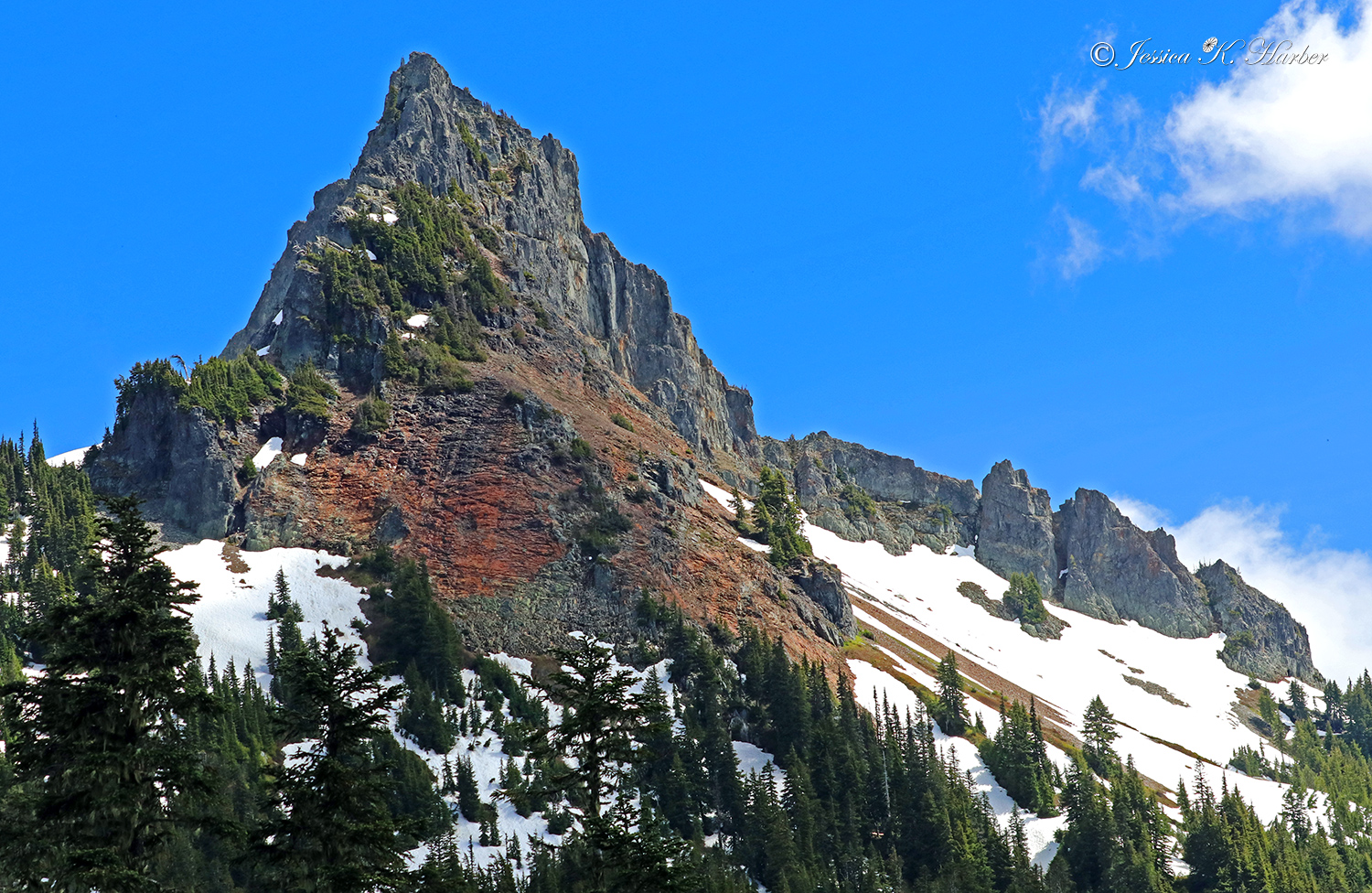
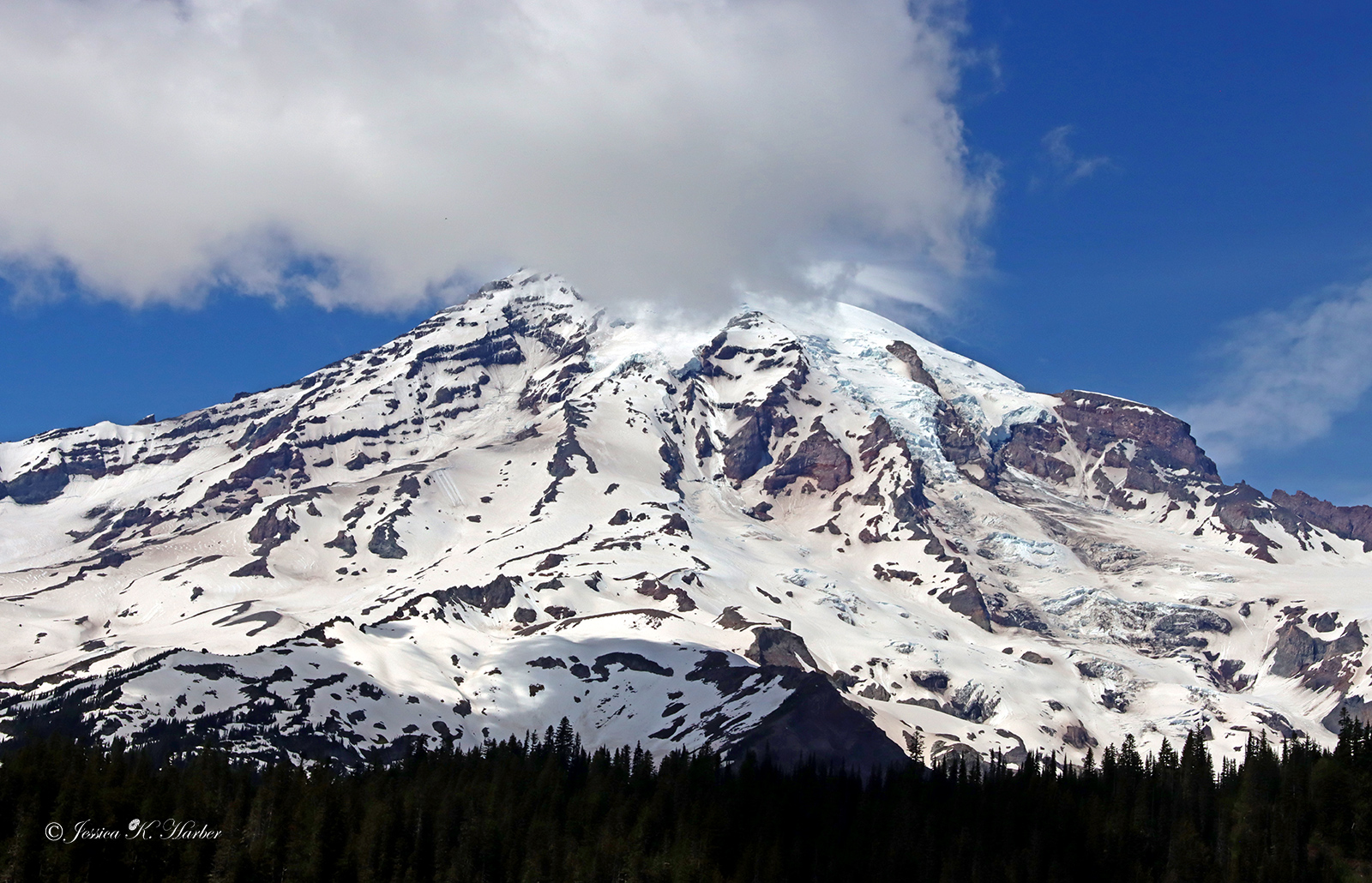
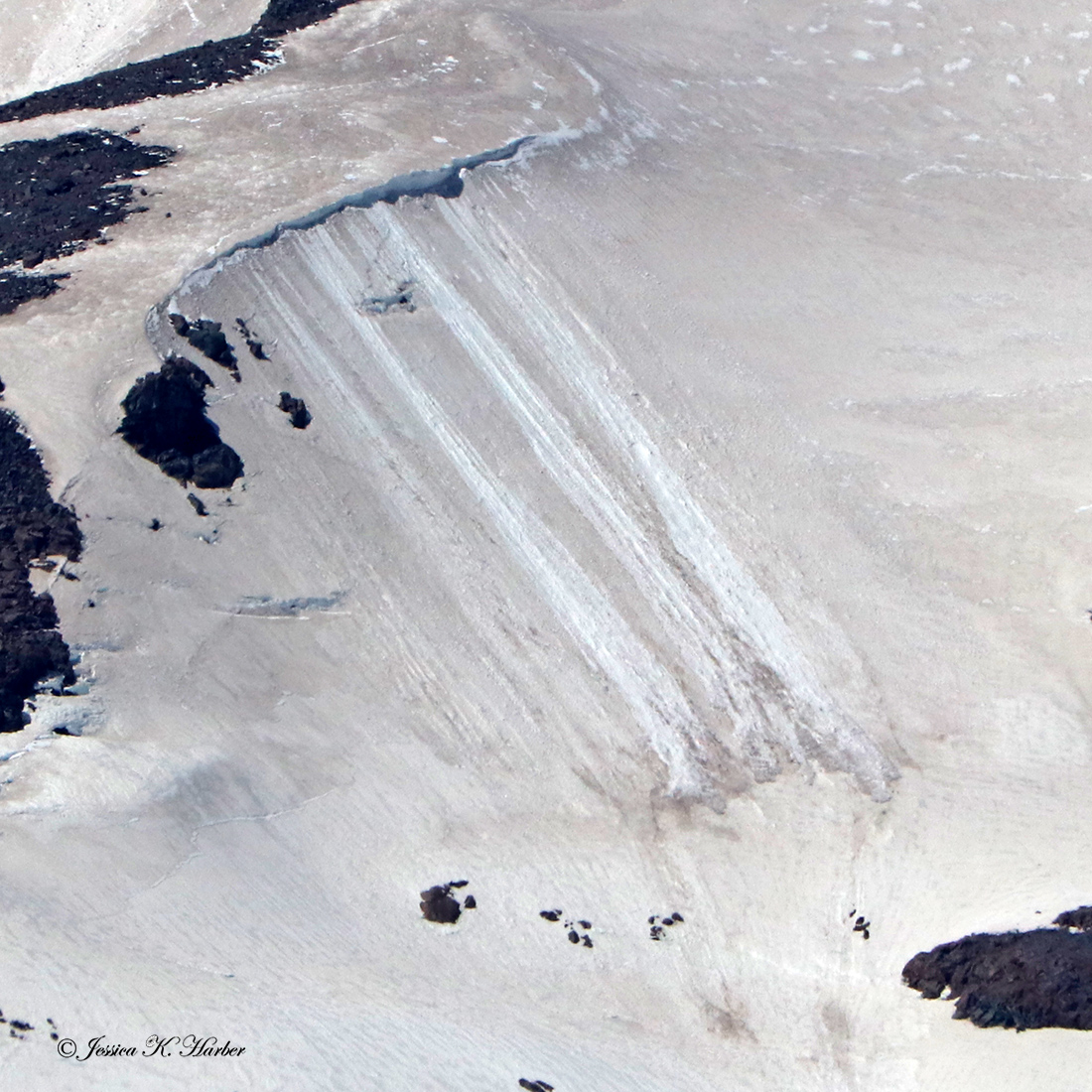
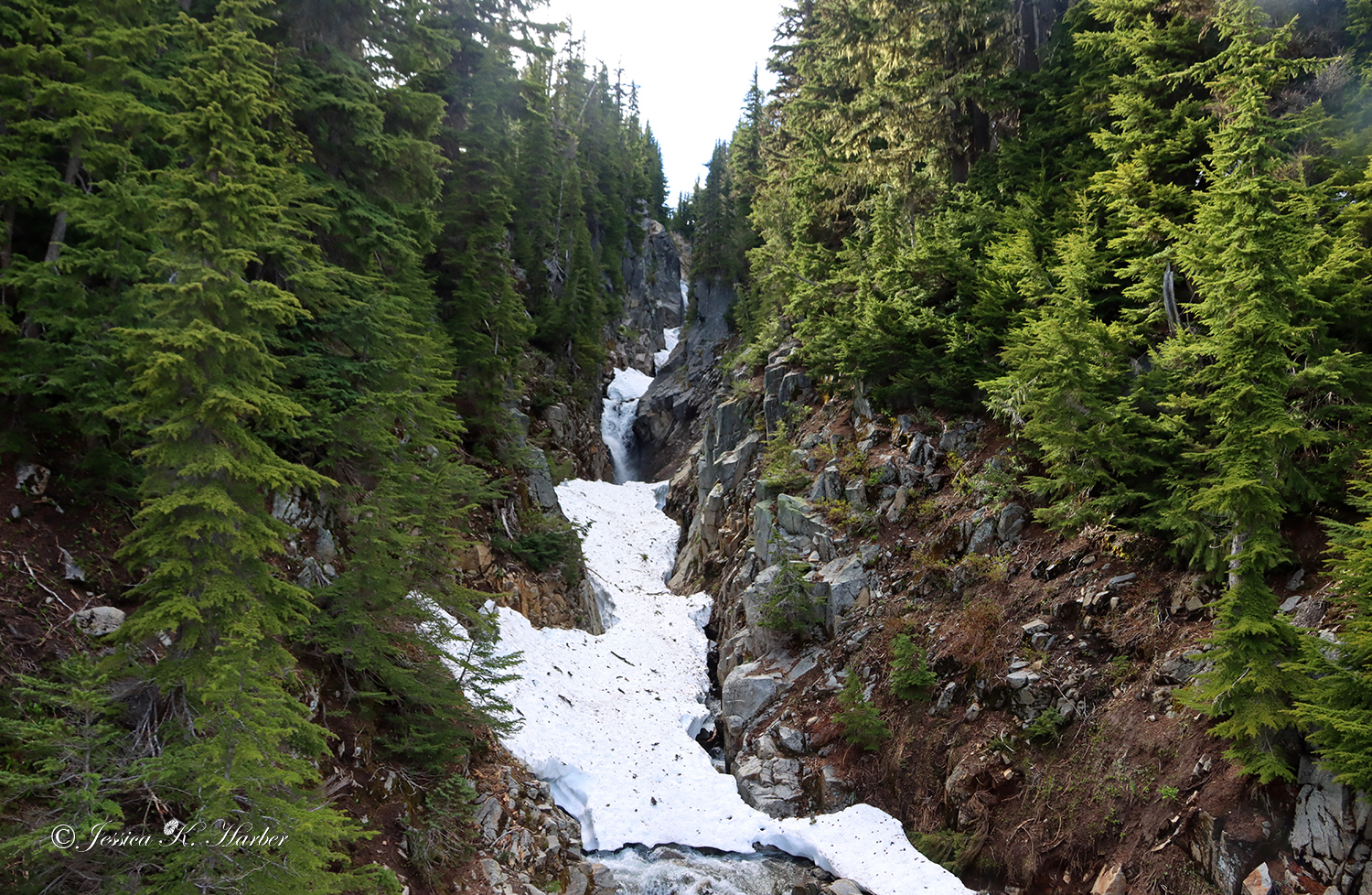
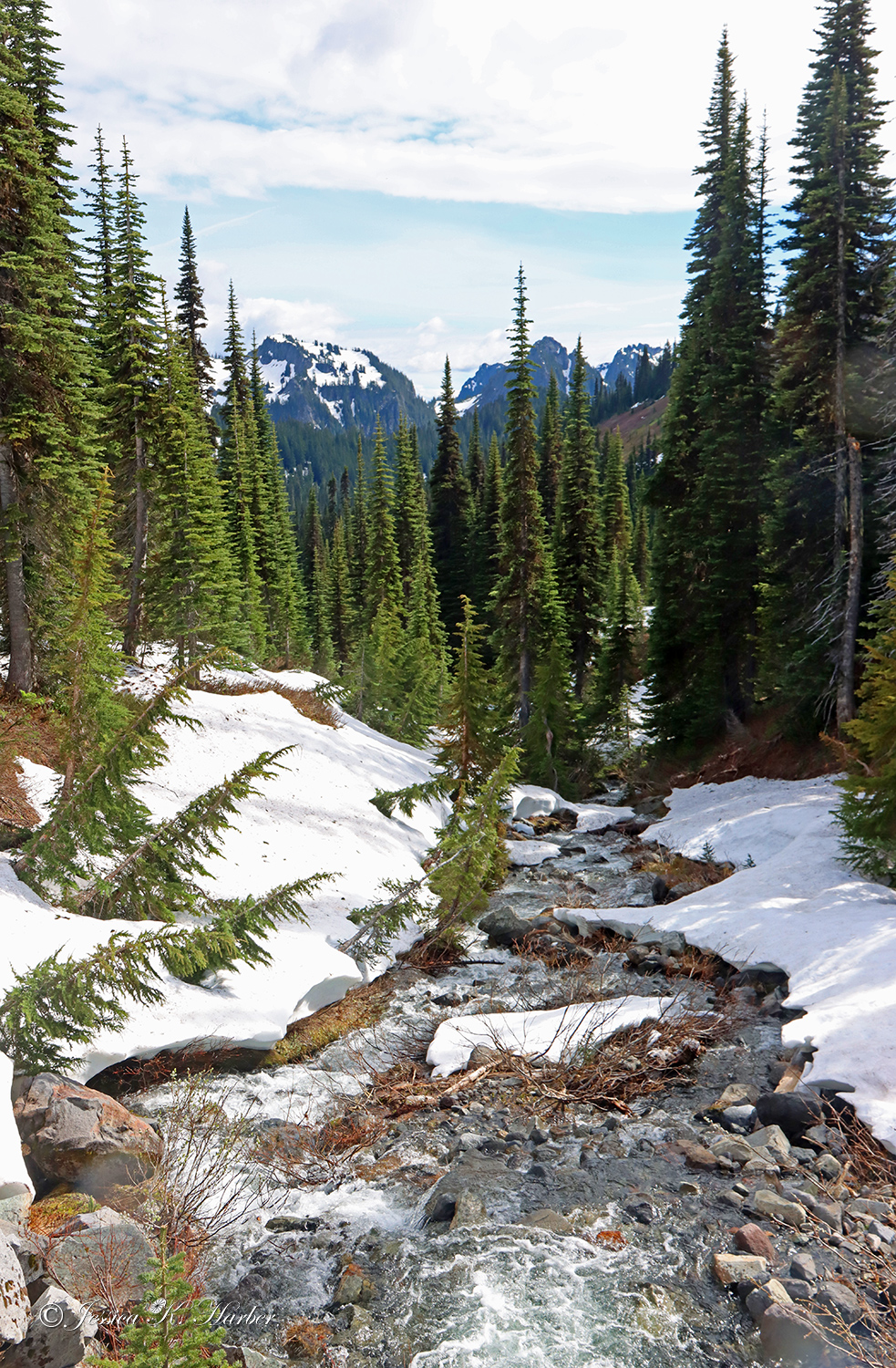
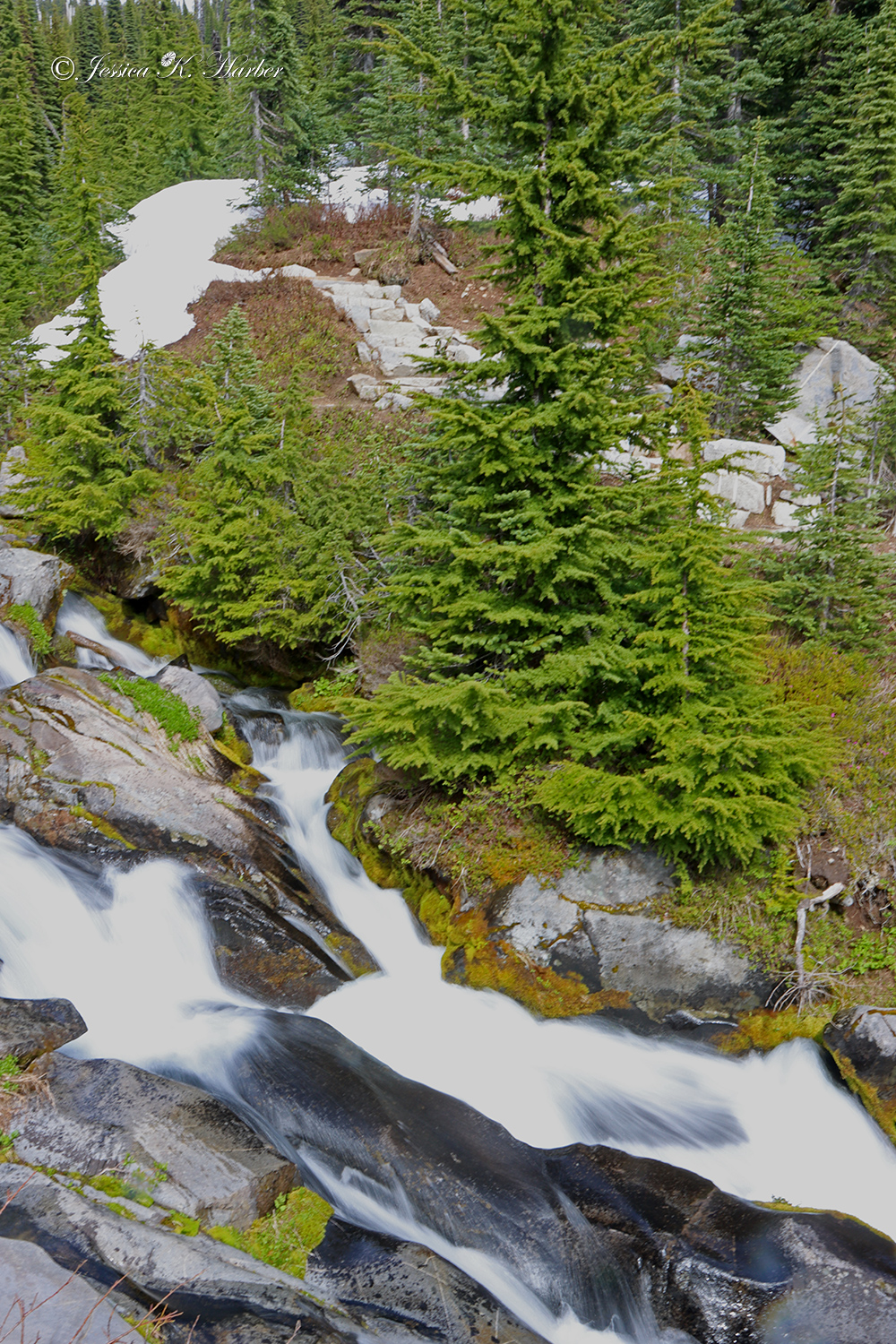
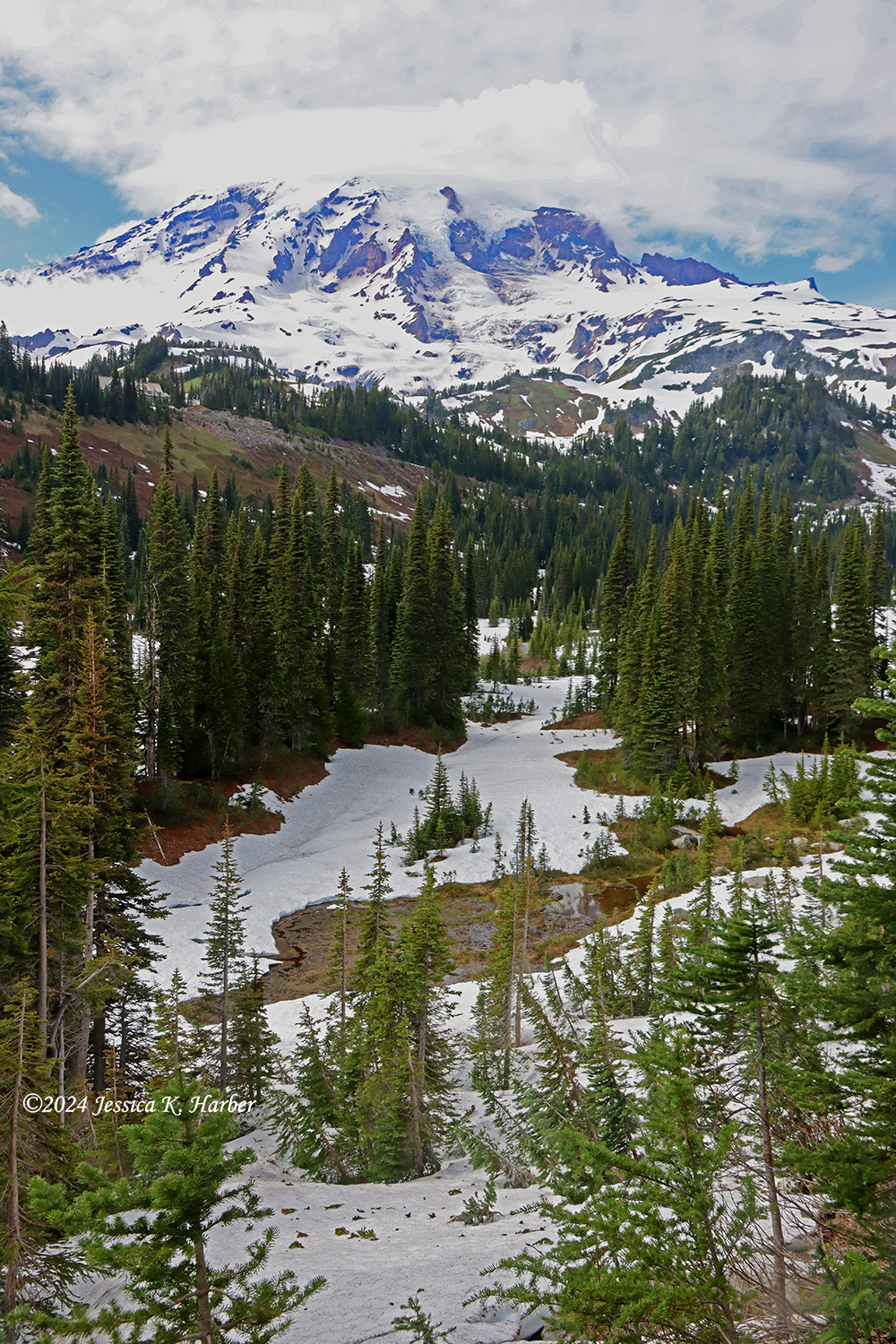
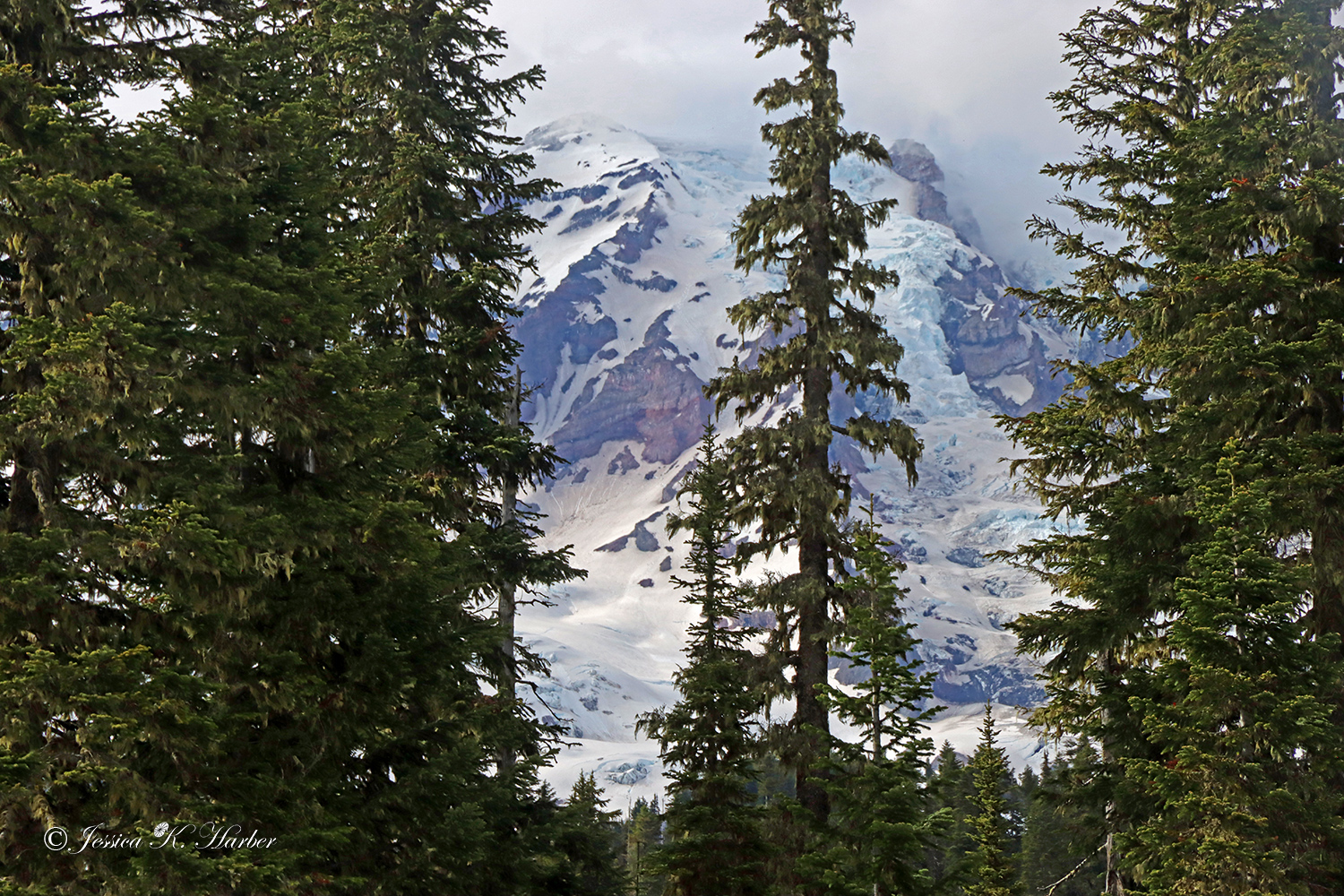
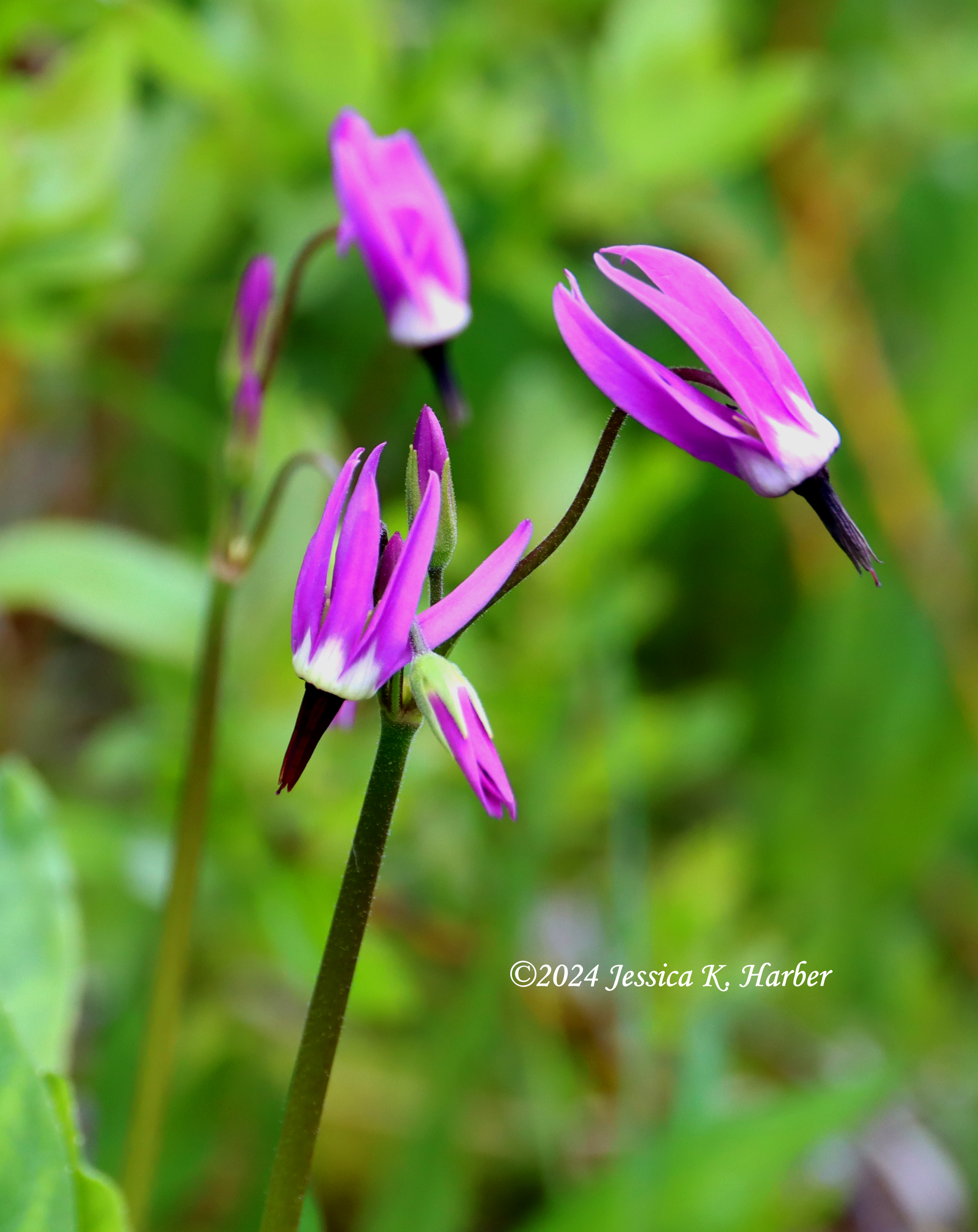
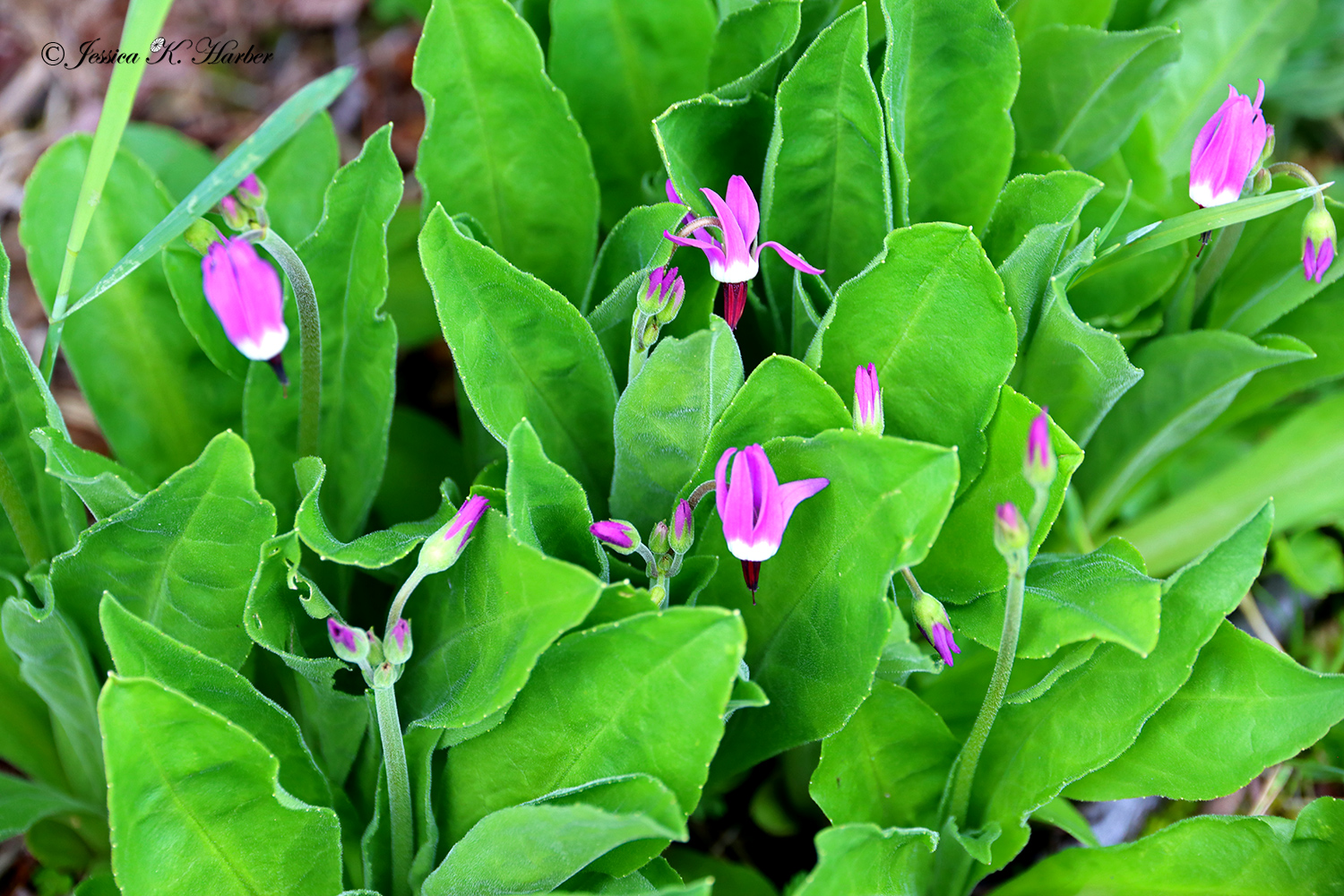
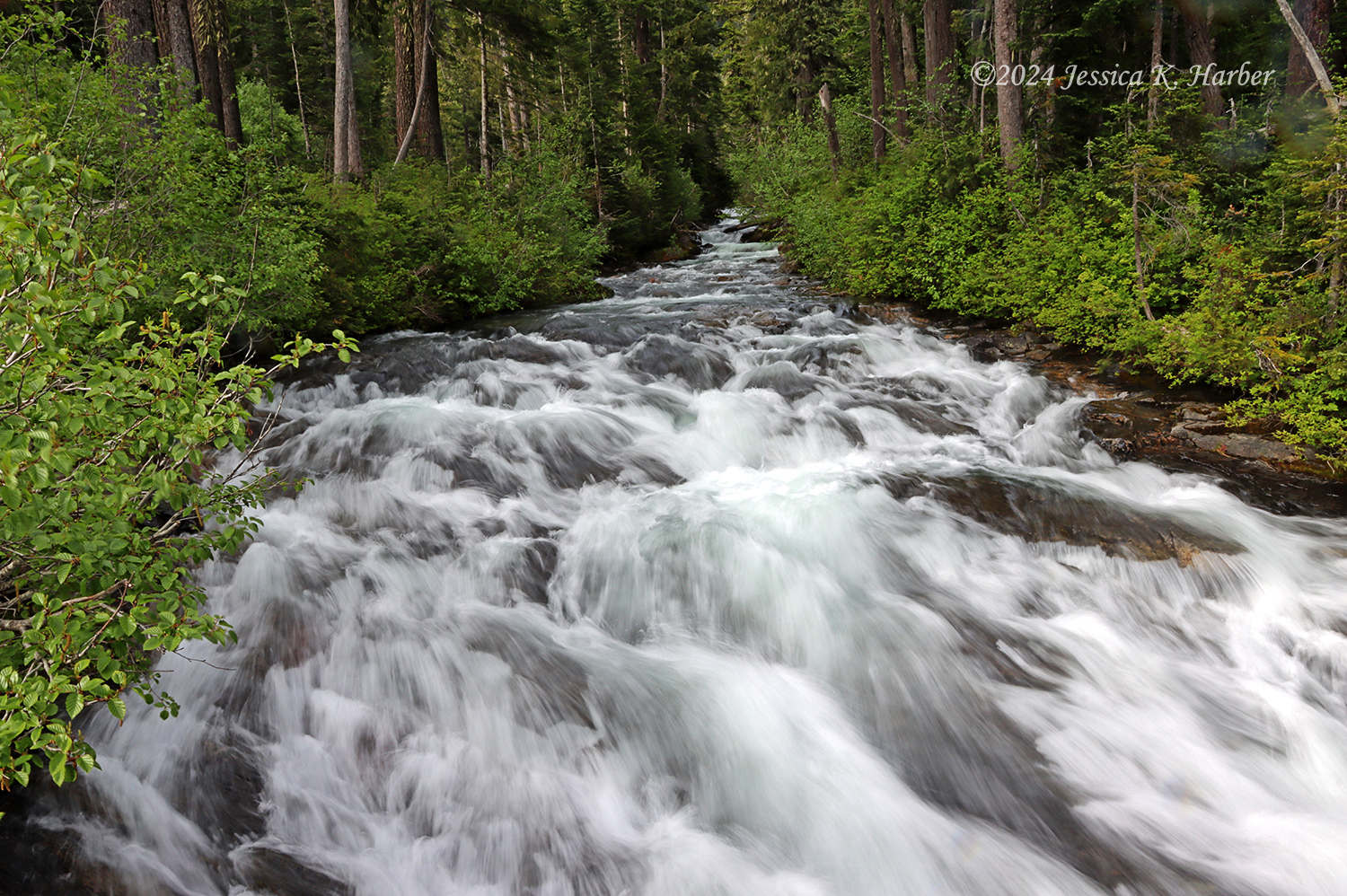
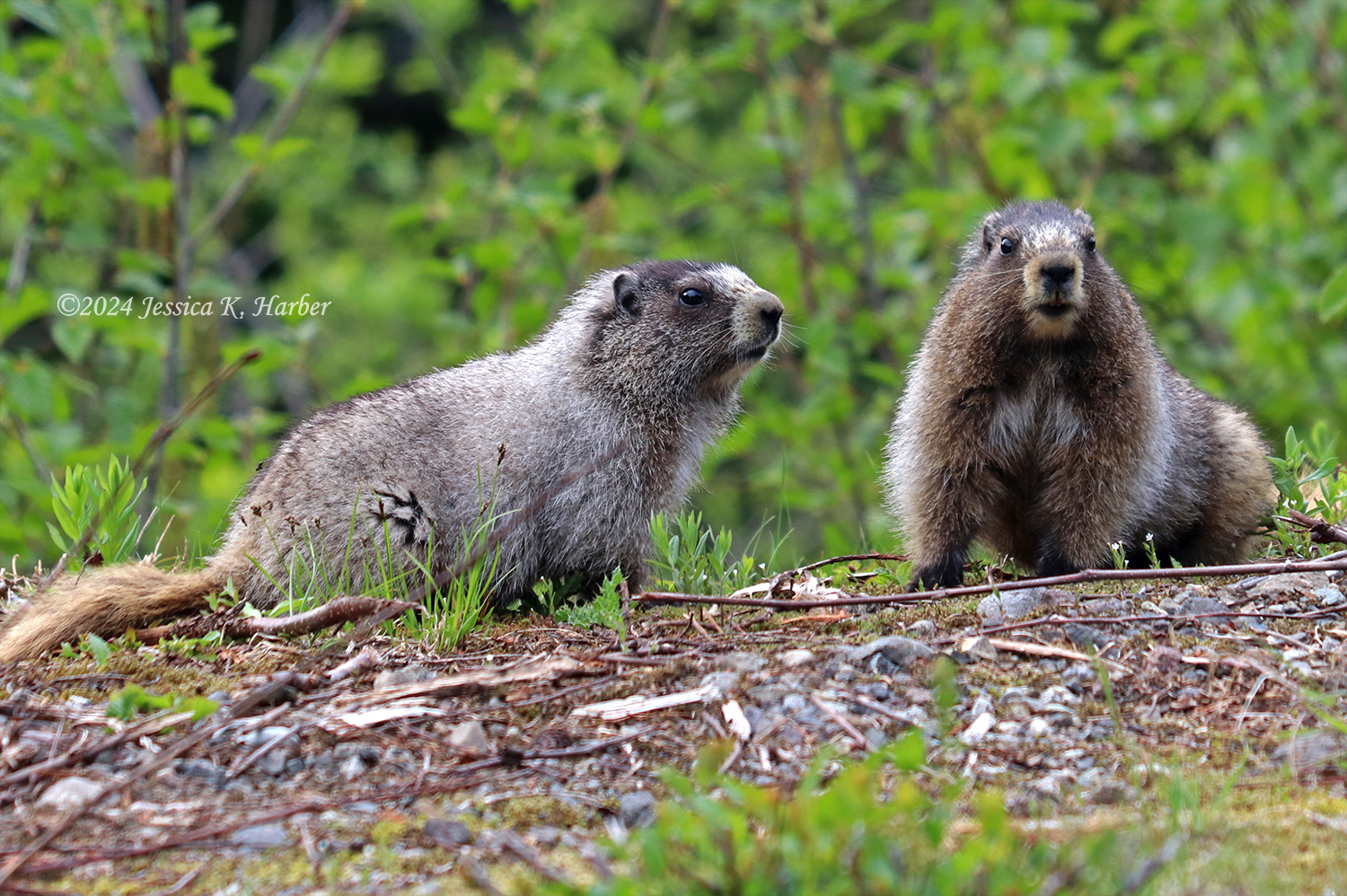
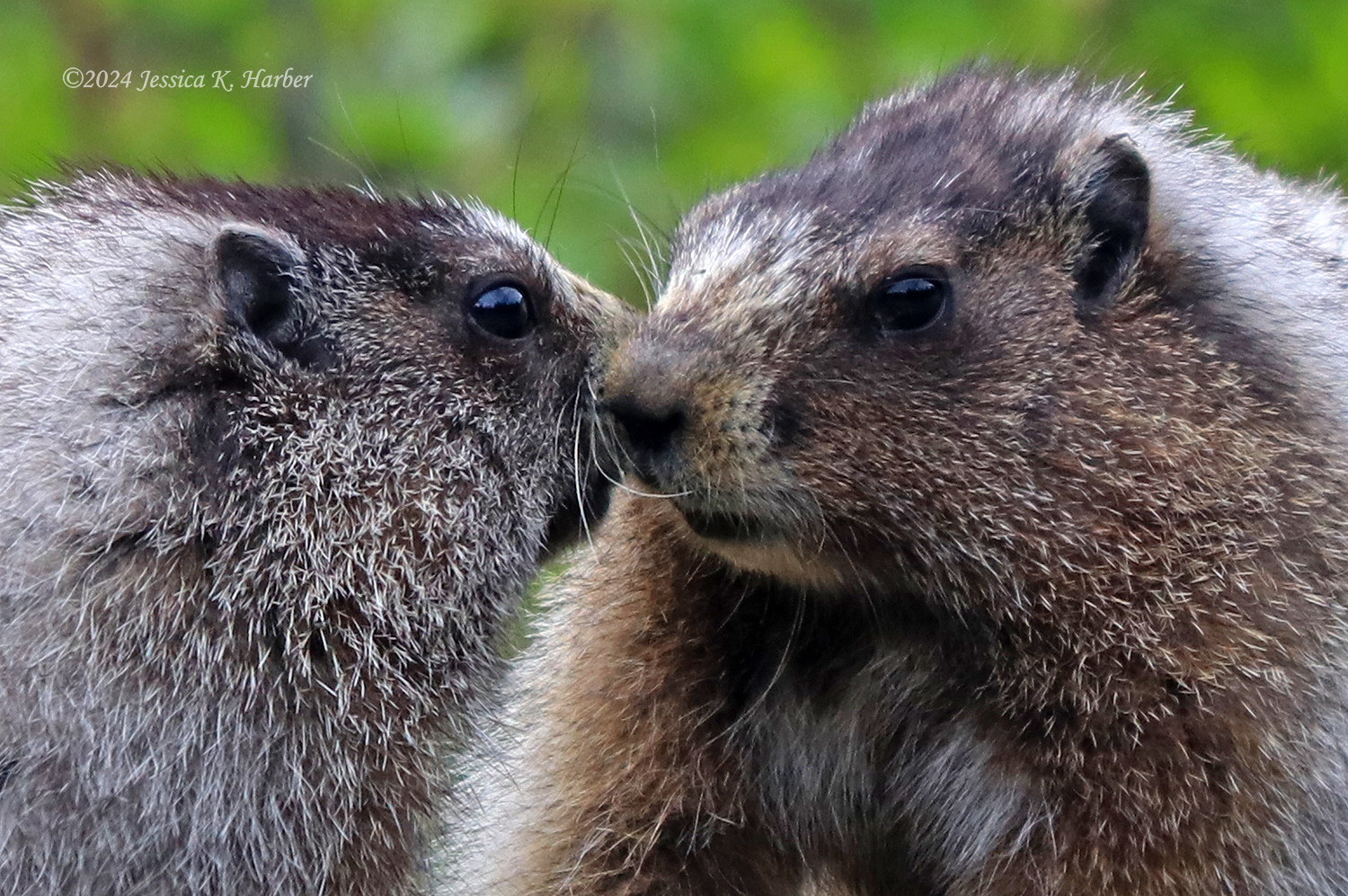
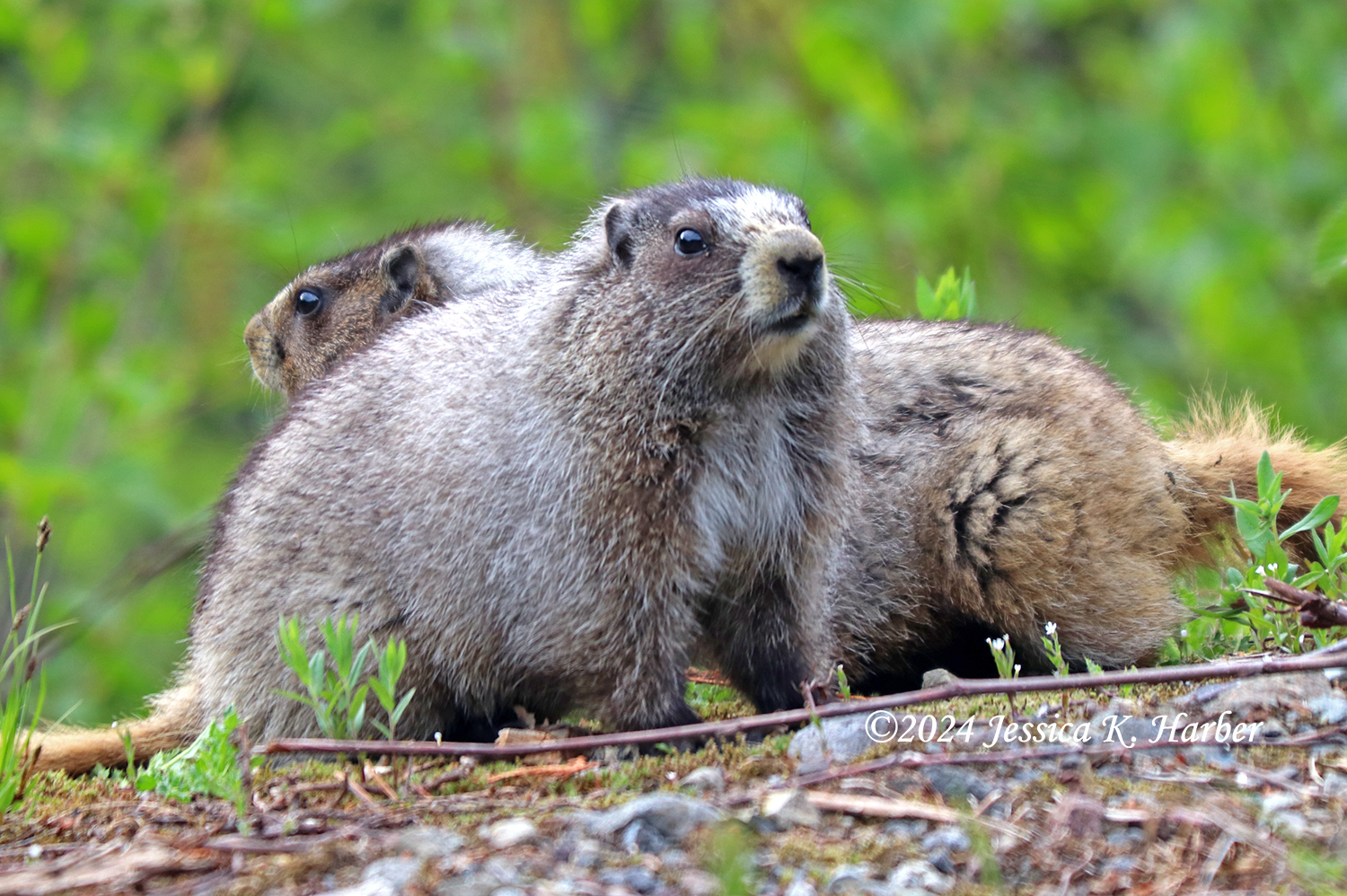
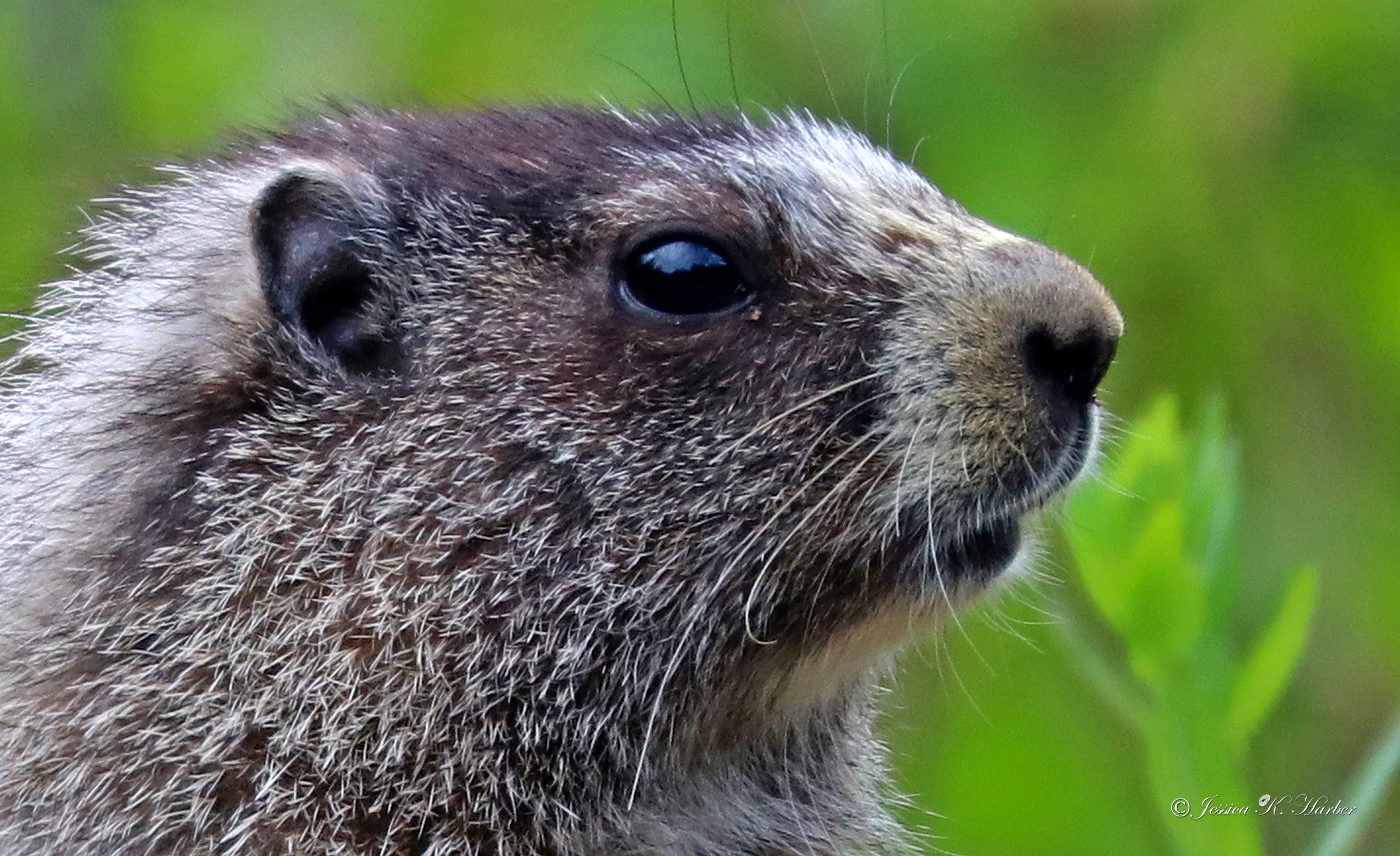
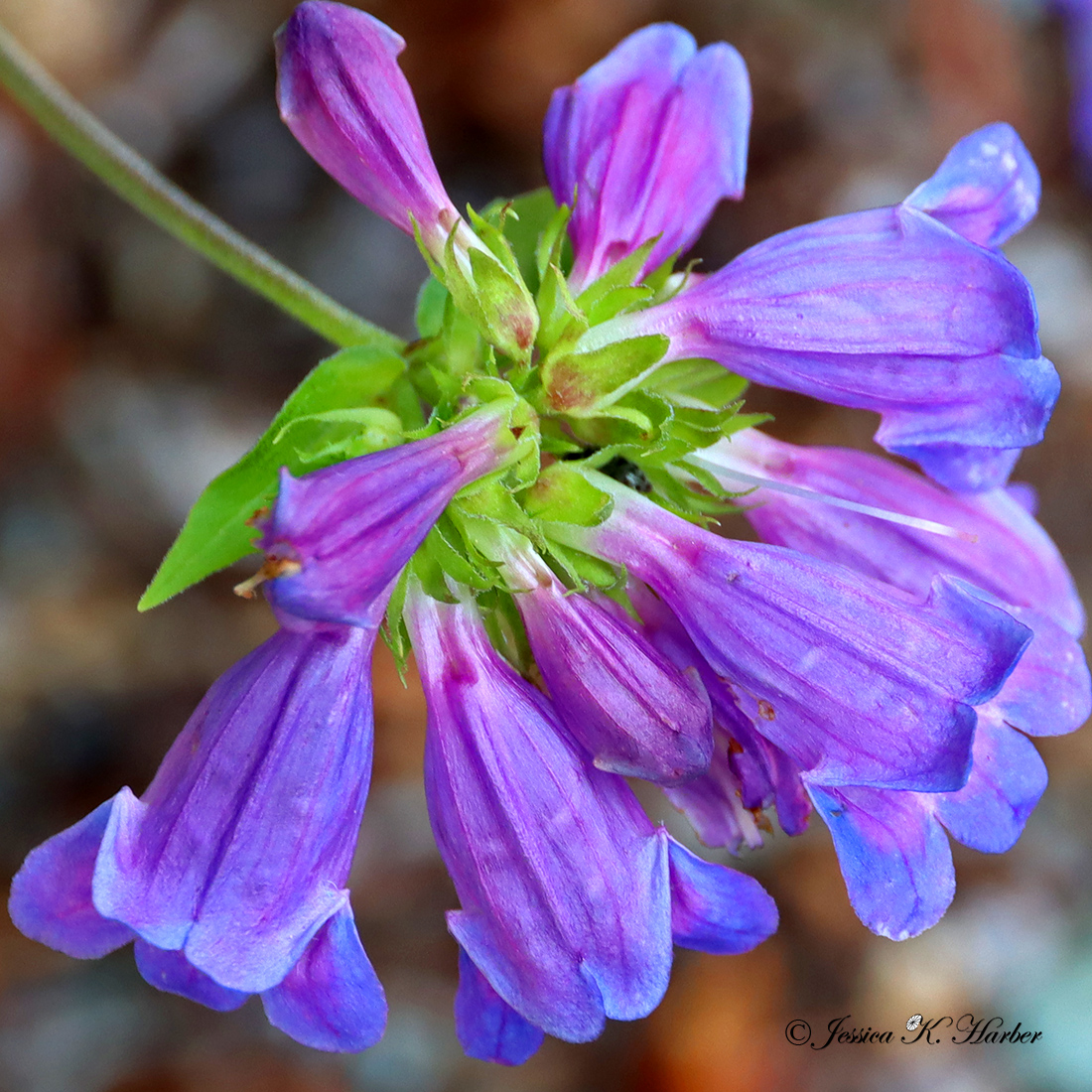
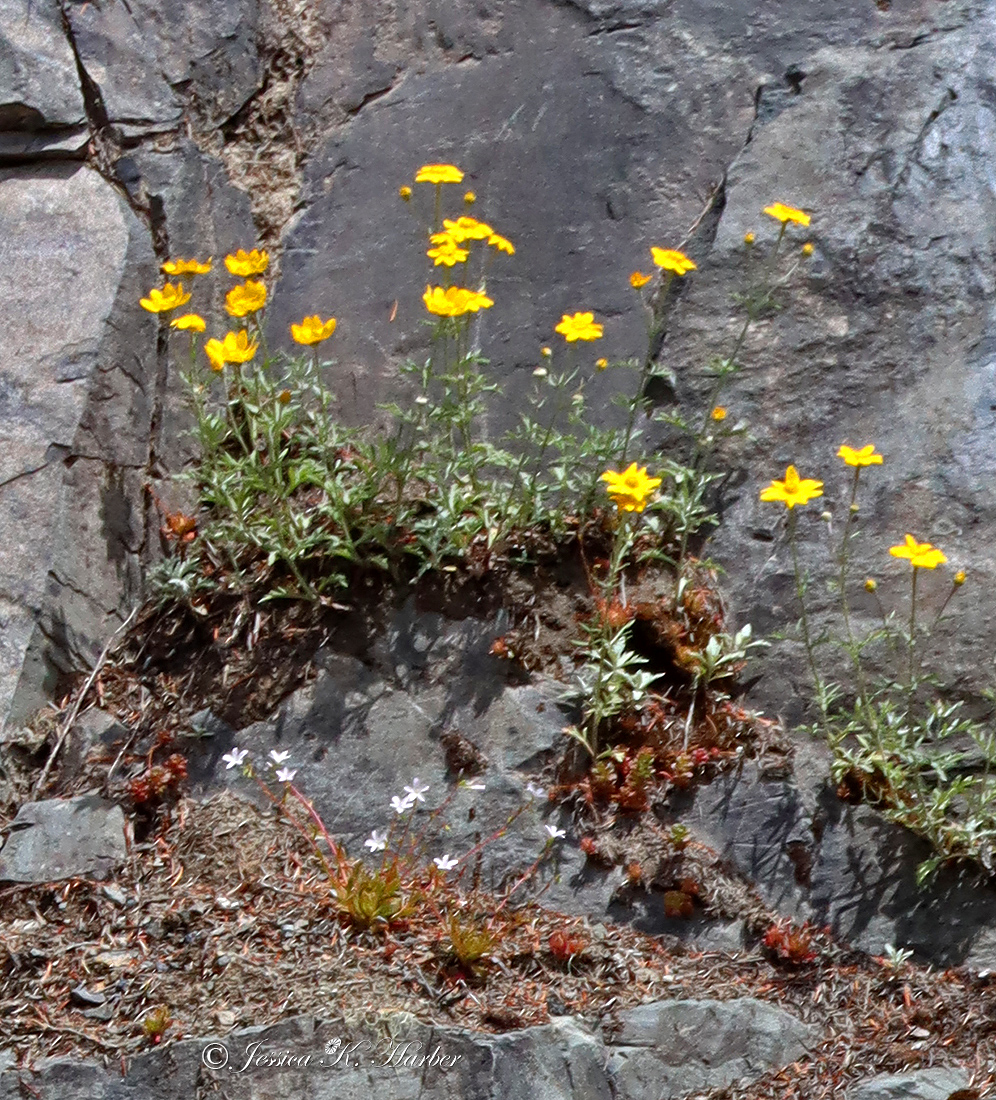
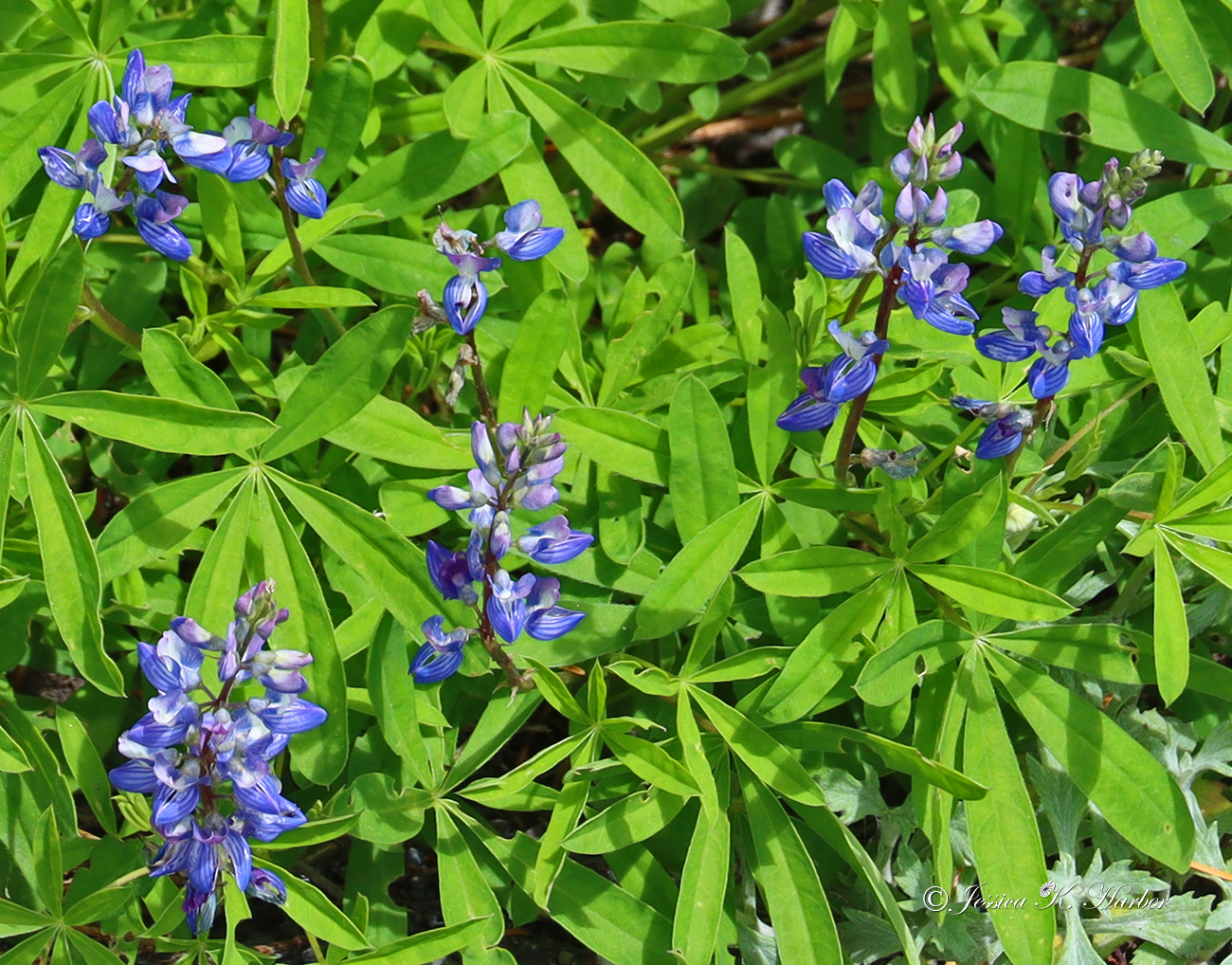
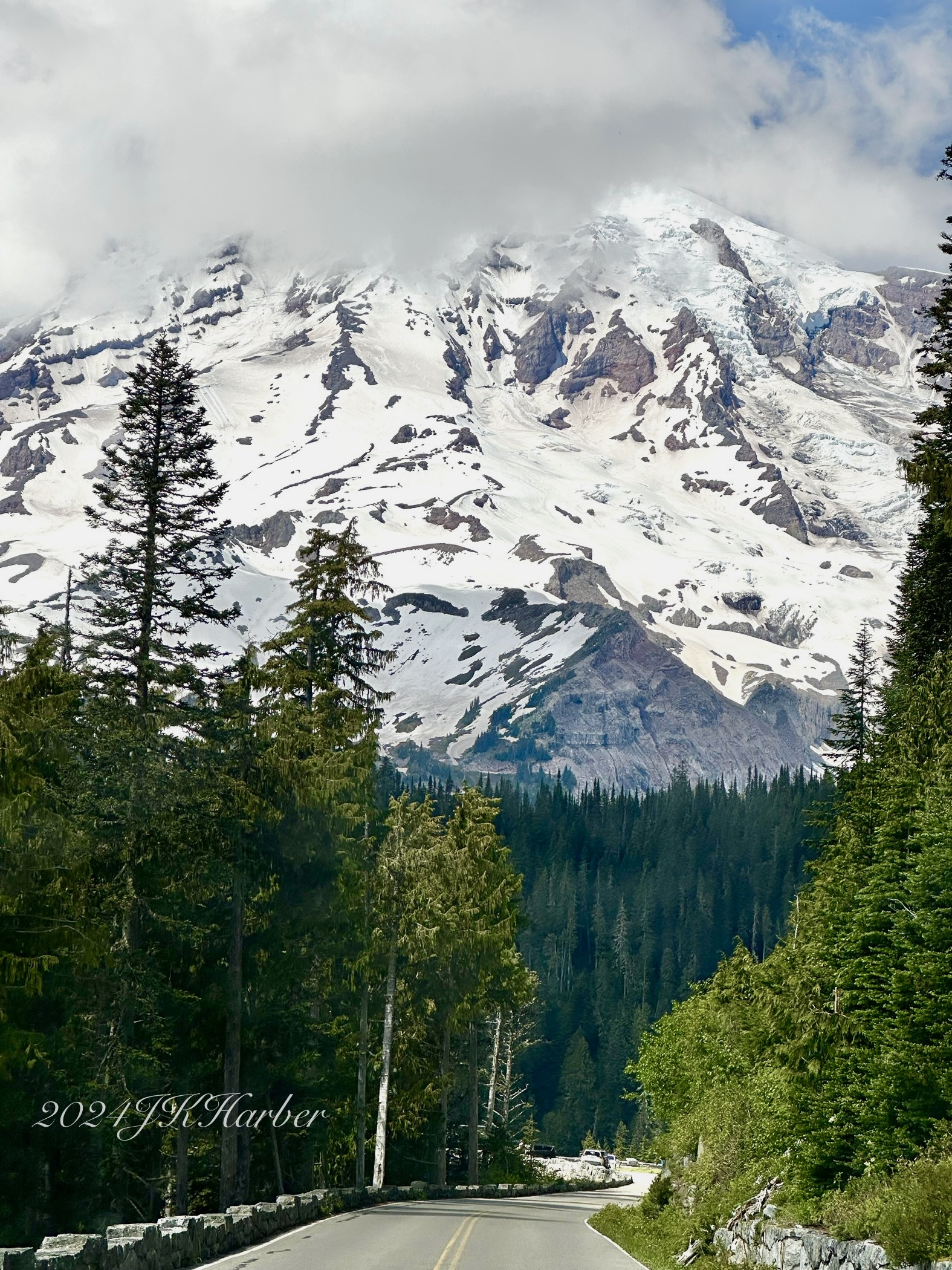
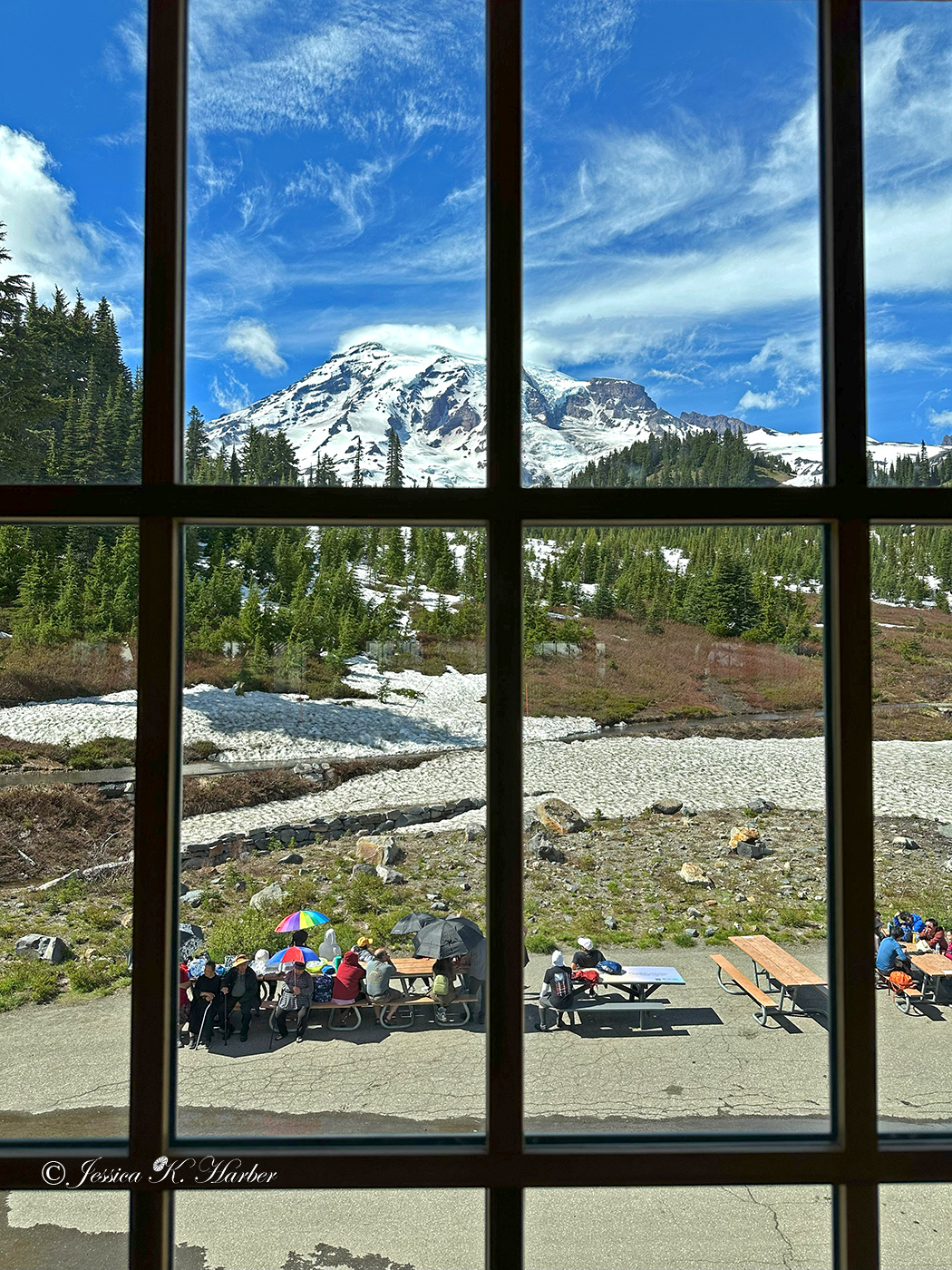
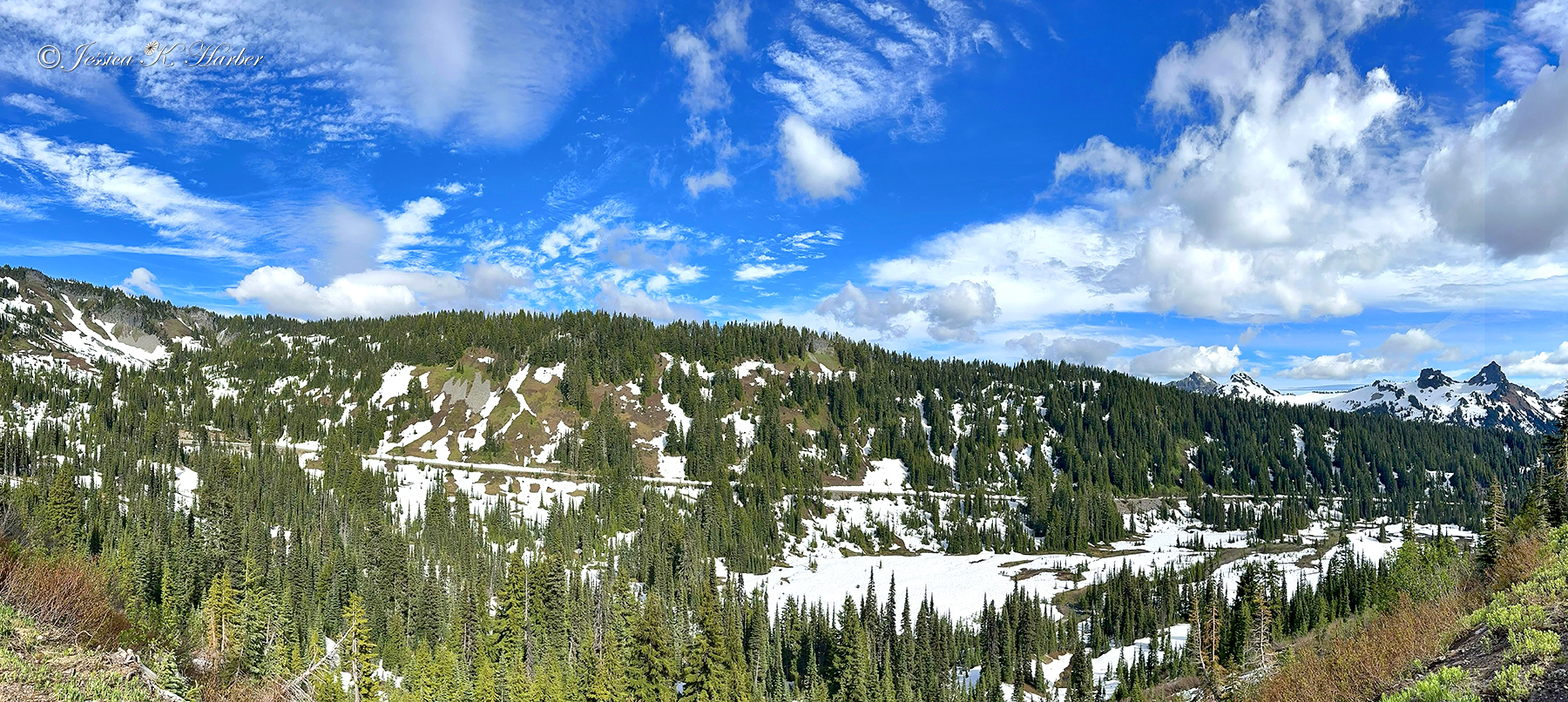
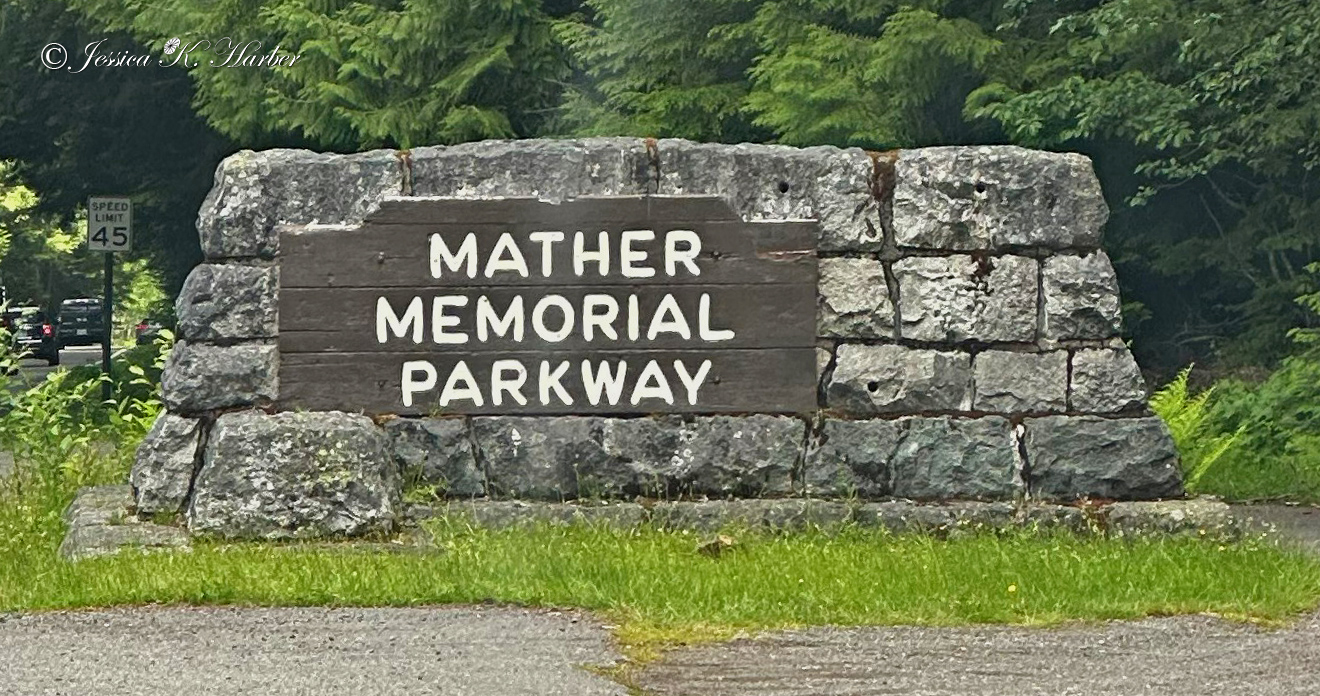
Mount Rainier NP was a surprise. I knew very little about it before I went and found it to be very, very beautiful. When I visited in June of the year, there was still a good bit of snow and water flowing *everywhere*. Also, lots of wildflowers, which I love. The only wildlife I saw were marmots, but I always enjoy seeing them. It was also very crowded at that time, so I don’t know if a different time of year would be better for a visit. I definitely recommend a visit at some point, however.
(no photo captions this time; I may add some later)

Crater Lake National Park

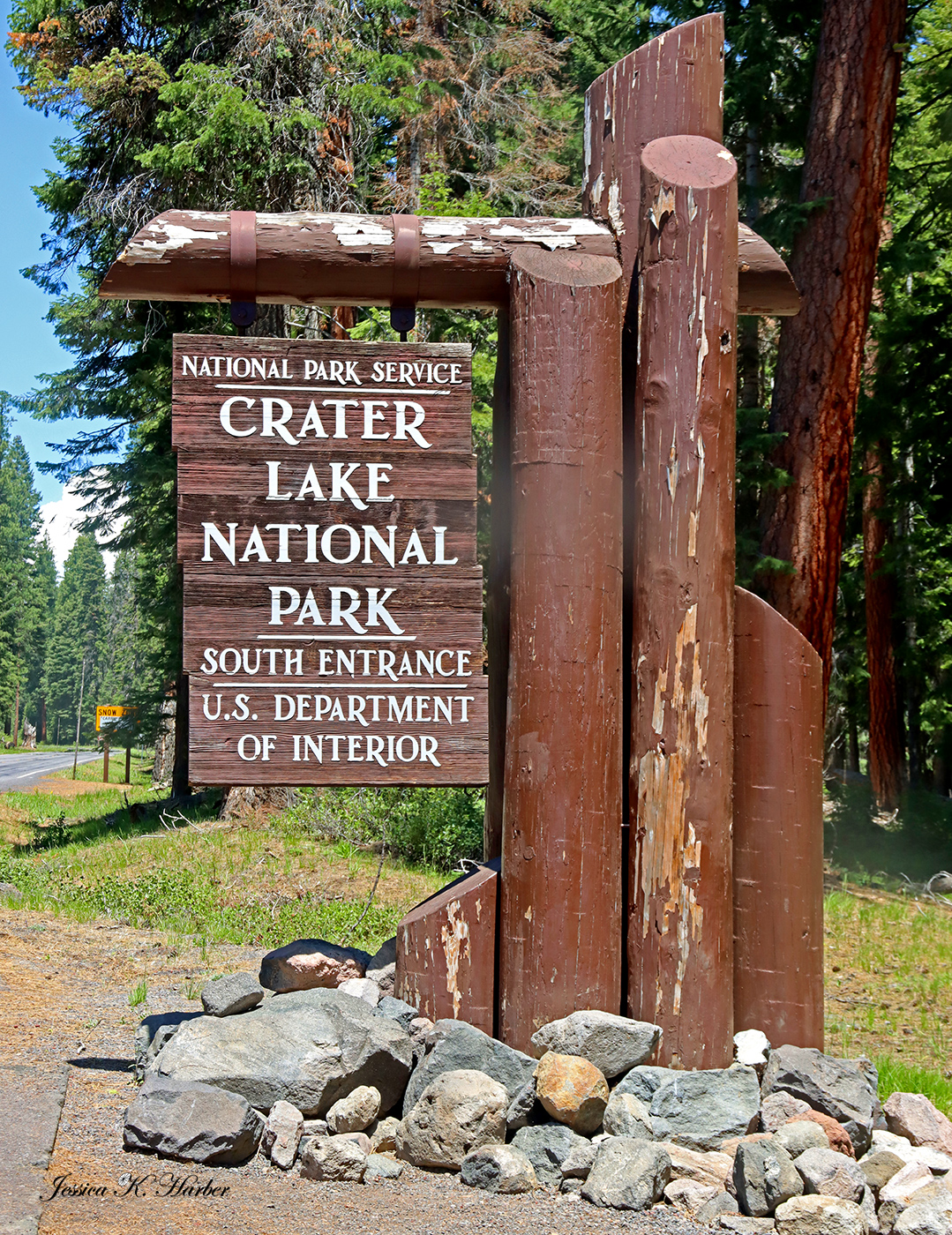
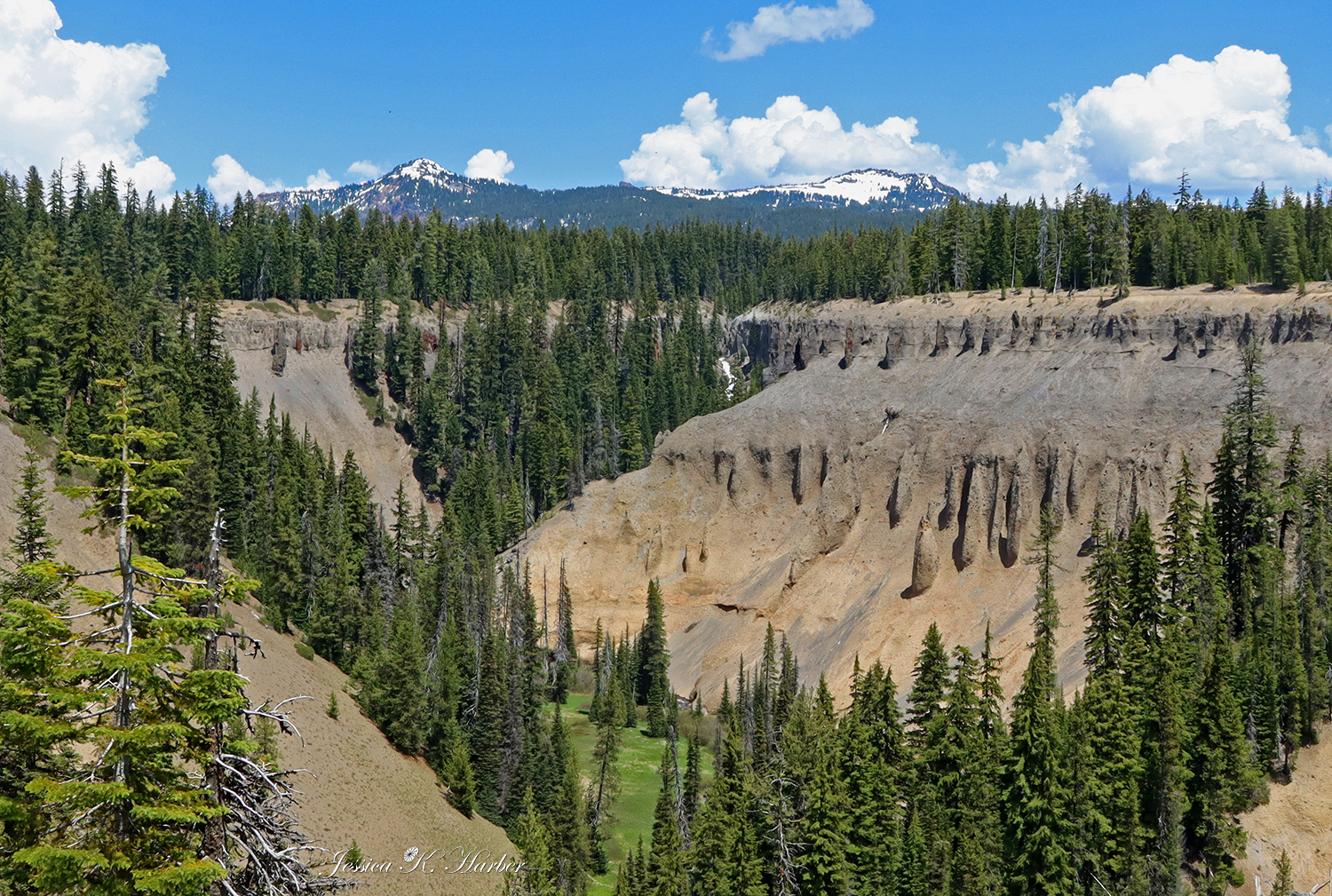
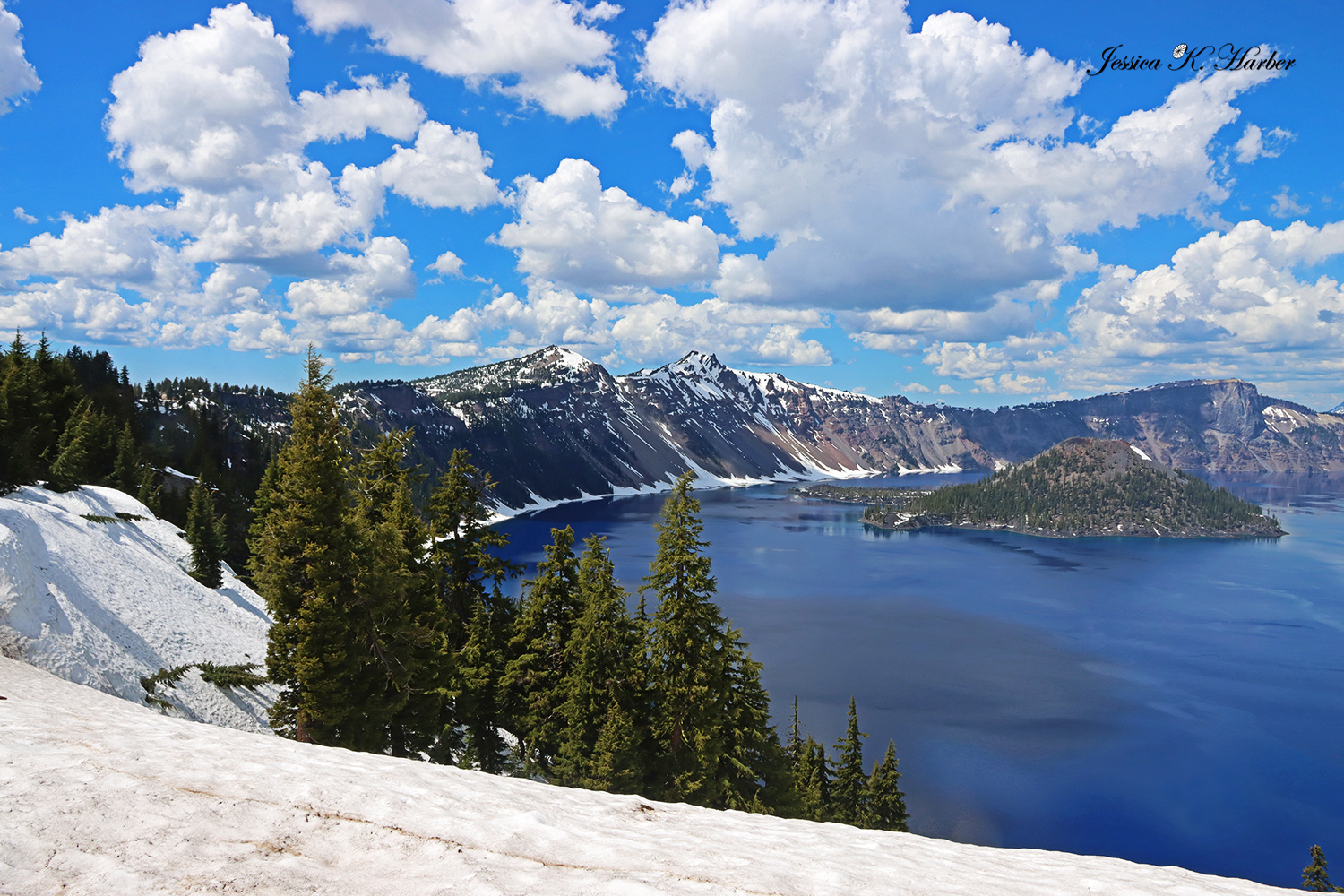
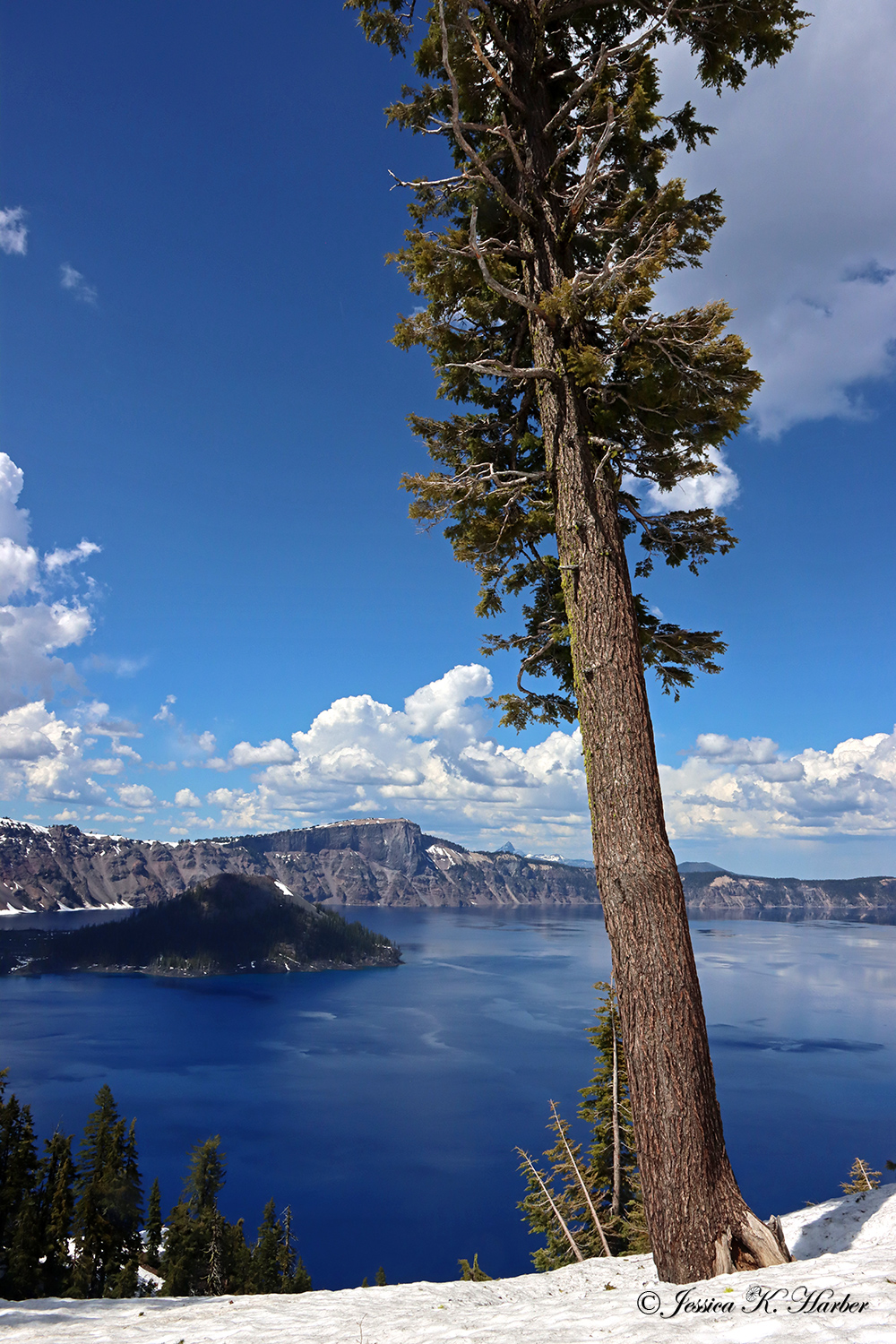
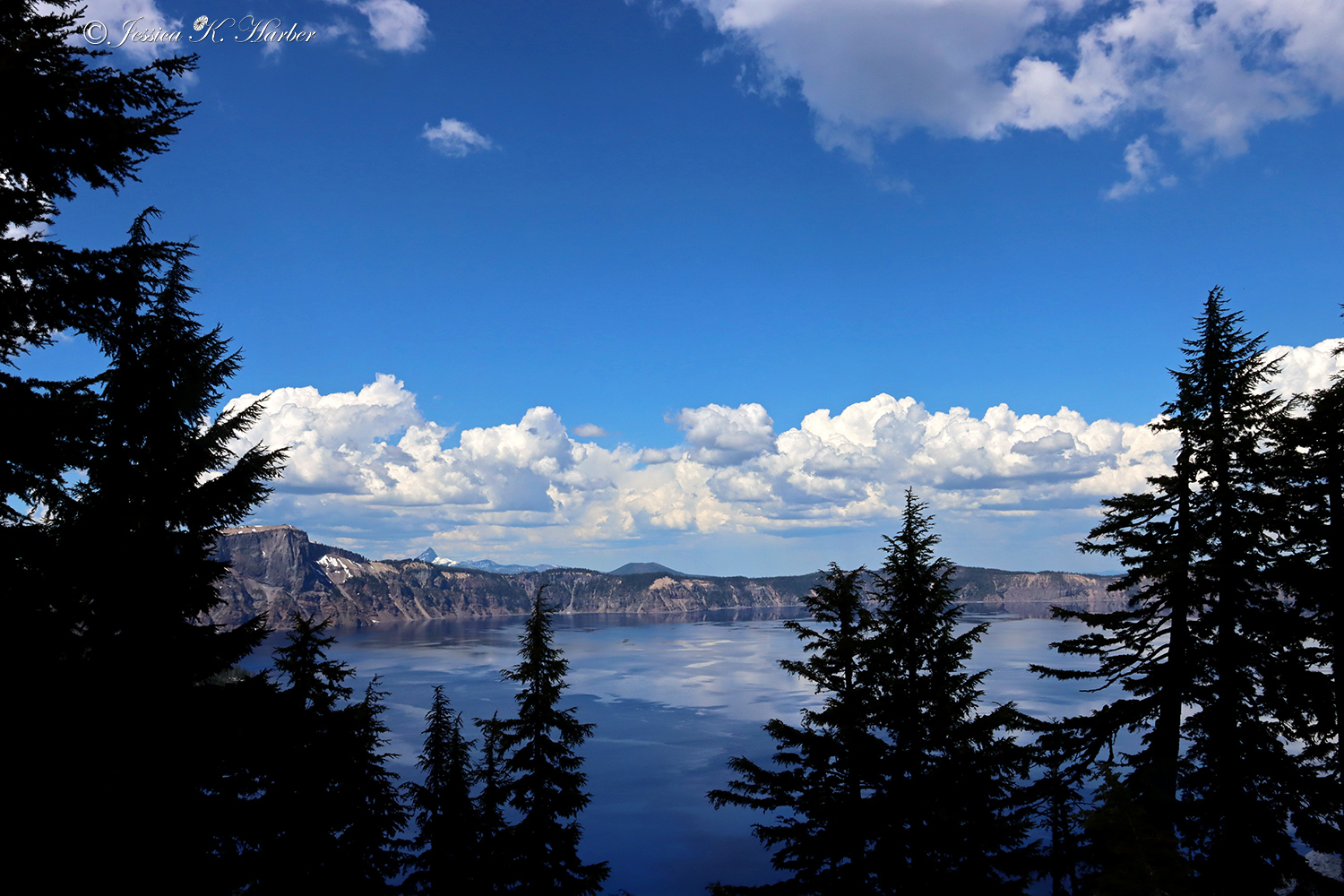
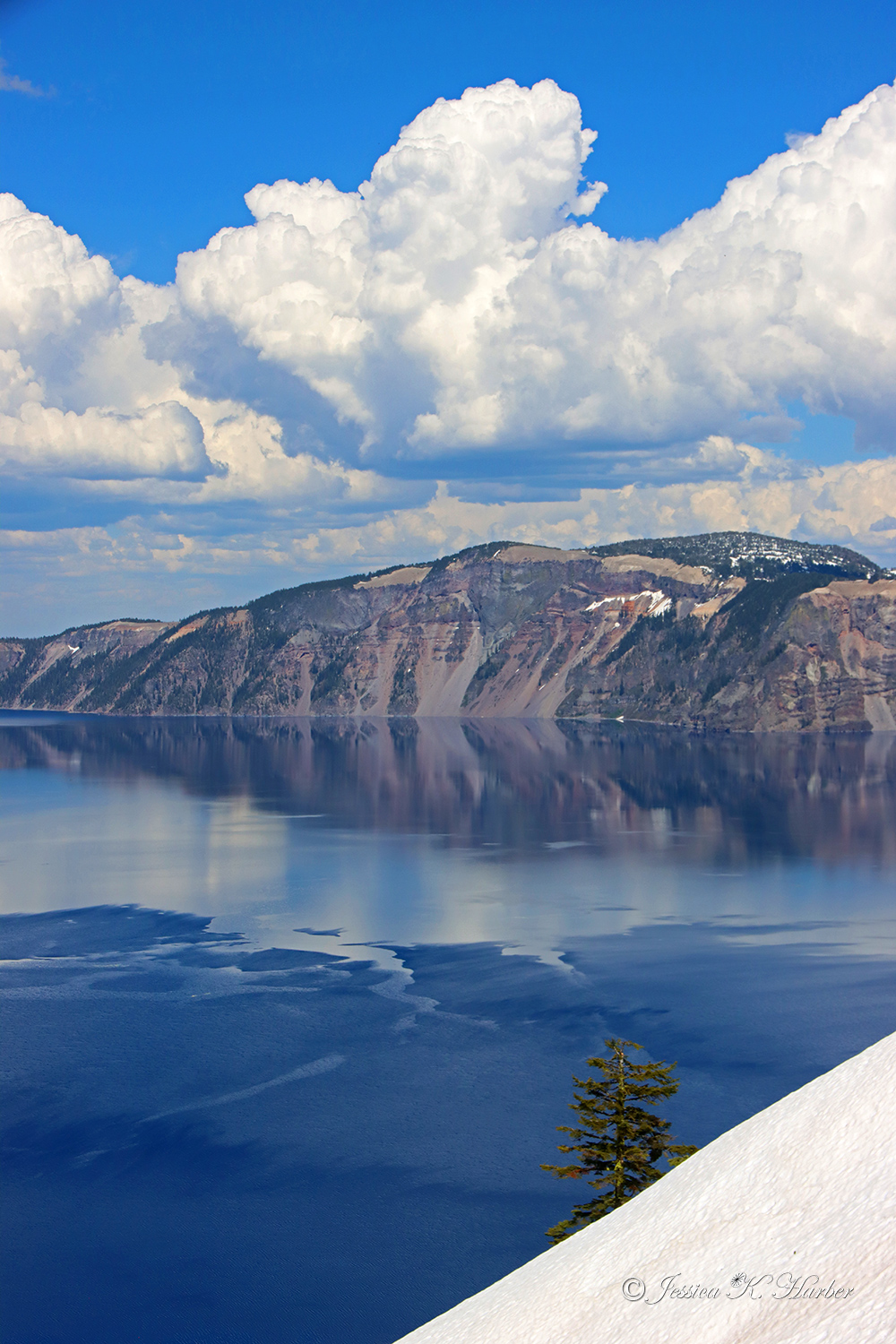
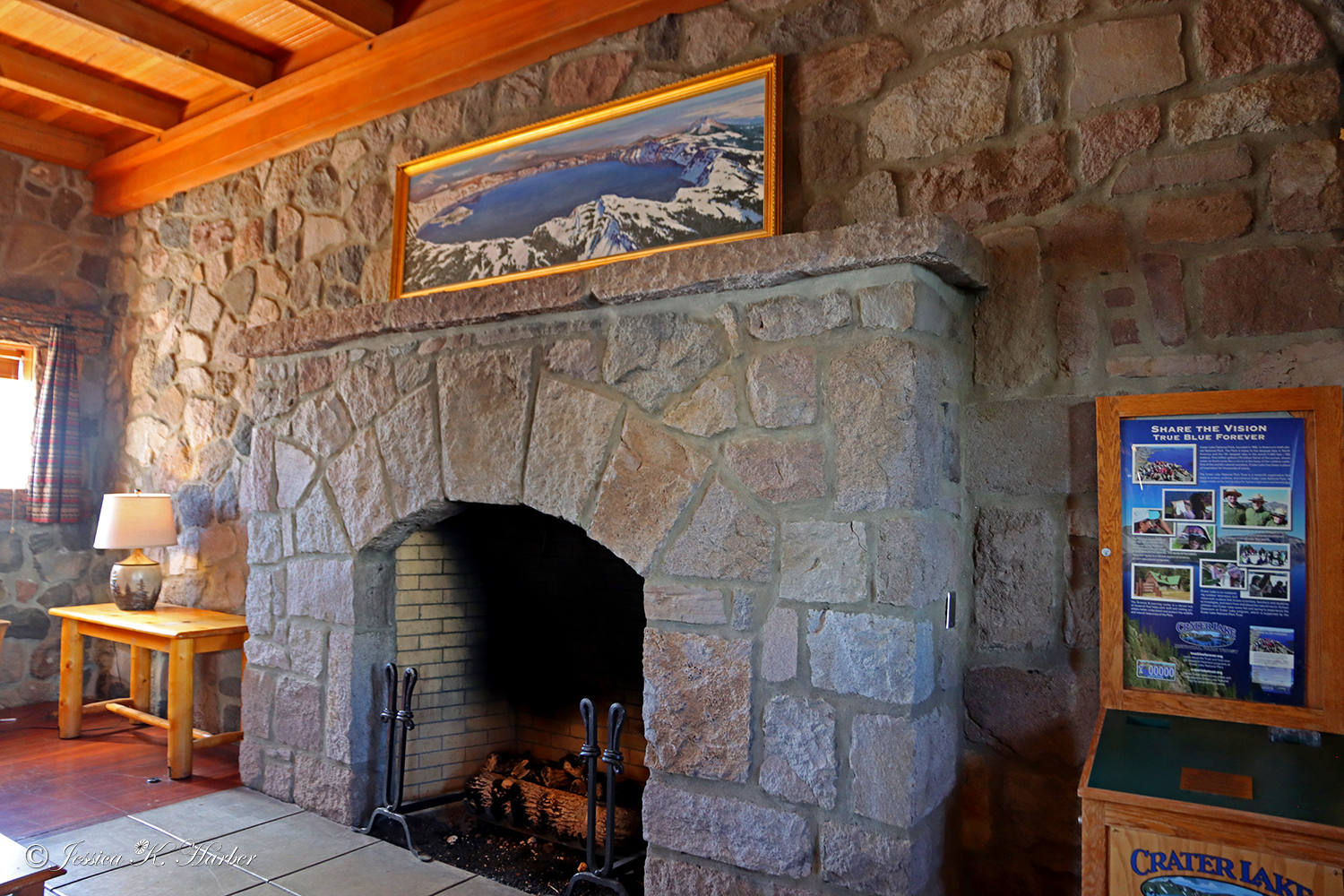
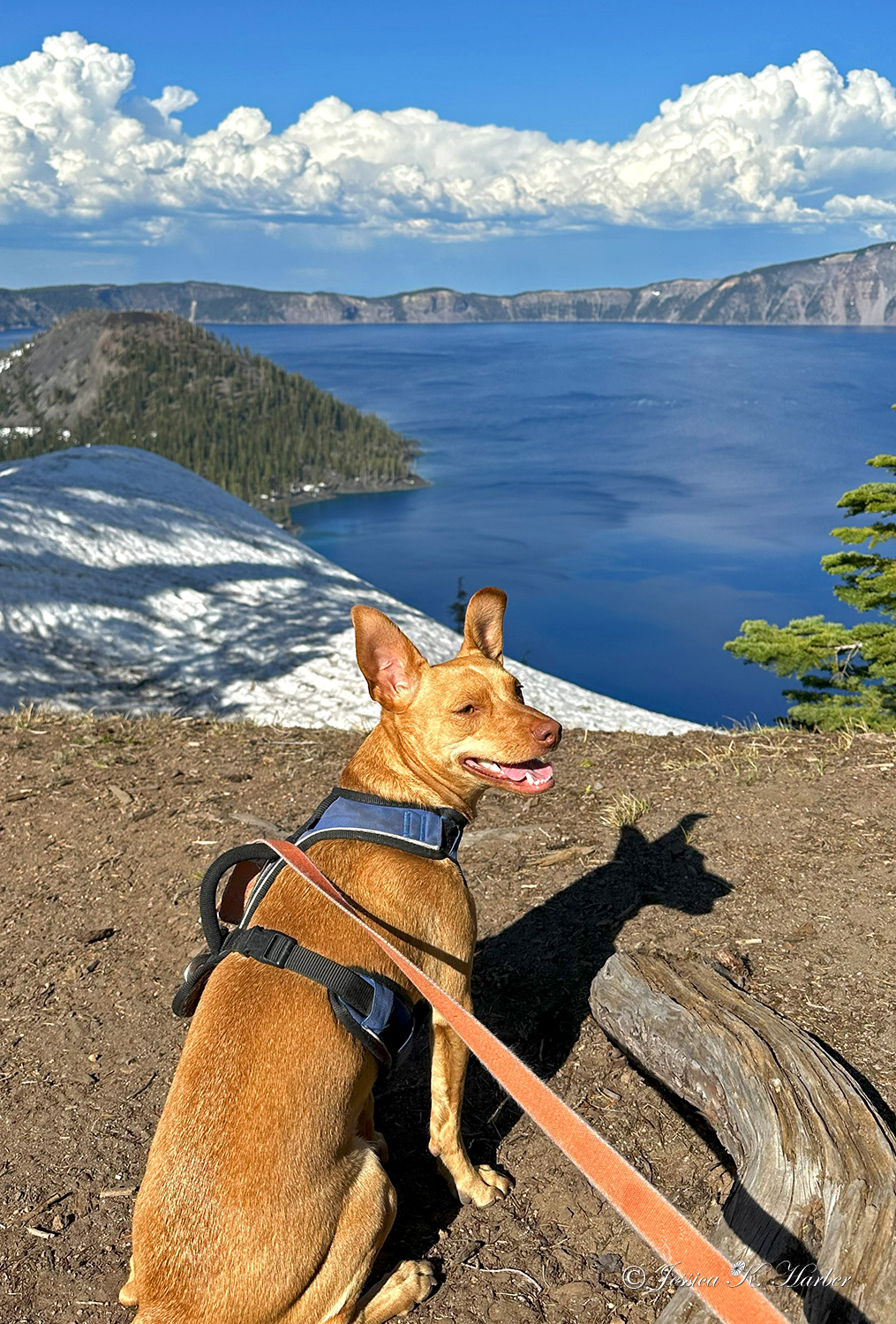
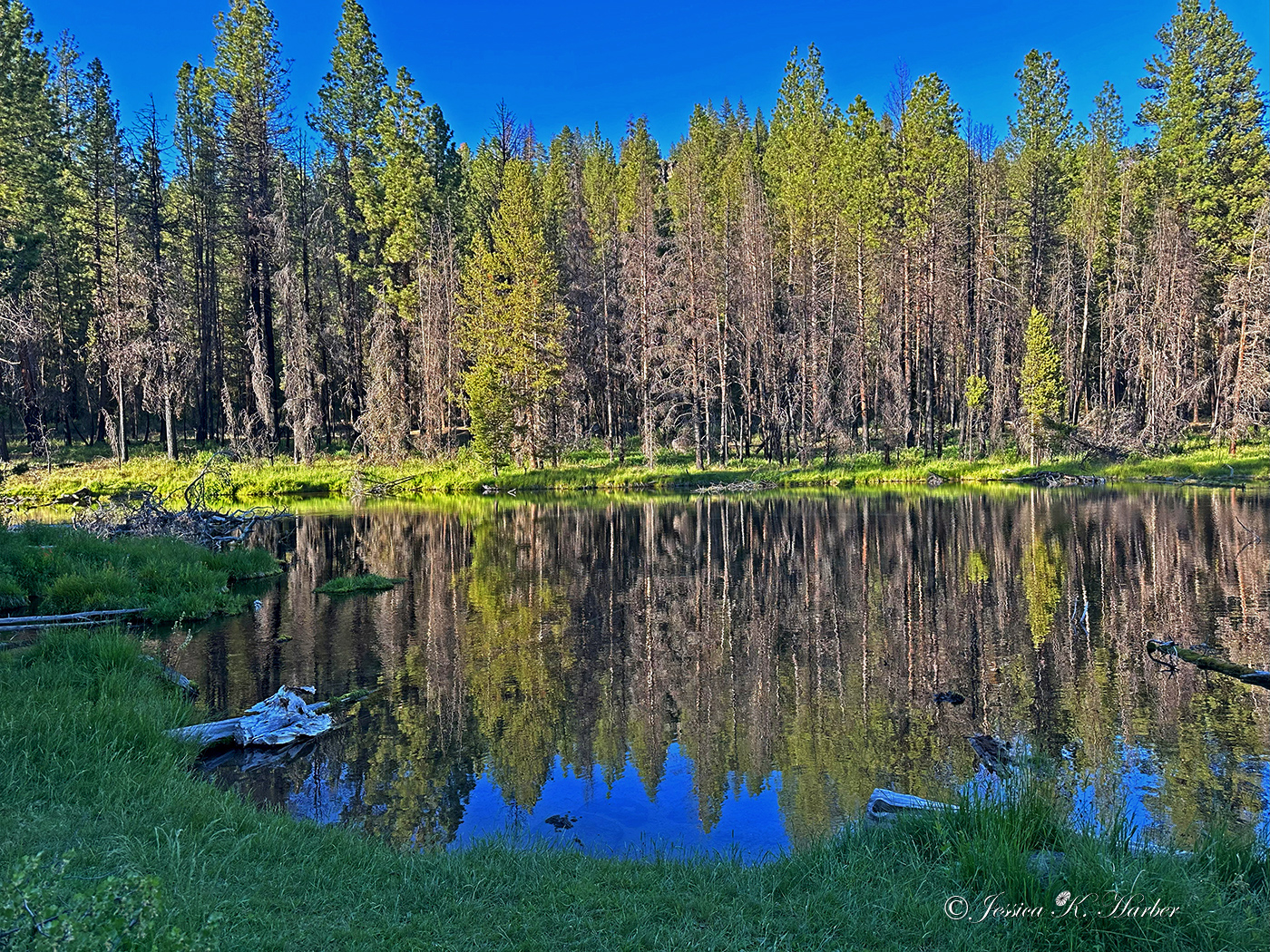
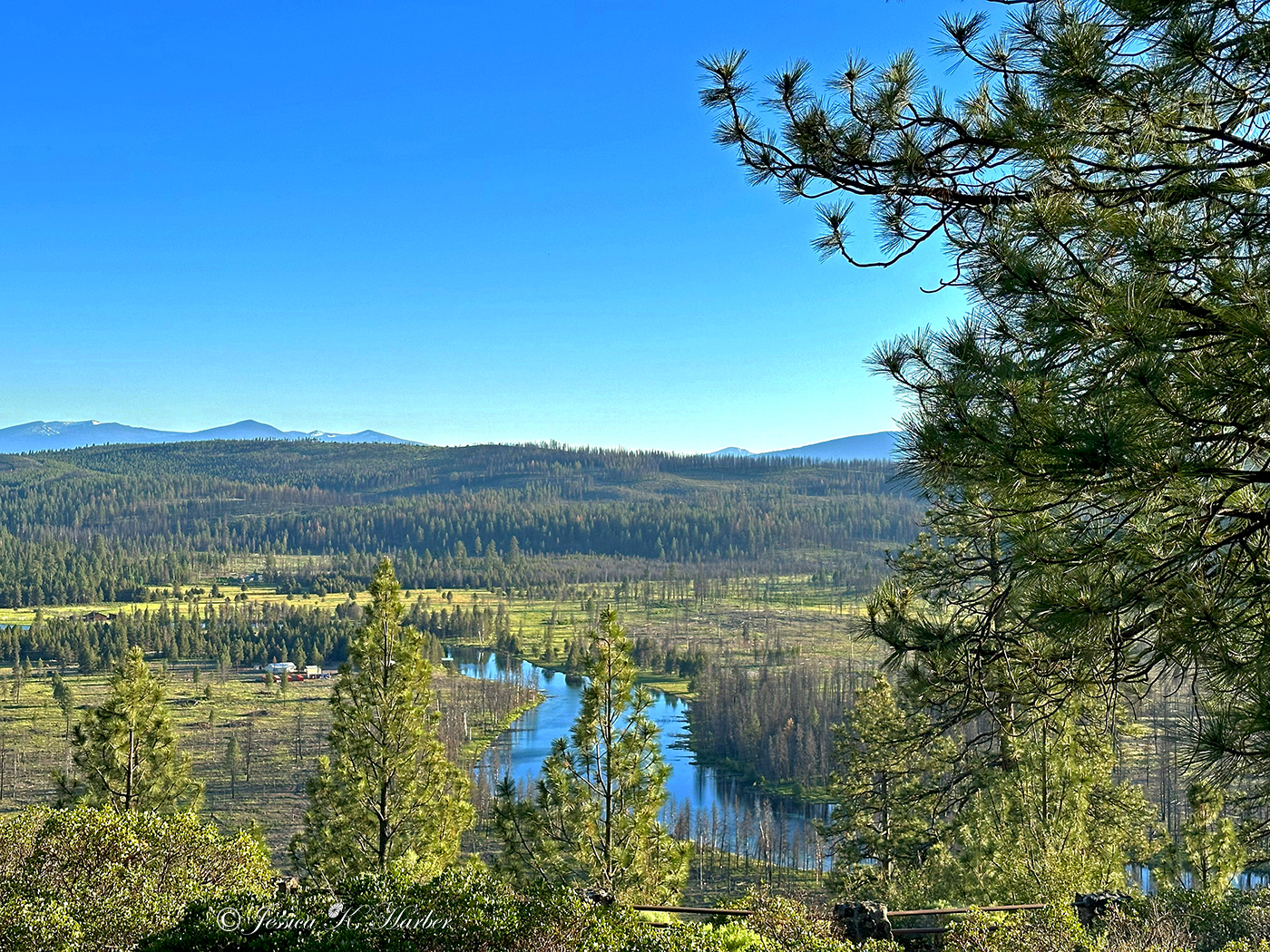
At first, I tried to disperse camp for my visit to Crater Lake, but the road into the location I found online looked too dicey for my rig. Instead, with the help of employees of a state park, I found myself at the Forest Service Williamson River campground. To my delight, when I arrived, I discovered they weren’t yet charging a fee, but that changed later on in my short stay. It was a basic but nice campground.
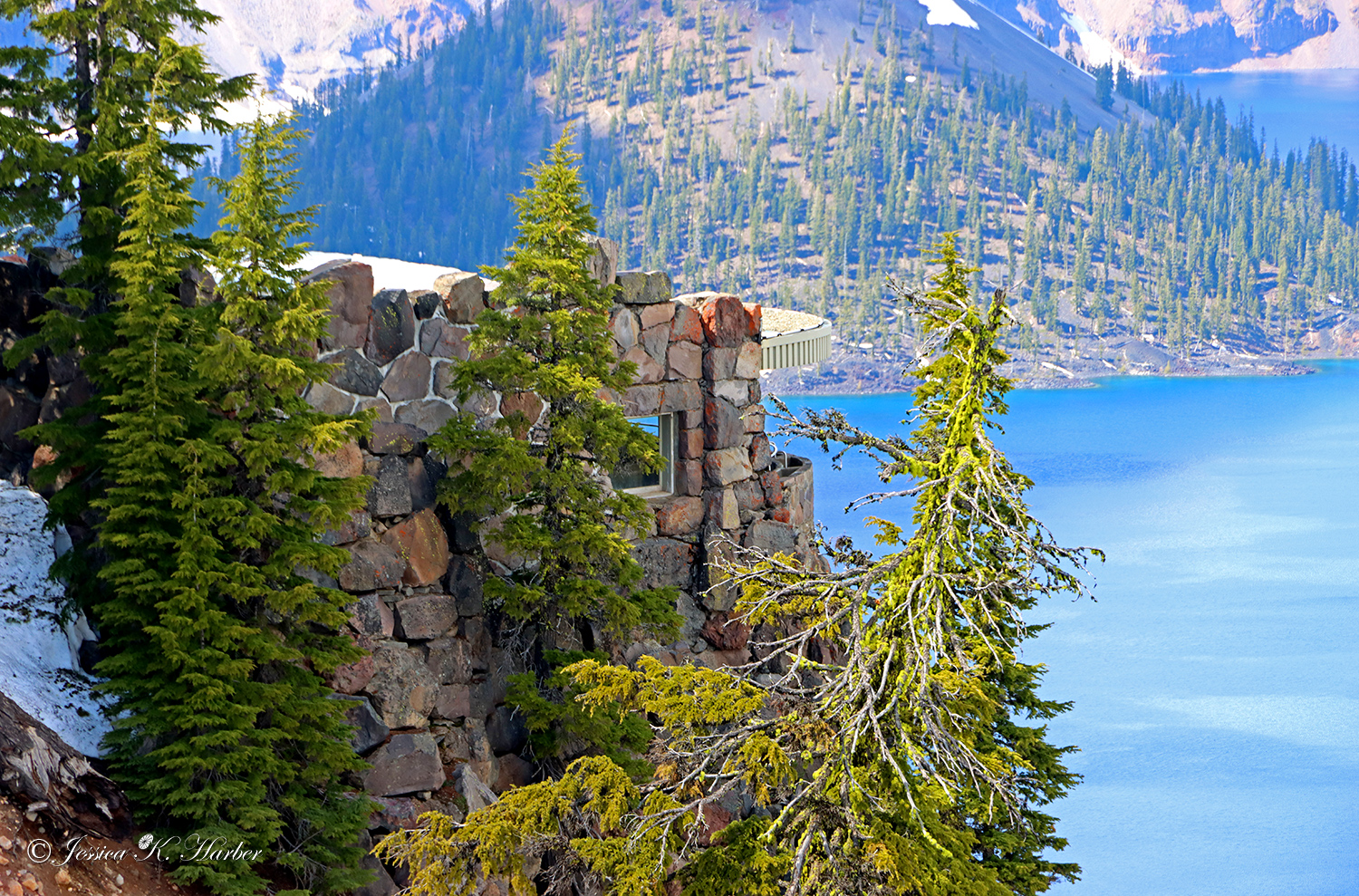
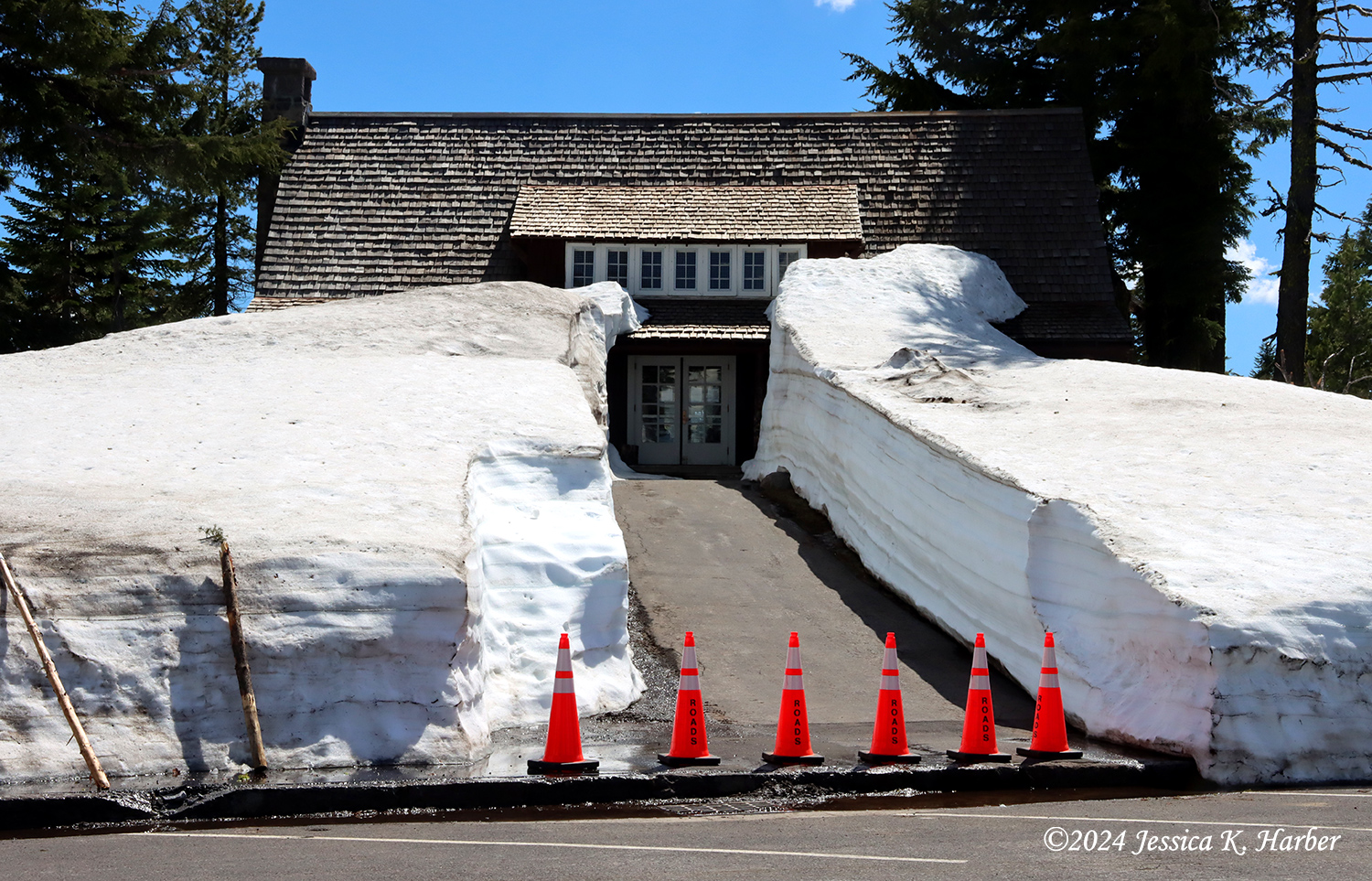
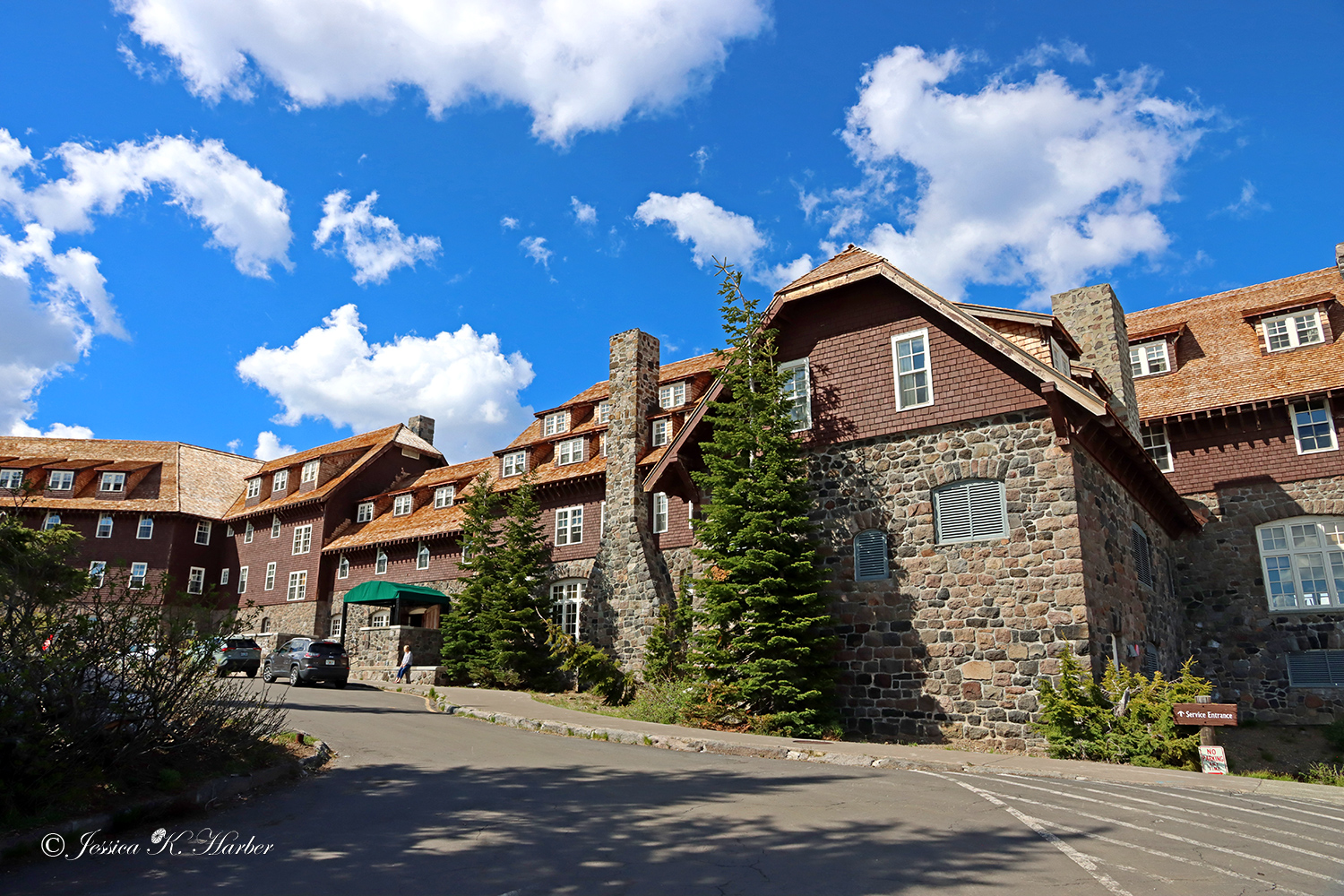
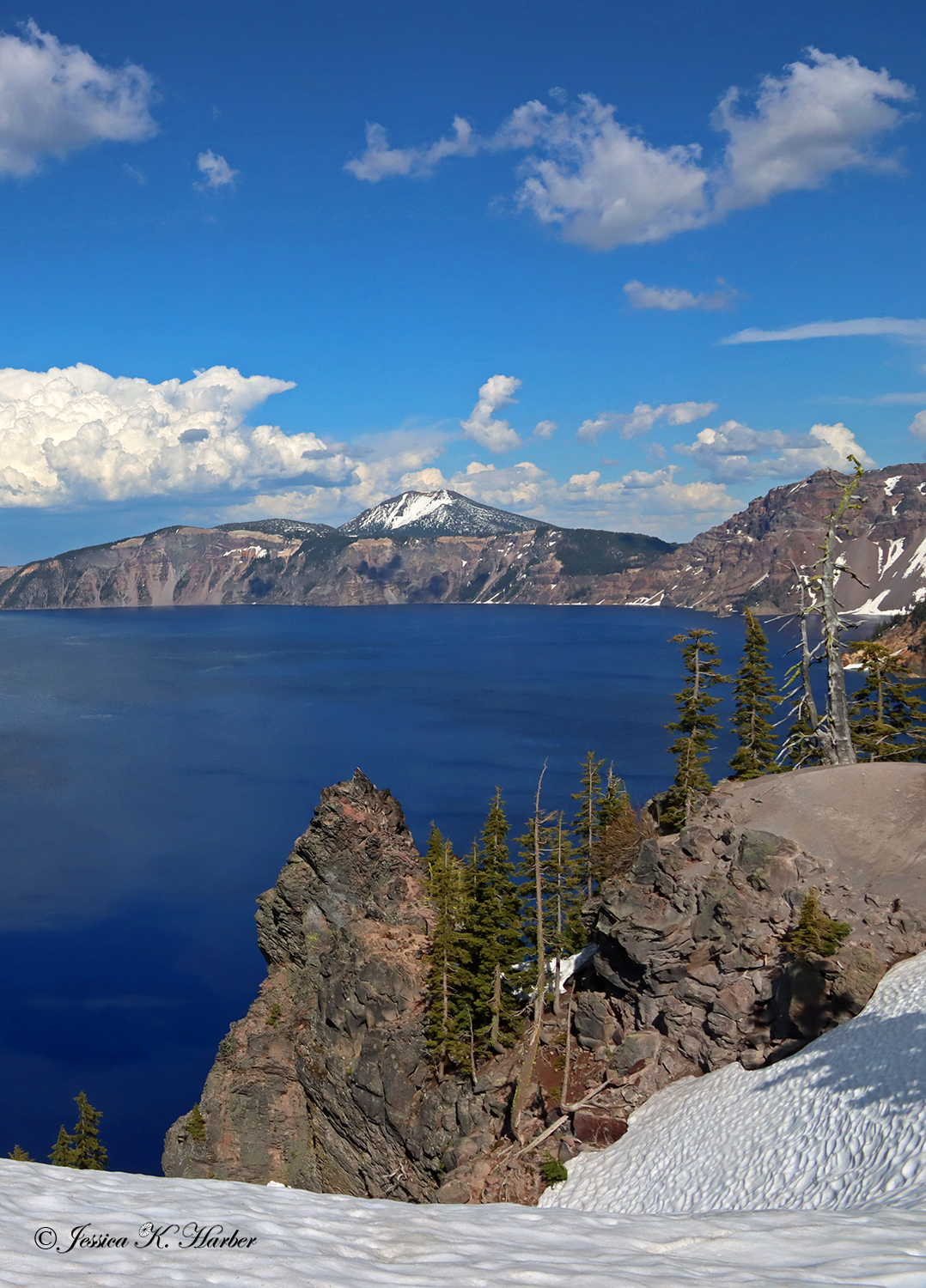
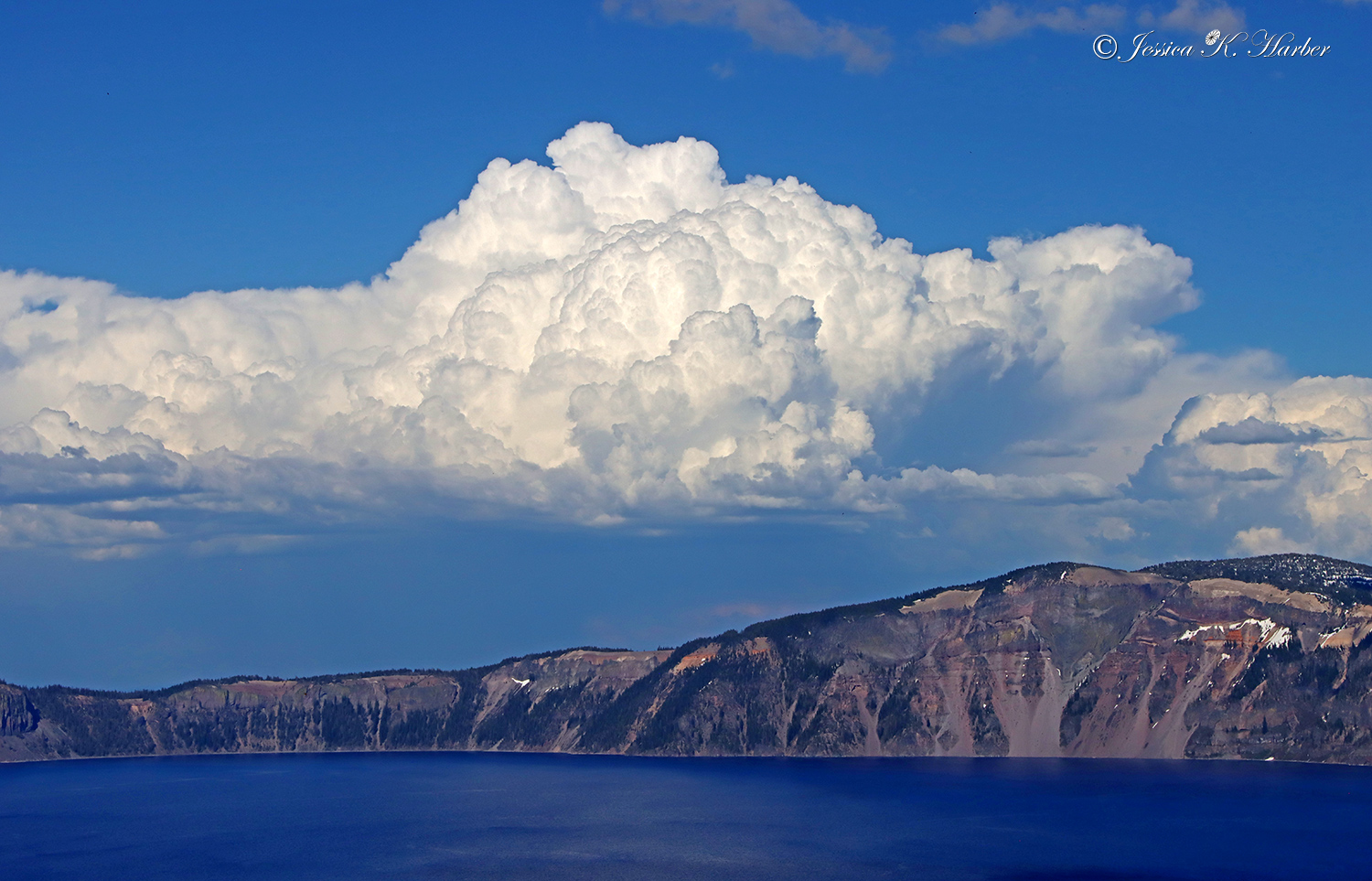
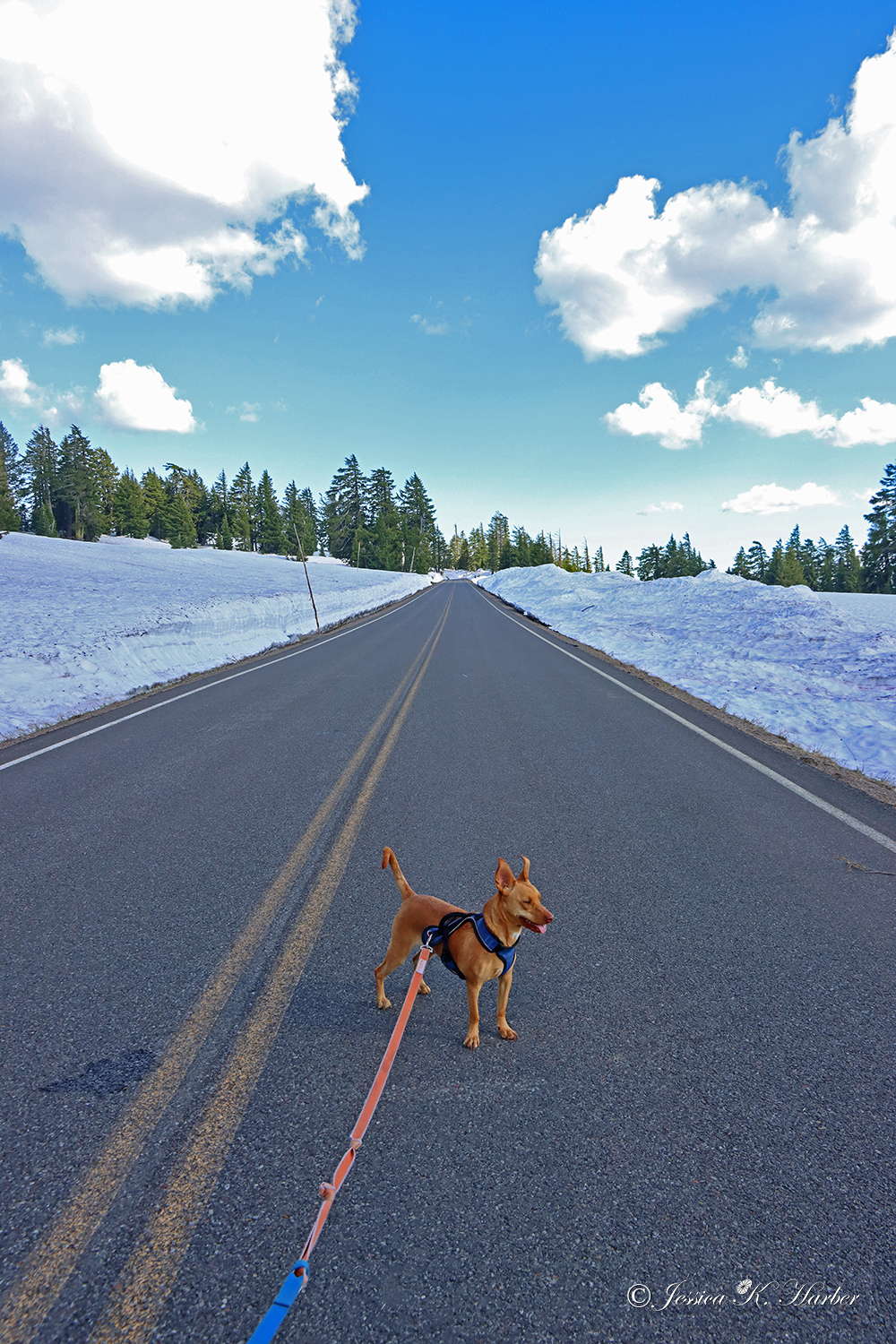
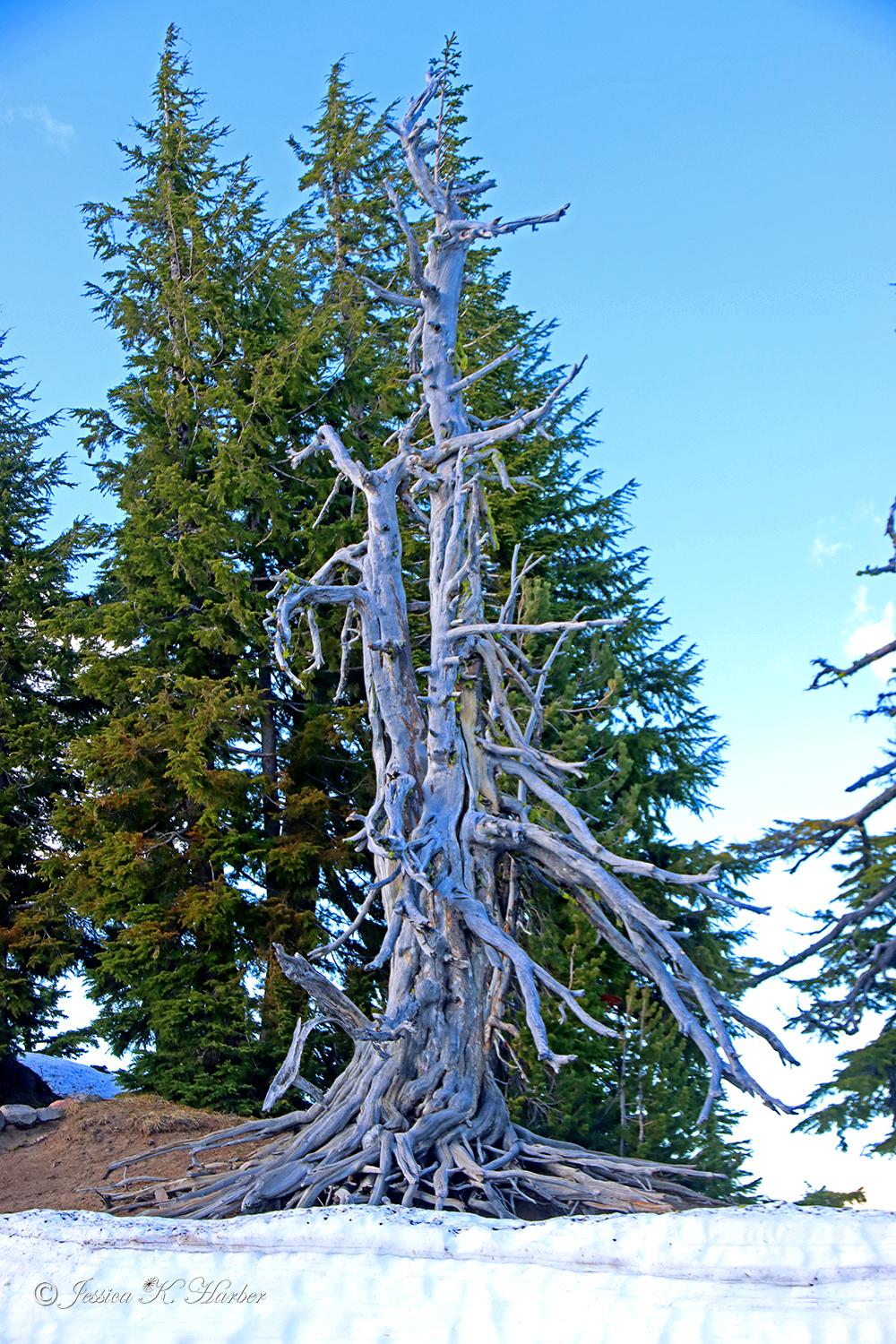
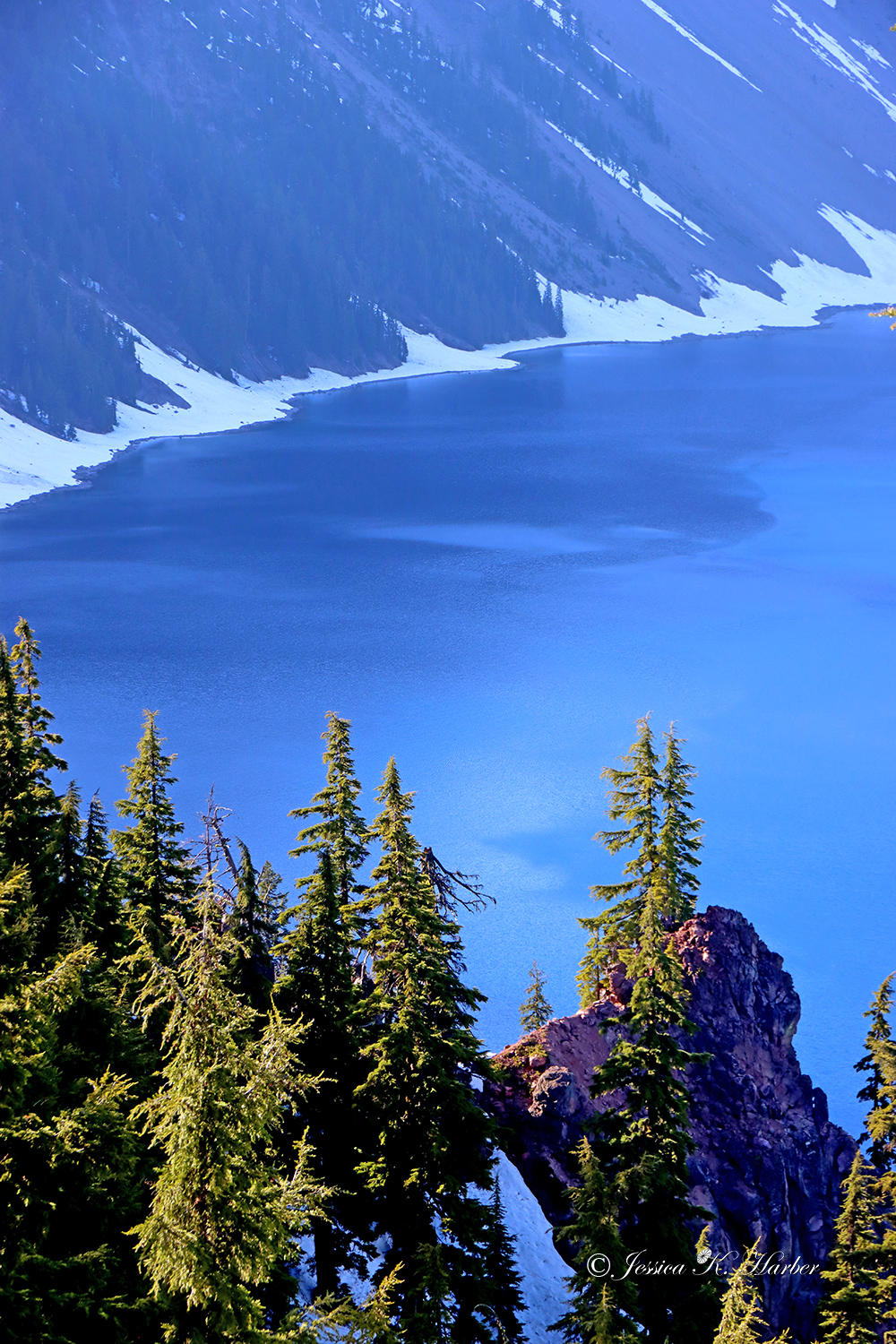
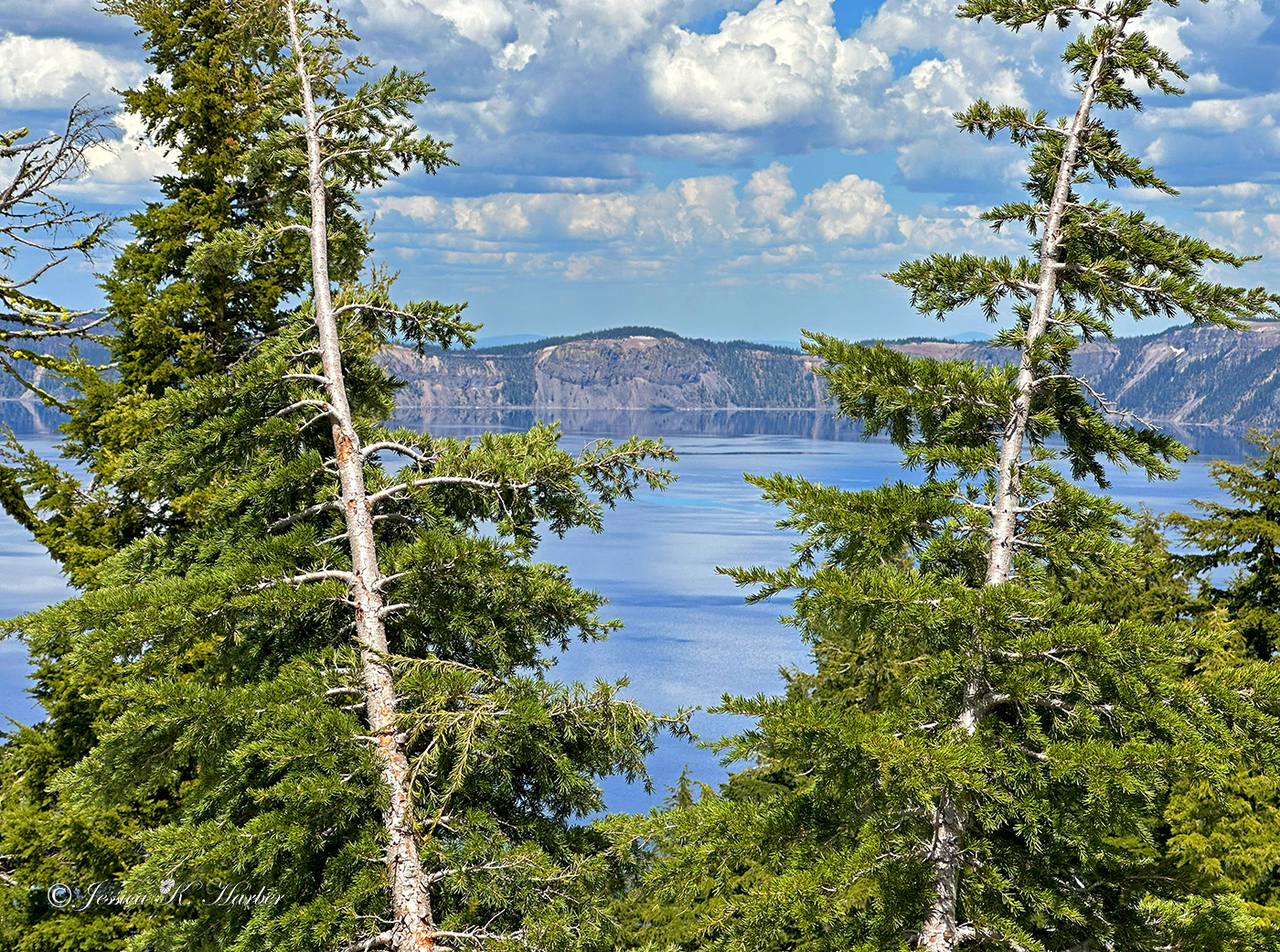
Crater Lake was amazing. I’ve never seen water so blue. Remarkably, my visit during the first week of June was still too early for all the roads to be opened. (The yearly average snowfall is 41 feet!) One advantage of road closures was that we were able to walk on the Rim Road–and I was able to take Sadie. It was great to see so much snow but I want to go again later in the summertime so I can explore the entire park.
After my Park visit, I found another route to the dispersed camping area and moved there before proceeding to my next destination.

Smith River NRA/Panther Flat CG

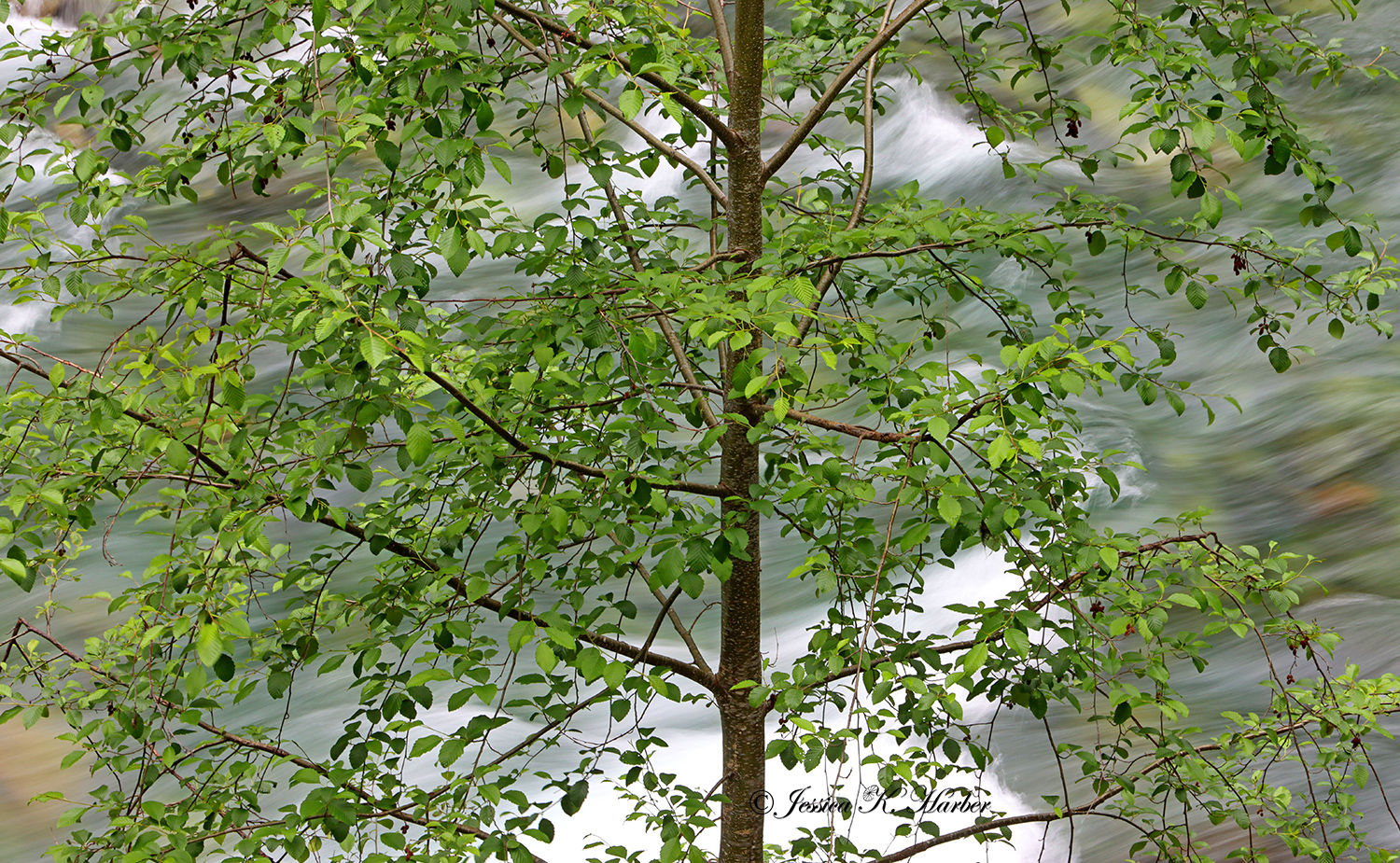
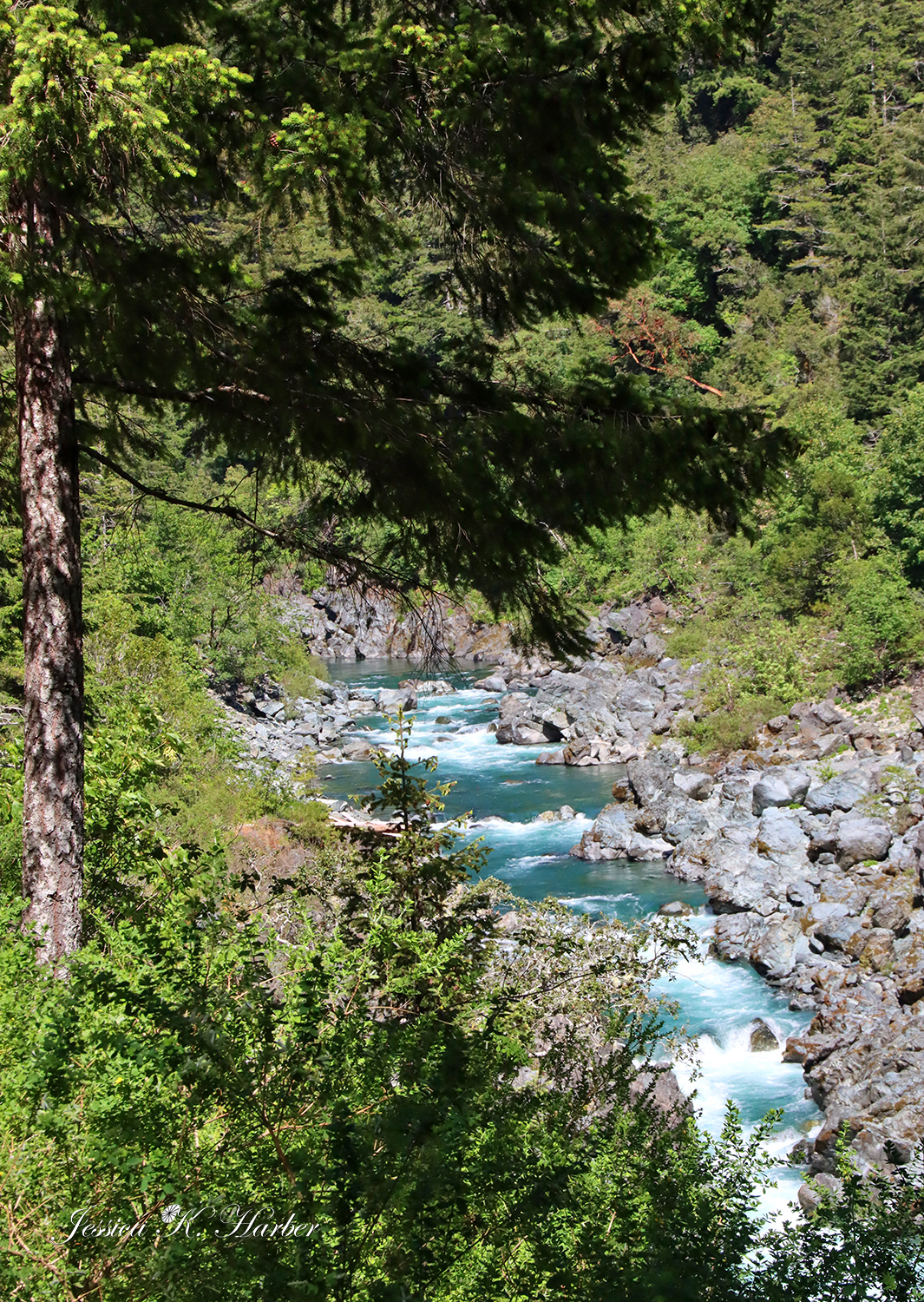
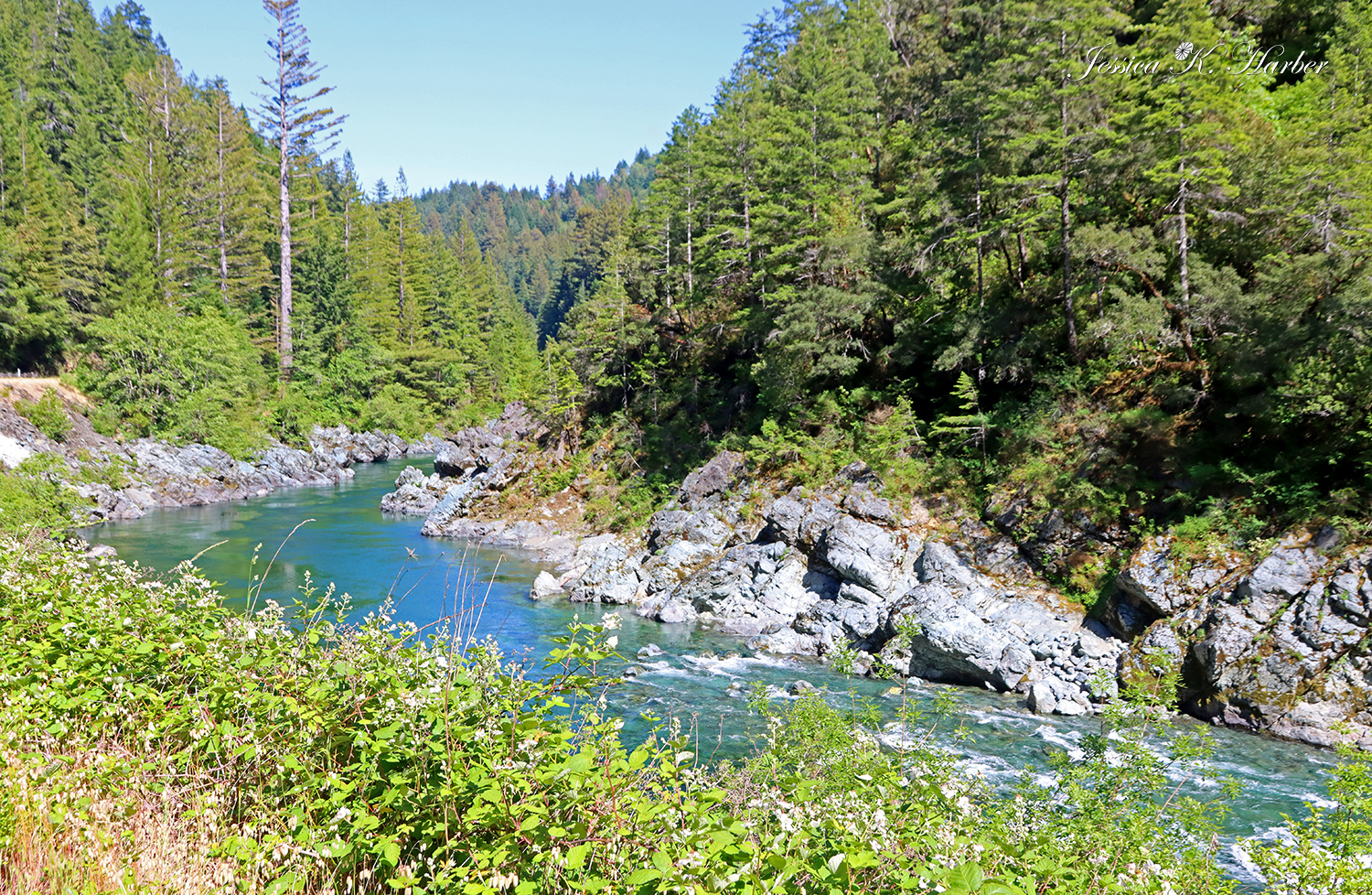
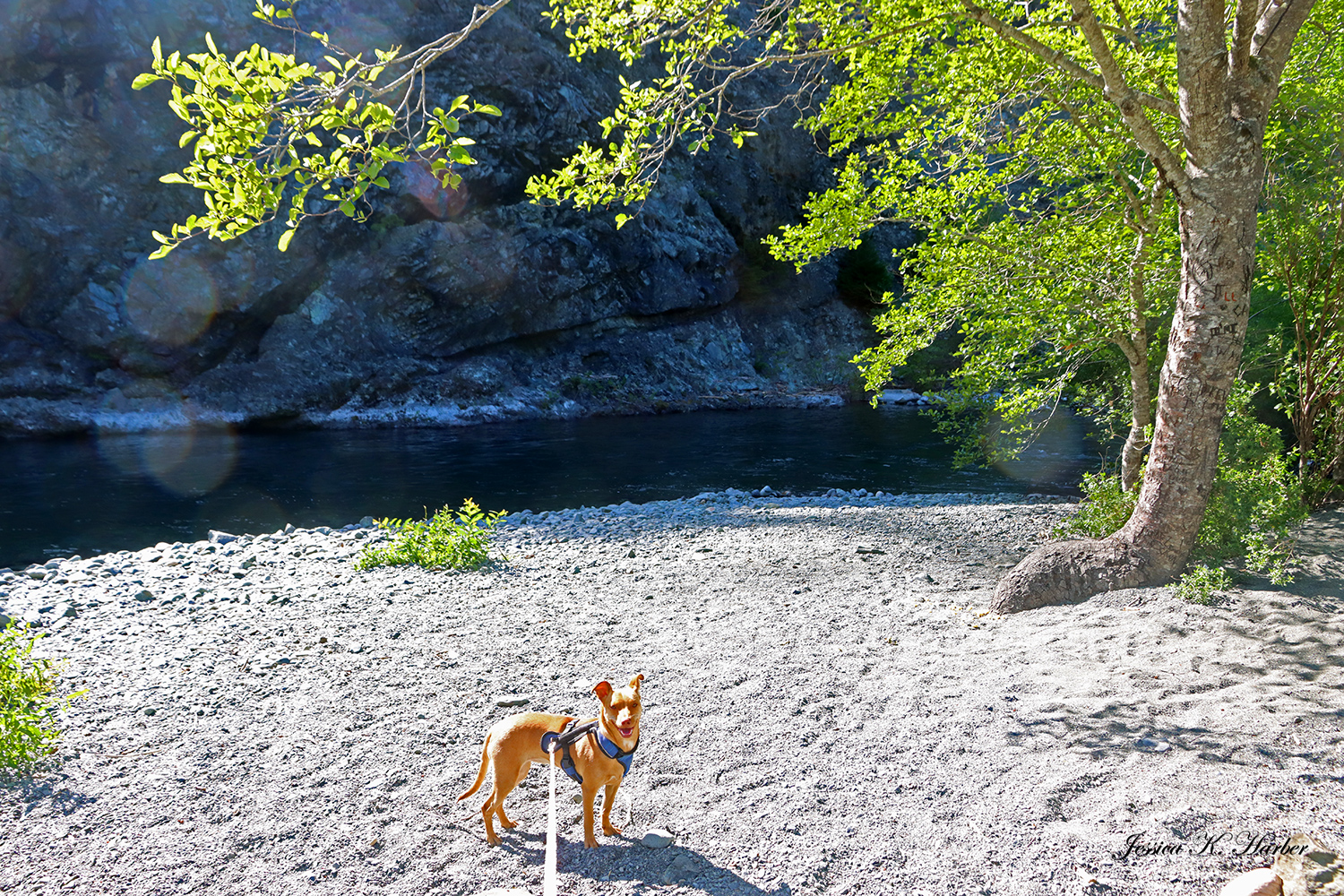
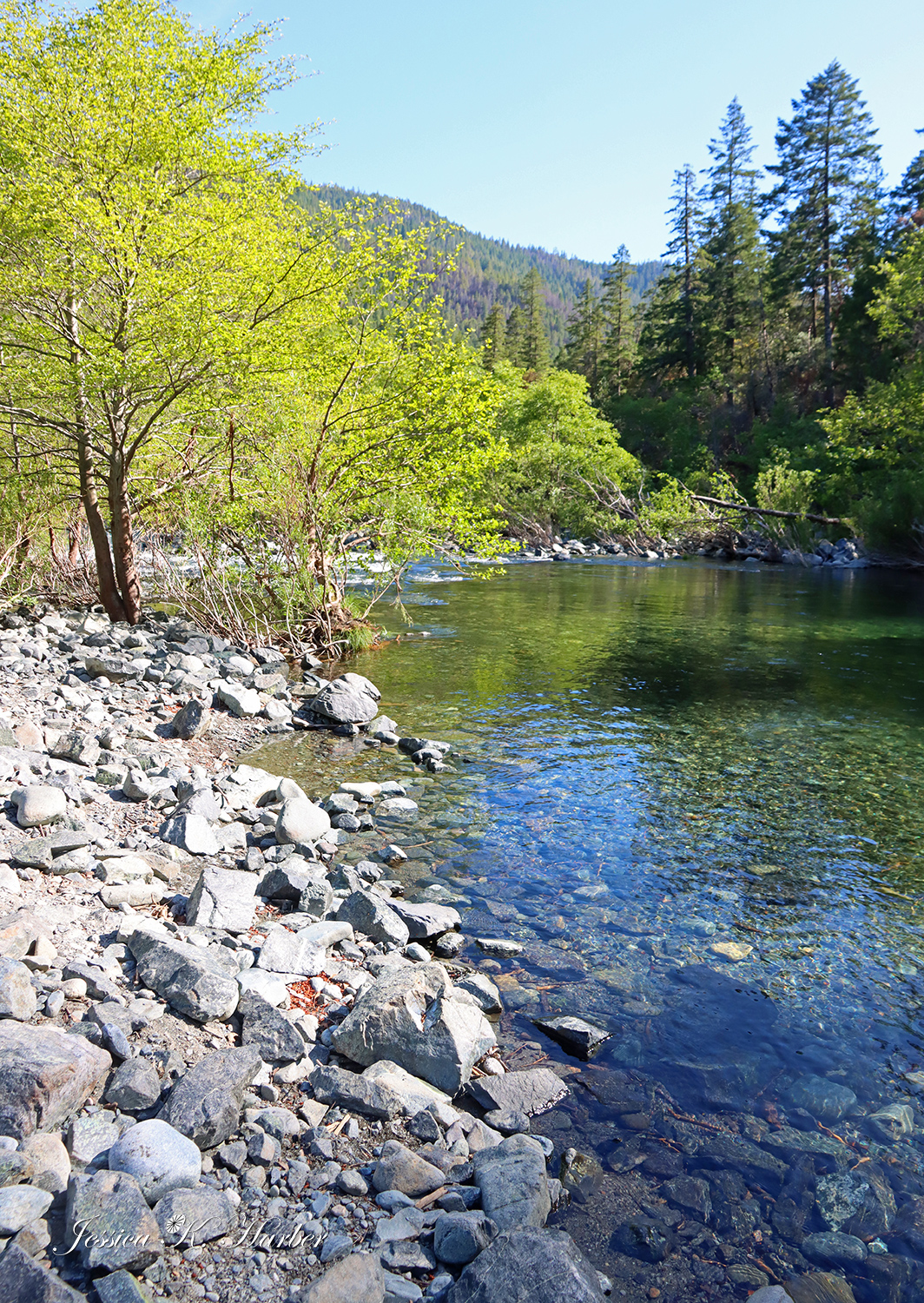
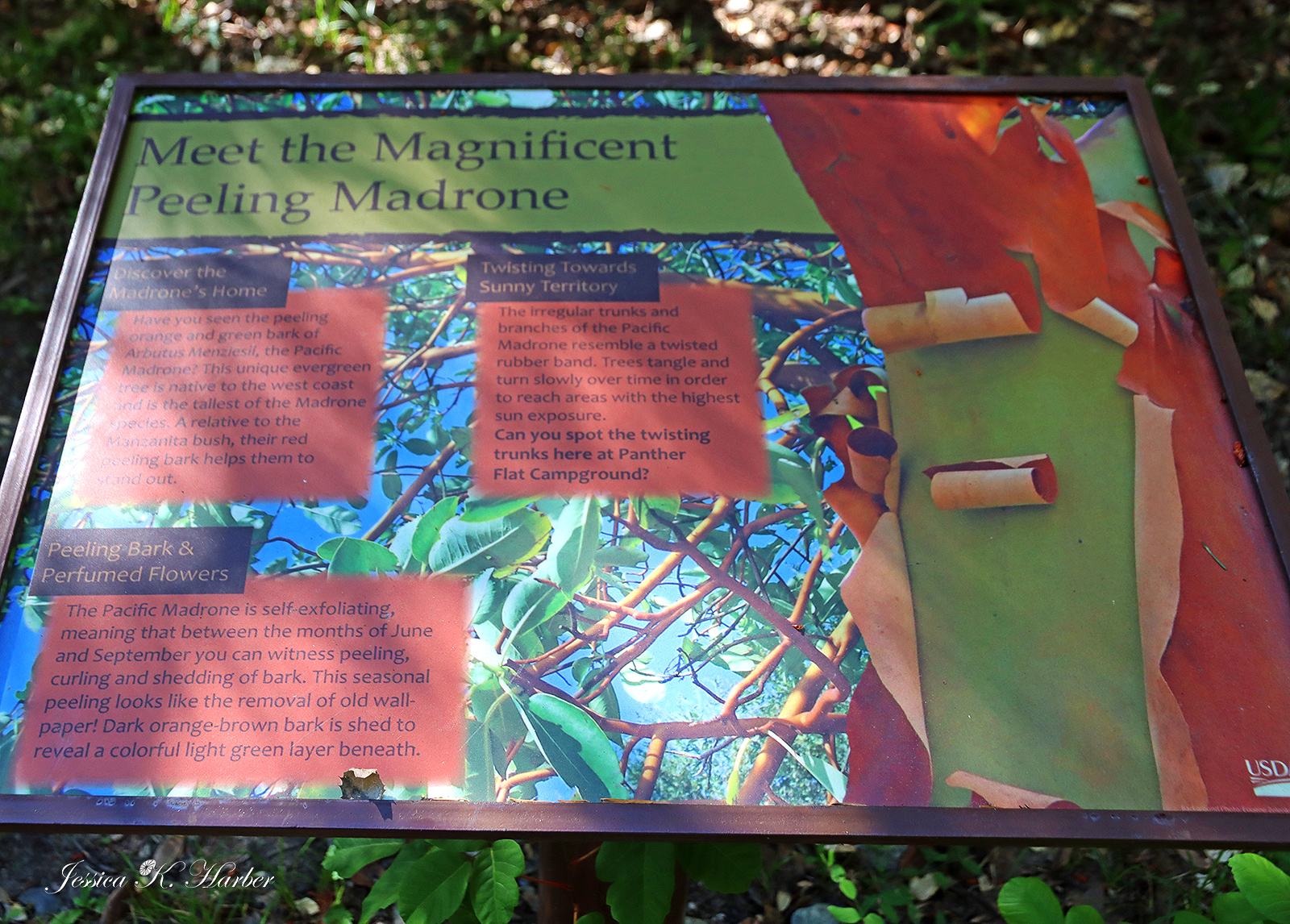
I traveled north from the Redwoods intending to make it out of California sooner rather than later. It ended up that I stopped at Panther Flat Campground in extreme northern California and enjoyed views of turquoise-colored Smith River National Recreation Area along the way. (I just learned something; I thought all NRAs were a part of the National Park System, but this one is National Forest)
The camp host couple at Panther Flat was extremely kind. First, they let me park at the cg entrance for several hours on multiple days so I could get sun for my panels (most sites, including mine, were/are shaded) and then, they stopped on their way out of camp to ask if I needed anything from the store. They later returned with the milk for which I had asked and wouldn’t let me pay them. It had been 10 years since they started hosting and they were retiring right after they trained the new couple (who was camped one site over from me). I’ve met a lot of nice people on the road.
See captions for more info.
Next up: Oregon.