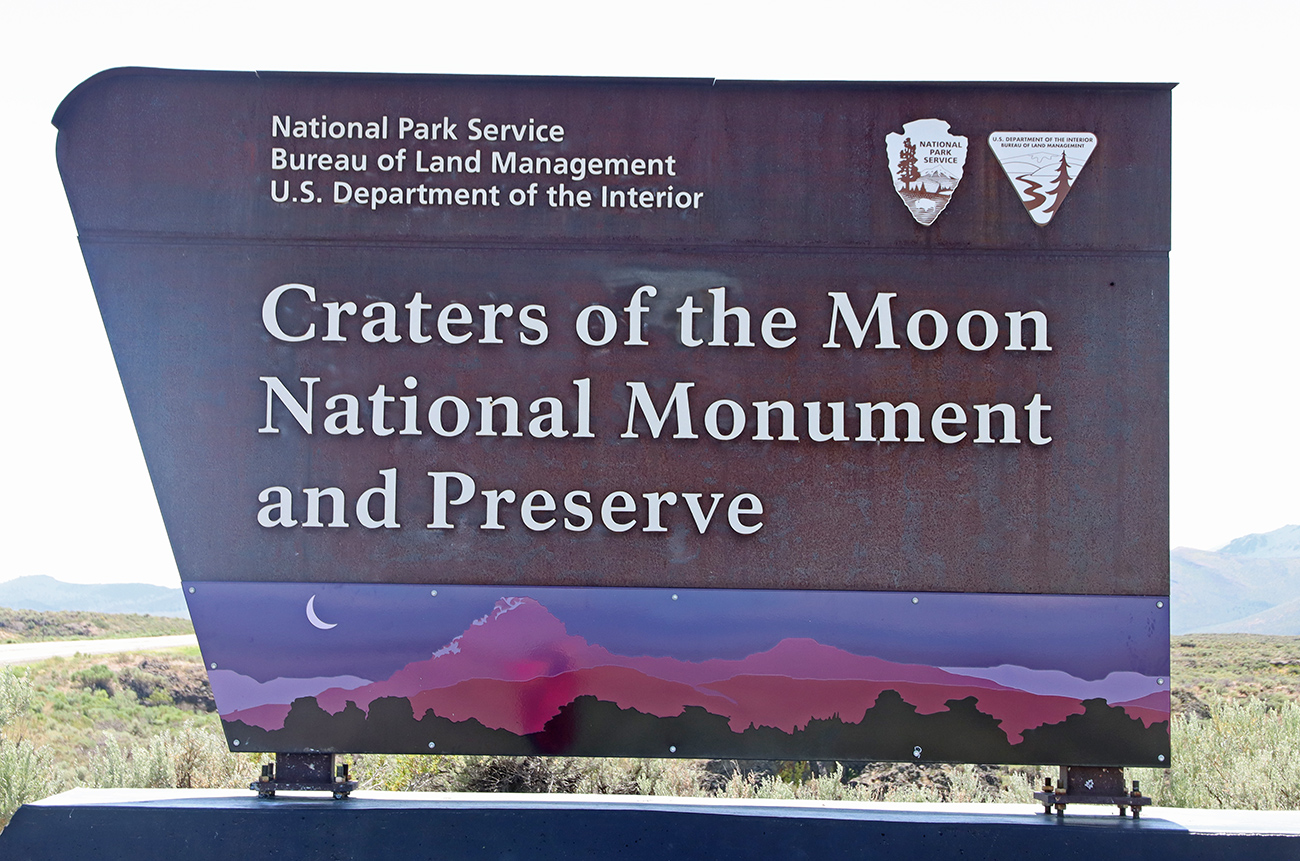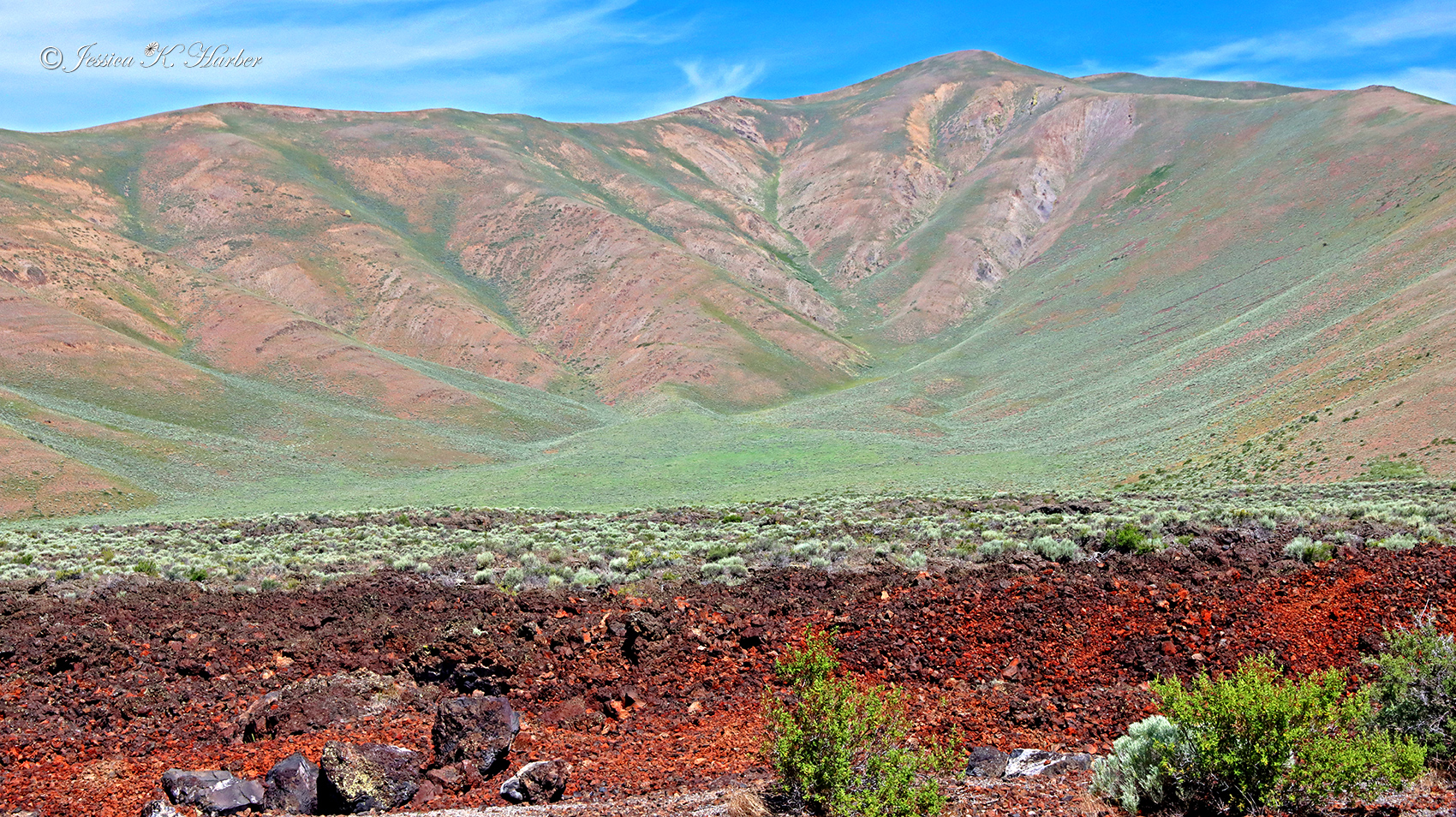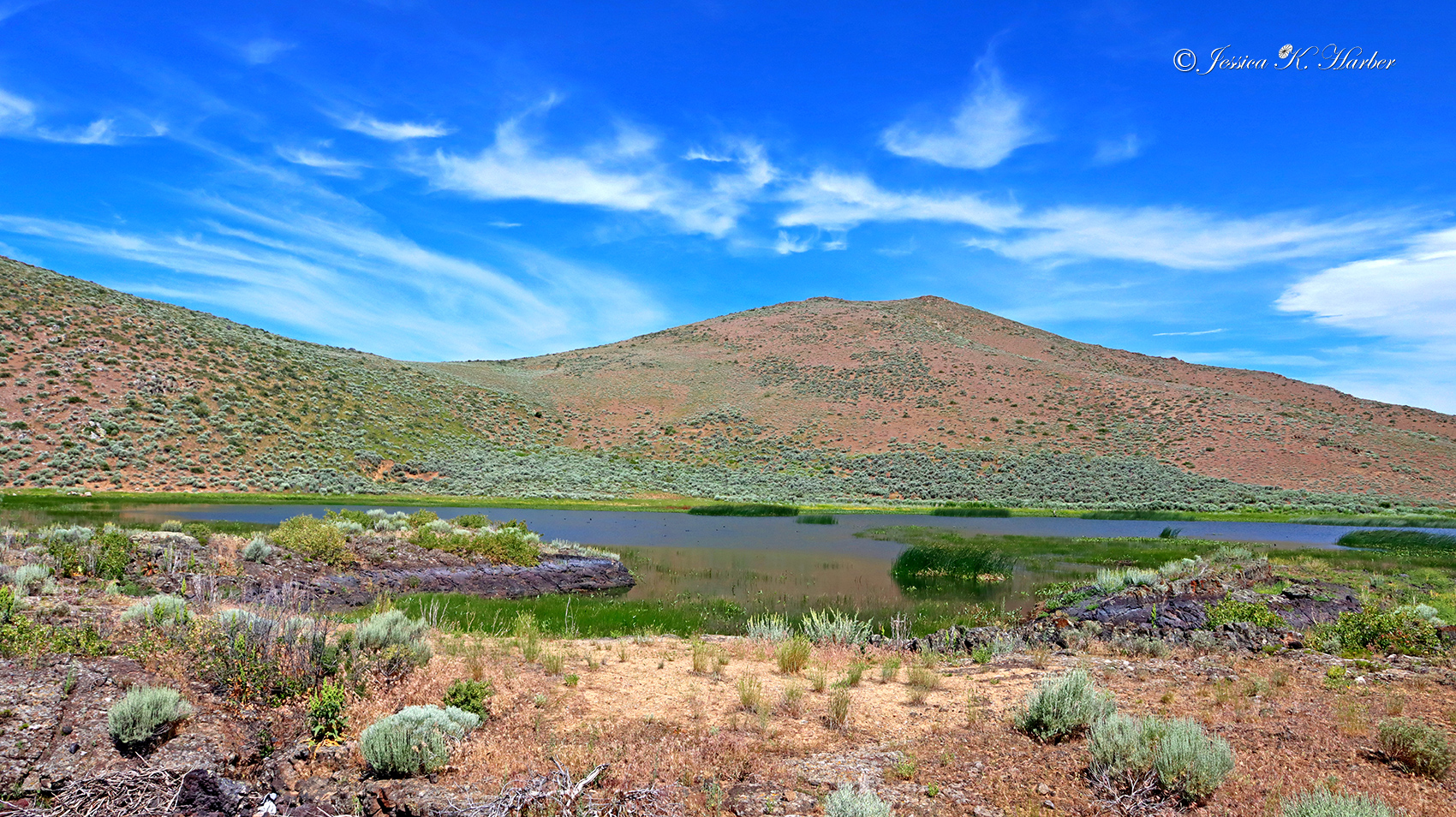
Craters of the Moon National Monument & Preserve

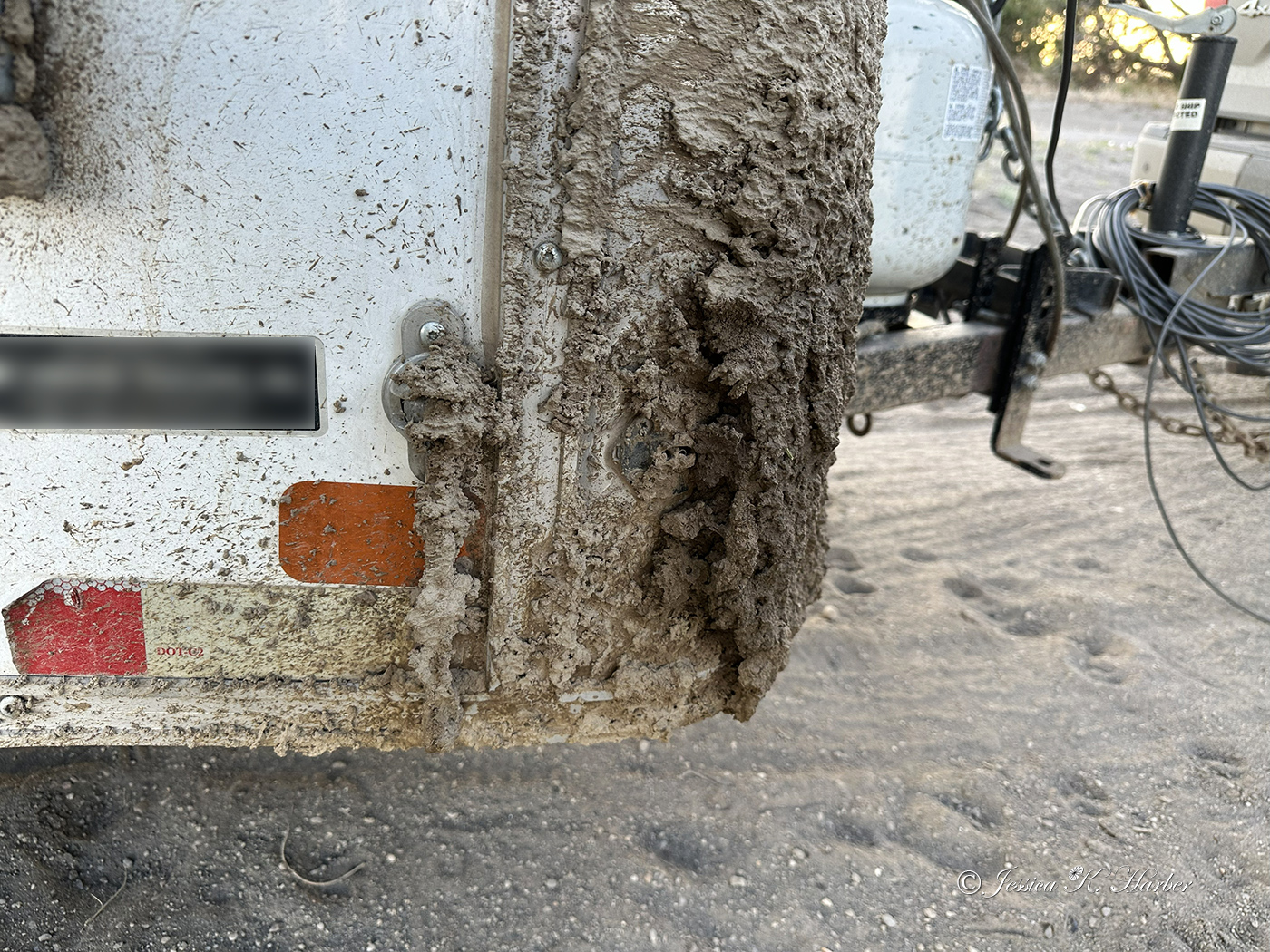
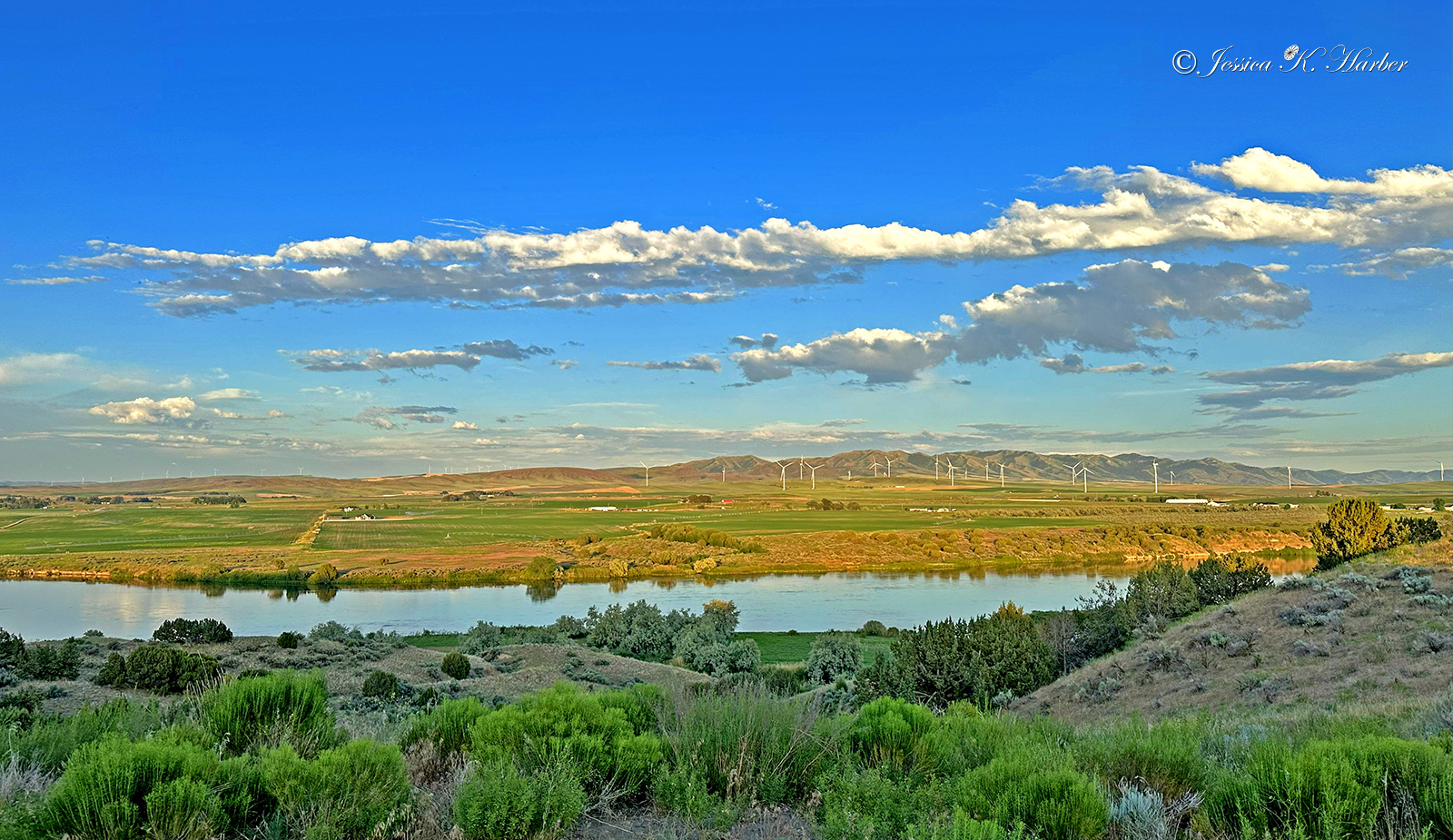
From City of Rocks, I headed toward Craters of the Moon National Monument & Preserve with one overnight stay along the way. While I was still at City of Rocks, it had begun raining and the roads throughout are dirt. Upon my arrival to the camping spot I chose on the way to Craters, I realized the full extent to which those conditions had affected my rig. It may be strange to mention this, but the mud created by the rain on the dirt roads seemed like it contained some kind of adhesive! The mud that coated many parts of my rig had hardened–and I couldn’t get it off. My cleaning brushes were ineffective. I drive on dirty, muddy roads all the time, but this was like something I had never seen. Since there was no way to clean it, I just had to leave it that way. Fortunately, an angel with a hose and cleaning supplies (plus my elbow grease) came to my rescue several days later.

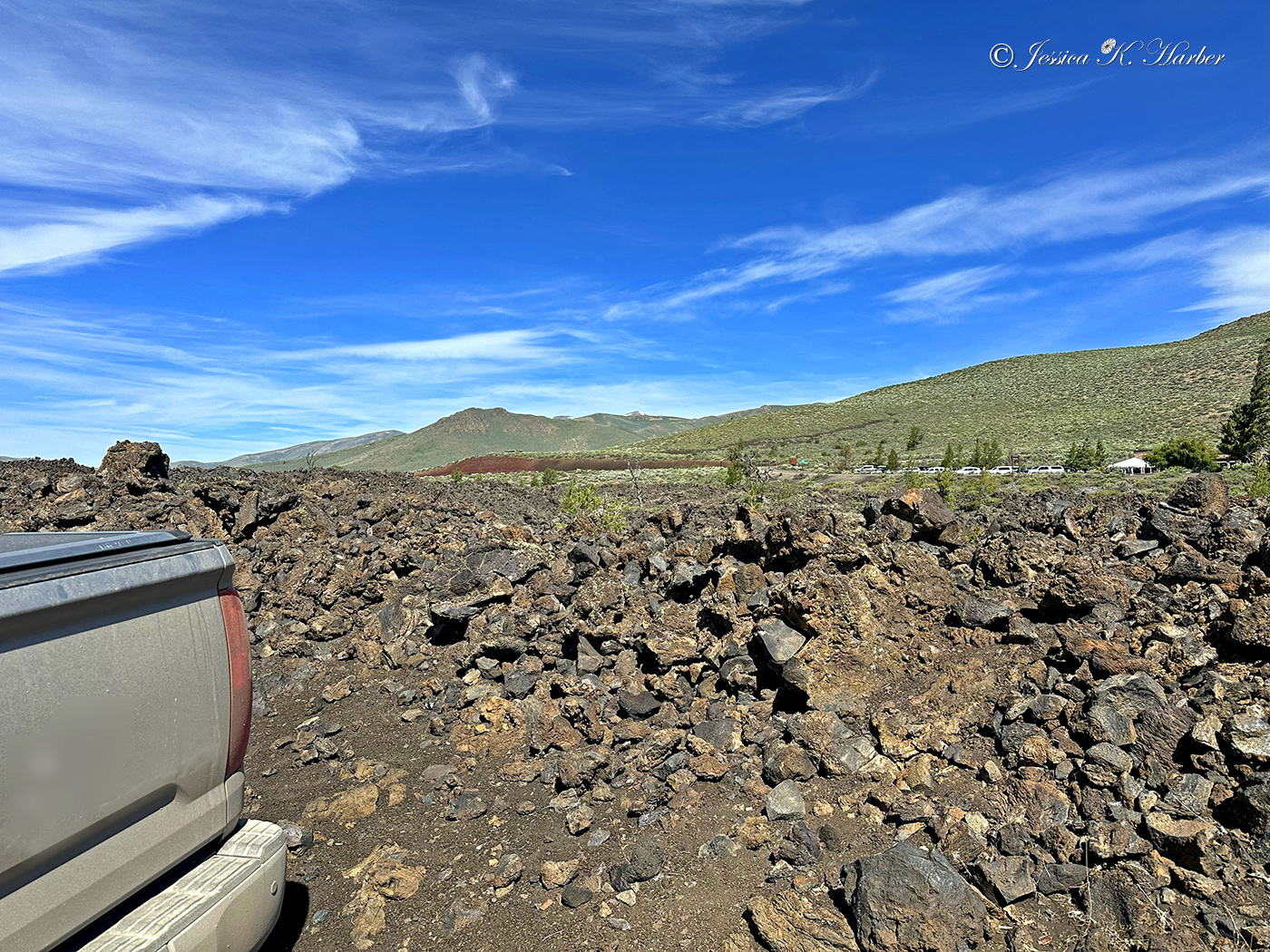
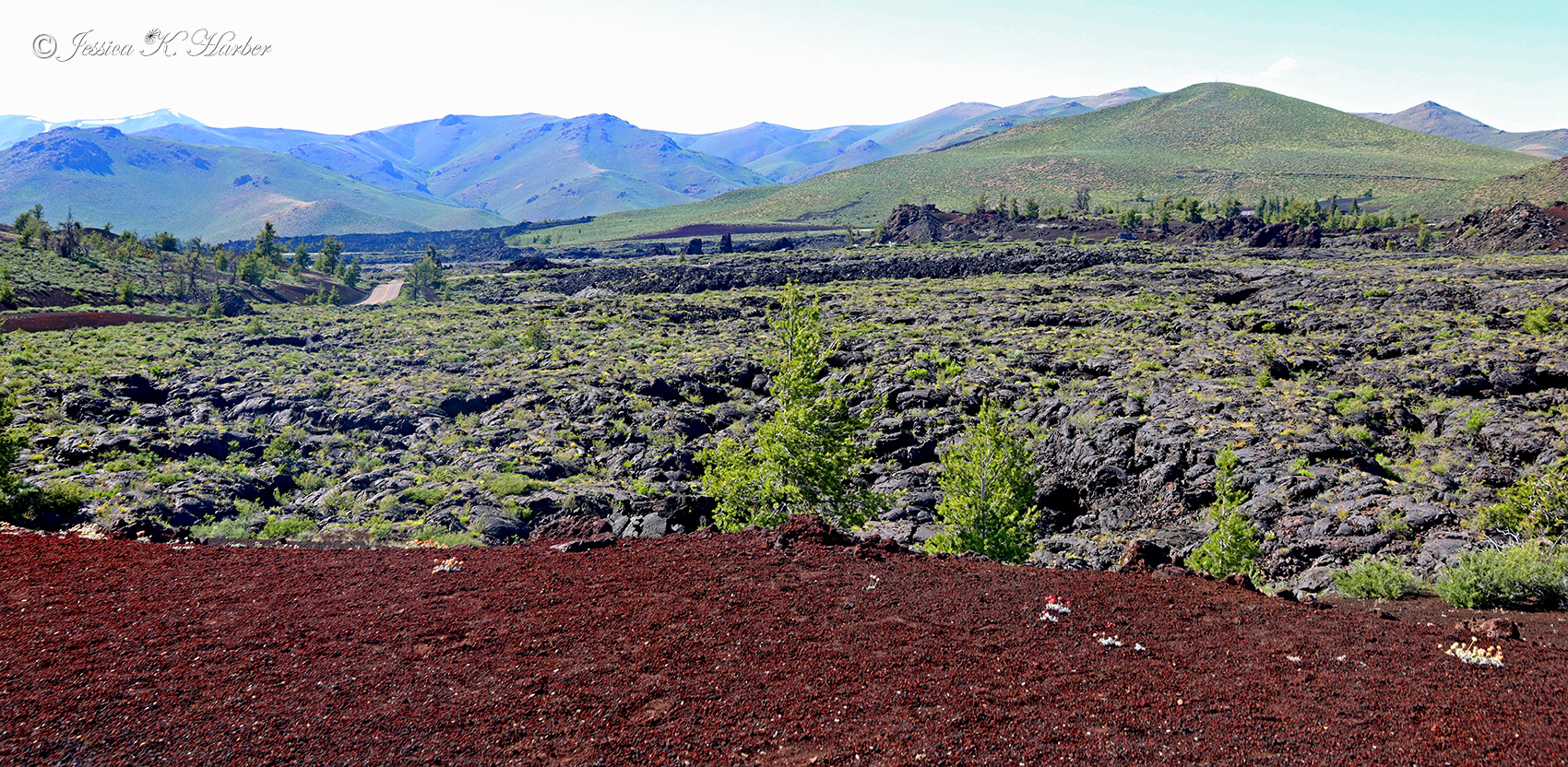
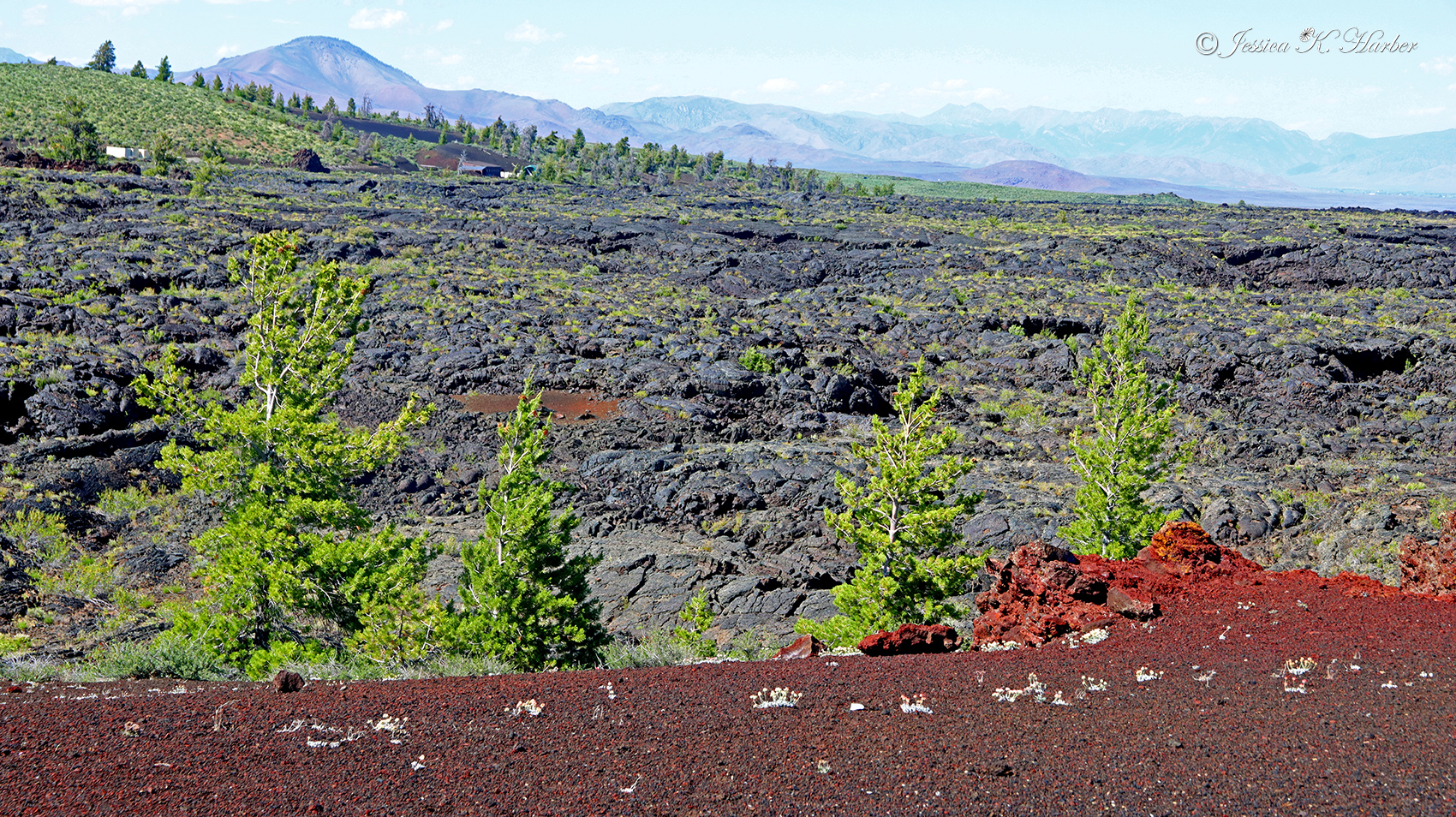
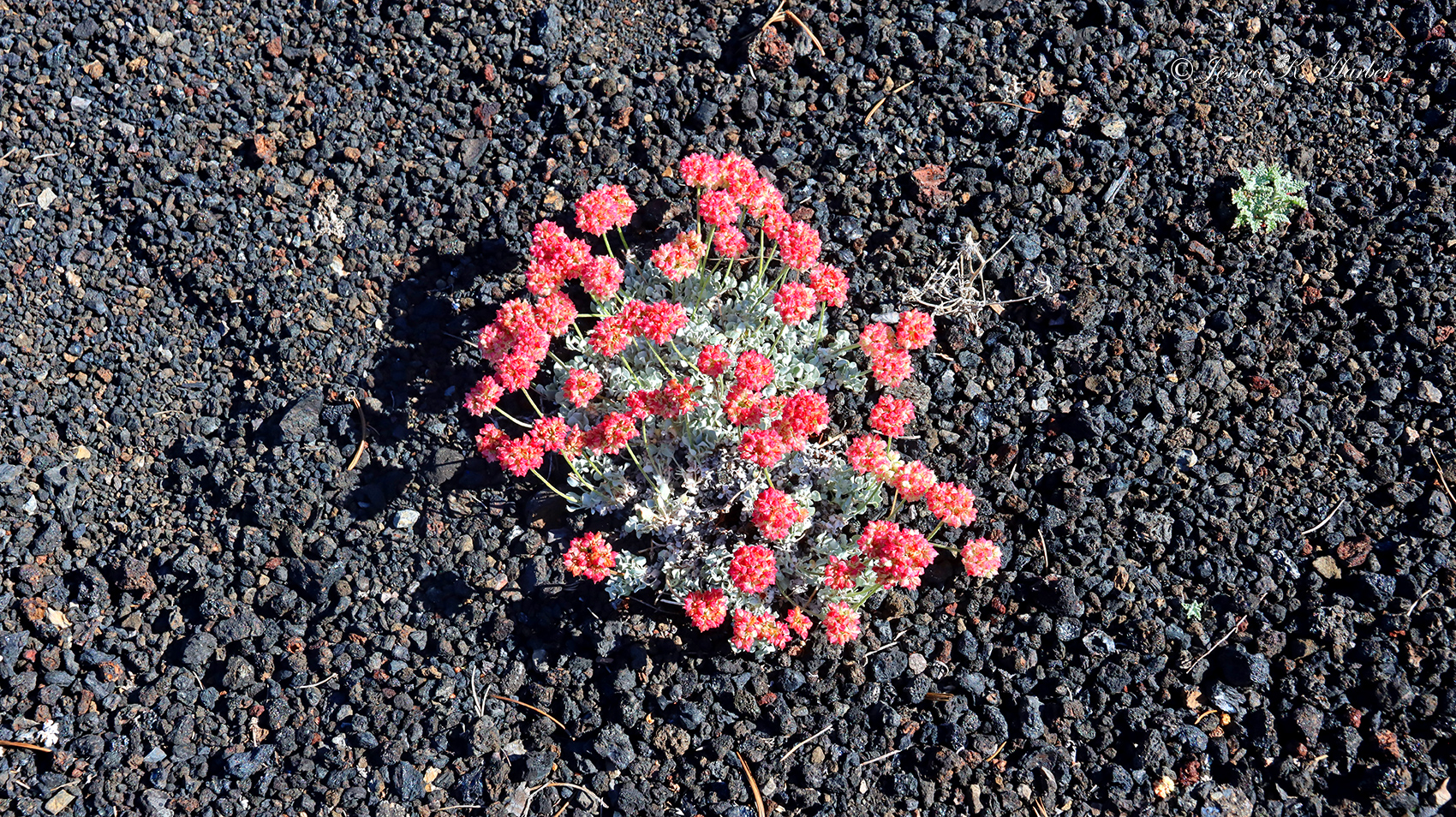
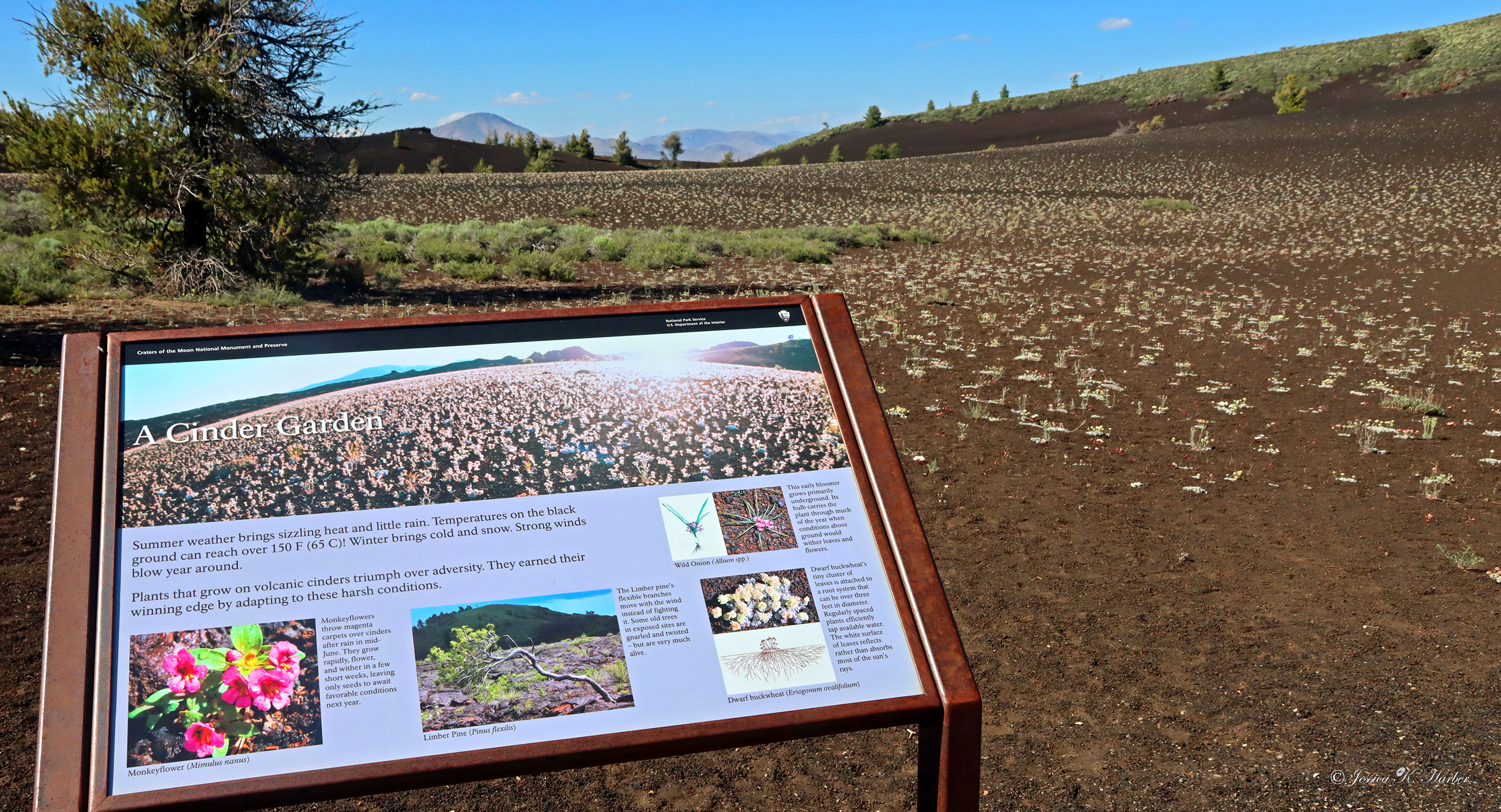
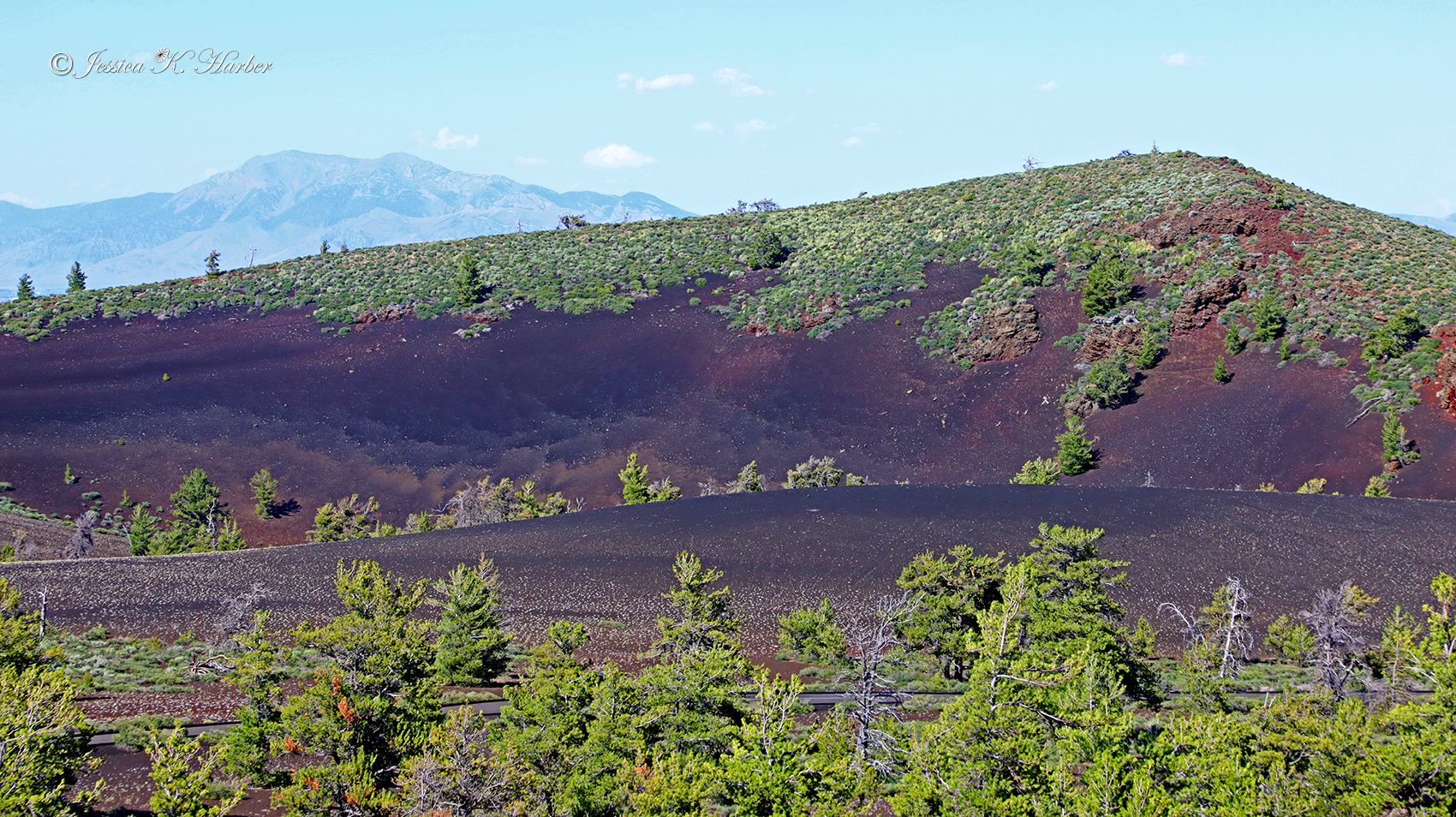
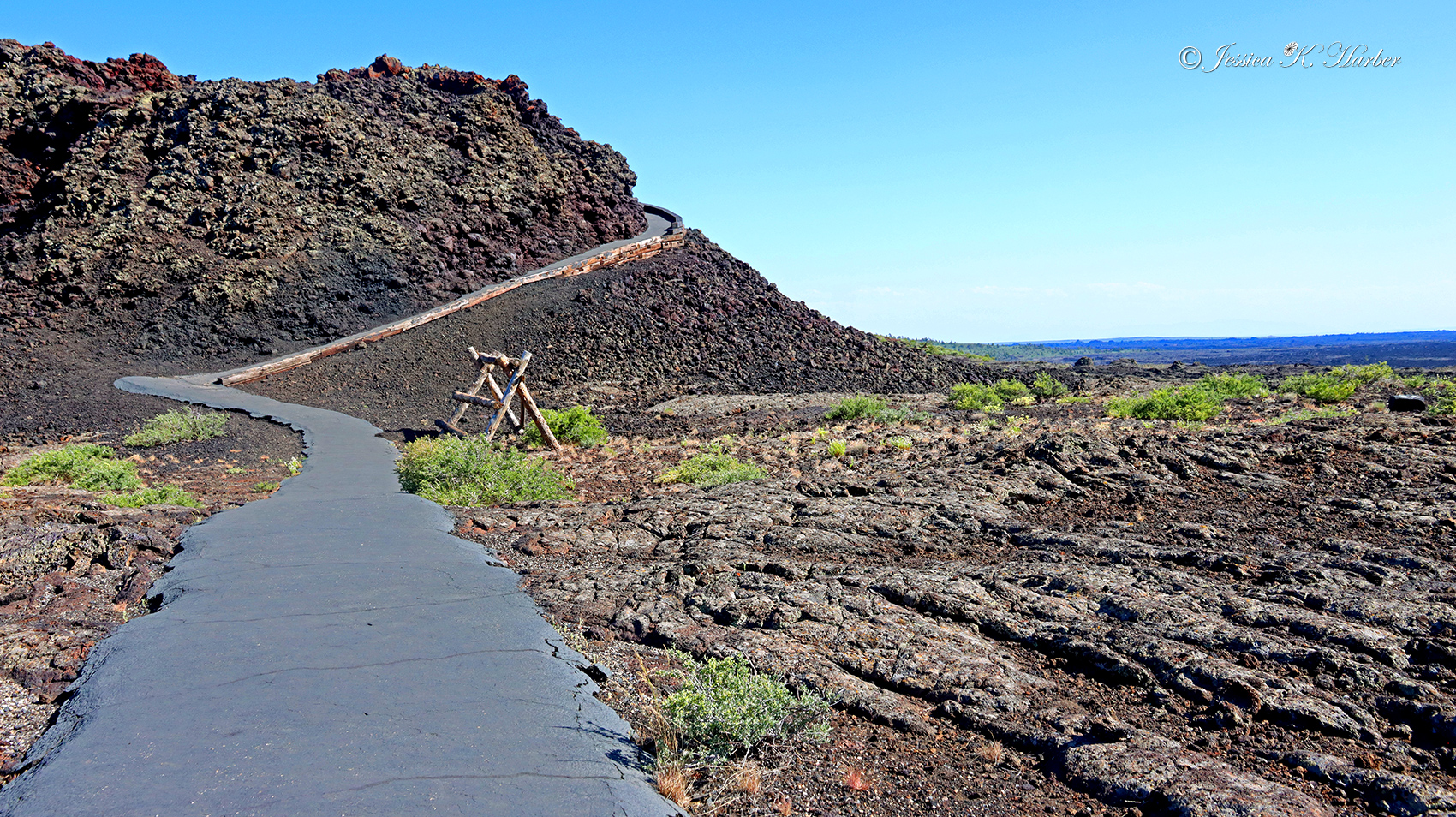
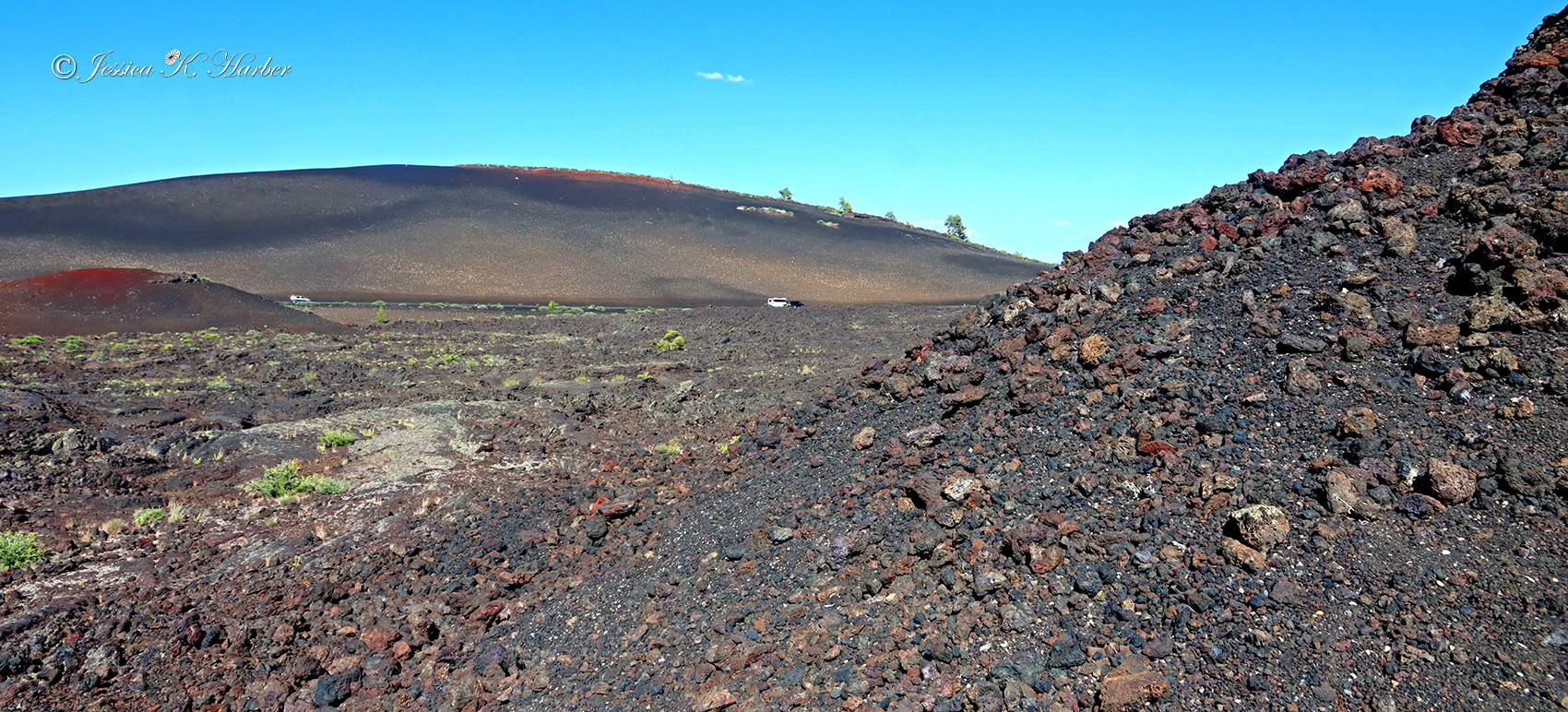
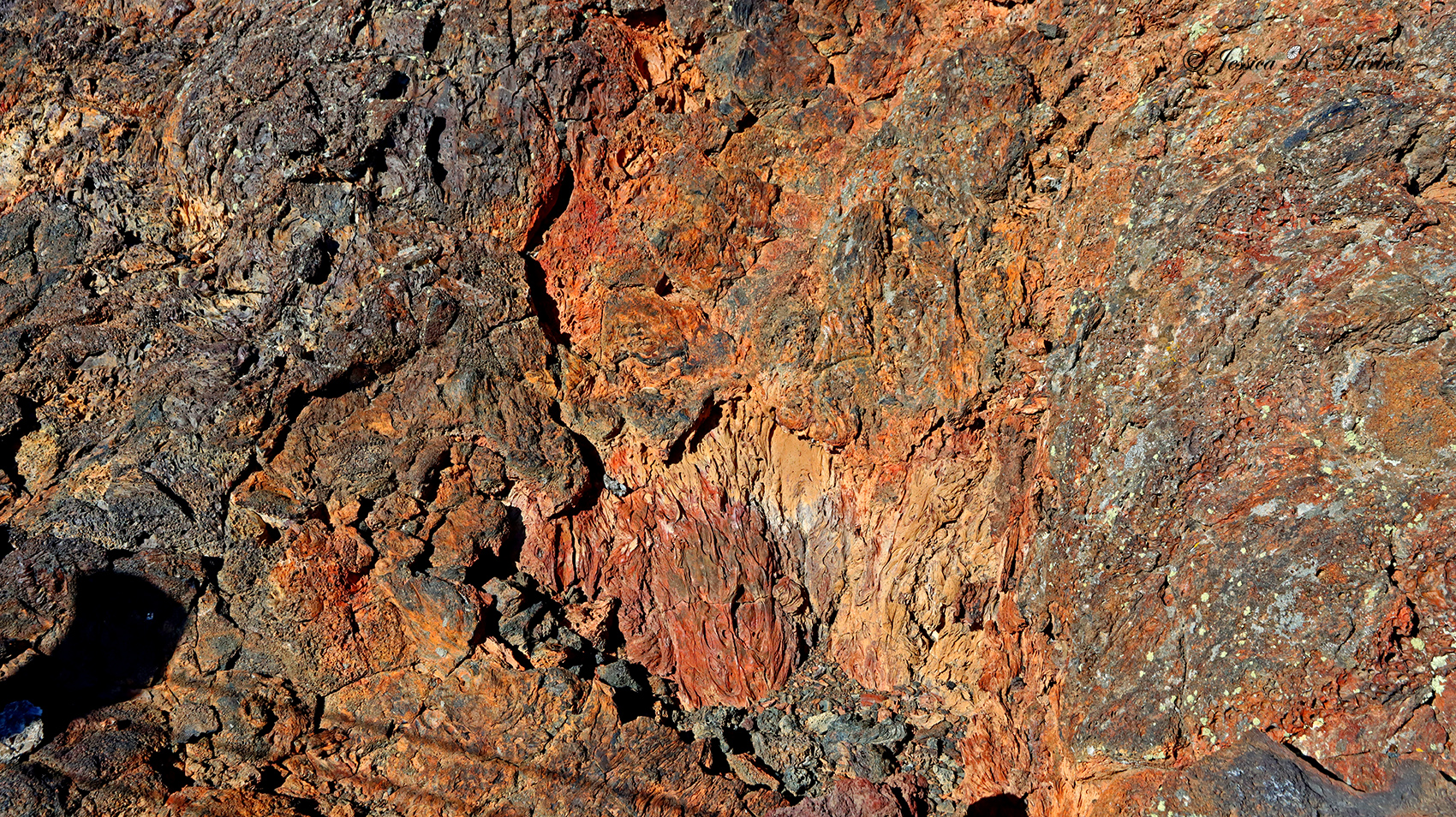
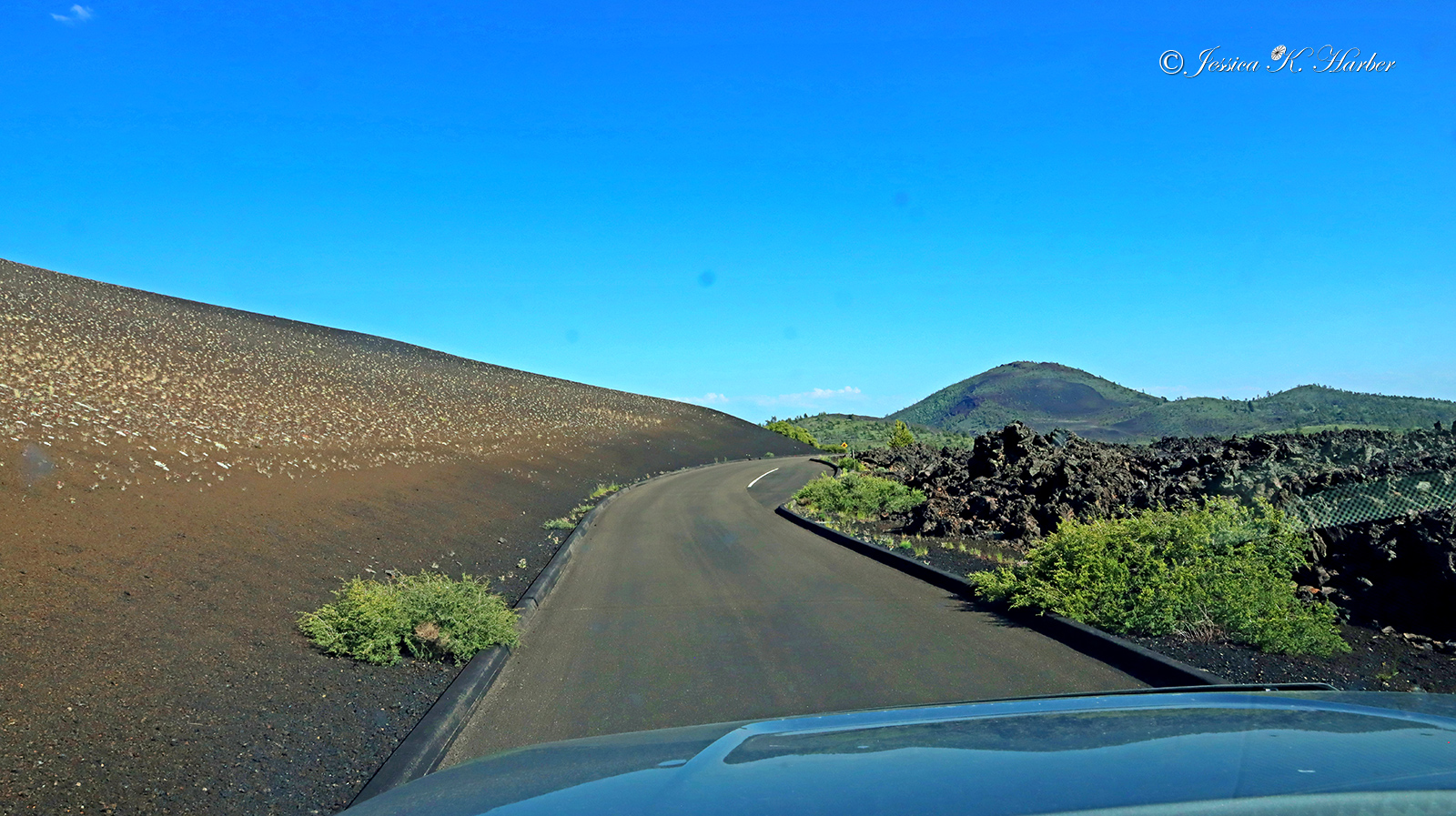
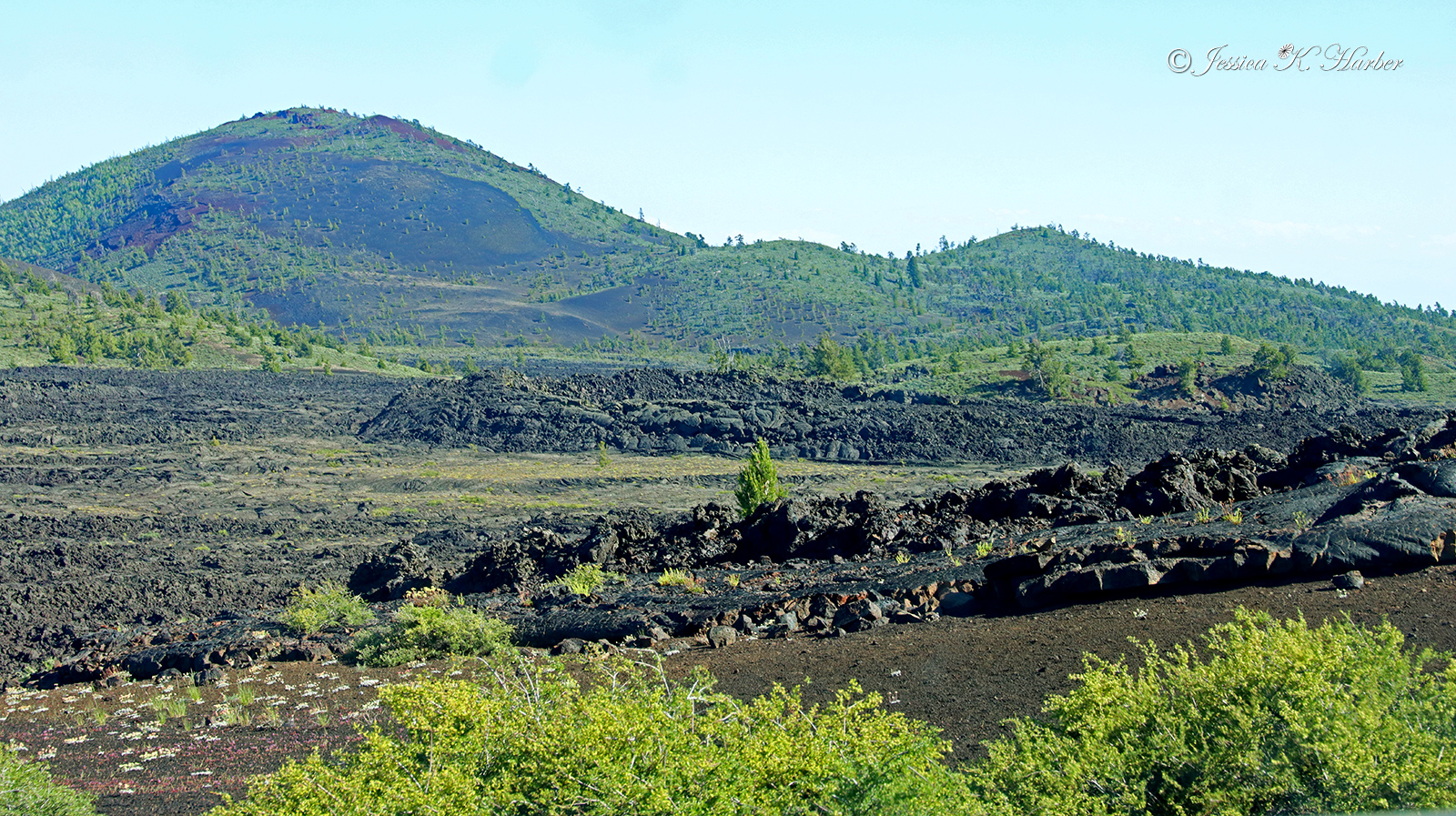
Craters of the Moon was a unique place. It’s so strange that this landscape is where it is. ‘Certainly does seem like another celestial location. As usual, no dogs are allowed on the paths, so I mostly drove around seeing as much as I could see with a couple short walks here and there.

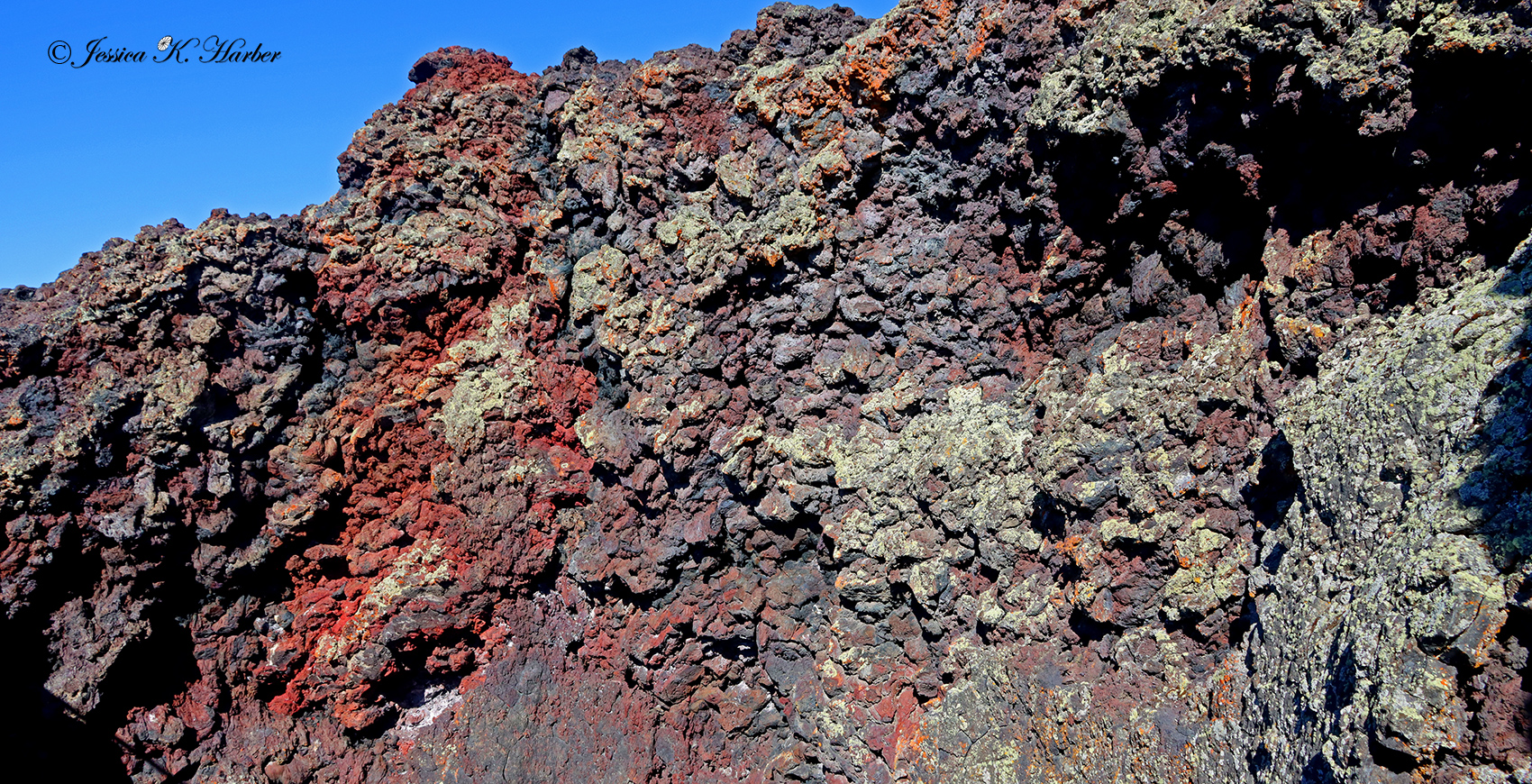
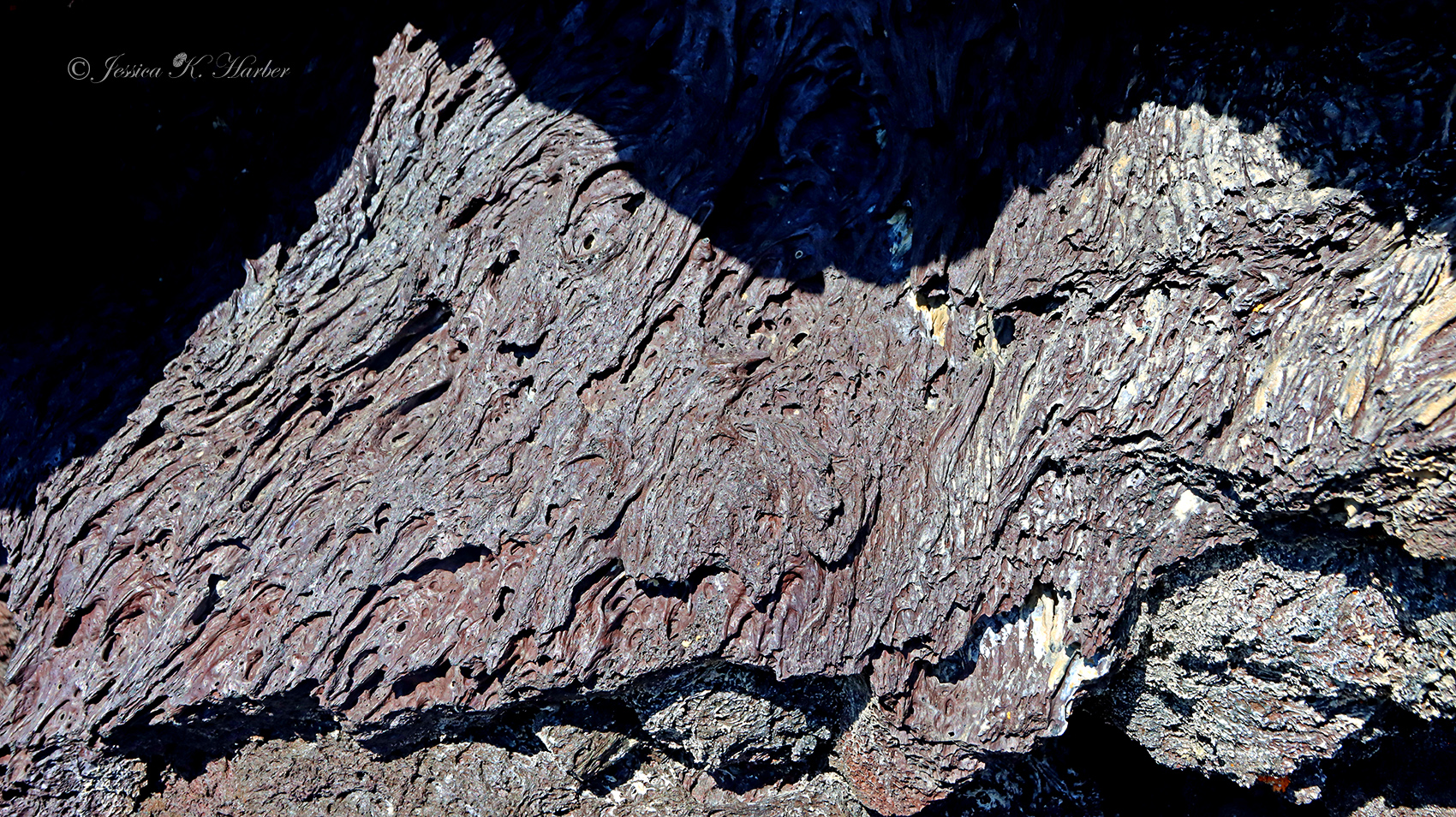
This was one of the situations where finding public lands to camp was not practical, so I grabbed one of the last spots in the Preserve’s campground. This was also an unusual experience as it was located on volcanic rock.

CotM is an interesting place and certainly worth a visit if only for its uniqueness.

IDAHO. JUNE.
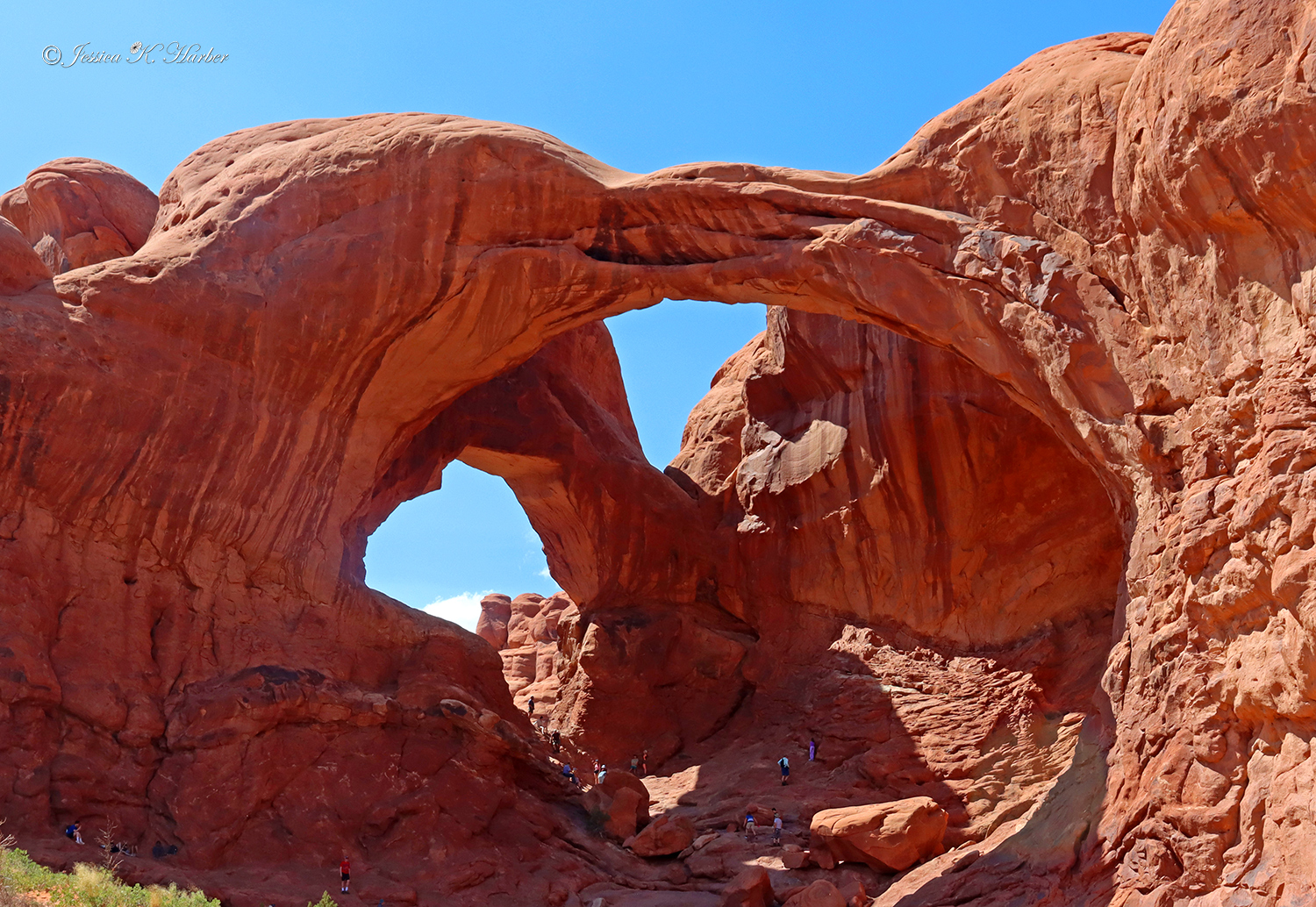
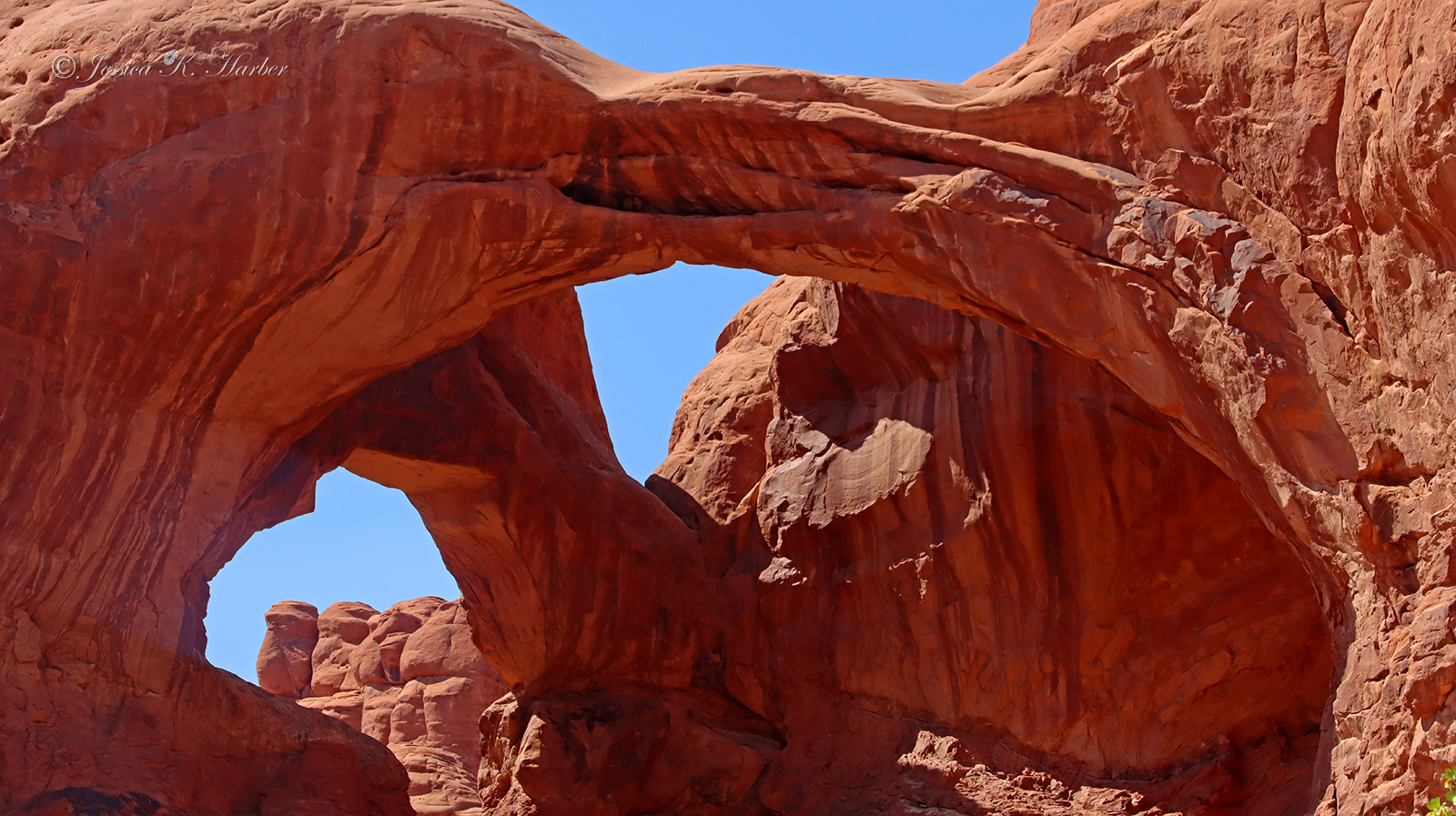
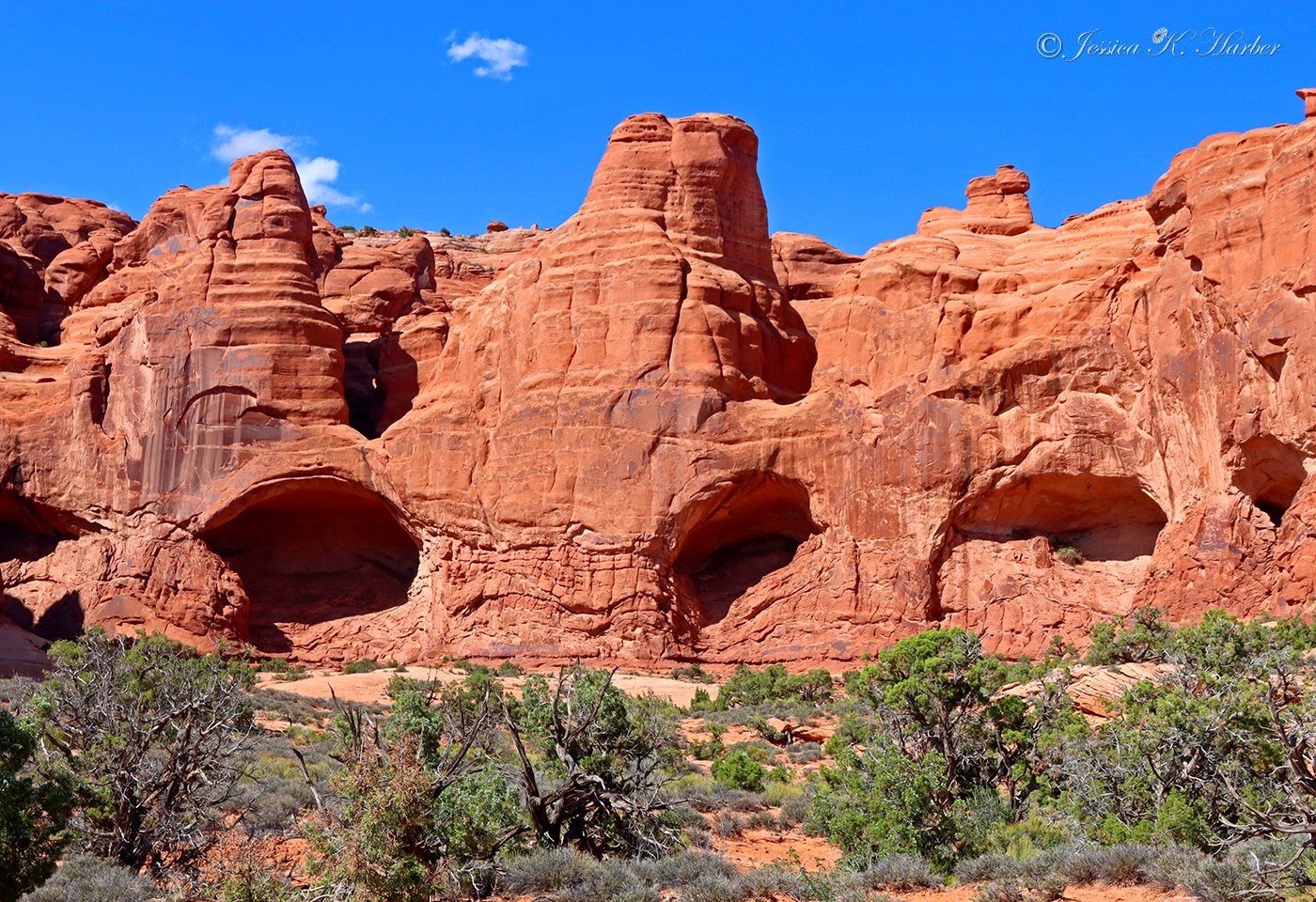
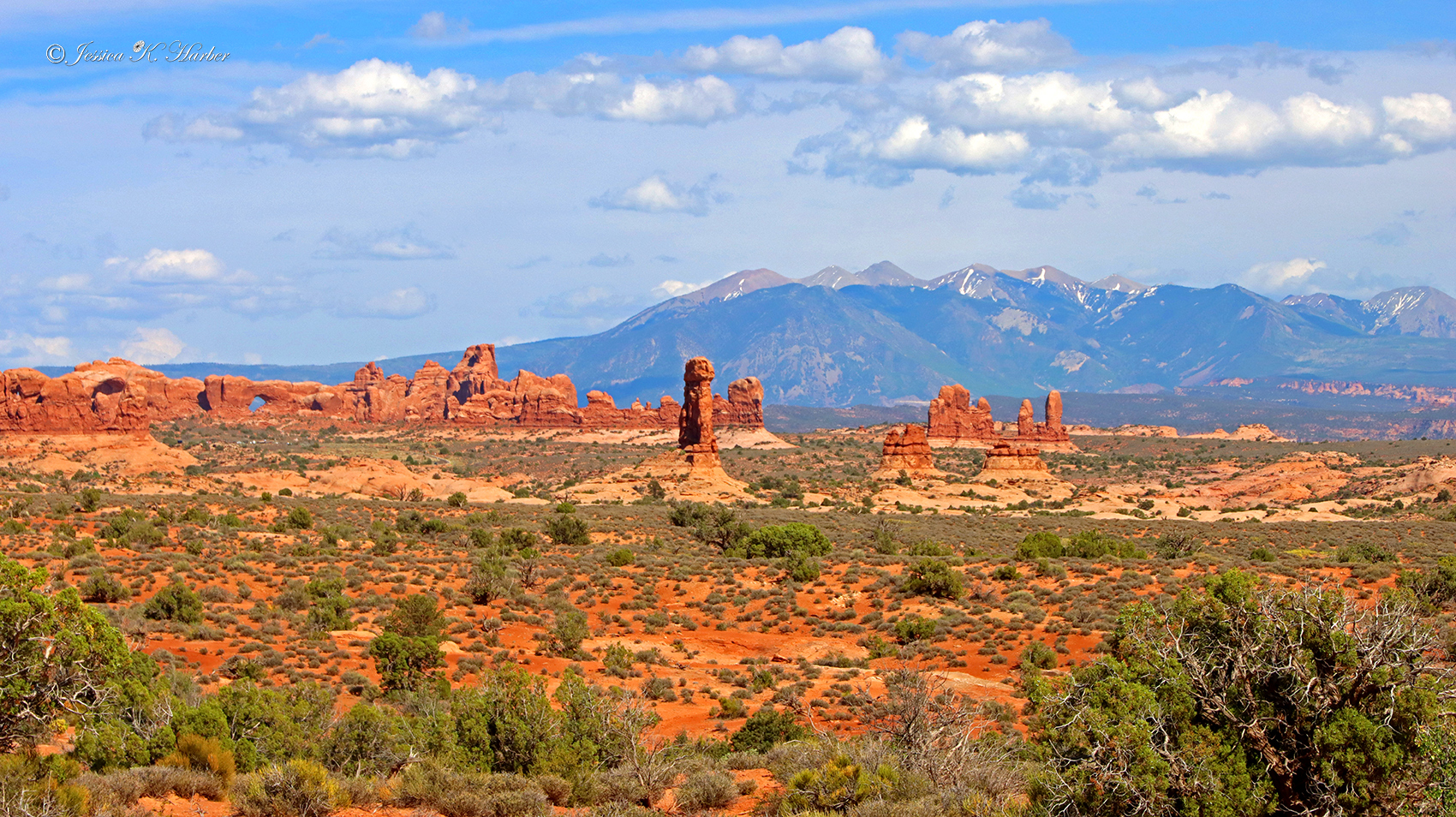
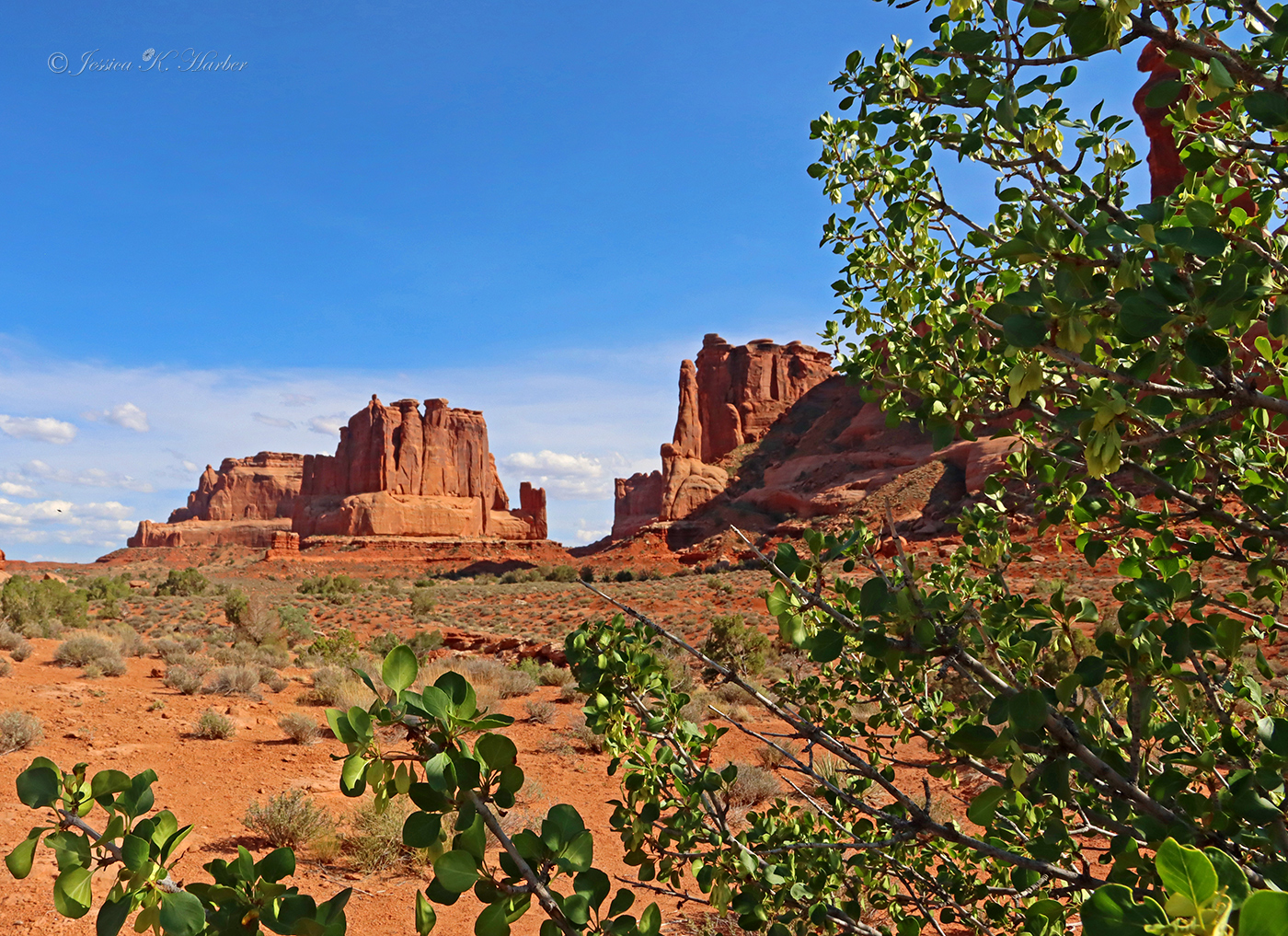
Arches National Park

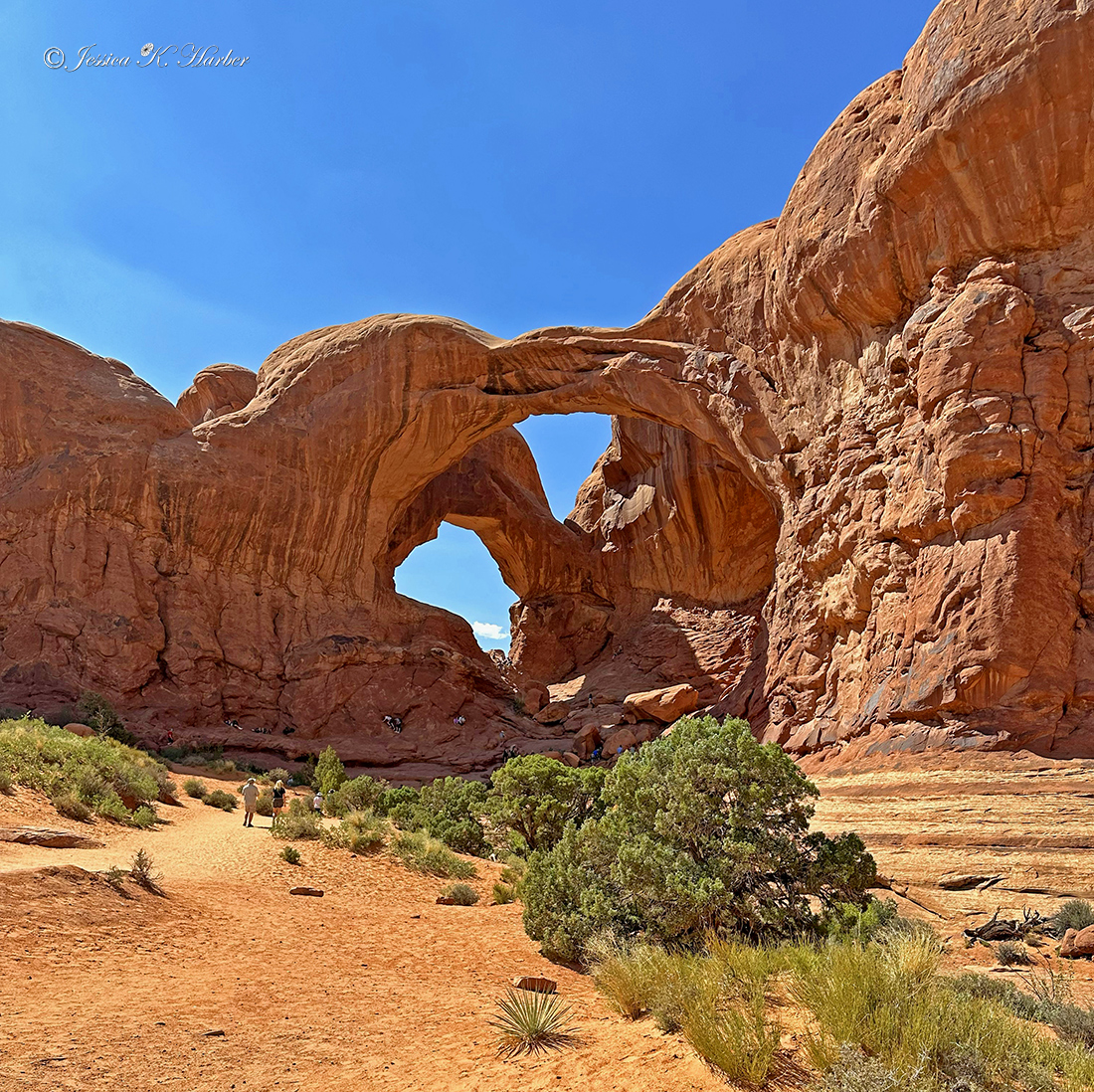
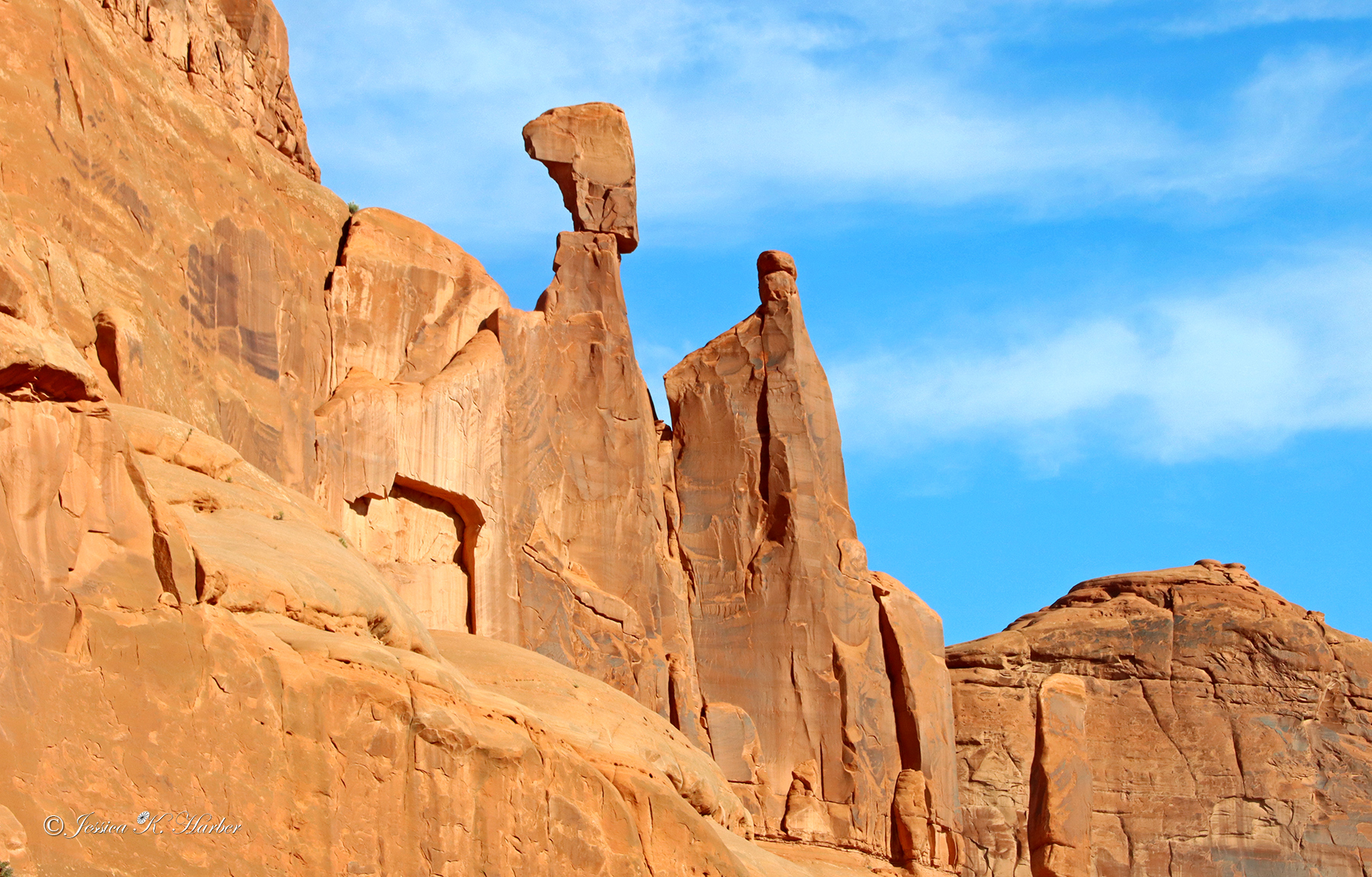
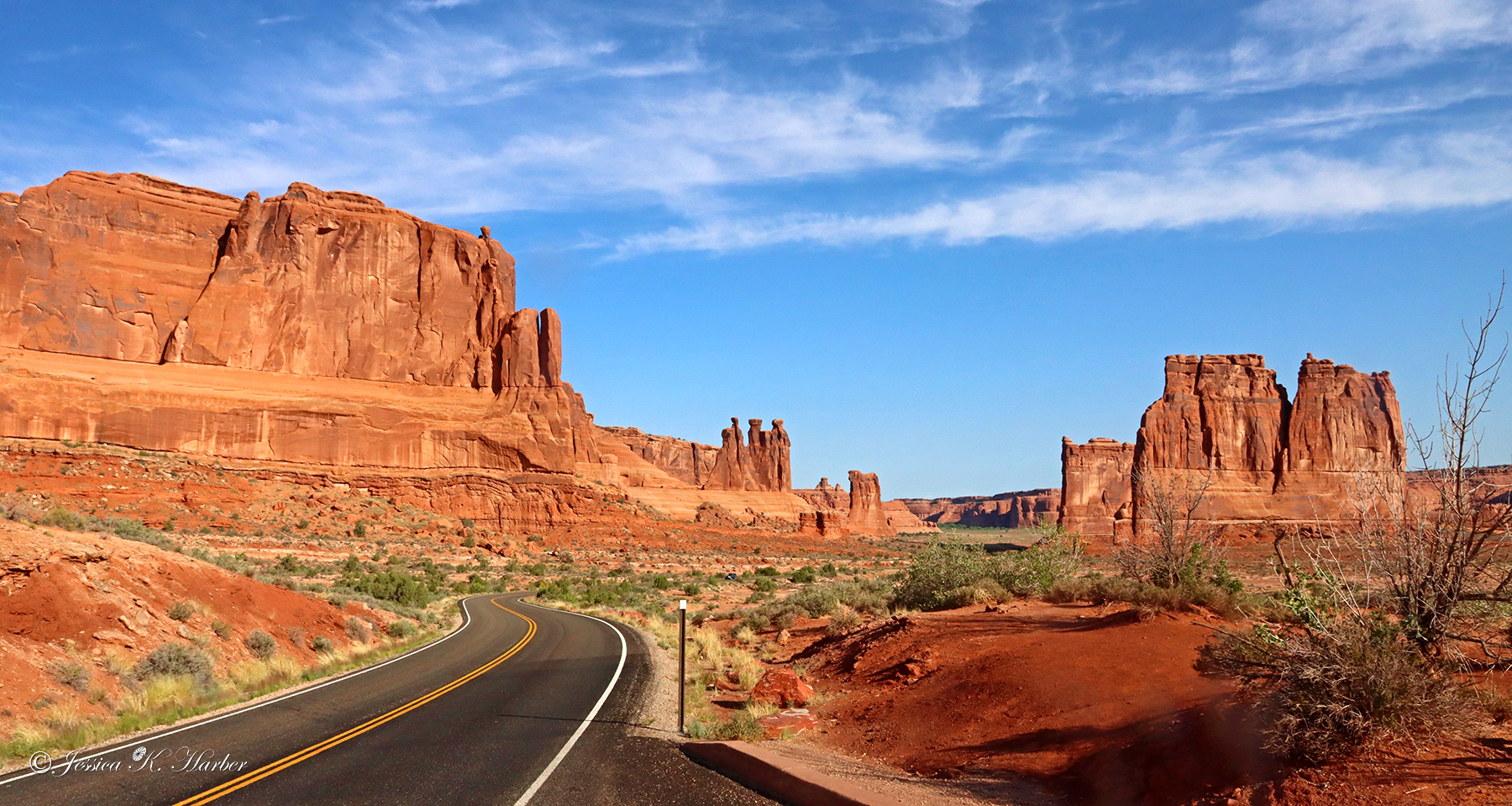
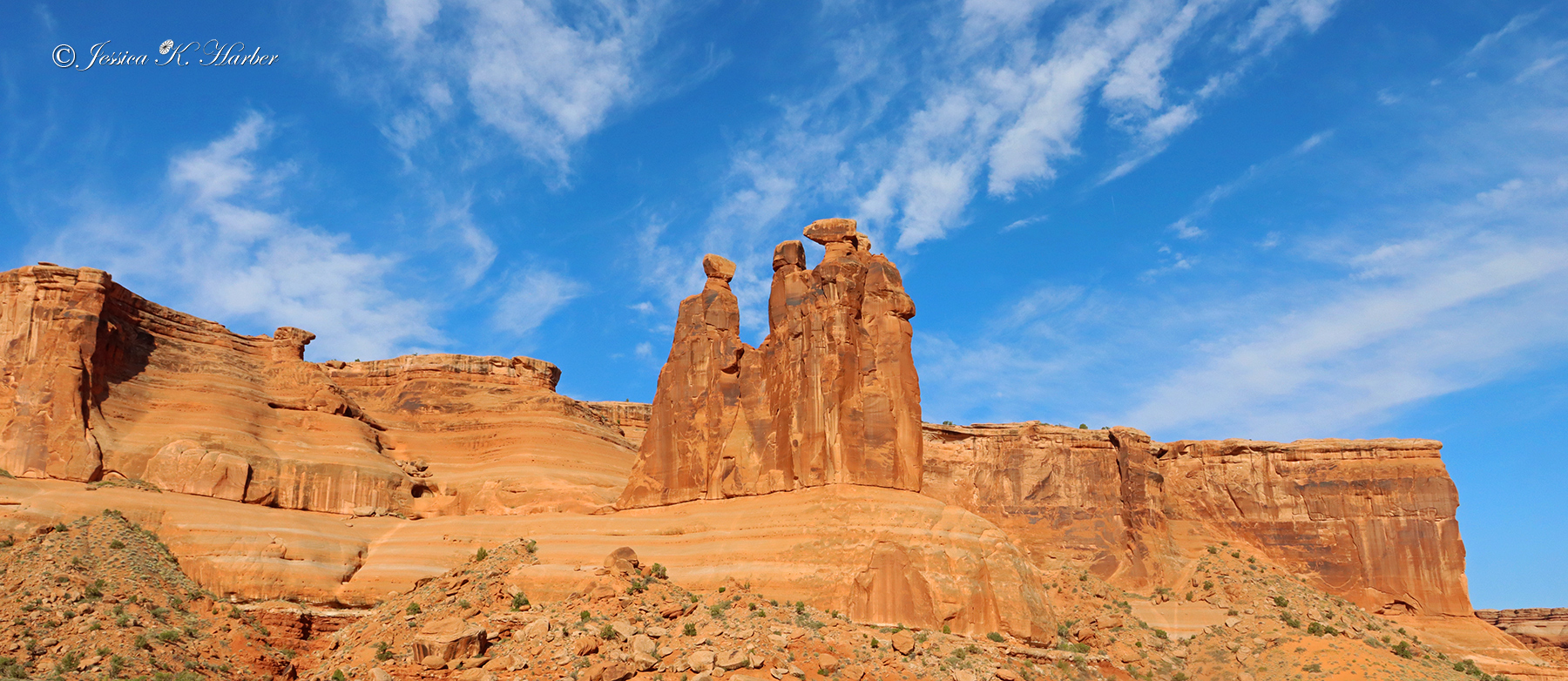
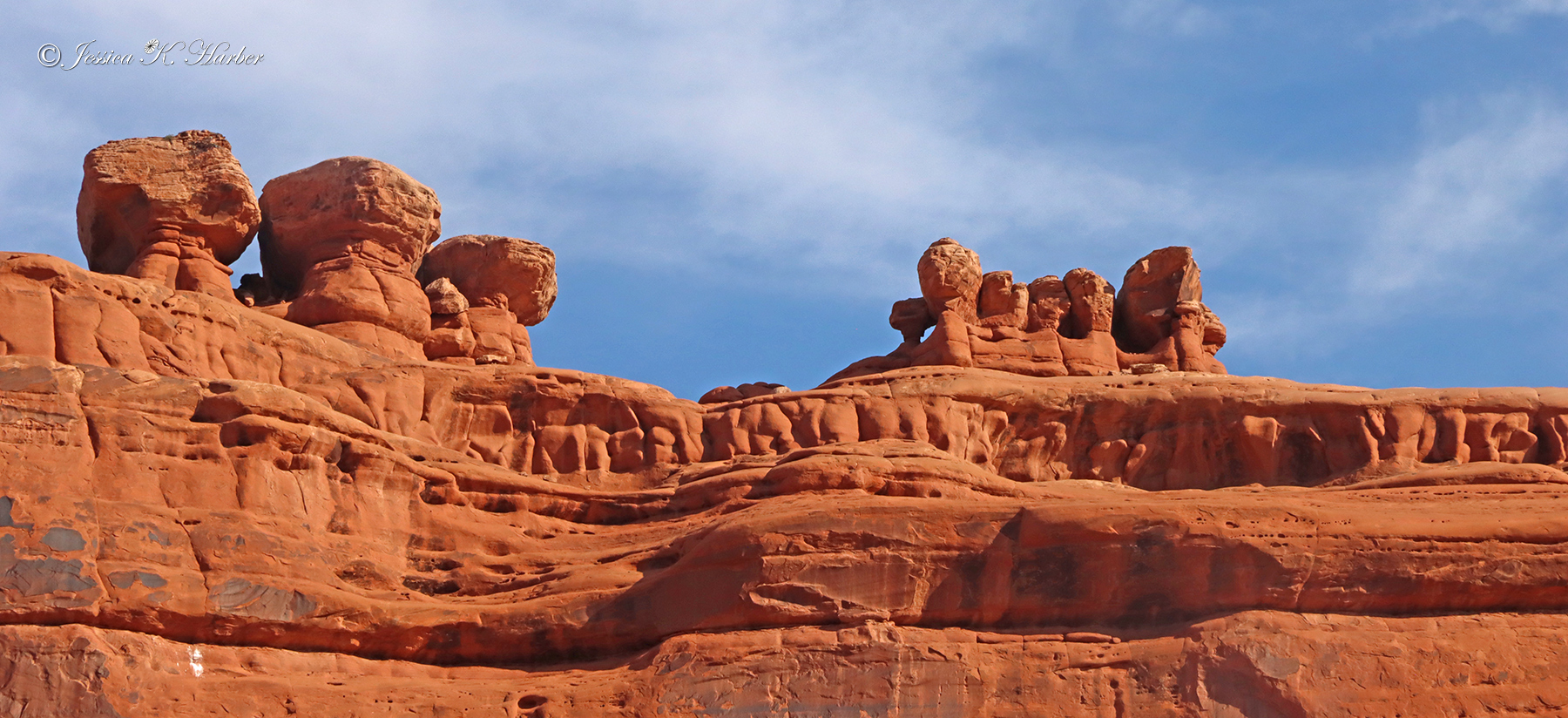
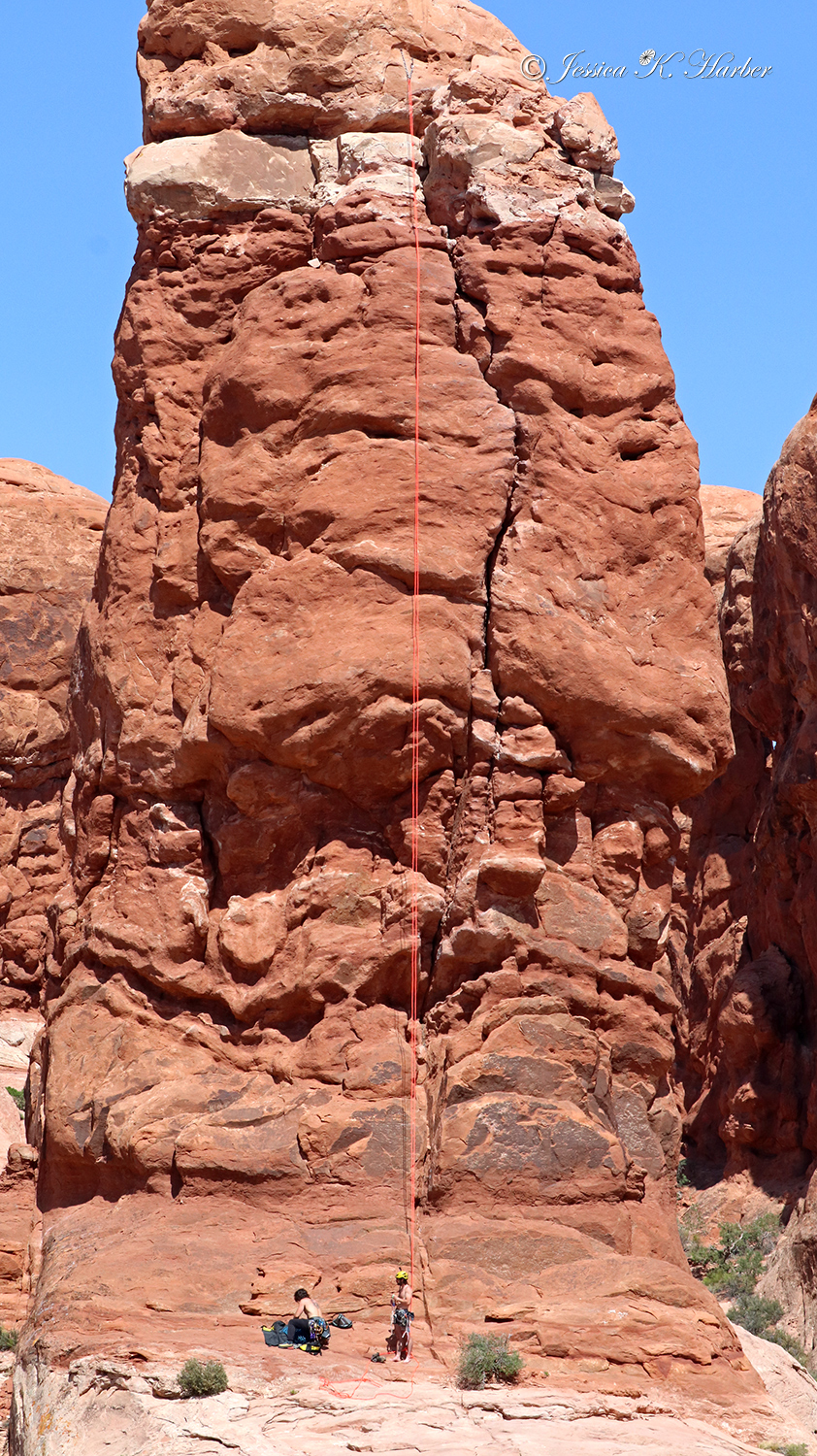
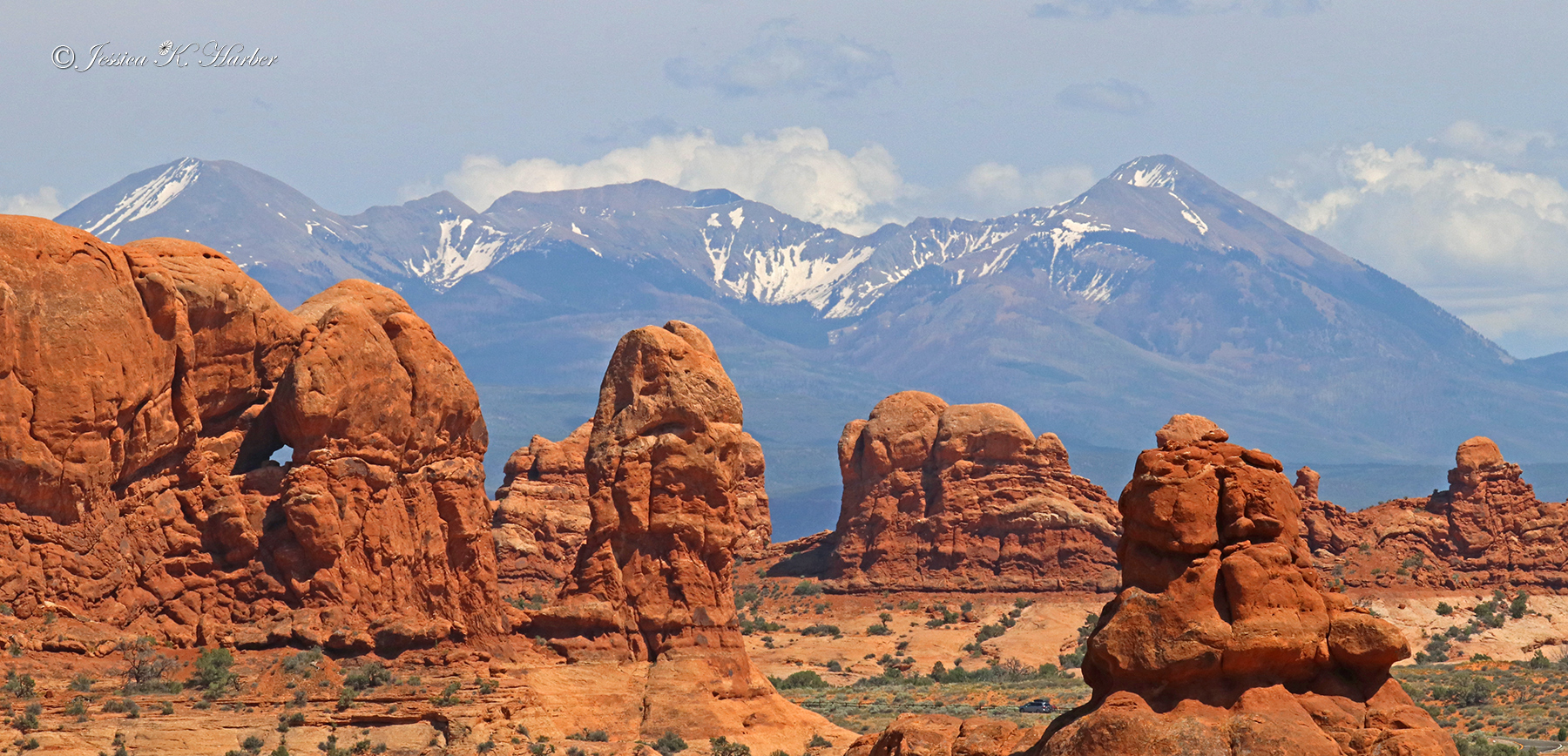
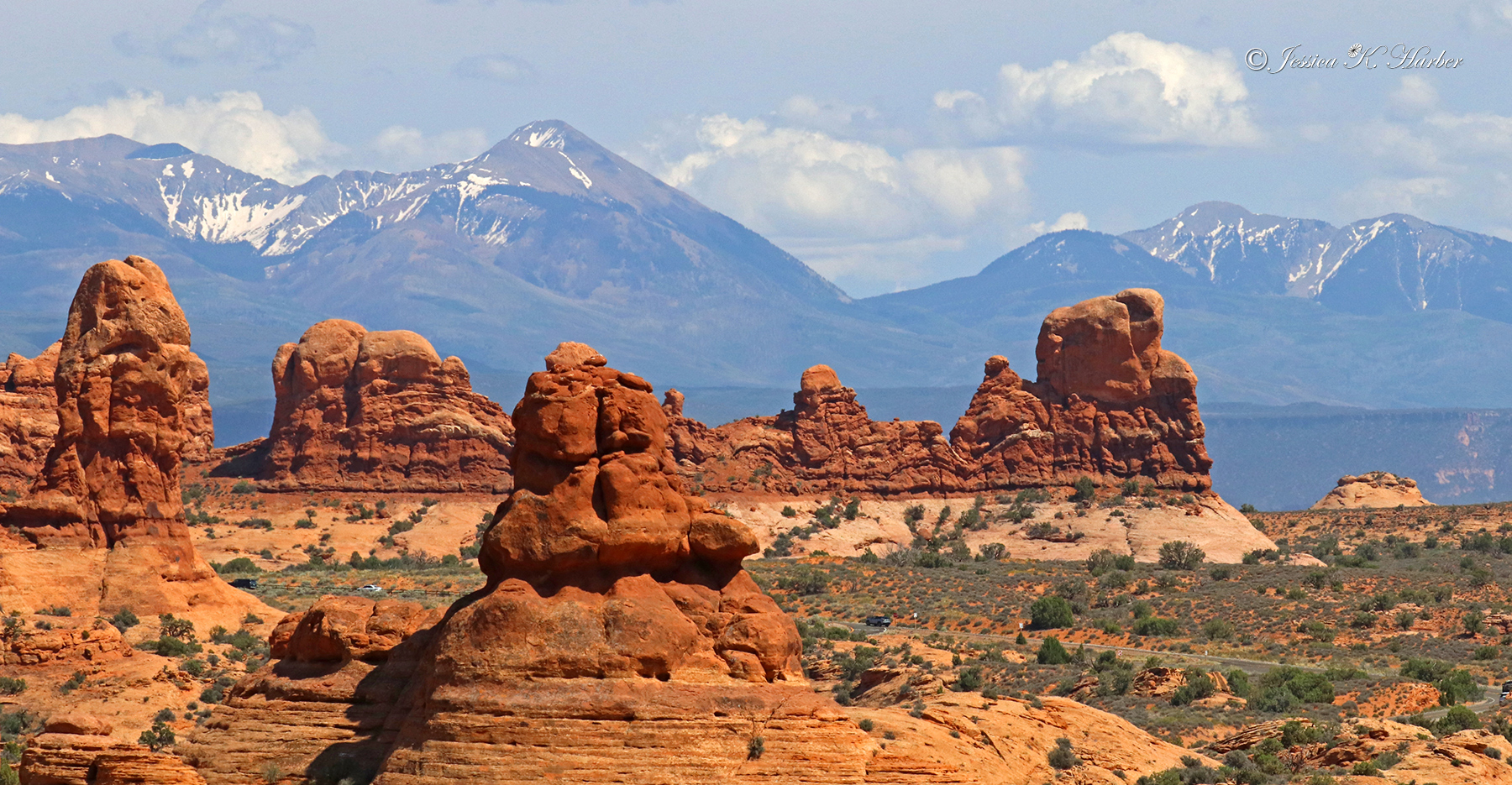
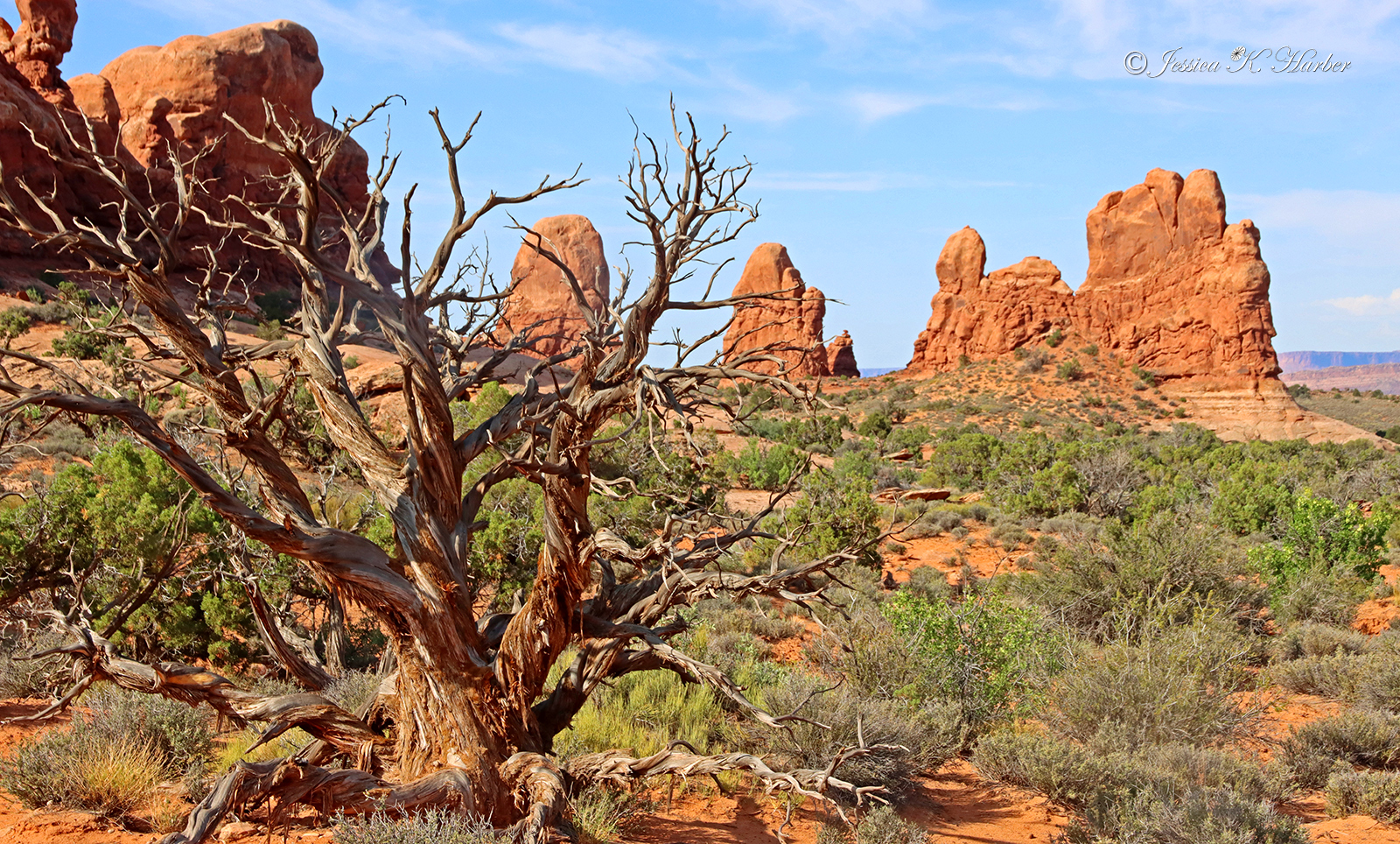
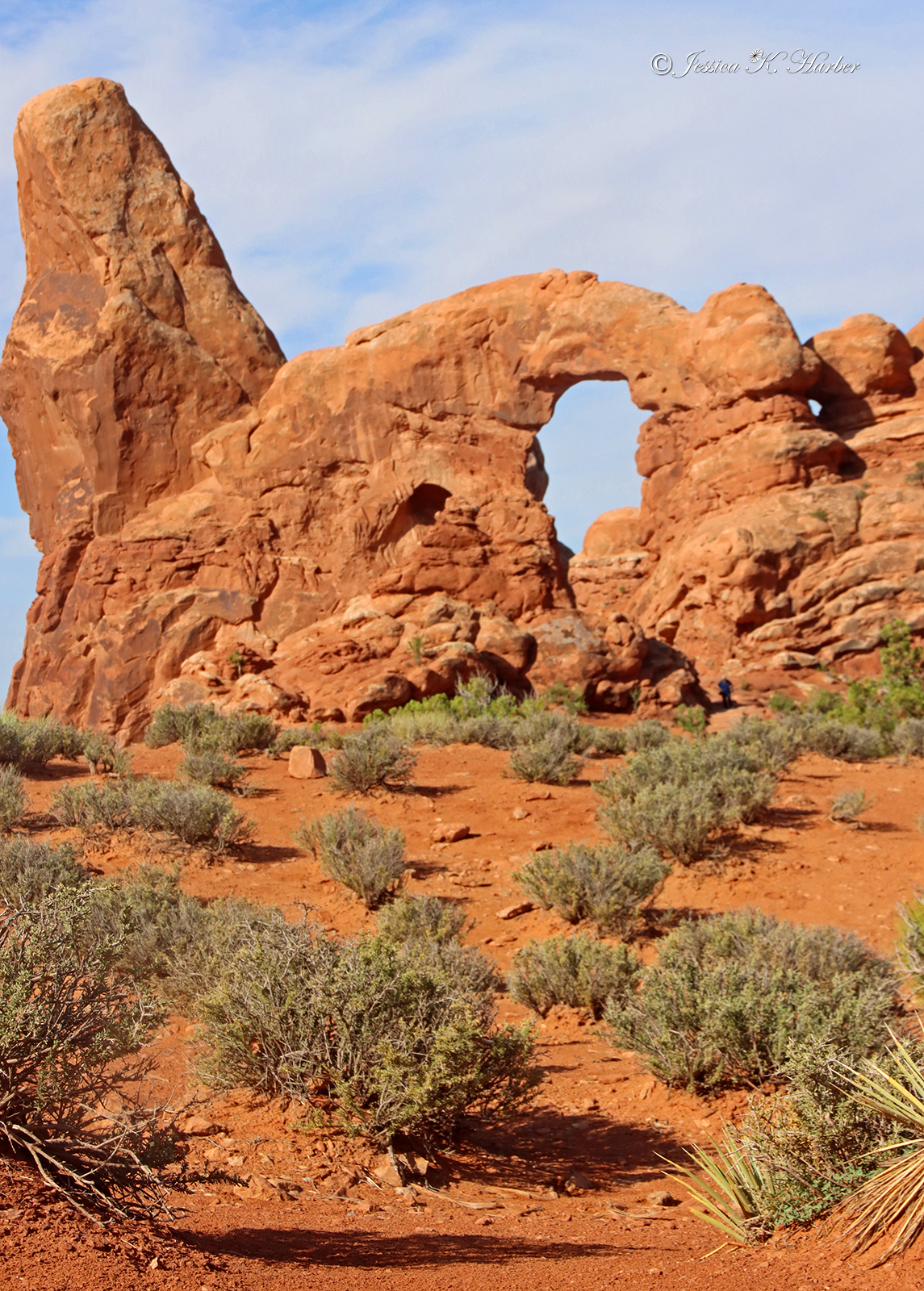
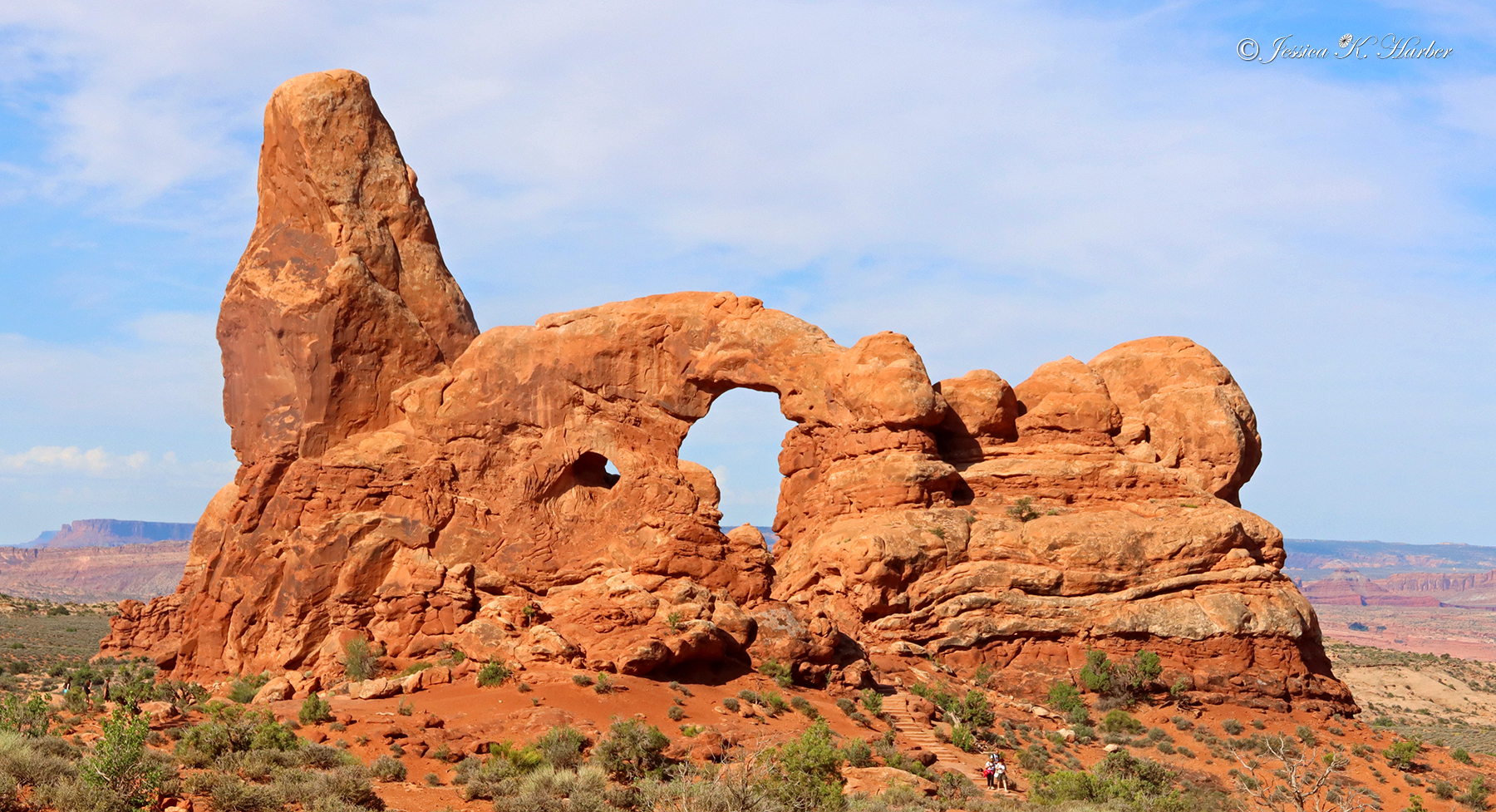
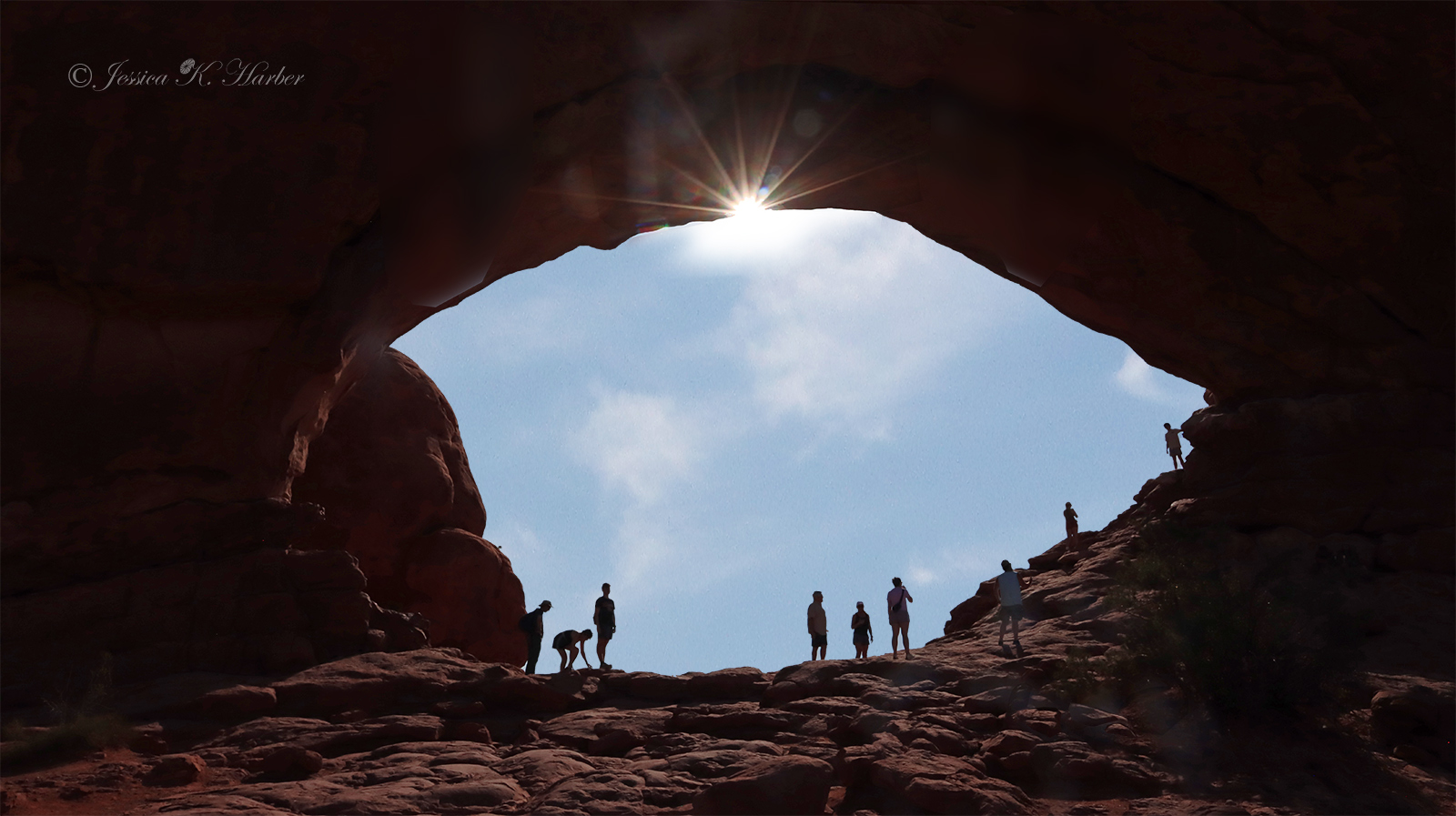
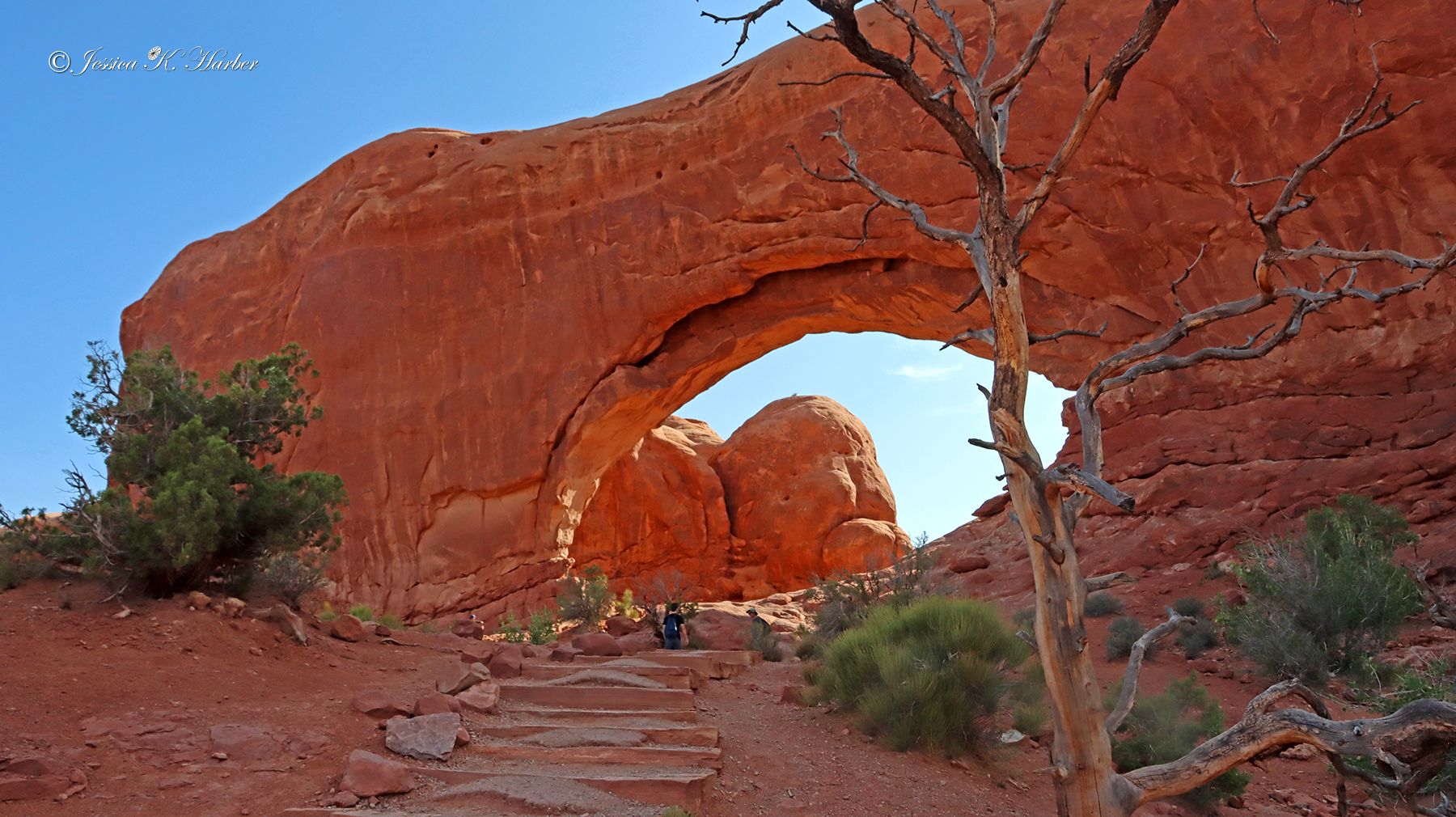
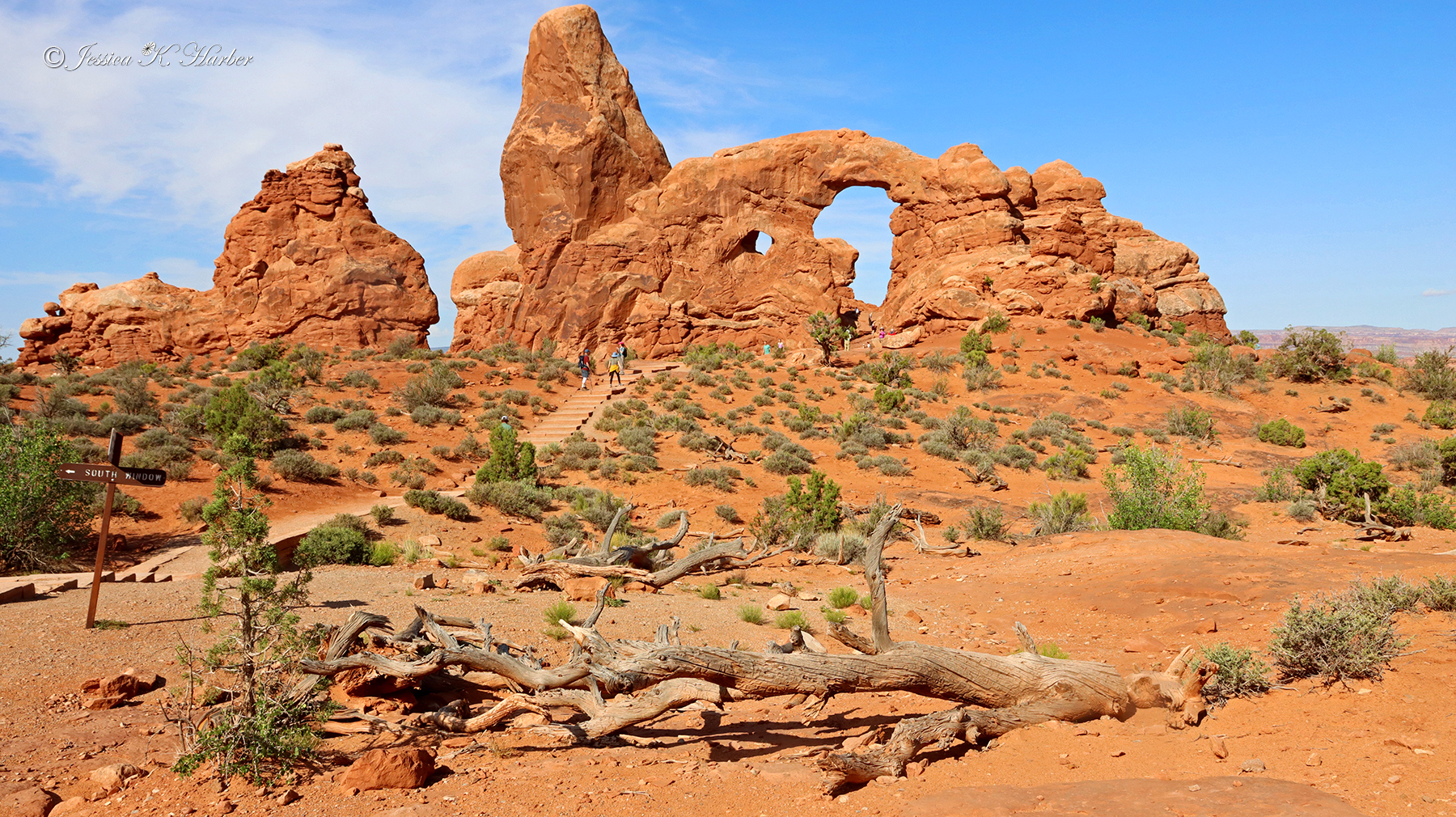
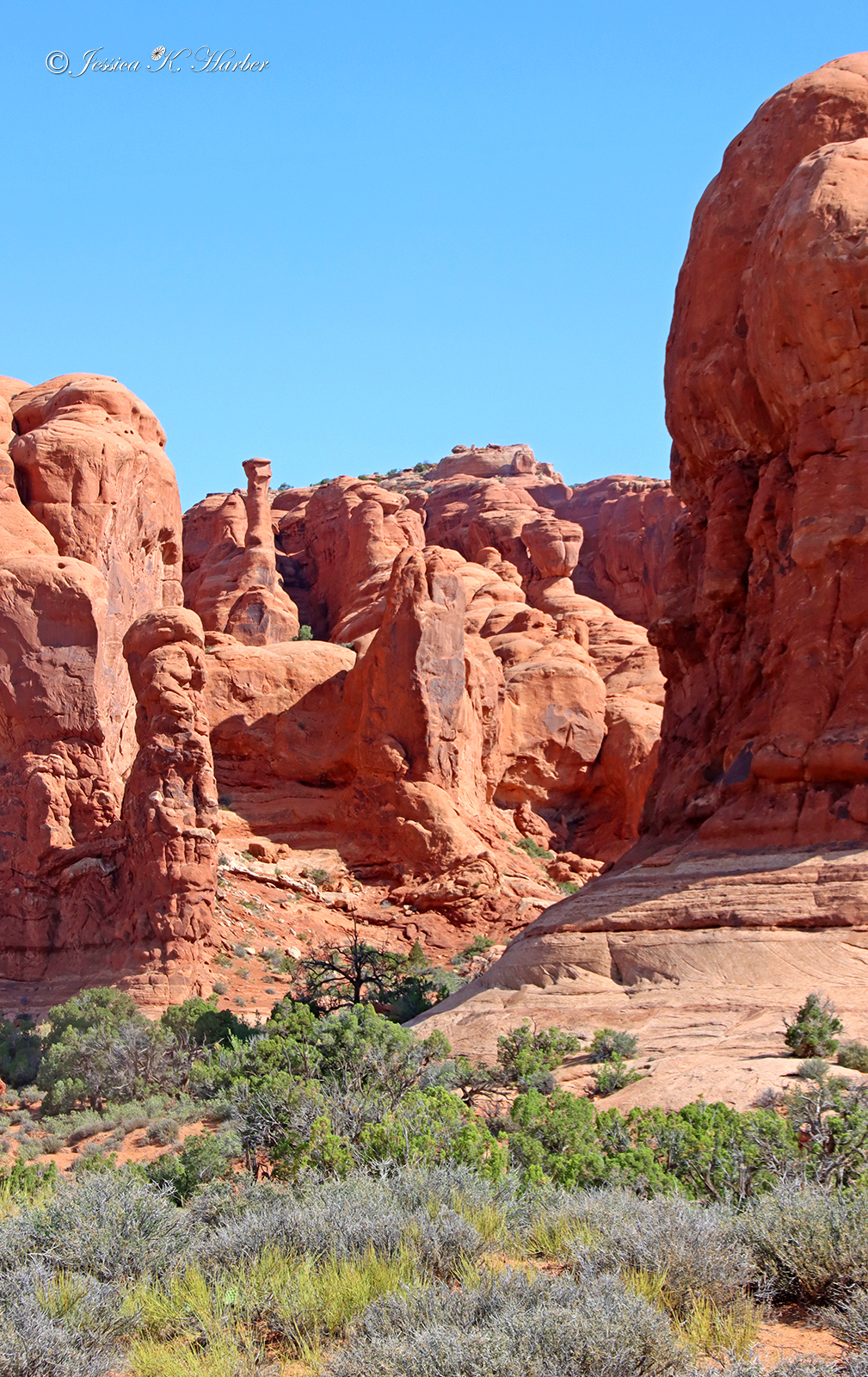
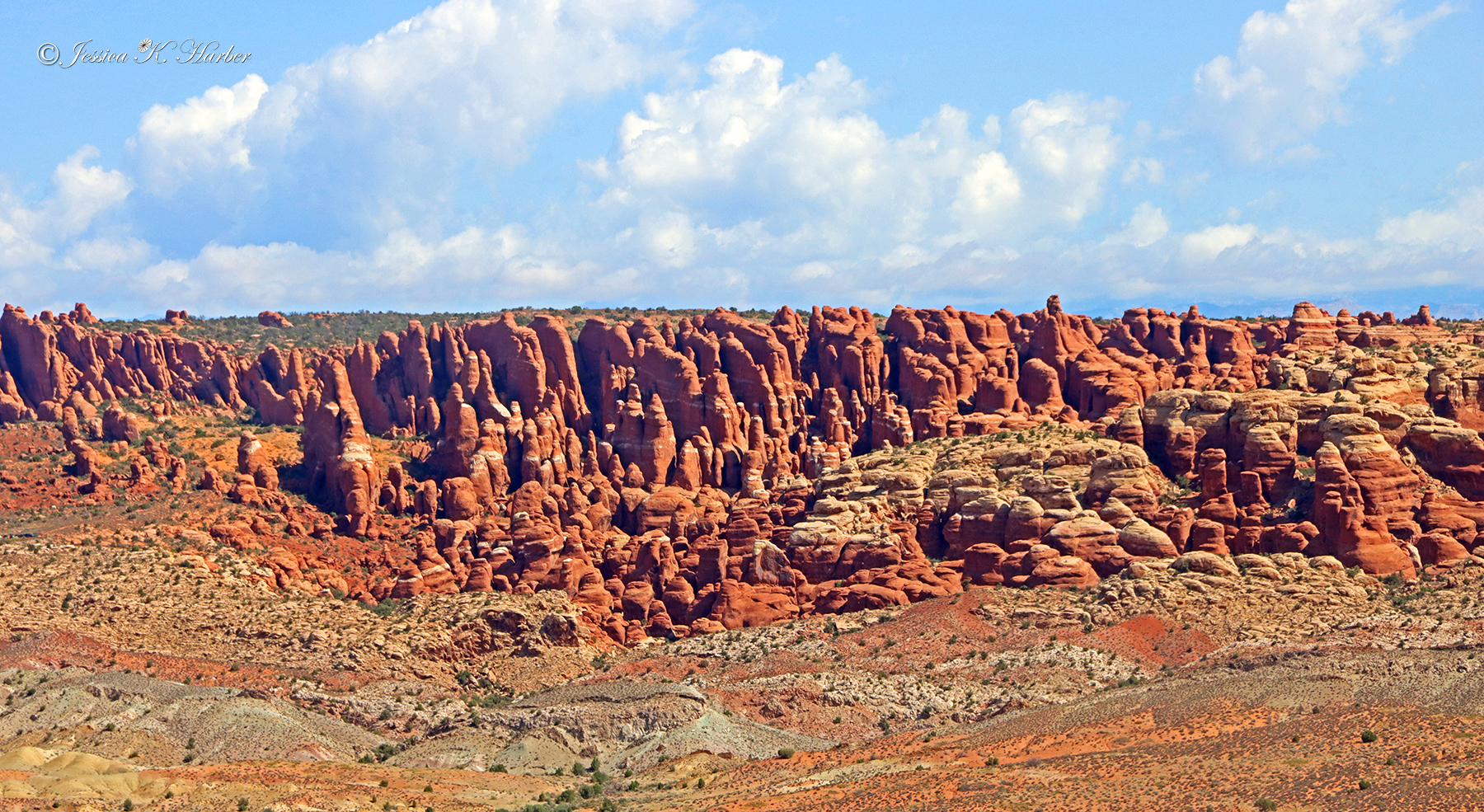
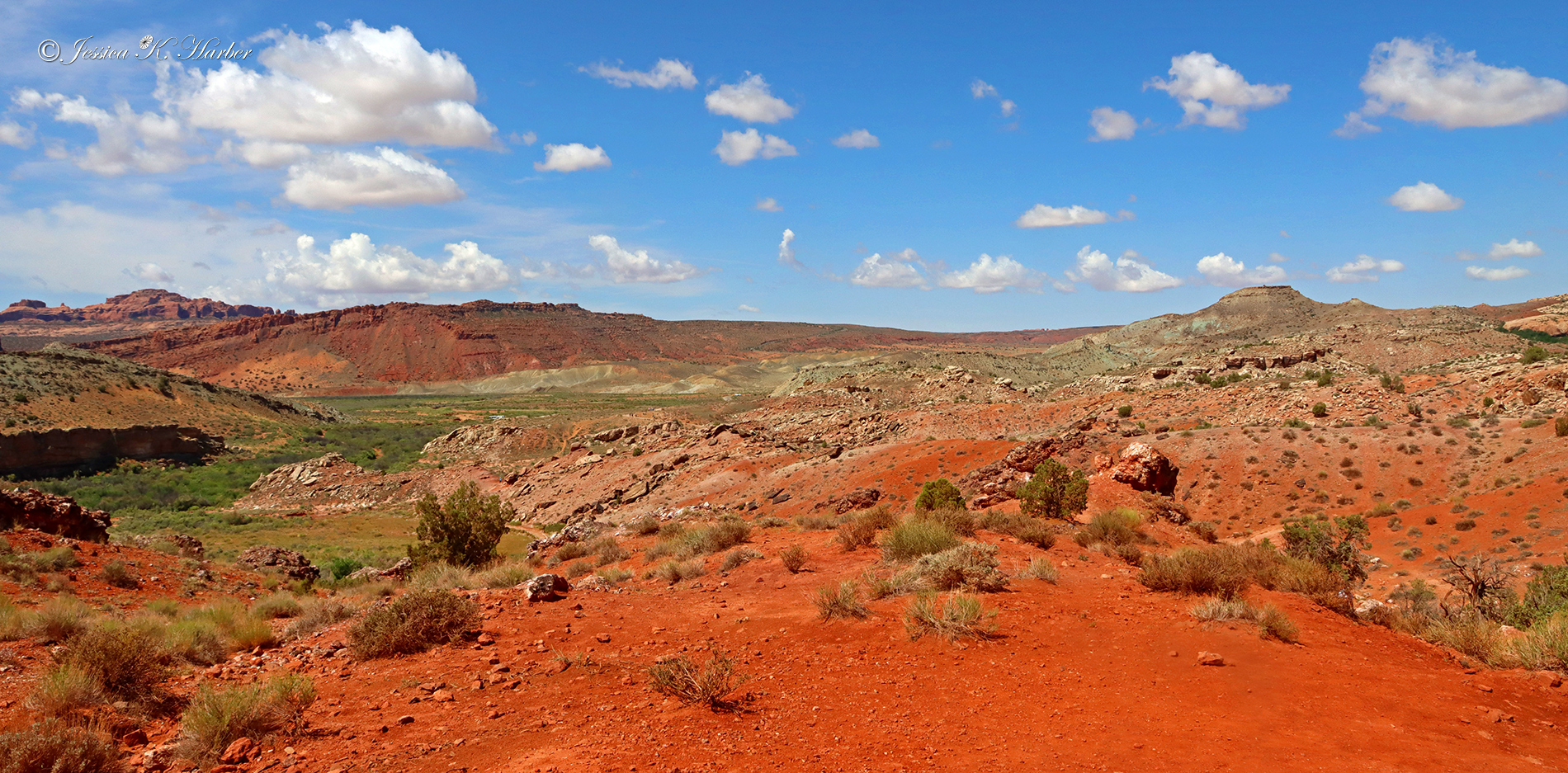
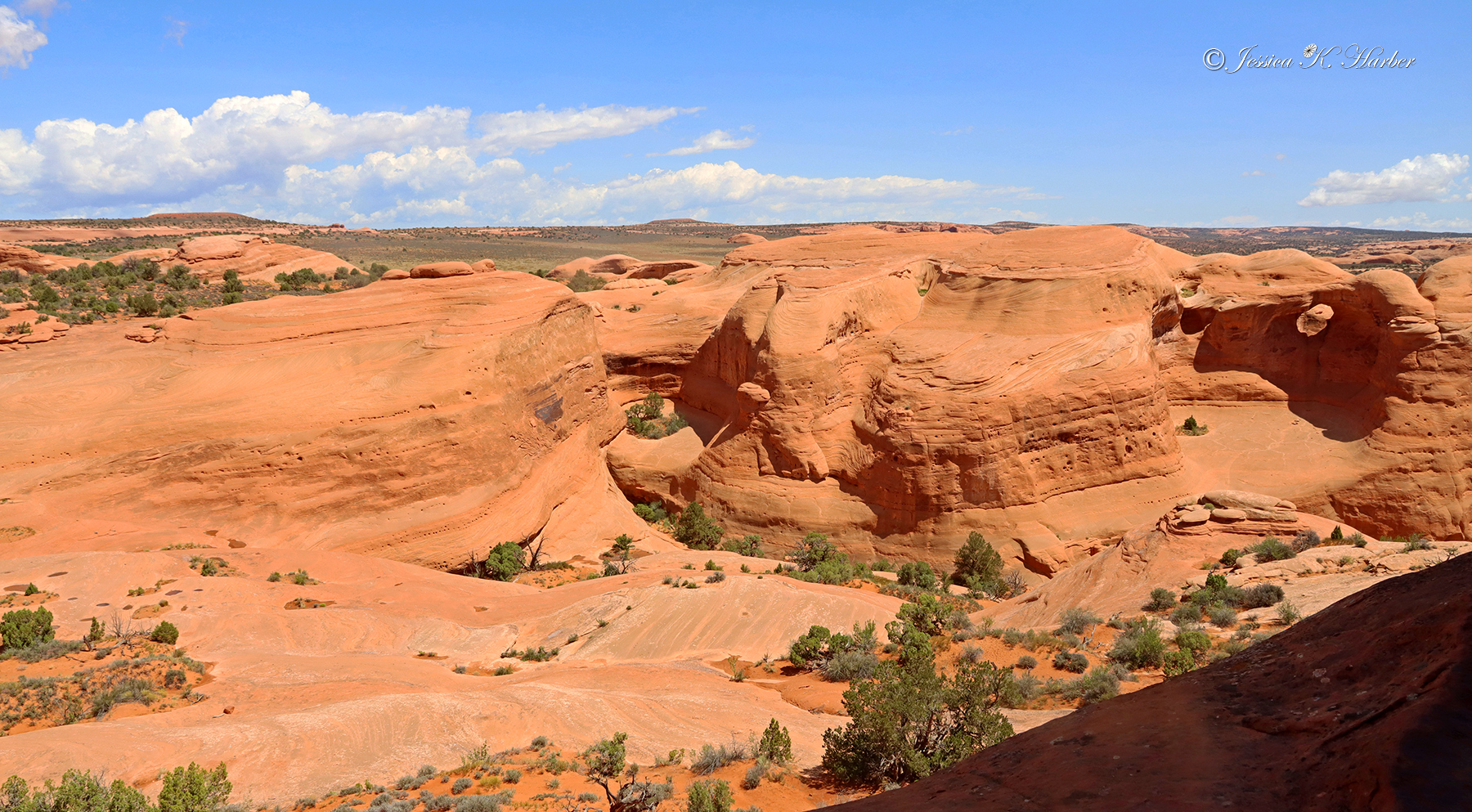
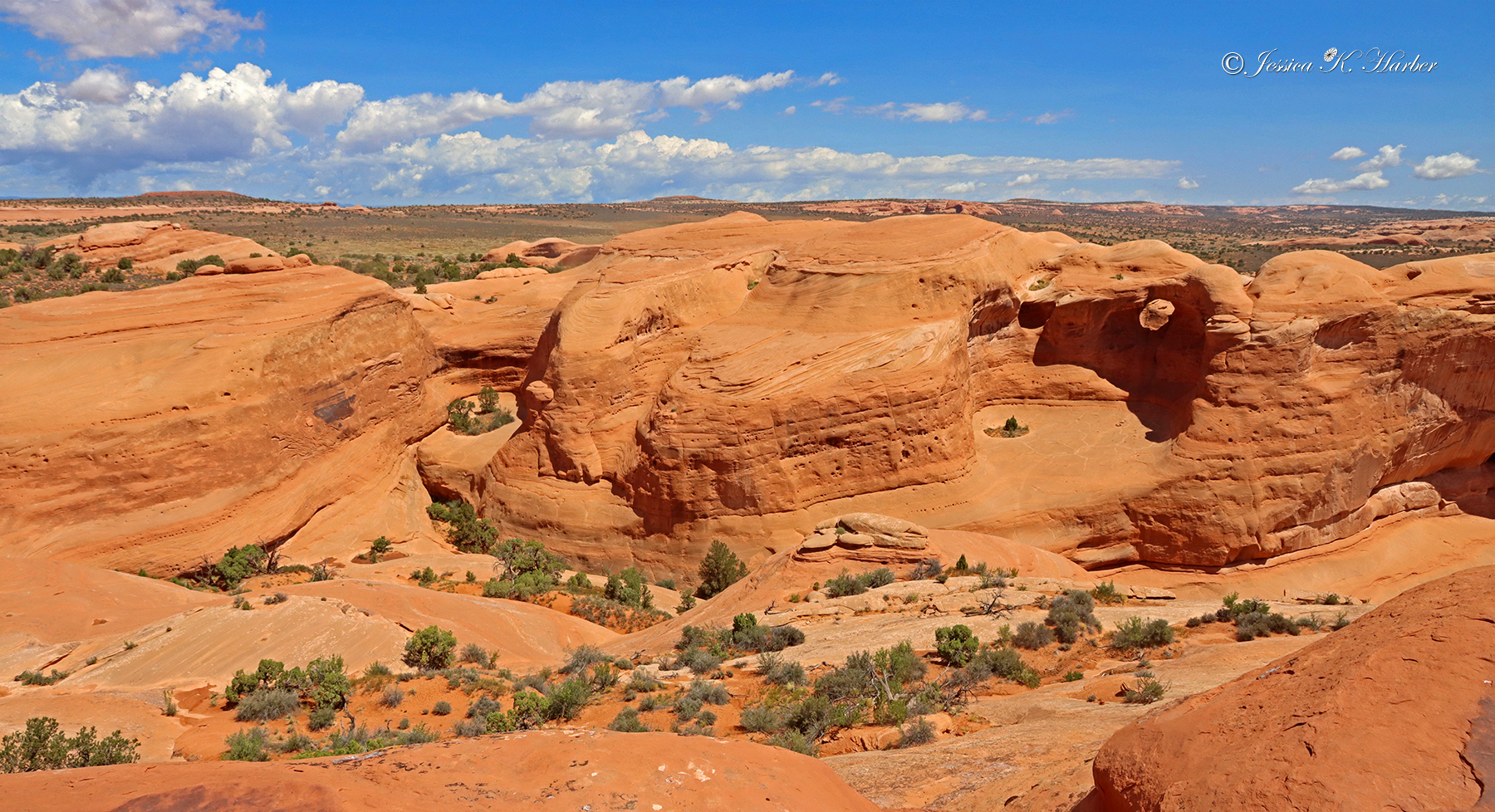
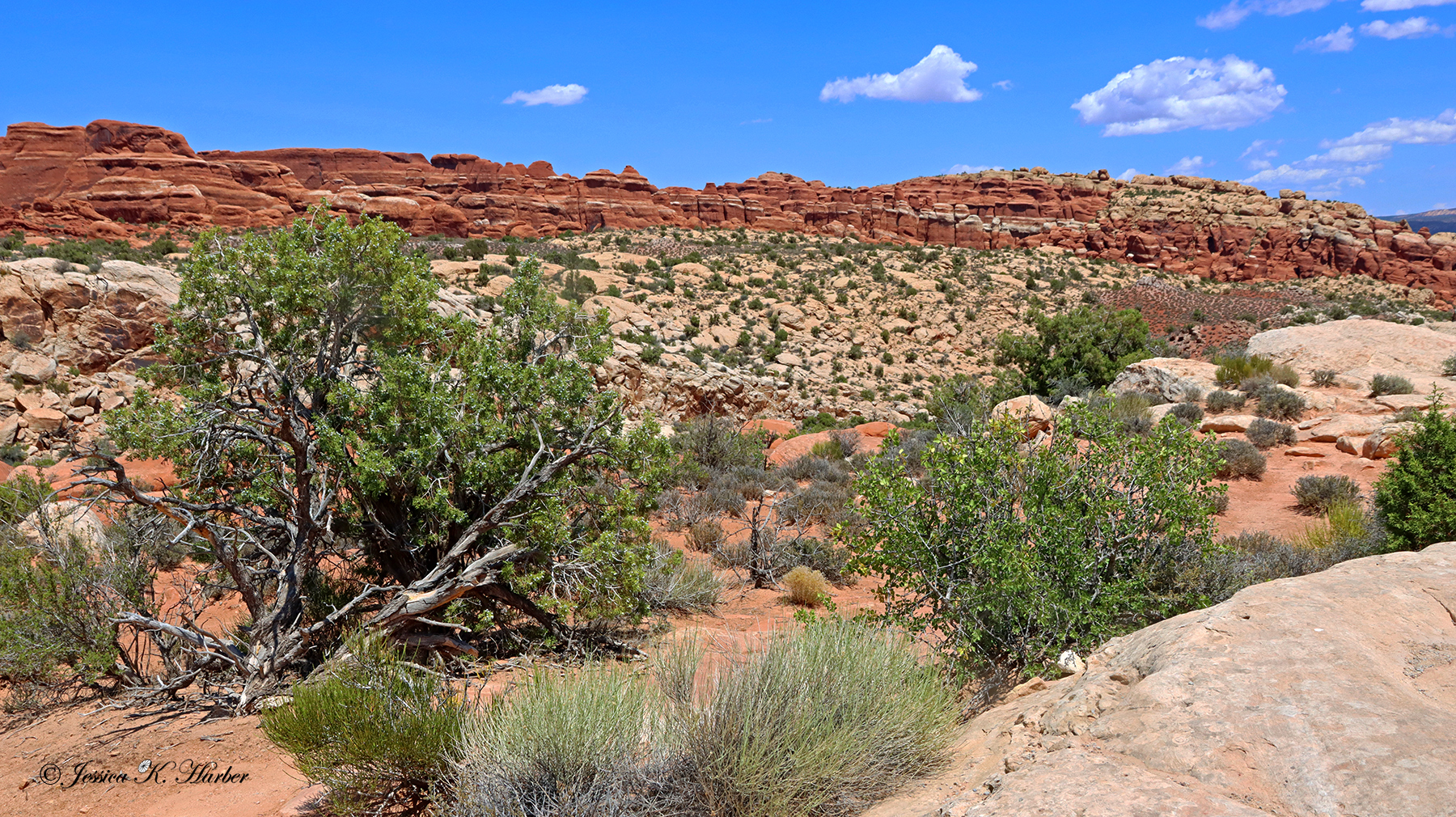
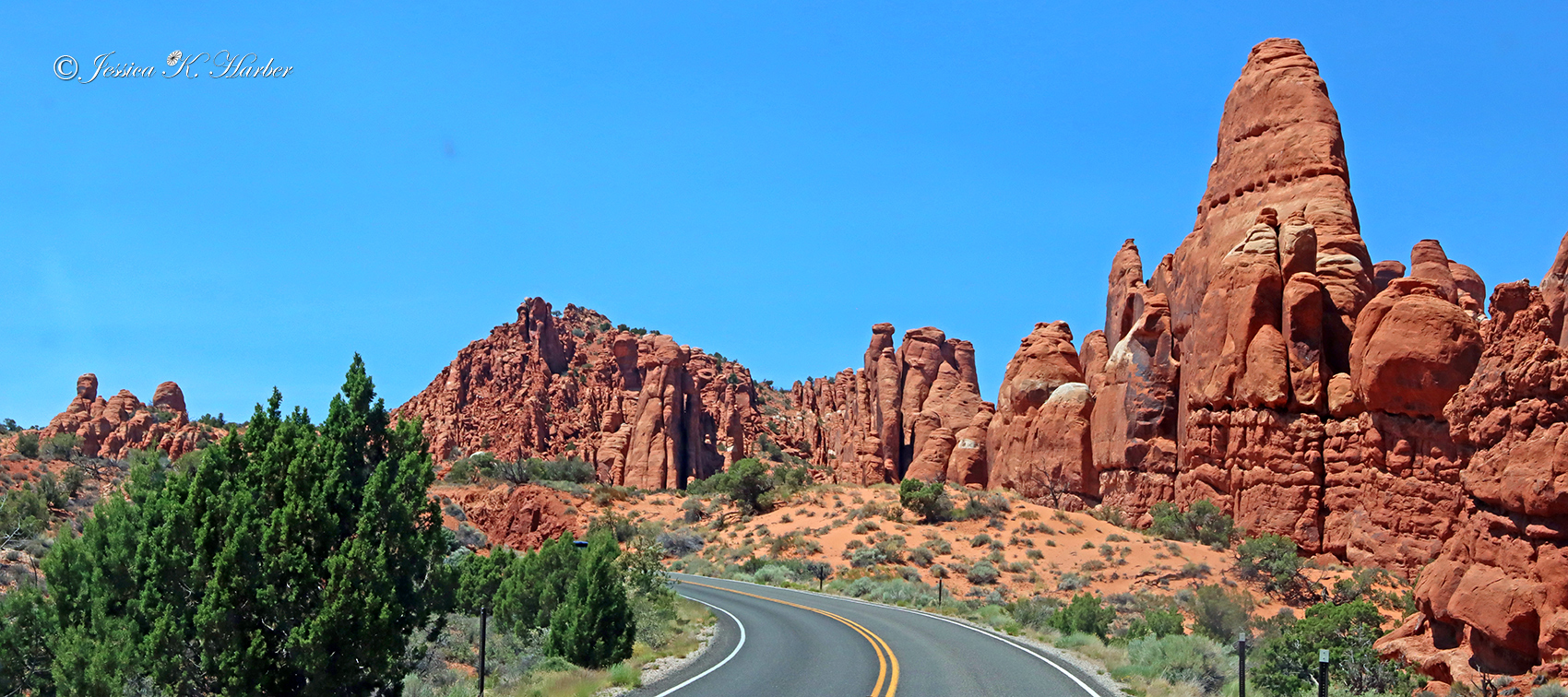
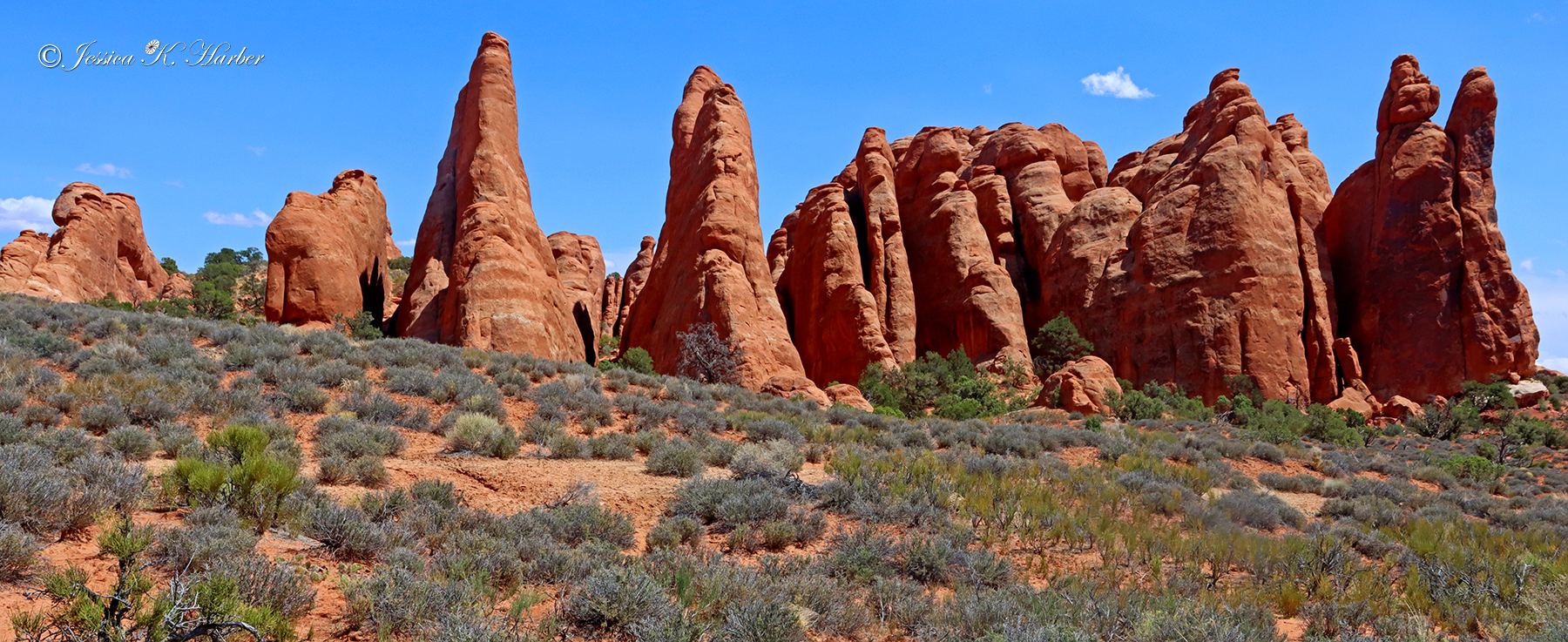
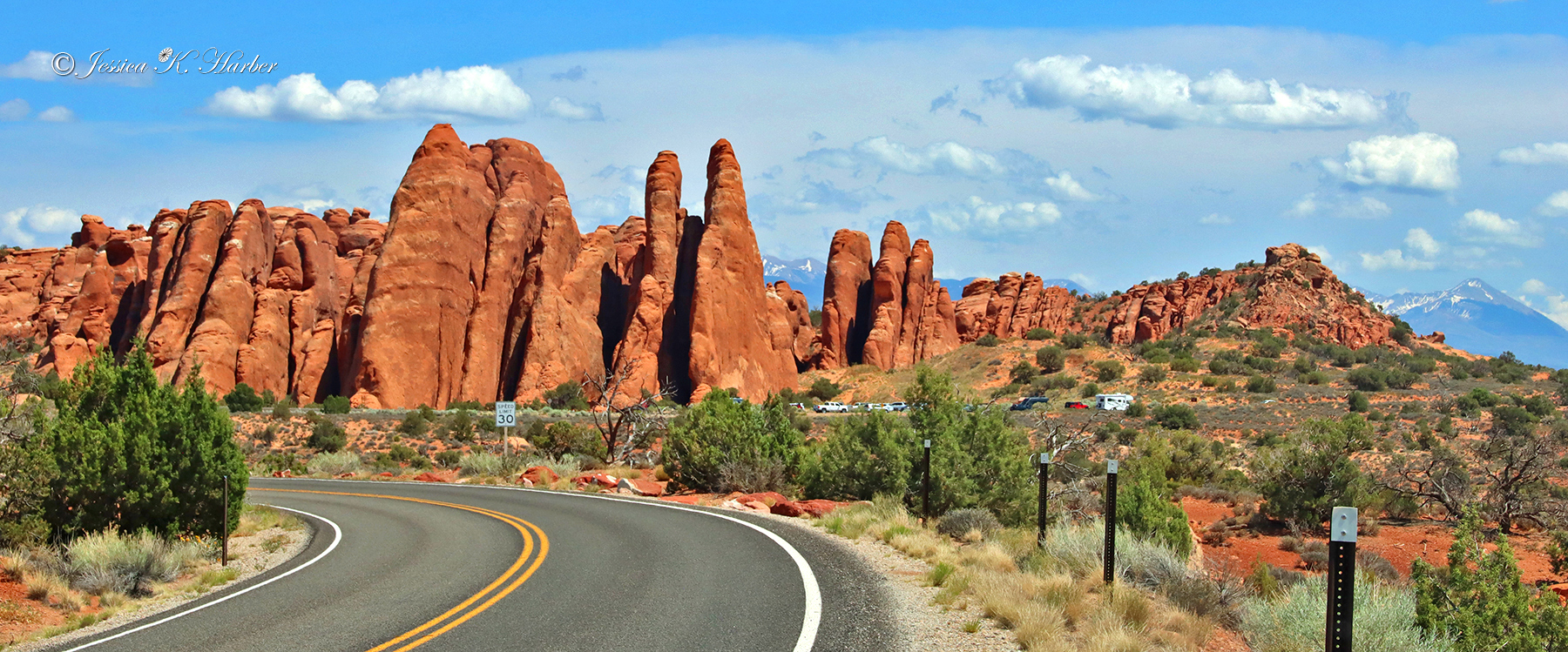
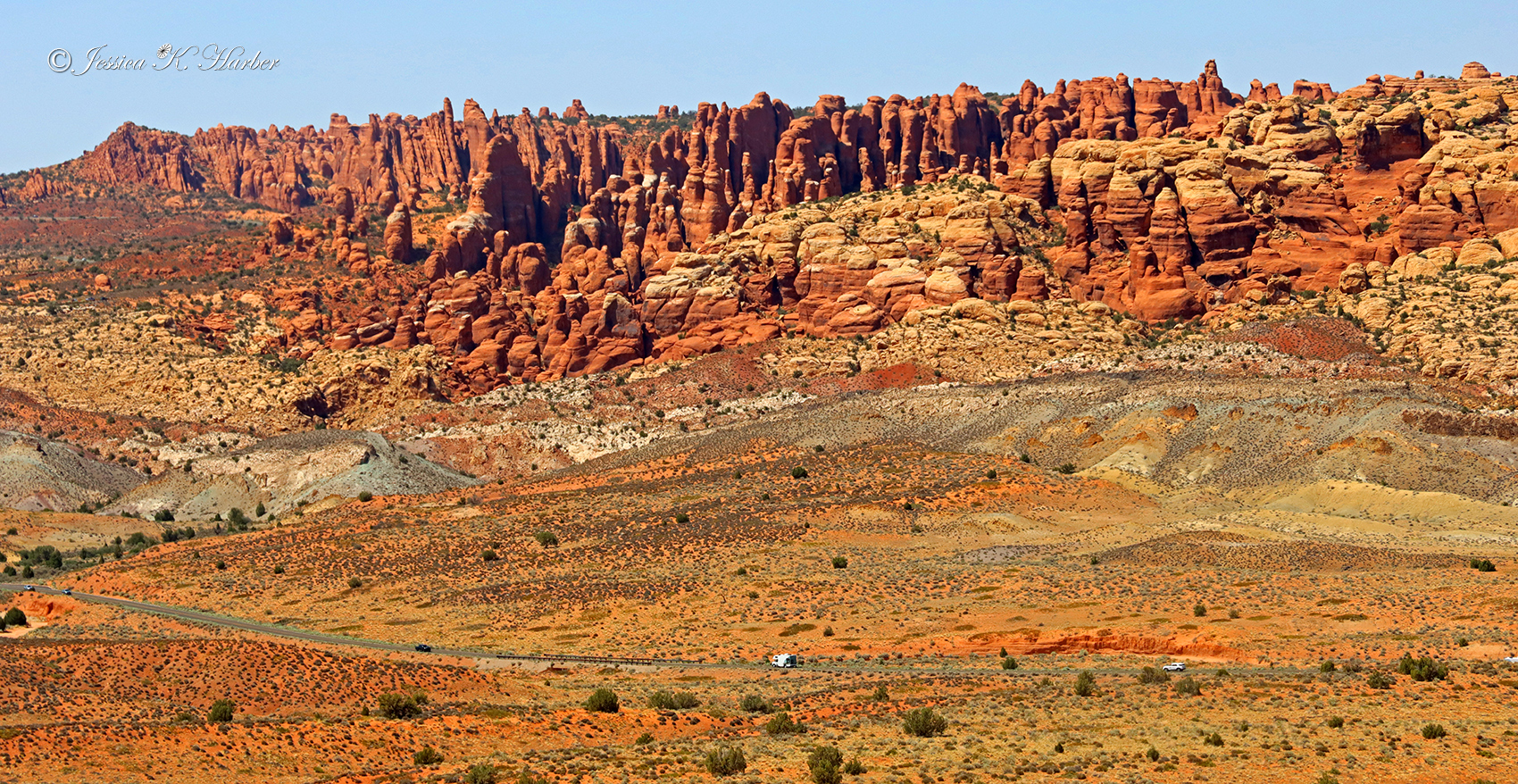
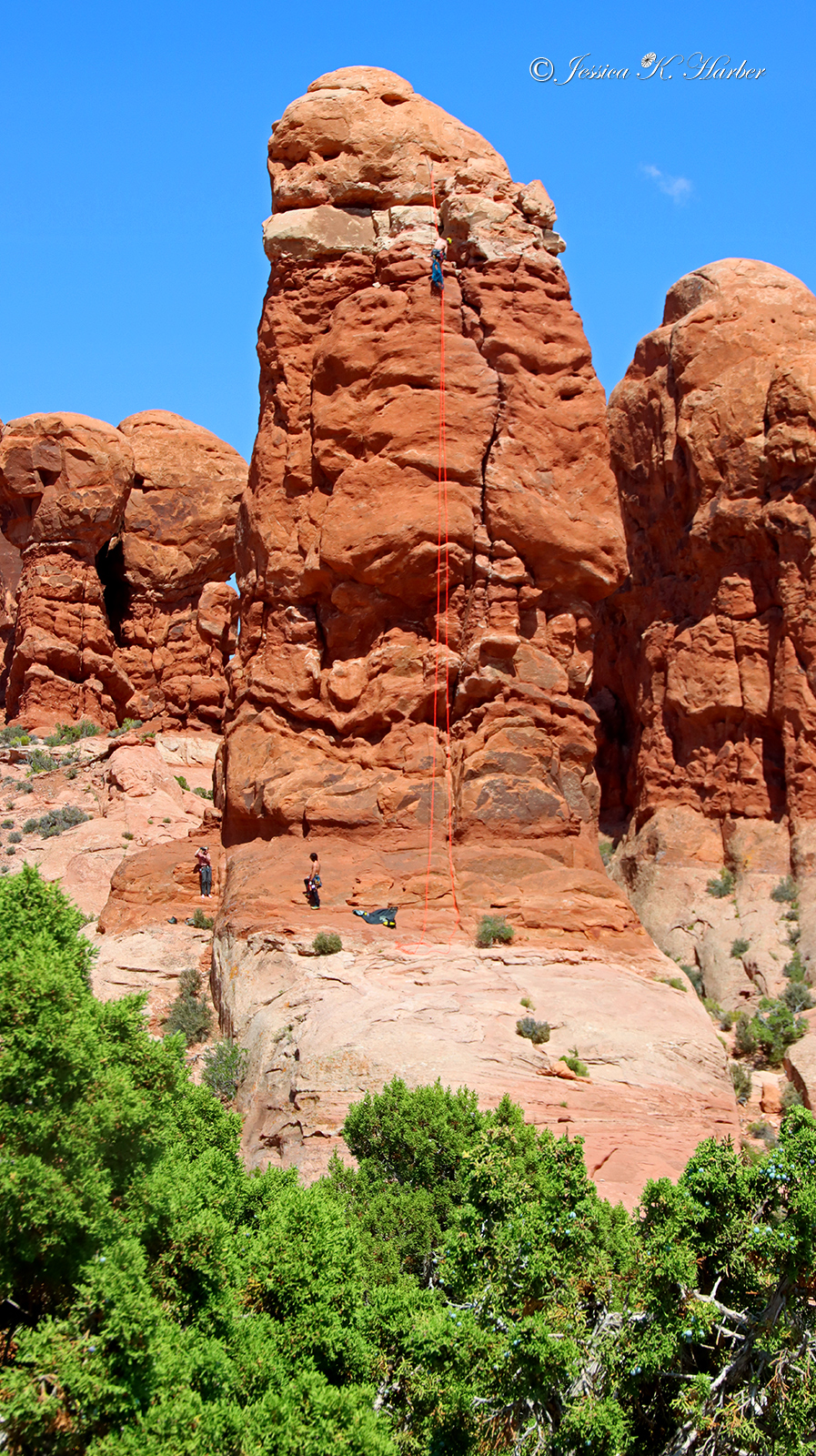
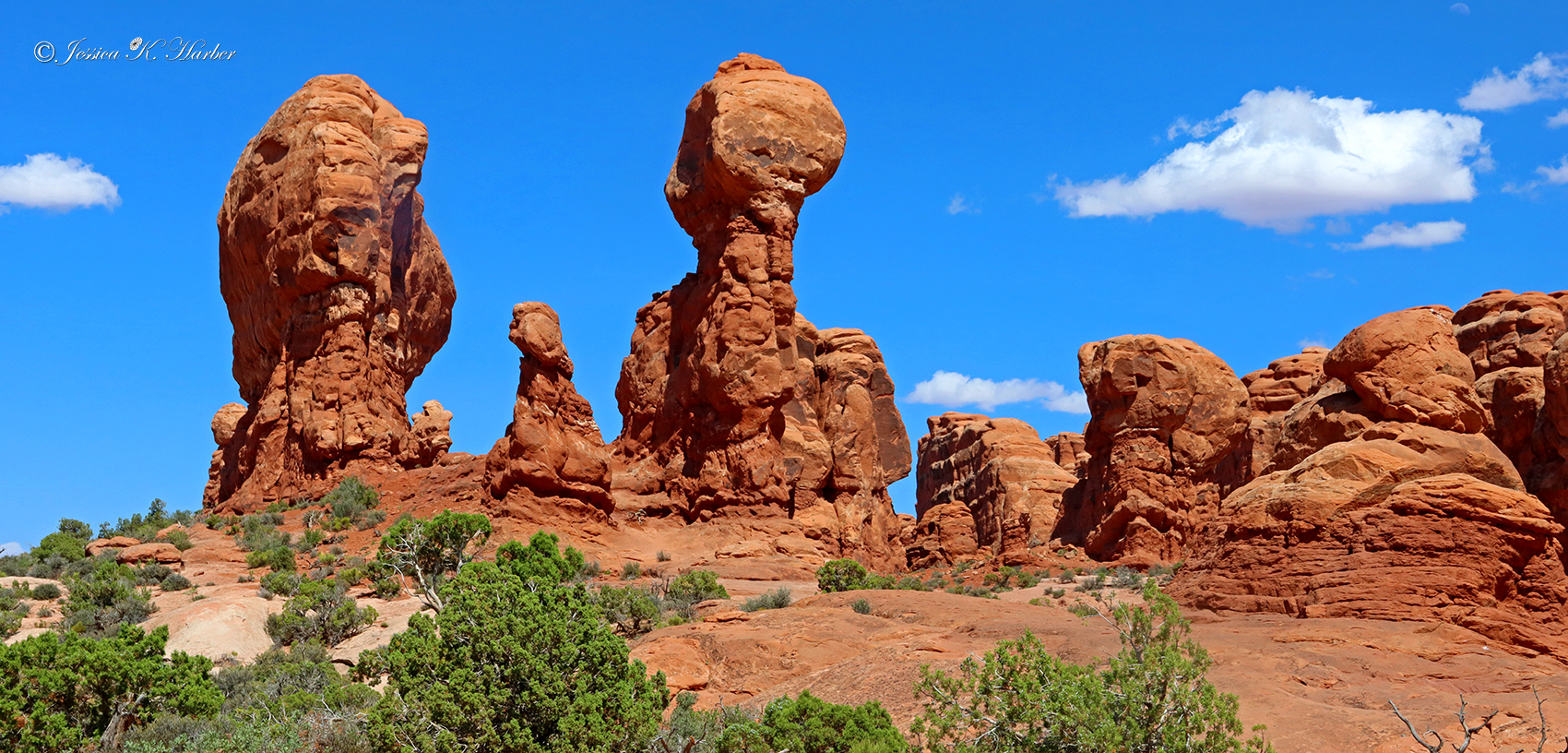
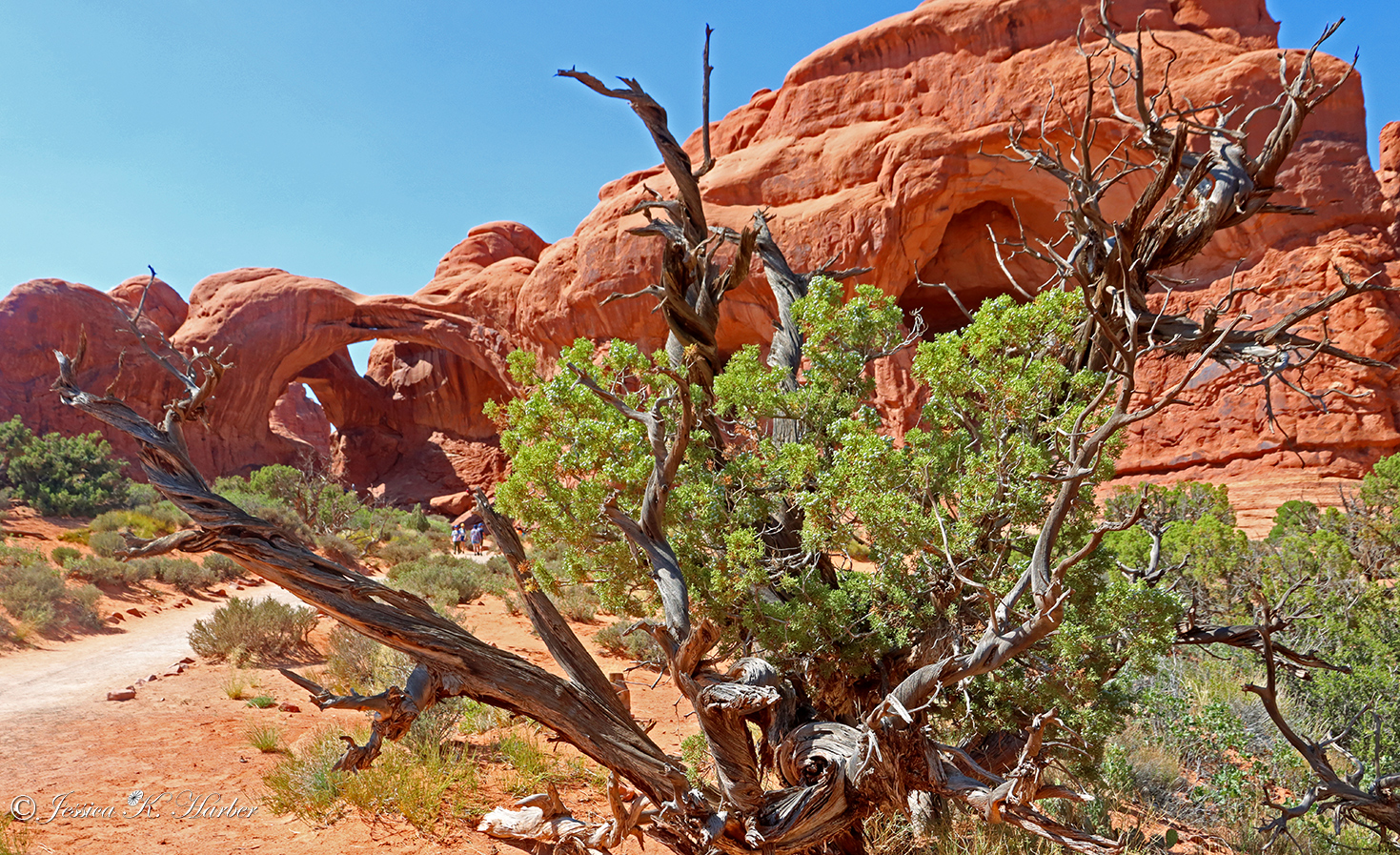
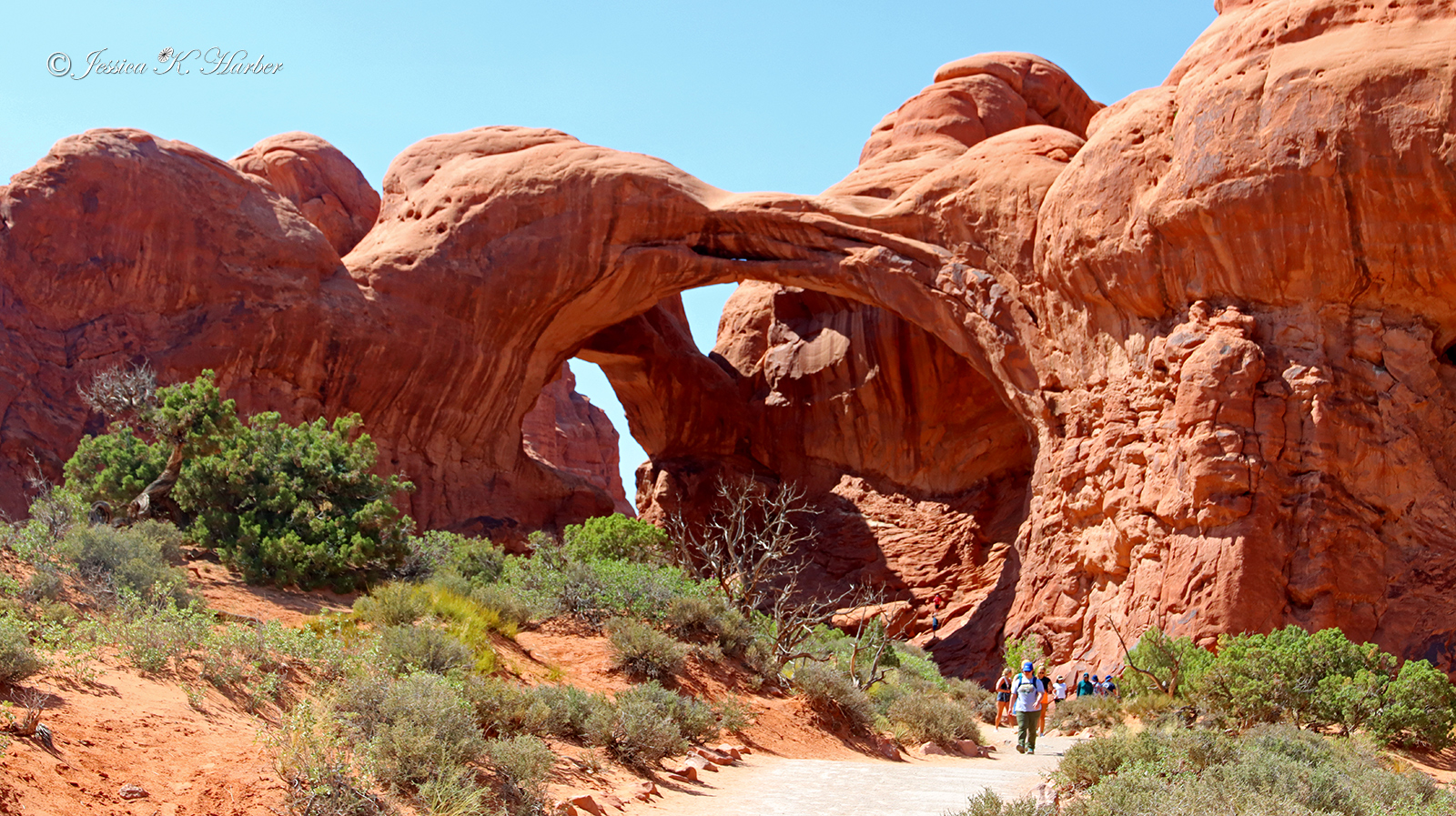
My favorite kind of landscape is definitely “green” but I must admit, Arches was amazing.

I stayed on public land about 15 minutes away. No amenities but easy to get in and out of.

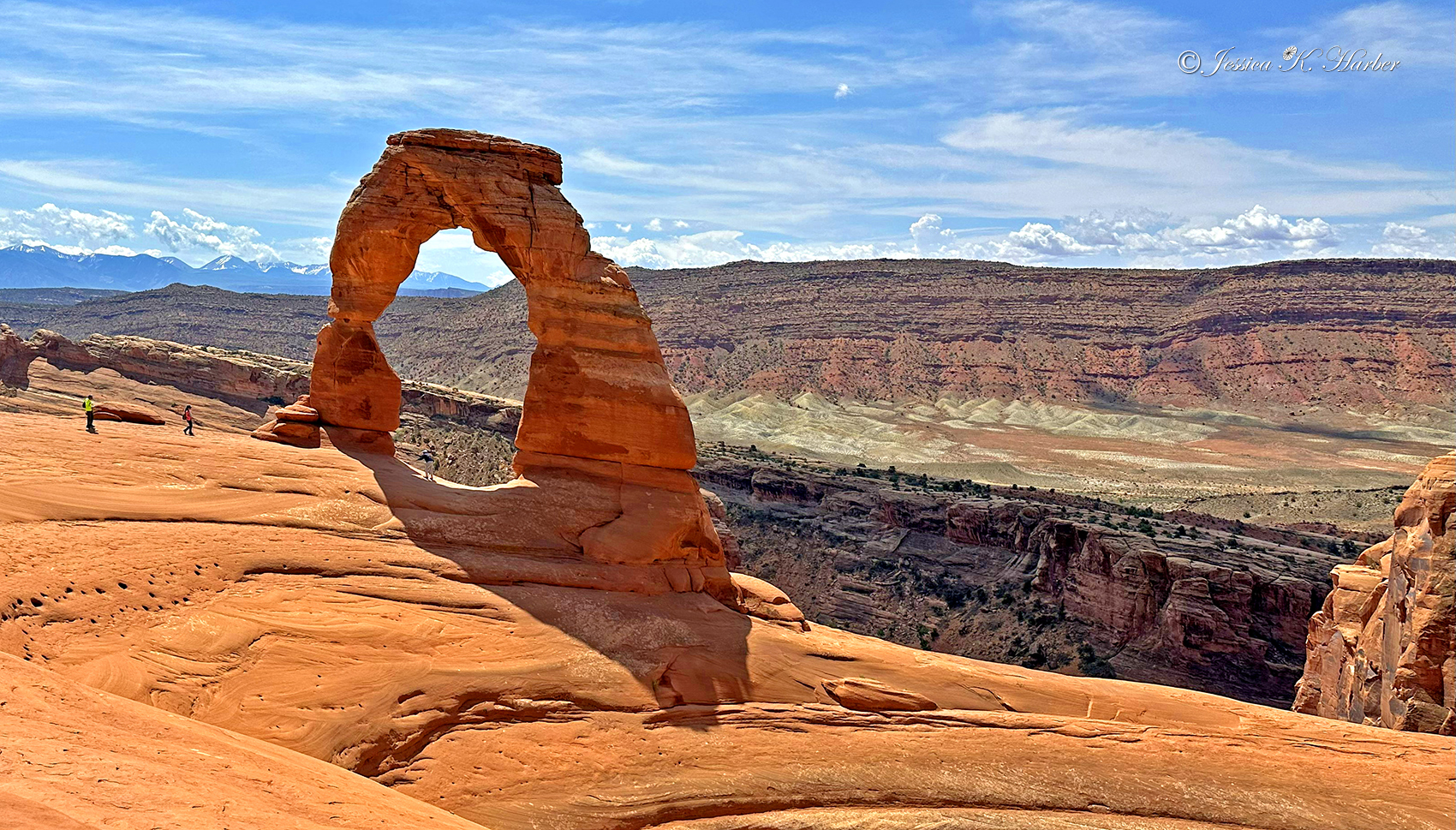
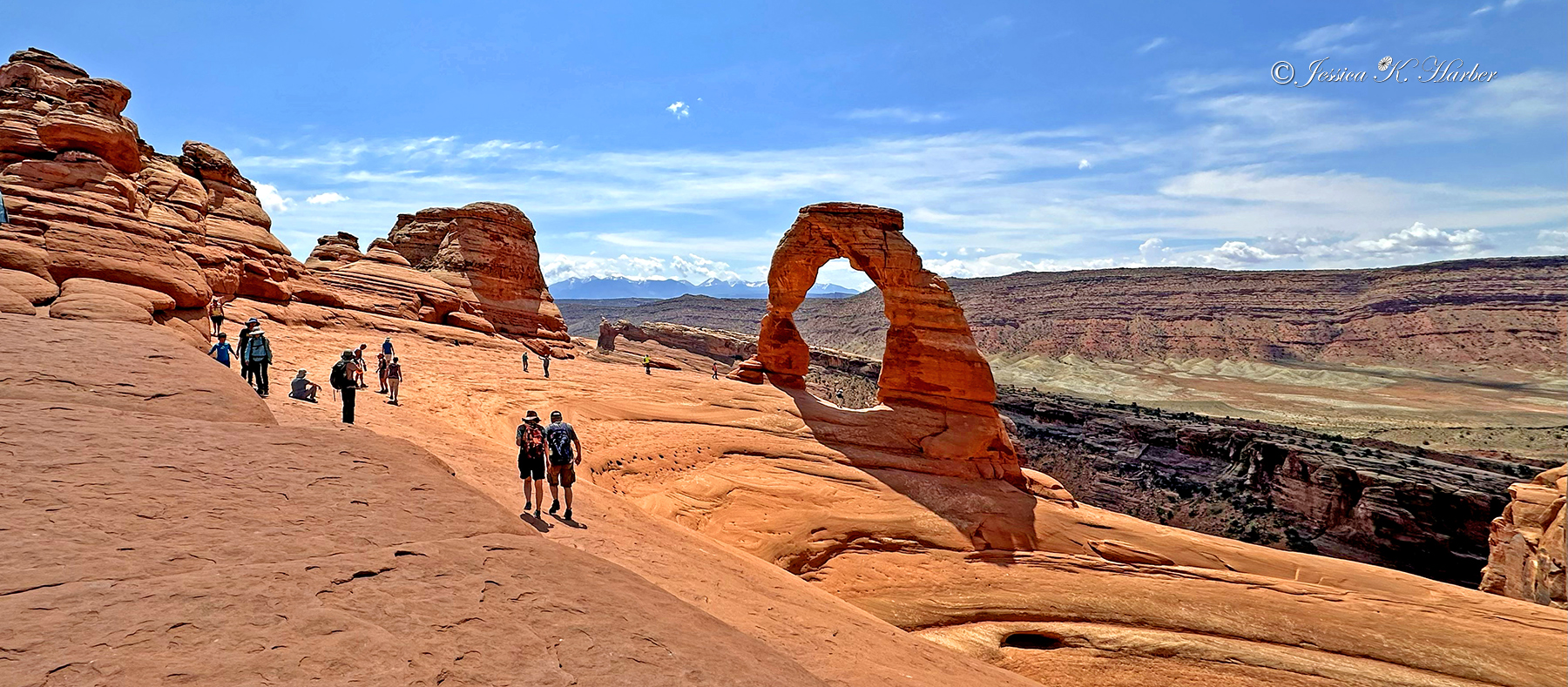
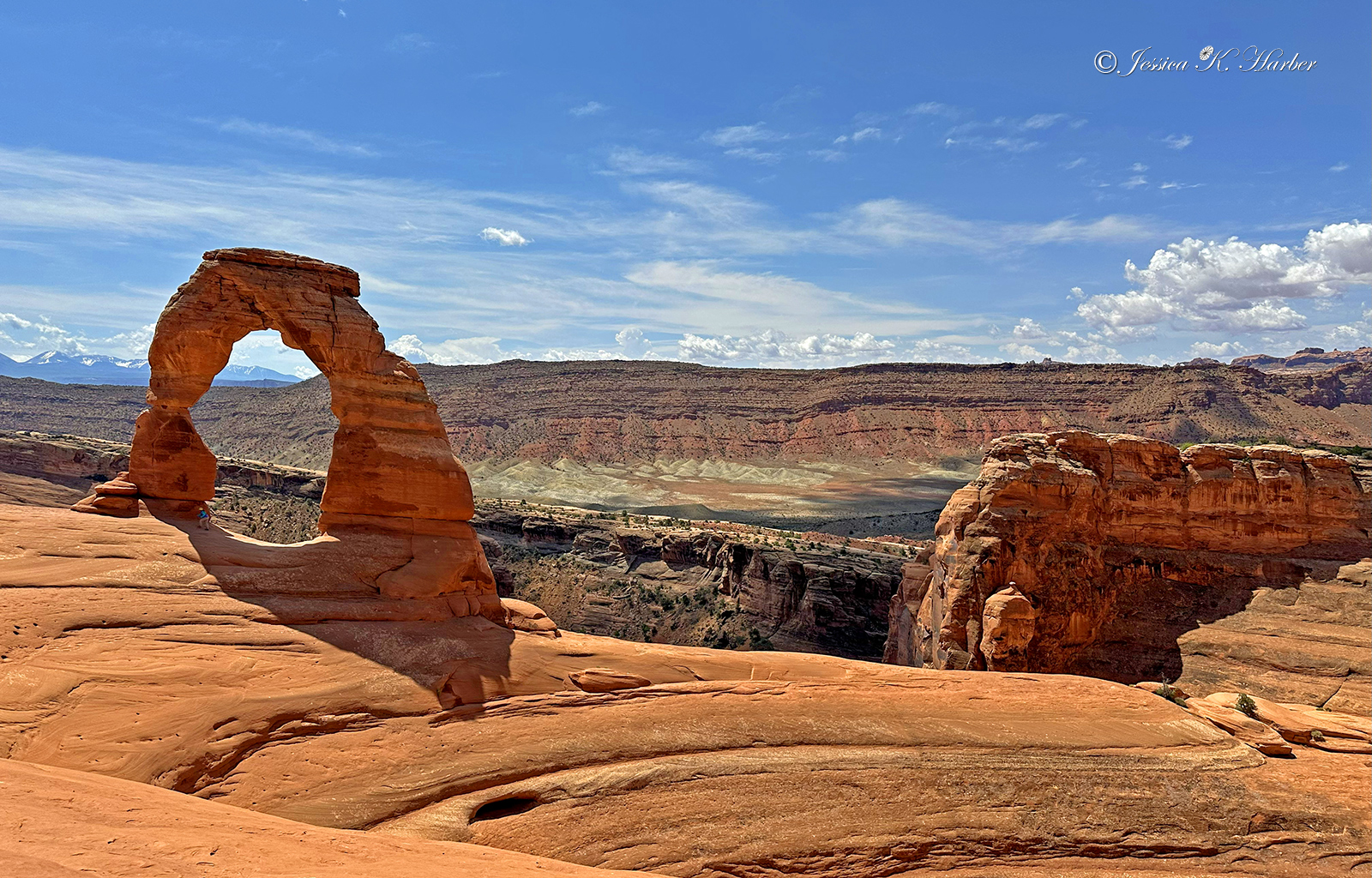
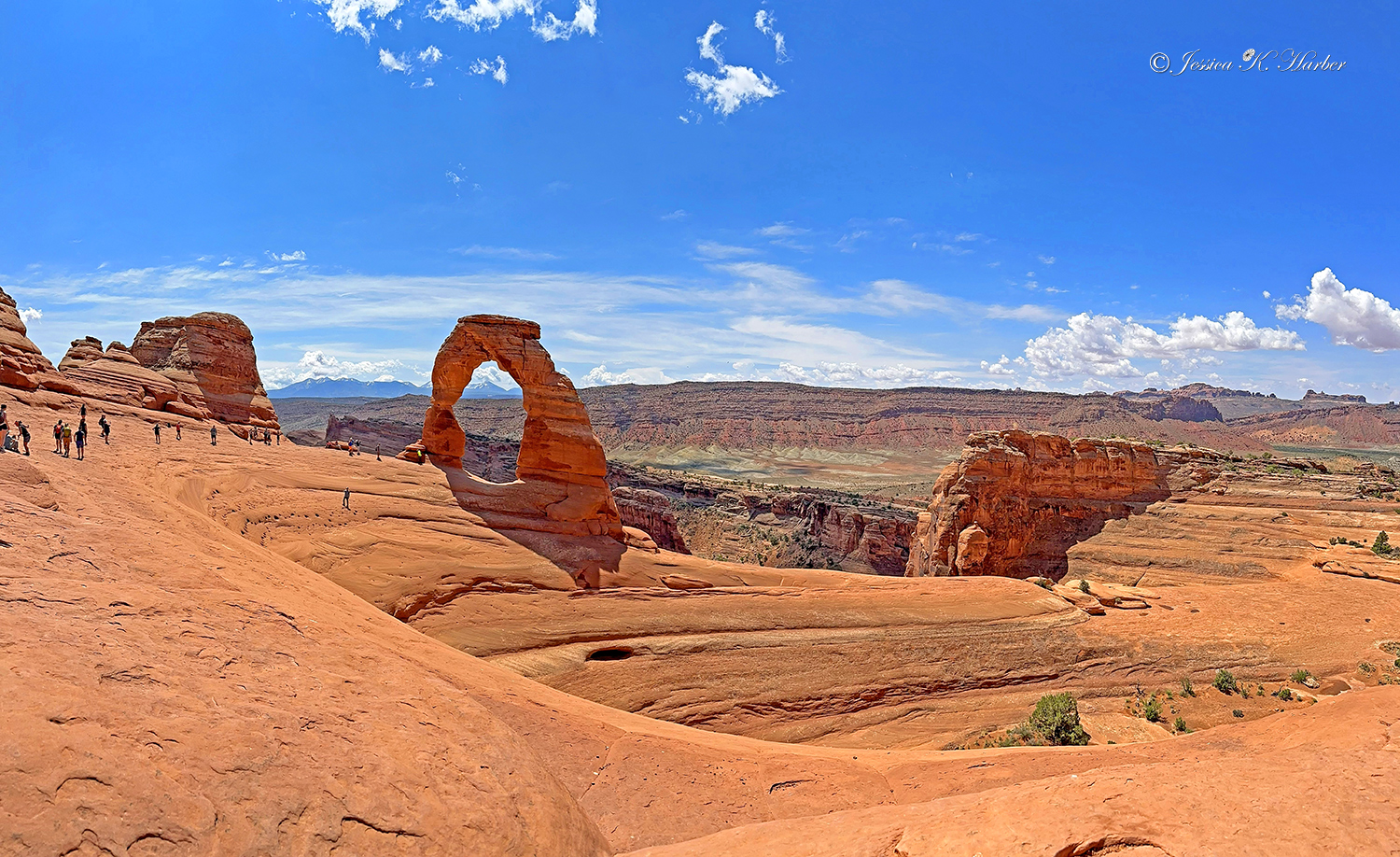
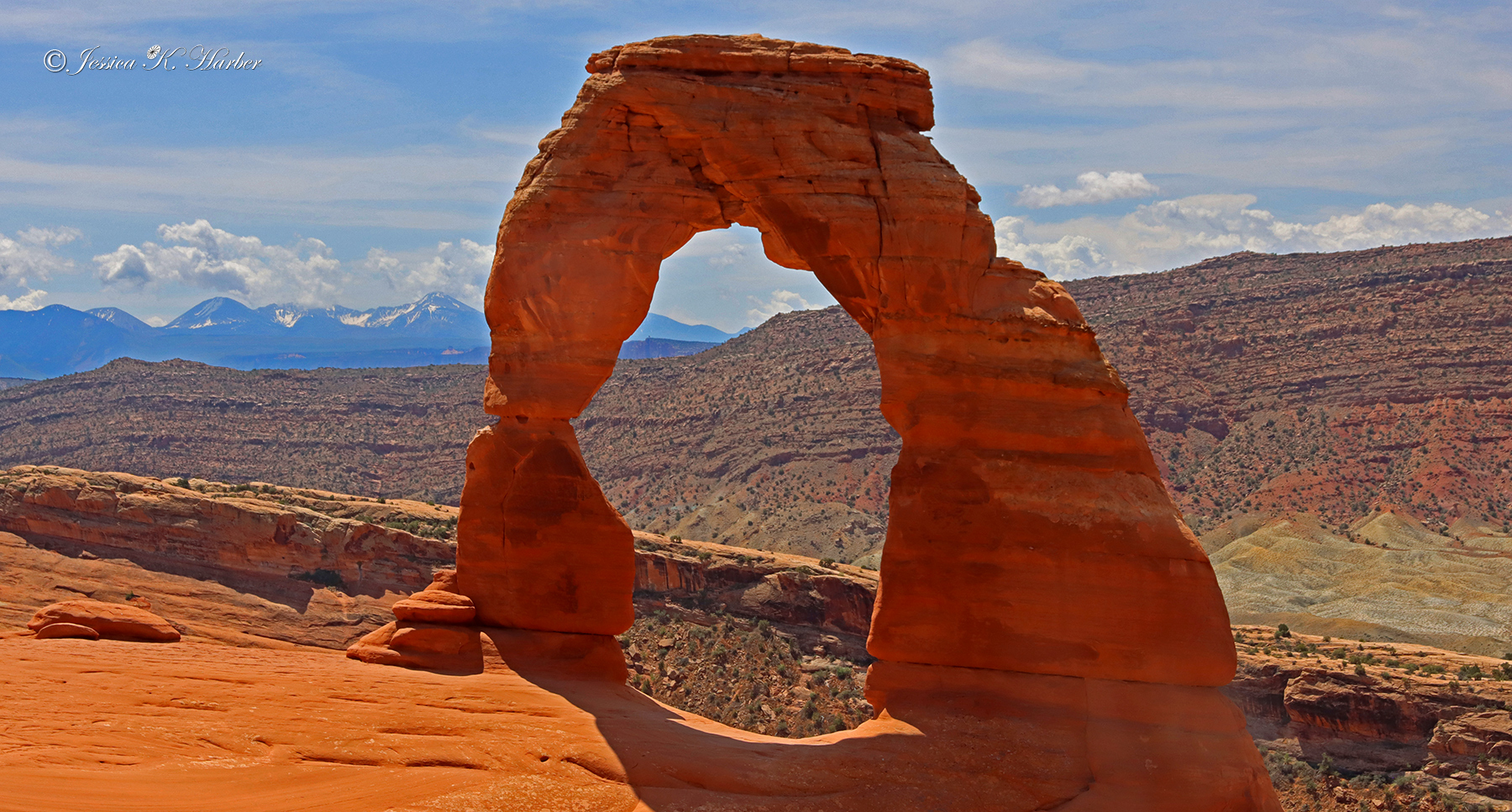
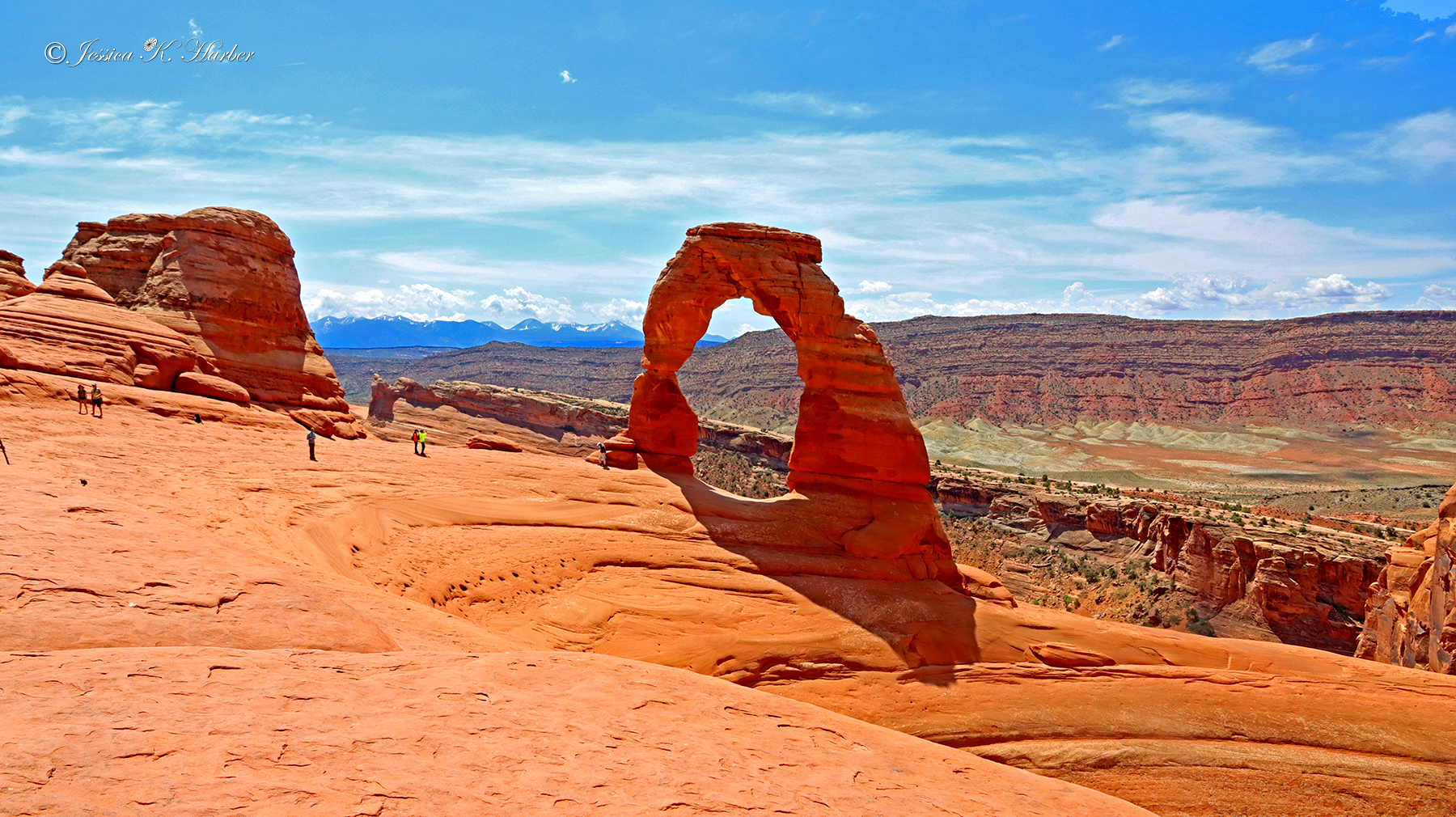
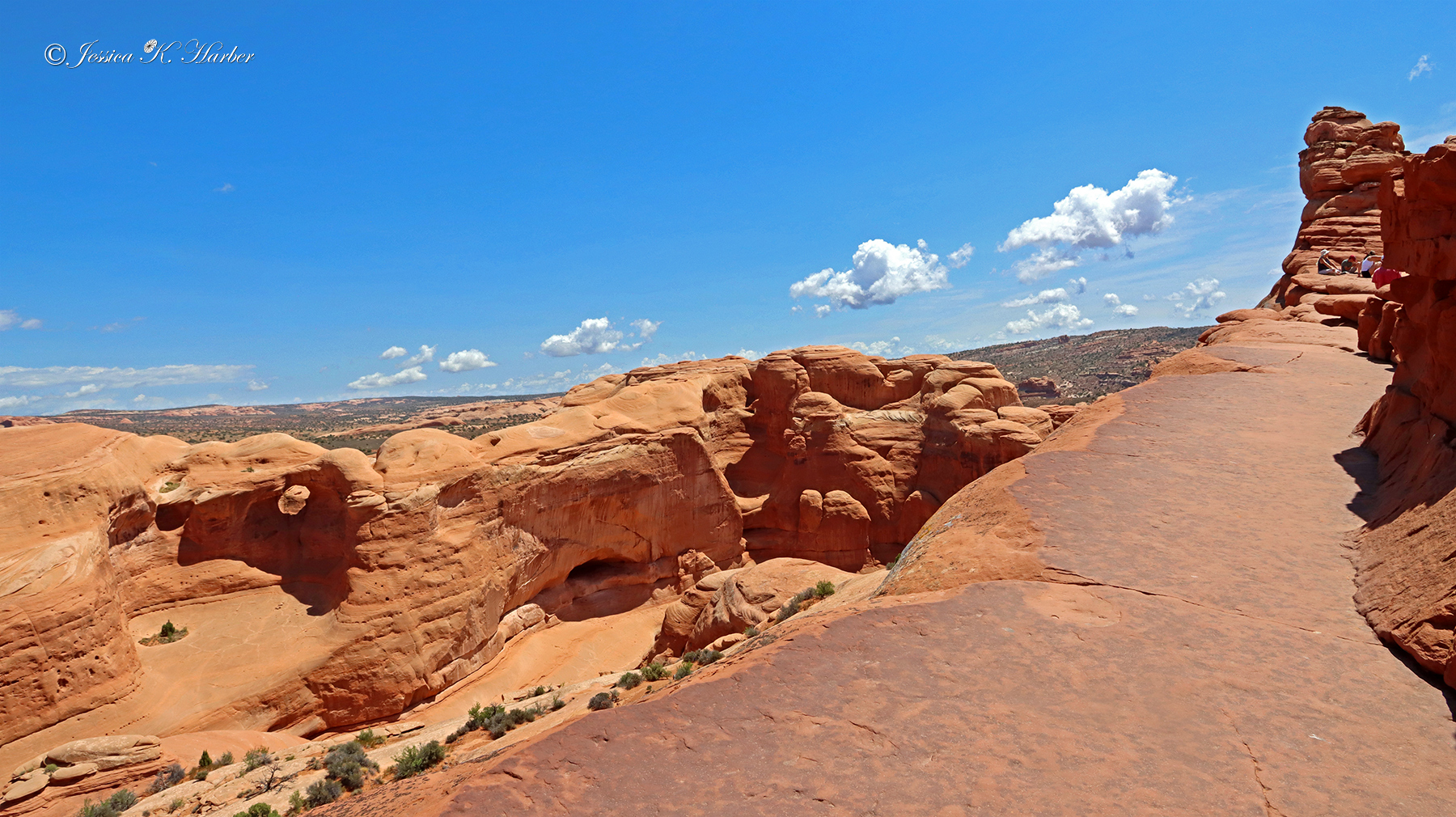
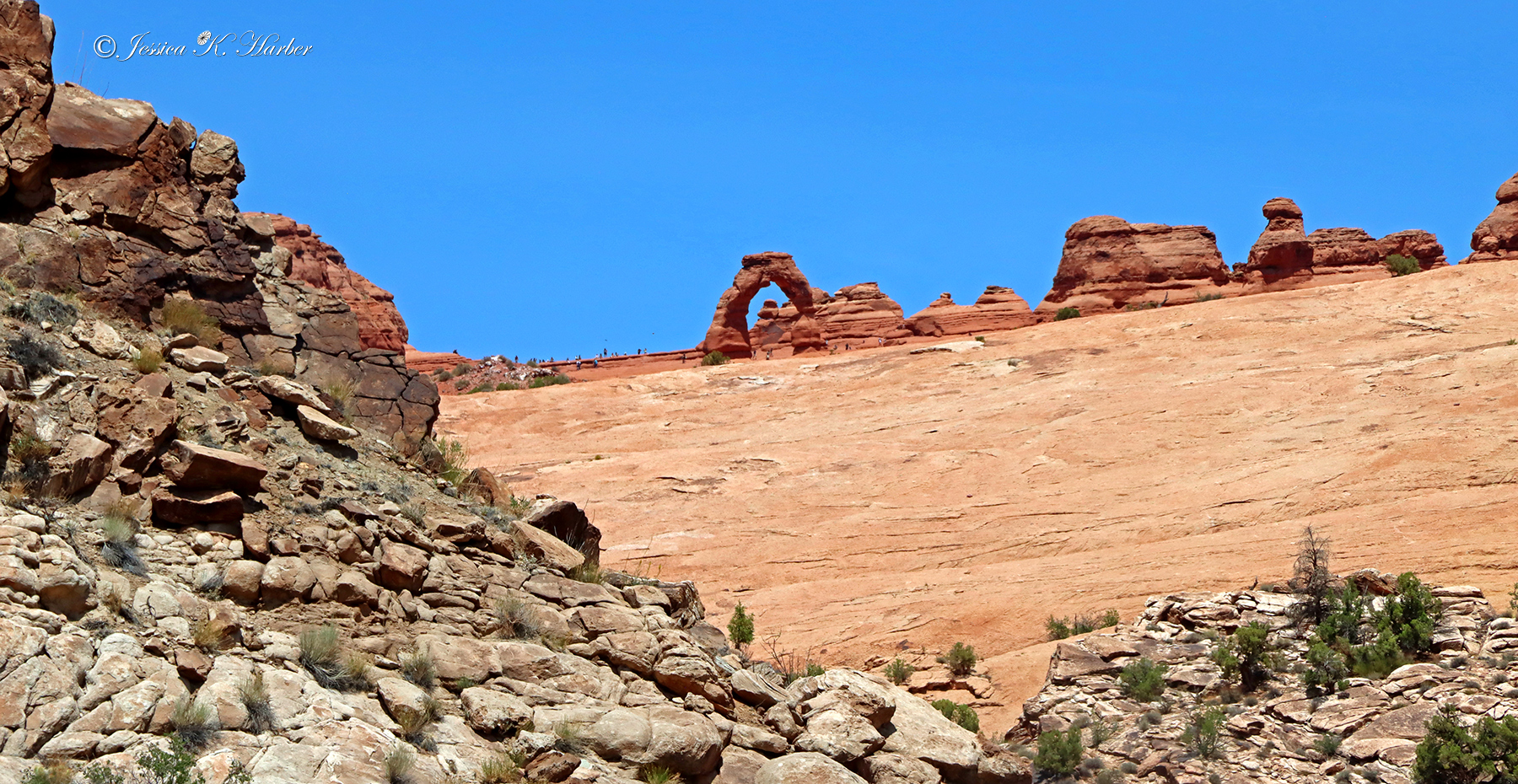
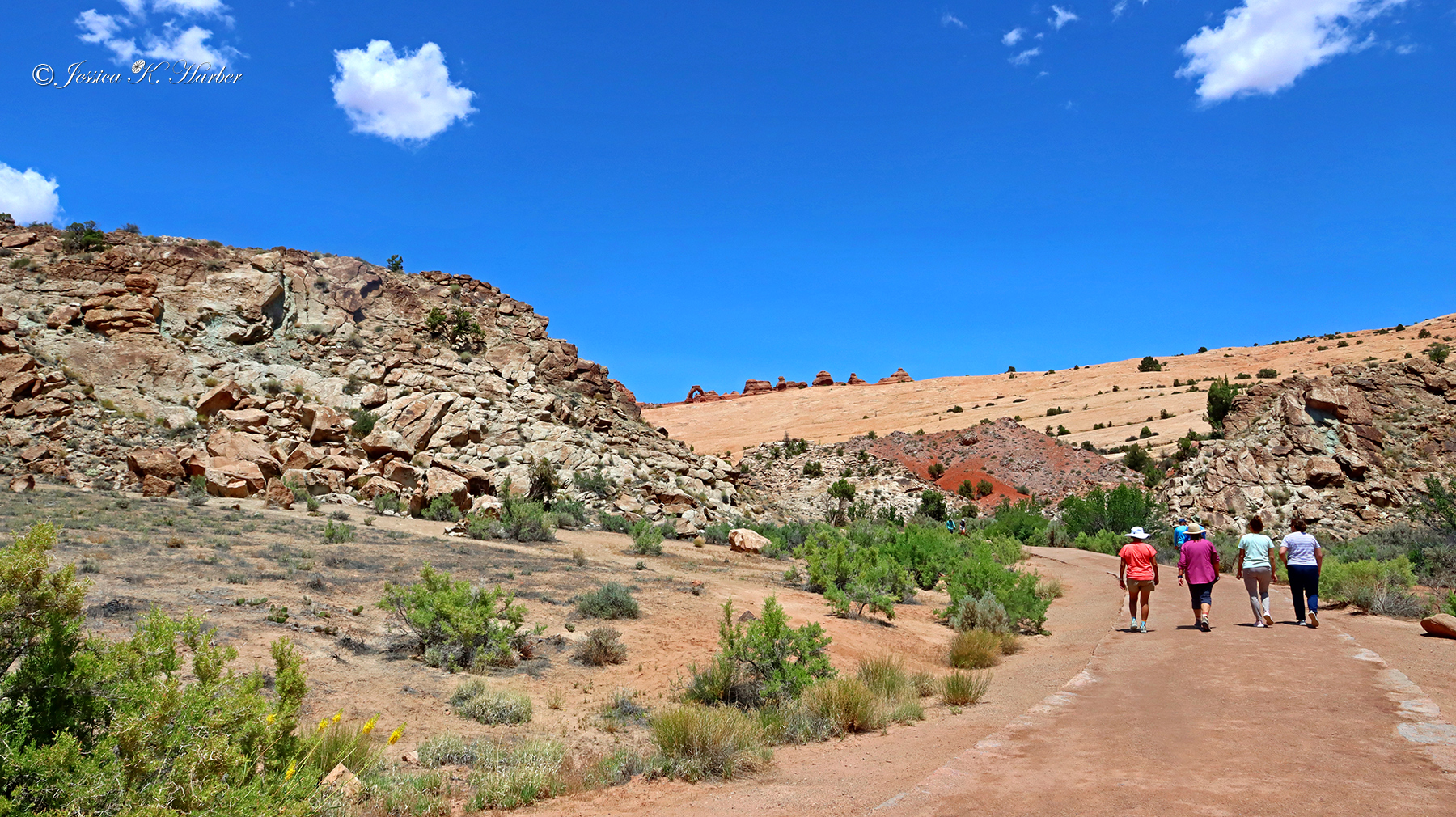
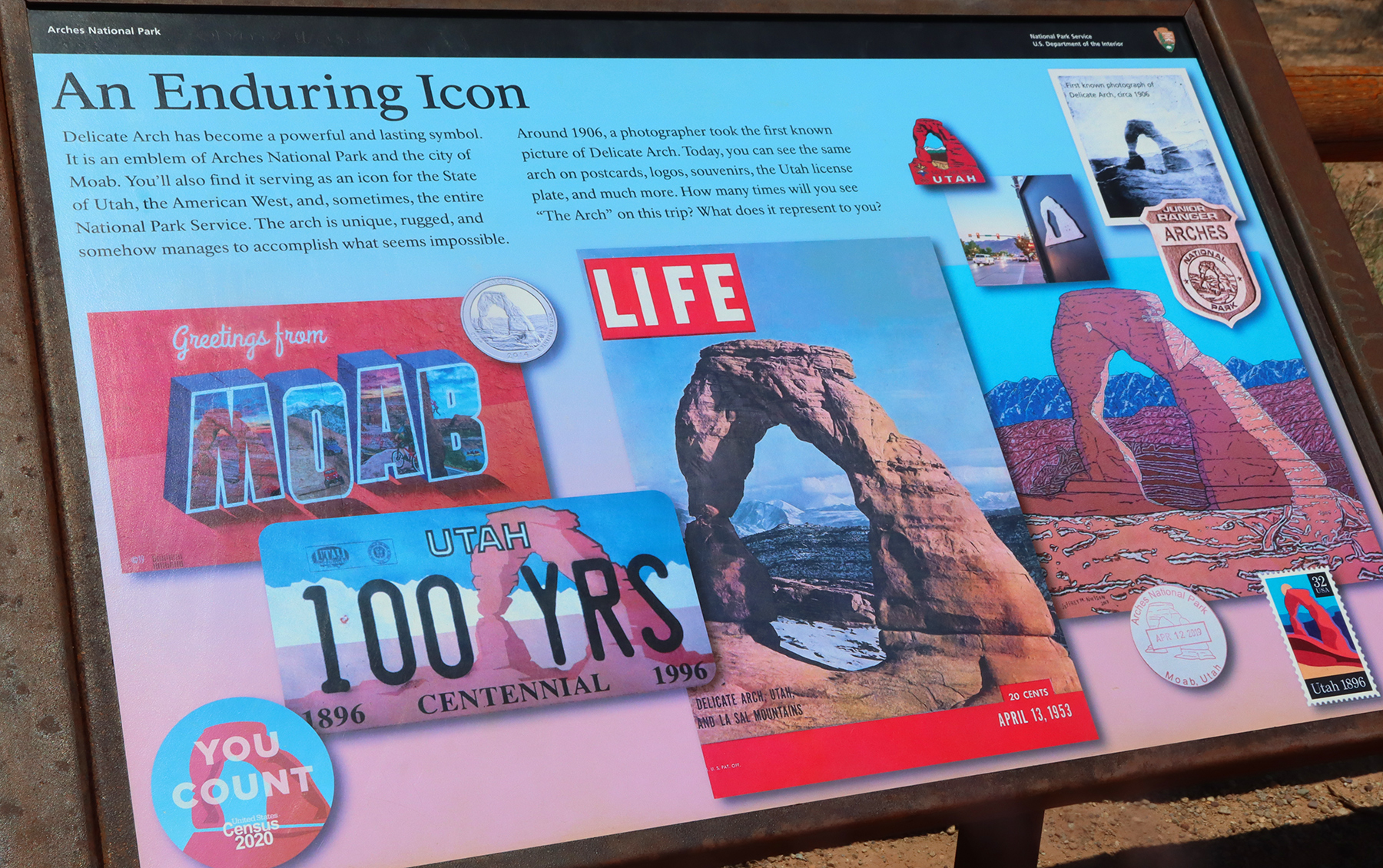
Only one hike – to the famous Delicate Arch. I started late in the morning which I don’t recommend. It was the first of June and hot. I knew it would be, so I took as many “shade breaks” as I could. Seeing the famous arch was pretty neat. I would like to go again when it’s cooler, the light is a bit better, and I’m in better shape.

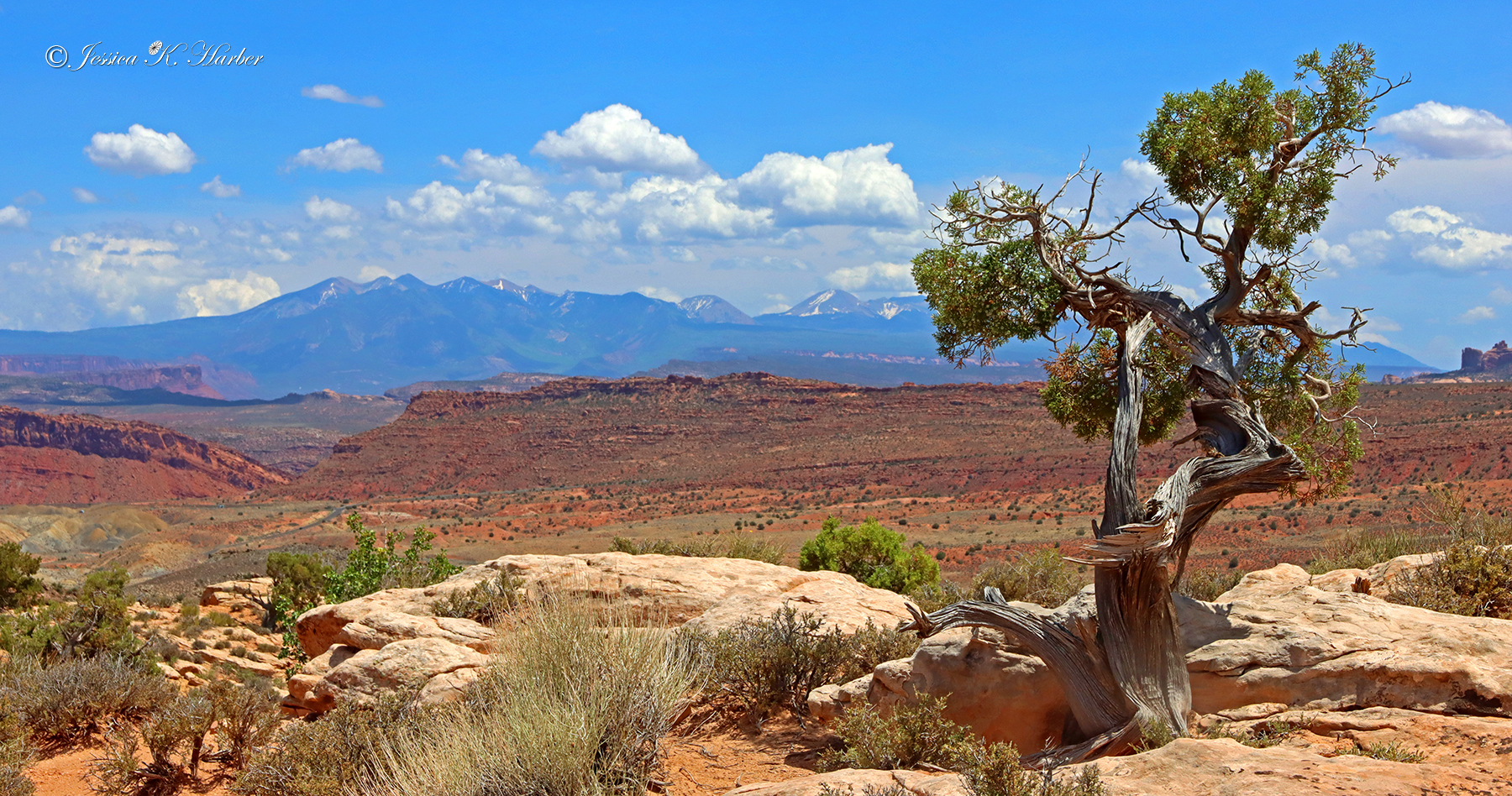
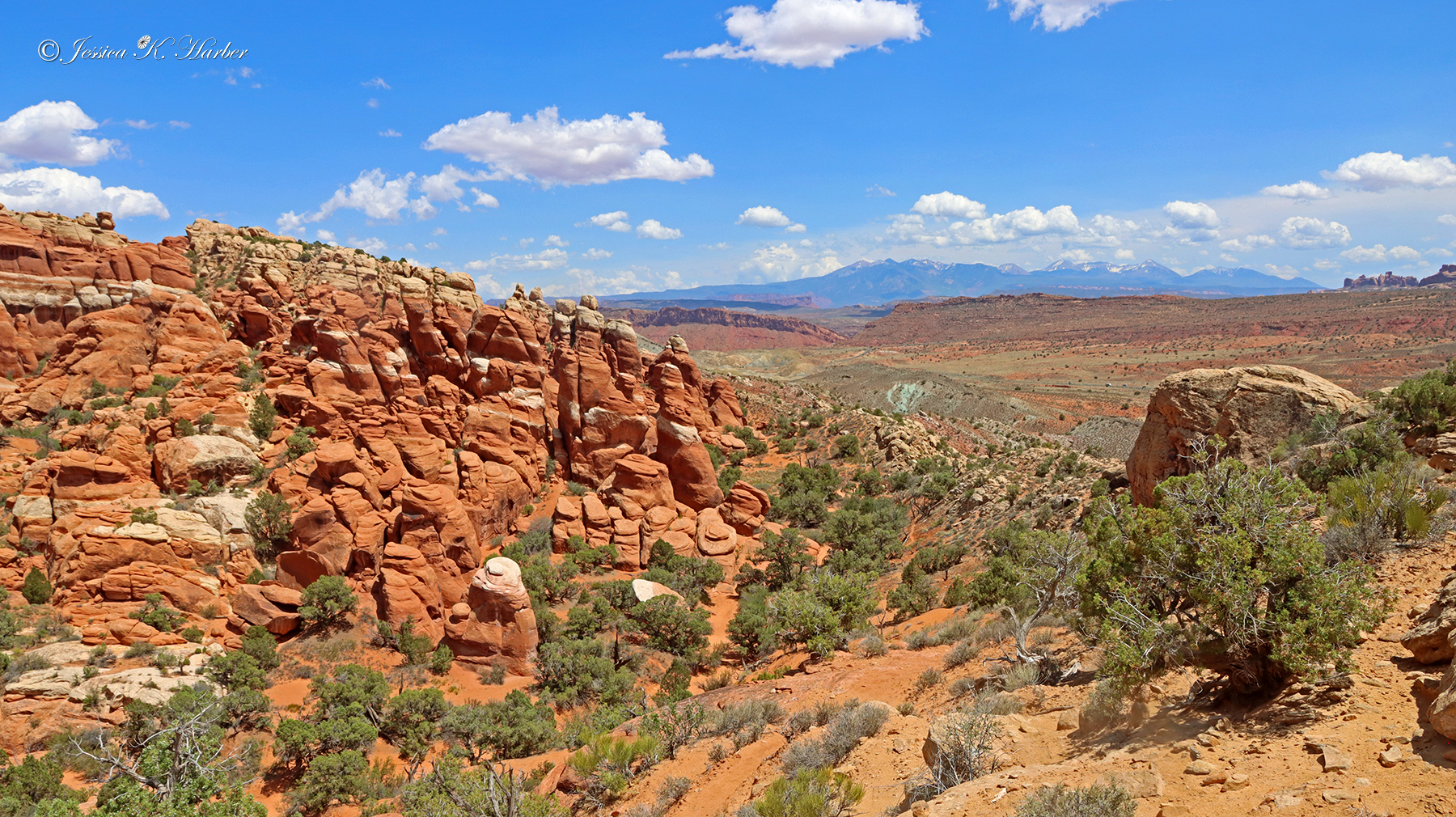
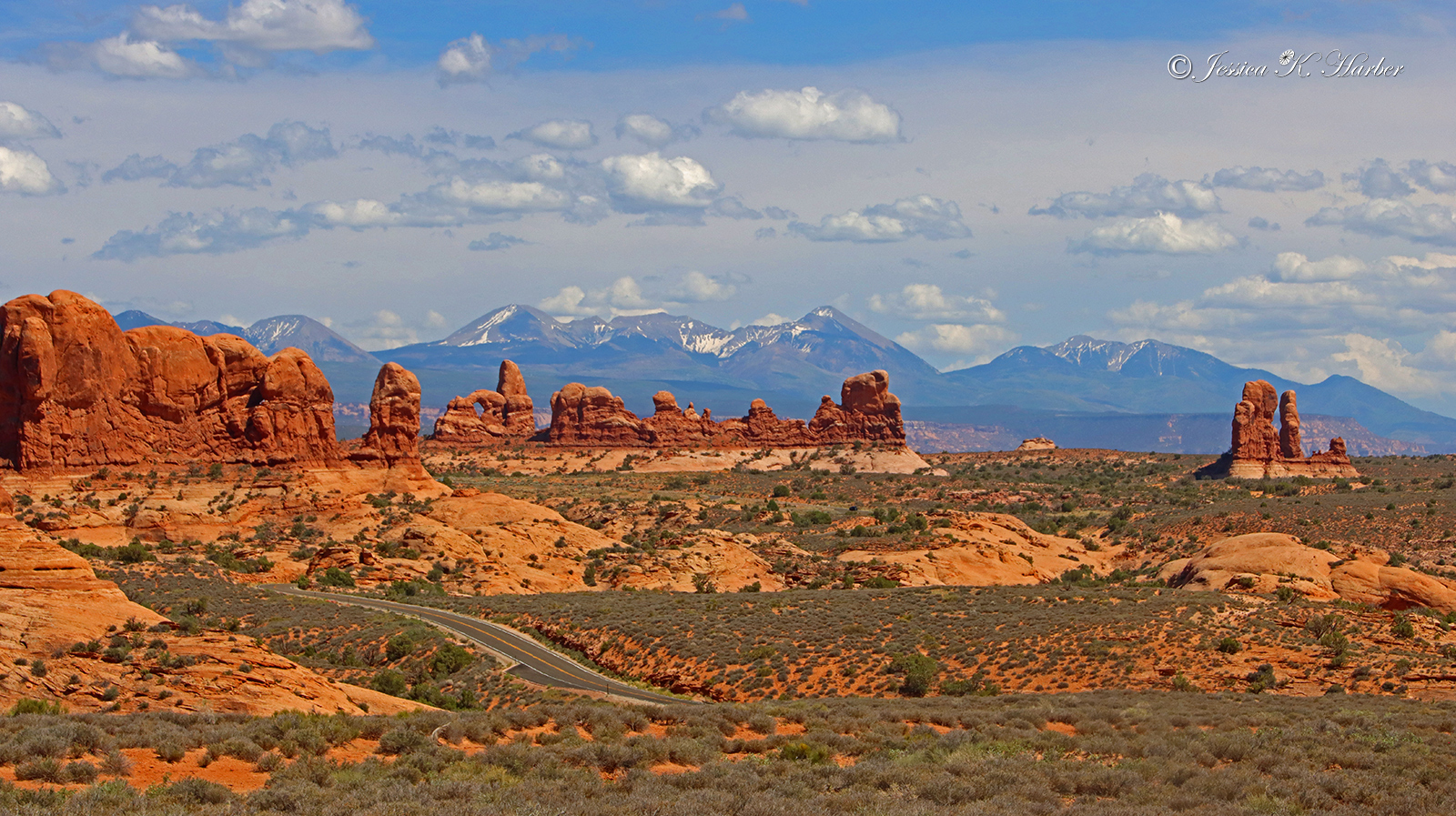
One nice feature I enjoyed photographically are the La Sal Mountains that provide a beautiful backdrop to many settings in Park.

I got a bit carried away with photos and took quite a few. Believe me, though, I left quite a few out of this post. Of the ones in the gallery, several are out of order but I’m just going to leave them.

There’s also a video at the bottom of the gallery.

UTAH. JUNE.
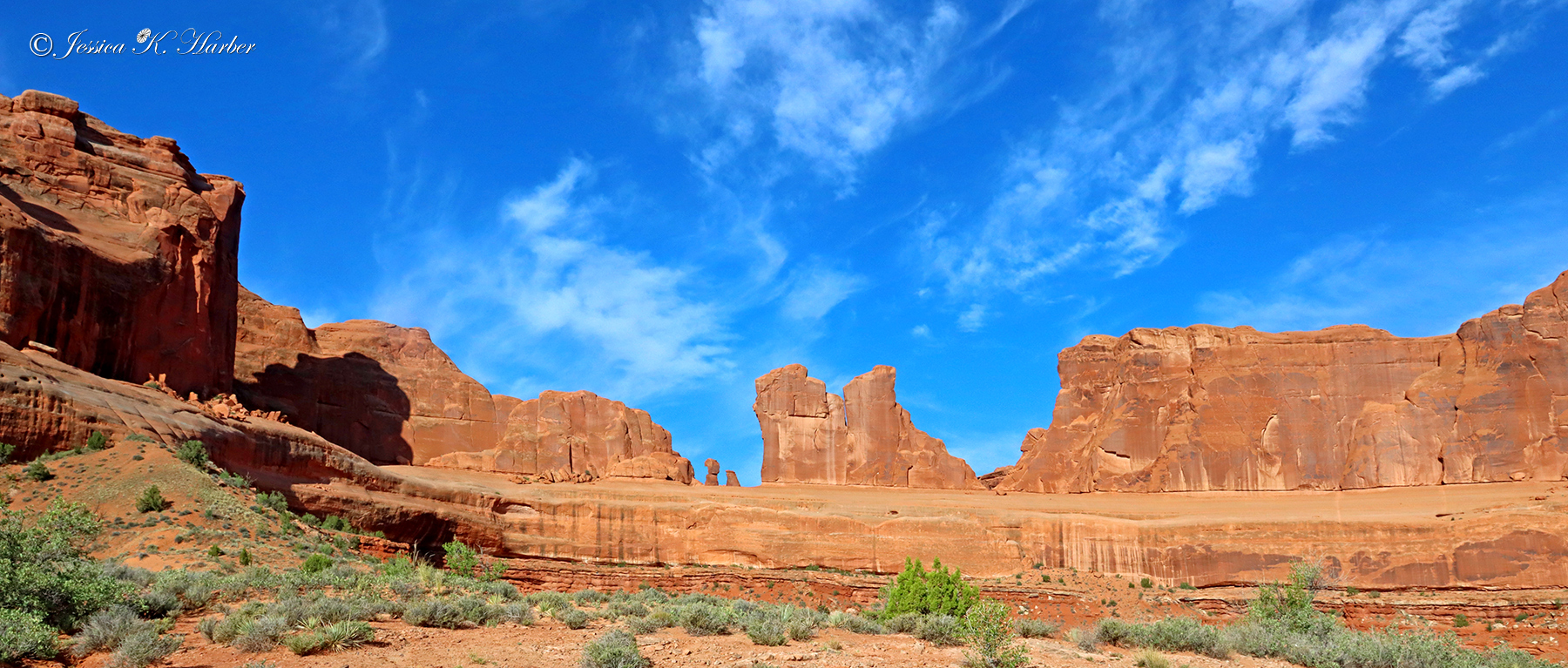
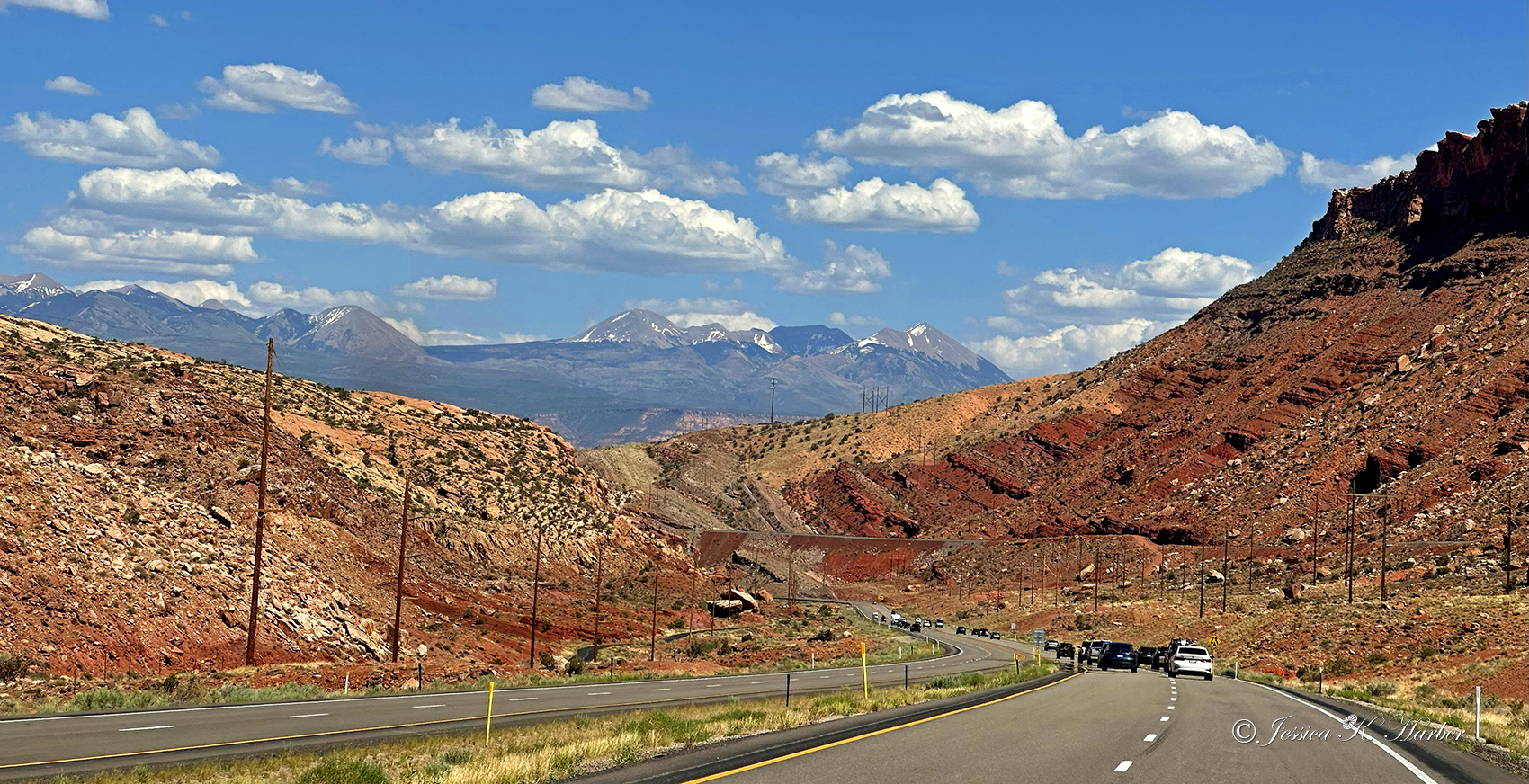
On the way to and in Arches National Park

COE & Wildlife Area Camping + Bent’s Old Fort NHS

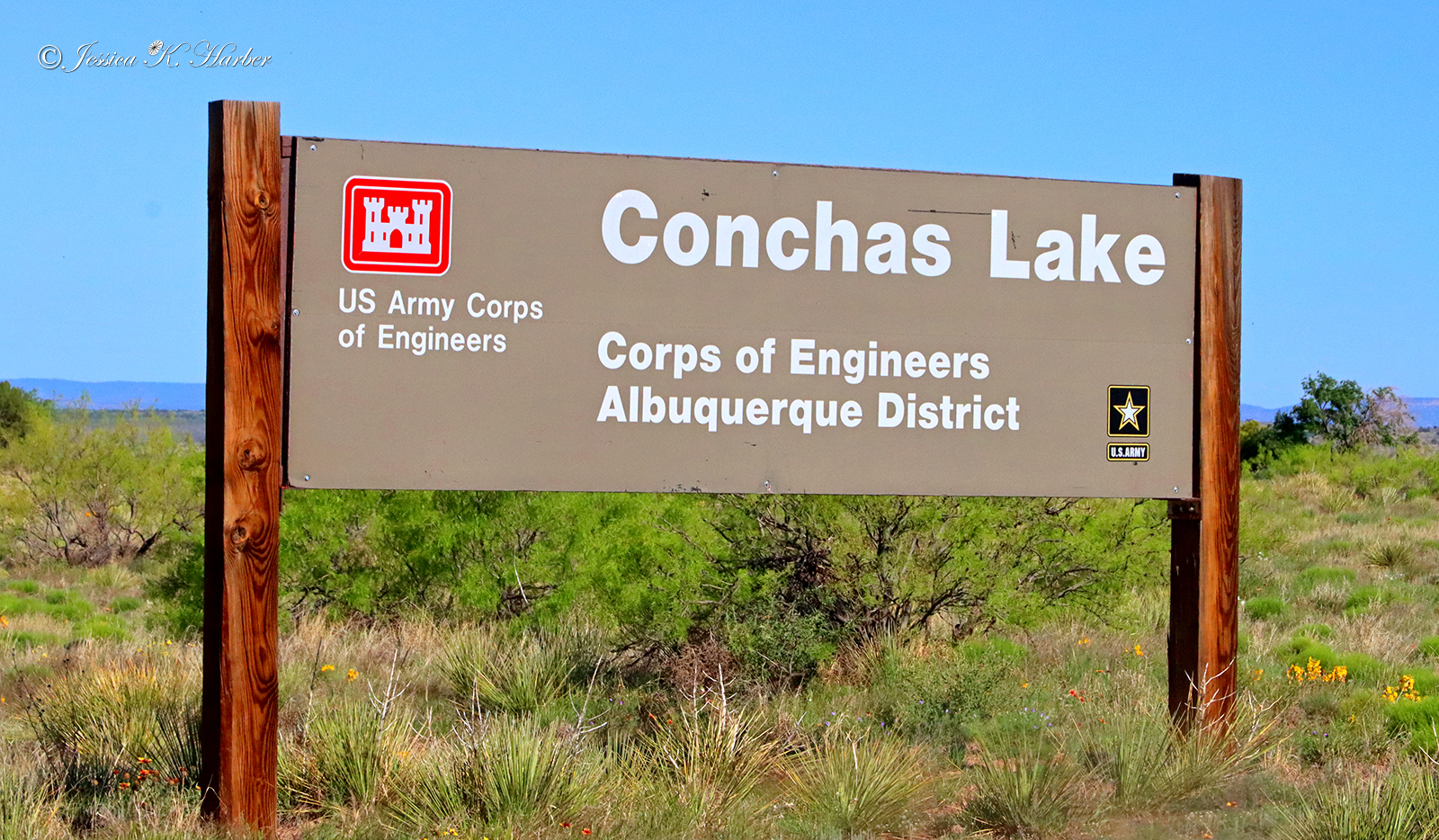
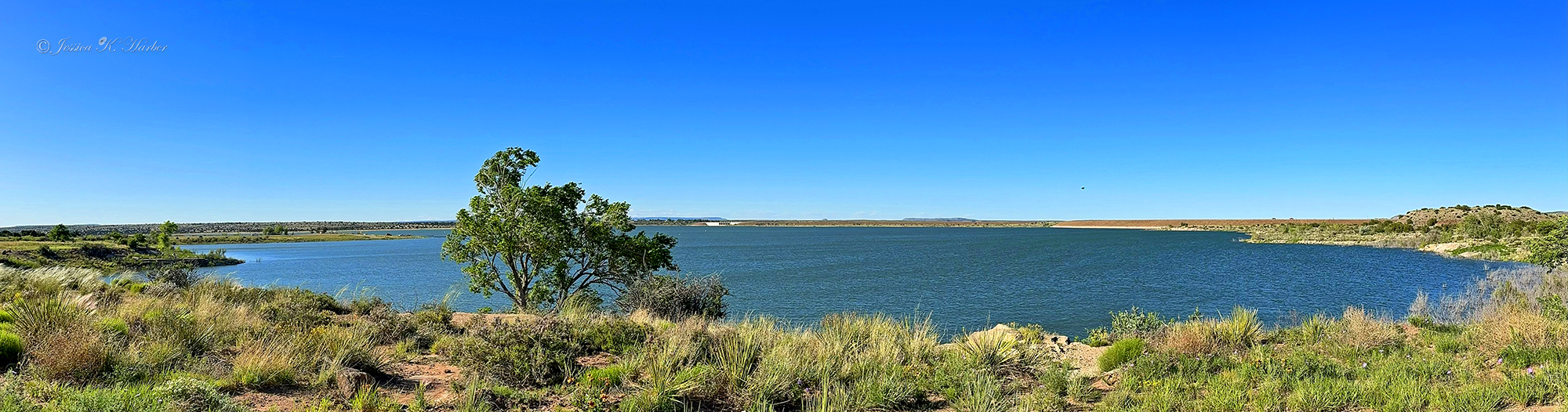
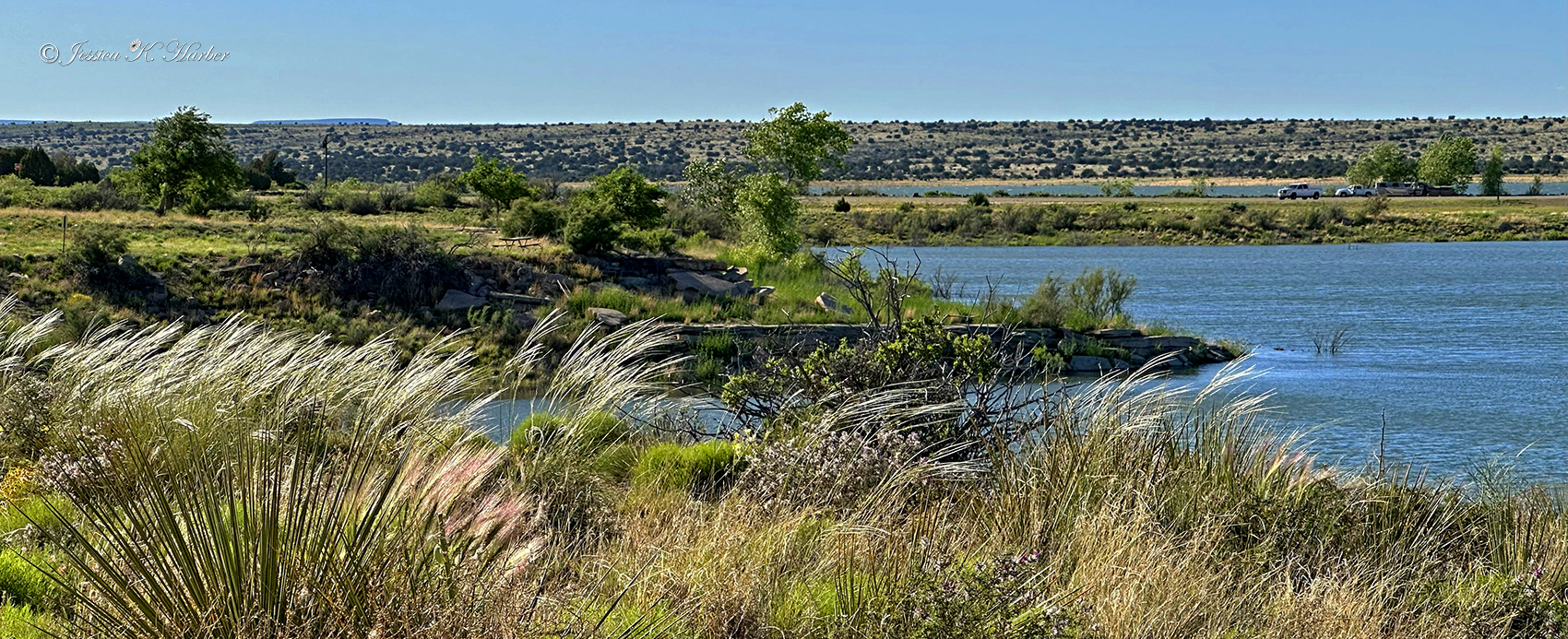
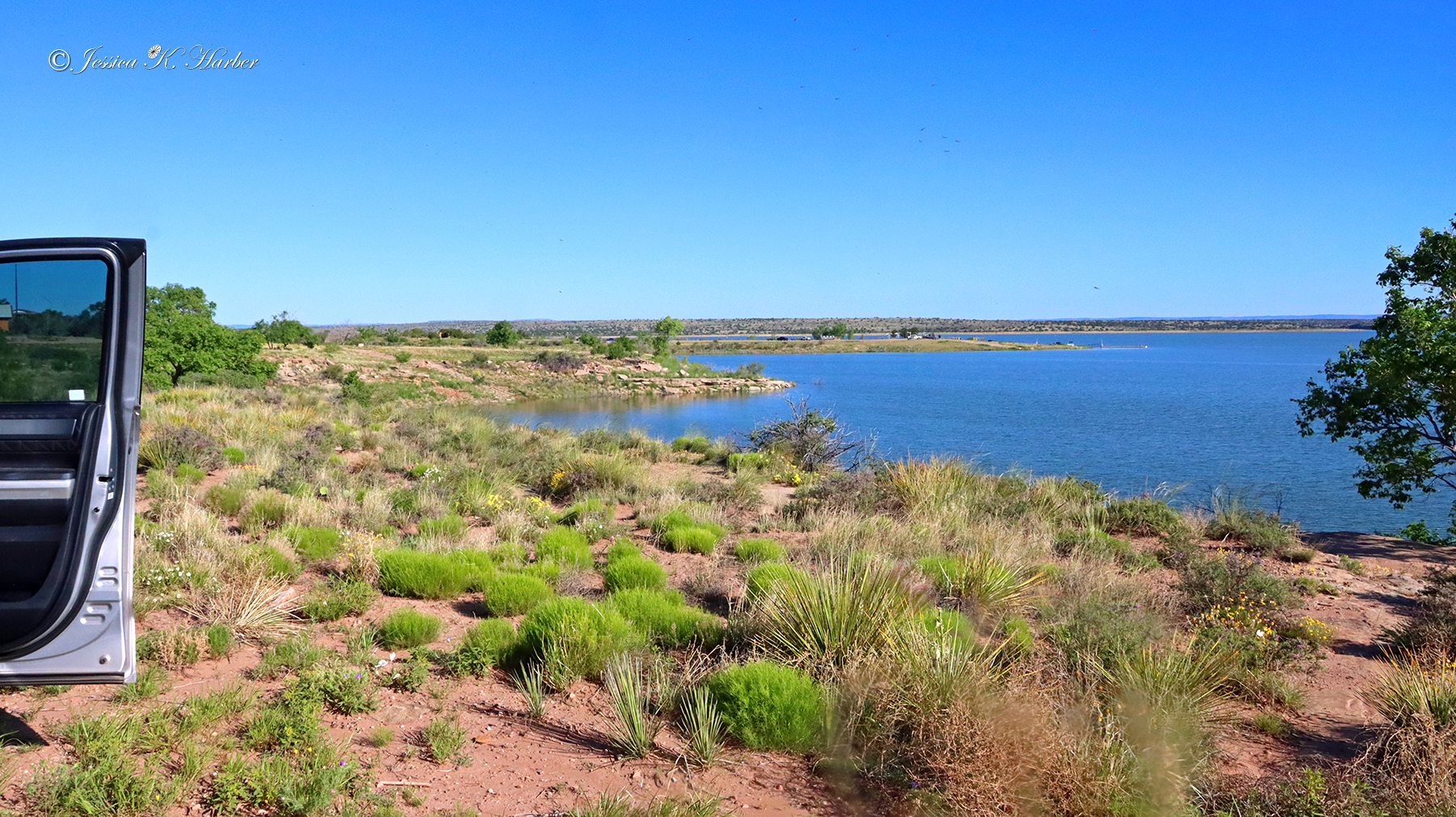
I used an app to find Conchas Lake Corp of Engineers campground in New Mexico on my way to Colorado. There were only a couple people camping there and I looked everywhere for a place to pay but couldn’t find one. So, I assumed they were not charging. ‘Site with a lake view for no charge was nice.
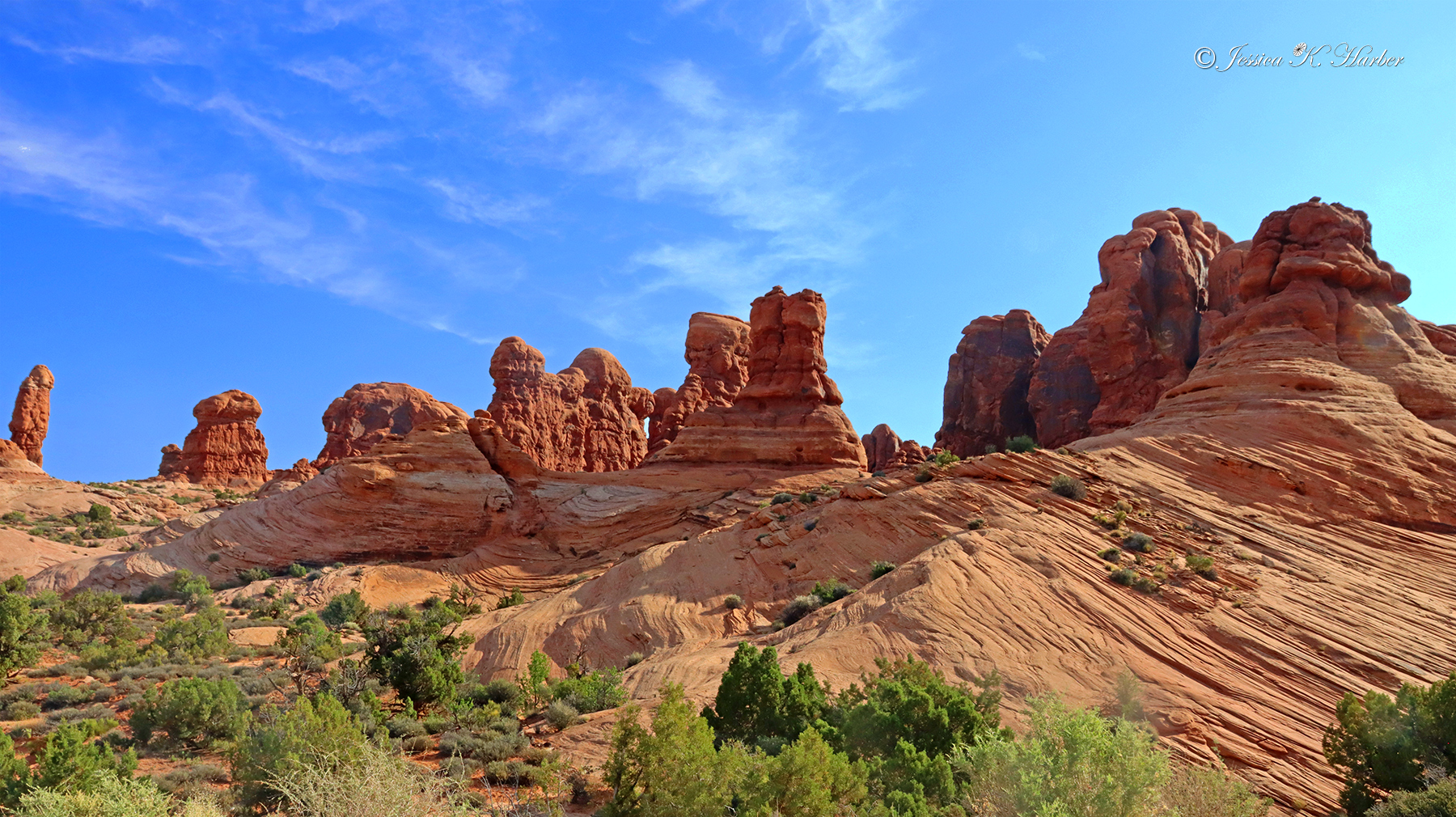
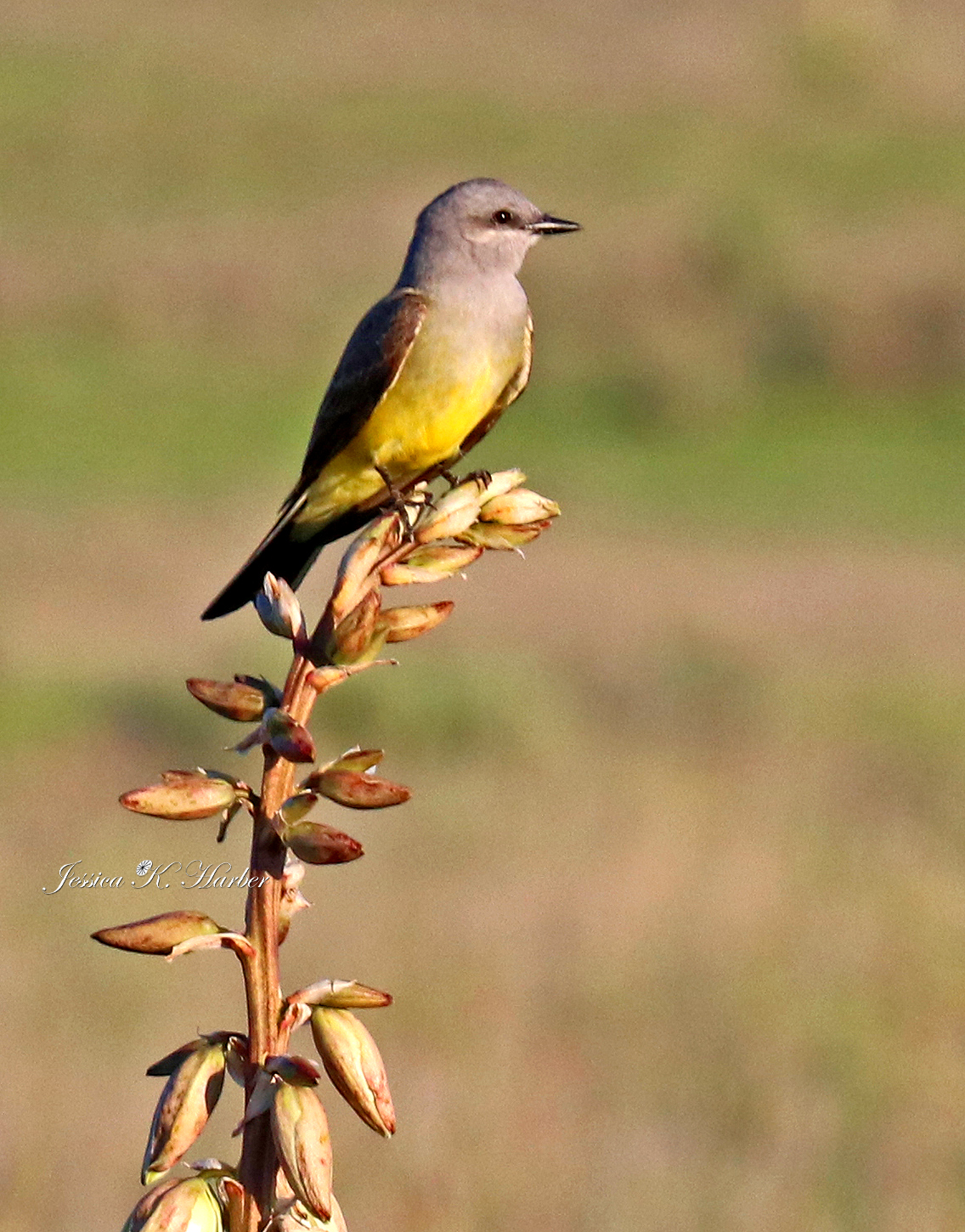
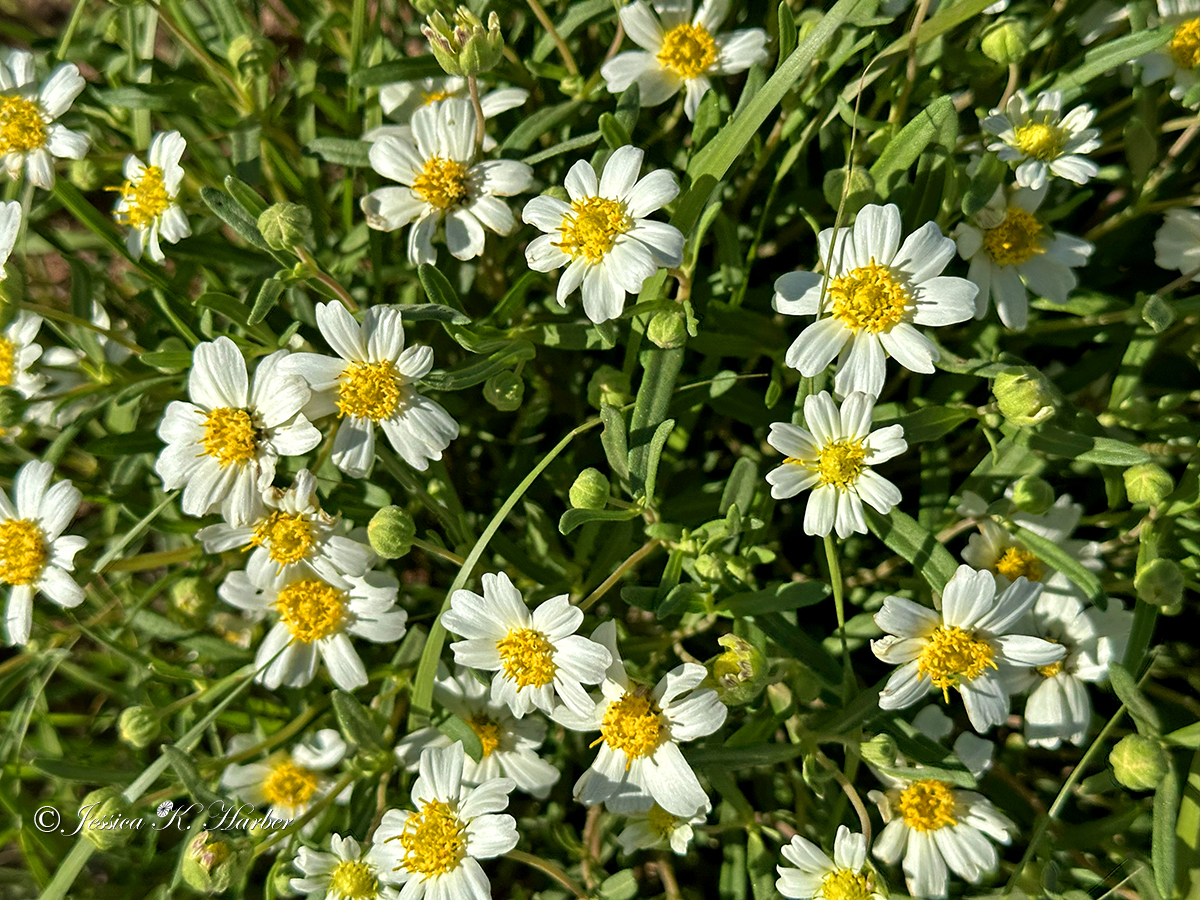
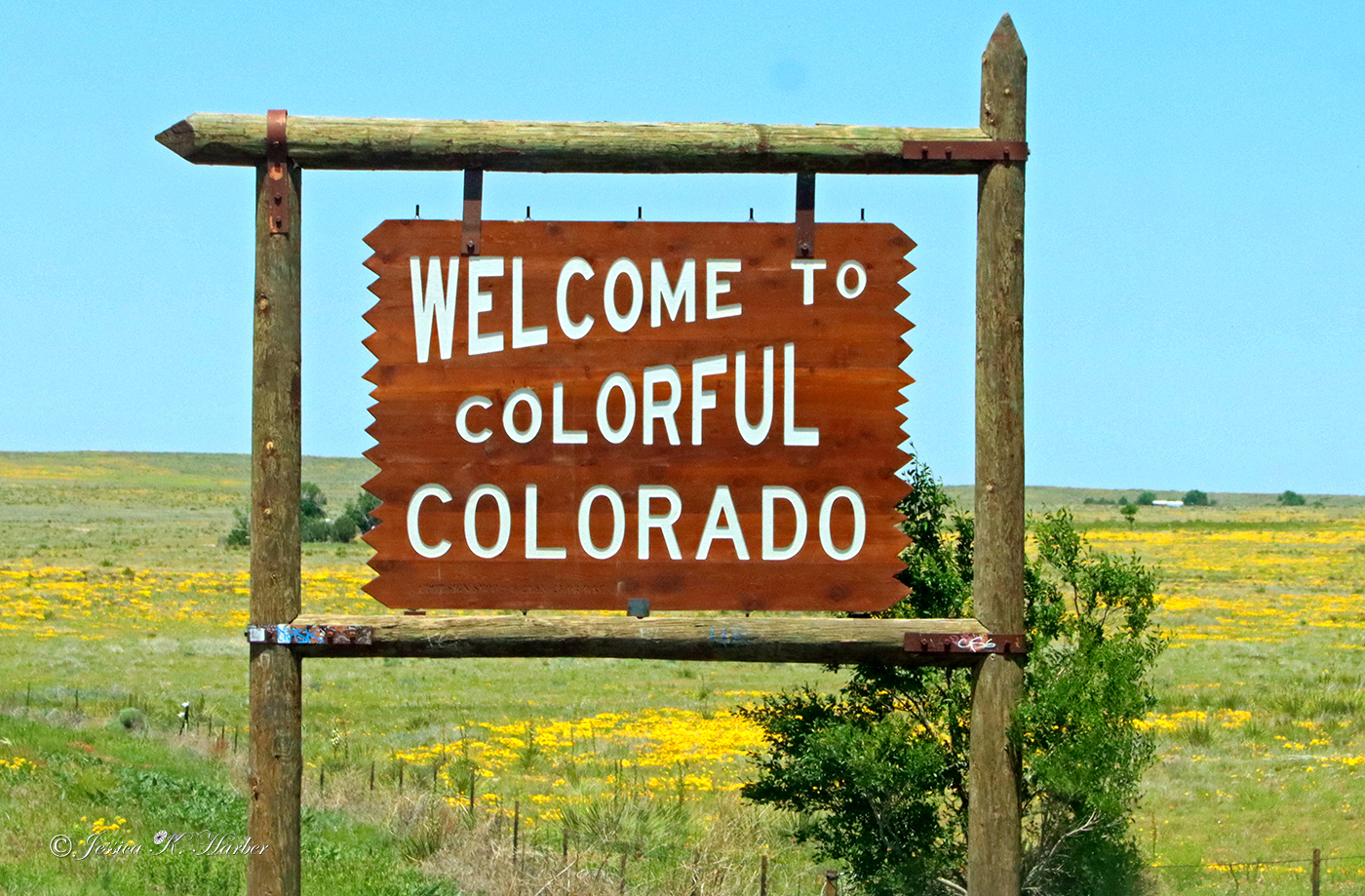
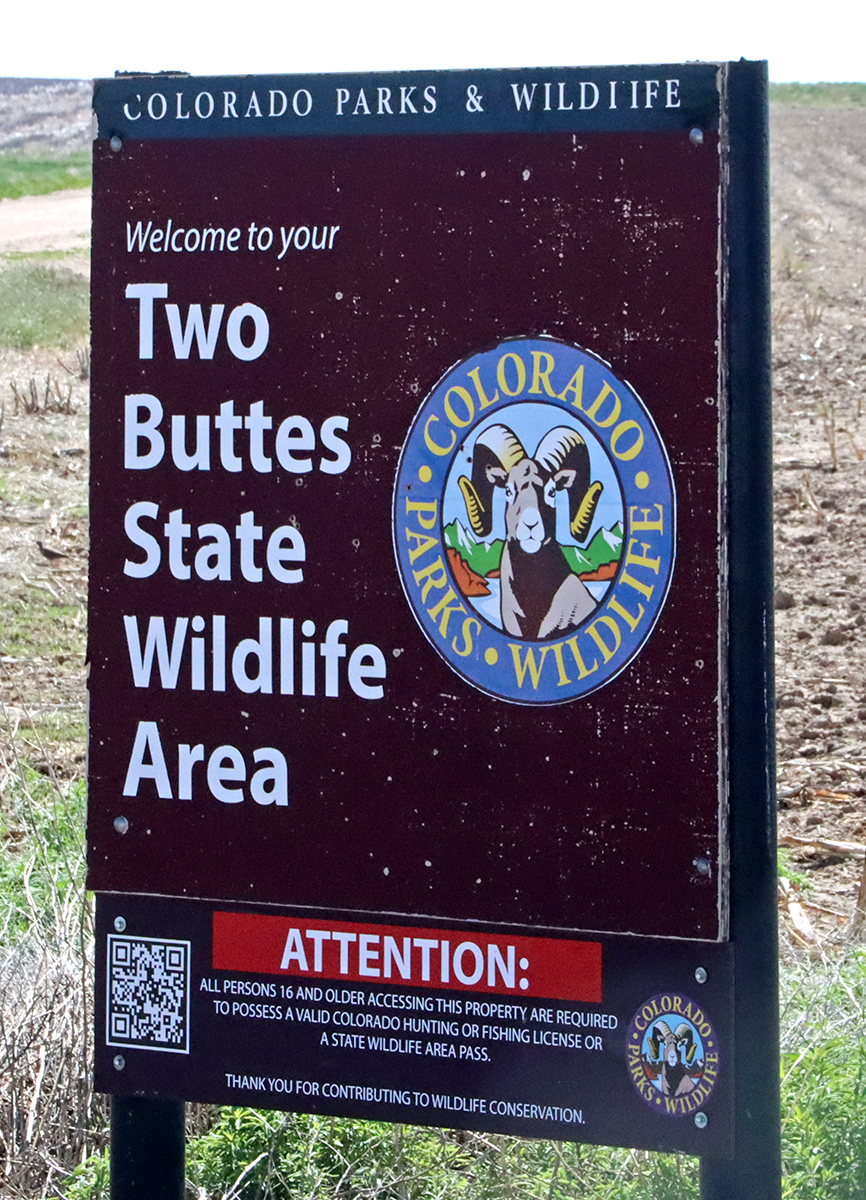
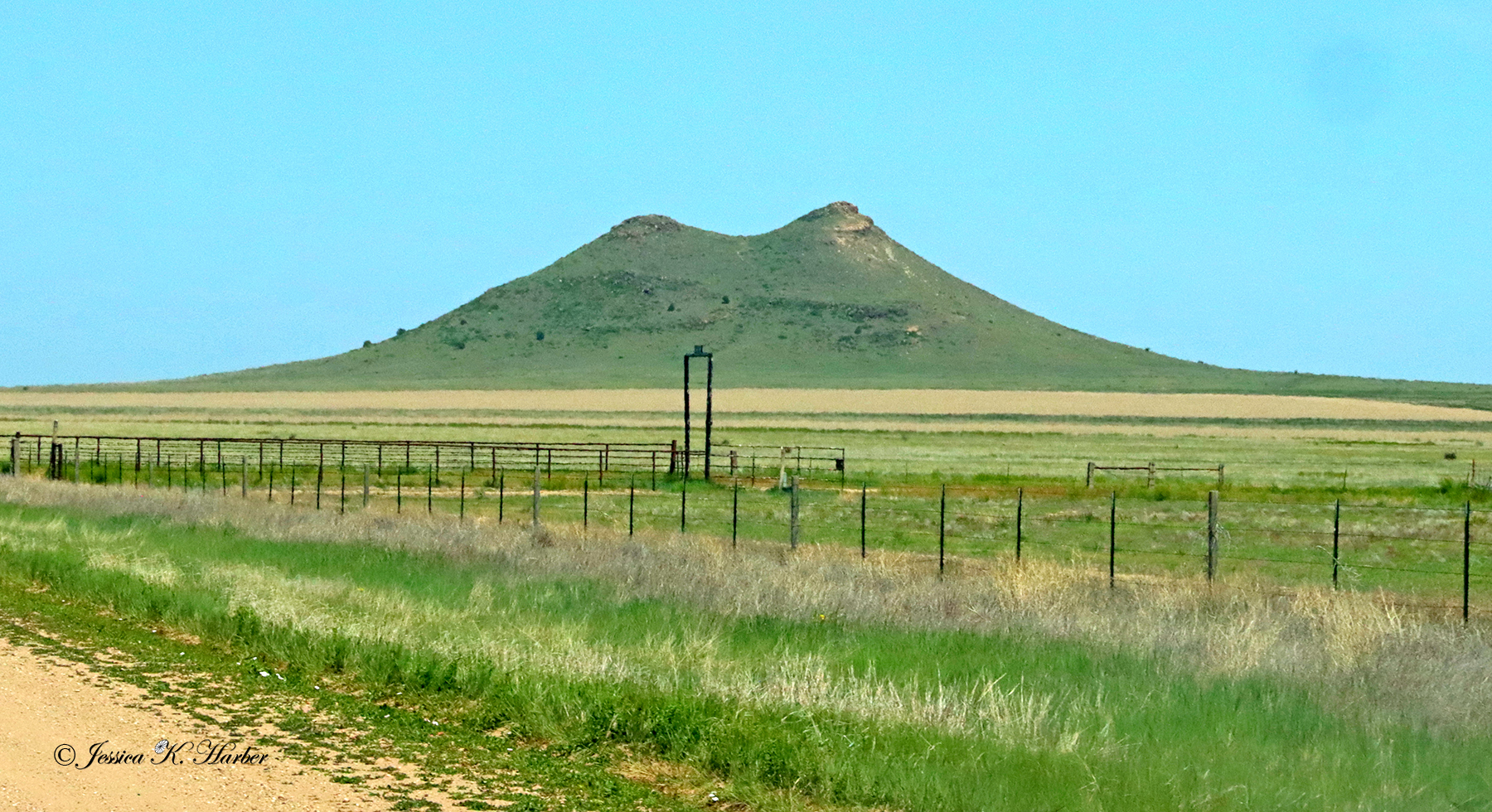
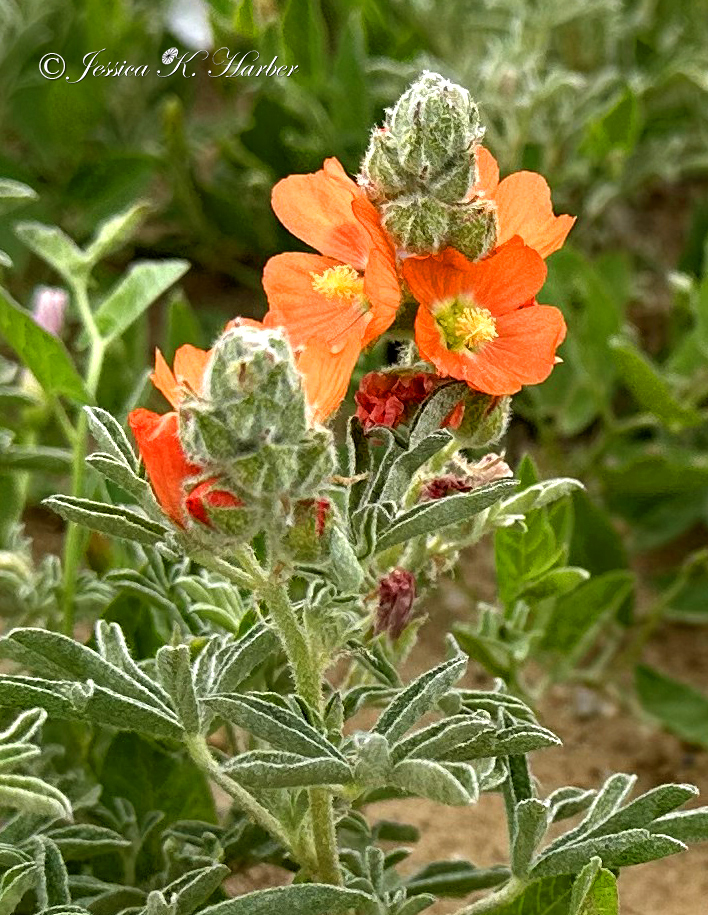
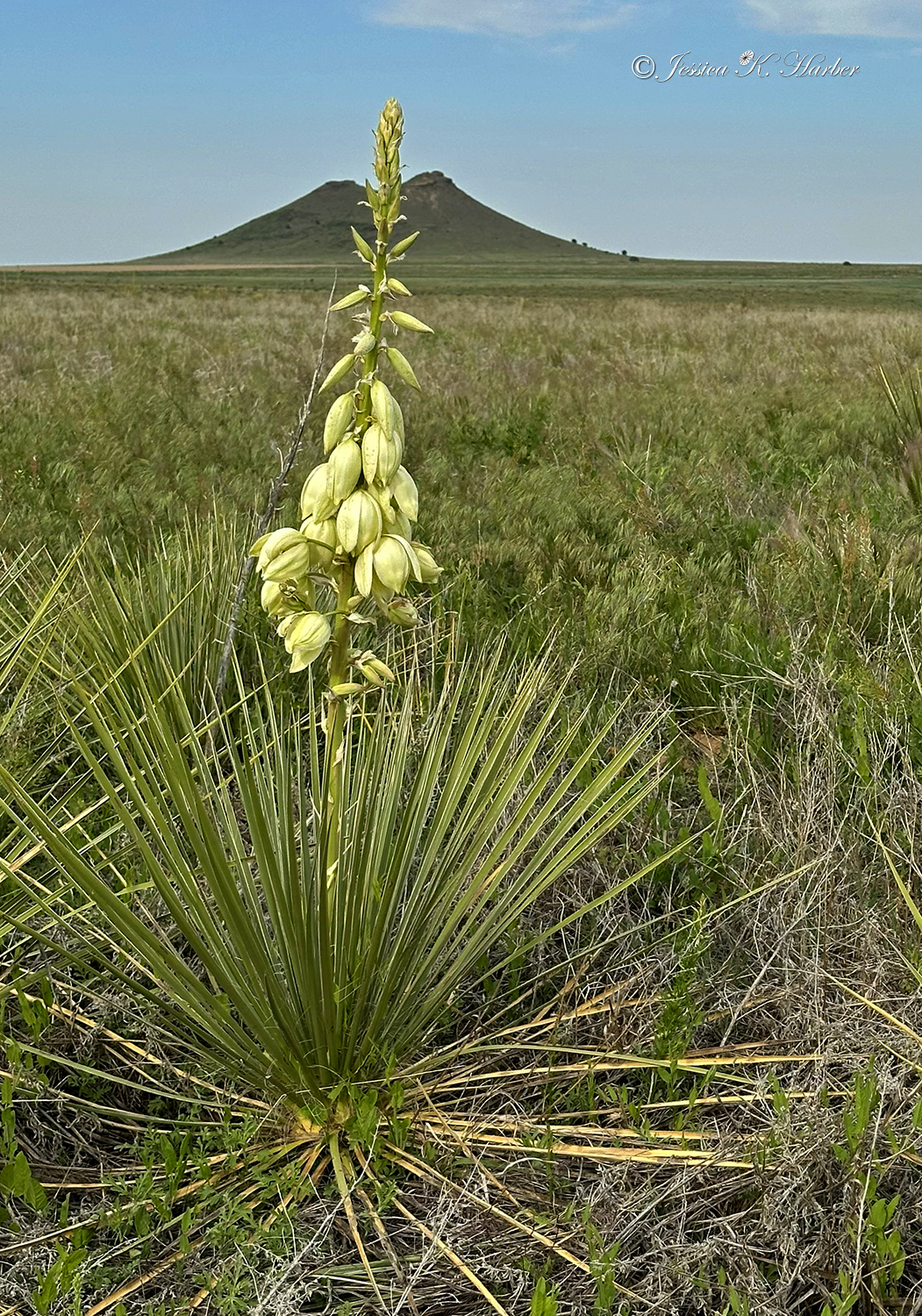
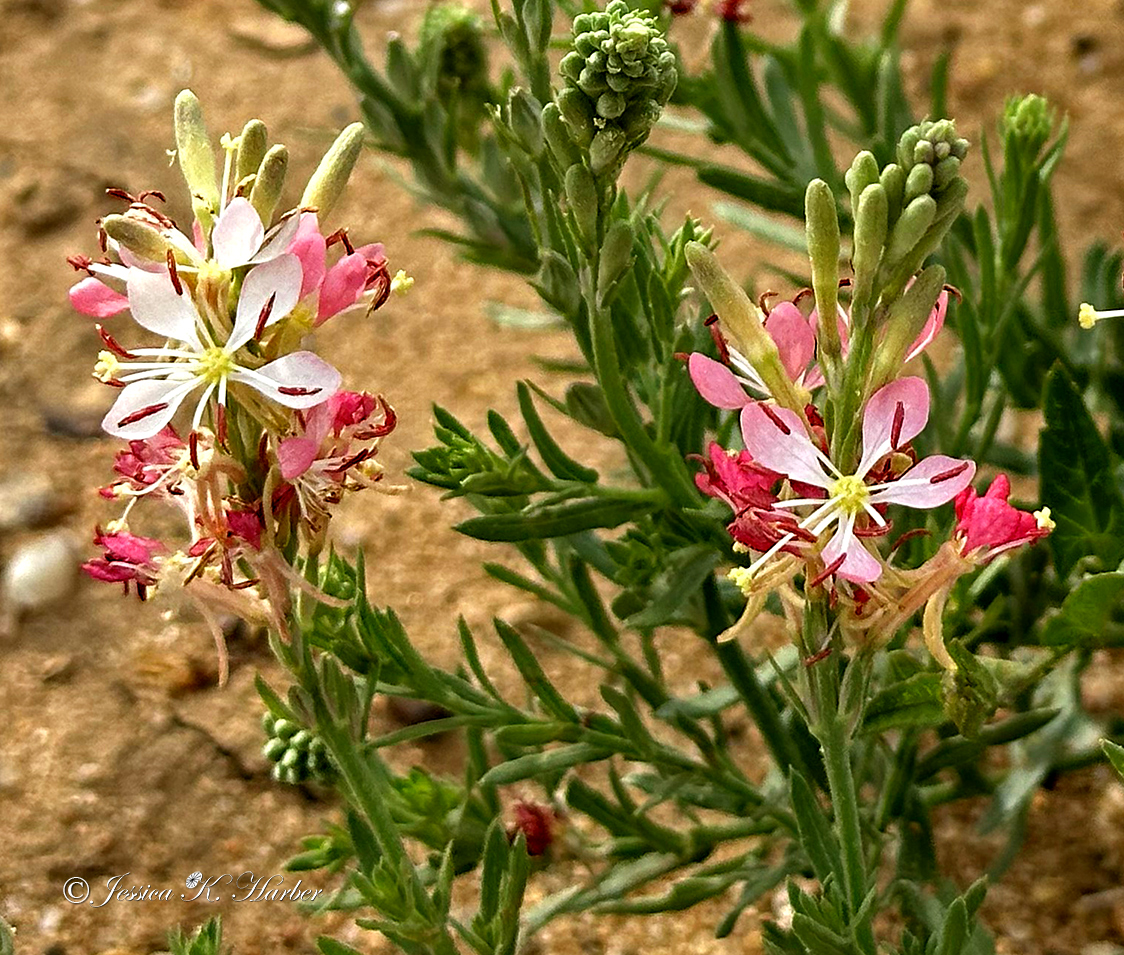
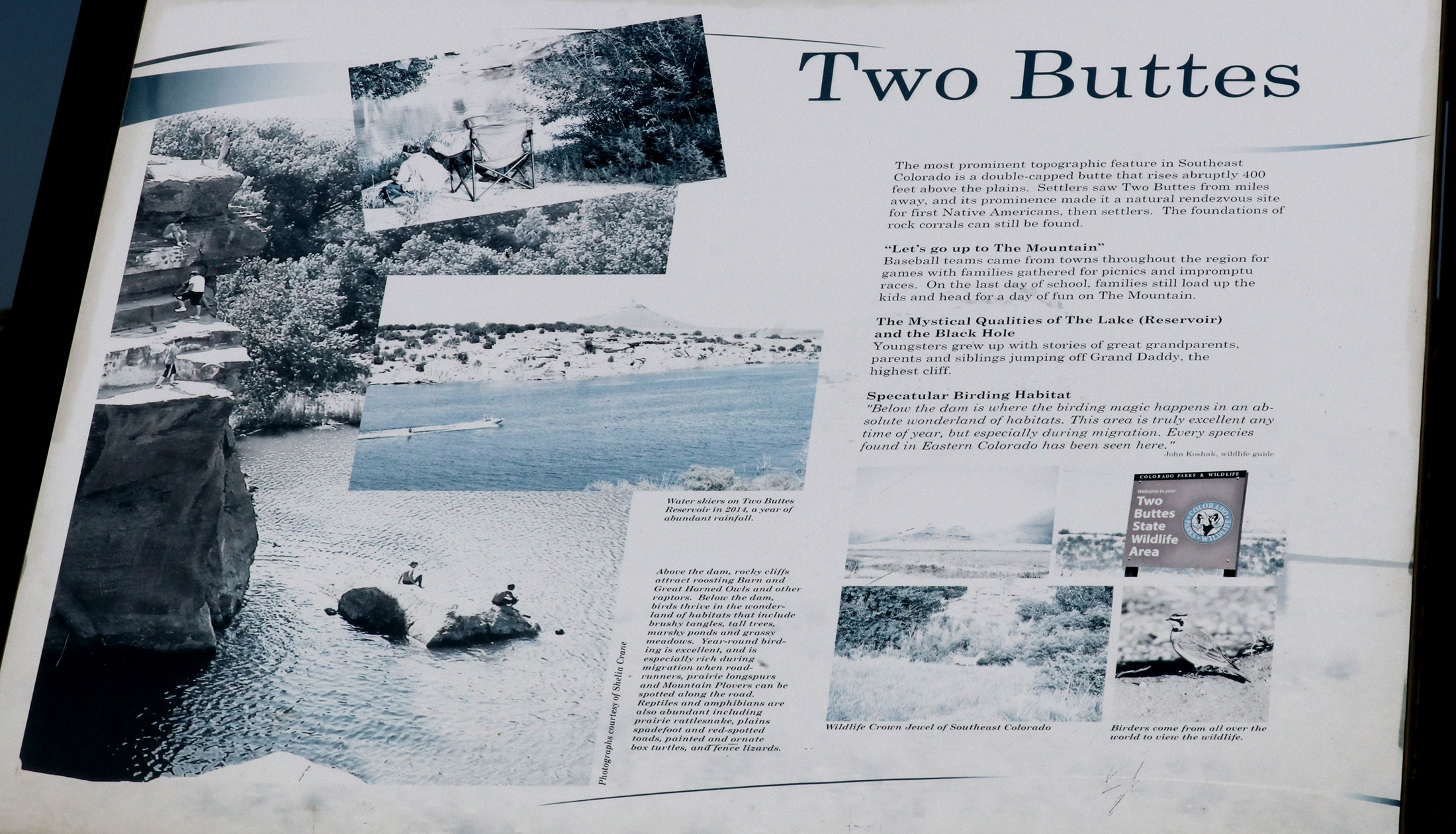
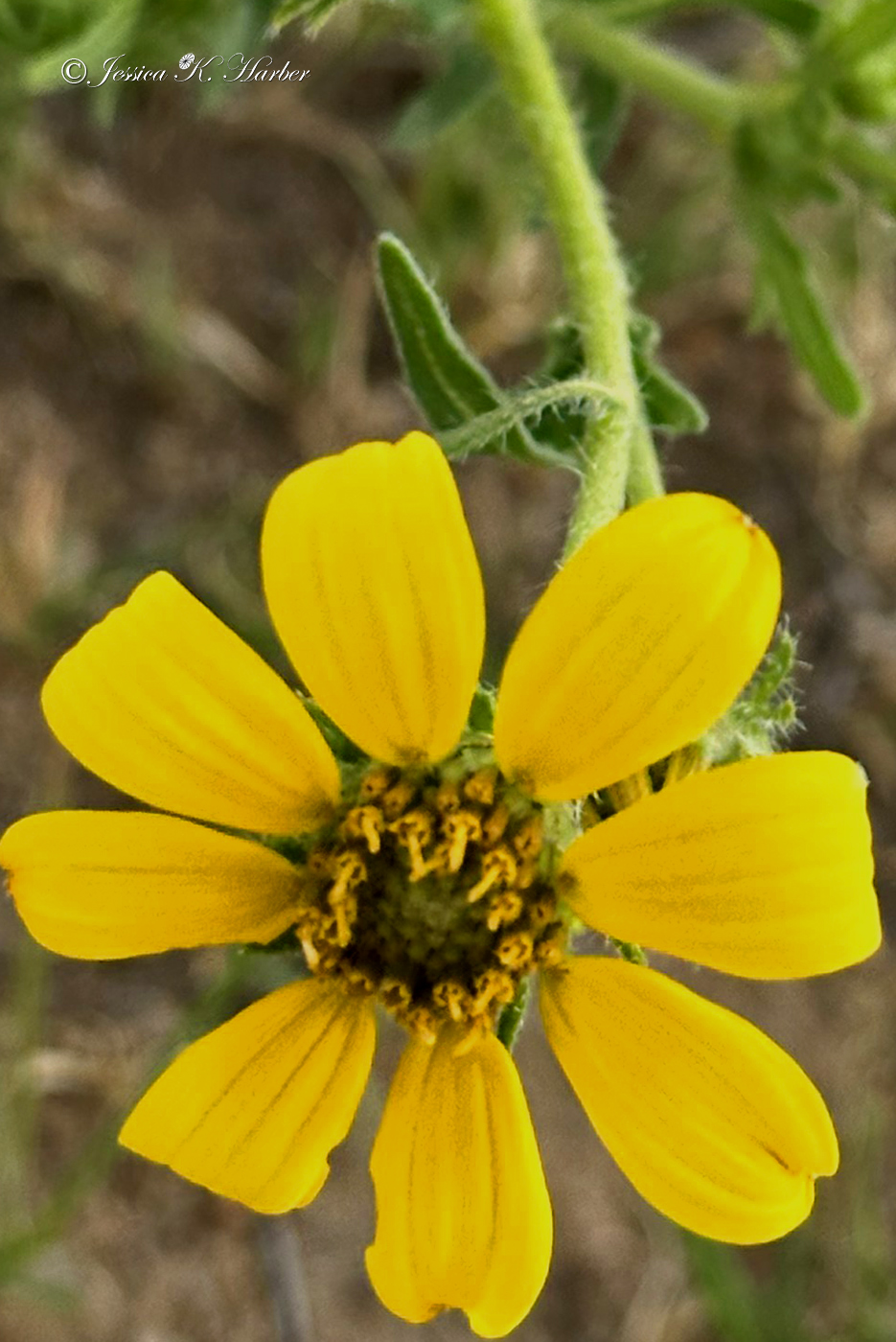
I headed into Colorado next and found a camping site at Two Buttes State Wildlife Area. This site was in the middle of nowhere and it was wonderfully quiet and surrounded by wildflowers. I stayed for a few nights and saw one other human.

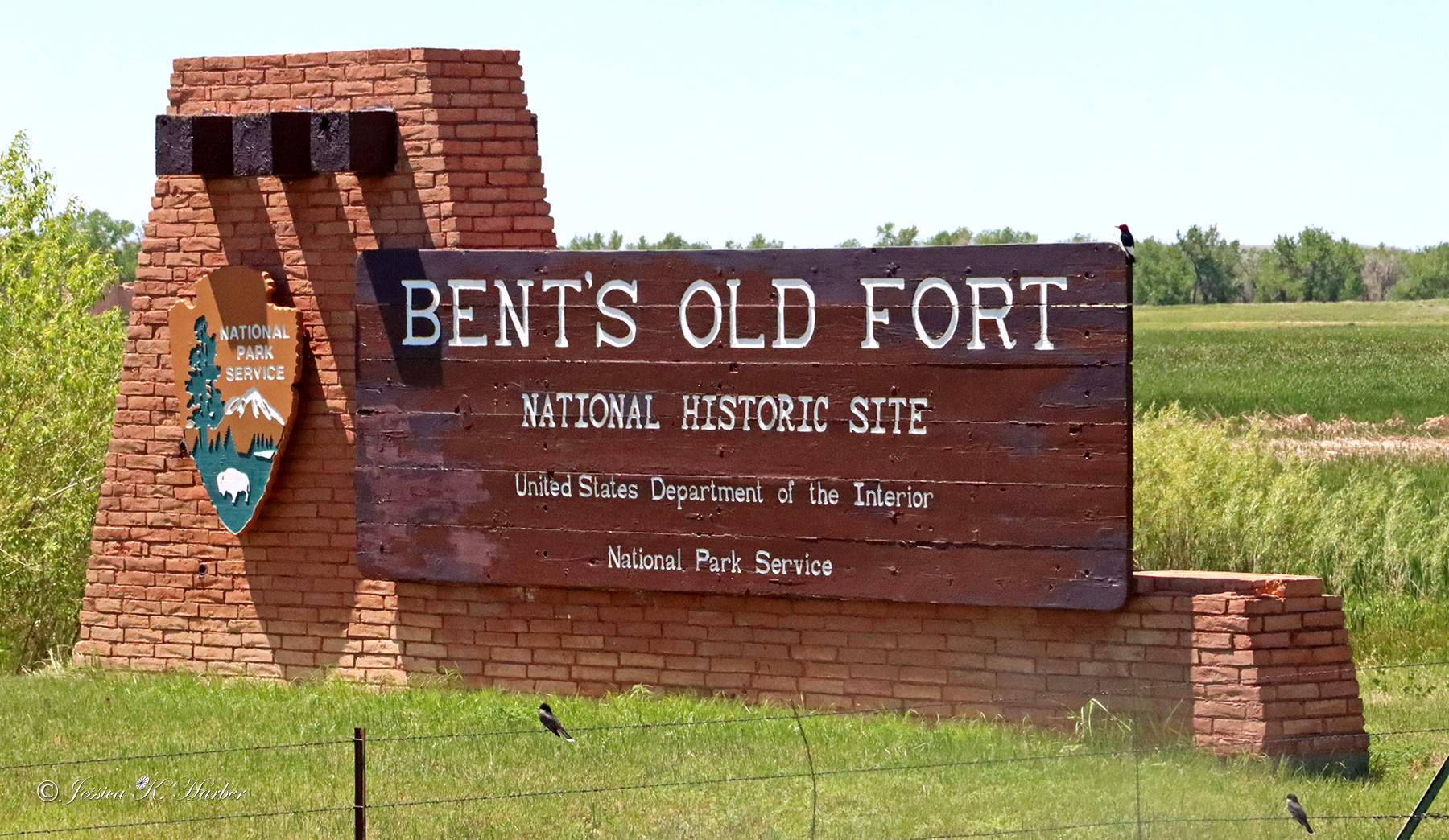
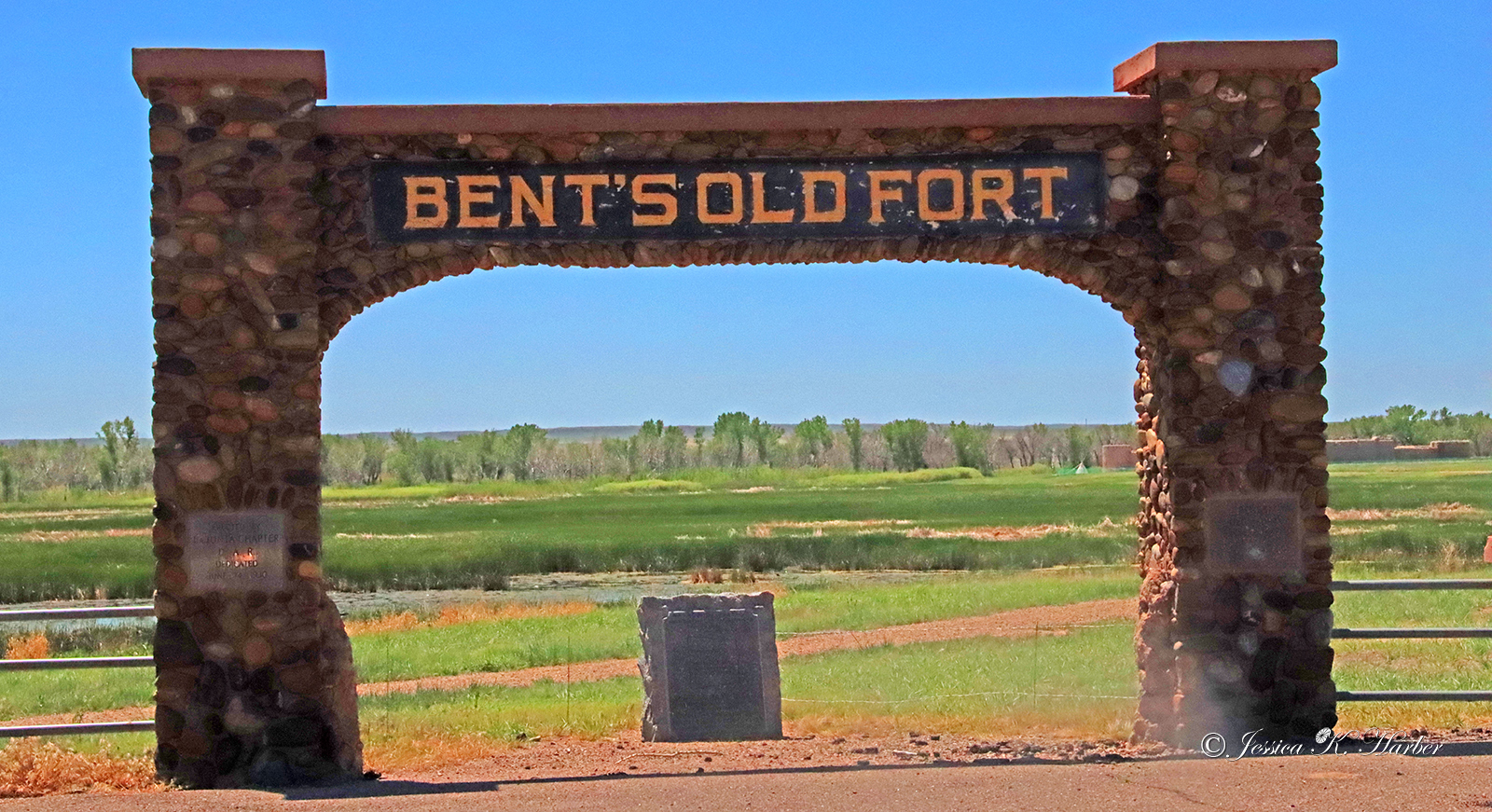
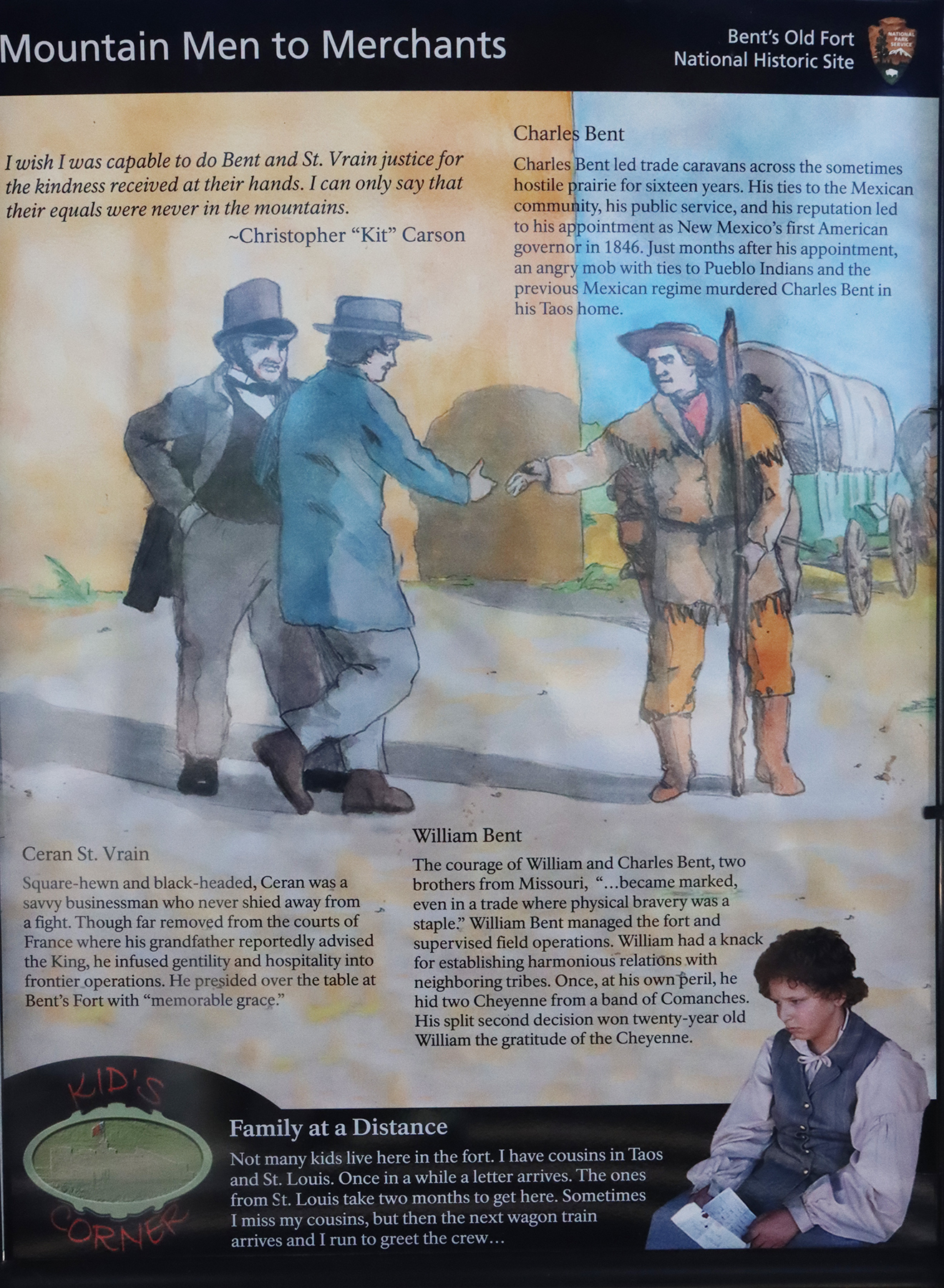
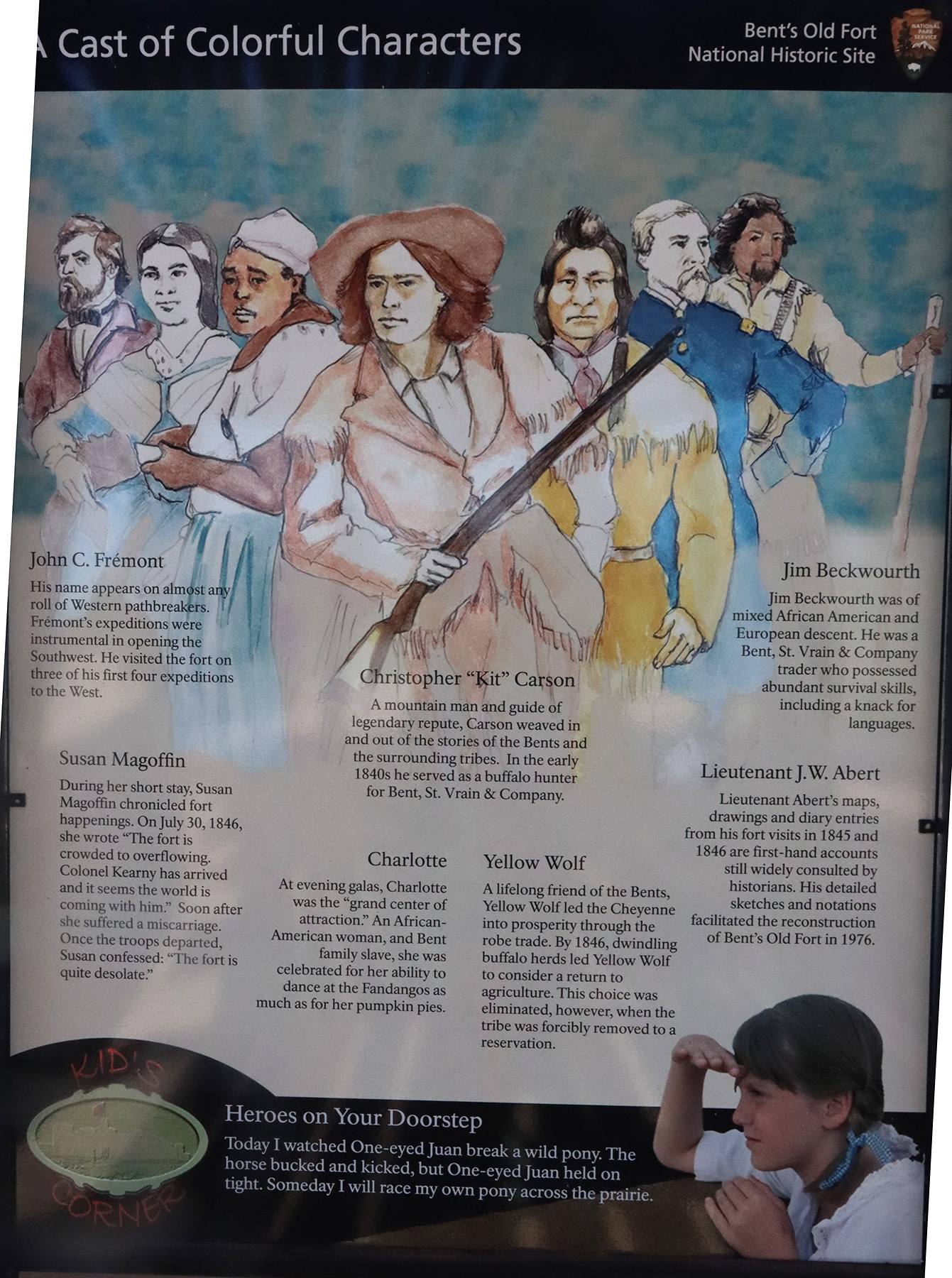
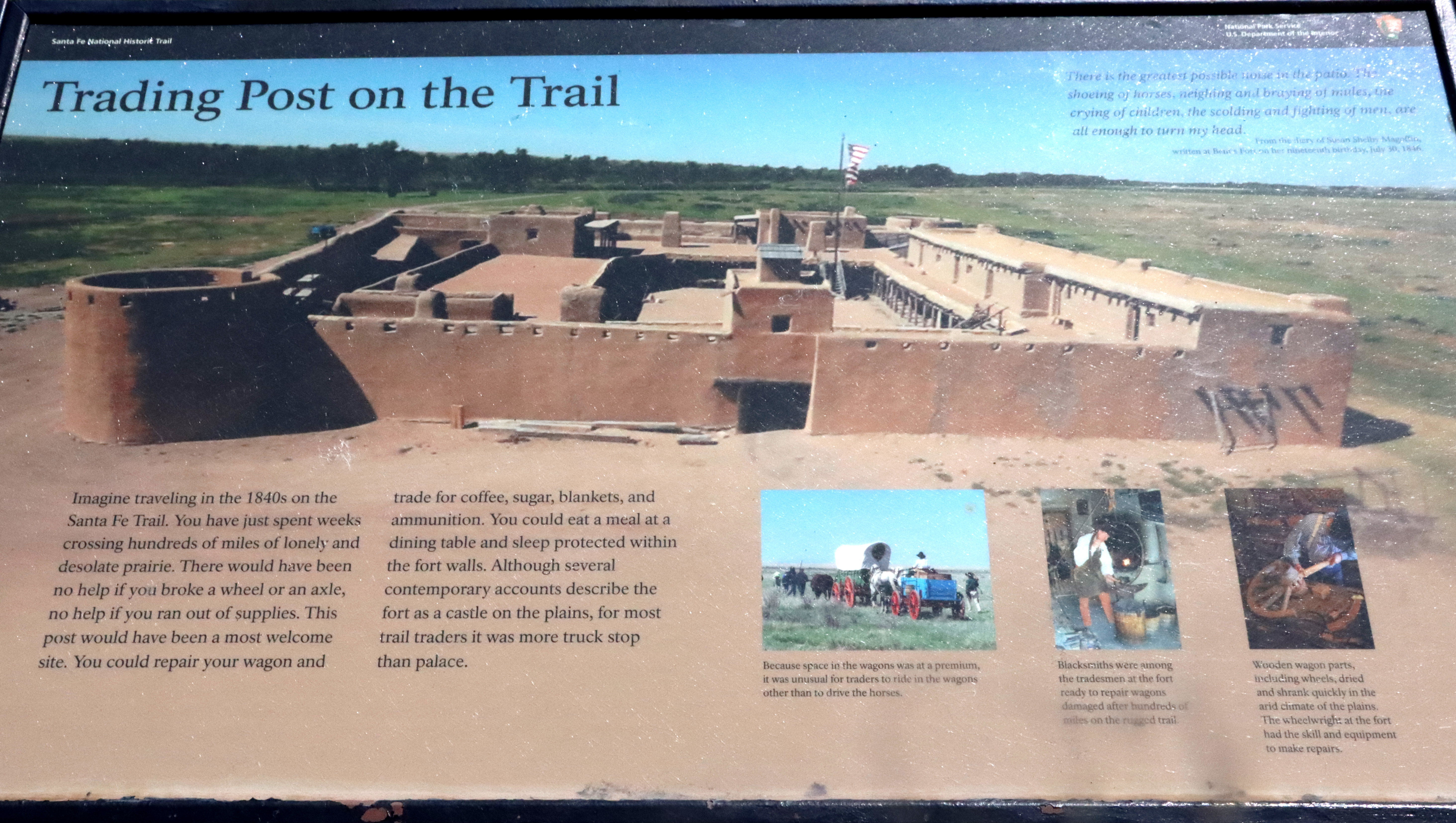
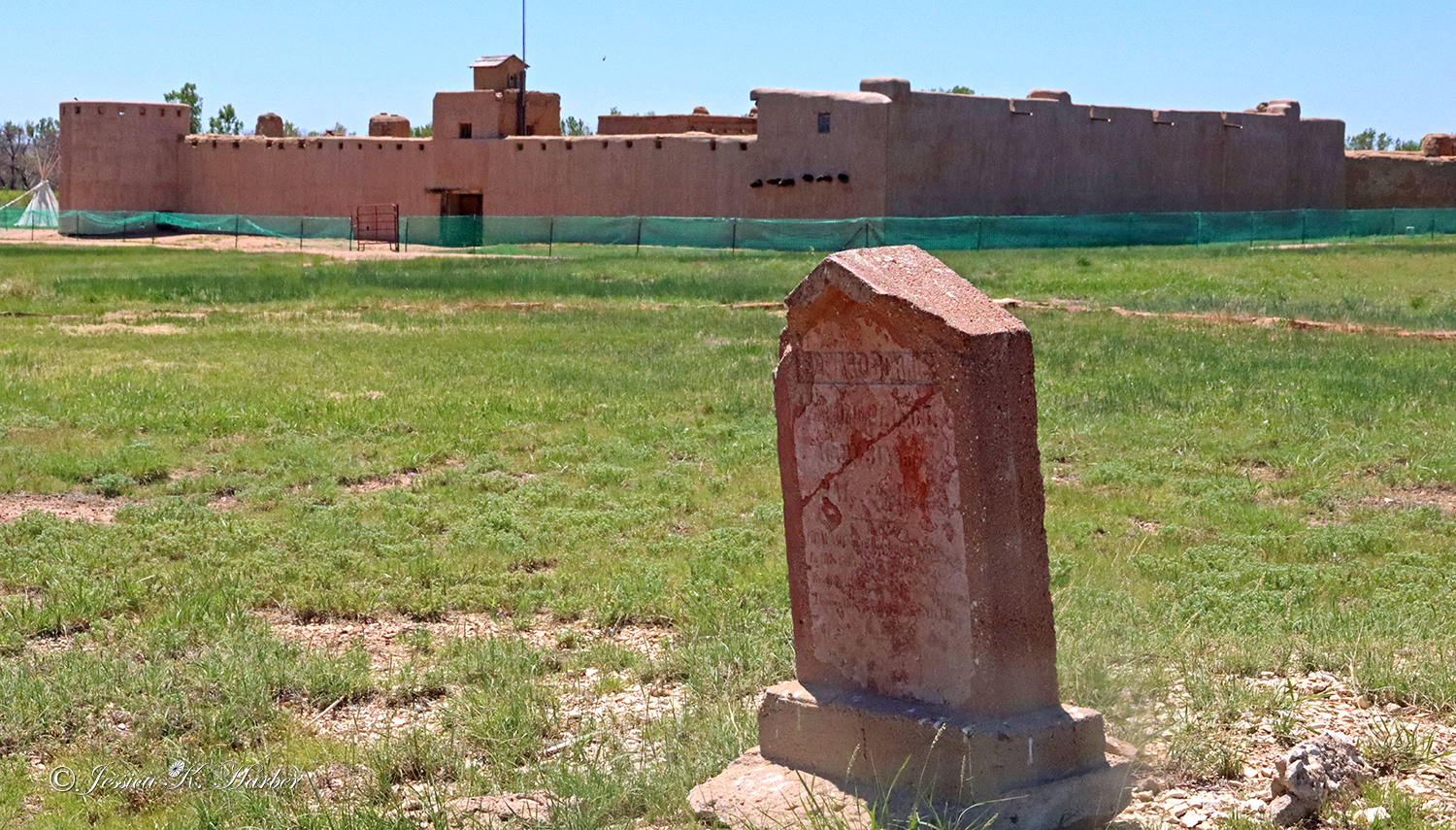
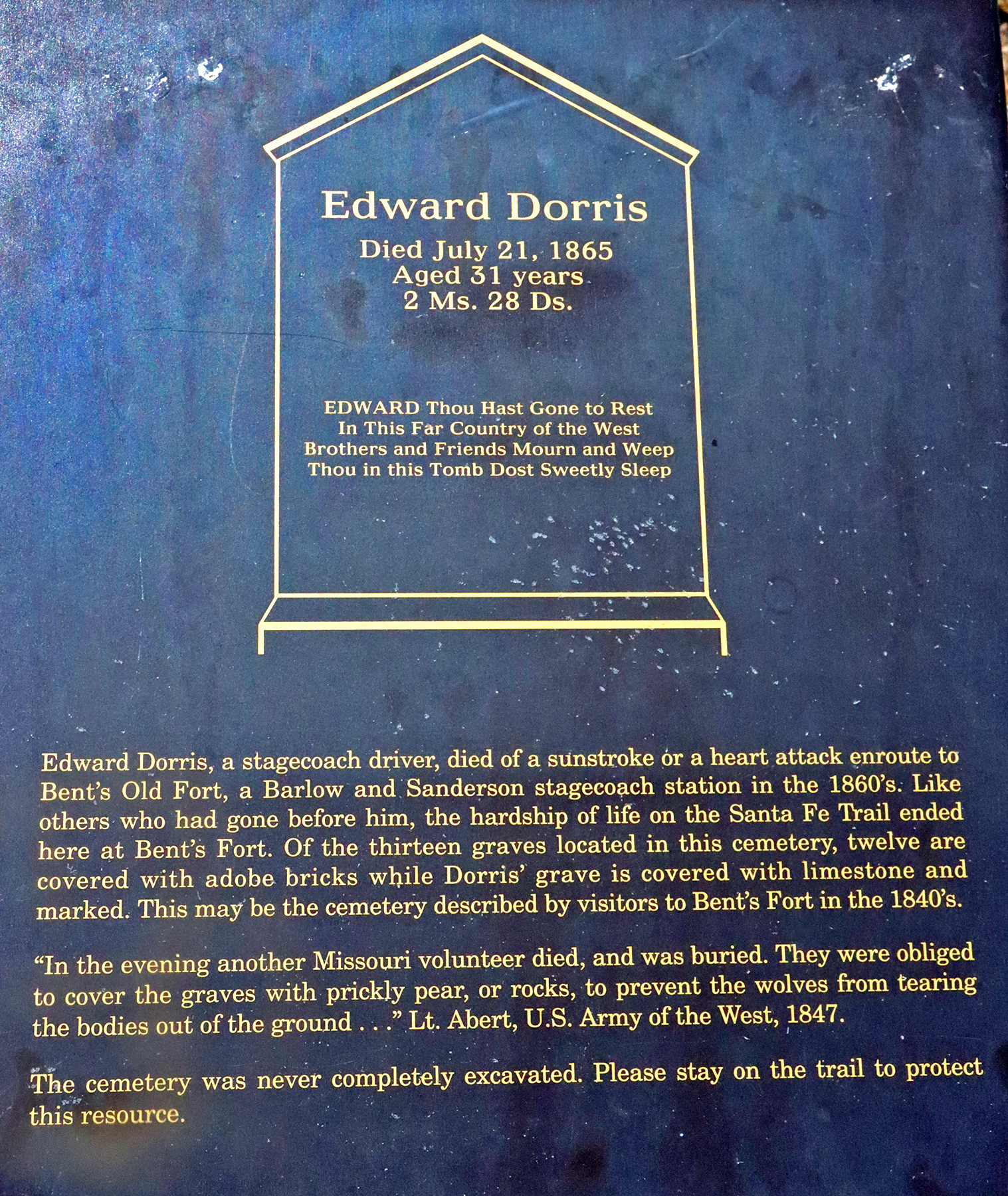
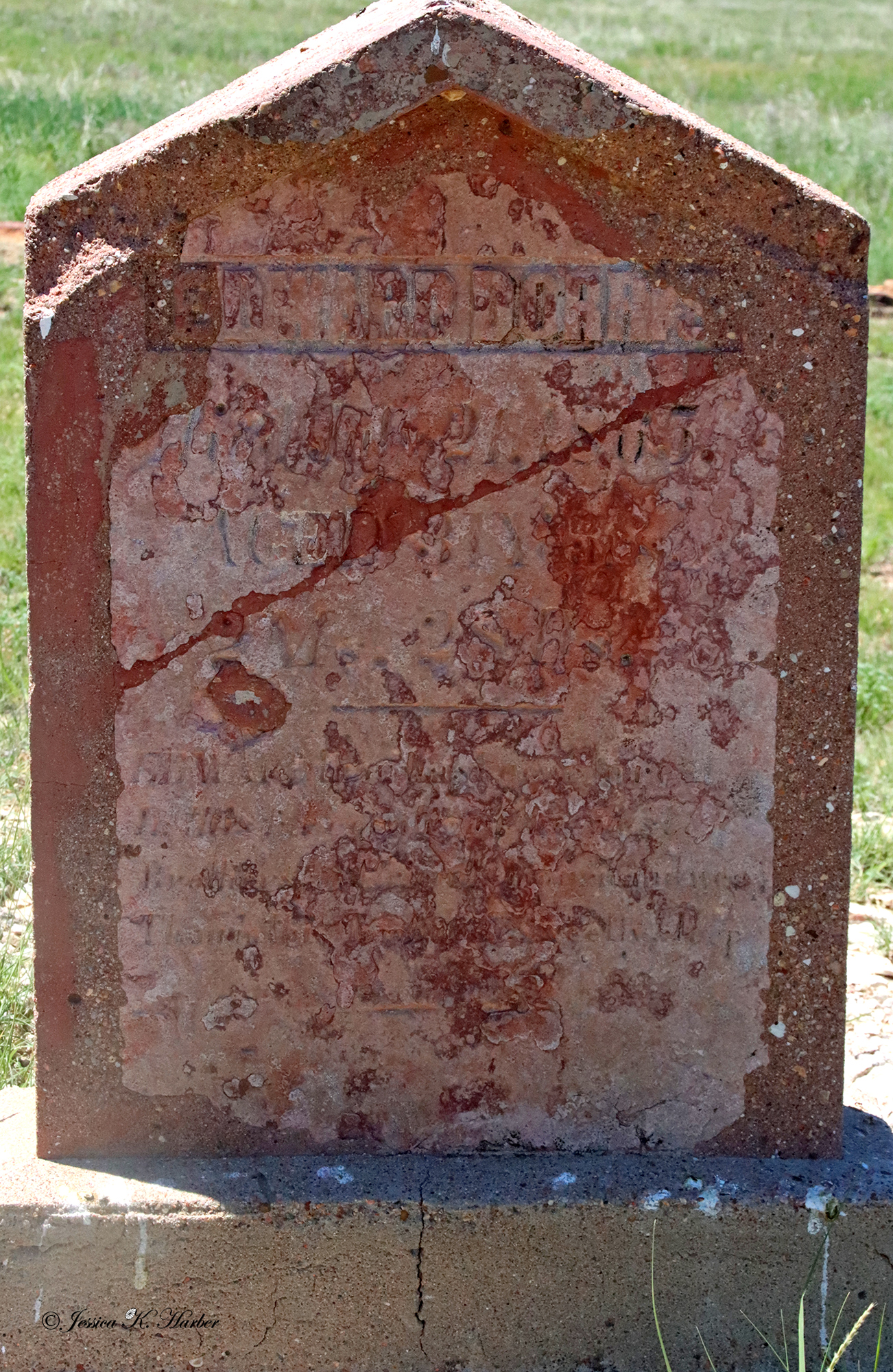
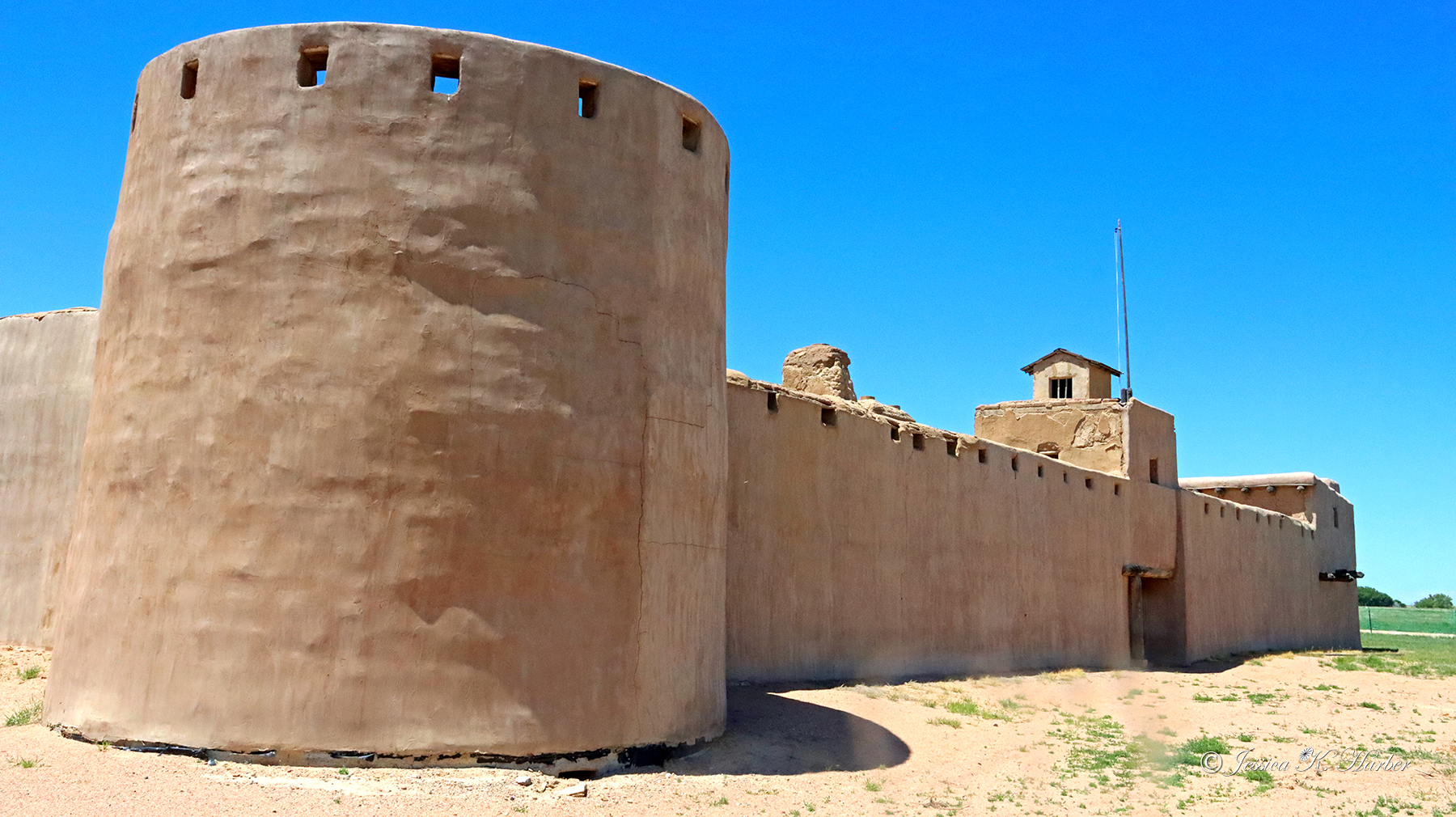
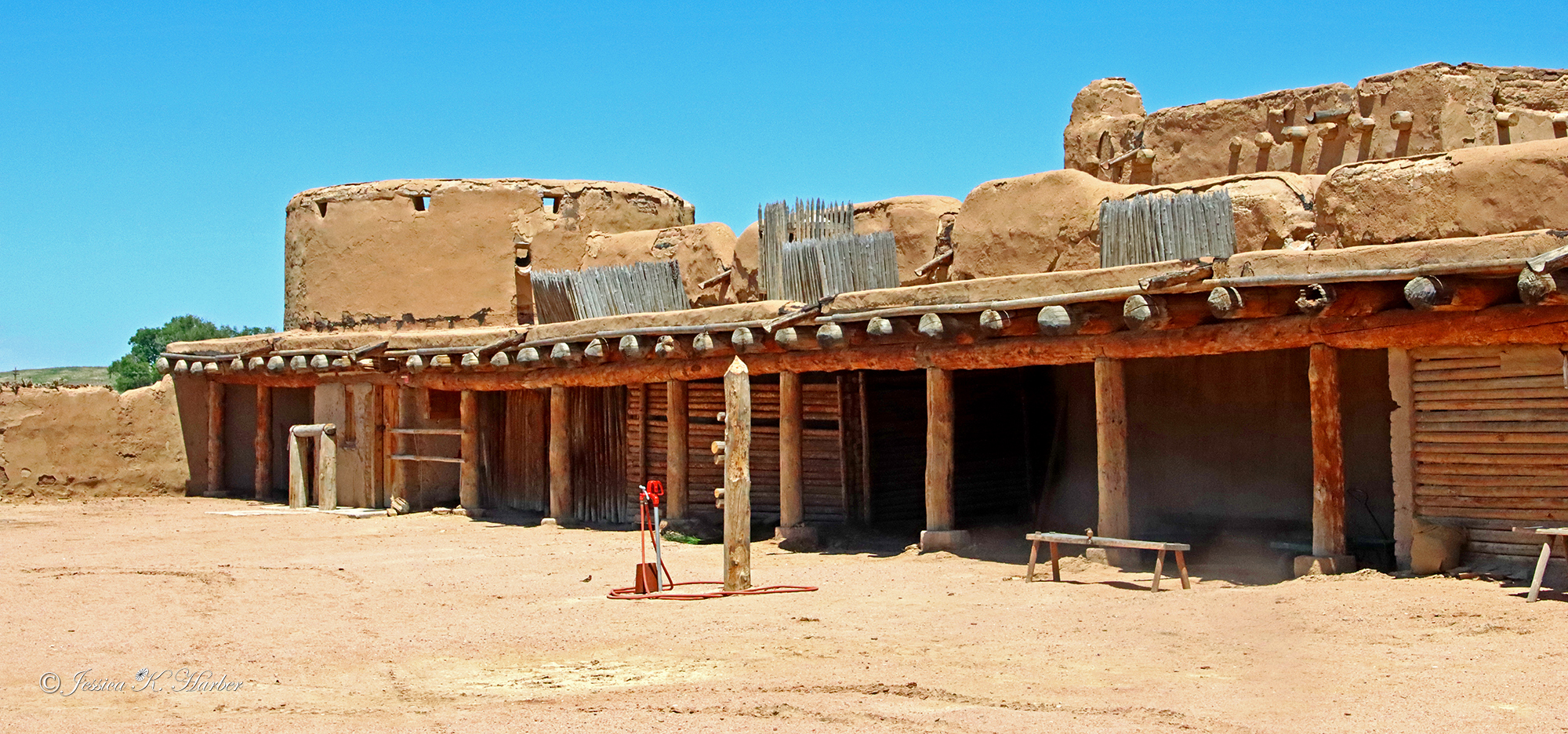
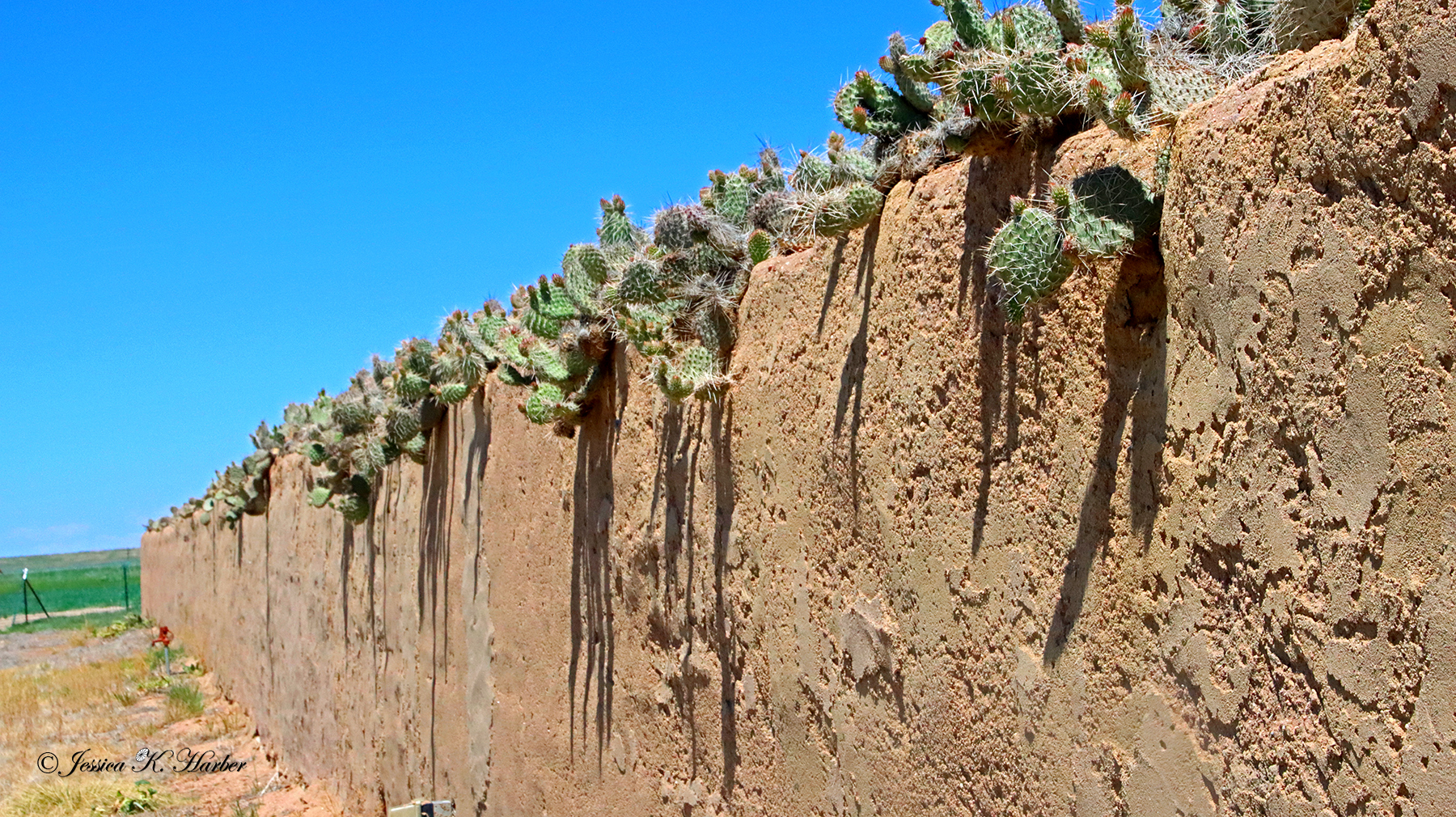
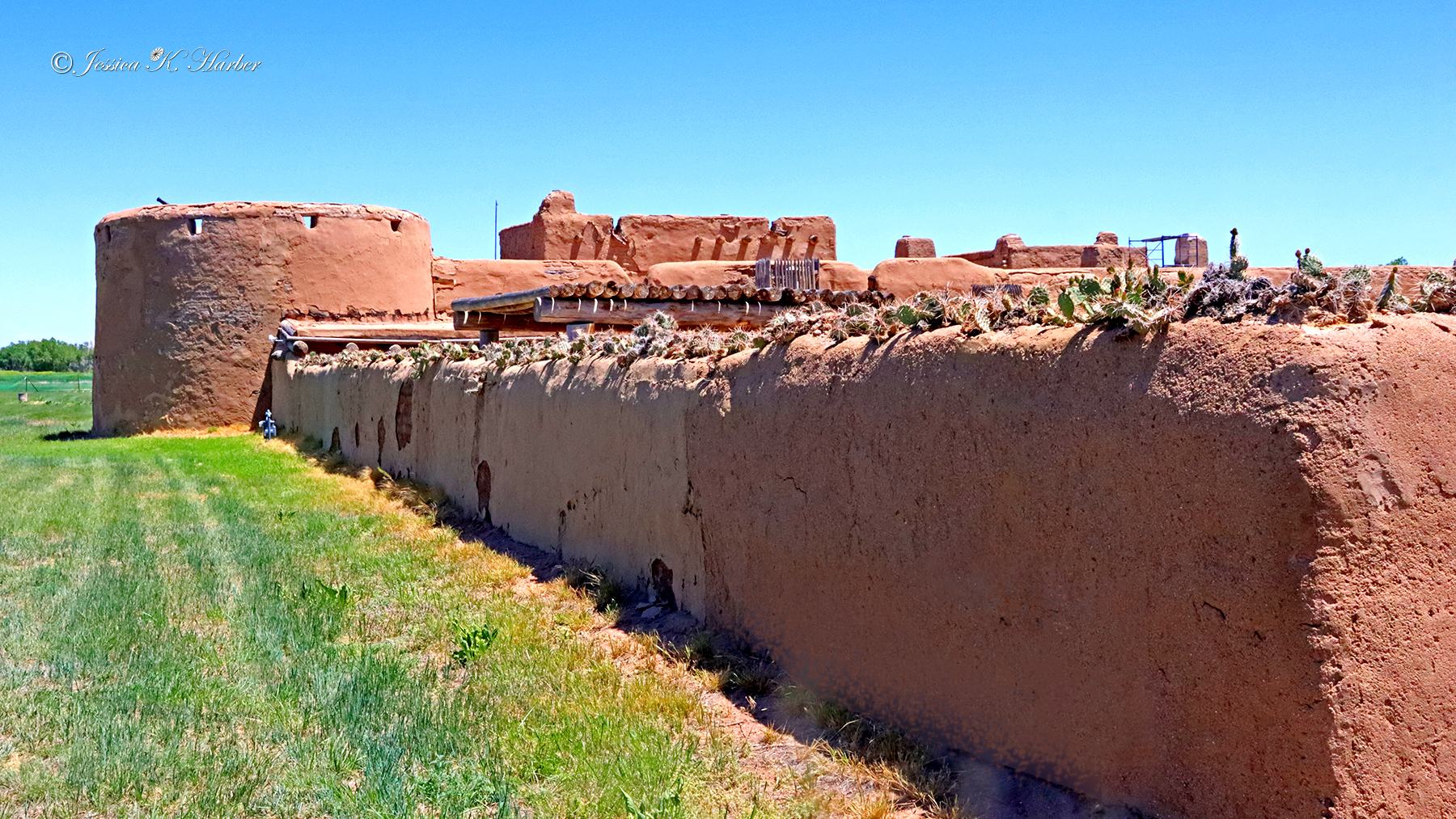
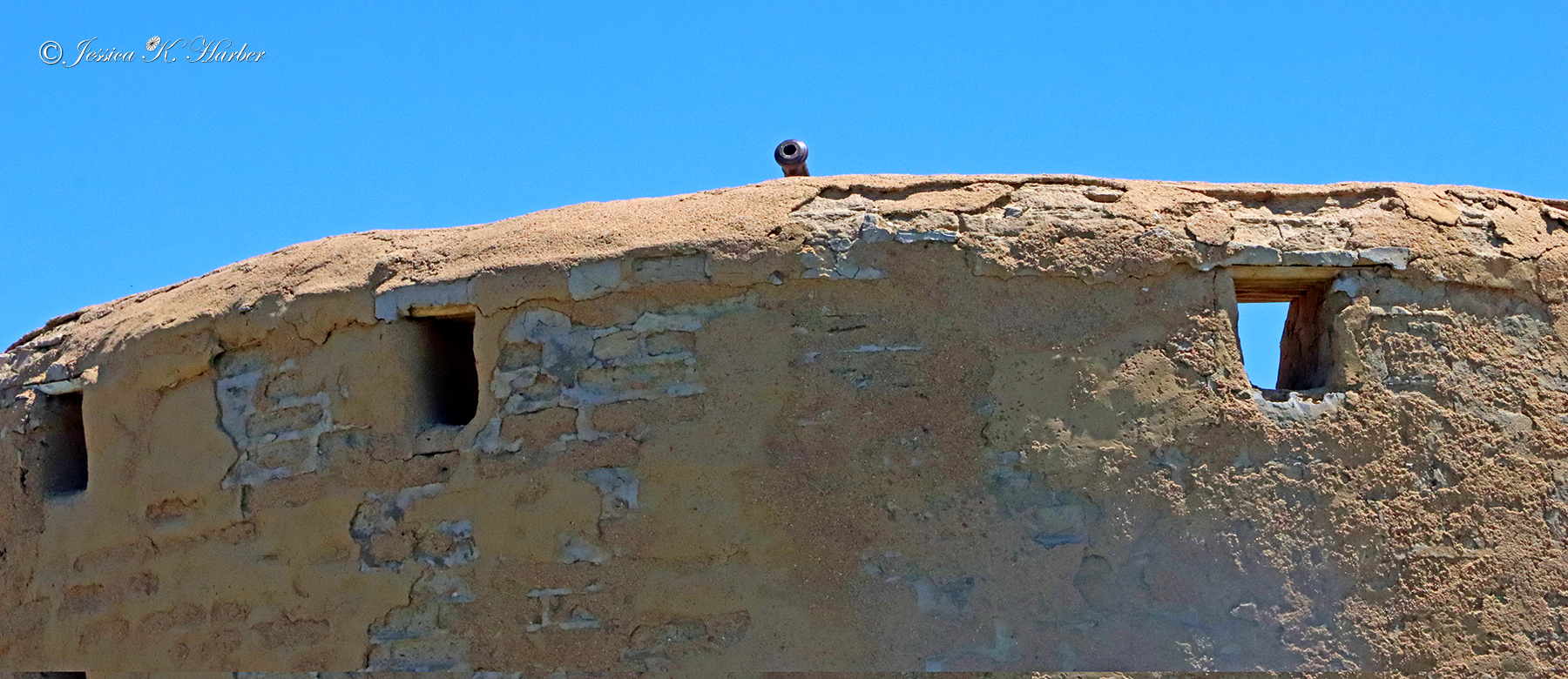
I stopped by Bent’s Old Fort National Historic Site, a former trading post on the Santa Fe Trail. Unfortunately, it was closed but it was worth a stop to read their kiosks and walk around the outside of the Fort. I would have enjoyed exploring this site; maybe another time.

Video at bottom of post, below gallery.

NEW MEXICO/COLORADO. MAY.

Two Buttes State Wildlife Area

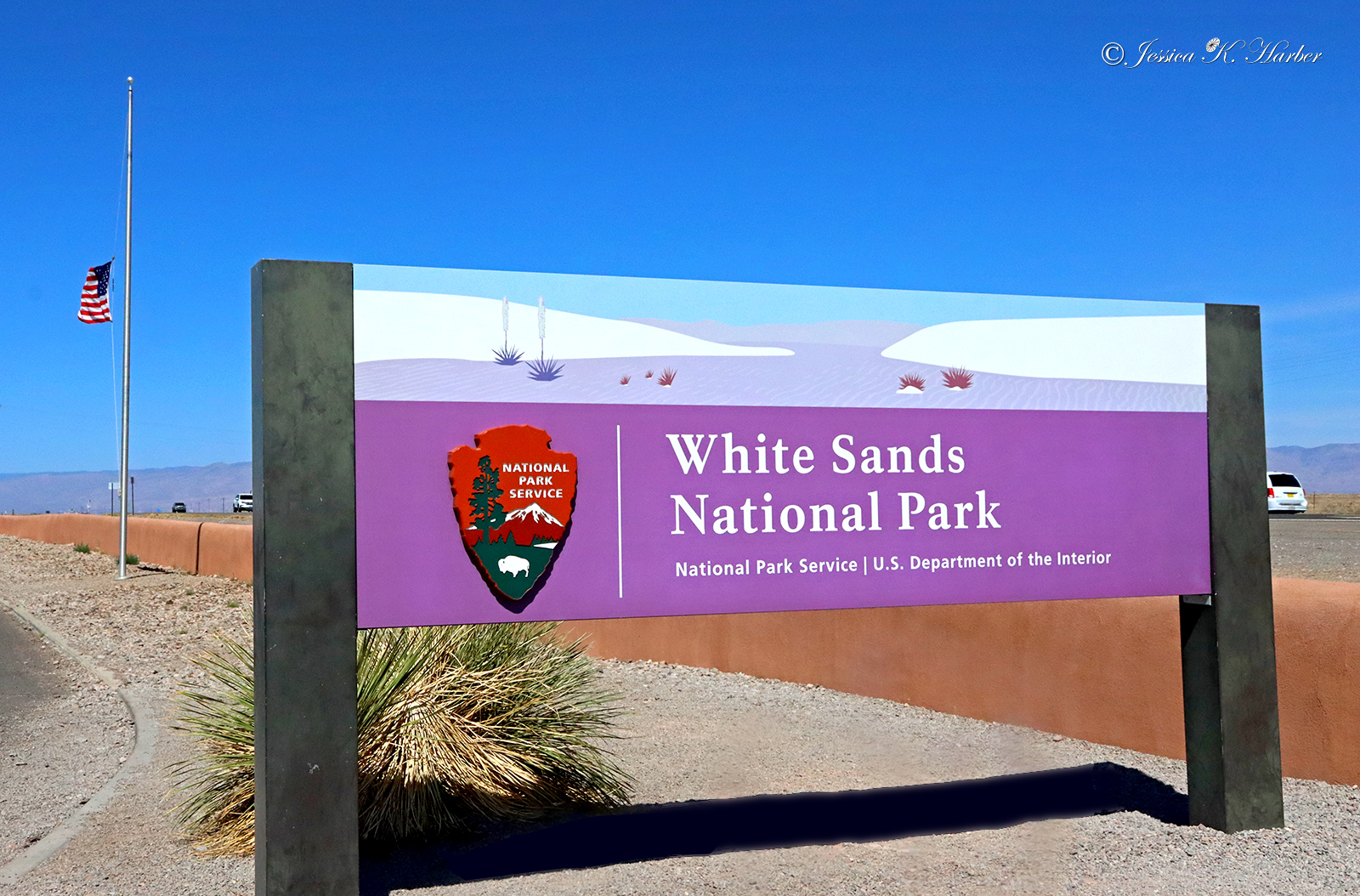
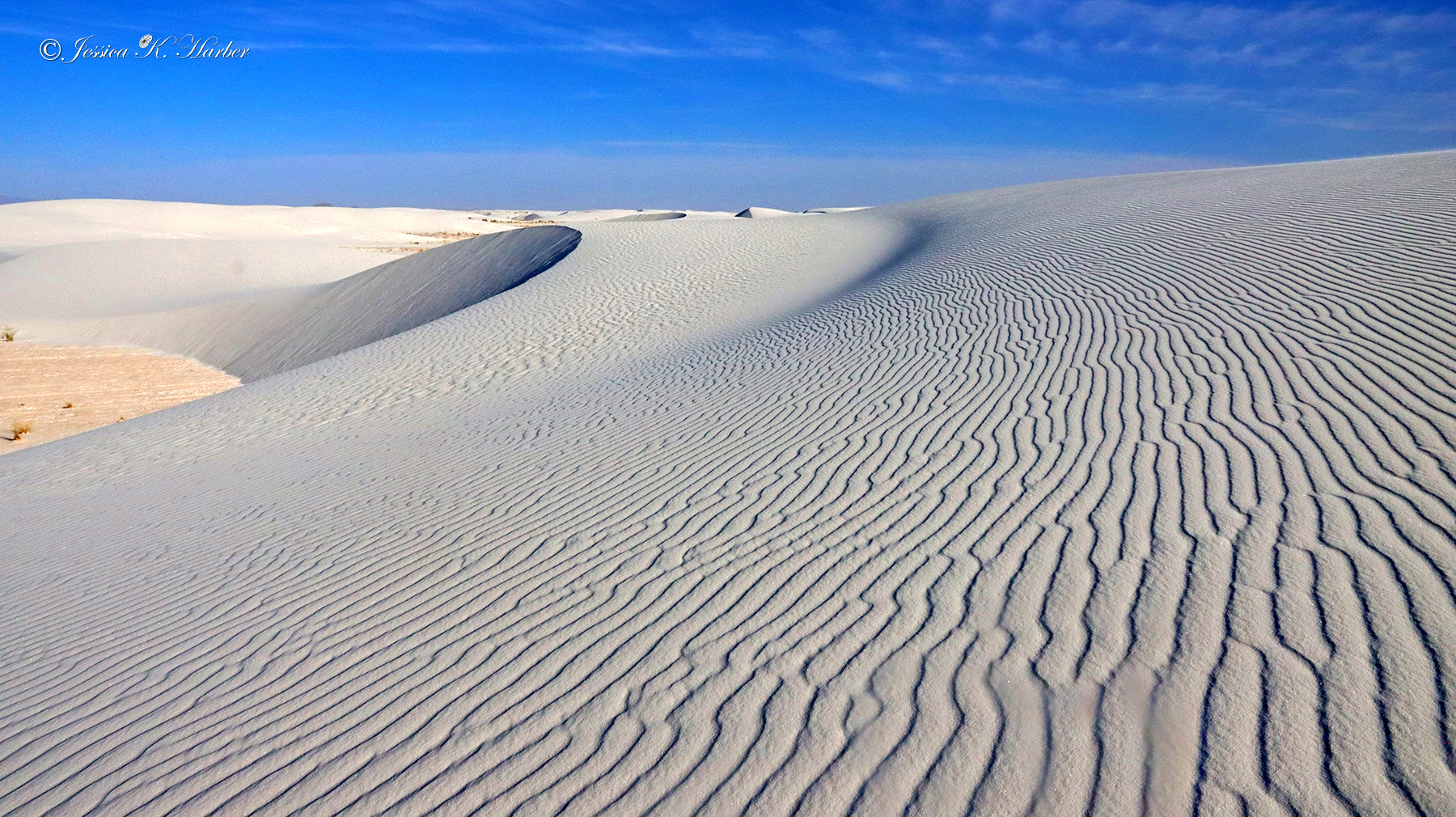
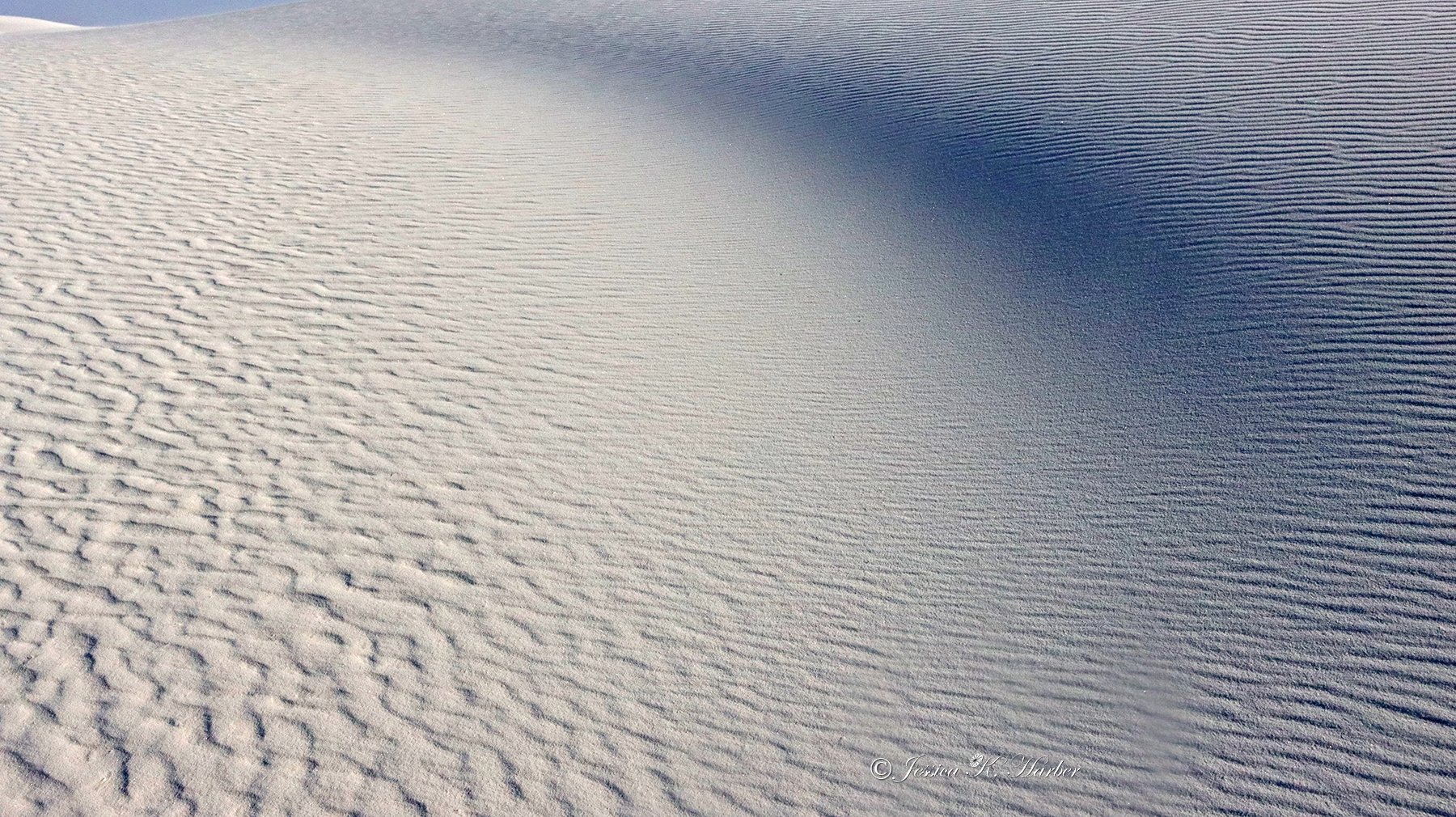
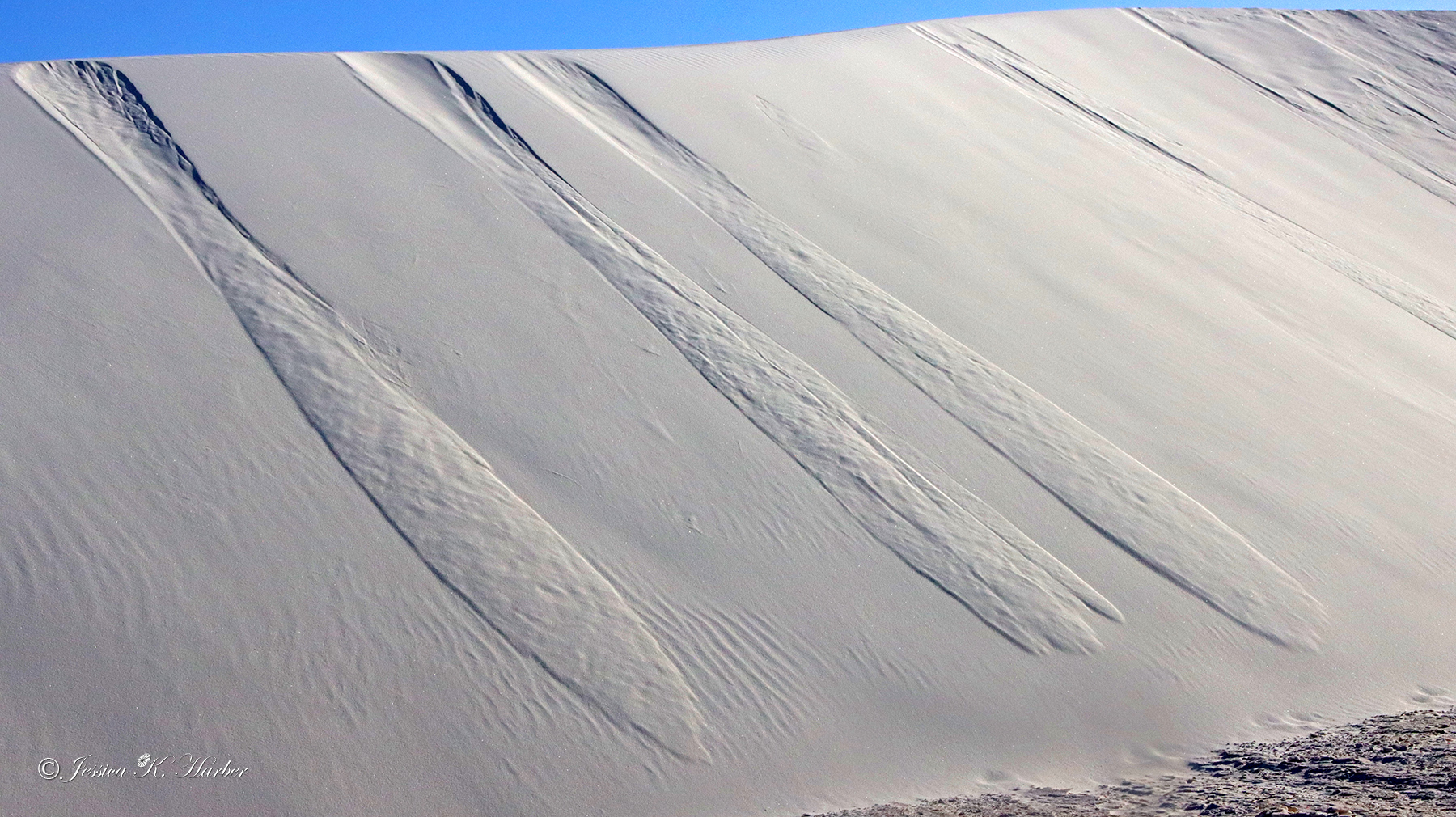
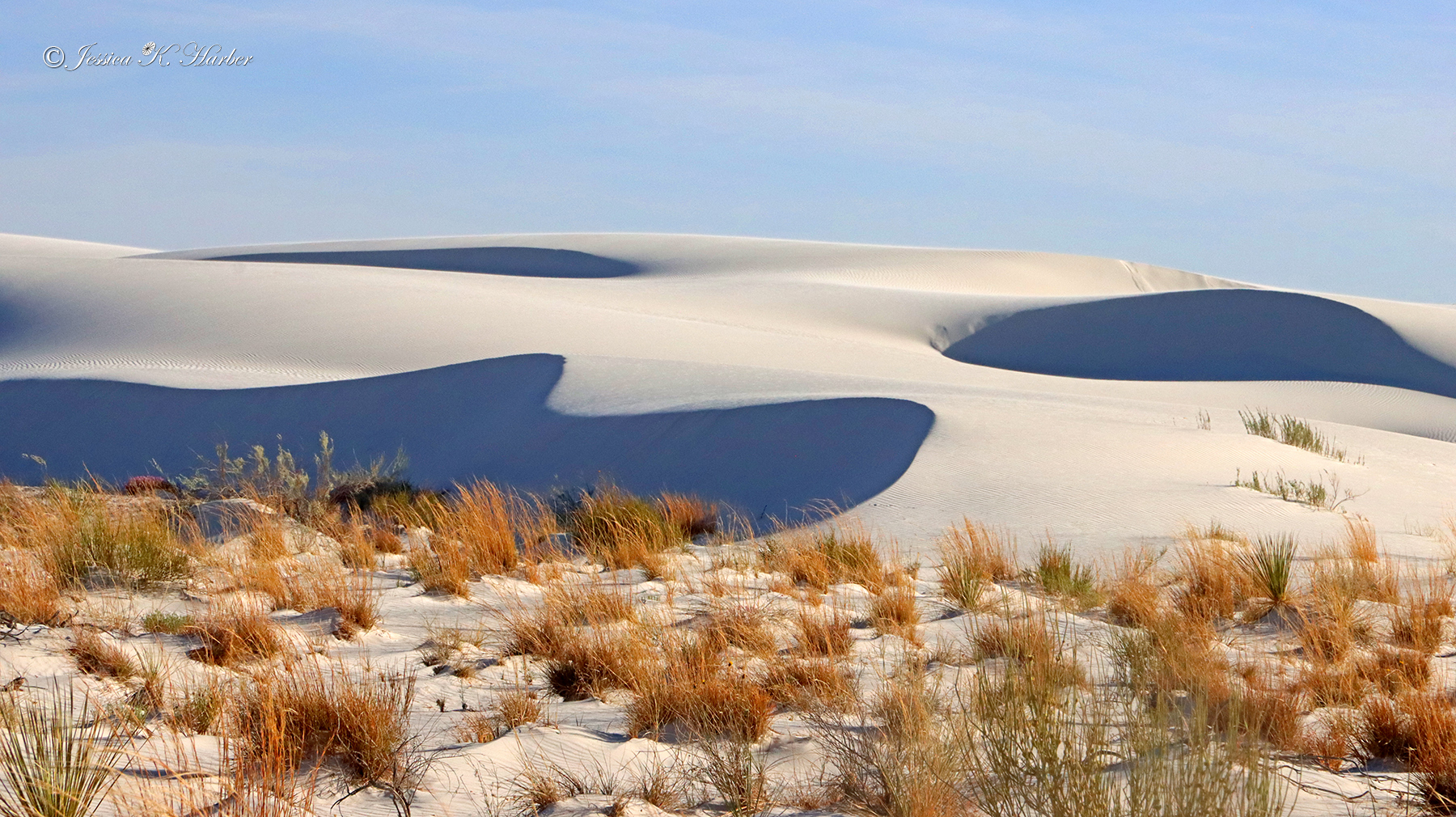
White Sands National Park

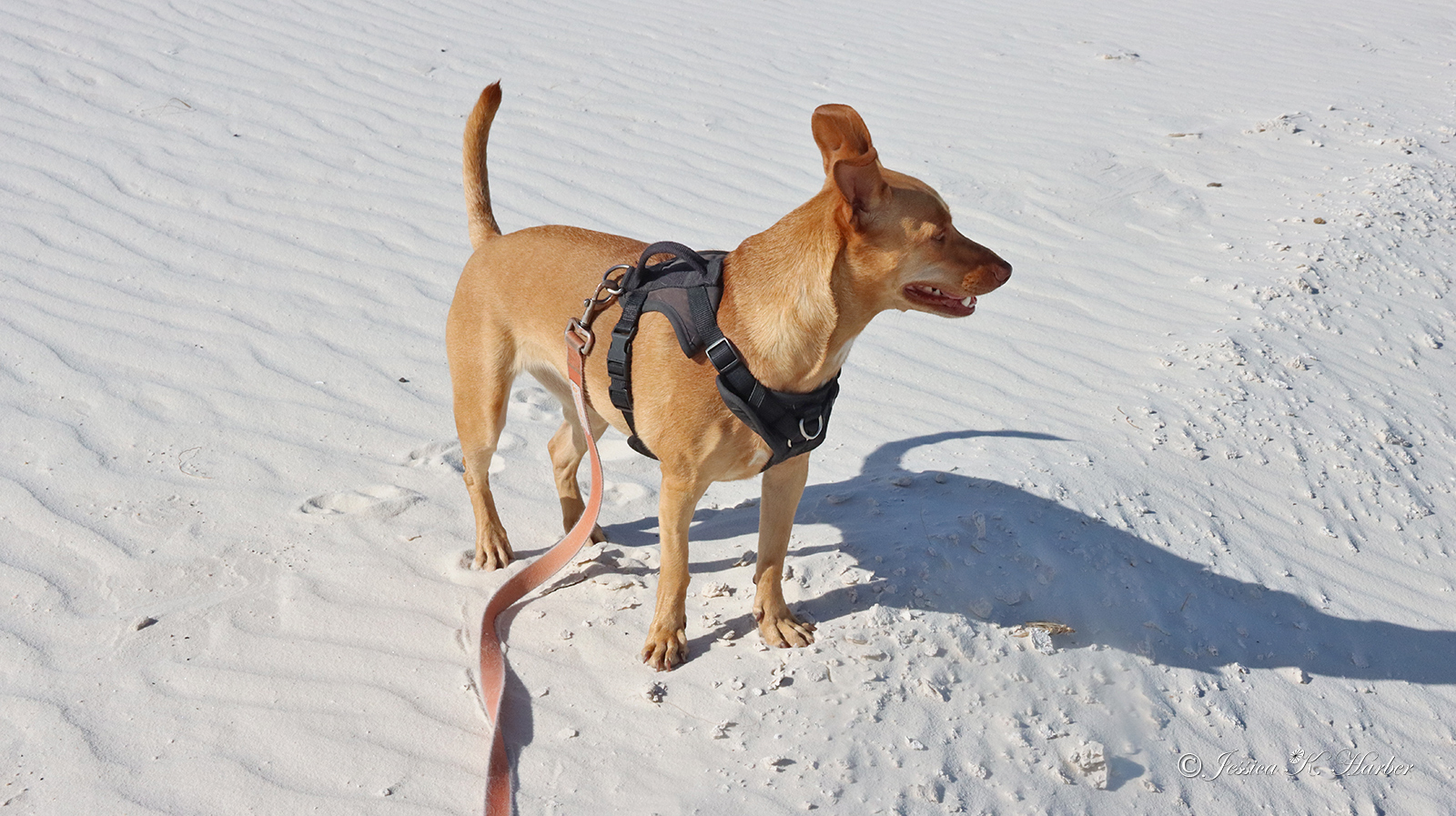
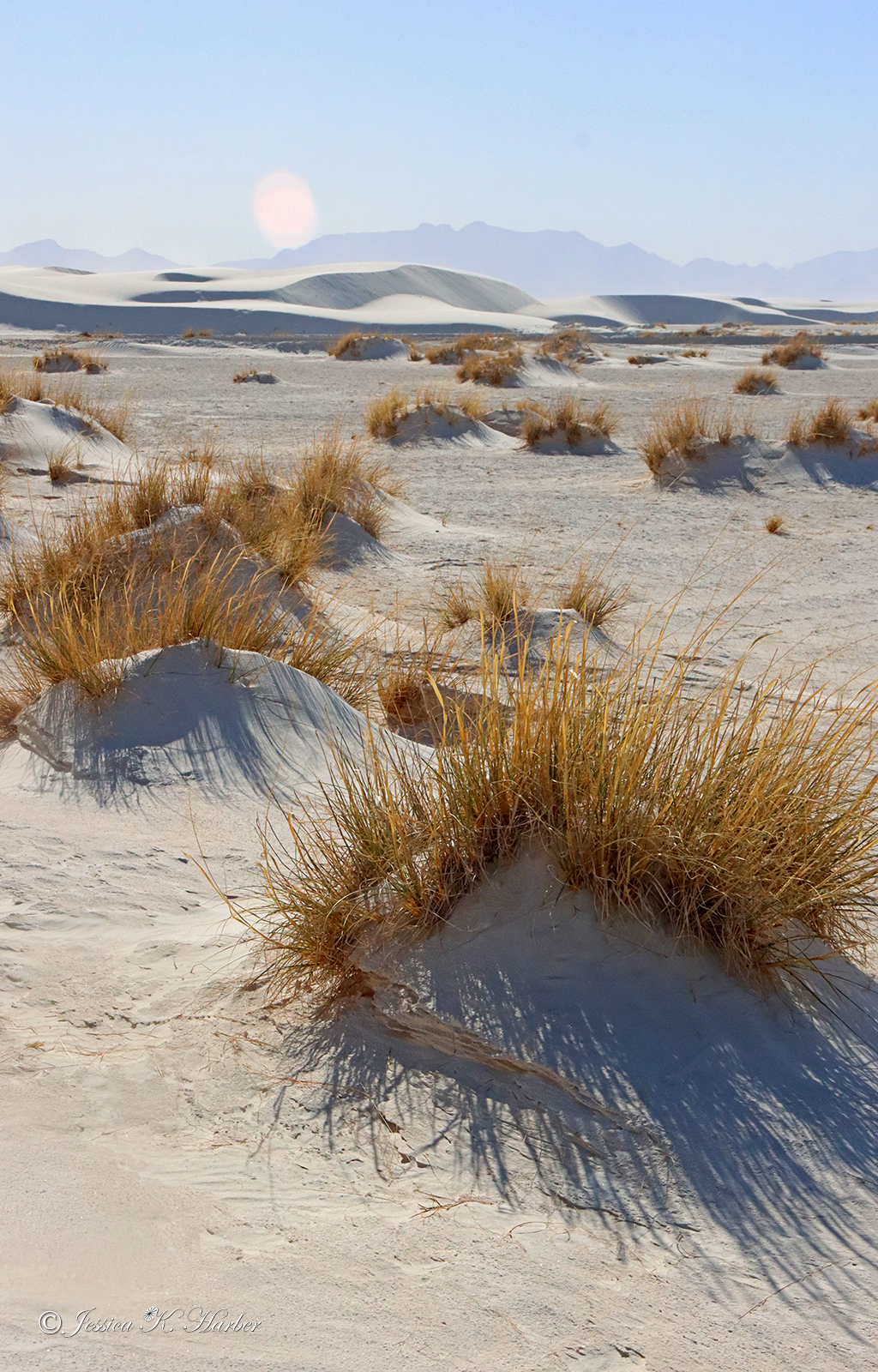
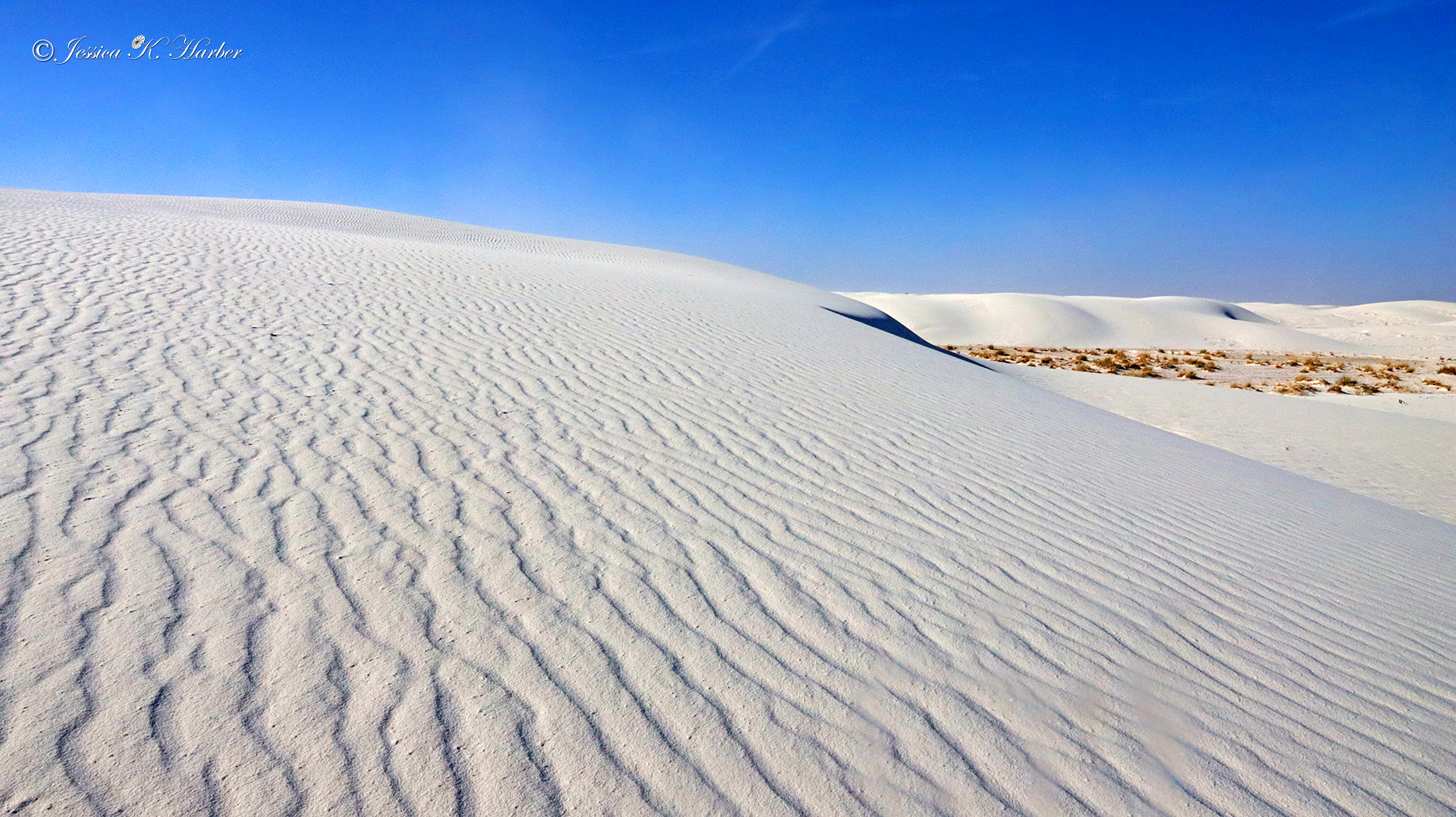
Next was White Sands National Park. There is a small but good visitor’s center that includes a film about the Park. I always see the Park film if there is one. It’s usually a good way to get an overall picture of the Park and/or to learn about its history. They are always free. The staff was also nice about answering several questions I had.

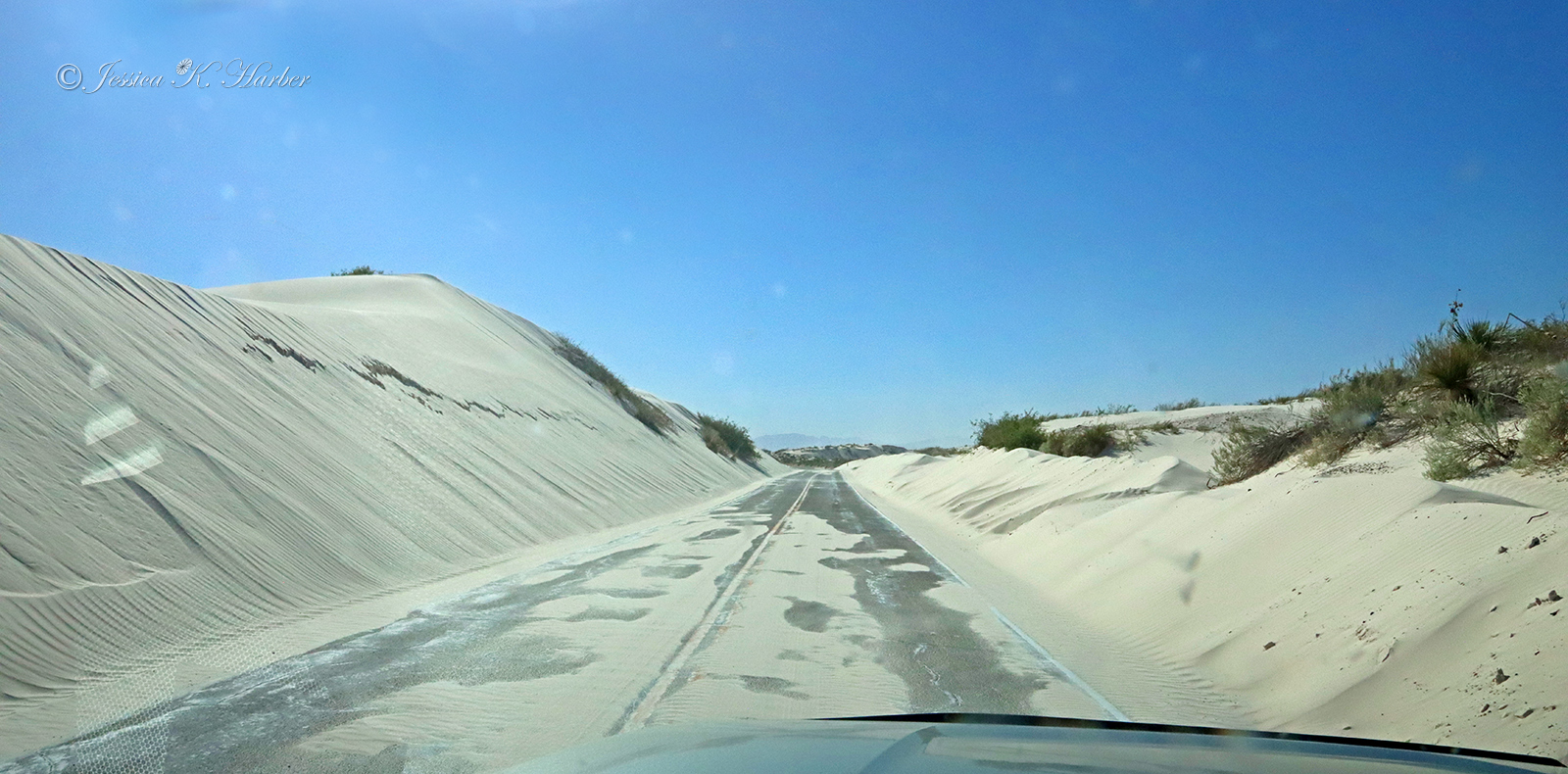
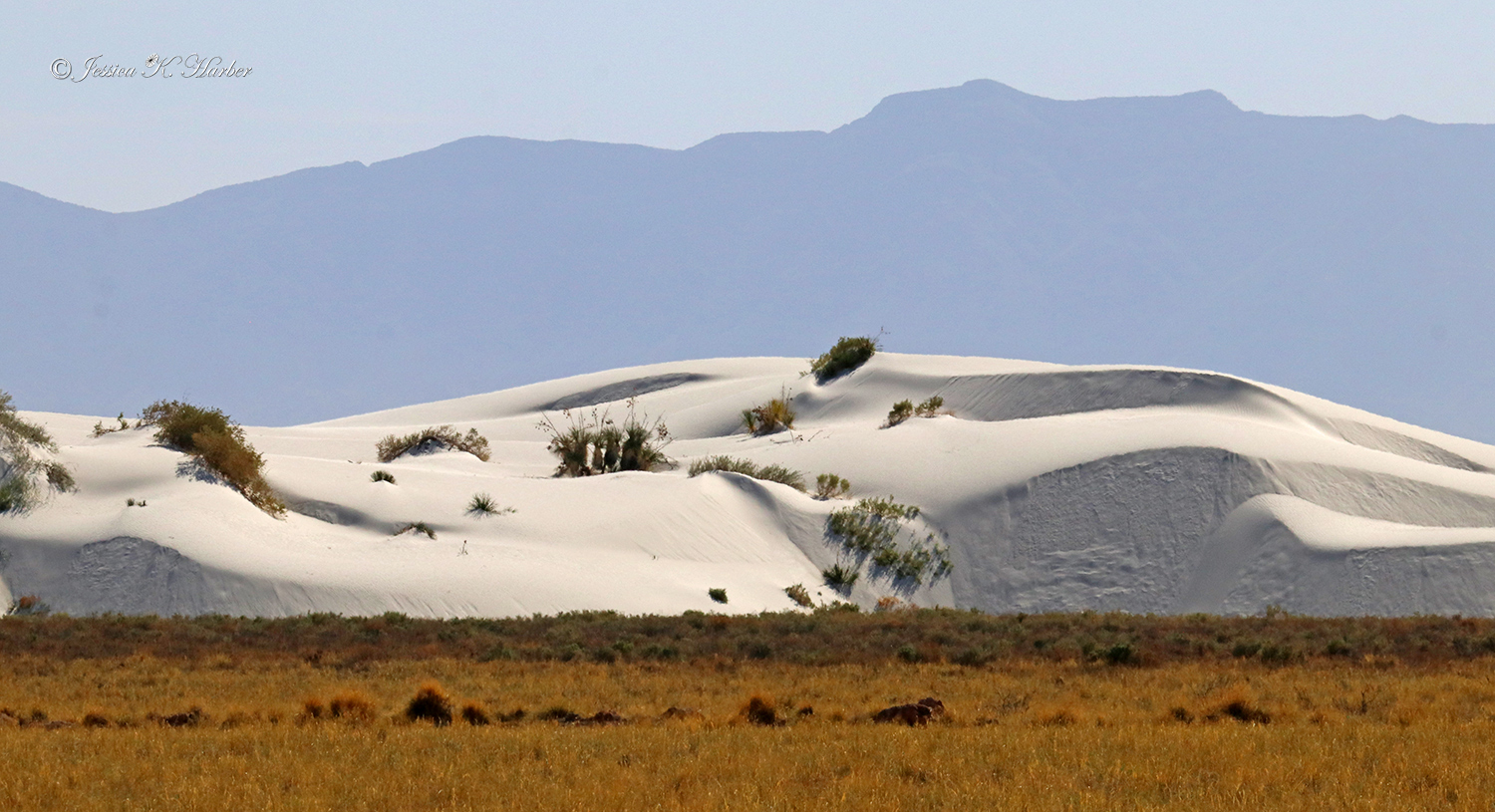
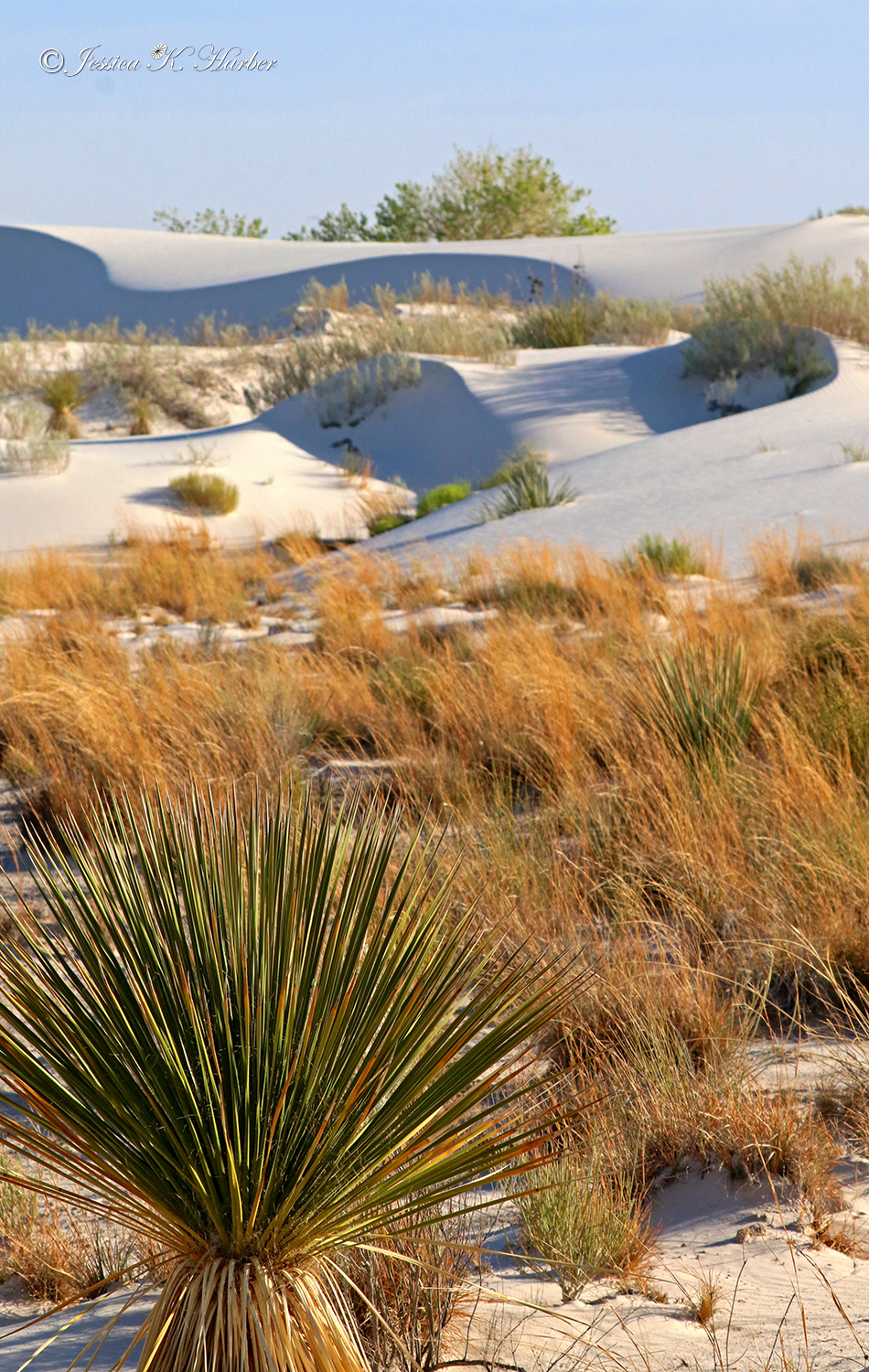
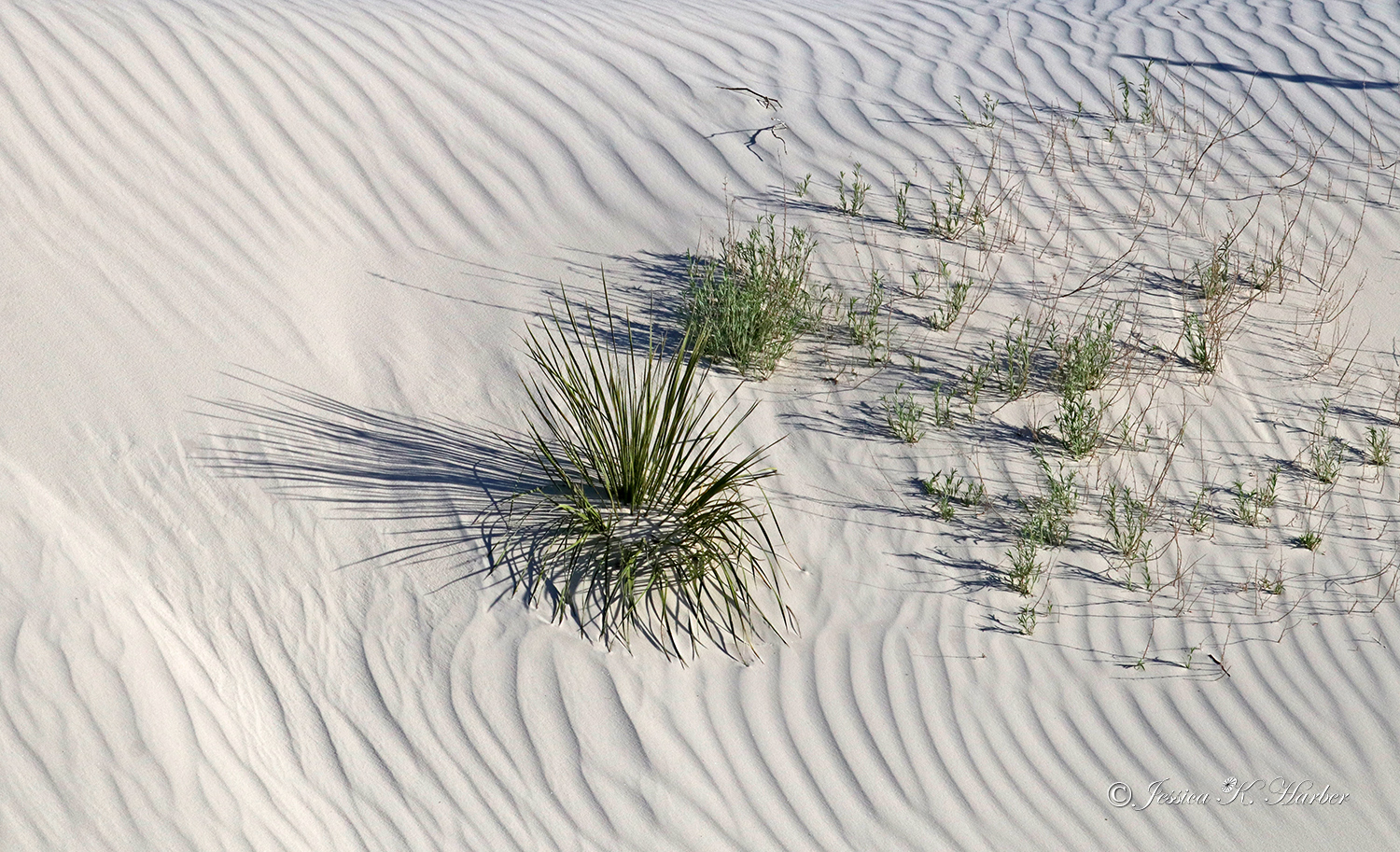
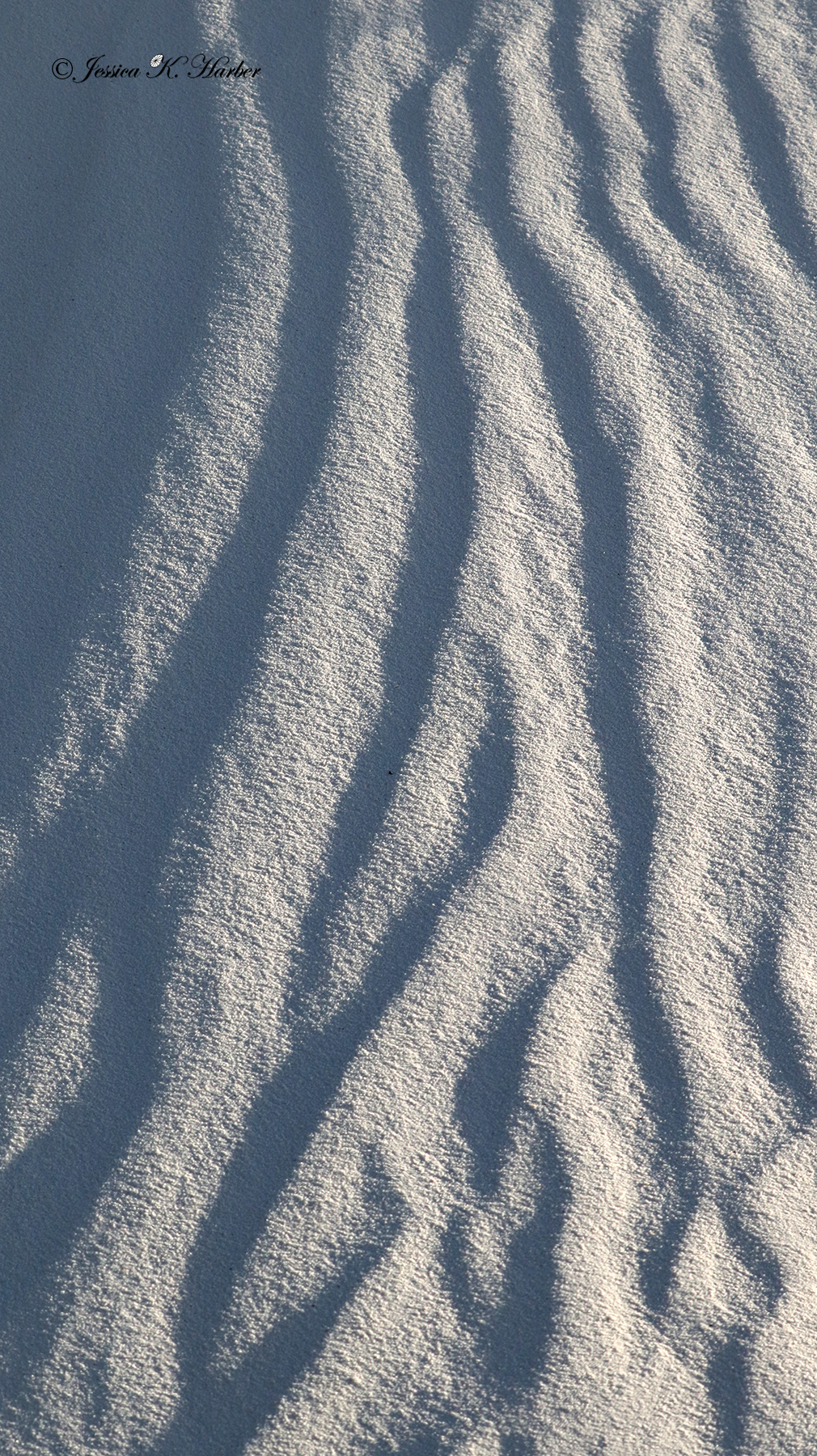
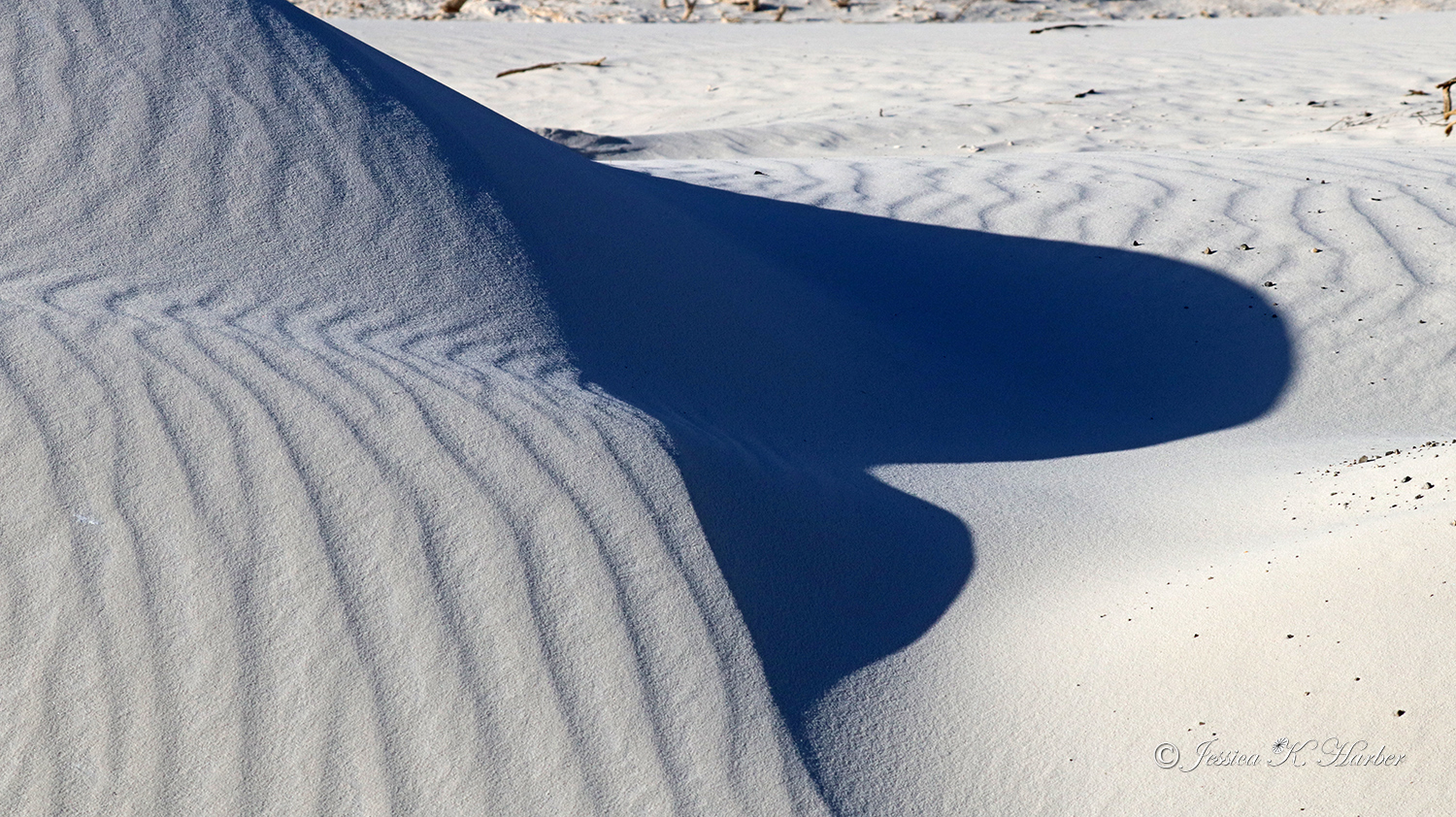
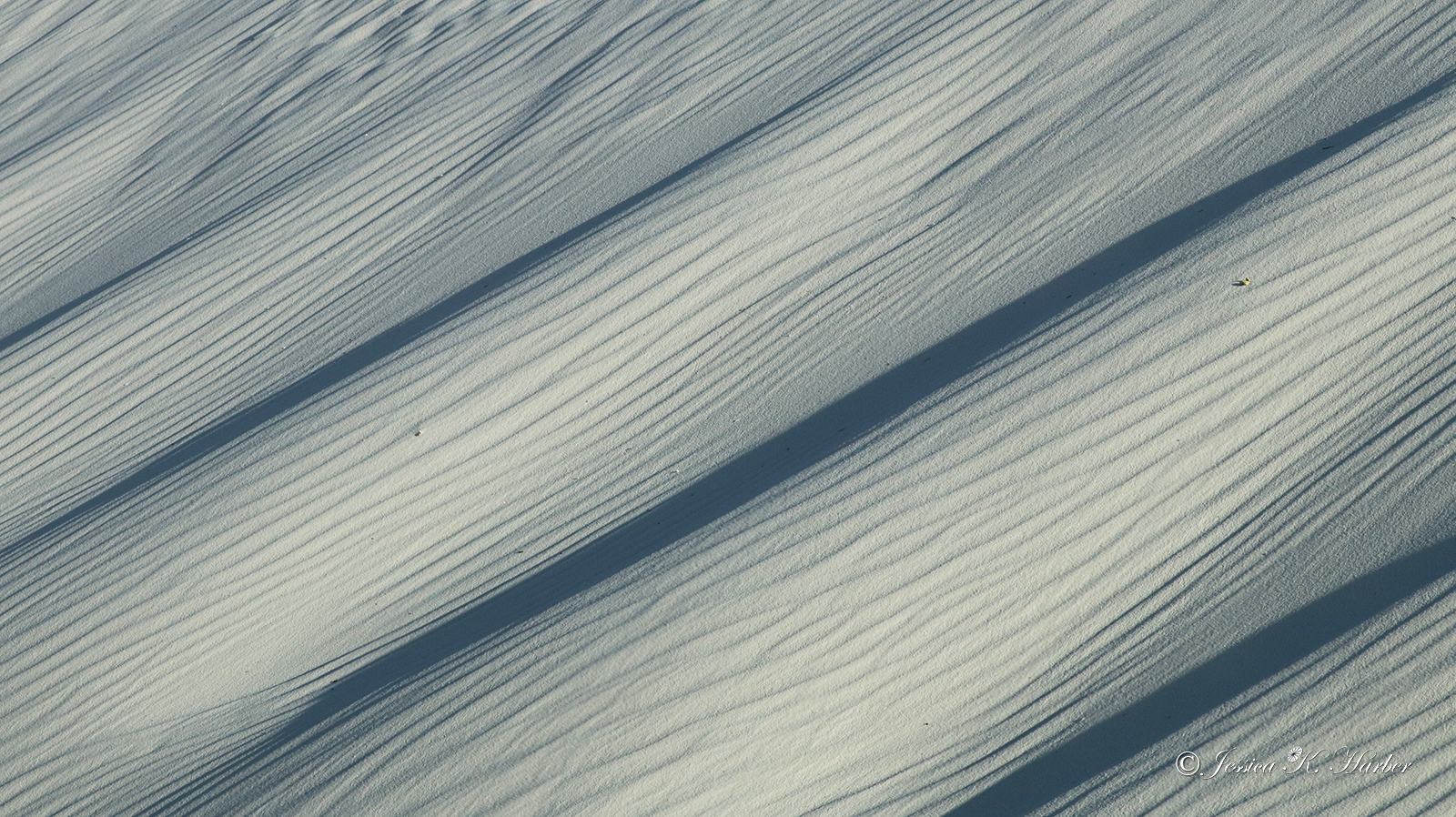
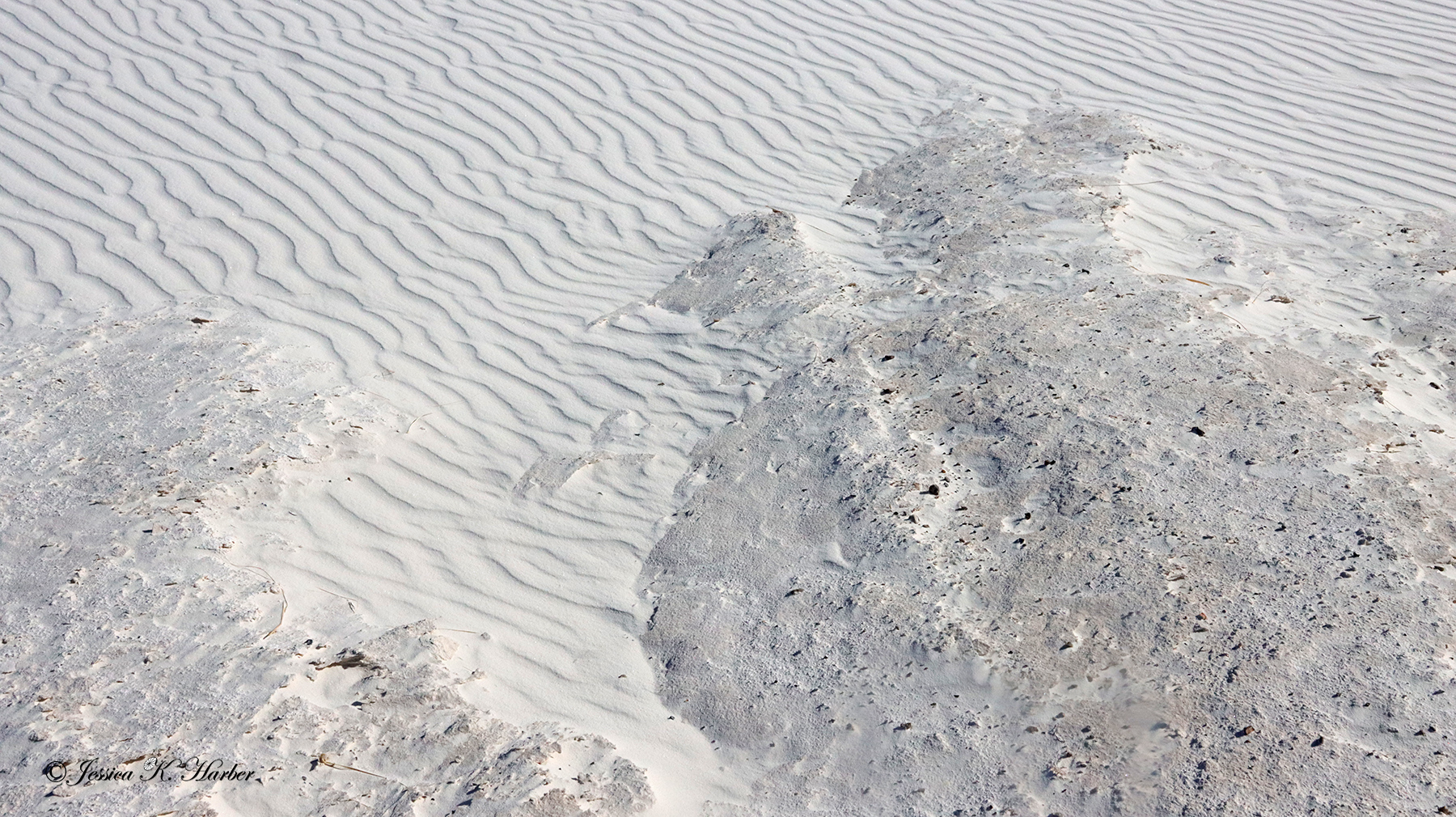
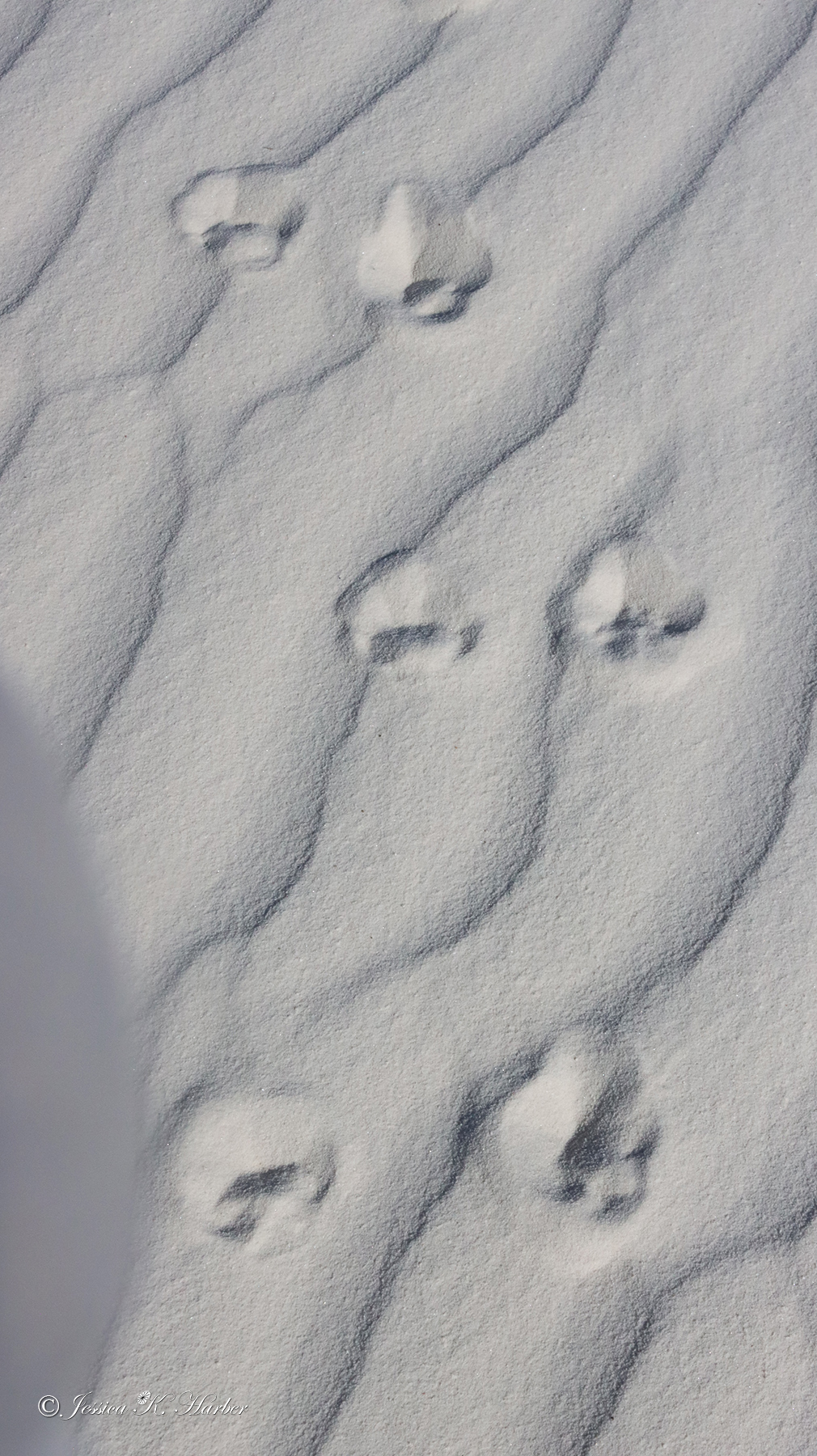
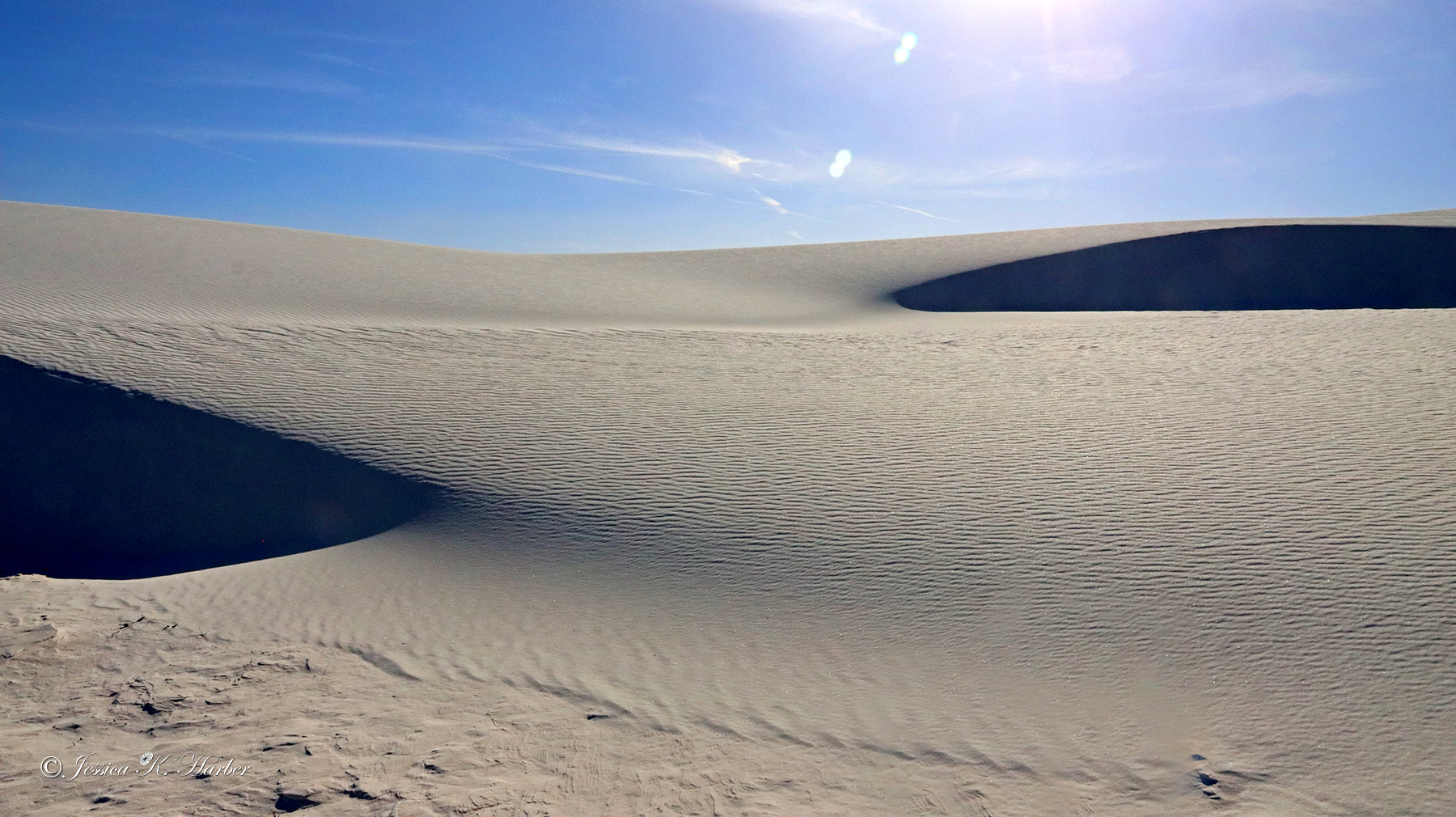
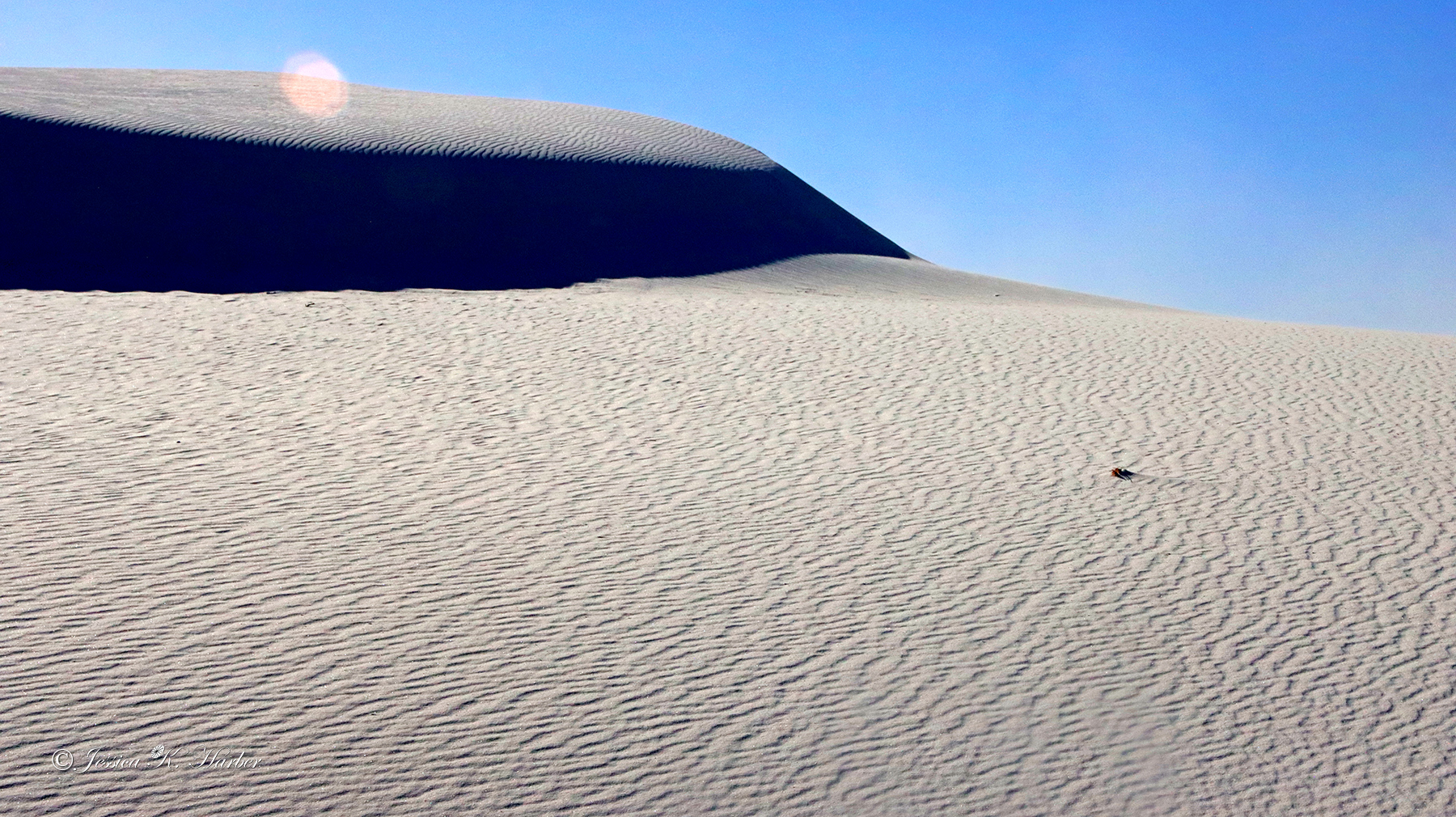
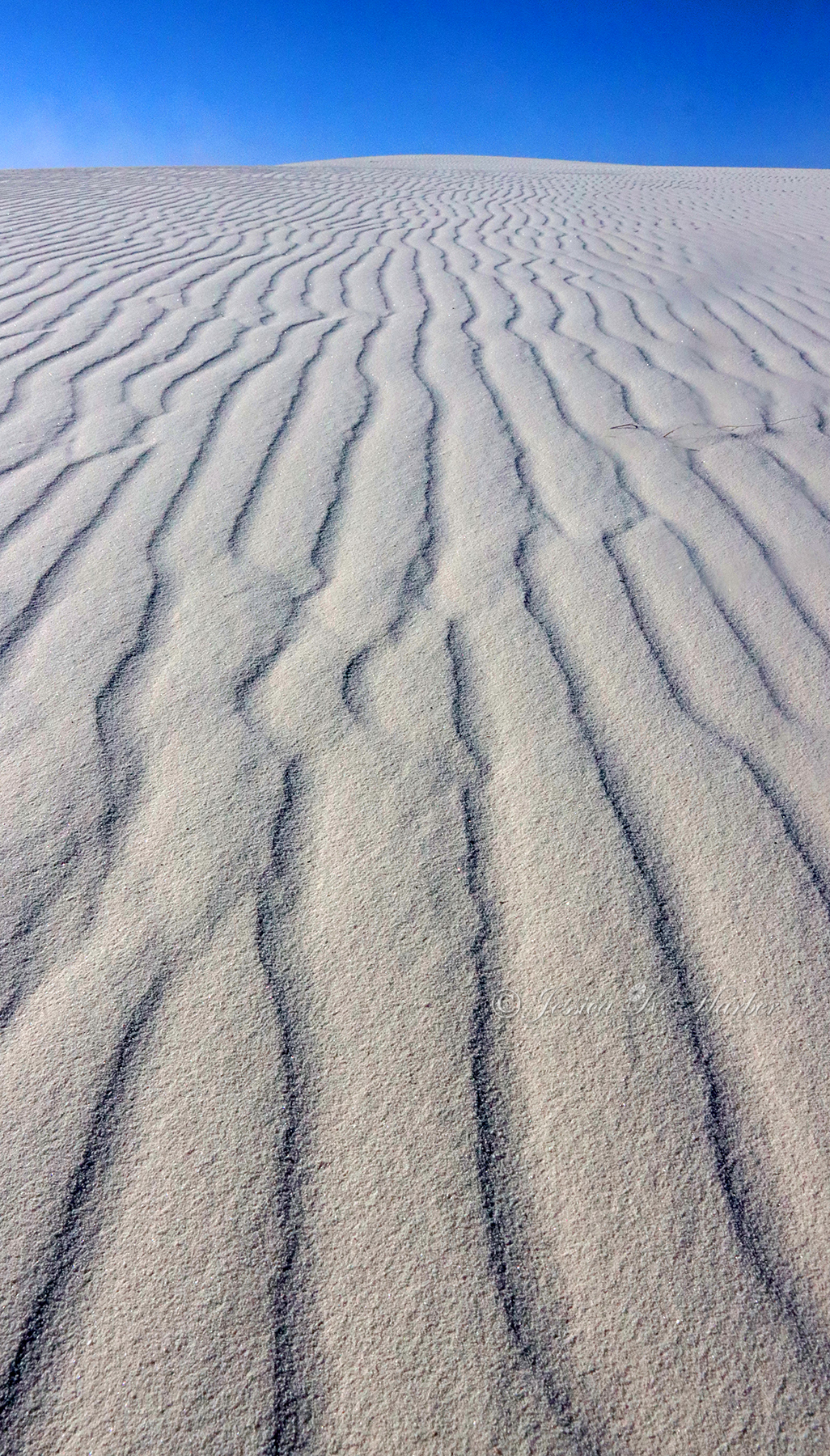
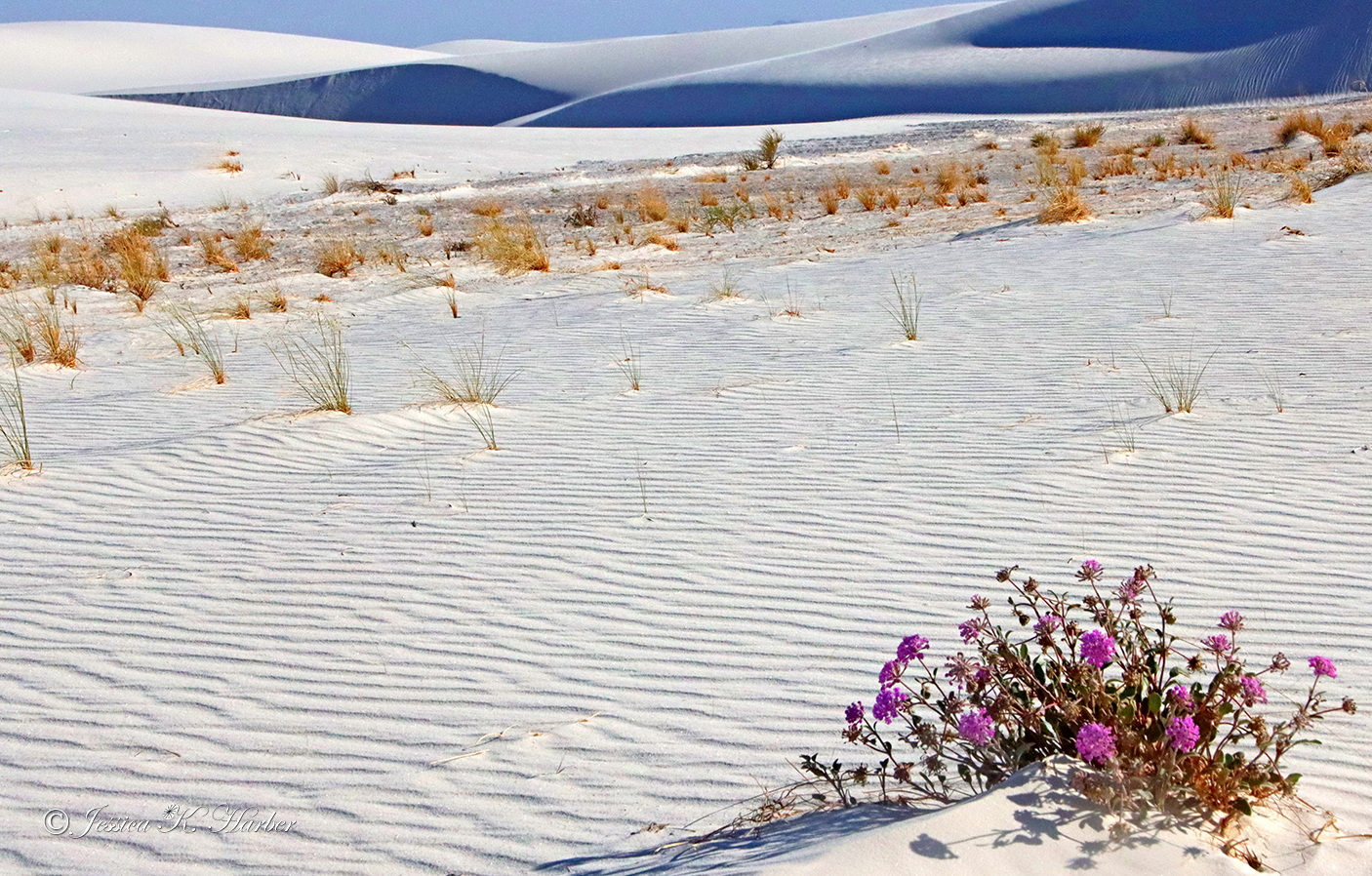
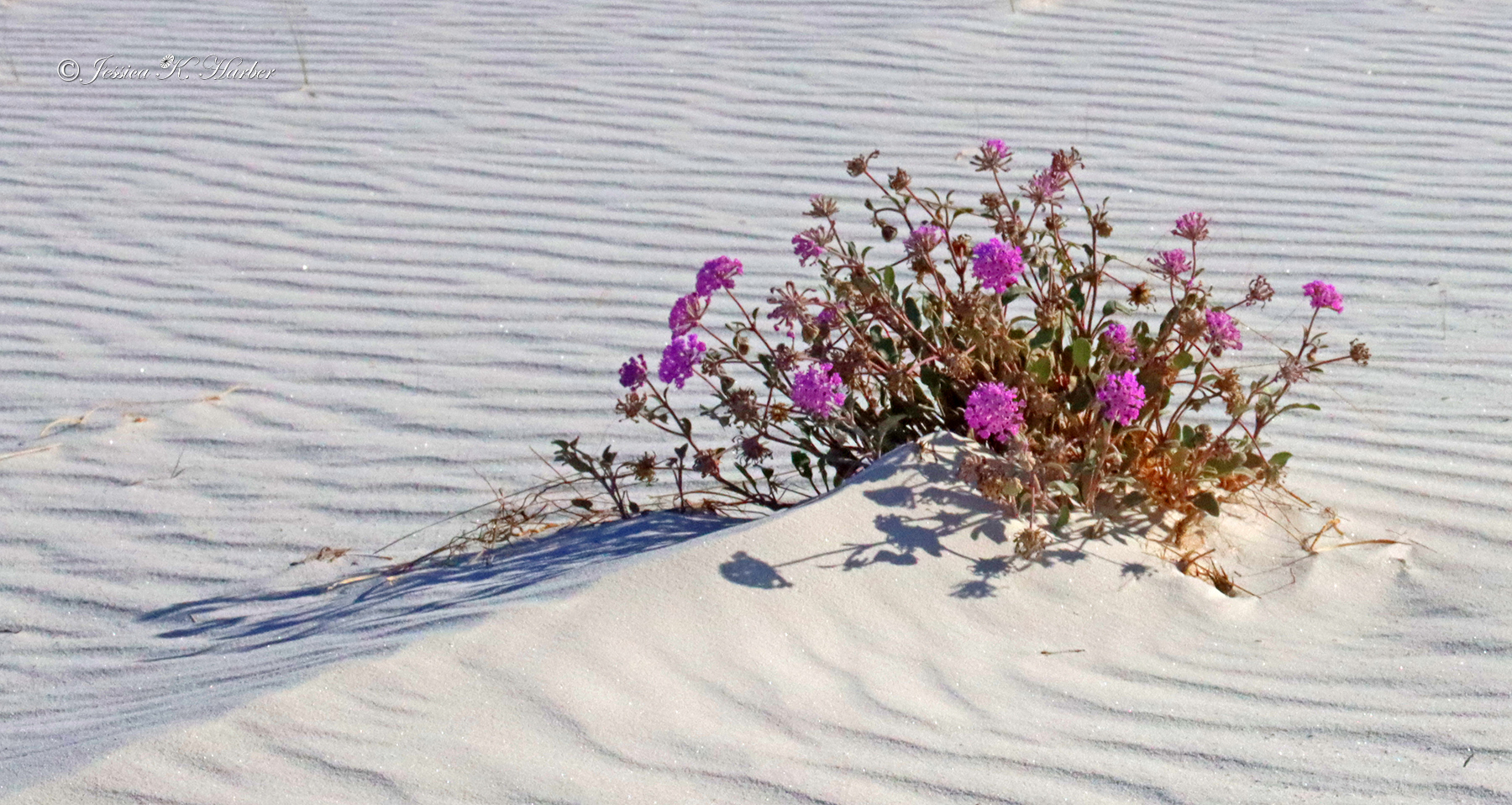
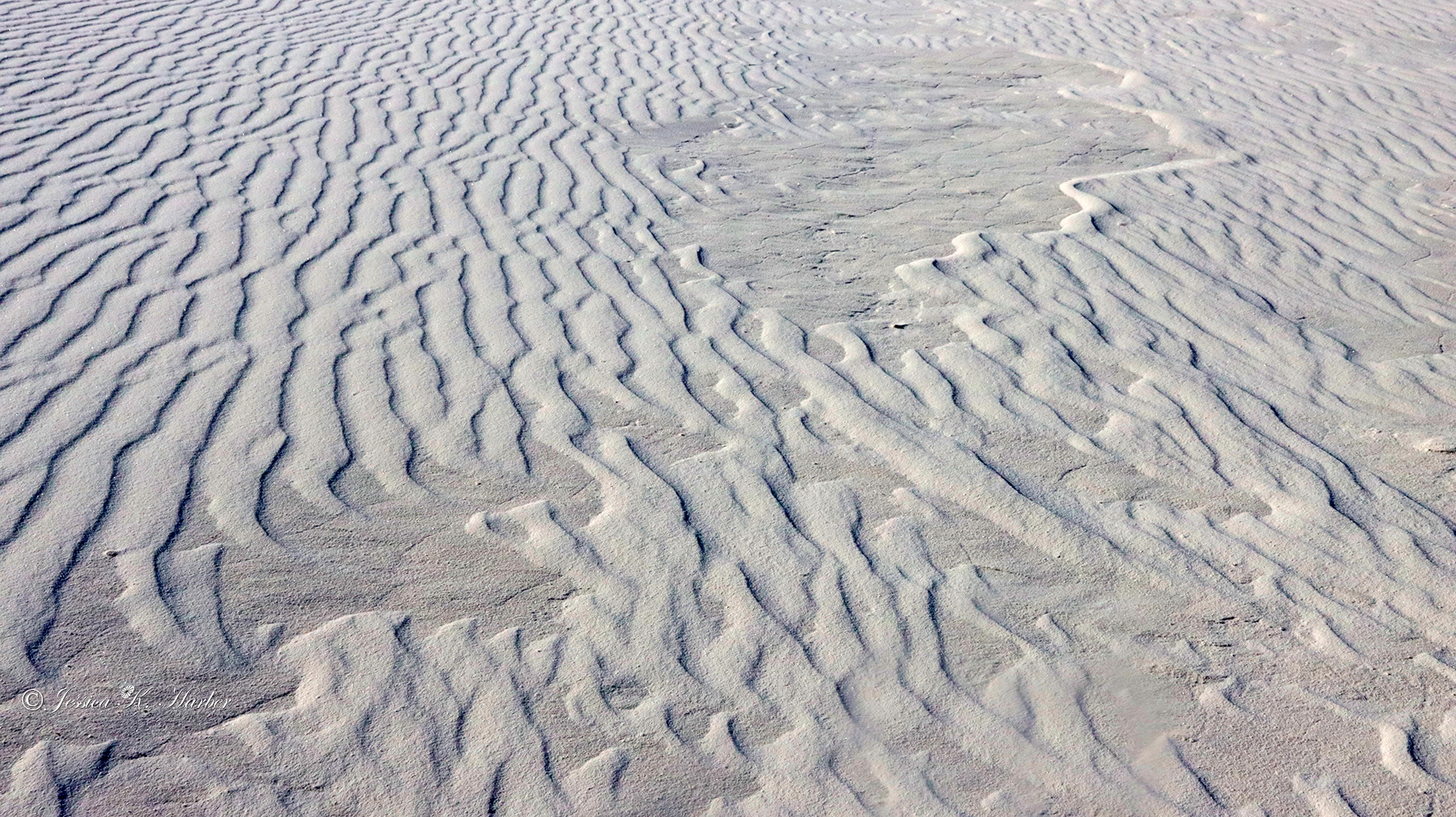
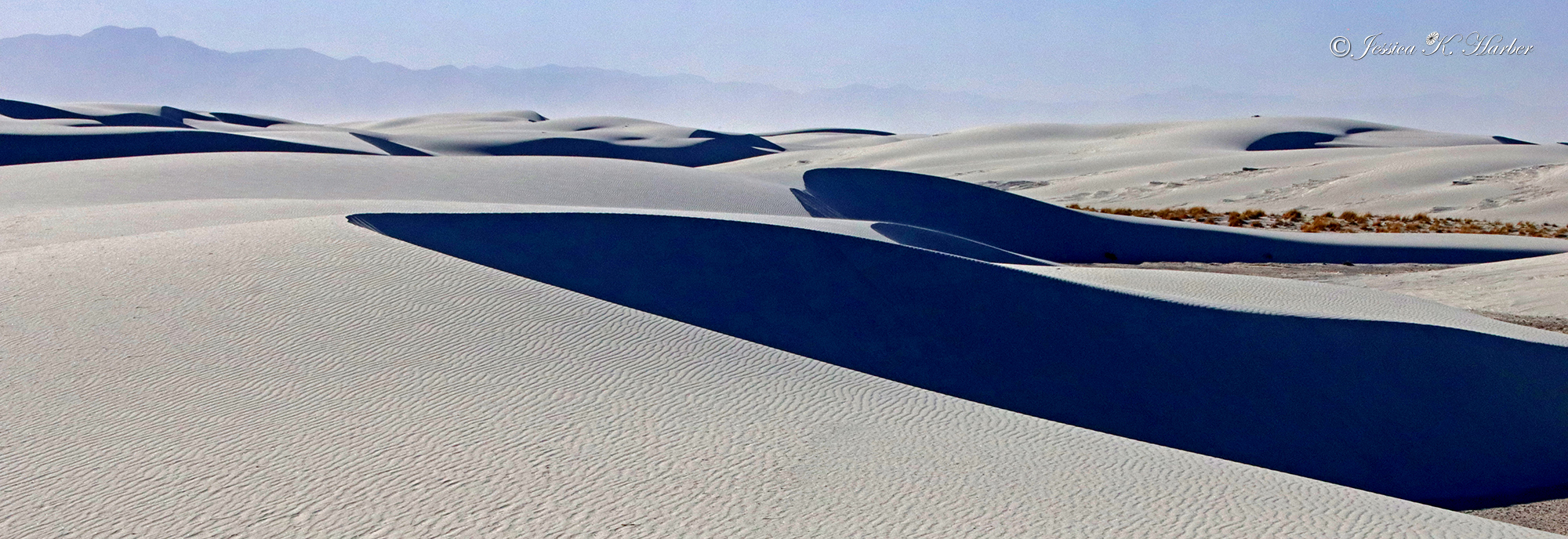
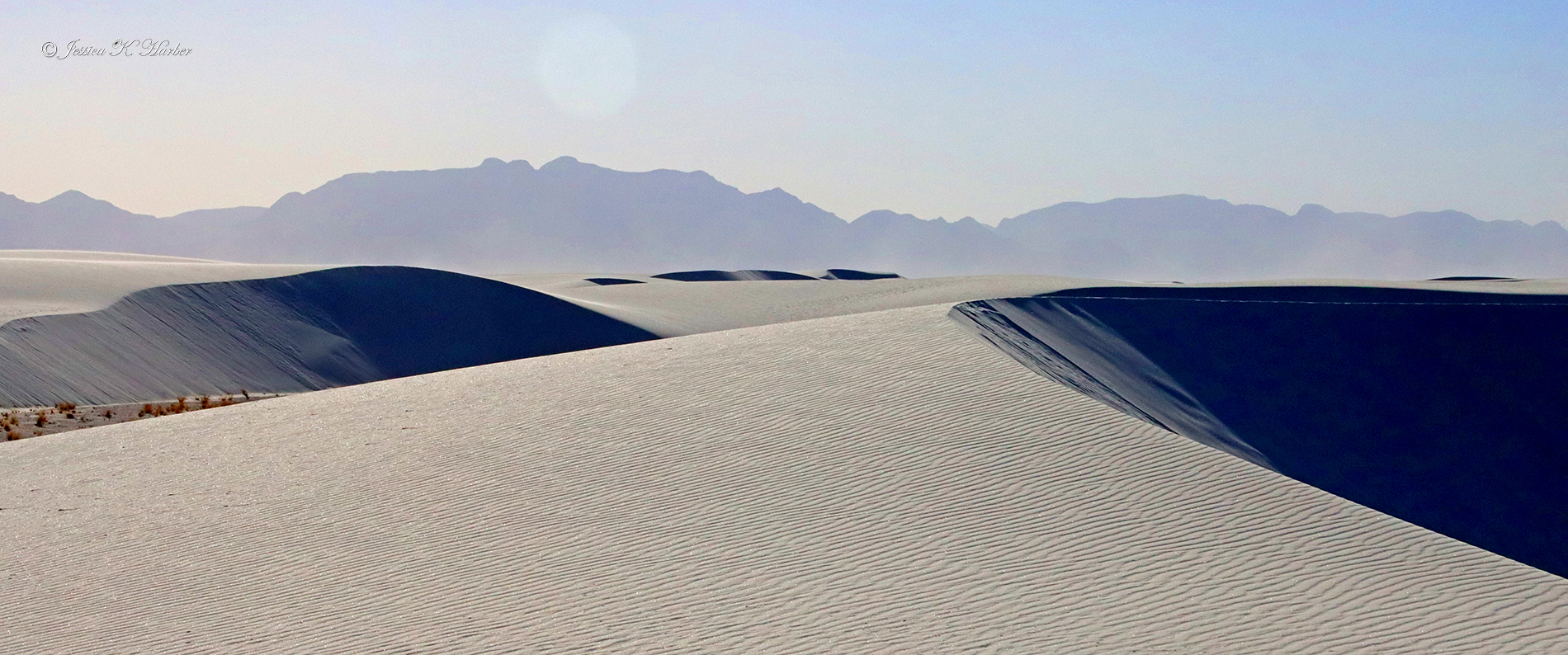
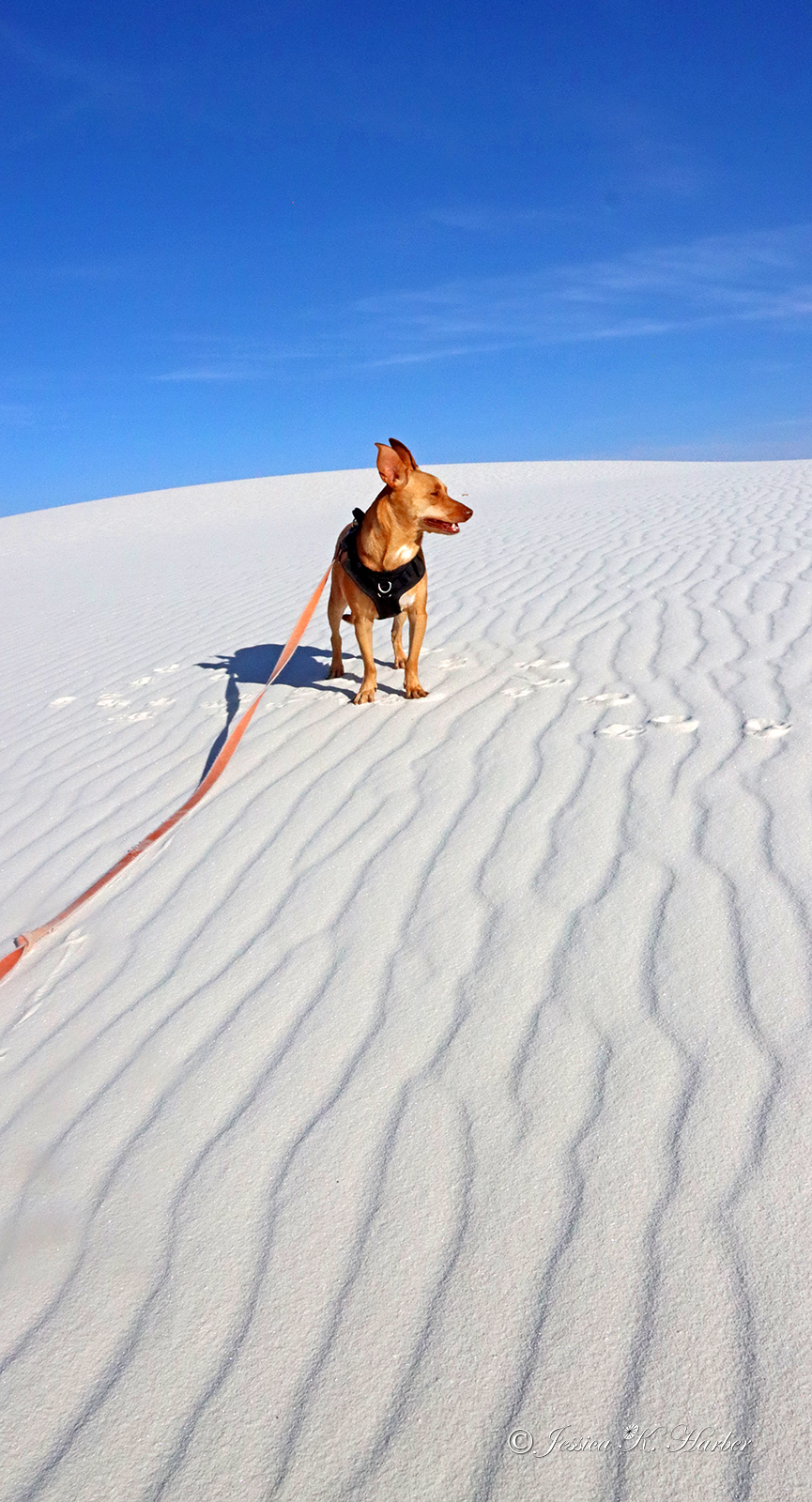
I enjoy seeing and photographing sand dunes because of the different patterns the wind makes in the sand and the way the light plays off the dunes. Sand is also challenging for me, though, because it is the absolute worst for camera equipment–even more so than water. If the sand is blowing, it can actually ruin equipment, so if that starts, I usually retreat to my vehicle or at least put away my camera(s).

There was not a great deal of wind, however, and I was somewhat able to take advantage of late afternoon light before leaving. I enjoyed this Park but, on this occasion, one afternoon was a long enough visit for me.

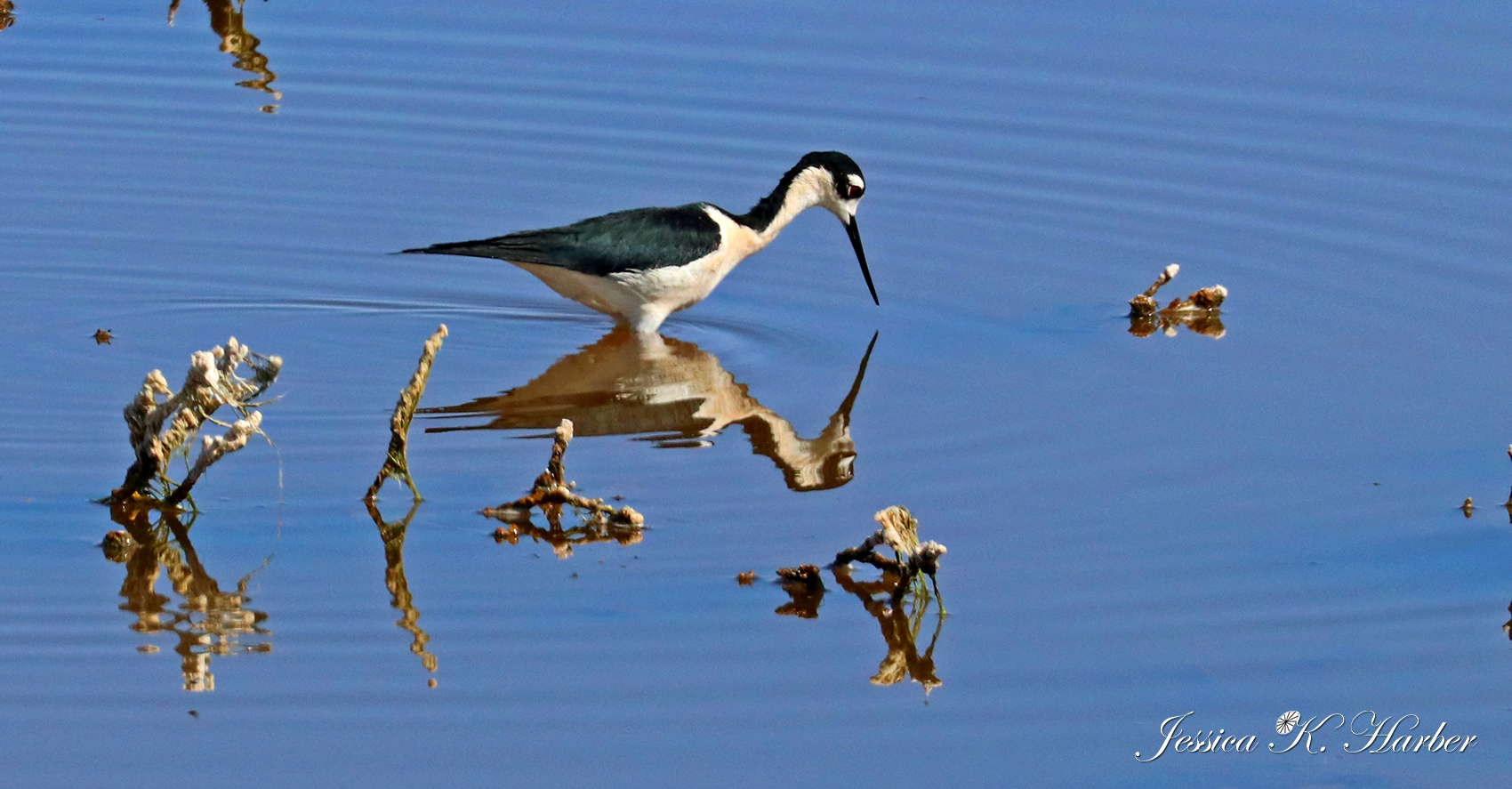
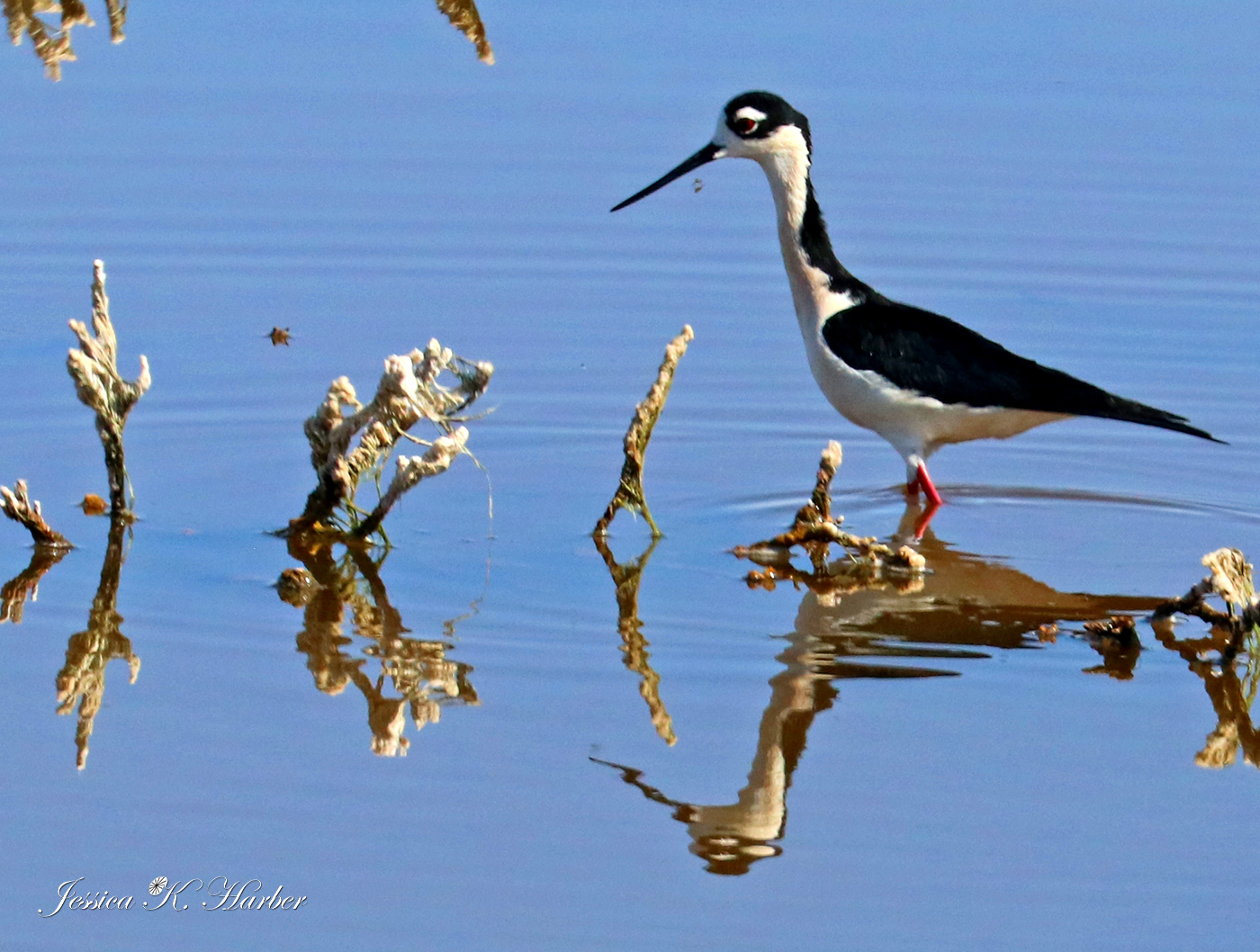
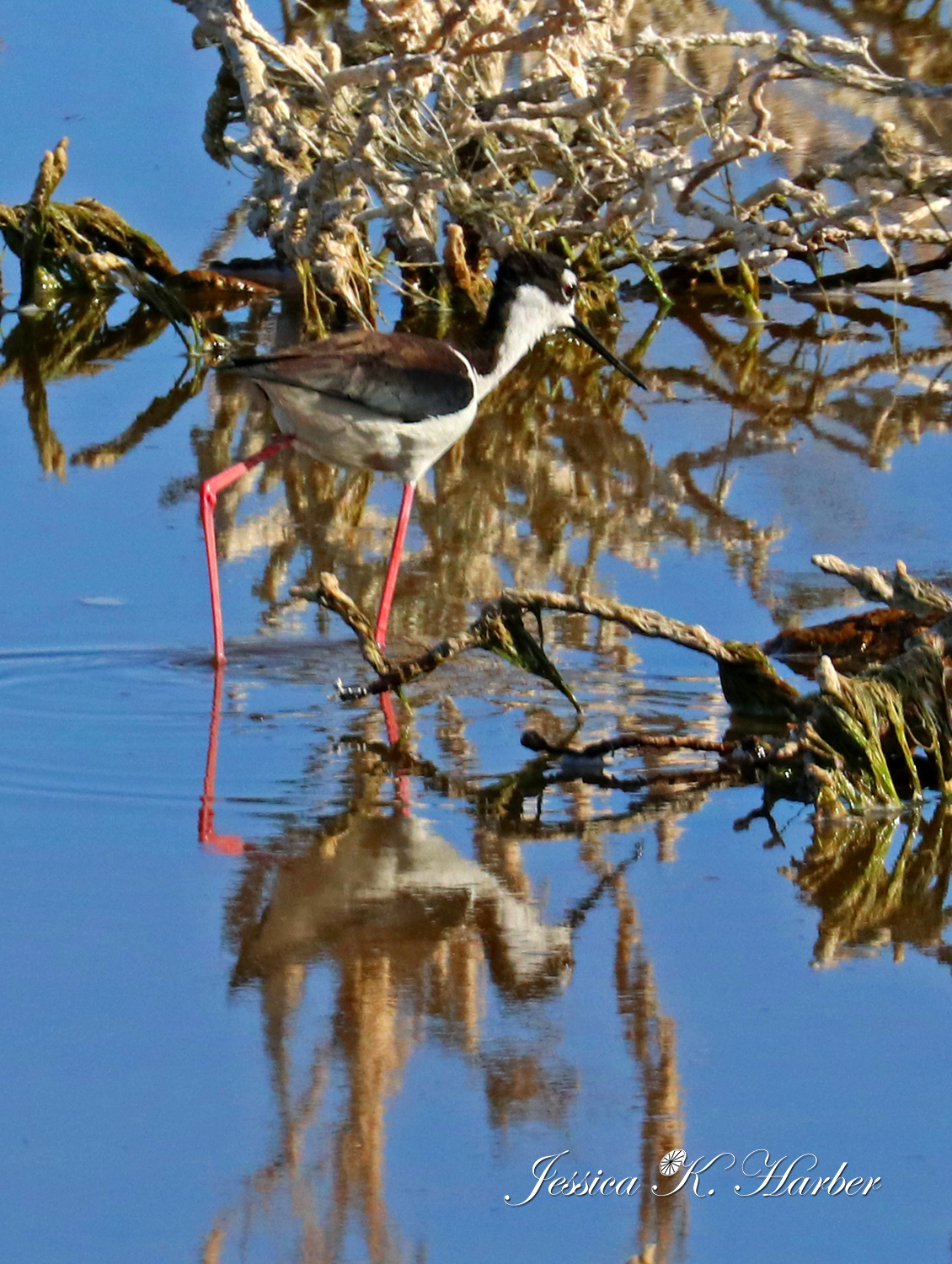
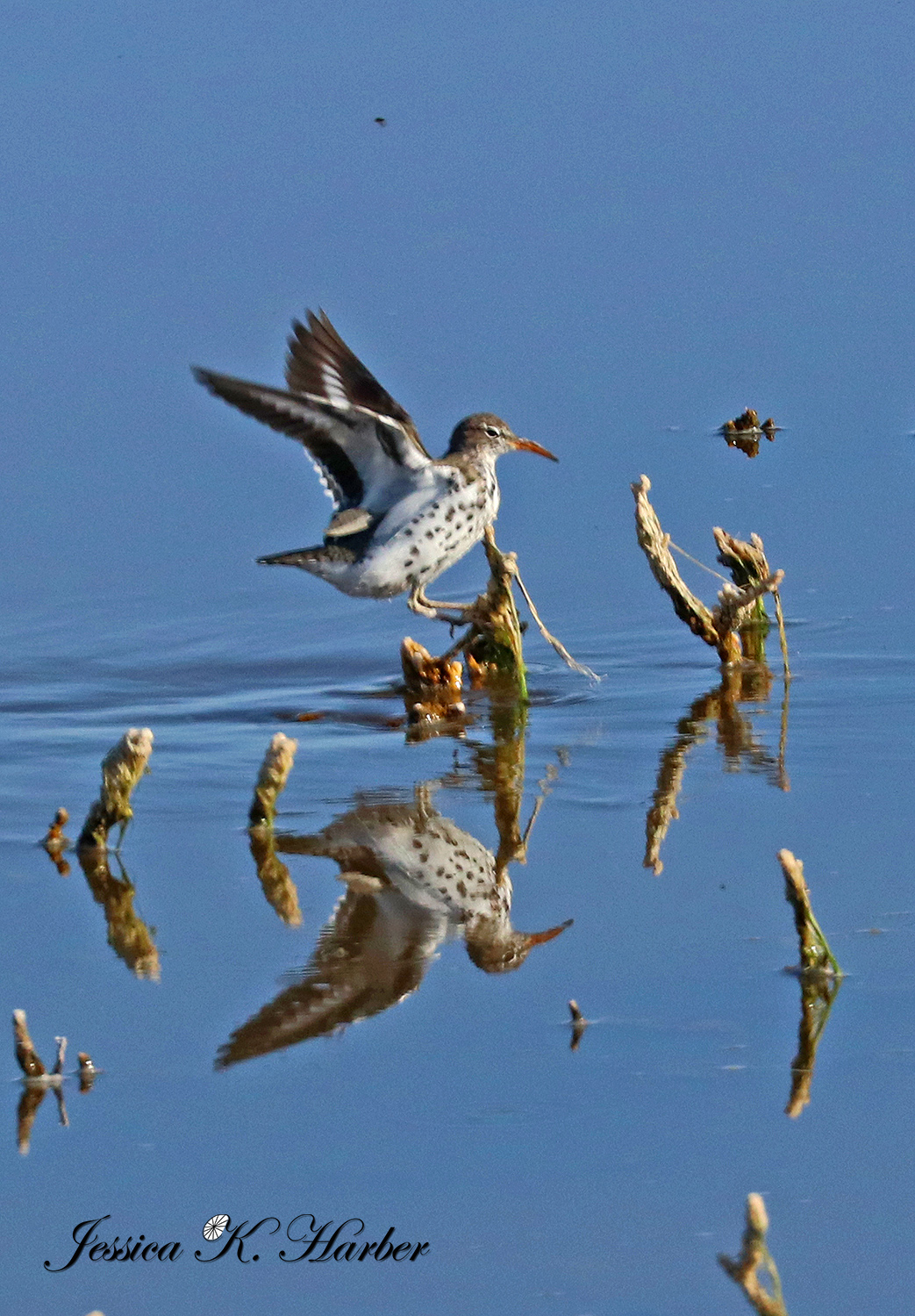
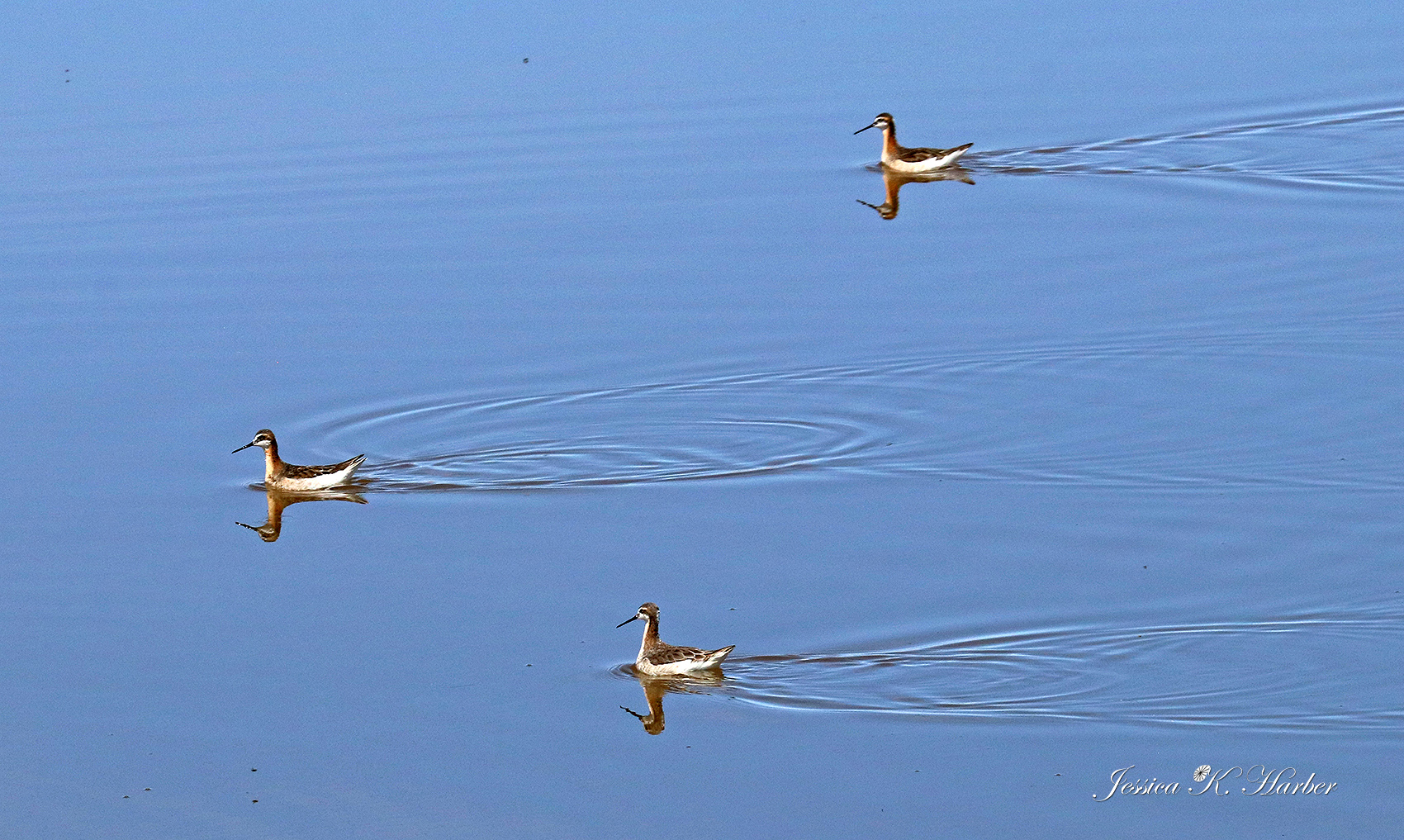
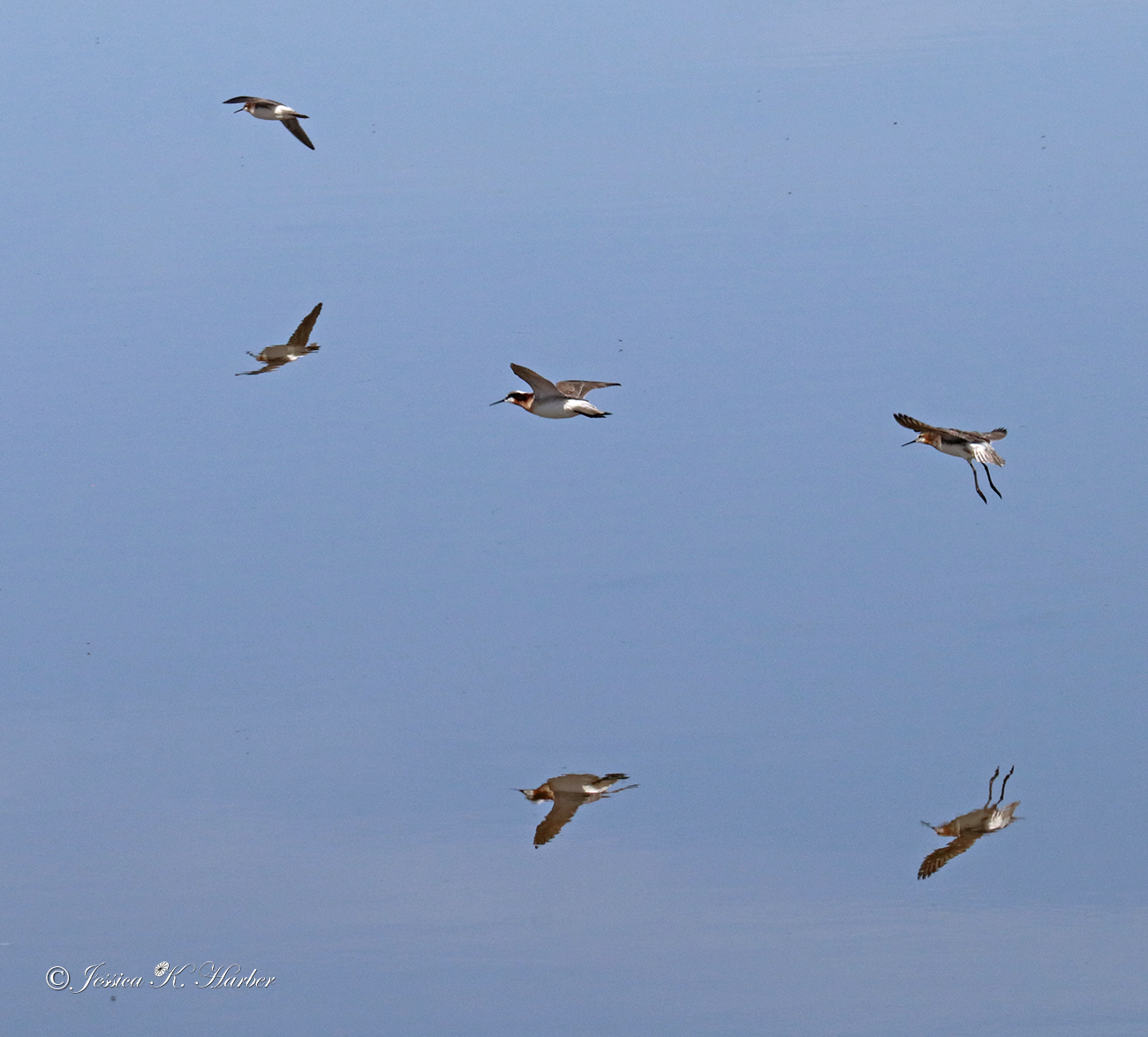
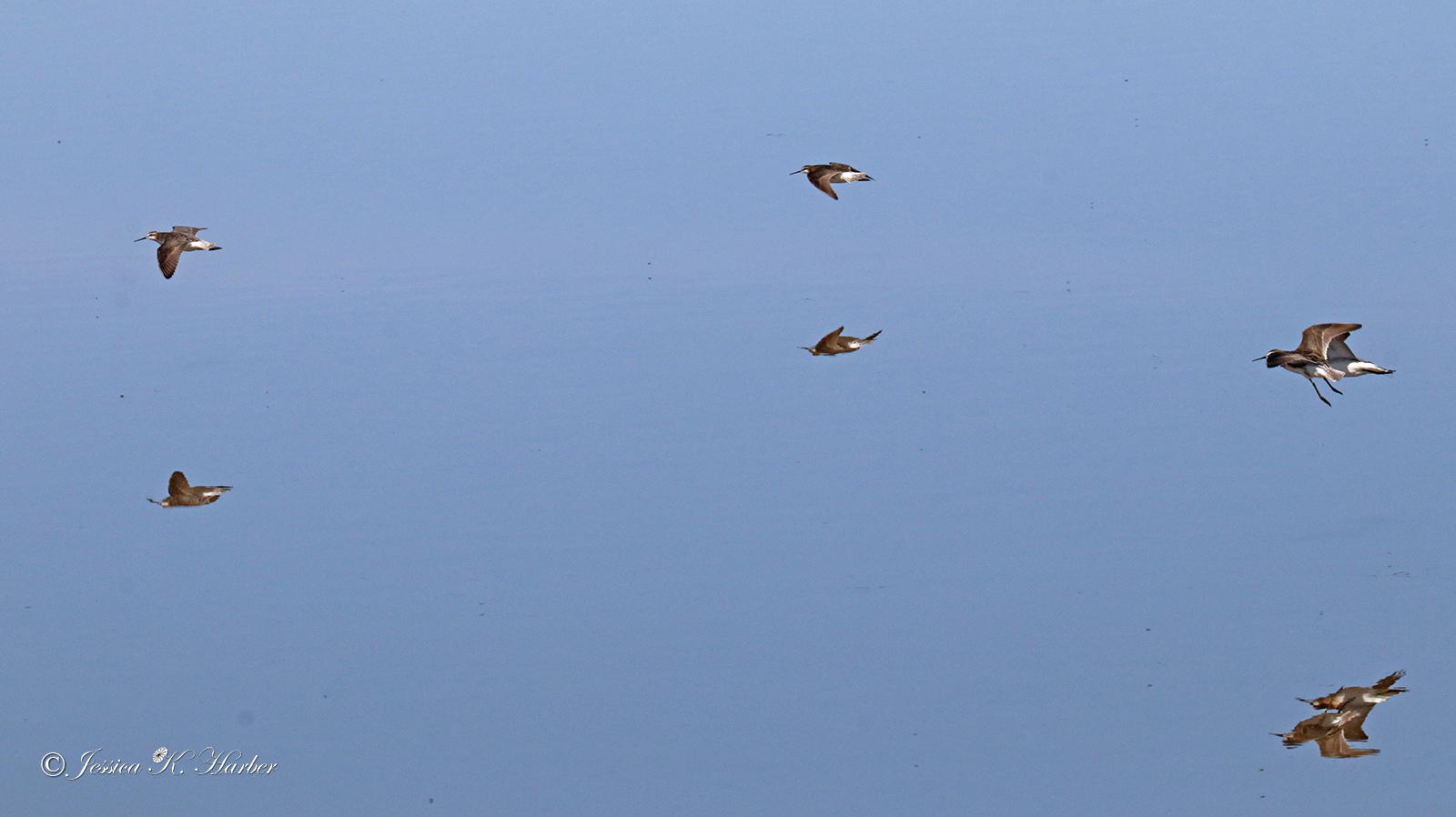
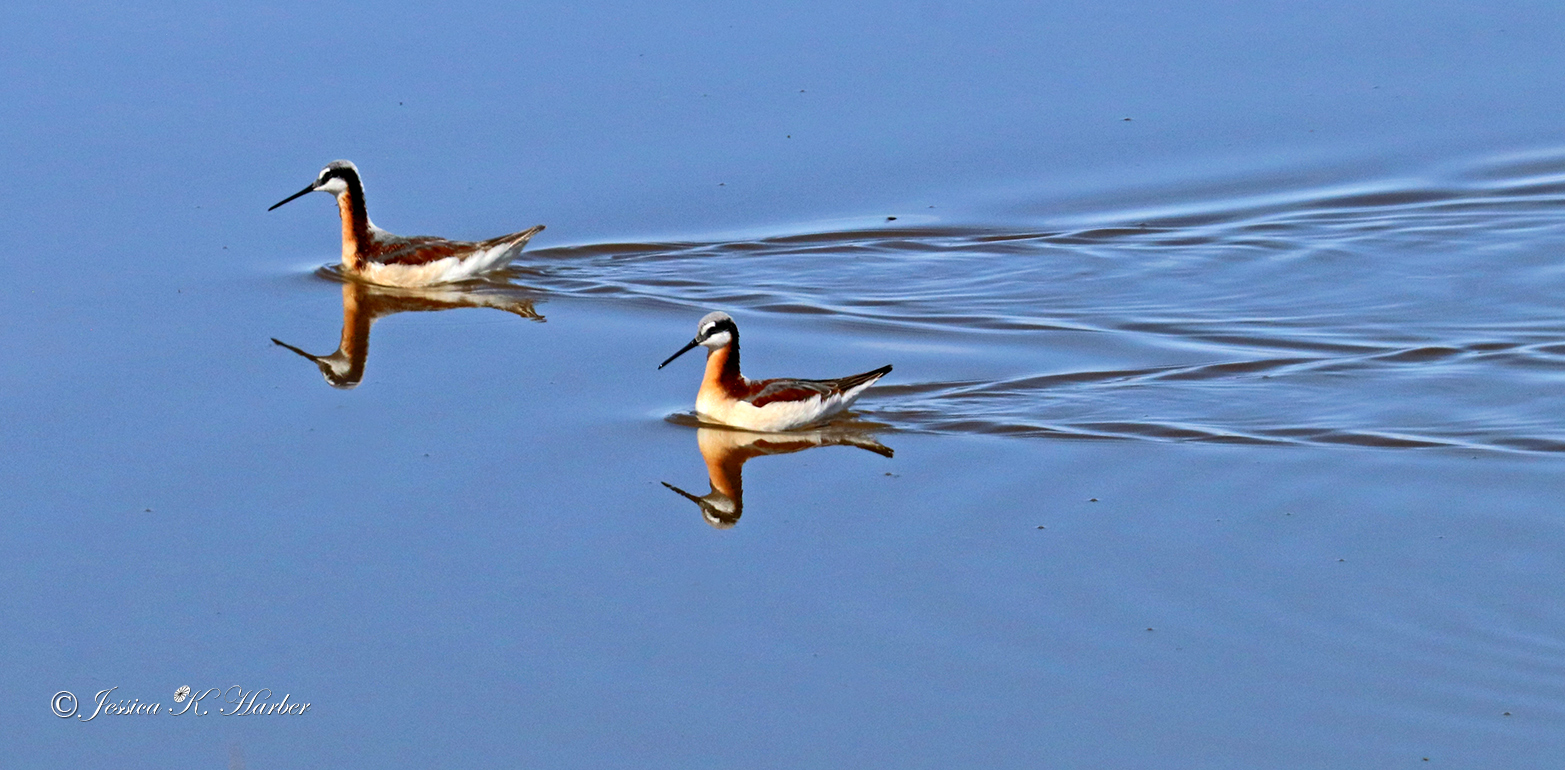
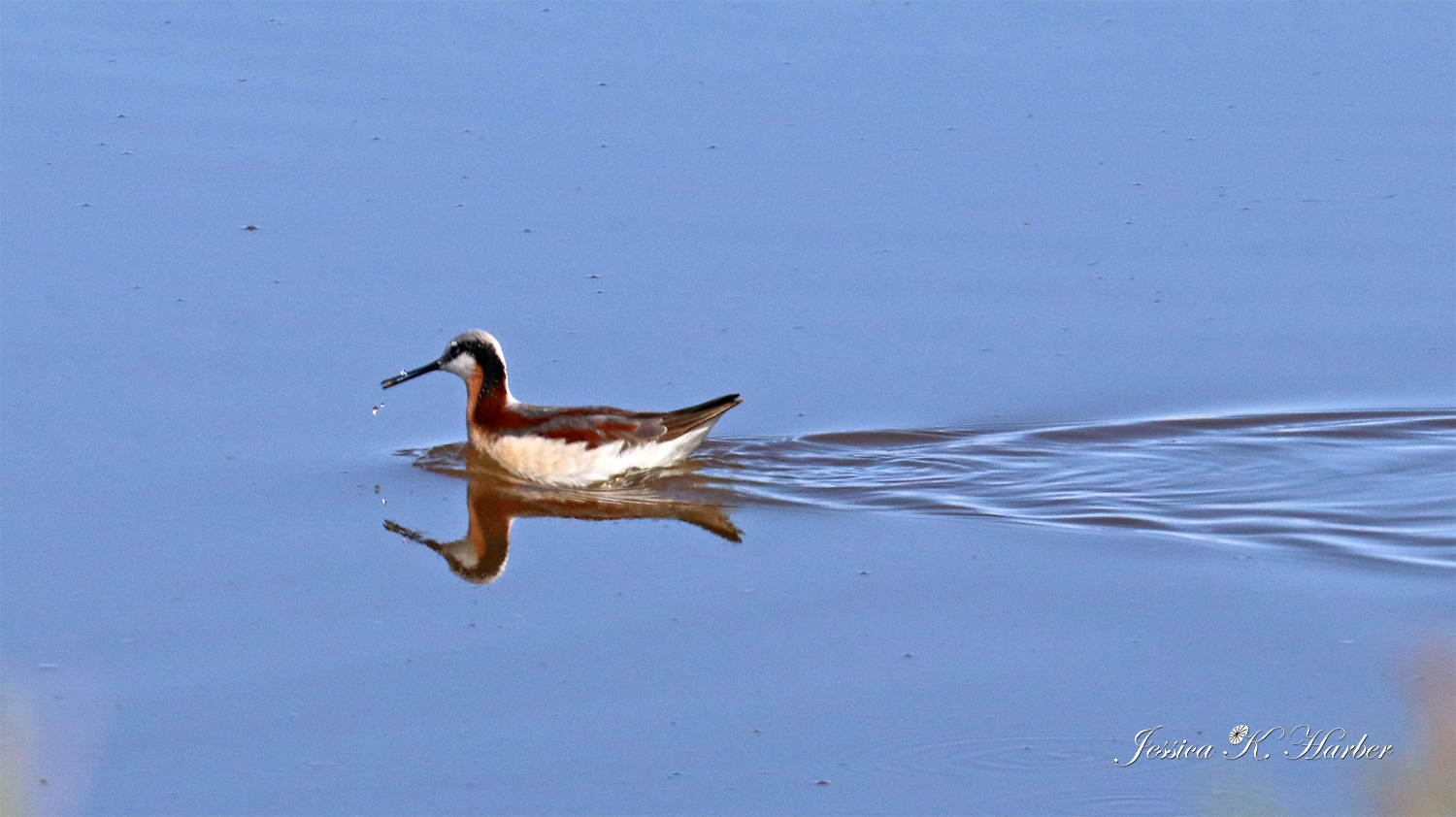
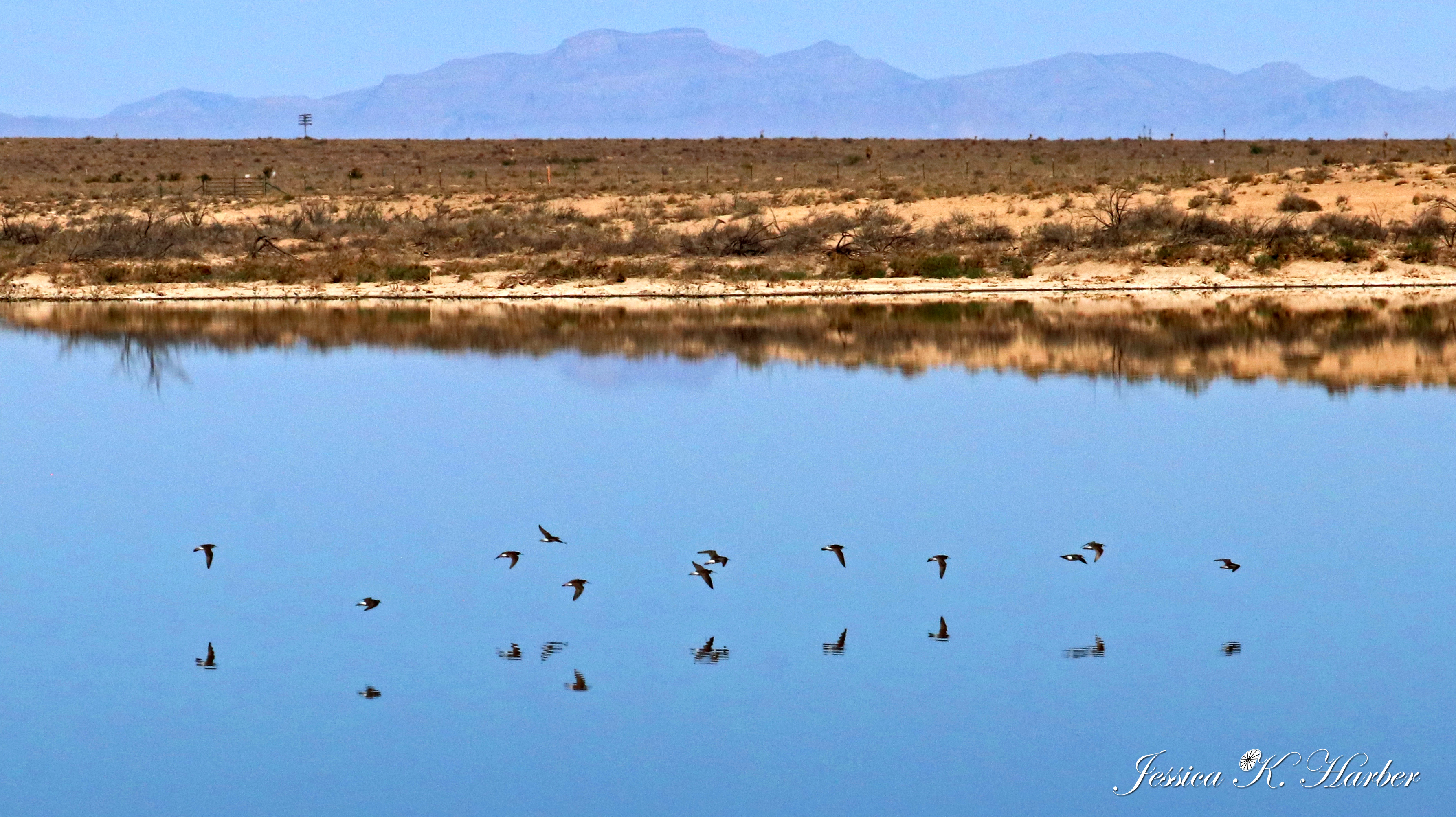
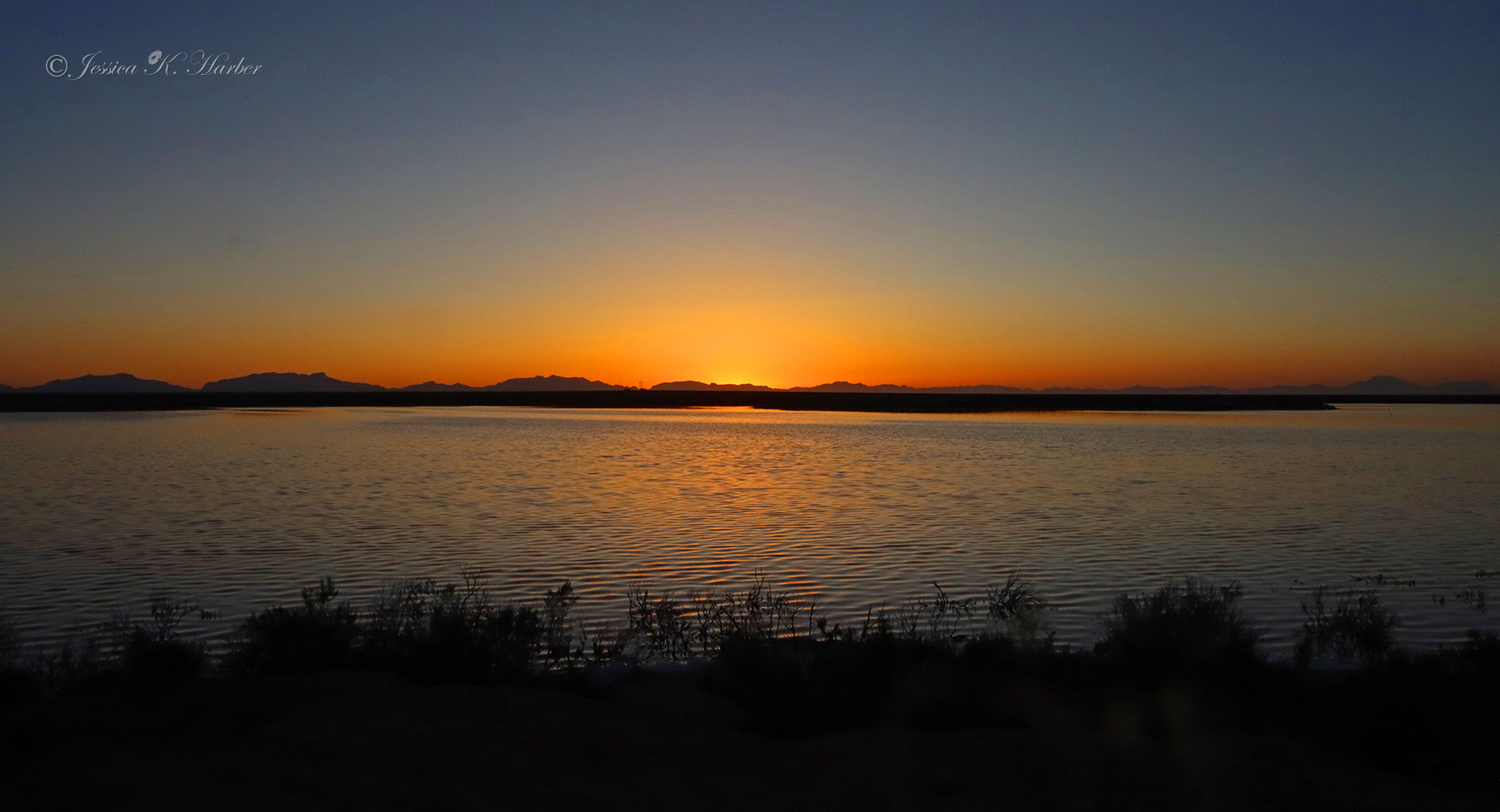
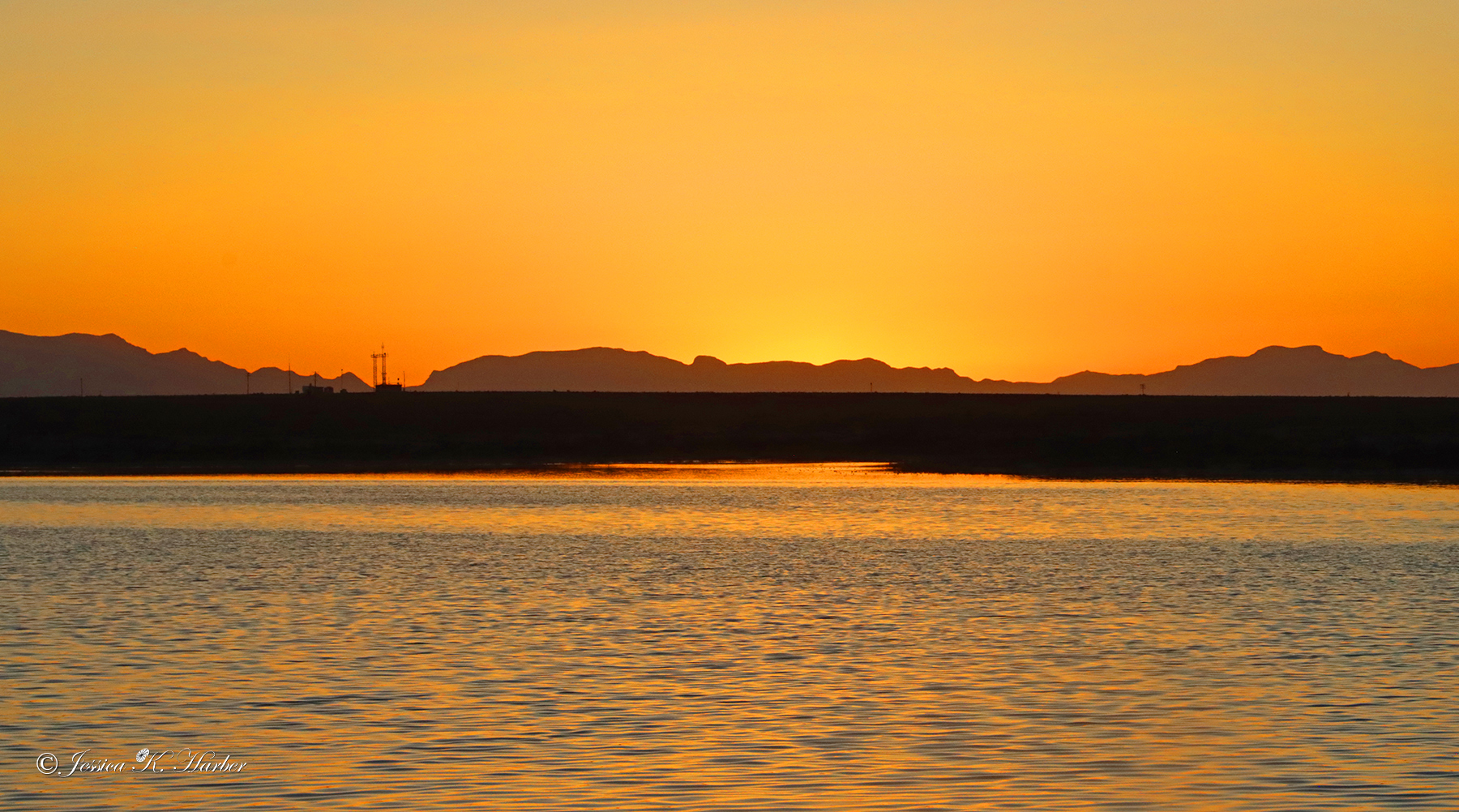
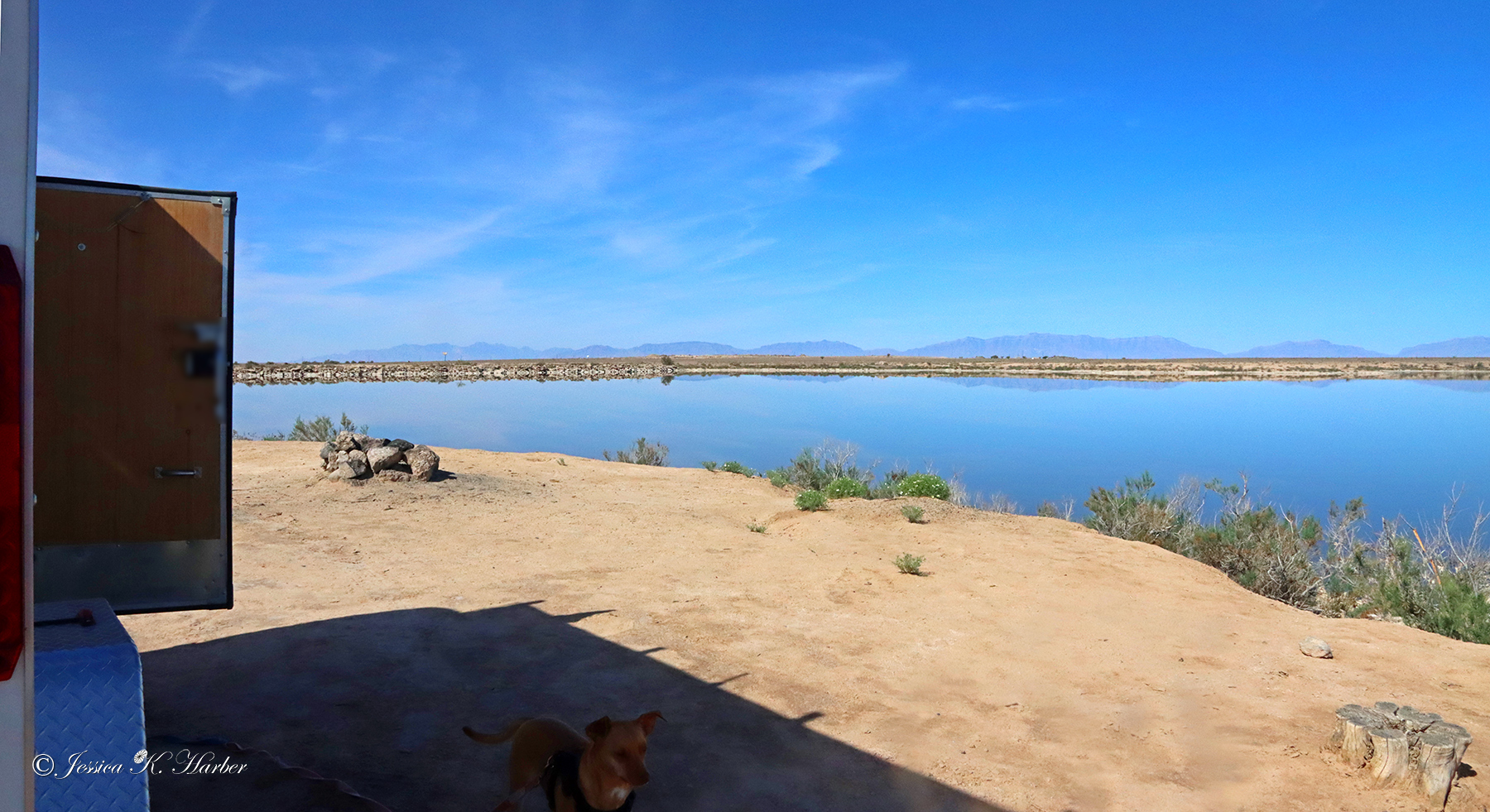
Before my arrival, I had scoped out a dry camping spot which was quite close by. It was by an evaporation pond and signs said not to use the water in any fashion. The birds used it, however, and it made for some nice reflection photographs. There were no amenities here, but it was a great, easy-to-access location with space for several rigs next to the water.

[Thanks to the Facebook bird group “What’s this Bird? – American Birding Association (ABA)” for help with identifications.]

NEW MEXICO. MAY.

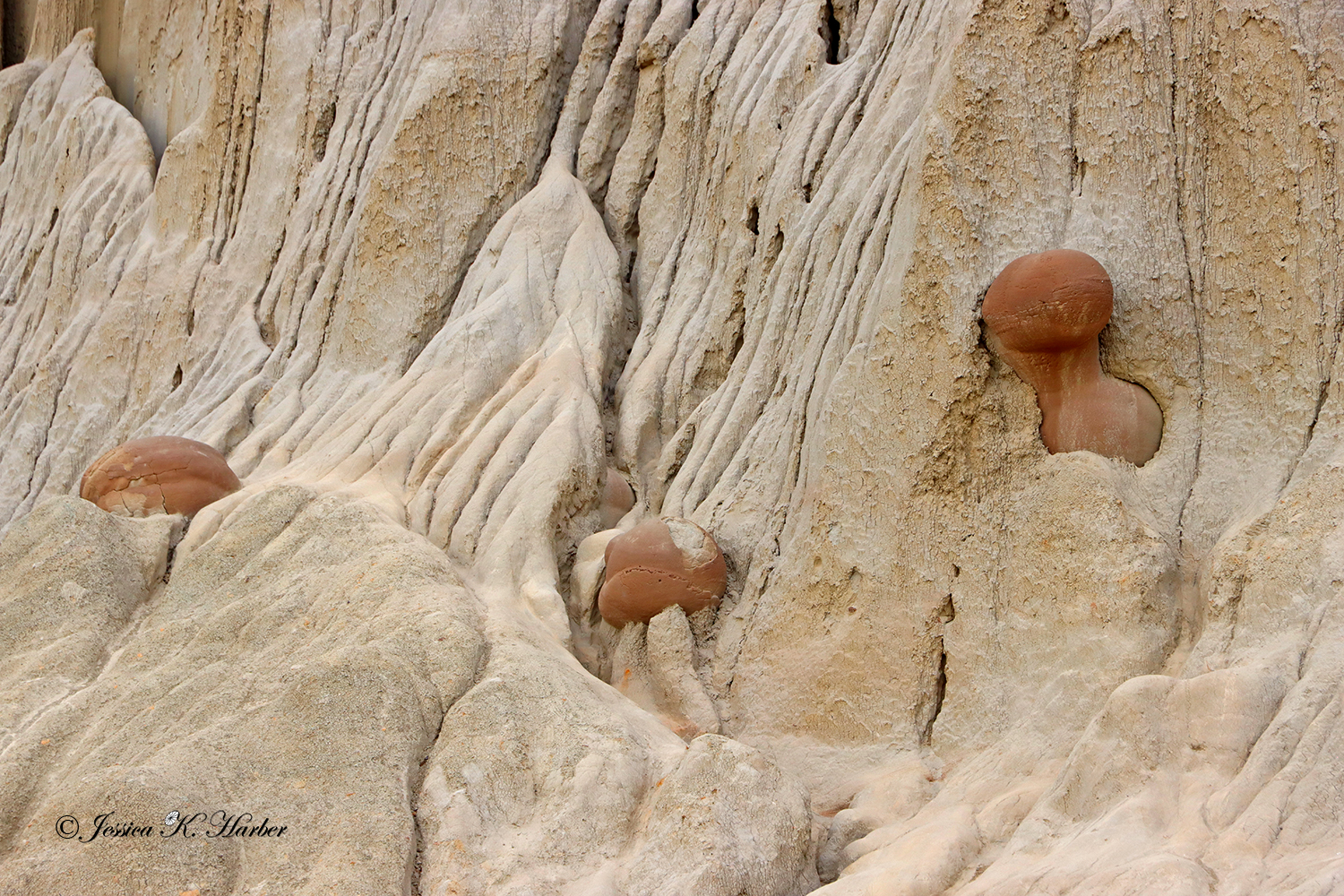
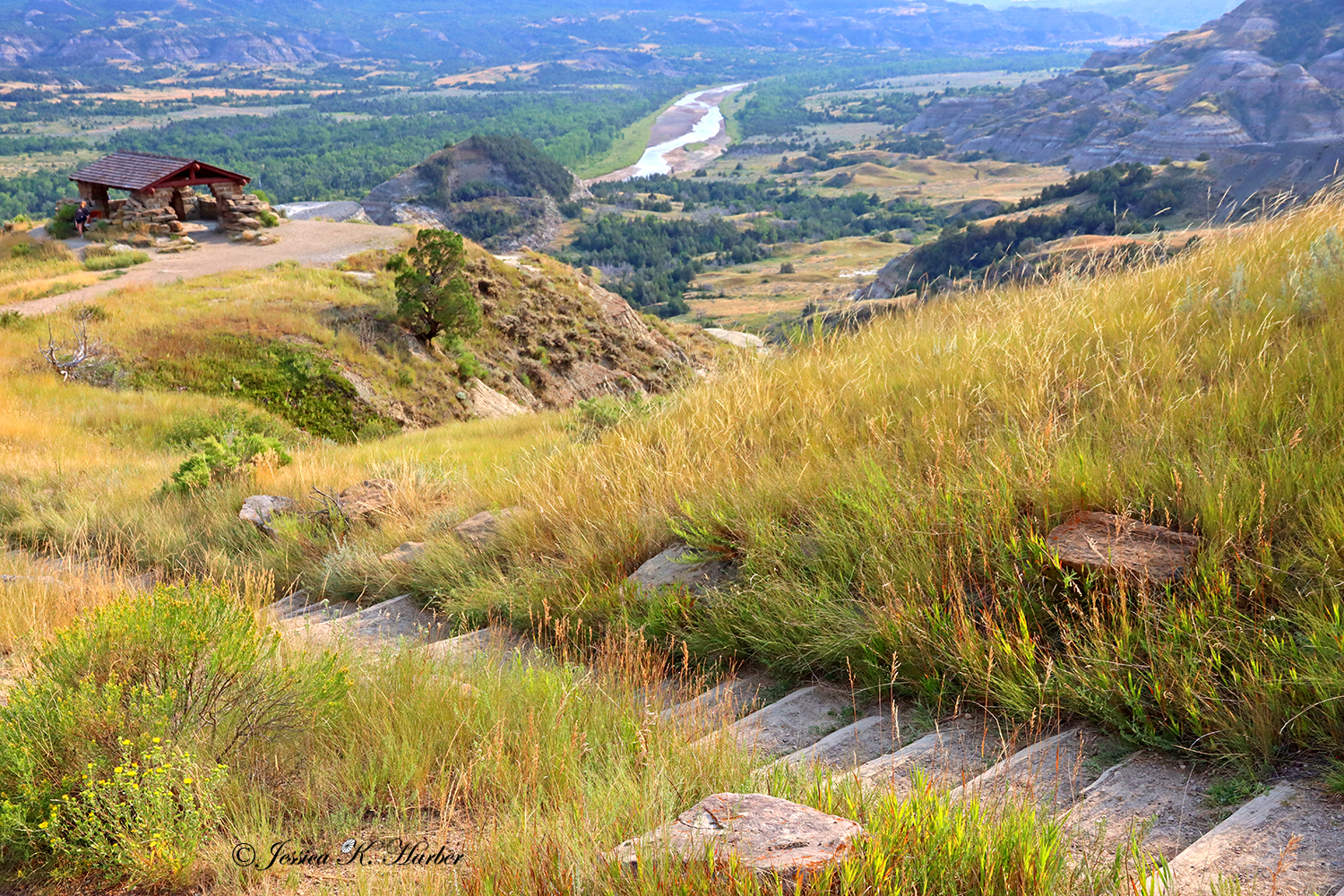
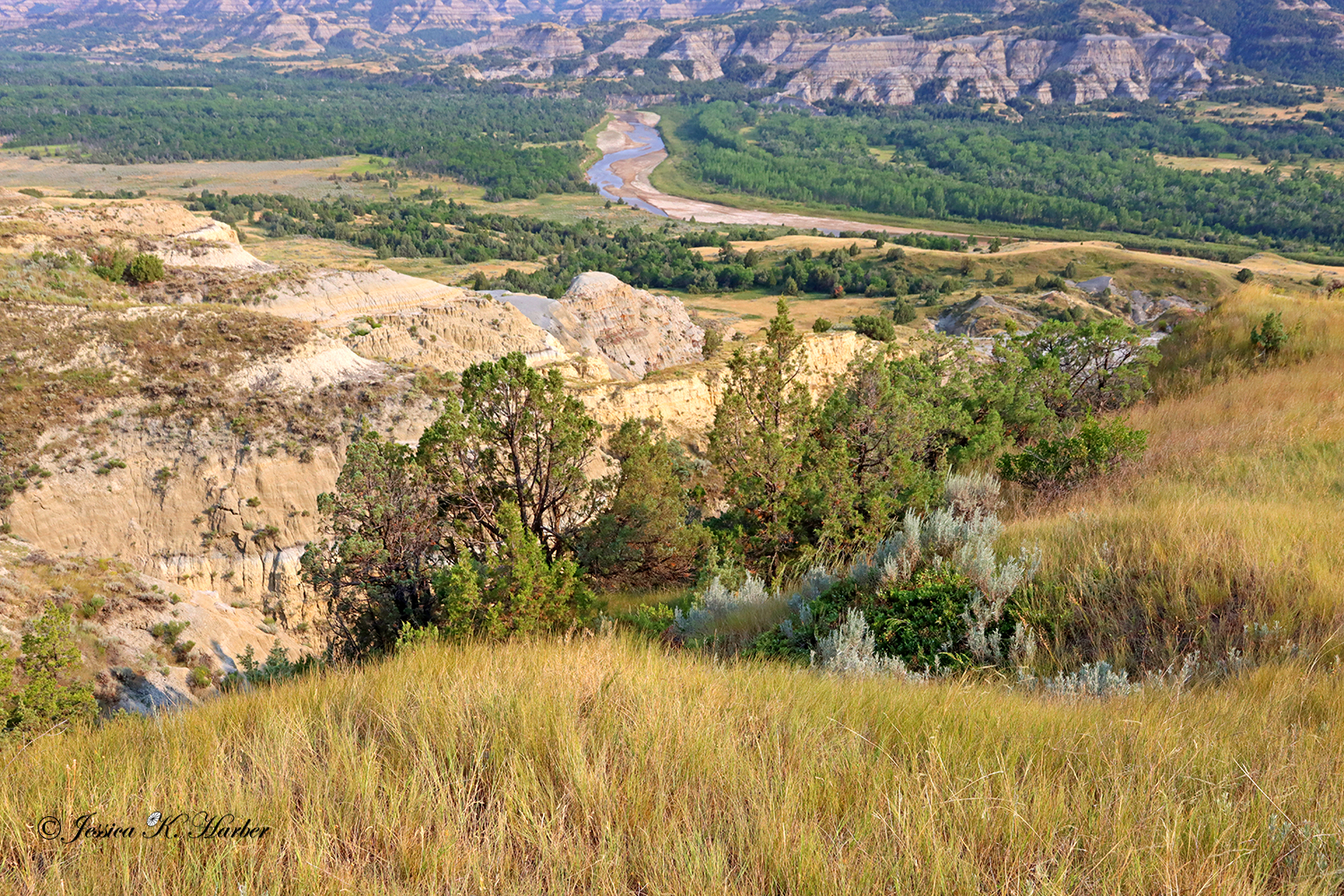
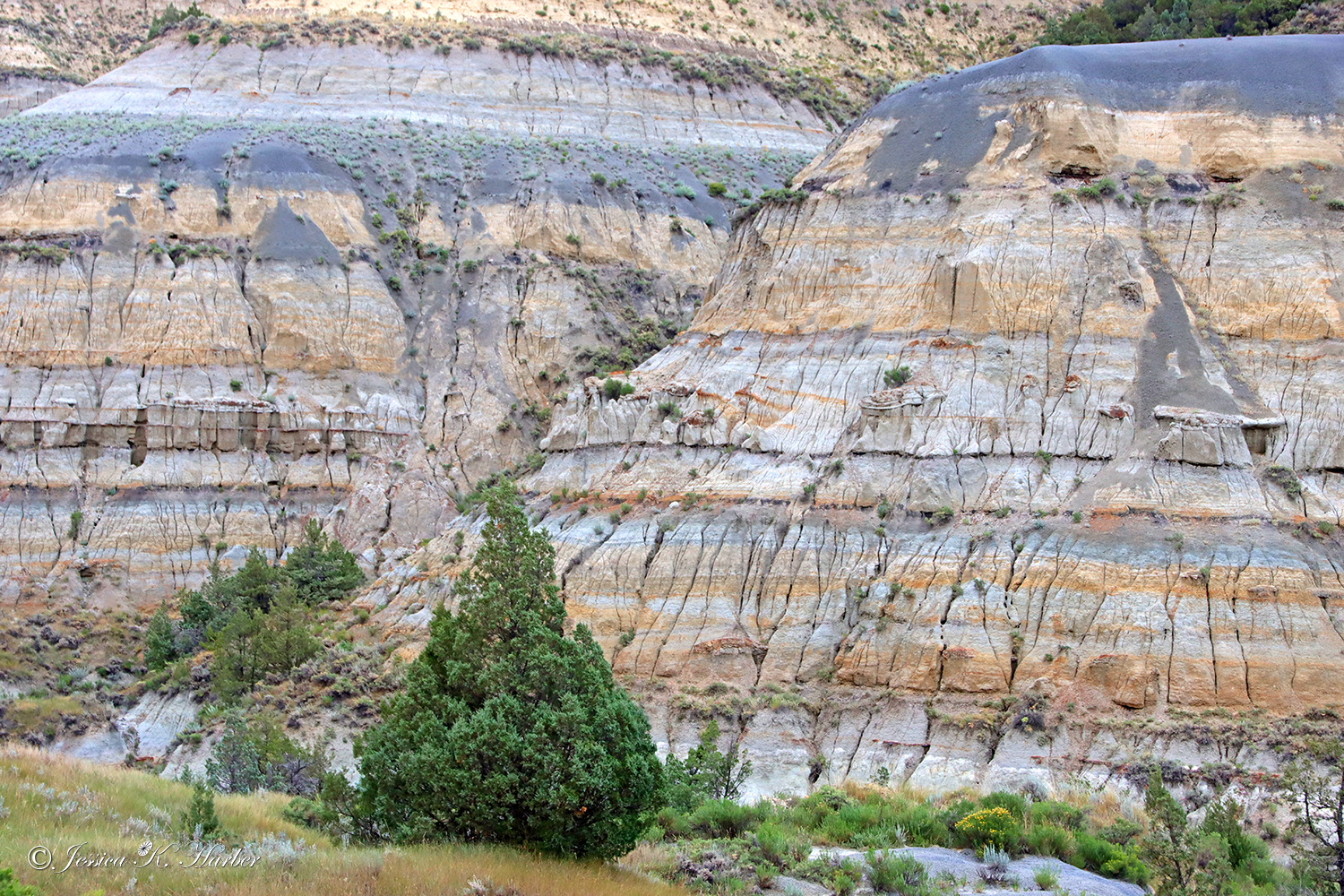
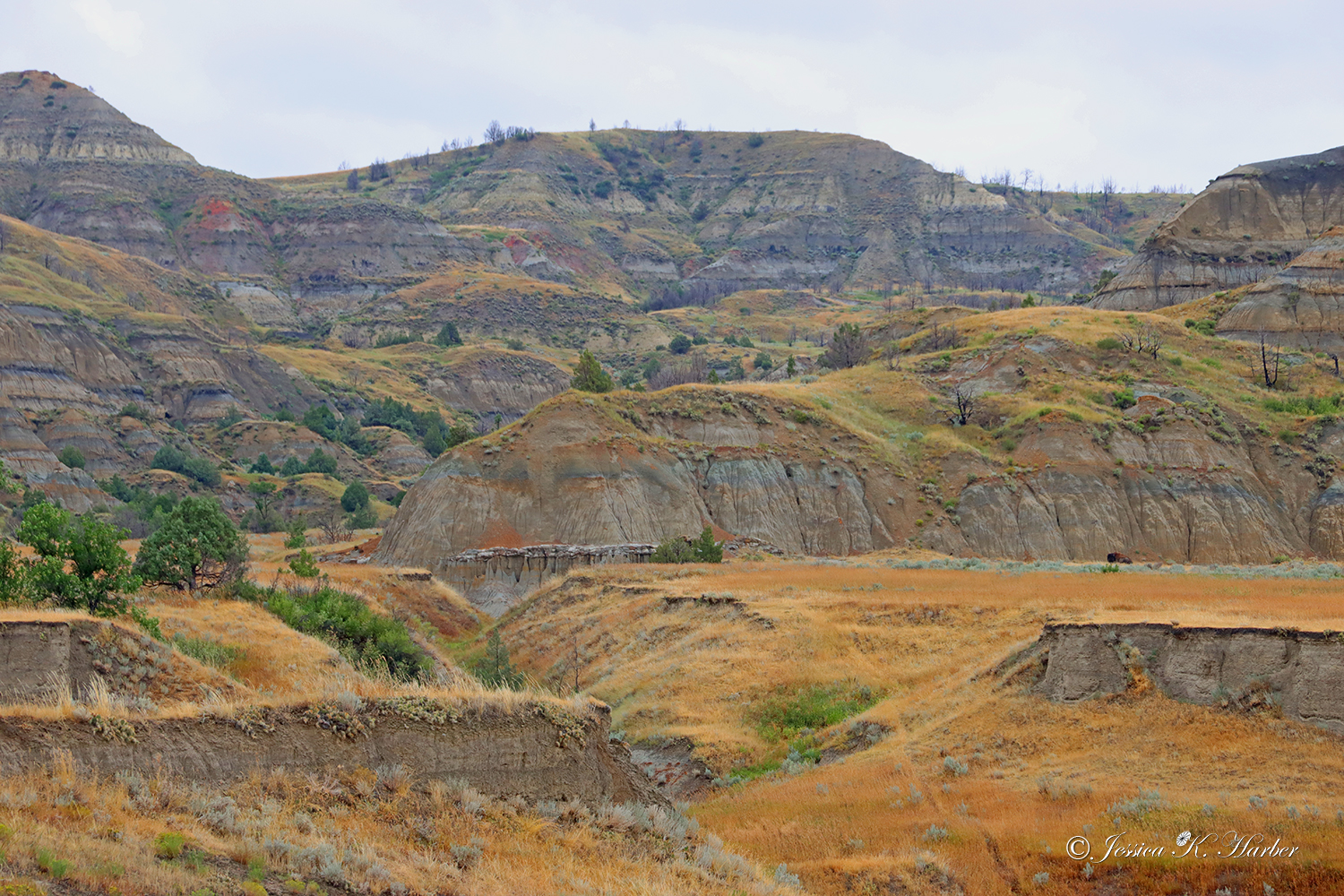
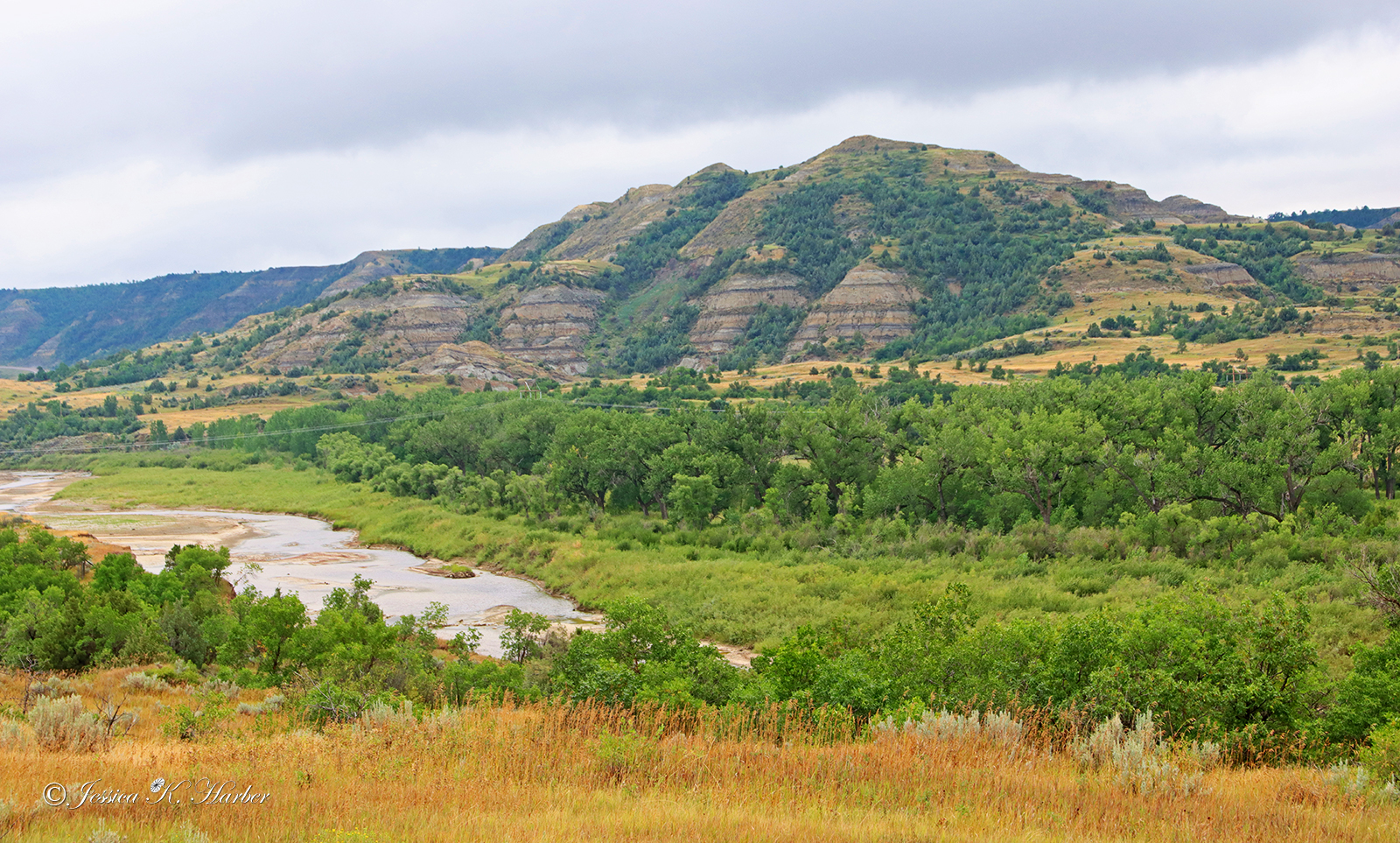
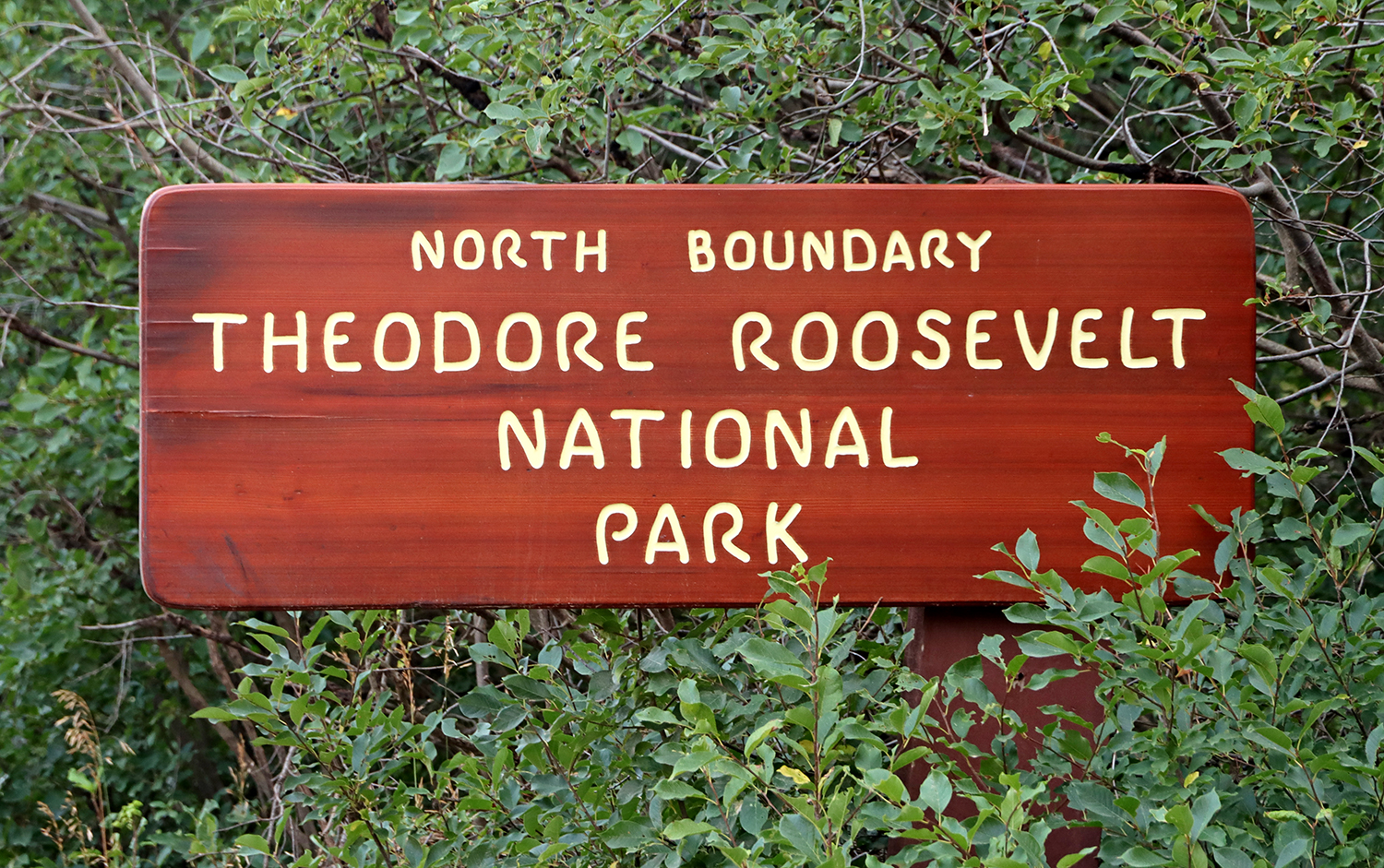
Theodore Roosevelt National Park

NORTH DAKOTA. AUGUST.

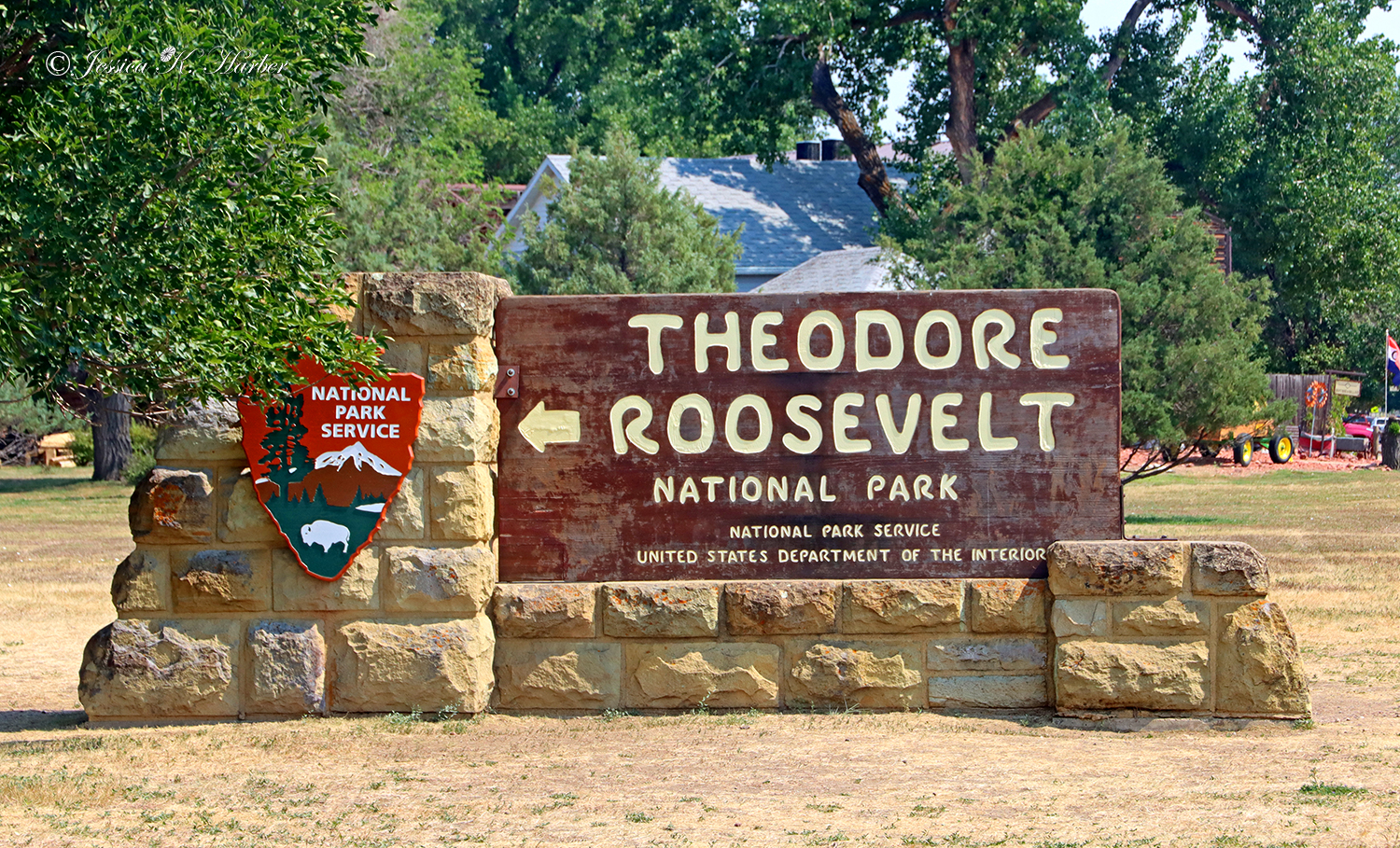
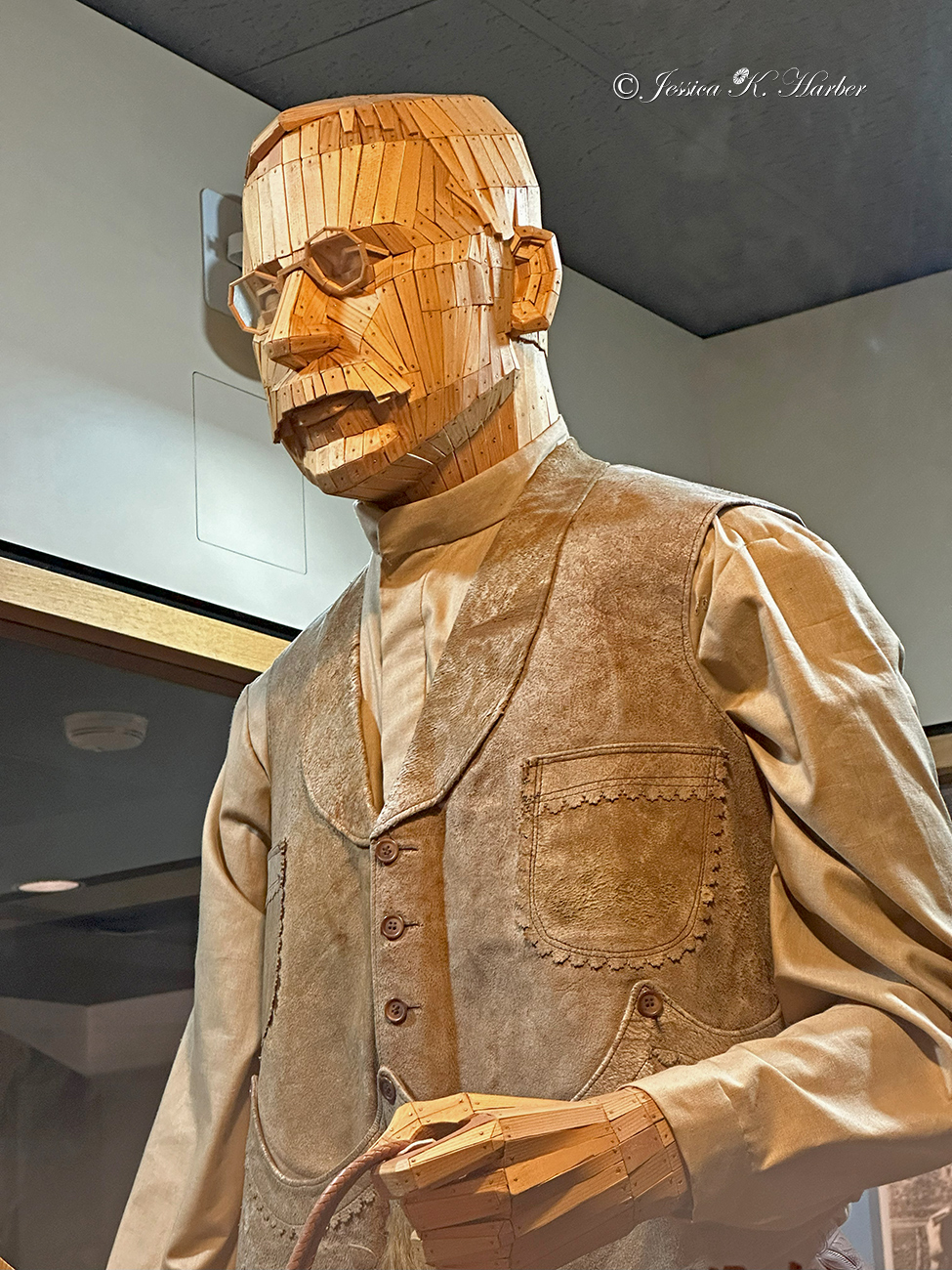
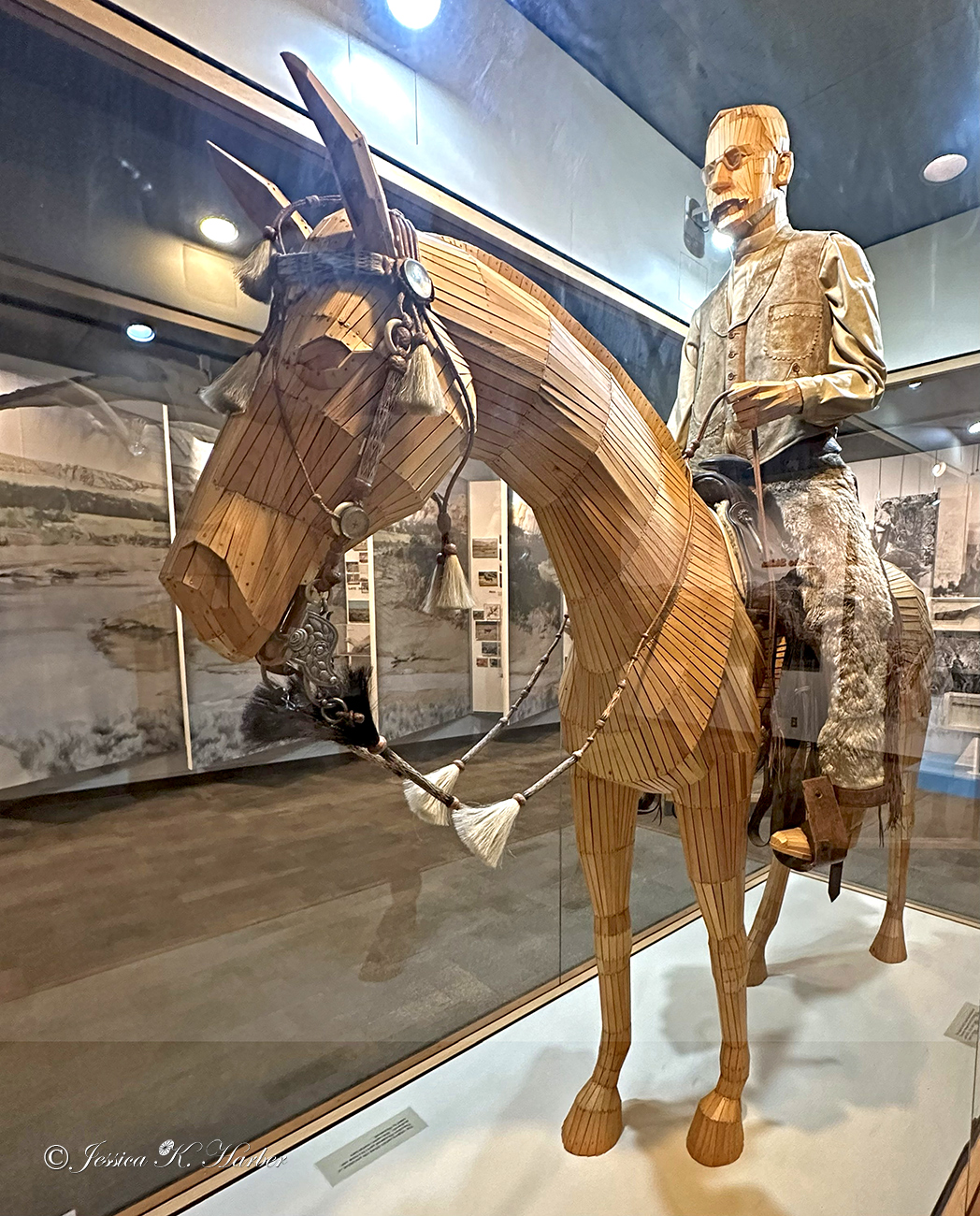
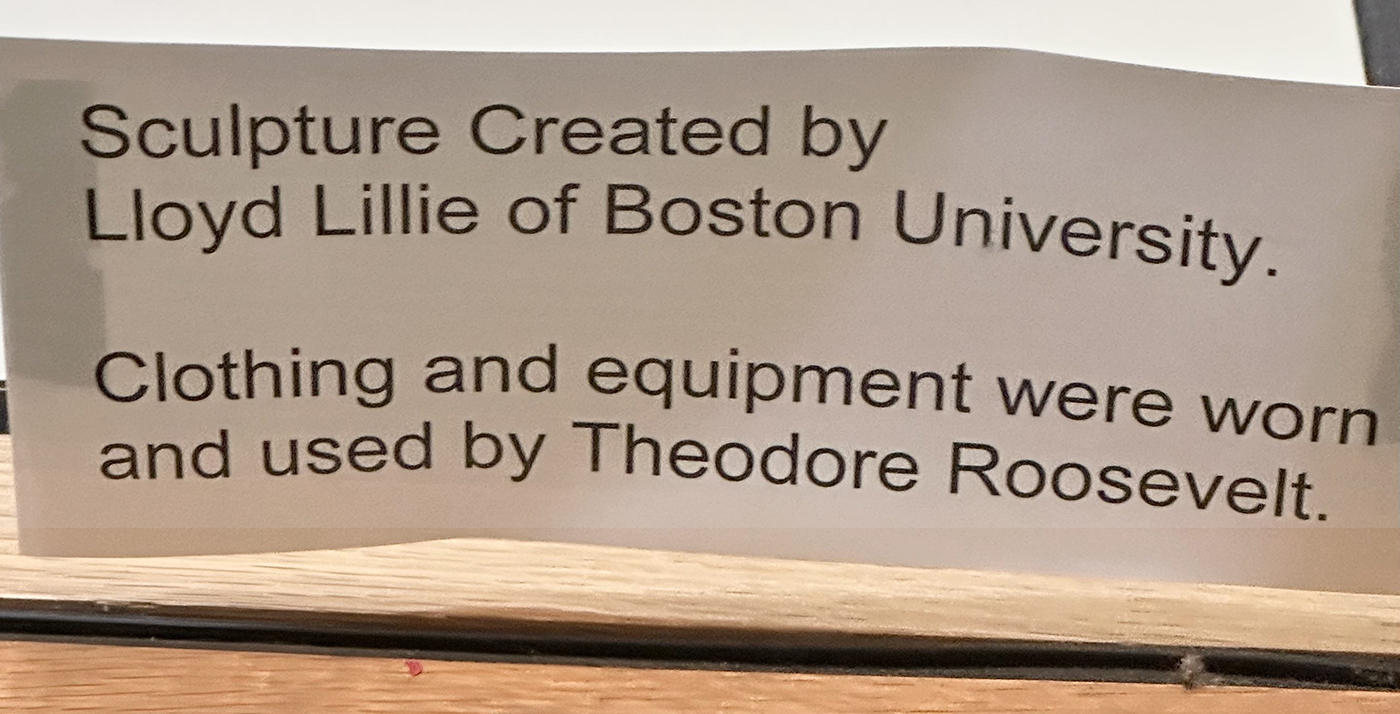
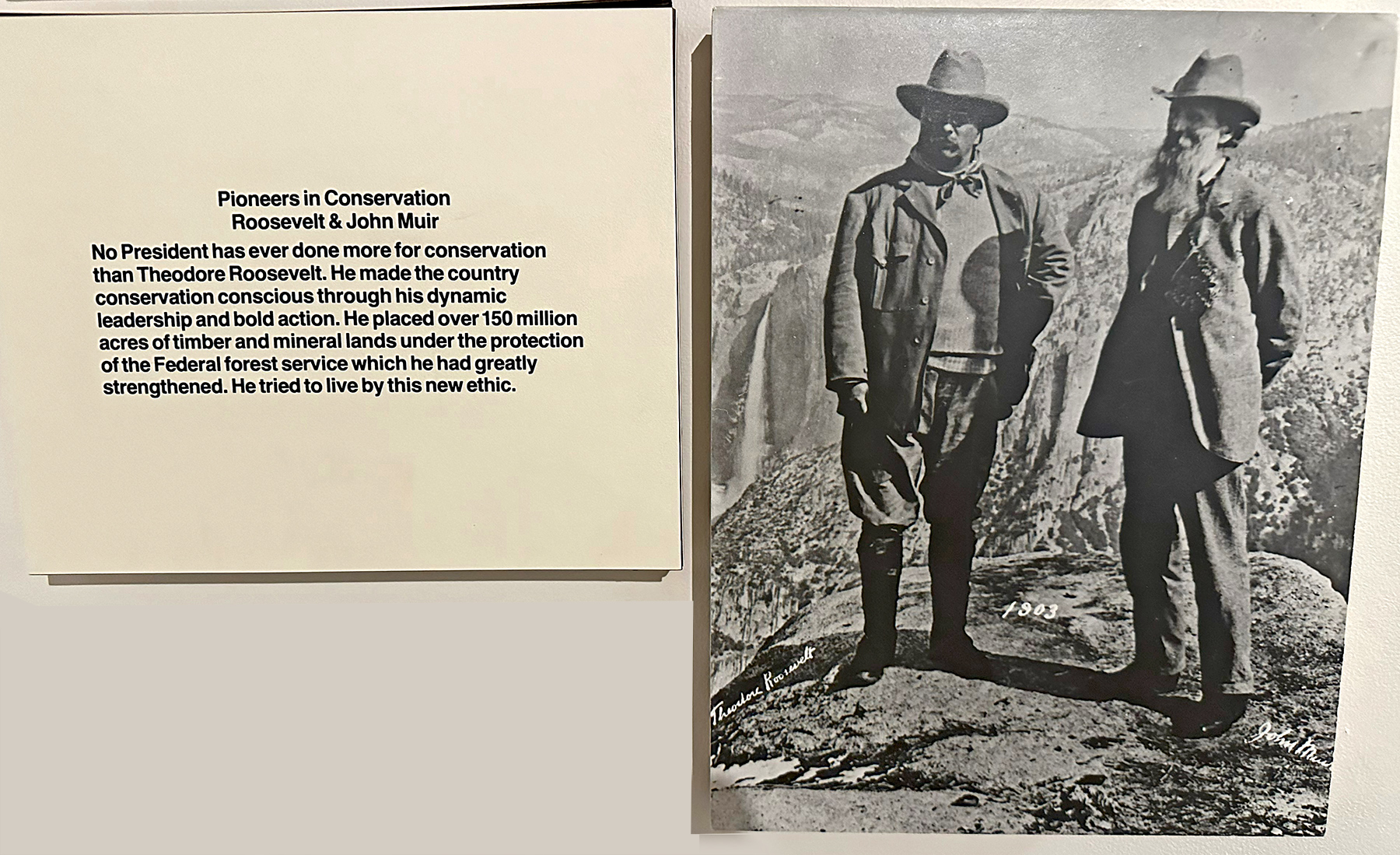
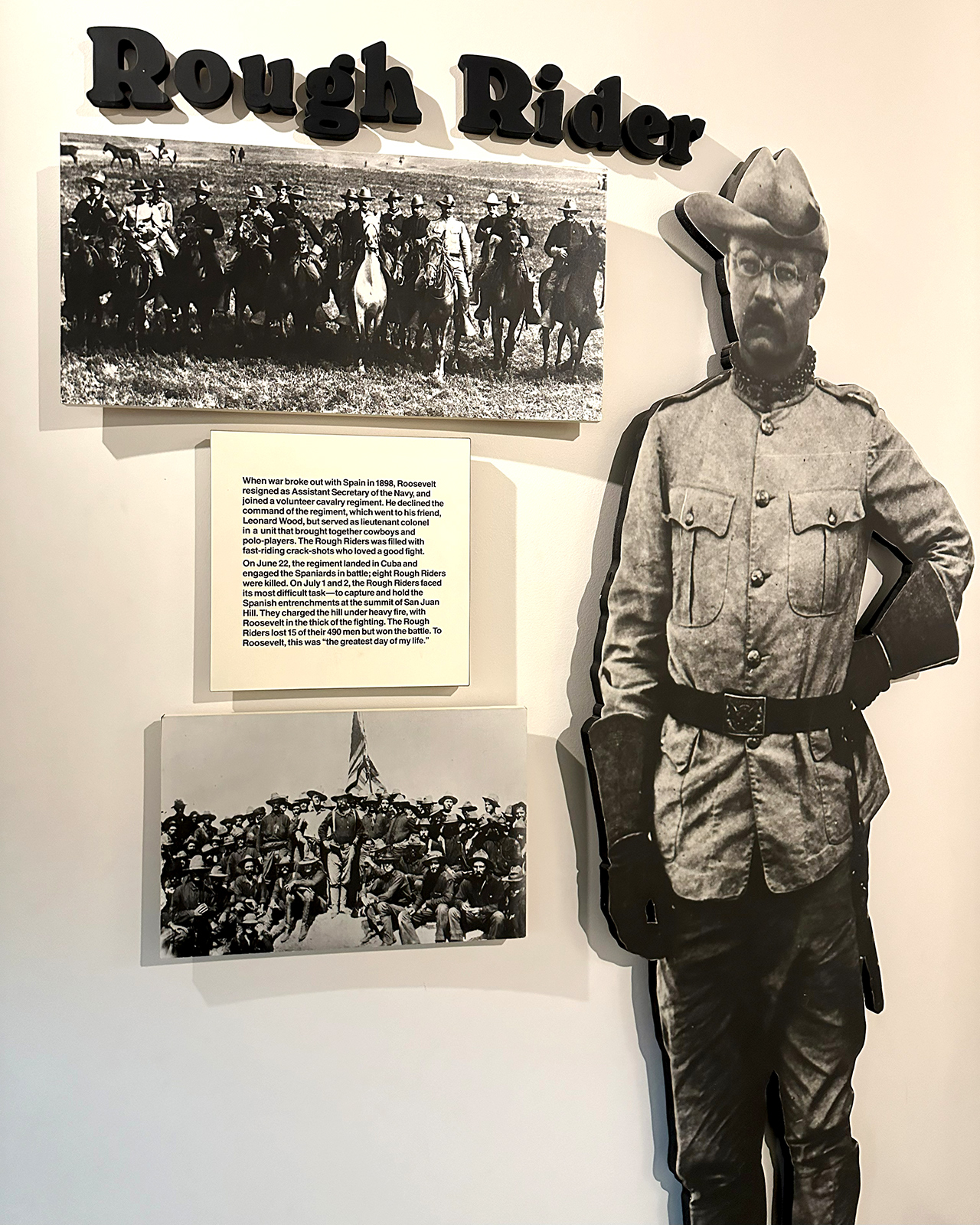
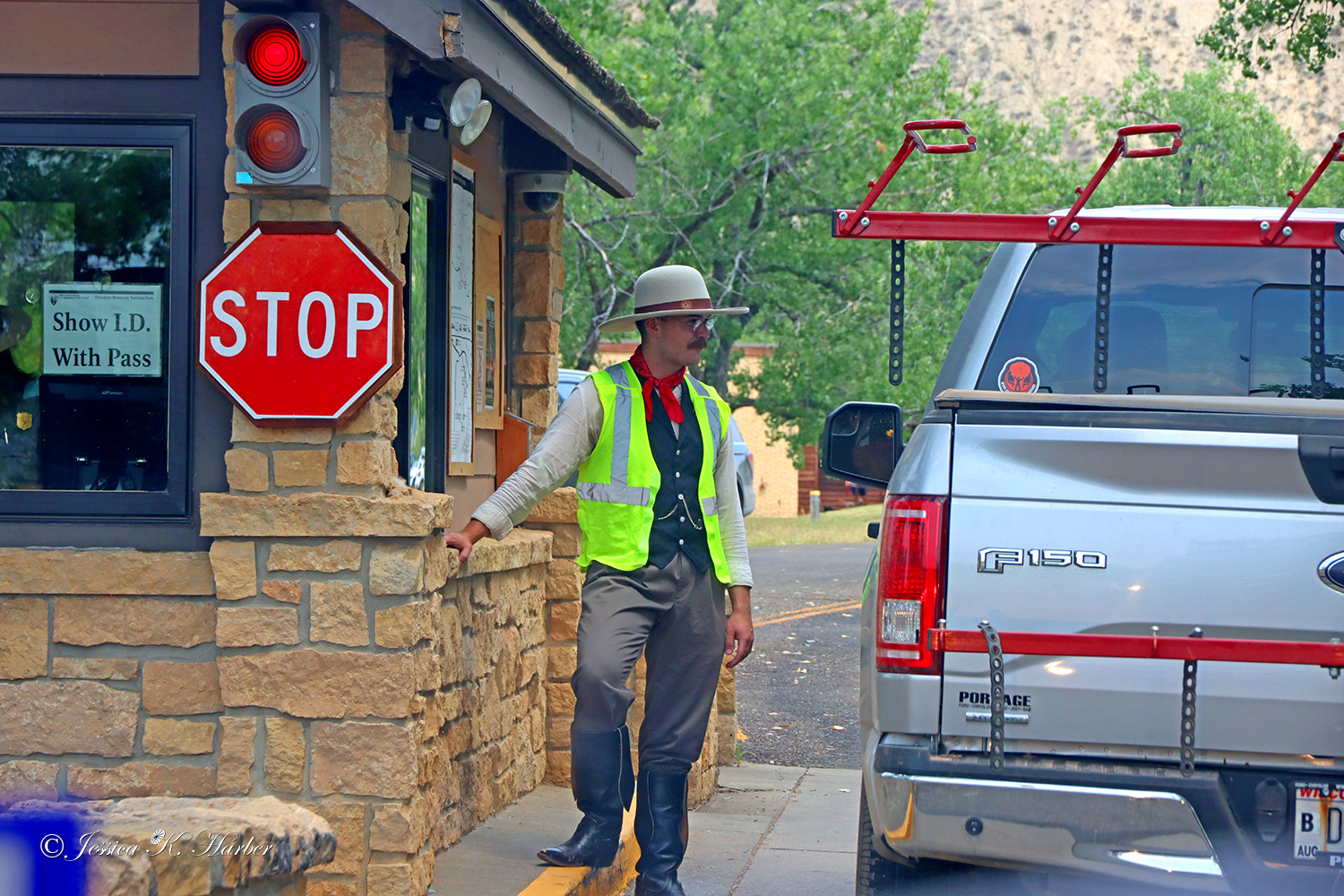
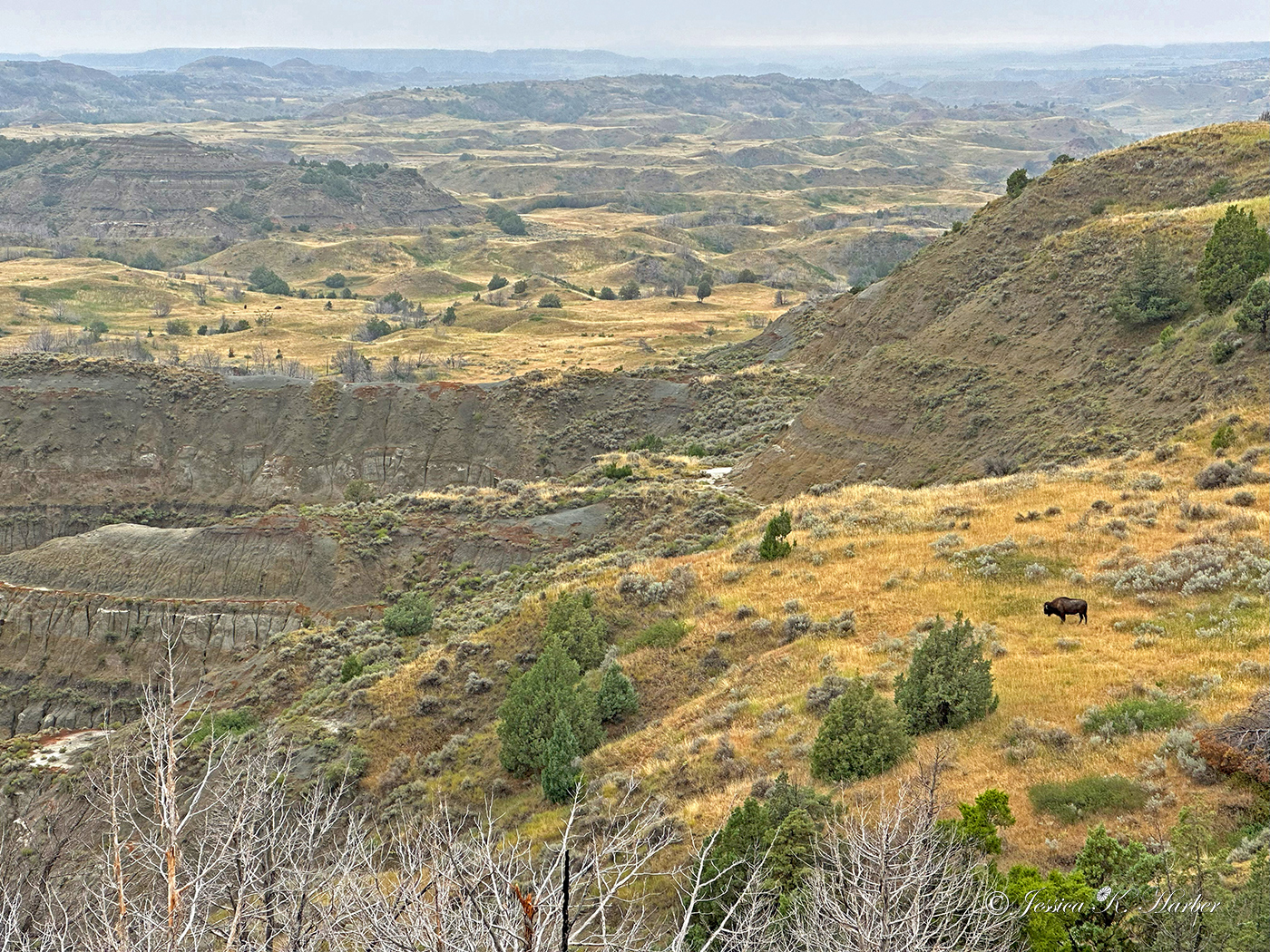
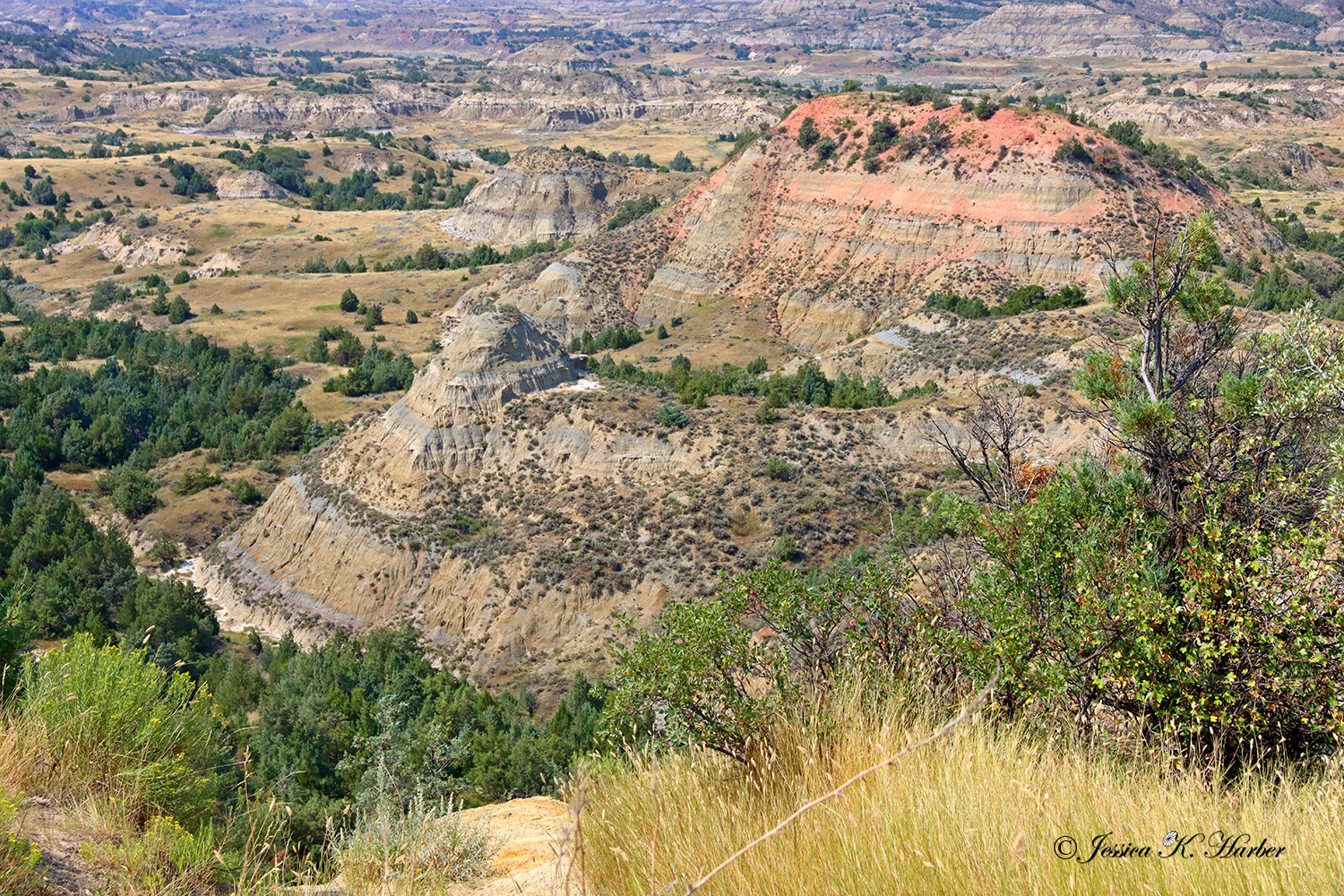
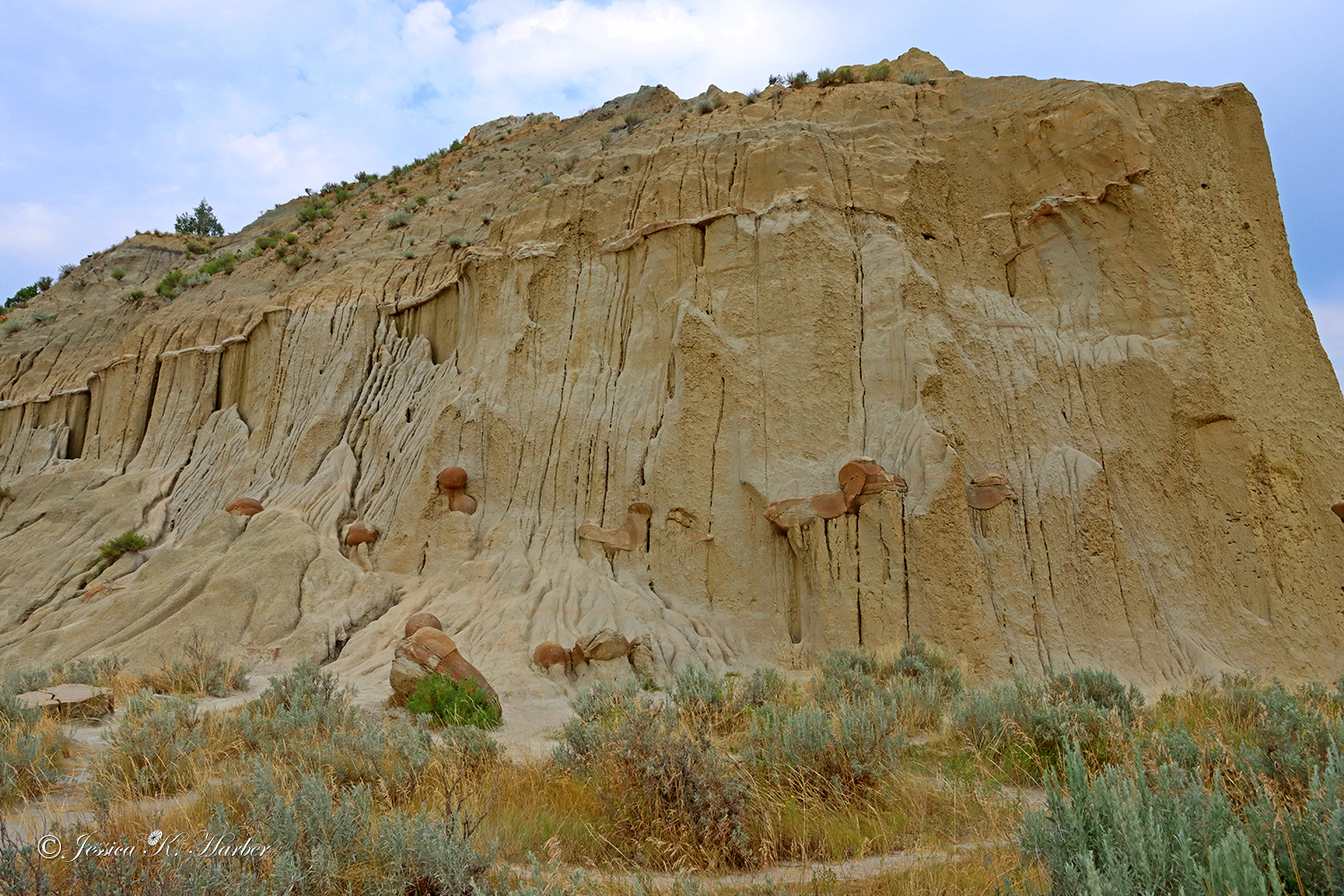
I was excited to visit the Theodore Roosevelt Park as I’m a bit of a Teddy fan. Not politically but personally — and because of his conservation efforts and support of National Parks. Even if folks are not in his fan club, I would think most people would find him interesting, at least. He led a varied and fascinating life. From NPS site: “President – Colonel – Rough Rider – Father – Naturalist – Rancher – Theodore Roosevelt was all of these things and more. His life was one of constant challenge and adventure. “

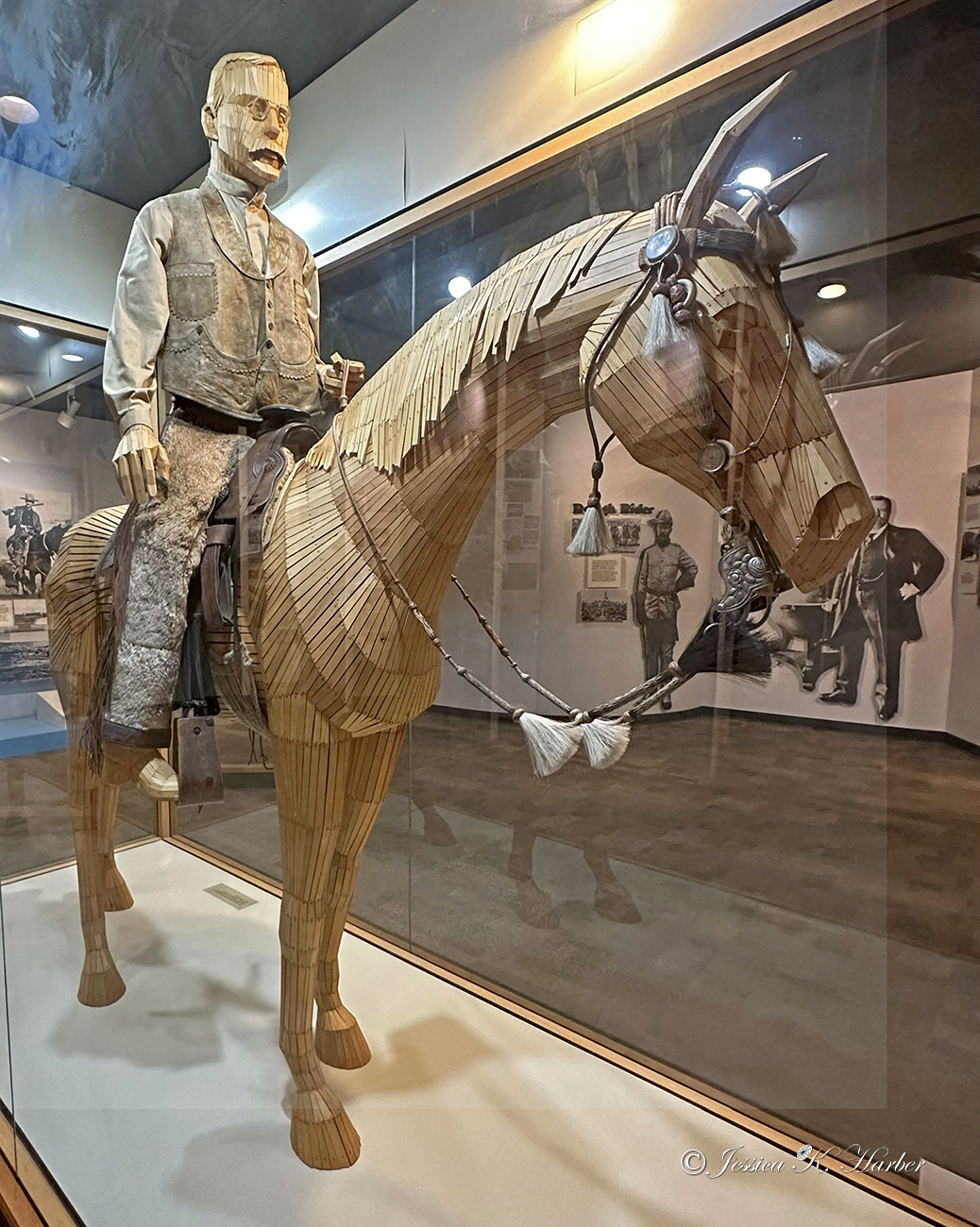
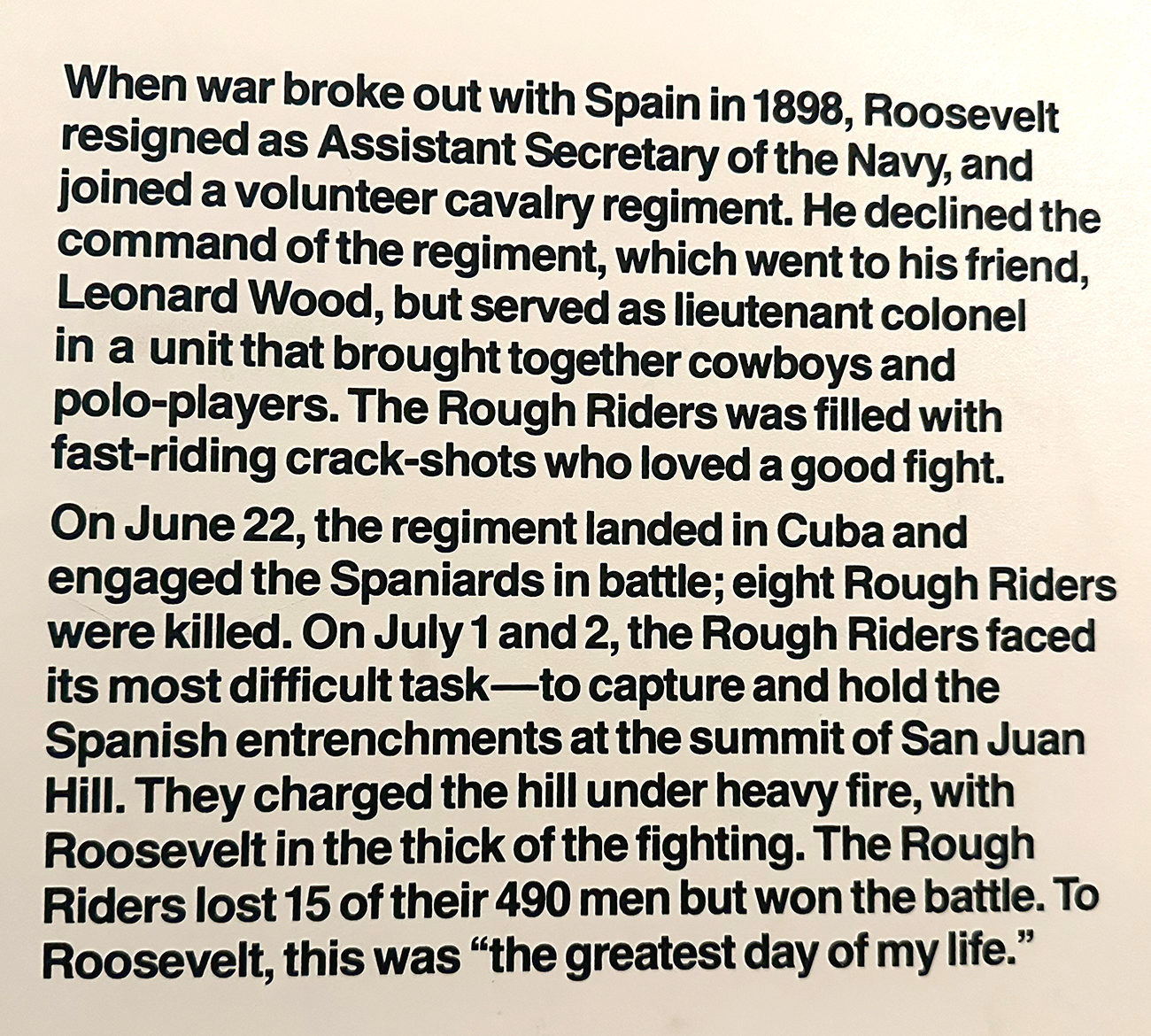
The Park has both a south and north unit. The visitor’s center at the south unit had a lot of good historical information and exhibits.

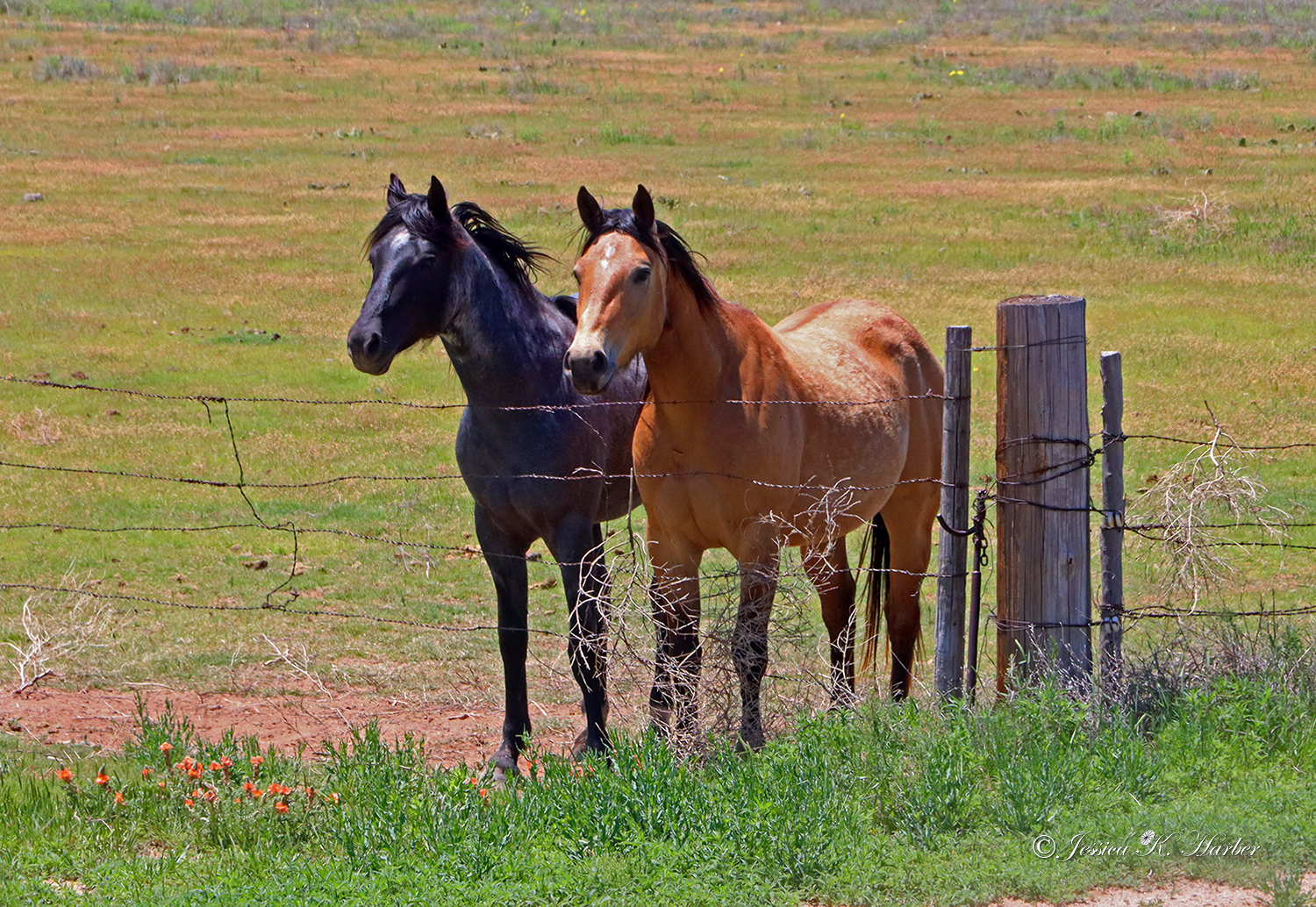
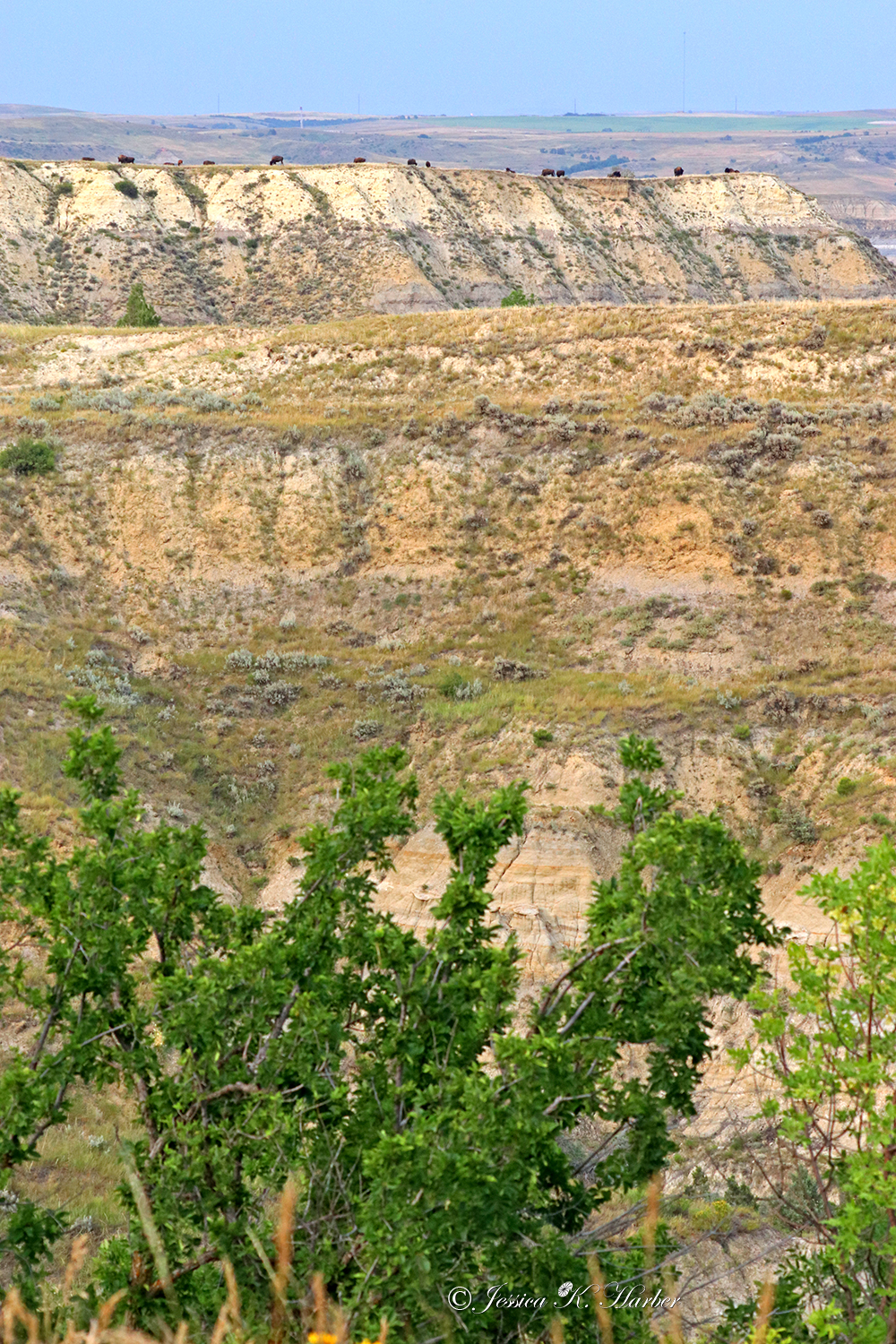
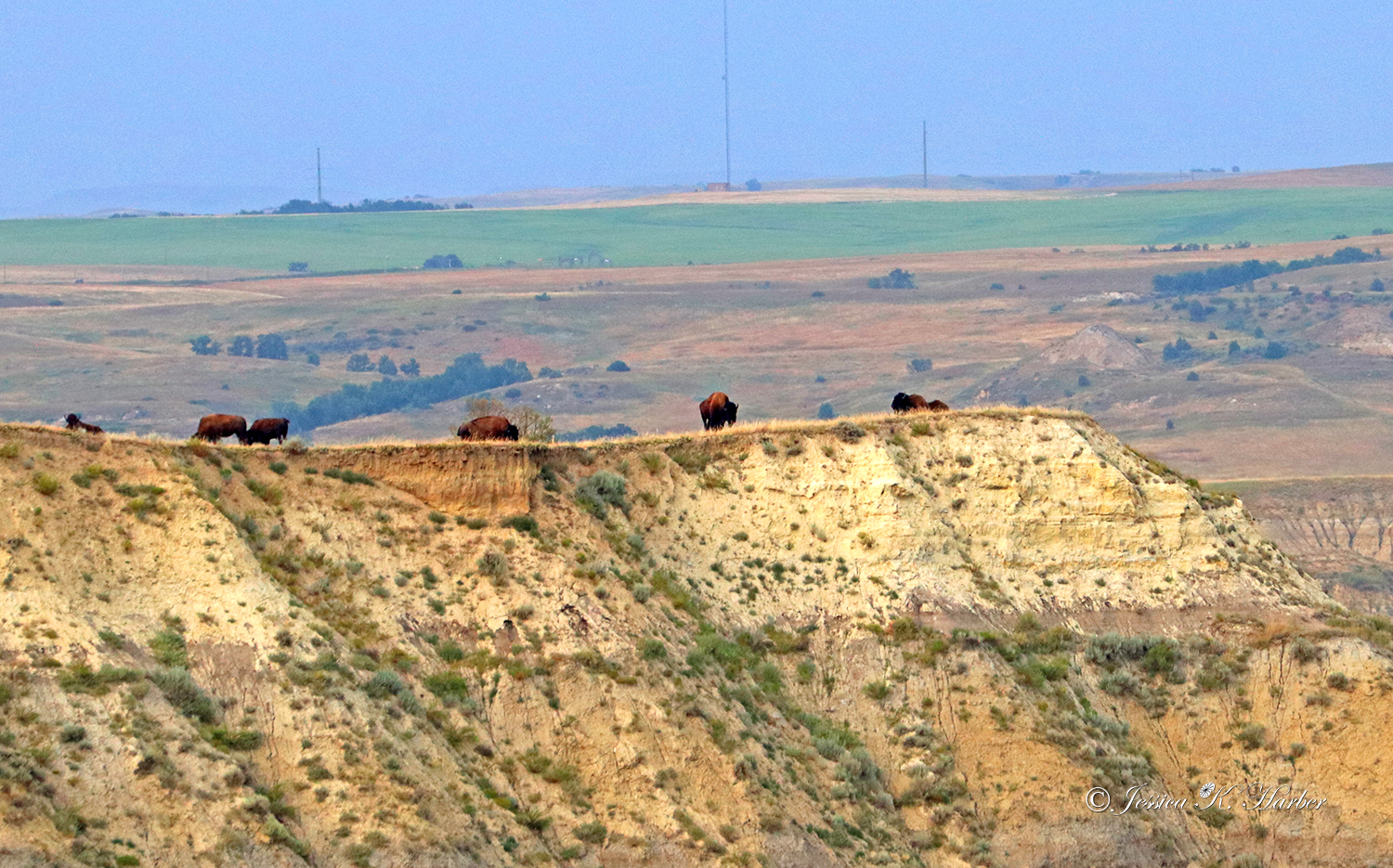
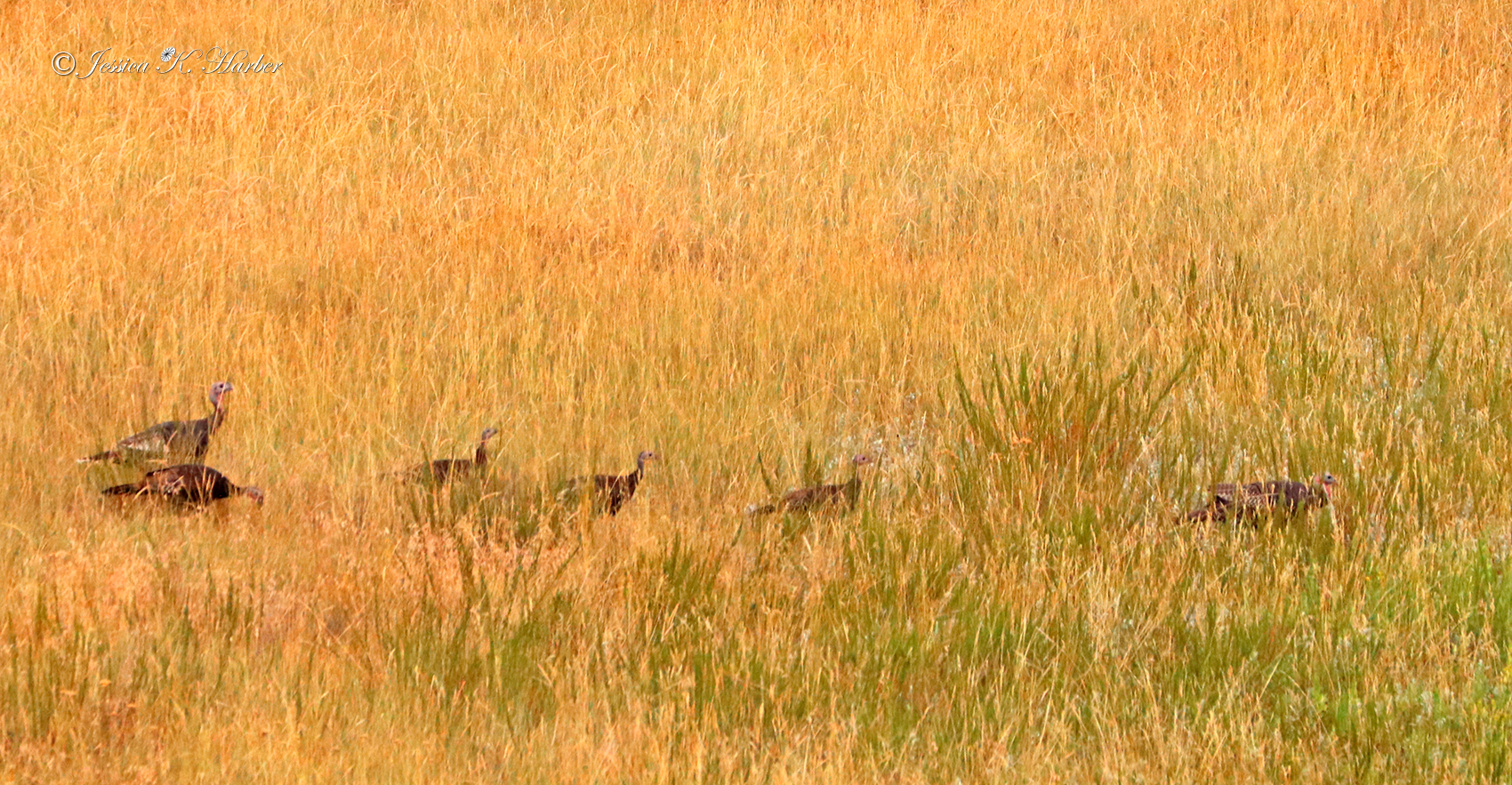
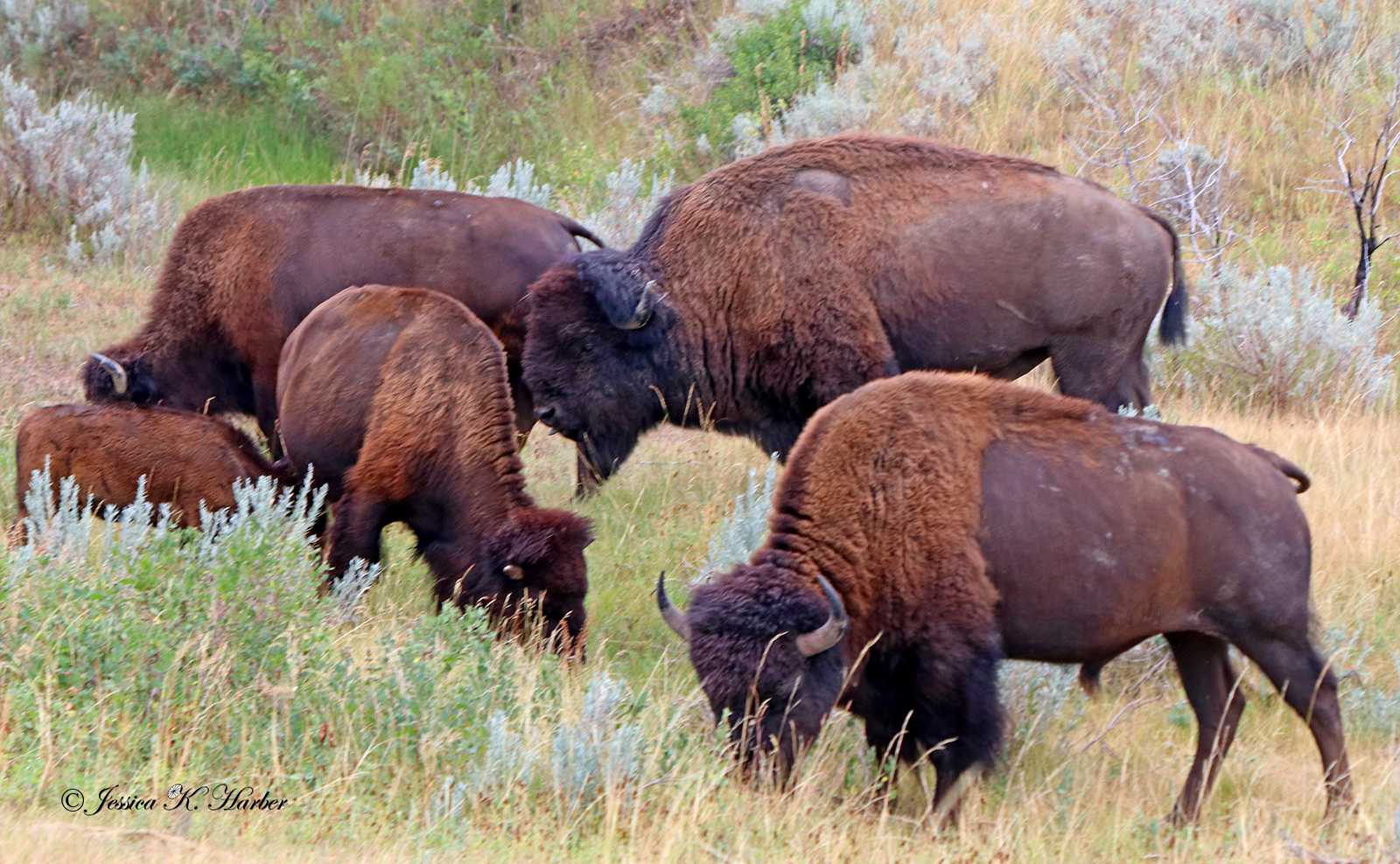
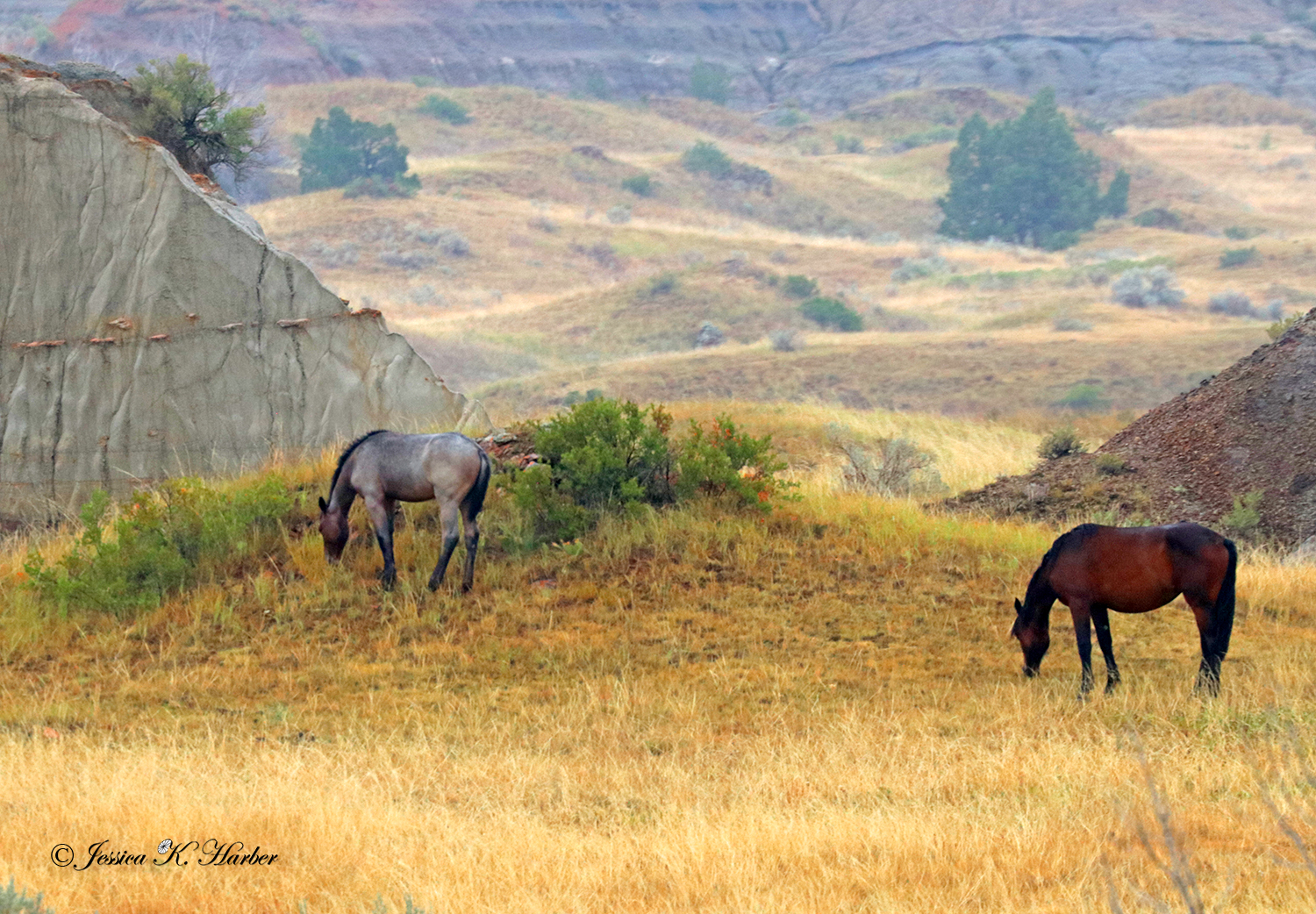
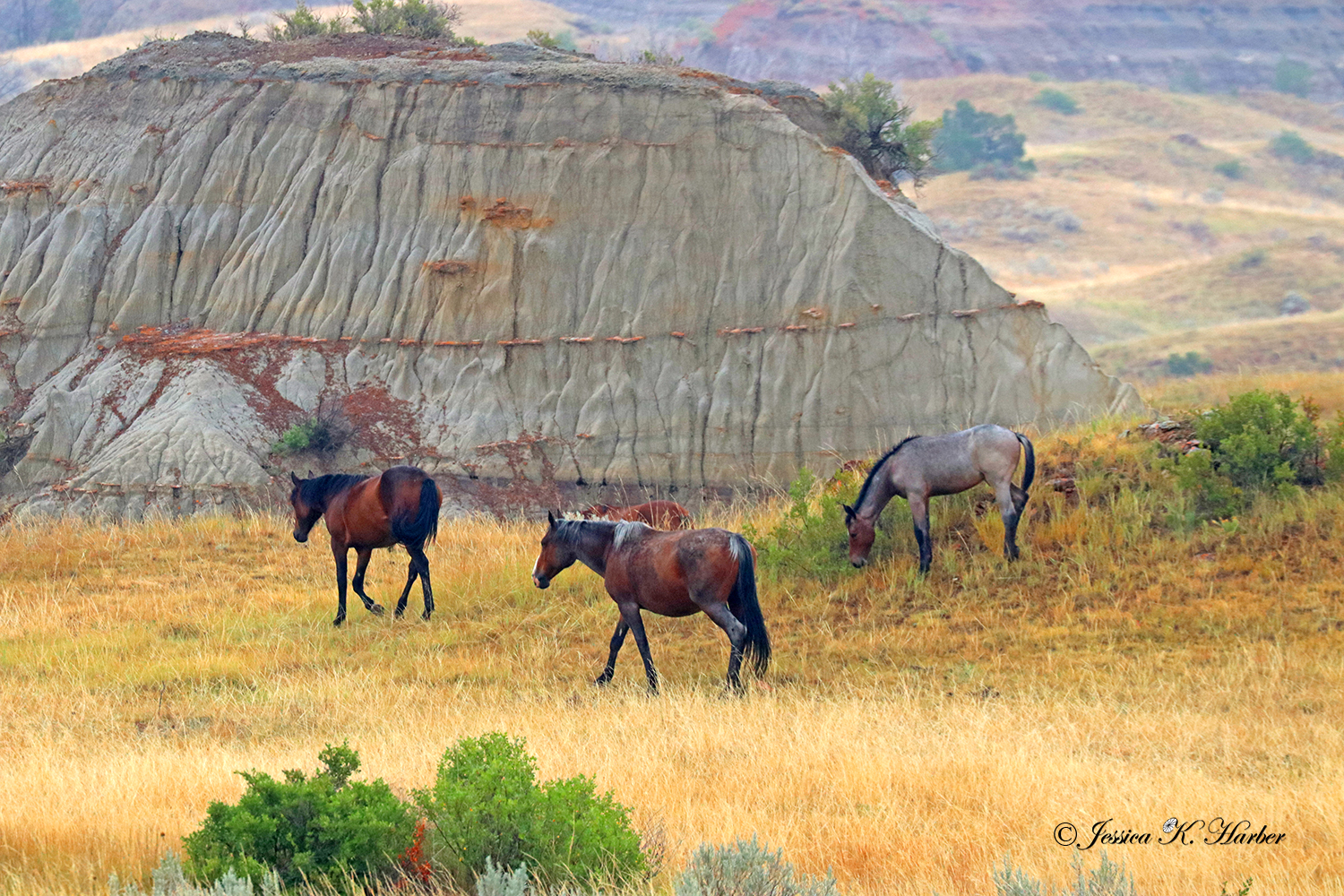
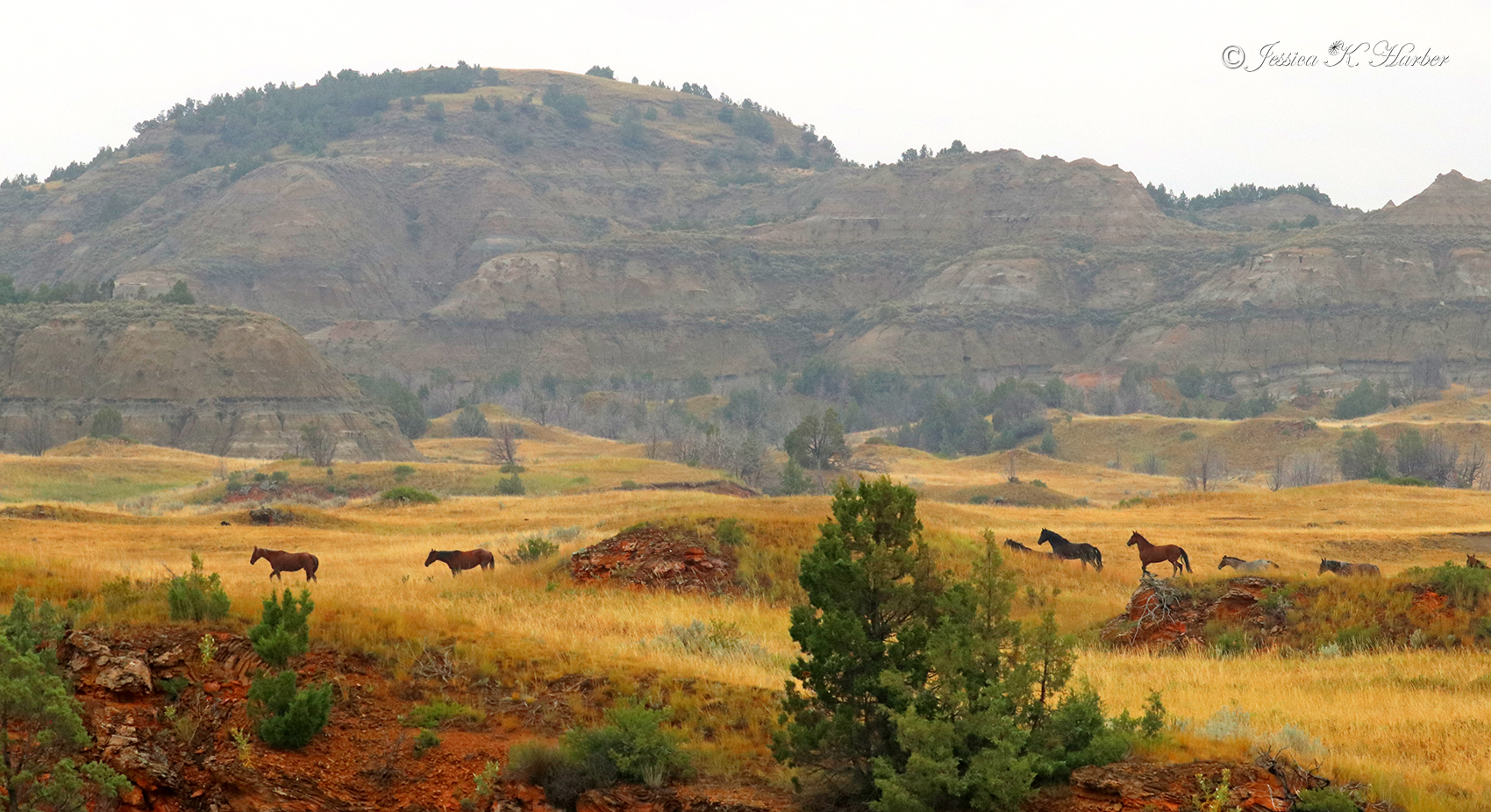
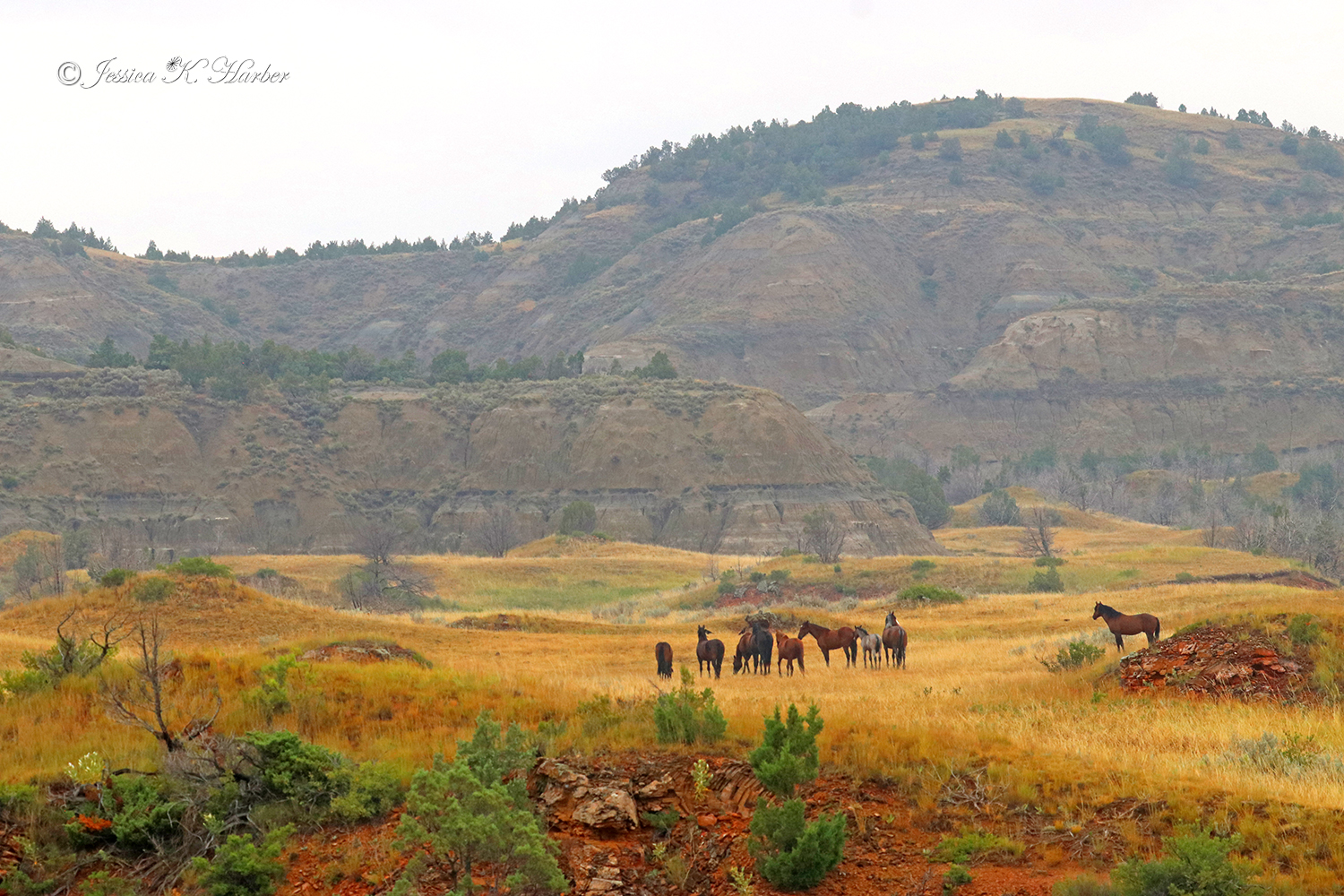
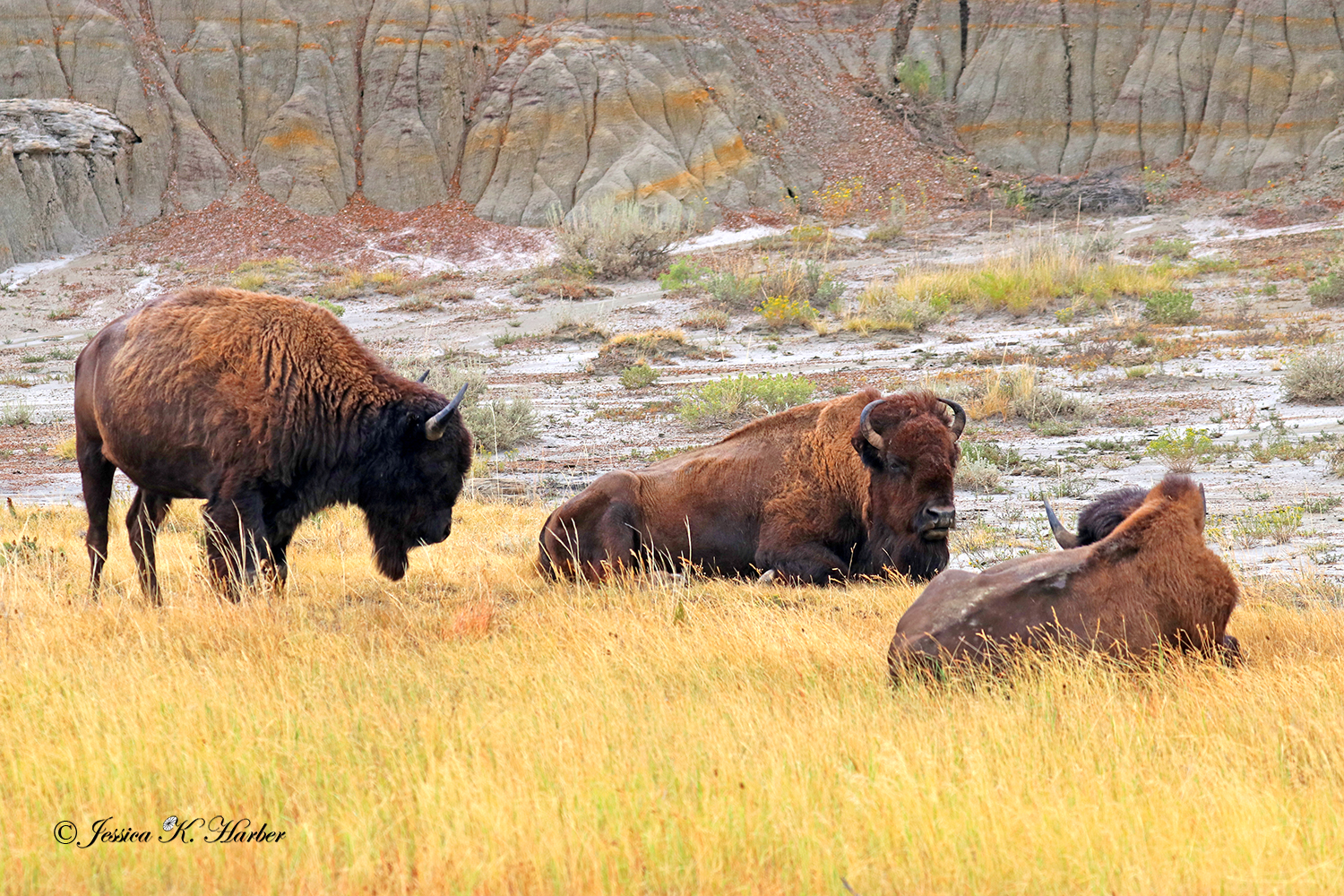
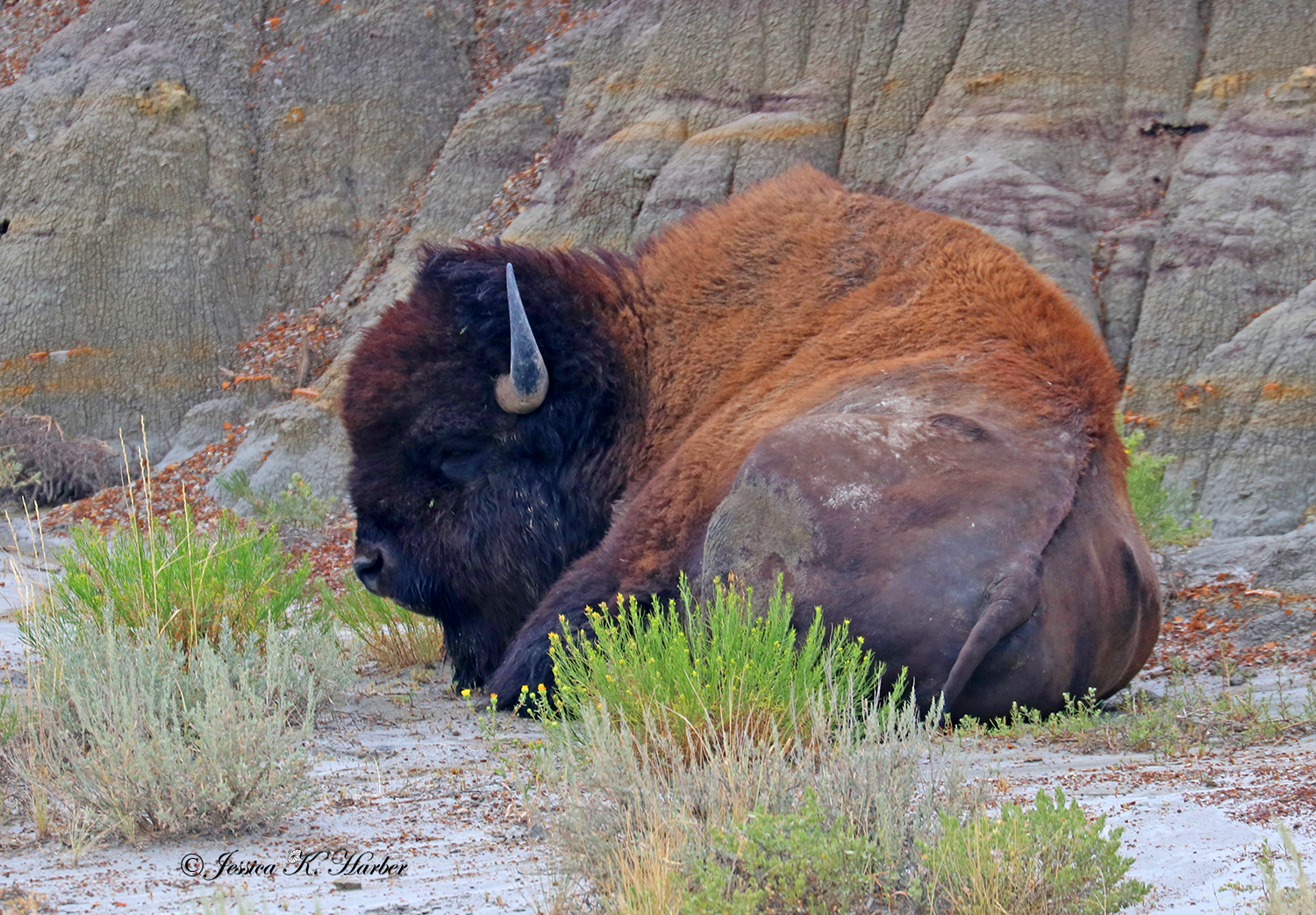
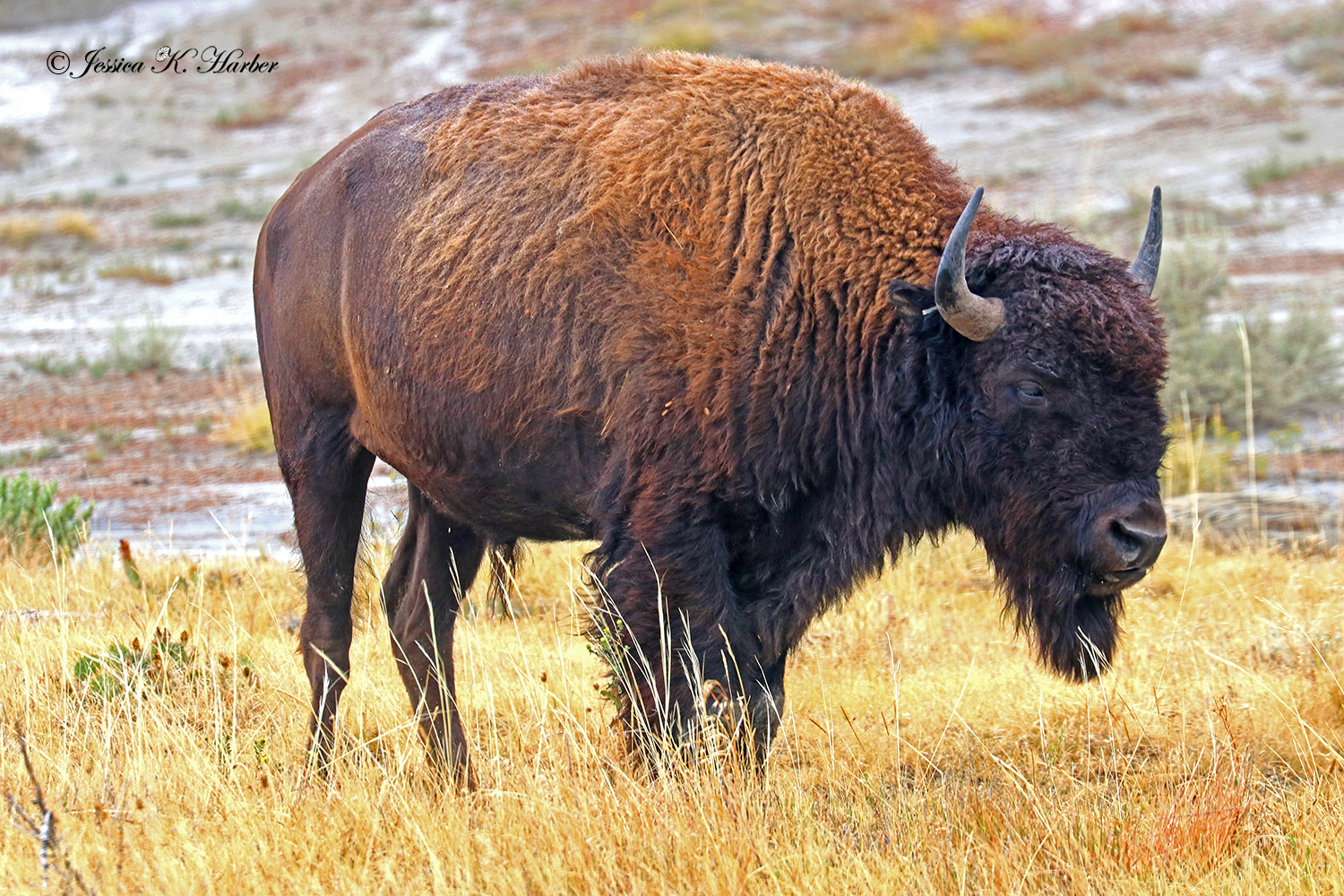
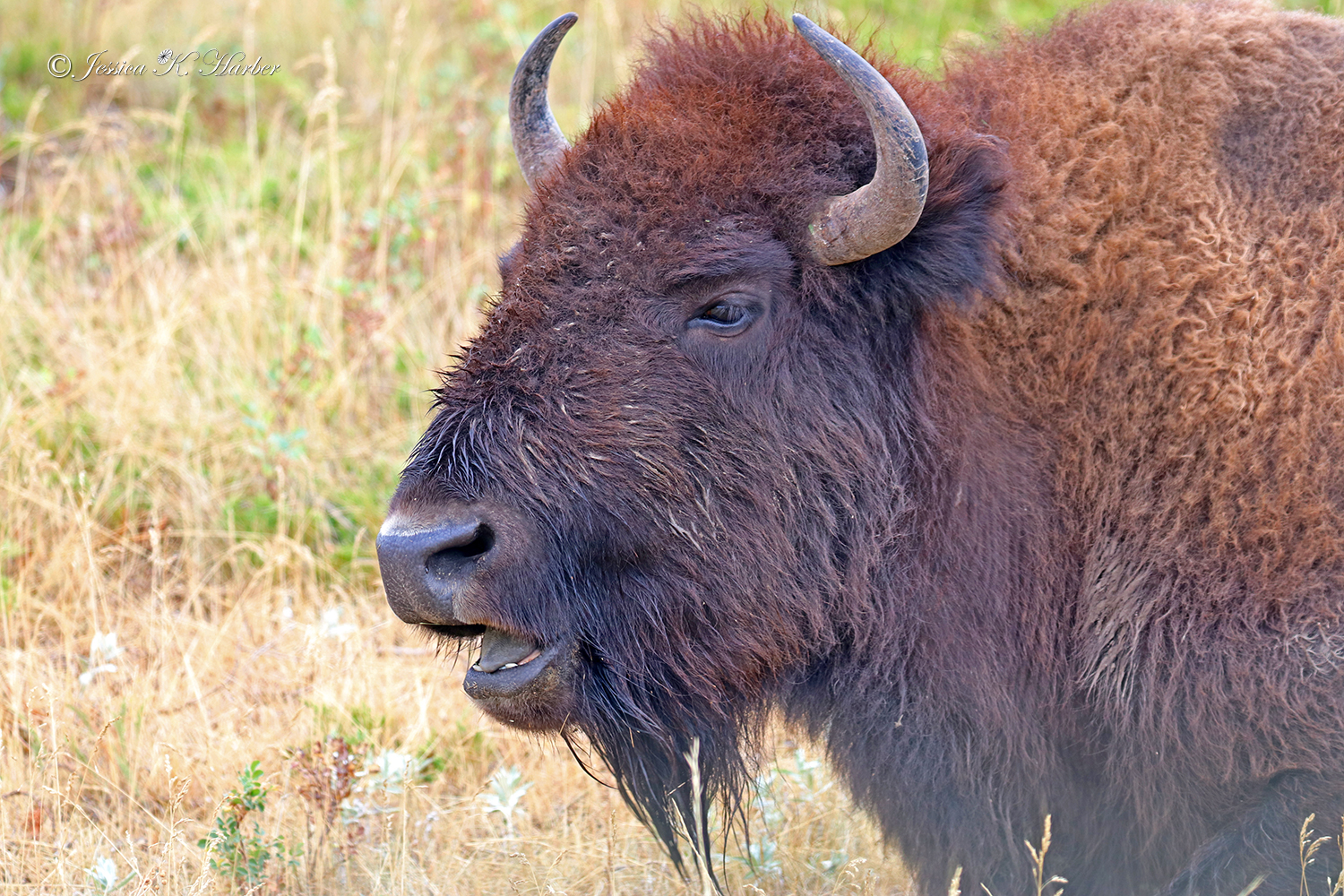
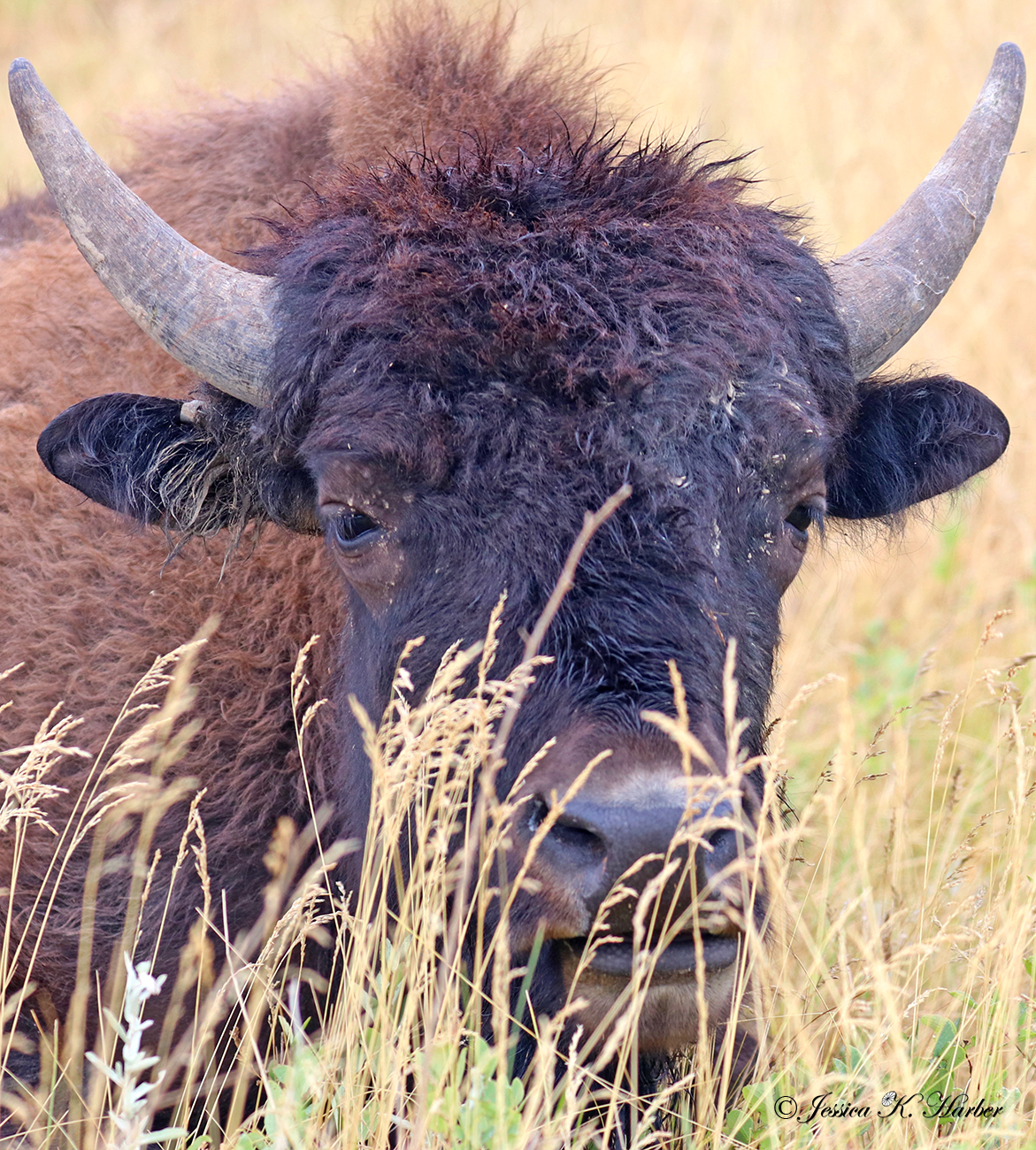
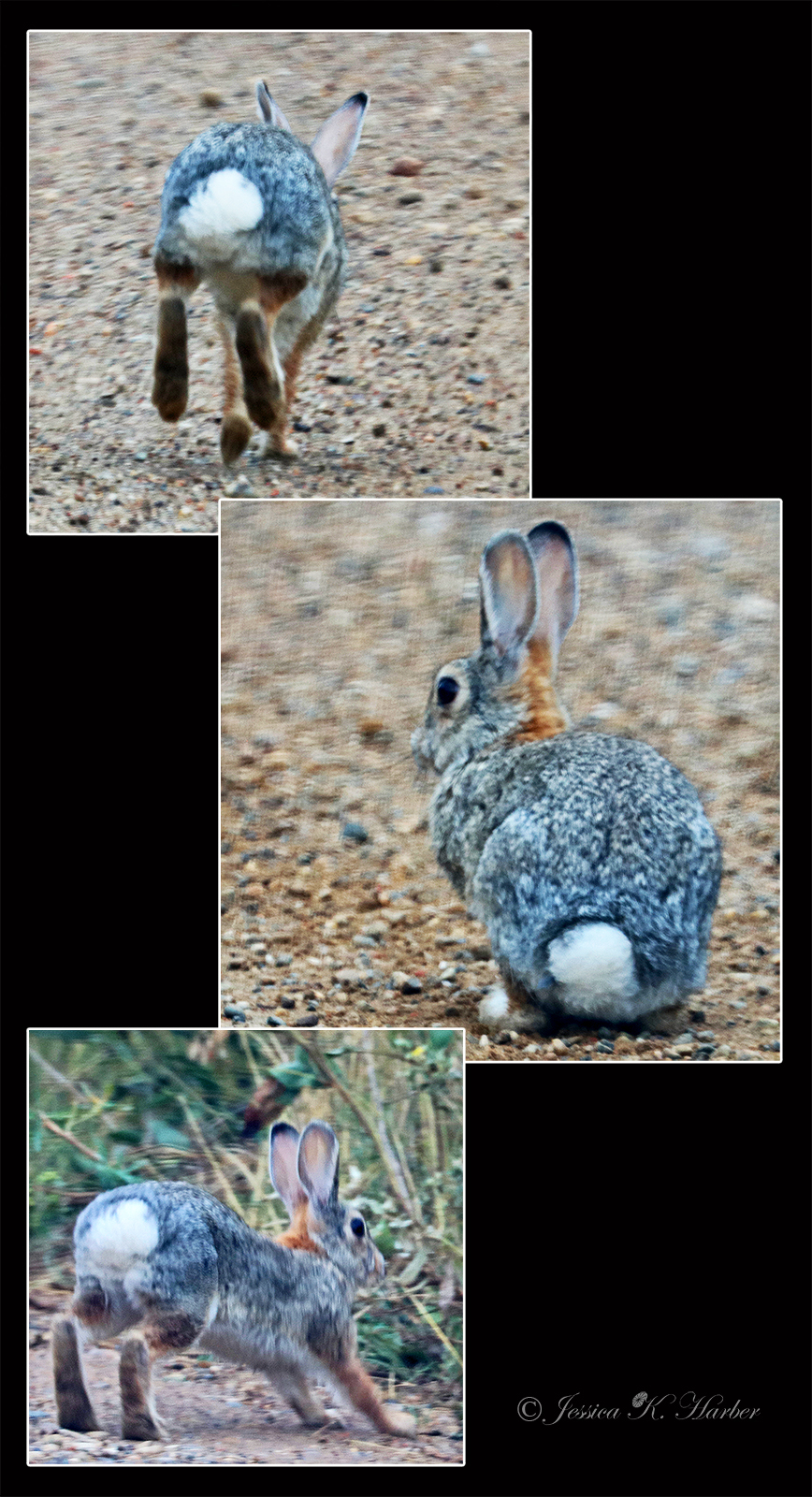
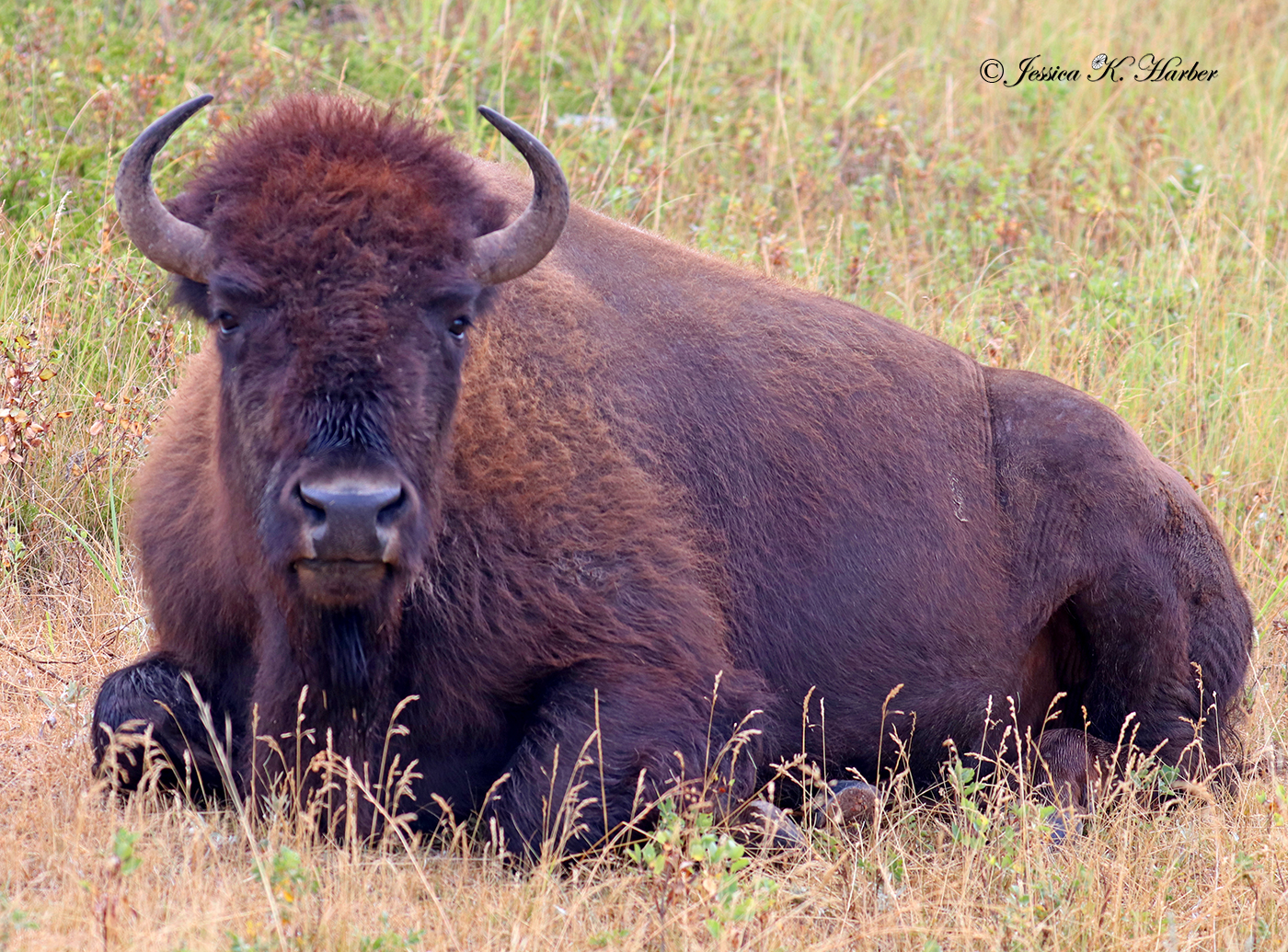
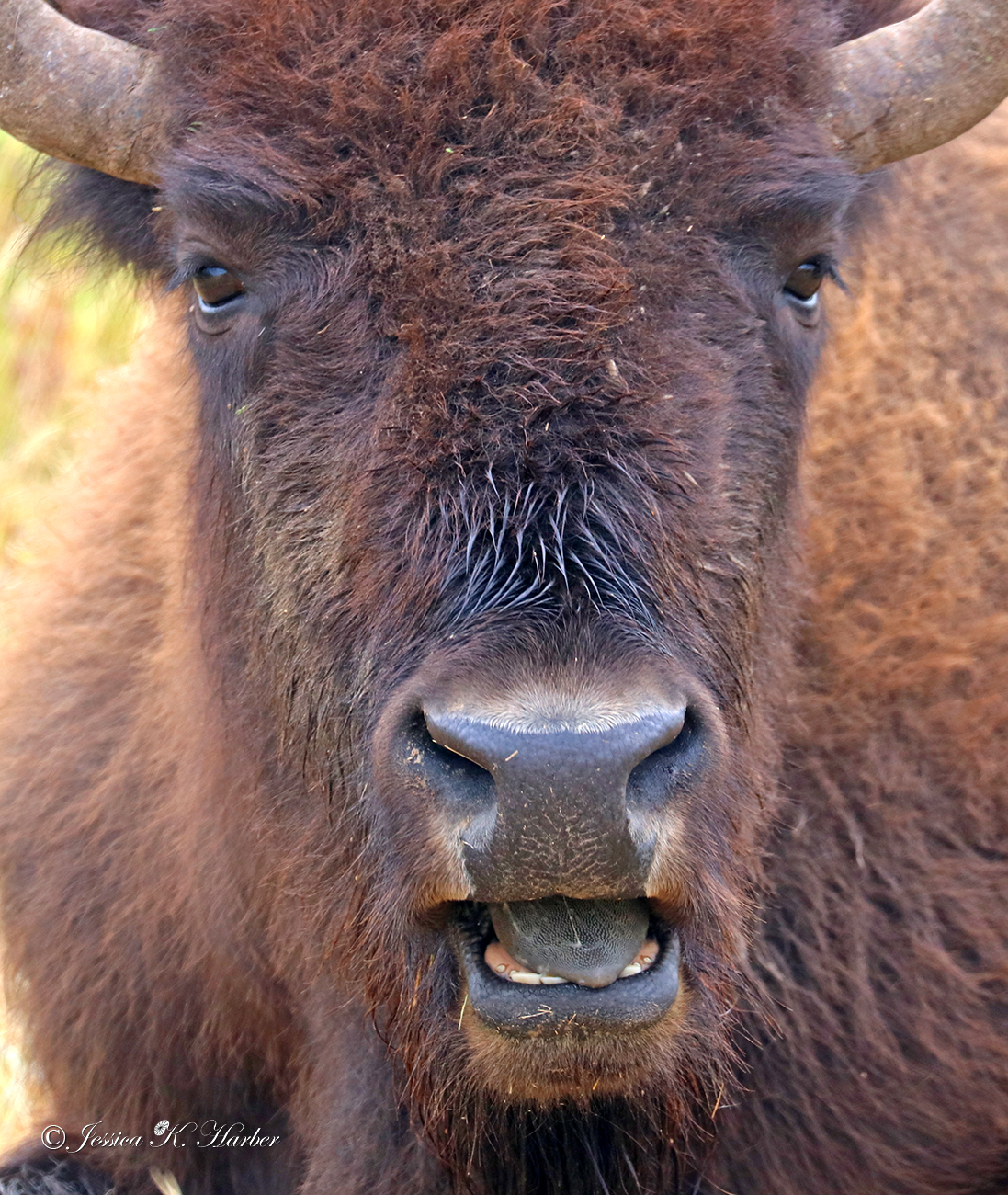
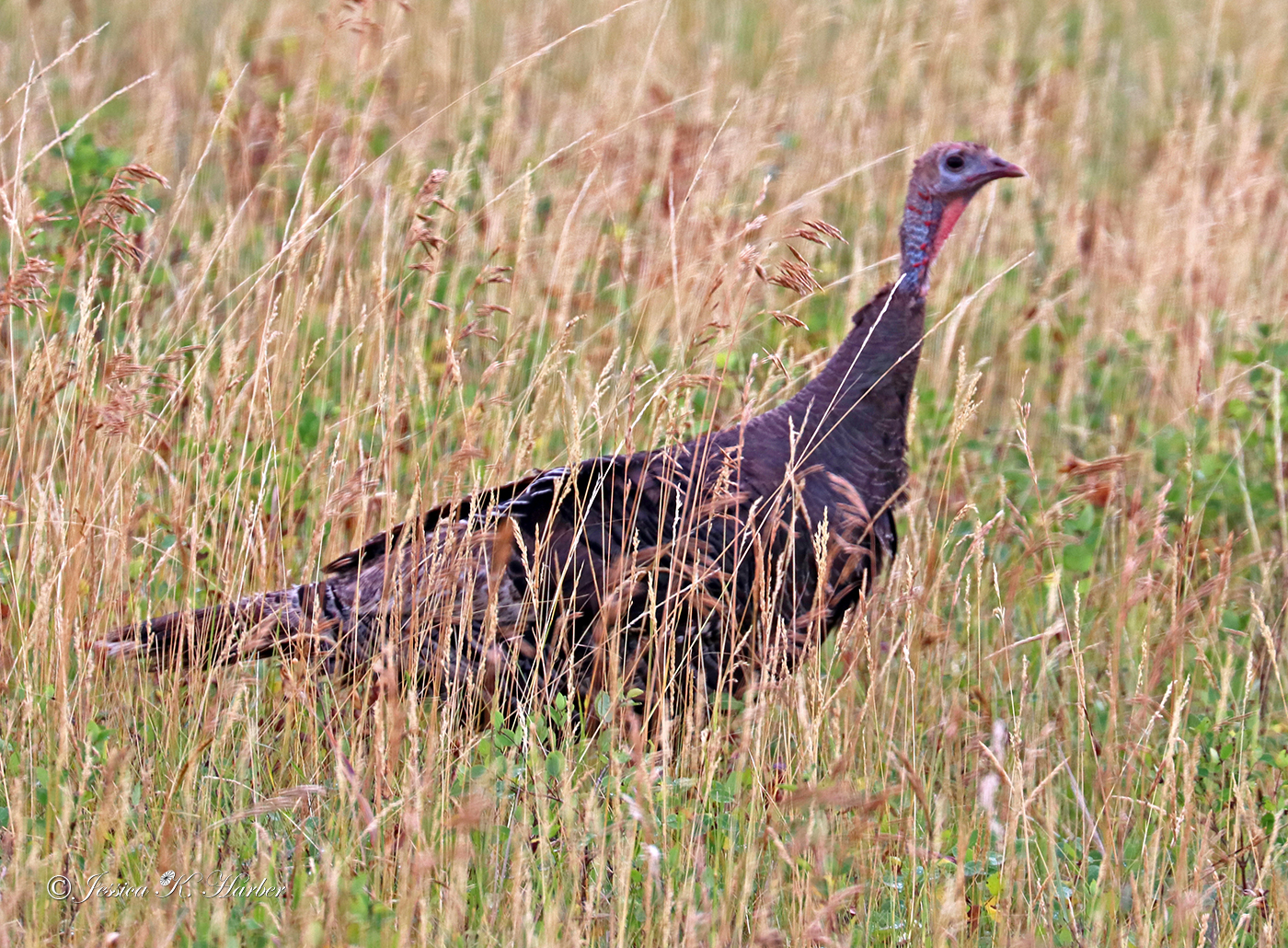
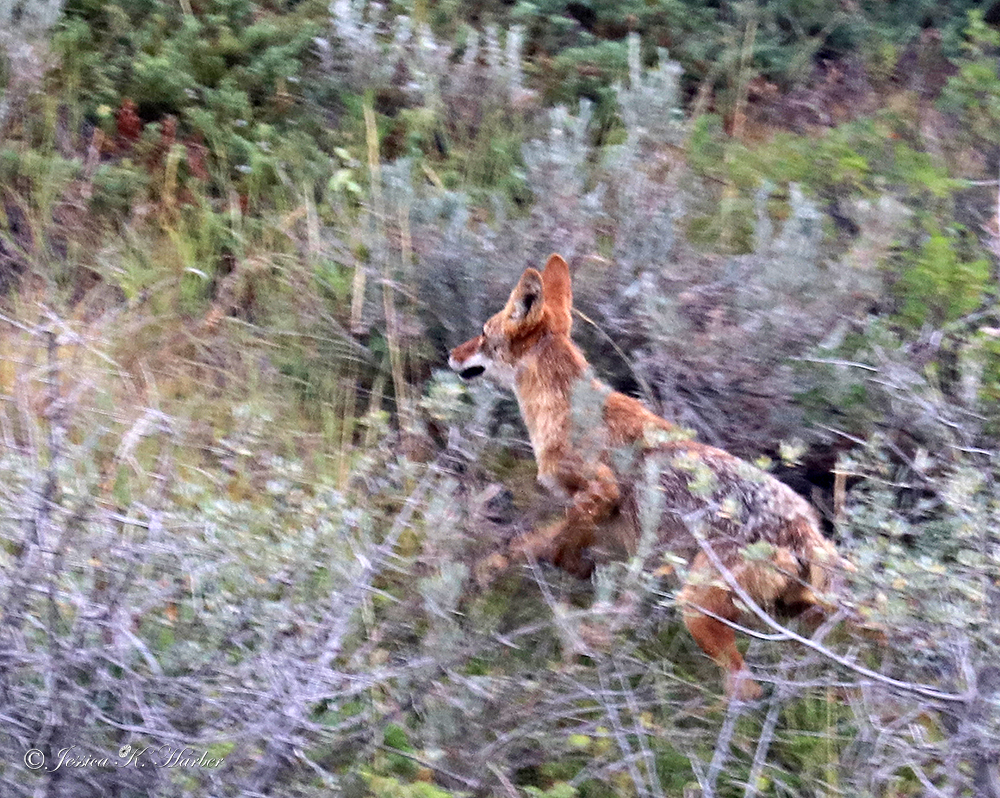
I was also interested in the Park because, before I came out on the road, I had heard of the abundance of wild horses found here. I saw some but had hoped for more. On my next visit, I plan to do more research on when and where to find them. There was a good bit of other wildlife which I always enjoy.

Despite the lack of horse sightings, this Park was a highlight for me.

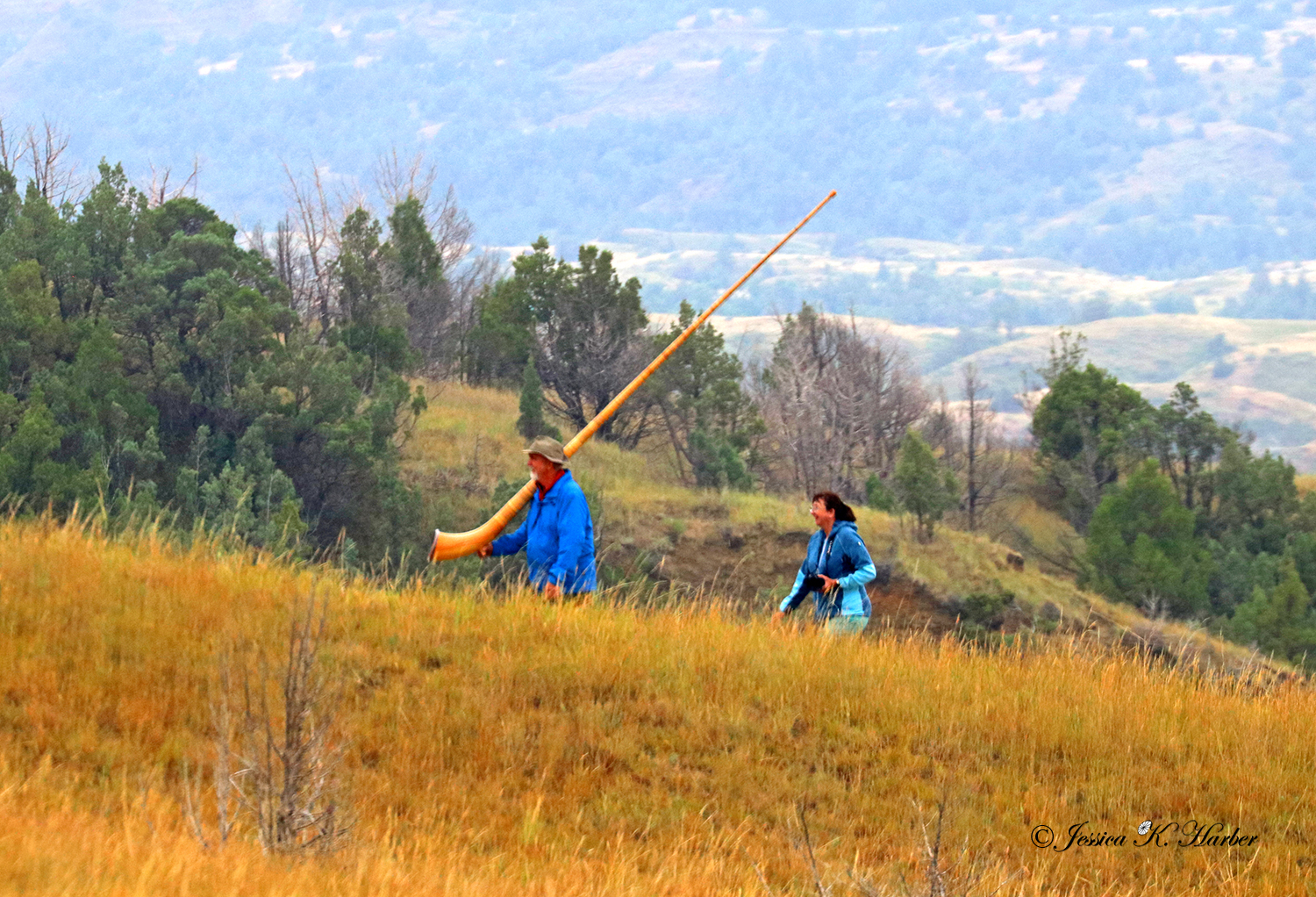
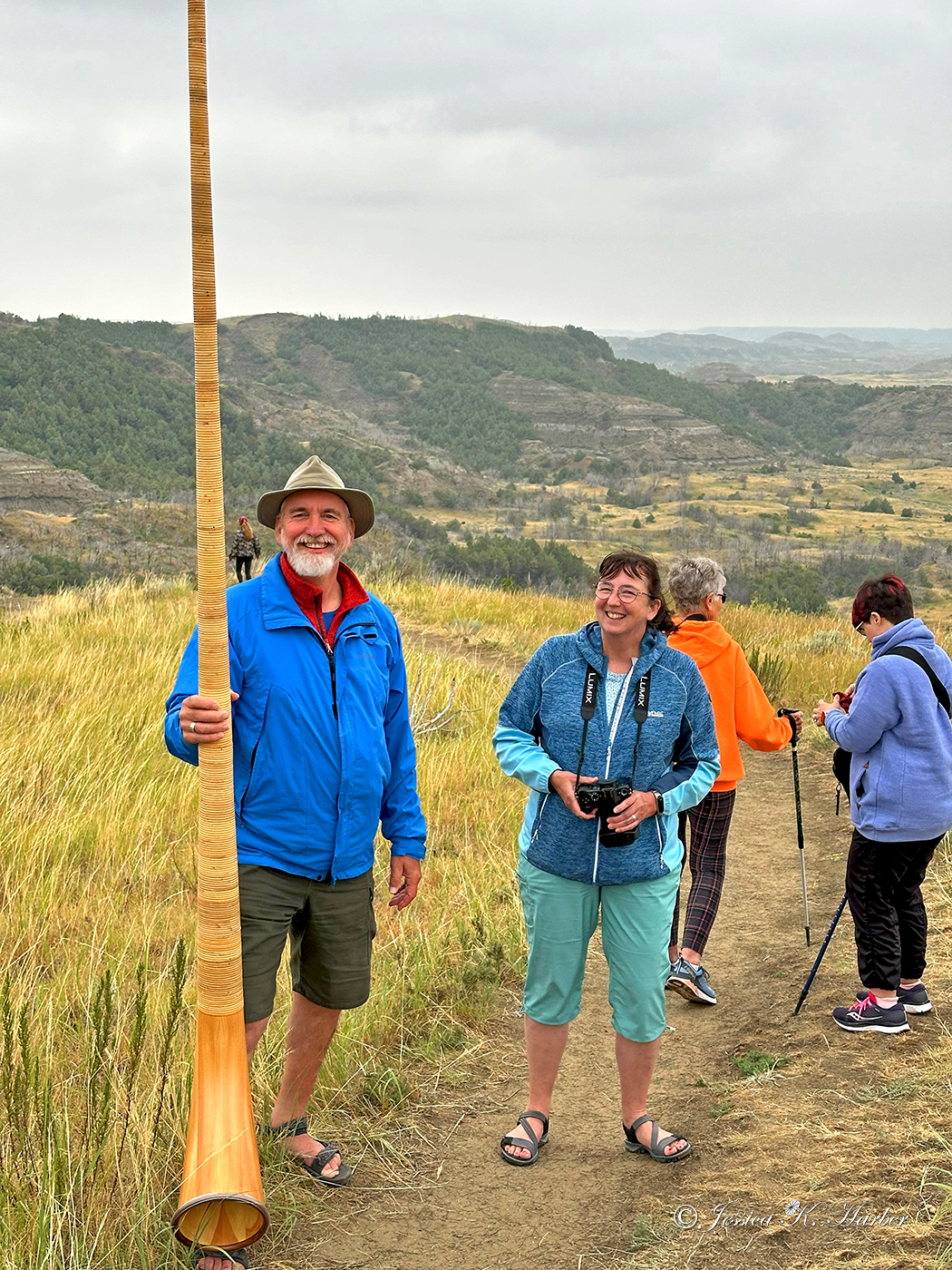
(See photo captions for more info).